Safer to check

You know it's "buck naked", right? Check how you use these expressions


Published on April 23, 2026

Image: Glen Carrie

Let’s see… Are you the friend who constantly corrects other people's vocabulary and grammar? Or are you the one on the receiving end of corrections? The truth is that we have probably all been both. This time, let this article be the one clarifying the correct use of each of these common expressions. And, if it turns out you’ve been using one wrong for years… we won’t tell anyone.

1

Peak my interest

Image: Eugene Ga

Correct use: Pique my interest

The correct verb here is pique, which comes from French and means to stimulate or arouse curiosity. When something "pique[s] your interest," it sparks it.

"Peak" refers to the top of a mountain. Unless your curiosity is climbing Everest, that spelling doesn’t belong here.

2

Giving leadway

Image: Khyta

Correct use: Giving leeway

The correct word is "leeway," meaning extra space, freedom, or margin for error. It comes from nautical language, referring to the sideways drift of a ship caused by wind.

"Leadway" does sound plausible, especially since "lead" can imply movement, but historically and etymologically, it’s leeway.

3

Statue of limitations

Image: Claire Satera

Correct use: Statute of limitations

A statute is a law. A statue is made of marble or bronze. It does make you wonder what people who use the incorrect version believe they are saying.

4

Buck naked

Image: Kenny Eliason

Correct use: Buck naked

While "butt naked" is very common in American speech, the earlier and historically supported form is buck naked, meaning completely unclothed.

Its use dates back to at least the early 1900s, some four decades before "butt naked" appeared in the late 1960s. One theory links a person’s smooth, naked skin to that of a buck, meaning a male deer.

5

Nerve-wracking

Image: Federico Lancellotti

Correct use: Nerve-racking

The original form is nerve-racking, from the verb "to rack," meaning to strain or torture, like on a medieval rack.

"Wreck" slipped in later because it sounds similar, but historically, the expression refers to nerves being strained, not destroyed.

6

Old wise tale

Image: Danika Perkinson

Correct use: Old wives’ tale

The correct phrase dates back centuries and refers to traditional folklore or superstition passed down informally. "Wise" makes it sound flattering, but the original expression wasn’t meant as a compliment.

7

On tender hooks

Image: Ian

Correct use: On tenterhooks

A tenterhook was a hook used to stretch cloth on a frame called a tenter. Being "on tenterhooks" meant being stretched tight, which evolved into feeling anxious or in suspense. It has nothing to do with tenderness, so watch your pronunciation.

8

Off your own back

Image: Kelsey He

Correct use: Off your own bat

The phrase comes from cricket. To do something "off your own bat" means you did it on your own initiative. Over time, "bat" became "back," which sounds logical but loses the sports origin.

9

White as a sheep

Image: J. Schiemann

Correct use: White as a sheet

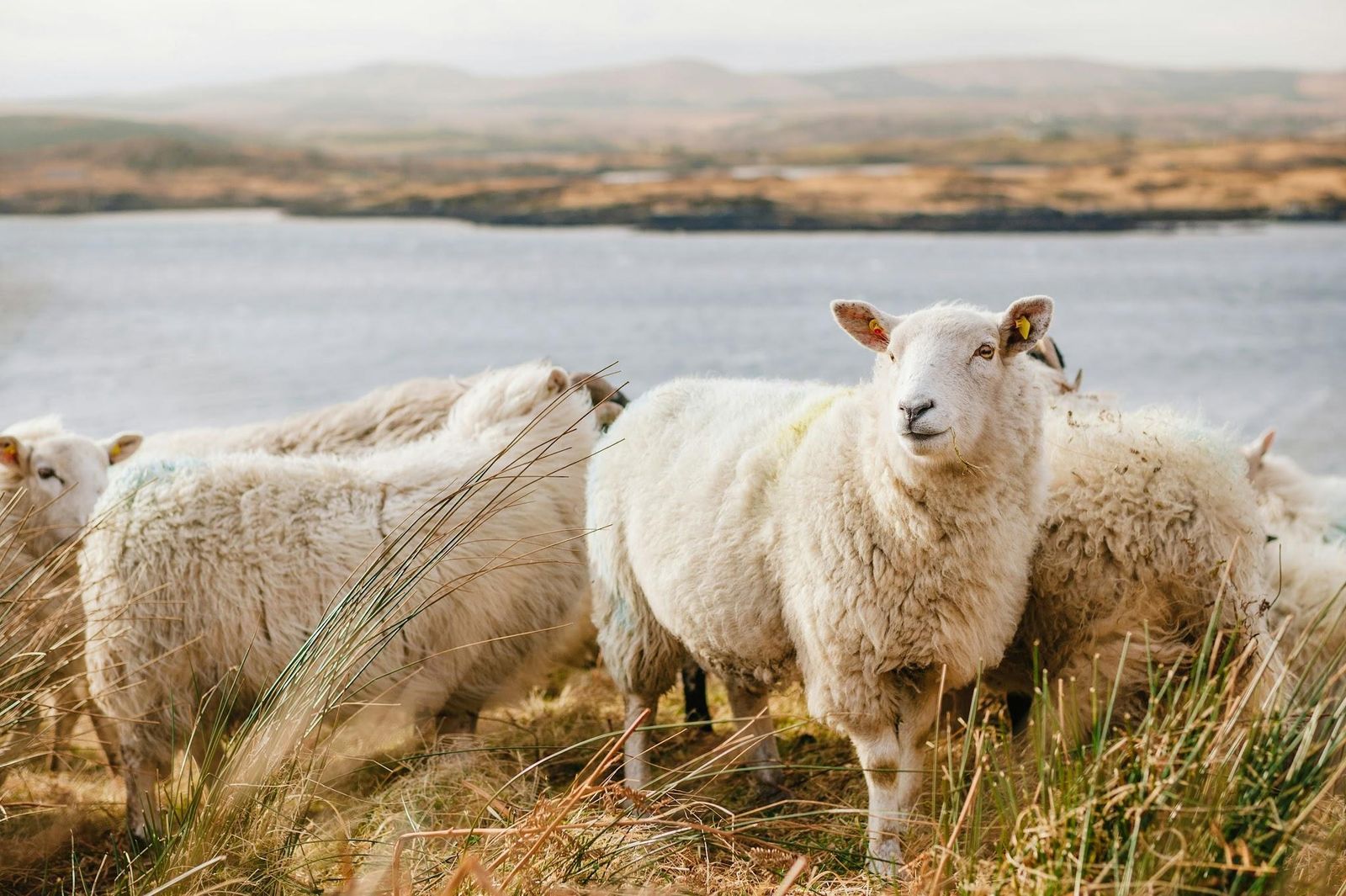
When someone looks pale, we say they’re "white as a sheet." Technically, you could still say you went white as a sheep, but you’d be referring to a darker, less uniformly white shade.

10

Tow the line

Image: Alejandro Barba

Correct use: Toe the line

This saying came originally from athletics, where runners literally placed their toes on the starting line. It means to conform or follow rules. Nothing is being towed… And how could you tow a line, anyway?

11

Beckon call

Image: Gastro Editorial

Correct use: Beck and call

The phrase dates back to the 1800s and means being ready to respond instantly to someone’s signal or command. "Beckon" feels logical, and it’s very close, but historically it’s "beck."



Deep roots

11 everyday words with indigenous roots


Published on April 23, 2026


Image: Zoshua Colah

English is a very welcoming language in the sense that it incorporates terms from many other languages from all over the world. And, as it couldn’t be otherwise, Native American languages have lent many of their words and terms to English speakers. Some traveled through Spanish or French before settling into English, and others arrived directly through early contact and trade, helping shape the way we speak today. Did you know about these 11 terms?

1

Canoe

Image: Michael Niessl

The word "canoe" comes from the Taino term canoa, which was first used by Caribbean islanders long before Europeans arrived. Early explorers adopted it to describe the slim, sturdy boats they saw.

Over time, "canoe" became the standard English word for a small paddled craft. Today it still carries that sense of simplicity and closeness to nature.

2

Barbecue

Image: Philipp Kämmerer

The word "barbecue" comes from barbacoa, another Taino term for a wooden frame used for cooking meat over fire. Europeans adopted it and applied it to both the method and the gathering itself.

Today, "barbecue" means everything from a backyard cookout to a regional cooking style. Its origins highlight the deep culinary influence of Native Americans in the nation's current culture.

3

Skunk

Image: Elisa Stone

"Skunk" comes from the Algonquian word squnk, which means "urinating fox" (quite a fitting term, indeed). This was an obvious reference to the animal’s strong defensive spray. Early settlers adopted the term directly.

Since English had no better name for the creature, the Native word stuck. Today, the word skunks is also used as playful slang.

4

Moose

Image: Shivam Kumar

The word "moose" originates from Eastern Abenaki, a part of the Algonquian family, where it meant "he strips off bark." Yes, it described the animal’s habit of tearing bark from trees.

The name entered English quickly because settlers relied on Native knowledge of local fauna. The word remains unchanged because of its accuracy and usefulness.

5

Raccoon

Image: Gary Bendig

"Raccoon" comes from the Powhatan word arakun, meaning "he scratches with his hands." It described the animal’s clever, humanlike front paws.

Settlers adopted the term because it captured the creature’s behavior beautifully. Today, the raccoon is used as a household symbol of curiosity, not unlike the animal itself.

6

Chipmunk

Image: Annegret Kammer

The term "chipmunk" most probably comes from the Ojibwe word ajidamoo, which means "one who descends trees headfirst." Early English settlers adapted the sound into today’s form.

Though the spelling changed over time, the lively image of a chipmunk racing down a tree face-first stayed.

7

Caribou

Image: JD-Photos

The word "caribou" comes from the Mi’kmaq term qalipu, which means "snow shoveler," referring to the animal’s habit of digging through snow for food.

French settlers brought the word into English, keeping its descriptive nature. The name still connects the modern animal to the winter landscapes it belongs to.

8

Totem

Image: Stéfano Girardelli

"Totem" comes from the Ojibwe word ototeman, which means "kinship group." It described symbols representing clans and shared roots.

English adopted it to describe carved poles and symbolic elements. Though broader in modern usage, it still hints at the original sense of community, identity, and heritage.

9

Coyote

Image: Dylan Ferreira

"Coyote" comes from the Nahuatl word coyōtl, which was used by Indigenous tribes of central Mexico. Spanish speakers adopted it, and English borrowed later.

The word kept its meaning, and it remains one of the most direct links between the English language and Nahuatl.

10

Avocado

Image: Gil Ndjouwou

The tasty avocado’s name traces to the Nahuatl word ahacatl, which refers to the fruit and to a body part as well. Spanish speakers transformed it into aguacate.

Later on, English speakers adapted it to avocado. While the name sounds contemporary and culinary, it has ancient Native roots.

11

Chocolate

Image: amirali mirhashemian

The last Nahuatl word and also the last word on the list comes from the term xocolātl, which describes a bitter cacao drink that was consumed long before Europeans arrived in America. The name traveled from Spanish to English.

Though the product changed dramatically, the word survived. Today, chocolate is a universal symbol of sweetness, with rich and deeply indigenous roots.

Looking for an extra scoop of literary fun?

Learn more with our Word of the day

reluctant

/rəˈləkt(ə)nt/