Follow your dreams

Sleep could kill you faster than hunger — and other wild and dreamy facts


Published on July 13, 2025


Image: Javardh

We do it every night, yet sleep is still one of the most mysterious parts of human life. But thanks to science, we have uncovered some of the strangest truths about what happens when we close our eyes, from sleepwalking to lucid dreaming. Here are 12 weird and wild facts about sleep and dreams, backed by real research.

1

The brain is active while you sleep

Image: Maeghan Smulders

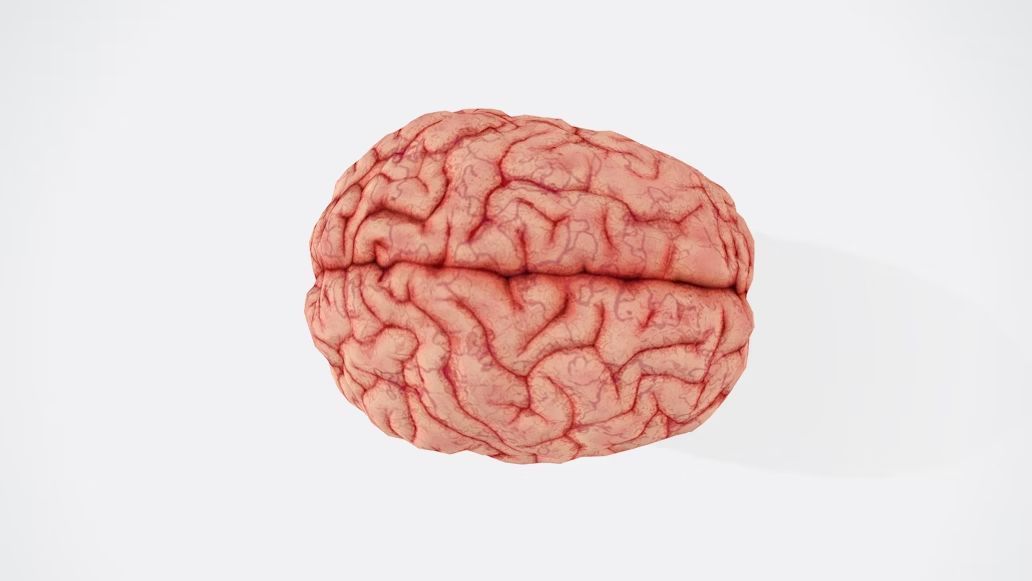
Brain scans show that the brain remains active during sleep, especially during REM cycles. It continues to organize memories, regulate emotions, and solve problems even when you're unconscious.

2

You forget 90% of dreams

Image: Jr Korpa

Within 5 minutes of waking, about half of a dream is forgotten. After 10 minutes, 90% vanishes. Scientists believe dream recall fades quickly because the brain’s memory-forming regions are less active while dreaming. So, next time you have a crazy dream, write it down!

3

"Falling" dreams are very common

Image: Bruce Christianson

Dreams about falling often occur in the first stages of sleep and may coincide with muscle spasms called hypnic jerks. This sudden contraction is believed to be a primal reflex—ironically, an evolutionary adaptation meant to prevent falling while asleep.

4

You only dream about what you know

Image: Jorge Flores

It is believed that, even if you don’t remember them, strangers’ faces in dreams are real faces you’ve seen before. The brain doesn’t invent faces; it pulls from your memory bank, often from fleeting encounters you don’t consciously recall.

5

Sleep deprivation kills faster than starvation

Image: Mykyta Kravčenko

It might be tempting to pull an all-nighter to meet deadlines, but chronic sleep loss causes severe immune dysfunction and organ failure, making it deadlier than starvation. In lab studies, rats deprived of sleep died in about 3 weeks, while those without food lasted around 4.

6

Snoring and dreaming are incompatible

Image: minh đô

Contrary to popular belief, if you’re snoring, you’re unlikely to be dreaming at that moment. Dreaming typically happens during REM sleep when muscles are relaxed, making loud snoring less common compared to deeper non-REM stages.

7

Sleepwalking can involve complex activities

Image: Dewang Gupta

Some sleepwalkers can drive, cook, or even play musical instruments while asleep. During sleepwalking episodes, the brain’s motor control areas are active, but consciousness remains switched off.

8

Blind people have sensory dreams

Image: CDC

Even those born blind dream, but their dreams are filled with other senses like sound, touch, smell, and emotion. Studies show that blind individuals experience more vivid sensory dreams. Their brain compensates by enhancing non-visual experiences in sleep.

9

Dreams can be controlled (sort of)

Image: Stellar_speck

Lucid dreaming is when you become aware you’re dreaming and can sometimes control the dream. Studies using EEGs show that lucid dreamers activate the prefrontal cortex, the brain’s decision-making area, during sleep.

10

Sleep paralysis is terrifying but harmless

Image: Mehran Biabani

During sleep paralysis, you’re awake but unable to move or speak—and if that isn’t terrifying enough, it often comes with vivid hallucinations. Despite this, it’s a harmless phenomenon that occurs when the brain wakes during REM sleep while the body remains paralyzed—a safety feature that normally prevents you from acting out dreams.

11

Night owls may be smarter

Image: Jonas Leupe

Studies have found a correlation between night owl tendencies and higher intelligence scores. However, being a night owl also increases risk for depression, metabolic issues, and heart disease.

12

Some people dream in real-time

Image: Noah Martinez

Most dreams condense time, but certain dreams—especially during lucid dreaming—can unfold in real-time, matching waking perception. A 2021 study confirmed that people can answer questions with facial twitches or eye movements while actively dreaming.



Deep roots

11 everyday words with indigenous roots


Published on July 13, 2025


Image: Zoshua Colah

English is a very welcoming language in the sense that it incorporates terms from many other languages from all over the world. And, as it couldn’t be otherwise, Native American languages have lent many of their words and terms to English speakers. Some traveled through Spanish or French before settling into English, and others arrived directly through early contact and trade, helping shape the way we speak today. Did you know about these 11 terms?

1

Canoe

Image: Michael Niessl

The word "canoe" comes from the Taino term canoa, which was first used by Caribbean islanders long before Europeans arrived. Early explorers adopted it to describe the slim, sturdy boats they saw.

Over time, "canoe" became the standard English word for a small paddled craft. Today it still carries that sense of simplicity and closeness to nature.

2

Barbecue

Image: Philipp Kämmerer

The word "barbecue" comes from barbacoa, another Taino term for a wooden frame used for cooking meat over fire. Europeans adopted it and applied it to both the method and the gathering itself.

Today, "barbecue" means everything from a backyard cookout to a regional cooking style. Its origins highlight the deep culinary influence of Native Americans in the nation's current culture.

3

Skunk

Image: Elisa Stone

"Skunk" comes from the Algonquian word squnk, which means "urinating fox" (quite a fitting term, indeed). This was an obvious reference to the animal’s strong defensive spray. Early settlers adopted the term directly.

Since English had no better name for the creature, the Native word stuck. Today, the word skunks is also used as playful slang.

4

Moose

Image: Shivam Kumar

The word "moose" originates from Eastern Abenaki, a part of the Algonquian family, where it meant "he strips off bark." Yes, it described the animal’s habit of tearing bark from trees.

The name entered English quickly because settlers relied on Native knowledge of local fauna. The word remains unchanged because of its accuracy and usefulness.

5

Raccoon

Image: Gary Bendig

"Raccoon" comes from the Powhatan word arakun, meaning "he scratches with his hands." It described the animal’s clever, humanlike front paws.

Settlers adopted the term because it captured the creature’s behavior beautifully. Today, the raccoon is used as a household symbol of curiosity, not unlike the animal itself.

6

Chipmunk

Image: Annegret Kammer

The term "chipmunk" most probably comes from the Ojibwe word ajidamoo, which means "one who descends trees headfirst." Early English settlers adapted the sound into today’s form.

Though the spelling changed over time, the lively image of a chipmunk racing down a tree face-first stayed.

7

Caribou

Image: JD-Photos

The word "caribou" comes from the Mi’kmaq term qalipu, which means "snow shoveler," referring to the animal’s habit of digging through snow for food.

French settlers brought the word into English, keeping its descriptive nature. The name still connects the modern animal to the winter landscapes it belongs to.

8

Totem

Image: Stéfano Girardelli

"Totem" comes from the Ojibwe word ototeman, which means "kinship group." It described symbols representing clans and shared roots.

English adopted it to describe carved poles and symbolic elements. Though broader in modern usage, it still hints at the original sense of community, identity, and heritage.

9

Coyote

Image: Dylan Ferreira

"Coyote" comes from the Nahuatl word coyōtl, which was used by Indigenous tribes of central Mexico. Spanish speakers adopted it, and English borrowed later.

The word kept its meaning, and it remains one of the most direct links between the English language and Nahuatl.

10

Avocado

Image: Gil Ndjouwou

The tasty avocado’s name traces to the Nahuatl word ahacatl, which refers to the fruit and to a body part as well. Spanish speakers transformed it into aguacate.

Later on, English speakers adapted it to avocado. While the name sounds contemporary and culinary, it has ancient Native roots.

11

Chocolate

Image: amirali mirhashemian

The last Nahuatl word and also the last word on the list comes from the term xocolātl, which describes a bitter cacao drink that was consumed long before Europeans arrived in America. The name traveled from Spanish to English.

Though the product changed dramatically, the word survived. Today, chocolate is a universal symbol of sweetness, with rich and deeply indigenous roots.

Looking for an extra scoop of literary fun?

Learn more with our Word of the day

concise

/kənˈsaɪs/