Crazy careers

Food testers had it worse than you think, and more odd jobs from the past


Published on April 12, 2026


Image: Clem Onojeghuo

From medieval Europe to early industrial America, people have taken on some truly bizarre professions. Many of these jobs existed out of necessity, cultural tradition, or lack of technology. Others were born of superstition or unusual demands of society’s elite. From leech collectors to sin-eaters, here are 10 real jobs from history that may sound absurd today but were once legitimate ways to earn a living.

1

Leech collector

Image: David Trinks

Doctors in medieval Europe and well into the 19th century used leeches for bloodletting. To obtain the large numbers required, collectors waded into marshes and let the creatures attach themselves to their legs.

The demand was so high that wetlands across Europe were nearly stripped of leeches. Despite the grisly nature of the work, it was a stable source of income for poor laborers.

2

Ale taster

Image: Josh Olalde

In medieval England, ale tasters checked the quality and fairness of beer sold in taverns. They ensured proper strength, taste, and pricing for consumers.

While the role sounds more fun than work, it involved serious regulation. Some tasters also inspected bread, showing how essential beer was to medieval diets.

3

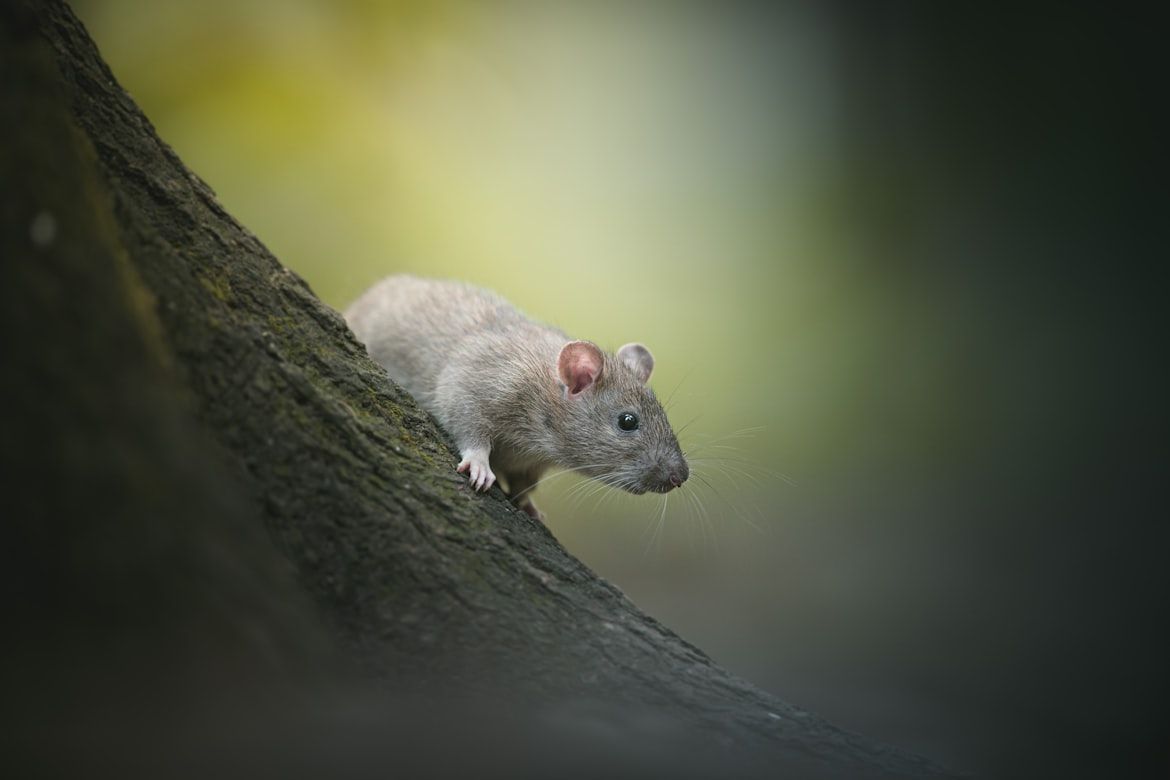
Rat catcher

Image: Daniil Komov

While this job doesn’t sound so strange—we have modern equivalents of this after all—the comparison doesn’t fully capture how essential their work was to 19th-century cities plagued by poor sanitation and overcrowded streets.

In Paris and London, rat catchers became semi-celebrities of street life. Their work helped reduce disease risks, though they themselves faced high exposure to bites and plague.

4

Gong farmer

Image: Boudewijn Huysmans

In Tudor England, "gong farmers" cleaned cesspits and privies. The word "gong" had nothing to do with the Asian percussion instrument; rather, it derived from an Old English term referring to a privy and its contents.

They worked at night to avoid public disgust, carrying waste in buckets outside city walls. The job was dangerous due to toxic fumes, but surprisingly lucrative. Workers often earned more than many skilled tradespeople, though at the cost of extreme social shunning.

5

Whipping boy

Image: Jessica Kantak Bailey

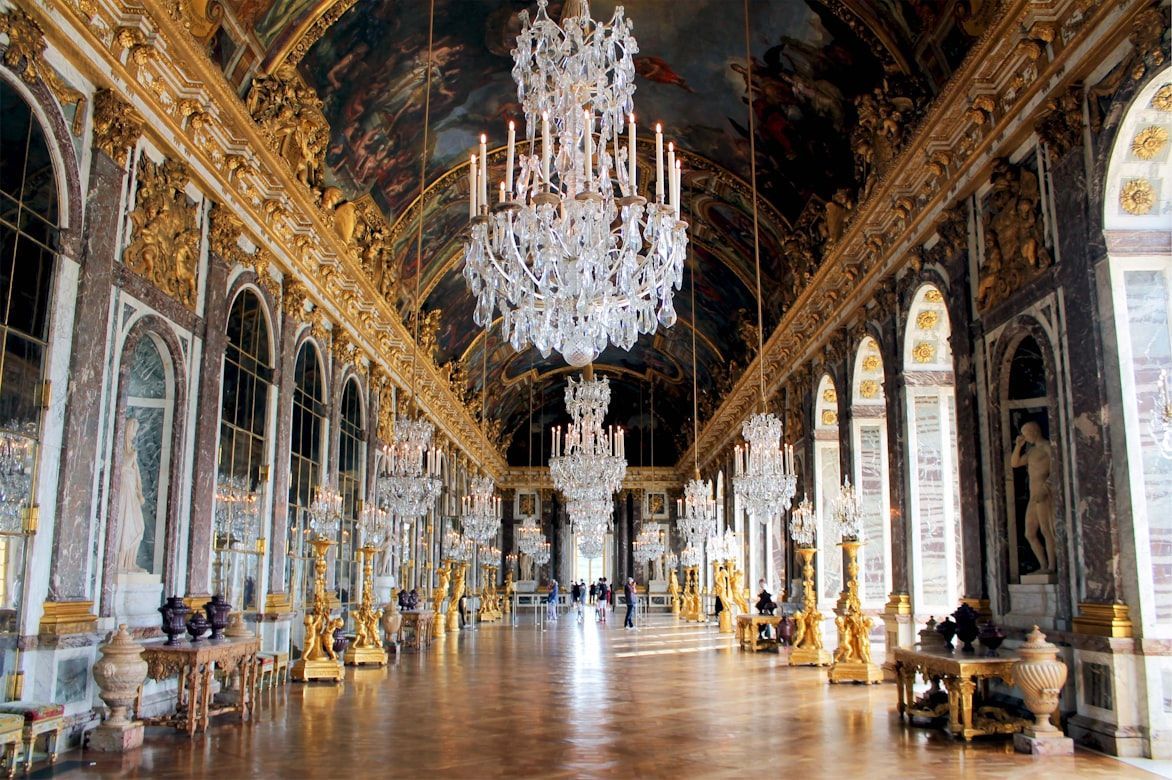
In Tudor and Stuart England, princes weren’t punished directly. Instead, their "whipping boy" was flogged whenever they misbehaved—a form of indirect punishment meant to instill guilt in the young prince.

The practice only worked with boys close to the prince, ensuring emotional impact. One of the most cruel practices of the era, whipping boys often gained favor and lifelong connections at court.

6

Resurrectionist

Image: Griffin Quinn

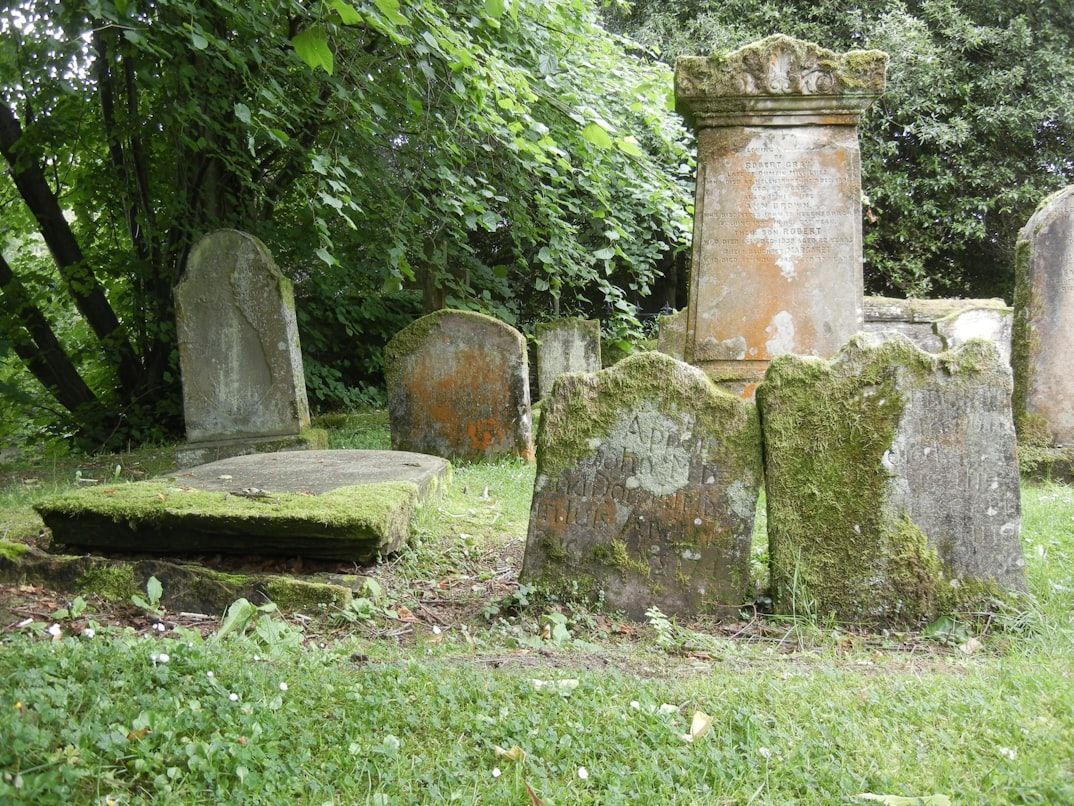
A colorful euphemism for "grave robber," this profession flourished in the 18th and 19th centuries, as demand for cadavers by medical schools reached an all-time high while legal supply remained scarce.

Despite being illegal and widely despised, it was a lucrative career. The trade also created related jobs, as concerned families hired cemetery watchmen and private grave guards. In some infamous cases, "resurrectionists" even escalated to murder to meet demand.

7

Powder tester

Image: Stephen Radford

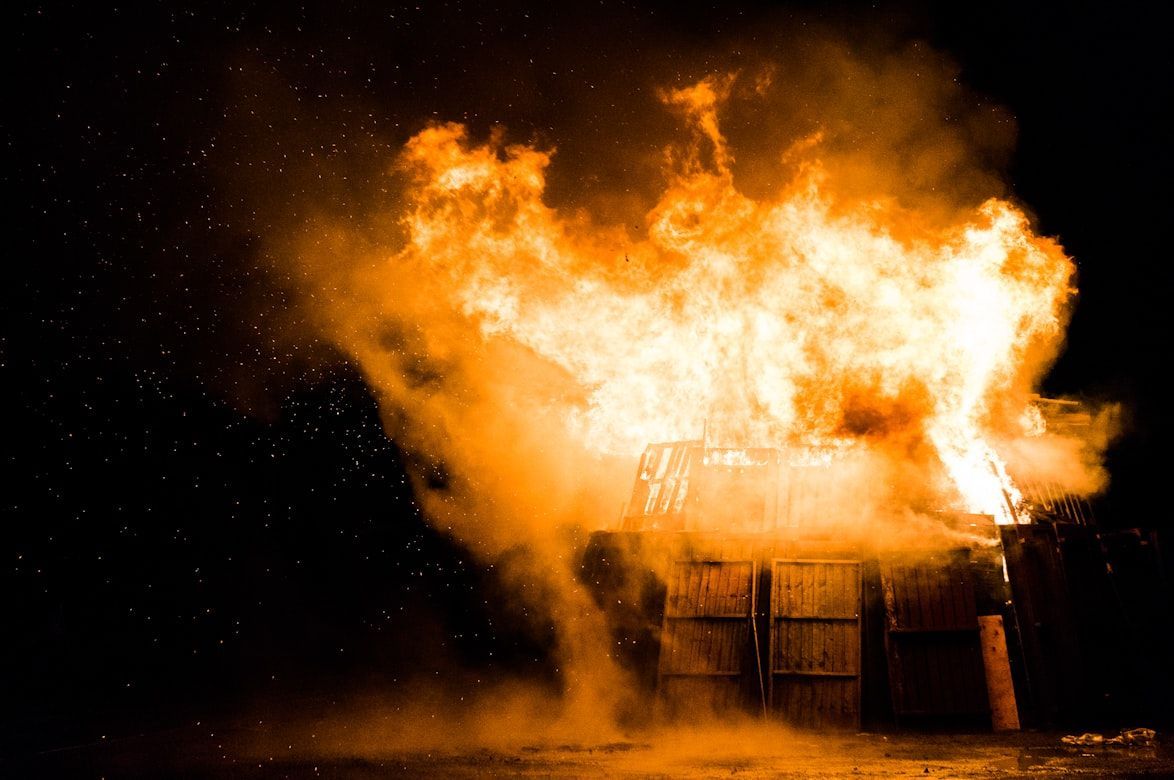
In gunpowder factories, specialized workers tested batches by igniting small amounts to check burn quality. How each batch responded to ignition determined the safety and effectiveness of the product.

The work was inherently perilous—accidents were frequent, and uncontrolled explosions could have devastating consequences for both workers and factories. Yet, gunpowder was so essential to empires that testing remained a permanent job.

8

Treadmill walker

Image: Gold's Gym Nepal

Did you know treadmills were originally designed for prisoners? Keep that in mind on your next visit to the gym. In 19th-century Britain, prisoners powered massive treadmills that ground grain or pumped water.

The devices also served as punishment through hard, monotonous labor. The so-called "everlasting staircase" could last for hours, leaving inmates utterly exhausted. Perhaps this also explains how prisoners could later easily outrun guards—talk about a double-edged sword.

9

Food taster

Image: Amy-Leigh Barnard

Food tasters were employed at royal and imperial courts to sample dishes before rulers ate, ensuring safety from any poisoning attempts. The role existed in ancient Rome, medieval Europe, and even into modern times.

While certainly not the worst job a commoner could hold among royalty (whipping boys and grooms-of-the-stool arguably had it worse), and though some tasters lived comfortably at court, their job was literally a matter of life and death.

10

Sin-eater

Image: engin akyurt

In 17th- and 18th-century Britain, some families hired "sin-eaters" to consume bread and beer placed on a corpse. The ritual symbolized absorbing the deceased’s sins.

Despite their spiritual services, sin-eaters were social outcasts. Typically paid in food or a few coins, they carried a heavy stigma, as they were believed to take on the spiritual burden of the dead they served.


BELIEVE IT OR NOT

Stranger Than Fiction: 10 Unbelievable Events That Actually Happened


Published on April 12, 2026


Image: Diana van Ormondt

They say truth is stranger than fiction, and some of these historical events are living proof of this old adage.

Brace yourself for a rollercoaster ride through history, where the strange and unexpected take center stage in the theater of reality. From absurd battles to mysterious weather phenomena, these 10 astonishing tales will leave you thinking long and hard about the complexities of human history.

1

The Great Emu War

Image: Sharon Co Images

Wars are typically waged between nations, but in 1932, Australia faced an unusual adversary: emus. After large numbers of these flightless birds invaded crucial farmland within Western Australia’s Wheatbelt, the government decided to intervene by sending soldiers armed with machine guns to reduce the emu population in the area. However, most attempts were ineffective at most, killing very few birds and costing thousands of dollars in supplies and ammunition.

As soon as the first shot was fired, the seemingly tame emu dispersed way beyond the range of the machine guns, and apparently switched to guerrilla tactics of sorts, avoiding all further military ambushes and frontal attacks while still feasting on the farmer’s crops. The government’s futile attempts were ridiculed and physical barrier methods to manage wildlife were preferred from then on. Sadly, they give no medals for having endured the Great Emu War.

2

The Dancing Plague

Image: Hannah Skelly

In 1518, the town of Strasbourg, France, was gripped by a strange and inexplicable phenomenon - people suddenly began dancing uncontrollably in the streets. The dancing madness persisted for weeks, with some of the affected succumbing to exhaustion or even death. The authorities at the time did not know how to react, and some people even joined the dancers voluntarily, as they feared it was a punishment from Saint Vitus (and presumably wanted to stay on the safe side).

After many efforts to fight the strange epidemic, the dancing eventually subsided and people in the town could resume their normal lives. While theories range from mass hysteria to hallucinogenic substances and neurological disorders like Sydenham's chorea, the event remains a historical enigma that challenges our understanding of the human mind and collective behavior.

3

The Tunguska Explosion

Image: Nima Sarram

In 1908, a massive explosion flattened over 80 million trees in the remote Tunguska region of Siberia. The cause? A mysterious airburst, likely caused by the explosion of a meteoroid or comet in Earth's atmosphere. It is now estimated that the event had an explosive energy of 3 to 5 megatons, equivalent to over a thousand Hiroshima bombs. The resulting shockwave broke windows, and knocked people down hundreds of miles away, reaching an equivalent of an earthquake of 5.0 on the Richter scale in some areas.

A bright glow was observed in night skies in Asia and Europe for days after the event due to high-altitude ice particles that formed as a result of the explosion. For all its magnitude, the explosion left no visible crater and minimal debris beside the devastated forest. The Tunguska Event serves as a stark reminder of the potential cosmic threats that lurk in the darkness of space.

4

The Battle of Karánsebes

Image: British Library

Miscommunication can often lead to chaos, but rarely on the scale witnessed in the Battle of Karánsebes in 1788. The Austrian army, at the time facing the Ottoman Empire, descended into total anarchy when two different scouting parties mistook one another for the enemy, fired on each other, and raised the alarm.

Making matters worse, the Austrian army was made of men of different nationalities who more often than not could not understand each other. All attempts to end confusion and the ensuing friendly fire on the part of the Austrian emperor himself were in vain, and after a while - deeply demoralized - he was forced to give the order of retreat. When the Ottoman army arrived two days later, they found an empty battlefield and were able to take the city of Karánsebes without any resistance.

5

Napoleon defeated by bunnies

Image: Aswathy N

In 1807, eight years before Waterloo, Napoleon Bonaparte had a humiliating defeat at the hands of a strange opponent - a horde of rabbits. During the celebrations that followed the Treaties of Tilsit - which effectively ended the war between the French and Imperial Russia - Napoleon’s chief of staff Alexandre Berthier had the idea of organizing a rabbit hunt to entertain its guests.

So far, nothing out of the ordinary for the time, but when the rabbits were simultaneously freed along the edges of a grassy field, instead of scattering as expected, all these fluffy beasts began running toward their amused hunters. But the fits of laughter didn’t last long, as the now-hunted hunters realized that there was nothing they could do to stop the relentless animals as they swarmed their positions and had no other choice than to flee. Some accounts state that Berthier had gathered around 3000 rabbits, so not even mighty Napoleon was a match for this unexpected army.

Apparently, the chief of staff's mistake was buying tame rabbits from local farmers, accustomed to being fed by humans, instead of trapping wild hares for the hunt. If we learned anything from the Great Emu War, the lesson is clear: never underestimate animals!

6

The year without a summer

Image: Mitsuo Komoriya

In the aftermath of the eruption of Mount Tambora in Indonesia - the largest in at least 1,300 years - 1816 became known as the "Year Without a Summer." The volcanic ash floating in the atmosphere led to climate abnormalities worldwide, resulting in crop failures and widespread famine in the most affected areas.

In Europe and North America temperatures plummeted, and most crops suffered irreparable damage due to the persistent frost. In the United States, a "dry fog" was observed in the eastern regions, dimming sunlight so much that sunspots were visible to the naked eye. Also, the high level of volcanic particles present in the atmosphere caused strange optical effects in the following years, such as strong red hues during sunsets, which can be observed in many paintings produced at the time.

7

Caligula’s War on Neptune

Image: Tiana Attride

It seems that wars against unusual adversaries are a fashionable trend in human history because the Roman Emperor Caligula declared war in the year 40 AD on no one other than the god Neptune himself, king of the raging seas.

Known for his eccentricity, Caligula allegedly ordered his legionnaires to "attack" the sea with swords and spears, after which he declared victory against the powerful god and told the men to gather seashells as trophies of war. One can only imagine that the soldiers had a fun -albeit puzzling- day.

8

Pepsi’s naval power

Image: Tim Mossholder

In the late 1980s, Pepsi briefly possessed the sixth-largest navy in the world. In exchange for commercializing Pepsi products in the Soviet Union, the company received 17 submarines, a cruiser, a frigate, and a destroyer.

However, the fleet was composed of obsolete and unseaworthy vessels that were destined to be turned into scrap almost immediately. The payment was made in the only resources the USSR could gather easily at the time, and it provided a way to establish profitable international relations - and open up to the world.

9

Followed by the Civil War

Image: Garry T

The American Civil War started and concluded with a curious connection to Wilmer McLean, an American wholesale grocer from Virginia. The conflict's first major battle, the First Battle of Bull Run, took place in McLean's farm in 1861. A cannonball fell directly through the kitchen fireplace of the McLean’s house, which was being used as headquarters for the Confederate Army, destroying the dinner that was being prepared by the stationed officers - something that was noted not without humor by the Brigadier General P. G. T. Beauregard.

The McLean family moved to Appomattox, Virginia trying to escape the war, but just four years later, General Robert E. Lee surrendered to General Ulysses S. Grant in McLean's parlor, marking the conclusion of the Civil War. Unintentionally, McLean was a prime witness of one of America’s most defining conflicts. Later, he said of this: "The war began in my front yard and ended in my front parlor."

10

Genghis Khan fought against global warming

Image: Snowscat

Genghis Khan's vast empire and brutal military campaigns had an unexpected impact on the Earth's climate. A recent study suggests that the Mongol invasions in the 13th century led to a significant reduction in global carbon dioxide levels, as large areas of cultivated land returned to forests.

This had the unintentional effect of scrubbing as much as 700 million tonnes of carbon from the atmosphere, roughly equivalent to the global annual consumption of gasoline today. This drastic ecological shift highlights the effect that land use, and particularly deforestation can have on our planet at a large scale.

Looking for an extra scoop of literary fun?

Learn more with our Word of the day

antagonist

/ænˈtæɡənəst/