Good luck, bad luck

Have you ever broken a mirror? Let's demystify these 10 superstitions


Published on April 11, 2026
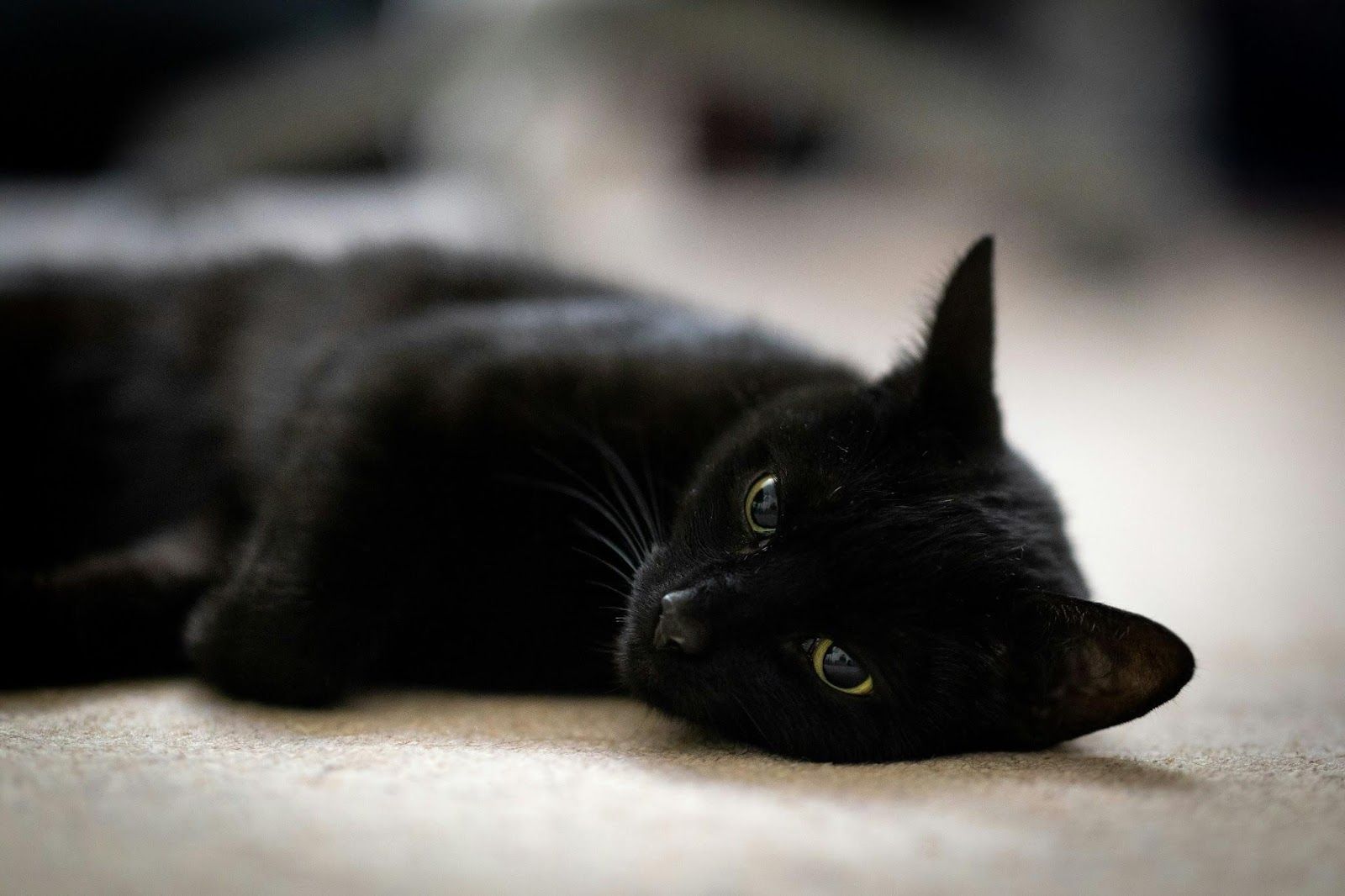

Image: Ben Griffiths

Do you have rules you follow "just in case"? Some of us avoid walking under ladders, hesitate before opening umbrellas indoors, or instinctively knock on wood after saying something… But

where did these rituals come from? Why did some everyday accidents, animals, or gestures get labeled "unlucky"? Let’s explore some of the answers and whether they have to do with psychology, religion, history, or plain old common sense!

1

Walking under a ladder

Image: Jilbert Ebrahimi

For one, there’s the safety concern: Why would you walk under a ladder if you could avoid the –albeit low– risk of it falling on you?

However, this superstition is also linked to the medieval Christian belief that interrupting a shape resembling a triangle was a way of insulting the Holy Trinity. Again: Why risk it?

2

Breaking a mirror

Image: Mick Haupt

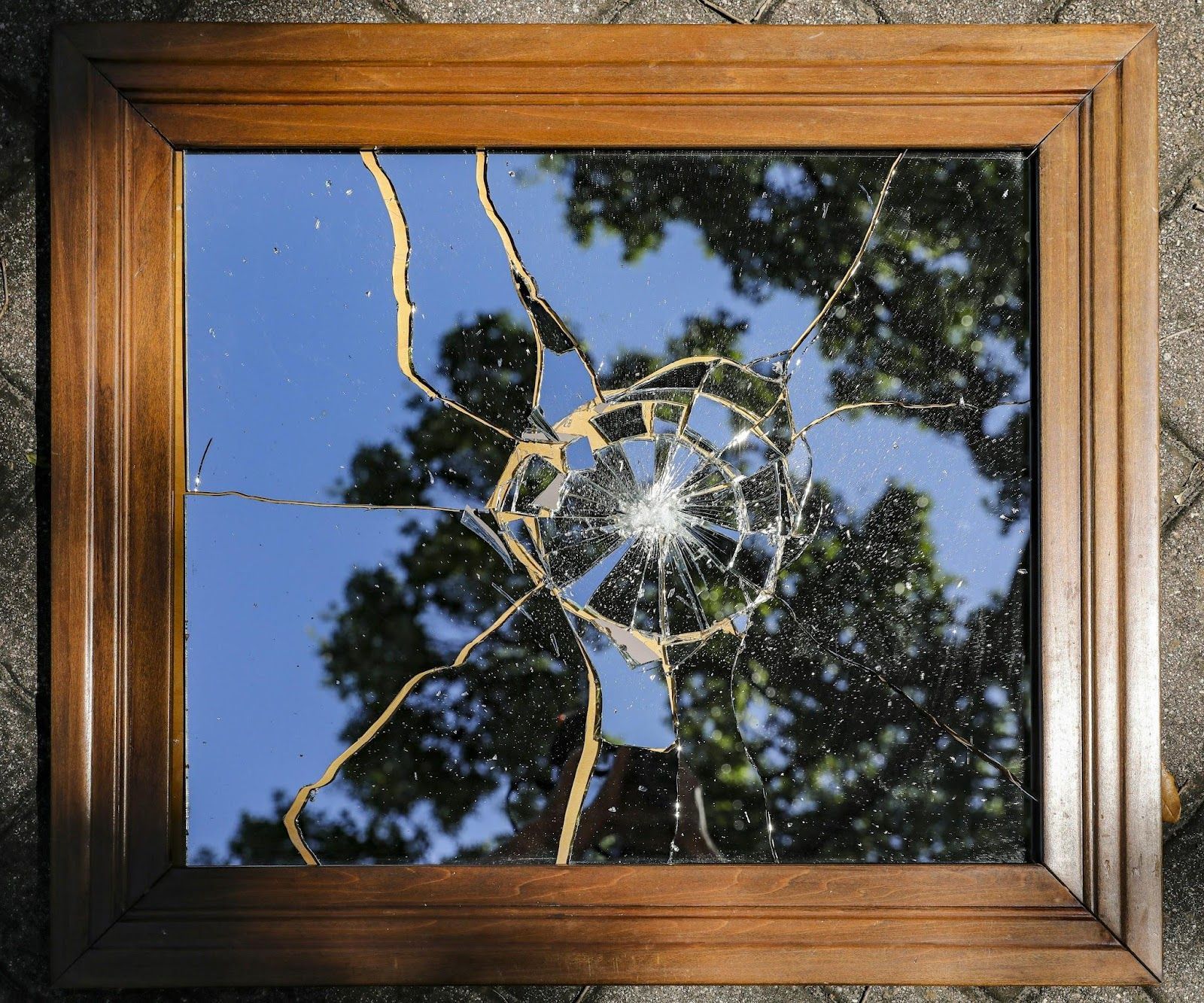
Have you ever shattered a mirror and winced at the thought of years of bad luck? This goes back to ancient Greece and Rome. There, reflections were thought to be linked to the soul. Destroying a mirror was considered an affront to the gods watching over your spiritual self.

The "seven years" bit comes from the Roman idea that the human body renewed itself in seven-year cycles.

3

Celebrating a birthday early

Image: Adi Goldstein

"You’ll jinx it!" is a common reaction when someone celebrates before their actual birthday. This superstition appears across several European traditions, where marking a milestone before it arrives was seen as presumptuous, even disrespectful to fate.

In eras when illness and mortality were real daily concerns, reaching your birthday wasn’t guaranteed… so celebrating early felt like counting blessings before earning them.

4

A black cat crossing your path

Image: Clément Falize

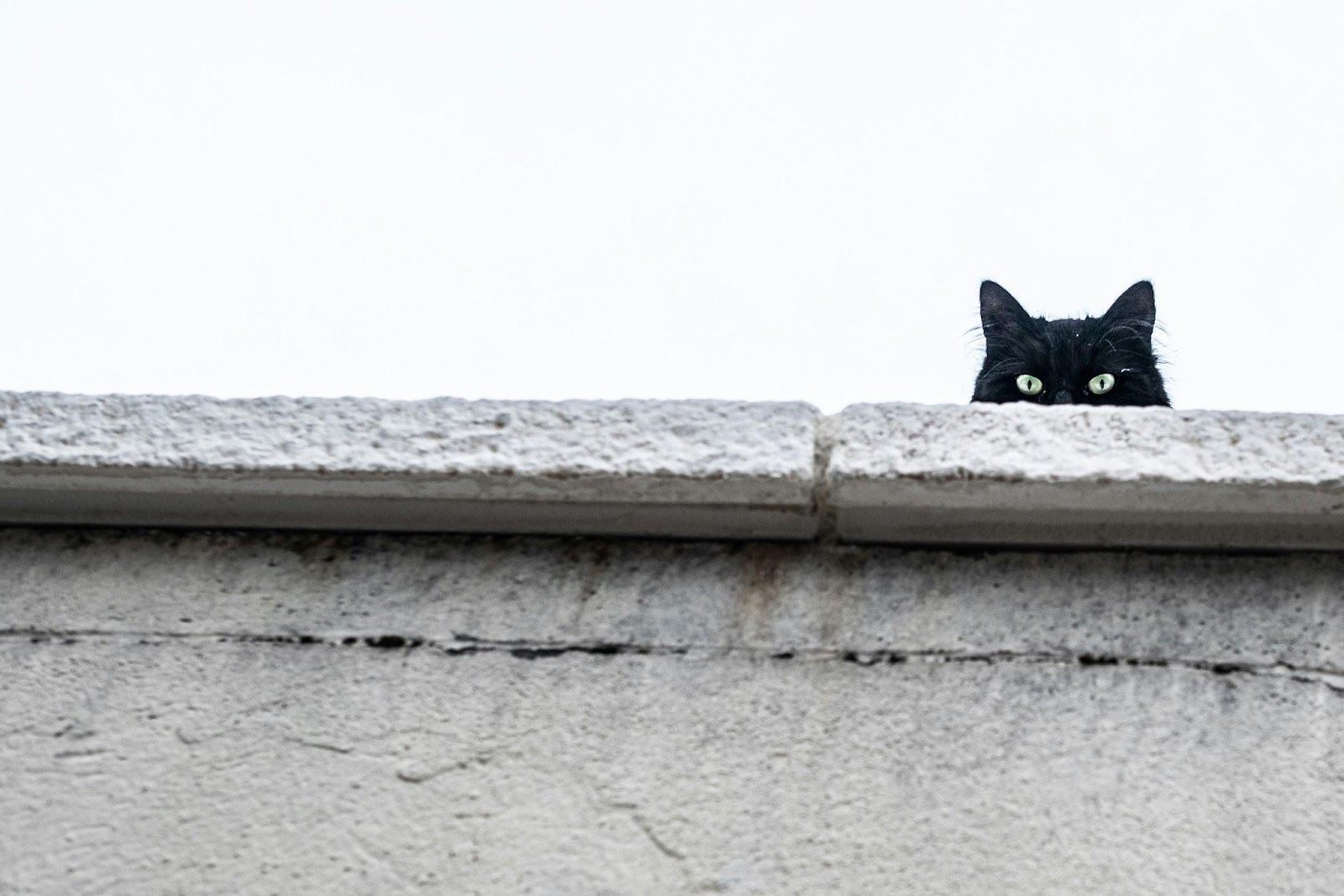
In ancient Egypt, black cats were revered and associated with protection and prosperity. What happened to their reputation, then? Simply put, in medieval Europe, when fear of witchcraft ran rampant, cats (especially the poor black ones) became linked with witches.

However, beliefs vary widely: in Britain, Ireland, and Japan, black cats can signify good luck or fortune, and sailors once welcomed them aboard ships to ensure safe voyages.

5

Friday the 13th

Image: Bruno Guerrero

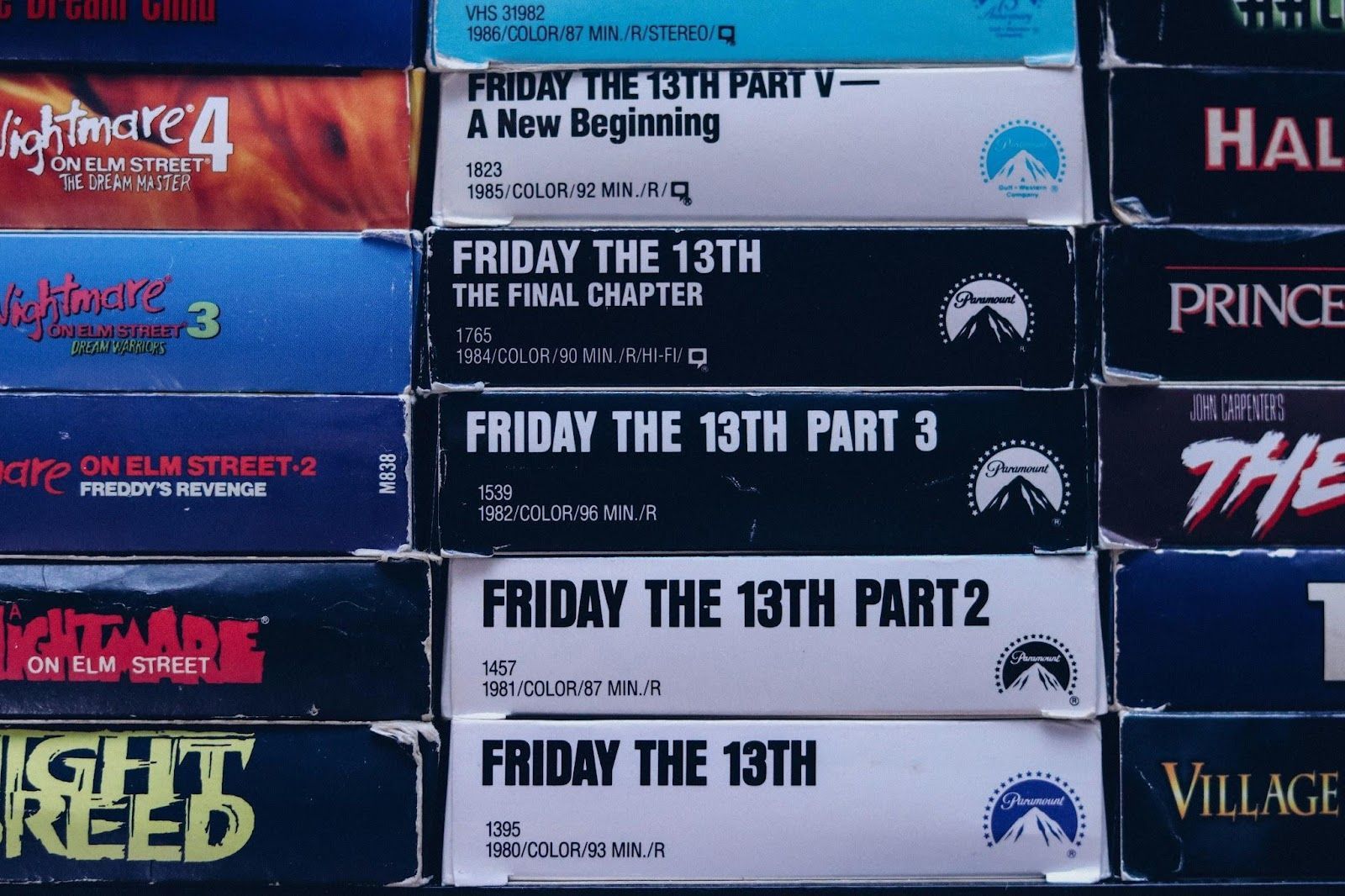
In many Western traditions, both Fridays and the number 13 had separate unlucky connotations long before they were combined: Friday was sometimes seen as ill-fated in Christian lore (Jesus’ crucifixion is said to have been on a Friday), and 13 was viewed with suspicion in Norse myth (where Loki’s unexpected arrival as the 13th guest at a feast led to chaos).

6

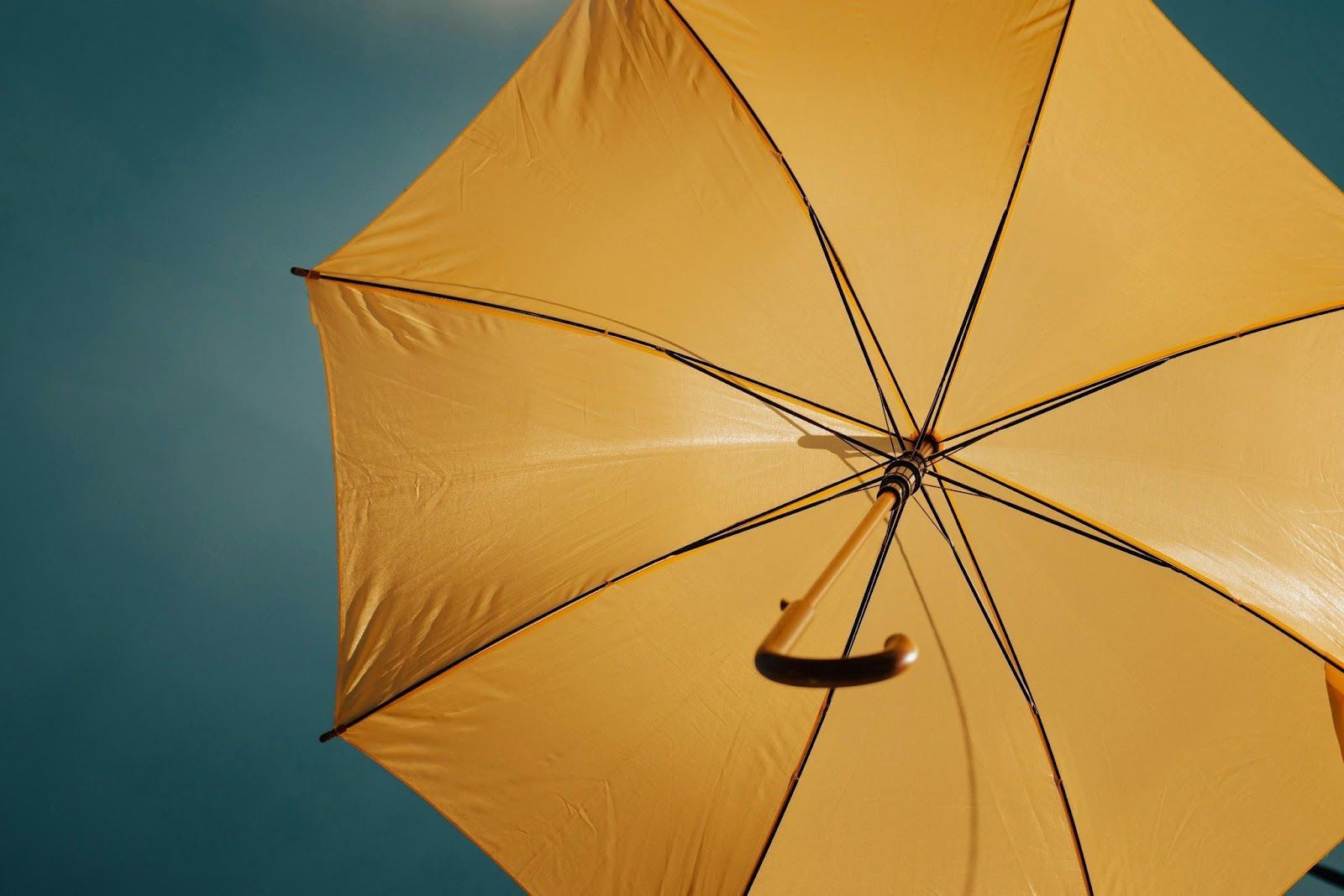
Opening an umbrella indoors

Image: Kevin Lehtla

When early umbrellas with stiff metal frames first became popular in Britain and Europe, they were hard to fold and easy to jab into furniture, lamps, or unsuspecting family members. That made opening one inside genuinely hazardous, and turning it into a superstition was a tidy way to say, "Please don’t do it."

7

Knocking on wood

Image: engin akyurt

Almost everyone does this reflexively: you say something hopeful and then tap wood to "keep the luck going." One theory ties this to pagan traditions in Europe, where people believed protective spirits lived in trees; knocking on the trunk was a way to call on those spirits or to secure their goodwill.

8

Spilling salt

Image: Jason Tuinstra

Salt was once very precious: it preserved food, flavored meals, and even served as currency in parts of the ancient world. Spilling it meant waste, and waste invited misfortune. But, of course, everyone knows the fix: throw some over your left shoulder.

9

Stepping on a crack

Image: Ilya Semenov

"Step on a crack, break your mother’s back." This ominous-sounding rhyme isn’t ancient at all; it rose to popularity in the early 20th century, spread through schoolyards rather than folklore. Of course, there is no logical explanation to back it up. But if you are superstitious… why would you risk it?

10

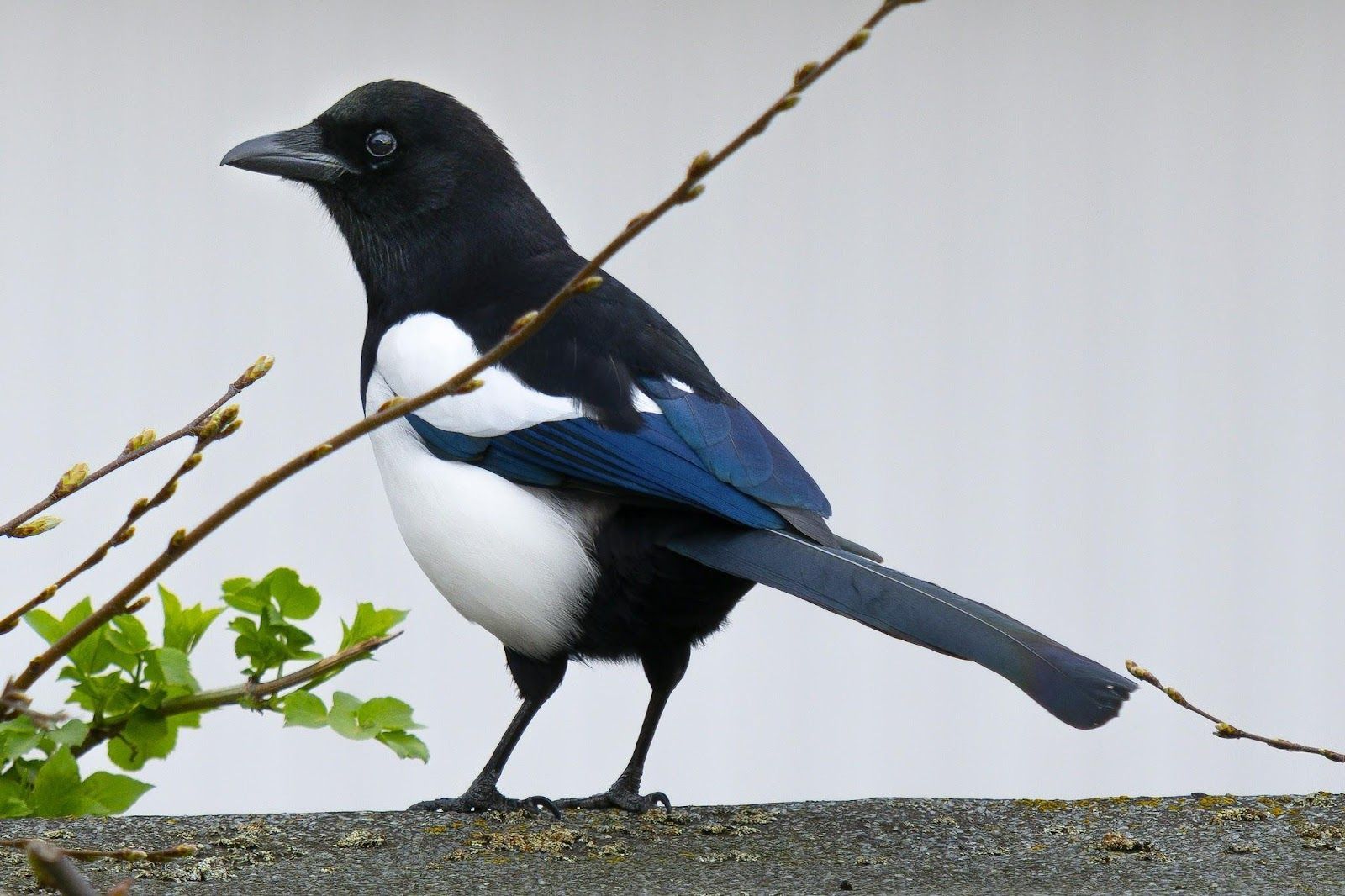
Seeing a solitary magpie

Image: Daniel Bertrams

"One for sorrow, two for joy"... In British and Irish folklore, seeing a single magpie was thought to signal misfortune, loneliness, or bad news. The belief probably just pointed at how unlikely it is to see only one of these beautiful birds. To counter the bad luck, people developed rituals: tipping a hat, greeting the bird politely, or even saluting it.
The truth about your brain

You won’t believe what happens in your brain while you sleep


Published on April 11, 2026


Image: Milad Fakurian

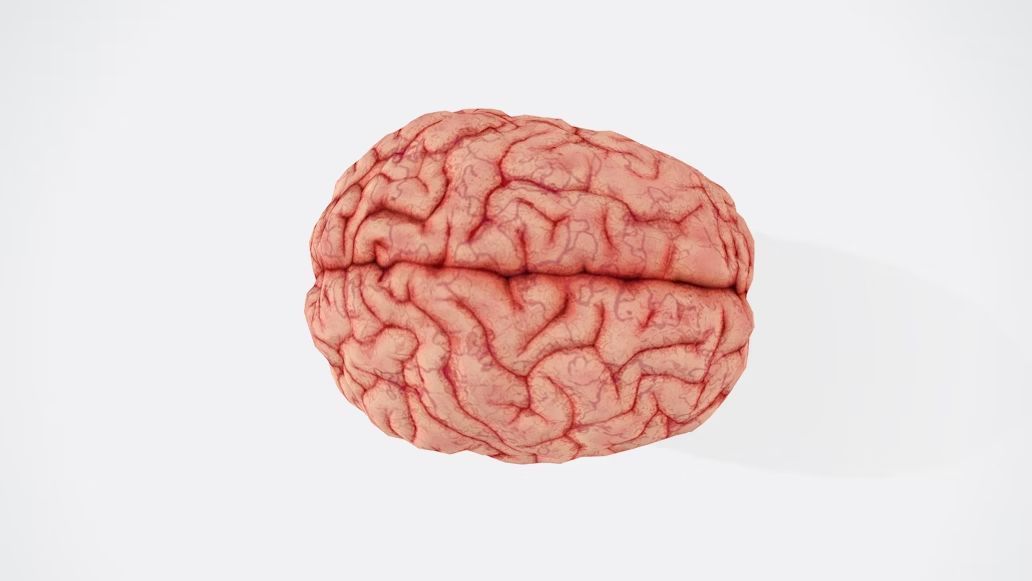
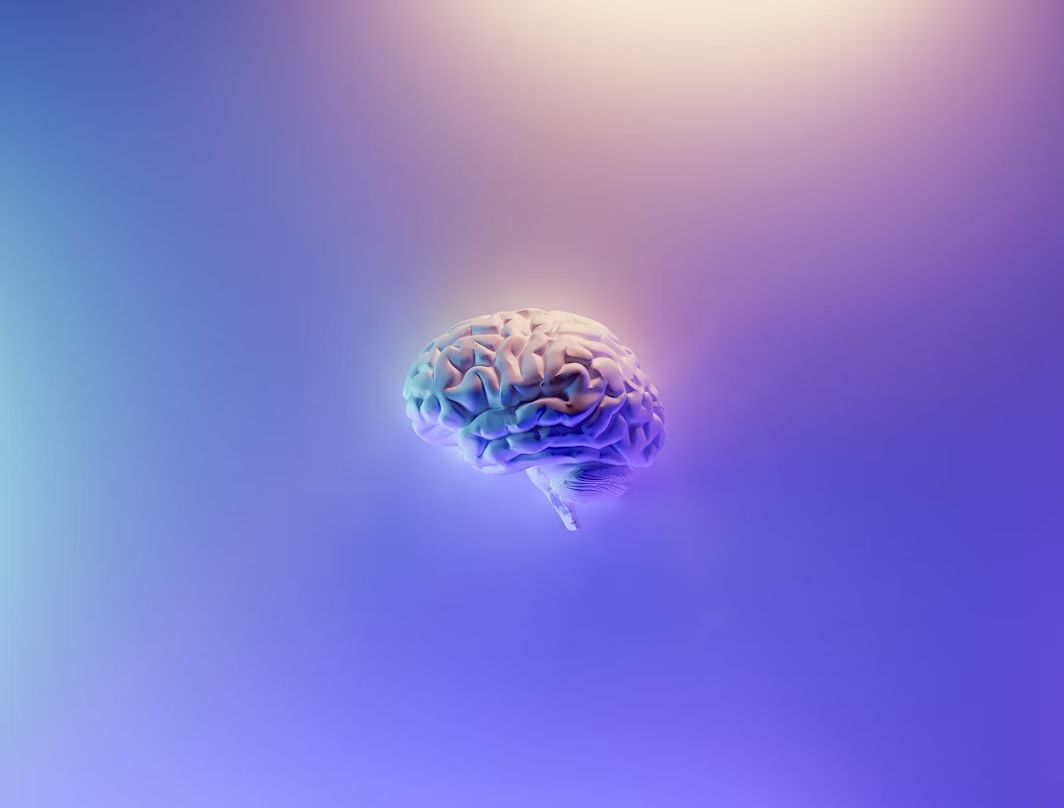
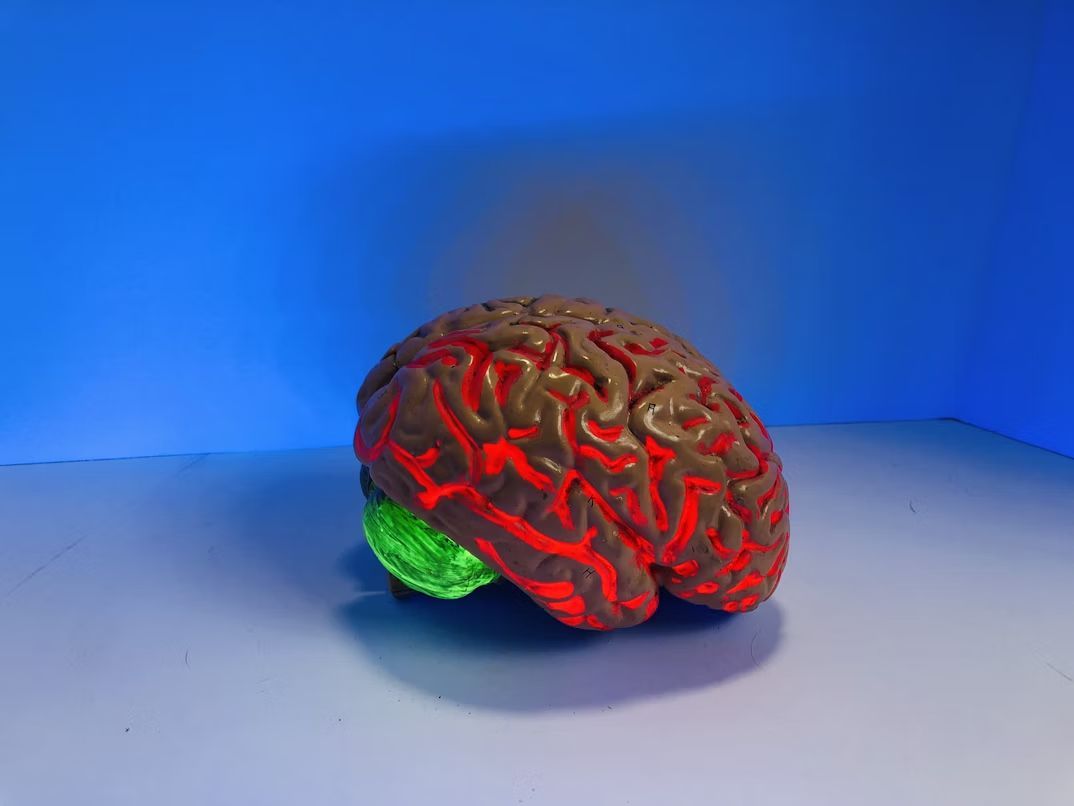
Your brain is one of the most powerful and mysterious organs in your body. It controls everything from your thoughts to your emotions and even processes information at lightning speed. But how much do you really know about it? Some long-believed myths about the brain have been debunked, while other surprising facts reveal just how incredible this organ truly is. Get ready to be amazed by these fascinating brain facts!

1

Myth: We only use 10% of our brain

Image: Natasha Connell

You’ve probably heard this one before, but it’s completely false! While it’s true that not all parts of the brain fire at the same time, imaging studies show that most regions are active throughout the day, even when we sleep.

Your brain is constantly working, controlling bodily functions and emotions, and processing information. So next time someone says you’re only using 10% of your brain, you can confidently tell them that’s just a myth!

2

The brain itself can’t feel pain

Image: Aarón Blanco Tejedor

Here’s a weird fact: While your brain processes pain signals from the rest of your body, it has no pain receptors of its own. This is why surgeons can perform brain surgery on conscious patients without causing them pain.

However, the membranes and tissues surrounding the brain do have pain receptors, which is why headaches and brain injuries can be so excruciating.

3

Headaches are actually chemical reactions

Image: Usman Yousaf

How come we have headaches if the brain has no pain receptors? Well, that’s because headaches are triggered by chemical activity in the brain, changes in nerves and blood vessels, and even fluctuating serotonin levels.

In some cases, hormones like estrogen can also play a role, which explains why migraines are more common in women.

4

Dreams: Your brain’s midnight movie theater

Image: Go to Johannes Plenio's profile Johannes Plenio

Dreams are proof that your brain never rests! (Warning: this fact can make you feel exhausted.) While you sleep, your limbic system, that is, the part of the brain that deals with emotions, becomes especially active, which is why dreams often feel so intense.

On average, humans experience four to seven dreams per night, even if we don’t always remember them. And what about that scary nightmare about falling? Well, you can thank your amygdala, the brain’s fear center, for that one.

5

Your short-term memory lasts less than 30 seconds

Image: Brett Jordan

Have you ever walked into a room and instantly forgotten what you were after? That’s because short-term memory only lasts about 20-30 seconds! That’s not enough!

Your brain holds a limited amount of information in its active state before deciding whether to store it or discard it. Ironically, we can’t really choose what makes the cut, but we do hope these facts stay with you!

6

Brain freeze is your body’s warning signal

Image: BUDDHI Kumar SHRESTHA

That sharp, icy pain when you eat something too cold? It’s your brain’s way of telling you to slow down! Officially called sphenopalatine ganglioneuralgia, a brain freeze happens when cold food or drinks rapidly chill the blood vessels in your throat, causing them to constrict and then rapidly expand. This sends pain signals to your brain, warning you of the sudden temperature shift. It’s annoying, but it’s actually your body trying to protect itself!

7

Your brain thinks a lot!

Image: Josh Riemer

You didn’t need us to tell you, but let’s look at the details: The average person has between 12,000 and 60,000 thoughts per day. What’s even more interesting? 95% of those thoughts are the same ones you had yesterday. Is that not surprising enough? Hear this out: 80% of them tend to be negative. That’s because our brains are wired for survival, constantly analyzing risks and potential dangers.

8

Your brain uses 20% of your body’s oxygen and blood

Image: Terry Vlisidis

Even though it only makes up about 2% of your body weight, your brain employs a major quantity of energy! It consumes 20% of your oxygen and blood supply, making it one of the most demanding organs in your body.

If your brain goes without oxygen for just five minutes, brain cells start dying, leading to irreversible damage. This is why deep breathing and cardiovascular exercise are great for brain health!

9

Seeing stars? That’s your brain processing vision!

Image: Alexander Andrews

Do you know that feeling when you hit the back of your head and see stars? That’s because your occipital lobe, which controls vision, is located at the back of your brain. If you get hit there, your brain momentarily misfires, causing flashes of light.

Interestingly, your brain processes vision on the opposite side; while your right brain controls your left eye, your left brain controls your right eye. It’s one of the many ways the brain operates in a complex way.

10

Your brain can power a light bulb!

Image: Rodion Kutsaiev

Believe it or not, your brain generates between 12 and 25 watts of electricity when you’re awake. If you can’t really grasp how powerful that is, check this out: It’s enough to power a small light bulb! Your brain’s electrical activity is what allows neurons to send signals at speeds of up to 260 miles per hour.

11

Your brain is mostly fat

Image: Robina Weermeijer

Your brain may be the fattiest organ in your body, consisting of at least 60% fat! This is why consuming healthy fats, like omega-3s and omega-6s present in fish, for example, is essential for brain health.

Healthy fats stabilize brain cell walls, reduce inflammation, and support cognitive function. So go ahead and enjoy that avocado toast, it’s food for your brain!

12

Your brain shrinks as you age

Image: Robina Weermeijer

It’s not just your memory that fades over time; the brain itself physically shrinks as one gets older. It continues developing until your late 40s, but after that, it slowly decreases in size.

Now, size doesn’t equal intelligence, so a smaller brain doesn’t necessarily mean a less capable one. Staying mentally active, exercising, and eating brain-boosting foods can help keep it in top shape!

13

Cholesterol plays a big role in memory

Image: Lisa Yount

We often think of cholesterol as bad, but your brain actually depends on it! In fact, 25% of your body’s cholesterol is stored in your brain, where it helps with learning and memory. However, unlike other organs, the brain can’t absorb cholesterol from the blood, it has to produce its own. So, while too much cholesterol in the body can be harmful, the right amount is vital for brain function. At least you can use that as an excuse to get that burger!

Looking for an extra scoop of literary fun?

Learn more with our Word of the day

quell

/kwɛl/