Fake news in the Middle Ages: 10 legends that stand the test of time


Published on June 20, 2026
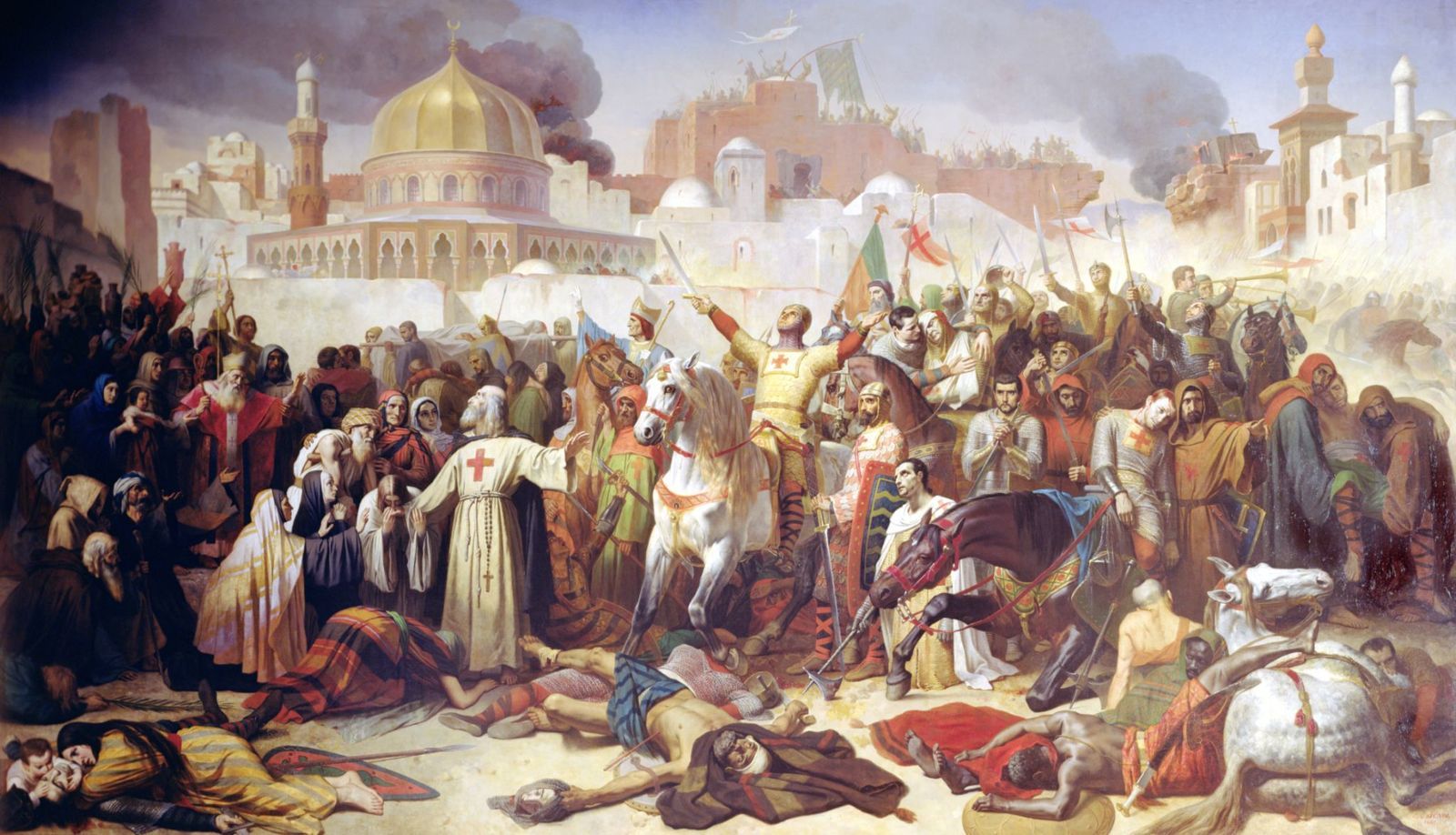

Image: Émile Signol, Public domain, via Wikimedia Commons

Before dark web conspiracy theories, people had the tavern. Information in the Middle Ages traveled slowly, mutating with every retelling. What we now call urban legends back then were terrifying theological myths that thousands accepted as facts. Discover ten of the most famous medieval legends that shaped the worldview of Europe for centuries.

1

Pope Joan

Image: kladcat, CC BY 2.0, via Wikimedia Commons

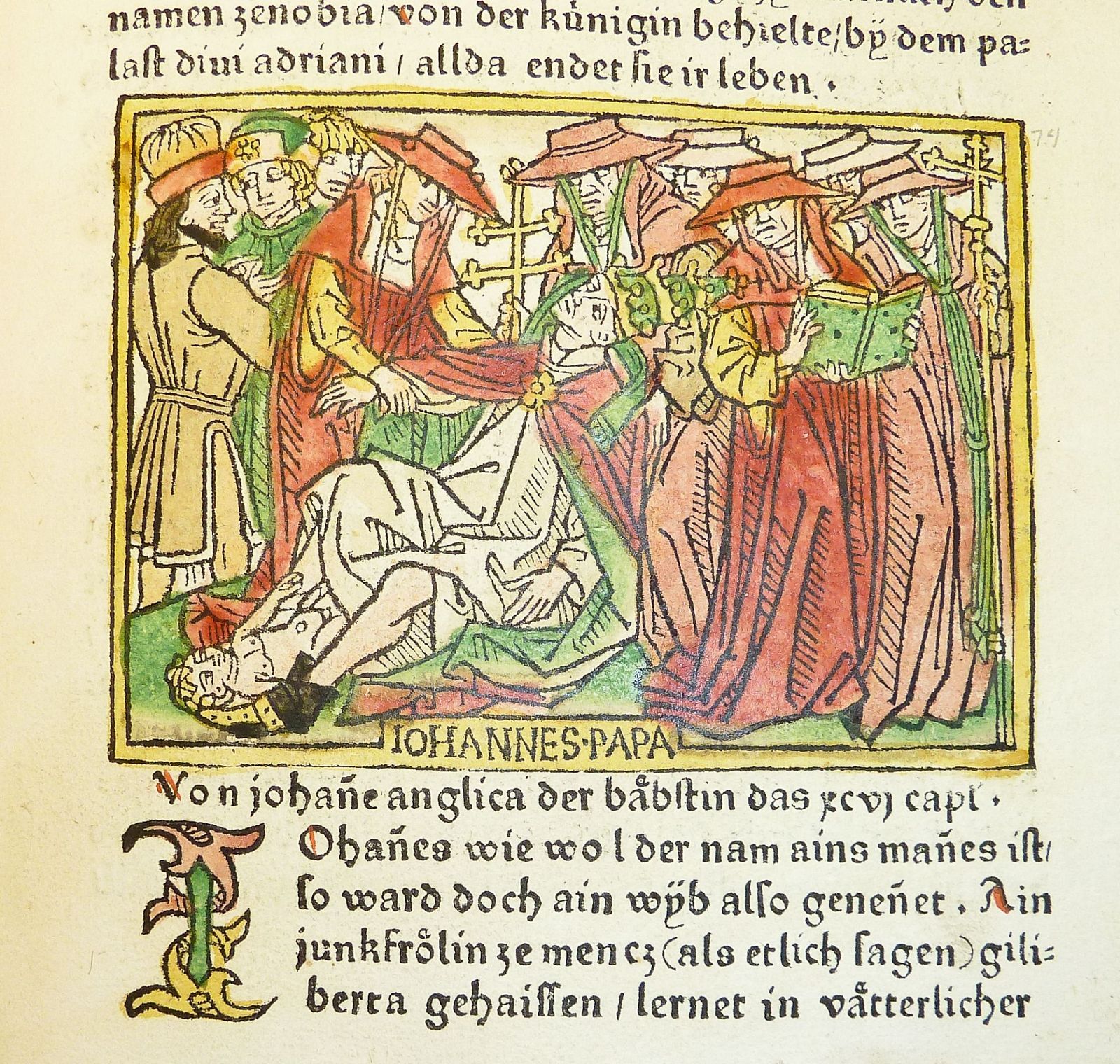
In the mid-13th century, there was a rumor that a woman had successfully disguised herself as a man, climbed the ranks of the Catholic Church, and reigned as Pope for several years in the 9th century.

According to the legend, John Anglicus was in fact an exceptionally brilliant English woman who mastered theology. Her secret was supposedly uncovered during a papal procession through Rome, when she went into sudden labor and gave birth right in the middle of the street. While modern historians believe the story is just satire or folklore, it was widely accepted as historical truth during the late Middle Ages.

2

Robin Hood

Image: CrookshanksPhotography

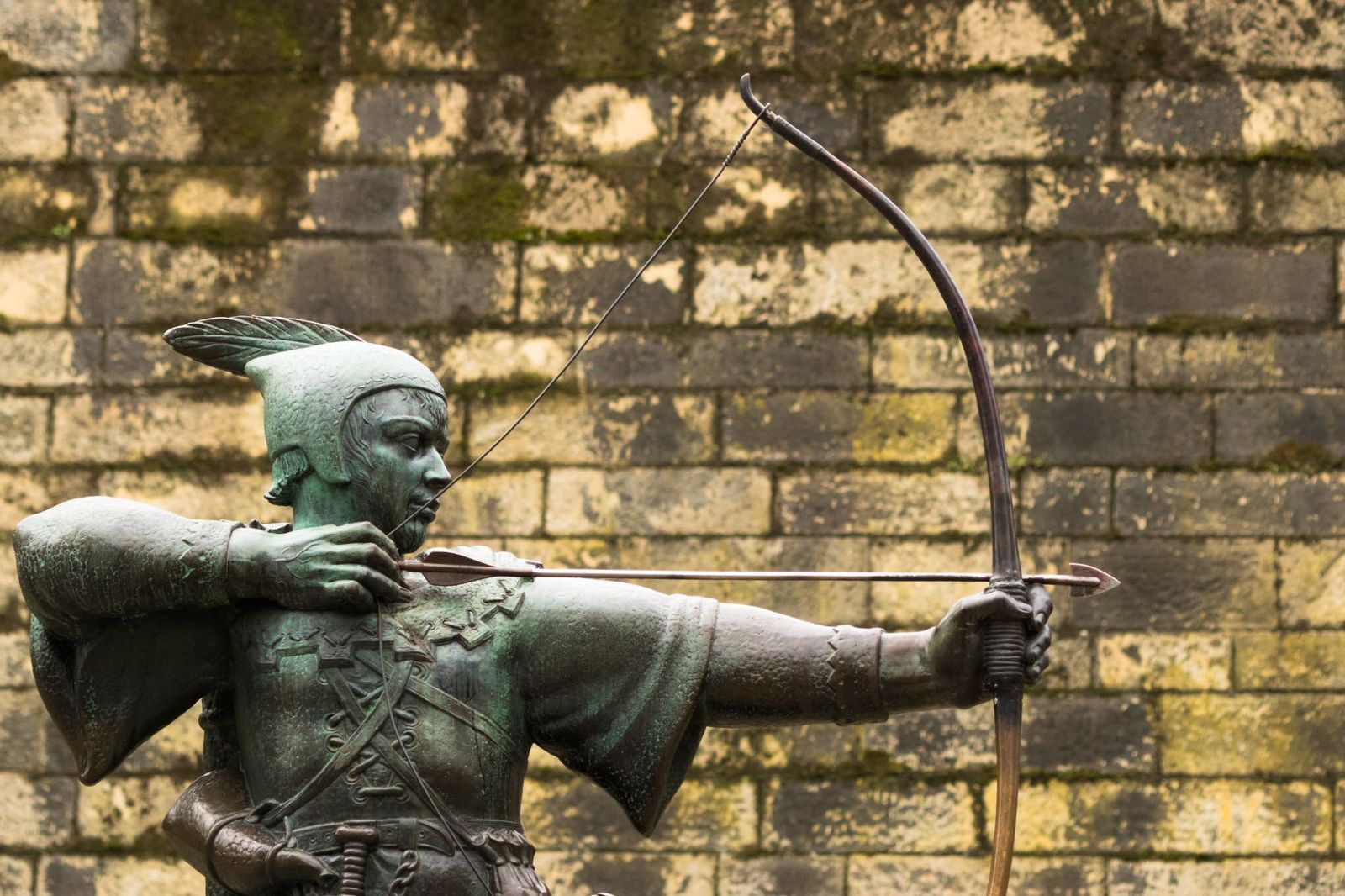
The urban legend of a noble outlaw who outsmarted the corrupt sheriff of Nottingham and stole from the rich to give to the poor began circulating in oral ballads around the 14th century.

Modern audiences know him as a cheerful hero in green tights, but early medieval versions of Robin were much grittier, violent, and anti-clerical. Historians have spent centuries looking through court records trying to find a definitive Robin Hood. Most conclude he was a complex figure, the medieval manifestation of rebellion against an unfair system.

3

The Holy Grail

Image: Rapha Soeiro

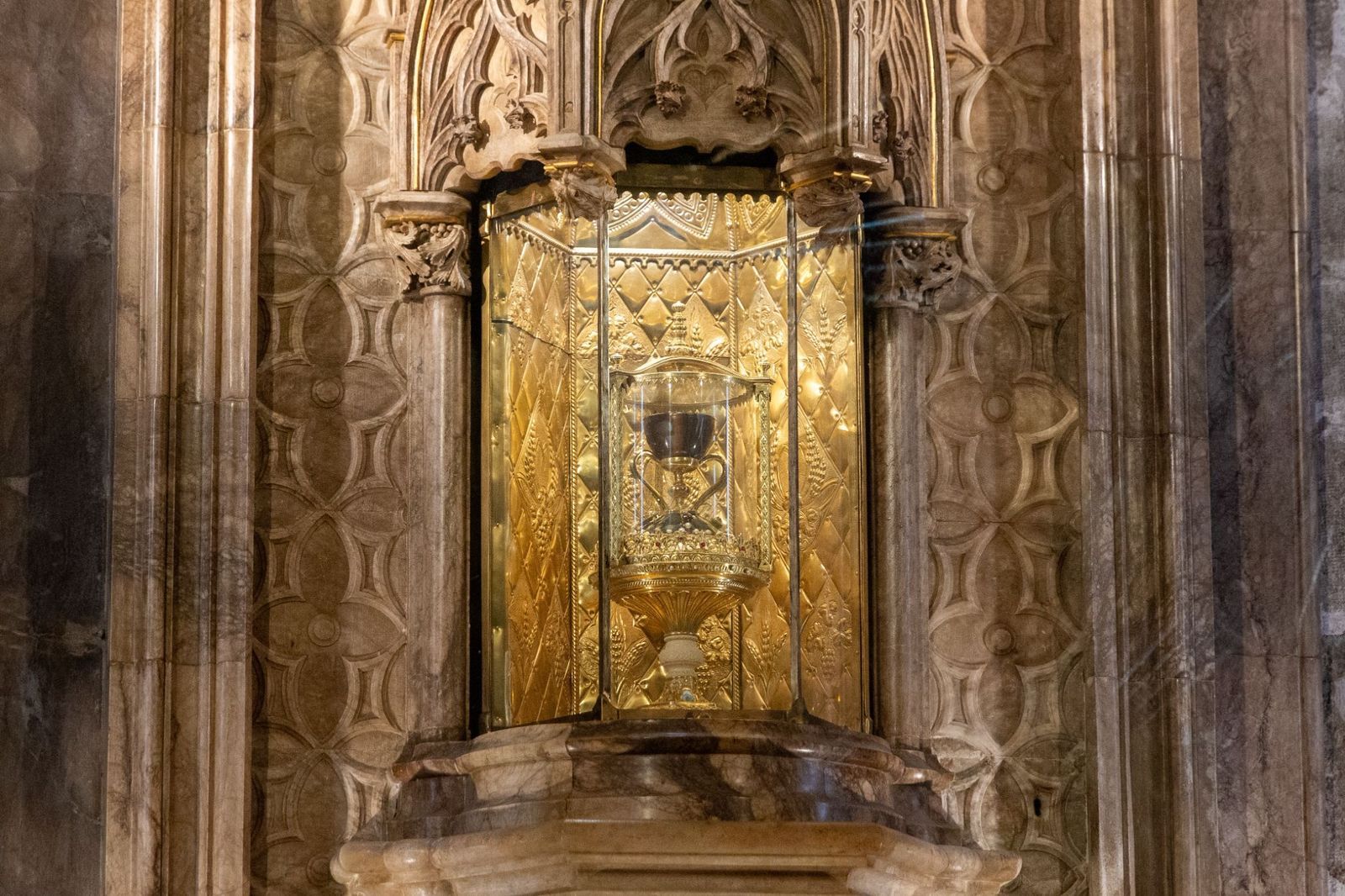
Originating in the late 12th century through the French romances of Chrétien de Troyes, the Grail was described as the sacred chalice used by Jesus Christ at the Last Supper, and later used to collect his blood during the Crucifixion.

The legend claimed that this vessel possessed miraculous healing powers, granted eternal youth, and provided infinite food. It became an obsession across Western Europe. Knights and nobles genuinely believed the Grail was hidden somewhere in a secluded castle, waiting for a perfectly pure warrior to find it.

4

King Arthur

Image: Melnikov Dmitriy

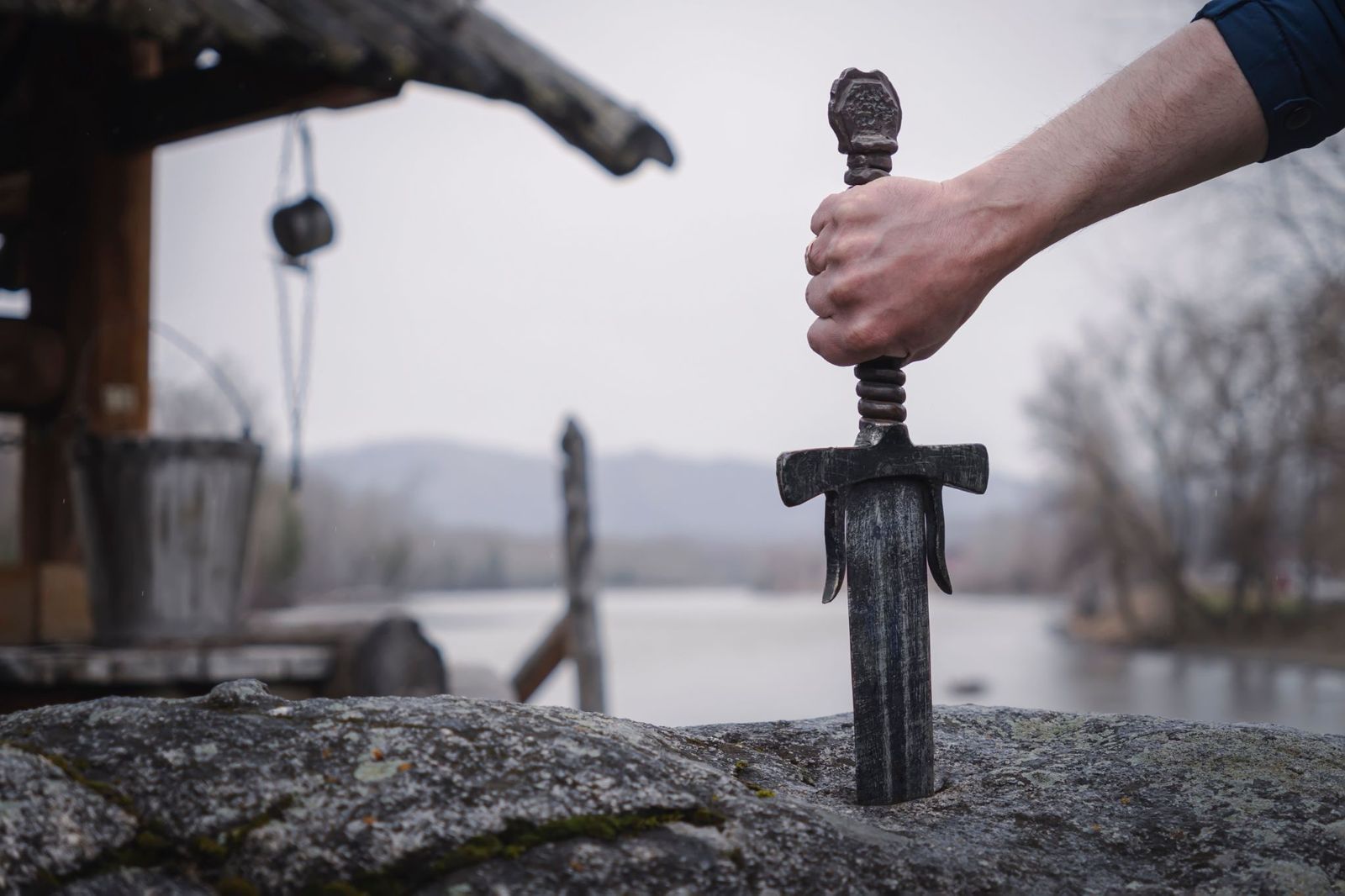
Did a heroic king once rule Britain from a golden castle called Camelot, surrounded by a Round Table of knights? The legend of Arthur was popularized in the 1130s by Geoffrey of Monmouth’s History of the Kings of Britain, a mixture of vague fragments of real 5th-century Celtic warlords and doses of pure fiction.

Arthur became the gold standard for medieval chivalry. The urban legend expanded to include his magical sword Excalibur, the wizard Merlin, and the tragic betrayal by his queen, Guinevere. The myth was so powerful that English monarchs, including Edward I, used Arthurian imagery to legitimize their rule, even claiming to have discovered Arthur’s tomb at Glastonbury Abbey in 1191.

5

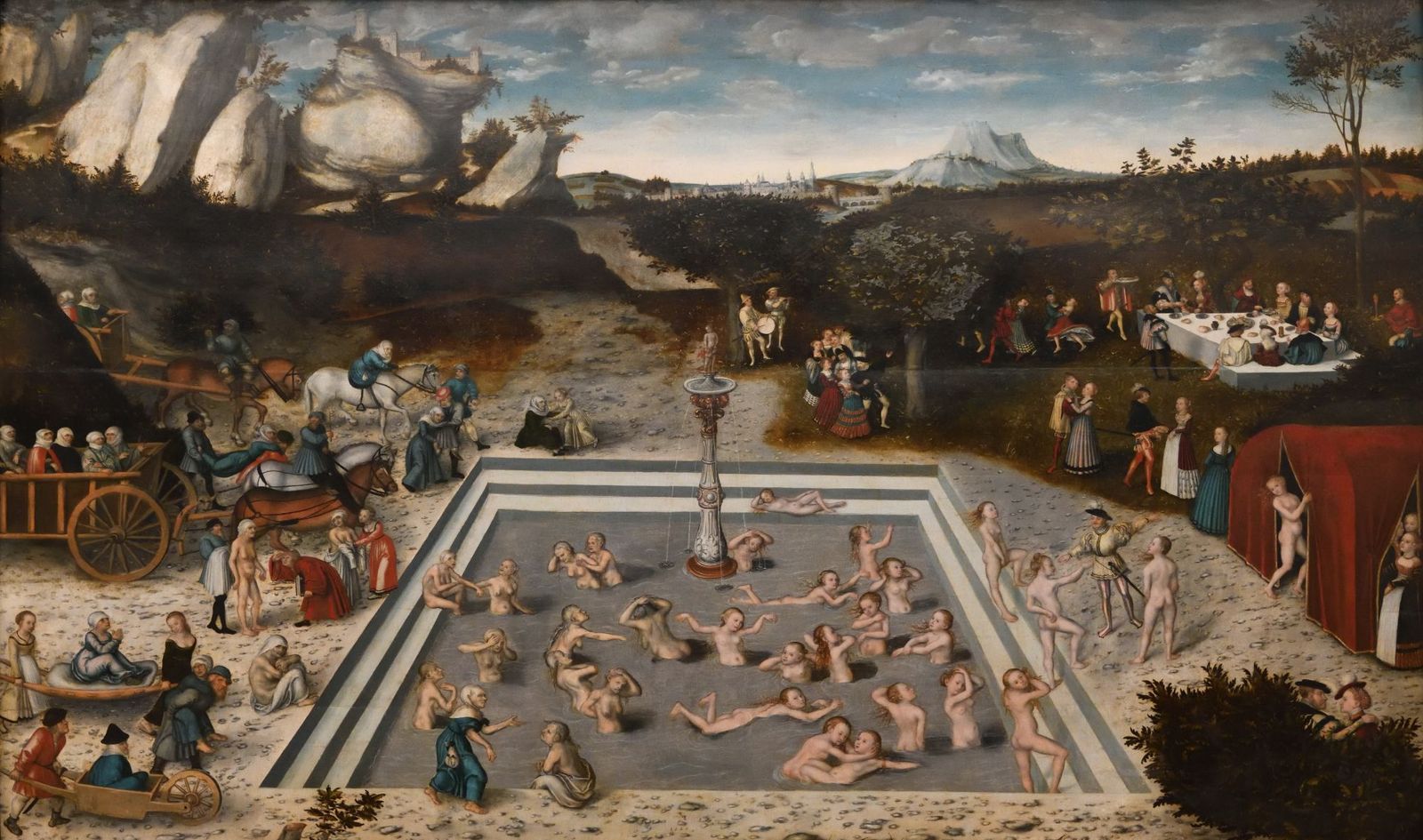
Fountain of Youth

Image: Lucas Cranach the Elder, CC BY-SA 4.0, via Wikimedia Commons

The idea of a magical spring capable of reversing aging and curing all sickness is an ancient one, but it became a dominant urban legend during the Middle Ages. The myth was blown up by the Alexander Romance, a fictionalized collection of stories about Alexander the Great that circulated in Europe at the time.

According to these tales, Alexander and his armies searched for the "Water of Life" on the outer edges of the known world. Medieval travelers and mapmakers speculated that this fountain existed somewhere in India or the mythical lands of the East. This legend laid the groundwork that, centuries later, would drive Spanish explorers like Juan Ponce de León to hunt for it in the Americas.

6

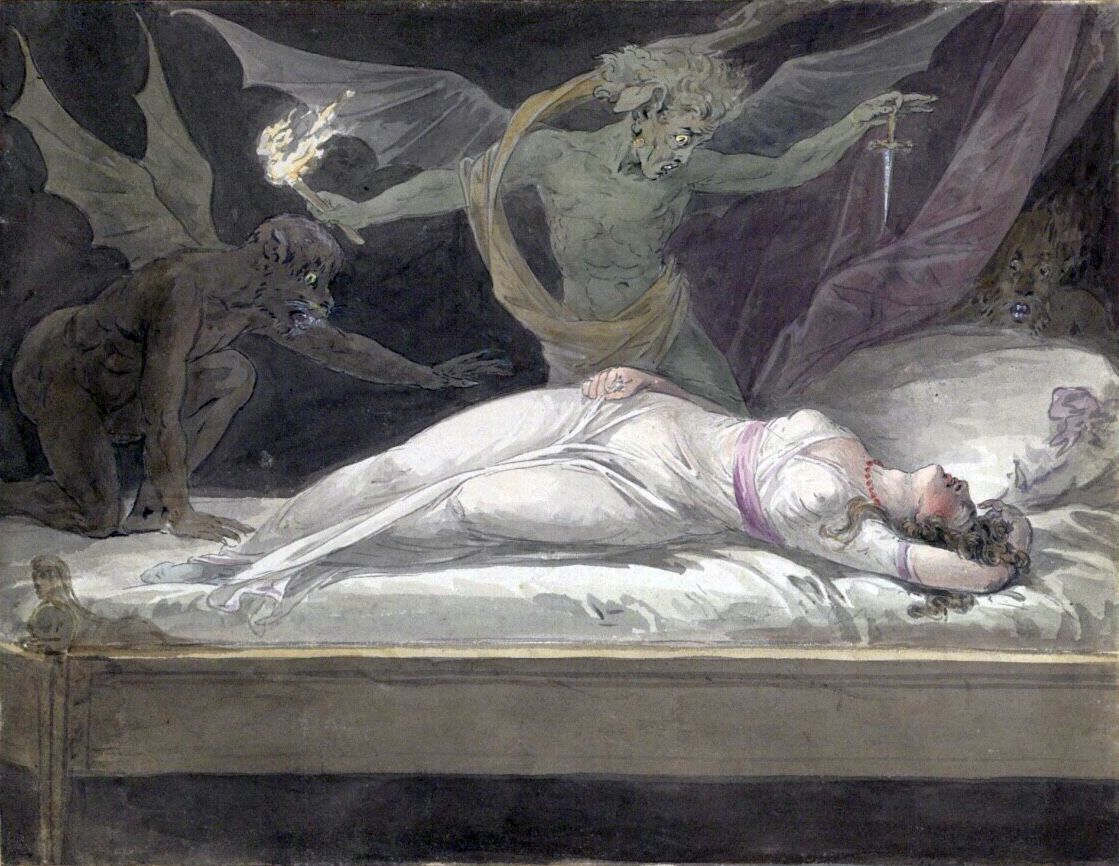
Incubus and Succubus

Image: Vincenz Georg Kininger, Public domain, via Wikimedia Commons

Medieval life was deeply preoccupied with sin, demonic temptation, and the supernatural. When people experienced terrifying nightmares or sleep paralysis, they didn’t have modern psychology to explain it. Instead, they blamed the incubus and succubus.

An incubus was a male demon believed to prey upon sleeping women, while a succubus was a female demon that seduced men. These entities weren’t just folklore, they appeared in serious medieval theological texts. Church scholars even argued about how these demons operated, warning that they could steal human material to create monstrous offspring.

7

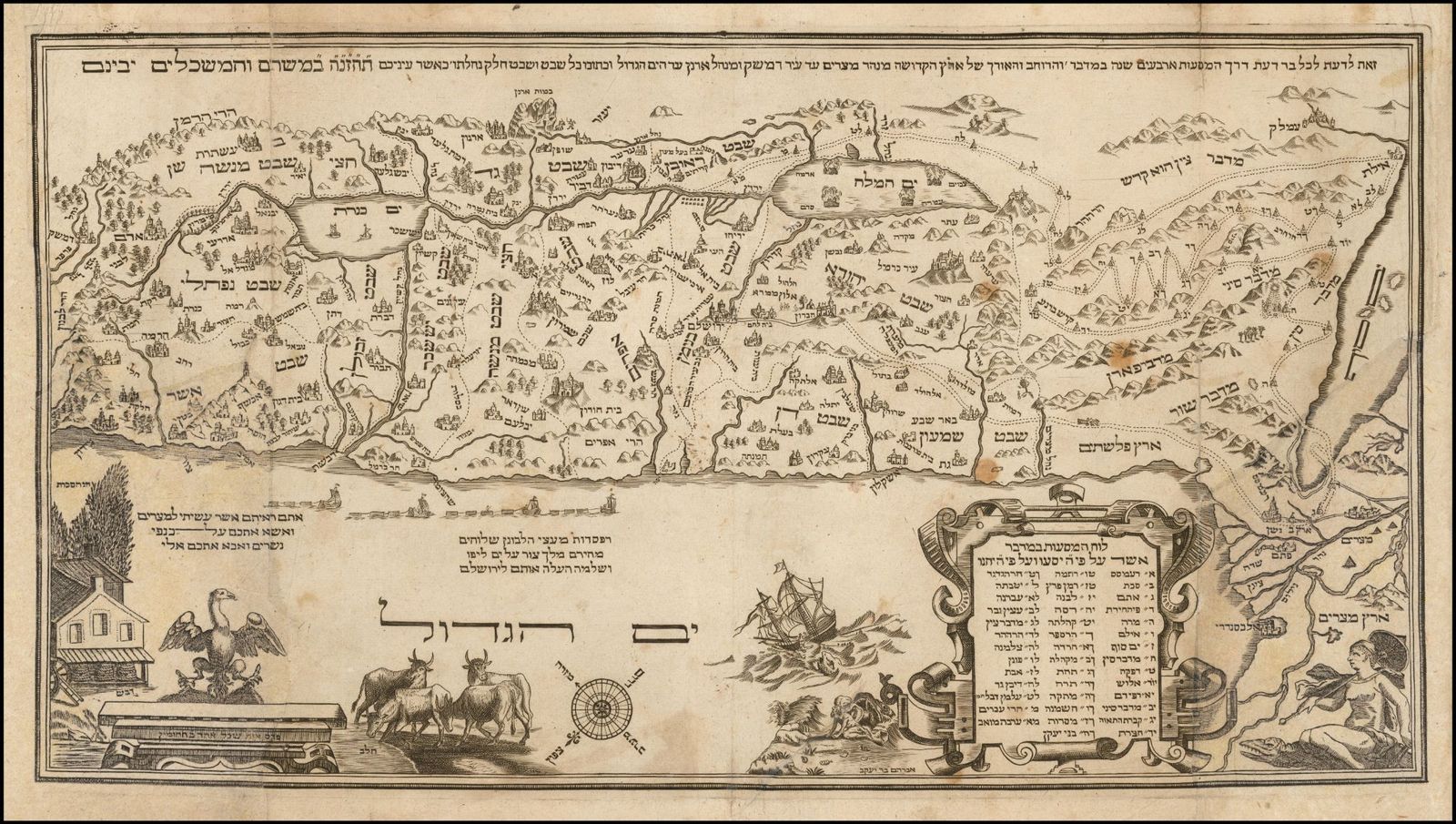
The Ten Lost Tribes of Israel

Image: Abraham Bar Yaaqov, Public domain, via Wikimedia Commons

Following the Assyrian conquest of the Kingdom of Israel in the 8th century BCE, ten of the twelve Jewish tribes vanished from the biblical narrative. In the Middle Ages, this historical mystery became a geopolitical urban legend.

European Christians and Jews alike shared the thought that the Ten Lost Tribes were living out past the edges of the mapped world. They were said to be trapped behind the mythical Sambation River, a river made of stones and sand that only stopped flowing on the Sabbath. A major component of this legend was the fear or hope that these millions of hidden warriors would one day cross the river.

8

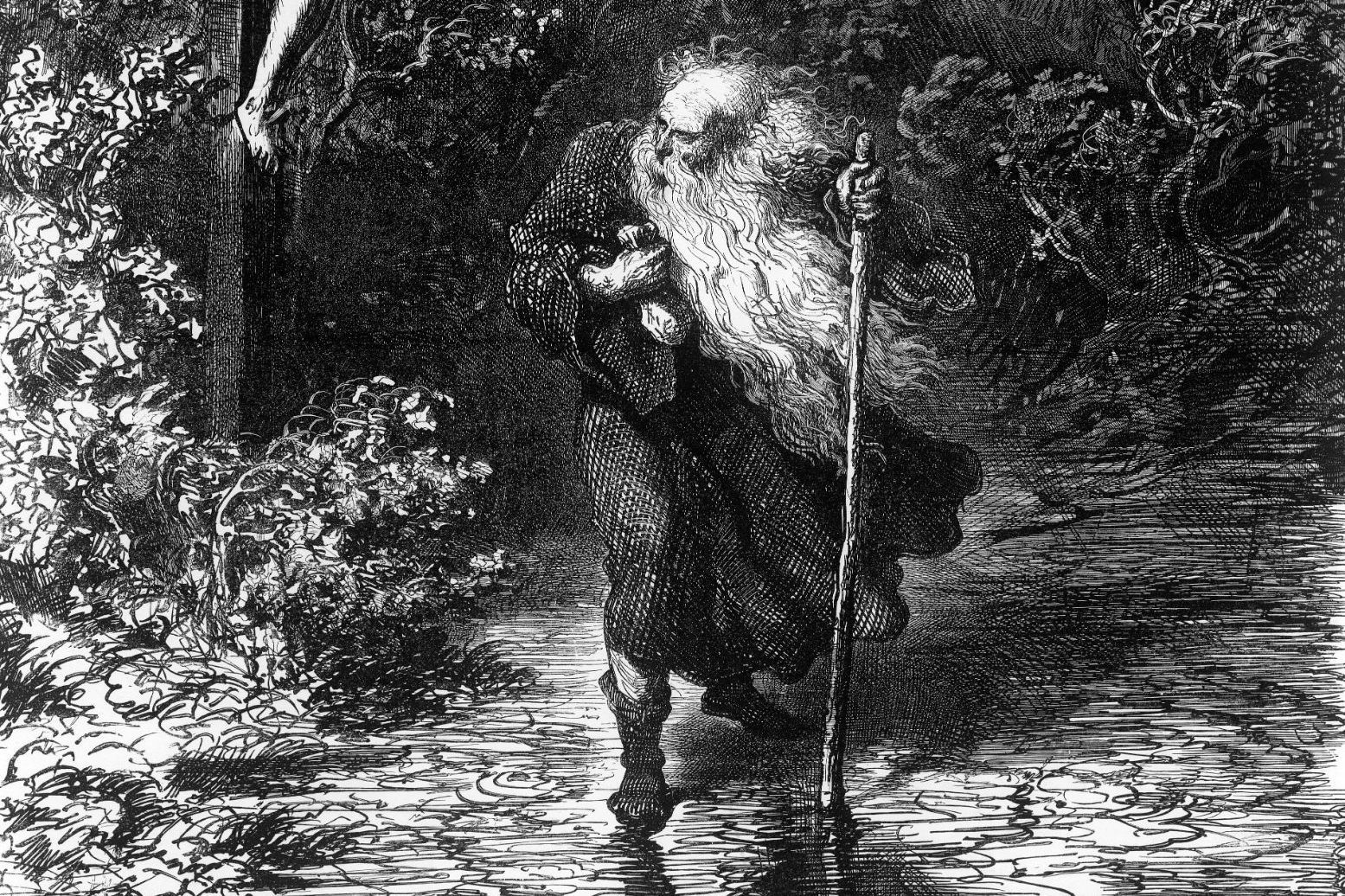
The Wandering Jew

Image: National Library of Poland, Public domain, via Wikimedia Commons

The Wandering Jew is one of the most tragic urban legends of the time, first appearing in written European chronicles around the 13th century. The story goes that a Jewish shoemaker or guardsman named Cartaphilus (or Ahasuerus in later versions) taunted Jesus as he carried his cross to Calvary, telling him to hurry up. Jesus supposedly replied: "I am going, but you will wait until I return."

As a result, the man was cursed with immortality and doomed to walk the earth without rest until the Second Coming of Christ. Throughout the Middle Ages, people across Europe claimed to have met this sorrowful traveler, describing him as a knowledgeable man who spoke every language.

9

The Children’s Crusade

Image: Internet Archive Book Images, No restrictions, via Wikimedia Commons

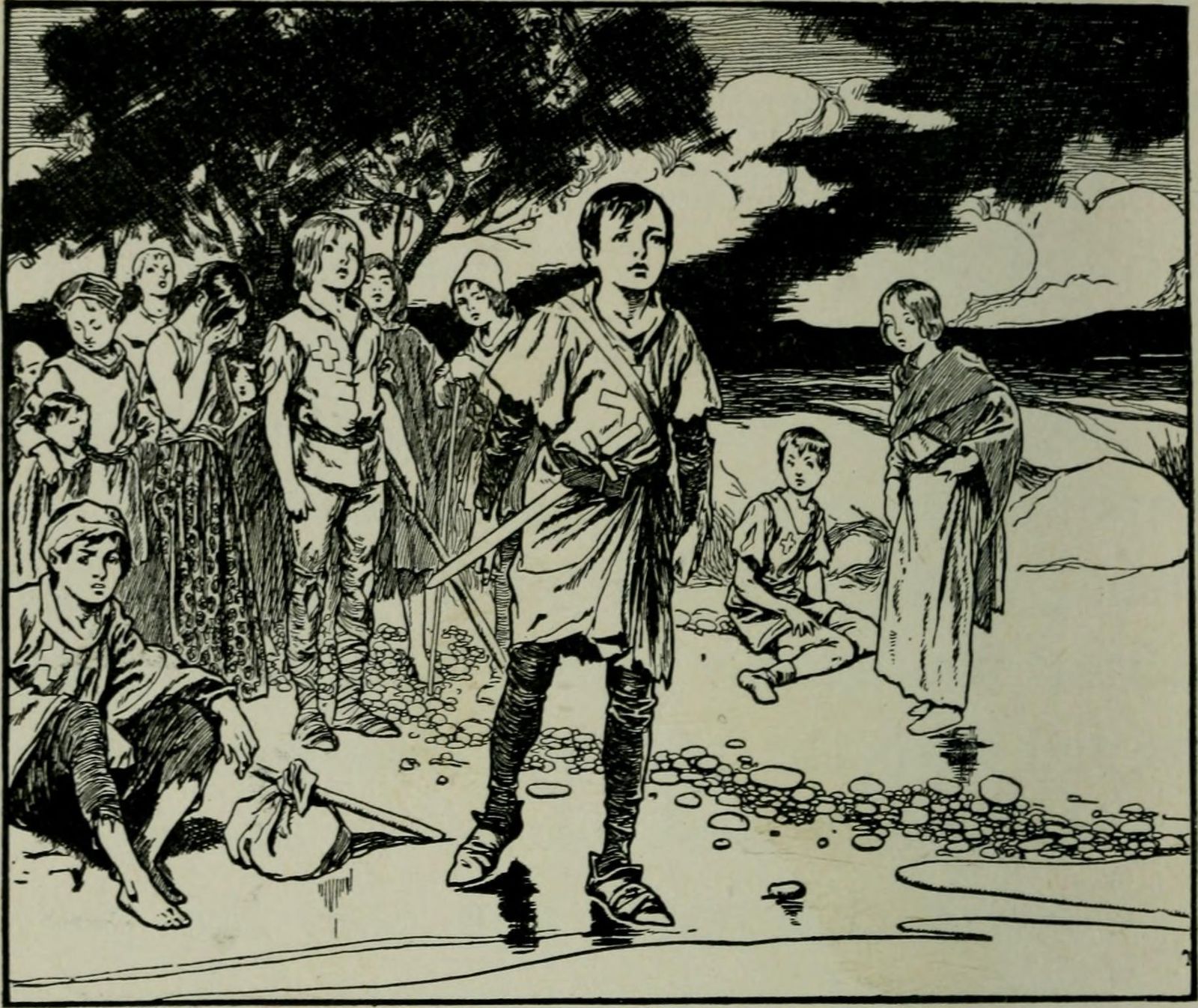
In the year 1212, a wave of religious hysteria swept through France and Germany. The resulting story became one of the most heartbreaking urban legends of the era: the Children’s Crusade. The popular tale stated that thousands of unarmed children, inspired by visions, marched toward the Mediterranean Sea, believing the waters would part for them so they could peacefully reclaim Jerusalem. When the sea failed to part, corrupt merchants supposedly loaded them onto ships and sold them into slavery in North Africa.

10

Prester John

Image: Ong Khan, Public domain, via Wikimedia Commons

Beginning in the mid-12th century, rumors spread of Prester John, a wealthy Christian king who ruled a utopian empire somewhere in the heart of Asia or Africa.

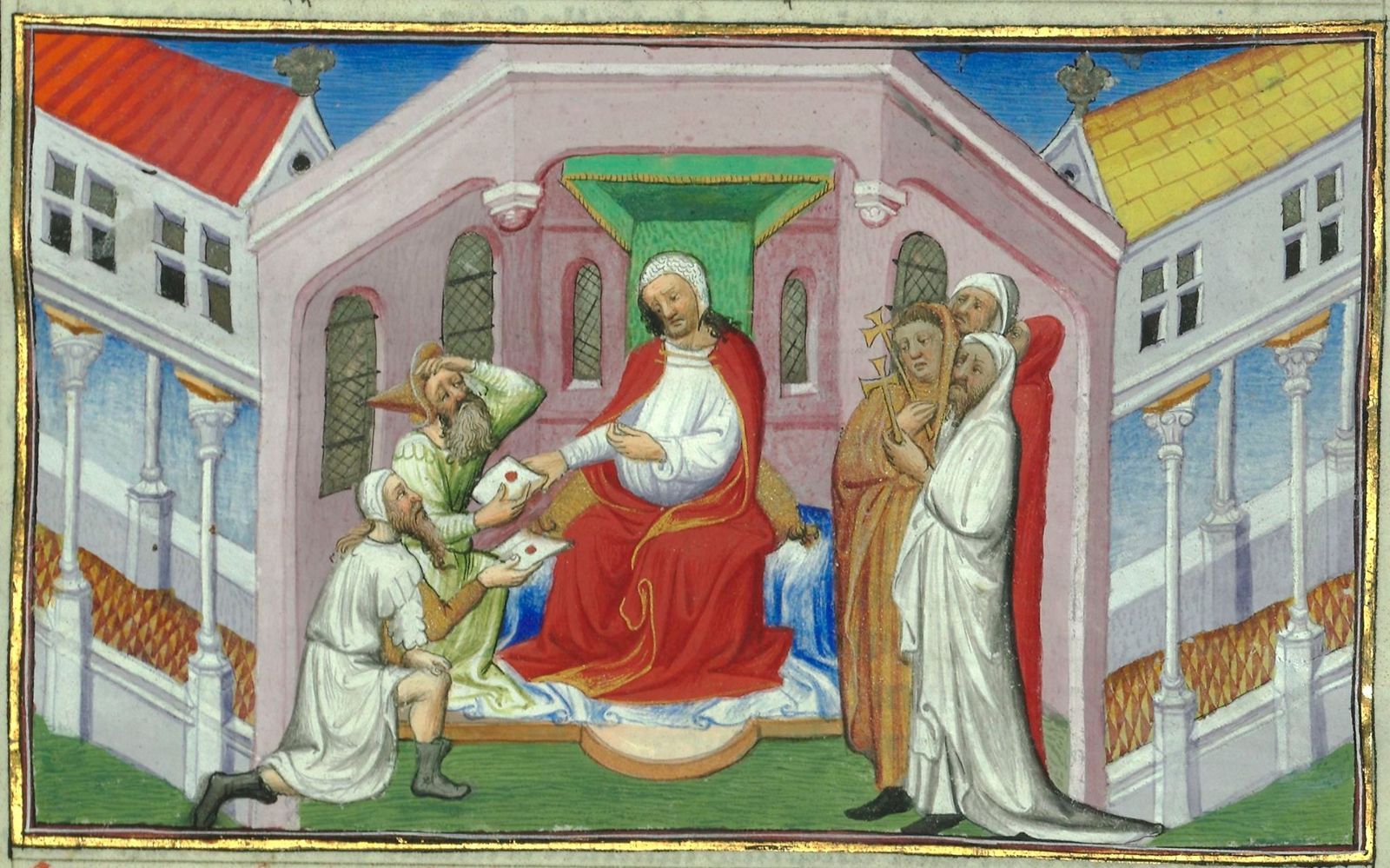
The legend reached a peak when a forged letter, supposedly written by Prester John himself, circulated among European monarchs. The letter described a kingdom with rivers filled with gold, the Fountain of Youth, and a mirror through which the king could see his entire empire. During the Crusades, European armies hoped that Prester John’s legions would march from the East to save them.

Decoding

Being a "treasured guest" is not a compliment. This is the hidden meaning


Published on June 20, 2026


Image: Hitesh Choudhary

Have you ever heard "Code Adam" while shopping for groceries at Walmart? Or maybe you’ve heard how "Dr. Firestone" was being paged during a routine hospital visit. They sound like harmless announcements. But behind these ordinary words are secret codes staff use to signal emergencies without causing panic. From hospitals and supermarkets to airports and Disney Parks, these phrases quietly warn employees that something is happening. You hope you never hear them, but if you do, it helps to know exactly what they mean.

1

Treasured guest

Image: Helena Lopes

We all love getting special attention at airports or hotel desks, but if you hear the clerk call you a "treasured guest," don’t feel so flattered. You may not be as VIP as one could think.

In the hospitality industry, "treasured guest" has become a humorous bit of industry folklore to describe someone causing trouble. Maybe a customer yelling at staff over expired coupons, demanding impossible accommodations, or throwing a full-blown tantrum at the front desk. Whatever it is, the phrase has become the staff’s secret way to warn co-workers without escalating the situation in front of the customers. Most guests don’t realize the meaning, but once you know it, you may start hearing it more often. We just hope it’s not about you.

2

Code Adam

Image: Karsten Winegeart

Imagine you’re pushing a shopping cart through Walmart when suddenly the overhead speaker announces, "Code Adam." You can easily assume it’s some kind of employee meeting or cleanup request. But when you see them start locking the exits and moving around, you know something’s wrong.

This code was created in 1994 by Walmart in collaboration with the National Center for Missing & Exploited Children (NCMEC), in memory of the tragic case of 6-year-old Adam Walsh. Adam was abducted from a Sears department store in 1981 while shopping with his mother. His father, John Walsh, later became famous for hosting the TV program America’s Most Wanted and advocating for missing children. Even if Adam’s story ended in tragedy, Walmart created the emergency system in Adam’s memory, and other retailers soon adopted it nationwide, intending to have a quick response to missing or abducted children.

3

Code Blue

Image: Günter Valda

You’re sitting in a hospital waiting room during a routine check-up when you suddenly hear "Code Blue, Room 214." Most people immediately know it sounds serious, even if they are not entirely sure why.

The phrase "Code Blue" is used at hospitals to draw the necessary staff and equipment to perform a resuscitation. It was created in the early 1960s at Beathany Medical Center by Dr. Hughes Day. Before then, hospital resuscitations were often chaotic and poorly coordinated. In 1961, Dr. Day received a grant to build one of America’s first cardiac care centers, and he developed both the Code Blue alert system and the modern crash cart to improve survival rates during cardiac emergencies. Today, the system is used in hospitals across the country, sometimes with specialized versions like "Code Blue Pediatric" or "Code Blue Neonate."

4

Dr. Firestone

Image: Cdn Pages

Imagine visiting a loved one in the hospital when the intercom calmly announces, "Paging Dr. Firectone to the third floor." Your head surely goes, "Dr. Firestone’s probably having a busy day up there." He is, but it’s not what you think.

The phrase is actually a discreet fire alert used to warn staff about smoke, flames, or overheating equipment without frightening patients and visitors. Hospitals adopted these coded announcements after realizing that openly yelling "fire" over loudspeakers could create panic, especially among patients who aren’t able to move quickly. "Code Red" is an alternative used by many health centers today, but it also hints at the situation while keeping hallways calm.

5

Code 10

Image: Blake Wisz

You’re standing at a checkout counter when the cashier picks up the phone and quietly says, "I need a Code 10 authorization." If you think that’s just another way to get a supervisor’s approval or technical issue, think again. In reality, the cashier may suspect the credit card is stolen or fraudulent.

Code 10 was developed through a cooperative effort between major credit card companies like Visa and Mastercard, along with international standard organizations. As credit cards became more common in the 1960s and 1970s, stores needed a discreet way to alert banks about suspicious activity without directly accusing customers and potentially putting employees at danger. When a cashier requests a Code 10, the bank’s operator begins asking yes-or-no questions to assess the situation and guide the employee on what to do next.

6

Code Bravo

Image: CDC

You’ve probably experienced those long airport security lines. The wait is usually uneventful. But sometimes, you can hear "Code Bravo" over the speakers. Maybe it’s a delay, or maybe it’s an issue with luggage. Within seconds, people stop moving, the security line freezes, and exits may even close. It’s something bigger.

Code Bravo is the emergency phrase used by airport security and the Transportation Security Administration to signal a serious security threat, such as an unattended bag, a breach at a checkpoint, or someone slipping into a restricted area. The term comes from the international phonetic alphabet used in aviation and military communications, where "Bravo" represents the letter B. When this is called, security staff immediately lock down affected areas, stop screening lines, and search for the source of the threat. To passengers, it’s sudden and confusing, but to security, it’s a carefully rehearsed response.

7

Code Alpha

Image: Navy Medicine

You are heading back to your cabin on a cruise ship when the speakers announce, "Code Alpha, Deck 7." You may think Alpha is related to the captain, but that’s not the case. It means someone on board is suffering a medical emergency.

The phrase comes from the NATO phonetic alphabet, where "Alpha" represents the letter A. In maritime emergency jargon, it became shorthand for a Priority A medical situation requiring immediate response. Cruise lines such as Royal Caribbean and Disney Cruise Line commonly use the term, though some ships use variations like repeating "Alpha" three times. Once the code is announced, onboard medical teams rush toward the specified deck or cabin. If necessary, stretcher crews are mobilized, and in severe cases, the ship may even divert course toward the nearest port for emergency evacuation. Passengers are enjoying the views, but the staff is running to save a life.

8

10-33

Image: chris robert

Anyone who remembers the CB radio craze of the 1970s probably smiles when they hear "10-4." Movies, truckers, and radio fans turned those number codes into a part of American culture. So if you overhear "10-33" on a police scanner, you might assume it’s just another routine message. But it’s not as simple as it sounds.

The 10-code system was first created in 1937 by Illinois State Police communications director Charles Hopper and later standardized by the Association of Public Safety Communications Officials, better known as APCO. Officers needed short phrases they could understand clearly over crackling radio signals. The 10-33 code commonly means an officer needs emergency assistance. In some departments, it also signals radio silence so dispatchers can focus on the crisis unfolding in real time.

9

Signal 70

Image: Samuel Lopez Cruz

Disney World is amazing, the parks offer something for everyone, and there are things to see wherever you look. But that’s exactly the kind of place where a child can easily disappear into a sea of strollers, balloons, characters, and crowds. For that reason, Disney has developed the "Signal 70," which alerts cast members and security that a child has become separated from their family.

The number comes from older police and emergency radio systems, where "70" was commonly associated with missing persons. Disney adopted the phrase because it allows employees to communicate discreetly without frightening or alarming nearby guests. If a member finds the child, they gently -and magically- escort them to Baby Care Center, where they coordinate the reunion.

10

Echo, Echo, Echo

Image: Alonso Reyes

Cruises are great to relax, enjoying a good book under the sun with a nice drink by the side. Until you hear "Echo, echo, echo" on the speakers. If you do, something is happening somewhere else on the ship.

The code is used among cruise employees to signal that dangerous winds or a navigational hazard are affecting the ship. It comes from the international maritime phonetic alphabet, where "Echo" stands for the letter E. In maritime signalling, the letter traditionally means "I am altering my course to starboard." And, in time, the phrase became associated with urgent ship maneuvers and weather-related warnings. However urgent, the repetition of the word by three doesn’t represent life-threatening situations. It alerts the crew of a certain hazard to prepare while avoiding panic among passengers.

Looking for an extra scoop of literary fun?

Learn more with our Word of the day

kismet

/ˈkɪzmət/