Read this, STAT!

What do doctors mean when they say "doughnuts"? You'll be surprised!


Published on August 19, 2025
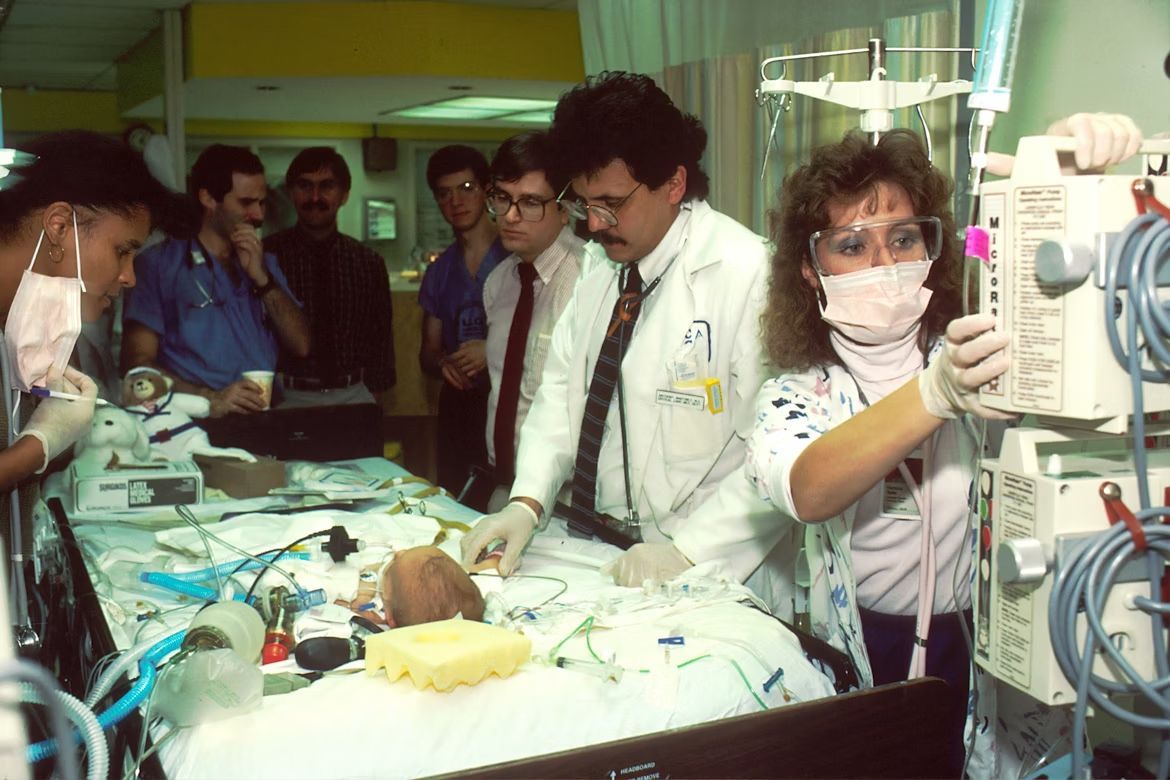

Image: National Cancer Institute

You don’t need a stethoscope to enjoy this one. Medicine isn’t always all needles and charts; it can have a sense of humor from time to time. Doctors and nurses use some wild expressions that might sound like something out of a sitcom. Here’s a lighthearted look at 16 real phrases from the medical world that are as funny as they are fascinating. Let’s take a peek behind the curtain at what health pros are really saying.

1

Vitamin IQ deficiency

Image: Nik Shuliahin 💛💙

This one’s not found in a textbook. Can you imagine what it refers to? Some doctors jokingly toss it around when a patient consistently ignores advice. No, it’s not a real condition, but it’s a witty way to say someone might not be making the wisest health choices. Just hope you’re never the focus of it!

2

Flu in the knee

Image: Anna Auza

When someone complains their knee flares up every time it rains, doctors might call it "flu in the knee." It’s an informal way of referring to osteoarthritis, a condition where joints feel swollen, stiff, or achy, often affected by the weather.

3

Bug juice

Image: Roberto Sorin

When doctors say "bug juice," they’re not talking about any special drink. It’s a playful nickname for antibiotics, the medicine that fights bacterial infections. Think of it like pest control for your body; it chases off the microscopic troublemakers.

4

Crispy critter

Image: Jakub Nawrot

This grim phrase refers to someone with severe burns. It’s dark humor, often used by emergency responders or burn unit teams. While it’s not said in front of patients, it reflects the emotional armor healthcare workers sometimes need to face a challenging day at work.

5

CBT

Image: Vyshnavi Bisani

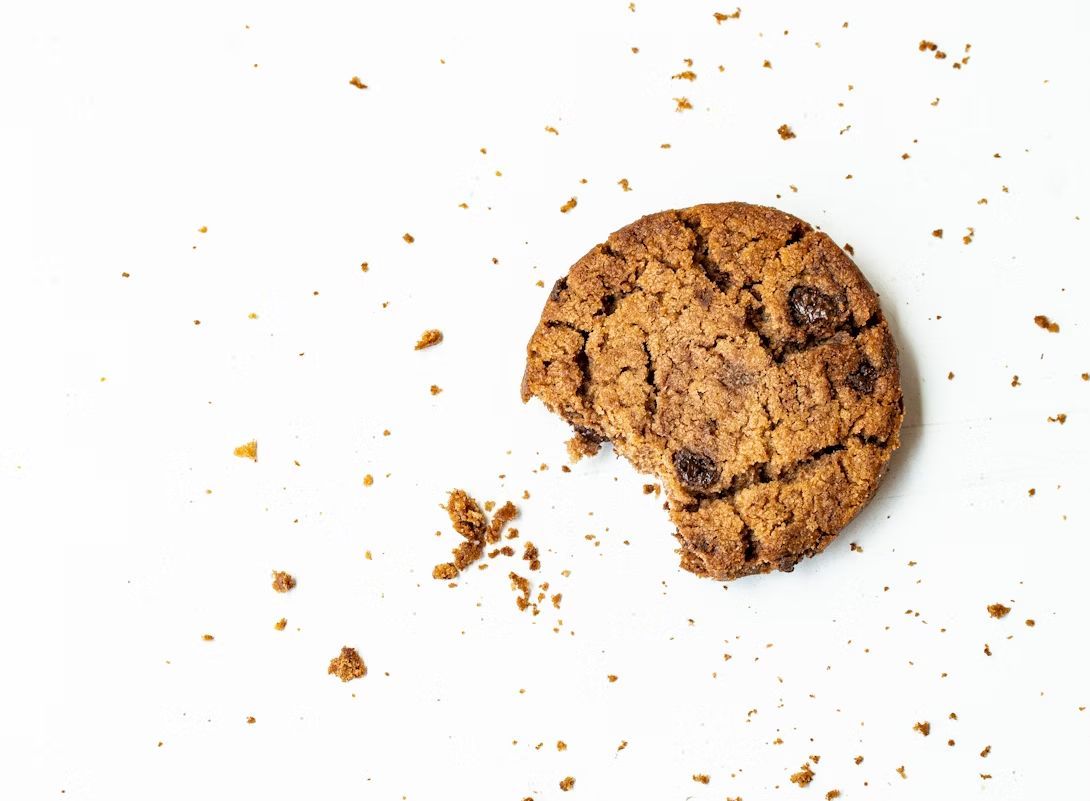
Usually, CBT stands for Cognitive Behavioral Therapy. But in healthcare banter, you might hear someone joke about Chronic Biscuit Toxicity: Just a humorous nod to carrying a few extra pounds. It’s not meant to offend, just to bring some levity into a pretty tough profession.

6

Blamestorming

Image: Accuray

Healthcare teams sometimes gather to dissect what went wrong in a tough situation. When that meeting turns into finger-pointing, it becomes a "blamestorm." It's a real workplace phenomenon, you just don’t want to be there!

7

Yellow submarine

Image: julien Tromeur

In medicine, a "yellow submarine" doesn’t play Beatles tunes. It actually refers to a patient with jaundice. This condition turns the skin and eyes yellow due to liver issues. It’s serious, but the nickname helps lighten the mood.

8

Cut and paste

Image: JAFAR AHMED

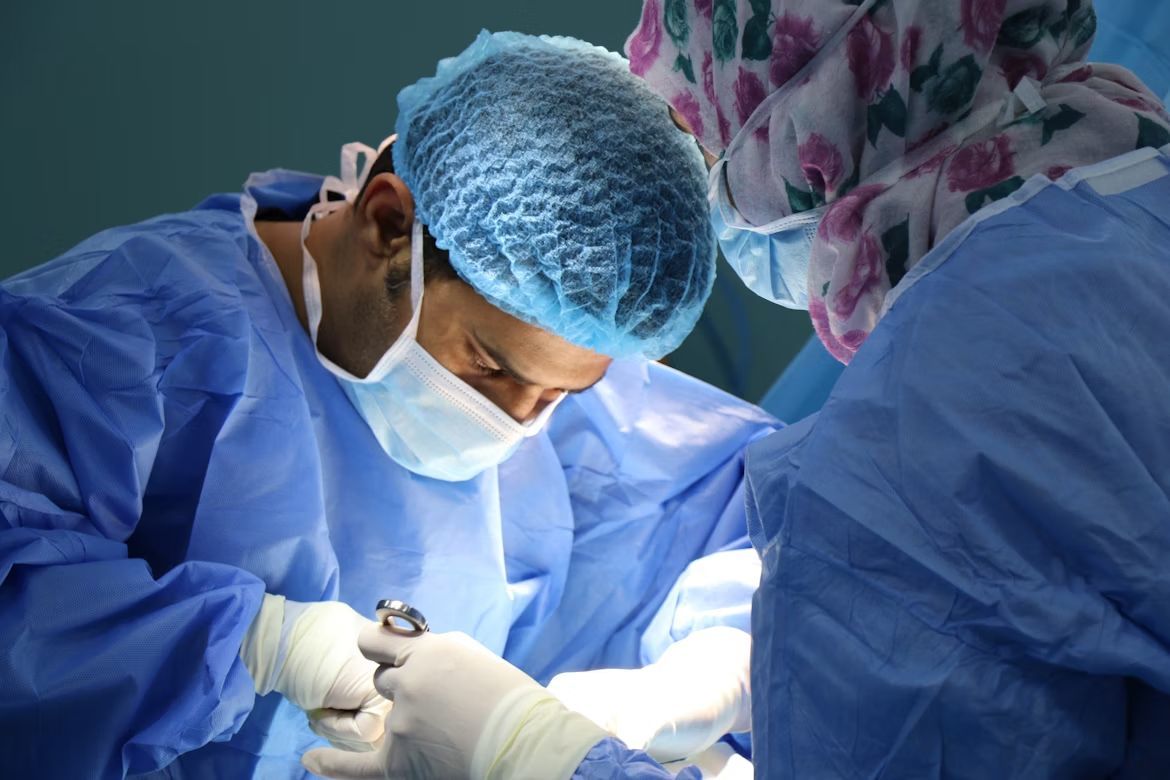
Nope, not the one in your computer. In surgical slang, this phrase refers to operations that start but can’t be completed, when they have to close things up and send the patient for a second opinion. It’s medicine’s version of "well, we tried." How crazy is that?

9

Snot docs

Image: Robina Weermeijer

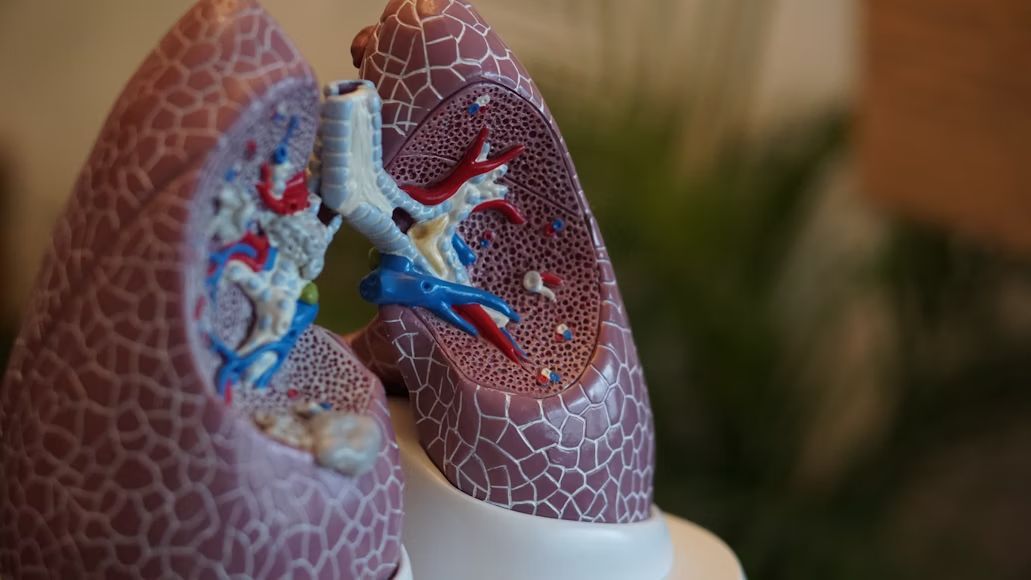
Pulmonologists—doctors who specialize in lungs and breathing—sometimes get called "snot docs." It’s a playful jab at their constant battles with mucus, coughs, and all things respiratory. Gross? Maybe. Necessary? Definitely!

10

Doughnut

Image: Accuray

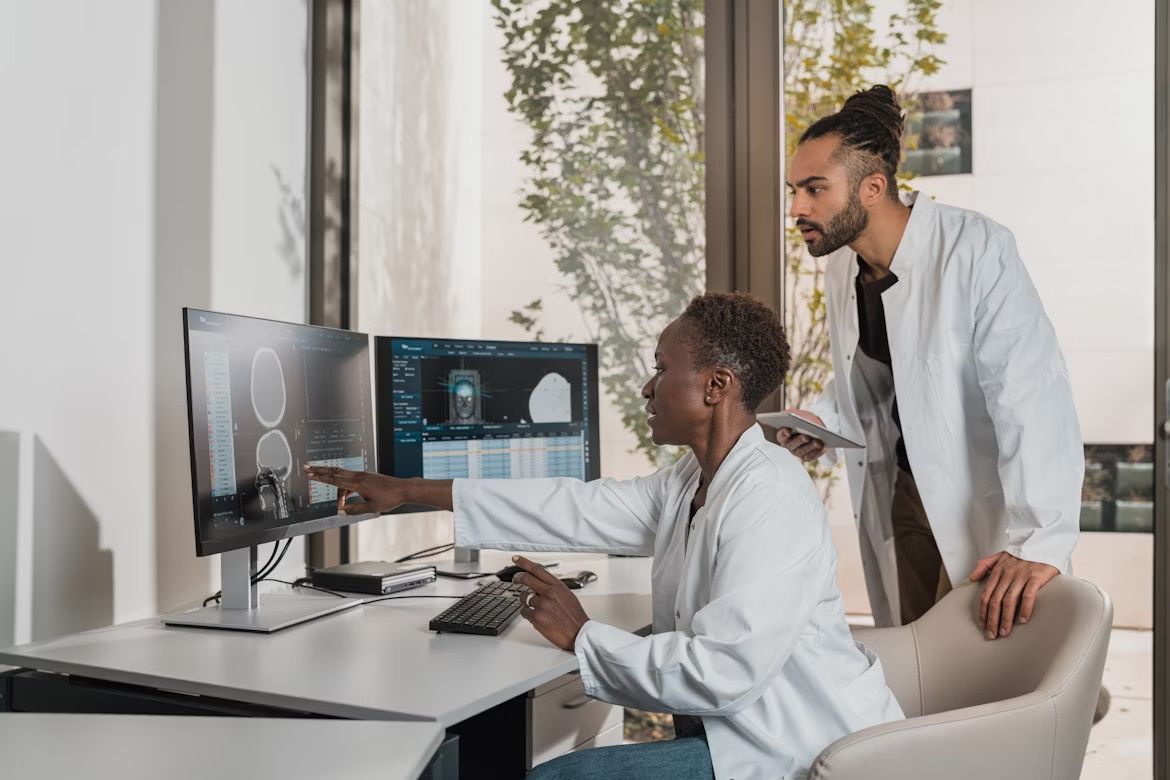
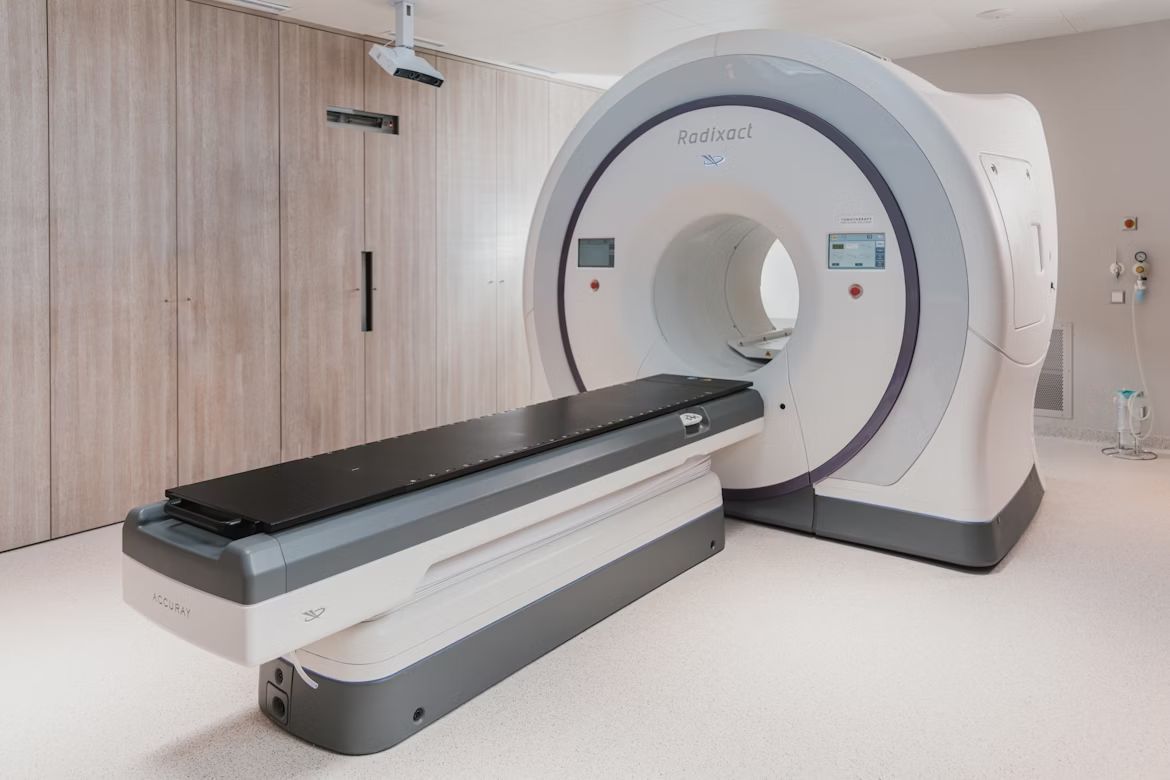
A doughnut in medical slang isn’t a treat (they wish!) It’s a CT scanner. The machine’s big, round shape gives it the nickname. Patients lie down and slide through the "hole" to get detailed body images. Sprinkles are not included, though, sorry!

11

White cloud

Image: Patty Brito

In hospital lingo, a "white cloud" is someone who seems to bring good luck—calm shifts, easy cases, and no major emergencies. If you’re a white cloud, your coworkers might wish you’d come to work every day.

12

Noctor

Image: Luis Melendez

This one’s a little spicy. A "noctor" is a nurse who’s acting like a doctor—giving advice or making calls beyond their role. It's usually said behind the scenes, and while it’s not the nicest nickname, it reflects the tension that can sometimes bubble up in high-stress settings.


DECODING DNA

10 Surprising Facts About Genetics and DNA


Published on August 19, 2025


Image: Sangharsh Lohakare

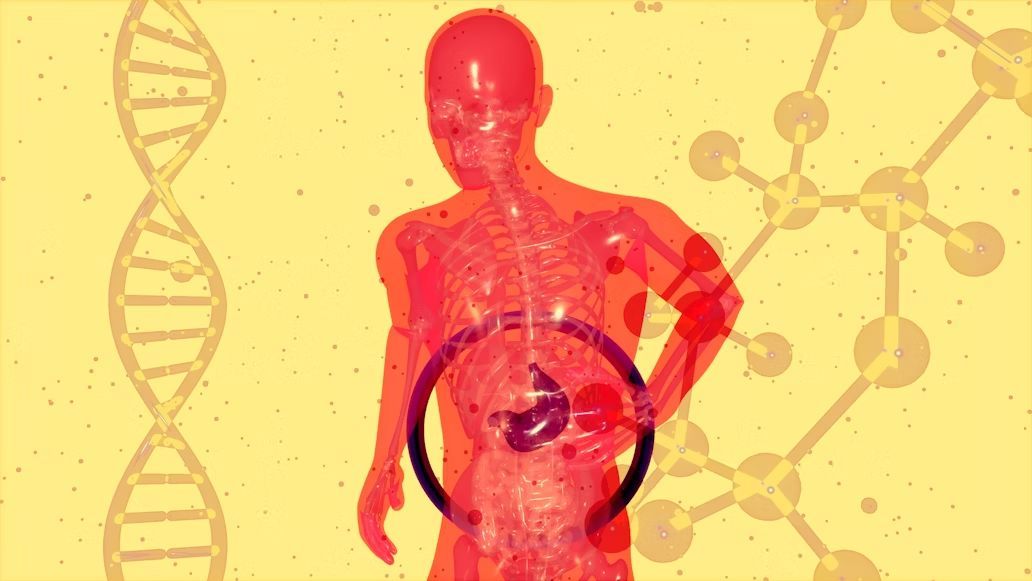
Genetics can both fascinate and befuddle us with its complexity, but understanding its mechanisms just might be the key to deciphering the building blocks of our entire existence. From genes that are shared between different species to viruses that insert themselves into our DNA, here are 10 things you—likely—didn’t know about genetics and DNA.

1

Human DNA Could Stretch to the Moon and Back

Image: Ganapathy Kumar

We vastly underestimate the amount of DNA we carry around in our cells. If you were to unravel all the DNA molecules in your body and lay them end to end, they would stretch an astonishing 10 billion miles—enough to reach the moon and back over 40 thousand times! However, despite the vast amount of DNA in our bodies, if we were to gather and weigh all of it together, it would surprisingly amount to only around 8 ounces.

2

You Share A Lot Of DNA with Bananas

Image: Harshad Khandare

Surprisingly, humans share about 50% of their DNA with bananas! But this shouldn’t be too surprising given the fact that all life on Earth evolved from a single organism, roughly 3.5 billion years ago. Every living creature on our planet has the same type of DNA, undergoing almost identical processes in order to live and reproduce.

3

Some Animals Can Regenerate Lost Body Parts

Image: Pedro Lastra

Certain species, like salamanders and starfish, possess remarkable regenerative abilities, allowing them to regrow lost limbs. Other species like axolotls or jellyfish can even go further, regenerating anything from parts of their brains to crucial internal organs, or even recovering from being cut in half! Understanding the genetic mechanisms behind this ability holds promise for regenerative medicine and even tissue engineering.

4

You Inherit More DNA from Your Mom

Image: Hillshire Farm

Surprisingly, we inherit slightly more DNA from our mother’s side. While everyone receives 50% of DNA from each parent, a small portion of mitochondrial DNA, which is passed down exclusively from mother to child, contributes to this imbalance. Mitochondrial DNA also allows for tracing the ancient relationships of human populations, and for this reason, it is extensively studied in anthropology and evolutionary biology.

5

DNA Can Store Digital Data

Image: Pietro Jeng

Scientists have already successfully stored digital data within DNA molecules, and many believe the technique has potential as a long-term storage solution. Its vast storage capacity and durability make it very attractive to store digital information, but the technology is still in development.

6

DNA Can Be Altered by Environmental Factors

Image: George Prentzas

DNA is sort of a blueprint that determines most of our traits and characteristics, but it is far from having the last say on how particular traits or genes will express themselves. Environmental factors can modify gene expression without changing the underlying DNA sequence, potentially impacting health and development. This is the reason that even identical twins have noticeable differences, like unique fingerprints.

7

Trauma Can Sometimes Be Passed Down In Your DNA

Image: Transly Translation Agency

Studies have shown that certain environmental factors experienced by parents, like exposure to stress or traumatic events, can leave chemical marks on DNA that are passed down to offspring. This phenomenon is called transgenerational epigenetic inheritance, and though it seems to contradict some of the tenets of Darwinian ideas, it is now widely accepted as one of the many mechanisms of genetic inheritance in most living organisms.

8

Genetic Mutations Can Make You Immune To Certain Diseases

Image: Fusion Medical Animation

Rare genetic mutations can give natural immunity to certain diseases. In time, if these genes can be distributed sufficiently within a given population this can even lead to collective immunity. For example, there is a genetic mutation called CCR5-delta 32 that provides natural immunity to the Human Immunodeficiency Virus (HIV) by altering the structure of a specific protein these viruses use to infect cells. Studying these unique phenomena can be promising for developing cures and more effective treatments.

9

We Carry A Lot Of 'Junk' DNA

Image: Sangharsh Lohakare

A significant portion of the human genome consists of non-coding DNA, often referred to as "junk" DNA because it does not code for proteins. However, recent research suggests that this non-coding DNA plays important roles in gene regulation and genome stability, challenging the notion of it being just 'junk'.

10

DNA Can Be Transferred Between Species

Image: Belinda Fewings

Horizontal gene transfer is a very weird phenomenon where genetic material is transferred between completely different species, bypassing traditional vertical inheritance from parent to offspring. Although the mechanism behind this process is poorly understood, scientists believe that it played a significant role in the evolution of many organisms. In fact, certain types of viruses force this to happen in order to encode themselves into the DNA of their hosts and reproduce.

Looking for an extra scoop of literary fun?

Learn more with our Word of the day

evince

/əˈvɪn(t)s/