Hidden secrets of memory

10 surprising facts about memory you probably didn't know


Published on April 18, 2026


Image: ian dooley

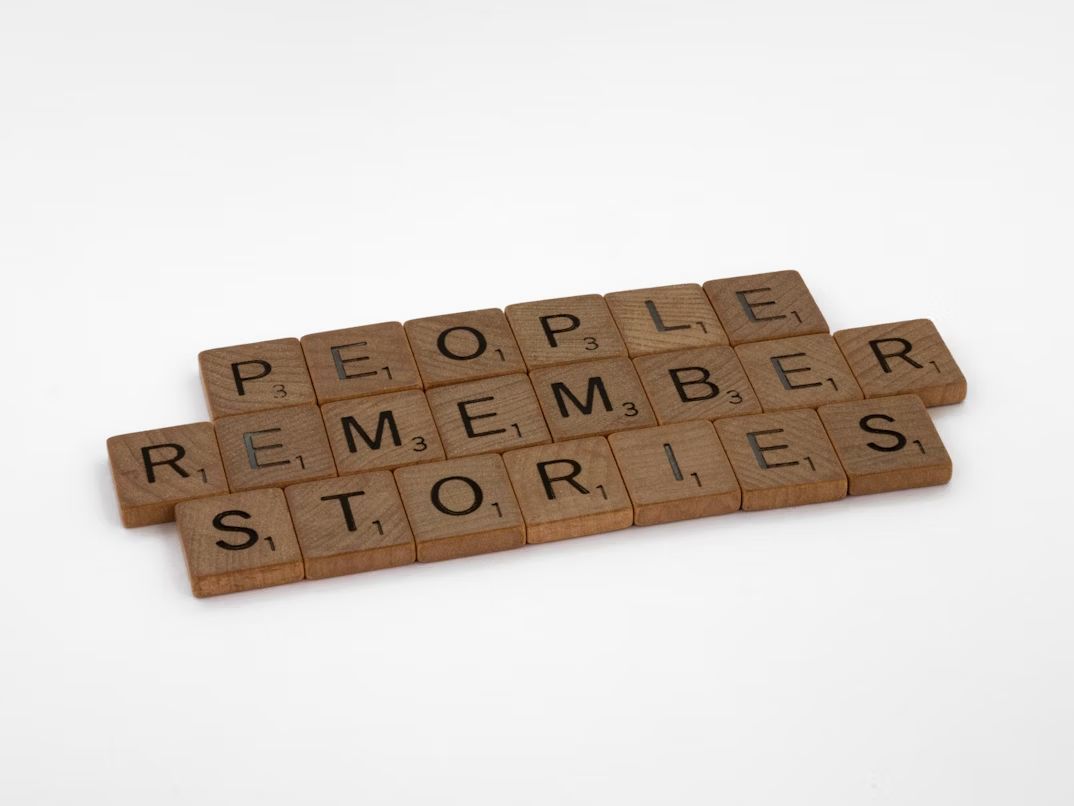
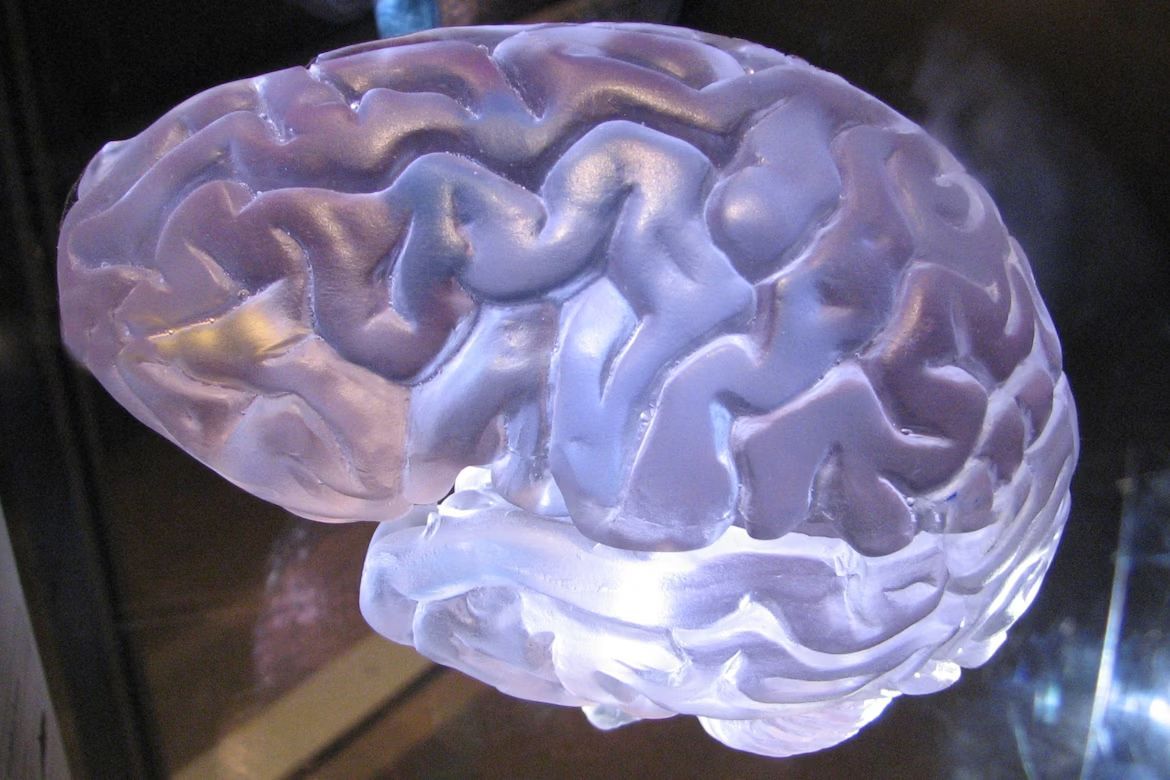
Have you been a little forgetful lately? Here’s the good news: your memory is far more powerful than you might realize! With a capacity no computer can truly match, the human brain is packed with incredible abilities and peculiarities. Join us as we uncover 10 unexpected facts you probably didn’t know about your memory. Trust us; you’re in for a few surprises!

1

Storage capacity

Image: Milad Fakurian

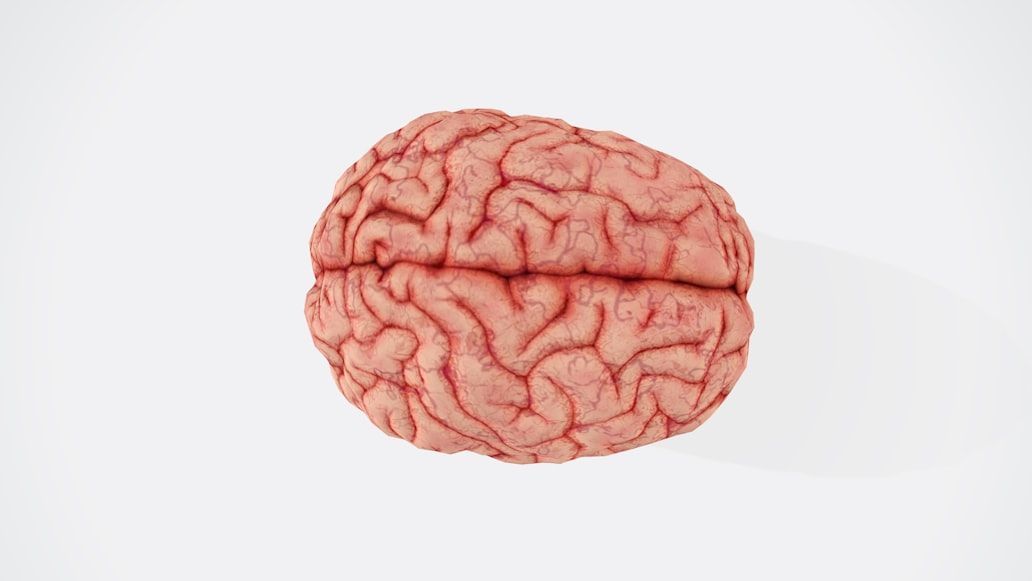
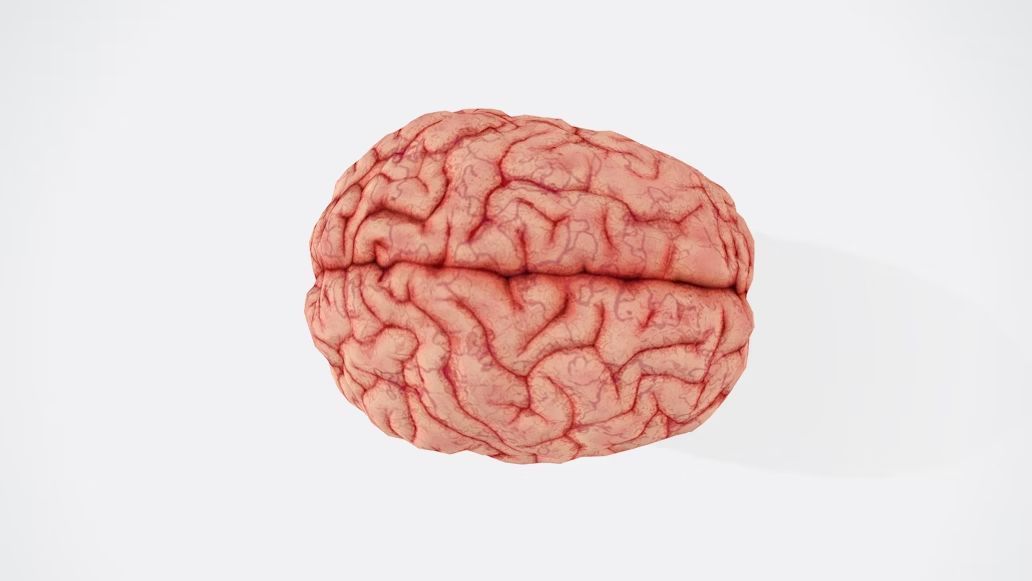
The more we learn about the human brain, the more awesome it proves to be, and memory is one of its most remarkable superpowers. While no one can say exactly how much the brain can store, one thing is clear: its capacity is enormous, far beyond what we typically imagine. In fact, a widely cited estimate suggests the brain could hold around 2.5 million gigabytes of information; that’s roughly the equivalent of 3 million hours of TV!

2

New knowledge changes your brain

Image: BUDDHI Kumar SHRESTHA

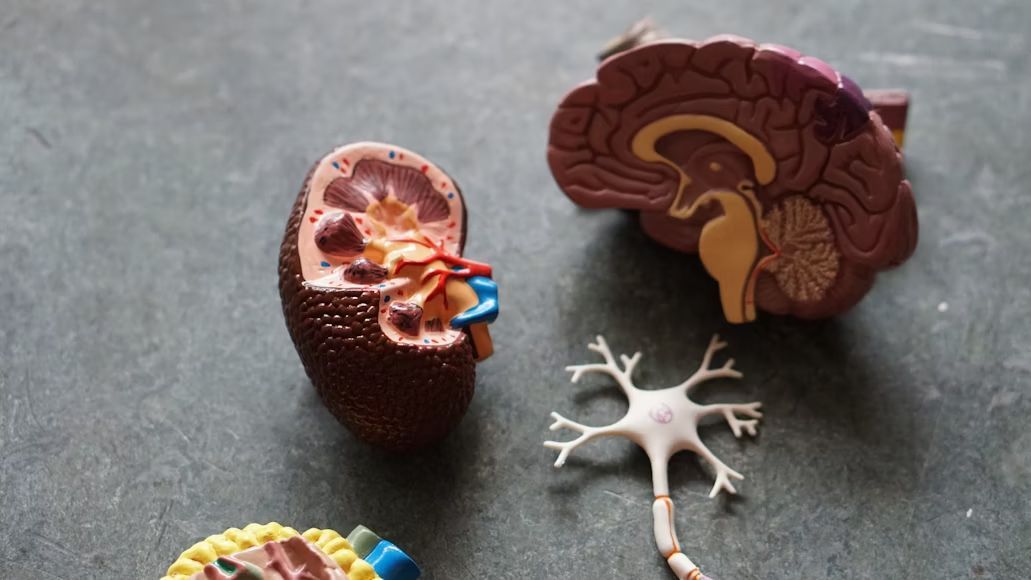
Learning new things really does change your brain, and not just metaphorically, but physically. That’s right: every time you absorb new information or form a memory, your brain actually reshapes itself. Studies using brain imaging have shown that, thanks to a process called neuroplasticity, your brain builds new neural networks, strengthens connections, and creates new pathways.

3

Less sugar, more memories

Image: Daniel Kraus

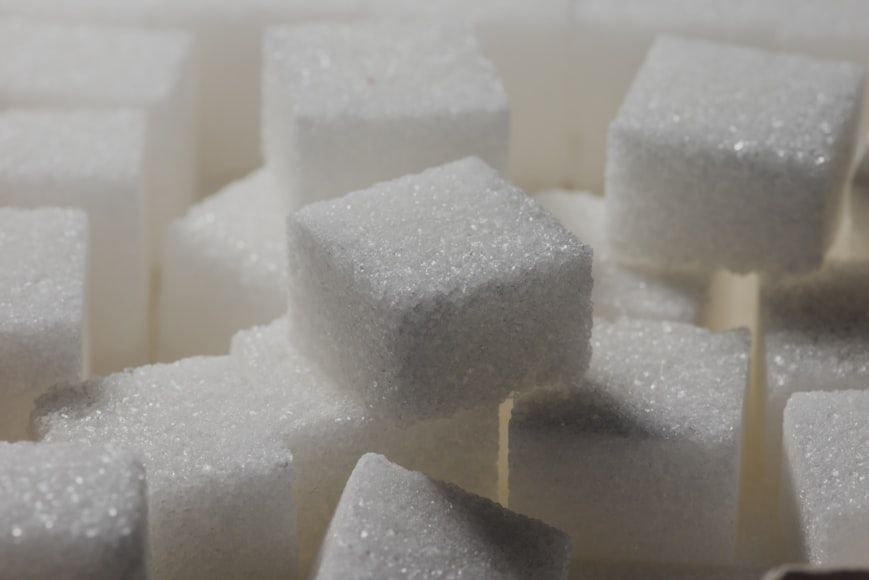
Evidence suggests that processed sugar isn’t just bad for your body; it can also affect your brain, especially your memory.

Yes, we need glucose to survive, but diets high in added sugars are a different story. Too much added sugar can damage the hippocampus, the part of the brain responsible for memory formation and learning. When that area is affected, recollection and overall cognitive function can suffer.

4

Baby memories

Image: Kelly Sikkema

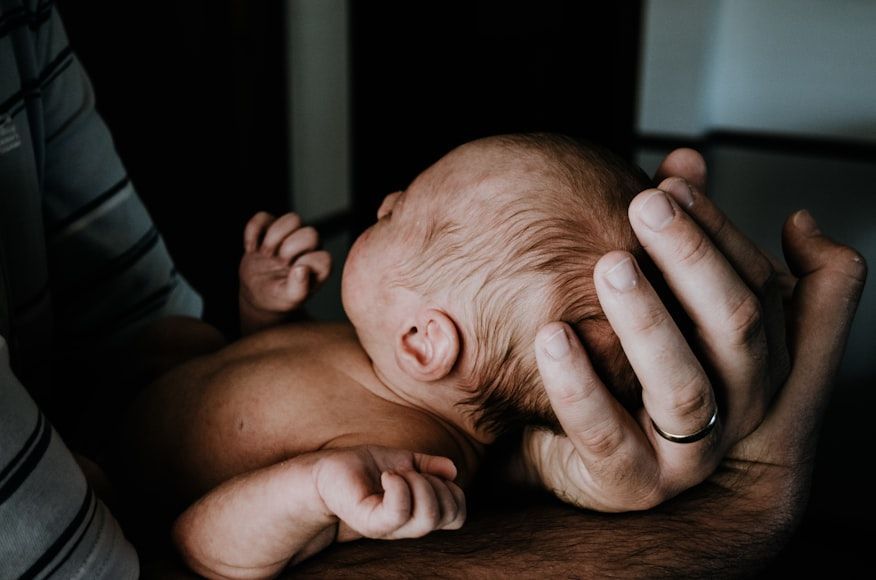
When a mom says her newborn smiles at a song she played during pregnancy, believe her: science has proven it! It turns out babies can form sensory and auditory memories while they’re still in the womb, and they can recognize those familiar sounds for a short time after birth.

5

Memory can fool you

Image: J. Balla Photography

Human memory is amazing, but it’s not perfect. Sometimes we "remember" things that never happened, or we recall real events in ways that are completely different from how they unfolded. But why does this happen? Memory is shaped by emotions, perspective, and the way we tell experiences. Two people can experience the same event and have very different memories of it. Even more surprising is the fact that every time you tell a story, your brain slightly rewrites it, which means small details can change.

6

Memory can atrophy

Image: Helena Lopes

Just like the muscles in your body, your memory can weaken if you don’t use it. And just like your muscles, the way to keep it strong is to give it a workout.

The internet makes everything so easy that our brains don’t have to work as hard. Instead of instantly reaching for your phone, pause and try to recall the information yourself. Challenge your brain! That little bit of effort makes a big difference.

7

Walking backwards improves memory

Image: 愚木混株 Yumu

Have you ever walked into a room and completely forgotten why you went in there? Try retracing your steps. And we mean that literally. Research suggests that walking backward boosts activity in the brain’s prefrontal cortex, which plays a key role in short-term memory.

And there’s more: while real movement has real benefits, just imagining yourself walking backward can help you remember!

8

The pencil is your memory aid

Image: Daria Tumanova

One of the most powerful ways to lock in new information is through drawing or handwriting. Studies show that writing things down by hand or sketching them helps your brain retain information much better than just typing or rereading. Don’t worry, you don’t have to be an artist; just draw the best picture you can, you’ll thank yourself later!

9

Your brain cleans itself

Image: Slaapwijsheid.nl

You don't need antivirus software to delete unnecessary files in your brain. Some memories don’t just fade away over time; your brain actively clears them out. While you sleep, it classifies the day’s information, strengthens what matters, and gets rid of what doesn’t, so it can run more efficiently the next day. Getting a good night’s sleep truly refreshes your mind!

10

It smells like memories

Image: Clay Banks

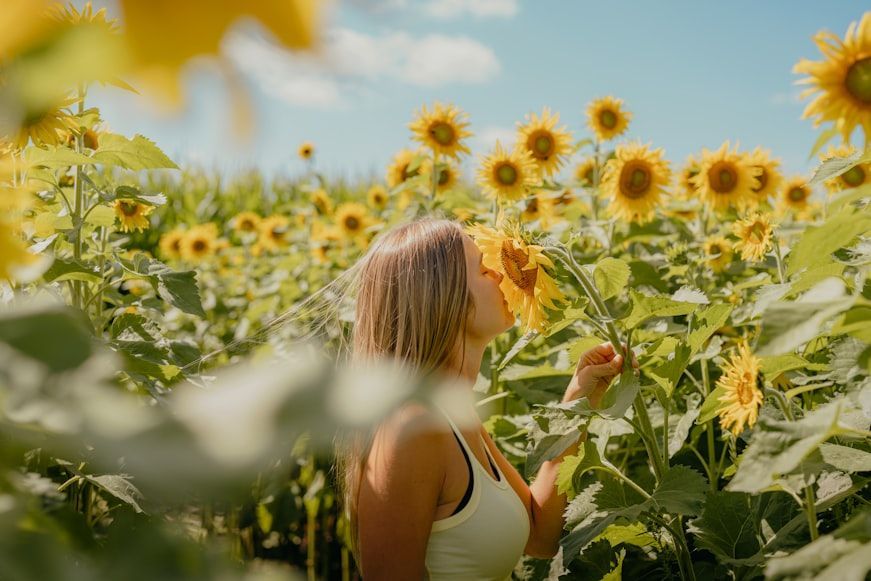
You’ve probably experienced it: just a hint of an old perfume, and suddenly you’re transported back to another time. That’s no coincidence. As we’ve said, memory is deeply connected to experience, and experience is shaped by your senses.

Of all five senses, smell has the strongest link to memory. Unlike sight or sound, scents take a more direct route in the brain, connecting quickly to areas tied to emotion and memory.


Deep roots

11 everyday words with indigenous roots


Published on April 18, 2026


Image: Zoshua Colah

English is a very welcoming language in the sense that it incorporates terms from many other languages from all over the world. And, as it couldn’t be otherwise, Native American languages have lent many of their words and terms to English speakers. Some traveled through Spanish or French before settling into English, and others arrived directly through early contact and trade, helping shape the way we speak today. Did you know about these 11 terms?

1

Canoe

Image: Michael Niessl

The word "canoe" comes from the Taino term canoa, which was first used by Caribbean islanders long before Europeans arrived. Early explorers adopted it to describe the slim, sturdy boats they saw.

Over time, "canoe" became the standard English word for a small paddled craft. Today it still carries that sense of simplicity and closeness to nature.

2

Barbecue

Image: Philipp Kämmerer

The word "barbecue" comes from barbacoa, another Taino term for a wooden frame used for cooking meat over fire. Europeans adopted it and applied it to both the method and the gathering itself.

Today, "barbecue" means everything from a backyard cookout to a regional cooking style. Its origins highlight the deep culinary influence of Native Americans in the nation's current culture.

3

Skunk

Image: Elisa Stone

"Skunk" comes from the Algonquian word squnk, which means "urinating fox" (quite a fitting term, indeed). This was an obvious reference to the animal’s strong defensive spray. Early settlers adopted the term directly.

Since English had no better name for the creature, the Native word stuck. Today, the word skunks is also used as playful slang.

4

Moose

Image: Shivam Kumar

The word "moose" originates from Eastern Abenaki, a part of the Algonquian family, where it meant "he strips off bark." Yes, it described the animal’s habit of tearing bark from trees.

The name entered English quickly because settlers relied on Native knowledge of local fauna. The word remains unchanged because of its accuracy and usefulness.

5

Raccoon

Image: Gary Bendig

"Raccoon" comes from the Powhatan word arakun, meaning "he scratches with his hands." It described the animal’s clever, humanlike front paws.

Settlers adopted the term because it captured the creature’s behavior beautifully. Today, the raccoon is used as a household symbol of curiosity, not unlike the animal itself.

6

Chipmunk

Image: Annegret Kammer

The term "chipmunk" most probably comes from the Ojibwe word ajidamoo, which means "one who descends trees headfirst." Early English settlers adapted the sound into today’s form.

Though the spelling changed over time, the lively image of a chipmunk racing down a tree face-first stayed.

7

Caribou

Image: JD-Photos

The word "caribou" comes from the Mi’kmaq term qalipu, which means "snow shoveler," referring to the animal’s habit of digging through snow for food.

French settlers brought the word into English, keeping its descriptive nature. The name still connects the modern animal to the winter landscapes it belongs to.

8

Totem

Image: Stéfano Girardelli

"Totem" comes from the Ojibwe word ototeman, which means "kinship group." It described symbols representing clans and shared roots.

English adopted it to describe carved poles and symbolic elements. Though broader in modern usage, it still hints at the original sense of community, identity, and heritage.

9

Coyote

Image: Dylan Ferreira

"Coyote" comes from the Nahuatl word coyōtl, which was used by Indigenous tribes of central Mexico. Spanish speakers adopted it, and English borrowed later.

The word kept its meaning, and it remains one of the most direct links between the English language and Nahuatl.

10

Avocado

Image: Gil Ndjouwou

The tasty avocado’s name traces to the Nahuatl word ahacatl, which refers to the fruit and to a body part as well. Spanish speakers transformed it into aguacate.

Later on, English speakers adapted it to avocado. While the name sounds contemporary and culinary, it has ancient Native roots.

11

Chocolate

Image: amirali mirhashemian

The last Nahuatl word and also the last word on the list comes from the term xocolātl, which describes a bitter cacao drink that was consumed long before Europeans arrived in America. The name traveled from Spanish to English.

Though the product changed dramatically, the word survived. Today, chocolate is a universal symbol of sweetness, with rich and deeply indigenous roots.

Looking for an extra scoop of literary fun?

Learn more with our Word of the day

churlish

/ˈtʃərlɪʃ/