These towns are the bee’s knees

Have you ever heard about Cat Island?


Published on March 29, 2026

Image: Geranimo

Traveling to foreign cities and towns is a great way to interact with different people and their cultures, but have you ever thought about visiting an animal town? Scattered around the world, some of these places are the result of natural reserves set up to protect endangered species, while others are simply a product of life’s circumstances. Let’s take a look at 10 "animal towns" around the world!

1

Aoshima, Japan

Image: Peter Lam CH

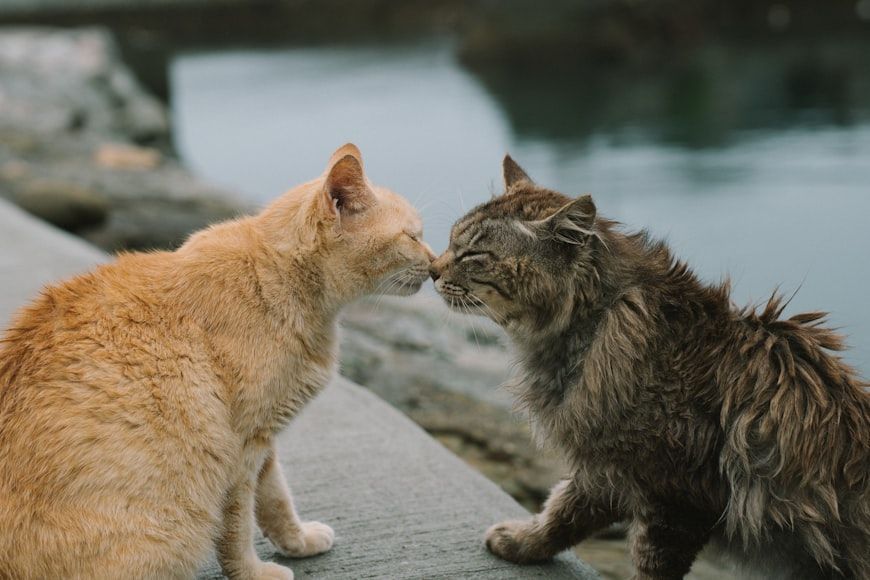
Also known as Neko no Shima, or Cat Island, this Japanese town has become a popular tourist destination for cat lovers worldwide. A former fishing town, cats were introduced to Aoshima as a means of controlling rodents, but they quickly outnumbered the human population. It is estimated that there are around 36 cats for every human on Aoshima.

2

Churchill, Canada

Image: Hans-Jurgen Mager

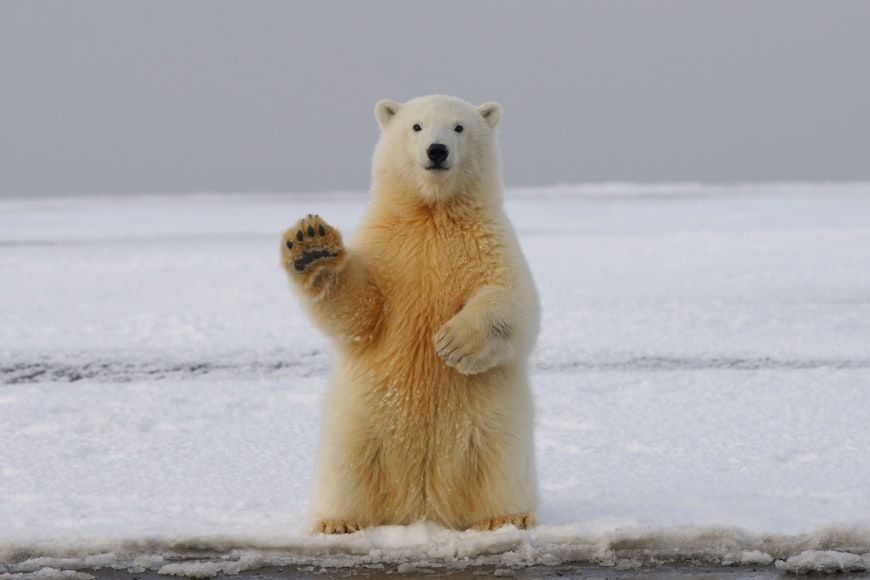
Every winter, this town in the Canadian province of Manitoba receives an influx of furry visitors when hundreds of polar bears make their way to Hudson Bay to hunt for seals. Residents do their best to avoid them, but a few curious bears still go snooping around, and some even end up in "polar bear jail" before being released back into the wild.

3

Assateague Island, USA

Image: Sara Cottle

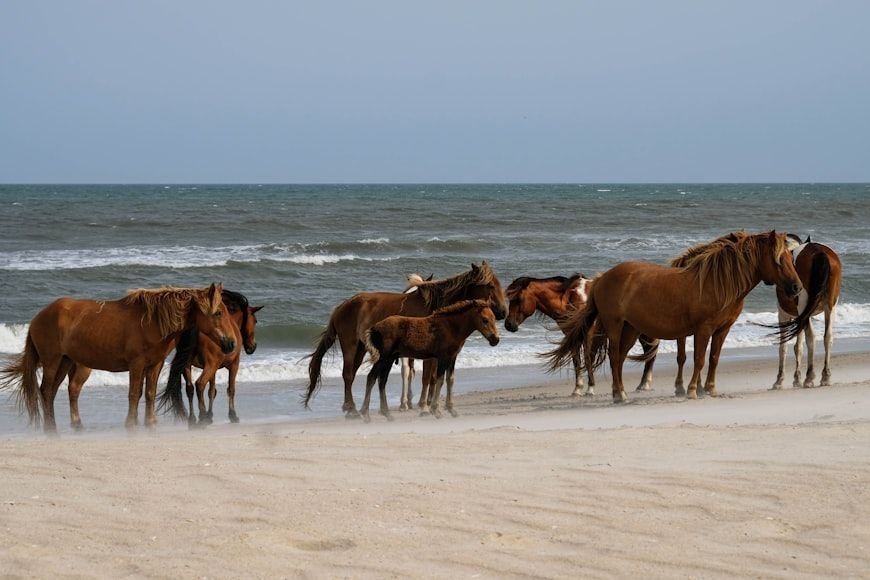
Assateague is a barrier island located along the Maryland-Virginia border on the Atlantic coast. It is famous for its population of feral horses, most likely descendants of formerly domesticated animals. Maryland and Virginia residents disagree on whether the animals should be called horses or ponies, a discussion that has not been settled because the animals have horse-like characteristics but pony-size stature, most likely due to environmental conditions.

4

Christmas Island, Australia

Image: Raphael Bick

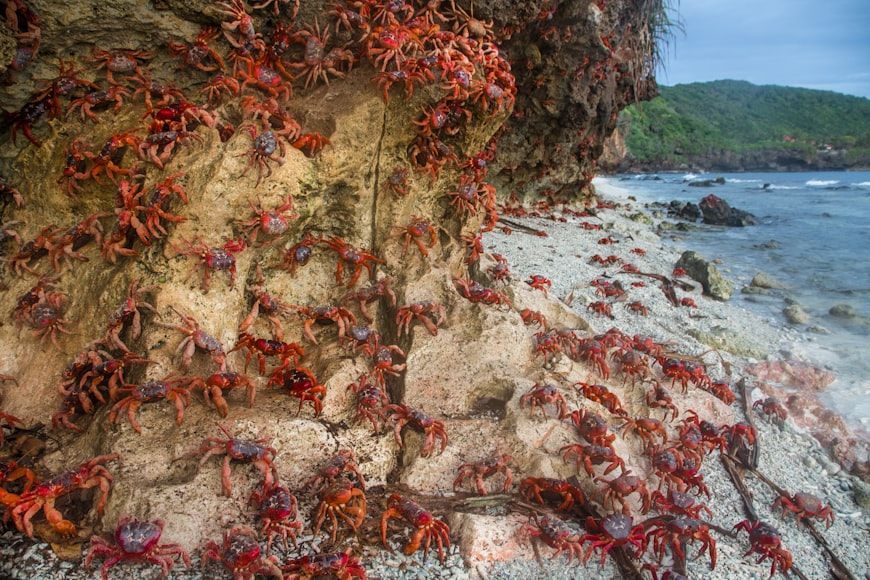
Each November, this Australian island near the coast of Indonesia becomes the setting for a natural wonder, the annual red crab migration. The island’s red crab population—estimated at around 100 million crabs—travels to the sea to lay their eggs. To allow the horde of crustaceans to safely reach the shore, authorities close off roads around the island.

5

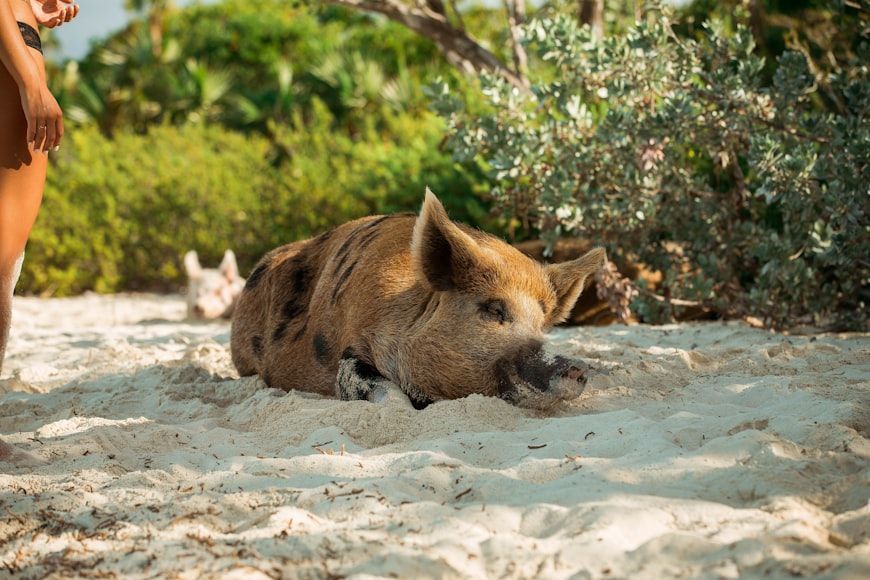
Pig Beach, The Bahamas

Image: Roberto Nickson

This beach on the inhabited island of Big Major Cay is not only a tropical paradise but also home to an unexpected animal community. No one knows exactly where the pigs came from, but the swimming pigs have become a popular tourist attraction, and they are often fed by the visitors of neighboring islands.

6

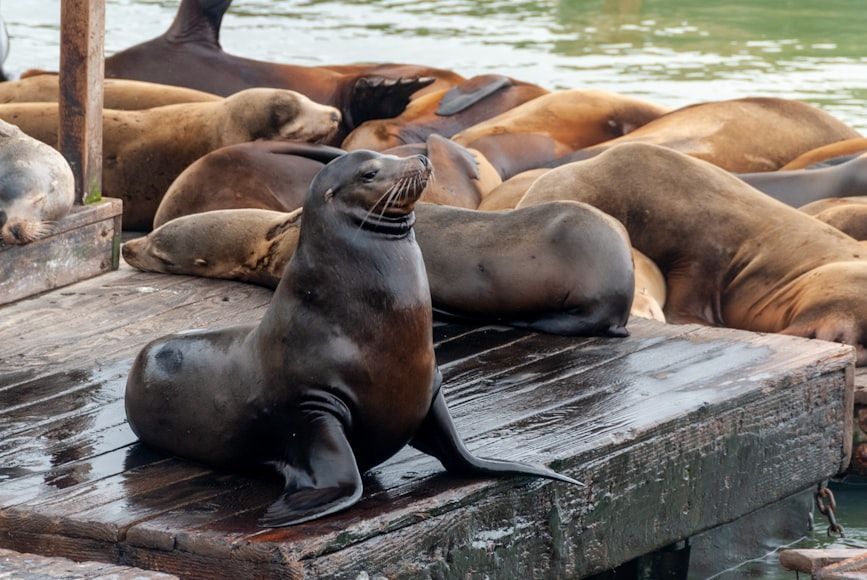
Pier 39, USA

Image: David Vives

This one is not really a town, but it is home to a colony of friendly sea lions. Located at a shopping and entertainment complex on a San Francisco pier, the animals began moving in during the 1980s from a more distant colony. After an earthquake in 1989 caused residents to remove their boats while the pier was being refurbished, the sea lions made their home there and have shared the space with humans ever since.

7

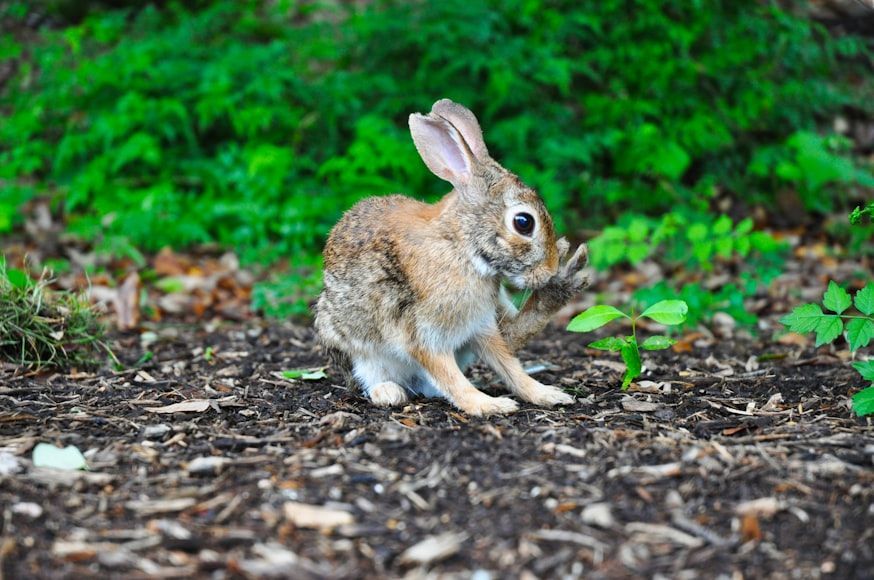
Okunoshima, Japan

Image: Dave Solce

Located in Japan’s Inland Sea, Okunoshima is home to a huge population of free-roaming rabbits. These animals are descendants of domestic rabbits, so they are quite tame and will often approach humans. In order to protect the rabbits, animals like cats and dogs are banned from the island.

8

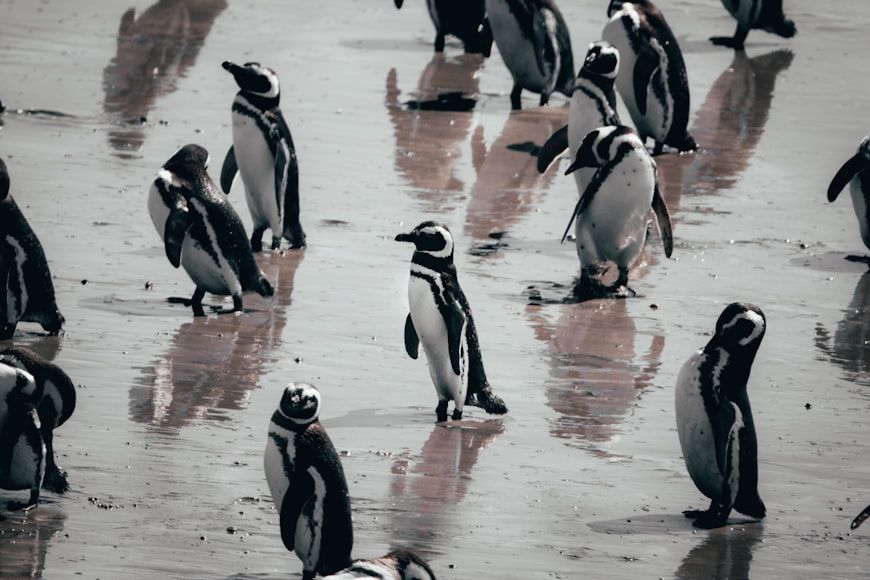
Punta Tombo, Argentina

Image: Fermin Rodriguez Penelas

A protected reserve since the 1970s, this South American peninsula is home to the largest colony of Magellanic penguins in the world. Despite threats such as oil spills affecting the animals, the population numbers have steadily risen in the past several decades, and nowadays it’s estimated that the colony houses nearly a million birds.

9

Runde Island, Norway

Image: Sophia Becker

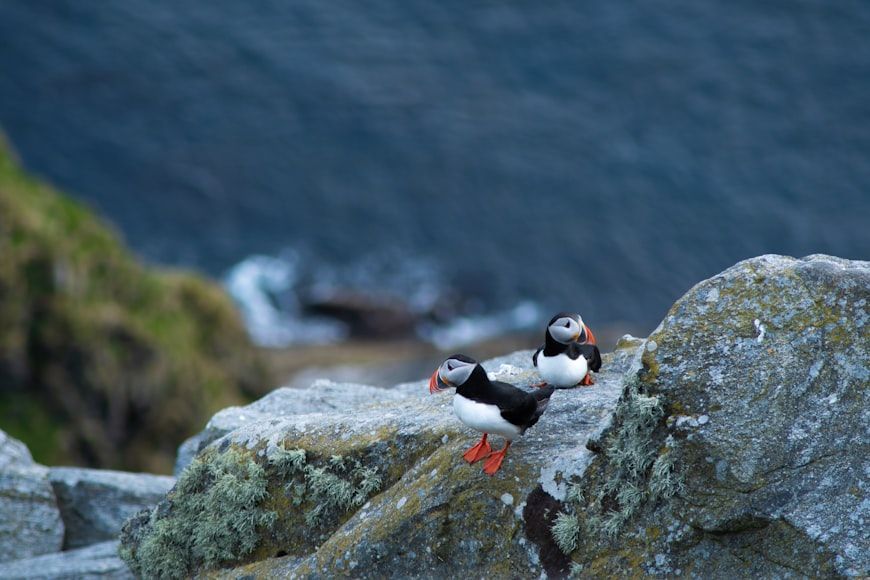
Off the coast of Norway, this island has a small human population—just a little more than 100 people—but they are greatly outnumbered by seabirds, which number between about 500,000 and 700,000. The island is considered a protected reserve and hosts many bird species, the most notable being the Atlantic puffin.

10

Polonnaruwa, Sri Lanka

Image: Timo Wagner

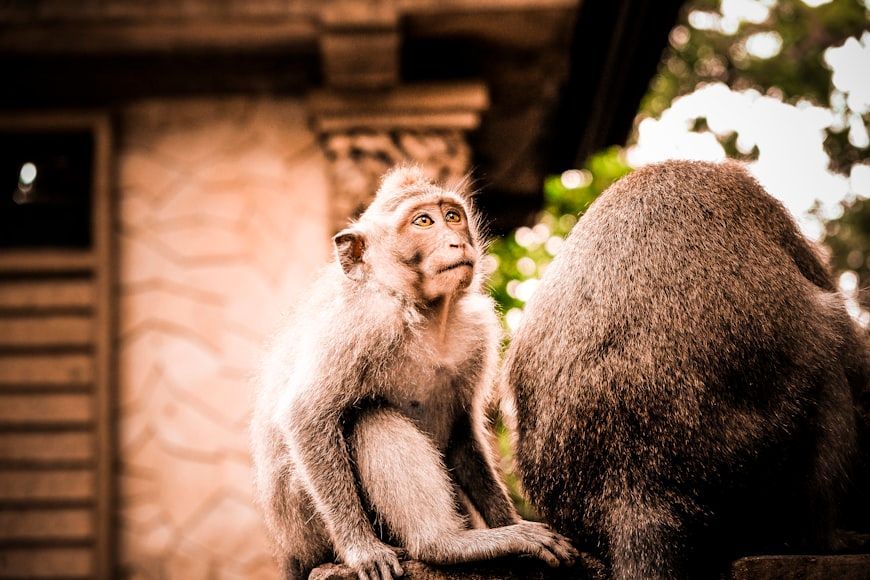
Once a royal city, Polonnaruwa is now an archaeological site near a modern town of the same name. The ruins have been declared a UNESCO World Heritage Site, but they also have an additional tourist attraction: a colony of toque macaques, residents of the ruins for centuries.

Stop! You’ve been using these 11 objects the wrong way


Published on March 29, 2026


Image: Diana Polekhina

We use countless objects daily without questioning their design, yet many have hidden features or were meant for entirely different purposes. From kitchen tools to bananas, here are 11 everyday items you might be using all wrong—or that at least have surprising secrets built in.

1

Toothpaste

Image: Anastasia Nikitina

Yes, toothpaste was always intended to clean and polish teeth, but its mild abrasives make it effective for cleaning jewelry, removing stains from clothing, and even defogging mirrors.

Interestingly, the first toothpaste-like substance dates back to ancient Egypt, where a blend of pumice and vinegar was used for oral care. Modern toothpaste, which includes ingredients like baking soda—another household staple—explains why it’s so effective on surfaces beyond just teeth.

2

Pasta spoons

Image: Markus Winkler

That hole in your pasta spoon isn’t just for draining water; it can also help measure a perfect portion of dry spaghetti!

A single serving of spaghetti is about the amount that fits through the hole. This design prevents cooking too much or too little, though not all pasta spoons have holes large enough for accurate measuring.

3

Gas pumps

Image: engin akyurt

The latch inside gas pump nozzles was originally designed to shut off fuel flow automatically when the tank is full, not to hold the pump open.

Modern pumps use this mechanism as a safety feature, preventing spills and overflows. In some places, using the latch to hold the nozzle open is even illegal due to fire risks.

4

Grocery carts

Image: Karsten Winegeart

Those metal loops on the back of grocery cart seats aren’t just for show—they’re designed to hold plastic bags with fragile items.

Hanging lighter bags here prevents them from being crushed by heavier groceries in the cart, yet few shoppers take advantage of this simple design. So, next time you go shopping, give it a try—it could be a real lifesaver.

5

Soda can tabs

Image: Bam Mccarthy

The hole in a soda can tab isn’t just part of the opening mechanism—it can double as a straw holder. Once you pop the can open, turning the tab around aligns the hole perfectly for a straw. This prevents the straw from floating or shifting while drinking.

While this wasn’t the original intent behind the design, it’s a clever and surprisingly convenient way to make use of an otherwise inconsequential design quirk.

6

Two-tone erasers

Image: Annie Spratt

If you're like me, this has likely been a brain teaser since childhood: What is the blue side of a two-tone eraser for? Popular wisdom says it's for ink removal, but have you ever tried erasing ink with that side? It just completely obliterates the paper.

Well, it turns out the blue side of a two-tone eraser was actually designed for use on heavier paper, not for removing ink.

7

Keyboard bumps

Image: Matúš Kameniar

The small bumps on the ‘F’ and ‘J’ keys exist to help typists find their hand placement without looking.

These tactile guides help your fingers find their way back to the home row, enabling faster and more efficient typing. Even if you're not a professional typist, you can rely on this feature to improve both speed and accuracy while writing.

8

Peeling bananas

Image: Monika Guzikowska

Ever watched a monkey peel a banana? You might be in for a surprise, because it turns out the easiest way to peel a banana is from the bottom, not the stem.

Monkeys naturally pinch the bottom of the banana and pull, avoiding the struggle of breaking the tough stem. This method also reduces the risk of squishing the fruit inside.

9

Measuring tape

Image: Brett Jordan

The small hole at the end of a measuring tape is designed to hook onto nails or screws for one-person measurements. This feature provides a more stable grip when measuring long distances without needing an extra set of hands.

Also, the serrated edge on some tapes doubles as a tool for marking surfaces. So, next time you don't have a buddy around to help, don’t worry—your measuring tape has you covered!

10

Oven drawer

Image: Andrea Davis

Many people use the drawer under their oven for storage, but it was originally designed as a warming drawer.

This compartment keeps cooked food warm while the rest of the meal finishes, though in some modern models, it may simply be intended for extra storage. Checking your oven’s manual might reveal its true purpose.

11

Wine bottle indent

Image: Mockup Free

Ever heard someone say you can judge a good wine by the depth of the indentation at the bottom of the bottle? Well, that’s a myth, though it may suggest a better-designed bottle.

The indent at the bottom of a wine bottle, called a punt, helps distribute pressure and maintain structural integrity. Originally designed to support the bottle against carbonation in sparkling wines, it’s now mostly tradition but still improves durability.

Looking for an extra scoop of literary fun?

Learn more with our Word of the day

adept

/əˈdɛpt/