No, Atlantis is not on this list

A country named after a drowned dog? 10 countries’ names explained


Published on October 19, 2025


Image: Andrew Stutesman

Some things are never questioned simply because they’ve always been that way. But even countries have origins—and so do their names. Some names are quite straightforward from the beginning: The United States of America is exactly that—a union of states in America. But others, like Brazil or India, are not quite as simple. Scroll on to learn about the origin of ten countries’ names. You might just pick up a cool little fact to share with your friends.

1

Canada

Image: Xavier von Erlach

It might seem curious that a country so vast is named after a small settlement—but it is. The name Canada likely comes from the Huron-Iroquois word kanata, meaning "village" or "settlement." The first official use of Canada as a name came in 1791, when the Province of Quebec was divided into the colonies of Upper Canada and Lower Canada. In 1841, the two colonies were united under a single name: the Province of Canada.

Then, on July 1, 1867, the provinces of Canada, Nova Scotia, and New Brunswick joined to form "one Dominion under the name of Canada."

2

Argentina

Image: Scottsdale Mint

This South American country’s name first appeared on a Venetian map in 1536. Argentina means "(made) of silver" or "silver-colored" in Italian, derived from the Latin argentum, meaning silver. The name was originally associated with the legend of the "Silver Mountains," which was widespread among the first European explorers of the La Plata Basin.

In 1860, a presidential decree officially established the country’s name as the Argentine Republic, and that year’s constitutional amendment recognized all names used since 1810 as legally valid.

3

Spain

Image: Fidel Fernando

A close connection with rabbits is probably not the first thing that comes to mind when you hear the word Spain. But that connection plays a role in the origin of the country’s name. The earliest version, Hispania, is believed to have come from the Phoenician word i-spn-ya, which the Romans interpreted as "land of rabbits" or "region rich in rabbits."

Other theories suggest that Hispania may derive from a Punic word meaning "land of metals" or from an Iberian or Basque root referring to the region's geography, but rabbits is the widely popular theory.

4

Norway

Image: Vincent Guth

Norway’s name origin makes sense—it comes from the Old English word Norþweg, first mentioned around 880, meaning "northern way" or "way leading to the north." This is how the Anglo-Saxons referred to the Atlantic coast of what is now Norway. The same idea aligns with the leading theory about the origin of the country’s name in the Norwegian language.

5

India

Image: Nathan Anderson

The name India is derived from a corruption of the word Sindhu, the ancient name of the Indus River. Neighboring peoples, particularly the Persians, pronounced the "s" as "h" and referred to the land as Hindu. The Greeks later adapted this to Indos, which led to the Latin India.

The name India was known in Old English, but under French influence, it was sometimes replaced by Ynde or Inde. The form Indie appears in the first edition of the King James Bible and the works of William Shakespeare, both from the late phase of Early Modern English.

6

Australia

Image: Bob Walker

Quite fittingly, the name Australia is derived from the Latin australis, meaning "southern," and specifically from the hypothetical _Terra Australis_—a "southern land" postulated in pre-modern geography.

The name was popularized by the explorer Matthew Flinders in 1804, and it has been in official use since 1817, replacing New Holland, an English translation of the Dutch name first given in 1643 to the continent.

7

Cameroon

Image: note thanun

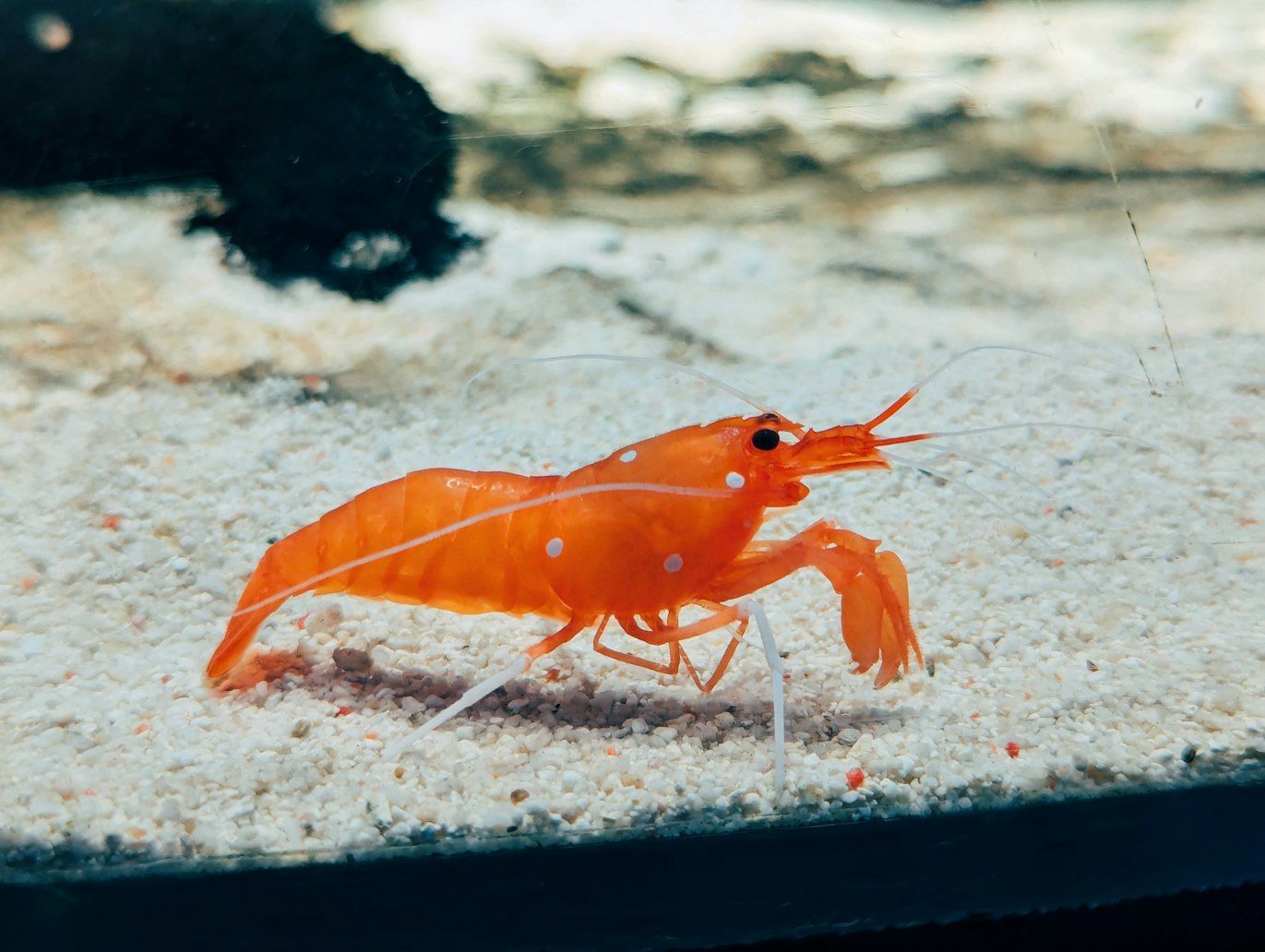
The name of this Central African republic comes from the name given by the Portuguese to the Wouri River, which they called Rio dos Camarões, meaning "river of shrimps" or "shrimp river," in reference to the once-abundant Cameroon ghost shrimp. Today, the country’s name in Portuguese remains Camarões.

8

Brazil

Image: niko photos

This beautiful country takes its name from the pau-brasil tree, which was once plentiful in its coastal forests. Pau is a colloquial Portuguese word for "wood" or "tree," and brasil comes from brasa, meaning "ember"—a reference to the tree’s reddish sap, once used for dyeing cloth. Today, the wood of the pau-brasil is prized for making cello and violin bows.

9

Greenland

Image: Jeremy Cai

Someone who has never seen a picture of Greenland could be forgiven for thinking the country is covered in green, lush pastures—after all, the name implies just that. So how did this ice-covered island come to be called Greenland? It got its name from the Norwegian adventurer Erik Thorvaldsson, better known as Erik the Red, in 985 A.D.

The popular explanation is that the name was a kind of public relations strategy to encourage settlement. However, ice core and mollusk shell data indicate that between 800 and 1300 A.D., the island’s temperatures were considerably warmer than they are today—so perhaps Erik was simply reacting to a greener landscape that has long since vanished.

10

Moldova

Image: Ariana Prestes

Moldavia was a historic principality along the Danube River, ruled successively by the Ottomans, the Russians, and the Romanians before becoming the Moldavian Soviet Socialist Republic after World War II. After the dissolution of the Soviet Union in 1991, it adopted the name Moldova, after the Moldova River.

Local lore attributes the name to a Transylvanian prince whose favorite hunting dog, Molda, drowned in the river. While this makes for a charming origin story, the name more likely derives from a Proto-Indo-European root, melh, meaning "dark," or from the Gothic word mulda, meaning "dust."


Your pup will thank you

You've been wrong about dogs this whole time! Here's the truth!


Published on October 19, 2025


Image: Jametlene Reskp

Dogs are part of the family: They're our best friends and our constant companions. But over the years, myths about dog behavior have made their way into common belief. Some sound logical, while others are just crazy, but how do we separate fact from fiction? Can dogs really tell time? Is chocolate always deadly? Let's take a look at some of the most common myths about our four-legged friends, some of which might just surprise you!

1

Myth: You can’t teach an old dog new tricks

Image: Dominik QN

Many dog owners believe that once their pup has reached a certain age, training becomes impossible. It’s only logical: When we see a young pup and their eagerness to pick up on commands quickly, we tend to think older ones won’t be able to do that. Because of this, many people give up on training their senior dogs, assuming the effort won’t pay off. But is this belief really true? Place your bets!

2

Myth debunked! Old dogs can learn new tricks

Image: Camylla Battani

As it turns out, age is just a number: Dogs are capable of learning at any stage of life! While older dogs may take a little longer to pick up new habits, just like we humans, their brains remain highly adaptable.

Training activities work best when it’s fun, positive, and rewarding, so grab some tasty treats and start small. Short, frequent training sessions are the key to success.

3

Myth: Dogs have no sense of time

Image: Matthew Henry

Ever leave the house and come back to a dog who acts like you’ve been gone for years? Many assume dogs don’t understand time, thinking they react the same whether you’ve been gone for five minutes or five hours.

Since they don’t read clocks, it’s easy to assume they live entirely in the moment. But if that’s the case, how do they seem to know exactly when it’s time for dinner or their daily walk?

4

Myth debunked! Dogs do know the difference

Image: Karsten Winegeart

Science confirms that dogs have a sense of time. Studies have shown that dogs can distinguish between different time intervals, meaning they know the difference between an hour and several hours. But how?

They associate events with specific routines. If you always walk them at a certain time, they’ll start anticipating it. Some experts believe dogs use scent to tell time, as human odors change throughout the day. So yes, your dog really does know if you’re late for dinner!

5

Myth: It’s safe to leave a dog in a car with the windows down

Image: Tim Mossholder

On warm days, it’s tempting to crack the windows and run into the store, thinking your pup will be fine for a few minutes. After all, they have fresh air, right? Many people assume that as long as the windows are open, there’s no risk of overheating. But just how safe is it?

6

Myth debunked! Even with windows down, a hot car is deadly

Image: John Carlo Tubelleza

Leaving a dog in a parked car, even for a few minutes, can be incredibly dangerous. Cars heat up shockingly fast, even with the windows cracked, and dogs have a harder time regulating body temperature than humans.

Heatstroke can set in quickly, and once it does, it can be fatal. If you wouldn’t sit in a parked car on a hot day, why would you let your dog do so?

7

Myth: Dogs can’t smell your feelings

Image: Erica Magugliani

Humans rely on words to express emotions, but dogs sadly don’t have that luxury. Many assume that while dogs pick up on body language, they can’t actually sense how we feel.

After all, emotions are internal, right? However, have you ever felt your dog was closer than ever when you’re feeling down? Is that real, or is it just your mind playing tricks?

8

Myth debunked! Dogs can smell your emotions

Image: Eric Ward

If you said this was possible, you were right! Dogs don’t just guess your feelings; they can smell them! Their noses are 100,000 times more powerful than ours, meaning they pick up on chemical changes in our bodies.

When we’re scared or anxious, we sweat slightly differently, releasing hormones like adrenaline and cortisol. Your dog doesn’t just see your nervous body language; they literally smell your fear. So yes, they know when you’re having a bad day, and that’s why they’re always ready to comfort you.

9

Myth: A little bit of chocolate won’t hurt a dog

Image: James Barker

Chocolate is delicious, and dogs seem eager to try everything we eat, don’t they? We might feel tempted to share our piece of chocolate with our furry best friend.

Many people believe that while chocolate is technically bad for dogs, a small amount won’t actually cause harm. If a dog sneaks a bite of a cookie or a tiny piece of chocolate, it’s no big deal… right?

10

Myth debunked! Even small amounts of chocolate can be dangerous

Image: Artem Sapegin

Well, chocolate contains theobromine, a chemical that is toxic to dogs. The danger of it depends on the type of chocolate and the size of the dog. Naturally, dark chocolate is the worst, as it contains the highest levels of theobromine.

While a tiny bit of milk chocolate might not be fatal, it can still cause vomiting, diarrhea, or heart issues. If your dog eats any chocolate, call your vet immediately. You know the saying: Better safe than sorry!

11

Myth: It’s okay to give my dog ibuprofen for pain

Image: Stas Svechnikov

When humans have aches and pains, we reach for ibuprofen or aspirin. Some dog owners assume it’s safe to give their pups a tiny dose of these medications if they’re injured or sick. After all, if it helps humans, it must help dogs too, right?

12

Myth debunked! Human medications can be highly toxic to dogs

Image: Laula Co

That’s actually not the case! Giving ibuprofen to your dog can have serious, even fatal, consequences.

Dogs process medication differently than humans, and even small doses can cause stomach ulcers, kidney damage, or liver failure. If your dog is in pain, never give them human medicine. Just consult your vet for safe, pet-approved pain relief options. What works for us doesn’t always work for them!

Looking for an extra scoop of literary fun?

Learn more with our Word of the day

derogate

/ˈdɛrəˌɡeɪt/