What if?

The world we almost lived in: 10 historical near-misses


Published on May 8, 2025


Image: The New York Public Library

History is full of near misses—moments where a single decision, accident, or twist of fate could have completely changed the world. From avoided wars to scientific breakthroughs nearly lost, these events remind us how fragile the course of history can be. Here are 10 times history almost took a dramatically different path.

1

The near-extinction event

Image: Toby Elliott

Around 70,000 years ago, a supervolcanic eruption in Indonesia nearly wiped out humanity. Genetic evidence suggests that the human population dropped to just a few thousand!

Had the decline been any worse, human civilization might never have recovered or developed as we know it today.

2

Misinterpreted flares

Image: K. Mitch Hodge

The Titanic’s distress flares were seen by the SS Californian, a ship just 10 miles away. However, the captain misinterpreted the signals and failed to respond.

Had the Californian arrived in time, hundreds of lives could have been saved. Instead, the tragedy cemented its place as one of history’s deadliest maritime disasters.

3

The harshest winter

Image: Elimende Inagella

In 1812, Napoleon’s invasion of Russia seemed unstoppable—until an unexpectedly harsh winter decimated his army.

The Russian cold, coupled with severe supply shortages, forced Napoleon’s retreat. Only 10% of his troops survived, marking a turning point in European history.

4

Tragedy on the Moon

Image: NASA

During the moon landing, Buzz Aldrin noticed a broken circuit breaker that could have stranded them on the lunar surface. Fortunately, he used a felt-tip pen to fix it.

If the makeshift repair had failed, Neil Armstrong and Aldrin might have been the first men to die on the moon.

5

The scourge of Europe

Image: Peter Kvetny

In the 14th century, the bubonic plague killed millions. It nearly wiped out entire regions, transforming Europe’s social and economic structure.

If the disease had been slightly more virulent, the Renaissance and Industrial Revolution might never have happened.

6

Gambling on the beach

Image: Tim Marshall

The Allies originally planned to invade Normandy on June 5, 1944, but a last-minute weather forecast prompted a 24-hour delay.

Had they gone ahead, bad weather could have doomed the invasion. The successful landing on June 6 helped turn the tide of World War II. Fortunately, we learned the lesson from Napoleon!

7

Magnicide avoided

Image: Mark Stuckey

In 1605, Guy Fawkes’ plot to blow up the English Parliament was foiled at the last minute.

Had it succeeded, much of England’s leadership—including King James I—would have been killed, likely causing a massive power shift.

8

A computer error

Image: Dan Meyers

In 1979, a training tape mistakenly showed a full-scale Soviet attack simulation on U.S. computers. Military leaders prepared to launch a counterattack.

The mistake was caught just in time. A nuclear war was narrowly avoided due to human intervention.

9

Saving winds

Image: Su San Lee

In 1281, a massive Mongol fleet attempted to invade Japan but was wiped out by a typhoon.

The storm, later called the "Divine Wind" (Kamikaze), saved Japan from conquest and altered the course of Asian history.

10

The lost nuke

Image: Oo Jiflip

In 1961, a U.S. B-52 bomber broke apart over North Carolina, dropping two nuclear bombs. One nearly detonated—five of six safety switches had failed.

Had it exploded, the blast would have been 250 times more powerful than Hiroshima, devastating the Eastern Seaboard. The incident remains one of the closest calls in nuclear history.

Facts you didn't know you needed

Is the day longer for your pet? Mind-blowing facts you need to know


Published on May 8, 2025


Image: Alexander Grey

Adults often assume they already understand the world, but there’s always something new to surprise us! Did you know that clouds actually have weight? Or that the day is longer for some animals? And that’s just the beginning. From hidden functions of your organs to the true color of the universe, today you’ll learn 10 fascinating facts you probably never thought to ask, but will make you sound impressively smart in your next conversation!

1

Slower time

Image: Bonnie Kittle

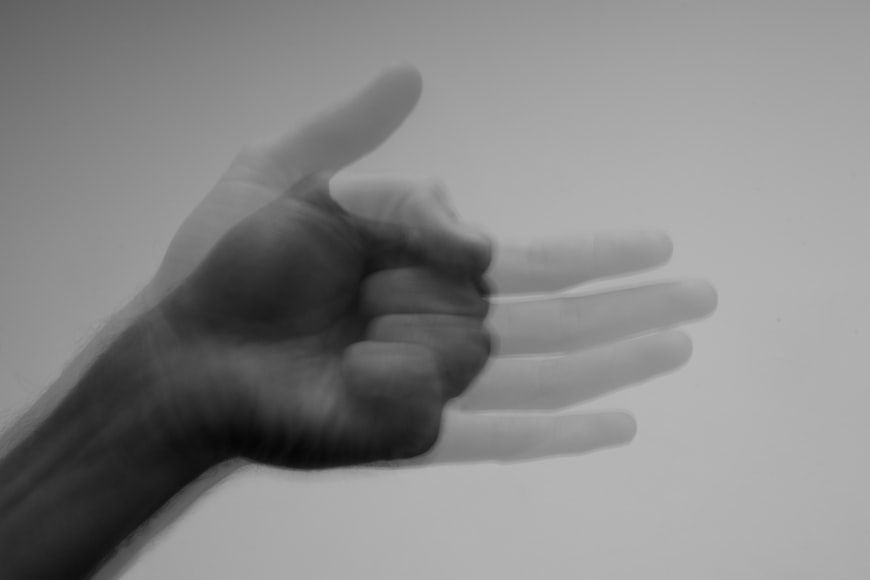
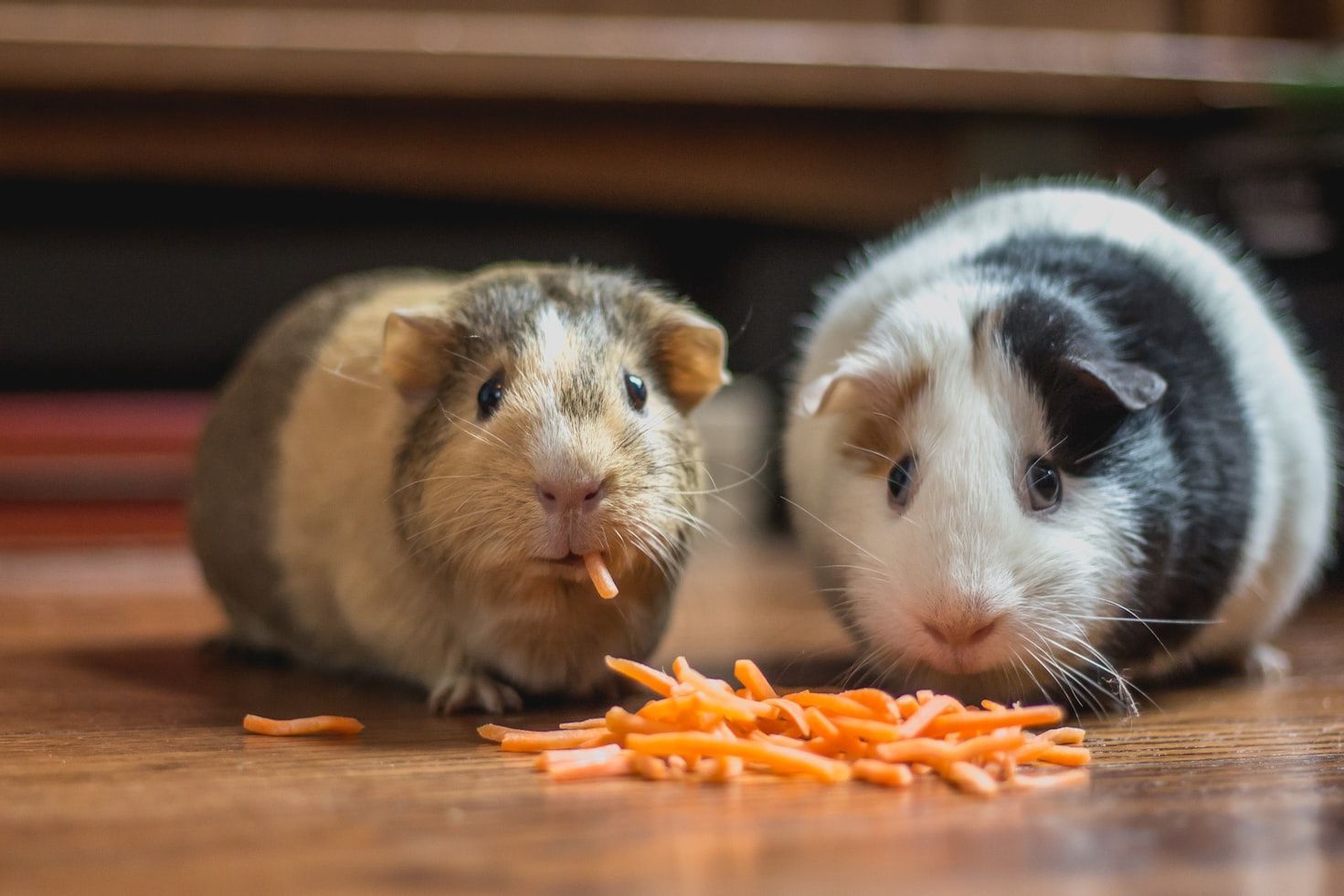
Unlike humans, animals don’t experience a shared "present" in quite the same way. Instead, their sense of time is tied to the rhythms of their own bodies. For very small animals with fast metabolisms like parrots, hamsters, or guinea pigs, time actually seems to pass more slowly. In a sense, they live in slow motion because their faster-working nervous systems allow them to process sensory information at a fast speed.

2

Identical twins, but…

Image: Juliane Liebermann

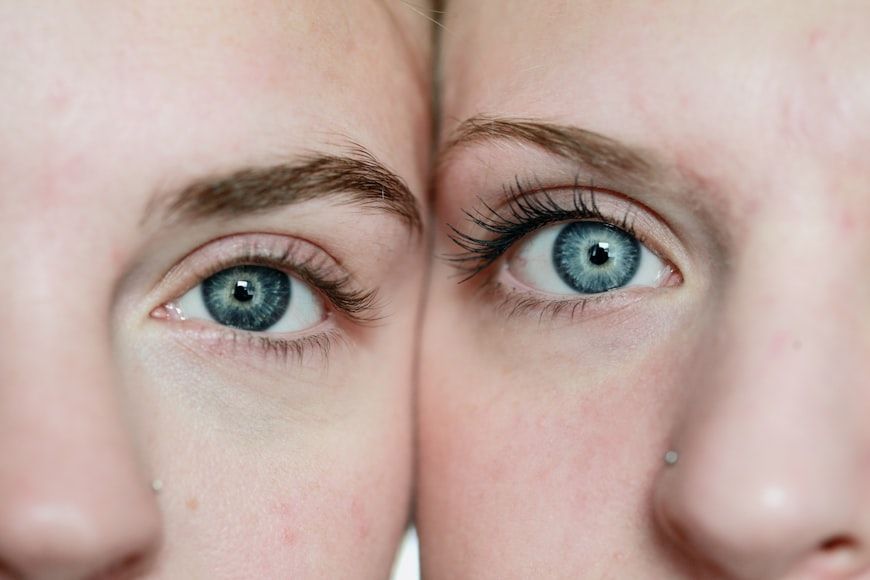
What if someone commits a crime and tries to blame their identical twin? Have you ever wondered about that? It’s a valid question; after all, identical twins not only look alike, they also share the same DNA. But here’s the surprising part: if investigators check fingerprints, the innocent twin could be cleared. That’s because, despite their nearly identical DNA, twins have unique fingerprints, shaped by subtle genetic and environmental factors in the womb.

3

Heavy clouds

Image: engin akyurt

You’ve probably spent time lying on the grass, watching clouds drift across the sky. They look light, fluffy, almost like cotton candy, and it’s hard to imagine them as heavy objects. But the truth is surprising: clouds are incredibly heavy. An average cumulus cloud can weigh around 1 million pounds! That impressive weight comes from the billions of tiny water droplets suspended in the air. So, how do they float? It’s because each droplet is extremely small and falls very slowly, while rising warm air currents help keep the cloud suspended above us.

4

Don’t believe everything you see

Image: Jack Stapleton

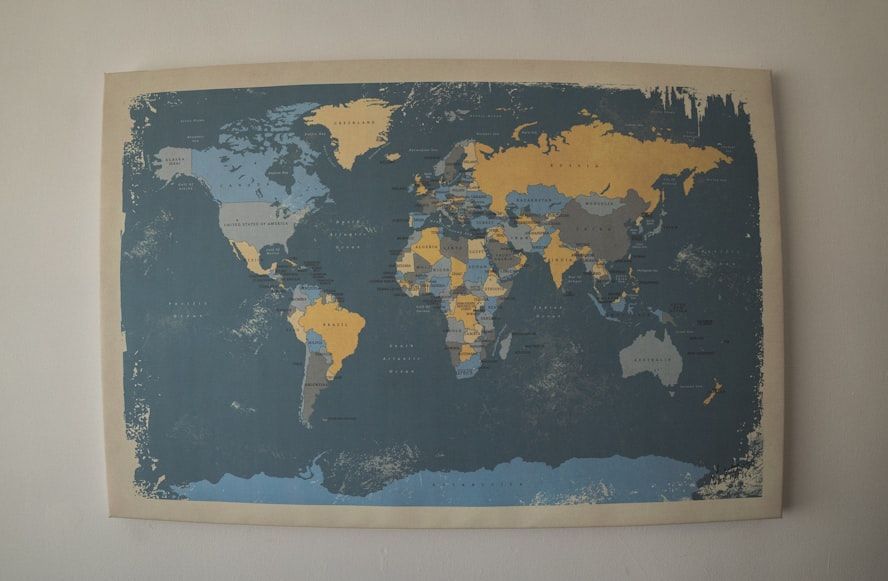
Most of us have a rough image of the world map in our minds. But we have something to tell you: most maps aren’t completely accurate. Because the Earth is a sphere, cartographers have to distort some areas to represent it on a flat surface. On Mercator projection maps, countries near the poles appear much larger than they really are, while countries near the equator look smaller in comparison. For example, Alaska looks about the same size as Brazil, but in reality, Brazil is nearly five times larger!

5

The Universe's color

Image: Bryan Goff

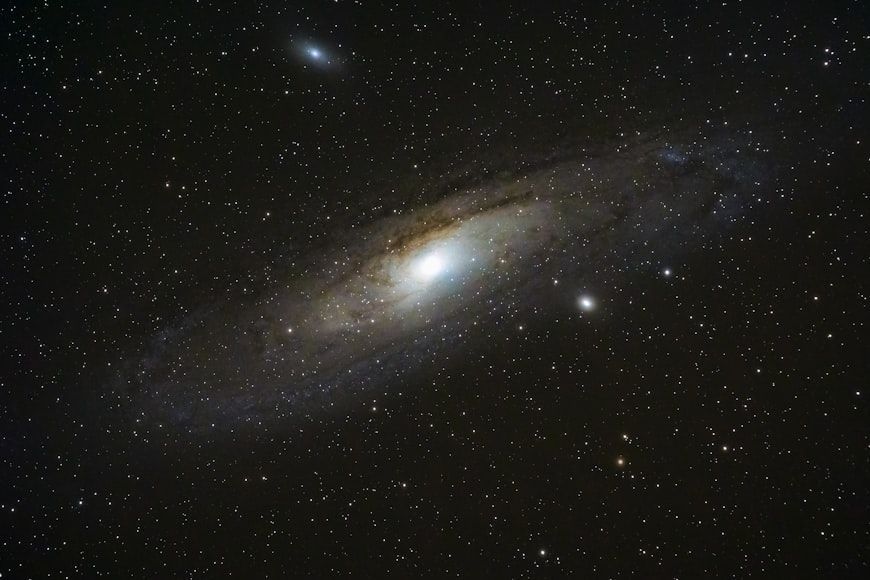
Most people don’t realize that there’s actually a name for the color of the universe. Strange, right? But it’s true! Astronomers who studied the light from thousands of galaxies discovered that if you blend all the colors from the observable universe, the result is a soft, beige-ish white shade, famously named "Cosmic Latte" in 2002.

6

No Qs

Image: Pin Adventure Map

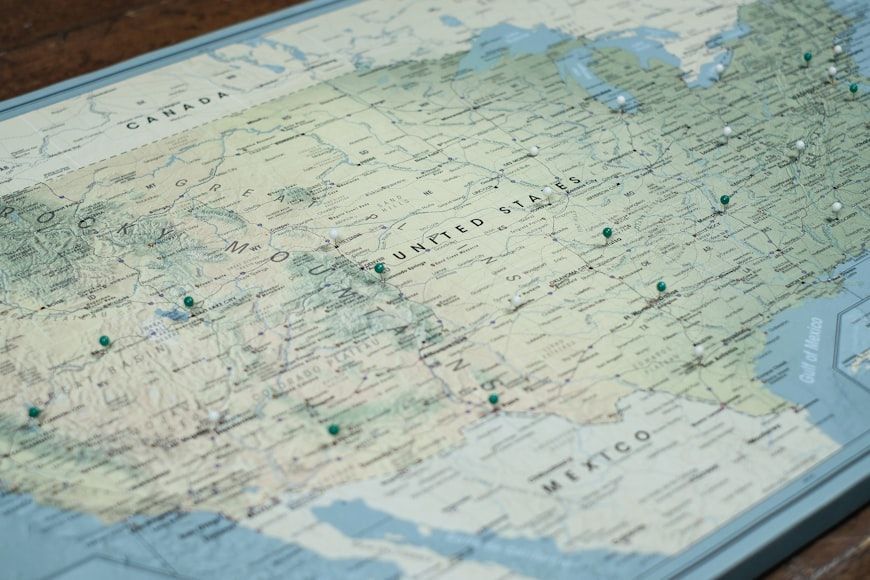
With 50 states, there’s no shortage of variety in their names. Almost every letter of the English alphabet appears at least once, except for one: Q, which is completely absent. In addition to this, there’s another surprisingly rare letter: J. While it isn’t entirely missing like Q, it only appears in one state, New Jersey.

7

Earth’s rotation is slowing

Image: Carl Wang

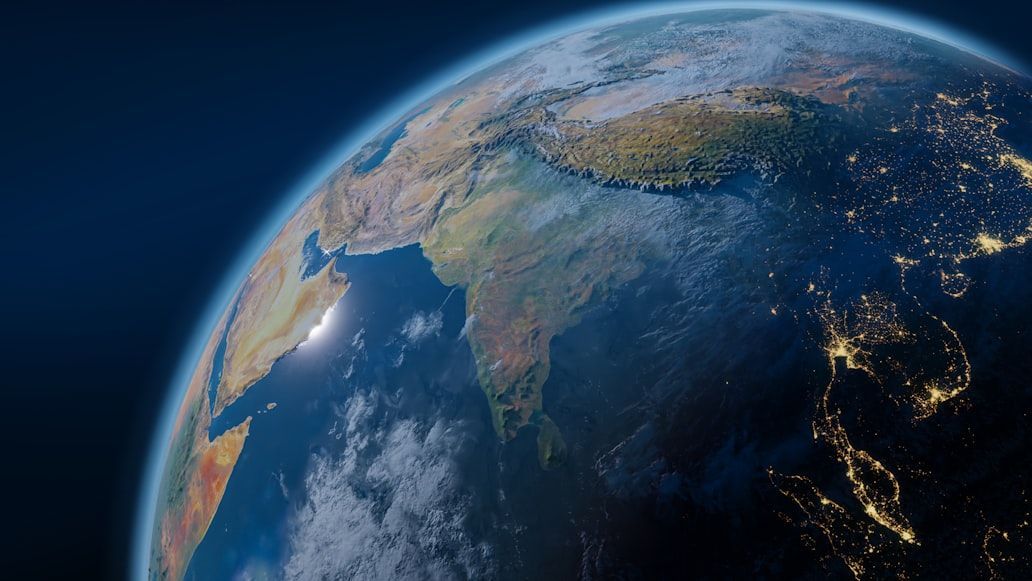
Although we don’t notice it, indeed, the Earth’s rotation is gradually slowing. This happens because tidal friction, caused by the Moon’s gravitational pull on our oceans, creates a subtle drag on the planet’s spin. As a result, days are getting longer, but very gradually: by only about 1.7 milliseconds per century.

8

Dreams in sign language

Image: Ian Noble

Do you remember your last dream? Whether good or bad, dreams are a constant part of sleep, but not everyone experiences them in the same way. Deaf people who use sign language in their daily lives often communicate through signs in their dreams, too. Meanwhile, blind people tend to have dreams rich in sounds, smells, and tactile sensations, using these other senses to experience the dream world.

9

Walking underwater

Image: Wade Lambert

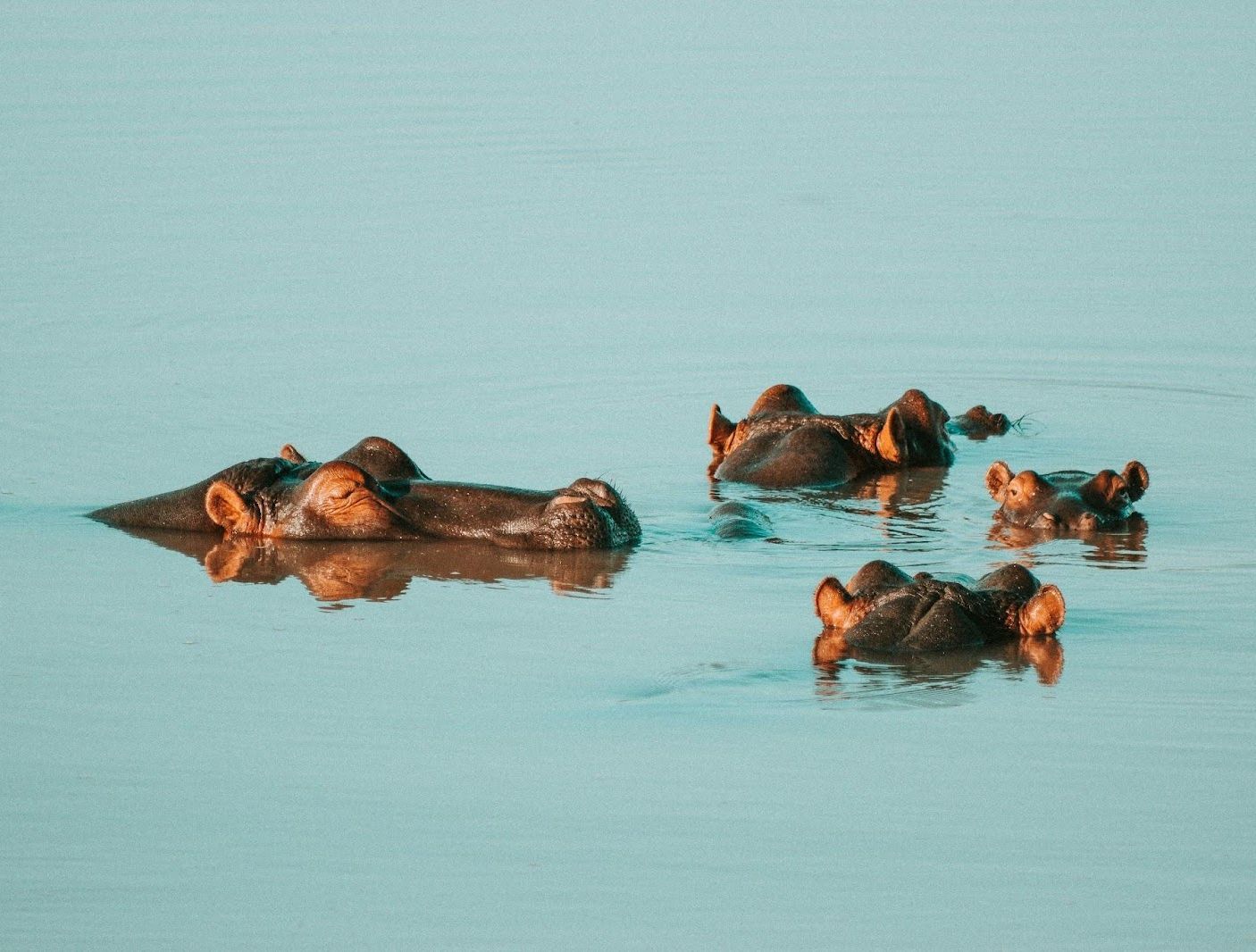
We’re used to seeing hippos covered in mud, splashing in water, or barely peeking above the surface. But here’s a surprise: hippos can’t actually swim! That’s right. Because of their huge, heavy bodies, they don’t float or paddle like most animals. Instead, they walk or run along the riverbed.

10

Is your brain hungry?

Image: BUDDHI Kumar SHRESTHA

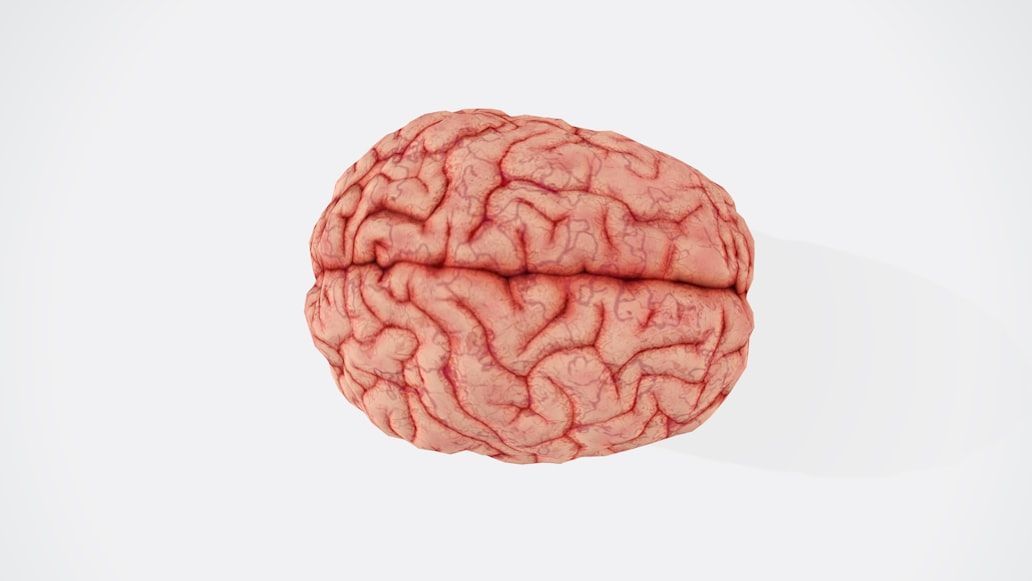
Can your brain really "eat" itself? Well, close, but not exactly. There’s a process called phagocytosis, carried out by specialized immune cells in the brain known as microglia. These cells engulf and remove debris, dead cells, and other unwanted material. But don’t worry; it’s safe! The mechanisms exist to protect, repair, and maintain your brain.

Looking for an extra scoop of literary fun?

Learn more with our Word of the day

riposte

/rəˈpoʊst/