Talk like royalty
Why was blue blood a sign of nobility? The real story
Published on October 21, 2026
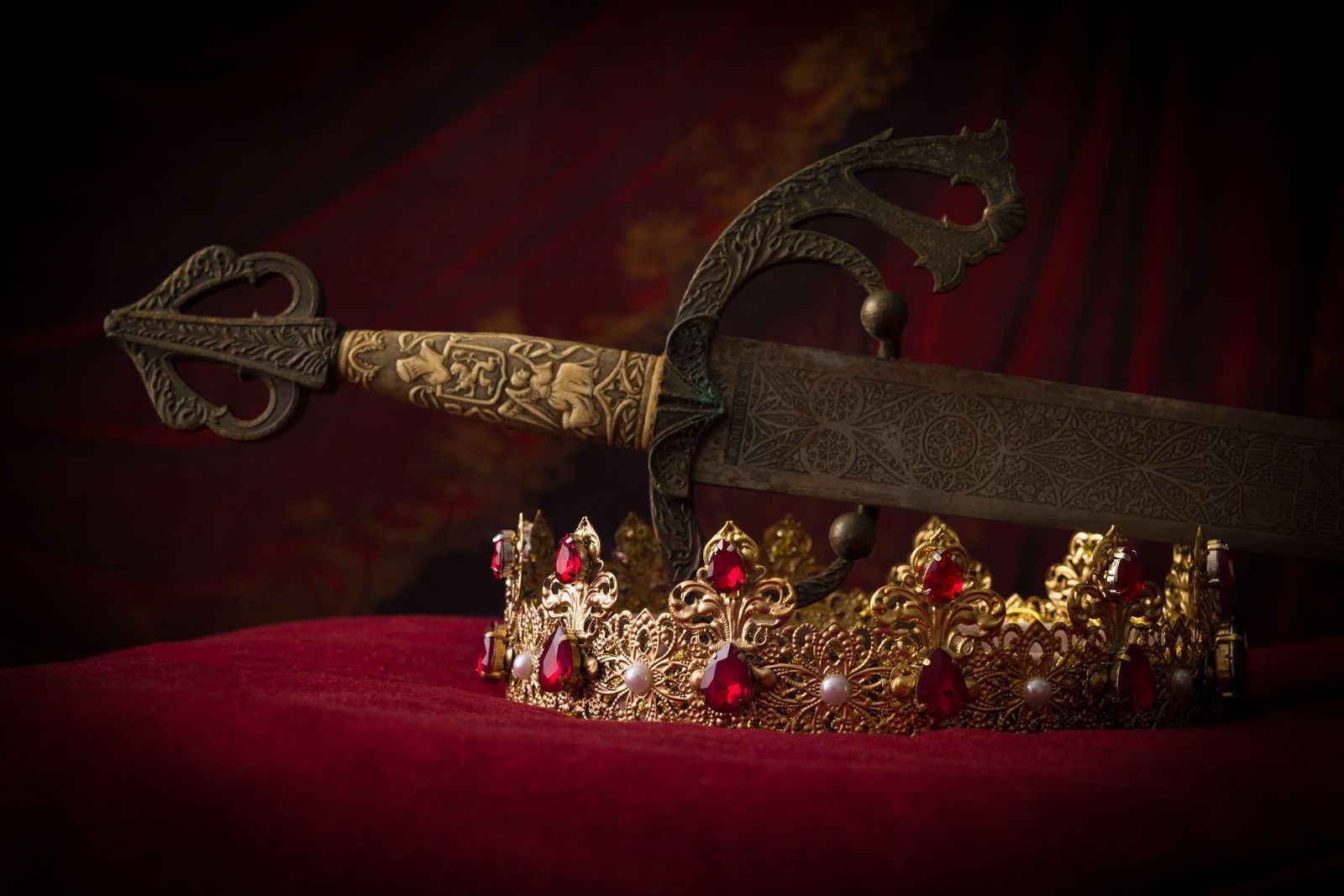
Have you ever wondered why rich families are called "blue bloods," or why movie stars walk on a red carpet and not carpets of another color? The answers go back hundreds of years, to castles, crowns, and even a Viking king. Here are 10 everyday expressions with intriguing royal roots.
Bluetooth

Yes, Bluetooth, the technology that lets your phone talk to your headphones or your car without wires, is named after a real Viking king. Harald Gormsson ruled Denmark from about 958 to 986, and his nickname was "Bluetooth," possibly because he had a dead, dark blue tooth. Harald is remembered for bringing Denmark and Norway together under one crown.
More than a thousand years later, in 1997, an Intel engineer named Jim Kardach was reading about Vikings while working on a new way to connect phones and computers without wires. He suggested "Bluetooth" as a temporary code name, since the technology would unite devices the way Harald united Scandinavia. Nobody came up with a better name in time, so it stuck. Even the logo comes from the king: it combines his initials, H and B, written in old Viking letters called runes
Red Carpet

No, Hollywood didn’t invent the red carpet. The first one we know about appears in a Greek play called "Agamemnon," written in 458 BC, where King Agamemnon returns home from the Trojan War and his wife lays out a red path for him. He is nervous about stepping on it because a walkway like that was meant only for the gods. Red dye was very expensive back then, so for centuries the color stood for kings, queens, and nobles.
A red carpet was rolled out for President James Monroe in 1821 when he visited Georgetown, South Carolina. Then, in 1902, the 20th Century Limited New York train used a red carpet to guide passengers on board; here, the phrase "red carpet treatment" was first used. Hollywood didn’t use it until 1922, at the premiere of Robin Hood at the Egyptian Theatre, and the Academy Awards added theirs in 1961.
A King's Ransom

Today we say "a king's ransom" when something costs a huge amount of money. That is because sometimes, when a king was captured, his enemies locked him up and asked for a reward to liberate him.
The most famous case was King Richard I of England, known as Richard the Lionheart. When he was sailing home from the Third Crusade (1189 to 1192), he was caught near Vienna by Duke Leopold of Austria. The duke handed him over to the German emperor, Henry VI, who asked for 150,000 silver marks. That amount was two to three times what the English crown made in a whole year. Richard's mother, Eleanor of Aquitaine, collected the money by taxing everyone and even taking gold and silver from churches, and Richard was finally freed. That story still lives in the phrase "a king’s ransom."
Blue Blood

The term "blue blood" traces back to medieval Spain. In Spanish, it is "sangre azul," and it was used for noble families who claimed their blood was pure and unmixed with Moorish or Jewish ancestry. They pointed to their blue veins as proof of a pure heritage. As nobles didn't work the land, they spent their days indoors, so their skin was pale and their veins showed much more clearly than those of ordinary people.
Today, having "blue blood" means coming from an old, wealthy, or socially prominent family.
Let Them Eat Cake
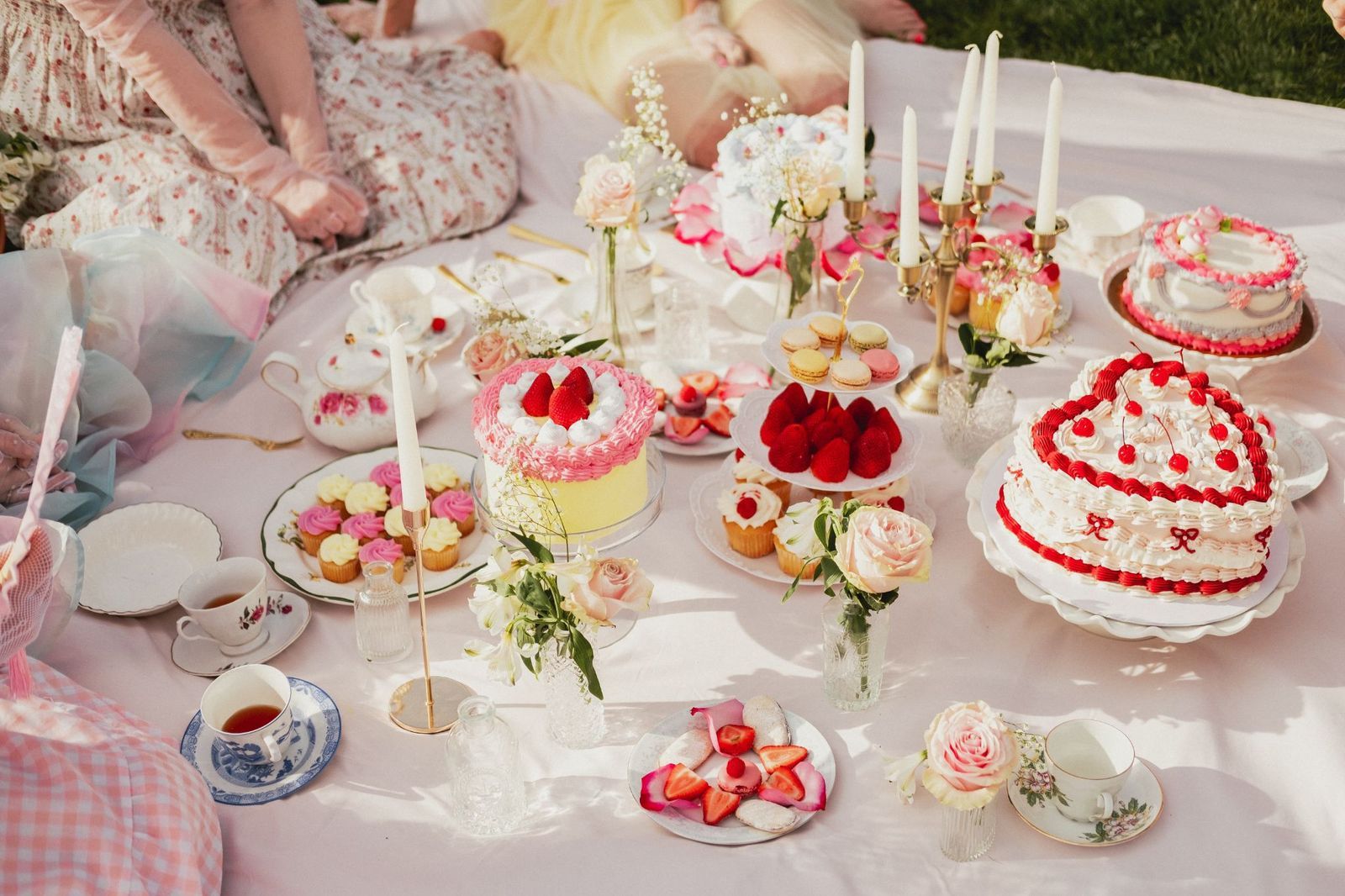
"Let them eat cake" is one of the most famous historical lines, pinned on Marie Antoinette, although she never actually said it. The story goes that the queen of France was told that poor people had no bread, and that was her answer. It was right before the French Revolution began in 1789. The phrase highlights the lack of empathy regarding how ordinary people live and survive, and it has kept that meaning.
But the line comes from a book by the philosopher Jean-Jacques Rousseau, written around 1765, and he only states that "a great princess" said it. Marie Antoinette was about nine years old then and still living in Austria. The translation is off, too. The French words were "Qu'ils mangent de la brioche," and brioche is a soft, fancy bread made with butter and eggs.
Heir Apparent

An heir is the person who gets a title or a family's property when the owner dies. "Apparent" here uses its old meaning, "clear" or "plain to see," so an heir apparent is the person whose place in line nobody can take away. We use the phrase for anyone who is clearly next in line for a big job, like the person expected to become a company's next boss.
But for hundreds of years in Europe, that meant the oldest son inheriting the throne. If a king had no son, the next relative in line was called the "heir presumptive" instead, because a new baby boy could still bump them out of the spot.
The Royal We
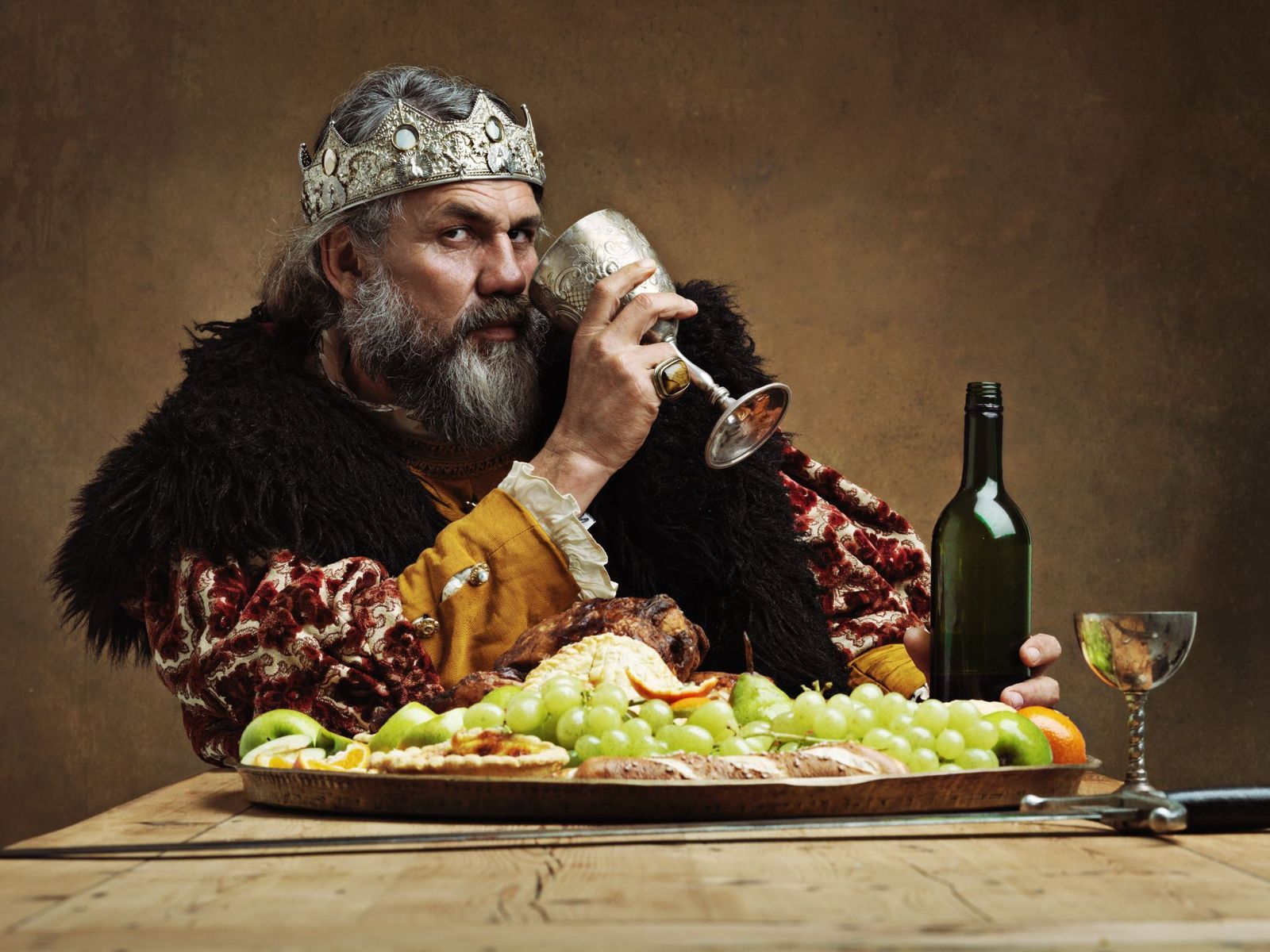
The "royal we" started in England in the late 1100s, around the time of King Henry II and his son, Richard the Lionheart. Back then, people believed kings ruled with God's help, so "we" meant "God and I." Later, it came to mean "my whole country and I," because a king supposedly speaks for everyone, not just for himself. Today, kings and queens mostly use it only in official papers.
These days, people mostly use it as a joke about someone who acts like they are better than everyone else. Bosses do it too, though, usually to soften an order or to share responsibilities.
Pomp and Circumstance
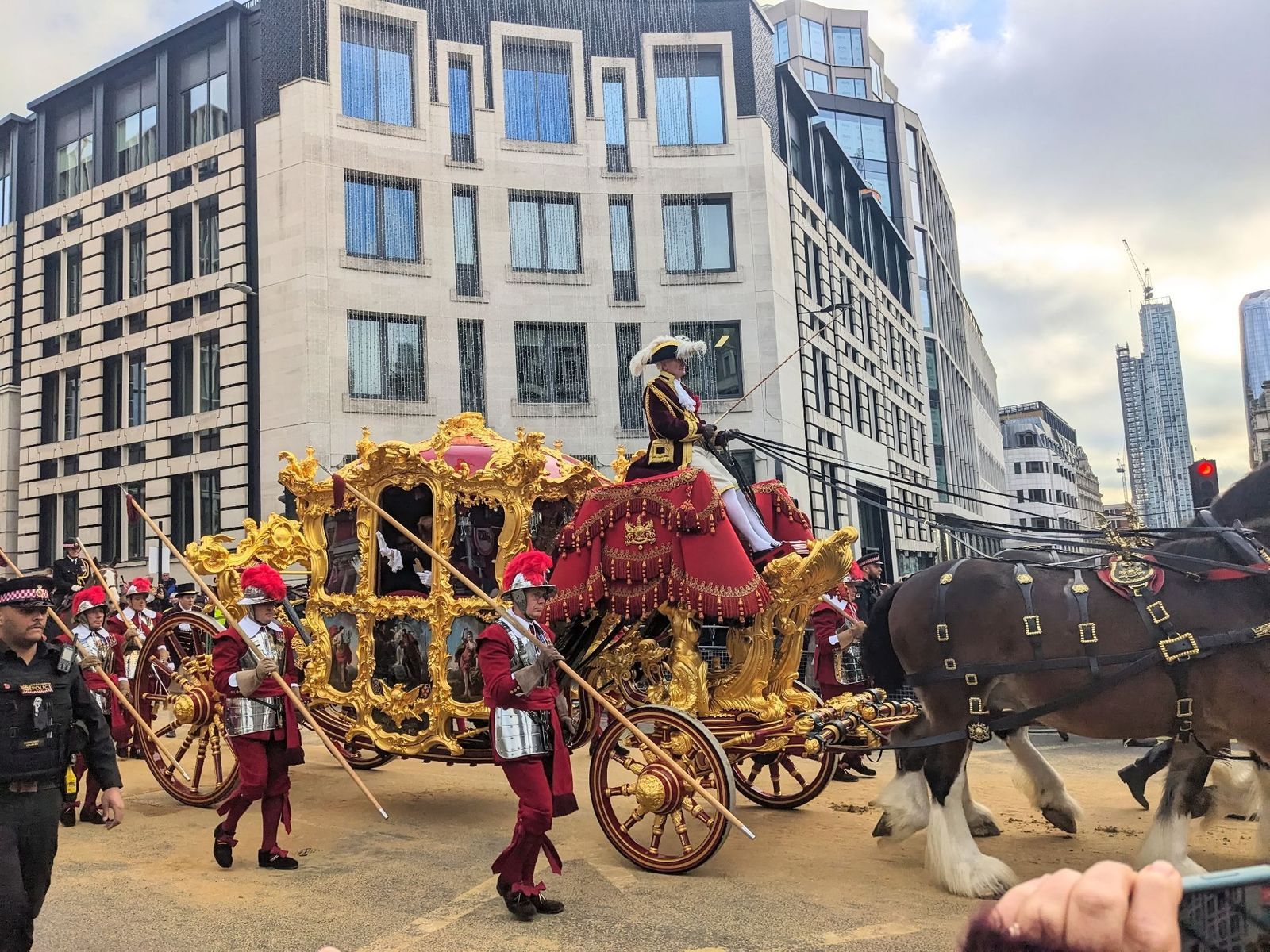
"Pomp and circumstance" comes from William Shakespeare’s play Othello, written around 1603. In the play, a soldier talks about the "pride, pomp, and circumstance of glorious war." Back then, "pomp" meant a grand show, and "circumstance" meant a big, formal ceremony, so the phrase described flags, uniforms, drums, and parades. Almost 300 years later, in 1901, the English composer Sir Edward Elgar borrowed those words as the title for a set of marches. The first one became a huge hit, and in England it was turned into the patriotic song "Land of Hope and Glory."
In 1905, Yale University gave Elgar an honorary degree and played his march at the ceremony. Princeton, Chicago, and Columbia liked it and started using it too, and soon it was the graduation song all over America. That is why the phrase now means a formal ceremony, and why the tune plays every spring as graduates walk in wearing their caps and gowns.
Palace
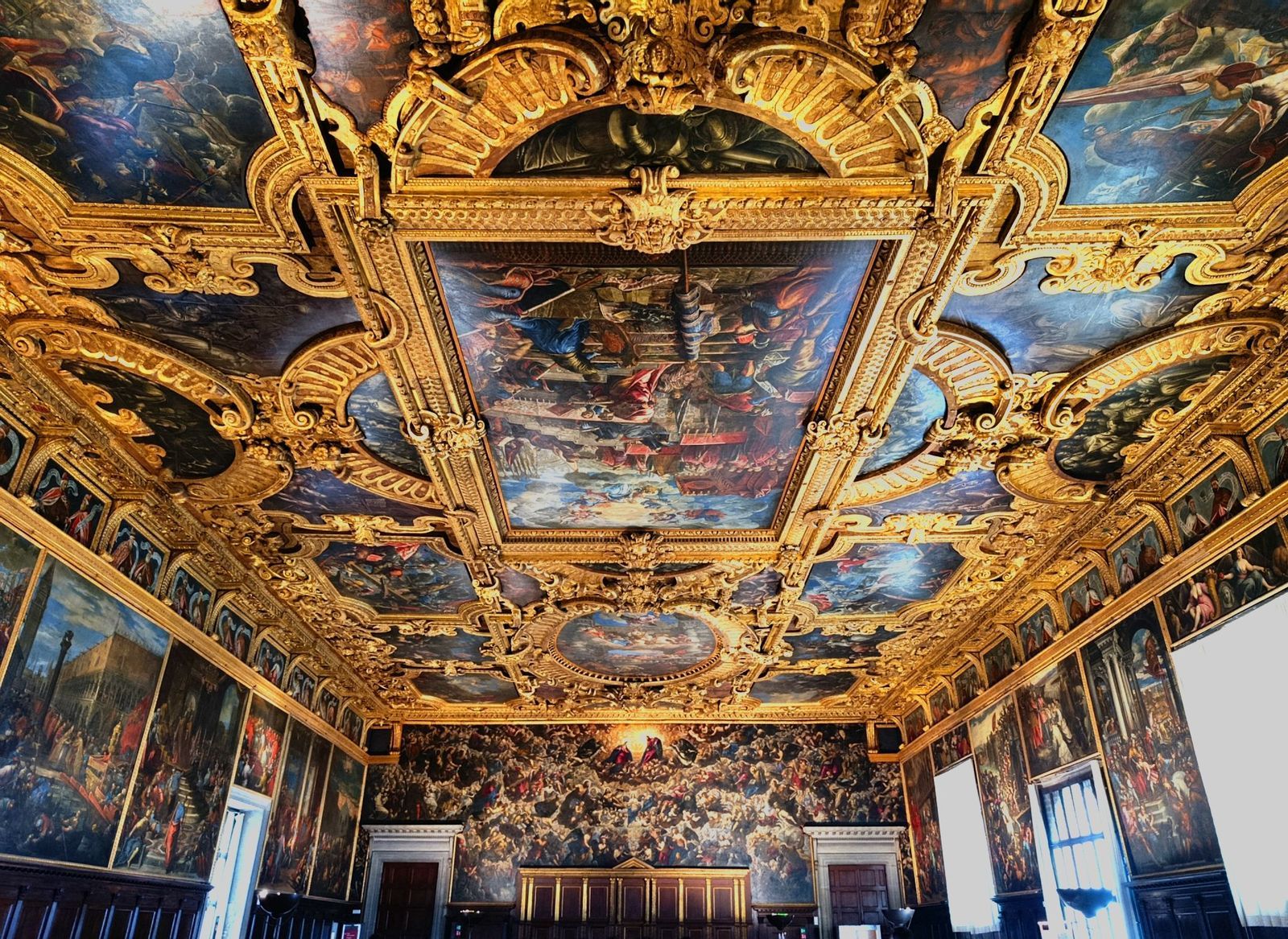
There’s one first "palace", the inspiration for all royal family homes: Palatine Hill. It is one of Rome's seven hills, where the city was founded in 753 BC. Roman emperors built their fancy homes there, and Romans started calling them "palatiums."
The word traveled into French as "palais" and then into English as "palace." Today we use it for the homes of kings and queens, like Buckingham Palace. We also say it about any big, fancy place, like the grand old "movie palaces" of the 1920s.
Courtesy
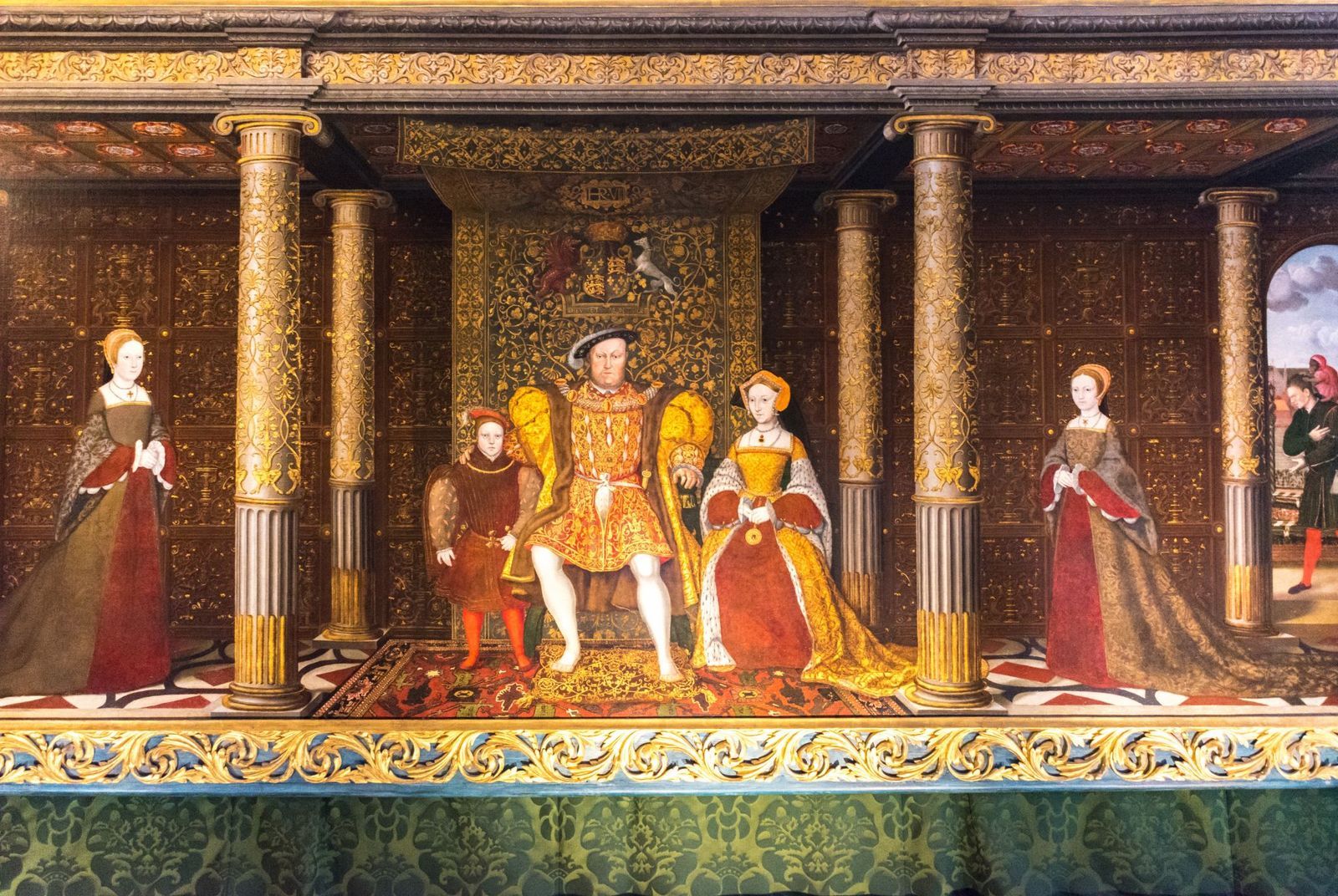
Good manners used to be a royal matter. In the Middle Ages, the court was where the king lived with his knights, ladies, and advisers. Anyone who wanted to stay in his good graces had to follow the rules: speak politely, eat neatly, and show respect. "Courtesy" comes from the Old French word "corteisie," meaning behaving as people did at a king's court. A person who did all that was called "courteous."
The word entered English in the 1200s, and now courtesy simply means showing good manners and being polite.


