Debunked science

Before science got it right: 10 wild misconceptions that misled everyone


Published on April 10, 2026

Image: Philippe BONTEMPS

Before modern science lifted the veil on some of nature’s most baffling phenomena, people relied on what they knew—and when that failed, they invented explanations that now seem spectacularly bizarre. But even if these early ideas now seem strange or even foolish, they helped pave the way for modern science. Each flawed theory pushed curious minds to investigate further and refine how we understand the world. From spontaneous generation to the theory of miasma, here are 10 examples of what people believed not so long ago.

1

Flat Earth

Image: Glenn Carstens-Peters

For centuries, people believed the Earth was a flat disc floating on water. Ancient maps depicted oceans surrounding a flat plane, and falling objects supposedly plummeted straight down to the abyss.

While Aristotle was among the first to argue for Earth’s true shape—observing ships vanishing hull-first over the horizon and the round shadow cast during lunar eclipses—and Eratosthenes later refined these intuitions to calculate the planet’s circumference with remarkable accuracy, the flat-Earth concept still persisted well into the Middle Ages.

2

Spontaneous generation

Image: Adrian Lange

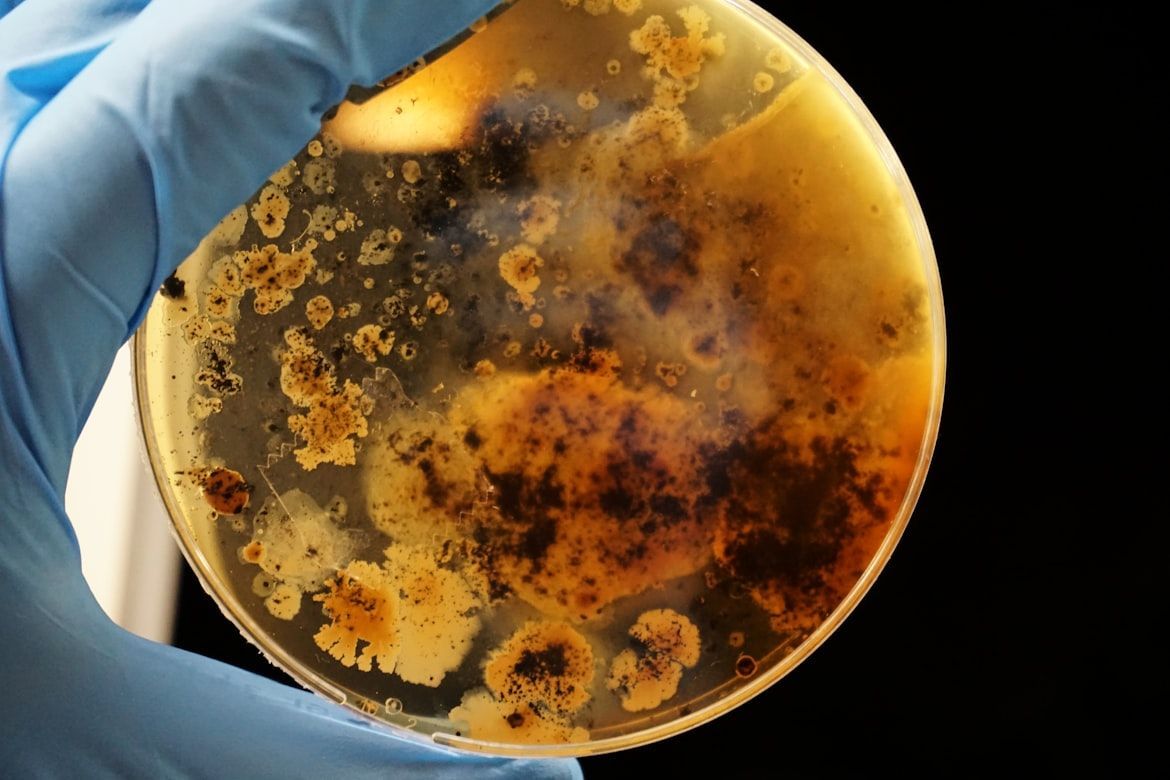
During the Middle Ages, and for long before, it was believed that maggots, mice, and other creatures could arise spontaneously from mud, rotting meat, or grain.

It wasn’t until the 17th century that Francesco Redi’s experiments disproved this idea: maggots appeared only when flies had access to lay their eggs. Later, Pasteur confirmed that microbes also do not arise spontaneously.

3

The Moon’s "breath"

Image: Ganapathy Kumar

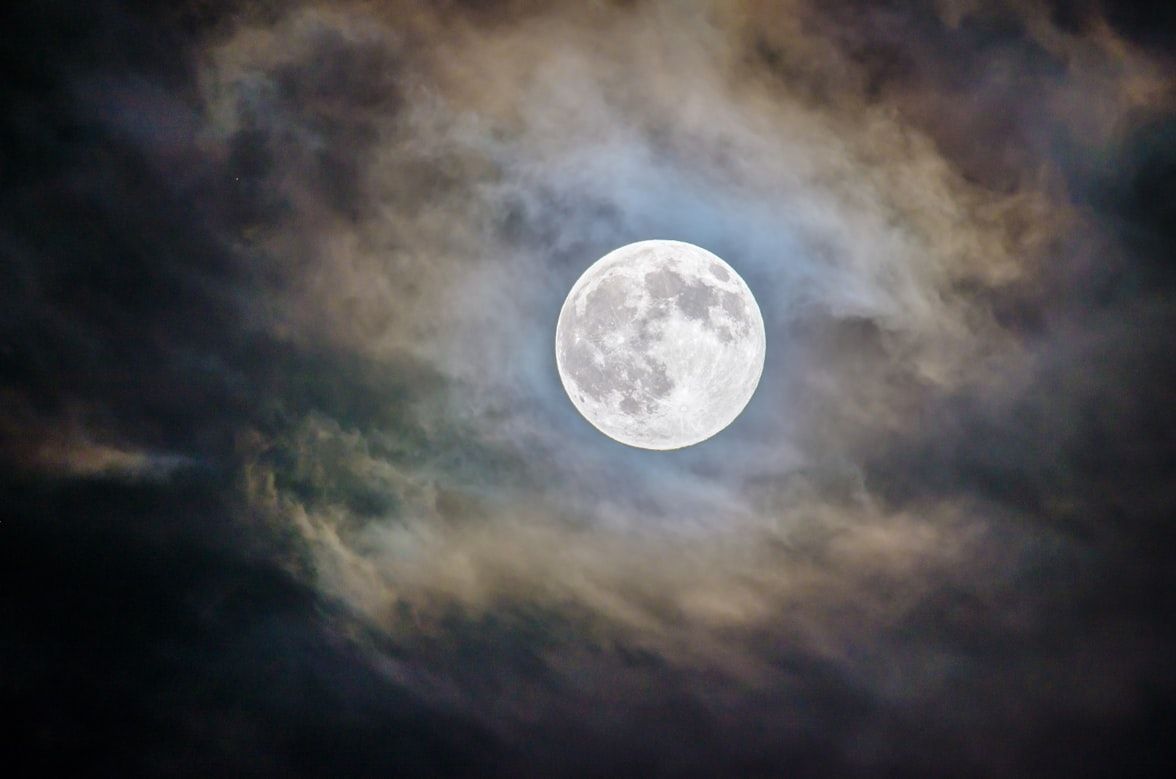
Early natural philosophers suspected the tides followed the Moon’s cycle, but without a concept of gravity, they proposed more imaginative mechanisms. One widely repeated idea described the Moon as "breathing" or exhaling a kind of pneumatic force that pulled the seas upward, much like winds or vapors moving through the air.

It wasn’t until Newton’s work in the 17th century that a clear physical explanation emerged, showing that the tides are driven by the gravitational pull of the Moon and Sun acting on Earth’s oceans.

4

Giant worms cause earthquakes

Image: Karl Callwood

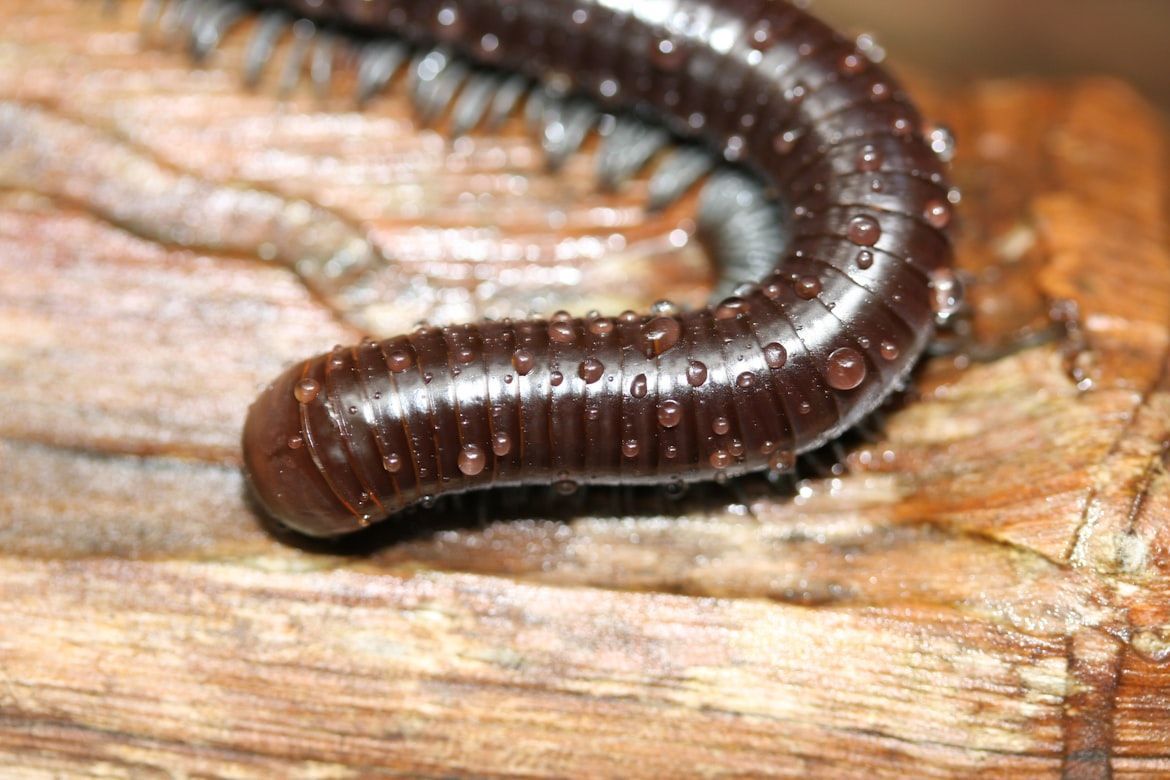
Some early natural philosophers suggested earthquakes were caused by giant underground worms or serpent-like creatures shifting through the Earth. The analogy came from observing how smaller burrowing animals disturbed soil and assuming larger unseen versions could shake the ground itself.

As geological science progressed, however, these notions gave way to evidence showing that earthquakes result from the movement and fracturing of Earth’s crust along fault lines.

5

Flaming gas in the skies

Image: Lightscape

Early explanations for the northern lights often described them as fires or glowing vapors igniting high in the atmosphere. Some natural philosophers proposed that luminous gases rose from Earth’s surface and caught fire in the upper air, while others compared the lights to reflections from vast, distant flames.

With improved observations, scientists showed that auroras are caused by charged particles from the solar wind interacting with Earth’s magnetic field and energizing atmospheric gases.

6

Sunspots as planets crossing the Sun

Image: Javier Miranda

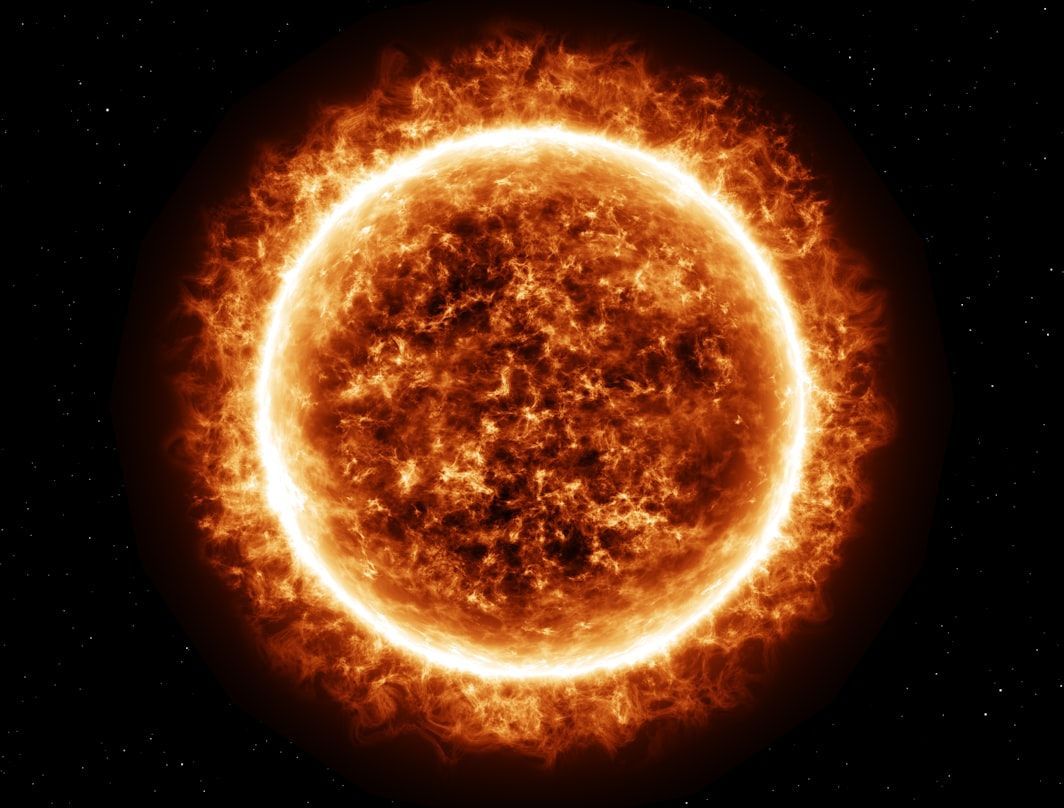
Some early astronomers—including Jesuit priest Christoph Scheiner—argued that sunspots were actually small planets or satellites orbiting the Sun, preserving the idea of a "perfect" Sun untouched by blemishes.

Galileo, however, tracked their shapes and motions and noticed they transformed and changed irregularly, which meant they were on or very close to the Sun’s surface—so they couldn’t be planets.

7

Bad air causes disease

Image: Ruvim Noga

People once believed diseases like cholera, plague, and malaria spread through "miasma," or poisonous bad air rising from decaying matter. The theory shaped public health for centuries and even informed major sanitation reforms in the 19th century.

It wasn’t until the work of Snow, Pasteur, and Koch that germ theory replaced miasma, showing that infectious diseases are caused by specific microorganisms—not foul-smelling air.

8

Underground rivers

Image: Kubo Mičuch

Early hydrologists often believed springs were fed by vast underground rivers flowing through hollow channels in the Earth. The idea came from observing surface rivers disappearing into caves and reappearing elsewhere, leading to the assumption that similar large waterways existed everywhere below ground.

Modern hydrogeology shows that most groundwater doesn’t travel in rivers but moves slowly through porous soil and rock, driven by pressure and permeability rather than hidden subterranean channels.

9

Comets as atmospheric phenomena

Image: Forsaken Films

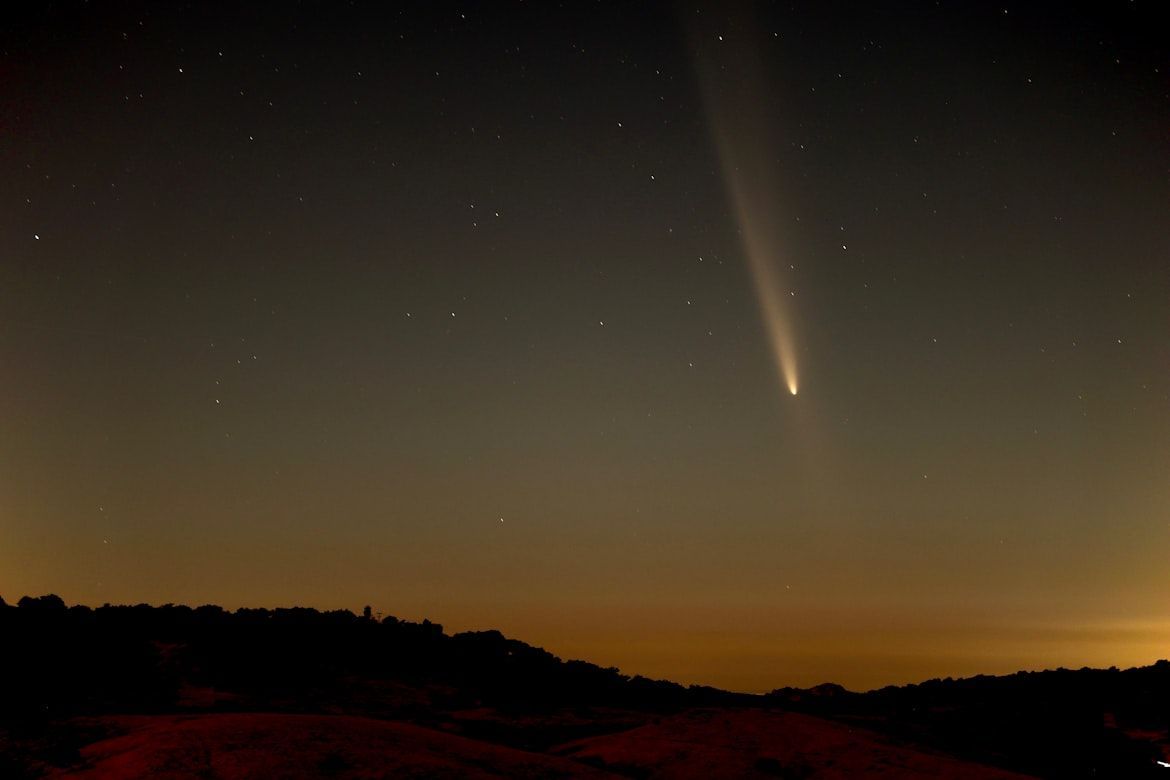
For centuries, comets were thought to be atmospheric phenomena—fiery vapors or clouds igniting high in the sky. Even Aristotle’s model placed them in the upper atmosphere, and this view persisted well into the Renaissance.

Until Tycho Brahe’s observations in the 1570s showed that comets had no measurable parallax, it hadn’t been realized that they were actually far beyond the Moon. This helped establish comets as true celestial bodies orbiting the Sun.

10

Magnetism from living "souls"

Image: Chris Nagahama

Early explanations for magnetism often invoked a "living force" within lodestones, suggesting they possessed a kind of spirit or soul that allowed them to attract iron. Others claimed magnets emitted invisible _effluvia_—mysterious vapors that pulled metals toward them.

William Gilbert’s De Magnete (1600) replaced these ideas with a physical model, showing that magnetism was a natural property of matter and that Earth itself acted like a giant magnet.
The truth about your brain

You won’t believe what happens in your brain while you sleep


Published on April 10, 2026


Image: Milad Fakurian

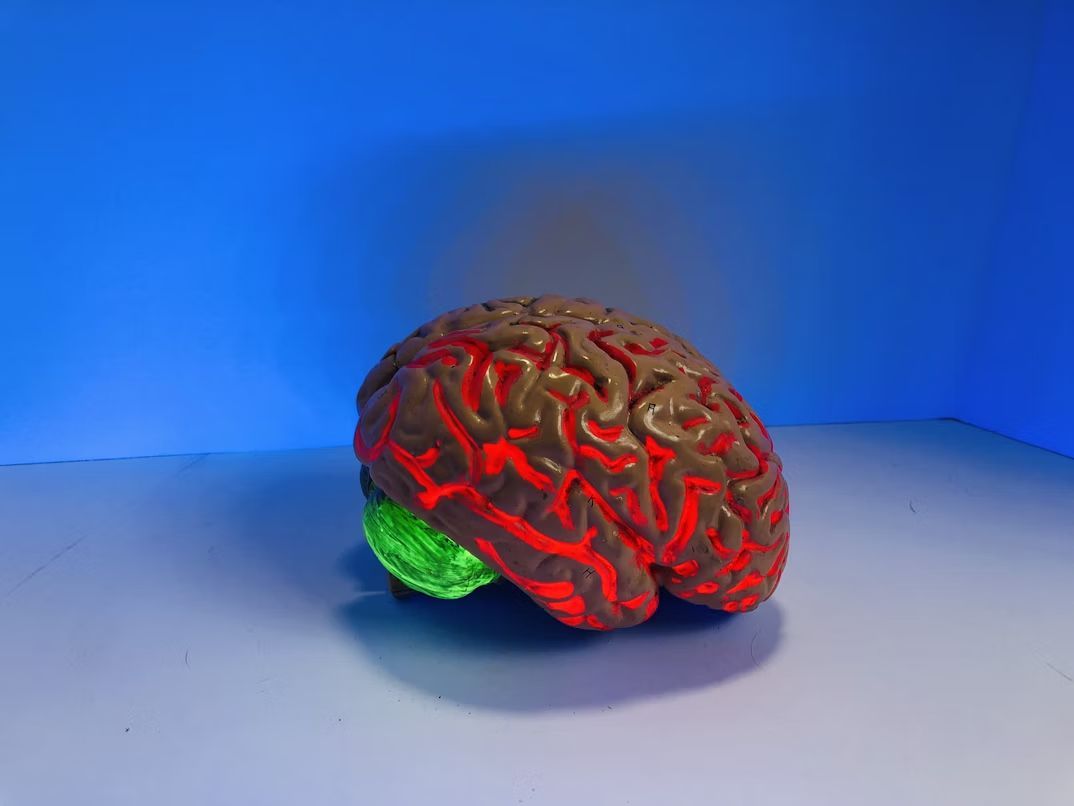
Your brain is one of the most powerful and mysterious organs in your body. It controls everything from your thoughts to your emotions and even processes information at lightning speed. But how much do you really know about it? Some long-believed myths about the brain have been debunked, while other surprising facts reveal just how incredible this organ truly is. Get ready to be amazed by these fascinating brain facts!

1

Myth: We only use 10% of our brain

Image: Natasha Connell

You’ve probably heard this one before, but it’s completely false! While it’s true that not all parts of the brain fire at the same time, imaging studies show that most regions are active throughout the day, even when we sleep.

Your brain is constantly working, controlling bodily functions and emotions, and processing information. So next time someone says you’re only using 10% of your brain, you can confidently tell them that’s just a myth!

2

The brain itself can’t feel pain

Image: Aarón Blanco Tejedor

Here’s a weird fact: While your brain processes pain signals from the rest of your body, it has no pain receptors of its own. This is why surgeons can perform brain surgery on conscious patients without causing them pain.

However, the membranes and tissues surrounding the brain do have pain receptors, which is why headaches and brain injuries can be so excruciating.

3

Headaches are actually chemical reactions

Image: Usman Yousaf

How come we have headaches if the brain has no pain receptors? Well, that’s because headaches are triggered by chemical activity in the brain, changes in nerves and blood vessels, and even fluctuating serotonin levels.

In some cases, hormones like estrogen can also play a role, which explains why migraines are more common in women.

4

Dreams: Your brain’s midnight movie theater

Image: Go to Johannes Plenio's profile Johannes Plenio

Dreams are proof that your brain never rests! (Warning: this fact can make you feel exhausted.) While you sleep, your limbic system, that is, the part of the brain that deals with emotions, becomes especially active, which is why dreams often feel so intense.

On average, humans experience four to seven dreams per night, even if we don’t always remember them. And what about that scary nightmare about falling? Well, you can thank your amygdala, the brain’s fear center, for that one.

5

Your short-term memory lasts less than 30 seconds

Image: Brett Jordan

Have you ever walked into a room and instantly forgotten what you were after? That’s because short-term memory only lasts about 20-30 seconds! That’s not enough!

Your brain holds a limited amount of information in its active state before deciding whether to store it or discard it. Ironically, we can’t really choose what makes the cut, but we do hope these facts stay with you!

6

Brain freeze is your body’s warning signal

Image: BUDDHI Kumar SHRESTHA

That sharp, icy pain when you eat something too cold? It’s your brain’s way of telling you to slow down! Officially called sphenopalatine ganglioneuralgia, a brain freeze happens when cold food or drinks rapidly chill the blood vessels in your throat, causing them to constrict and then rapidly expand. This sends pain signals to your brain, warning you of the sudden temperature shift. It’s annoying, but it’s actually your body trying to protect itself!

7

Your brain thinks a lot!

Image: Josh Riemer

You didn’t need us to tell you, but let’s look at the details: The average person has between 12,000 and 60,000 thoughts per day. What’s even more interesting? 95% of those thoughts are the same ones you had yesterday. Is that not surprising enough? Hear this out: 80% of them tend to be negative. That’s because our brains are wired for survival, constantly analyzing risks and potential dangers.

8

Your brain uses 20% of your body’s oxygen and blood

Image: Terry Vlisidis

Even though it only makes up about 2% of your body weight, your brain employs a major quantity of energy! It consumes 20% of your oxygen and blood supply, making it one of the most demanding organs in your body.

If your brain goes without oxygen for just five minutes, brain cells start dying, leading to irreversible damage. This is why deep breathing and cardiovascular exercise are great for brain health!

9

Seeing stars? That’s your brain processing vision!

Image: Alexander Andrews

Do you know that feeling when you hit the back of your head and see stars? That’s because your occipital lobe, which controls vision, is located at the back of your brain. If you get hit there, your brain momentarily misfires, causing flashes of light.

Interestingly, your brain processes vision on the opposite side; while your right brain controls your left eye, your left brain controls your right eye. It’s one of the many ways the brain operates in a complex way.

10

Your brain can power a light bulb!

Image: Rodion Kutsaiev

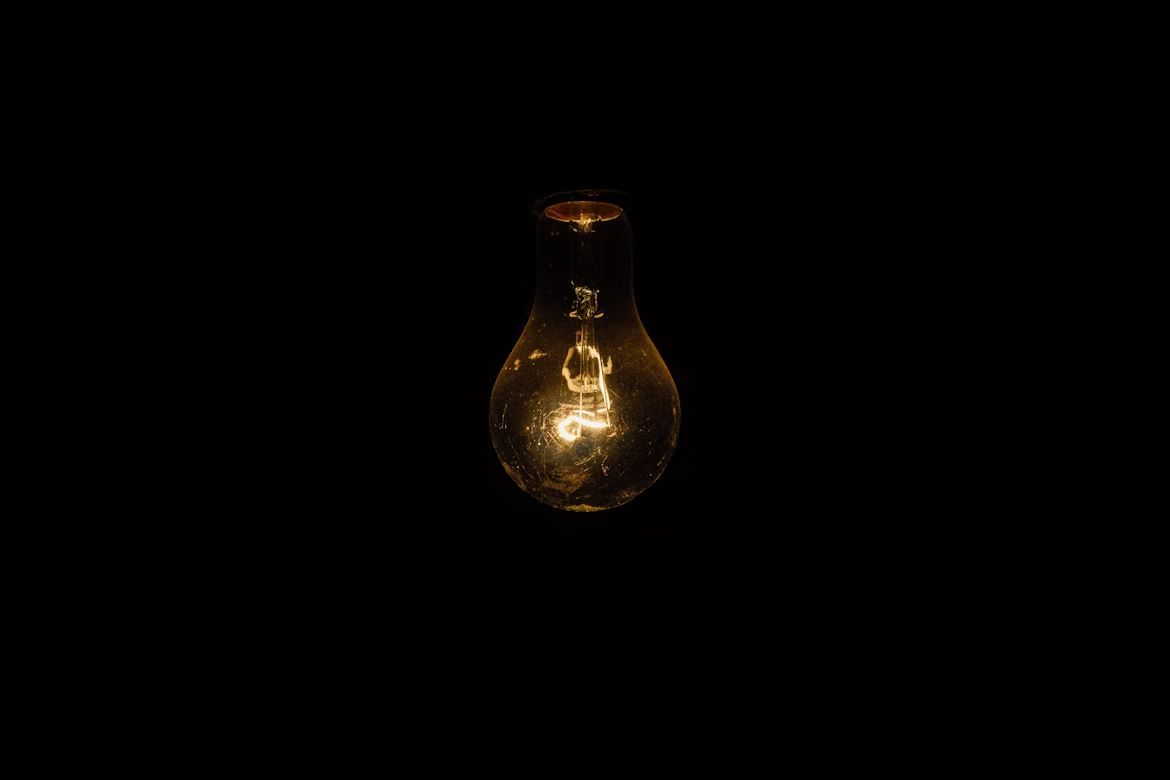
Believe it or not, your brain generates between 12 and 25 watts of electricity when you’re awake. If you can’t really grasp how powerful that is, check this out: It’s enough to power a small light bulb! Your brain’s electrical activity is what allows neurons to send signals at speeds of up to 260 miles per hour.

11

Your brain is mostly fat

Image: Robina Weermeijer

Your brain may be the fattiest organ in your body, consisting of at least 60% fat! This is why consuming healthy fats, like omega-3s and omega-6s present in fish, for example, is essential for brain health.

Healthy fats stabilize brain cell walls, reduce inflammation, and support cognitive function. So go ahead and enjoy that avocado toast, it’s food for your brain!

12

Your brain shrinks as you age

Image: Robina Weermeijer

It’s not just your memory that fades over time; the brain itself physically shrinks as one gets older. It continues developing until your late 40s, but after that, it slowly decreases in size.

Now, size doesn’t equal intelligence, so a smaller brain doesn’t necessarily mean a less capable one. Staying mentally active, exercising, and eating brain-boosting foods can help keep it in top shape!

13

Cholesterol plays a big role in memory

Image: Lisa Yount

We often think of cholesterol as bad, but your brain actually depends on it! In fact, 25% of your body’s cholesterol is stored in your brain, where it helps with learning and memory. However, unlike other organs, the brain can’t absorb cholesterol from the blood, it has to produce its own. So, while too much cholesterol in the body can be harmful, the right amount is vital for brain function. At least you can use that as an excuse to get that burger!

Looking for an extra scoop of literary fun?

Learn more with our Word of the day

stupendous

/stuˈpɛndəs/