What is the longest place name in America? Meet 10 word giants


Published on July 11, 2026


Image: vvoe

In casual conversation, you’d probably never use most English words that go past 15 or 20 letters. They are usually scientific or medical terms built by stacking smaller words together. Yet, exploring these linguistic giants is a fun way to learn how our language handles specialized vocabulary. Let’s take a look at some of the longest words in the English-speaking world, starting with one so ridiculously big it stretches the definition of what a word can be. Can you guess what it is?

1

Methionylthreonylthreonylglutaminylarginyl…

Image: Andrey_Popov

To kick off the list, we have to look at a number that looks like a typo, but is entirely accurate: 189,819 letters. This is the full chemical name for the human muscle protein known commonly as titin.

Because proteins are complex chains of amino acids, their formal chemical names must list every single component in order. This particular sequence starts with methionylthreonylthreonylglutaminylarginyl… and keeps going for thousands of syllables. If you wanted to print it out, it would easily fill more than 50 pages. Want to try reading it out loud? You might want to clear your schedule, because it would take more than three hours.

2

Taumata…

Image: Michal Durinik

The longest place name in English belongs to a 1,001-foot-high hill located in Hawke's Bay, New Zealand. It boasts a staggering 85 letters: Taumatawhakatangihangakoauauotamateaturipukakapikimaungahoronukupokaiwhenuakitanatahu.

Derived from the Māori language, this long title translates to a poetic statement: "the place where Tamatea, the man who had big knees, the climber of mountains, the slider, the land-swallower that traveled about, played the nose flute that he had to the loved ones". Unsurprisingly, locals and tourists alike usually save their breath and refer to it simply as "Taumata".

3

Chargoggagoggmanchauggauggagoggchaubunagungamaugg

Image: Wangkun Jia

Not to be outdone, the United States has its own geographical giant sitting in Massachusetts. With a total of 49 letters, Lake Chargoggagoggmanchauggauggagoggchaubunagungamaugg is the longest official place name in America.

While the name originates from the language of the Nipmuc people, this huge version is believed to be a humorous invention by a local newspaper editor in the early 20th century. Along with the long spelling, the editor popularized a fake translation: "You fish on your side; I fish on my side; nobody fishes in the middle." Today, it’s also known as Webster Lake by anyone trying to type it into a GPS.

4

Pneumonoultramicroscopicsilicovolcanoconiosis

Image: west_photo

The longest word entered in most standard English dictionaries is Pneumonoultramicroscopicsilicovolcanoconiosis, which is 45 characters long. Found in specialized volumes like Merriam-Webster’s Medical Dictionary, it refers to a severe lung disease caused by the chronic inhalation of fine silicate or quartz dust, typically associated with volcanic activity. Ironically, medical professionals don’t actually use this word in daily practice; they simply call the condition silicosis.

5

Pseudopseudohypoparathyroidism

Image: H_Ko

Pseudopseudohypoparathyroidism, at 30 letters, is a rare medical condition that mimics the physical skeletal traits of another disorder called pseudohypoparathyroidism. Aside from its impressive physical length, it holds a unique distinction in lexicography: it’s the only word in the dictionary that features a repeating consecutive "pseudo".

6

Antidisestablishmentarianism & more

Image: chrisdorney

There’s a unique category of words that almost never appear in real sentences. Because they lack everyday utility, dictionaries acknowledge their existence but choose not to give them formal entries.

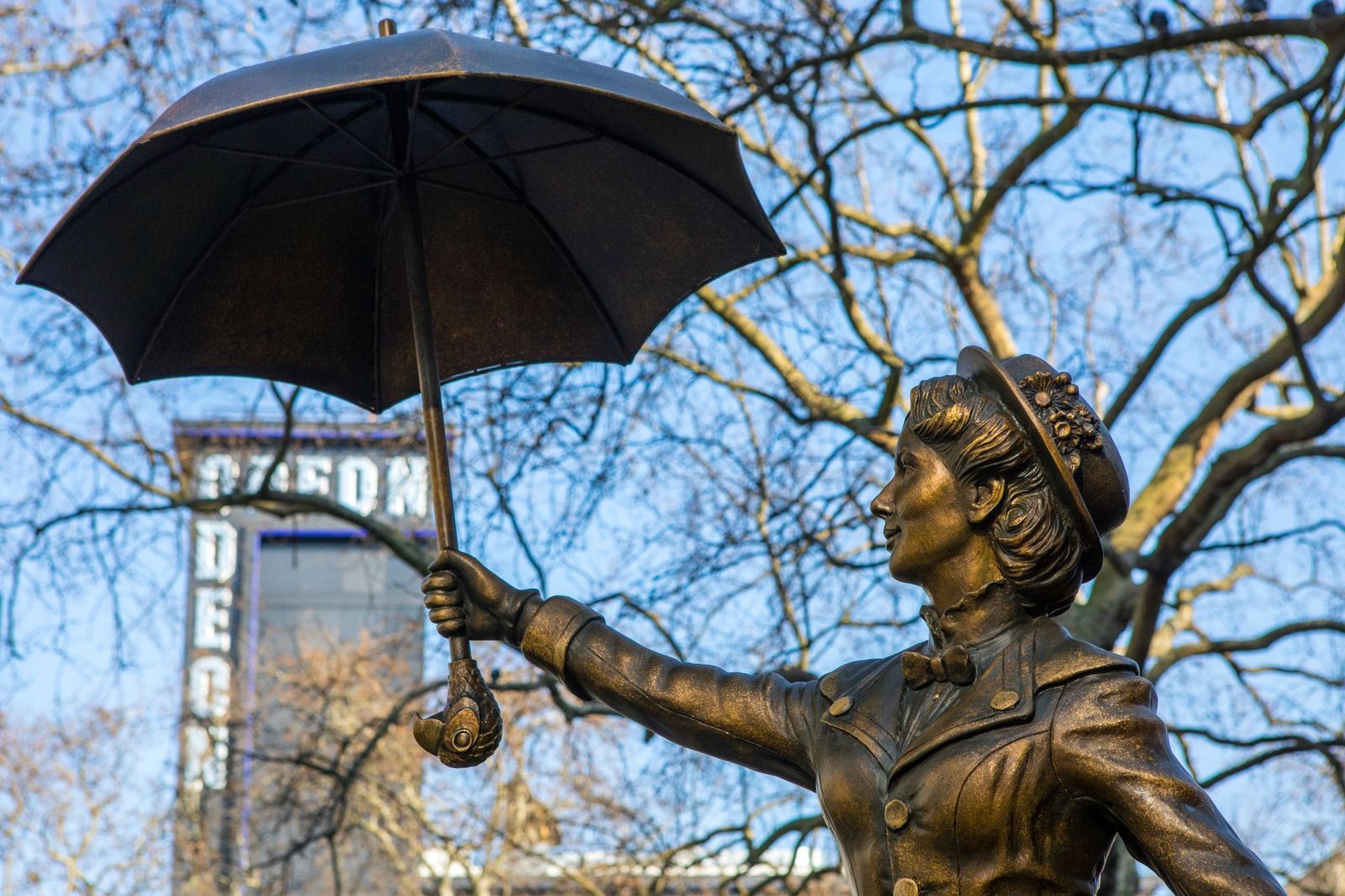
This group includes antidisestablishmentarianism (28 letters), which refers to a 19th-century political movement in Britain. Also, the classic floccinaucinihilipilification (29 letters), a mashup of Latin roots that means the act or habit of judging something to be completely worthless. Finally, the most beloved of this group is supercalifragilisticexpialidocious (34 letters), the iconic nonsense phrase made famous by Walt Disney’s Mary Poppins.

7

Methylenedioxymethamphetamine

Image: BLACKDAY

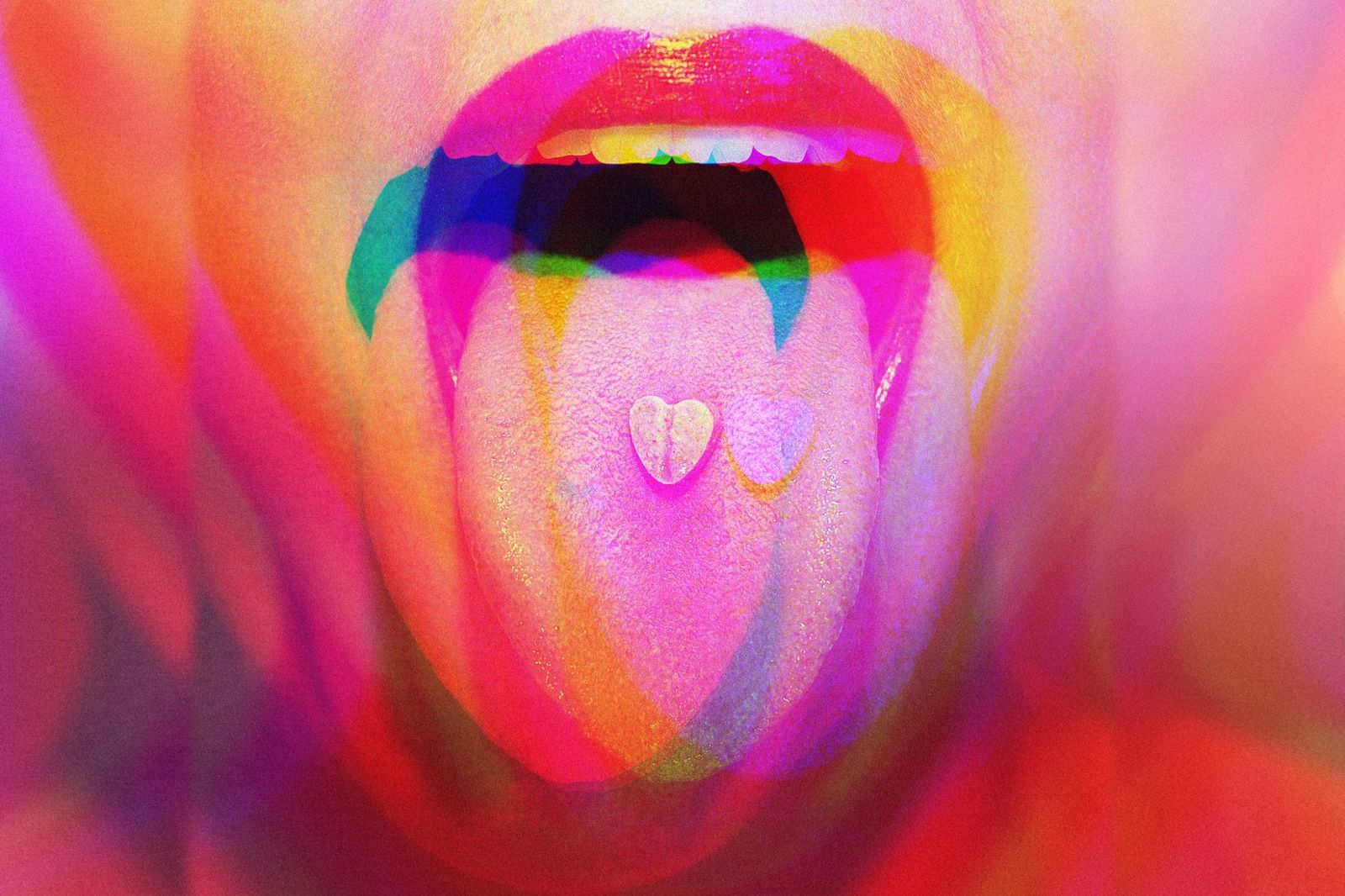
In the medical world, knowing a term like methylenedioxymethamphetamine (29 letters) is essential. While that mouthful might look unfamiliar at first glance, it refers to a synthetic amphetamine known for its hallucinogenic properties. Because nobody wants to write or say all 29 letters in a casual conversation, people have opted to use its much shorter street name, ecstasy, or its concise chemical acronym, MDMA.

8

Electroencephalographically & more

Image: YAKOBCHUK VIACHESLAV

In the context of a research lab, some specialized technical terms fall into the twenty-to-thirty-letter sweet spot. Some of them are: Electroencephalographically (doing something by means of an electroencephalograph, a medical machine used to read and record brain wave patterns); radioimmunoelectrophoresis (a laboratory technique that uses radioactive labels to analyze specific proteins); laryngotracheobronchitis (a medical condition involving severe inflammation in the larynx, trachea, and bronchial tubes); and hydrochlorofluorocarbon (a type of greenhouse gas).

9

Counterrevolutionaries & more

Image: Casimiro PT

These are long but feel more recognizable. At 22 letters, we can find terms like counterrevolutionaries (individuals who fight to overthrow a newly established revolutionary government), deinstitutionalization (the social and political process of moving patients out of asylum institutions), and otorhinolaryngological (anything relating to the medical specialty of the ear, nose, and throat).

10

Incomprehensibilities & more

Image: Pornpimon Ainkaew

If you’re looking for everyday 21-letter words, terms like incomprehensibilities (things that are impossible to understand) will do the trick. Also, this tier features medical terms like pseudohermaphroditism (a condition involving ambiguous external genitalia) and psychoneuroimmunology (the branch of medicine that studies how a person’s emotional state impacts their immune system).
Secrets in plain view

The untold stories behind 15 of the world’s most famous artworks


Published on July 11, 2026


Image: Ståle Grut

Art is often more than just visually stunning; it can carry deep, hidden meanings and symbols that offer a richer experience when understood. From elements that tell part of the artwork’s story to deliberate messages and strange secrets, here are 15 famous artworks with hidden layers you might not have noticed before.

1

The Mona Lisa by Leonardo da Vinci

Image: Eric TERRADE

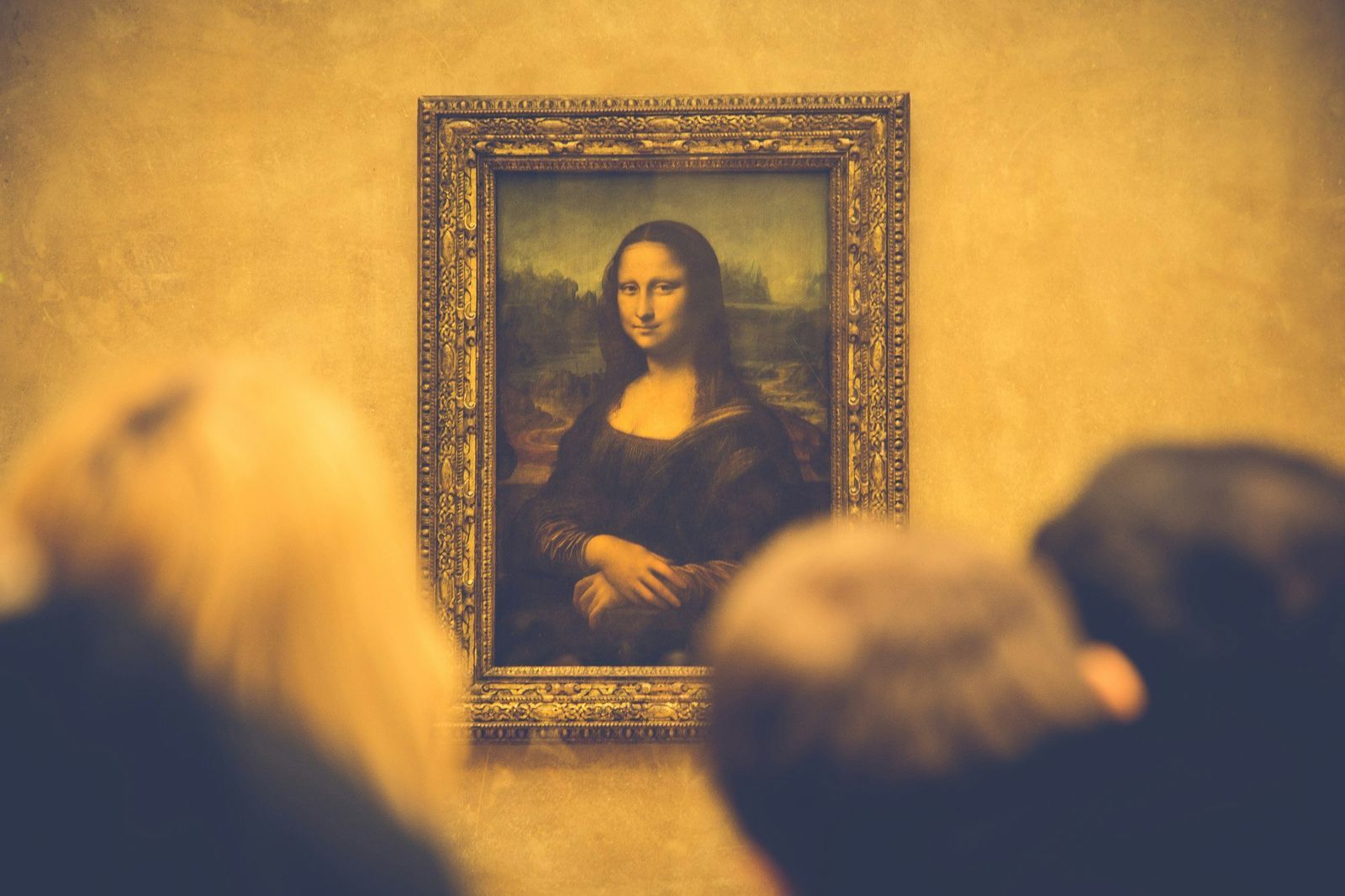
Though the Mona Lisa is perhaps the most famous painting in the world, the identity of the woman in the portrait has long been a subject of debate. Most scholars believe she is Lisa Gherardini, a Florentine woman married to a wealthy merchant, Francesco del Giocondo. However, numerous alternative ideas have emerged, including theories that the subject is an idealized figure or even a concealed self-portrait of Da Vinci.

2

The Thinker by Auguste Rodin

Image: Avery Evans

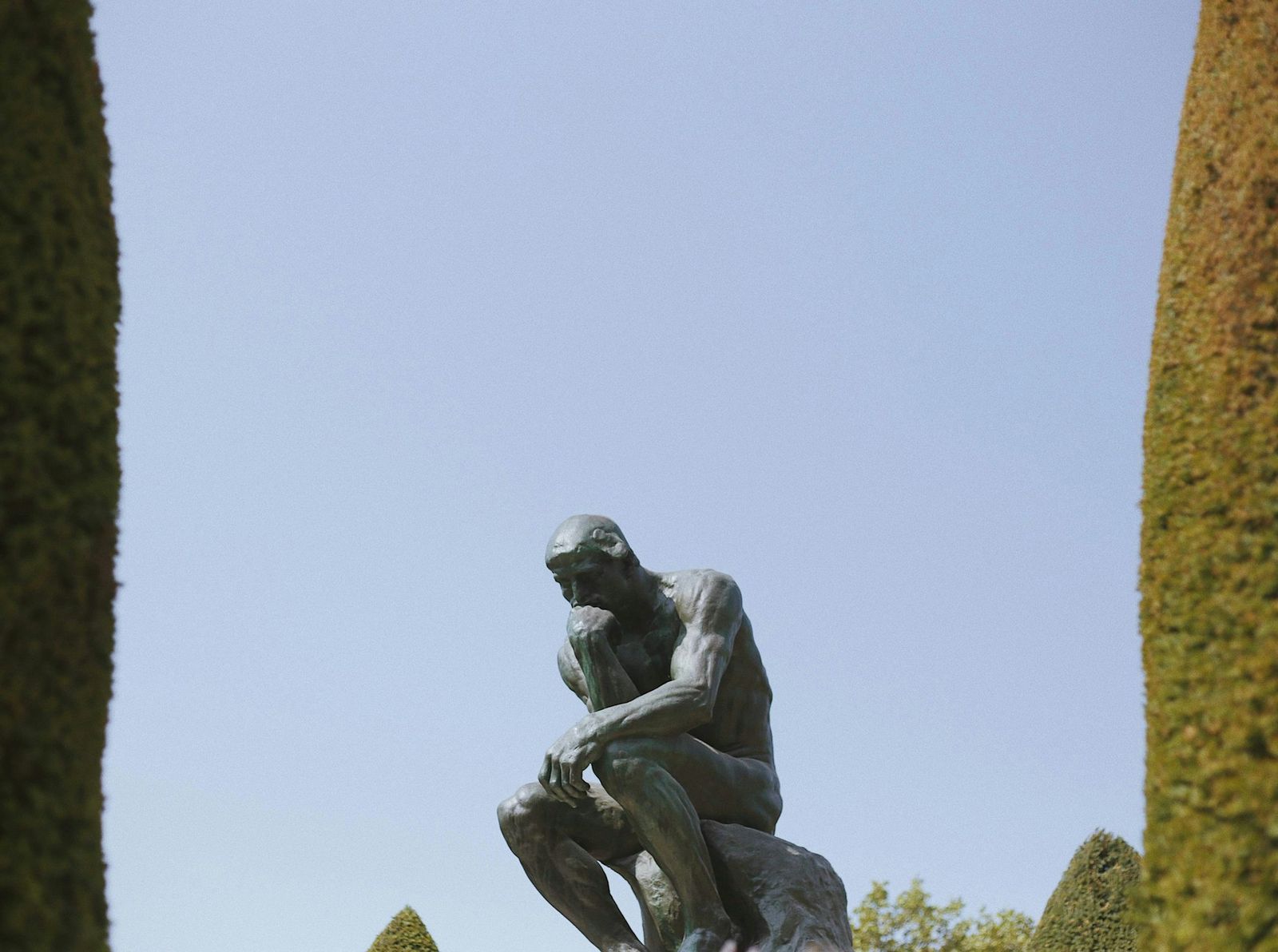
Rodin’s famous sculpture, The Thinker, was originally conceived as part of a larger work but became iconic in its own right. Despite its fame, many curious facts about the sculpture are often overlooked. For example, its original name was actually The Poet, which supports the theory that the statue was meant to depict Dante.

3

The Birth of Venus by Sandro Botticelli

Image: rook76

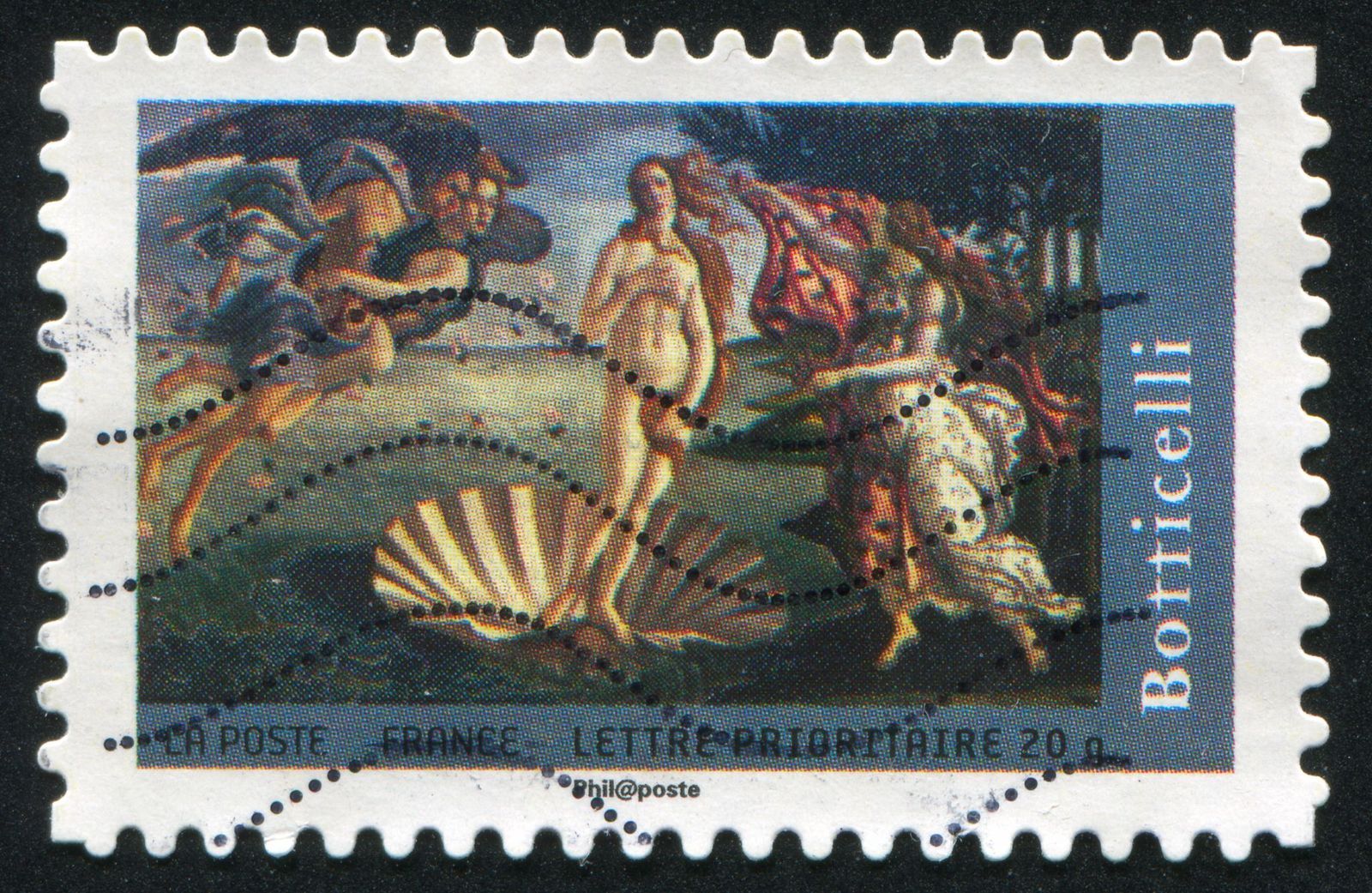
Botticelli’s The Birth of Venus blends classical mythology with Renaissance ideals of beauty. Venus, standing on a shell, symbolizes divine beauty and spiritual rebirth. Curiously, some believe it was modeled after the long-lost Venus Anadyomene, a painting by the ancient Greek artist Apelles, known only through Roman author Pliny the Elder’s description.

4

The Scream by Edvard Munch

Image: JWCohen

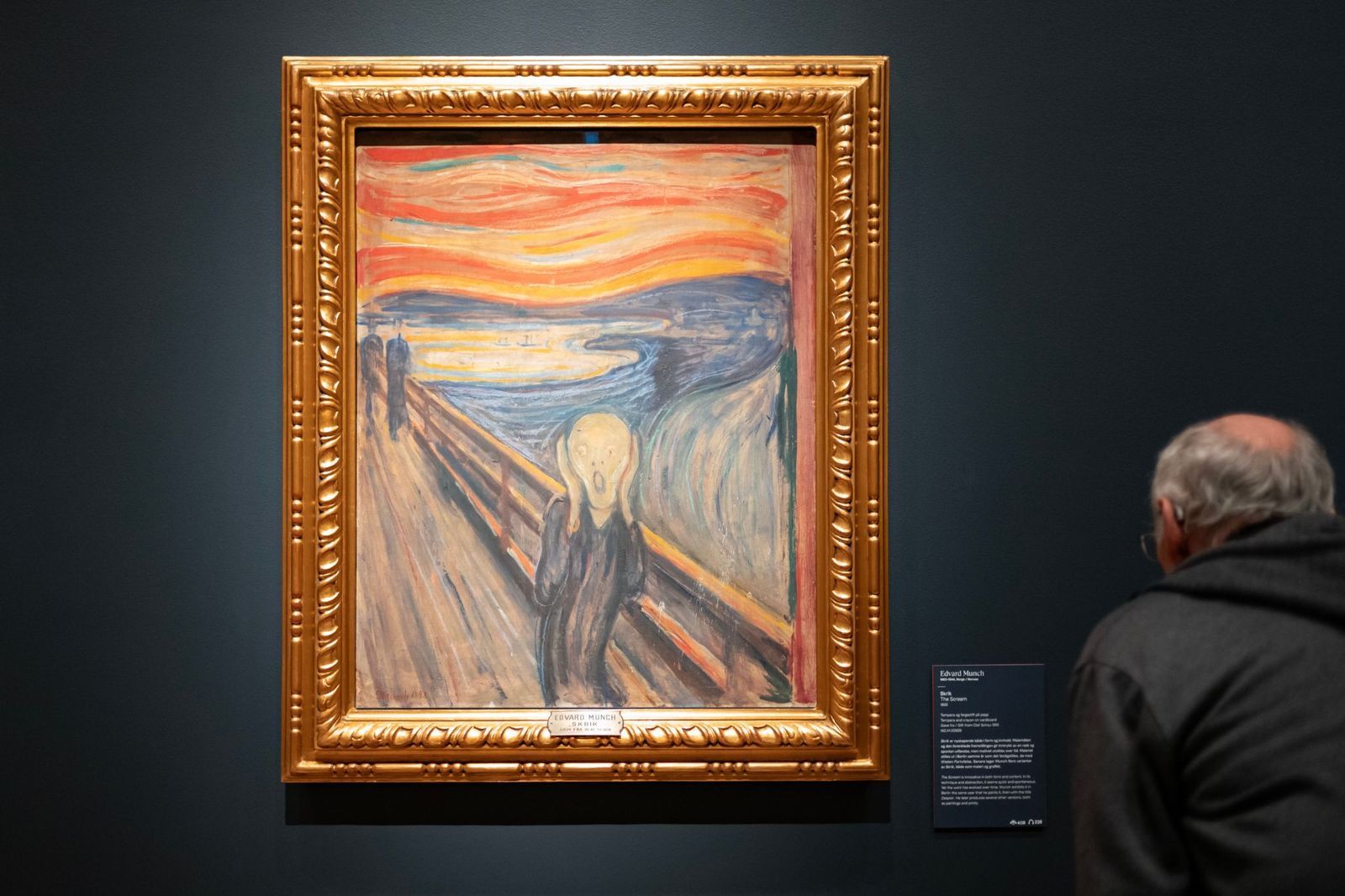
Munch’s The Scream captures a moment of extreme emotional distress. The swirling sky, vivid in color, reflects the inner turmoil of the subject. While Munch claimed the inspiration came from a panic attack he experienced while walking, some argue that the red skies may have been inspired by the eruption of Krakatoa in 1883, which caused vivid sunsets around the world.

5

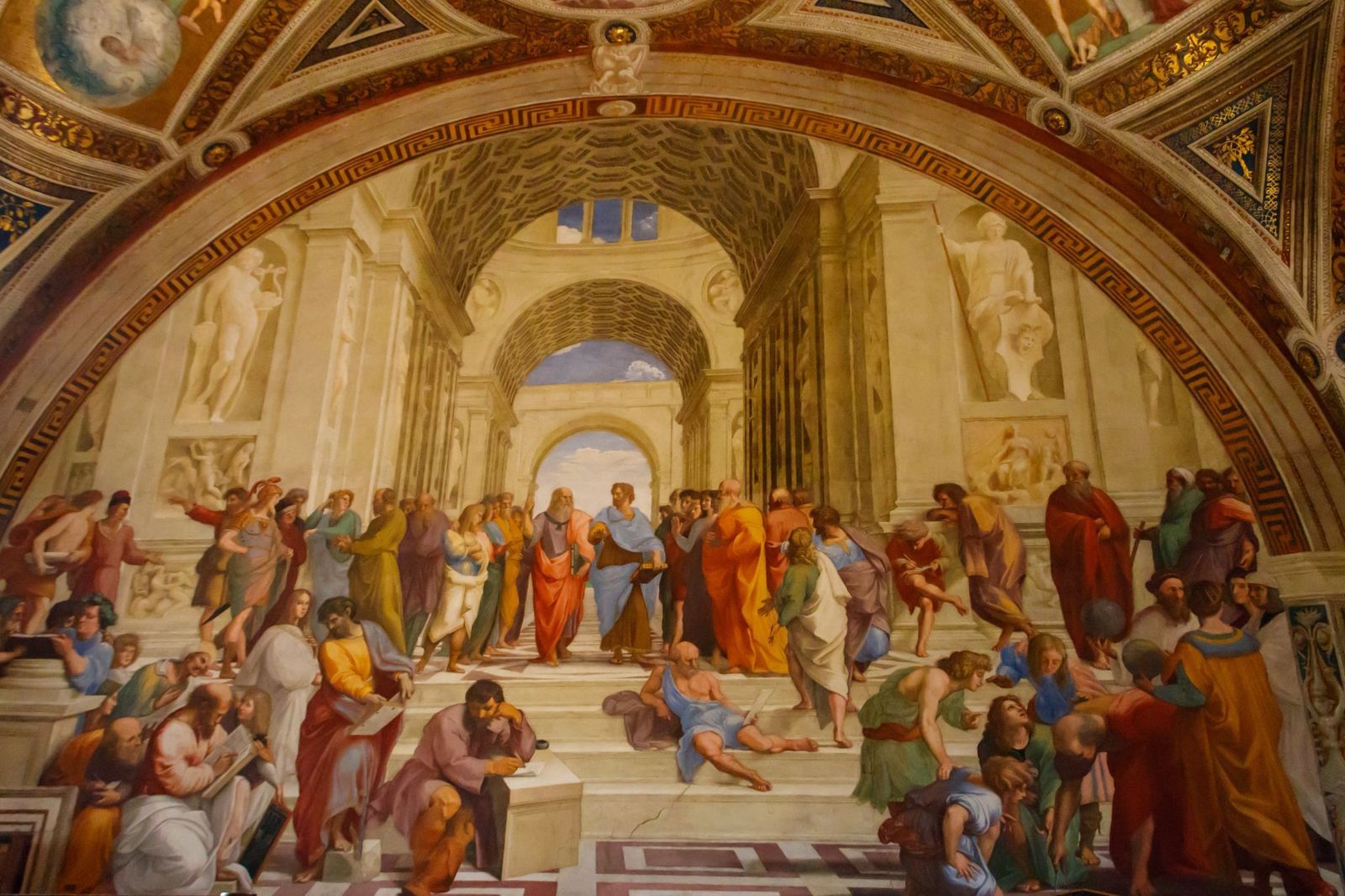
The School of Athens by Raphael

Image: Olya Solod

In Raphael’s The School of Athens, ancient philosophers are depicted in conversation, but the placement of the figures is deliberate. Plato and Aristotle are centrally placed, with Plato pointing upwards, symbolizing his belief in ideal forms, while Aristotle’s gesture points horizontally, emphasizing his empirical approach.

6

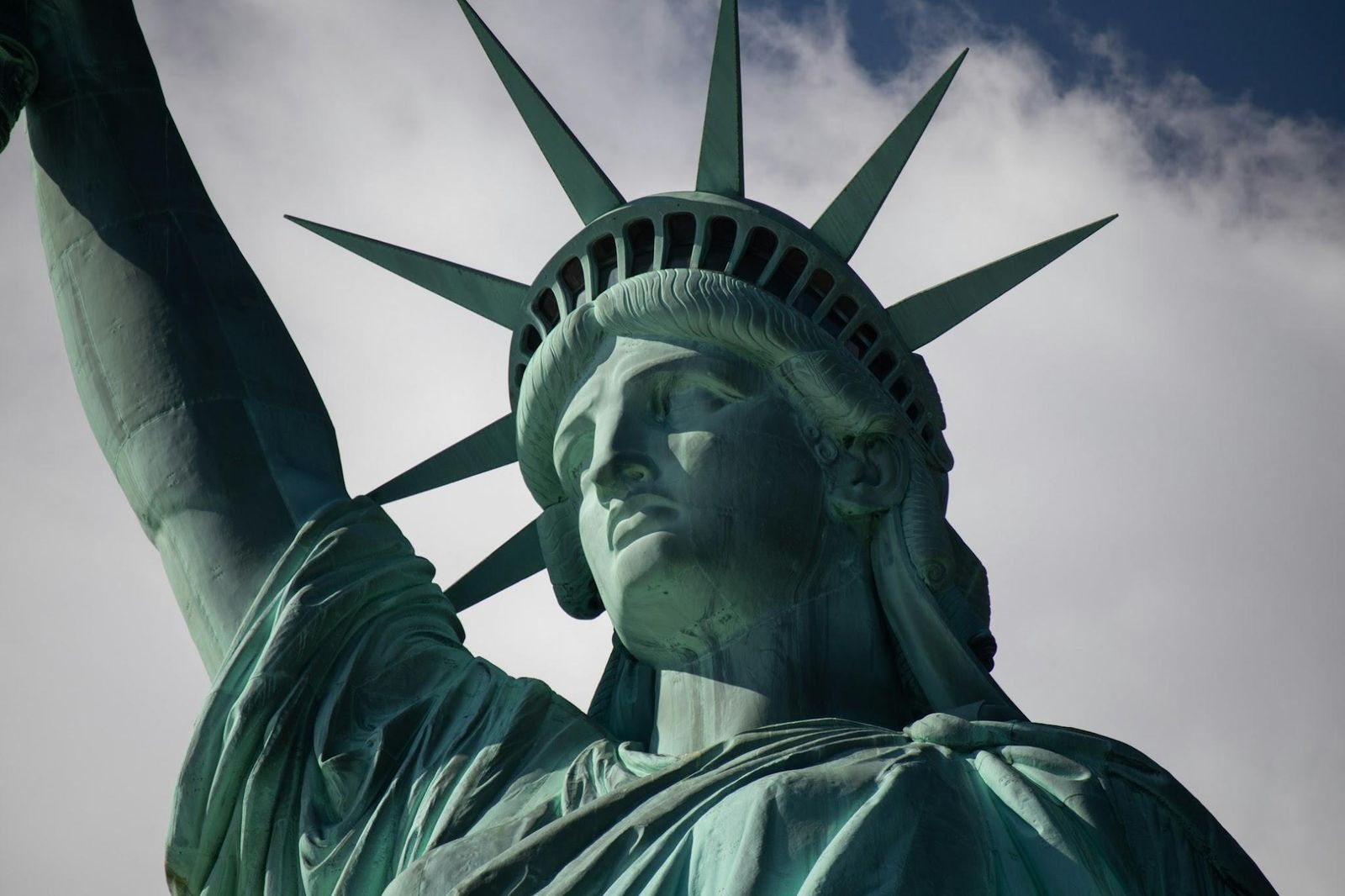
The Statue of Liberty

Image: Laurenz Heymann

The Statue of Liberty is not just a symbol of freedom; its design includes several symbolic elements. The broken chain at her feet represents the abolition of slavery, while the torch symbolizes enlightenment. But most curiously, Lady Liberty's face is said to have been modeled after the artist Frederic-Auguste Bartholdi's mother.

7

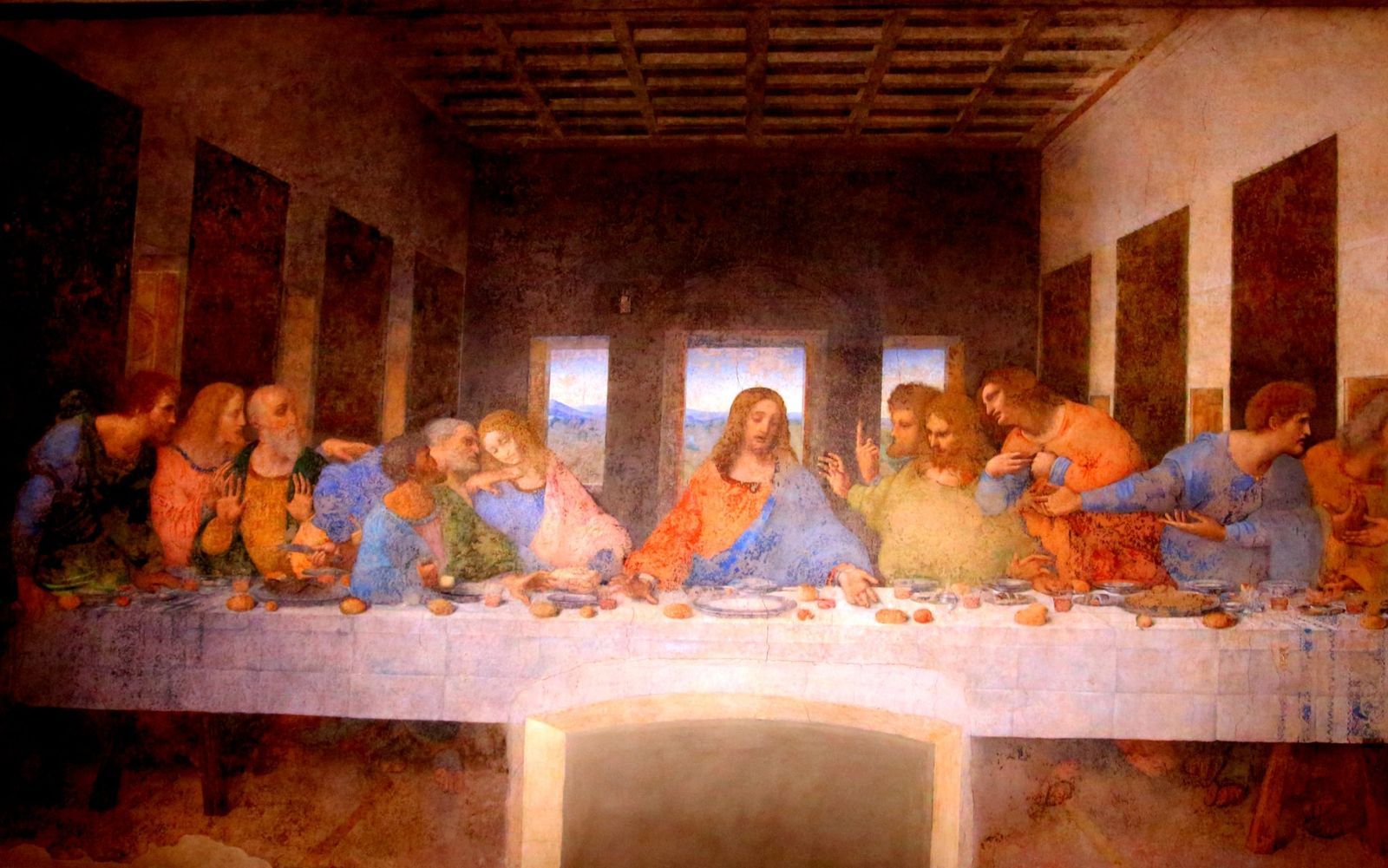
The Last Supper by Leonardo da Vinci

Image: maxbrux

Da Vinci’s Last Supper holds numerous symbols, most notably the geometric composition. The table itself forms a triangle, symbolizing the Holy Trinity, while Christ’s position in the center divides the composition into a perfect balance of divine and human. Even the placement of Judas, isolated from the others on the opposite side of Christ, visually hints at his betrayal.

8

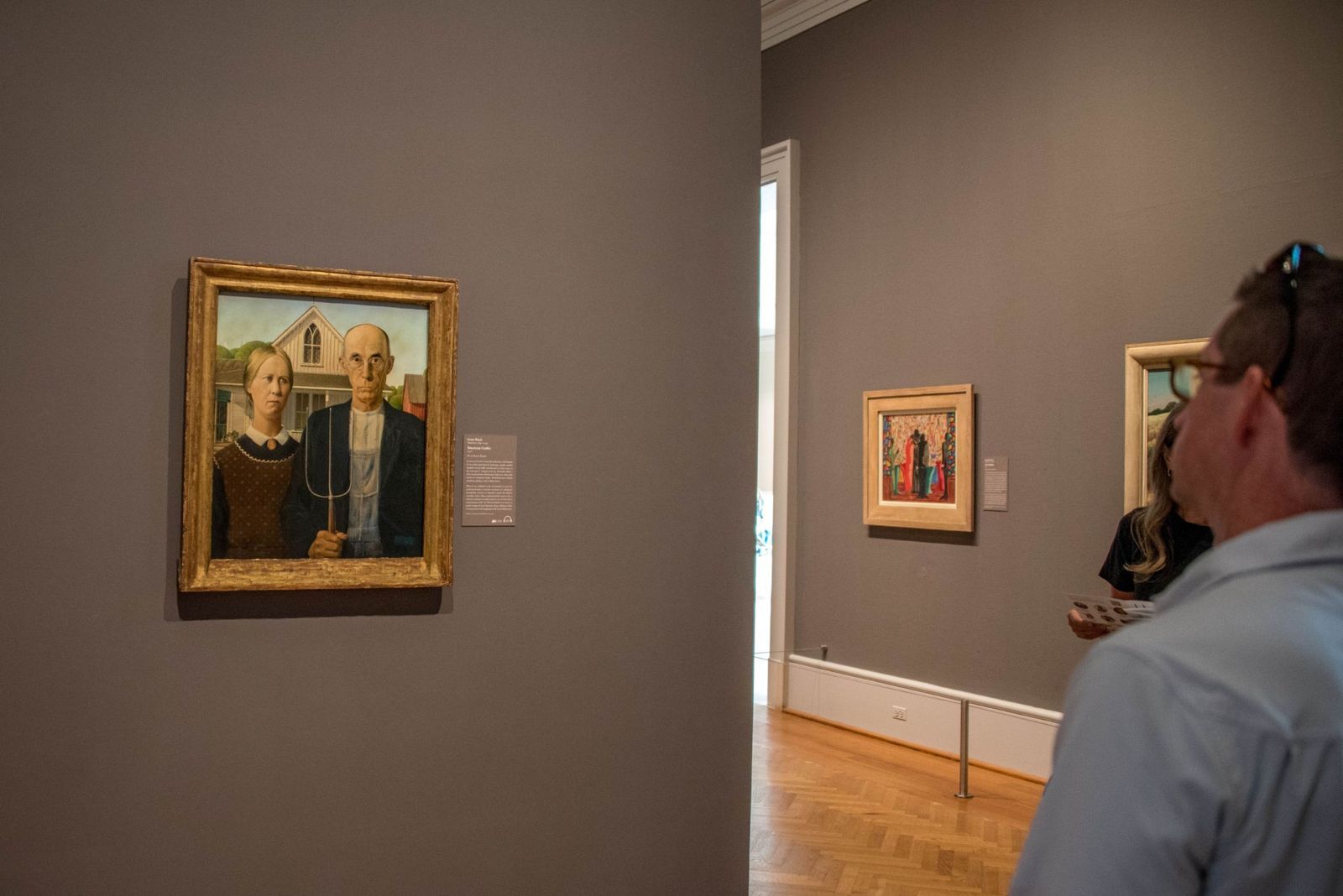
American Gothic by Grant Wood

Image: ChicagoPhotographer

Grant Wood’s iconic American Gothic has often been interpreted as a commentary on rural American values, but there are more layers to the painting. In fact, it was inspired by a real house built in the style of "Carpenter Gothic," which Wood found rather pretentious for such a humble home. The characters, however, aren’t the real inhabitants of the house but Wood’s dentist and his sister.

9

Venus de Milo by Alexandros of Antioch

Image: Daniele D'Andreti

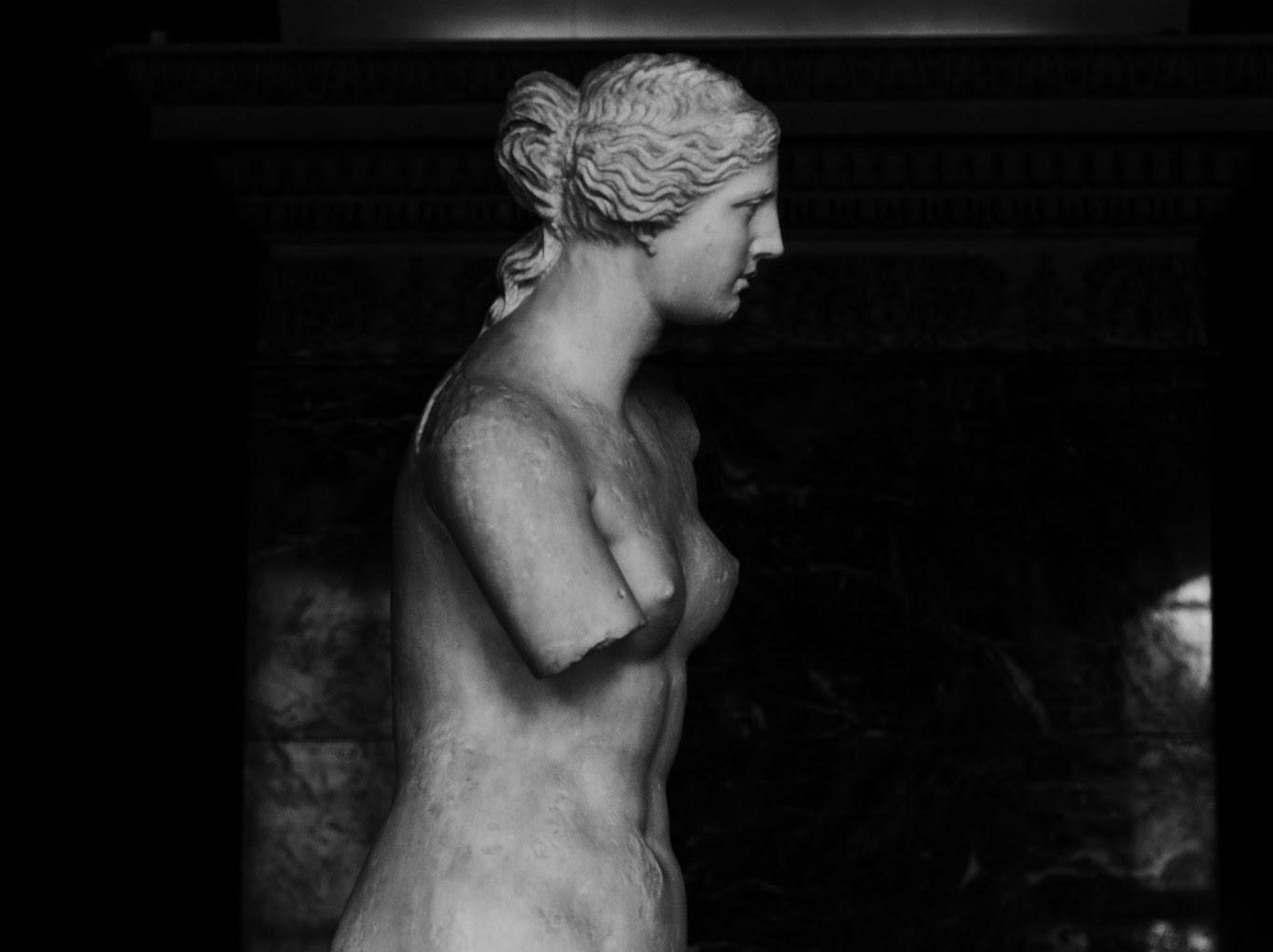
The Venus de Milo represents idealized beauty in ancient Greek sculpture, but its missing arms add to its mystery. The lost limbs have sparked theories about its original pose, enhancing the statue's allure. Interestingly, some suggest the figure may not depict Aphrodite/Venus at all, but Amphitrite, the sea goddess worshiped on the island of Milos.

10

The Night Watch by Rembrandt

Image: Václav Pluhař

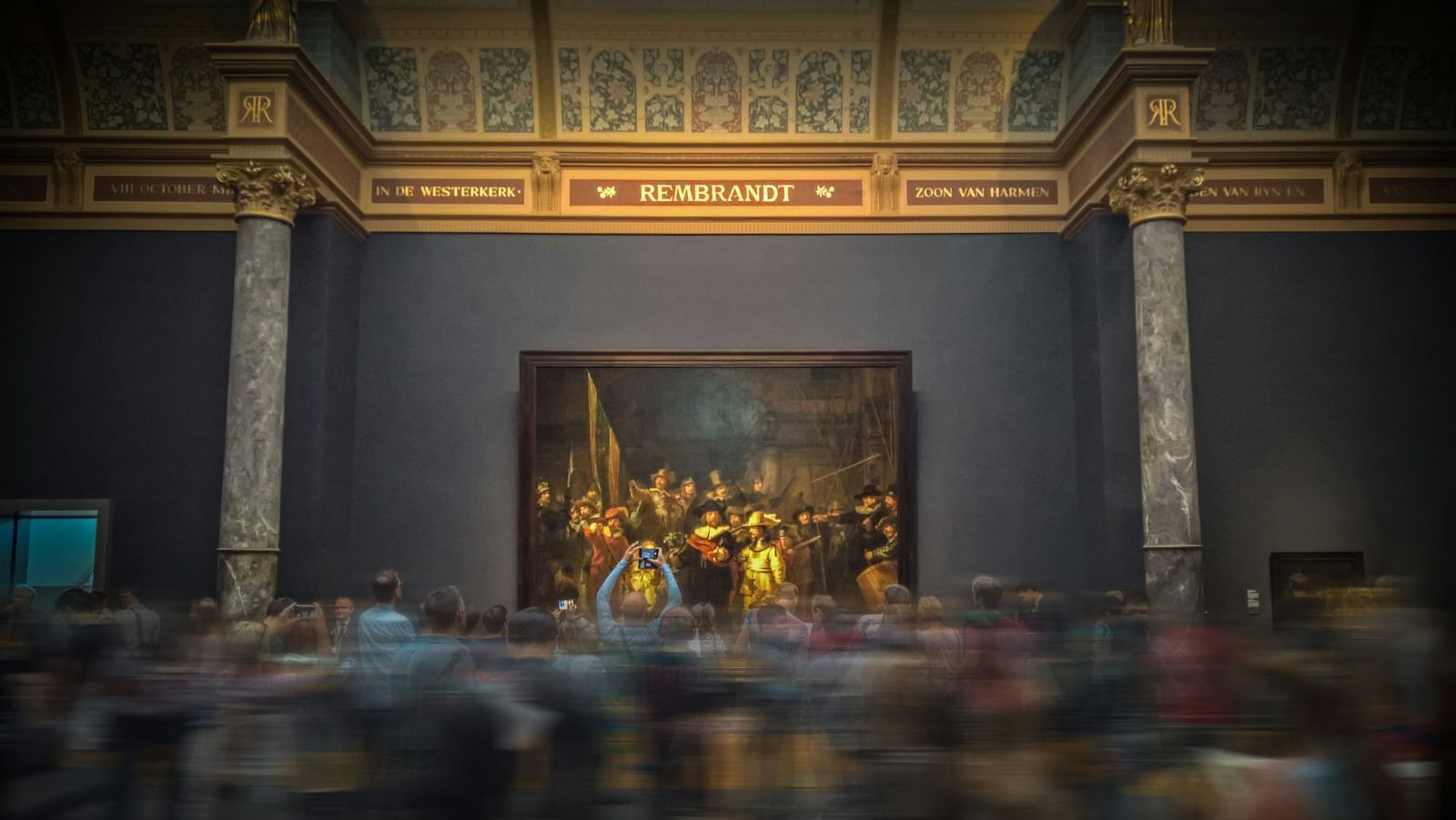
A master of visual storytelling, Rembrandt was well known for including hidden messages and symbolism. In his masterpiece The Night Watch, some believe the artist makes a subtle cameo. In the middle of the painting, behind a man in green and a guard with a metal helm, you can spot a faint figure, widely thought to be Rembrandt himself.

11

The Vitruvian Man by Leonardo da Vinci

Image: Marek Studzinski

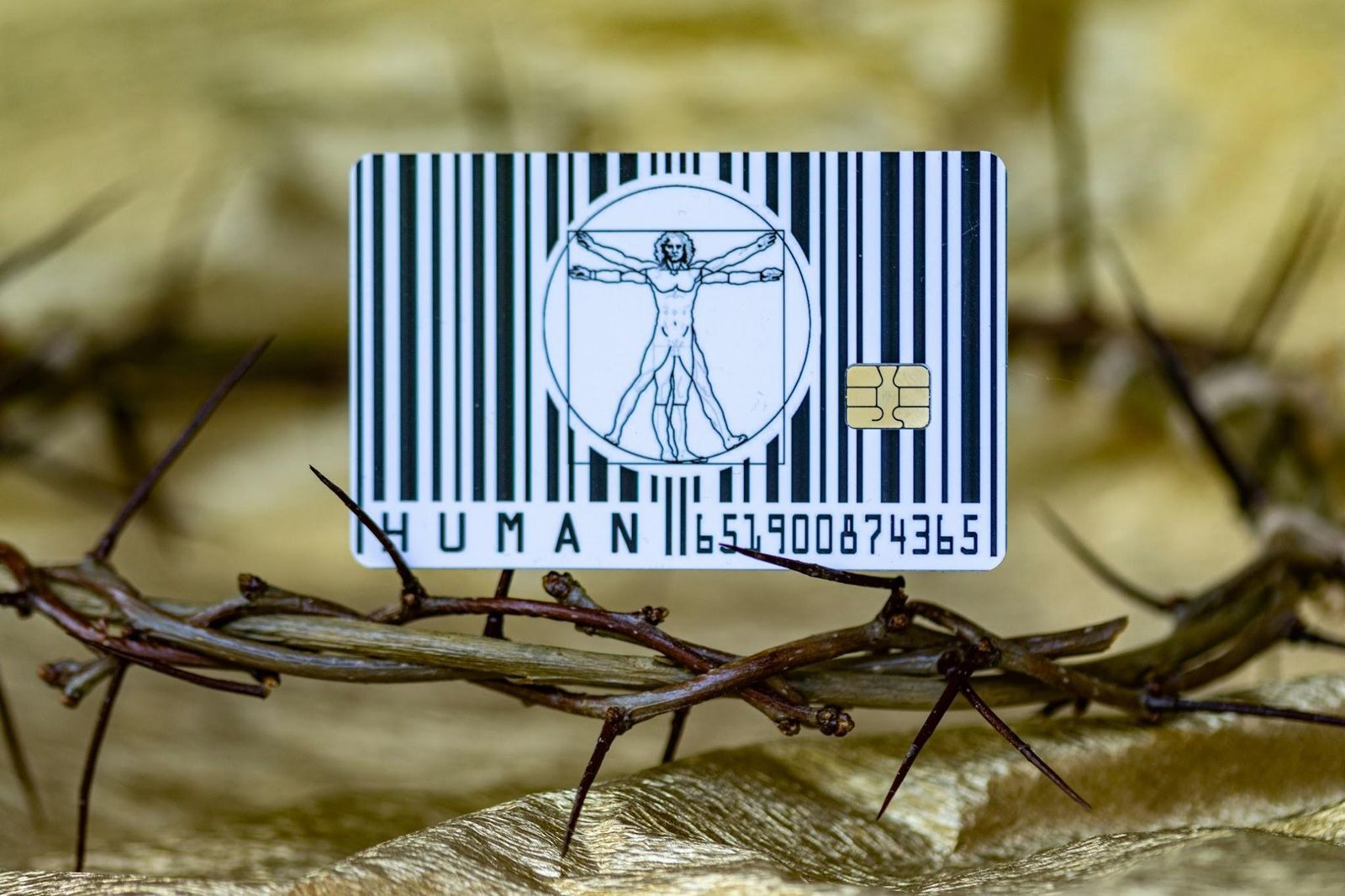
Leonardo’s Vitruvian Man is not just a study of human anatomy; it symbolizes the Renaissance belief in the harmony between art and science. But beyond the perfect proportions, keen observers have noted that the man depicted appears to suffer from an inguinal hernia—an ailment that could have been fatal at the time. Given that artists often used cadavers as models, it's likely that Leonardo based the figure on a real, deceased individual.

12

The Kiss by Gustav Klimt

Image: Mariangela Cruz

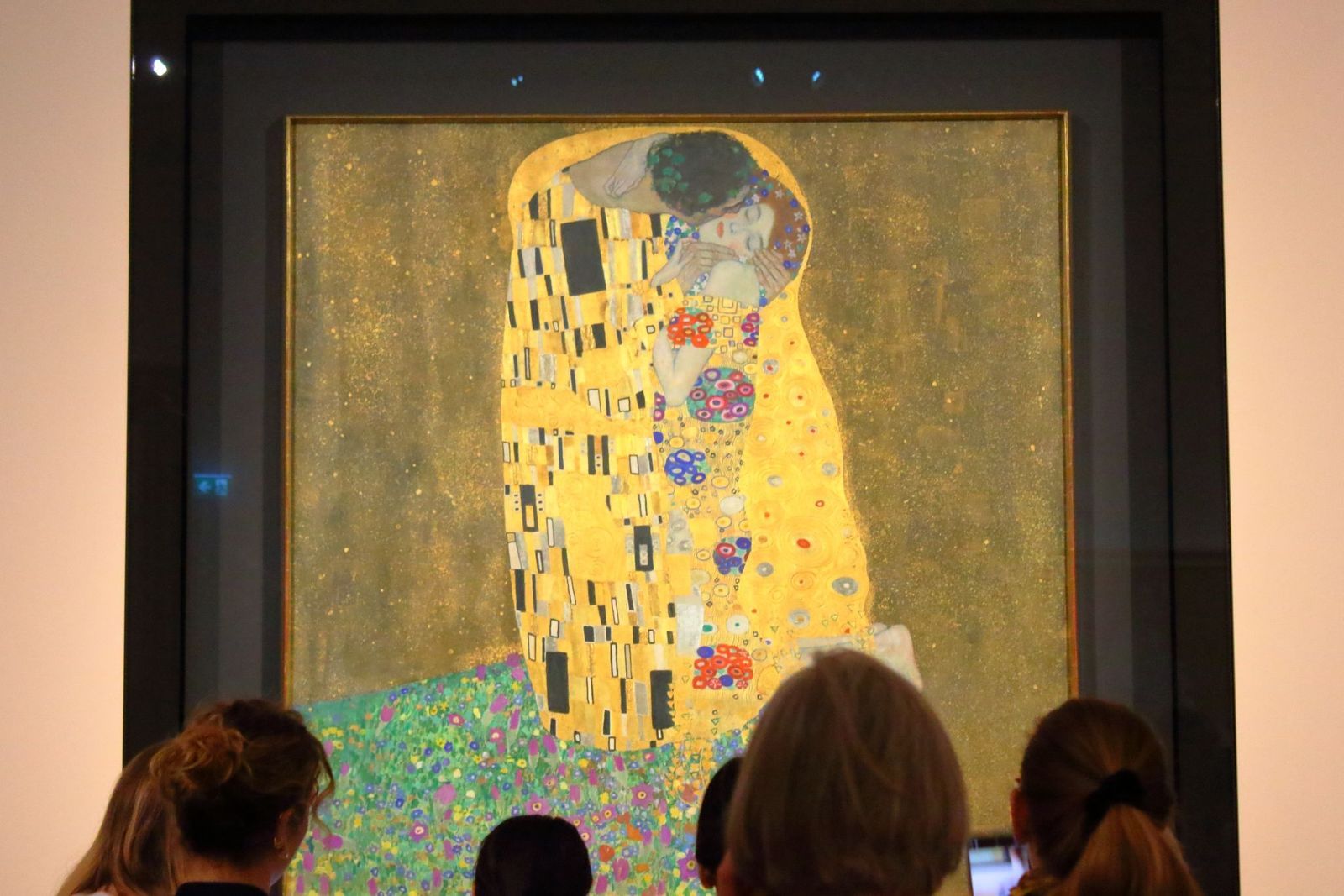
Klimt’s The Kiss is renowned for its use of gold leaf, evoking the sacred beauty of religious art found in churches. Some art historians even speculate that the lovers in the painting are not just symbolic figures, but a representation of Klimt himself and his long-time partner, fashion designer Emilie Flöge.

13

Liberty Leading the People by Eugène Delacroix

Image: s880

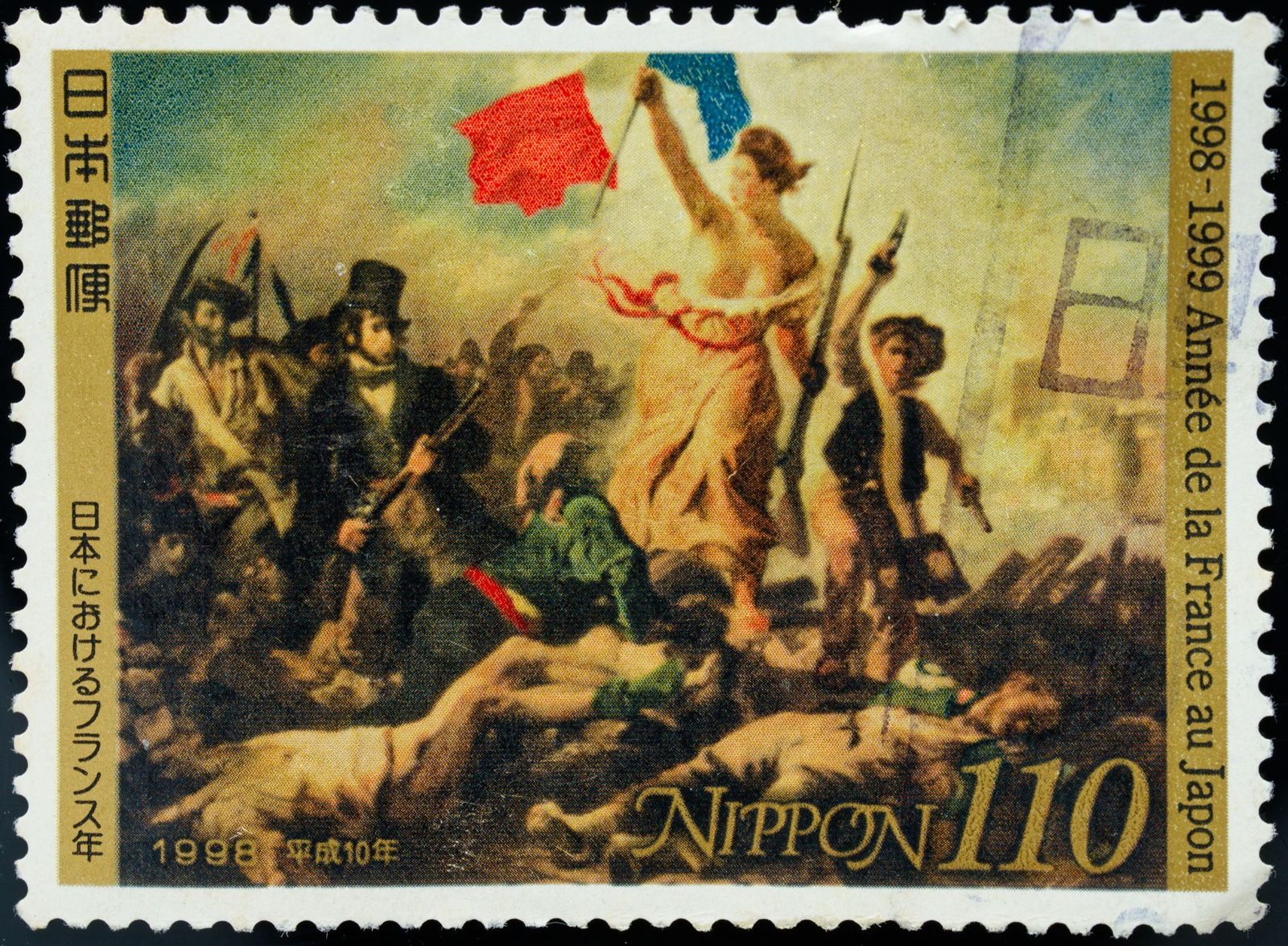
Delacroix’s Liberty Leading the People uses the allegorical figure of Liberty to symbolize the spirit of revolution during France's July Revolution of 1830. However, the woman in the painting has a name—_Marianne_—a powerful symbol of the French Republic ever since the first French Revolution of 1789.

14

Self-Portrait with Bandaged Ear by Vincent van Gogh

Image: Jean Carlo Emer

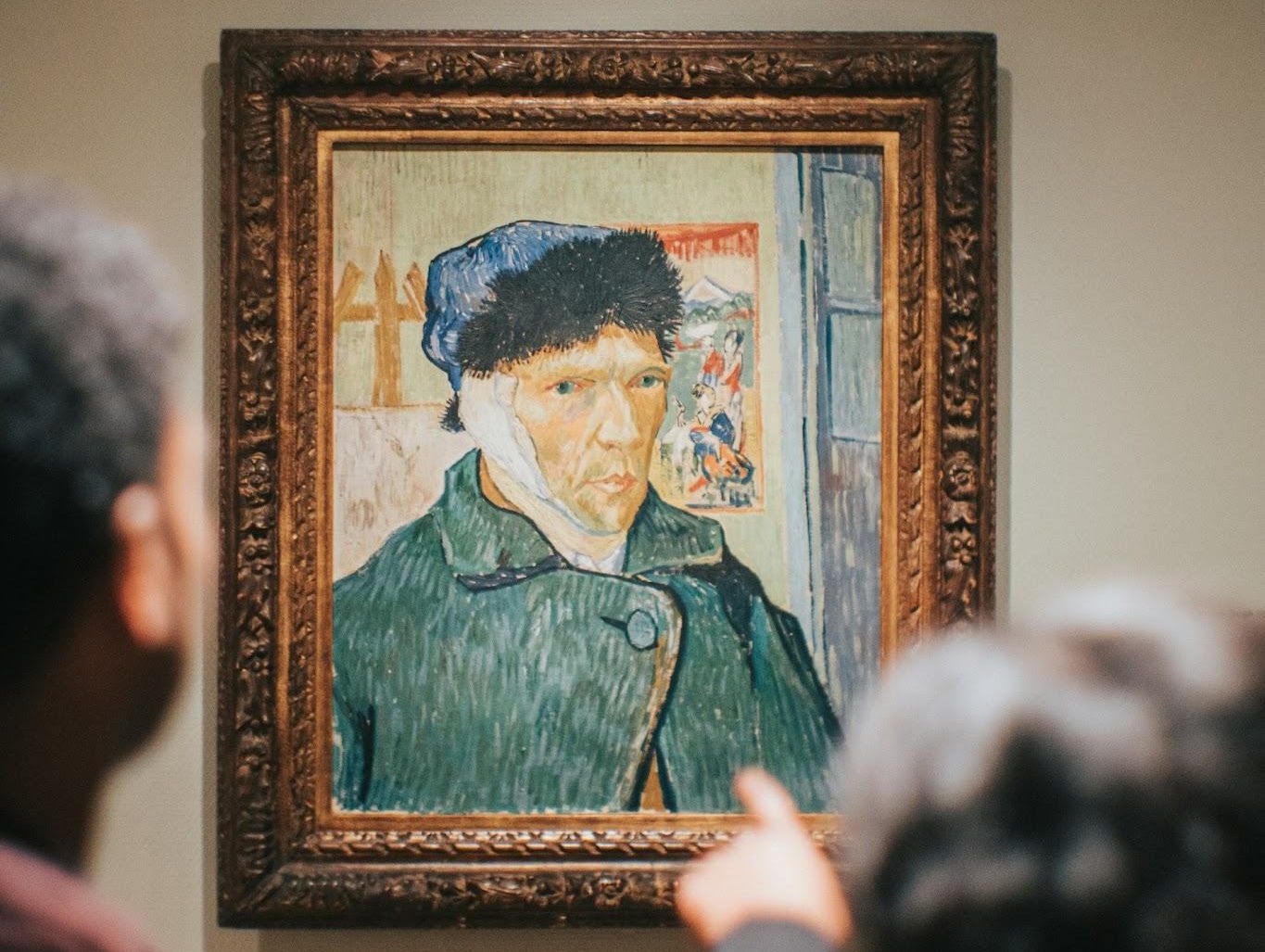
Van Gogh's Self-Portrait with Bandaged Ear captures a deeply personal moment following the infamous incident in which he—allegedly—severed his own ear. However, some art historians now believe that the wound was in fact the product of an altercation with friend and fellow artist Paul Gauguin. A deft fencer, Gauguin might have acted in self-defense during a violent bout of psychosis of his friend.

15

David by Michelangelo

Image: Mateus Campos Felipe

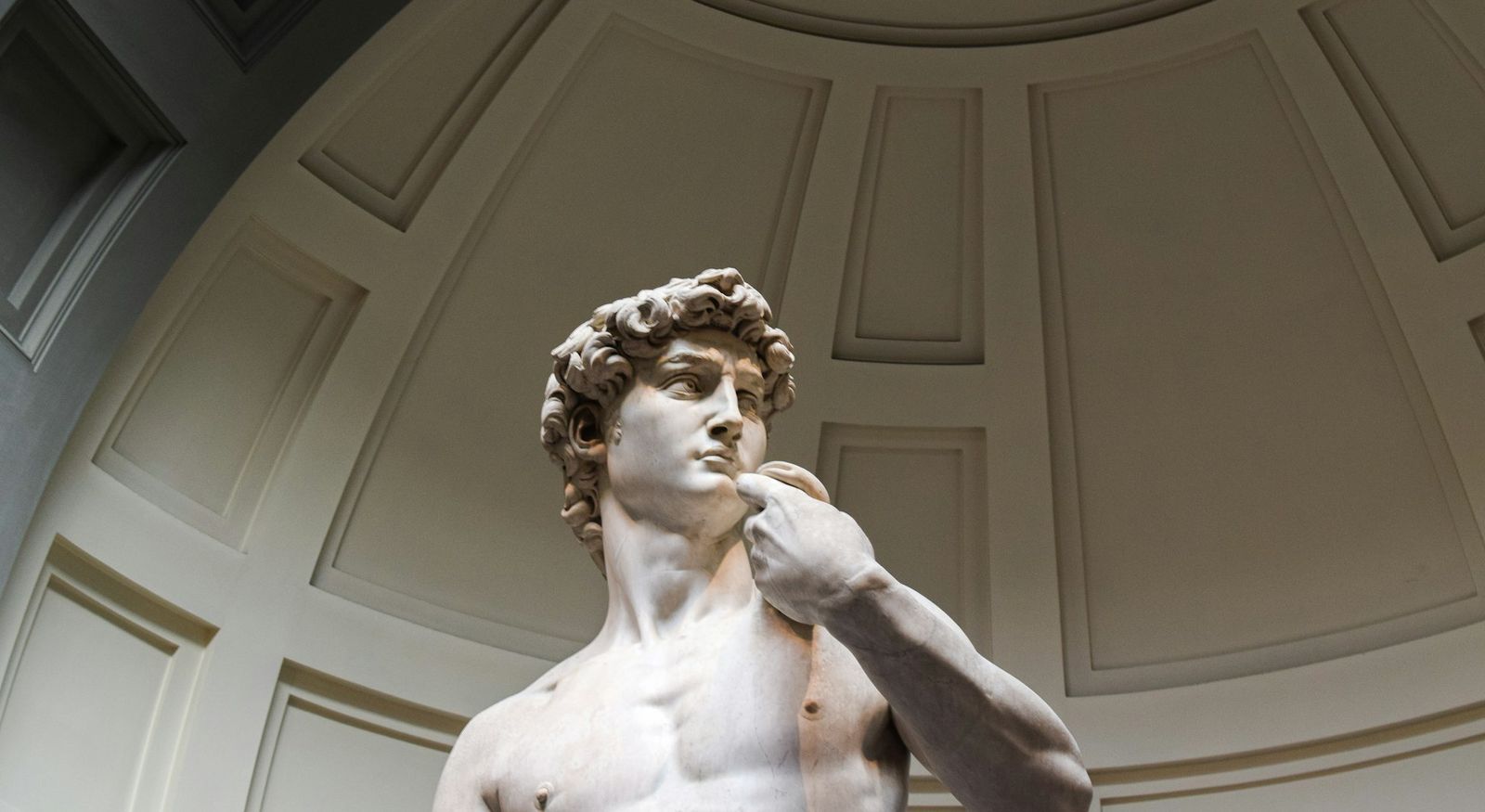
Michelangelo’s David symbolizes strength and humanism, embodying both intellectual and physical power. While its proportions follow classical ideals, David’s unusually large head and oversized right hand stand out. Additionally, his heart-shaped pupils are a curious detail, possibly symbolizing his love for Florence or a playful nod to the letter "D," often depicted as a heart in Renaissance art.

Looking for an extra scoop of literary fun?

Learn more with our Word of the day

forsaken

/fərˈseɪkən/