One fragment at a time

These 10 beloved novels were published one chapter at a time


Published on August 20, 2026
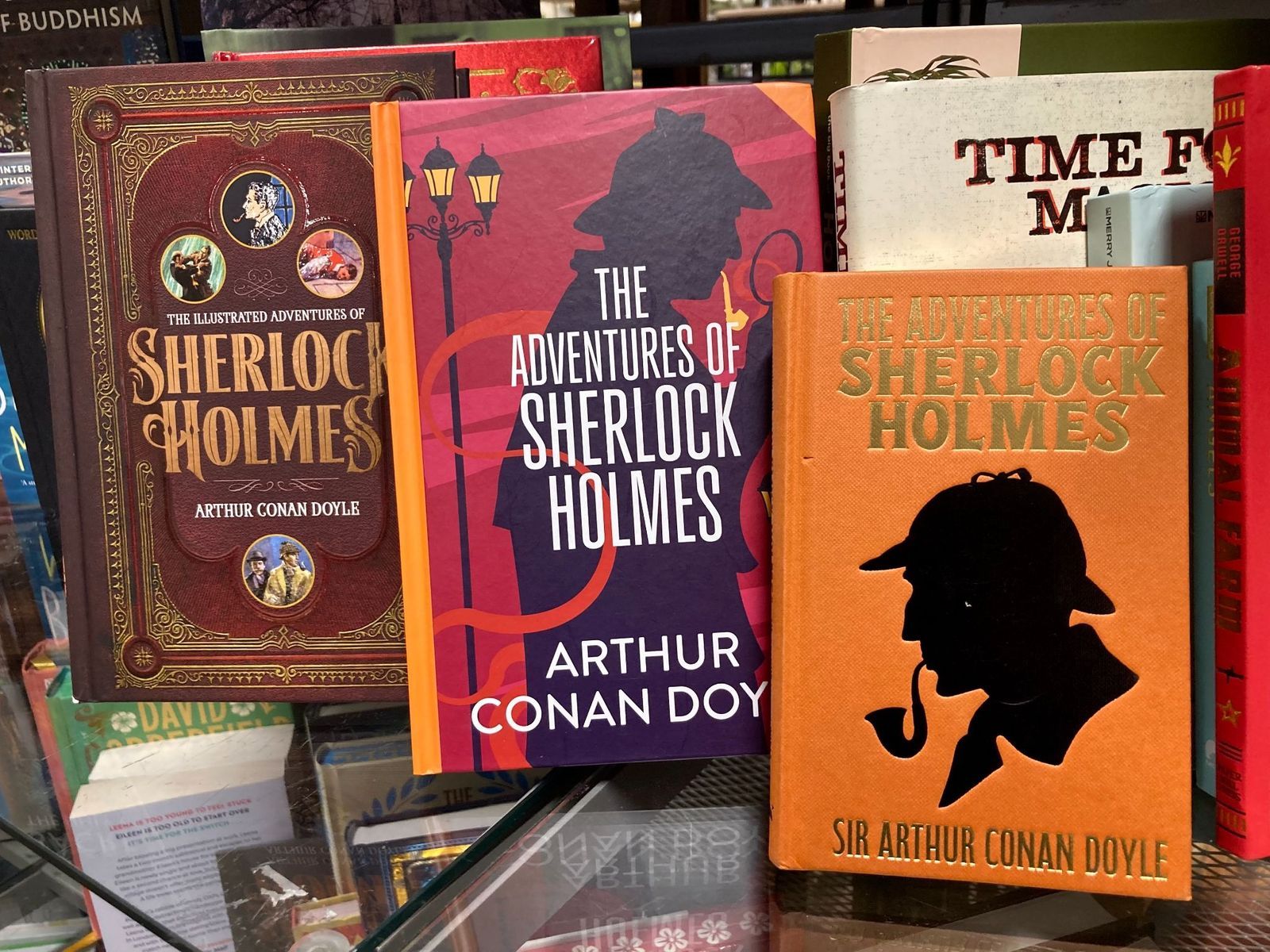

Image: Steve Travelguide

Back in the day, fiction wasn’t pre-ordered online and launched in bookstores with shiny, colorful covers. Instead, many of the titles we call literature classics were first printed in cheap paper magazines that flocks of readers returned weekly or monthly to: That was the only way to know how Sherlock Holmes solved complicated mysteries, or whether Jim Hawkins survived the pirates in Treasure Island. Here are 10 stories behind novels that made audiences fall in love, one chapter at a time.

1

Treasure Island, by Robert Louis Stevenson
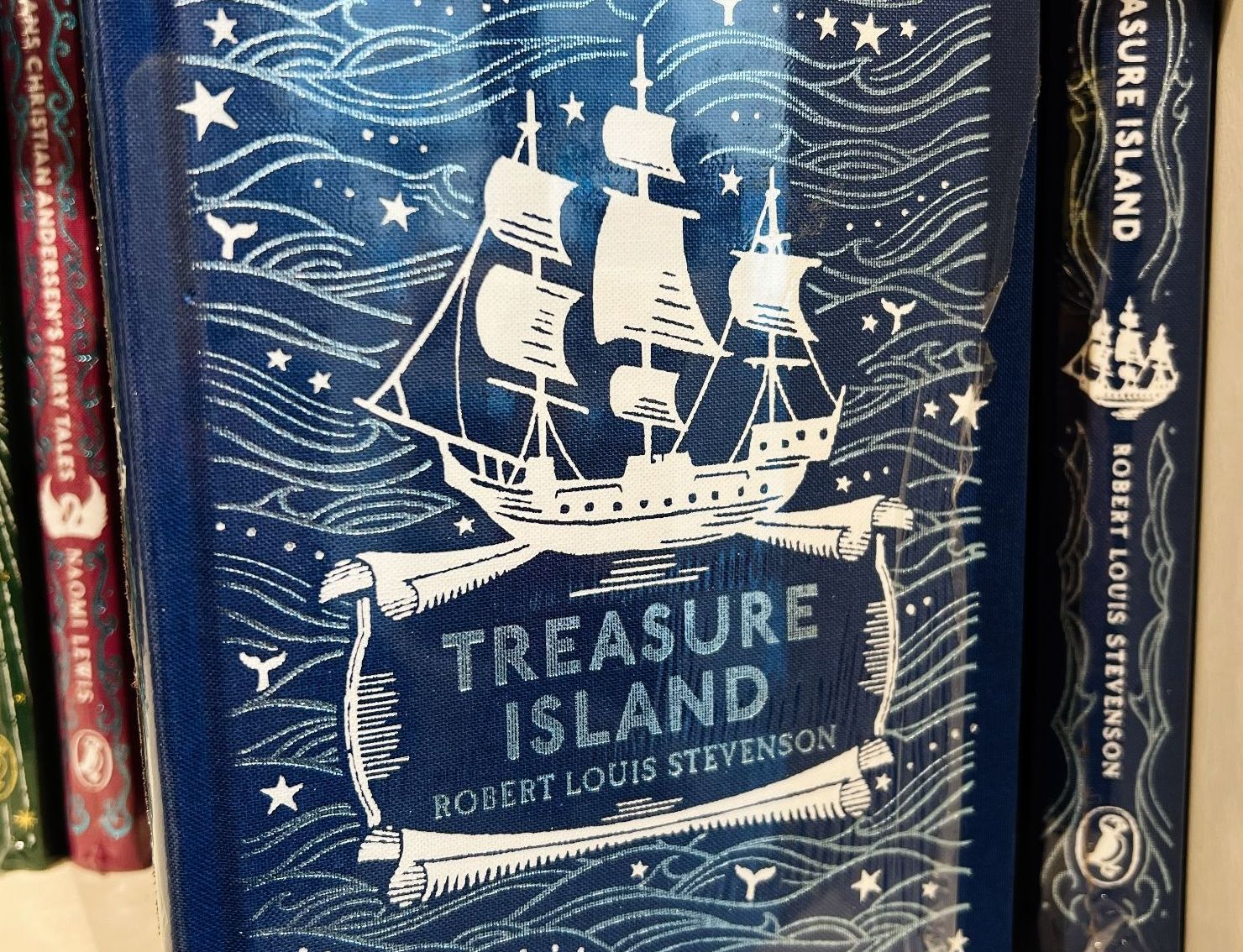
Image: AS project

The book that hooked young readers with the pirates’ genre flopped initially. When Robert Louis Stevenson's tale of seafarers and buried gold began running in the children's weekly Young Folks in 1881, it didn’t garner many fans. The story was printed under the pseudonym "Captain George North," and went out in seventeen installments spread across four months.

Even Stevenson's own wife, Fanny, disliked it enough that she argued against its ever becoming a book. But Stevenson pressed on and wrote a famous introduction charmingly defending the genre. The book was published by Cassell & Co. two years later, this time under his real name. The response was immediate: a bestseller, plus the template for how the world would picture pirates ever after.

2

The Adventures of Sherlock Holmes, by Arthur Conan Doyle
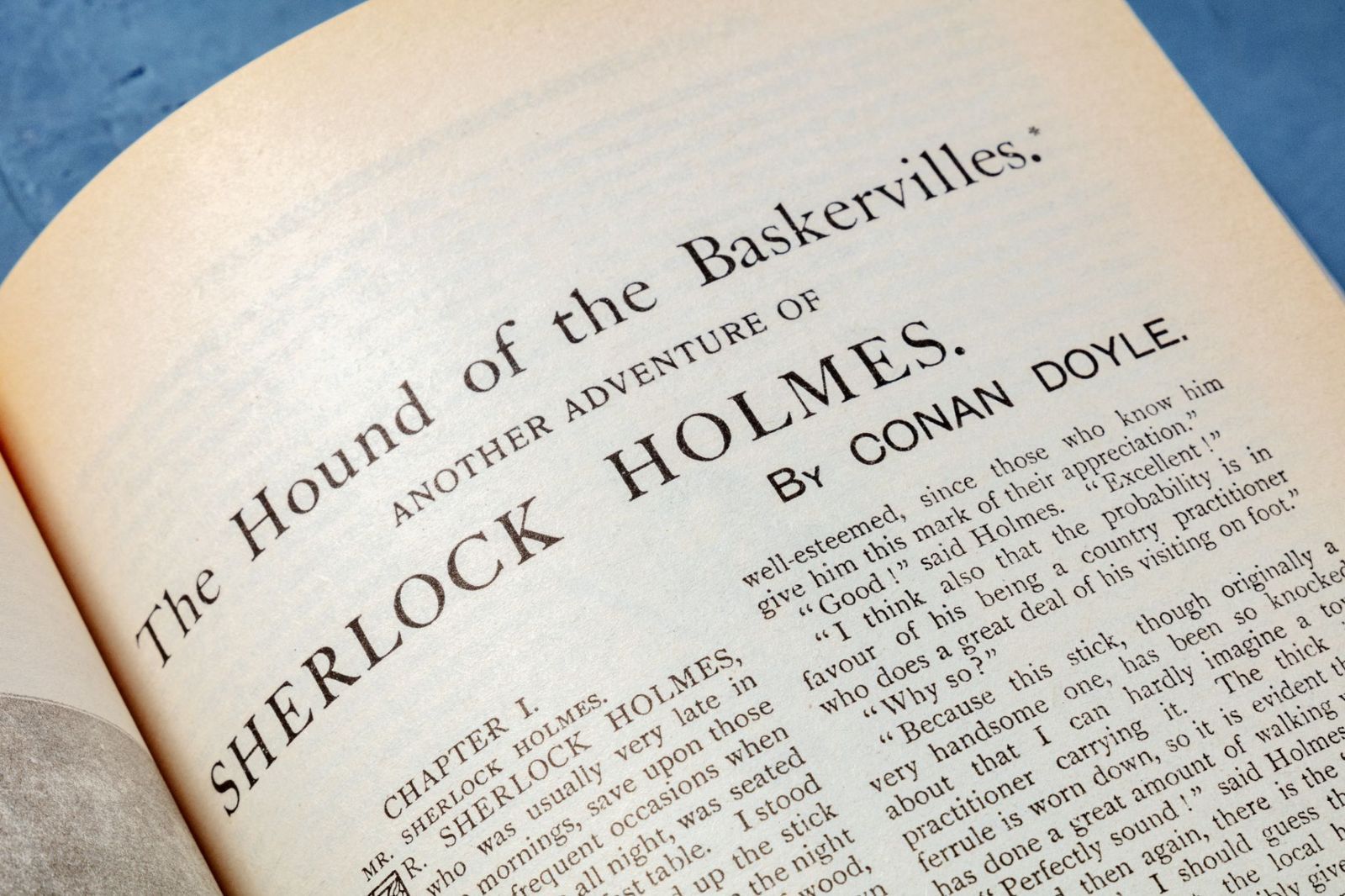
Image: Plateresca

Sherlock Holmes never wore a deerstalker cap in Arthur Conan Doyle's original text. That image came from illustrator Sidney Paget, hired to accompany the twelve stories that ran monthly in The Strand Magazine from July 1891 to June 1892.

The format itself was the real innovation: rather than one long serialized novel, readers got a complete, satisfying mystery every month, always featuring the same detective and his loyal Dr. Watson.

It worked very well. Subscriptions to The Strand climbed so sharply that Doyle was able to demand a raise before writing his next batch of cases. When George Newnes published the stories together as a book later that year, Holmes was already a household name.

3

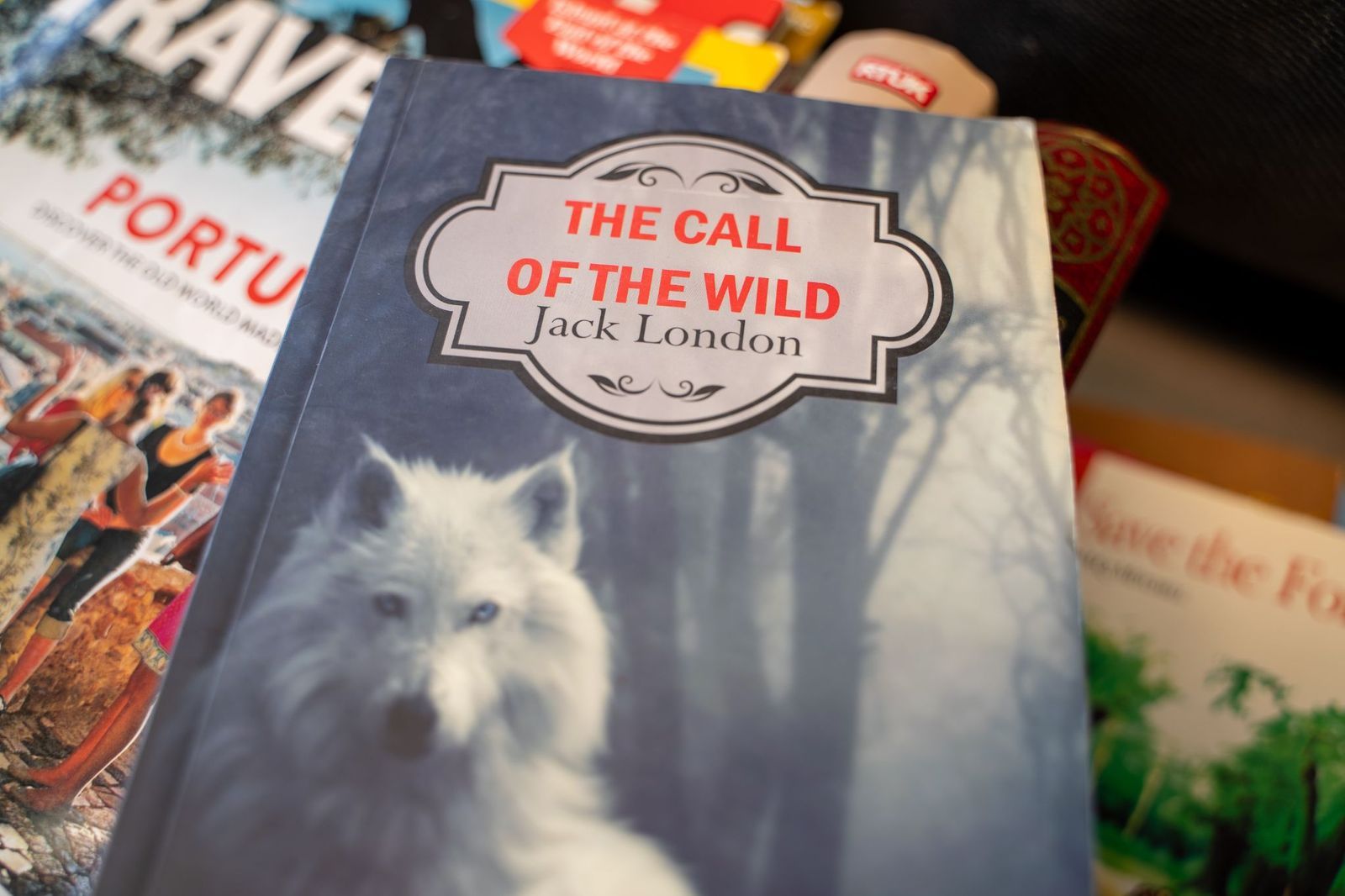
The Call of the Wild, by Jack London

Image: Erman Gunes

Writer Jack London needed money fast, so in January 1903 he mailed off a manuscript about a dog named Buck to The Saturday Evening Post. The idea had come from the year he had spent in the Yukon. The editor liked it, but asked London to trim five thousand words.

He agreed, priced his labor at three cents a word, and cashed a check for $750 (roughly $28,000 today). The story ran over a summer across several issues of the Post, a magazine better known for genteel fiction than tales of sled dogs clawing their way back to savagery in the Klondike. Just twenty-two days after that first payment, the Macmillan publishing house bought the book rights for $2,000 (roughly $76,000 today). When the novel appeared that August, its first printing of 10,000 copies sold out immediately.

4

Tarzan of the Apes, by Edgar Rice Burroughs
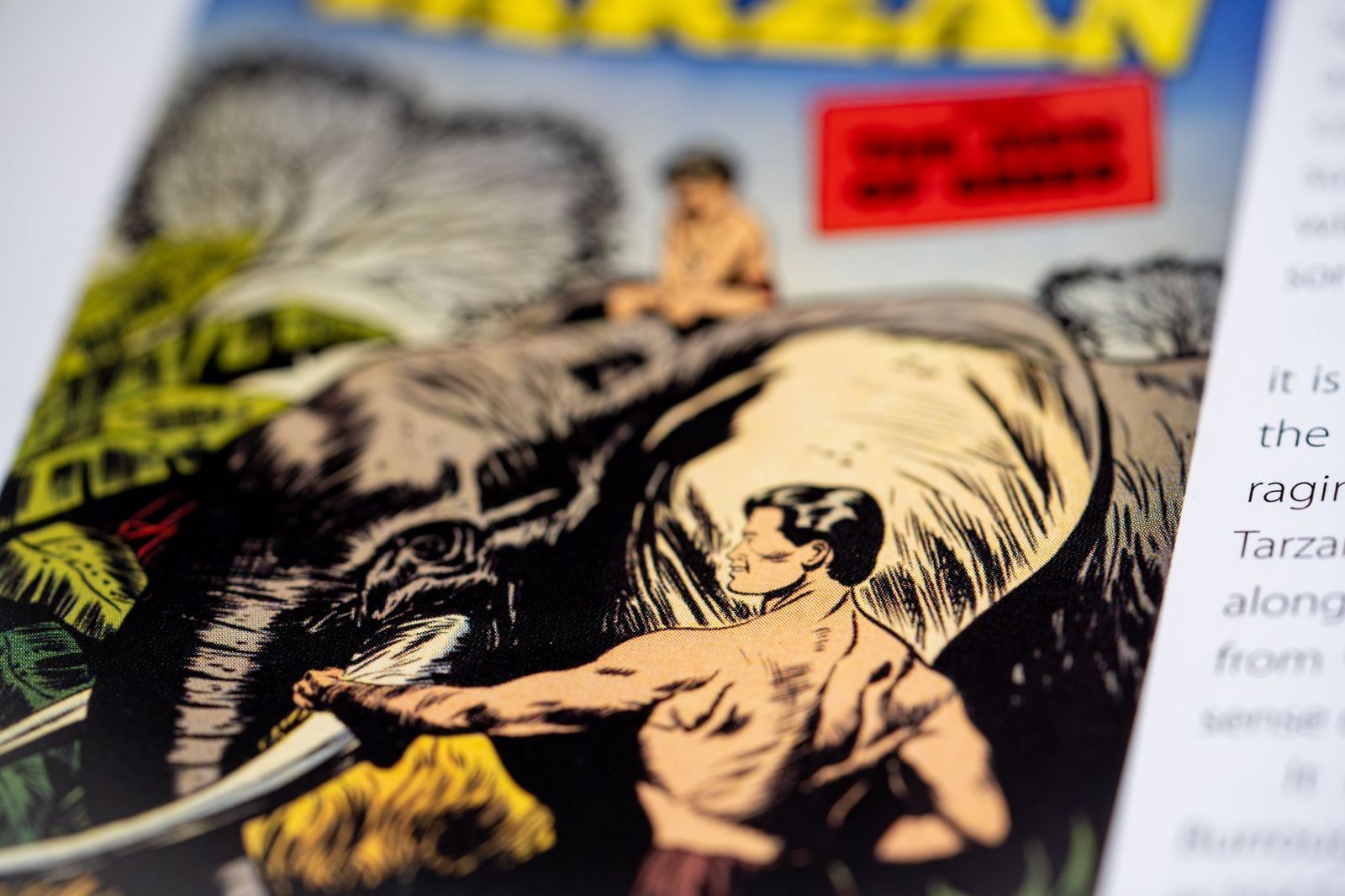
Image: Erman Gunes

Tarzan's debut wasn't serialized the way most magazine fiction of 1912 was. Editor Thomas Metcalf ran the entire novel, uncut, in one issue of the pulp All-Story that October, an almost unheard-of gamble.

Edgar Rice Burroughs, a failed soldier and failed businessman turned struggling writer, received $700 (roughly $24,000 today) for it, enough to convince him he could write for a living. But when he brought Metcalf a sequel the following year, Metcalf turned it down, twice.

Burroughs took The Return of Tarzan to a rival pulp instead, which ran it as a conventional seven-part serial and paid him even more money than before: $1,000. Every Tarzan novel that followed stuck to that same magazine-first formula. The books didn’t arrive until 1914.

5

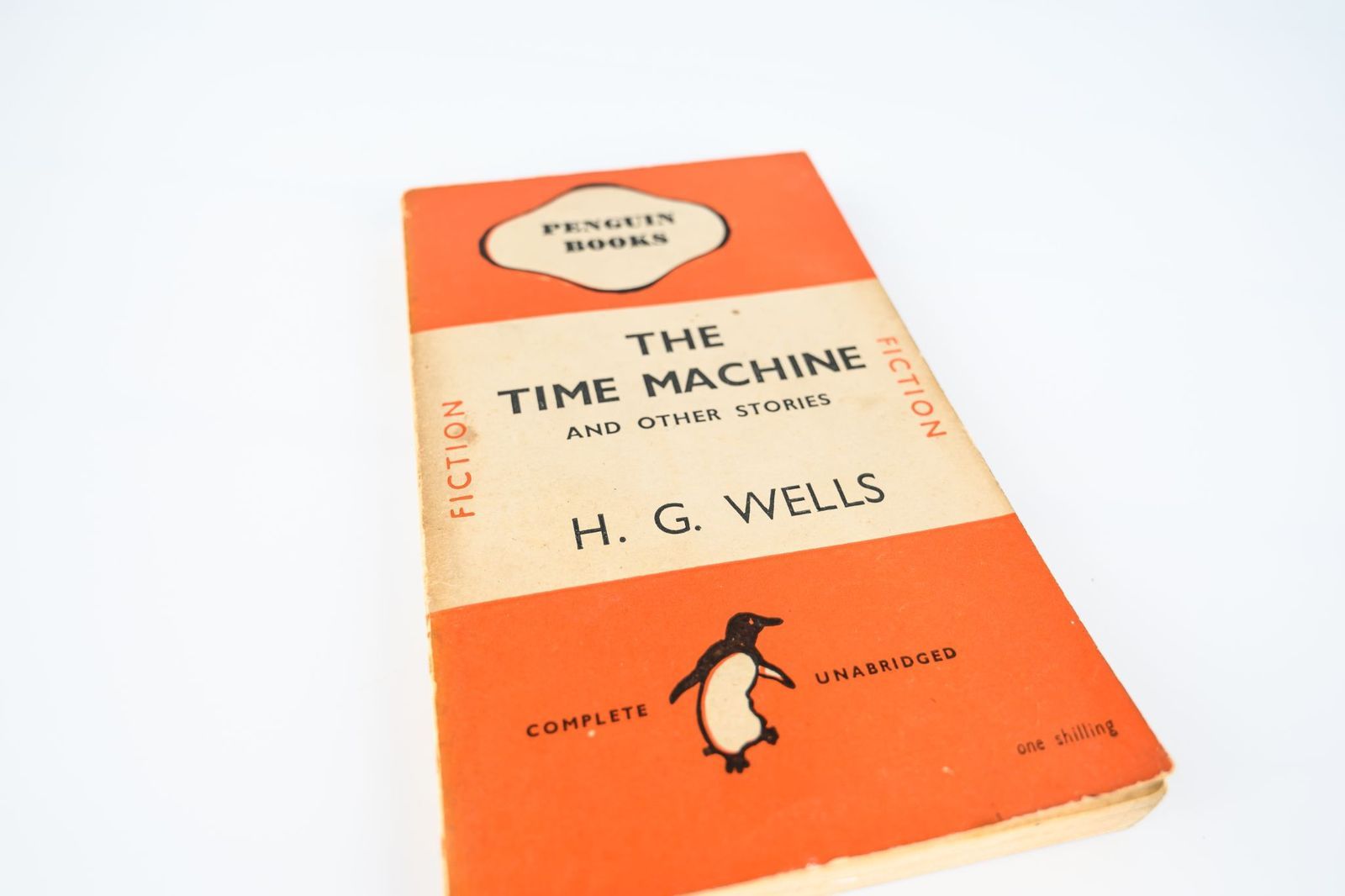
The Time Machine, by H. G. Wells

Image: SJBright

H. G. Wells spent seven years failing to get this story right. It began as a college magazine serial in 1888, and resurfaced incomplete in a newspaper called the National Observer in 1894. But it didn't find its final shape until editor William Henley asked Wells to expand it into a five-part serial. Wells agreed, was paid £100 (around $23,000 today), and watched the story run over 5 months in 1895. Readers liked it.

When book publications soon followed on both sides of the Atlantic, the American edition misprinted the author's name as "H. S. Wells," an error they had time to correct, since it has never been out of print.

6

The War of the Worlds, by H. G. Wells

Image: hamdi bendali

The idea of a Martian invasion was handed to H. G. Wells by his brother Frank. During a walk through the English countryside, Frank idly wondered aloud what would happen if beings from another planet suddenly dropped out of the sky. Wells took it upon himself to imagine the answer and wrote it down.

For the story, the British magazine Pearson's paid him the current equivalent of $45,200, though the editor insisted on knowing how it ended before agreeing to run it. It simultaneously ran in Cosmopolitan in America, from April to December 1897.

It proved so popular that unauthorized versions soon popped up in American newspapers, including one from William Randolph Hearst. The authorized book followed in 1898.

7

Uncle Tom's Cabin, by Harriet Beecher Stowe
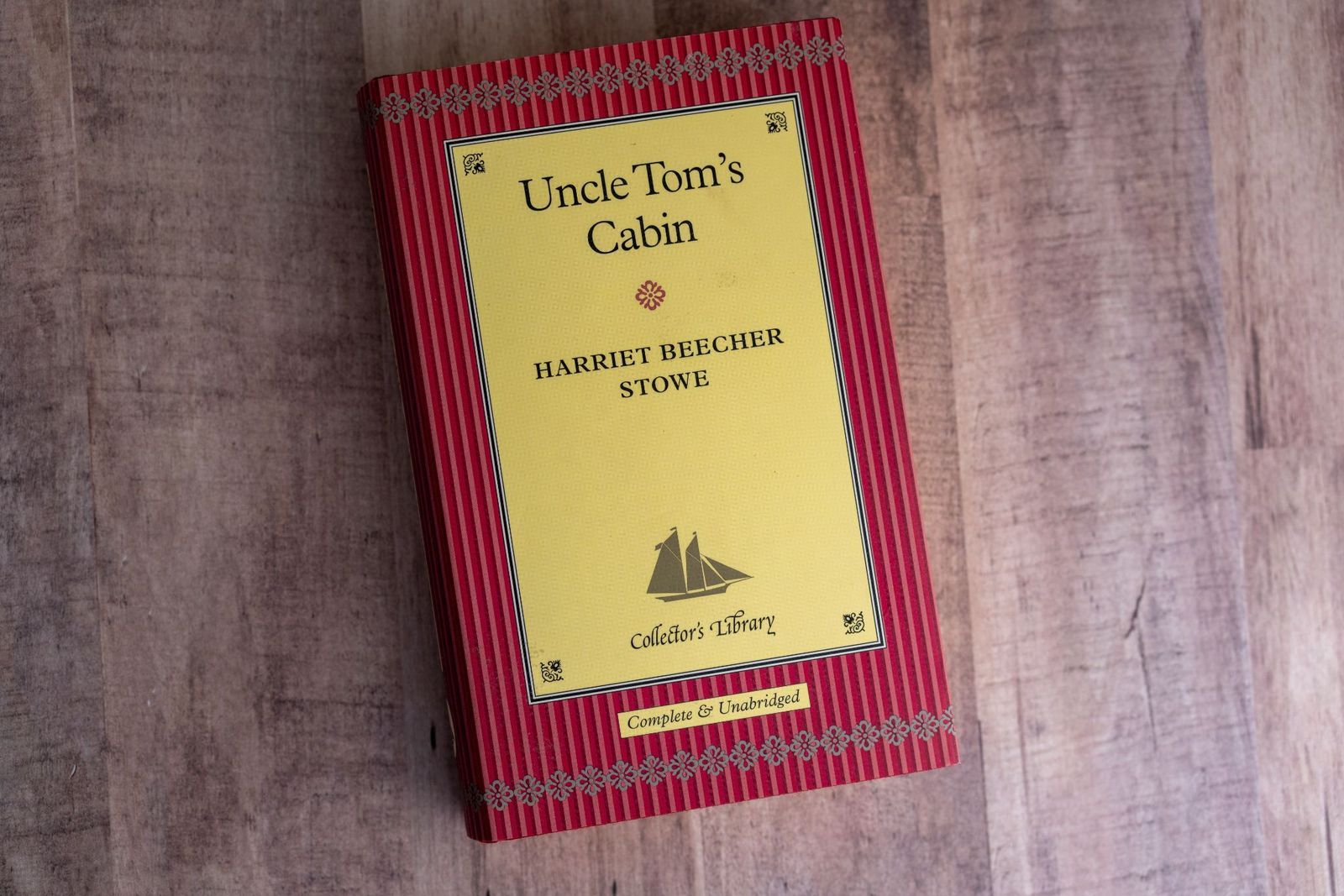
Image: MKPhoto12

In 1851, the abolitionist newspaper The National Era paid Harriet Beecher Stowe, a 40-year-old mother of six, the equivalent of $13,000 today) for a short antislavery narrative in three parts.

She kept writing and writing. It stretched into forty weekly installments over ten months, with readers so invested that they wrote in to protest whenever she missed a week. By the time the serial ended in 1852, publisher John P. Jewett had already arranged to release it as a book.

It sold 10,000 copies in its first week alone, 300,000 within the year in the U.S., and 1.5 million more across England.

8

The Martian Chronicles, by Ray Bradbury
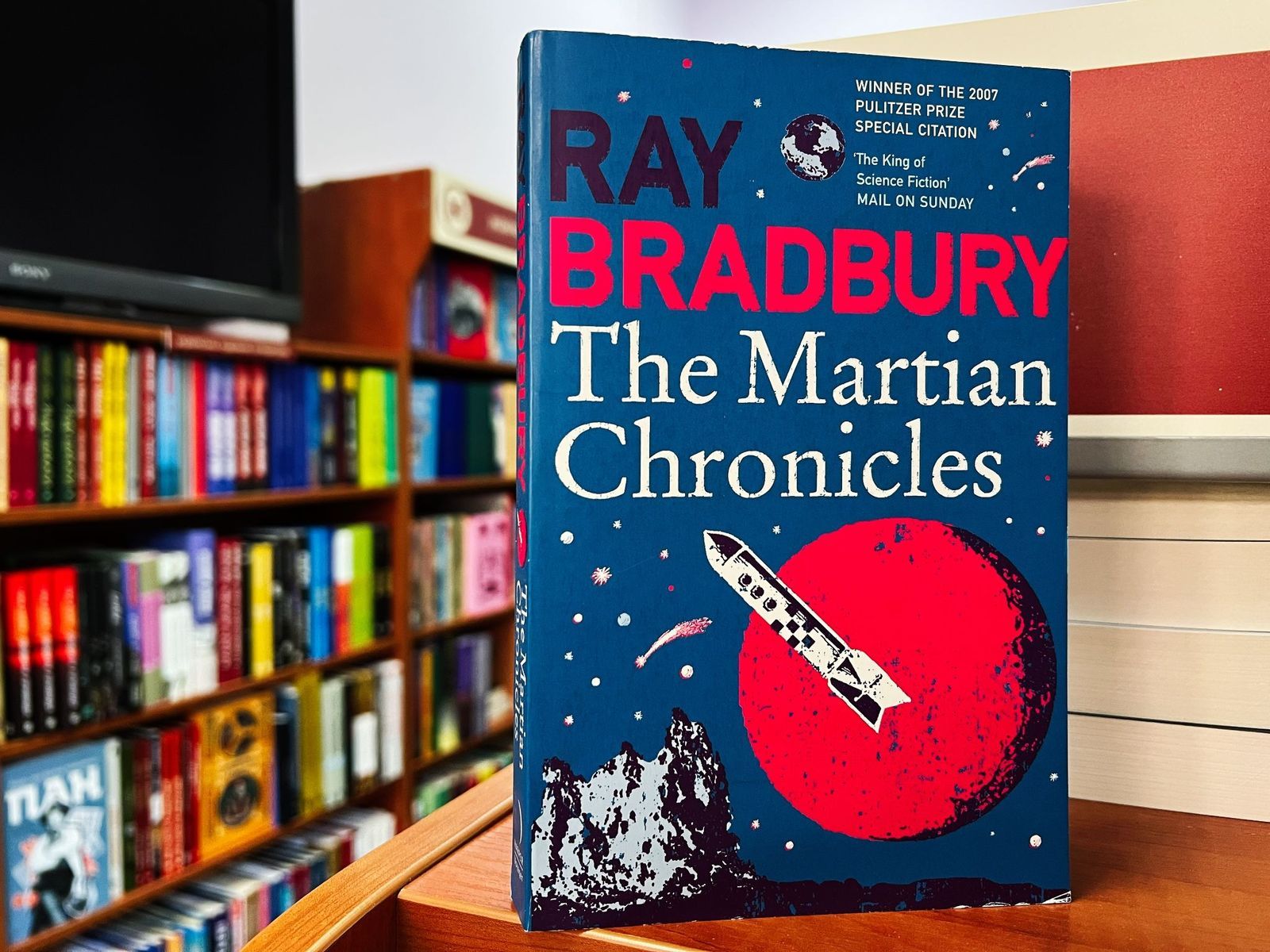
Image: AS photo family

Ray Bradbury didn't set out to write The Martian Chronicles. He'd simply been publishing Mars stories in pulp magazines throughout the 1940s, one after another, with no grand plan connecting them.

Then, on his last night in New York in 1949, a Doubleday editor coincidentally named Walter Bradbury asked what he intended to do with all those Martian tales. Could they be stitched into something resembling a novel? They reached an agreement, and Walter offered Ray $750 for the Mars book (roughly $10,500 today) as part of a two-book, $1,500 deal. Bradbury went home to Los Angeles, revised his old stories, and wrote new bridging chapters inspired by Steinbeck.

9

Anna Karenina, by Leo Tolstoy

Image: bella1105

Leo Tolstoy never got to finish telling his own story, at least not in the pages where readers had been following it. Serialized in The Russian Messenger from 1875 to 1877, Anna Karenina earned Tolstoy an extraordinary sum of more than $300,000 today. That was more per printed page than rivals like Turgenev or Dostoevsky.

Then, just as the story was reaching its final chapters, editor Mikhail Katkov refused to print the eighth and last part. Tolstoy had written unflattering things about Russian volunteers rushing off to fight in the Balkans, and Katkov wanted no part of it. Tolstoy published the ending separately, as its own pamphlet, before the complete novel finally appeared as a book in 1878.

10

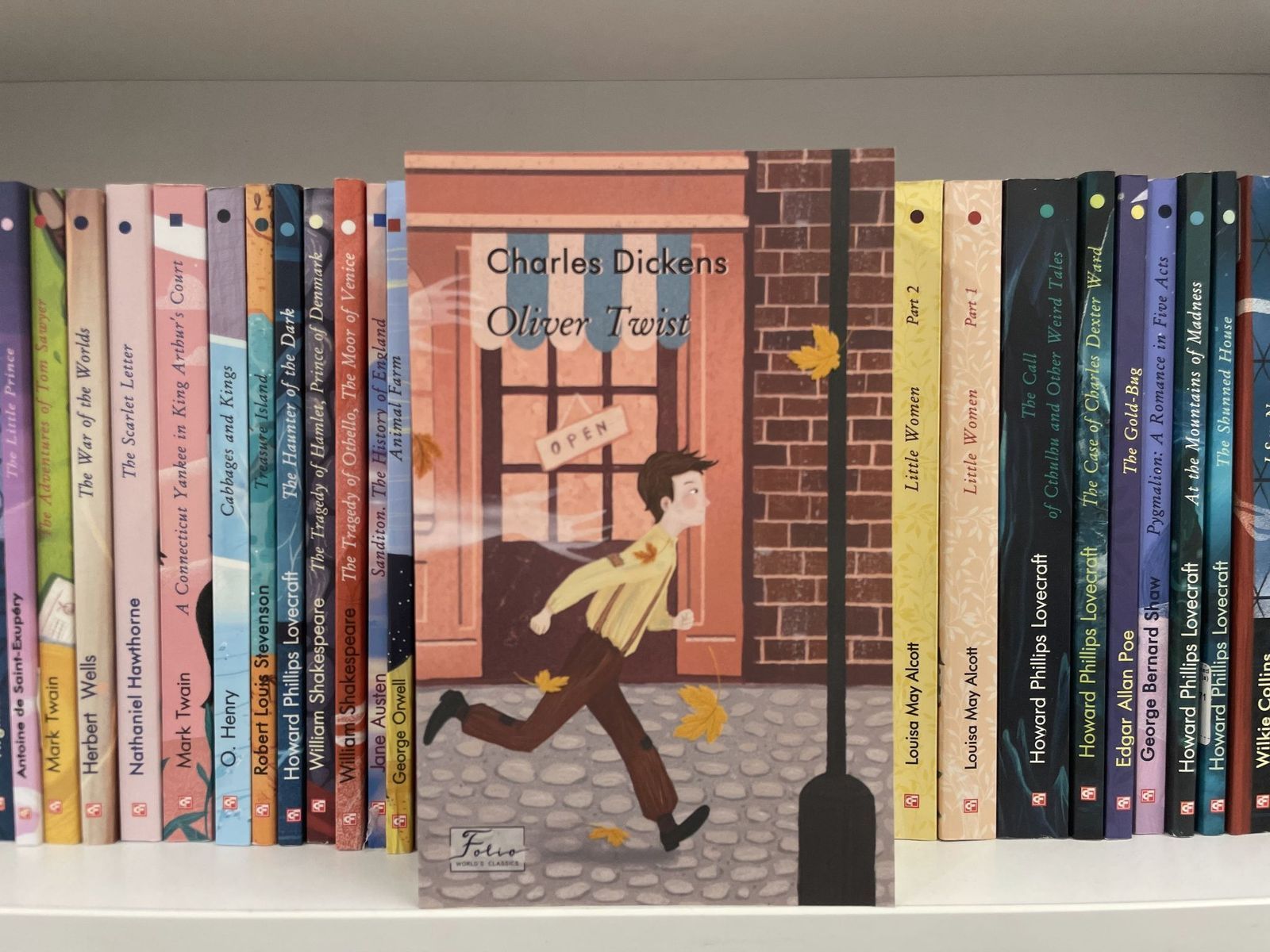
Oliver Twist, by Charles Dickens

Image: marhus

Virtually every major and minor novel by Charles Dickens was originally published in serialized form. While he was still serializing The Pickwick Papers, the book that made him famous, he was already contracted to deliver another novel entirely. Publisher Richard Bentley paid him £500 (roughly $97,400 today) for the rights to Oliver Twist, plus a monthly salary to edit Bentley's own new magazine, where the novel would run.

Between 1837 and 1839, readers got two or three chapters of Oliver's grim childhood each month, even as Dickens juggled a second serialized story on the side. Bentley published the complete novel in three volumes months before the magazine version had even finished.
The 12 longest-living animals on Earth (and how they cheat time)


Published on August 20, 2026


Image: David Clode

Nature doesn’t just create beauty, it crafts survival miracles. While most animals have short lives, a rare few have mastered the art of staying alive for centuries, even millennia. These aren’t just long-lived creatures; they’re nature’s ultimate time travelers. From the frozen depths of the oceans to the darkest corners underground, they’ve developed bizarre, brilliant strategies to cheat death. Get ready to meet 12 animals whose lifespans will absolutely blow your mind.

1

Antarctic Sponge (Anoxycalyx joubini)

Image: NOAA

Record age: up to 15,000 years

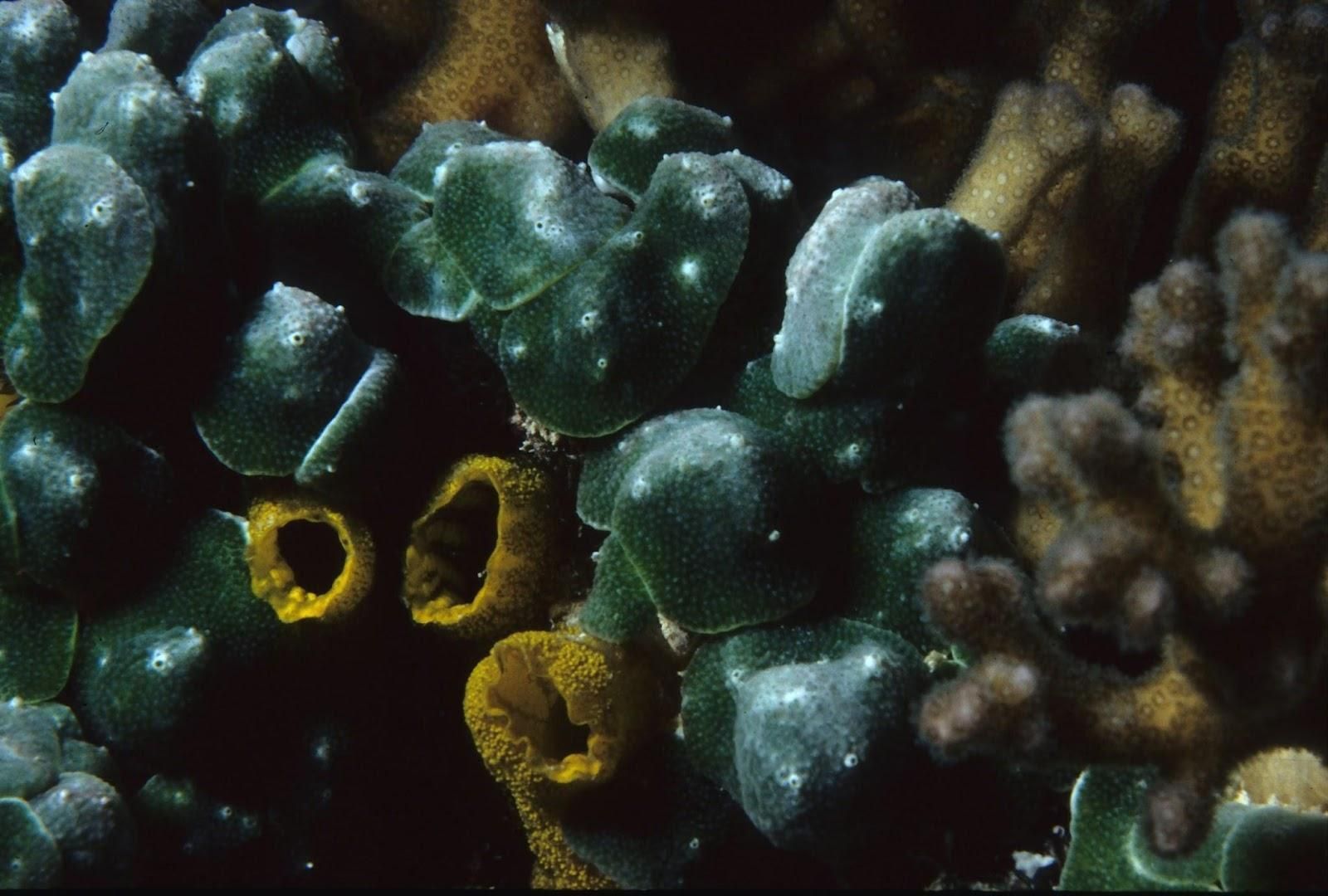
This unassuming sea sponge thrives in the freezing waters of Antarctica, where temperatures hover around 28.6 °F—so cold that biological processes hit the brakes. In such icy conditions, metabolism slows to a crawl, allowing these sponges to live for thousands of years.

Some have reached impressive sizes of over 3 feet tall and have been around since mammoths were still thundering across the tundra. They don’t move, they don’t stress, and they barely change, just quietly existing while centuries pass them by. Their secret to extreme longevity? Glacial patience, deep-sea stillness, and a lifestyle that redefines "low-maintenance".

2

Immortal Jellyfish (Turritopsis dohrnii)

Image: Dr. Karen J. Osborn, CC0, via Wikimedia Commons

Age: technically… infinite

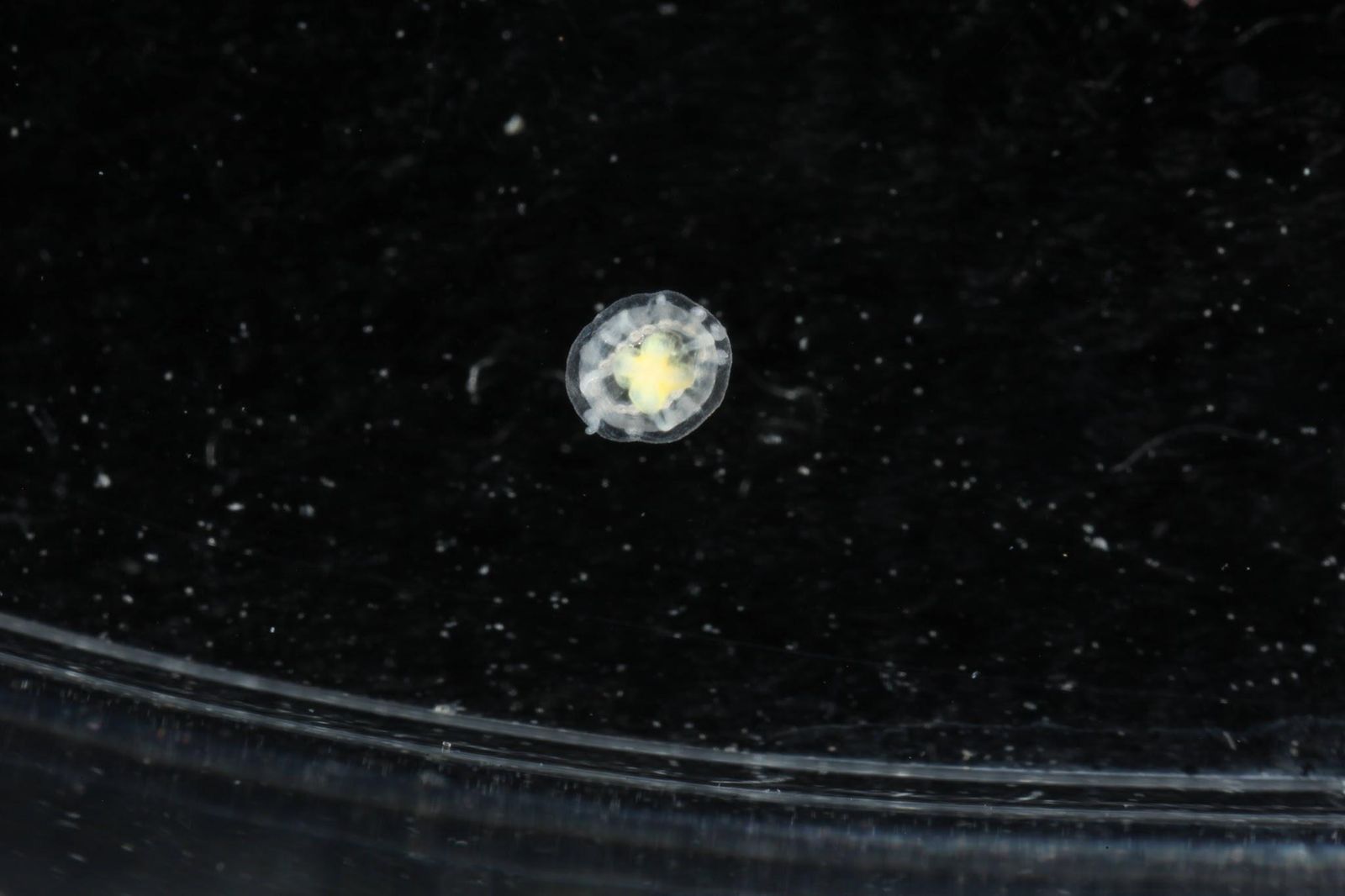
This tiny jellyfish, no bigger than a fingernail—less than 0.2 inches—is like the ocean’s very own Benjamin Button. What makes it truly extraordinary is its ability to rewind its life story, flipping back to a youthful, juvenile stage whenever it wants. While it’s not completely invincible (predators and other threats are still very real), if left undisturbed, it can keep hitting the reset button on aging indefinitely, making it one of the most fascinating "time-benders" in nature.

3

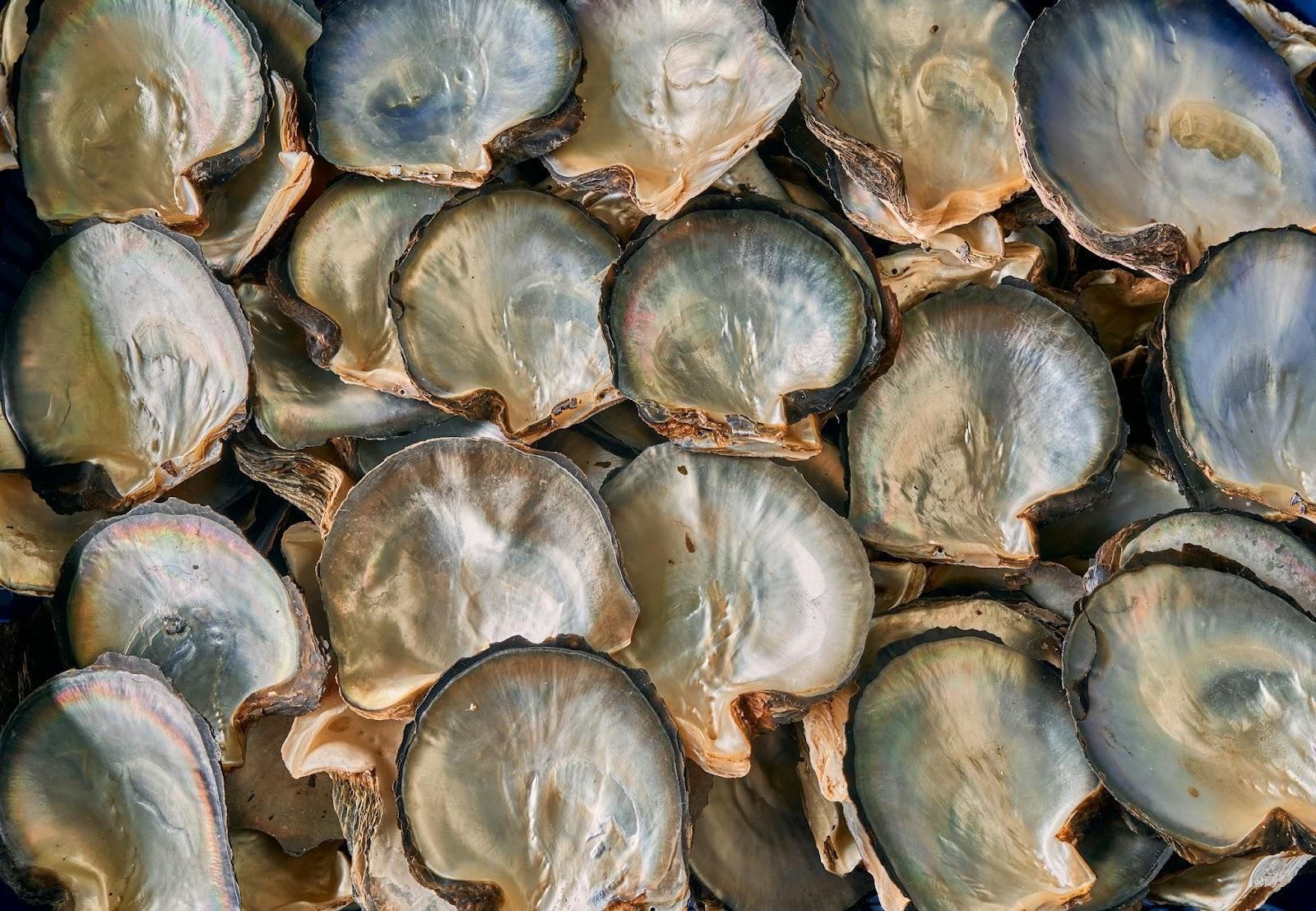
Ocean Quahog Clam (Arctica islandica)

Image: Norbert Braun

Record age: 507 years

In 2006, a special clam was discovered buried deep in the seabeds of the North Atlantic. Scientists were able to determine that it had been there since at least 1499—that’s centuries before the United States was even a thought! This ancient marvel, nicknamed "Ming", was able to perfect a slow-and-steady approach to life. Growing at a snail’s pace and barely budging, Ming’s sedentary lifestyle turned out to be a brilliant strategy for beating the clock. Who knew doing almost nothing could be the ultimate secret to longevity?

4

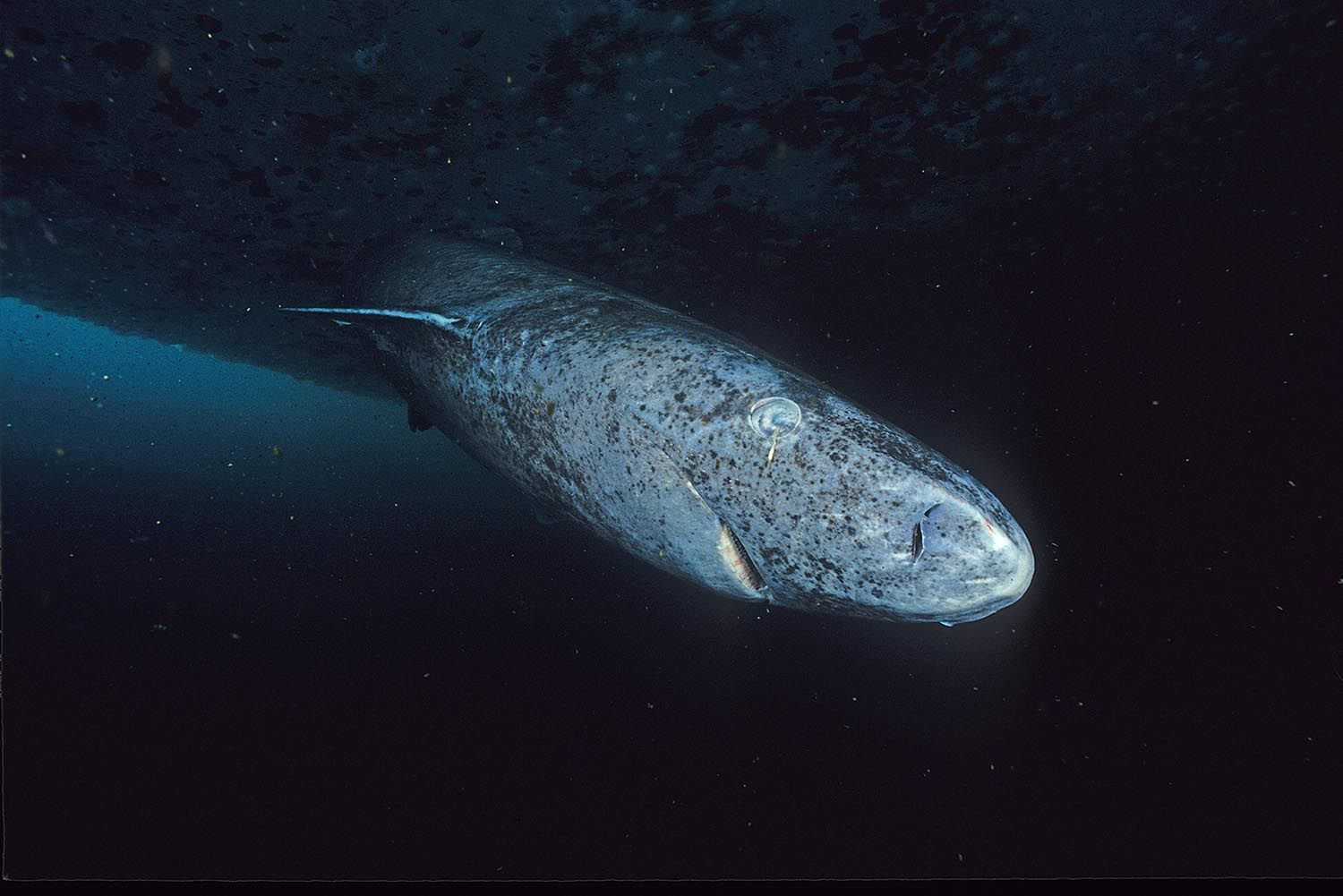
Greenland Shark (Somniosus microcephalus)

Image: https://upload.wikimedia.org/wikipedia/commons/3/39/Greenland_shark_profile.jpg

Record age: estimated 392 years

These sharks aren’t your average ocean cruisers—they can stretch over 20 feet long and weigh up to 2,200 pounds. But what’s really mindblowing is how slowly they move, like they’re in a permanent state of deep relaxation. Living in the icy Arctic waters, these giants don’t hit adulthood until they’re about 150 years old, and some can glide through the depths for nearly 400 years. Imagine that! These ancient swimmers were already around before America declared independence... and they are still out there, silently roaming the seas!

5

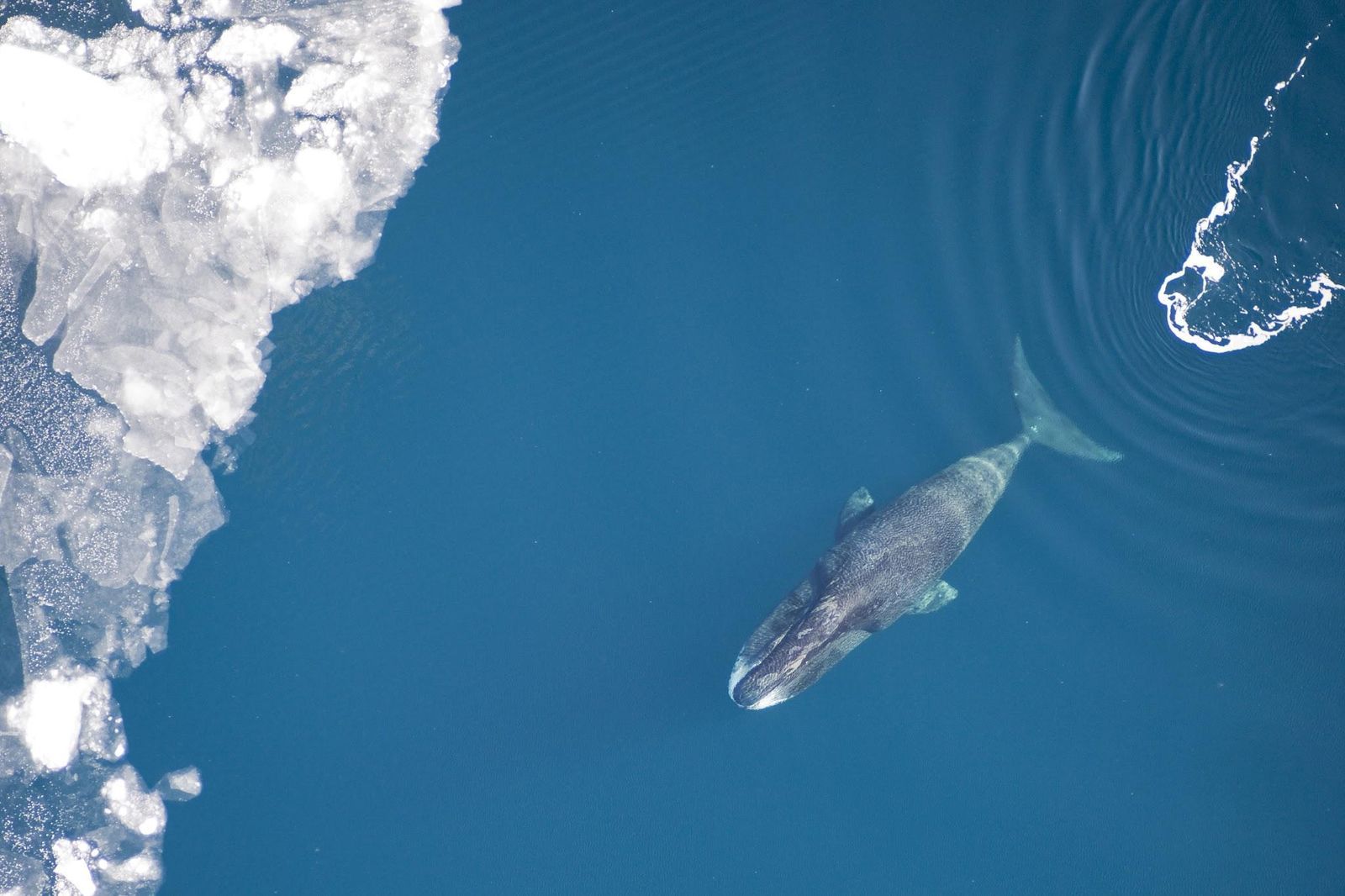
Bowhead Whale (Balaena mysticetus)

Image: Vicki Beaver, Alaska Fisheries Science Center, NOAA FIsheries, Marine Mammal Permit#14245, Public domain, via Wikimedia Commons

Record age: over 211 years

This whale is a true ocean giant, stretching up to 60 feet long and weighing a staggering 200,000 pounds. But what makes it stand out isn’t just its size but its age. Some of these majestic creatures carry harpoons from the 1800s still lodged in their skin, like walking history books. Just picture living so long that you’re literally carrying outdated technology embedded in your body—talk about being a time traveler of the seas!

6

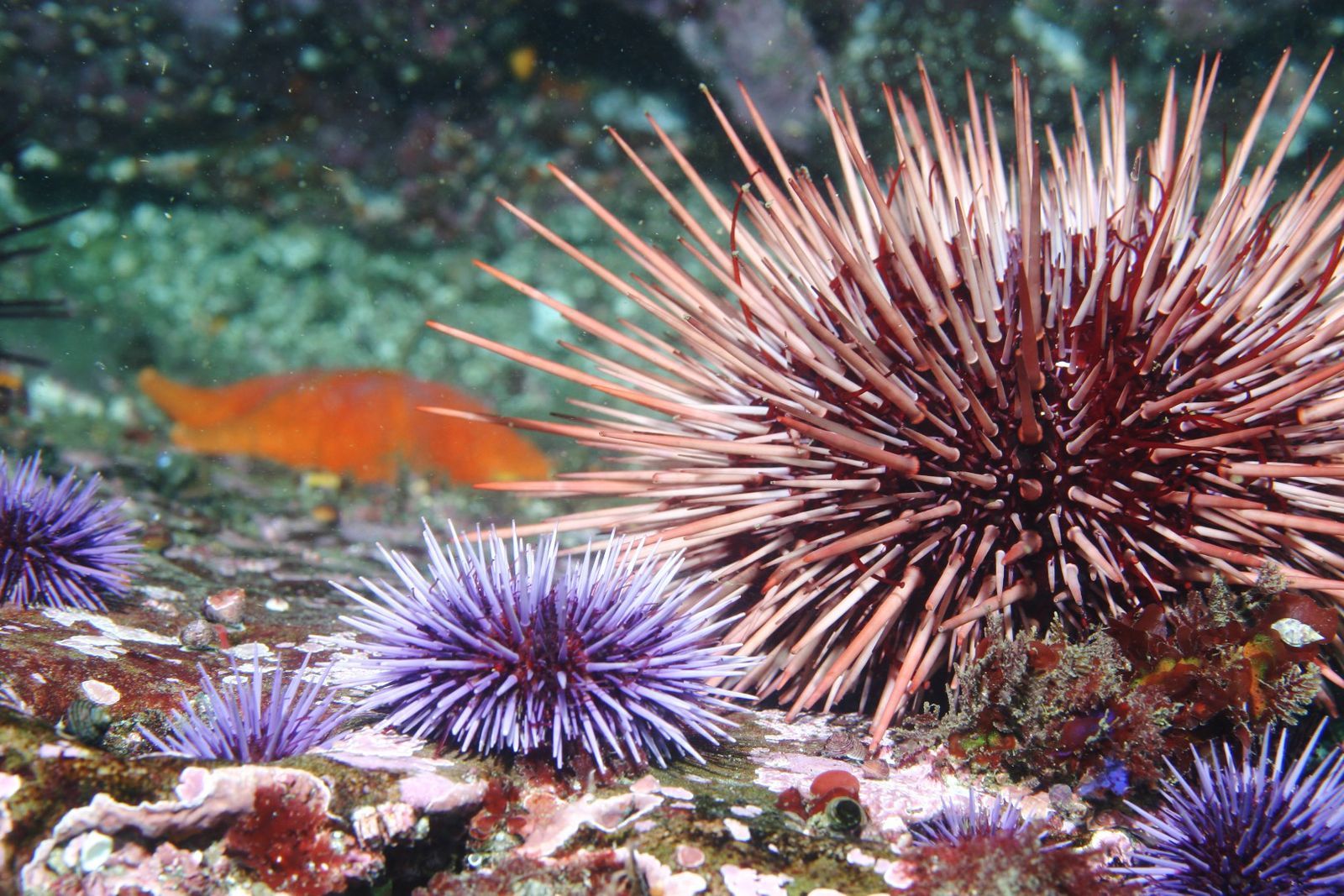
Red Sea Urchin (Mesocentrotus franciscanus)

Image: National Marine Sanctuaries, Public domain, via Wikimedia Commons

Record age: 200 years

Spanning the chilly Pacific coastline from California all the way up to Alaska, this spiky little ball—about 7 inches across—is full of surprises. It munches on algae and calls the deep, dark ocean its home, thriving at depths of up to 300 feet. Don’t let its size fool you: this prickly creature is a true elder of the cold seas, quietly outliving many ocean neighbors while keeping a low profile. A tough, slow-living veteran wrapped in spikes!

7

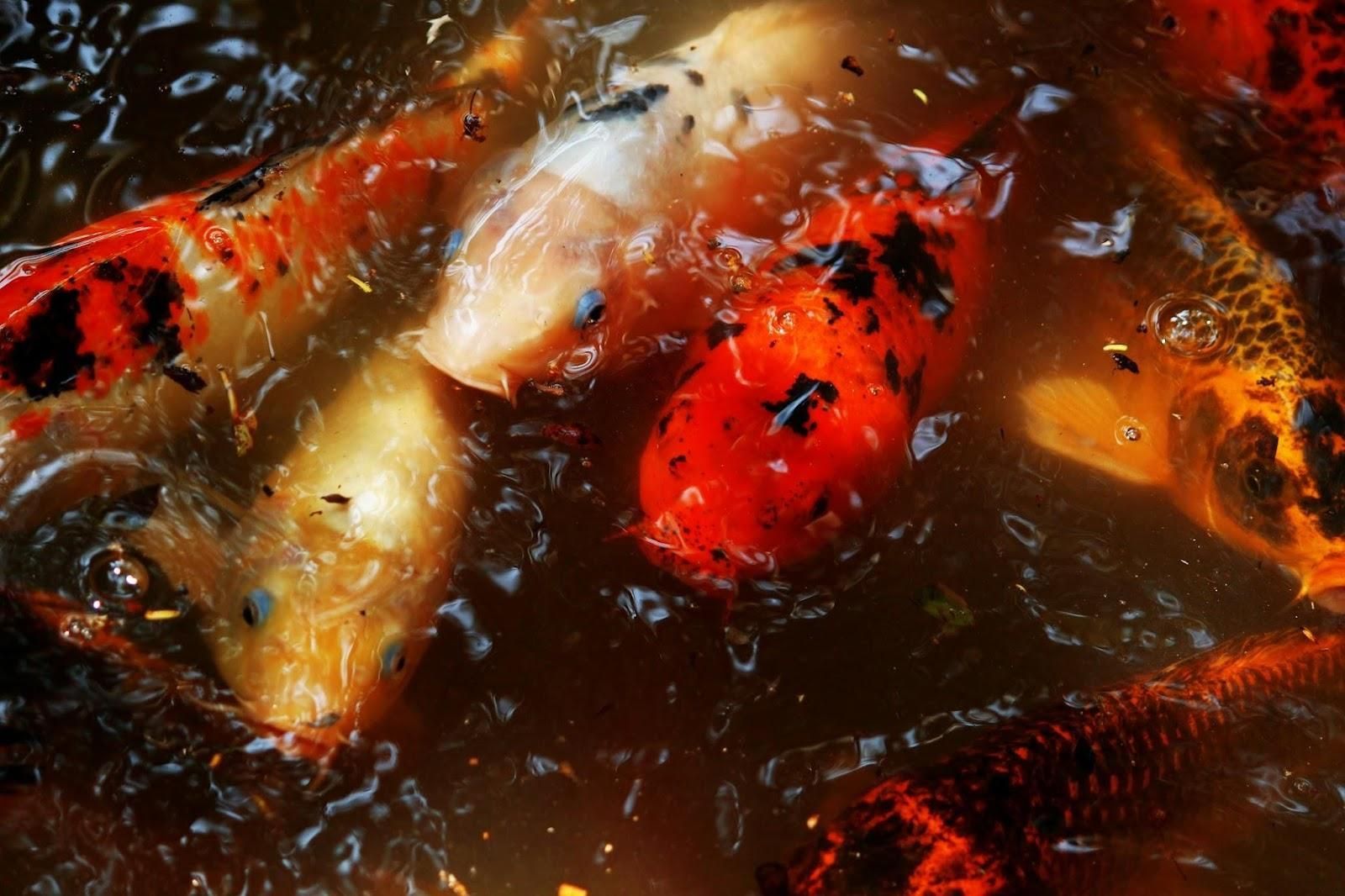
Koi Carp (Cyprinus rubrofuscus)

Image: Daniel Dan

Record age: 226 years

Meet Hanako, a legendary Japanese koi who swam through life for an astonishing 226 years. Scientists discovered how old she was by studying the rings on her scales, much like counting the growth rings of a tree. These colorful, ornamental fish aren’t just symbols of good fortune; they’re also secret long-lifers with the potential to celebrate over two centuries of birthdays, as long as they get the right care and a peaceful pond to call home.

8

Seychelles Giant Tortoise (Aldabrachelys gigantea)

Image: Ryan Grewell

Record age: 190 years

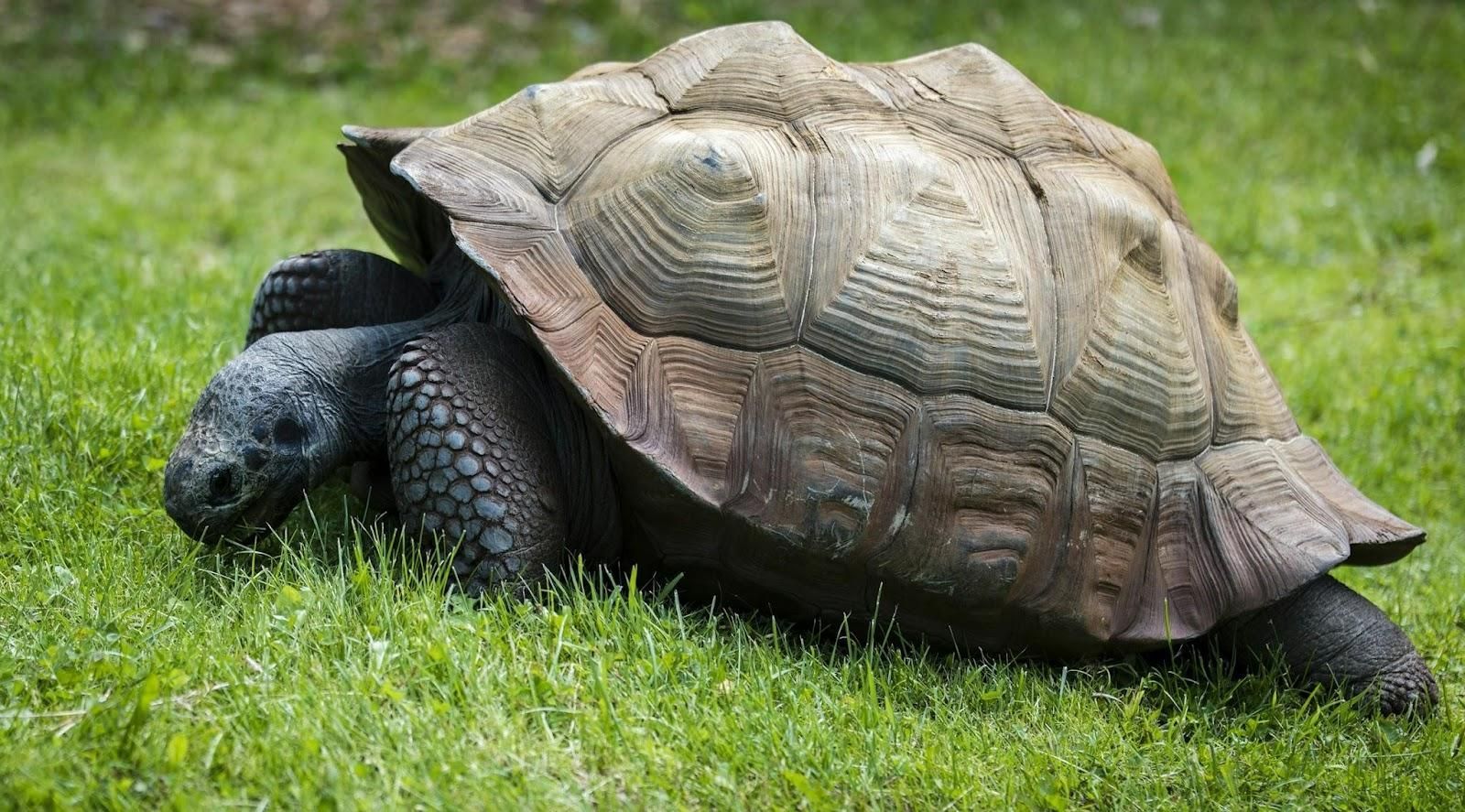
Jonathan is a male tortoise living on the remote island of Saint Helena in the South Atlantic Ocean. He was born back in 1832, and he’s still happily chomping lettuce and soaking up the sun today. Weighing in at more than 400 pounds and measuring around 3 feet long, Jonathan holds the title of the oldest known living land animal on the planet. If he could share tales, they’d span nearly two centuries of history. Imagine that!

9

Lake Sturgeon (Acipenser fulvescens)

Image: See page for author, Public domain, via Wikimedia Commons

Record age: 152 years

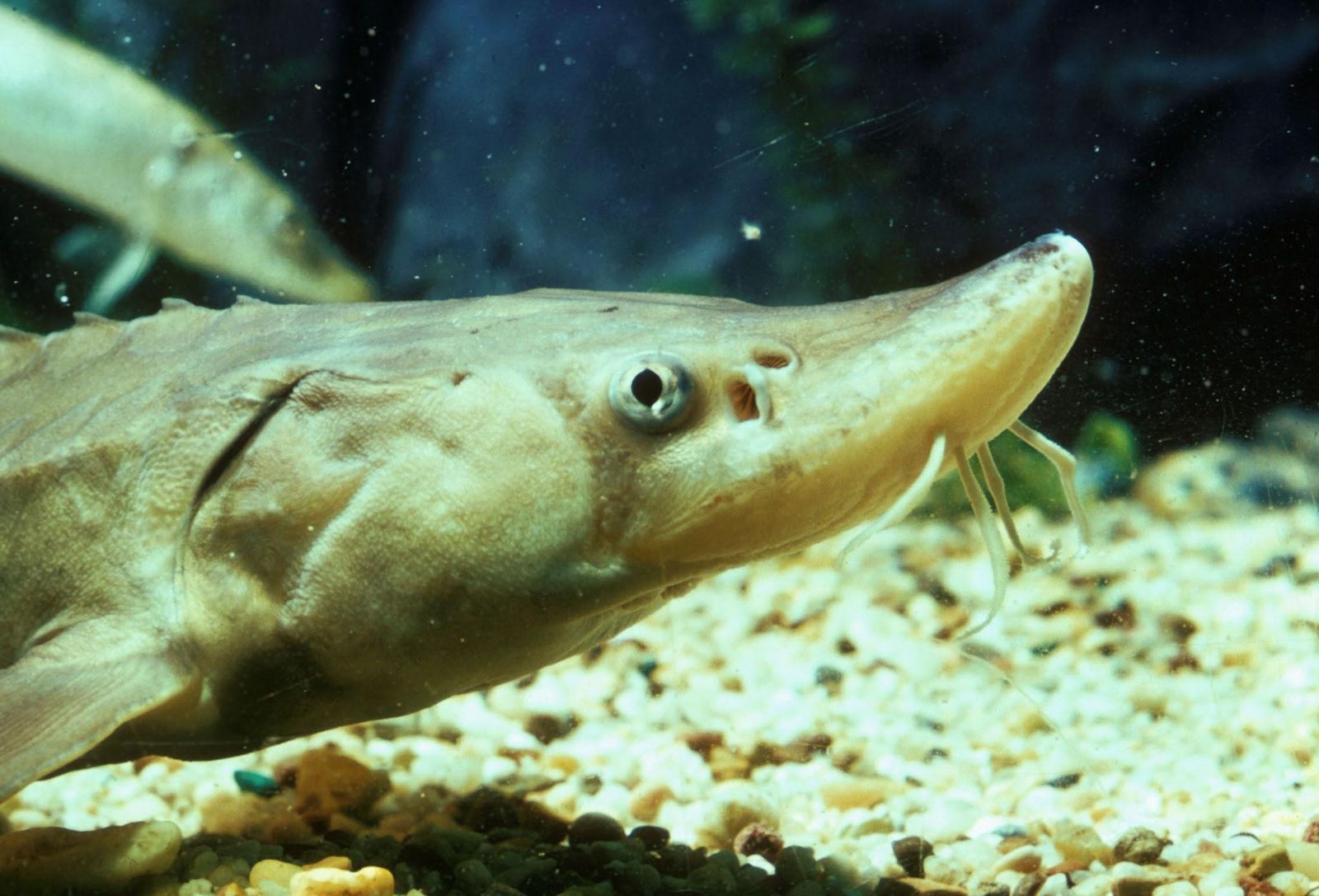
This ancient-looking fish, with its whisker-like barbels, looking like a tiny underwater submarine, prowls the lakes of North America. It can reach an impressive length of up to 7 feet and weigh around 200 pounds. These slow-living creatures don’t rush into adulthood—they start breeding only around age 20—and then take their time cruising through life at a leisurely pace. Believe it or not, one legendary catch in Wisconsin was estimated to be over 150 years old!

10

Kakapo Parrot (Strigops habroptilus)

Image: Andreas Sjövall

Record age: over 90 years

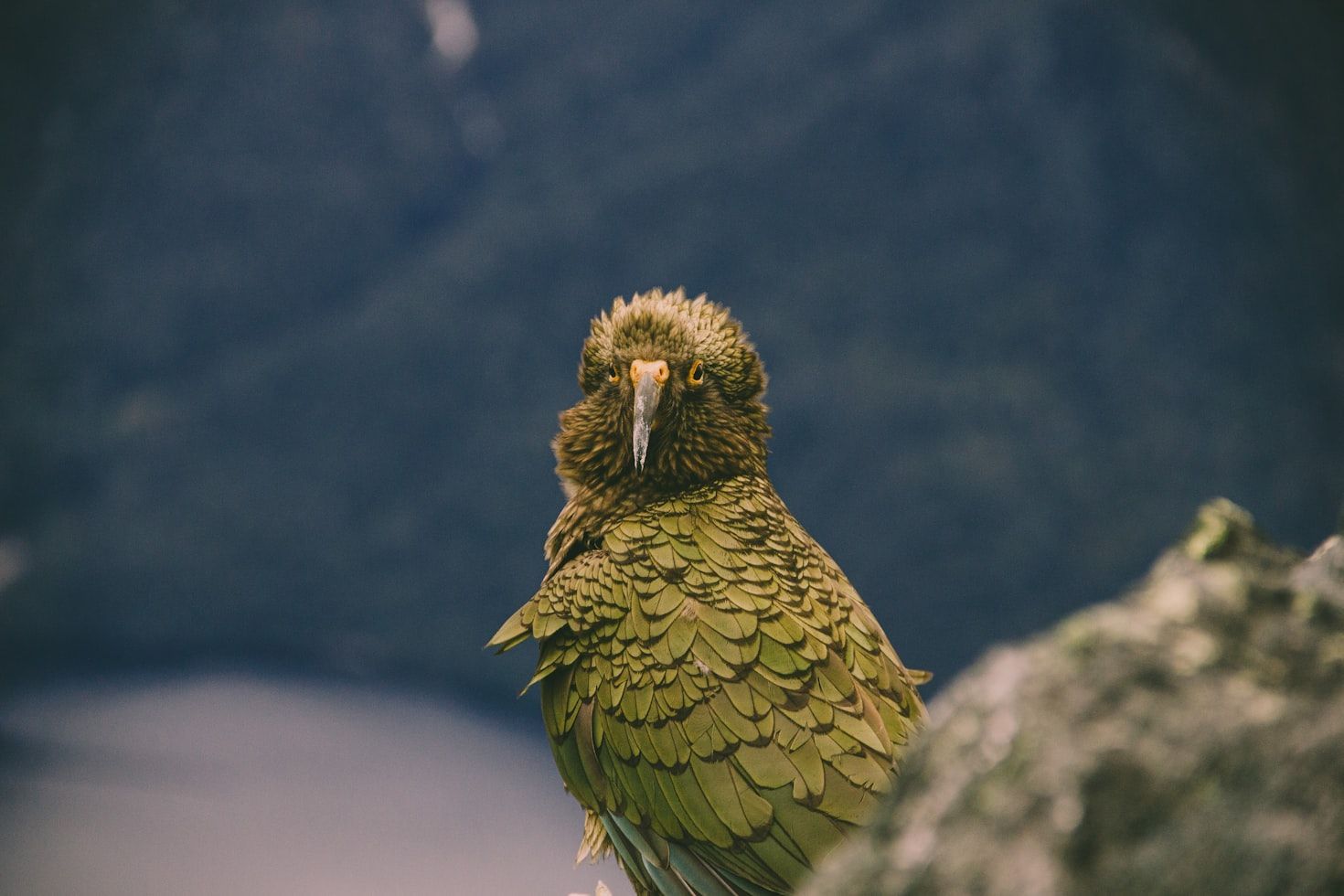
This chunky, night-loving parrot from New Zealand is a true oddball—it can’t fly, snores like a grumpy grandpa, and smells like fresh flowers. Despite its quirks, this bird boasts an impressively long lifespan. Sadly, it teeters on the edge of extinction. The oldest known kakapo, affectionately named Richard Henry, lived 90 years, earning him the title of the charmingly eccentric elder statesman of the avian world.

11

Naked Mole Rat (Heterocephalus glaber)

Image: Daderot, CC0, via Wikimedia Commons

Record age: 37 years

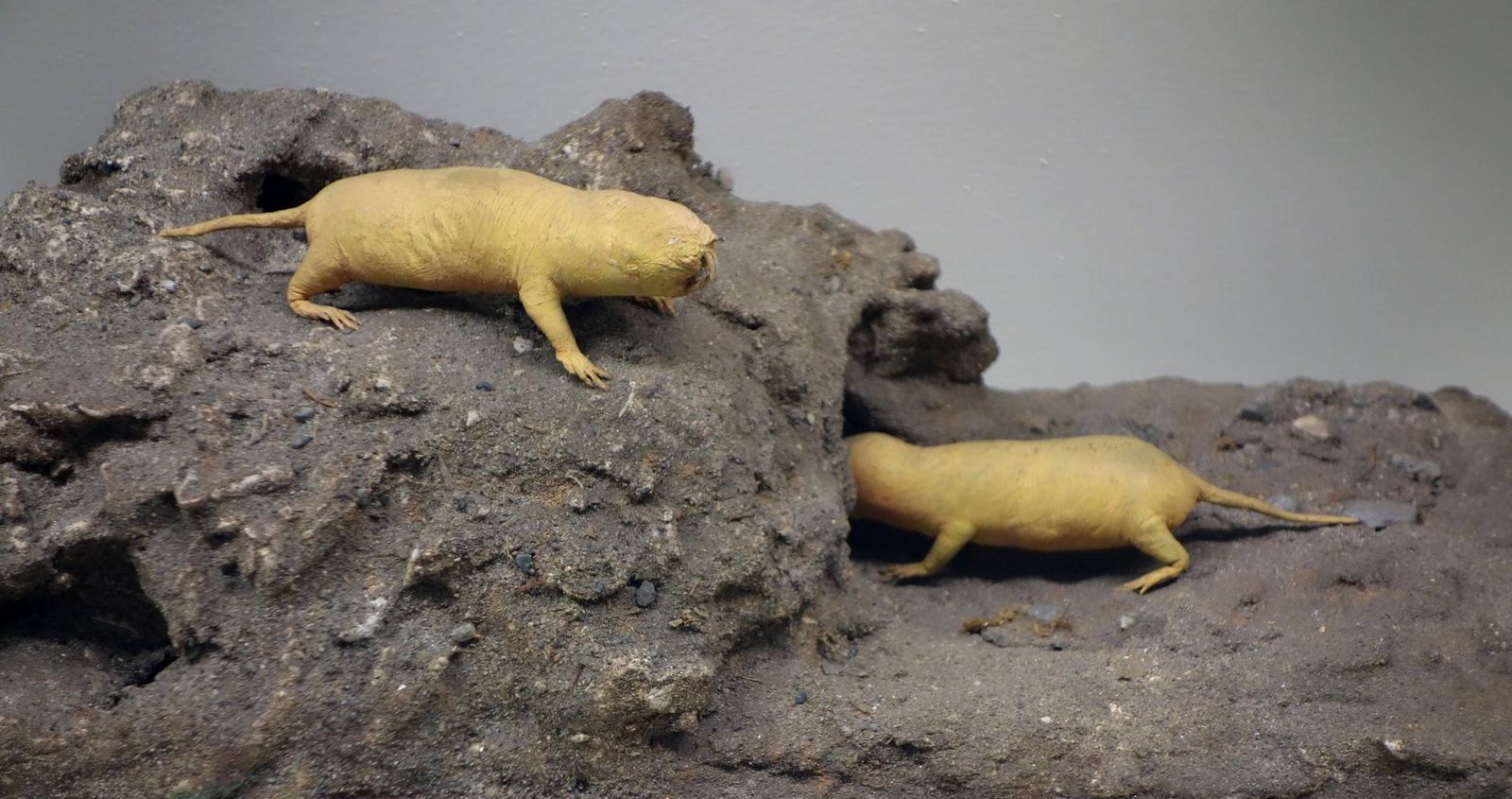
This tiny, kooky rodent—barely 3 inches long and just over an ounce in weight—could’ve been cast straight from a sci-fi apocalypse flick. Dwelling in vast underground colonies across Africa, it’s practically invincible to cancer, pain, and the usual effects of aging. Scientists are fascinated by this little marvel, even if it’s not winning beauty contests anytime soon. Its superpowers make it a star in longevity research!

12

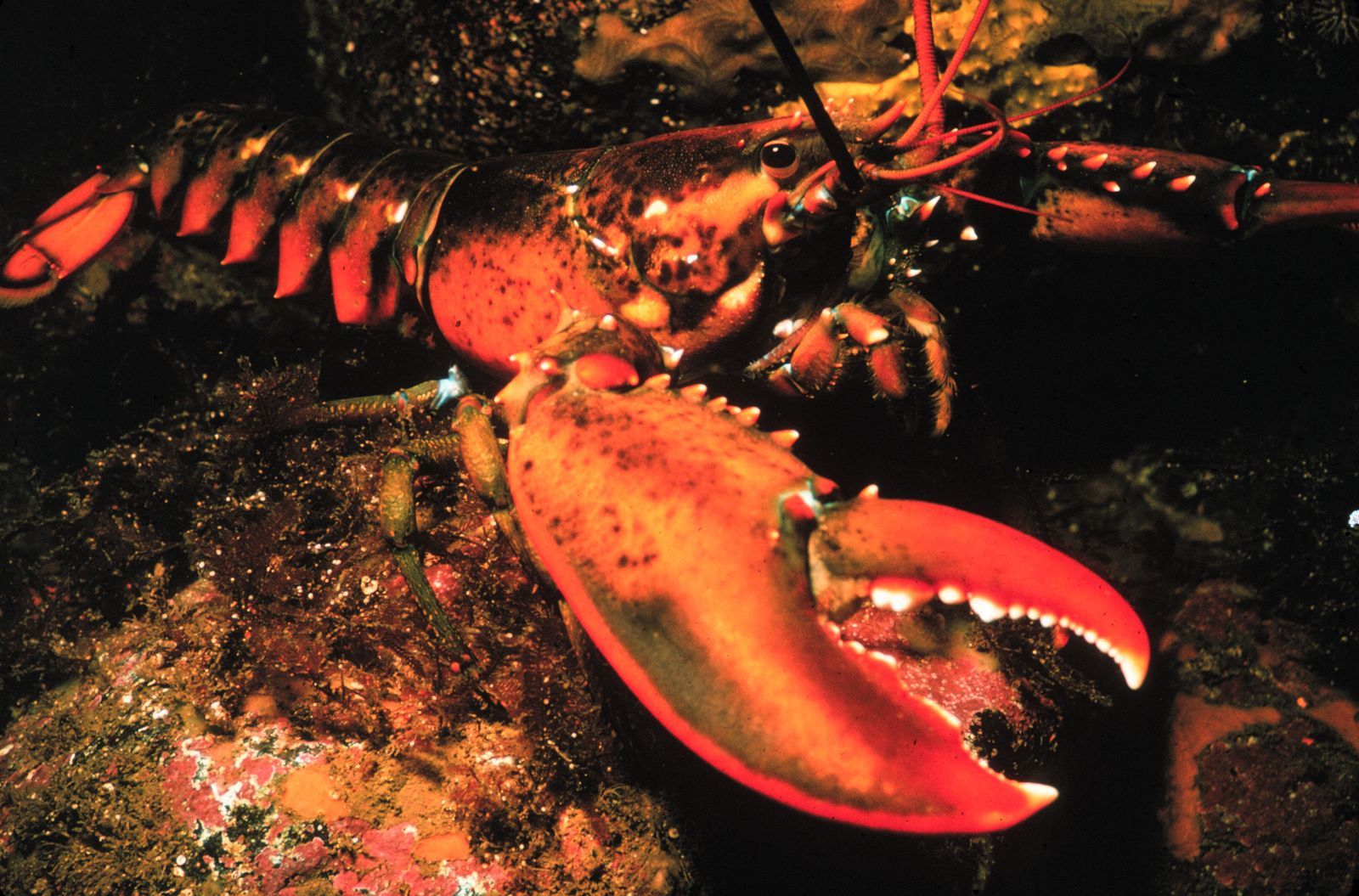
American Lobster (Homarus americanus)

Image: OAR/National Undersea Research Program (NURP)., Public domain, via Wikimedia Commons

Record age: estimated 100+ years

Lobsters have a totally different rulebook than us when it comes to aging. They don’t really grow old; they just keep getting bigger and bigger. Some giant lobsters weigh over 40 pounds and stretch beyond 3 feet long. Their biggest threats? Not old age, but predators or the risky process of shedding their shells. In theory, they could live forever if left alone—but let’s be honest, not many get to enjoy a peaceful, lobster-sized retirement!

Looking for an extra scoop of literary fun?

Learn more with our Word of the day

advantage

/ədˈvæn(t)ɪdʒ/