Healthy language

Wanna go bananas? Read this article on fruit idioms!


Published on May 11, 2026


Image: Julia Zolotova

You may not have a healthy diet, and fruit may not be part of your everyday intake, and that’s all right. We’re not here to judge! But we are here to tell you there’s an alternative way to enjoy fruit every day. Want to know what it is? It’s language. There are plenty of idioms that include fruit, and we’ve gathered a bunch of them for you to revisit here. Ready? Go bananas with this article!

1

The apple of one’s eye

Image: Matheus Cenali

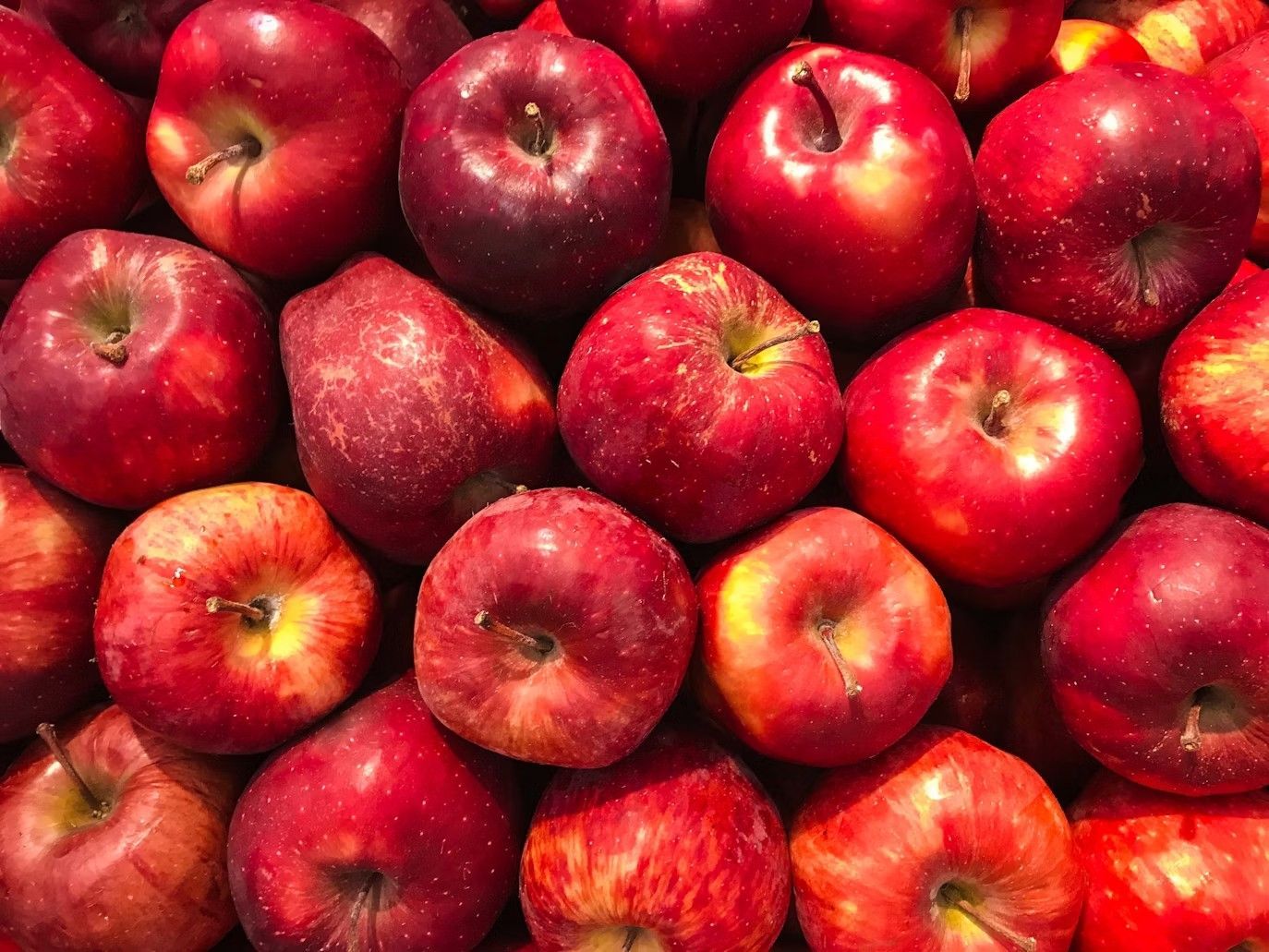
Do you have a special someone? Maybe a person who brightens your day by simply looking at them. Well, that’s the apple of your eye. This expression means someone is very special to or cherished by you. The redness of the apple, ever connected to love and emotional connection, explains why this fruit was the chosen one for this idiom, right?

2

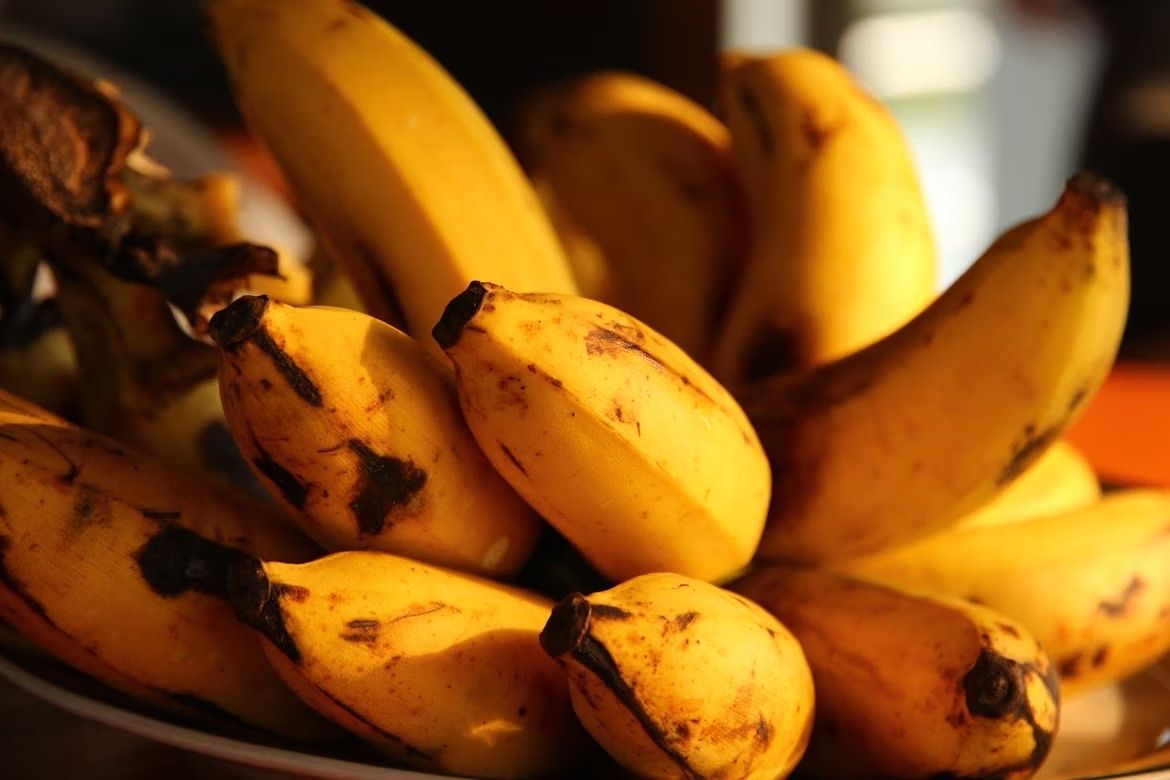
Go bananas

Image: Pop & Zebra

If you paid close attention to the intro here, we wish you had gone bananas on this article. And if you are a daily reader of our blog, you’ll know the kind of excitement this idiom refers to. You know when you get that email saying your article of the day is ready for you to tackle? Well, that’s the feeling! Excitement? That’s too plain. "Go bananas" describes it better!

3

Sour grapes

Image: Rajesh Rajput

As much as one tries to deny it, we’ve all been in a situation where jealousy takes over, right? Imagine being a sports person and losing a match, you could say, "Well, they won, but that’s just because they got lucky!" Is that real or sour grapes? In other words, are you being realistic or simply jealous? That’s what the sour grapes refer to.

4

Cherry on top

Image: Roksolana Zasiadko

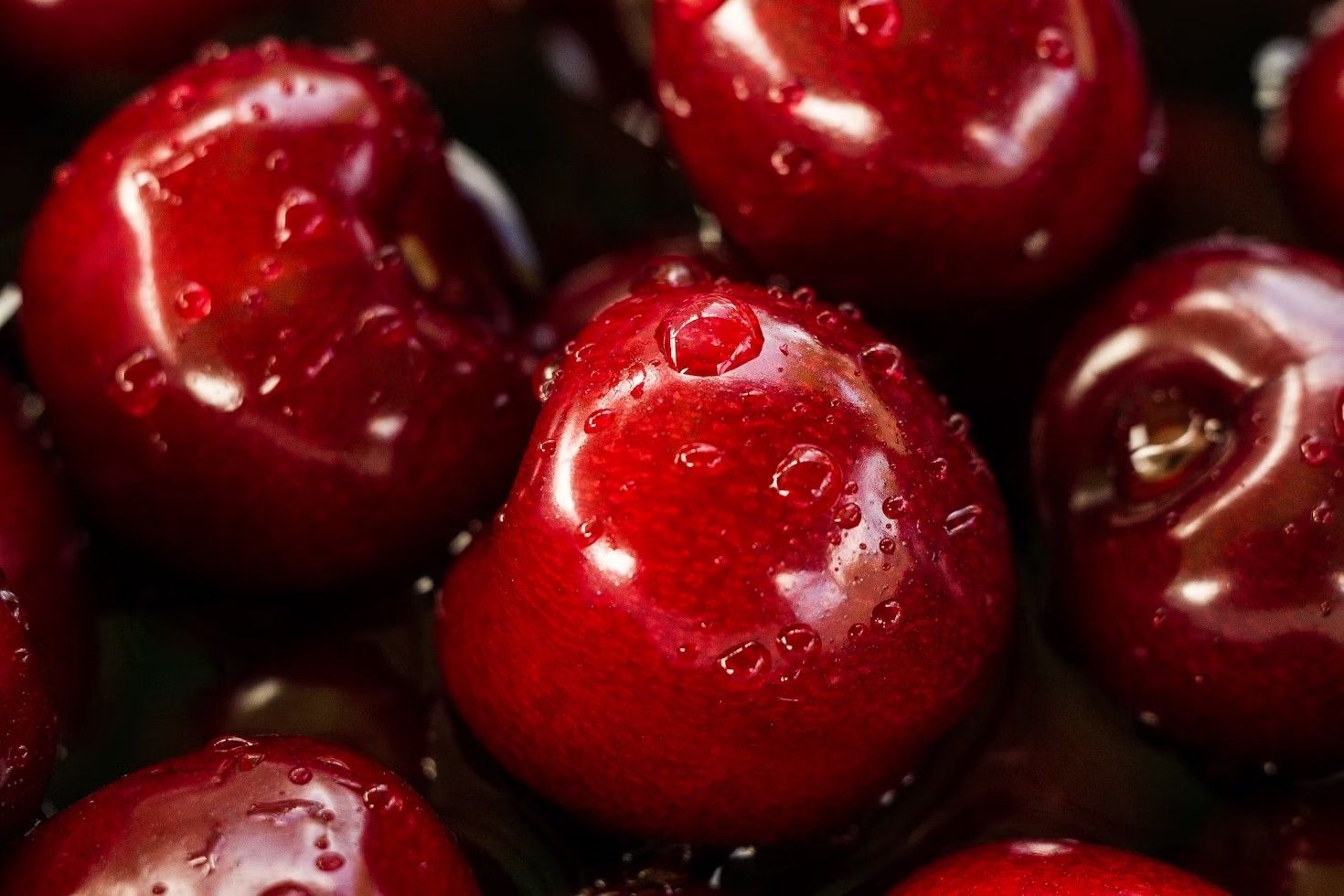
You had a great week at your job, everything went right on track, and the cherry on top is that you got a trip plan for the weekend. The cherry, red and delicious as it looks and tastes, is the representation of the final touch that makes something great or even greater.

5

As cool as a cucumber

Image: Louis Hansel

You’re on that trip that is the cherry on top of your exhausting week, and you went to a beautiful retreat. Can you imagine how you would feel? Is the expression "as cool as a cucumber" appropriate? It probably is, since this idiom refers to feeling calm and very relaxed. Why? Well, because the cucumber is quite a fresh fruit. Who hasn't used it to reduce the puffiness in the eyes?

6

A bad apple

Image: Isabella Fischer

In every group of any kind, there’s always that person who is always causing trouble, raising problems where there were none. Conflict follows them, and they spread it around. Maybe it’s not their intention, but it happens, and that’s what we call a bad apple. Those trouble-makers we love and hate at the same time. Do you know any?

7

Go pear-shaped

Image: Jonathan Mast

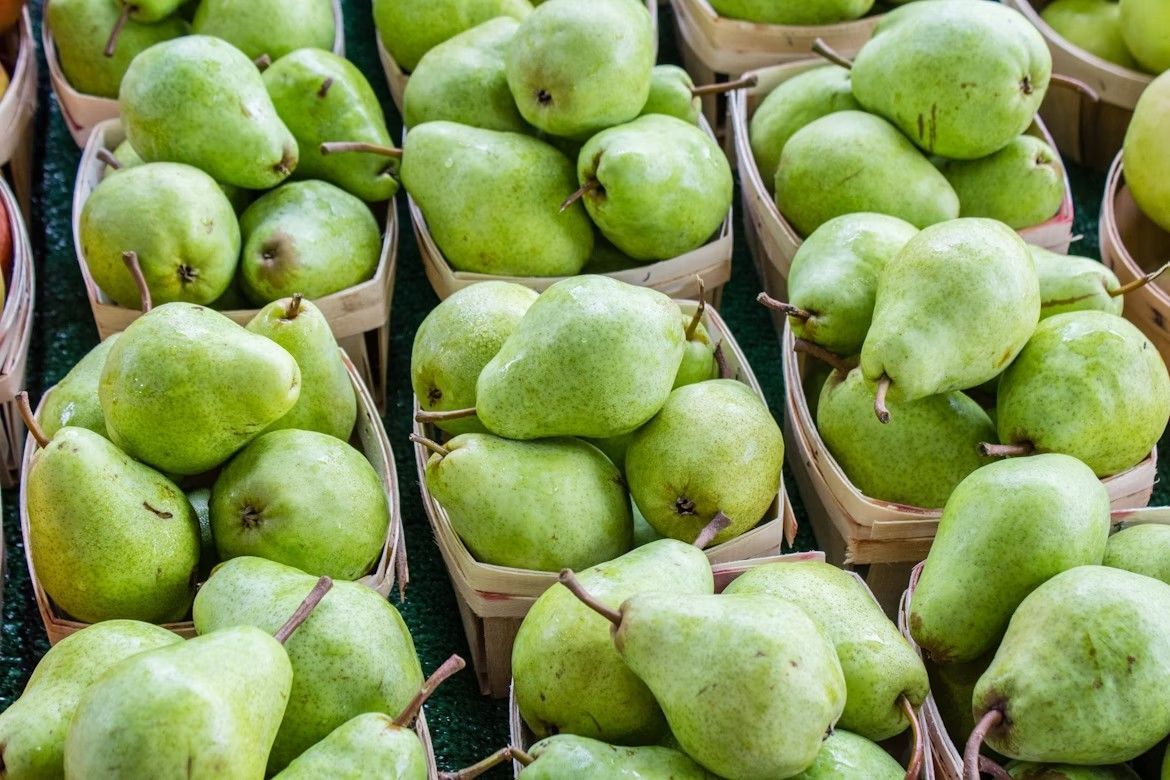
Here is an example of this one, see if you can guess what it means: "Their plant to sneak out in the middle of the night went pear-shaped when the mother saw them." Imagine the embarrassment! But this expression is not about that exactly, but a way of saying things did not go as planned or that they went wrong. Did anything go pear-shaped for you today?

8

A plum job

Image: jasper benning

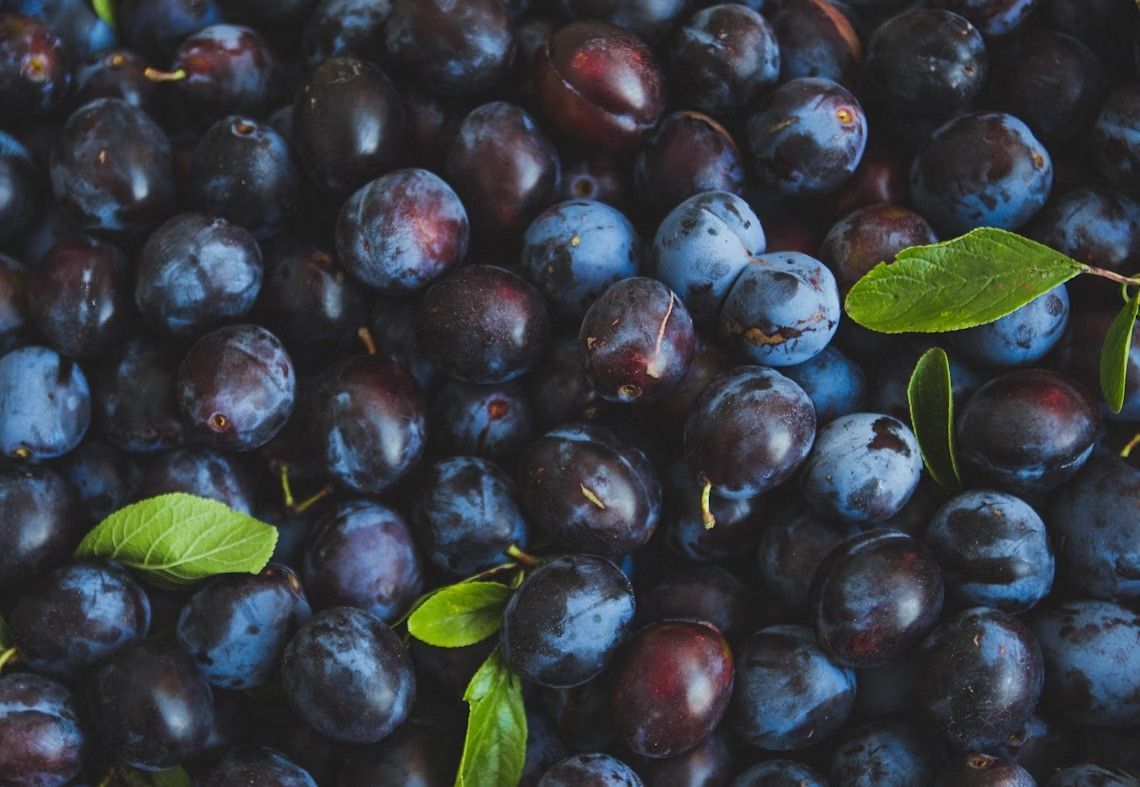
There are jobs… And jobs! Who wouldn’t like to be a librarian, arranging books in a quiet space surrounded by bookworms alike? Well, that may not be the case for you, but it sure is a plum job, which is an alternative way of saying that it’s a dream job or at least an easy and desirable one.

9

Top banana

Image: Fabrizio Frigeni

We mentioned the troublemaker earlier, but as soon as we can identify the one that takes on that role in every group, we can also point to the one who is a natural leader. Every single group has a top banana! Wait, what? Exactly, the top banana is that natural boss that stands out from the rest, thanks to their dominant personality.

10

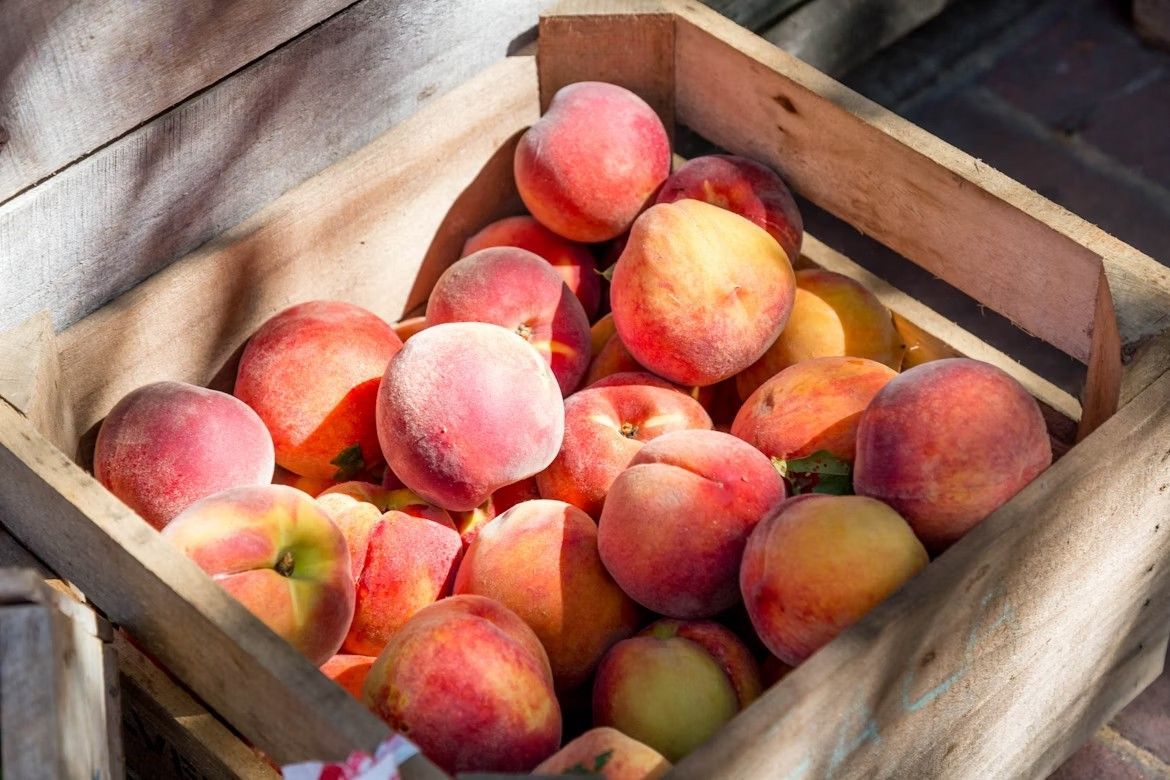
Peachy keen

Image: LuAnn Hunt

There are many more, but let’s close this article with an easy, light-hearted one. What did you think of it? Hope you thought it was peachy keen, or, in other words, a great one! And let’s hope that these expressions help you get your daily fruit intake. See you in the next article!


Strangely accurate

Warning: once you learn these strange words, you’ll start using them


Published on May 11, 2026


Image: Alexandra

You know those moments when you struggle to explain something simple, like a feeling, a habit, or a situation, and you think, "How is there no word for this?" Well, surprise: there usually is. English is packed with oddly specific words that describe everyday life with uncanny accuracy. Some are practical, some are funny, and some feel almost too honest. Let’s meet a few that might sound strange at first but will feel very familiar once you get to know them.

1

Overmorrow

Image: Estée Janssens

We talk about tomorrow all the time, but oddly enough, we rarely give the day after tomorrow a proper name. That is where overmorrow comes in. It is a neat, old word that means exactly that, no extra explanation needed. It used to be part of everyday English, and honestly, it feels like we lost something useful when it faded away.

2

Nudiustertian

Image: Brooke Lark

Just like English once had a word for the day ahead, it also had one for the day behind us. Nudiustertian means the day before yesterday. It sounds grand and a bit theatrical, especially for something so ordinary. Still, it does the job beautifully and makes casual conversation sound far more distinguished than necessary.

3

Clinomania

Image: mark champs

Now let’s move from calendars to something far more comfortable: the bed. Clinomania describes that powerful urge to stay under the covers, even when you know you should get up. It is not about being lazy so much as being deeply committed to comfort. If mornings have ever felt like negotiations, this word gets you.

4

Fudgel

Image: Brooke Cagle

Of course, once you finally leave the bed, another challenge appears: actually getting things done. Fudgel refers to pretending to work while accomplishing very little. People have been fudgeling for centuries, which is oddly comforting. It turns out that "looking busy" is an ancient skill, not a modern invention.

5

Bloviate

Image: Kate Bezzubets

And then there are moments when someone appears busy not by working, but by talking. Bloviate means speaking at great length without saying much of substance. Long speeches, endless stories, and conversations that go nowhere all qualify. The word itself feels inflated, which makes it a perfect match, don’t you think?

6

Ultracrepidarian

Image: Yura Timoshenko

Bloviating often goes hand in hand with another familiar habit: giving strong opinions without much knowledge. An ultracrepidarian is someone who does exactly that. The term has been around for ages, which suggests people have always had thoughts on things they barely understand, and have never been shy about sharing them.

7

Absquatulate

Image: Jake Hills

Sometimes, listening to an ultracrepidarian makes you want to do one thing only: leave. And there are many ways of leaving, but this one feels quite appropriate. Absquatulate means to make a sudden exit, often to avoid discomfort or trouble. It has a playful sound, but the impulse behind it is universal. We have all wanted to disappear quietly at least once.

8

Collywobbles

Image: WolfBlur

Of course, not every uncomfortable moment sends us running. Sometimes it settles right in the stomach. Collywobbles describes that nervous, fluttery, slightly uneasy feeling we get when something feels off. The word is light and bouncy, which helps soften a sensation most people would rather avoid.

9

Wamble

Image: Sora Shimazaki

And when that uneasy feeling spreads, you might start to wamble. To wamble is to feel unsteady or unsettled, whether it is shaky legs or a queasy stomach. It is one of those words that sounds exactly like the feeling it describes, which makes it surprisingly satisfying to say. Try it out!

10

Discombobulate

Image: Michelle Tresemer

Let’s wrap it up with a word you have probably needed at least once! The word discombobulate means to be confused or thrown off, usually in a harmless, everyday way. Missed plans, mixed messages, or a sudden change can all discombobulate us. It sounds dramatic, but the experience is wonderfully ordinary.

Looking for an extra scoop of literary fun?

Learn more with our Word of the day

nuance

/ˈnuˌɑn(t)s/