Furry secrets revealed
Why does your dog wag its tail? Discover what your pet is telling you
Published on January 8, 2026
 Image: Victor G
How well do you know your pet? Cats and dogs are undoubtedly the most popular furry companions, and while we might think we know everything about them, there are some secrets that we miss. Do you know what their tail movements actually mean? Are you aware of cats' incredible ability in the dark? If you want to discover this and more, keep reading: Today, we’re revealing 10 surprising facts about your pet’s secret life.
A dominant paw
 Image: Humberto Arellano
Just as humans write, eat, kick, and do most tasks with either their right or left hand, cats also have a dominant paw. Surprising, right? But it’s true: Cats often prefer one paw over the other when playing, going down stairs, or reaching for objects and food. Studies even show that male cats tend to favor their left paw, while female cats are more likely to use their right.
Doctor smell
 Image: Oria Helion
It’s no secret that dogs have an incredible sense of smell. In fact, it’s their strongest sense, estimated to be 10,000 times more powerful than ours. But here’s the surprise: their smell is so sharp that they can even detect diseases. Trained dogs can identify subtle changes in a person’s body odor, which allows them to detect conditions like skin, breast, bladder, and lung cancer. They’ve also been reported to sense malaria, diabetes, epilepsy, and even some viral infections.
Recognizing their names
 Image: Kristina Yadykina
Dogs almost always come when we call them, but cats are different. If you think your cat doesn’t respond because it can’t, we have to say that’s not the case. Cats can clearly recognize their own names, and studies show they react with subtle signals like moving their ears or flicking their tails. They know when you’re calling them; they just choose not to come, which only increases their reputation as highly independent creatures.
Body language
 Image: Alvan Nee
Your dog communicates with you through its body. For example, if it rolls over easily, it means it completely trusts you, since it’s exposing its most vulnerable areas (yes, that adorable belly). On the contrary, when a dog feels threatened, it may stand tall, perk up its ears, and fix its eyes on the person or object it sees as a threat. If a dog avoids eye contact, it isn’t always a bad thing; it can actually be a sign of respect! As for the tail, a dog uses it to communicate emotions and arousal, not just happiness; the speed, height, and direction reveal meaning, from excitement (fast, high) to fear (low, tucked) or caution (slow).
Unique nose
 Image: Jack1007
If cats and dogs had IDs, they could sign them with their little noses. Why? Well, just as each of us has a unique set of fingerprints, every dog and cat has a one-of-a-kind nose. The patterns of wrinkles and lines on your pet’s nose pad are unlike any other in the world, making it a perfect natural identifier.
Exclusive communication
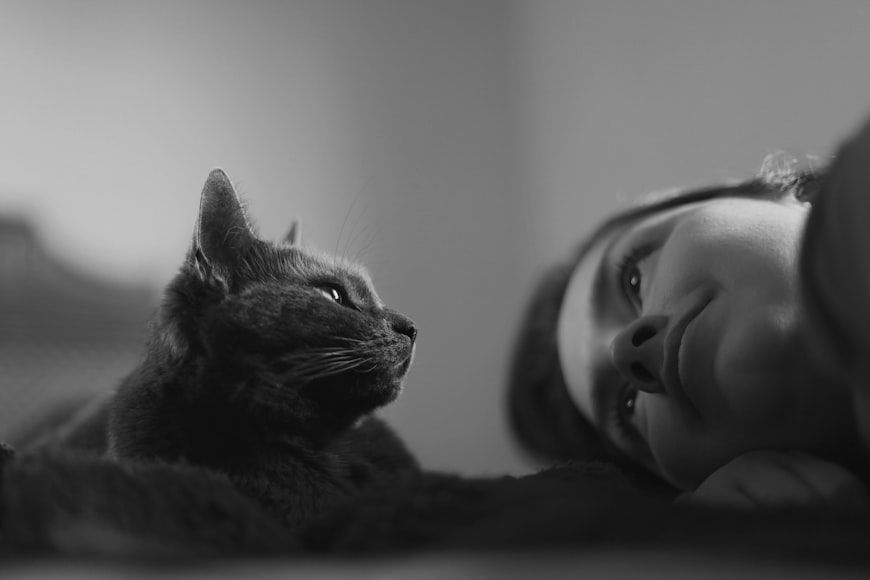 Image: Silvana Carlos
Did you know your cat only meows at you? That’s right! Cats don’t use meowing to communicate with each other, only with humans. While kittens do meow at their moms, once they grow up, they rely on body language, scents, and other sounds like hisses and chirps.
Barking with an accent
 Image: Akshat Jhingran
What accent does your dog have? It may sound like a silly question, but it’s actually quite relevant. Studies show that dogs, even those of the same breed, bark differently depending on where they were raised. In other words, there are regional variations in their vocalizations. Some dogs copy their mother’s "accent," and it’s also been shown that some change the way they bark after moving to a new area.
Kings of the dark
 Image: Akin Cakiner
Cats aren’t afraid of the dark, and not just because they’re intrepid, but because their bodies are built to navigate the darkest spaces. First of all: their eyes. Cats’ vision is designed for low-light hunting, and they can see clearly at light levels six times lower than what we humans need. In addition, their whiskers play a crucial role. They aren’t just cute; they act as guides, detecting changes in air currents and sensing nearby objects.
Dogs vision
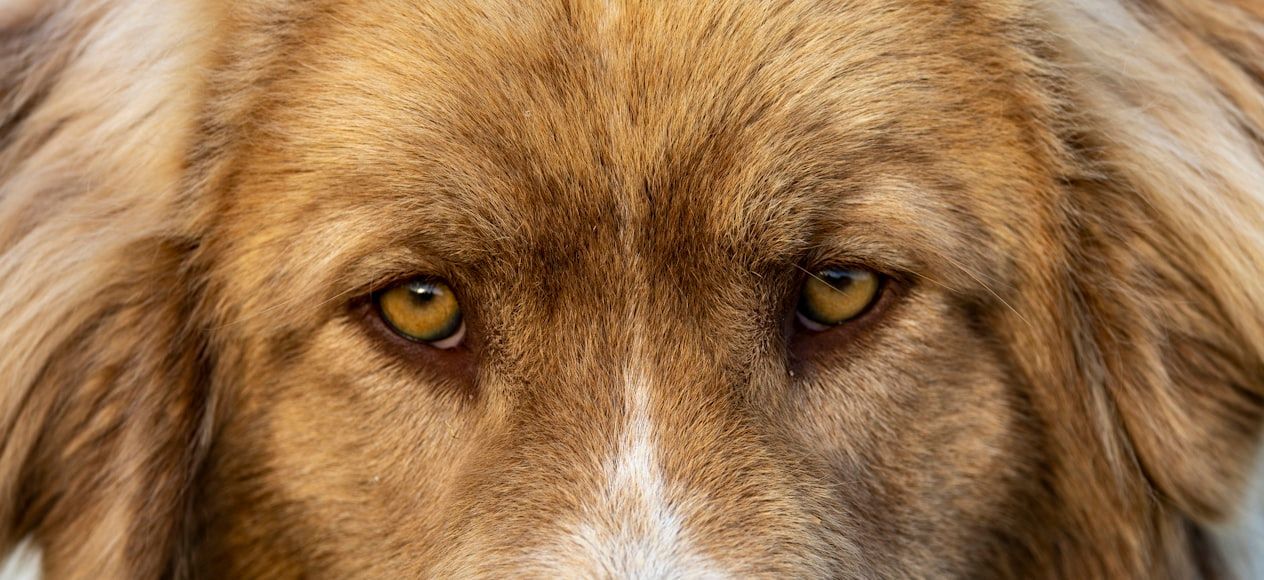 Image: Leo_Visions
Would you like to know how your dog sees the world? The old myth that dogs see only in black and white has been debunked. But they don’t see the way we do. Dogs have what’s called dichromatic vision, which means they can see color, but within a limited range. They mainly see shades of blue and yellow, and –similar to color-blind humans– they have trouble distinguishing between reds and greens.
Cats can’t taste sweetness
 Image: Piotr Musioł
While they may be very sweet animals, cats can’t taste sweet treats as we do. They simply don’t have the receptors needed to sense sweetness, and as carnivores, they didn’t need them in their evolution. So while we enjoy a movie with candy or popcorn, they prefer the savory flavor of meat.