Where in the world is it dangerous to sing Sinatra's "My Way"?


Published on September 25, 2025
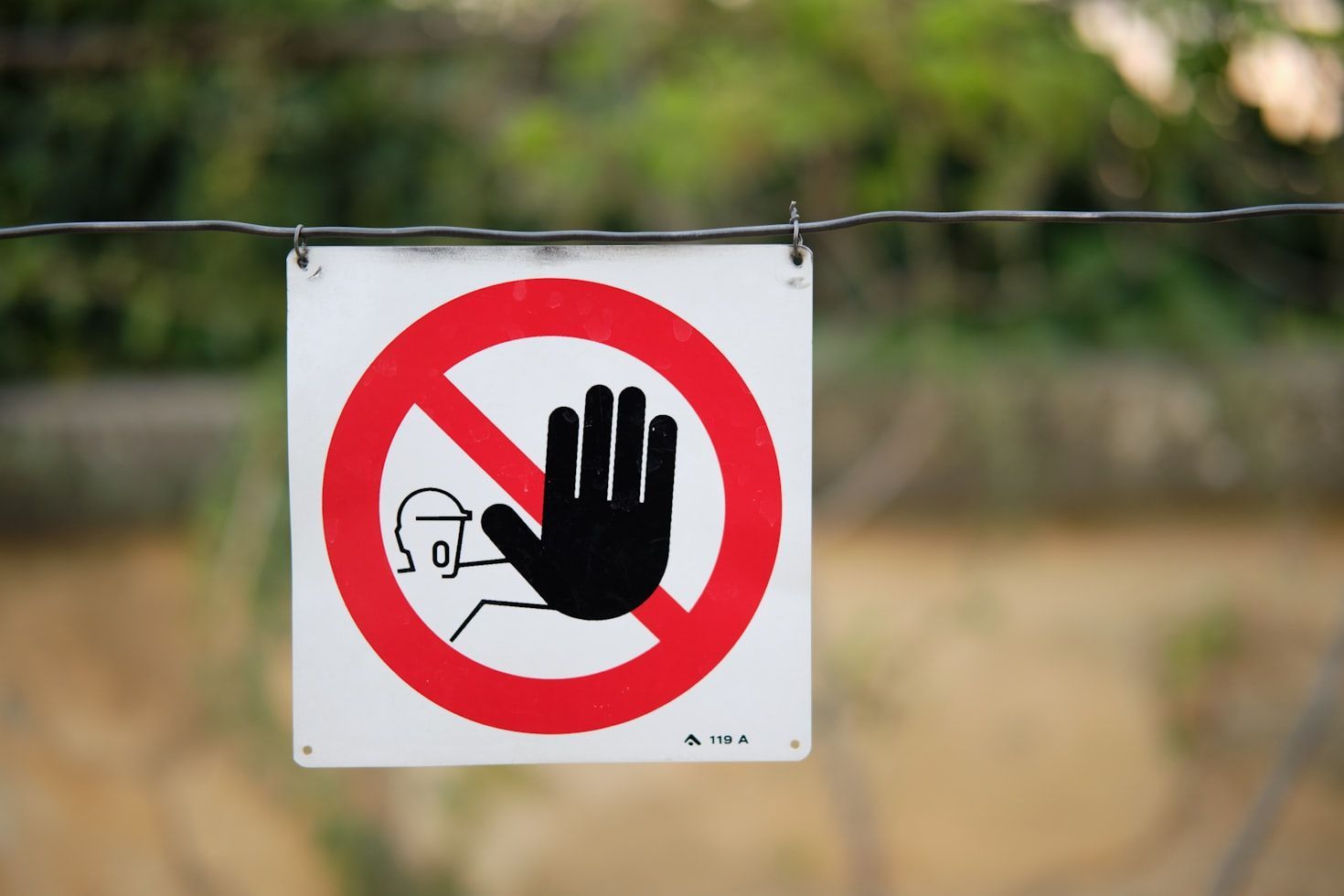

Image: Serge S

The world moves forward and modernizes faster than ever, yet the law doesn’t always keep up. Some of the most absurd rules still linger in the laws of certain countries. If you think it’s ridiculous to ban chewing gum, to sing "My Way" at karaoke, or to get drunk in a pub, then this article is for you. Join us as we discover 10 crazy laws that, believe it or not, are still in effect.

1

Chewing gum

Image: Quinten de Graaf

In 1992, Singapore implemented one of the strictest bans in the world: it became illegal to import, produce, or sell chewing gum. In the 1980s and 1990s, the government of this Southeast Asian nation noticed gum stuck everywhere—on sidewalks, in elevators, even on subway door sensors.

To reverse this trend, Prime Minister Lee Kuan Yew, who had a vision of order and extreme cleanliness, decreed that chewing gum could not be imported, produced, or sold anywhere in the country. This measure was part of a new model of social discipline that turned Singapore into a beacon of neatness and efficiency envied even by the most developed nations.

2

Don’t carry ice cream in your back pocket

Image: Zach Camp

In Kentucky, it is technically illegal to carry ice cream in your back pocket. Yes, you heard right. This ban dates back to the 19th century, when horse thieves were in vogue. The story goes that crooks would slip ice cream into their pockets to tempt horses to follow them—avoiding charges of outright theft.

This law was never repealed, so technically, if a Kentucky police officer caught you with ice cream melting in your back pocket, they could cite you. Unlikely? Absolutely. But still on the books!

3

Group jogging

Image: Leo_Visions

In Burundi, as in many other countries, group jogging was once a very popular activity. But when the opposition Movement for Solidarity and Democracy organized a mass jogging event in 2014, things quickly took a turn.

That year, the government of President Pierre Nkurunziza, himself a former PE teacher, banned group jogging, viewing it as a veiled act of subversion. Some participants were even arrested. Despite this heavy-handed measure, the small East African nation has still managed to produce several Olympic athletes. How? Determination seems to outpace the ban.

4

Lip-syncing

Image: Victor Rodvang

Watching a favorite artist lip-sync is always disappointing. Turkmenistan took the issue very seriously and decided to do something about it. In 2005, President Saparmurat Niyazov banned lip-syncing throughout the country. The ban applied not only at concerts, but also on television and even at weddings. According to him, lip-syncing harmed the development of musical art.

But this wasn’t the only absurd measure imposed by Niyazov. He also banned opera and ballet, the use of gold teeth, makeup on TV presenters, and pet dogs in the capital. In addition, he renamed the months of the year in honor of his family members and even built a golden statue of himself. A bit egocentric, don’t you think?

5

Wearing blue jeans

Image: Rodrigo Rodrigues | WOLF Λ R T

Since the 1990s, blue jeans have been banned in North Korea because they are seen as a symbol of Western capitalist culture. Tight pants, T-shirts with foreign brand logos, and certain types of haircuts are also prohibited.

Don't believe us? In 2024, North Korean state television broadcast an episode of the BBC series Garden Secrets in which presenter Alan Titchmarsh was wearing jeans. To get around the ban, the network simply blurred out his pants—creating a bizarre image that quickly sparked memes on social media.

6

Round fishbowls

Image: MART PRODUCTION

Keeping fish in round bowls is illegal in Rome. Experts argue that they are cruel because they limit oxygenation, distort the fish’s vision, and force constant circular swimming, making them dizzy and stressed.

In 2005, Rome introduced an animal welfare law that banned round fishbowls, along with other measures to protect pets. Over time, other regions of Italy adopted similar rules.

7

Carrying a salmon "under suspicious circumstances"

Image: NOAA

This absurd rule seems like something out of a Monty Python comedy sketch, but we assure you, it’s completely real. You may be wondering, what exactly "under suspicious circumstances" means? So are we, and it has nothing to do with running away with a salmon under your arm.

The UK’s Salmon Act of 1986 was originally meant to combat illegal salmon fishing. However, as you can imagine, it has caused all kinds of misunderstandings due to its ambiguous language. In 2013, the British Ministry of Justice even reviewed it in a report called Obsolete or Unnecessary Laws. Yet, despite the laughs it inspires, the rule technically remains in force.

8

You're not allowed to go trick-or-treating

Image: Ksenia Yakovleva

Due to a series of incidents, the city of Chesapeake, Virginia, passed an ordinance in the 1970s banning anyone over the age of 12 from trick-or-treating on Halloween. Violators could be charged with a misdemeanor, punishable by a fine of up to $250.

In 2019, the law went viral and sparked a wave of backlash. In response, city officials relaxed the ordinance and raised the maximum age to 14.

9

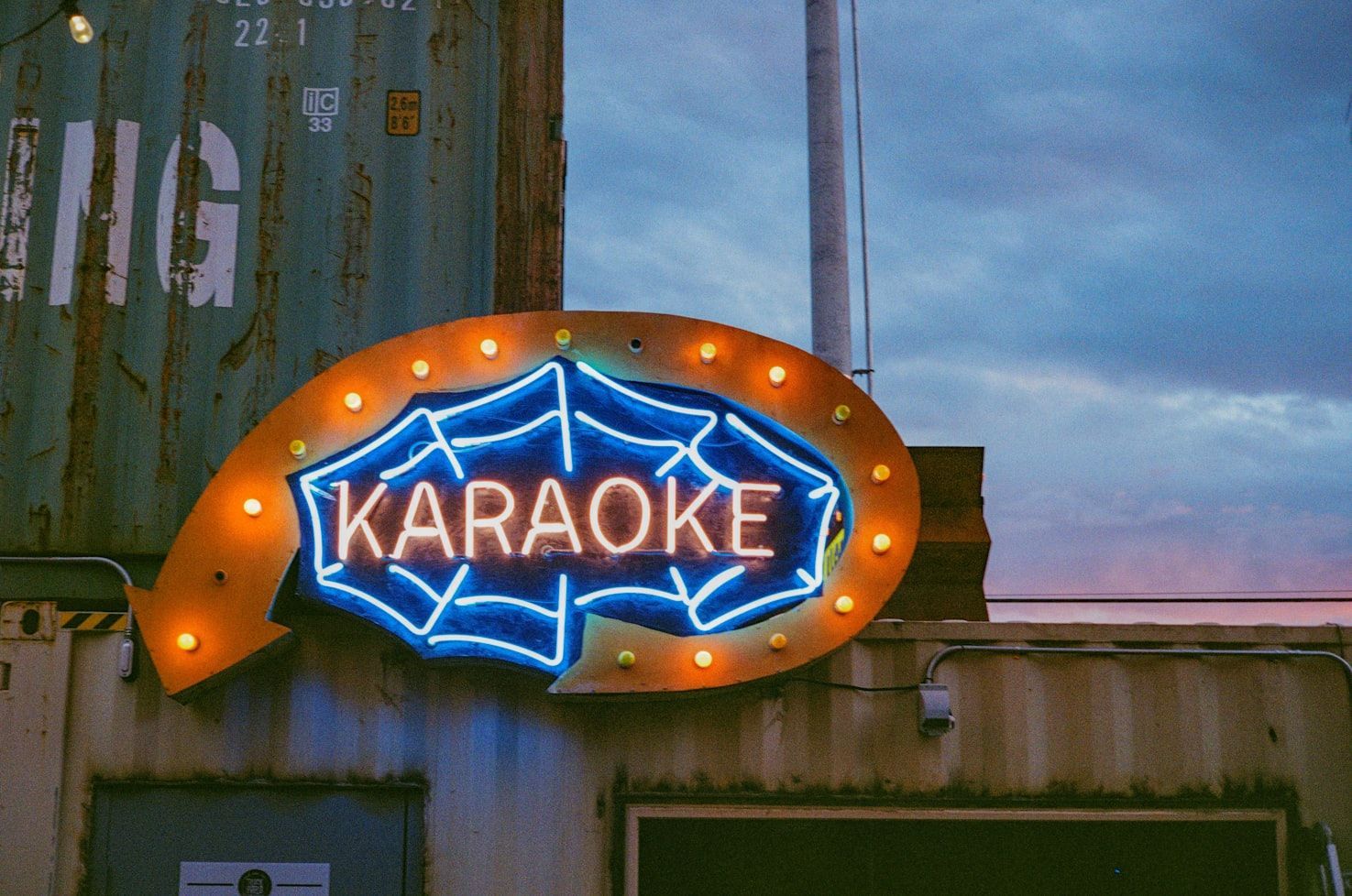
Singing "My Way" at karaoke

Image: Nikola Đuza

What’s your go-to karaoke song? If your answer is "My Way" and you’re planning a trip to the Philippines, you might want to change your mind. This unusual rule isn’t written into law, but it’s taken very seriously. In this Southeast Asian country, performing Frank Sinatra’s iconic hit in public is highly discouraged.

Doing so could literally cost you your life. According to lore, there have been several homicides linked to performances of this song in karaoke bars. The phenomenon even has its own chilling nickname: "The My Way Killings." Why this song in particular? Some suggest that the boldness—and even arrogance—of its lyrics has sparked violent confrontations.

10

Passing gas in public after 6 p.m.

Image: Kamil Feczko

Did you know there’s a rumor that you can be fined for farting in public in Florida? The "catch"? It supposedly only applies if it’s a Thursday and after 6 p.m. We can’t confirm whether it’s true—or how anyone could enforce it—but either way, it’s definitely poor etiquette, so avoid doing it anyway.

Even if this law is just an urban legend, Florida has plenty of other equally absurd ordinances. For instance, it’s illegal to sing in public while wearing a swimsuit; if you tie your pet to a parking meter, you must pay as if it were a car; using a skateboard requires a driver’s license; and falling asleep while getting a haircut is prohibited.

11

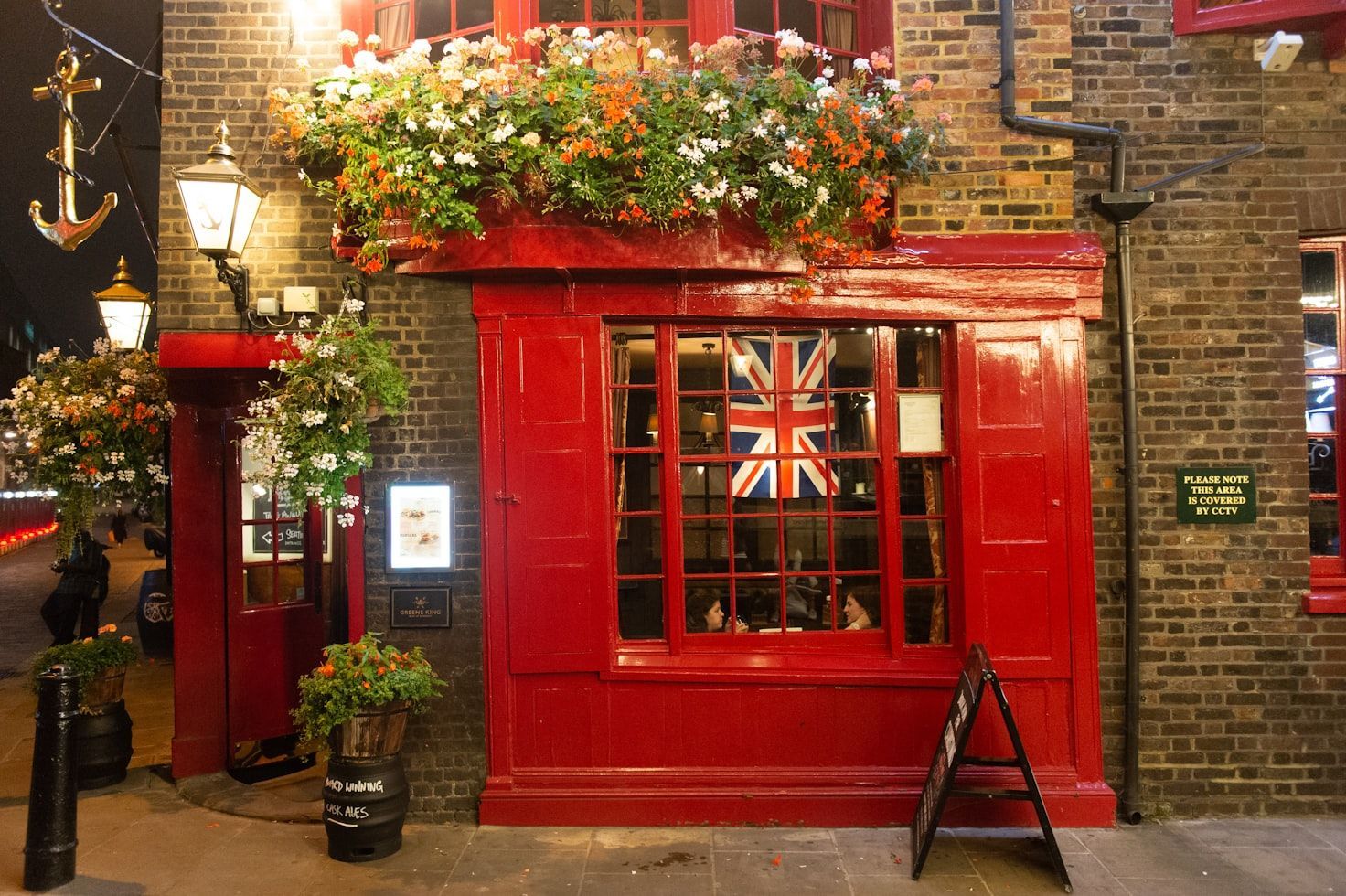
You can’t get drunk in a pub

Image: The Now Time

Technically, it is illegal to get drunk in a pub in the United Kingdom. We know—it sounds ridiculous, especially given the Brits’ well-known love of beer. This rule comes from the Licensing Act of 1872, which states that anyone found drunk in a public place is guilty of a misdemeanor.

This law is as absurd as prohibiting crying at a wake or getting wet in a swimming pool, yet it’s still in force. A more modern version clarifies that it is also illegal to sell alcohol to someone who is visibly drunk—which, frankly, makes a lot more sense!
Translation and interpretation

Was the forbidden fruit really an apple? 10 Bible surprises


Published on September 25, 2025


Image: Mariordo, CC BY-SA 4.0, via Wikimedia Commons

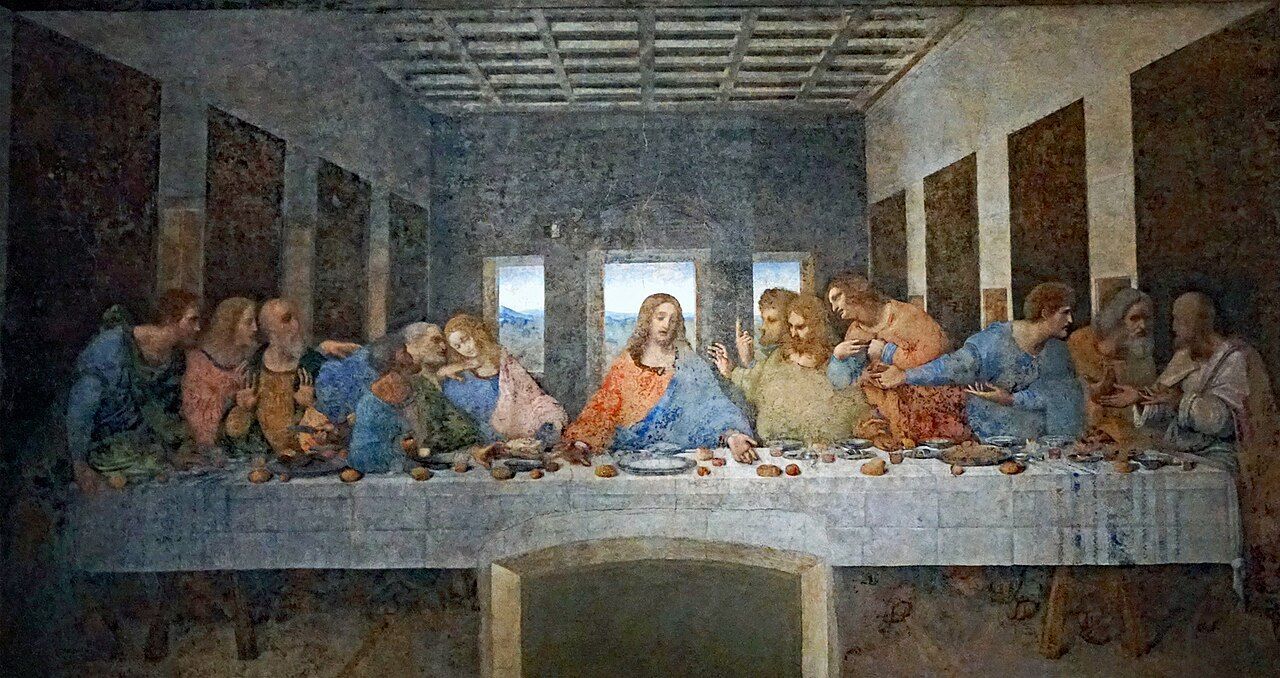
What if some of the Bible stories you grew up with aren't exactly what the Bible says? Was the forbidden fruit really an apple? Were there actually three Wise Men? Did "God helps those who help themselves" really come from the Bible? Over centuries, translations, traditions, and famous works of art have added details that became so familiar, we stopped questioning them. But go back to the texts, and some of these stories look surprisingly different. From Eve's "apple" to the date of Jesus' birth, here are 10 familiar parts of the Bible that may not be quite what we remember.

1

The forbidden fruit was an apple

Image: Albrecht Dürer, Public domain, via Wikimedia Commons

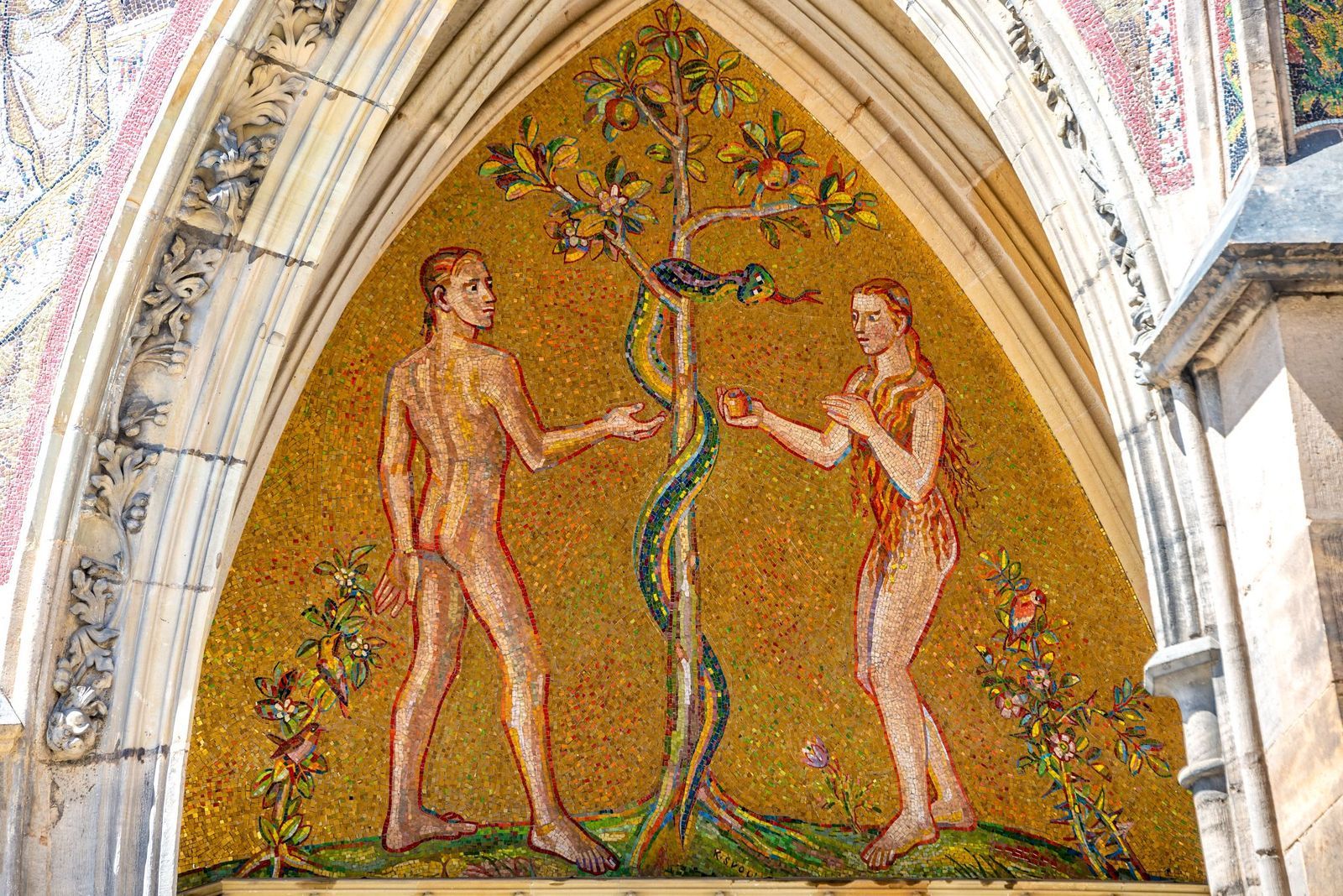
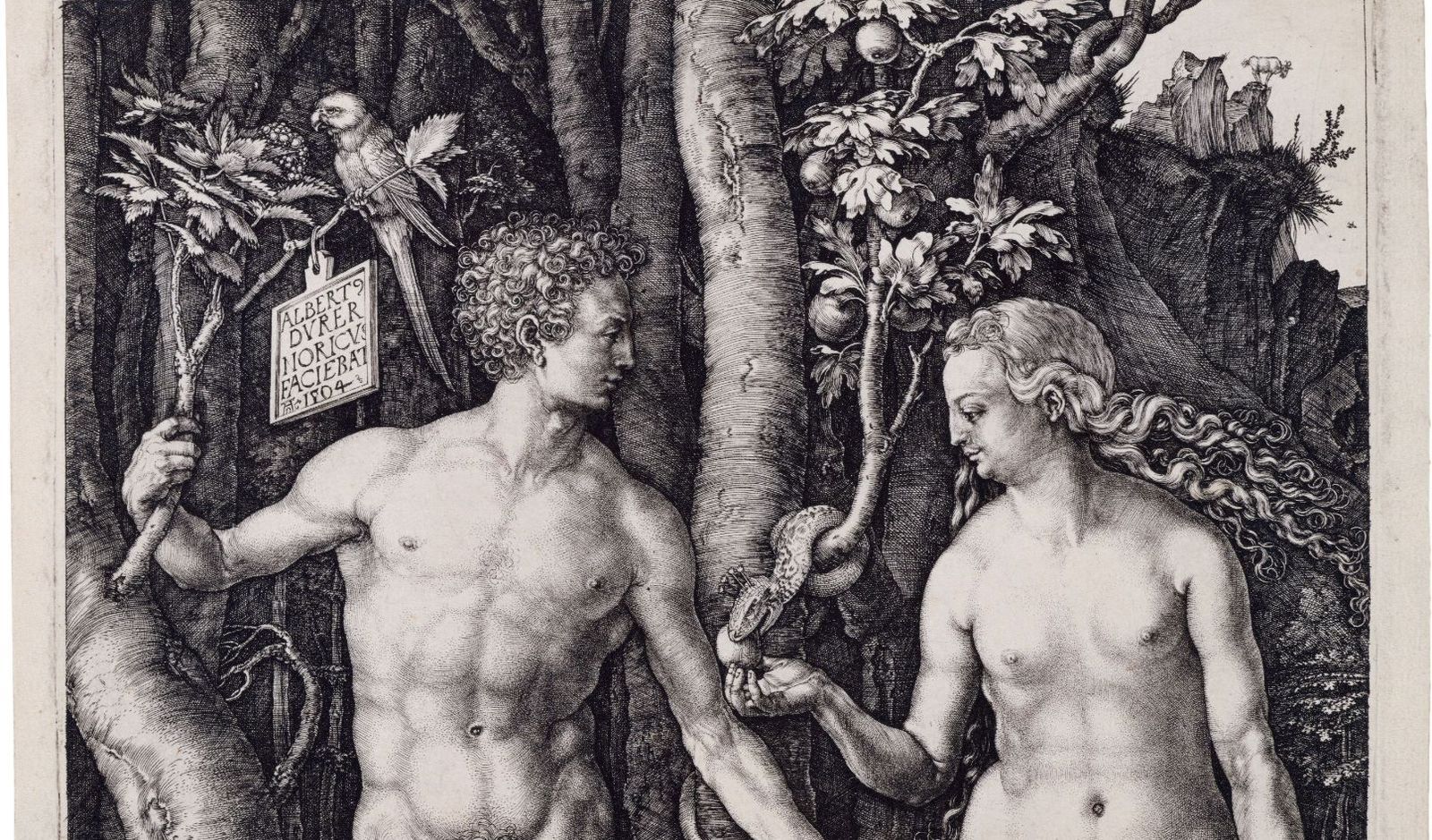
When you picture the Garden of Eden, what fruit comes to mind? Most people imagine an apple, but there's just one problem: the Bible never says it was an apple.

In the Book of Genesis, the fruit is simply called "the fruit of the tree of the knowledge of good and evil." The original Hebrew text uses the word peri, which simply means "fruit." The apple connection came centuries later, largely through the Latin translation. The Latin word malum can mean both "apple" and "evil," making it an especially fitting symbol for the story. Over time, that association spread through Christian art and literature. Famous works such as Albrecht Dürer’s 1504 engraving Adam and Eve (also known as The Fall of Man) helped cement the image of Eve holding an apple. Today, it's one of the most famous scenes in history, even though the original biblical text doesn’t identify the fruit as an apple at all.

2

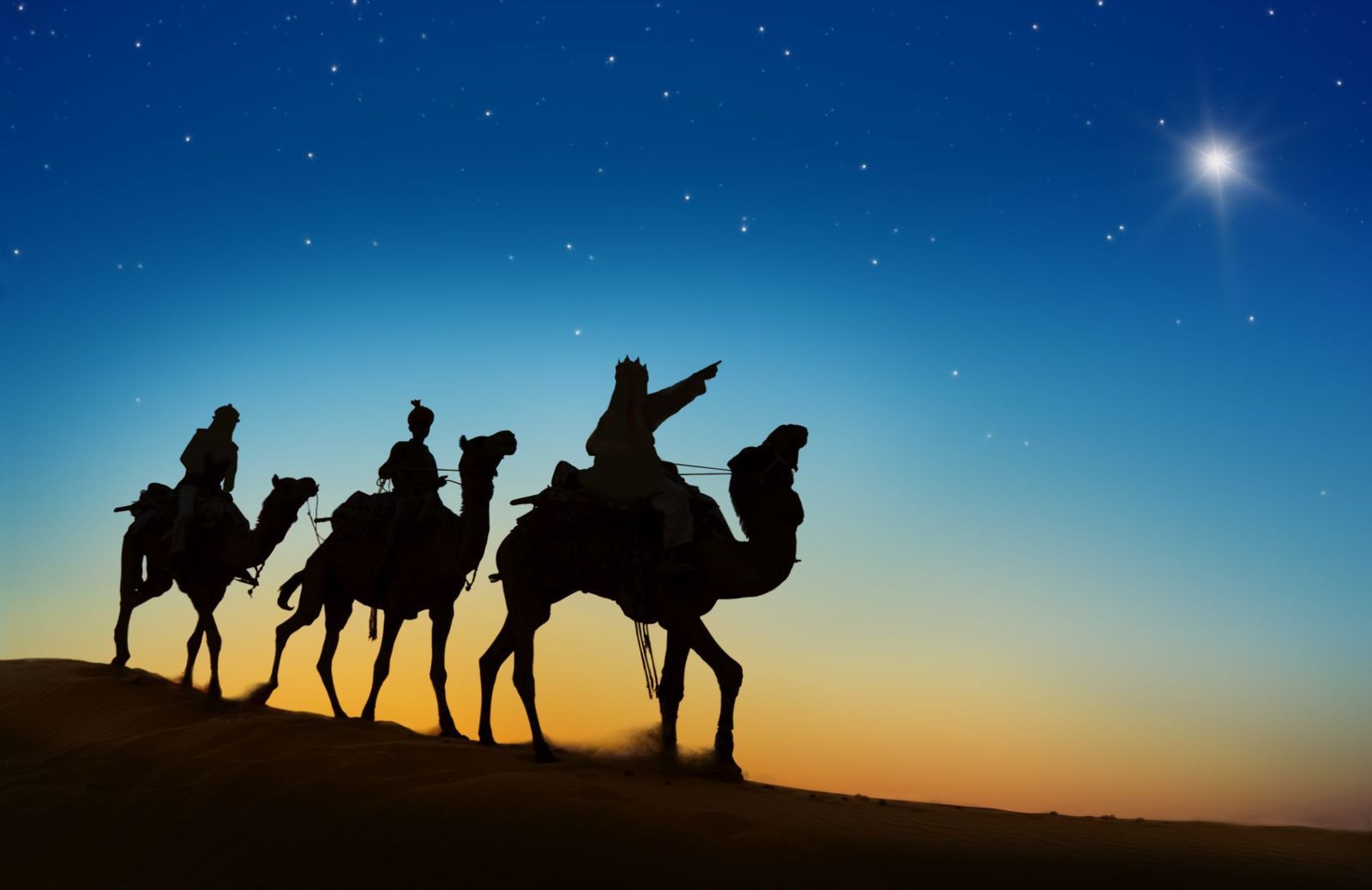
There were three wise men/kings

Image: Rawpixel.com

The story of Jesus' birth is so famous that most of us picture the Three Wise Men, sometimes called the Three Kings, standing beside the manger. But the thing is, over the centuries, the story picked up a few details that aren't actually in the Bible.

In the Gospel of Matthew, the only Gospel that mentions these visitors, they are described simply as Magi from the East. The original Greek word, magoi, referred to learned scholars, astrologers, or priests from Persia or Babylon, not kings. But where did the number three come from? Matthew lists three gifts: gold, frankincense, and myrrh, but never says how many visitors brought them. Over the centuries, people naturally assumed there must have been three Magi, one for each gift. Even their familiar names, Melchior, Caspar, and Balthasar, were added later by Christian tradition. So, neither the number of visitors nor their names appears anywhere in the biblical text.

3

"God helps those who help themselves"

Image: Adam Nir

Whether it's used to motivate a friend, encourage a family member, or push yourself to finally make a difficult decision, "God helps those who help themselves" is one of the most familiar religious sayings in America. But here's the surprise: those words never appear in the Bible.

The idea can be traced to ancient Greek sources, including Aesop’s Fables, where the saying appears in an earlier form: "The gods help them that help themselves." The exact modern wording was written by English politician Algernon Sidney in 1698, but it was Benjamin Franklin who helped make it part of American culture when he included it in his 1736 edition of Poor Richard’s Almanack.

4

"Cleanliness is next to godliness"

Image: John Jackson, CC BY 4.0, via Wikimedia Commons

Many teenagers have heard "Cleanliness is next to godliness" when it was time to clean their rooms. But despite sounding like a Bible verse, the phrase never appears in Scripture.

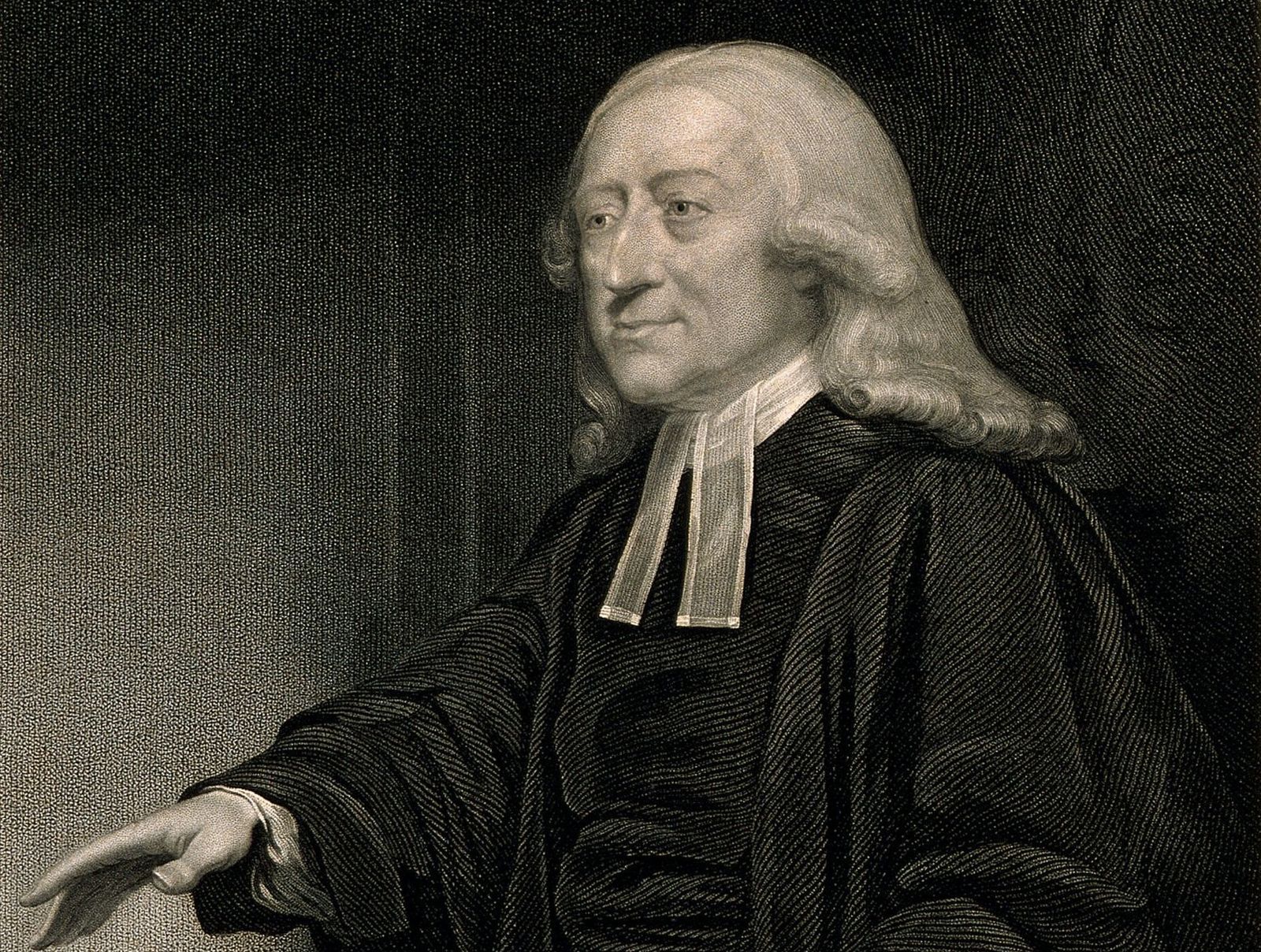
The Bible, particularly Leviticus, does contain extensive laws requiring people to wash their bodies and clothes in certain circumstances, especially before religious rituals. But the famous saying itself came much later. In 1605, Francis Bacon wrote in The Advancement of Learning that "cleanness of body" was connected to reverence for God. Then, in 1786, it was Methodist leader John Wesley who used the wording we recognize today in a sermon: "Cleanliness is indeed next to Godliness." Over time, the phrase became a familiar saying that many people simply assumed came from the Bible.

5

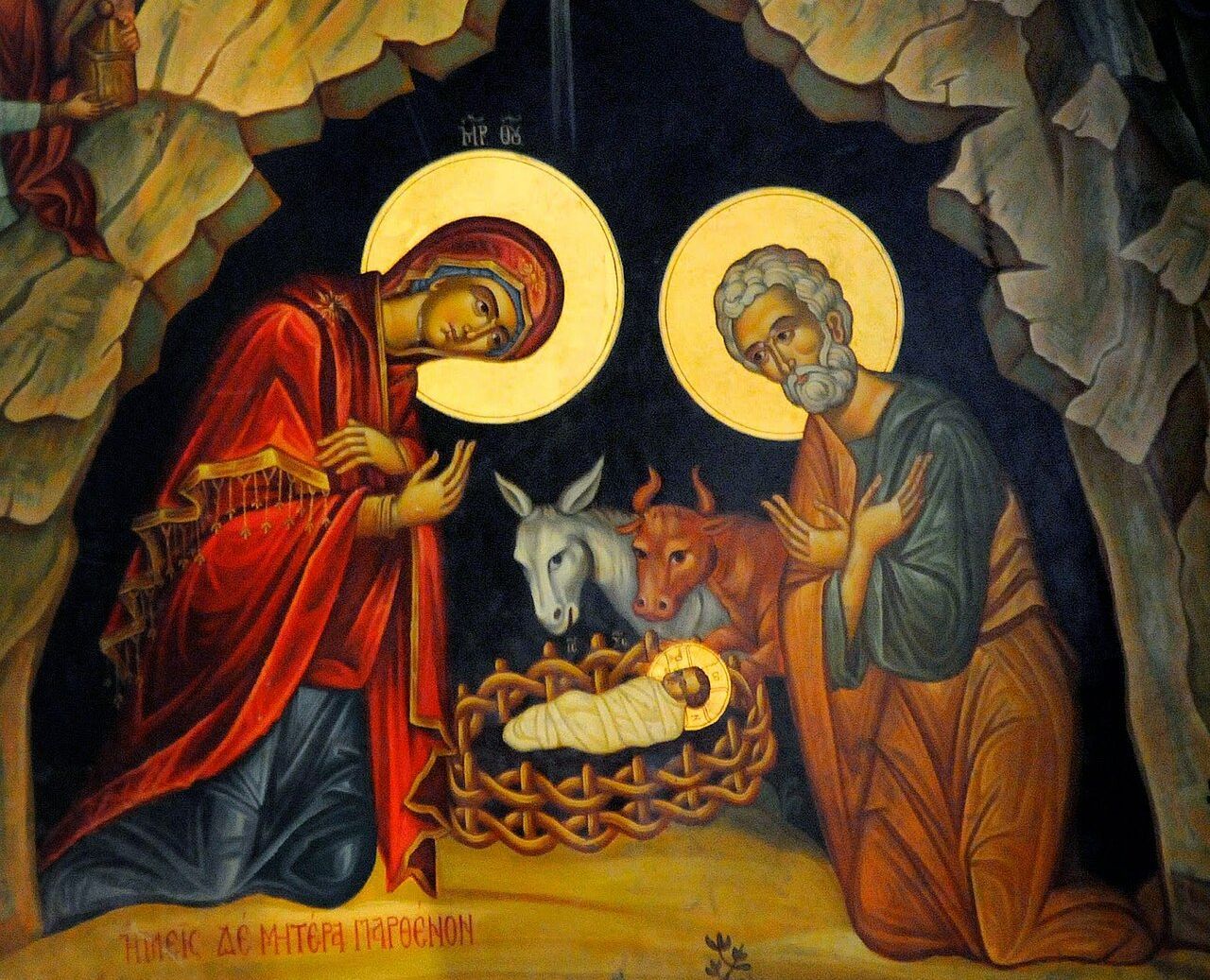
The date of Jesus' birth

Image: http://www.parrocchiasantagata.org, CC0, via Wikimedia Commons

When it comes to famous dates, December 25 may be the most recognizable of all, universally associated with Christmas. But here's the surprising part: the Bible never gives any specific date for Jesus' birth.

The Gospels of Matthew and Luke describe the Nativity but never provide a calendar date, so how did December 25 become Christmas? There are two leading theories. The first is that the Roman Church was celebrating Christmas on December 25 by 336 AD, during Constantine's reign, possibly choosing the date to coincide with existing Roman winter festivals and make it easier to convert the empire to Christianity. The second points to an early Christian tradition that calculated Jesus' birth date from the supposed date of his crucifixion, eventually arriving at December 25.

6

Jonah and the Whale

Image: Pieter Lastman, Public domain, via Wikimedia Commons

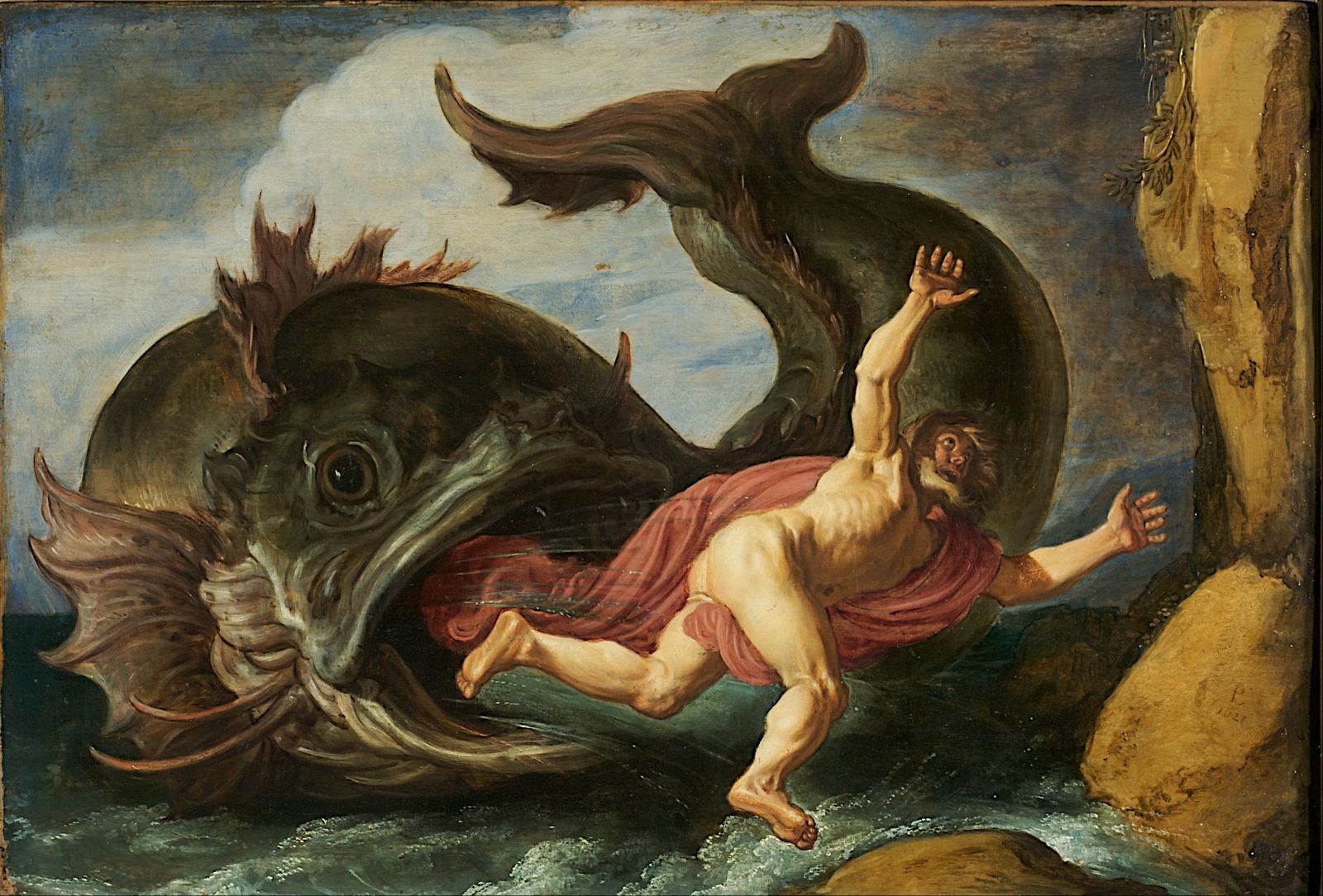
The story of Jonah and the Whale is so famous that it has appeared literally or symbolically in innumerable works of art and literature, from Michelangelo's Sistine Chapel ceiling (1508-1512) to Herman Melville's 1851 novel Moby-Dick. But there's a small problem with the title we've given it: the Bible doesn’t actually say it was a whale.

In the Old Testament, the original Hebrew text of Jonah 1:17 uses the words dag gadol, meaning "great fish" or "large fish"; it doesn't identify the creature as a whale, or even specify what kind of fish it was. Most modern English translations therefore stick with "great fish," but the familiar "whale" interpretation developed through older translations and later European tradition, eventually becoming so widespread that "Jonah and the Whale" became the name almost everyone recognizes.

7

The serpent in Eden was Satan

Image: neurobit

Just as we've always pictured the forbidden fruit as an apple, many of us also assume the serpent in the Garden of Eden is the devil himself. But the original story is a little more complicated.

A plain reading of Genesis depicts the creature simply as a serpent or snake, using the Hebrew word nachash. It describes the serpent as clever and crafty, but it never calls it Satan or explicitly identifies it as the devil. So where did the connection come from? The answer comes from later parts of the Bible, particularly the New Testament. In Revelation 12:9 and 20:2, Satan is called "the ancient serpent" (ho ophis ho archaios in Greek), connecting him to the snake of Eden. Over time, Christian tradition applied that later connection back to Genesis, leading to the familiar belief that the serpent was Satan himself.

8

Delilah Cut Samson’s Hair

Image: Georg Pencz, CC0, via Wikimedia Commons

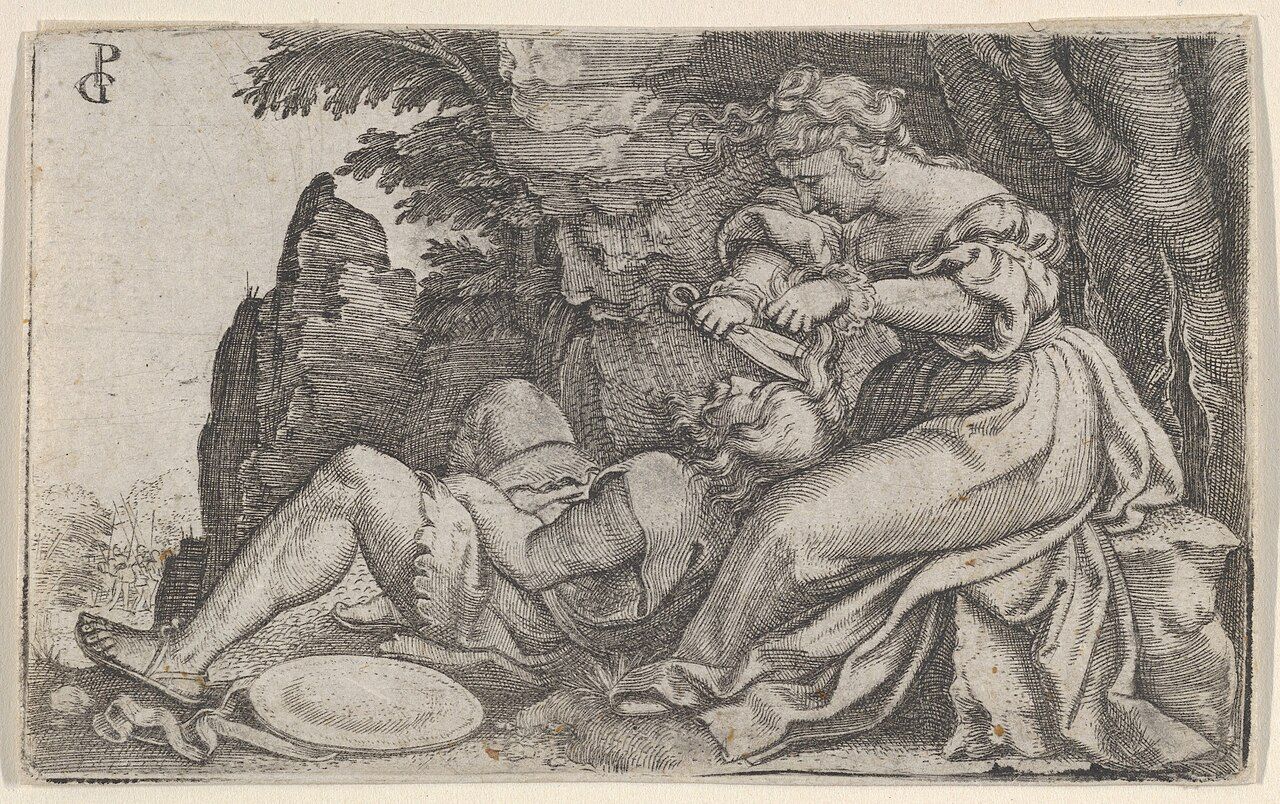
Many of us remember Samson for his legendary strength and the long hair that was said to be the source of his power. His story with Delilah is one of the Bible's most famous tales of betrayal, but there's one detail some people may have gotten wrong: Delilah didn't actually cut his long hair.

In Judges 16:19, Delilah has Samson's hair shaved while he sleeps on her lap. The text says she called for a man to do the shaving; it never says she did it herself. Yet paintings, films, and other retellings have often shown Delilah wielding the scissors herself, cementing that image in popular culture. It can be considered a small detail, but it’s a great example of how easily familiar Bible stories can pick up elements that aren't actually in the original text.

9

The Bible is a single-voice book

Image: Pixel-Shot

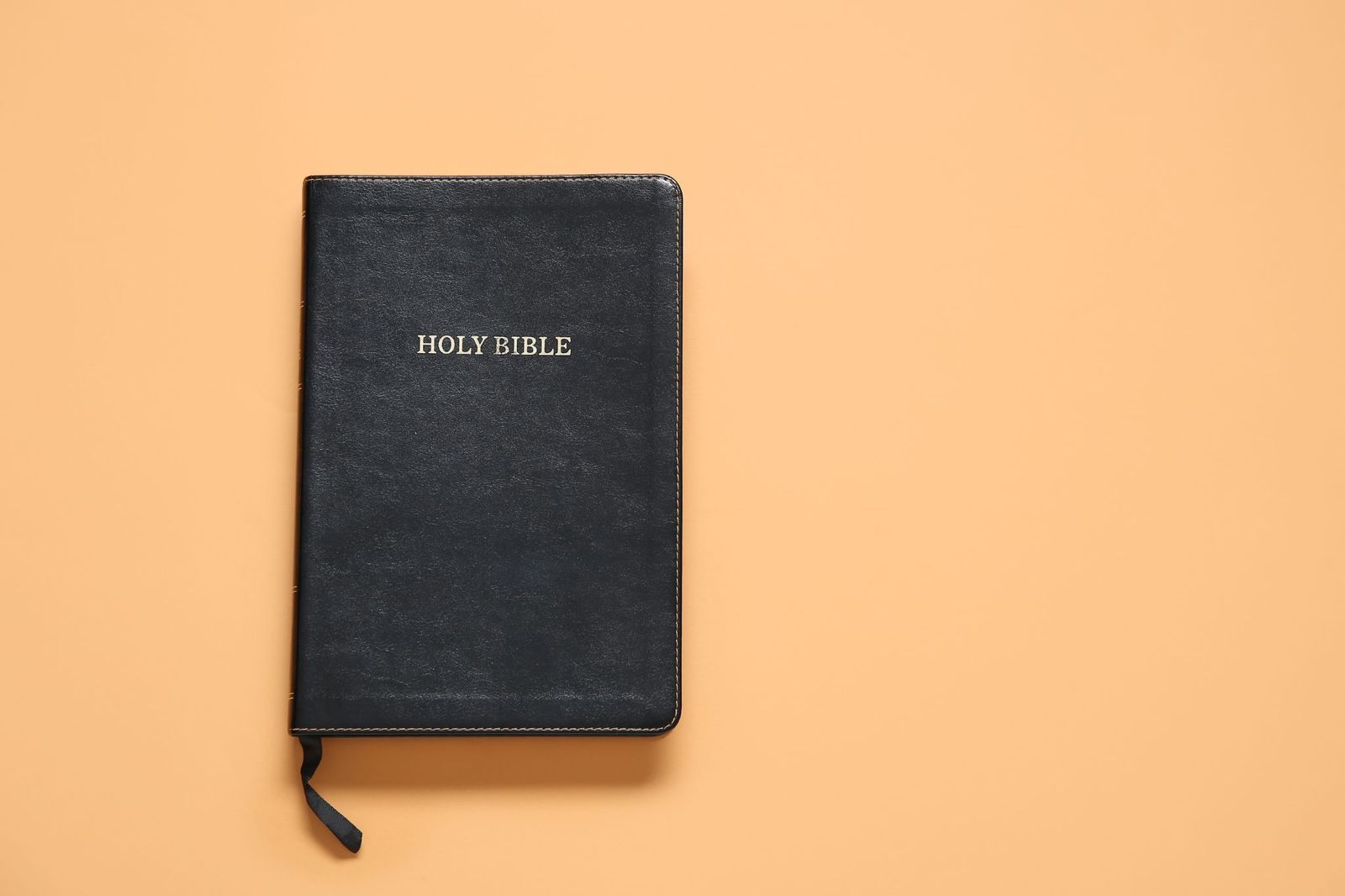
Many of us think of the Bible as a single book, written at one particular time by one author, or perhaps a handful of them. After all, that's how it looks when you pick one up in a hotel room, but its history is far more complicated.

The Bible is actually a collection of books written by over 40 authors over roughly 1,500 years, from about 1400 BC to AD 100. The exact number of books varies by religious tradition: Protestant Bibles contain 66 books, while Catholic and Orthodox traditions include additional books. Across these different traditions, the writings were produced by kings, prophets, fishermen, and scholars in Hebrew, Aramaic, and Greek. They also span a tremendous range of literary styles, including history, poetry, songs, laws, letters, and prophecy. So while we hold it as one book today, the Bible is actually a collection of many different writings produced across centuries.

10

Original manuscripts still exist

Image: https://www.themorgan.org/manuscript/350198, Public domain, via Wikimedia Commons

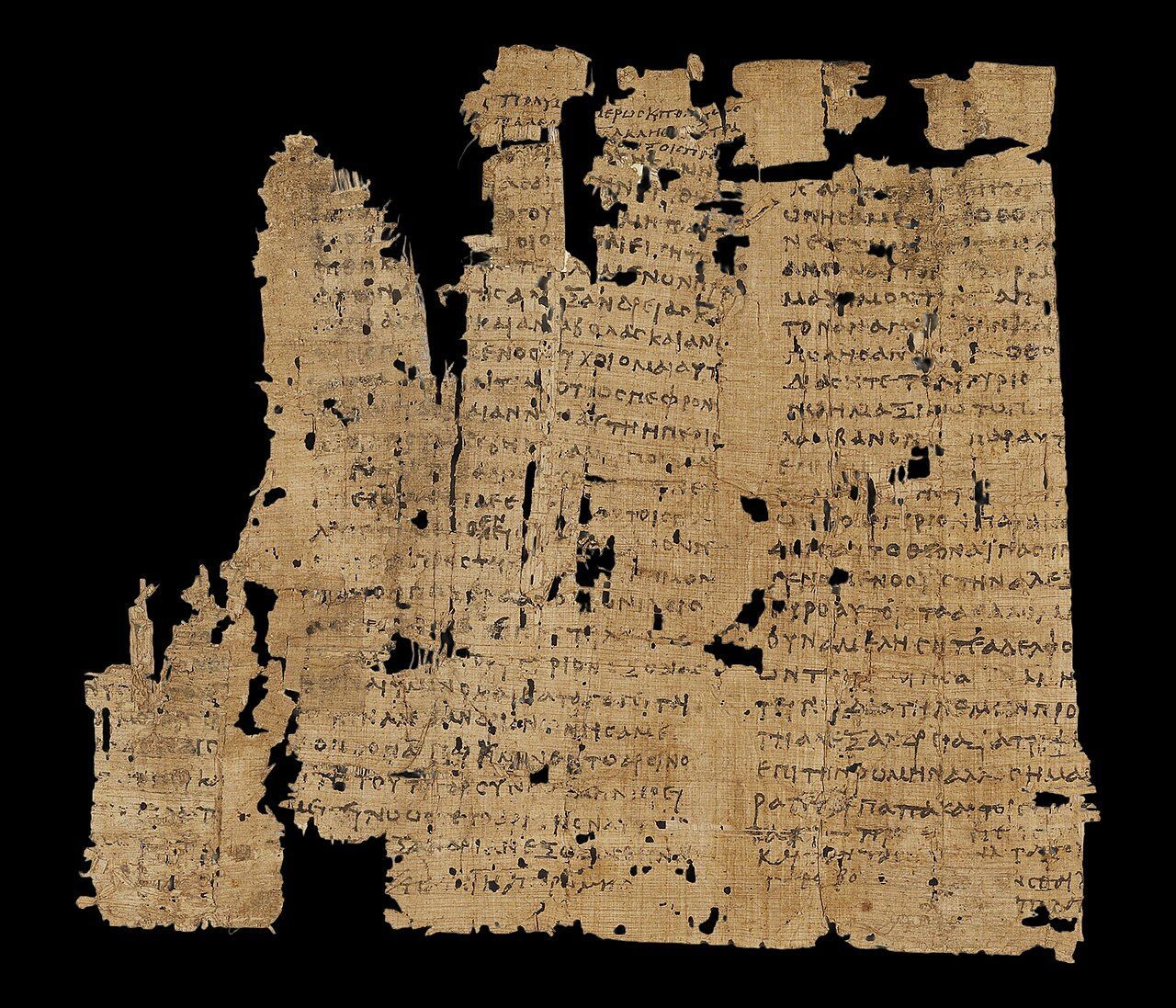
Many people assume that at least a few original fragments of the Bible must still exist somewhere. It would be incredible if they did, but none of the original manuscripts, known as autographs, have survived.

The earliest biblical texts were written on fragile materials such as papyrus and animal skins, which could deteriorate through humidity, heat, handling, and simple age. Wars, fires, and other destruction also contributed to their disappearance. So how do we know what the originals said? Through a technique called textual criticism: expert scholars compare thousands of handwritten copies, ancient translations, and quotations from early Christian writers. When they find passages that match across different sources, or differences that reveal how a text changed over time, they can work backward to determine what the original most likely said, even though the original manuscripts themselves are gone.

Looking for an extra scoop of literary fun?

Learn more with our Word of the day

heedful

/ˈhidf(ə)l/