This is what the presidents call it

The president's car has three names, here's why


Published on September 11, 2026


Image: bluestork

Presidents seem to speak a vocabulary of their own. There’s the armored limousine known as "The Beast," the mysterious "Biscuit" tied to nuclear command, and a presidential retreat once called "Shangri-La." Even familiar terms like POTUS and the White House have stories that reach much further back than most people realize. Here are 10 presidential names, nicknames, and code words, along with the fascinating stories behind them.

1

The Resolute Desk

Image: National Archives and Records Administration, Public domain, via Wikimedia Commons

The massive desk in the Oval Office may look like an ordinary piece of presidential furniture, but its history stretches back to an Arctic exploration ship.

In 1854, the British ship HMS Resolute became trapped in Arctic ice while searching for the lost expedition of Sir John Franklin. The crew eventually abandoned the vessel. A year later, an American whaling crew discovered the ship drifting in the ice, and the United States bought it, restored it, and returned it to Britain as a gesture of goodwill. When the ship was later retired, Queen Victoria had some of its oak timbers turned into an elaborate desk. In 1880, she presented it to President Rutherford B. Hayes. The desk spent years in different parts of the White House before Jacqueline Kennedy moved it into the Oval Office in 1961 for President John F. Kennedy. Several presidents later chose different desks, but the Resolute Desk eventually became one of the most recognizable pieces of furniture in the White House.

2

Cadillac One (The Beast / "Stagecoach")

Image: US Secret Service, Public domain, via Wikimedia Commons

You've probably seen the president's armored limousine roll through a city on the news. Most people just call it "The Beast." But it also goes by "Cadillac One," and Secret Service radios use a third name entirely, "Stagecoach." The story behind those names starts in the sky, not on the road.

In December 1953, an Eastern Air Lines flight and a plane carrying President Eisenhower answered to the same call sign, 8610, in the same stretch of airspace. To stop that from happening again, the Air Force created a single name for any aircraft carrying the president: Air Force One. The Secret Service later applied that same idea to the limousine, giving it its own name, Stagecoach, and its own private radio handle. Two identical Cadillac Ones now travel with every motorcade, so no one outside the Secret Service knows for sure which one is real.

3

Shangri-La (Now Camp David)

Today, the presidential retreat tucked into Maryland’s Catoctin Mountains is known as Camp David. But its first name sounded much more exotic.

Franklin D. Roosevelt established the mountain retreat in 1942. He called it "Shangri-La," borrowing the name from the fictional Himalayan paradise in James Hilton’s 1933 novel Lost Horizon. The name remained through the rest of Roosevelt’s presidency and into Harry Truman’s administration. When Dwight D. Eisenhower became president in 1953, however, he thought "Shangri-La" sounded a little too grand for a rustic mountain retreat. He changed the name to Camp David in honor of his father, David Eisenhower, and his young grandson, David Eisenhower. The new name was less mysterious and much more personal.

4

The White House (Official name change)

Image: Frank Zubor

It’s hard to imagine Washington, D.C., without the White House. But for much of its history, "The White House" wasn’t actually its official name.

During the 19th century, government documents usually called the building the "Executive Mansion" or the "President’s House." Citizens, however, had already been calling it the White House for years. The nickname was a natural one. The building’s sandstone exterior had been painted and whitewashed, giving it the pale appearance that inspired the familiar name. The informal name finally became official in 1901. President Theodore Roosevelt preferred "The White House" to the rather stiff "Executive Mansion" and ordered the words placed on official stationery.

5

The President’s Own

Image: Spc. Luciano Alcala, Public domain, via Wikimedia Commons

The United States Marine Band has a title that sounds almost like a family nickname: "The President’s Own." And there’s a good reason for it.

Congress created the band in 1798, but its close relationship with the White House took shape a few years later. On New Year’s Day in 1801, John Adams invited the musicians to perform inside the still-unfinished Executive Mansion. Thomas Jefferson took the relationship even further. A music lover and violinist himself, Jefferson hired the Marine Band to perform at his inauguration and gave it the affectionate title "The President’s Own." The band has been a fixture at presidential inaugurations ever since. The nickname has endured for more than two centuries, making the Marine Band one of the oldest musical traditions tied to the presidency.

6

Marine One (and "Executive One")

Image: White House (Samantha Appleton), Public domain, via Wikimedia Commons

Whenever the president strides across the South Lawn to offer a final wave before lifting off, the green helicopter rising against the skyline is hailed worldwide as "Marine One." But the moniker was never tied to a single helicopter.

It belongs to whichever Marine Corps aircraft, usually a VH-3D Sea King or a newer VH-92A Patriot, happens to be carrying the president that day. The rule follows the same logic that created Air Force One after that 1953 mix-up over the East Coast. Swap the helicopter for a private jet, and the call sign changes instantly to "Executive One." Air traffic controllers still use that same system today, decades after a near collision first made it necessary.

7

The Biscuit

Image: DC Studio

Few objects associated with the presidency have a nickname as harmless-sounding as "the biscuit." Yet the small laminated card carried by the president is connected to one of the most serious responsibilities imaginable: authorizing a nuclear strike.

The nickname dates back to the Cold War era, when nuclear launch codes were reportedly kept in sealed packets. The packaging inspired military personnel to use the nickname "SAS cookies," which eventually evolved into the more familiar "biscuit."

8

POTUS & FLOTUS

Image: I, BrokenSphere, CC BY-SA 3.0, via Wikimedia Commons

Every news broadcast today treats POTUS and FLOTUS as if they were always part of the language. FLOTUS is newer, but POTUS goes way back.

In the 1890s, telegraph operators had a very practical reason for shortening "President of the United States." Government agencies paid for telegrams by the letter, so trimming a long title could save time and money. The solution was simple: P-O-T-U-S. The abbreviation eventually found its way into government paperwork and Secret Service communications, where short forms were especially useful. FLOTUS, meaning "First Lady of the United States," came much later. The Secret Service adopted it as a radio shorthand during the Reagan administration in the early 1980s. What started as a way to save a few telegraph characters eventually became part of everyday political language.

9

Secret Service Codenames

Image: Mircea Moira

"Rawhide." "Renegade." "Lancer." They sound like names from an old Western movie, but these Secret Service codenames have a very practical purpose.

The tradition grew out of a time when presidential security teams sometimes communicated over radio systems that weren’t encrypted. Saying a president’s actual name over the air could reveal information to anyone listening. A codename offered a simple layer of protection. The names also follow a family tradition. Members of a first family generally receive codenames beginning with the same letter. John F. Kennedy was "Lancer," while Jacqueline Kennedy was "Lace." And presidents don’t necessarily have their names chosen for them. The White House Communications Agency prepares lists of possible call signs, and the president can select one. So behind every memorable codename is a little bit of security planning and, sometimes, personal preference.

10

Ground Force One

Image: Gheorghe Casian

Air Force One gets most of the attention, but the president also needs a secure way to travel when the destination is beyond the reach of an airport runway. That’s where "Ground Force One" comes in.

The nickname was never officially created by presidential order. Instead, it emerged naturally among reporters and staff members covering presidential campaigns and road trips. It refers to heavily protected motor coaches used for presidential travel. They’re equipped with features such as secure communications systems, run-flat tires and substantial armor. Observers naturally borrowed the best-known presidential transportation nickname and adapted it for the road: Air Force One became Ground Force One.
Translation and interpretation

Was the forbidden fruit really an apple? 10 Bible surprises


Published on September 11, 2026


Image: Mariordo, CC BY-SA 4.0, via Wikimedia Commons

What if some of the Bible stories you grew up with aren't exactly what the Bible says? Was the forbidden fruit really an apple? Were there actually three Wise Men? Did "God helps those who help themselves" really come from the Bible? Over centuries, translations, traditions, and famous works of art have added details that became so familiar, we stopped questioning them. But go back to the texts, and some of these stories look surprisingly different. From Eve's "apple" to the date of Jesus' birth, here are 10 familiar parts of the Bible that may not be quite what we remember.

1

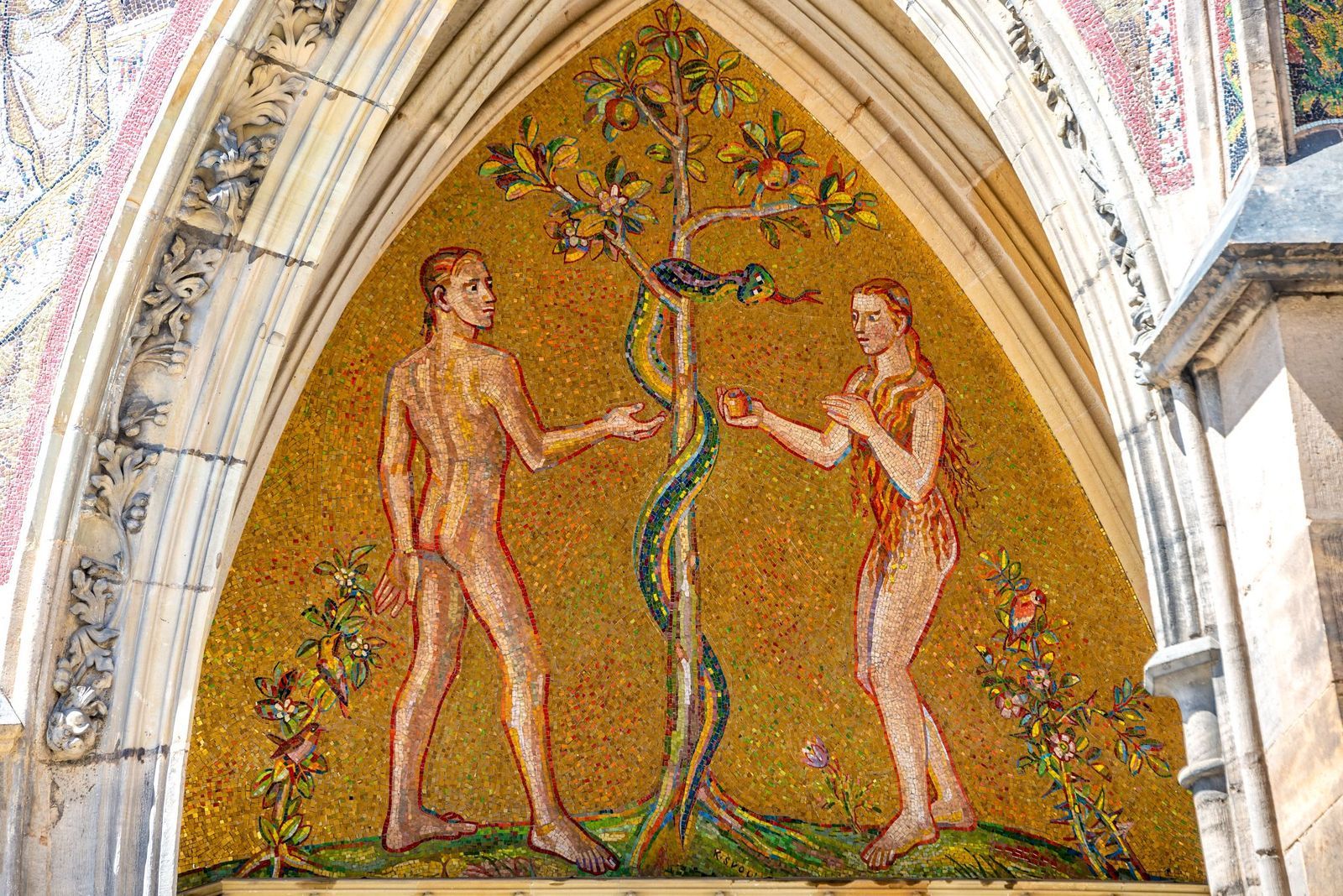
The forbidden fruit was an apple

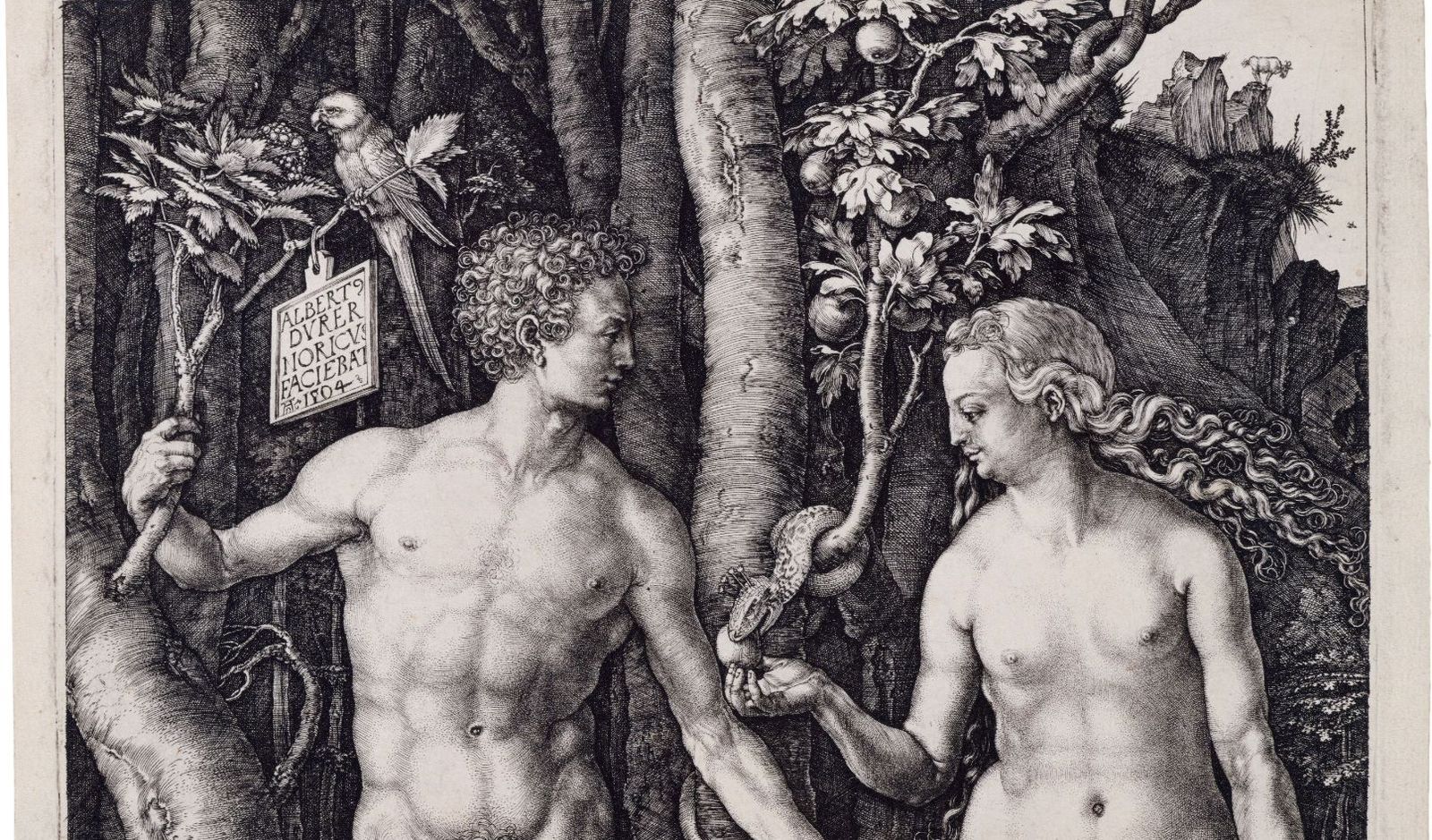
Image: Albrecht Dürer, Public domain, via Wikimedia Commons

When you picture the Garden of Eden, what fruit comes to mind? Most people imagine an apple, but there's just one problem: the Bible never says it was an apple.

In the Book of Genesis, the fruit is simply called "the fruit of the tree of the knowledge of good and evil." The original Hebrew text uses the word peri, which simply means "fruit." The apple connection came centuries later, largely through the Latin translation. The Latin word malum can mean both "apple" and "evil," making it an especially fitting symbol for the story. Over time, that association spread through Christian art and literature. Famous works such as Albrecht Dürer’s 1504 engraving Adam and Eve (also known as The Fall of Man) helped cement the image of Eve holding an apple. Today, it's one of the most famous scenes in history, even though the original biblical text doesn’t identify the fruit as an apple at all.

2

There were three wise men/kings

Image: Rawpixel.com

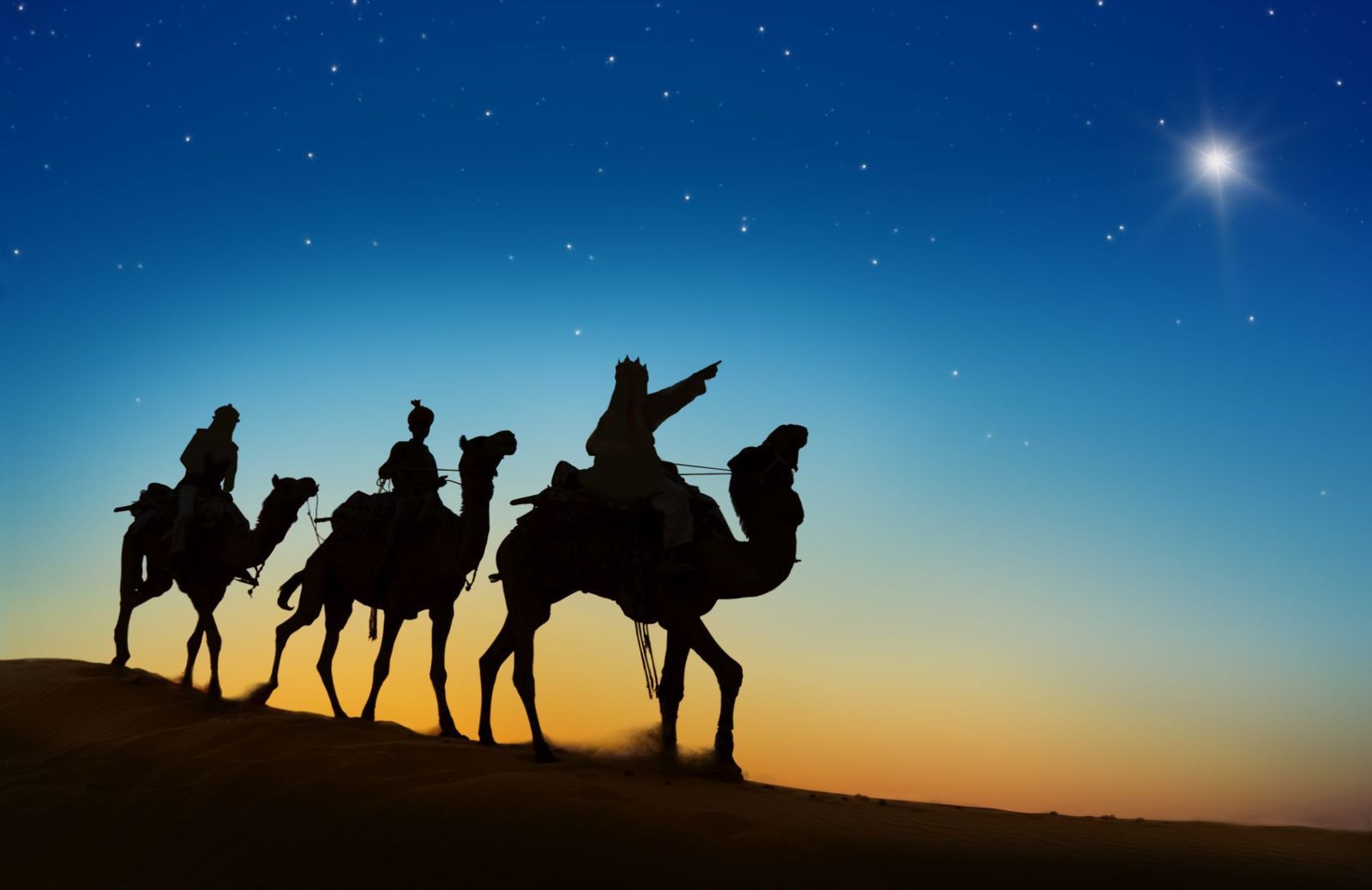
The story of Jesus' birth is so famous that most of us picture the Three Wise Men, sometimes called the Three Kings, standing beside the manger. But the thing is, over the centuries, the story picked up a few details that aren't actually in the Bible.

In the Gospel of Matthew, the only Gospel that mentions these visitors, they are described simply as Magi from the East. The original Greek word, magoi, referred to learned scholars, astrologers, or priests from Persia or Babylon, not kings. But where did the number three come from? Matthew lists three gifts: gold, frankincense, and myrrh, but never says how many visitors brought them. Over the centuries, people naturally assumed there must have been three Magi, one for each gift. Even their familiar names, Melchior, Caspar, and Balthasar, were added later by Christian tradition. So, neither the number of visitors nor their names appears anywhere in the biblical text.

3

"God helps those who help themselves"

Image: Adam Nir

Whether it's used to motivate a friend, encourage a family member, or push yourself to finally make a difficult decision, "God helps those who help themselves" is one of the most familiar religious sayings in America. But here's the surprise: those words never appear in the Bible.

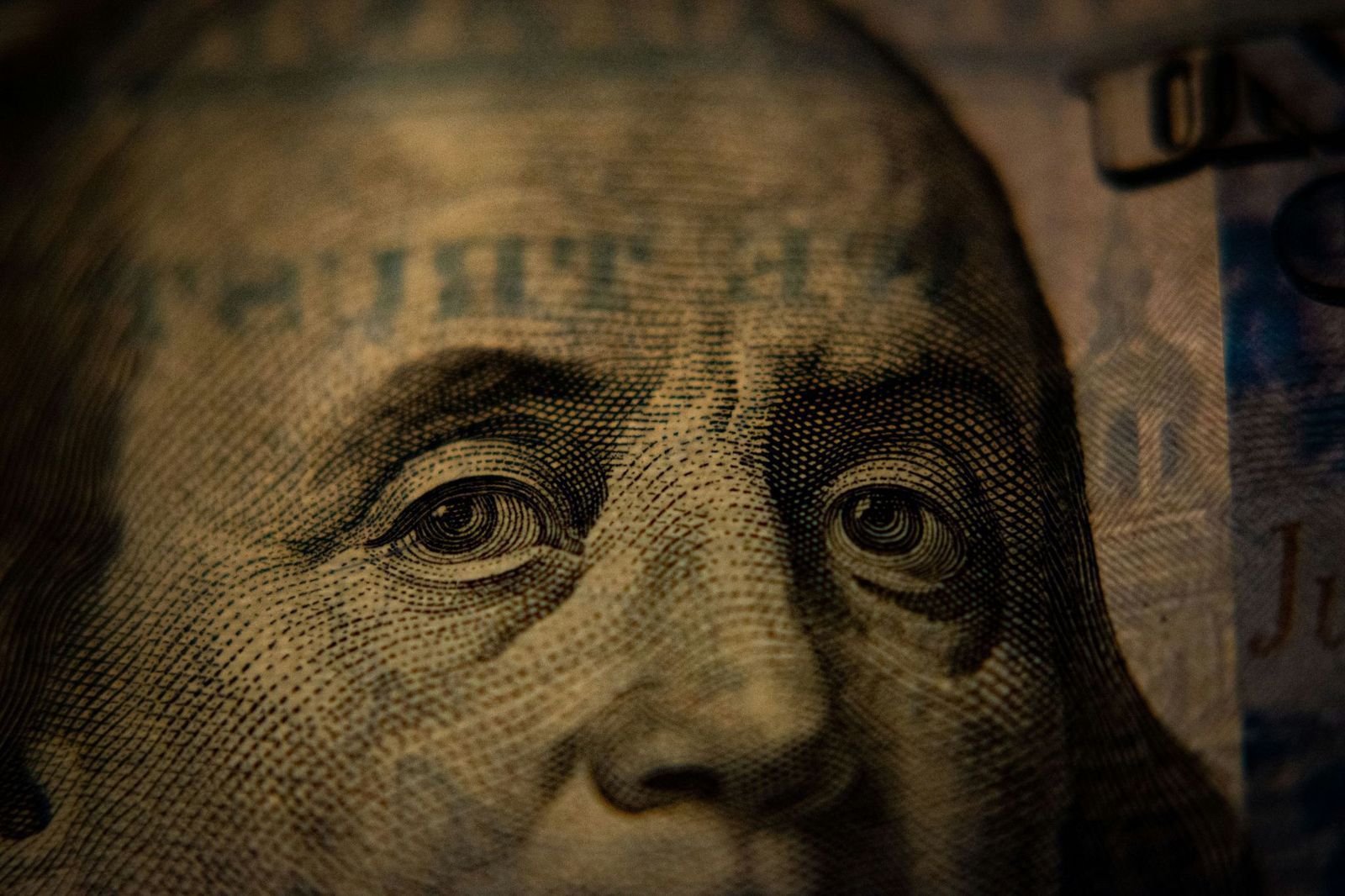
The idea can be traced to ancient Greek sources, including Aesop’s Fables, where the saying appears in an earlier form: "The gods help them that help themselves." The exact modern wording was written by English politician Algernon Sidney in 1698, but it was Benjamin Franklin who helped make it part of American culture when he included it in his 1736 edition of Poor Richard’s Almanack.

4

"Cleanliness is next to godliness"

Image: John Jackson, CC BY 4.0, via Wikimedia Commons

Many teenagers have heard "Cleanliness is next to godliness" when it was time to clean their rooms. But despite sounding like a Bible verse, the phrase never appears in Scripture.

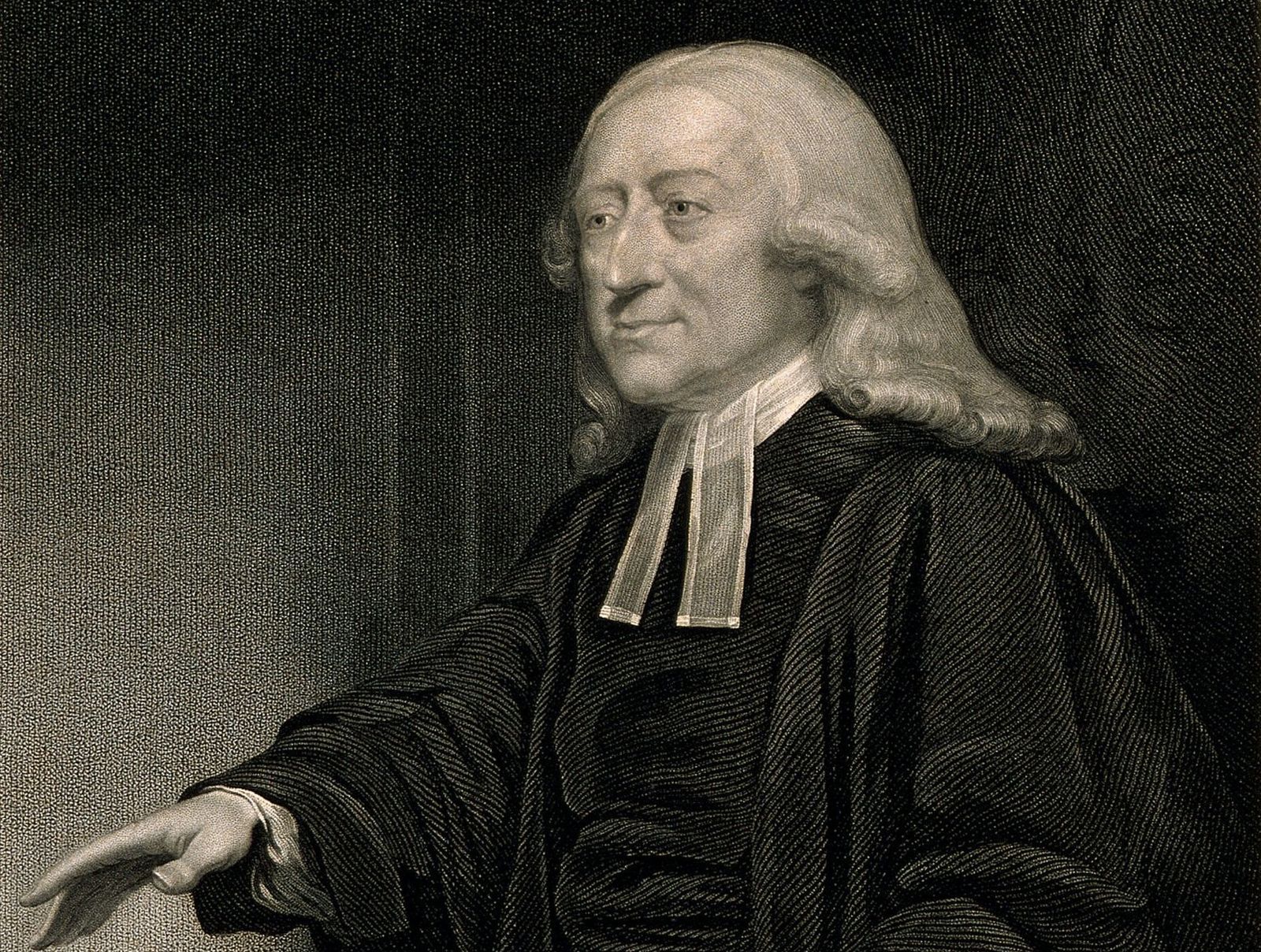
The Bible, particularly Leviticus, does contain extensive laws requiring people to wash their bodies and clothes in certain circumstances, especially before religious rituals. But the famous saying itself came much later. In 1605, Francis Bacon wrote in The Advancement of Learning that "cleanness of body" was connected to reverence for God. Then, in 1786, it was Methodist leader John Wesley who used the wording we recognize today in a sermon: "Cleanliness is indeed next to Godliness." Over time, the phrase became a familiar saying that many people simply assumed came from the Bible.

5

The date of Jesus' birth

Image: http://www.parrocchiasantagata.org, CC0, via Wikimedia Commons

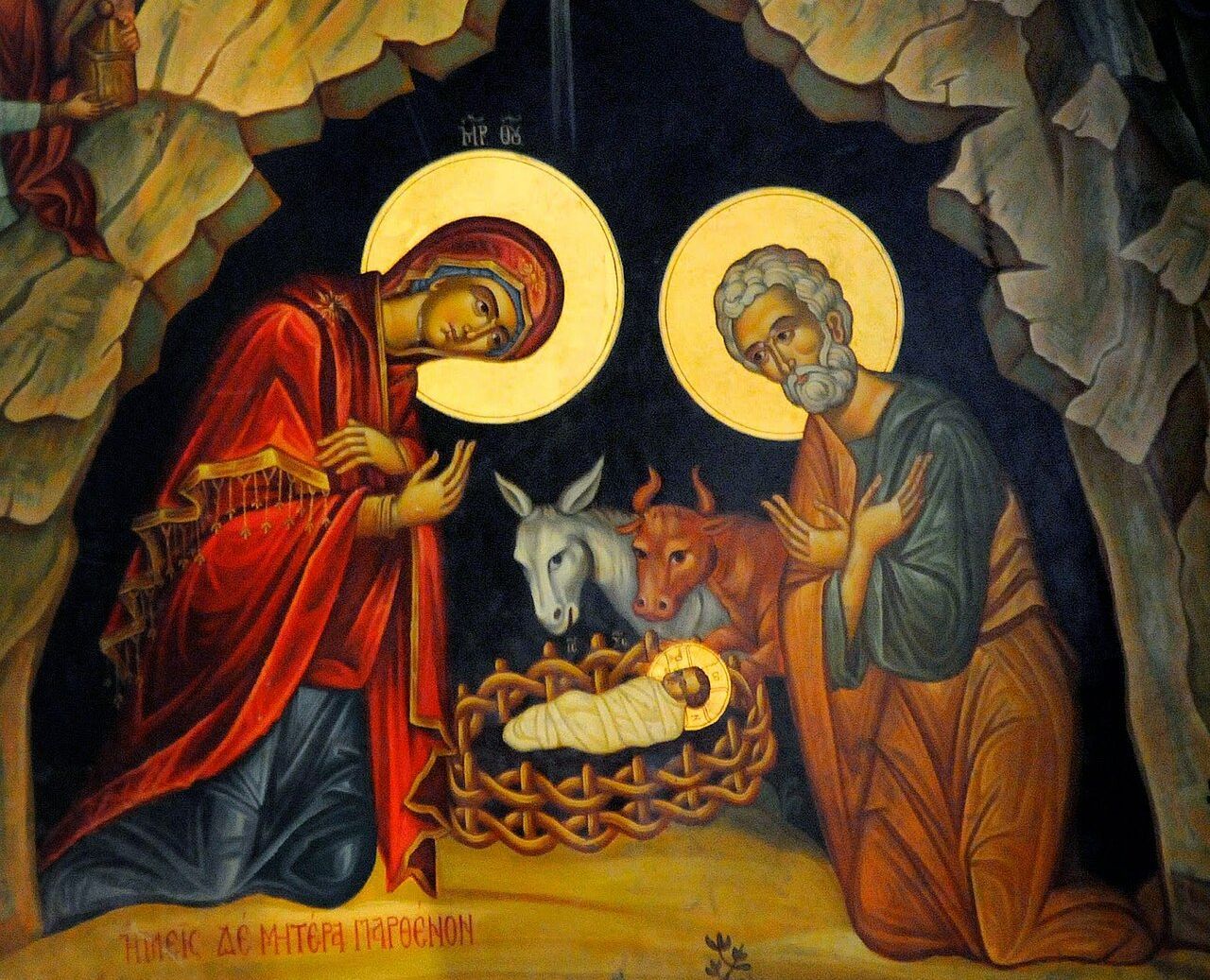
When it comes to famous dates, December 25 may be the most recognizable of all, universally associated with Christmas. But here's the surprising part: the Bible never gives any specific date for Jesus' birth.

The Gospels of Matthew and Luke describe the Nativity but never provide a calendar date, so how did December 25 become Christmas? There are two leading theories. The first is that the Roman Church was celebrating Christmas on December 25 by 336 AD, during Constantine's reign, possibly choosing the date to coincide with existing Roman winter festivals and make it easier to convert the empire to Christianity. The second points to an early Christian tradition that calculated Jesus' birth date from the supposed date of his crucifixion, eventually arriving at December 25.

6

Jonah and the Whale

Image: Pieter Lastman, Public domain, via Wikimedia Commons

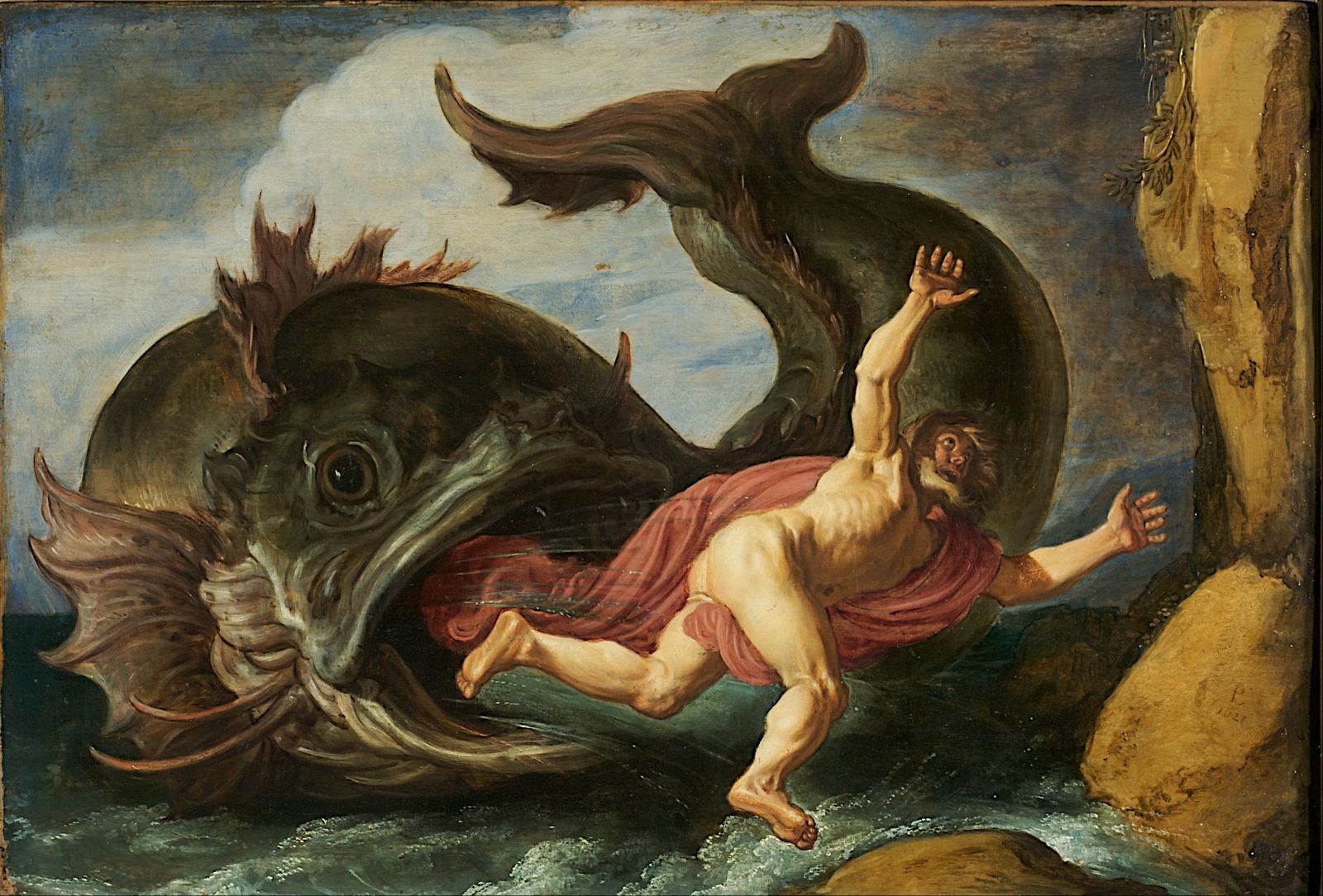
The story of Jonah and the Whale is so famous that it has appeared literally or symbolically in innumerable works of art and literature, from Michelangelo's Sistine Chapel ceiling (1508-1512) to Herman Melville's 1851 novel Moby-Dick. But there's a small problem with the title we've given it: the Bible doesn’t actually say it was a whale.

In the Old Testament, the original Hebrew text of Jonah 1:17 uses the words dag gadol, meaning "great fish" or "large fish"; it doesn't identify the creature as a whale, or even specify what kind of fish it was. Most modern English translations therefore stick with "great fish," but the familiar "whale" interpretation developed through older translations and later European tradition, eventually becoming so widespread that "Jonah and the Whale" became the name almost everyone recognizes.

7

The serpent in Eden was Satan

Image: neurobit

Just as we've always pictured the forbidden fruit as an apple, many of us also assume the serpent in the Garden of Eden is the devil himself. But the original story is a little more complicated.

A plain reading of Genesis depicts the creature simply as a serpent or snake, using the Hebrew word nachash. It describes the serpent as clever and crafty, but it never calls it Satan or explicitly identifies it as the devil. So where did the connection come from? The answer comes from later parts of the Bible, particularly the New Testament. In Revelation 12:9 and 20:2, Satan is called "the ancient serpent" (ho ophis ho archaios in Greek), connecting him to the snake of Eden. Over time, Christian tradition applied that later connection back to Genesis, leading to the familiar belief that the serpent was Satan himself.

8

Delilah Cut Samson’s Hair

Image: Georg Pencz, CC0, via Wikimedia Commons

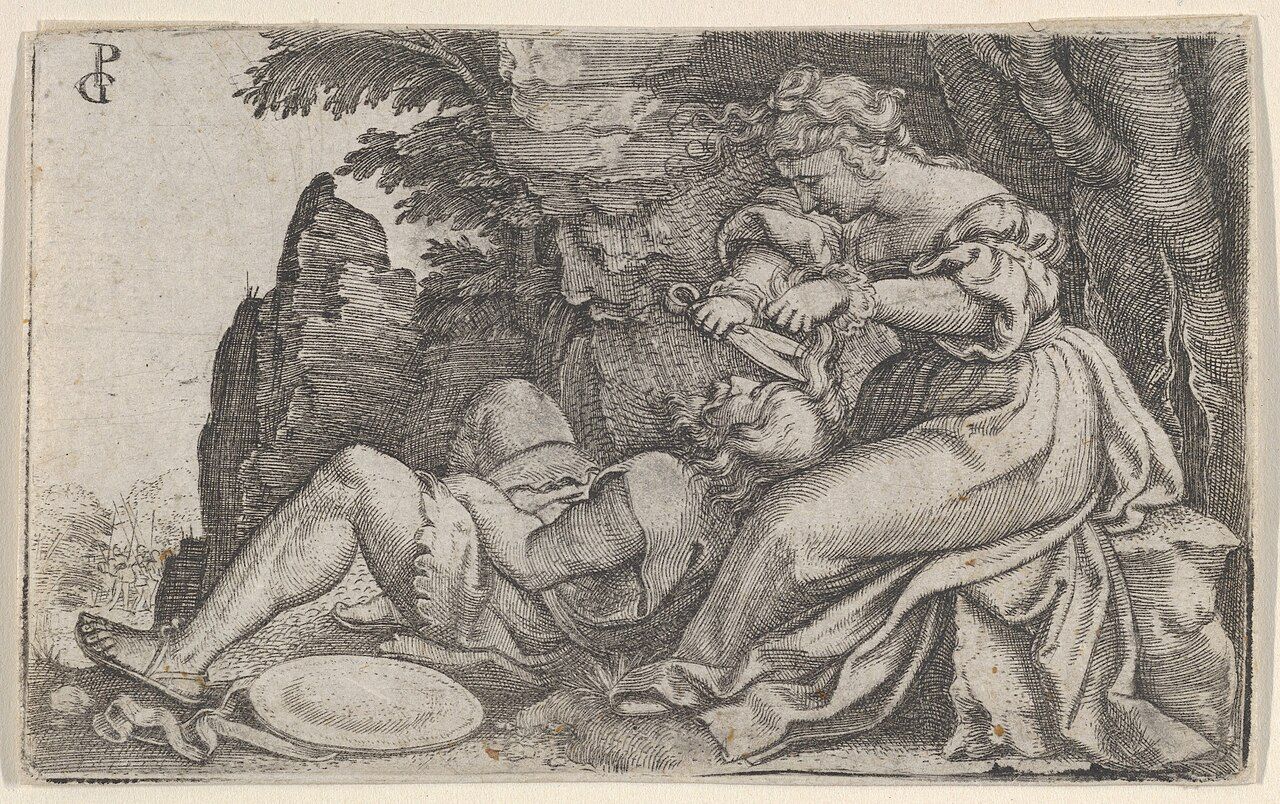
Many of us remember Samson for his legendary strength and the long hair that was said to be the source of his power. His story with Delilah is one of the Bible's most famous tales of betrayal, but there's one detail some people may have gotten wrong: Delilah didn't actually cut his long hair.

In Judges 16:19, Delilah has Samson's hair shaved while he sleeps on her lap. The text says she called for a man to do the shaving; it never says she did it herself. Yet paintings, films, and other retellings have often shown Delilah wielding the scissors herself, cementing that image in popular culture. It can be considered a small detail, but it’s a great example of how easily familiar Bible stories can pick up elements that aren't actually in the original text.

9

The Bible is a single-voice book

Image: Pixel-Shot

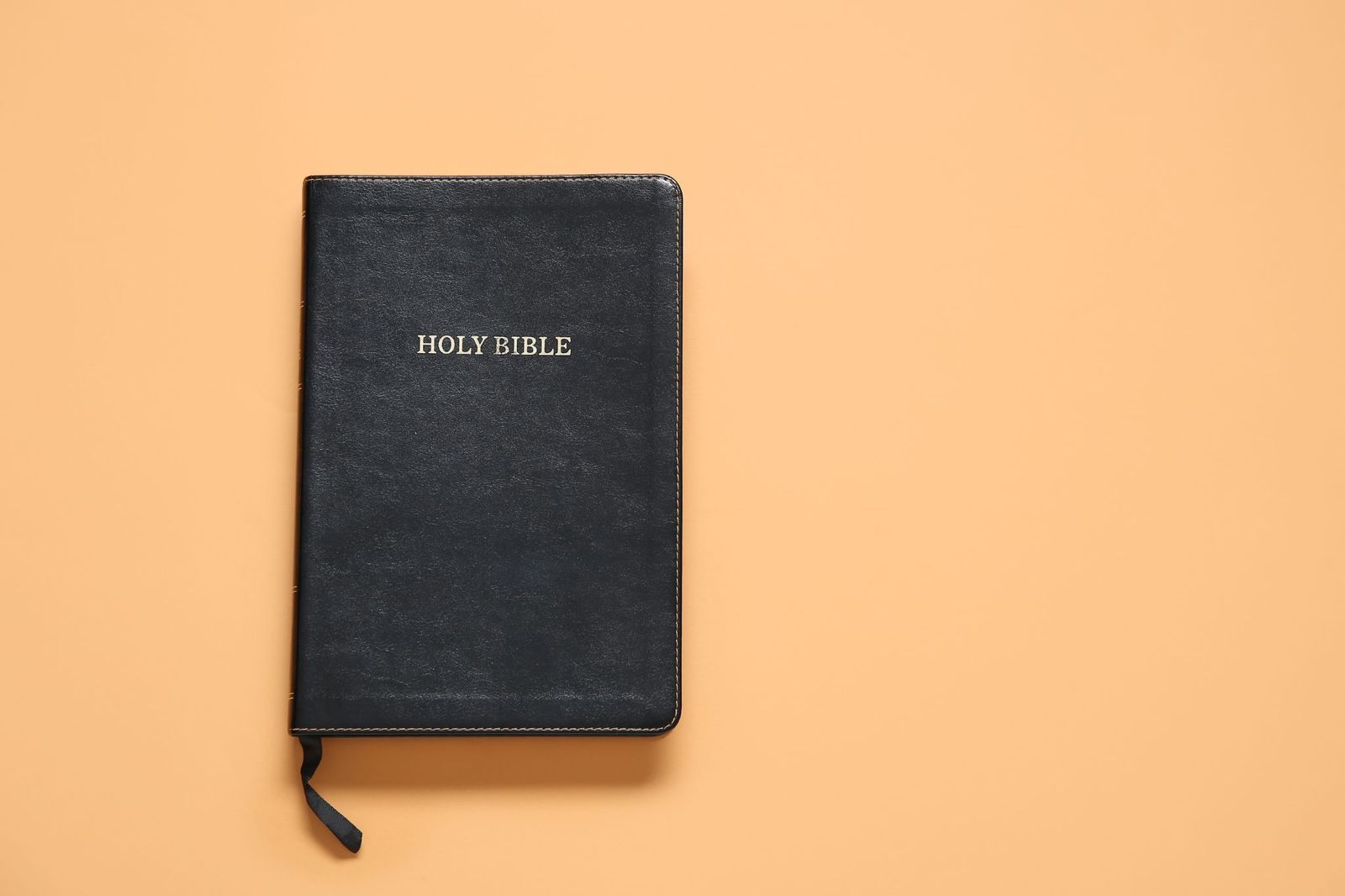
Many of us think of the Bible as a single book, written at one particular time by one author, or perhaps a handful of them. After all, that's how it looks when you pick one up in a hotel room, but its history is far more complicated.

The Bible is actually a collection of books written by over 40 authors over roughly 1,500 years, from about 1400 BC to AD 100. The exact number of books varies by religious tradition: Protestant Bibles contain 66 books, while Catholic and Orthodox traditions include additional books. Across these different traditions, the writings were produced by kings, prophets, fishermen, and scholars in Hebrew, Aramaic, and Greek. They also span a tremendous range of literary styles, including history, poetry, songs, laws, letters, and prophecy. So while we hold it as one book today, the Bible is actually a collection of many different writings produced across centuries.

10

Original manuscripts still exist

Image: https://www.themorgan.org/manuscript/350198, Public domain, via Wikimedia Commons

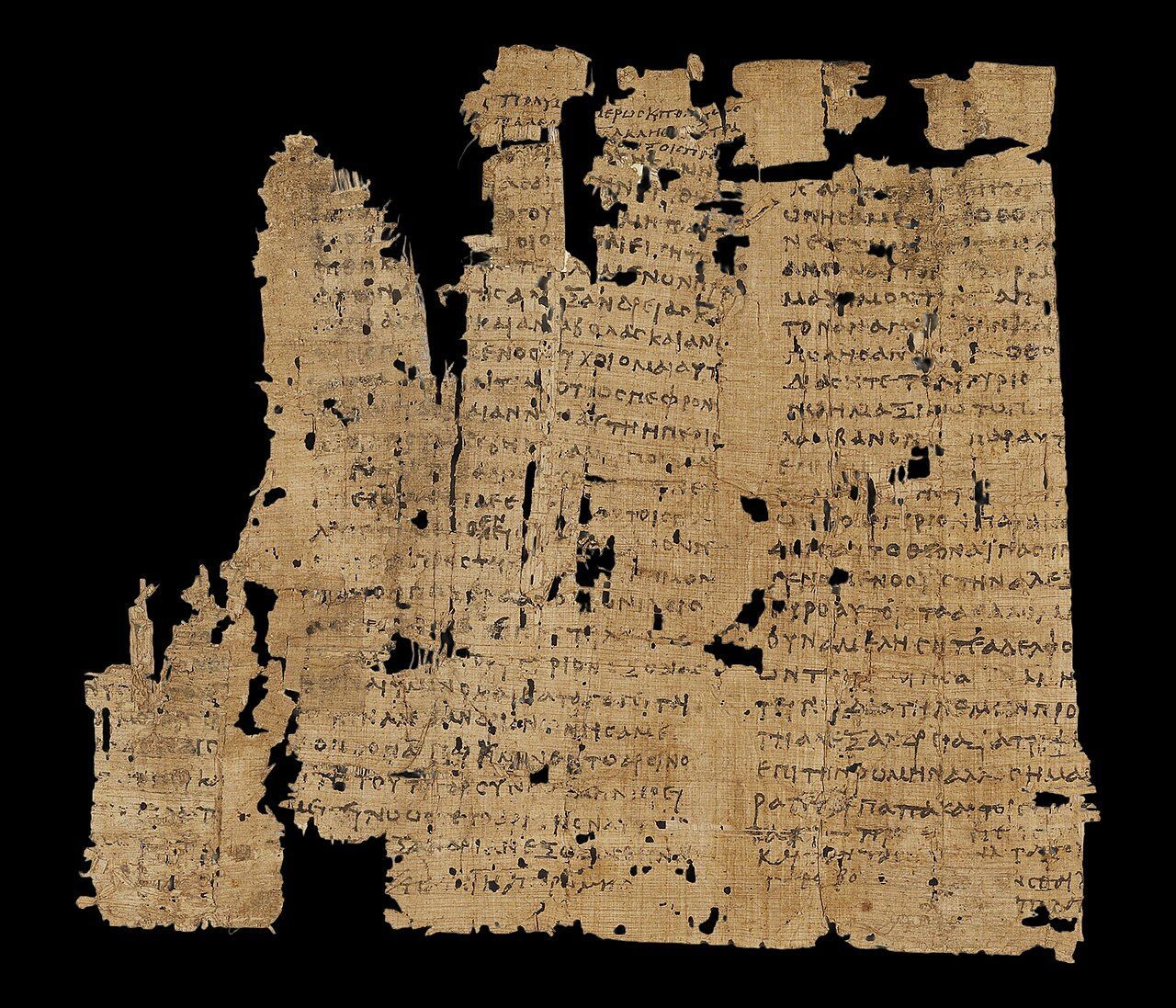
Many people assume that at least a few original fragments of the Bible must still exist somewhere. It would be incredible if they did, but none of the original manuscripts, known as autographs, have survived.

The earliest biblical texts were written on fragile materials such as papyrus and animal skins, which could deteriorate through humidity, heat, handling, and simple age. Wars, fires, and other destruction also contributed to their disappearance. So how do we know what the originals said? Through a technique called textual criticism: expert scholars compare thousands of handwritten copies, ancient translations, and quotations from early Christian writers. When they find passages that match across different sources, or differences that reveal how a text changed over time, they can work backward to determine what the original most likely said, even though the original manuscripts themselves are gone.

Looking for an extra scoop of literary fun?

Learn more with our Word of the day

affluent

/ˈæˌfluənt/