Glitches in science
Forget conspiracy theories—these 10 weird facts are real and unexplained
Published on February 3, 2026
 Image: Artur Voznenko
Despite centuries of scientific progress, the universe can still throw us some curveballs that seem to defy all logic and understanding. From bizarre sounds deep in the ocean to strange behavior of stellar objects, these unexplained phenomena continue to stump researchers. Here's a breakdown of 10 strange, real-world mysteries that seem like glitches in reality—and so far remain unsolved.
ʻOumuamua’s acceleration
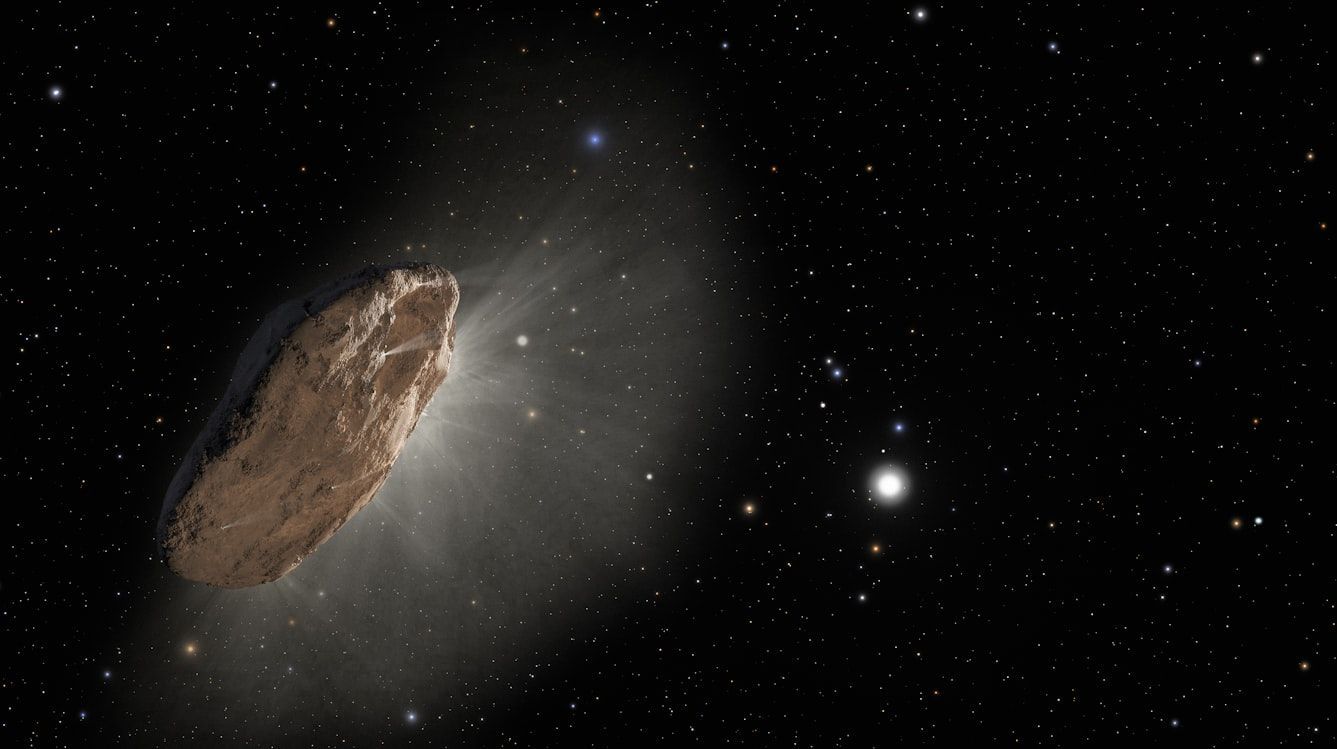 Image: NASA Hubble Space Telescope
Discovered in 2017, ‘Oumuamua had an unusual shape and trajectory. As it exited the Sun’s influence, it accelerated slightly—an unexpected behavior that left many scientists puzzled.
Some proposed it was an alien probe or, more likely, that outgassing caused the motion, but no definitive explanation fits all the observed data. For now, the mystery of ʻOumuamua remains unsolved.
The weirdest form of lightning
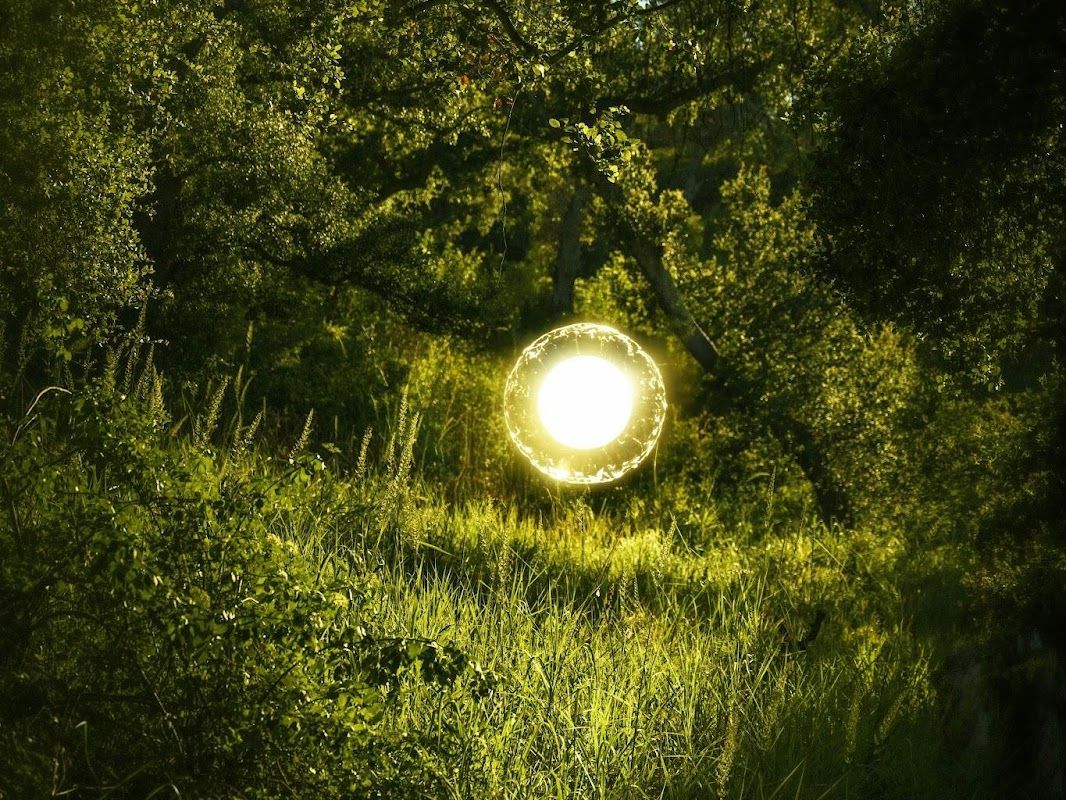 Image: Hunter So
Ball lightning has been reported for centuries, often lasting longer than normal lightning and moving erratically indoors or out. Witnesses describe orbs ranging from pea-sized to several feet in diameter.
Even now, there is rare photographic evidence, and the phenomenon has defied controlled reproduction. A 2014 study in China captured spectral data, but scientists still can't agree on how or why it forms.
A signal from space
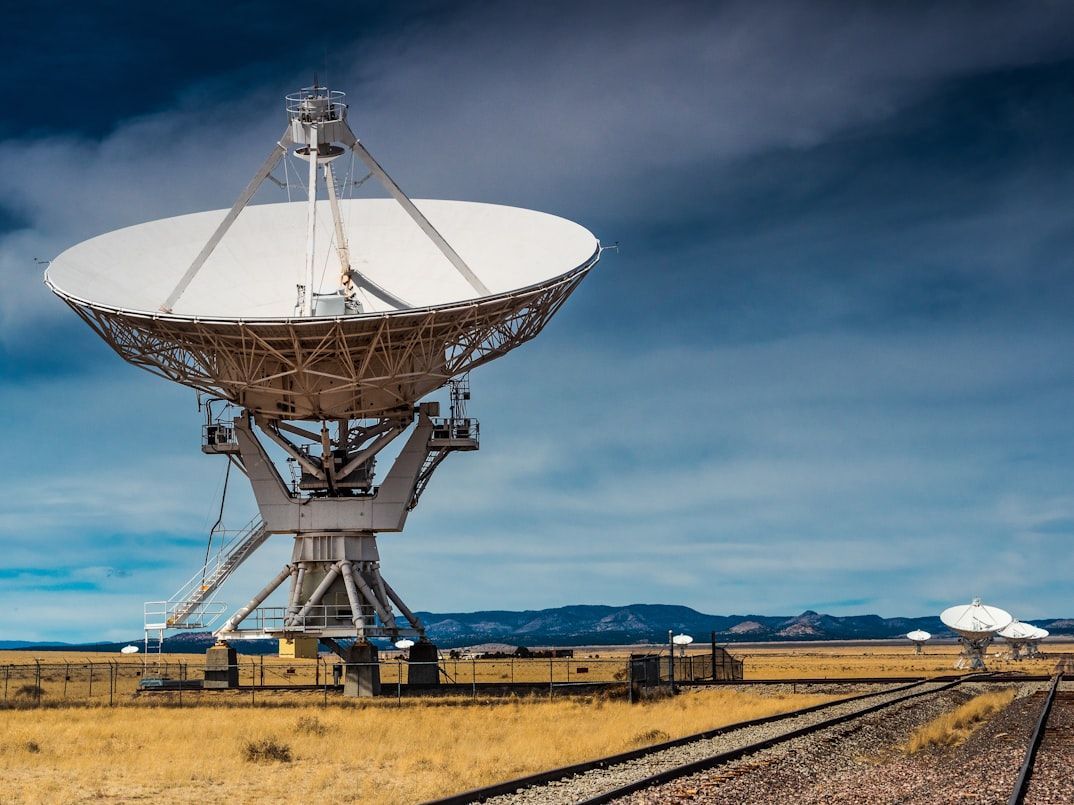 Image: Raychel Sanner
The 72-second radio burst, detected by Ohio State’s Big Ear radio telescope in 1977, was so unusual that astronomer Jerry Ehman circled it and wrote "Wow!" in the margin.
No known natural or terrestrial source matched its signature. Despite repeated searches in the same spot, the signal has never been heard again.
The Bloop from the deep
 Image: Bradley Singleton
Captured in 1997 by underwater sensors thousands of kilometers apart, the "Bloop" was an ultra-low-frequency sound louder than any known sea creature. It matched no whale or geological activity profile.
NOAA later suggested icequakes as a possible source, but the exact characteristics didn’t match typical ice calving.
Earthquake lights
 Image: Michael Krahn
Observed in areas like Japan and Italy, these luminous events precede seismic activity by seconds or minutes. They range from white-blue glows to flame-like columns.
No single mechanism explains them. Theories involve piezoelectric effects in rocks, but reproducible lab evidence is sparse and inconsistent.
Memory transfer
 Image: Denise Jans
Strangely, some organ recipients report new preferences and even memories post-surgery. These aren’t rare coincidences—dozens of documented cases involve patients suddenly acquiring traits of their donors.
A woman who received a heart from a biker craved beer and fast food, which she never had before. A form of cellular memory or nervous system signaling beyond current knowledge has been proposed as a possible explanation, but too little is still known about the phenomenon.
The Mpemba effect
 Image: aly
Apparently, hot water can sometimes freeze faster than cold water. Observed since Aristotle and confirmed in many experiments, this phenomenon—known as the Mpemba effect—defies our current understanding of thermodynamics.
While evaporation and convection may play a role, they don’t explain all scenarios. No consistent model accurately predicts when the effect will occur, despite decades of research.
Is dark energy real?
 Image: Ryan Hutton
An invisible force is accelerating the universe’s expansion—and we still barely understand it. First inferred from supernova data in 1998, dark energy appears to make up about 68% of the universe’s mass-energy content.
Yet no direct measurement or particle-based theory explains its nature. It’s known only through its large-scale gravitational effects.
Tabby’s Star
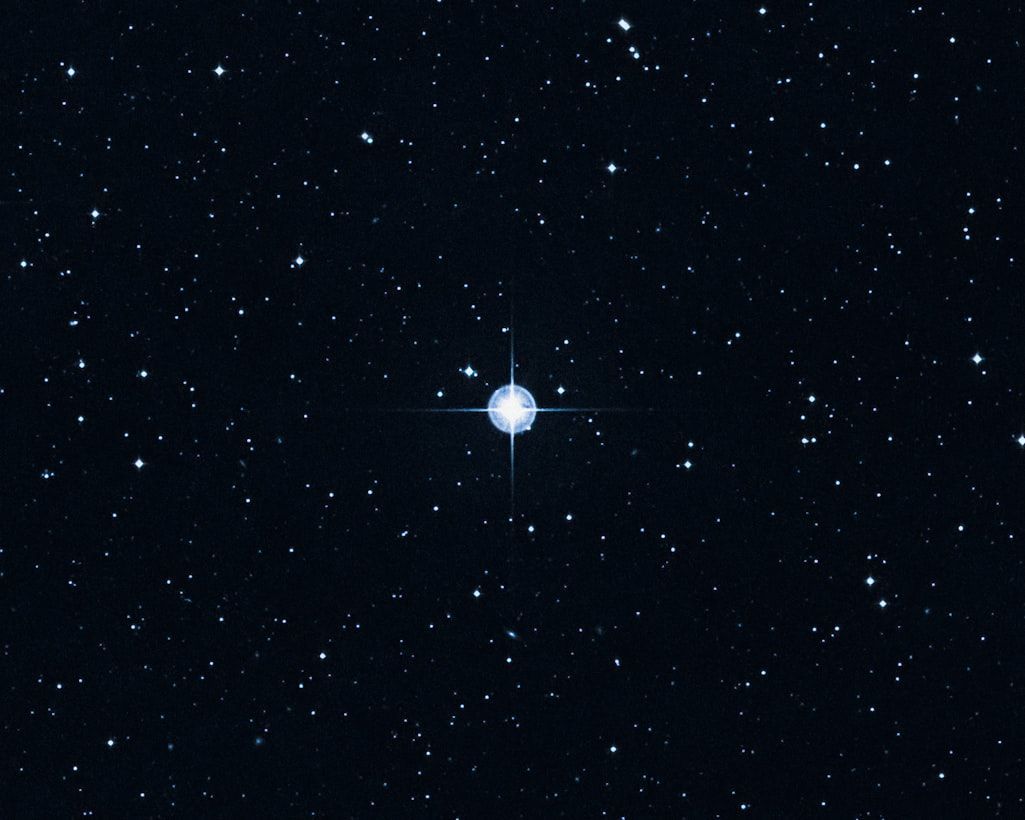 Image: NASA Hubble Space Telescope
Also known as KIC 8462852, Tabby’s Star is a binary star system in the constellation Cygnus, approximately 1,470 light-years from Earth. The star dims erratically—yet in ways that don’t match common explanations like planetary transits.
Its strange behavior has led some astronomers to speculate about exotic causes, including an alien megastructure. However, current data largely rules out that possibility.
The Antarctic gravity hole
 Image: Dylan Shaw
Weird as it sounds, a region in East Antarctica has less gravity than expected. While gravity varies slightly across the Earth, the cause of this particular anomaly remains unknown.
Known as the Wilkes Land Mass Anomaly, it covers an area approximately 200 miles wide and causes a noticeable local drop in gravity. First detected via satellite data, it may be the remnant of a massive asteroid impact—or maybe even something deeper.