Well, actually…
"Houston, we have a problem" was invented by a Hollywood screenwriter
Published on October 29, 2025
Popular quotes are a good way to condense the ideas of a famous figure or to quickly make a reference to our favorite film or book. But we might not realize that many phrases embedded in society’s collective memory are actually misquotes or wrongly attributed to someone else. These are 12 examples of popular misquotes.
Let them eat cake

If you were to ask who said this phrase, most people would answer Marie Antoinette. However, that would be incorrect. The original phrase—_"Qu'ils mangent de la brioche,"_ or _"Let them eat brioche"_—was attributed by Jean-Jacques Rousseau in his Confessions to an unnamed princess. How do we know it wasn’t Marie Antoinette? She was only nine years old at the time and still living in Austria.
Luke, I am your father
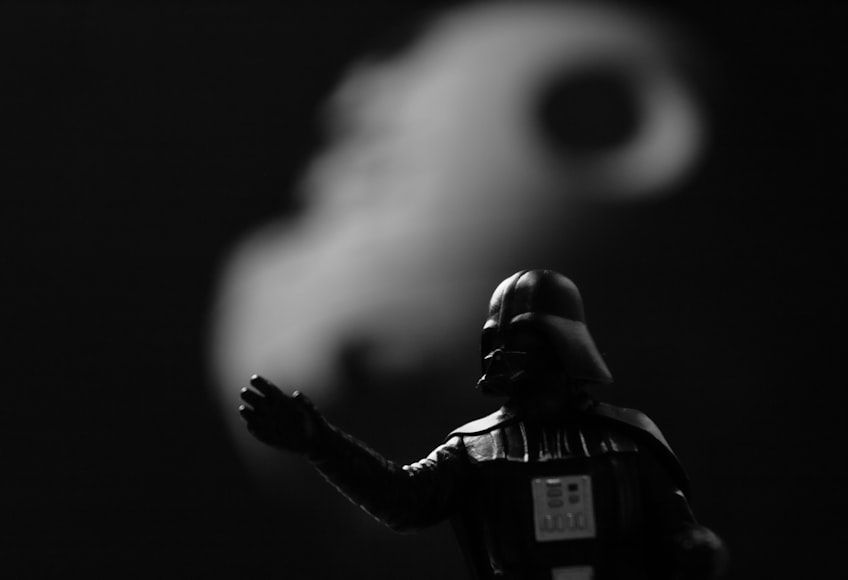
Darth Vader’s most quoted line never existed in that form. In The Empire Strikes Back, Luke accuses Darth Vader of murdering his father, based on what Obi-Wan Kenobi told him. Darth Vader’s actual response—_"No, I am your father"_—has since lived on as a misquote in the collective memory.
Et tu, Brute?
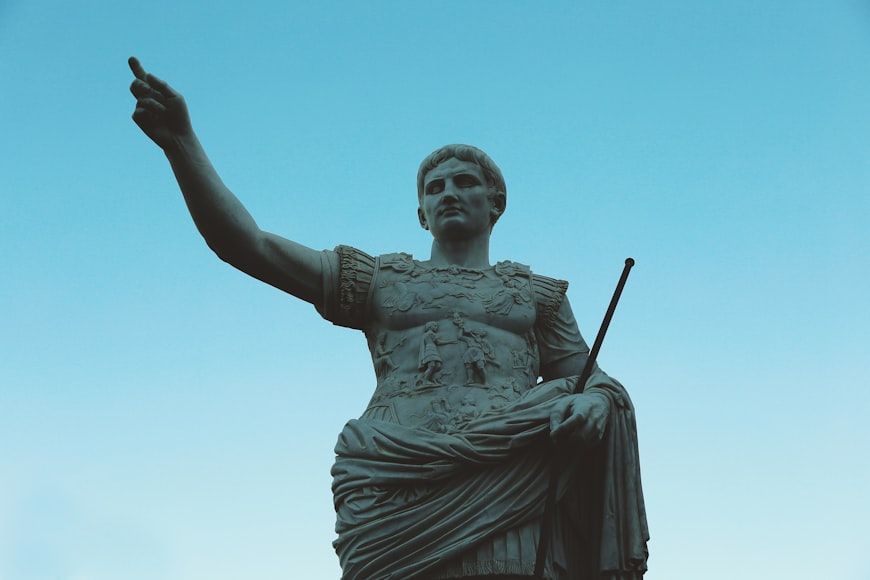
Historians disagree about the last words spoken by Julius Caesar. Some say he remained silent after an initial cry of surprise, while others report that he spoke in Greek to his friend Brutus, saying Καὶ σύ, τέκνον ("You too, child"). The famous _"Et tu, Brute?"_—which can be translated as "And you?" or "You too, Brutus?"—first appeared in Caesar Interfectus by Richard Edes, but was later popularized by William Shakespeare’s Julius Caesar.
The ends justify the means
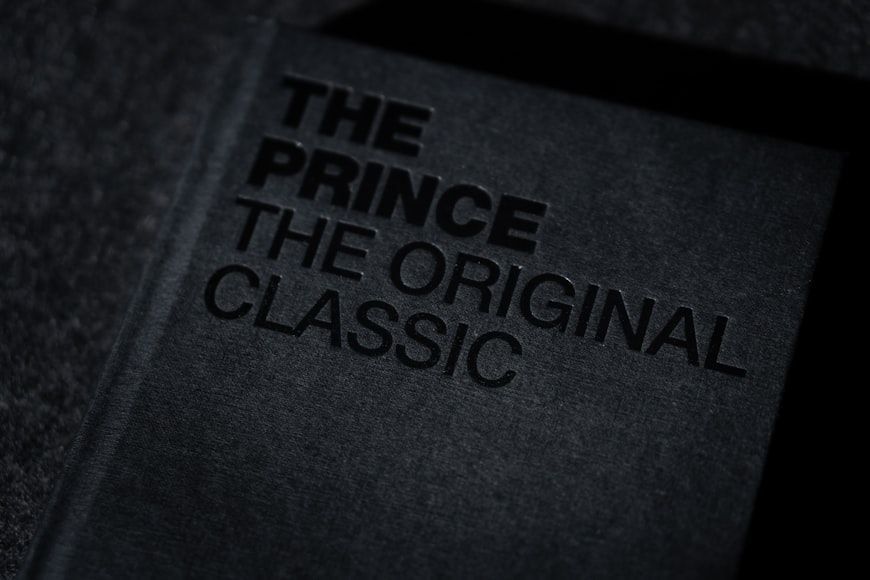
While this phrase is often associated with Niccolò Machiavelli’s ideology, he never actually said it. In his works, Machiavelli argued that rulers might sometimes need to resort to questionable means to ensure the greater good. He emphasized that one can never fully know a person’s intentions, so it is better to judge them by the results of their actions.
And yet it moves!

According to legend, while on trial for teaching heliocentrism—at the time not scientifically proven and considered contrary to biblical teaching—Galileo Galilei famously declared "E pur si muove!" ("And yet it moves!"), meaning that the universe does not bend to belief. Although the phrase is attributed to Galileo, it was first recorded at least a century after his death, with no evidence of it being veridical.
Play it again, Sam

Casablanca is one of the undisputed classics of cinematic history, and it has frequently been quoted and used as inspiration. However, one of its most famous phrases—"Play it again, Sam"—is actually a misquote. Ingrid Bergman’s character says both "Play it once, Sam, for old times’ sake" and "Play it, Sam. Play ‘As Time Goes By’" but the misquote became popular after Woody Allen’s play, later adapted into the film Play It Again, Sam.
Be the change you wish to see in the world

This lovely quote, often attributed to Mahatma Gandhi, is another example of a phrase mistakenly linked to a famous figure. Gandhi expressed a similar sentiment in his writings—the idea that change must begin with oneself—but the exact wording is not his. The phrase is more accurately attributed to Arleen Lorrance, a 1970s educator.
I disapprove of what you say, but I will defend to the death your right to say it.

In the early 20th century, Evelyn Beatrice Hall published The Friends of Voltaire, a biography of the French philosopher. In it, as a way to illustrate Voltaire’s beliefs on freedom of speech, she penned the phrase: "I disapprove of what you say, but I will defend to the death your right to say it." The maxim was such a good synopsis of Voltairian ideals that most people came to believe it was a direct quote from him.
Houston, we have a problem.

On April 13, 1970, the Apollo 13 spacecraft had to abort its mission due to the explosion of an oxygen tank. Astronaut Jack Swigert first reported the issue with the words: "Okay, Houston, we’ve had a problem here." Jim Lovell later repeated, "Houston, we’ve had a problem." How did the misquote become so popular? In the 1995 film Apollo 13, the screenwriter thought the past tense was not dramatic enough, and he changed it to "we have a problem."
Elementary, my dear Watson
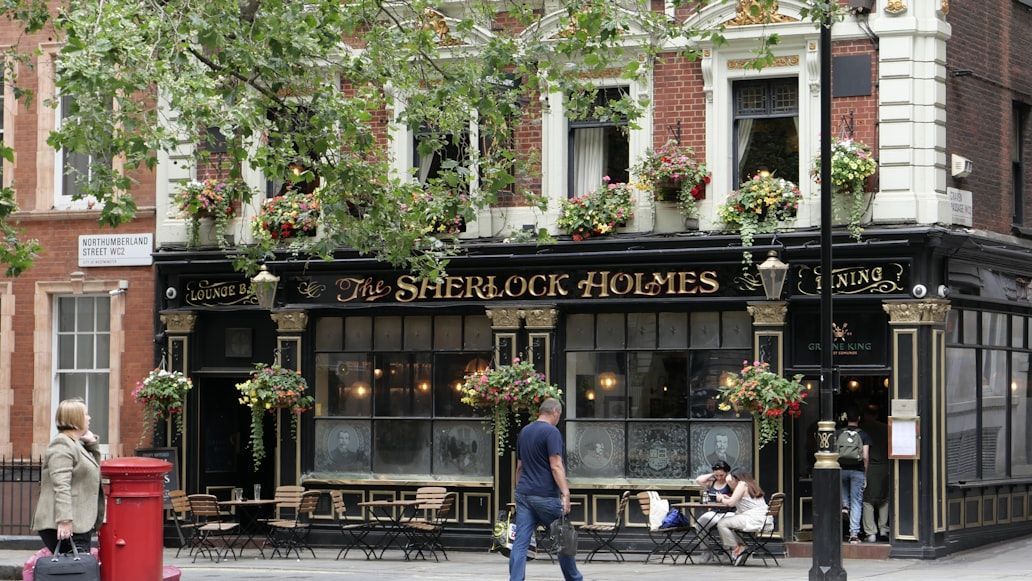
One could argue that this phrase is one of the quintessential Sherlock Holmes sayings. But did you know it wasn’t written by Arthur Conan Doyle? Sherlock Holmes does call his companion "my dear Watson," and he uses the word "elementary" when describing his deductions, but the full phrase —"Elementary, my dear Watson"— first appeared in a 1899 stage play and was later popularized by Basil Rathbone’s film adaptations.
Beam me up, Scotty
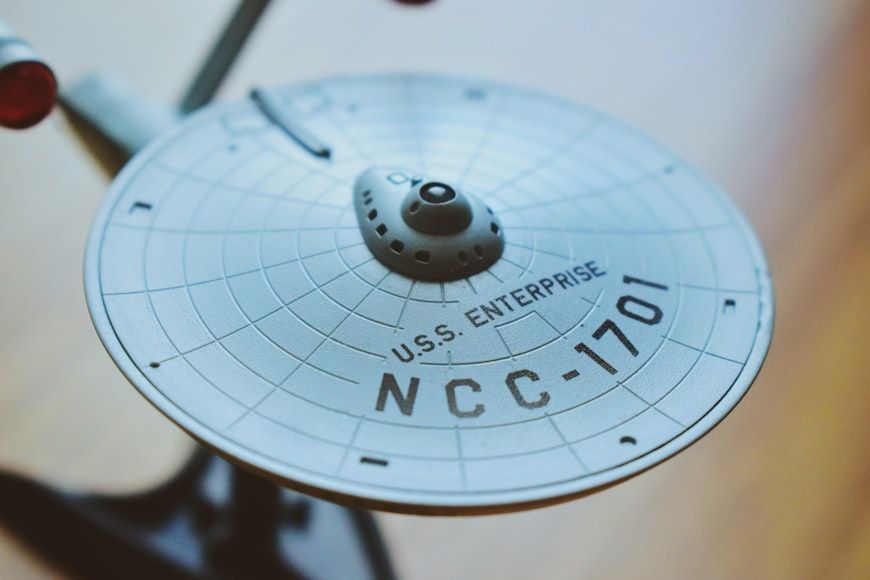
Real Trekkies know that this phrase, though popular, was never actually spoken by Captain Kirk in the original Star Trek series. He did say similar lines, such as "Mr. Scott, beam us up," and other variants. The misquote became so popular that it entered popular culture as a saying of its own.
Money is the root of all evil

Some could argue that the Bible is the most misquoted book of all time. This particular phrase, often cited from Paul’s first letter to Timothy, is used to criticize money, but most people don’t realize that it is only a partial quote. The full passage—"For the love of money is the root of all evil"—warns against the dangers of loving money excessively.