The truth lies beneath

Many people still don’t get the meaning of these famous quotes. Do you?


Published on July 29, 2026


Image: Nikita Sursin

Some quotations become so famous that they take on lives of their own. We repeat them in classrooms, movies, headlines, and everyday conversations, but sometimes without knowing what the speaker actually meant. Sometimes the original context gets lost, and sometimes popular myths overshadow the truth. These iconic phrases have endured for decades, even centuries, but their true meanings often surprise us. Did you know about the following 11?

1

Read my lips: No new taxes. — George H. W. Bush (1988)
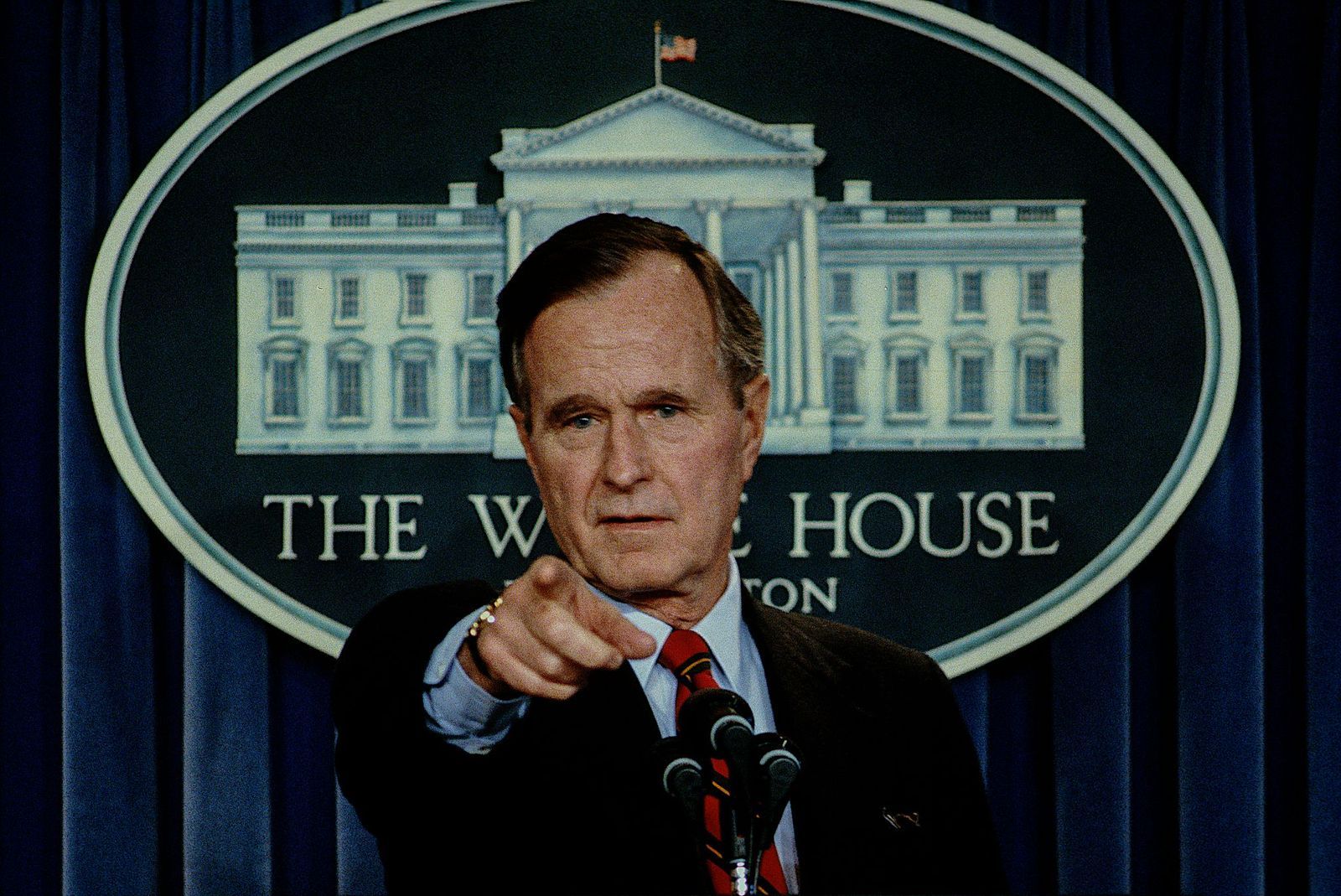
Image: mark reinstein

George H. W. Bush delivered this memorable line while accepting the Republican presidential nomination in 1988. Written by speechwriter Peggy Noonan, it wasn't simply a catchy slogan, it was a firm campaign promise meant to reassure conservative voters that his administration would not raise taxes under any circumstances.

The phrase became famous for what happened next. Facing a growing federal deficit, Bush agreed to a bipartisan budget deal in 1990 that included tax increases. Many supporters viewed the move as a broken promise, and "Read my lips" has since become shorthand for political pledges that later prove impossible to keep.

2

Mr. Gorbachev, tear down this wall! — Ronald Reagan (1987)
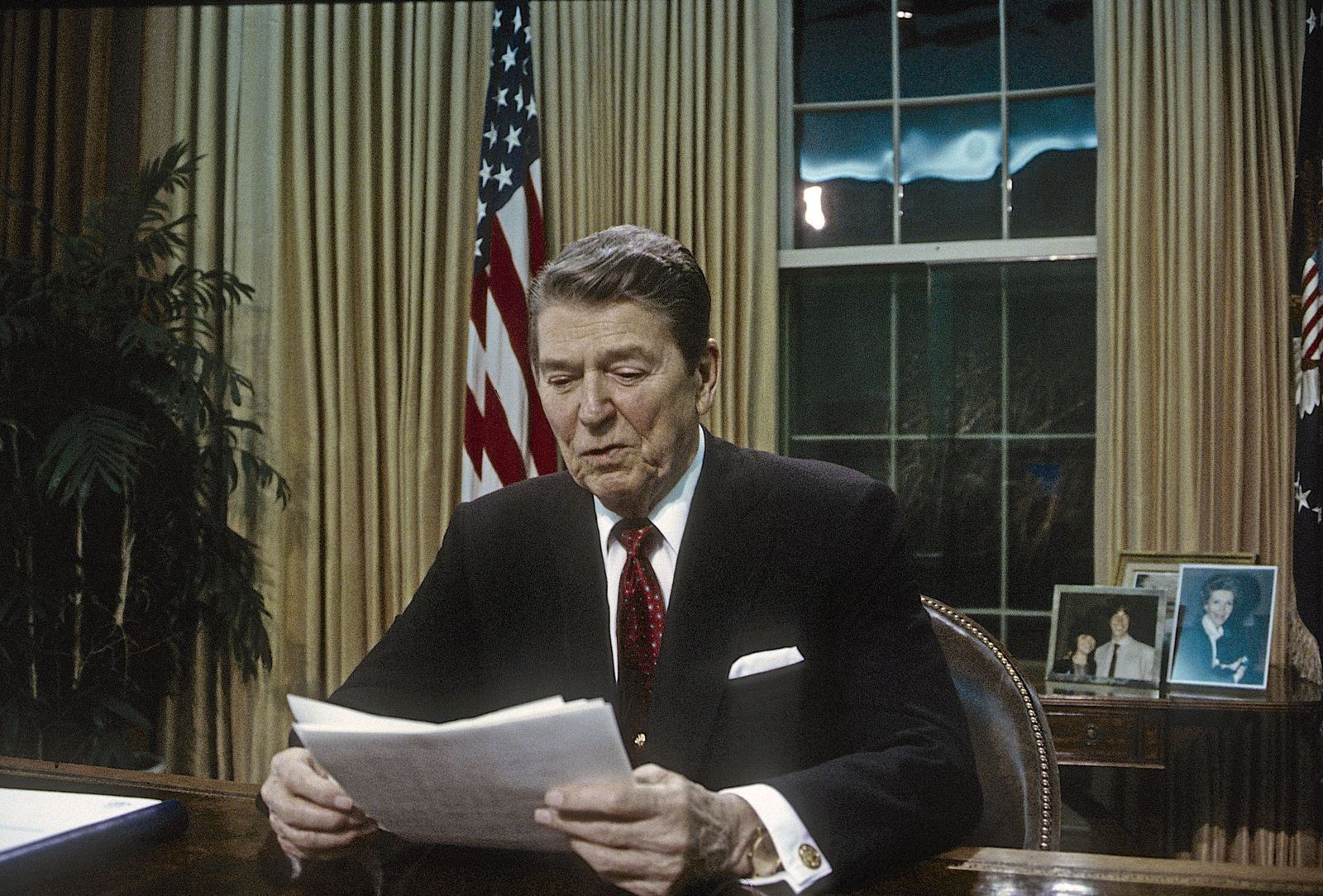
Image: mark reinstein

Standing before Berlin's Brandenburg Gate in 1987, President Ronald Reagan addressed Soviet leader Mikhail Gorbachev with what became one of the Cold War's defining lines. He wasn't literally ordering workers to demolish the Berlin Wall but challenging the Soviet Union to demonstrate that its promises of openness and reform were genuine.

Several advisers reportedly urged Reagan to remove the sentence from the speech because they feared it was too confrontational. He kept it anyway. Although the Berlin Wall fell two years later for many complex political reasons, the phrase remains a powerful symbol of freedom triumphing over division.

3

Ask not what your country can do for you… — John F. Kennedy (1961)
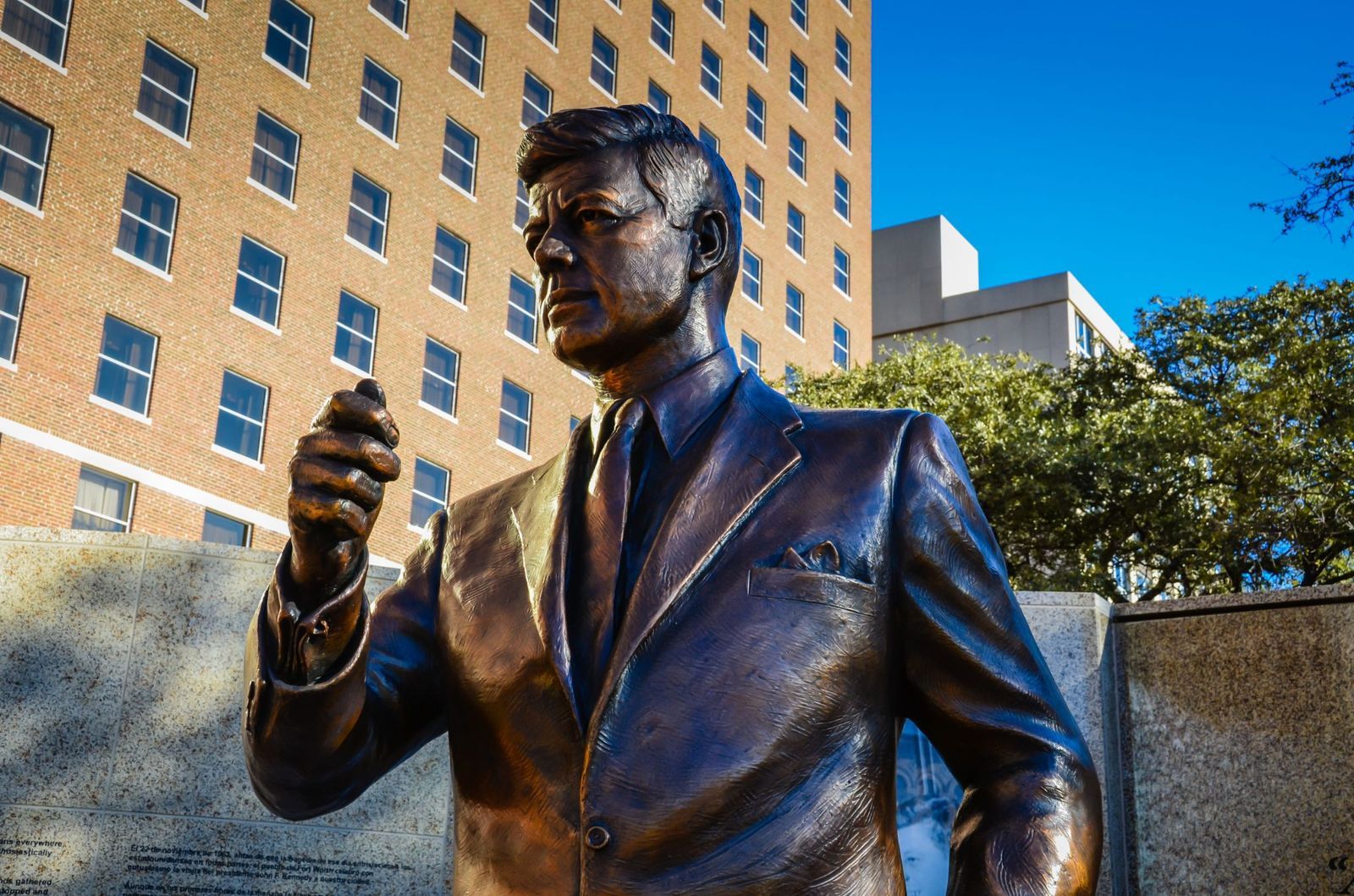
Image: Sandra Foyt

This famous sentence from John F. Kennedy's inaugural address is sometimes mistaken for a demand for unquestioning patriotism. In reality, Kennedy was encouraging Americans to become active participants in democracy rather than passive recipients of government benefits.

Delivered at the height of the Cold War, the speech called on citizens to serve their communities and country. The message inspired countless Americans to volunteer, including many who joined the newly created Peace Corps.

4

I have a dream. — Martin Luther King Jr. (1963)
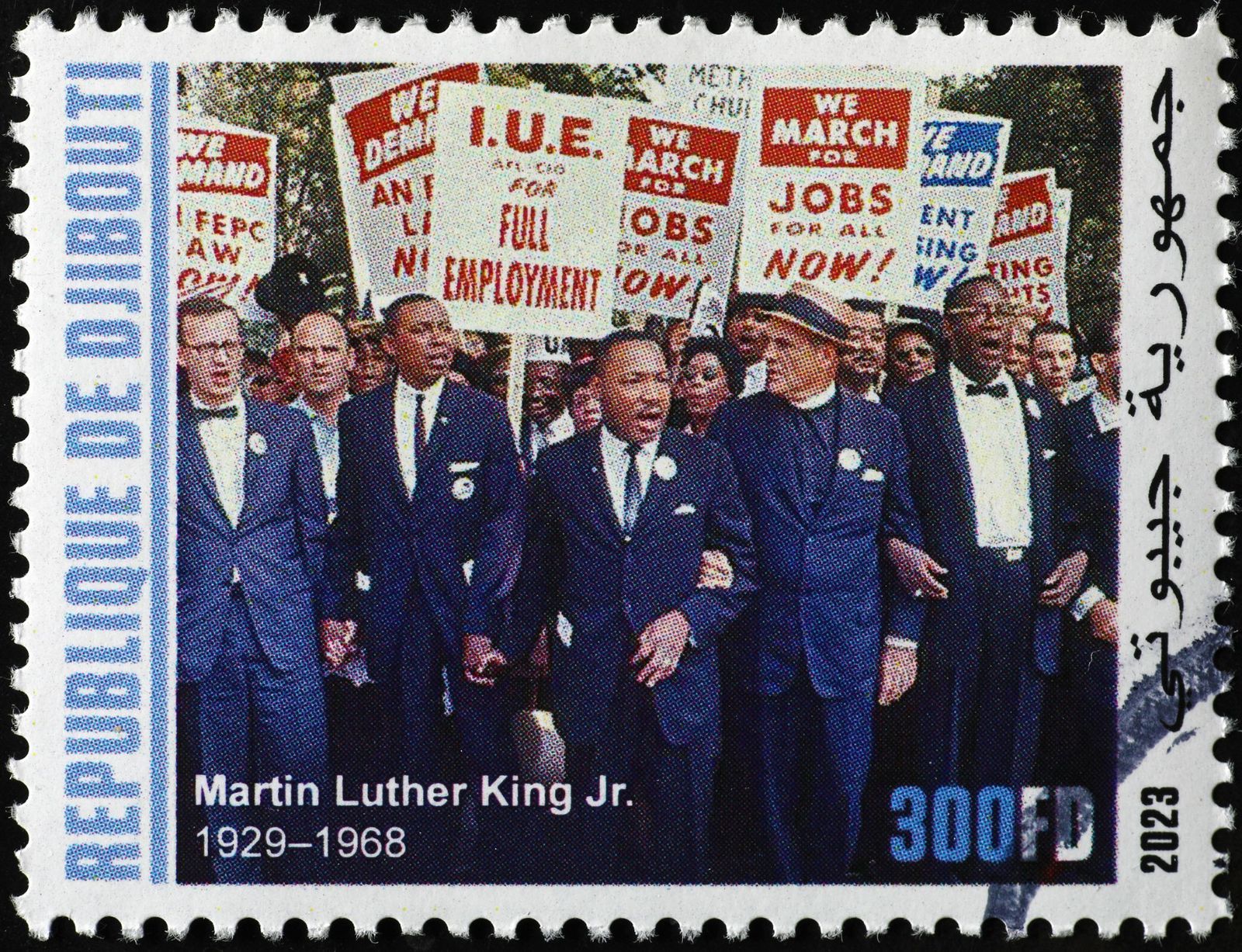
Image: spatuletail

Martin Luther King Jr.'s words have become synonymous with hope, but the "dream" he described was remarkably specific. Speaking at the March on Washington for Jobs and Freedom, King envisioned an America where the Constitution's promises of equality would finally apply to everyone, regardless of race.

The speech's most memorable section was not fully scripted. According to several accounts, gospel singer Mahalia Jackson encouraged King to "tell them about the dream," prompting him to set aside his prepared remarks and speak from the heart. Those improvised passages became some of history's most celebrated words.

5

The only thing we have to fear is fear itself. — Franklin D. Roosevelt (1933)
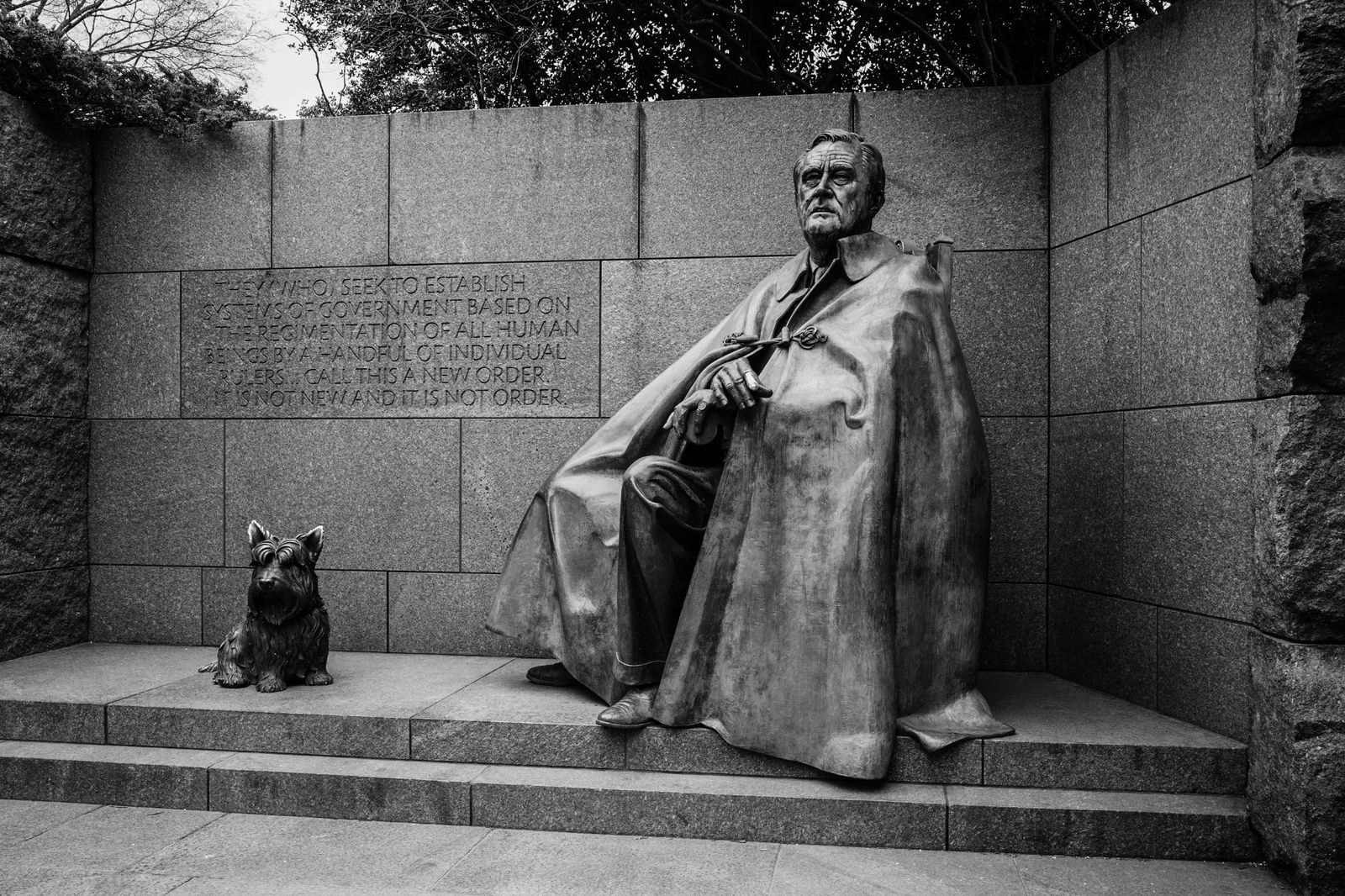
Image: Brian Logan Photography

Franklin D. Roosevelt spoke these famous words during his first inaugural address as the United States struggled through the Great Depression. Rather than offering generic encouragement, he argued that fear itself had become an economic force, causing bank runs, panic, and paralysis that only made the crisis worse.

Roosevelt believed restoring public confidence was essential to recovery. Within days, he declared a nationwide bank holiday and launched the first measures of what became the New Deal. His phrase has endured because it captures the powerful effect fear can have on people's decisions.

6

Ich bin ein Berliner. — John F. Kennedy (1963)
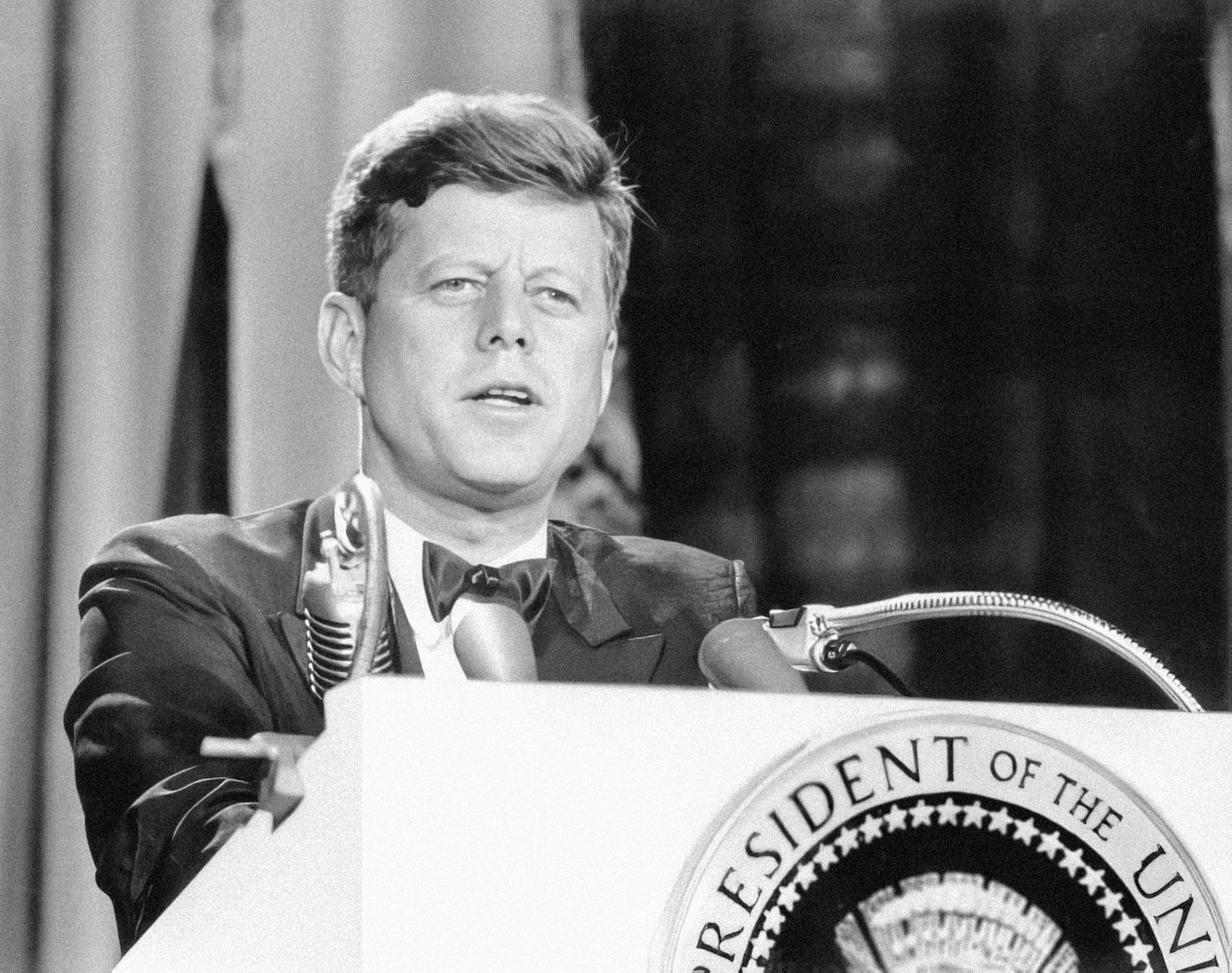
Image: Florida Memory

One of history's most persistent language myths claims that Kennedy accidentally said, "I am a jelly doughnut." In reality, German speakers clearly understood what he meant when he declared, "Ich bin ein Berliner" during a visit to West Berlin in 1963.

Kennedy was expressing solidarity with the isolated city's residents at one of the Cold War's tensest moments. Linguists have long dismissed the doughnut story as a misconception, while historians view the speech as a powerful demonstration of American support for West Berlin. Still, it was fun.

7

I am not a crook. — Richard Nixon (1973)
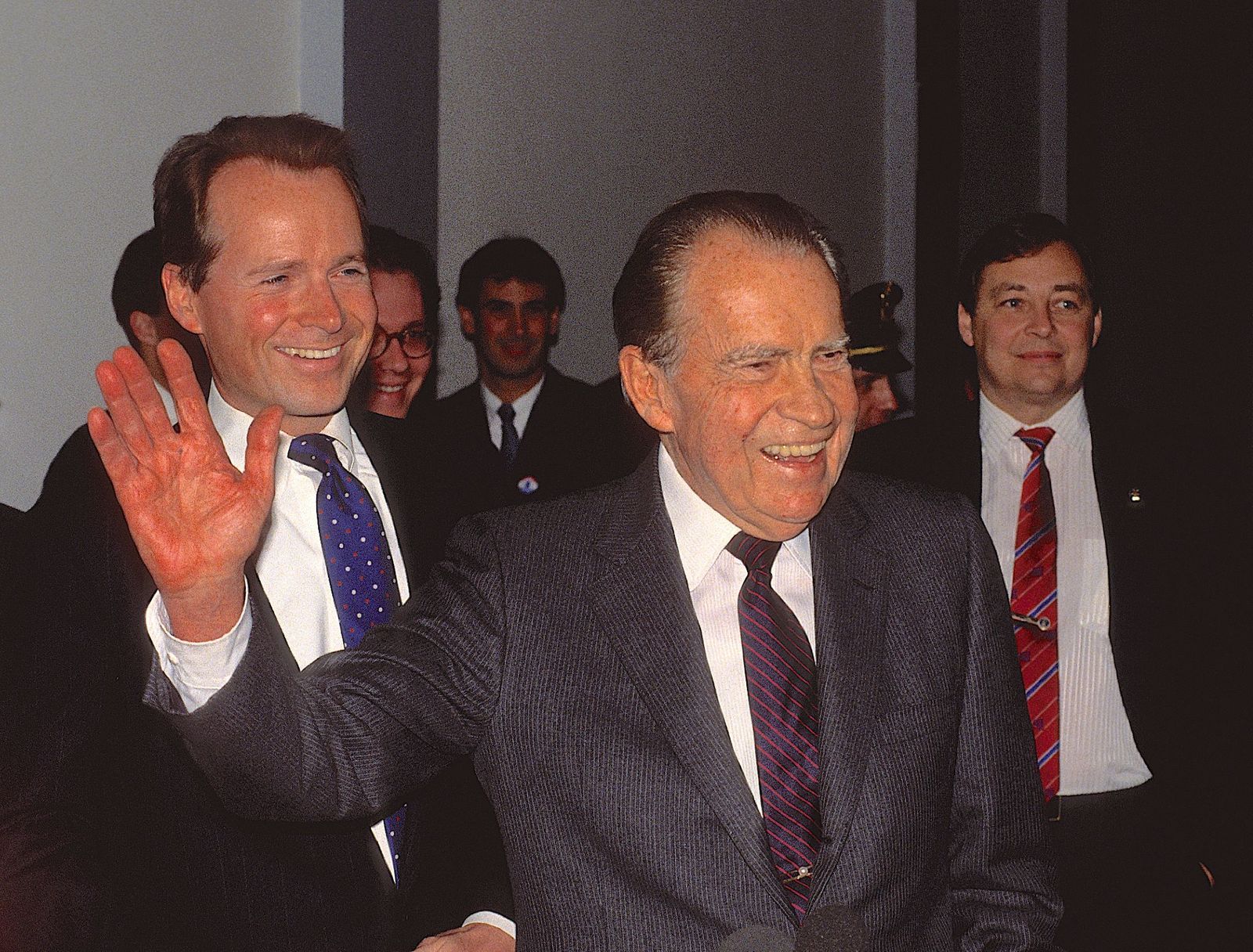
Image: mark reinstein

Richard Nixon uttered this famous denial during a televised press conference while the Watergate scandal dominated headlines. Although many people remember it as a blanket denial of wrongdoing, Nixon was specifically insisting that he had never personally profited illegally from holding public office.

The phrase quickly took on a life of its own. As investigations continued and evidence mounted, Nixon resigned less than a year later, making him the first U.S. president ever to do so. Today, the quote is remembered less for what Nixon intended than for the irony that history would attach to it.

8

Houston, we've had a problem. — Jack Swigert (1970)
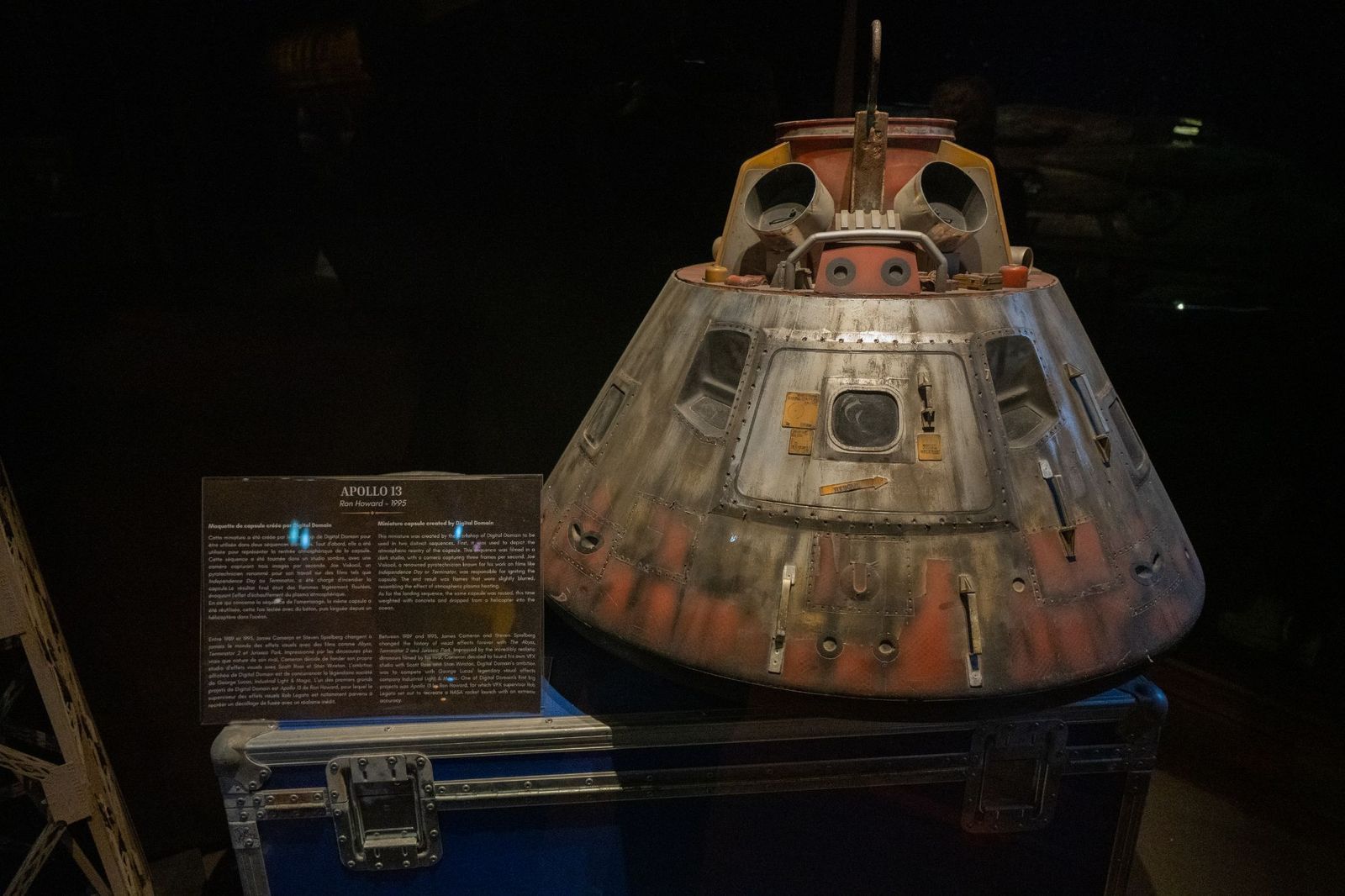
Image: Joseph Creamer

Popular culture remembers the Apollo 13 crisis as "Houston, we have a problem." The actual transmission was slightly different. After an oxygen tank exploded aboard the spacecraft, astronaut Jack Swigert calmly radioed, "Okay, Houston, we've had a problem here," with commander Jim Lovell repeating the report moments later.

The wording reflected that the emergency had already occurred rather than merely being discovered. The shorter version became famous after the 1995 film Apollo 13, but the original exchange remains one of the best-known examples of calm professionalism.

9

That's one small step for [a] man… — Neil Armstrong (1969)

Image: Three Sixty Images

Neil Armstrong's first words on the Moon are among history's most quoted sentences, but one tiny word has sparked decades of debate. Armstrong always insisted he said, "That's one small step for a man, one giant leap for mankind," even though the article "a" is almost impossible to hear in the recording.

The distinction matters because without it, both halves of the sentence mean nearly the same thing. Audio experts have analyzed the recording for years without reaching complete agreement.

10

Give me liberty, or give me death! — Patrick Henry (1775)
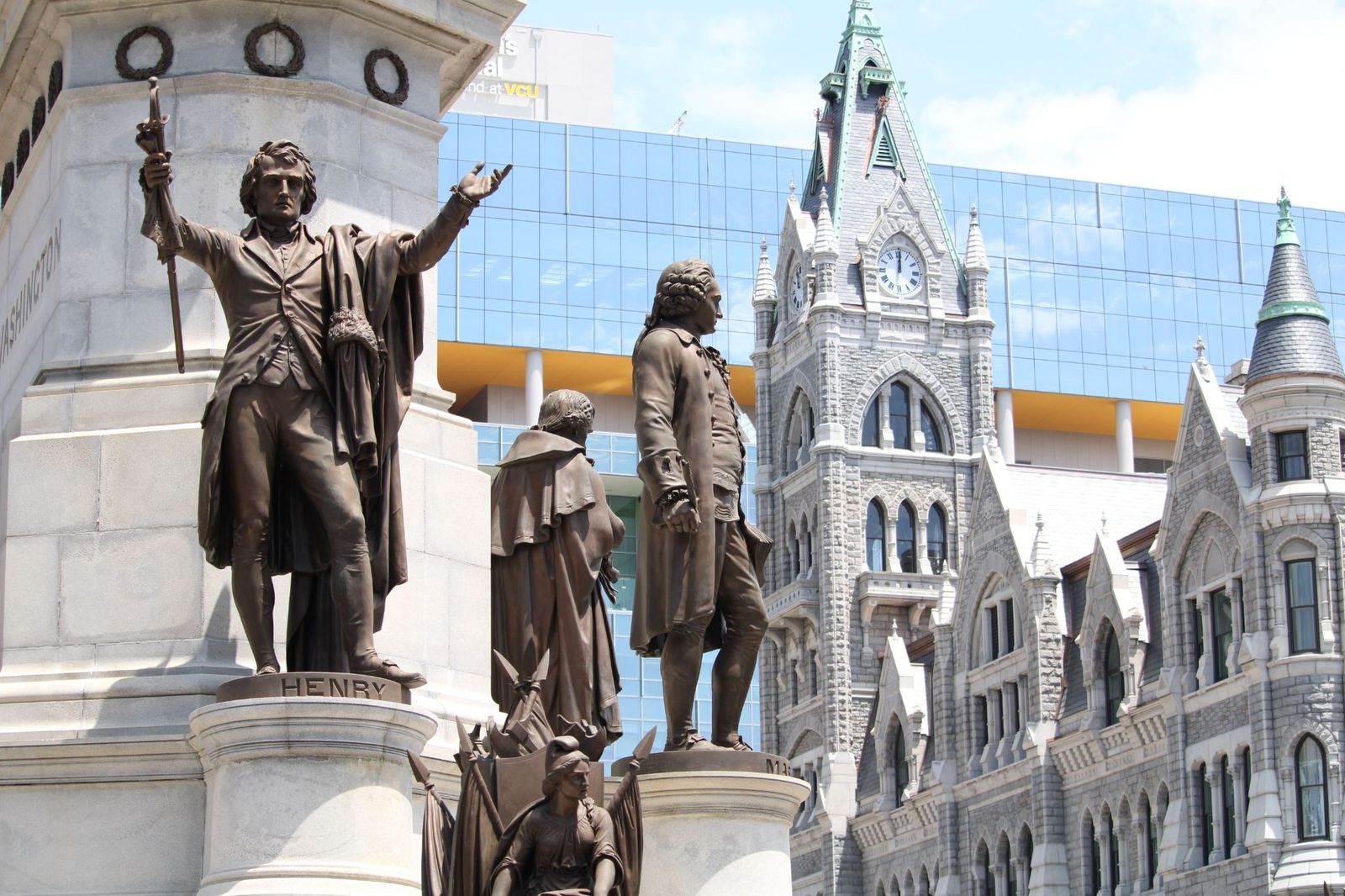
Image: Wirestock Creators

Patrick Henry's dramatic declaration is often imagined as a battlefield cry, but it was actually delivered during a political debate at Virginia's Second Convention in March 1775. Henry argued that peaceful negotiations with Britain had failed and that the colonies needed to prepare for armed resistance.

Interestingly, no verbatim transcript exists. The famous wording was reconstructed decades later by biographer William Wirt, using recollections from witnesses, although historians cannot confirm every word.

11

Speak softly and carry a big stick. — Theodore Roosevelt
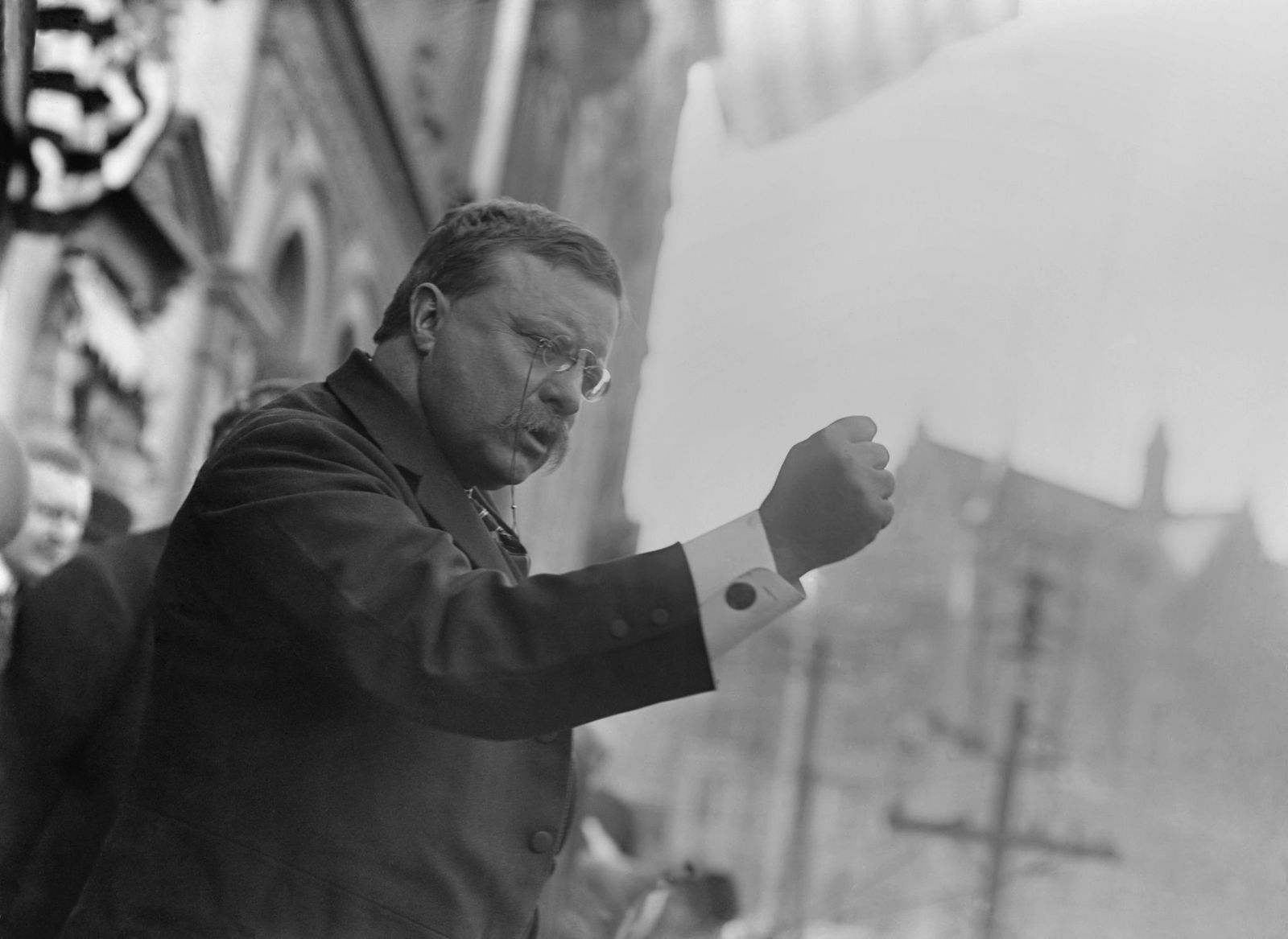
Image: Everett Collection

At first glance, Theodore Roosevelt's famous advice sounds aggressive, but it actually promotes restraint. Roosevelt believed successful diplomacy begins with calm negotiation, while credible strength remains available in the background if peaceful efforts fail.

He said the phrase reflected an old West African proverb, although historians have never found evidence that such a proverb existed before Roosevelt popularized it. Regardless of its origin, the expression became permanently associated with his approach to foreign policy and remains a familiar shorthand for negotiating from a position of strength.



Secret uses

There’s a hidden microphone in your phone, and here’s where it is


Published on July 29, 2026


Image: Inside Creative House

You’ve probably twisted a bread bag closed, filled up your car, or pulled a sheet of aluminum foil from the box thousands of times without giving it a second thought. But many of the everyday objects we’ve used for decades have clever features that most people never notice. From the tiny pocket on blue jeans to the little arrow next to your gas gauge, these hidden designs have practical stories behind them, and once you know them, you’ll never look at these familiar items the same way again.

1

​Dot next to the iPhone camera

Image: DenPhotos

If you own an iPhone, you’ve probably noticed the tiny black dot next to the rear camera. It’s small, so people tend to assume it’s another camera sensor or even part of the phone’s design. The small hole found near the camera bump on every iPhone is actually a rear microphone.

It captures clearer audio when you’re recording videos and helps reduce background noise during FaceTime and regular phone calls. If you own an iPhone Pro model from the iPhone 12 Pro onward, you'll also see a larger dark circle. That’s the LiDAR scanner, which sends out invisible infrared light to create a 3D map of your surroundings. It helps the camera focus faster in low light, powers Apple’s Measure app, and makes augmented reality features much more accurate.

2

​Indent on the bottom of wine bottles

Image: tartaphotography

Whether it's a holiday dinner, an anniversary, or simply a nice meal with friends, you’ve probably held a wine bottle and noticed the deep indentation in the bottom. Many people tend to think the deeper the indent, the fancier the bottle.

That indentation is called a punt, and it’s been a part of the bottle-making for centuries. Originally, it helped strengthen hand-blown glass bottles, making them less likely to crack under pressure. Today, it still adds structural stability, particularly for sparkling wines, while also giving servers a comfortable place to rest their thumb when pouring, though some say it helps collect the sediment as wines age. In any case, a deeper pun doesn’t automatically mean a better or more expensive bottle.

3

​Dashboard gas gauge arrow

Image: happycreator

Almost every driver has experienced that awkward moment at the gas station. You pull up to the pump, step out of the car, and suddenly realize the fuel door is on the opposite side.

To help prevent exactly that situation, many modern vehicles include a small arrow next to the gas pump symbol on the dashboard’s fuel gauge. The arrow points towards the side of the vehicle where the fuel filler door is located. It’s a small detail on the dashboard, yet once you notice it, you’ll never have to circle the pump again.

4

​Tiny hole outside an elevator door

Image: chanonnat srisura

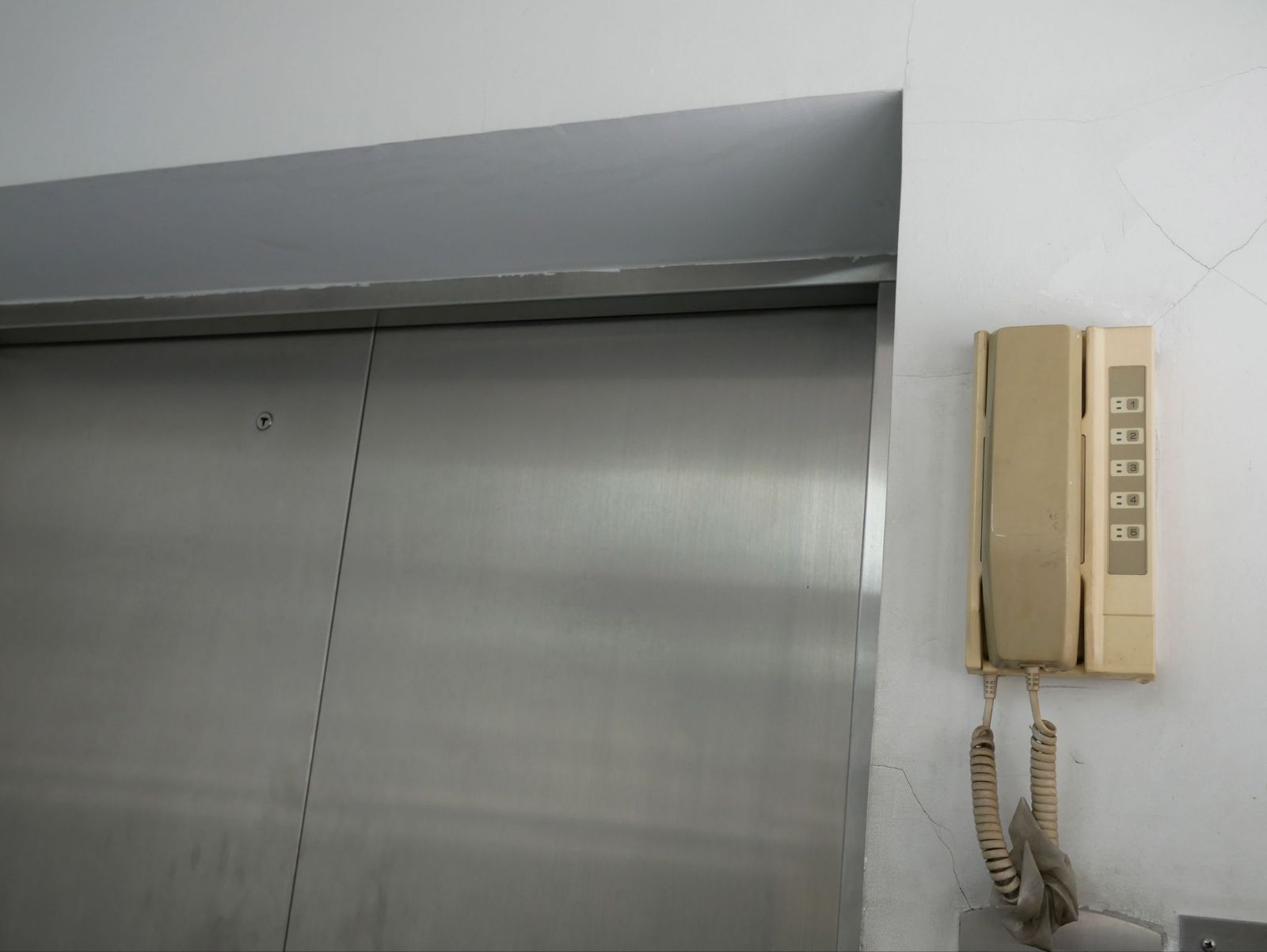
All elevators look pretty much the same. Bigger or smaller, they all look similar, a gray box with a mirror and buttons. But if you pay close attention, you may notice there’s a small round opening near the top of the door.

That opening is a keyhole used by trained maintenance technicians and emergency responders. With a special elevator key, they can manually unlock the landing doors when repairs are needed or if passengers become trapped inside. The system allows professionals to reach the elevator safely without damaging the doors or relying solely on electrical controls. Hopefully, most of us will never need to see it in action. But in an emergency, that tiny opening becomes one of the most important parts of the system.

5

Colored tags on store-bought bread

Image: Towfiqu ahamed barbhuiya

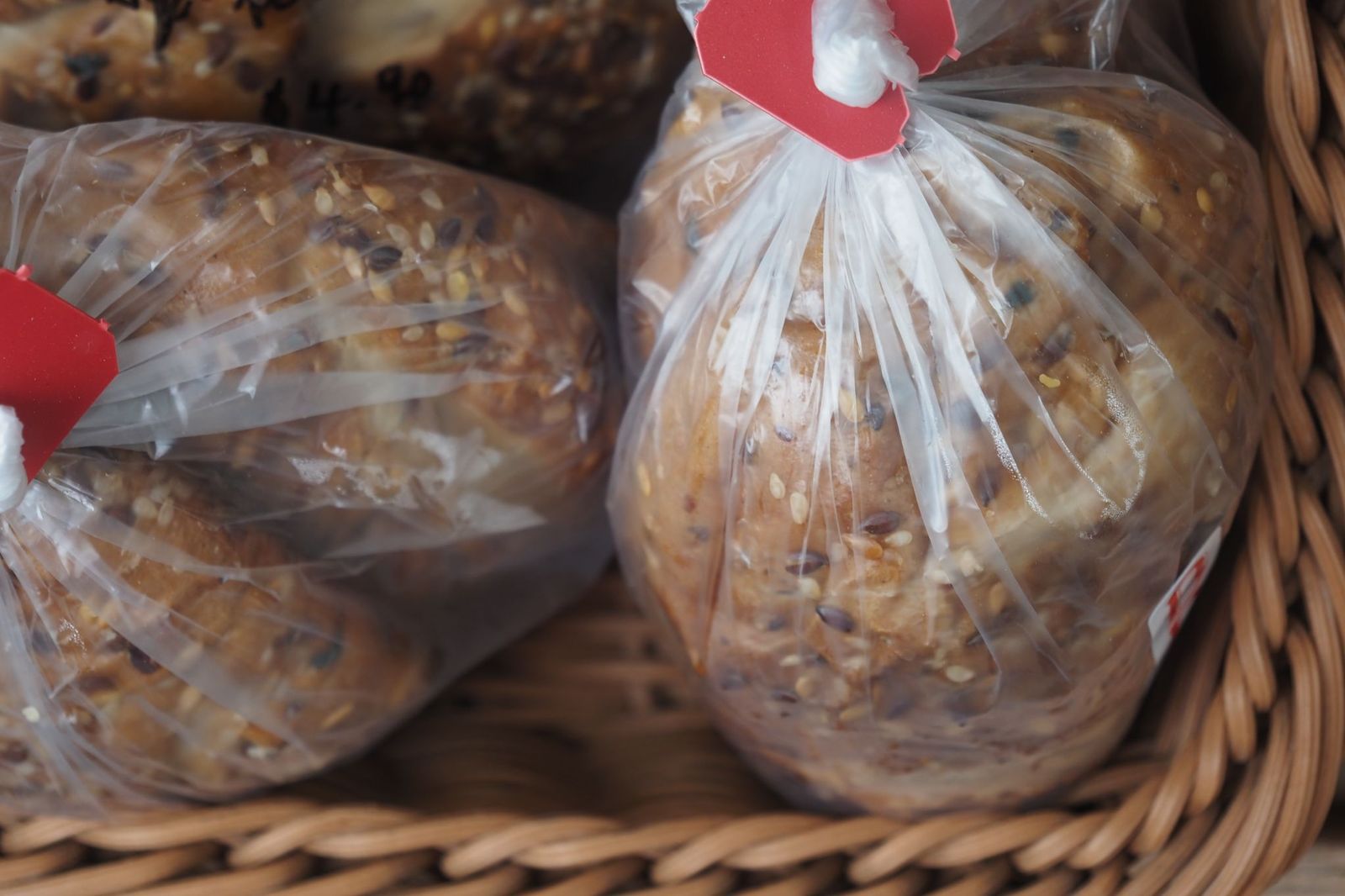
If you’ve ever stood in the bread aisle comparing loaves, you’ve probably noticed the colorful plastic clips or twist ties holding the bags shut. Contrary to what many think, they’re not simply a part of the packaging.

For many bakeries and grocery stores, the colors indicate the day a loaf was delivered or baked. While the exact color schedule can vary between bakeries and regions, employees use the system to quickly spot older inventory and rotate fresher bread to the back of the shelf. That way, customers are more likely to pick up the freshest loaf available.

6

​Tiny pocket on blue jean

Image: triocean

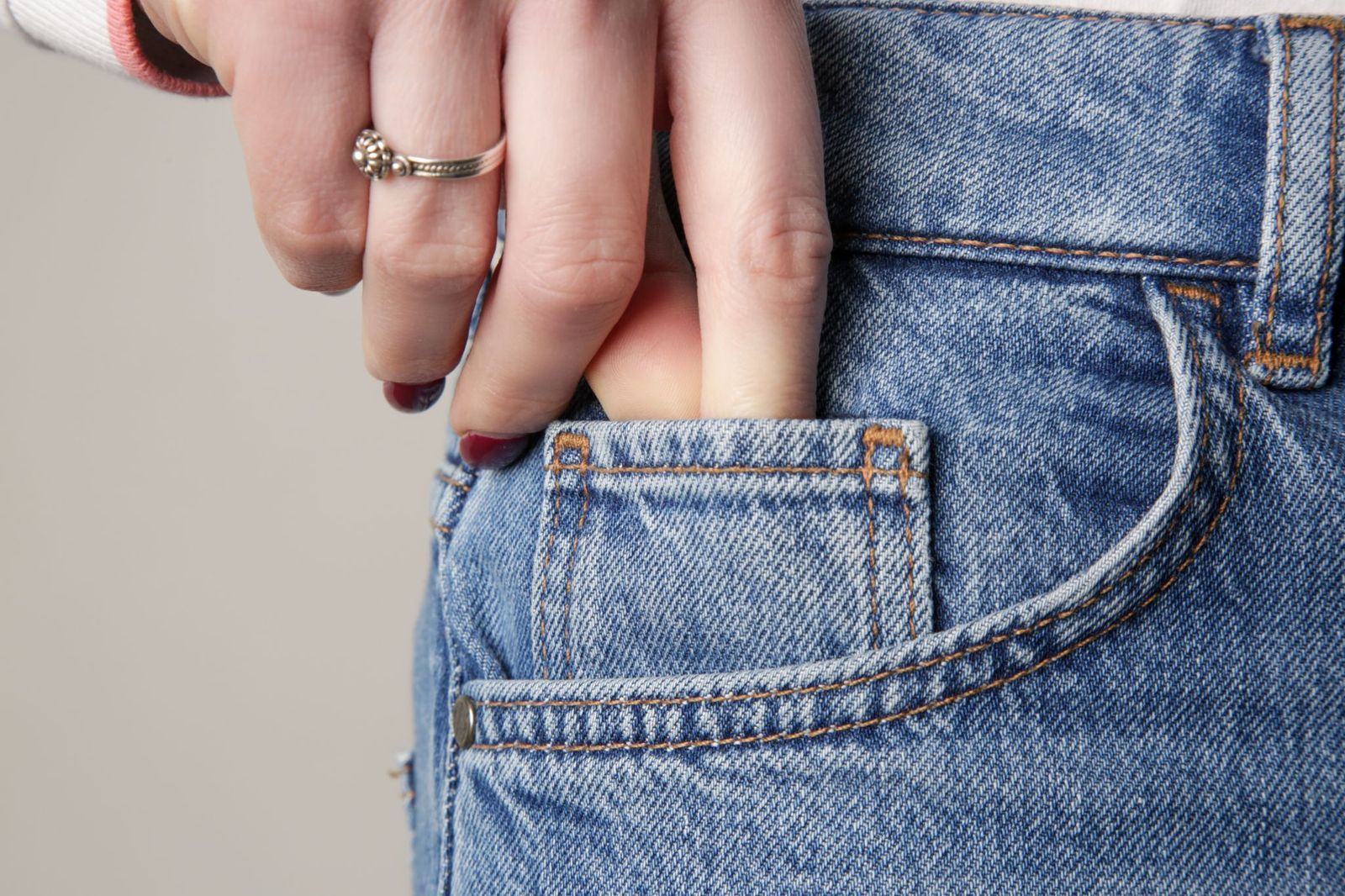
Whether you wear jeans every day or only pull them out for yard work, you’ve probably noticed the tiny extra pocket tucked inside one of the front pockets. It’s too small for a phone and not very useful for loose change, but there’s a reason for it.

Back in the 1800s, when Levi Strauss & Co. created rugged denim pants for miners, ranchers, and cowboys working across the American West, pocket watches were commonplace. Workers needed a safe place to carry their watches while riding horses, so that little pocket was designed specifically to protect the watch from damage. Pocket watches disappeared, but the tiny pocket became such an iconic part of blue jeans that manufacturers have continued including it for well over a century.

7

​Perforations on aluminum wrap boxes

Image: The Image Party

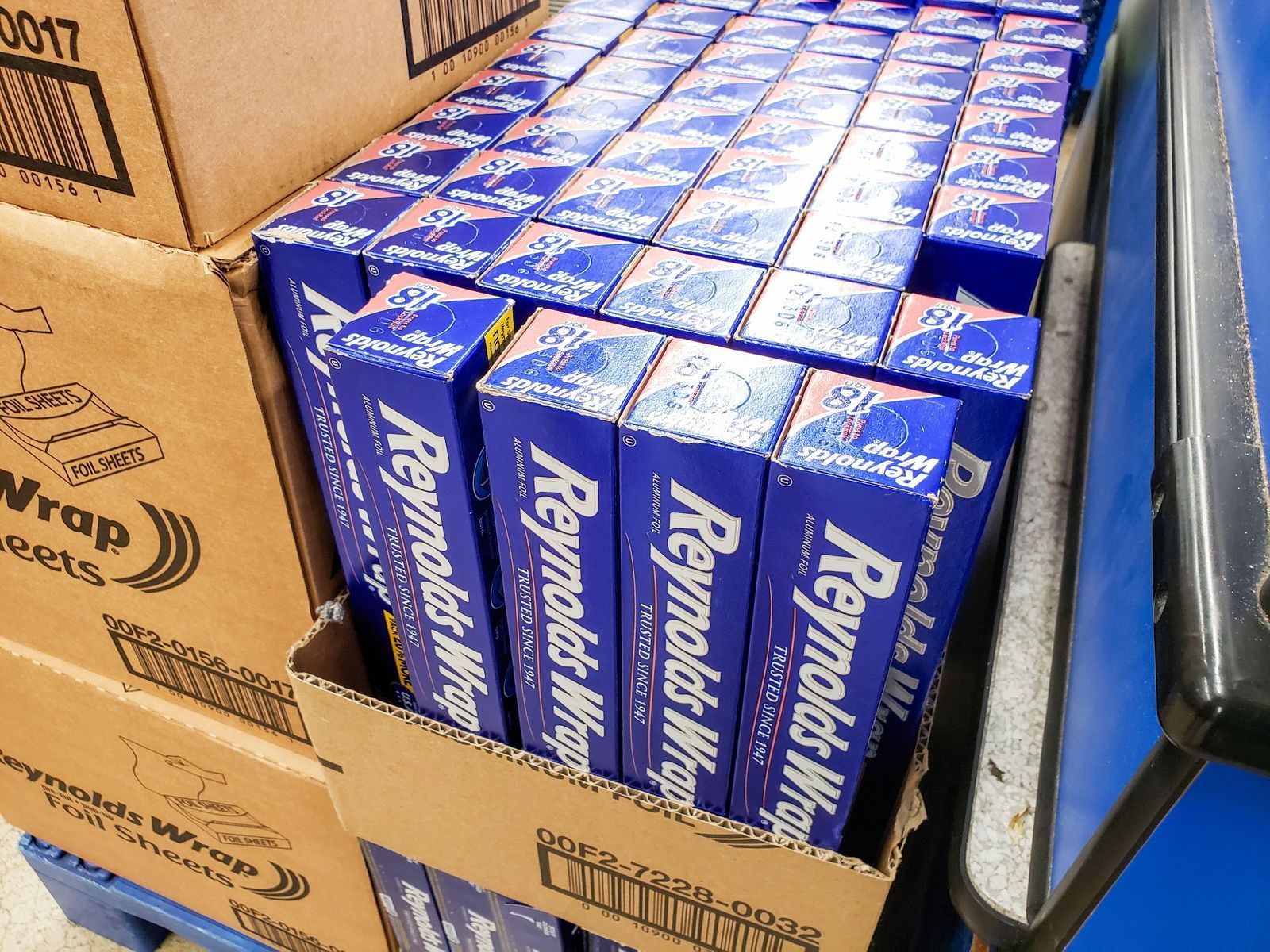
Almost everyone has had the same frustrating experience. You pull on a sheet of aluminum foil, and suddenly the entire roll slides out of the box and lands on the kitchen counter.

That’s exactly why major manufacturers such as Reynolds introduced the small side tabs, known as end locks, in the mid-1990s. By pressing the tabs inward, they hold the cardboard roll in place like built-in axles. This keeps the roll from sliding out of the box, makes it much more stable as you pull, and helps the serrated edge cut a cleaner, straighter sheet. It also reduces waste by preventing the foil from bunching up or tearing unevenly. It’s a simple design, yet useful as it can get.

8

​Hole in pen caps

Image: Konektus Photo

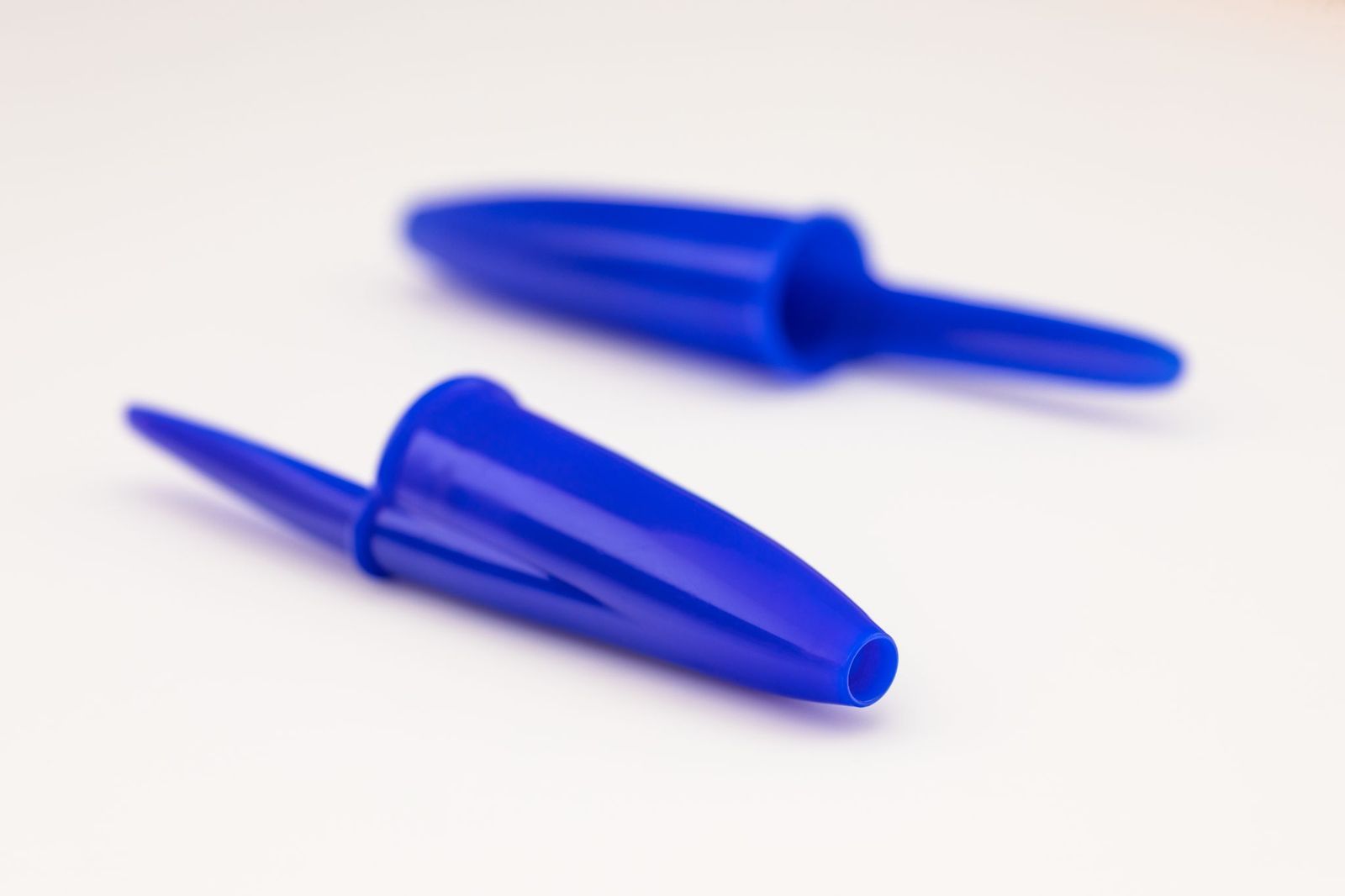
Every household has pens lying around for all kinds of purposes. And most of them have a common feature, a hole in the cap, which isn’t simply part of the design.

BIC and other pen manufacturers included the opening as a safety feature. If someone, especially a child, accidentally swallows a pen cap, the hole can allow a small amount of air to pass through, reducing the risk of complete airway blockage while emergency help is on the way. The design became part of border efforts to improve consumer product safety after choking incidents drew attention to the danger of small plastic objects.

9

​A strawberry attached to a pincushion

Image: Kimberly Hall

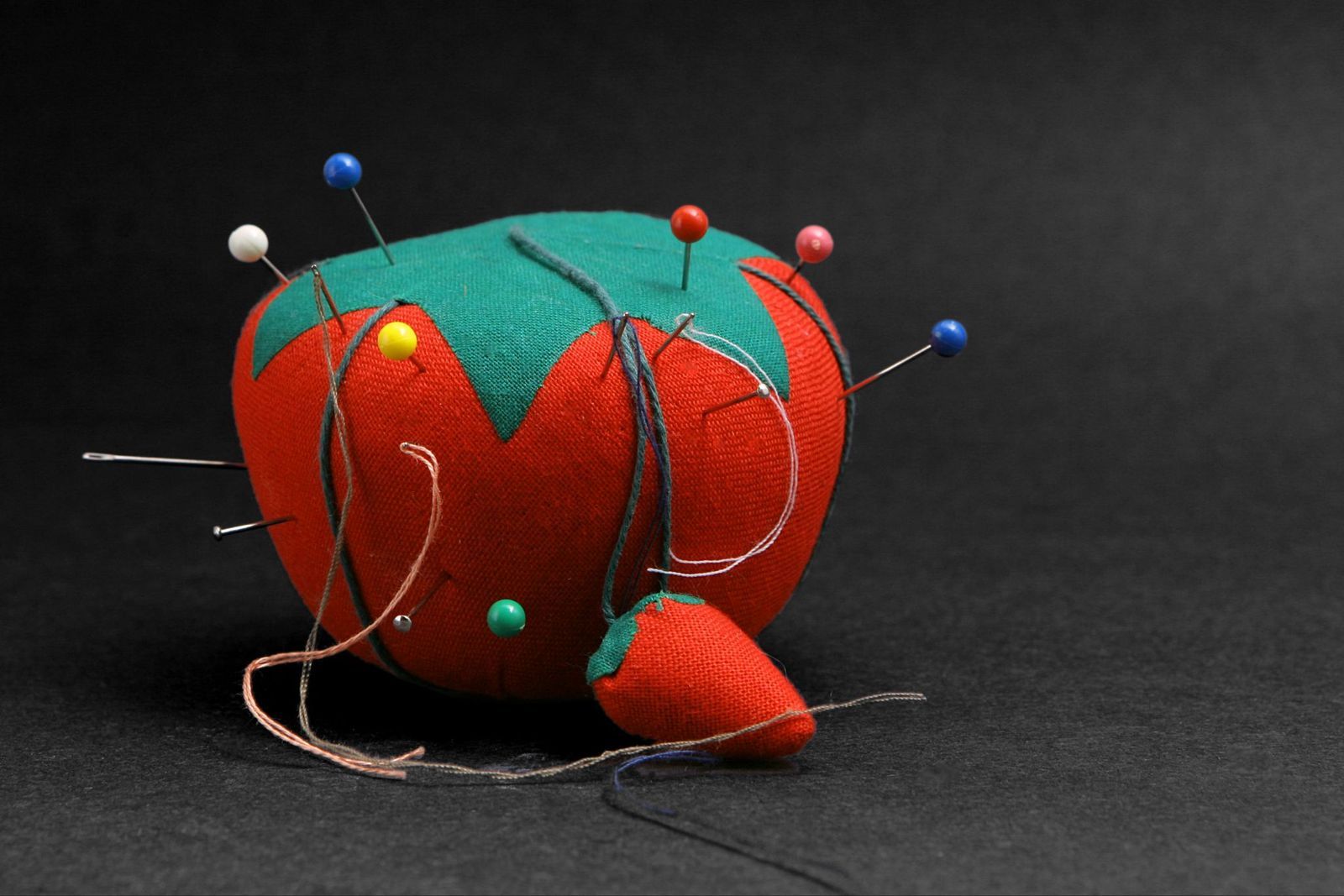
If you grew up sewing or watching somebody do it, you probably remember the classic tomato-shaped pincushion sitting beside the sewing basket. Hanging from it was a tiny red strawberry that looked like nothing more than a cute finishing touch.

In reality, that little strawberry has its own job. Instead of soft stuffing, it’s filled with emery, a gritty material made from crushed abrasive minerals. Running pins and needles through it helps polish away tiny spots of rust, smooth rough edges, and keep the points sharp enough to glide through fabric more easily.

10

​Ridges on the F and J keyboard keys

Image: alexkich

Think back to the first time you learned to type. Maybe it was at work, or on a family computer. Wherever it was, someone probably told you to keep your fingers on the "home row." That’s exactly why the F and J keys have tiny raised ridges.

The bumps let your index fingers find the correct starting position by touch alone, allowing you to type without constantly looking down at the keyboard. The technique, known as "touch typing," is widely credited to American court stenographer Frank Edward McGurrin, who demonstrated it in 1888. As typewriters became more common, manufacturers experimented with different ways to help typists orient their hands, and by the mid-20th century, companies such as IBM standardized the subtly raised plastic bars that remain on nearly every keyboard today.

Looking for an extra scoop of literary fun?

Learn more with our Word of the day

impugn

/ɪmˈpjun/