These ones take the cookie

The cookie that started as an imitation but is now number one


Published on June 19, 2026

Image: No Revisions

Everyone loves a cookie. But which kind of cookie? The options are seemingly endless, but some are more loved than others. In some cases, it is the cookie itself that makes it a fan-favorite. In others, a particular brand recipe manages to beat the competition and secure the consumers’ loyalty. Here are some cookies that are a resounding success in America.

1

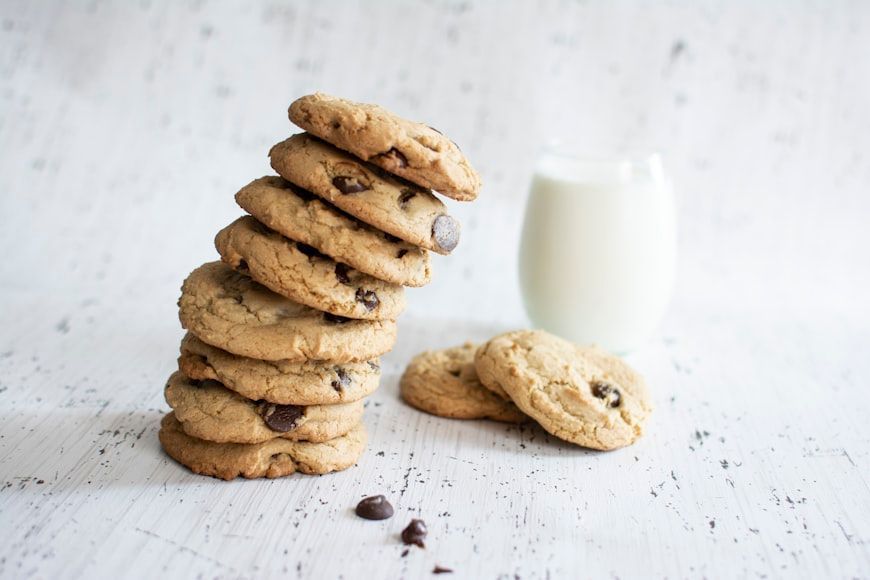
Chocolate chip

Image: Christina Branco

A staple for cookie enthusiasts, chocolate chip cookies have many versions and are distributed by many brands. A true American classic, they were invented (or at least, pioneered) in the 1930s by Ruth Graves Wakefield, who decided to add a chopped bar of Nestlé chocolate into her cookie dough. In exchange for printing the recipe in their packaging, Nestlé paid her $1 and a lifetime supply of chocolate.

2

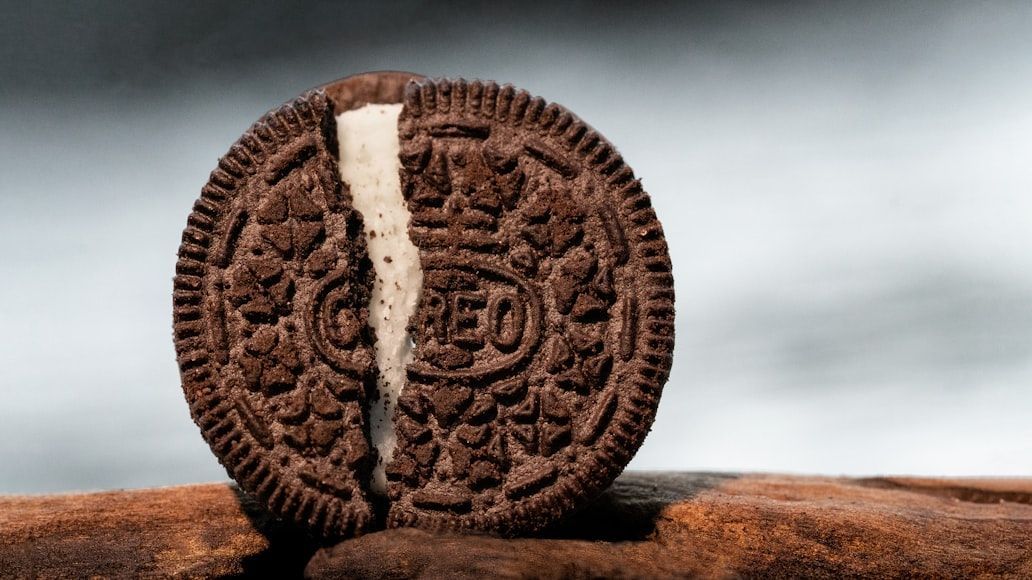
Oreo

Image: Brad Switzer

The best-selling cookie in the world, Oreo was initially developed as a copycat of the then-popular Hydrox cookie. The marketing campaign was so successful that Oreo largely surpassed Hydrox, and some people nowadays believe Hydrox to be an Oreo imitation. The origins of the Oreo name are unknown, but it is today synonymous with fondant-filled chocolate cookies.

3

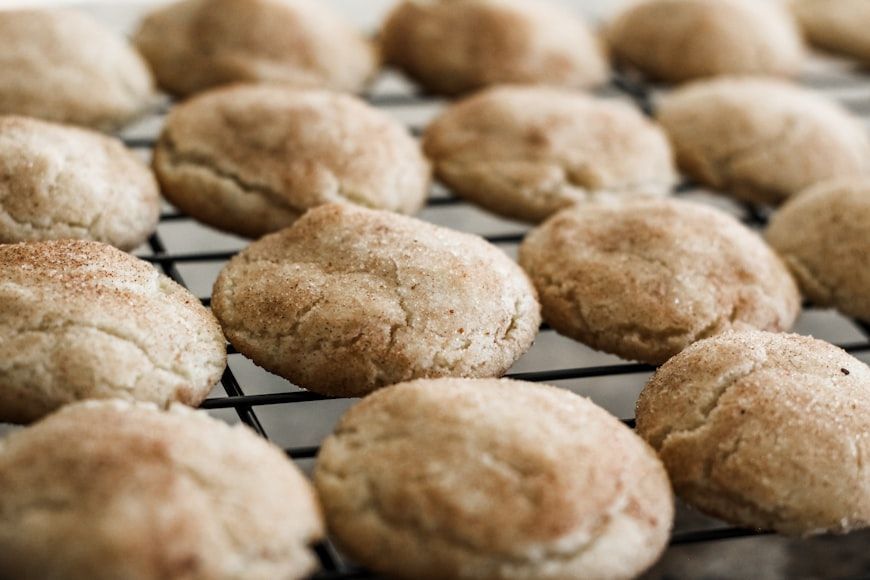
Snickerdoodle

Image: Jessica Johnston

No one is really sure where these chewy, cinnamony cookies originated, but they have earned their place in the American cookie repertoire. The use of cream of tartar as its key ingredient makes the cookie dough slightly tangy and gives it a soft interior that sets it apart from other sugar cookies. The name ‘snickerdoodle’ is attributed to German or Pennsylvania Dutch origins, but some say it is just a nonsense word.

4

Girl Scout Cookies

Image: U.S. Navy photo by Mass Communication Specialist 2nd Class Steven Khor, Public domain, via Wikimedia Commons

When a Girl Scout troop from Oklahoma decided to sell cookies as a fundraiser in 1917, they couldn't have imagined they were starting a million-dollar business. The varieties sold by the Girl Scouts have changed through the decades, but fan-favorites such as Thin Mints, Samoas, and Tagalongs have become permanent staples.

5

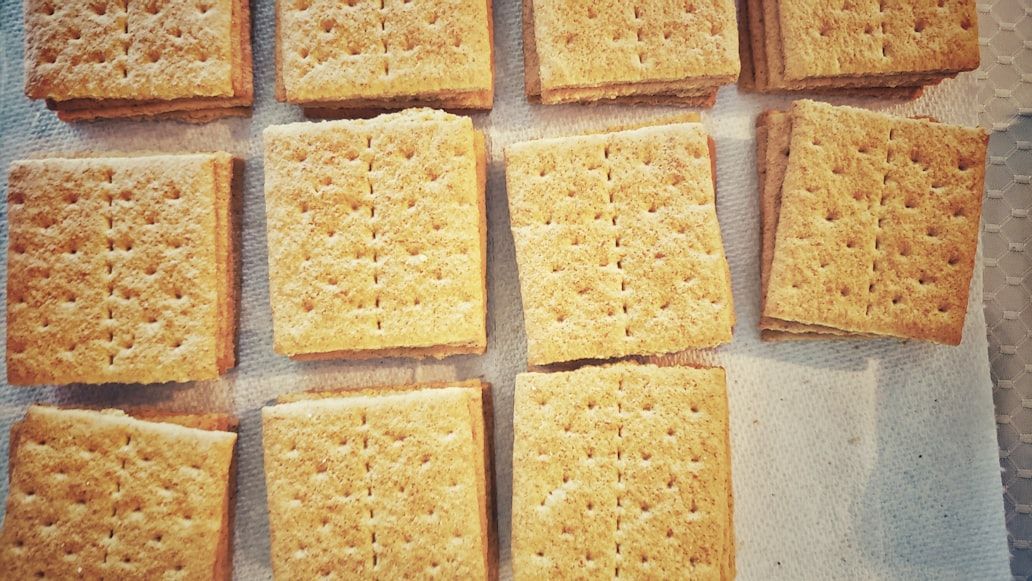
Graham Crackers

Image: Joshua Hoehne

Graham Crackers are typically associated with pie crusts and s’mores, but did you know that they were developed as part of a temperance movement? That’s right, they were invented by Presbyterian minister Sylvester Graham, who believed that a vegetarian, wheat-centered diet could help suppress devious urges. He created a plain, unsweetened, coarse cracker as a diet staple, without knowing it would become integral to many snacks and sweet treats.

6

Animal Crackers

Image: Rona Vorontsova

Originally imported from Britain, these cookies were so popular in the late 19th century that imports were unable to keep up with the demand, so bakers started producing them locally. At the turn of the 20th century, they were rebranded as Barnum’s Animals to evoke the popular circus, a name they still use today, though the circus-inspired design has changed to reflect a more ethical treatment of animals.

7

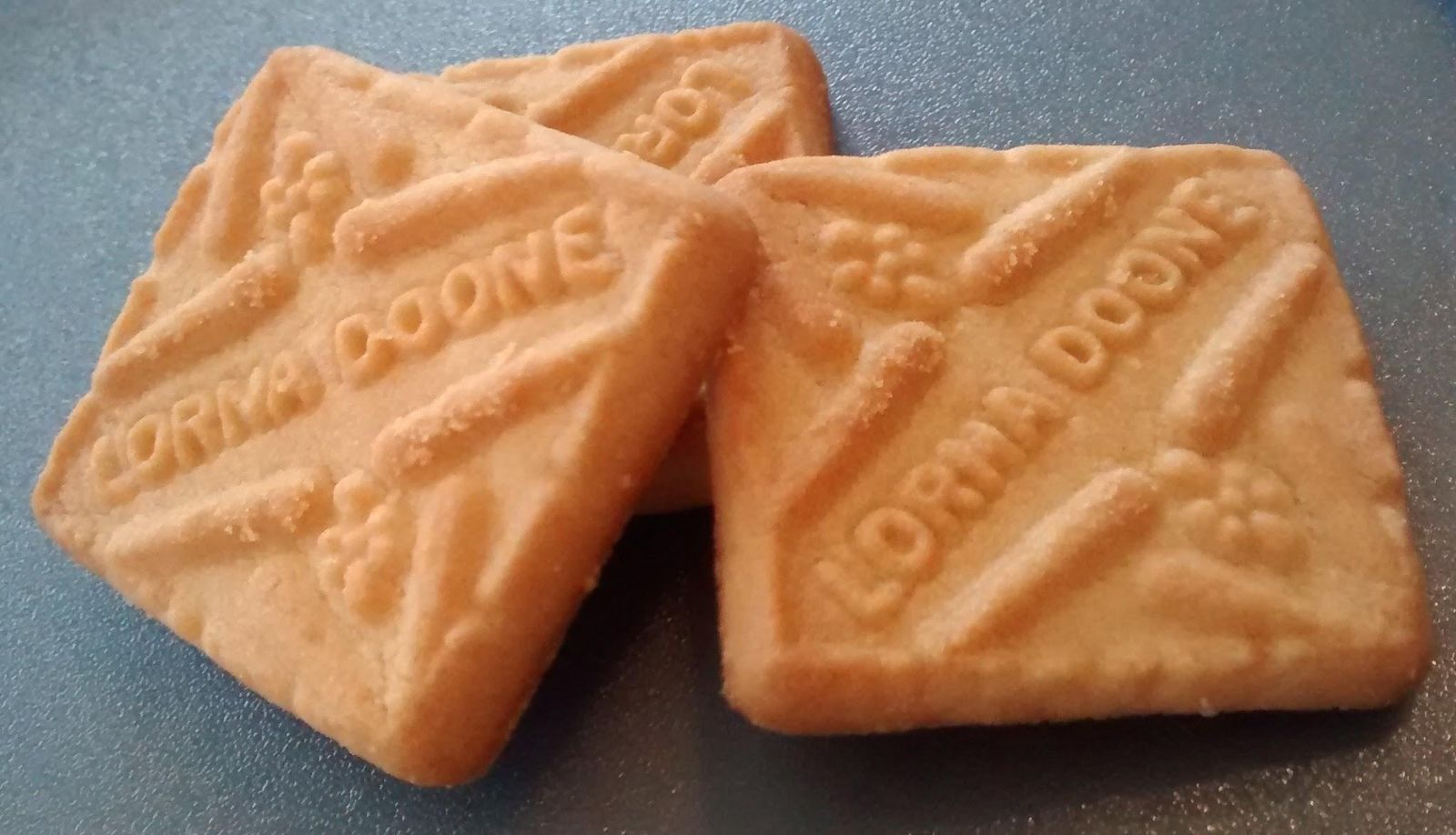
Shortbread Cookies

Image: Mx. Granger, CC0, via Wikimedia Commons

Sweet and buttery, shortbread cookies are believed to be of Scottish origin, where they are associated with Christmas and New Year celebrations. Introduced in the U.S. by Scottish immigrants, they were made popular under the brand Lorna Doone at the beginning of the 20th century.

8

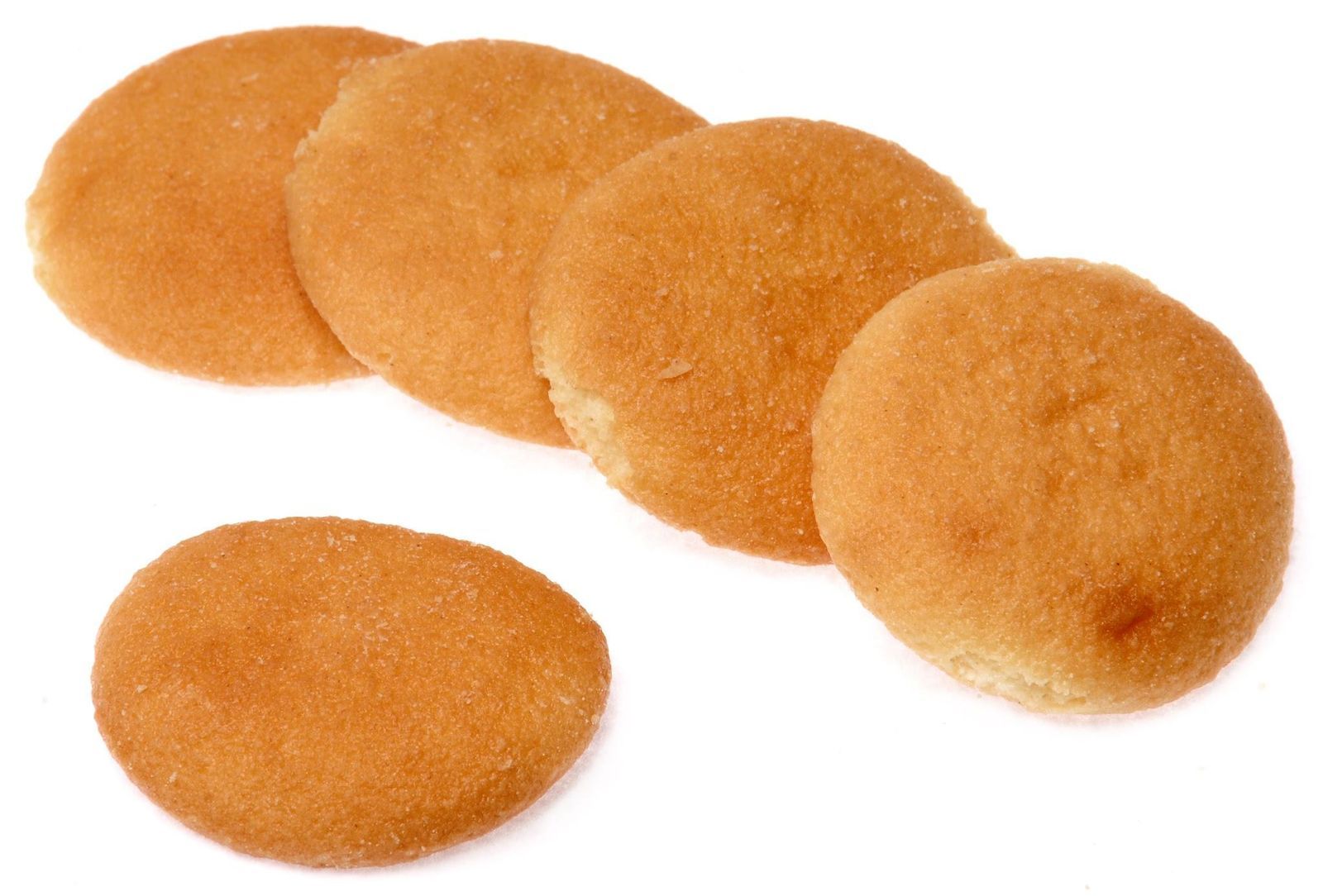
Nilla Wafers

Image: Evan-Amos, Public domain, via Wikimedia Commons

Developed in the 19th century by a German-American confectioner, these cookies might not seem much at first sight, but they have become a staple in the American cookbook. Originally sold as Vanilla Wafers, they became popular in the South as an ingredient for banana pudding, so much so that the recipe was printed on the box. In the 1960s, the name was officially changed to Nilla Wafers.

9

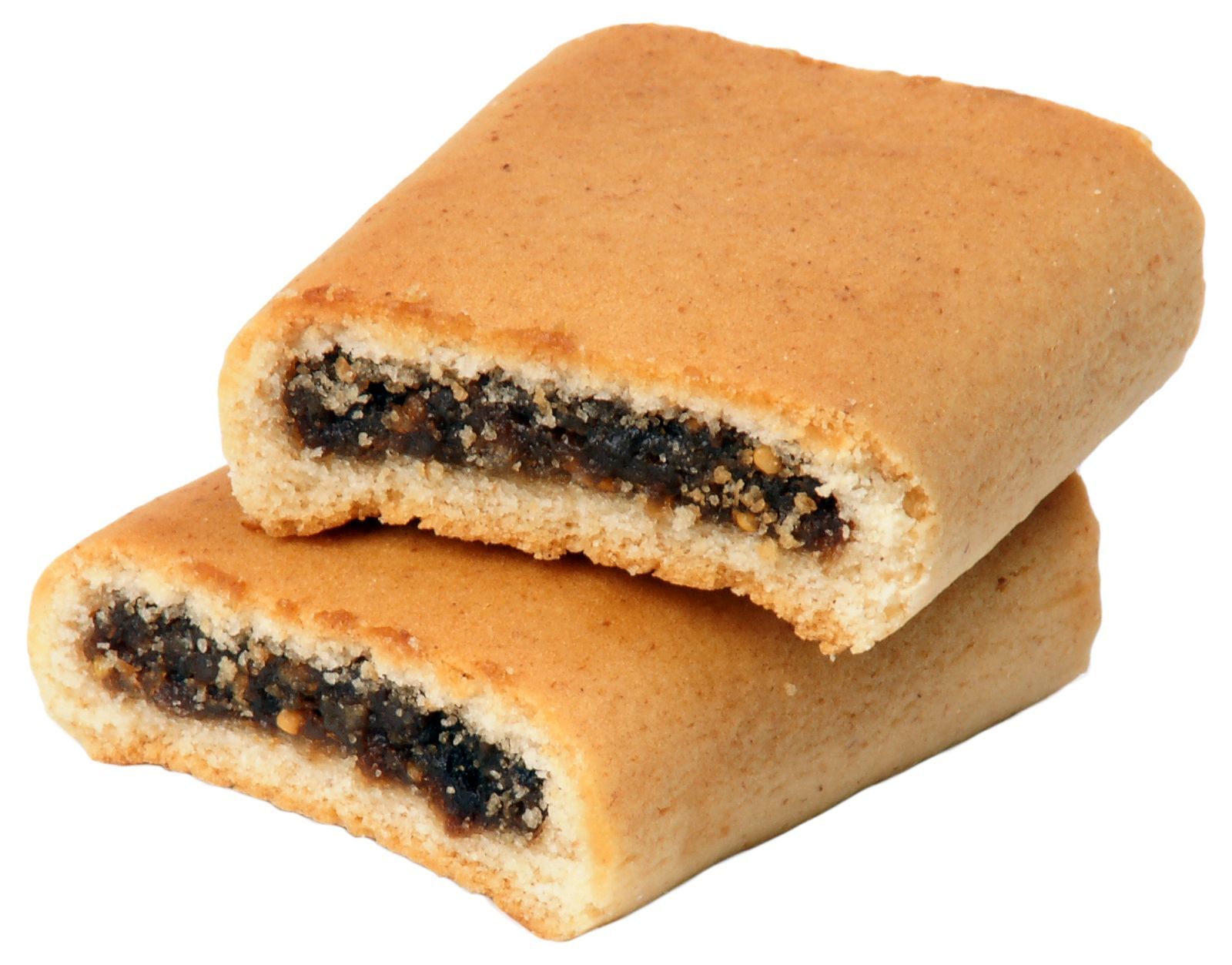
Fig Newtons

Image: Evan-Amos, Public domain, via Wikimedia Commons

Named after the town of Newton, Massachusetts, these cookies were originally developed in Philadelphia as a copy of the British fig roll. Its creator, Charles Roser, used a machine that allowed him to extrude the cookie and the filling as one, in a continuous roll. He later sold his recipe to the Kennedy Biscuit Company, who popularized it under the Fig Newton name.

10

Nutter Butter

Image: Geoff, CC BY-SA 3.0 , via Wikimedia Commons

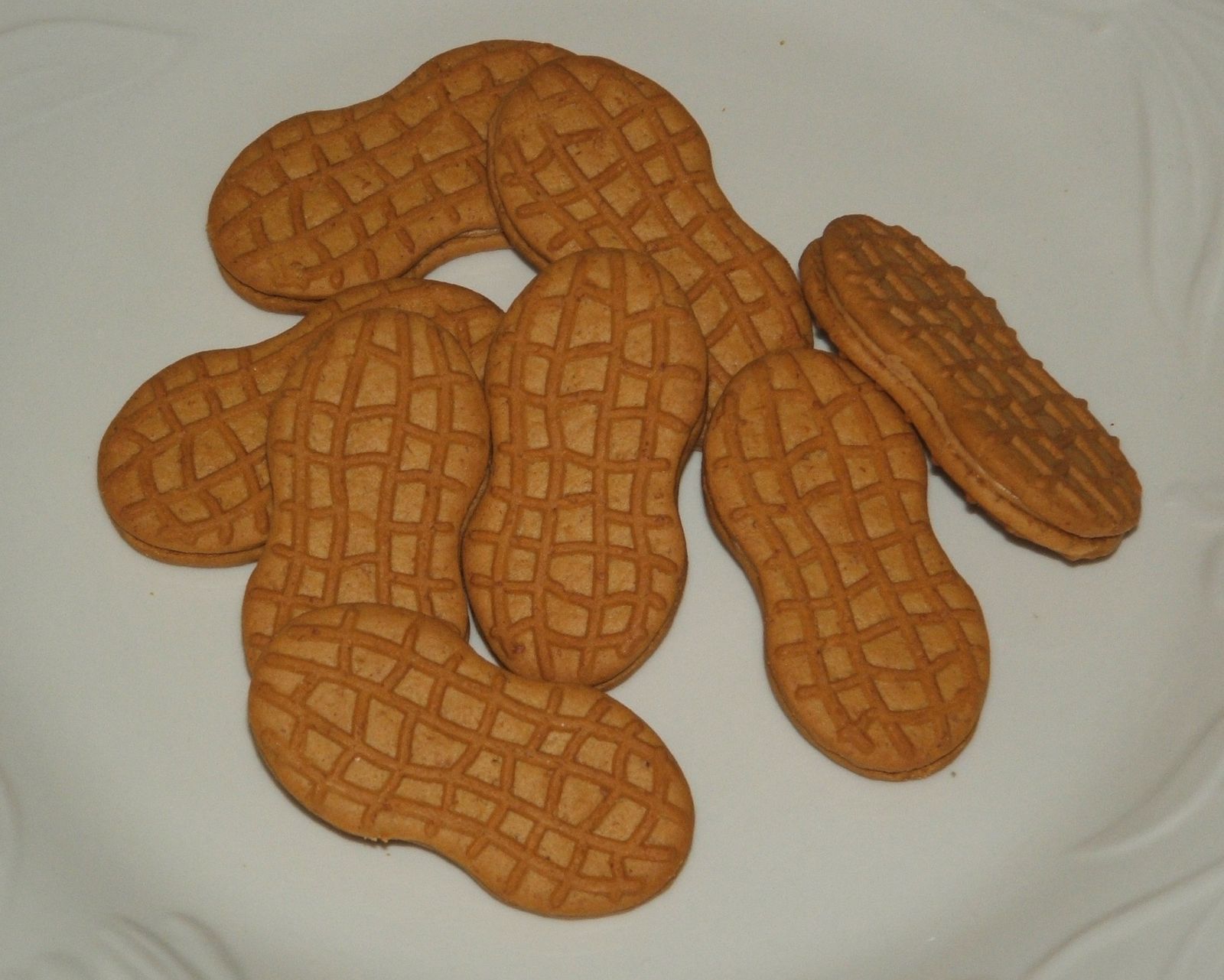
Another best-seller by Nabisco (the owner of Oreo), Nutter Butter is one of the most popular peanut butter sandwich cookies in the market. Besides being a peanut-lovers’ favorite, it has become synonymous with blood donations in the U.S, to the point that donations dropped substantially when the Red Cross stopped offering it to donors. Luckily, Nabisco committed to donating Nutter Butters for this purpose.

11

Milano cookies

Image: Geoff, CC BY-SA 3.0 , via Wikimedia Commons

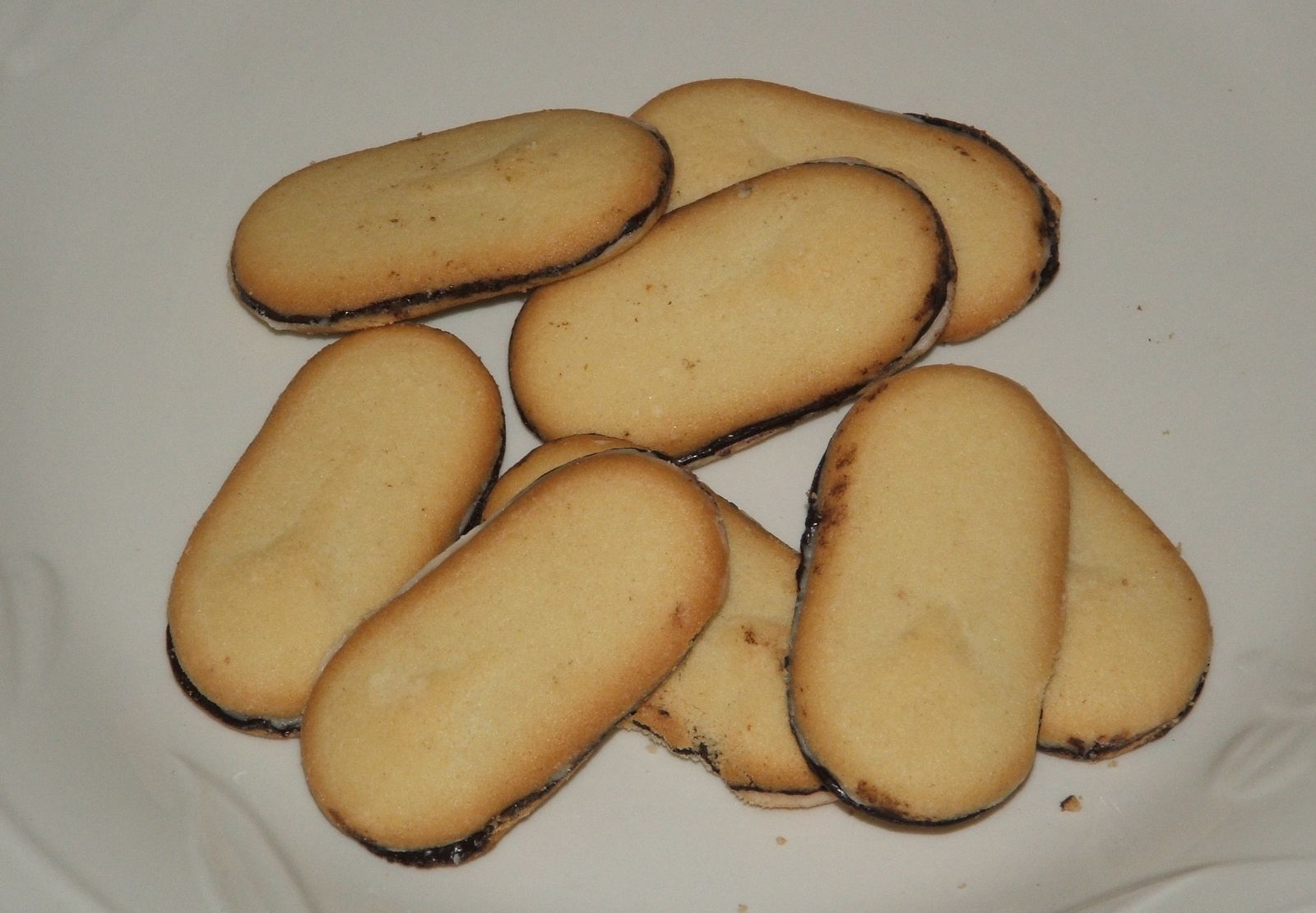
An imitation of Italian-style biscuits, Milano Cookies were developed by the Pepperidge Farm company as part of a ‘European’ cookie series. They have since become extremely popular and have expanded their flavor range beyond their original milk chocolate version. Each year, Pepperidge Farm introduces seasonal and limited-edition flavors based on consumer demand, such as Chai Latte, London Fog, or Café au Lait.

Secret uses

There’s a hidden microphone in your phone, and here’s where it is


Published on June 19, 2026


Image: Inside Creative House

You’ve probably twisted a bread bag closed, filled up your car, or pulled a sheet of aluminum foil from the box thousands of times without giving it a second thought. But many of the everyday objects we’ve used for decades have clever features that most people never notice. From the tiny pocket on blue jeans to the little arrow next to your gas gauge, these hidden designs have practical stories behind them, and once you know them, you’ll never look at these familiar items the same way again.

1

​Dot next to the iPhone camera

Image: DenPhotos

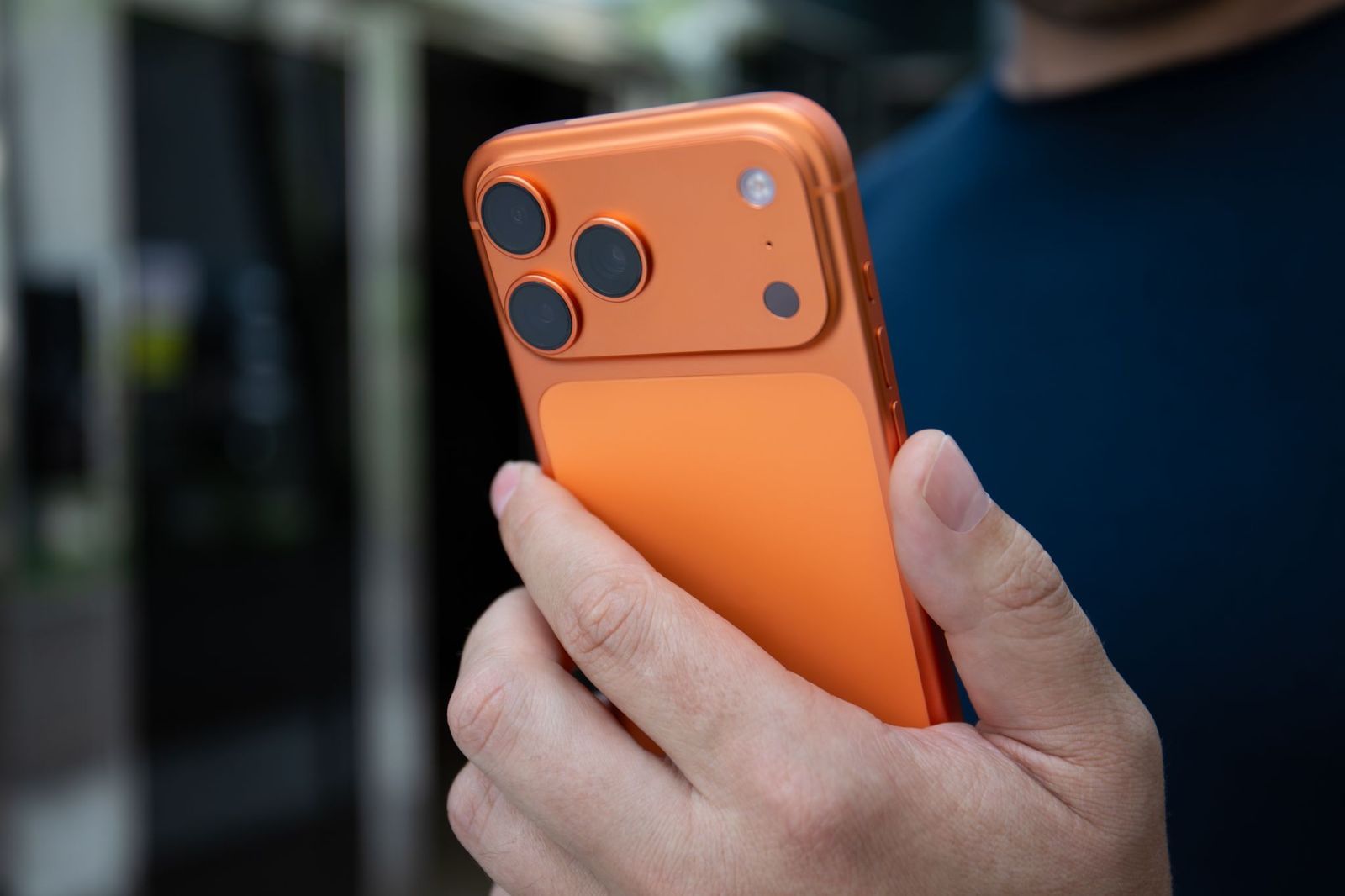
If you own an iPhone, you’ve probably noticed the tiny black dot next to the rear camera. It’s small, so people tend to assume it’s another camera sensor or even part of the phone’s design. The small hole found near the camera bump on every iPhone is actually a rear microphone.

It captures clearer audio when you’re recording videos and helps reduce background noise during FaceTime and regular phone calls. If you own an iPhone Pro model from the iPhone 12 Pro onward, you'll also see a larger dark circle. That’s the LiDAR scanner, which sends out invisible infrared light to create a 3D map of your surroundings. It helps the camera focus faster in low light, powers Apple’s Measure app, and makes augmented reality features much more accurate.

2

​Indent on the bottom of wine bottles

Image: tartaphotography

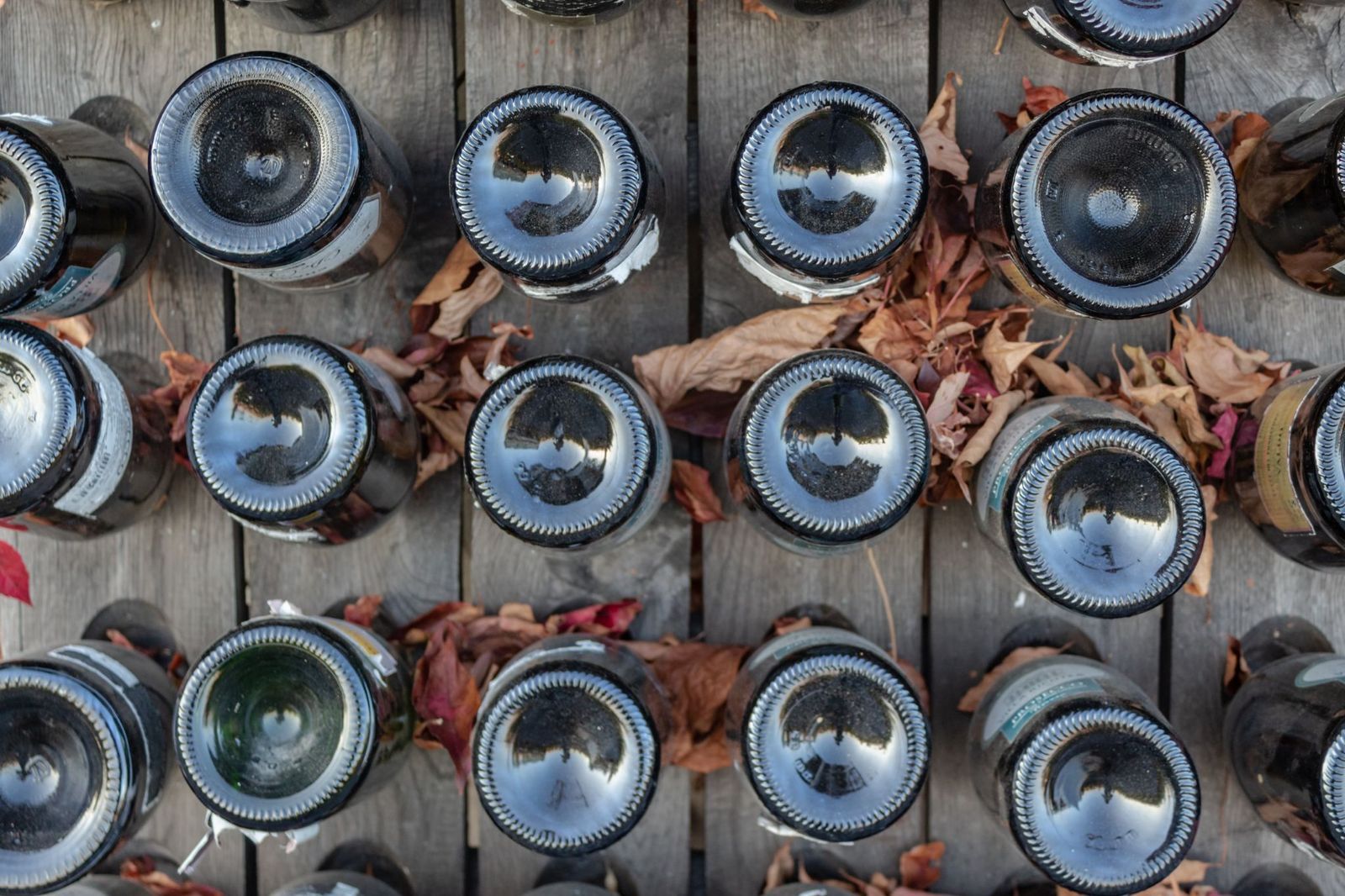
Whether it's a holiday dinner, an anniversary, or simply a nice meal with friends, you’ve probably held a wine bottle and noticed the deep indentation in the bottom. Many people tend to think the deeper the indent, the fancier the bottle.

That indentation is called a punt, and it’s been a part of the bottle-making for centuries. Originally, it helped strengthen hand-blown glass bottles, making them less likely to crack under pressure. Today, it still adds structural stability, particularly for sparkling wines, while also giving servers a comfortable place to rest their thumb when pouring, though some say it helps collect the sediment as wines age. In any case, a deeper pun doesn’t automatically mean a better or more expensive bottle.

3

​Dashboard gas gauge arrow

Image: happycreator

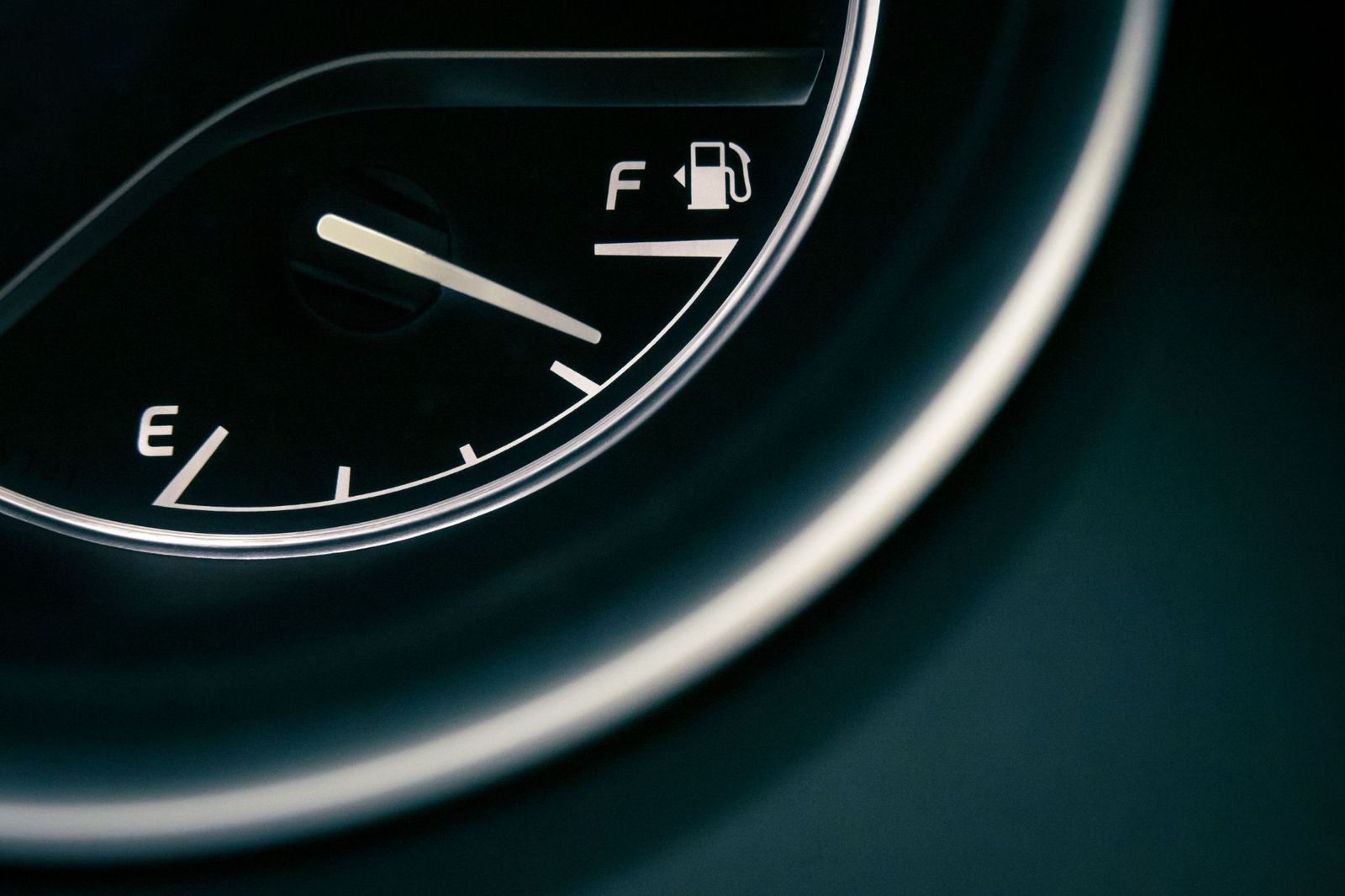
Almost every driver has experienced that awkward moment at the gas station. You pull up to the pump, step out of the car, and suddenly realize the fuel door is on the opposite side.

To help prevent exactly that situation, many modern vehicles include a small arrow next to the gas pump symbol on the dashboard’s fuel gauge. The arrow points towards the side of the vehicle where the fuel filler door is located. It’s a small detail on the dashboard, yet once you notice it, you’ll never have to circle the pump again.

4

​Tiny hole outside an elevator door

Image: chanonnat srisura

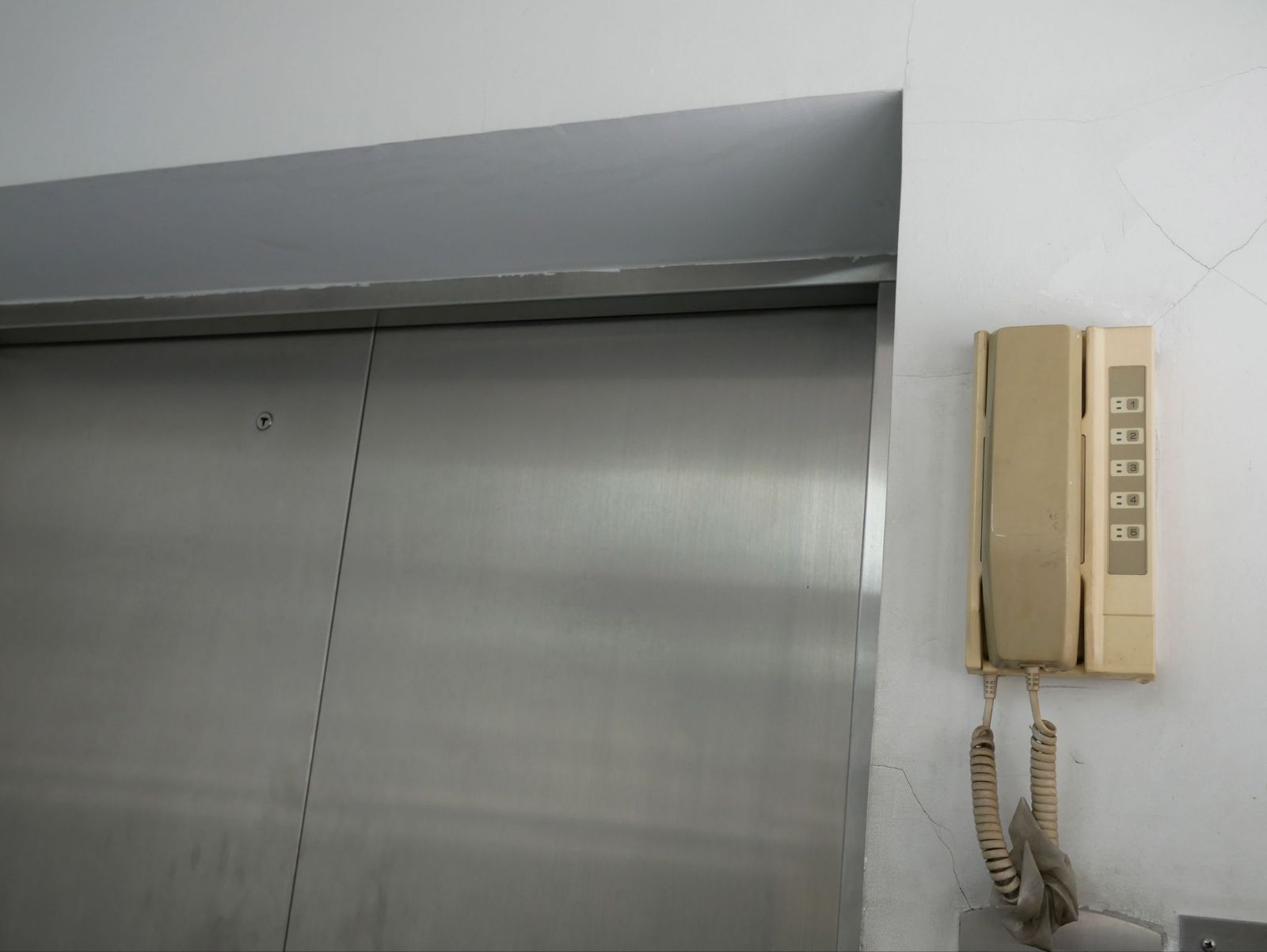
All elevators look pretty much the same. Bigger or smaller, they all look similar, a gray box with a mirror and buttons. But if you pay close attention, you may notice there’s a small round opening near the top of the door.

That opening is a keyhole used by trained maintenance technicians and emergency responders. With a special elevator key, they can manually unlock the landing doors when repairs are needed or if passengers become trapped inside. The system allows professionals to reach the elevator safely without damaging the doors or relying solely on electrical controls. Hopefully, most of us will never need to see it in action. But in an emergency, that tiny opening becomes one of the most important parts of the system.

5

Colored tags on store-bought bread

Image: Towfiqu ahamed barbhuiya

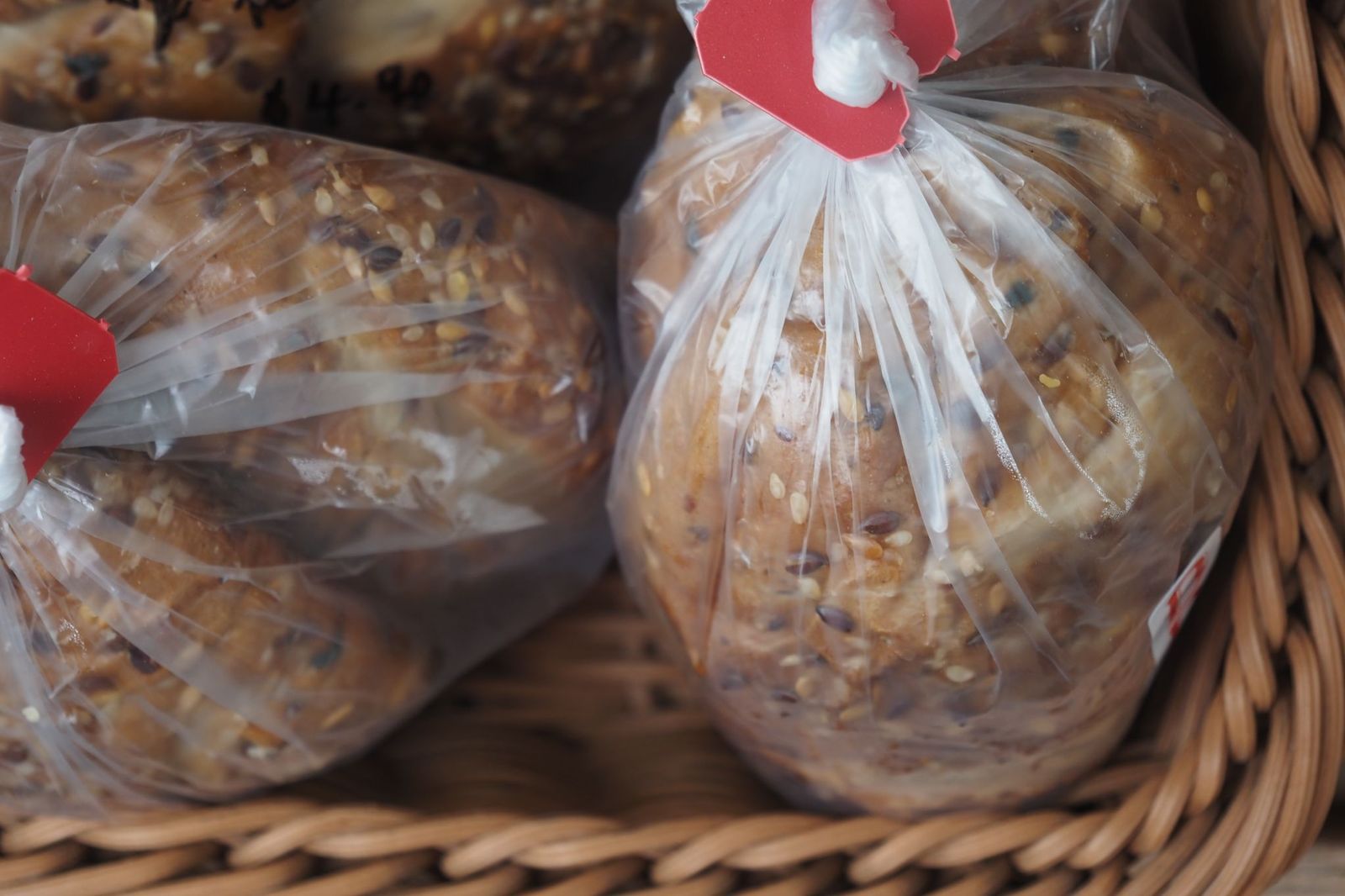
If you’ve ever stood in the bread aisle comparing loaves, you’ve probably noticed the colorful plastic clips or twist ties holding the bags shut. Contrary to what many think, they’re not simply a part of the packaging.

For many bakeries and grocery stores, the colors indicate the day a loaf was delivered or baked. While the exact color schedule can vary between bakeries and regions, employees use the system to quickly spot older inventory and rotate fresher bread to the back of the shelf. That way, customers are more likely to pick up the freshest loaf available.

6

​Tiny pocket on blue jean

Image: triocean

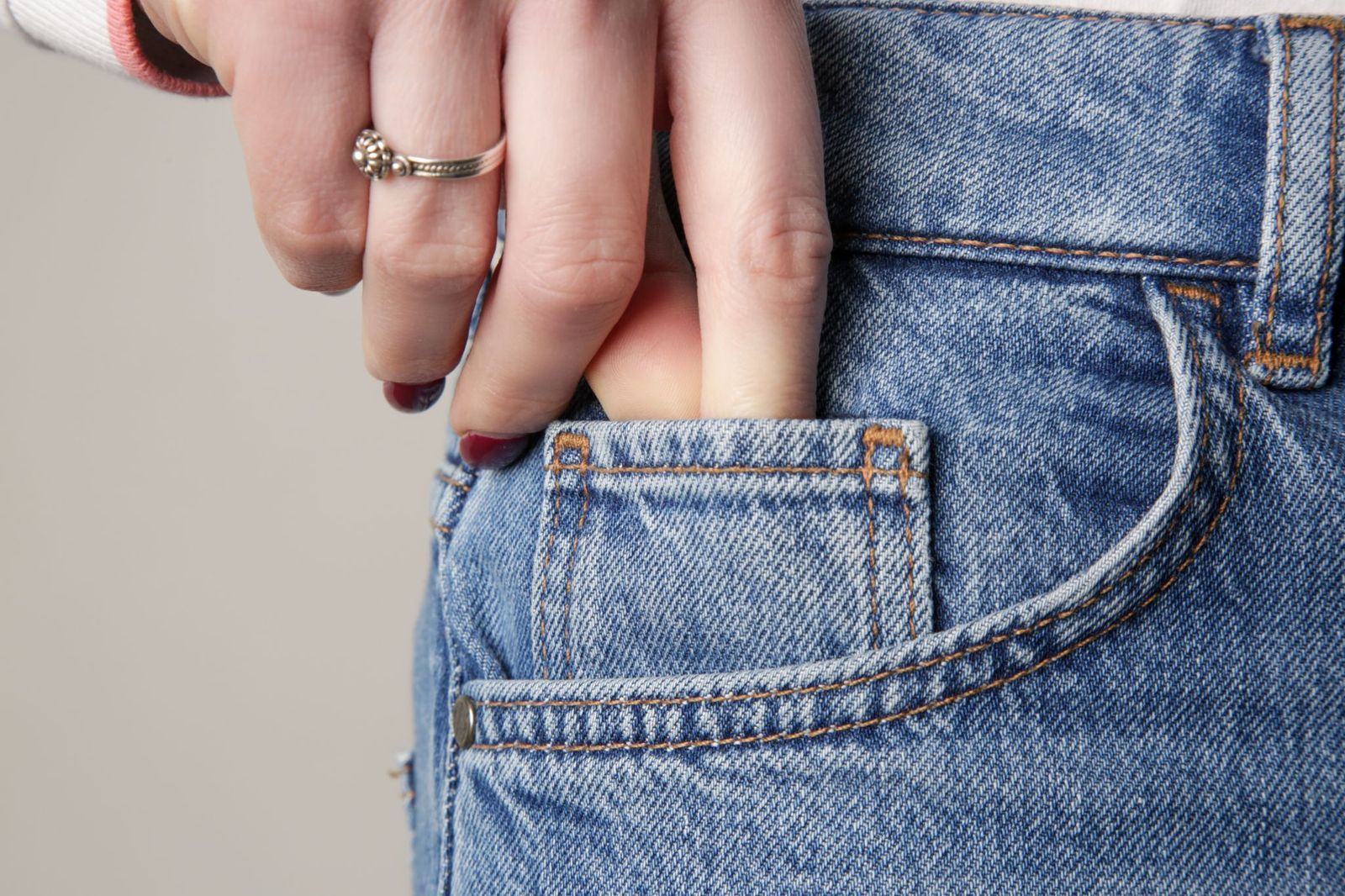
Whether you wear jeans every day or only pull them out for yard work, you’ve probably noticed the tiny extra pocket tucked inside one of the front pockets. It’s too small for a phone and not very useful for loose change, but there’s a reason for it.

Back in the 1800s, when Levi Strauss & Co. created rugged denim pants for miners, ranchers, and cowboys working across the American West, pocket watches were commonplace. Workers needed a safe place to carry their watches while riding horses, so that little pocket was designed specifically to protect the watch from damage. Pocket watches disappeared, but the tiny pocket became such an iconic part of blue jeans that manufacturers have continued including it for well over a century.

7

​Perforations on aluminum wrap boxes

Image: The Image Party

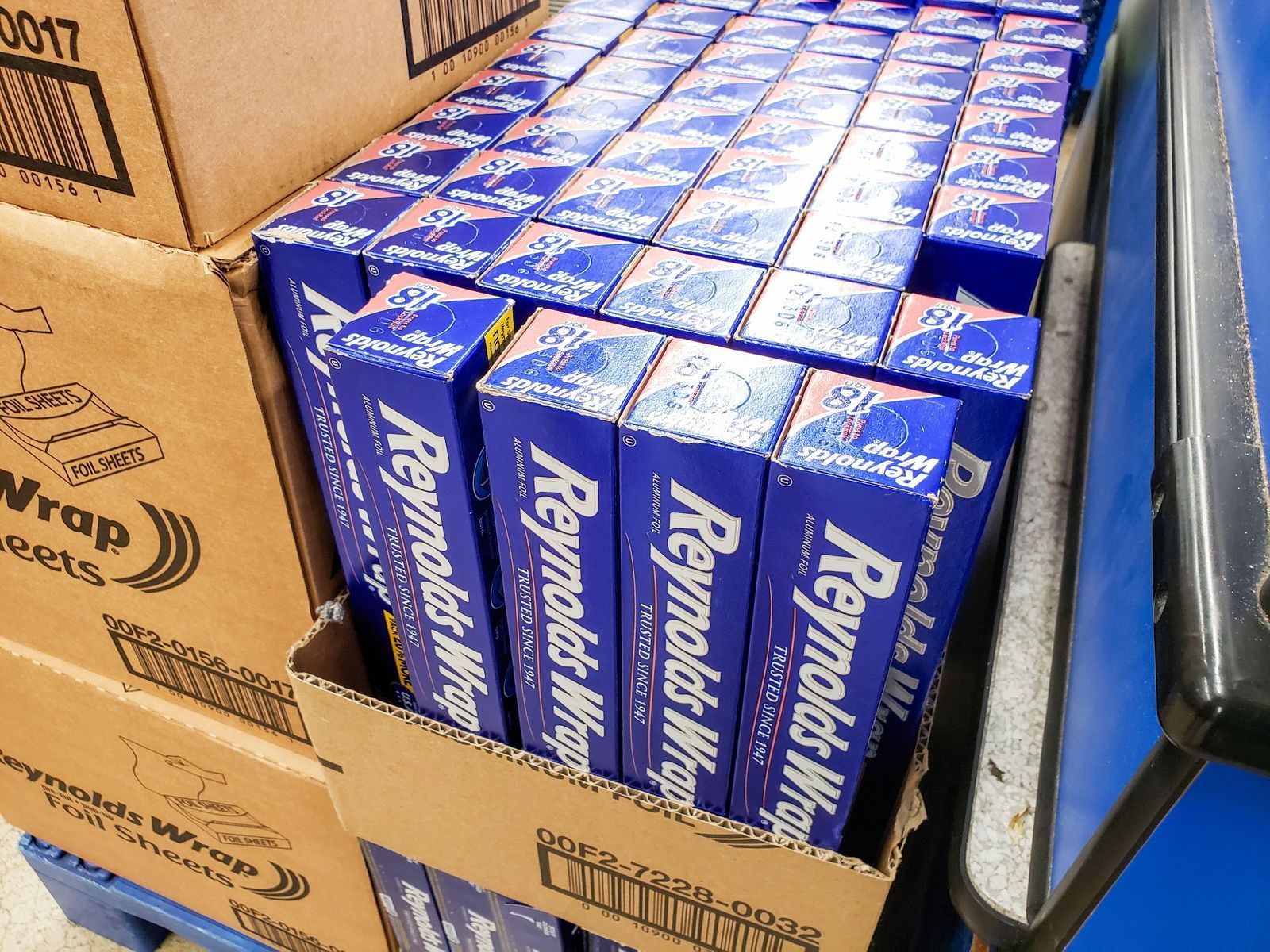
Almost everyone has had the same frustrating experience. You pull on a sheet of aluminum foil, and suddenly the entire roll slides out of the box and lands on the kitchen counter.

That’s exactly why major manufacturers such as Reynolds introduced the small side tabs, known as end locks, in the mid-1990s. By pressing the tabs inward, they hold the cardboard roll in place like built-in axles. This keeps the roll from sliding out of the box, makes it much more stable as you pull, and helps the serrated edge cut a cleaner, straighter sheet. It also reduces waste by preventing the foil from bunching up or tearing unevenly. It’s a simple design, yet useful as it can get.

8

​Hole in pen caps

Image: Konektus Photo

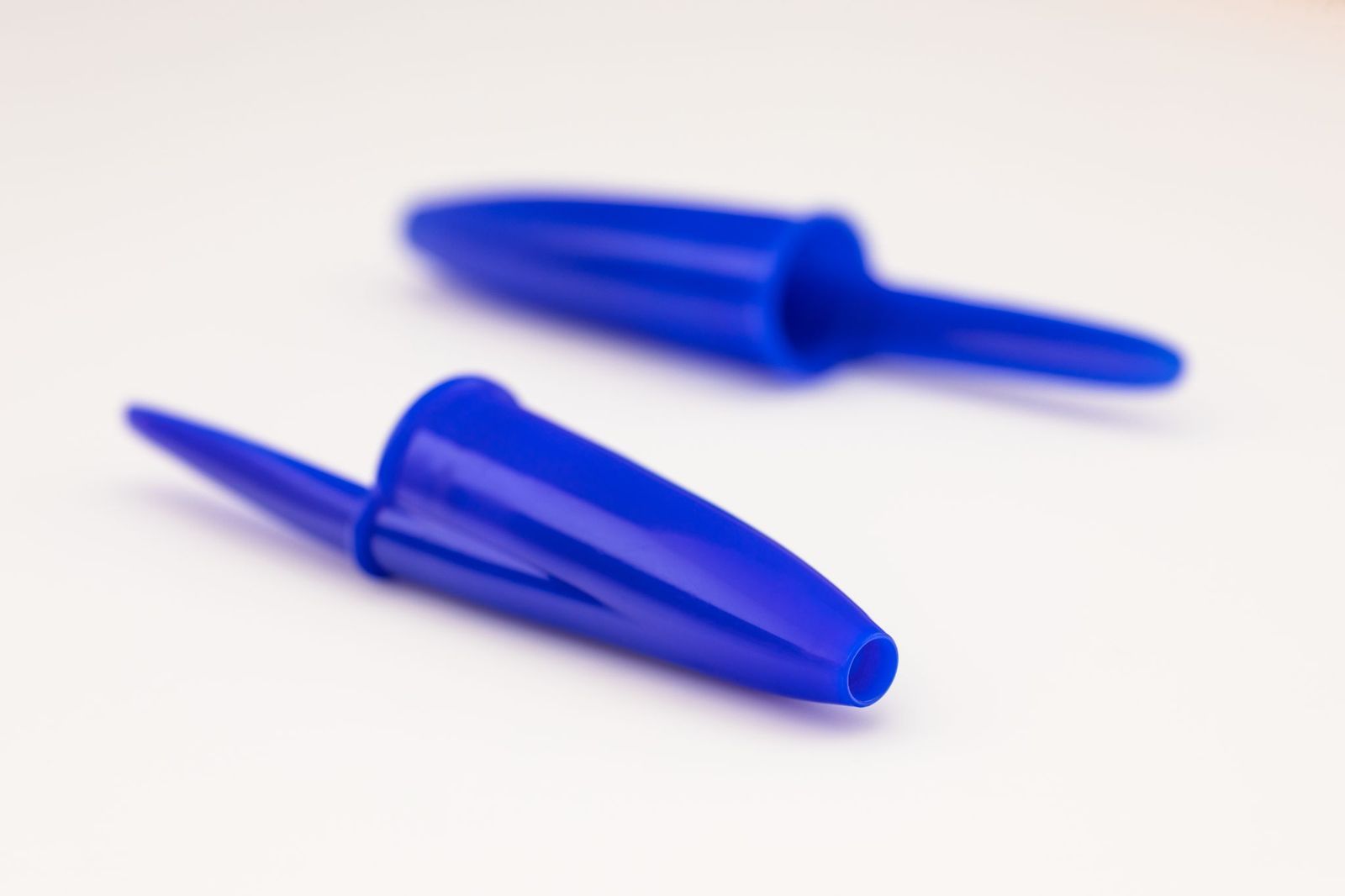
Every household has pens lying around for all kinds of purposes. And most of them have a common feature, a hole in the cap, which isn’t simply part of the design.

BIC and other pen manufacturers included the opening as a safety feature. If someone, especially a child, accidentally swallows a pen cap, the hole can allow a small amount of air to pass through, reducing the risk of complete airway blockage while emergency help is on the way. The design became part of border efforts to improve consumer product safety after choking incidents drew attention to the danger of small plastic objects.

9

​A strawberry attached to a pincushion

Image: Kimberly Hall

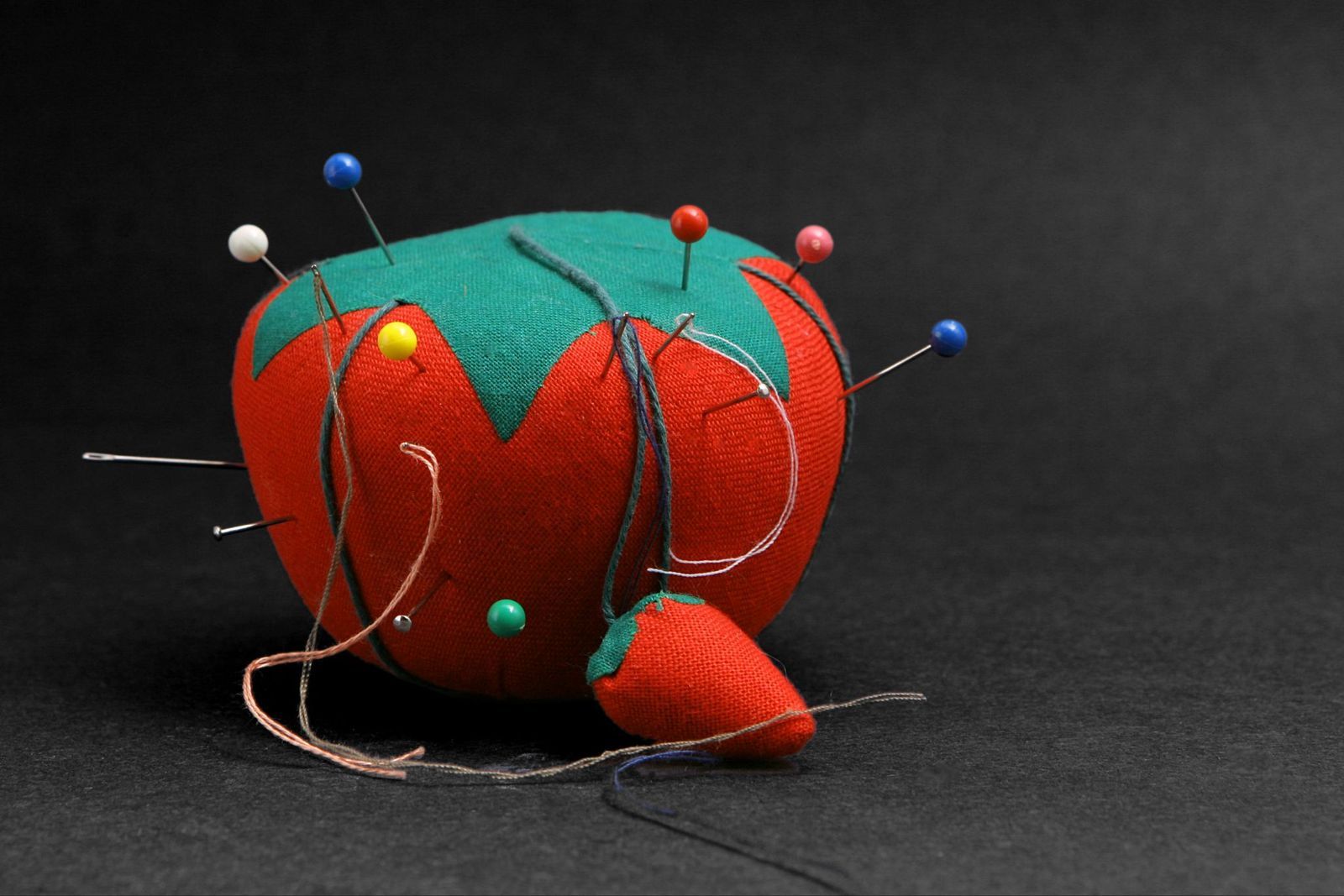
If you grew up sewing or watching somebody do it, you probably remember the classic tomato-shaped pincushion sitting beside the sewing basket. Hanging from it was a tiny red strawberry that looked like nothing more than a cute finishing touch.

In reality, that little strawberry has its own job. Instead of soft stuffing, it’s filled with emery, a gritty material made from crushed abrasive minerals. Running pins and needles through it helps polish away tiny spots of rust, smooth rough edges, and keep the points sharp enough to glide through fabric more easily.

10

​Ridges on the F and J keyboard keys

Image: alexkich

Think back to the first time you learned to type. Maybe it was at work, or on a family computer. Wherever it was, someone probably told you to keep your fingers on the "home row." That’s exactly why the F and J keys have tiny raised ridges.

The bumps let your index fingers find the correct starting position by touch alone, allowing you to type without constantly looking down at the keyboard. The technique, known as "touch typing," is widely credited to American court stenographer Frank Edward McGurrin, who demonstrated it in 1888. As typewriters became more common, manufacturers experimented with different ways to help typists orient their hands, and by the mid-20th century, companies such as IBM standardized the subtly raised plastic bars that remain on nearly every keyboard today.

Looking for an extra scoop of literary fun?

Learn more with our Word of the day

nonplussed

/ˌnɑnˈpləst/