"How dare you?": 10 iconic speeches that made history


Published on June 26, 2026

Image: Godlikeart

History has been made through iconic speeches that changed the world: From ‘I Have a Dream ’, ‘Are Women Persons?’ to ‘The Only Thing We Have to Fear Is Fear Itself ’, tectonic shifts have occurred after these words were spoken. All written and delivered by masters of ideas and expression, discover the ultimate 10 manifestos that modified how people felt, thought, and acted.

1

I Have a Dream - Dr Martin Luther King
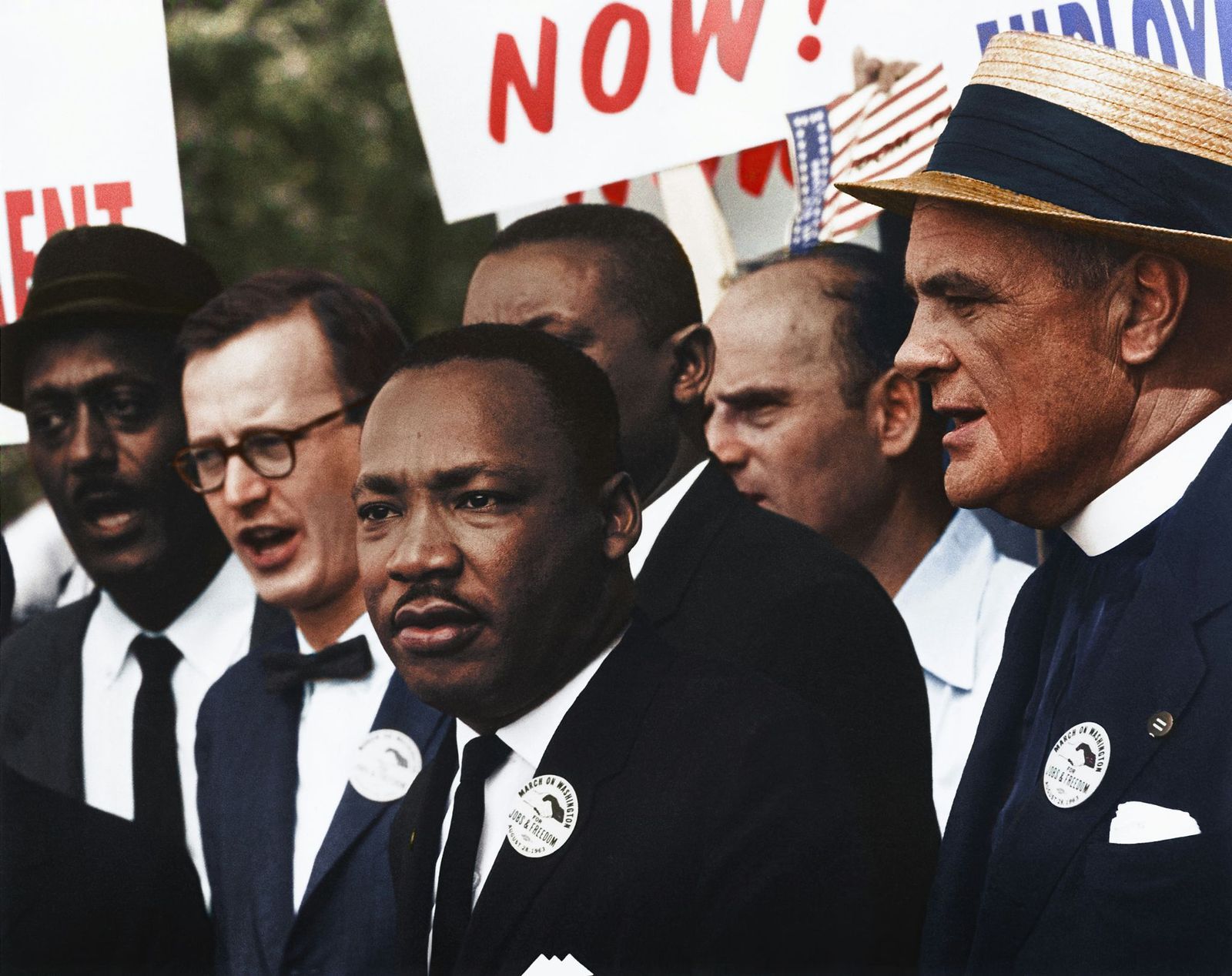
Image: Unseen Histories

On the 28th of August 1963, at the Lincoln Memorial in Washington, D.C., Dr Martin Luther King delivered his famous speech I Have a Dream, which was one of the most defining moments in history. This incredible speech was the climax of the March on Washington for Jobs and Freedom, which drew over 250,000 supporters to the city. Through his words, King galvanized the American Civil Rights movement, calling for racial equality and an end to legalized discrimination.

Through the reiteration of the title phrase, he managed to express hope powerfully, stating his wishes for the nation as a whole, in a relatable and inspiring way for all: "I have a dream that my four little children will one day live in a nation where they will not be judged by the color of their skin but by the content of their character".

2

We Shall Fight on the Beaches - Winston Churchill
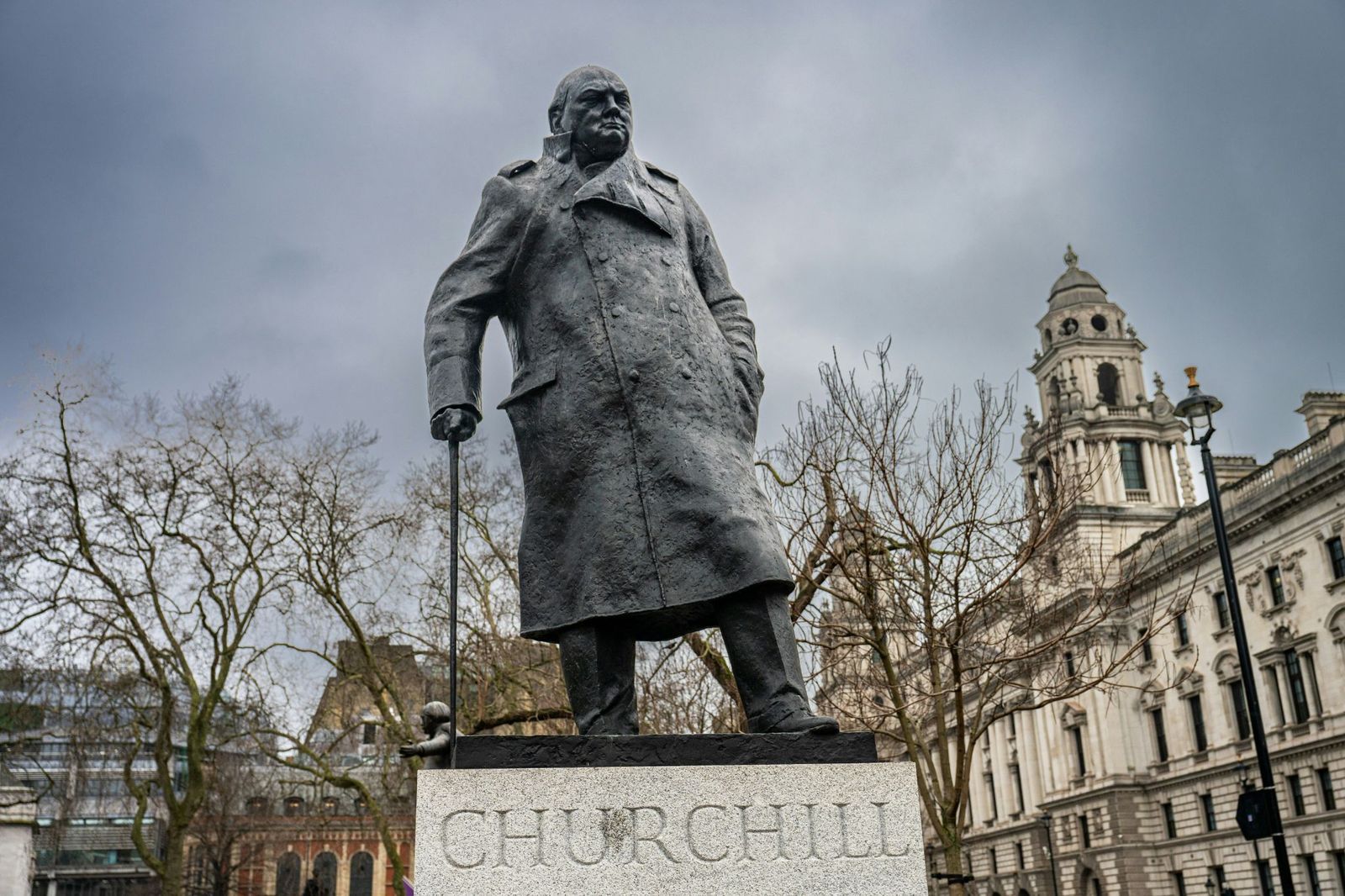
Image: Toby Dagenhart

This iconic speech was delivered by Winston Churchill on June 4th, 1940, in the House of Commons, while he was Prime Minister of the United Kingdom. It was the second of a three-speech series given by Churchill around the time of the Battle of France, where tough things had to be said, without losing all hope.

The objective of this delivery was quite complex: to warn the British public of a possible invasion attempt by the Nazi regime, without casting doubt about their eventual victory: "...we shall prove ourselves once again able to defend our island home, to ride out the storm of war, and to outlive the menace of tyranny, if necessary for years, if necessary alone".

3

Ask Not What Your Country Can Do for You - John F. Kennedy
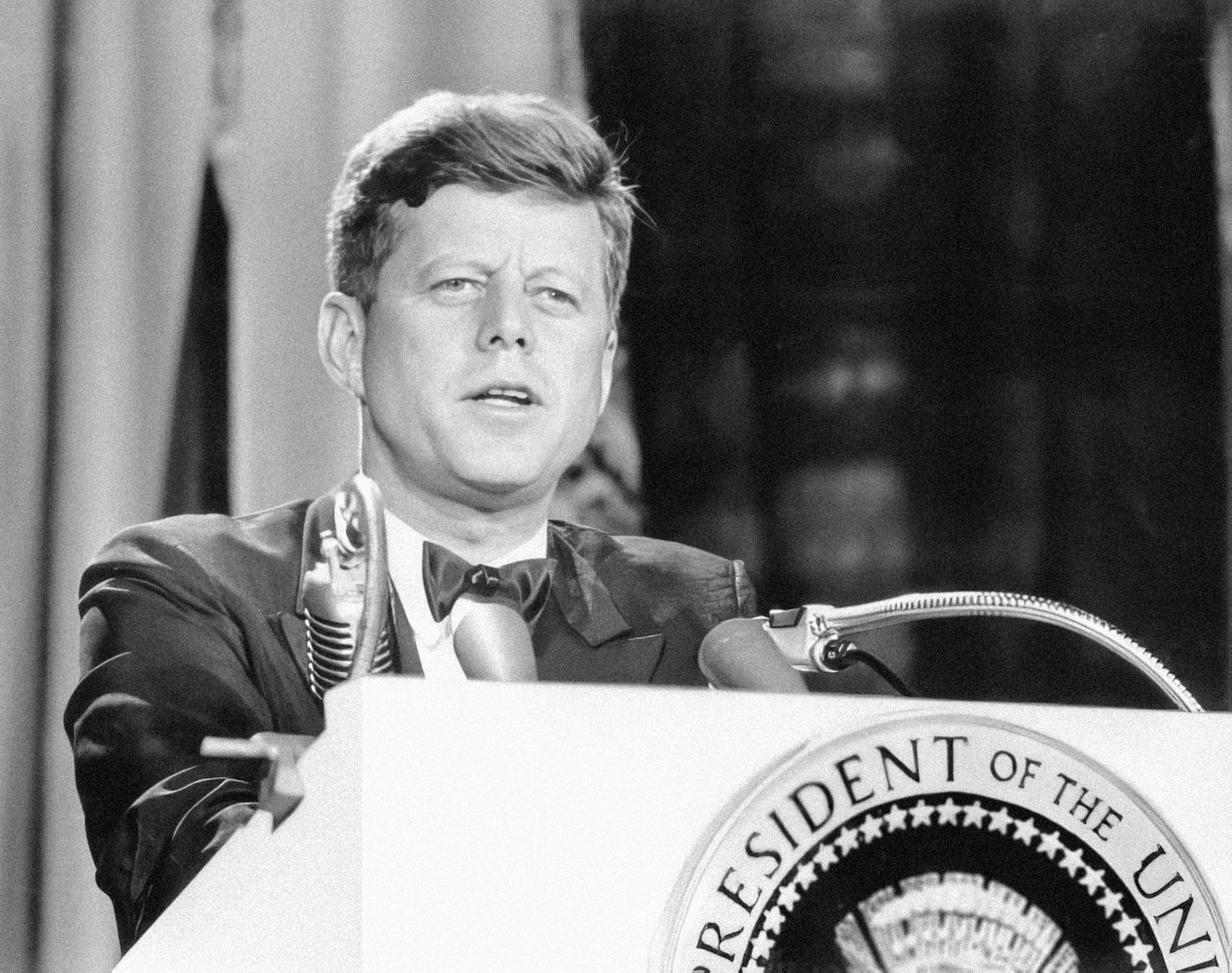
Image: Florida Memory

During John F. Kennedy's Inaugural Address on January 20th, 1961, he had a climactic moment which has been remembered throughout history: "Ask not what your country can do for you—ask what you can do for your country."

His goal was for it to be a call to civic action, urging ordinary citizens to prioritize public service, community sacrifice, and the greater good over individual self-interest.

4

An Ideal for Which I Am Prepared to Die - Nelson Mandela
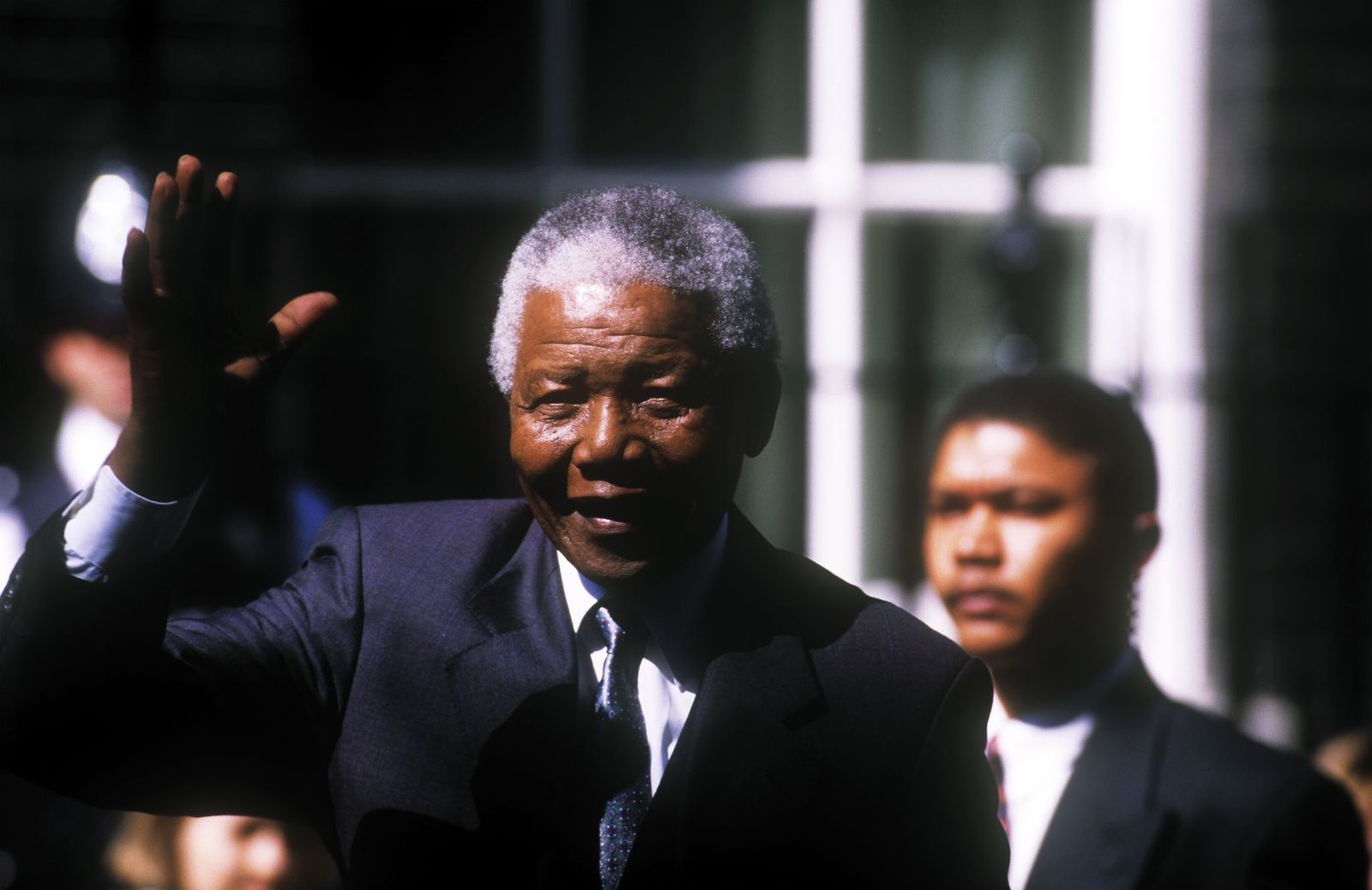
Image: Sean Aidan Calderbank

It was on April 20th, 1964, when the future leader of South Africa, Nelson Mandela, the eldest son of a Xhosa-speaking Tembu chief, had a difficult time ahead of him: He faced the death penalty for alleged sabotage and treason against the white-minority-ruled state and its segregationist policies during what was known as the Apartheid regime.

Mandela, also known as Madiba, used the trial in Pretoria to outline the ideals of the African National Congress (ANC). His closing statement, which became a defining document for the global struggle for human rights, shocked the courtroom: "I have cherished the ideal of a democratic and free society in which all persons will live together in harmony and with equal opportunities. It is an ideal for which I hope to live for and to see realised. But, my Lord, if it needs be, it is an ideal for which I am prepared to die."

5

How Dare You? - Greta Thunberg

Image: Pascal Bernardon

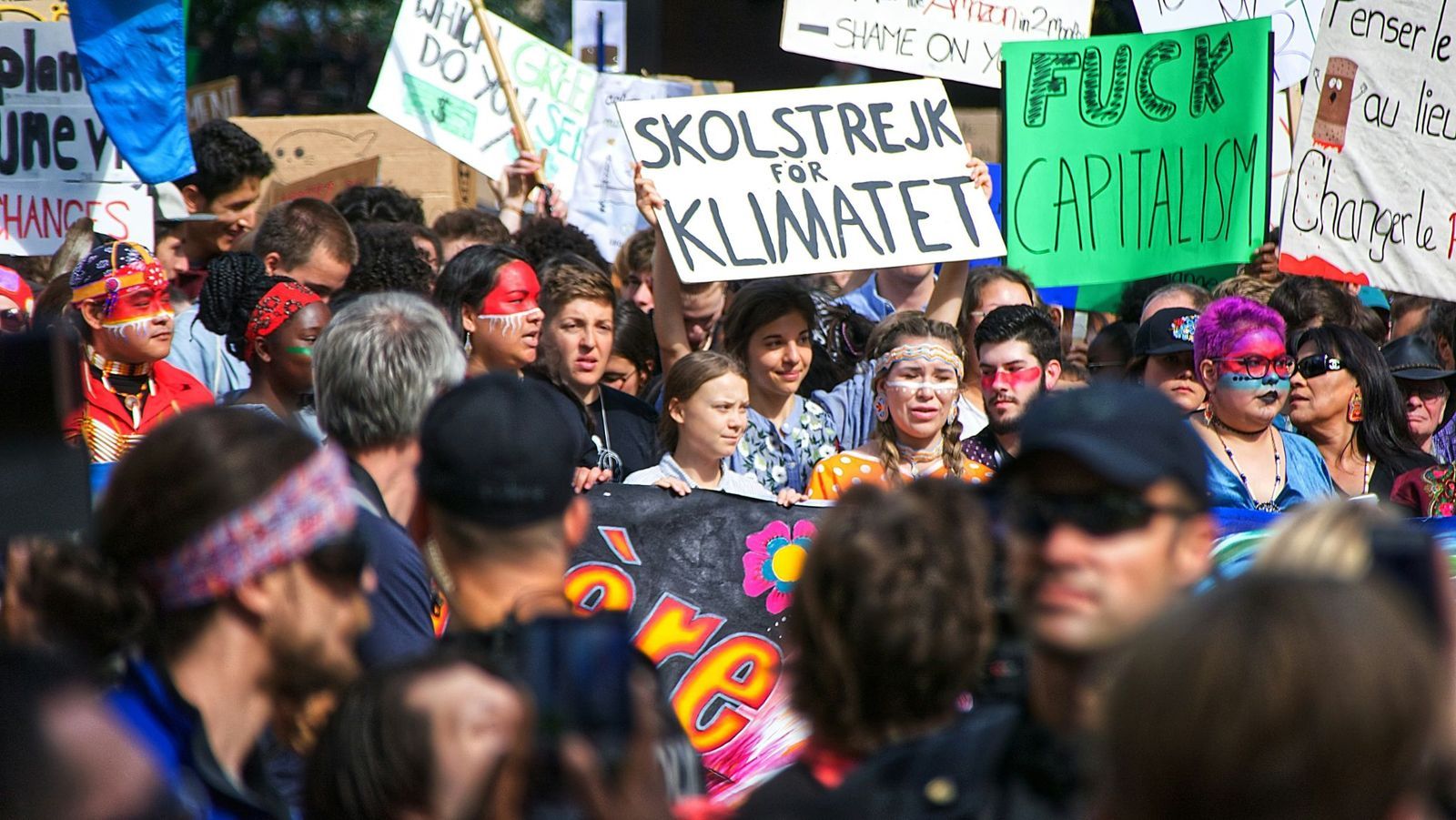
On the 23rd of September of 2019, during the United Nations Climate Action Summit in New York, Greta Thunberg delivered a speech titled: "How Dare You?" Just like Malala Yousafzai, she was 16 years old at the time, but she confronted world leaders on their inaction on climate change in a way that had rarely been seen before.

She demanded urgent measures to be taken to save the planet, urged them to stop ignoring scientific warnings, and accused those present of stealing her generation's future with empty promises: "We are at the beginning of a mass extinction, and all you can talk about is money and fairy tales of eternal economic growth. How dare you!"

6

The Only Thing We Have to Fear Is Fear Itself - Franklin D. Roosevelt
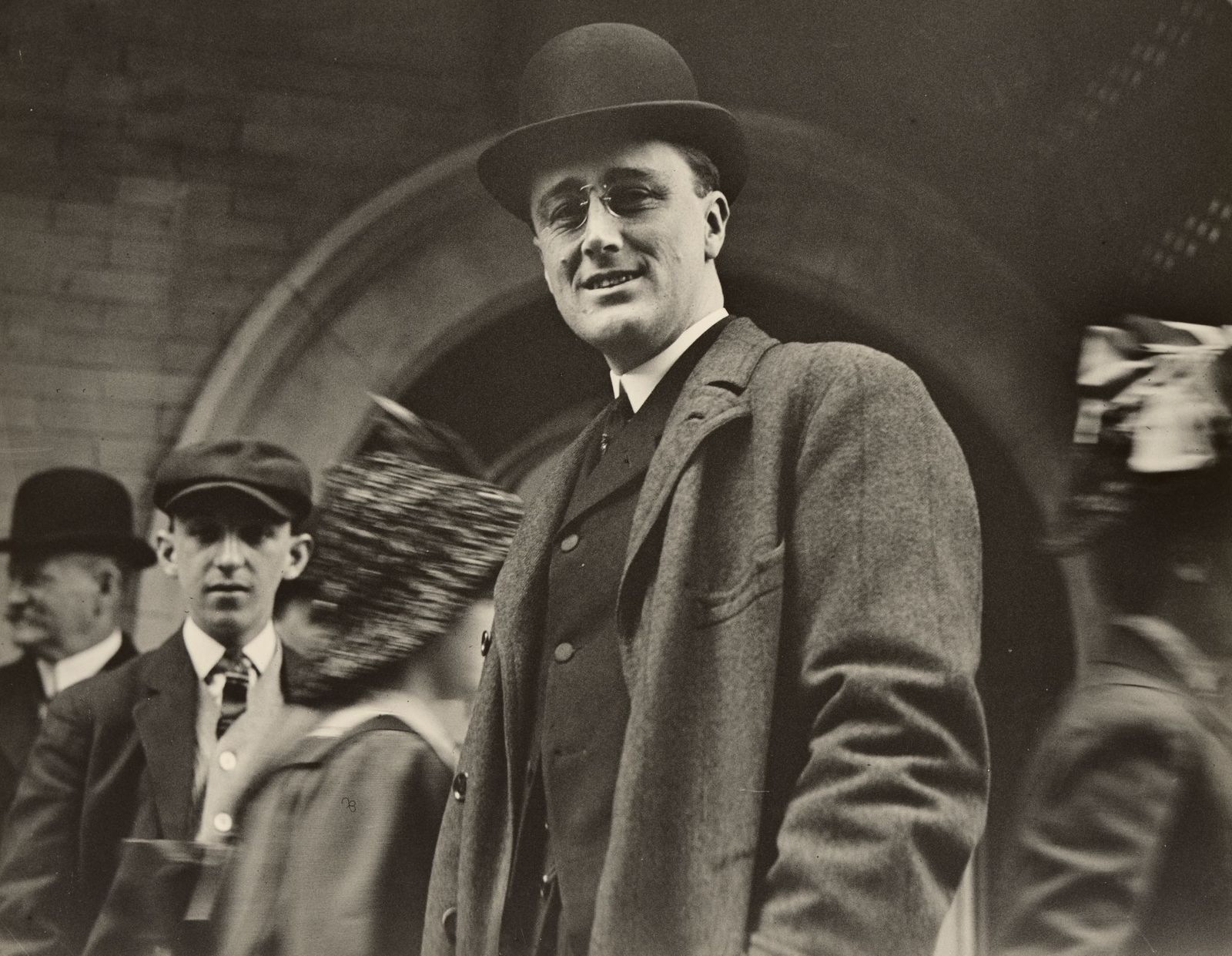
Image: Rawpixel.com

During his First Inaugural Address on March 4th, 1933, Franklin D. Roosevelt delivered this pivotal speech while facing the depths of the Great Depression. His intention was to assure the American public that, instead of the economic crisis itself, despair, inaction, and hopelessness were their biggest enemies.

The full historic passage reads: "So, first of all, let me assert my firm belief that the only thing we have to fear is fear itself—nameless, unreasoning, unjustified terror which paralyzes needed efforts to convert retreat into advance."

7

One Book and One Pen Can Change the World - Malala Yousafzai

Image: DFree

On her 16th birthday, on July 12th, 2013, Malala Yousafzai, the Nobel Peace Prize laureate, delivered her historic speech at the United Nations Assembly in New York to urge leaders around the globe to provide free and compulsory education for every child.

Incredibly, this took place just nine months after Malala survived an assassination attempt on her life by the Taliban for advocating for girls' education. In her address, she declared that the extremists were "afraid of books and pens" and that the power of education frightened them.

8

Are Women Persons?- Susan B. Anthony

Image: Tamer A Soliman

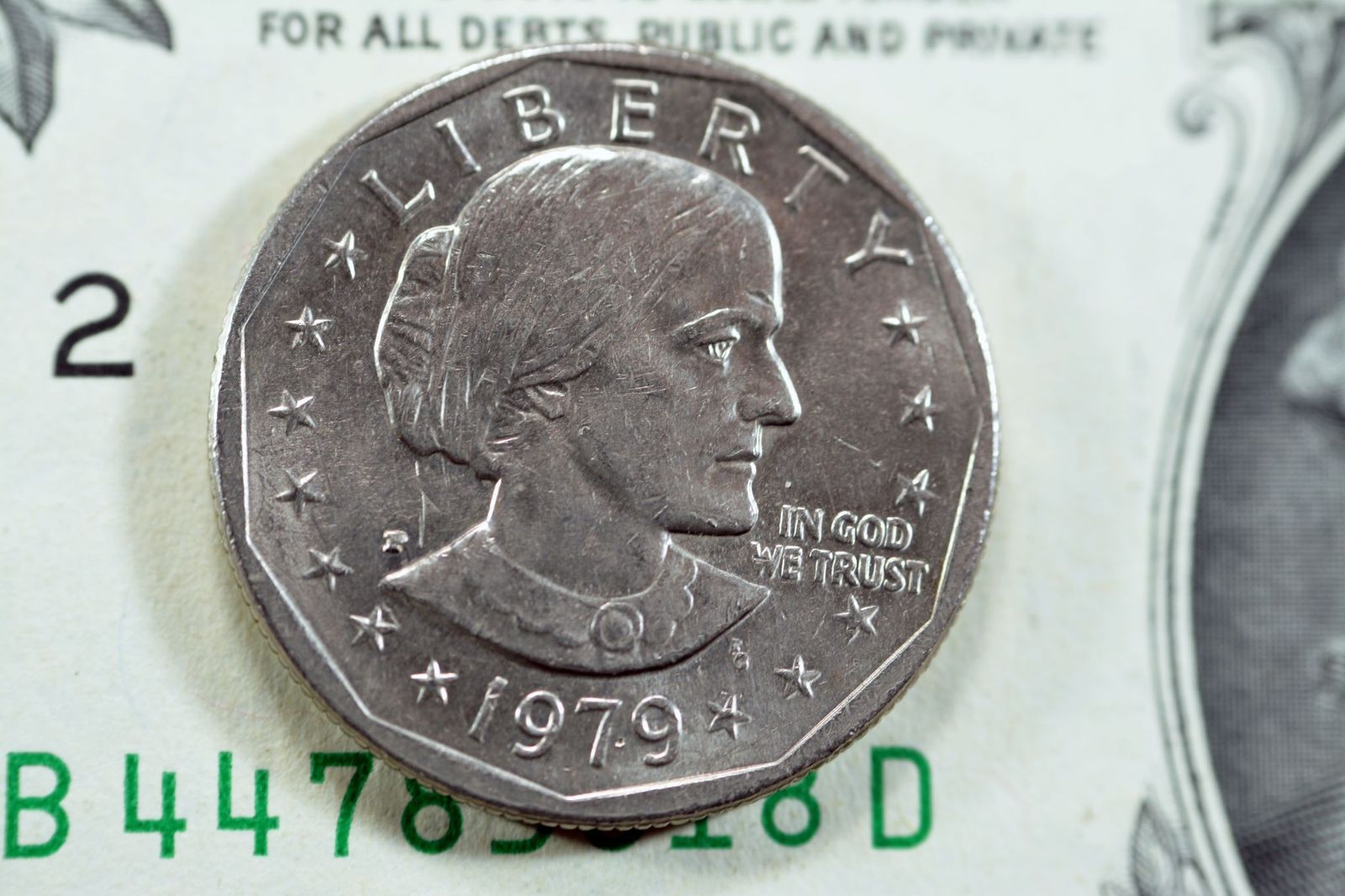
Following her arrest for illegally voting in the 1872 presidential election, Susan B. Anthony posed a powerful question in her groundbreaking speech of 1873: "Is it a crime for a United States citizen to vote?", where she passionately argued that the United States Constitution guaranteed women’s rights. Anthony famously stated, "The only question left to be settled now is: Are women persons? And I hardly believe any of our opponents will have the hardihood to say they are not."

Since women are persons, she argued they are inherently citizens, pointing out that the Preamble of the Constitution begins with "We, the people," and does not say "white male citizens," or "male citizens," concluding that any state law denying women the right to vote was unconstitutional, null, and void.

9

We Are Not Only Scientists; We Are Men Too - J. Robert Oppenheimer
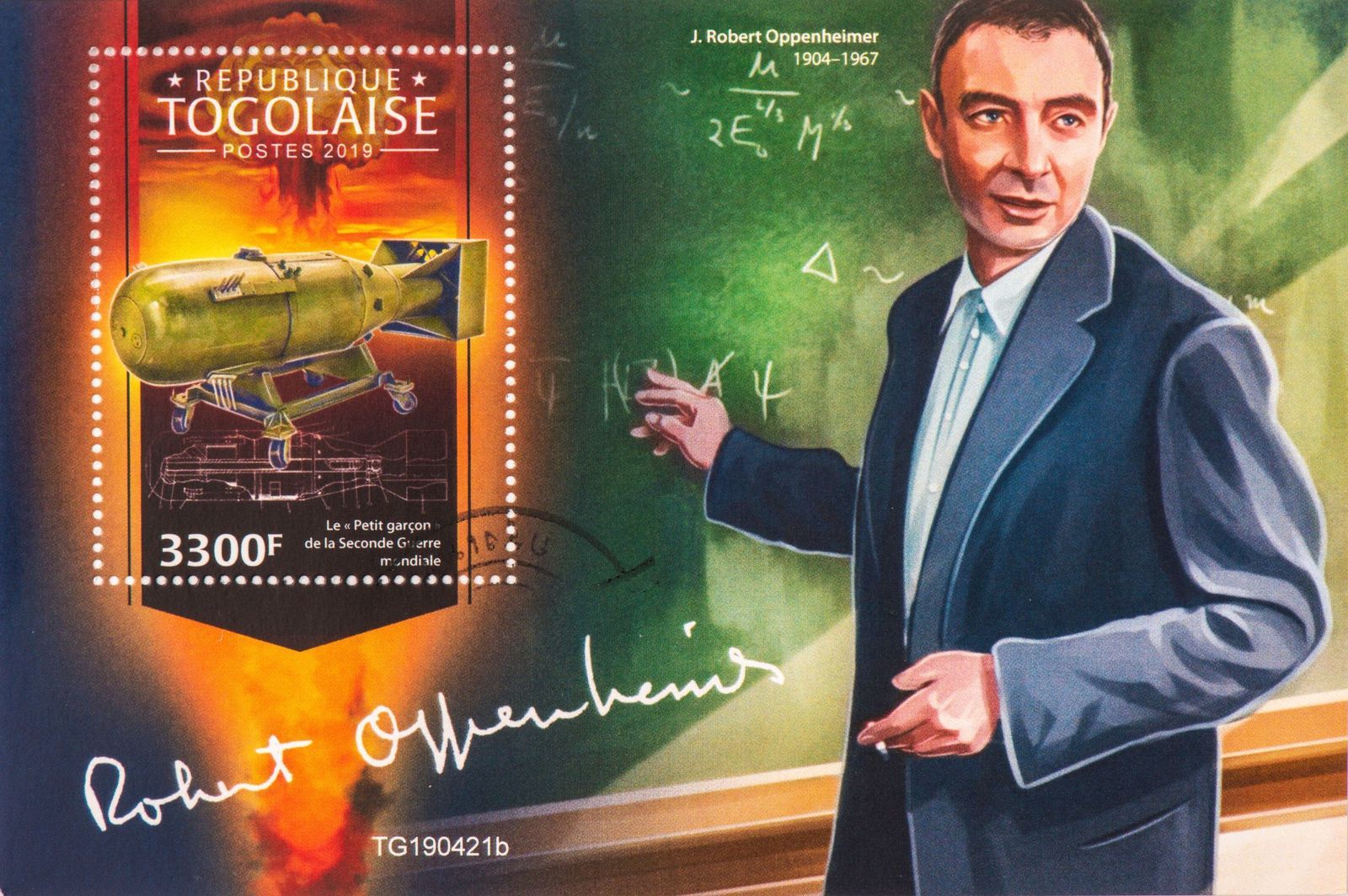
Image: Prachaya Roekdeethaweesab

In the Farewell Address given by J. Robert Oppenheimer to the Association of Los Alamos Scientists on November 2, 1945, he argued that scientific progress cannot be divorced from humanity, and that moral responsibility must guide the pursuit of knowledge.

"But there is another thing: we are not only scientists; we are men, too. We cannot forget our dependence on our fellow men. I mean not only our material dependence, without which no science would be possible, and without which we could not work; I mean also our deep moral dependence, in that the value of science must lie in the world of men, that all our roots lie there."

10

Freedom or Death - Emmeline Pankhurst

Image: Debu55y

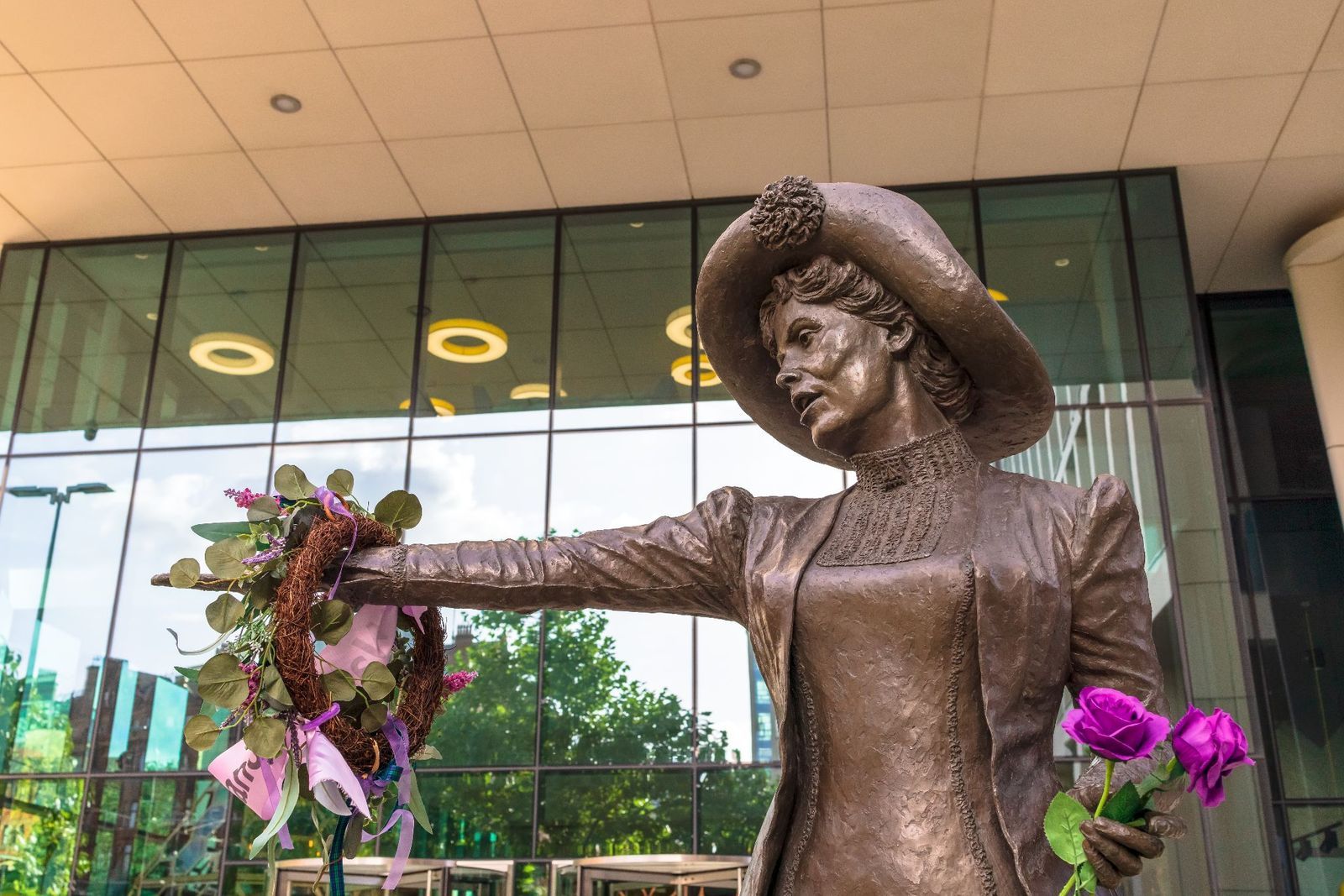
The British suffragette Emmeline Pankhurst delivered her famous speech "Freedom or Death" on November 13, 1913, in Hartford, Connecticut, a speech that was a defining moment in the women's suffrage movement.

In the opening, she famously declared: "I am here as a soldier who has temporarily left the field of battle to explain—it seems strange that I should have to explain it—what civil war is like when women wage it."


Secret uses

There’s a hidden microphone in your phone, and here’s where it is


Published on June 26, 2026


Image: Inside Creative House

You’ve probably twisted a bread bag closed, filled up your car, or pulled a sheet of aluminum foil from the box thousands of times without giving it a second thought. But many of the everyday objects we’ve used for decades have clever features that most people never notice. From the tiny pocket on blue jeans to the little arrow next to your gas gauge, these hidden designs have practical stories behind them, and once you know them, you’ll never look at these familiar items the same way again.

1

​Dot next to the iPhone camera

Image: DenPhotos

If you own an iPhone, you’ve probably noticed the tiny black dot next to the rear camera. It’s small, so people tend to assume it’s another camera sensor or even part of the phone’s design. The small hole found near the camera bump on every iPhone is actually a rear microphone.

It captures clearer audio when you’re recording videos and helps reduce background noise during FaceTime and regular phone calls. If you own an iPhone Pro model from the iPhone 12 Pro onward, you'll also see a larger dark circle. That’s the LiDAR scanner, which sends out invisible infrared light to create a 3D map of your surroundings. It helps the camera focus faster in low light, powers Apple’s Measure app, and makes augmented reality features much more accurate.

2

​Indent on the bottom of wine bottles

Image: tartaphotography

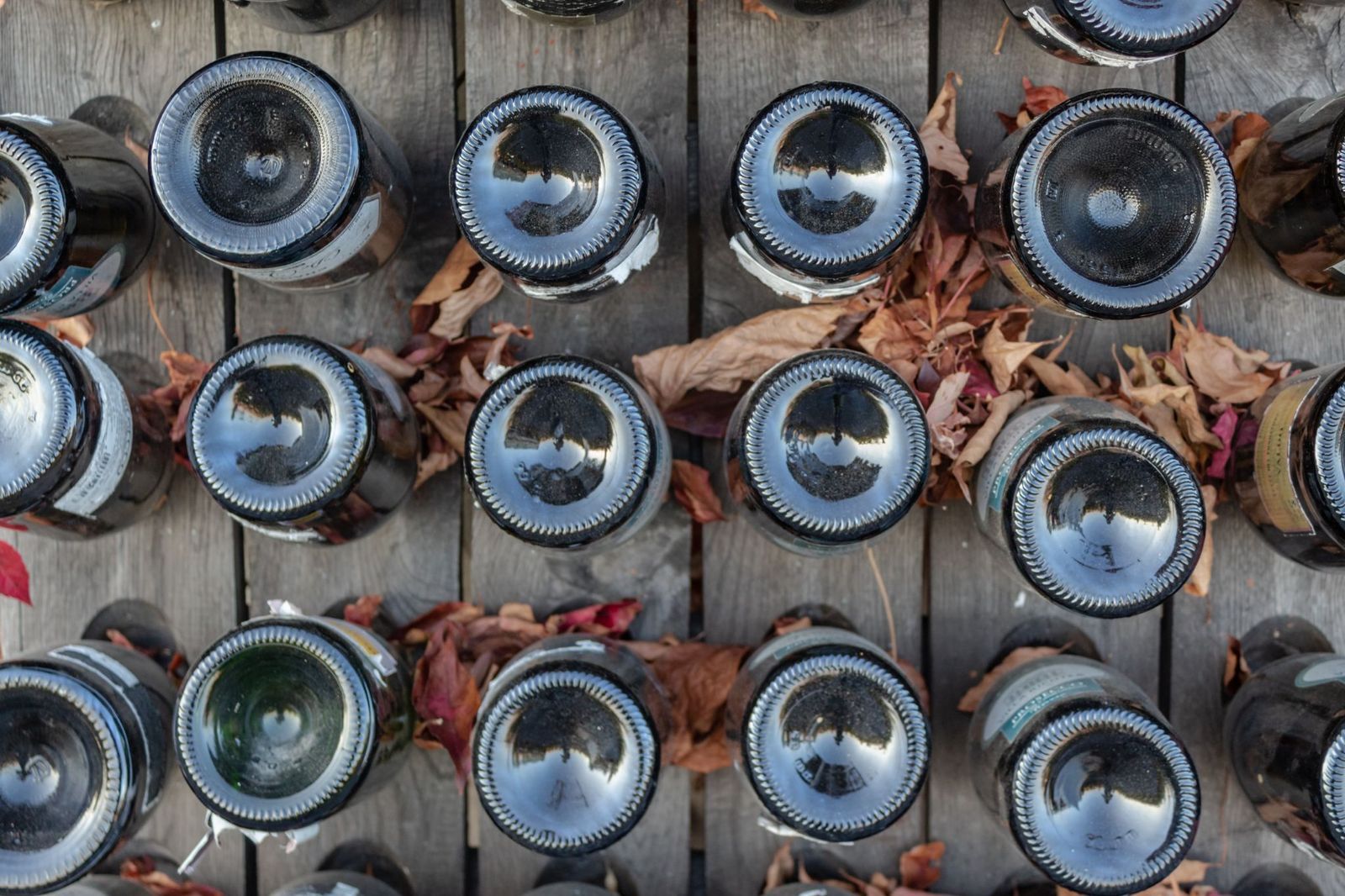
Whether it's a holiday dinner, an anniversary, or simply a nice meal with friends, you’ve probably held a wine bottle and noticed the deep indentation in the bottom. Many people tend to think the deeper the indent, the fancier the bottle.

That indentation is called a punt, and it’s been a part of the bottle-making for centuries. Originally, it helped strengthen hand-blown glass bottles, making them less likely to crack under pressure. Today, it still adds structural stability, particularly for sparkling wines, while also giving servers a comfortable place to rest their thumb when pouring, though some say it helps collect the sediment as wines age. In any case, a deeper pun doesn’t automatically mean a better or more expensive bottle.

3

​Dashboard gas gauge arrow

Image: happycreator

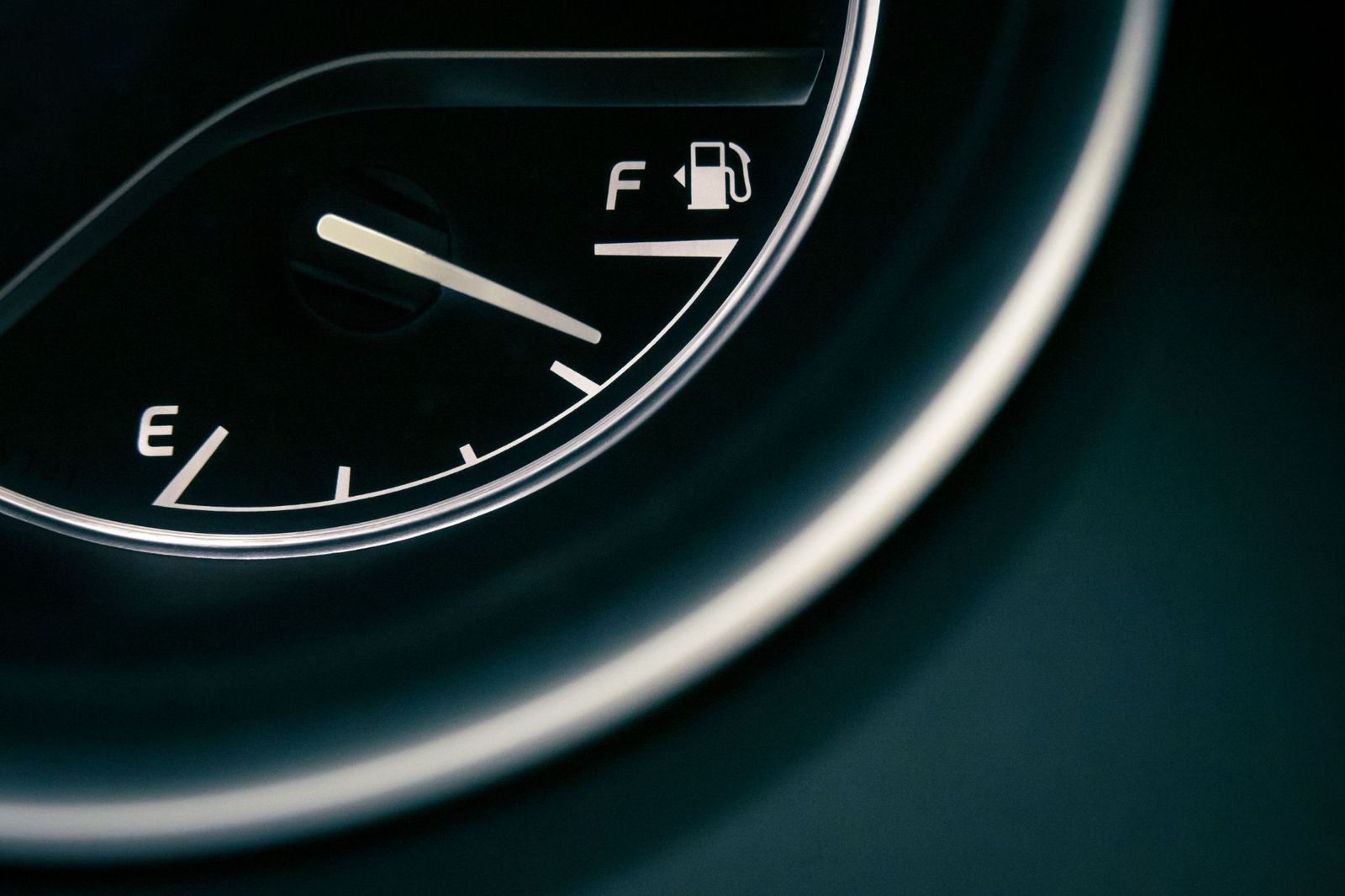
Almost every driver has experienced that awkward moment at the gas station. You pull up to the pump, step out of the car, and suddenly realize the fuel door is on the opposite side.

To help prevent exactly that situation, many modern vehicles include a small arrow next to the gas pump symbol on the dashboard’s fuel gauge. The arrow points towards the side of the vehicle where the fuel filler door is located. It’s a small detail on the dashboard, yet once you notice it, you’ll never have to circle the pump again.

4

​Tiny hole outside an elevator door

Image: chanonnat srisura

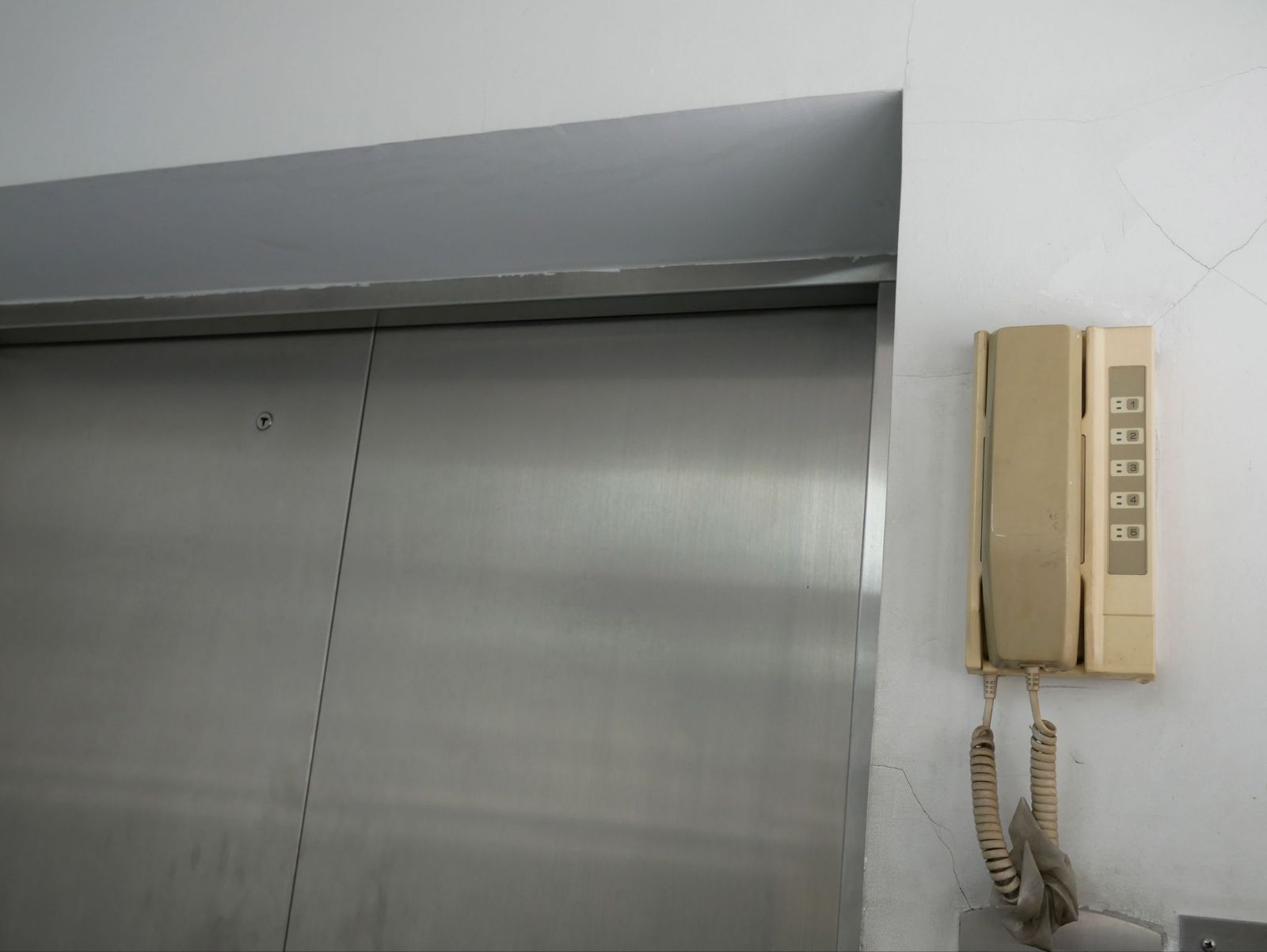
All elevators look pretty much the same. Bigger or smaller, they all look similar, a gray box with a mirror and buttons. But if you pay close attention, you may notice there’s a small round opening near the top of the door.

That opening is a keyhole used by trained maintenance technicians and emergency responders. With a special elevator key, they can manually unlock the landing doors when repairs are needed or if passengers become trapped inside. The system allows professionals to reach the elevator safely without damaging the doors or relying solely on electrical controls. Hopefully, most of us will never need to see it in action. But in an emergency, that tiny opening becomes one of the most important parts of the system.

5

Colored tags on store-bought bread

Image: Towfiqu ahamed barbhuiya

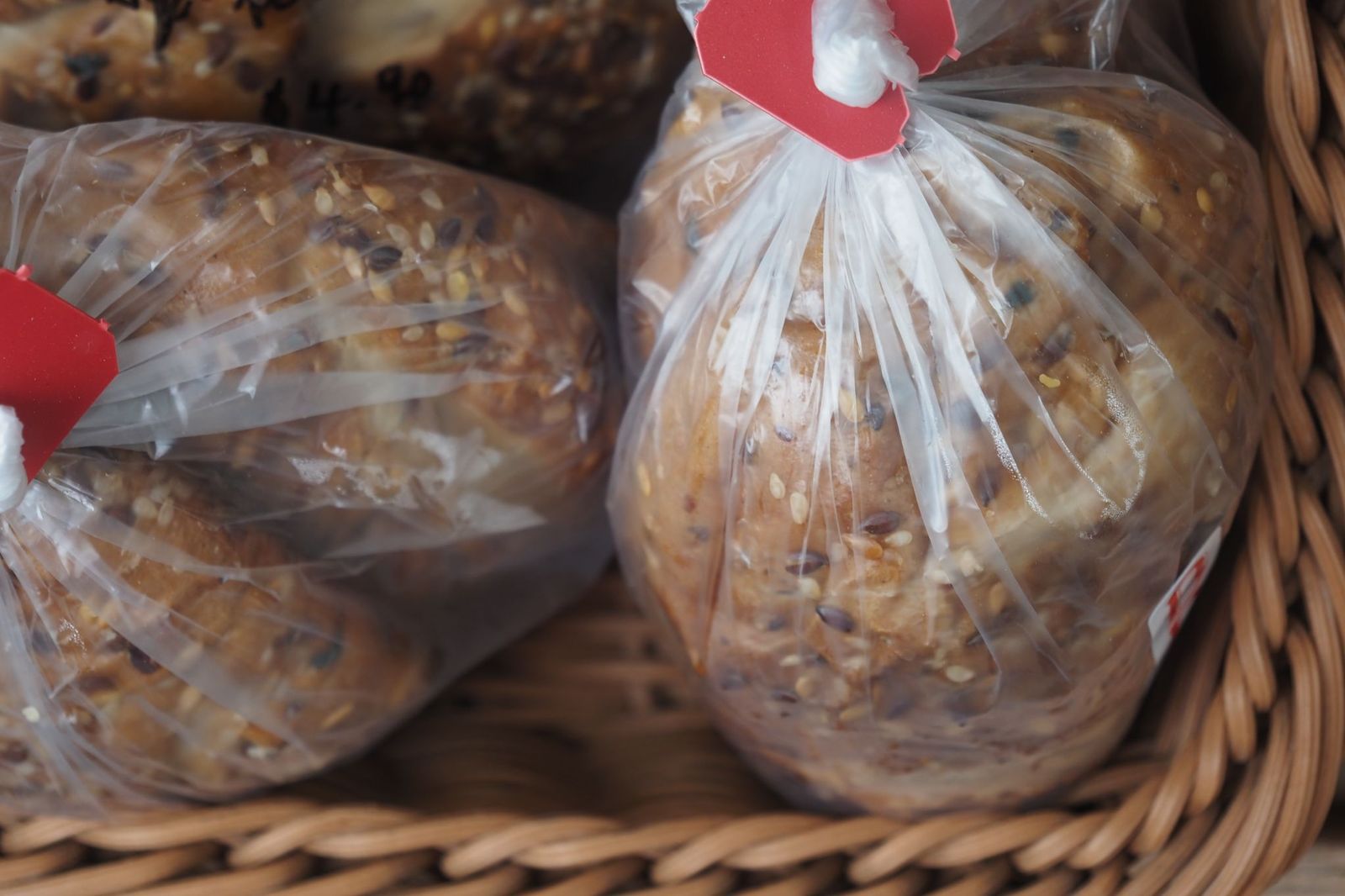
If you’ve ever stood in the bread aisle comparing loaves, you’ve probably noticed the colorful plastic clips or twist ties holding the bags shut. Contrary to what many think, they’re not simply a part of the packaging.

For many bakeries and grocery stores, the colors indicate the day a loaf was delivered or baked. While the exact color schedule can vary between bakeries and regions, employees use the system to quickly spot older inventory and rotate fresher bread to the back of the shelf. That way, customers are more likely to pick up the freshest loaf available.

6

​Tiny pocket on blue jean

Image: triocean

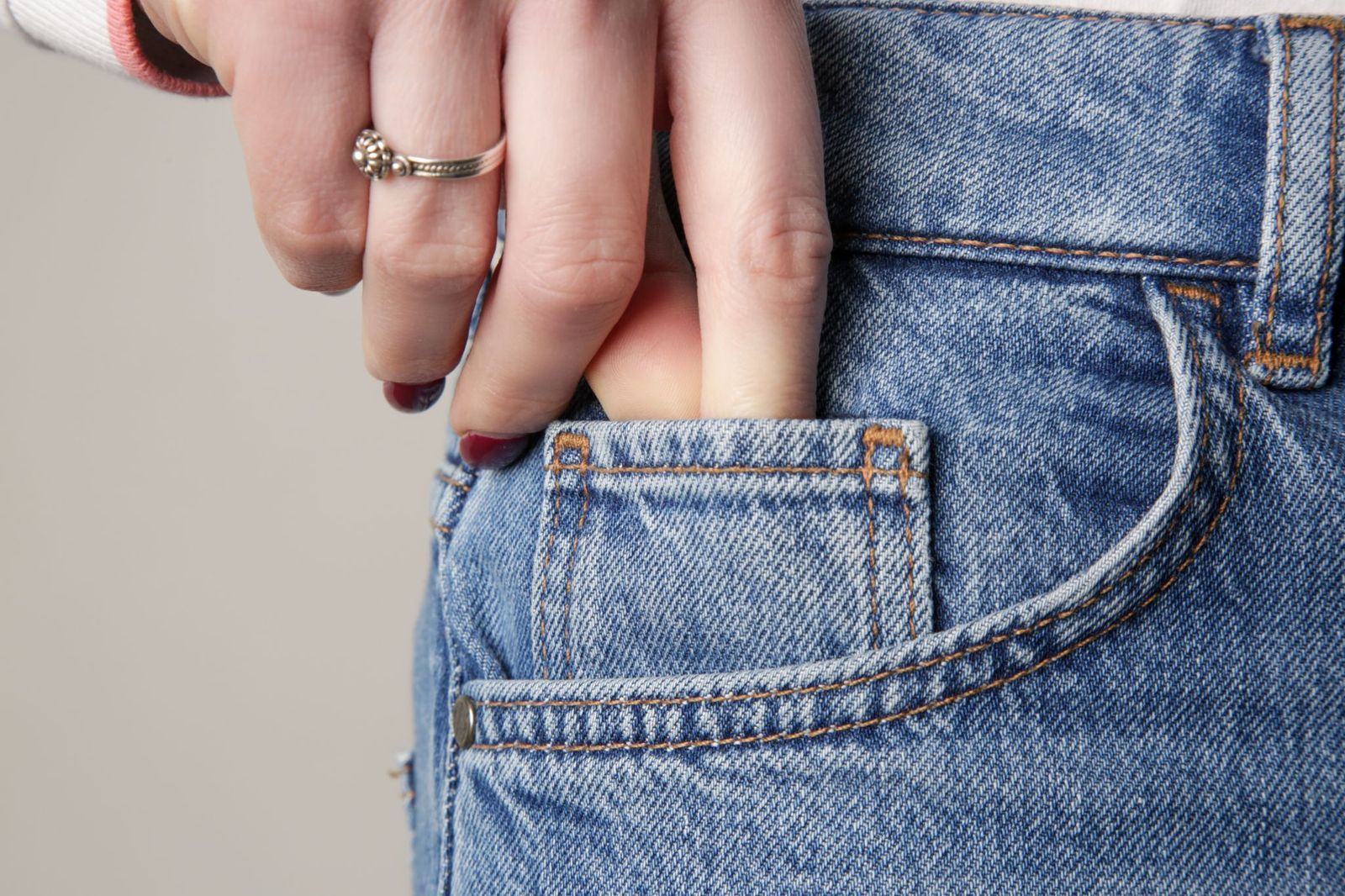
Whether you wear jeans every day or only pull them out for yard work, you’ve probably noticed the tiny extra pocket tucked inside one of the front pockets. It’s too small for a phone and not very useful for loose change, but there’s a reason for it.

Back in the 1800s, when Levi Strauss & Co. created rugged denim pants for miners, ranchers, and cowboys working across the American West, pocket watches were commonplace. Workers needed a safe place to carry their watches while riding horses, so that little pocket was designed specifically to protect the watch from damage. Pocket watches disappeared, but the tiny pocket became such an iconic part of blue jeans that manufacturers have continued including it for well over a century.

7

​Perforations on aluminum wrap boxes

Image: The Image Party

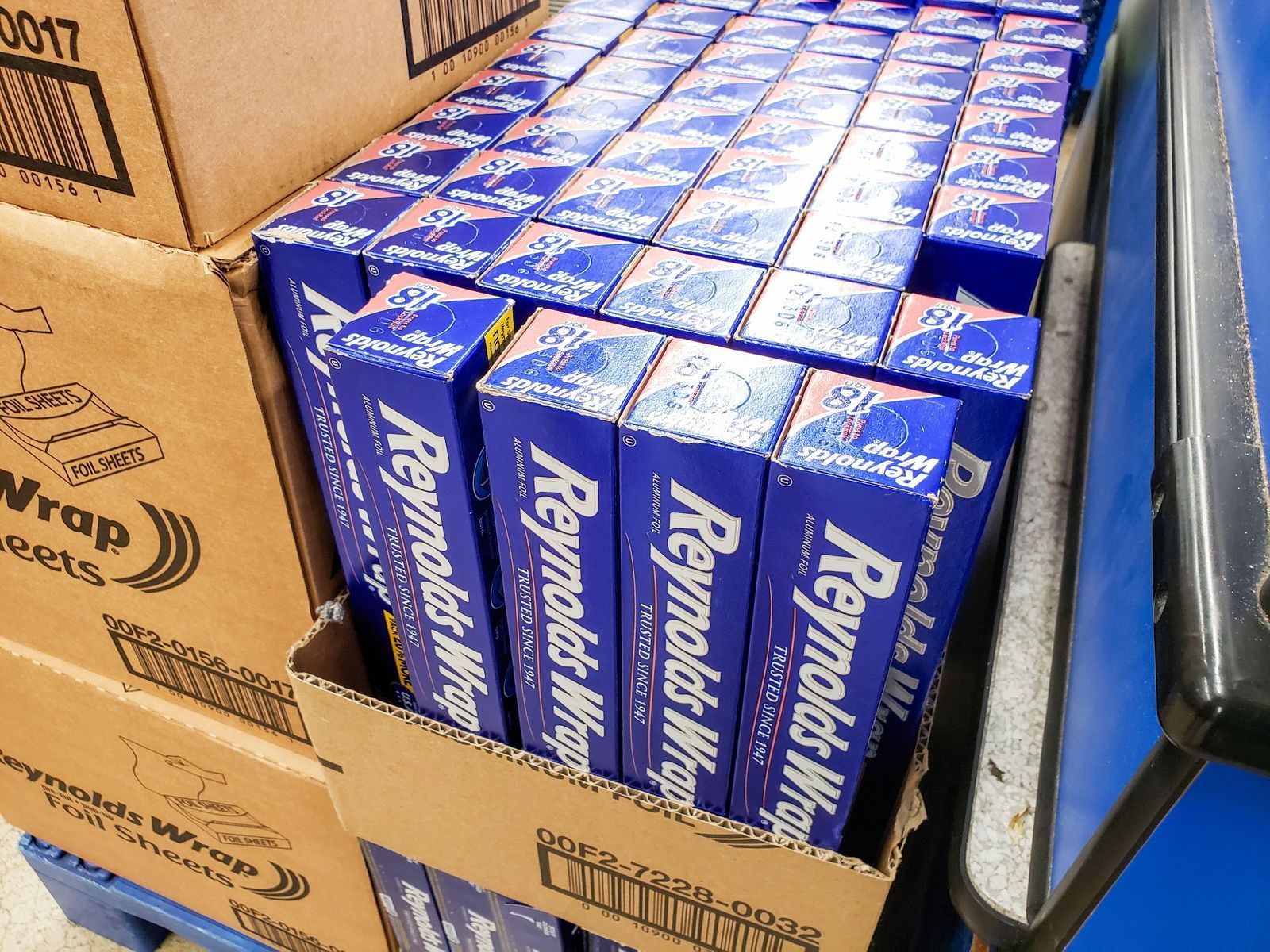
Almost everyone has had the same frustrating experience. You pull on a sheet of aluminum foil, and suddenly the entire roll slides out of the box and lands on the kitchen counter.

That’s exactly why major manufacturers such as Reynolds introduced the small side tabs, known as end locks, in the mid-1990s. By pressing the tabs inward, they hold the cardboard roll in place like built-in axles. This keeps the roll from sliding out of the box, makes it much more stable as you pull, and helps the serrated edge cut a cleaner, straighter sheet. It also reduces waste by preventing the foil from bunching up or tearing unevenly. It’s a simple design, yet useful as it can get.

8

​Hole in pen caps

Image: Konektus Photo

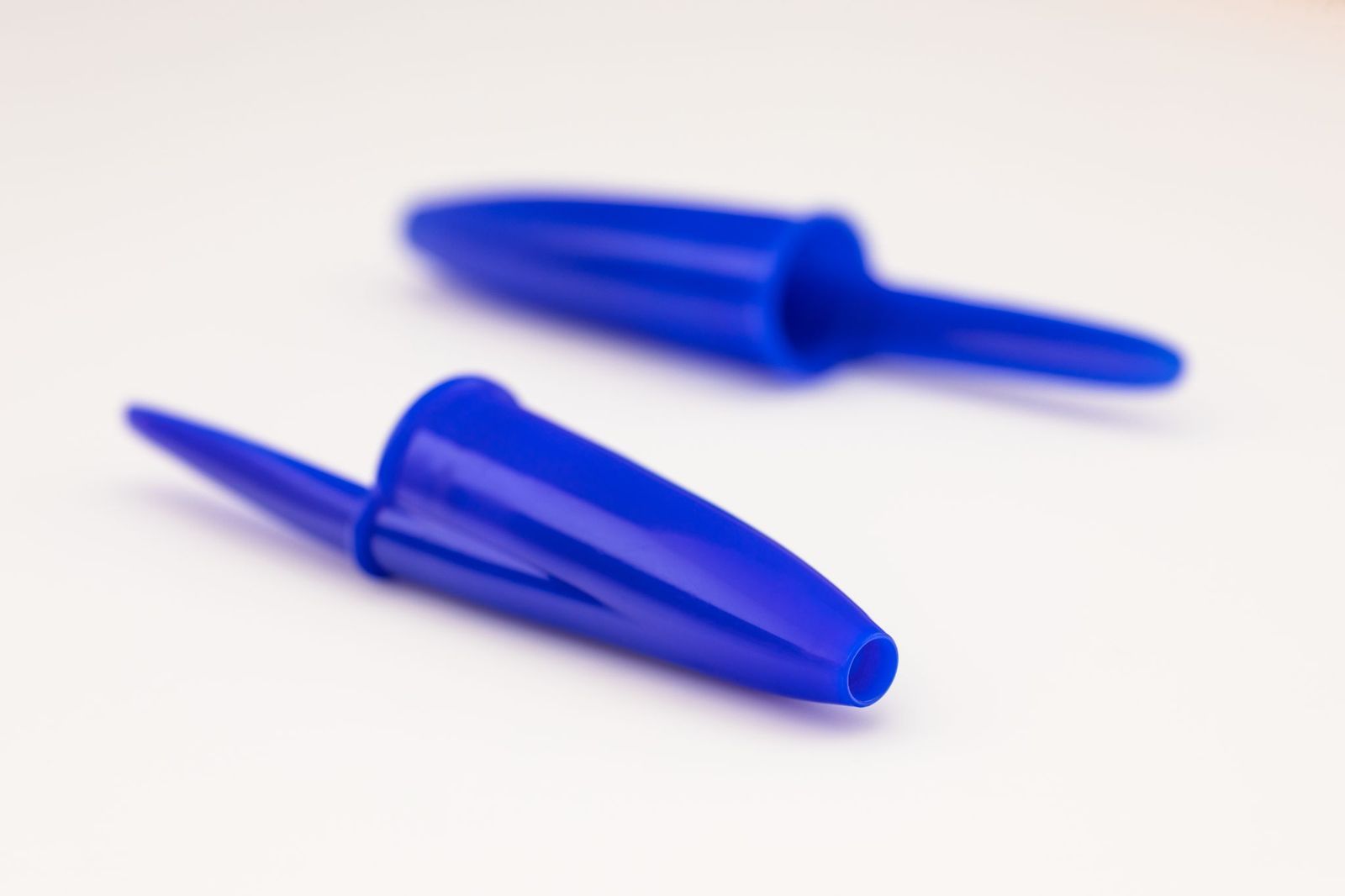
Every household has pens lying around for all kinds of purposes. And most of them have a common feature, a hole in the cap, which isn’t simply part of the design.

BIC and other pen manufacturers included the opening as a safety feature. If someone, especially a child, accidentally swallows a pen cap, the hole can allow a small amount of air to pass through, reducing the risk of complete airway blockage while emergency help is on the way. The design became part of border efforts to improve consumer product safety after choking incidents drew attention to the danger of small plastic objects.

9

​A strawberry attached to a pincushion

Image: Kimberly Hall

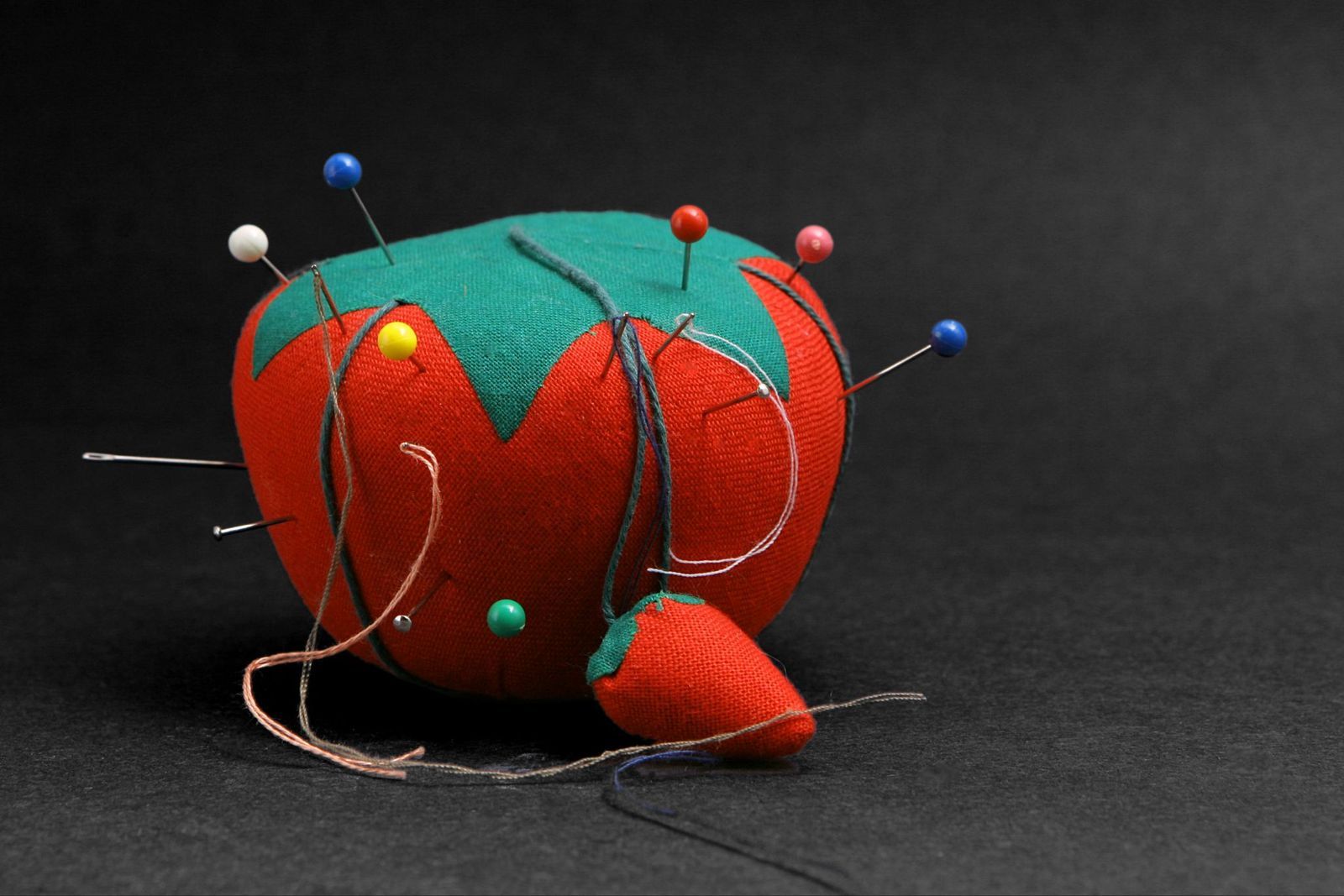
If you grew up sewing or watching somebody do it, you probably remember the classic tomato-shaped pincushion sitting beside the sewing basket. Hanging from it was a tiny red strawberry that looked like nothing more than a cute finishing touch.

In reality, that little strawberry has its own job. Instead of soft stuffing, it’s filled with emery, a gritty material made from crushed abrasive minerals. Running pins and needles through it helps polish away tiny spots of rust, smooth rough edges, and keep the points sharp enough to glide through fabric more easily.

10

​Ridges on the F and J keyboard keys

Image: alexkich

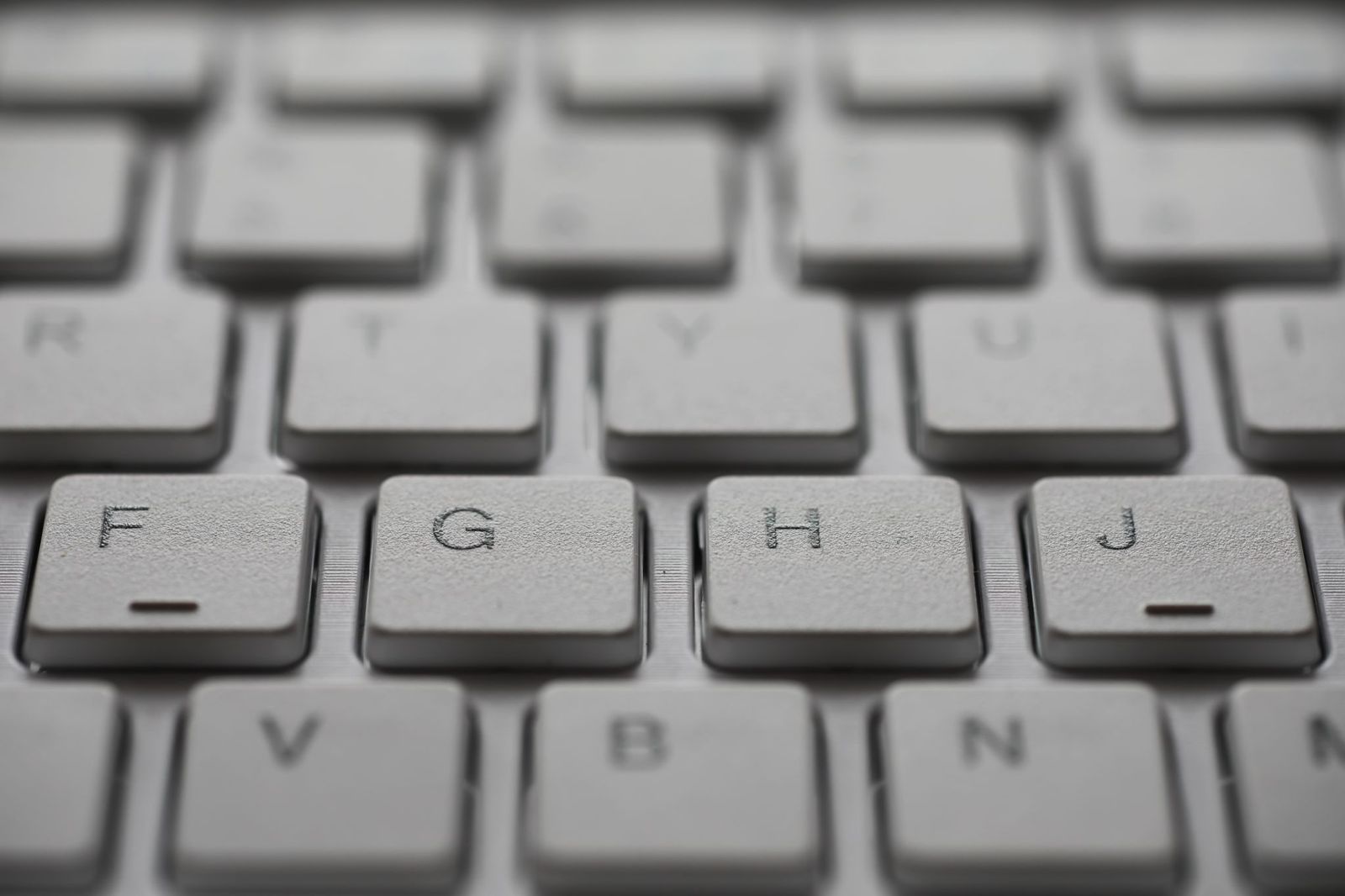
Think back to the first time you learned to type. Maybe it was at work, or on a family computer. Wherever it was, someone probably told you to keep your fingers on the "home row." That’s exactly why the F and J keys have tiny raised ridges.

The bumps let your index fingers find the correct starting position by touch alone, allowing you to type without constantly looking down at the keyboard. The technique, known as "touch typing," is widely credited to American court stenographer Frank Edward McGurrin, who demonstrated it in 1888. As typewriters became more common, manufacturers experimented with different ways to help typists orient their hands, and by the mid-20th century, companies such as IBM standardized the subtly raised plastic bars that remain on nearly every keyboard today.

Looking for an extra scoop of literary fun?

Learn more with our Word of the day

emulate

/ˈɛmjəˌleɪt/