Words without sound

Babies can tell you they're hungry before they can say a word: here's how


Published on June 22, 2026
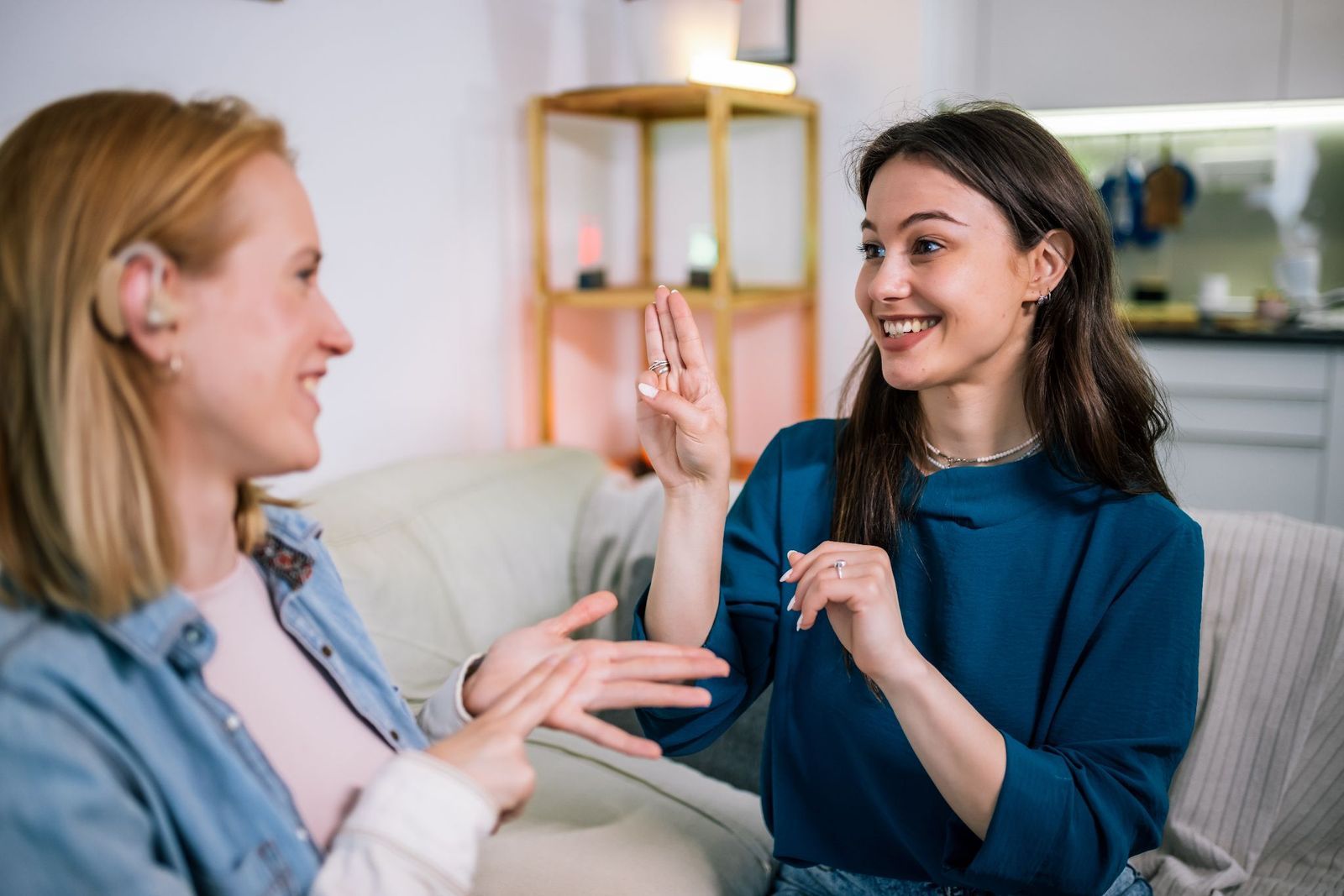

Image: adriaticfoto

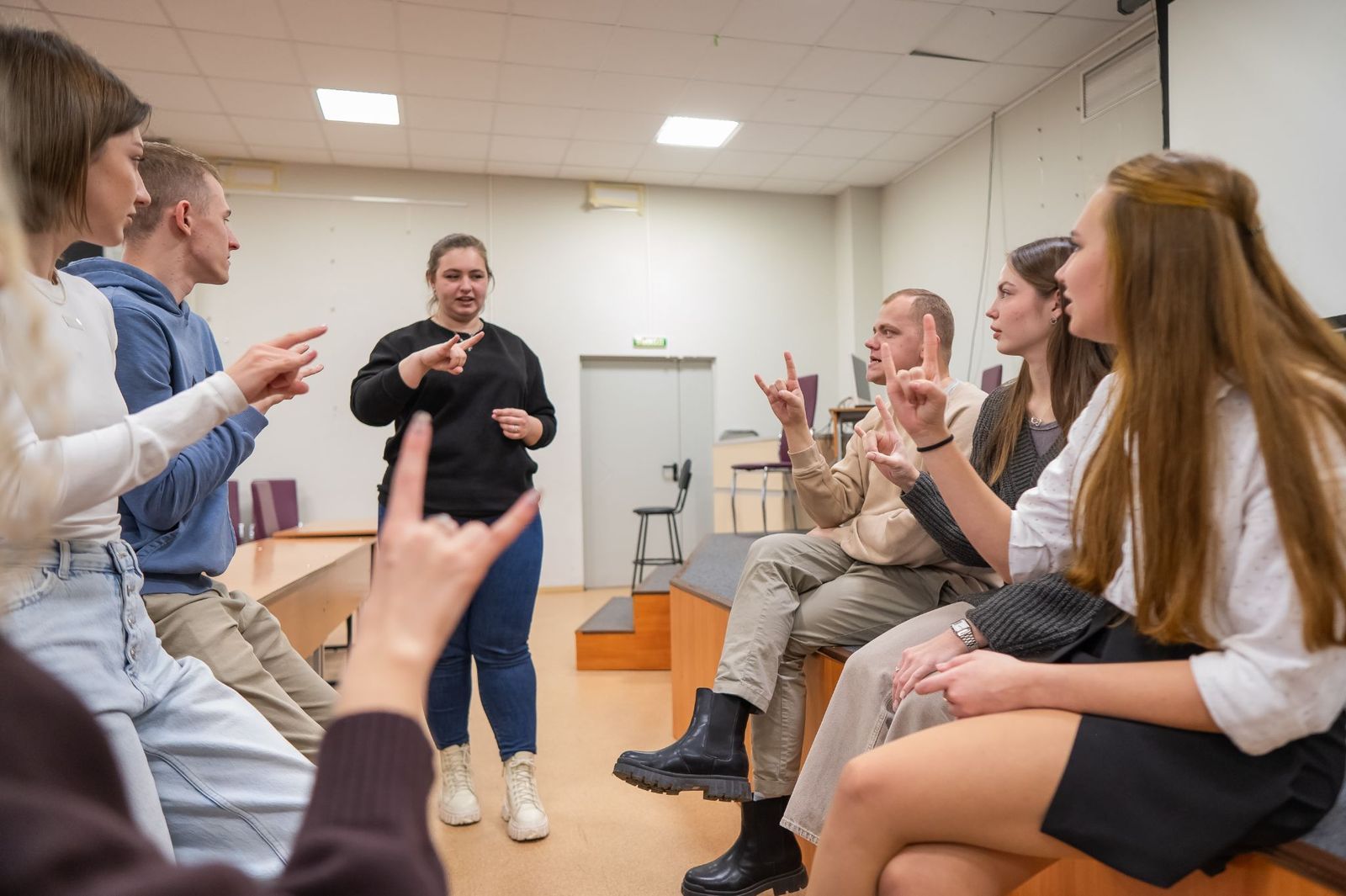
Imagine trying to order your morning coffee when the barista behind the counter doesn't understand a word or a gesture you're making. That's what many deaf people have to deal with every single day. But awareness is changing things: The more all of us learn about sign language and deaf culture, the more welcoming the world gets. Did you know that concerts have interpreters who convey the words and mood of a performance? Or that babies can sign basic words months before they can speak a single one? Here are 10 things about sign language that will surprise you.

1

Concert interpreters

Image: salajean

Seen it or not, there’s someone off to the side of the stage, signing along with the music with incredible energy. These folks are sign language interpreters, and their job at live events is to make the whole experience accessible to deaf audience members. They not only translate the words, but they also convey the performance rhythm, mood, and emotion.

Imagine you're at a Rolling Stones concert and you're deaf. Without an interpreter, you'd feel the bass in your chest but miss everything else. With one interpreter, you get the full show.

2

Babies can sign before speaking

Image: Nastyaofly

Hearing babies can learn to sign basic words, even months before they develop the muscle control needed to speak. The fine motor skills required for simple signs develop earlier than the complex coordination needed for speech. "Baby sign language" programs have become popular with hearing parents who want to communicate with their infants before they can talk.

Imagine your 10-month-old signing "more" or "milk" instead of just screaming. Parents who've tried it say it dramatically reduces frustration on both sides, and some research suggests it may actually boost spoken language development.

3

Not a universal language

Image: Alan Tarch

There is no single, worldwide sign language. American Sign Language (ASL) is completely different from British Sign Language (BSL), even though both countries speak English. And there are hundreds of sign languages across the globe, each one developed naturally within its own deaf community, with its own vocabulary, grammar, and even regional slang.

If you learned ASL fluently and then flew to Japan, you'd be starting from scratch with Japanese Sign Language. A deaf traveler visiting a new country has to navigate a whole new language, just like anyone else.

4

Historical roots in French

Image: Reshetnikov_art

Back in 1817, a French educator named Laurent Clerc traveled to the United States with Thomas Hopkins Gallaudet to help establish the American School for the Deaf in Hartford, Connecticut. Clerc brought French Sign Language with him, and it blended with the various signing systems already used by American deaf communities: that mix eventually became American Sign Language.

5

Facial expressions are grammar

Image: Prostock-studio

In spoken language, tone of voice tells you whether someone is asking a question or making a statement, whether they're being sarcastic or sincere. In ASL, facial expressions carry that same grammatical weight. Raised eyebrows can signal a yes/no question. A furrowed brow can indicate a "wh-" question, such as "who" or "where." Without the right face, the meaning can change completely.

Imagine signing "You're going to the store?" with a totally flat expression, without indicating if you’re making a statement or asking a question. To a fluent ASL user, that could read as a very different kind of sentence altogether.

6

Spatial layout as pronouns

Image: AYO Production

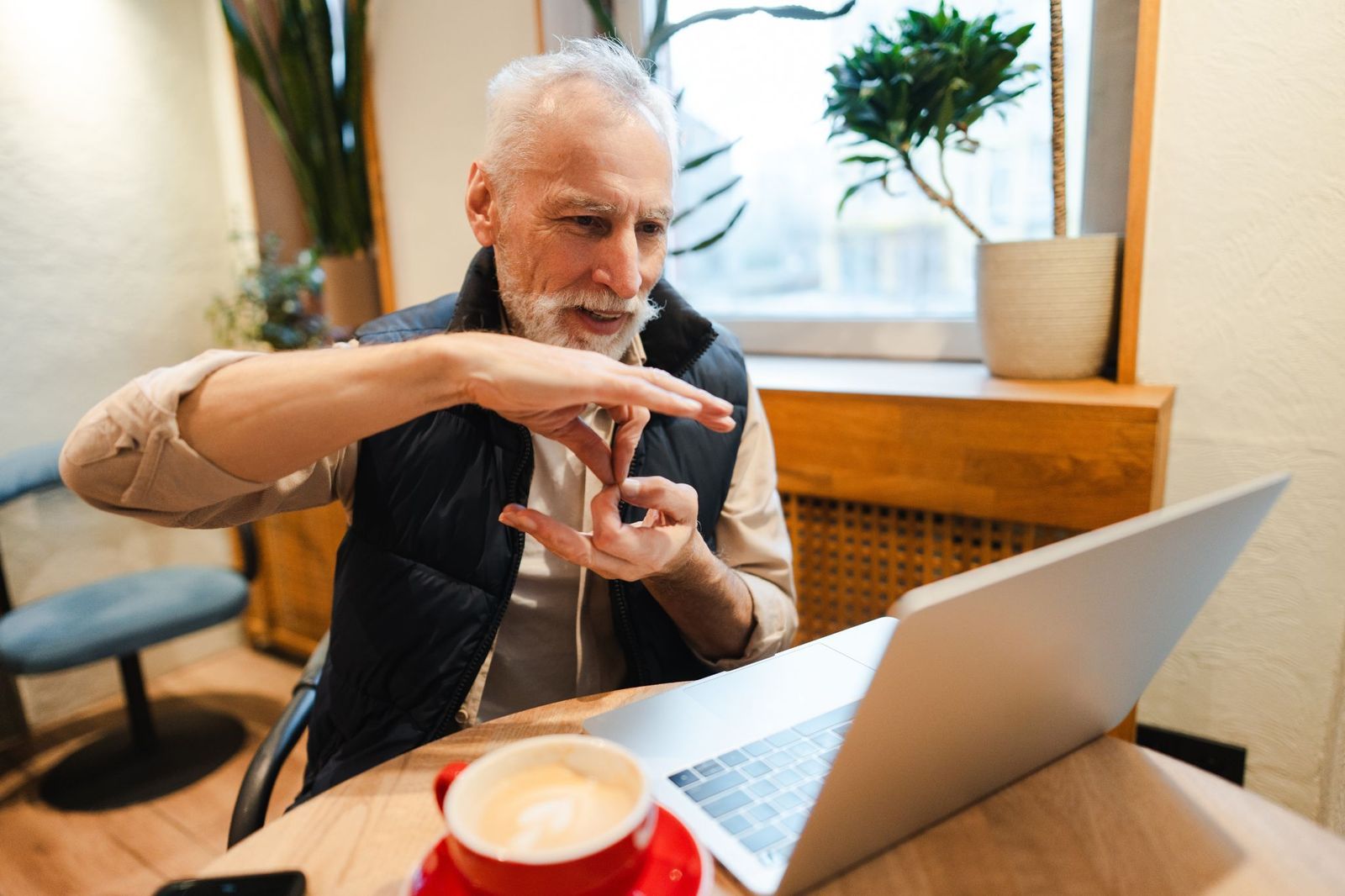
In ASL, signers use the space in front of them almost like a stage. You can assign a spot in the air to a person or object, and then refer back to that spot throughout the conversation to mean "he," "she," "it," or "they." It's a pronoun system built entirely out of space and motion.

Picture telling a story about a disagreement between your neighbor and your boss. You'd set up your neighbor on the left side of the signing space and your boss on the right. Then, every time you refer to each of them, you simply point or direct signs toward those spots.

7

Distinct grammar system

Image: Kongpraphat

Many people assume sign language is just English translated into hand gestures, but ASL has its own completely independent grammar. The word order and the sentence structure are different, and many concepts that require multiple words in English can be expressed in ASL with a single sign.

If you wanted to say "I gave the book to her" in ASL, the signs, facial expressions, and spatial positioning would work together in a way that has no direct equivalent in an English sentence structure.

8

Regional accent variations

Image: wavebreakmedia

Just like spoken English has regional accents (think Boston versus Georgia versus Texas), ASL has regional variations too. The sign for a particular word in New York might look noticeably different from how it's signed in Los Angeles or Atlanta. Historically, schools for the deaf were major hubs where local signing styles developed and were passed down through generations of students.

There are also cultural variations within the deaf community itself. Black ASL, for instance, developed separately during the era of school segregation in the American South and has its own distinct features, signs, and style that differ from mainstream ASL.

9

The finger-spelling alphabet

Image: AYO Production

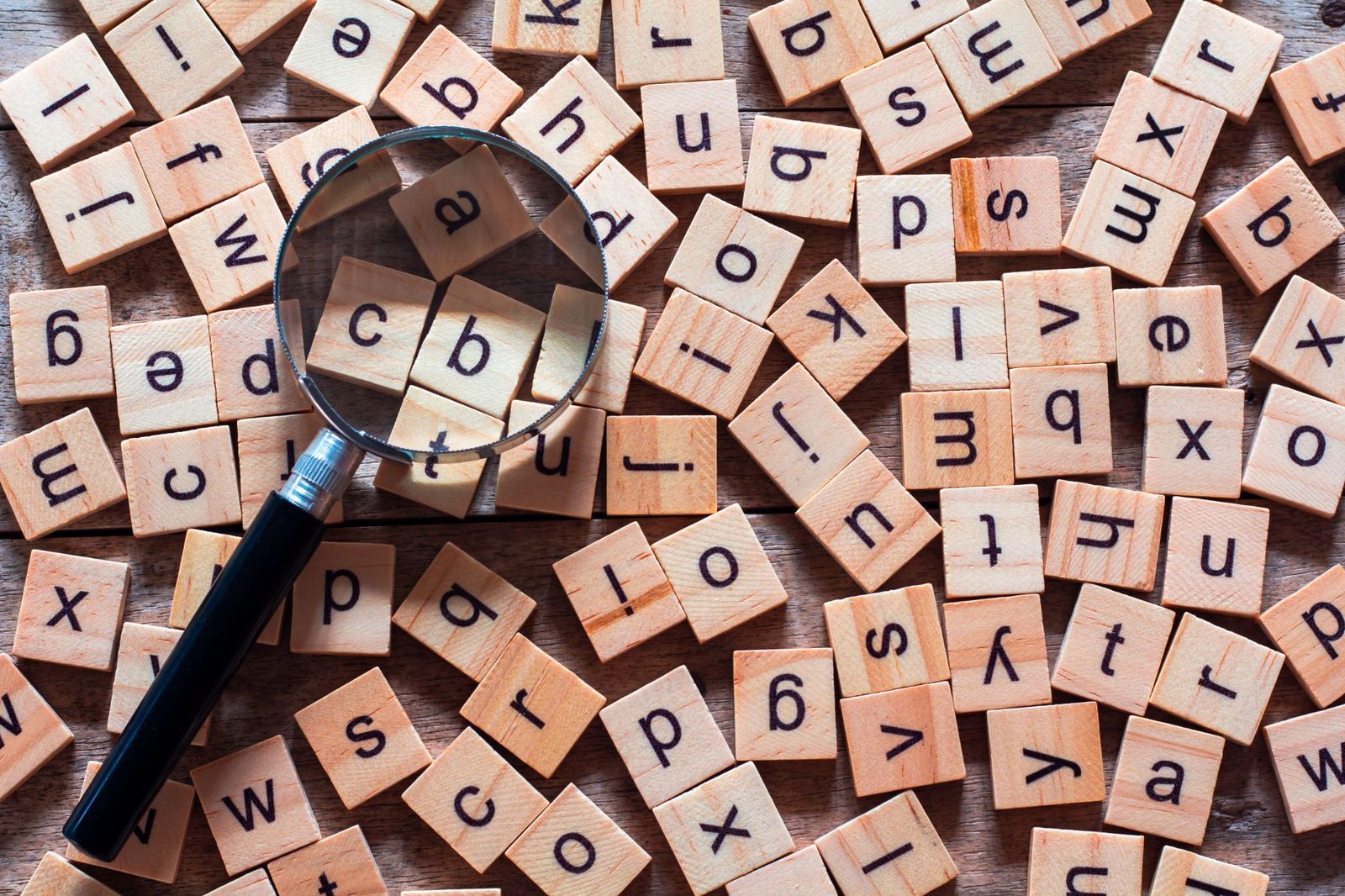
Finger-spelling is the system used in ASL to spell out words letter by letter using hand shapes, one shape for each letter of the alphabet. It comes in handy for proper names, technical terms, or any word that doesn't have its own established sign. Fluent ASL users can finger-spell surprisingly fast, and experienced signers can read it just as quickly.

10

Brain processing

Image: tete_escape

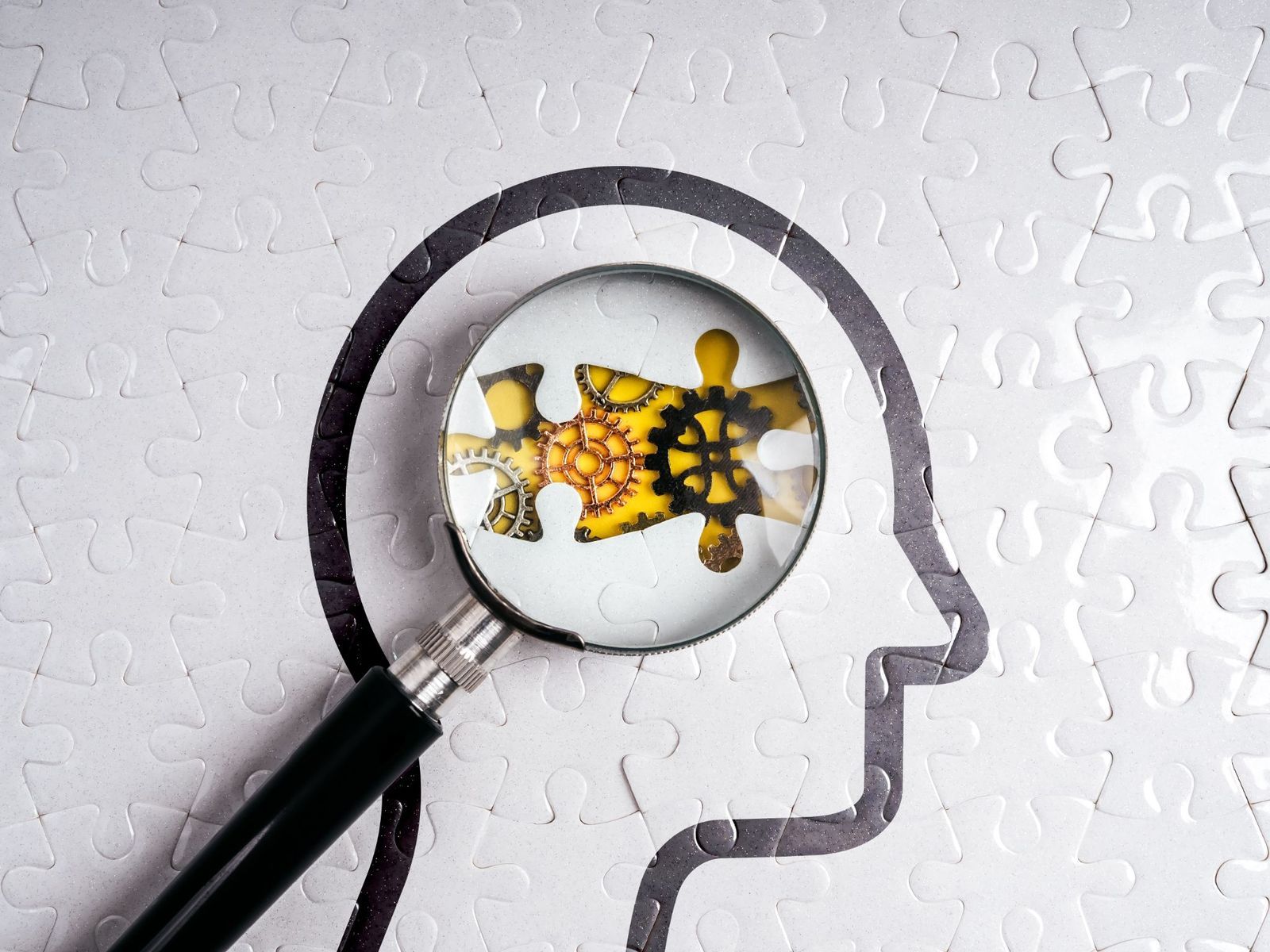
For a long time, scientists assumed that language was processed by the brain purely through sound. Sign language turned that idea on its head. Studies have shown that ASL is processed in the same areas of the brain as spoken languages. The brain, it turns out, is wired for language, not just speech. It doesn't care whether the signal comes through the ears or the eyes.

This means a child who learns ASL from birth shows the same developmental milestones as a child learning a spoken language. And deaf individuals who suffer a stroke affecting the left hemisphere can lose signing ability the same way hearing people lose speech.

Hospital secrets

What is a "Code Gray" and what you should know if you hear it at the E.R.


Published on June 22, 2026


Image: voronaman

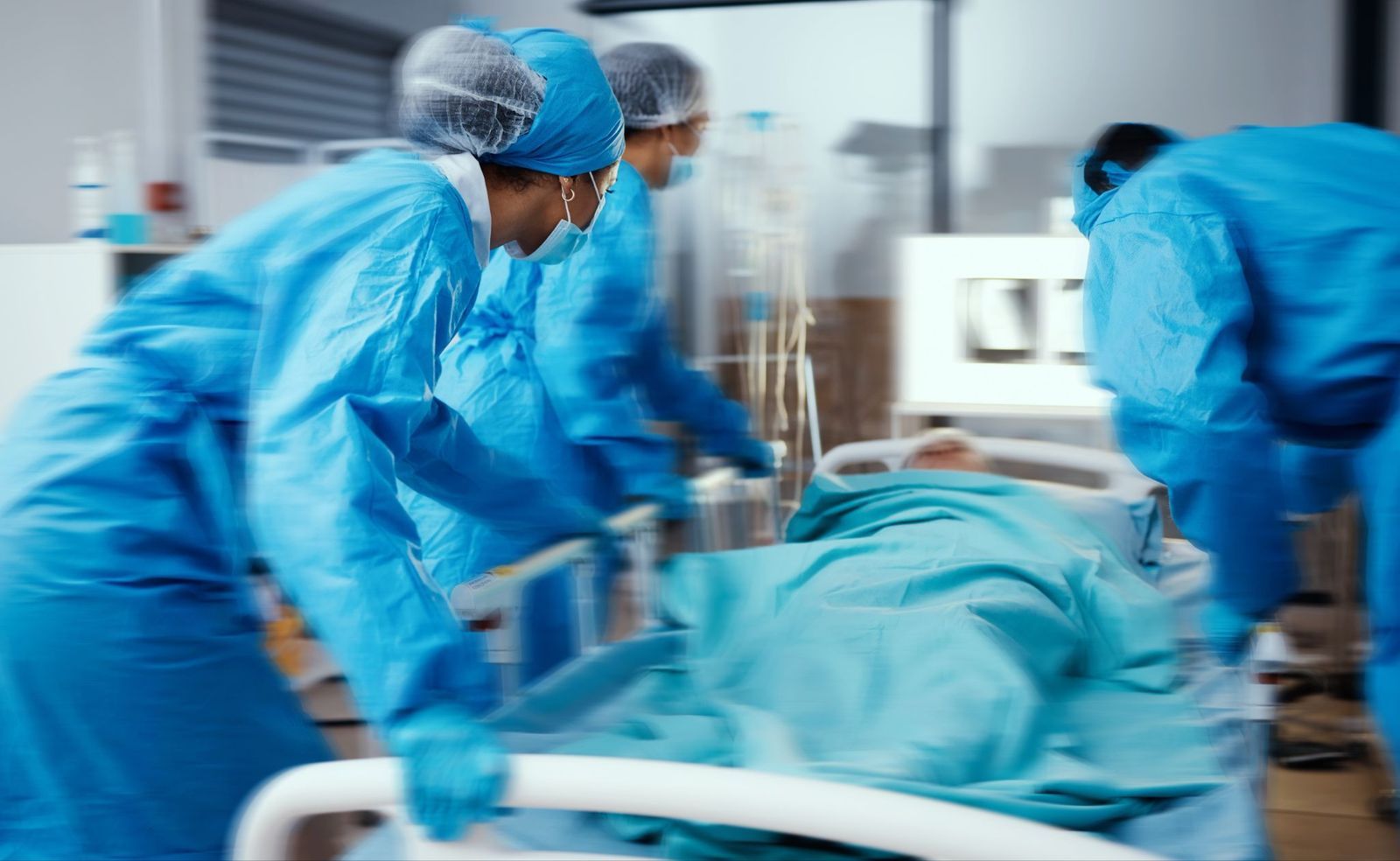
A trip to the emergency room can be stressful enough without hearing doctors and nurses speak a language that sounds like a secret code. One minute, someone is asking for medication "STAT," the next there’s a "Code Gray," and another patient is suddenly "NPO." What do those words really mean? Some are official medical terms, others are insider slang, but they all help hospital staff communicate quickly when every second counts. Here are 10 of those codes explained.

1

Code Gray

Image: PeopleImages

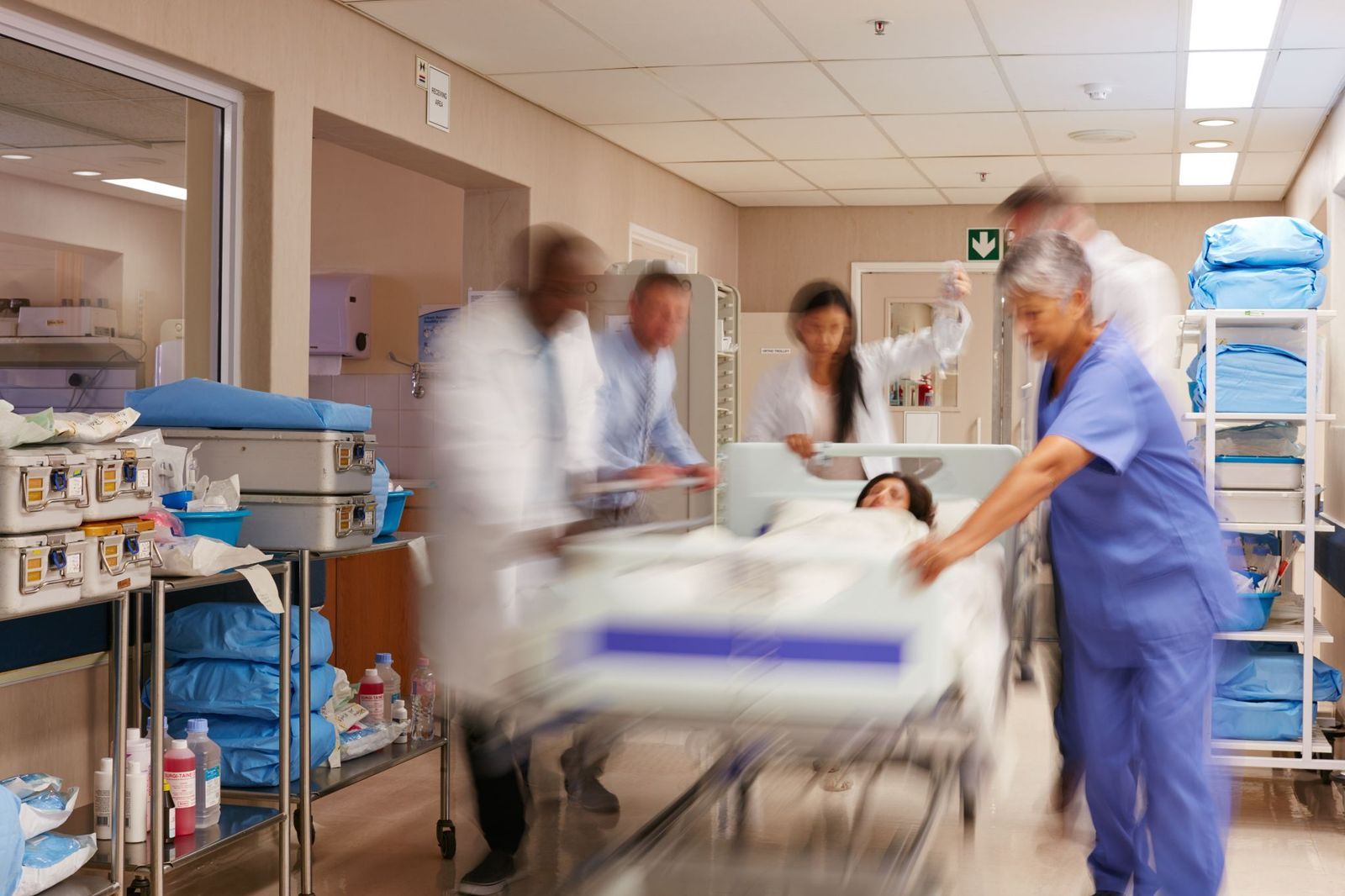
The E.R. can be hectic and unpredictable. Most patients are frightened or uncomfortable, but now and then someone becomes aggressive because of pain, confusion, mental illness, or the effects of alcohol or other substances. That’s when you can hear "Code Gray" announced over the speakers.

The code is used to summon security officers to help manage a violent or combative situation. While color codes vary from one hospital to another, Code Gray commonly signals that staff needs extra assistance to protect patients, visitors, and healthcare workers. Even if you know it now, most people in the waiting room never know what happened, and that’s exactly the point.

2

NPO

Image: PeopleImages

You have a scheduled surgery, you’re in your bed waiting to be taken to the surgery room, and you ask for a cup of coffee to make the wait lighter. The nurse will probably tell you you’re an NPO. You may think it’s serious, but it’s simply a procedure.

"NPO" is an abbreviation that comes from the Latin phrase Nil Per Os, which means "nothing by mouth." It tells patients they cannot eat, drink, or sometimes even take medication until doctors say it’s safe. The rule is most common before surgery or certain medical tests, when food or liquids could increase the risk of complications or alter the results. It may be frustrating, but it’s an important part of keeping patients safe.

3

STAT!

Image: PeopleImages

You’ve probably been through the experience of visiting an emergency room, either to get checked or to visit a loved one. In that part of the hospital where everyone is rushing to save lives, you’ve probably heard a doctor asking for the R.C.P. cart or medication "STAT!" It sounds urgent, and that's because it is.

The expression comes from the Latin statim, which means "immediately" or "without delay." Hospitals have used Latin medical terms for centuries, but STAT is one of the few that remains part of everyday conversation. When a doctor says it, the request jumps to the top of the priority list. It doesn’t always refer to a life-or-death situation, but it does mean the medical team needs something done as quickly as possible.

4

Code Pink

Image: Vladimir Tretyakov

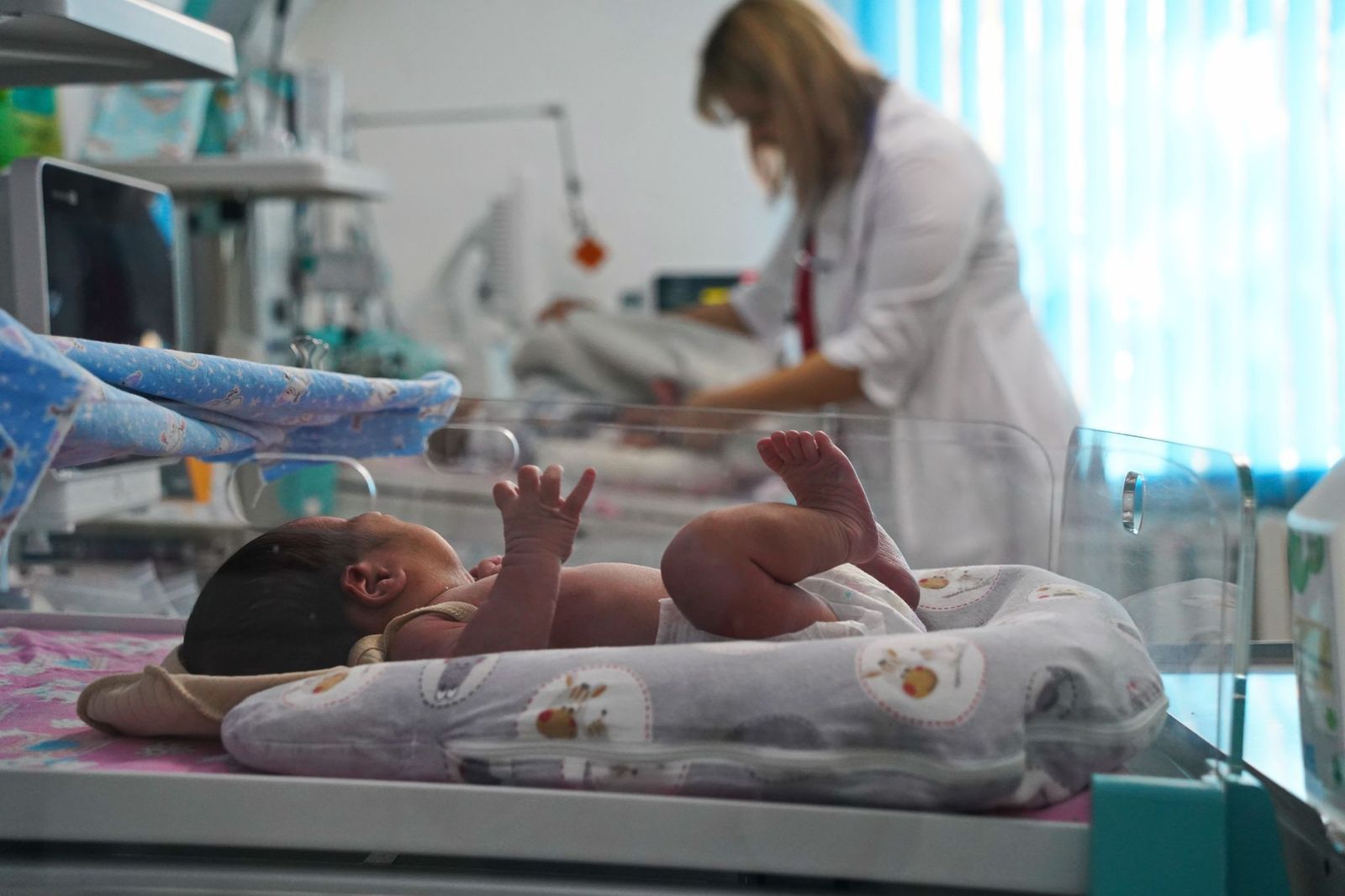
Newborns are always a reason to celebrate at the hospital. Parents usually rest happily next to their child as they receive congratulations from close relatives. However, the hospital is always prepared to handle extremely rare emergencies under "code pink."

If you hear a "Code Pink," it usually means a baby or young child is suspected of being abducted from the hospital. Within seconds, security officers respond, exits may be monitored or blocked, and staff begins following carefully rehearsed procedures. Although different hospitals sometimes use different color codes, Code Pink has become widely recognized across North America as one of the most serious alerts a hospital can issue.

5

Walkie-talkie

Image: Arunporn Thanapotivirat

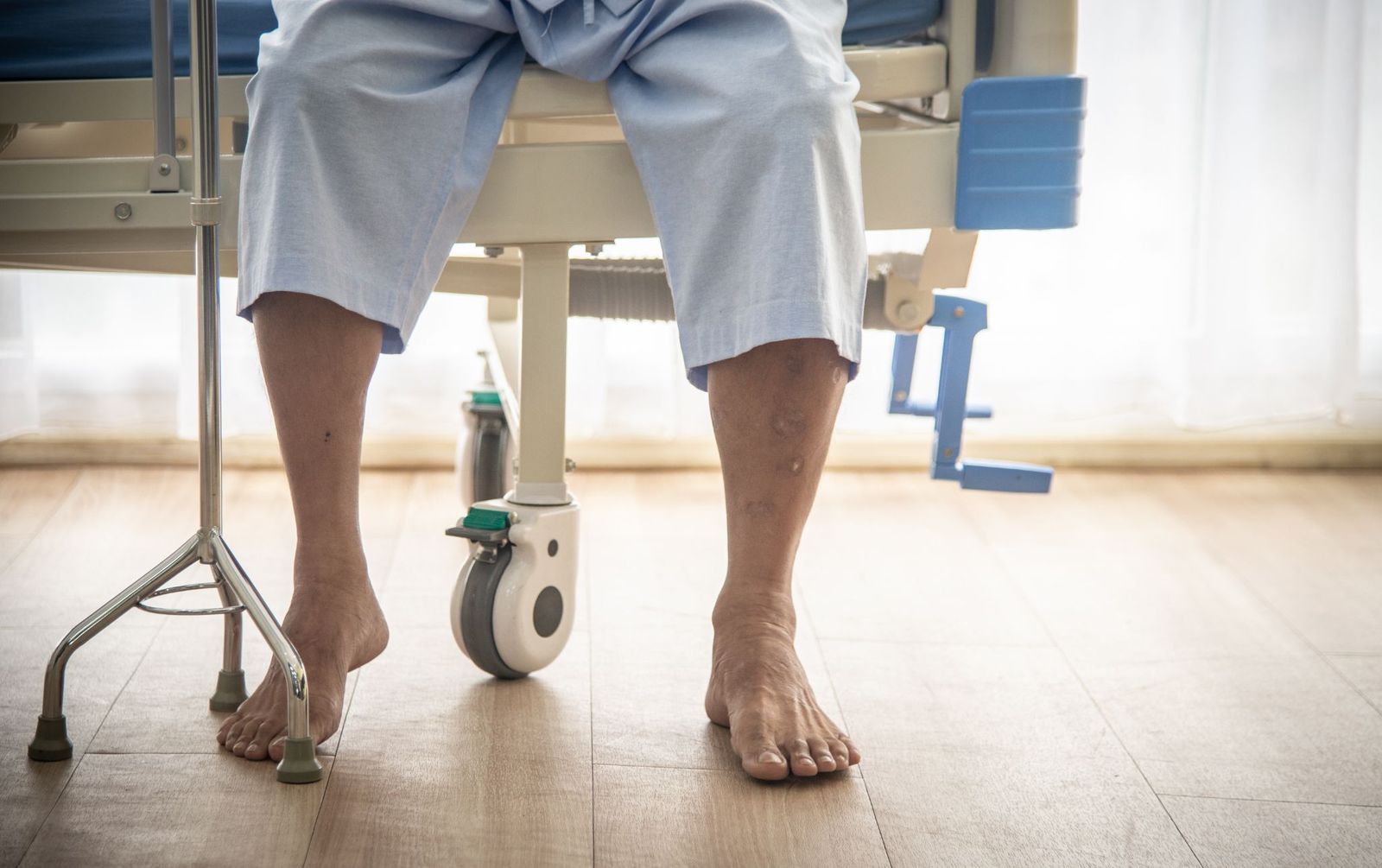
If you’ve ever spent a few days in the hospital, you’ve probably noticed that some patients are walking up and down the halls, while others need help just getting out of bed. When a nurse refers to someone as a "walkie-talkie," it’s actually good news.

This informal expression refers to patients who can walk on their own, use the bathroom without assistance, and handle most basic tasks independently. It’s not an official medical term, of course, but it’s commonly used among healthcare workers because it quickly tells the next shift that the patient requires less hands-on care than many others.

6

Total

Image: sebra

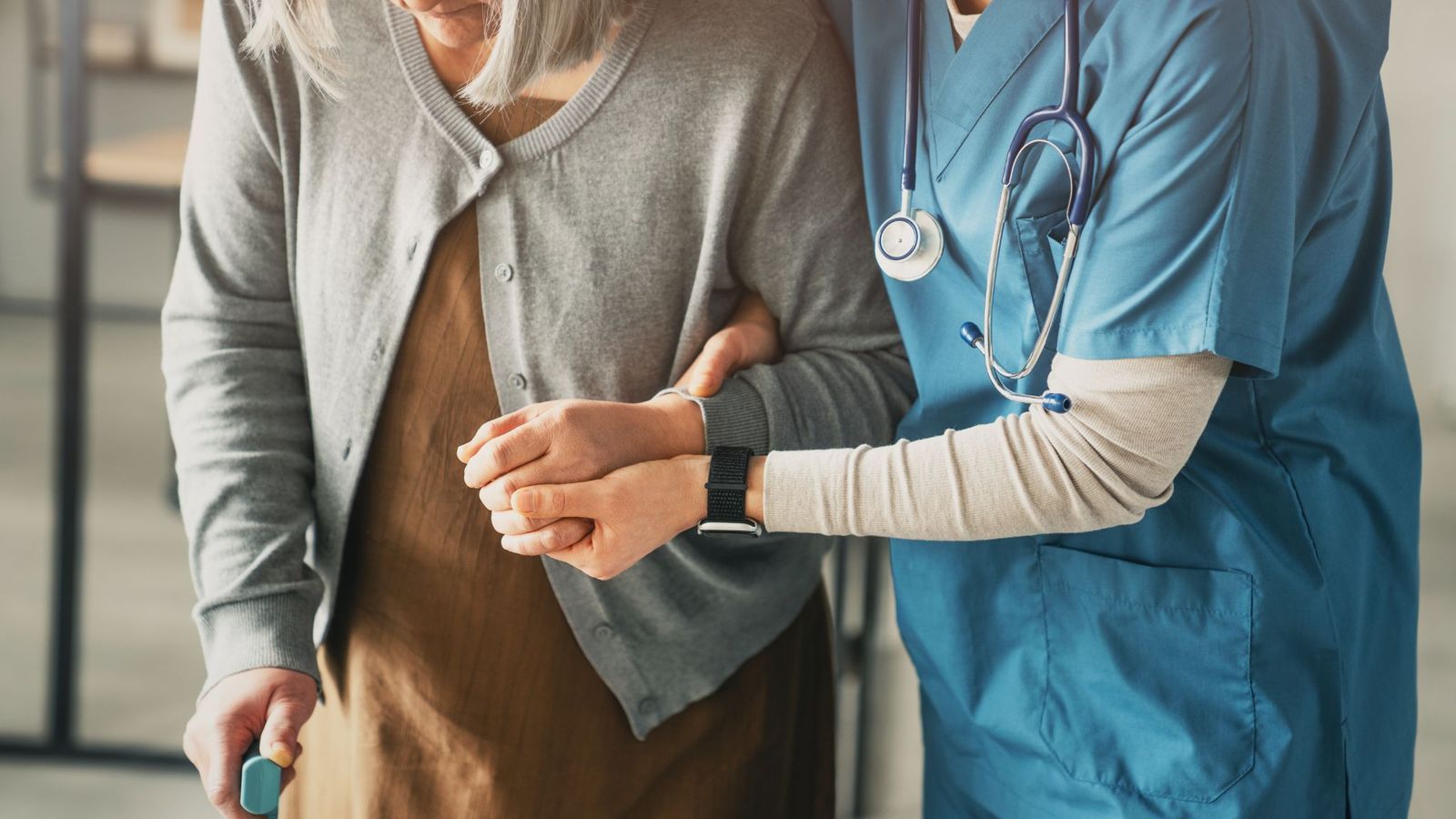
As nurses change shifts, you’ll often hear them give a quick report about each patient. One person may only need medication, while another is described as a "total."

The term is short for a patient who requires total care. They may need help eating, bathing, getting dressed, turning in bed, or moving from one place to another. Although the expression sounds impersonal, it’s simply a practical way for caregivers to communicate how much assistance someone needs.

7

Frequent flyer

Image: Studio Romantic

Most people hear "frequent flyer" and think of an airline reward program. And that’s correct, but in an emergency room, the phrase has a very different meaning.

A frequent flyer is an informal nickname for patients who repeatedly return to the hospital, often due to chronic illness, recurring medical conditions, or other ongoing health issues. Behind the light-hearted nickname is often a difficult reality. Many of these patients are simply dealing with medical problems that require regular emergency care, and the expression is just a way to make the experience a bit lighter among the familiar faces of doctors and nurses.

8

WOW

Image: Studio Romantic

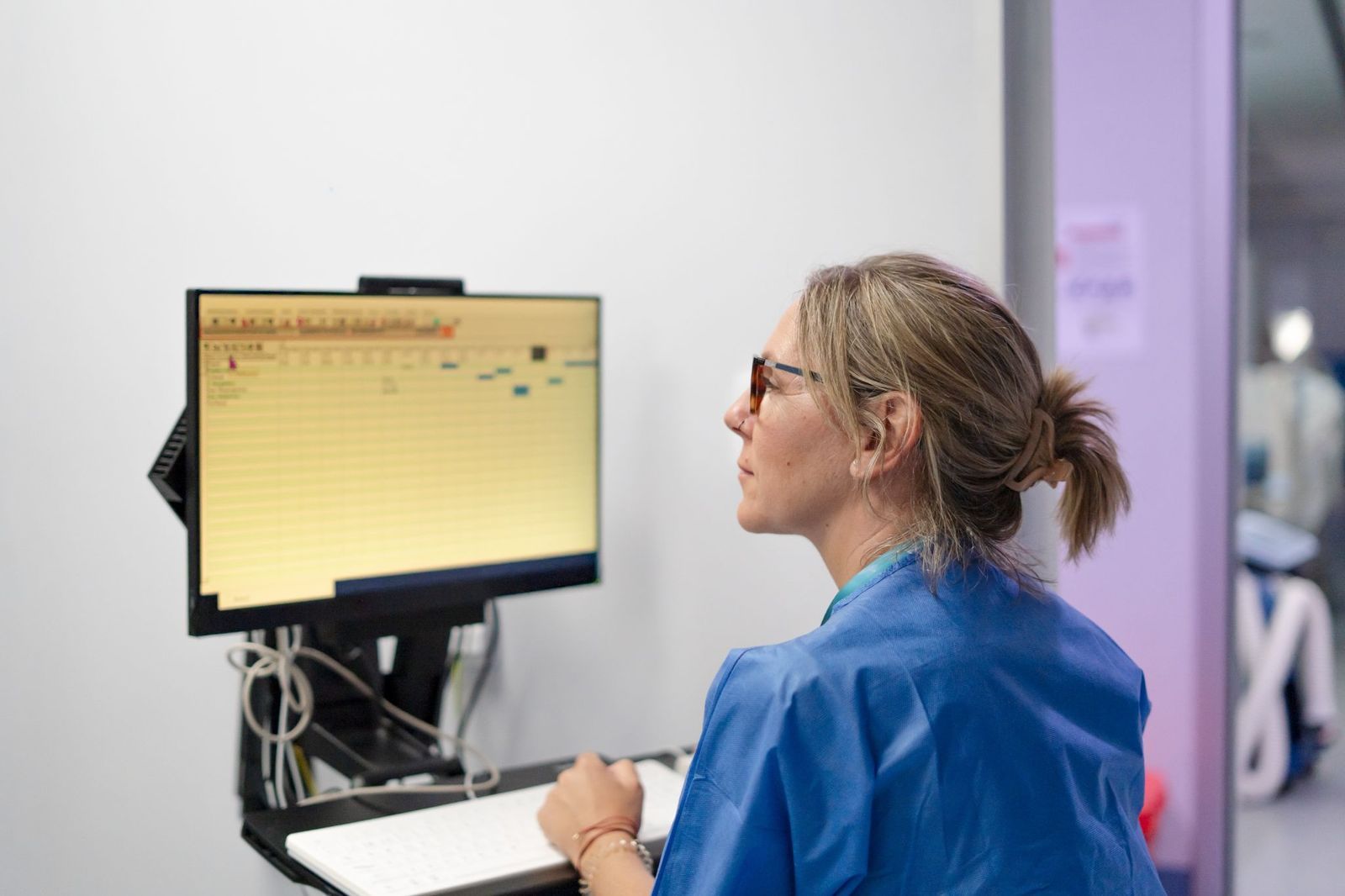
Not all codes are for patients. The next time you’re in a hospital, look closely at what the nurse is pushing from room to room. It may look like a small rolling desk with a computer on top. Staff often call it a "WOW," short for "workstation on wheels."

As hospitals switched from paper charts to electronic medical records, these mobile computers became essential. Nurses use them to review test results, scan medications, update patient charts, and check doctors’ orders without leaving the bedside. The name sounds funny, but the technology helps caregivers spend more time with patients instead of walking back and forth to a nursing station.

9

Sharp container

Image: NMK-Studio

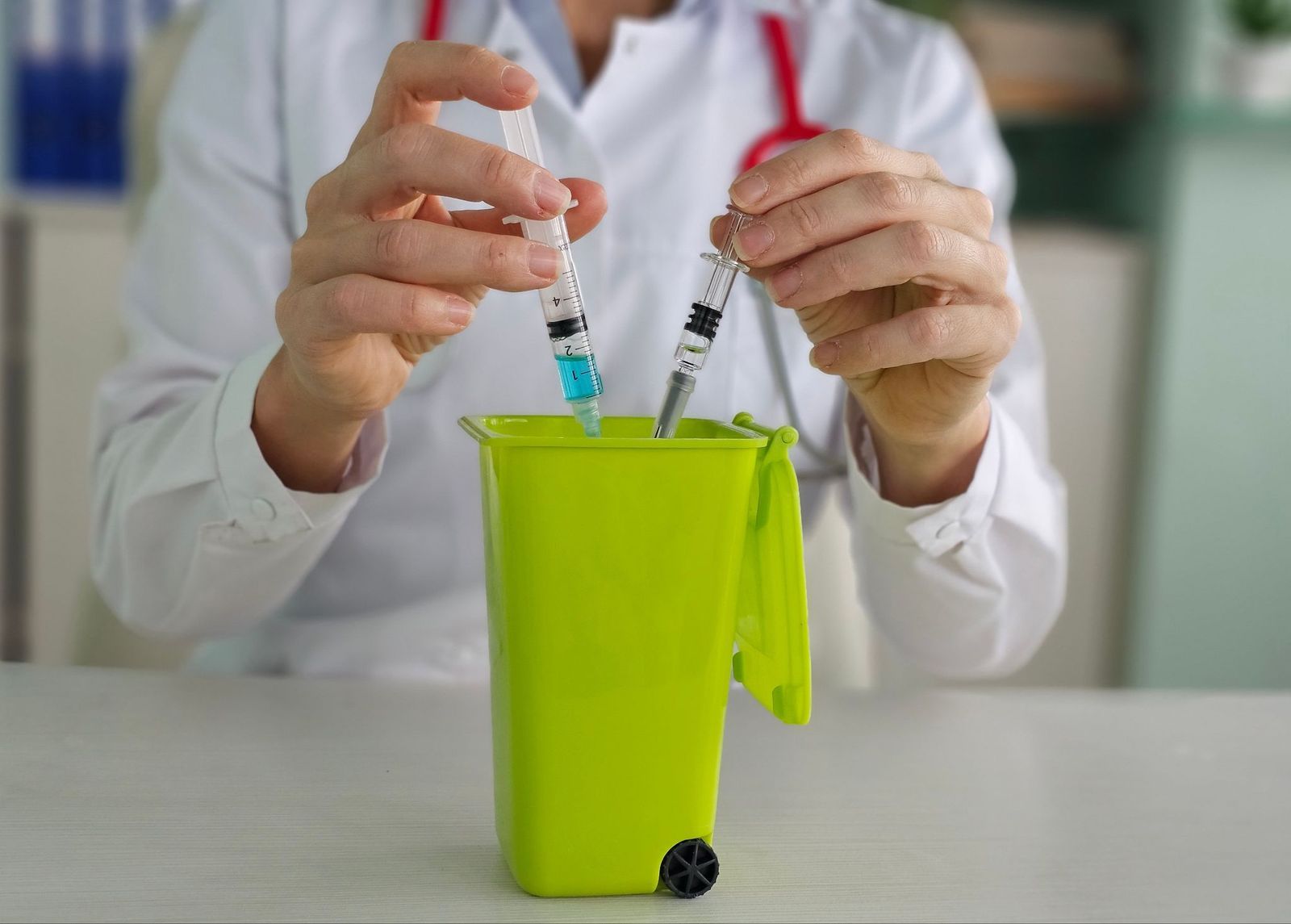
After getting a shot or having blood drawn, most patients never think about where the used needle ends up. It certainly doesn't go into an ordinary trash can.

Hospitals place needles, scalpels, and other sharp medical instruments into special containers designed to prevent accidental injuries. These sturdy, puncture-resistant boxes are sealed when full and safely disposed of in accordance with strict health regulations. This not only protects nurses, but it also protects cleaning crews, waste handlers, and even the public from dangerous needle sticks. It’s one of the most important safety measures in every hospital, even though most patients never notice it.

10

B-52

Image: Photoroyalty

If you’ve ever watched a medical drama, you've probably seen a patient become so agitated that several staff members rush into the room. In situations like that, a doctor or nurse may ask for a "B-52." But the name has nothing to do with numbers themselves; it actually comes from a medicine.

B-52 is hospital slang for a fast-acting injection used to calm down patients who are severely combative or at risk of harming themselves or others. The nickname comes from a commonly used combination of medications that usually include diphenhydramine, haloperidol, and lorazepam. It’s strictly reserved for when other methods of calming the patient haven’t worked.

Looking for an extra scoop of literary fun?

Learn more with our Word of the day

maladroit

/ˌmæləˈdrɔɪt/