Words that seem immortal

The meanings have vanished, but the words lived on: Meet 12 “ghost” words


Published on June 29, 2026


Image: Rasa Kasparaviciene

Language changes constantly, but rarely throws everything away at once. Sometimes a word outlives the object, machine, or technology that gave it meaning in the first place. We continue to use these expressions every day without thinking much about where they came from. From rotary telephones and film reels to carbon paper and floppy disks, these words are linguistic fossils that refuse to go away.

1

Dial

Image: Quino Al

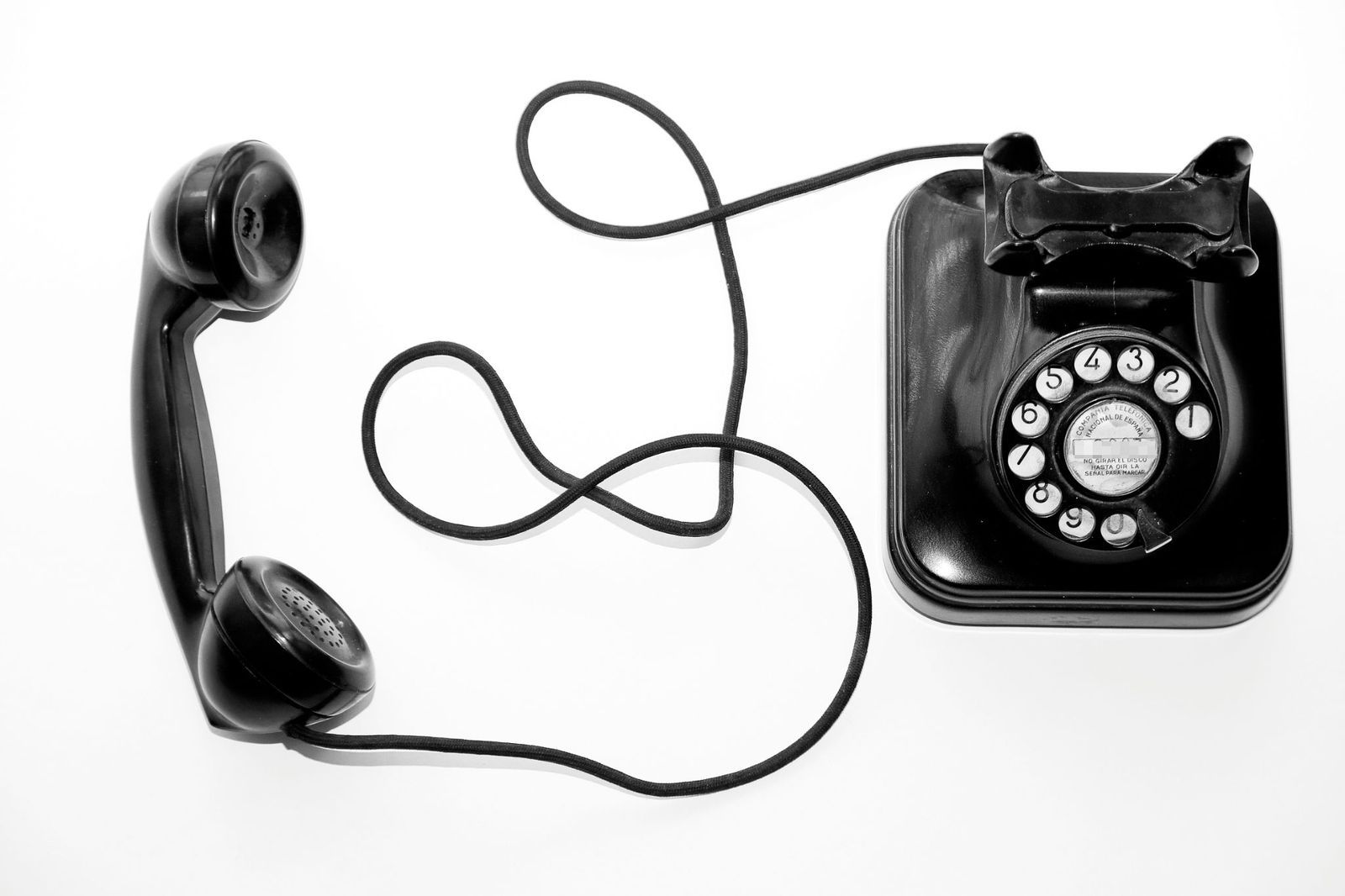
Millions of people dial phone numbers every day, even though most have never touched a rotary telephone. The word comes from a circular dial used on telephones throughout much of the 20th century. Users inserted a finger into a numbered hole and rotated the dial to place a call.

Automatic dialing systems began appearing in the late 1800s, and rotary phones remained common until push-button models spread during the 1960s and 1970s. The dial disappeared, but the verb stayed behind.

2

Hang up

Image: Malvestida

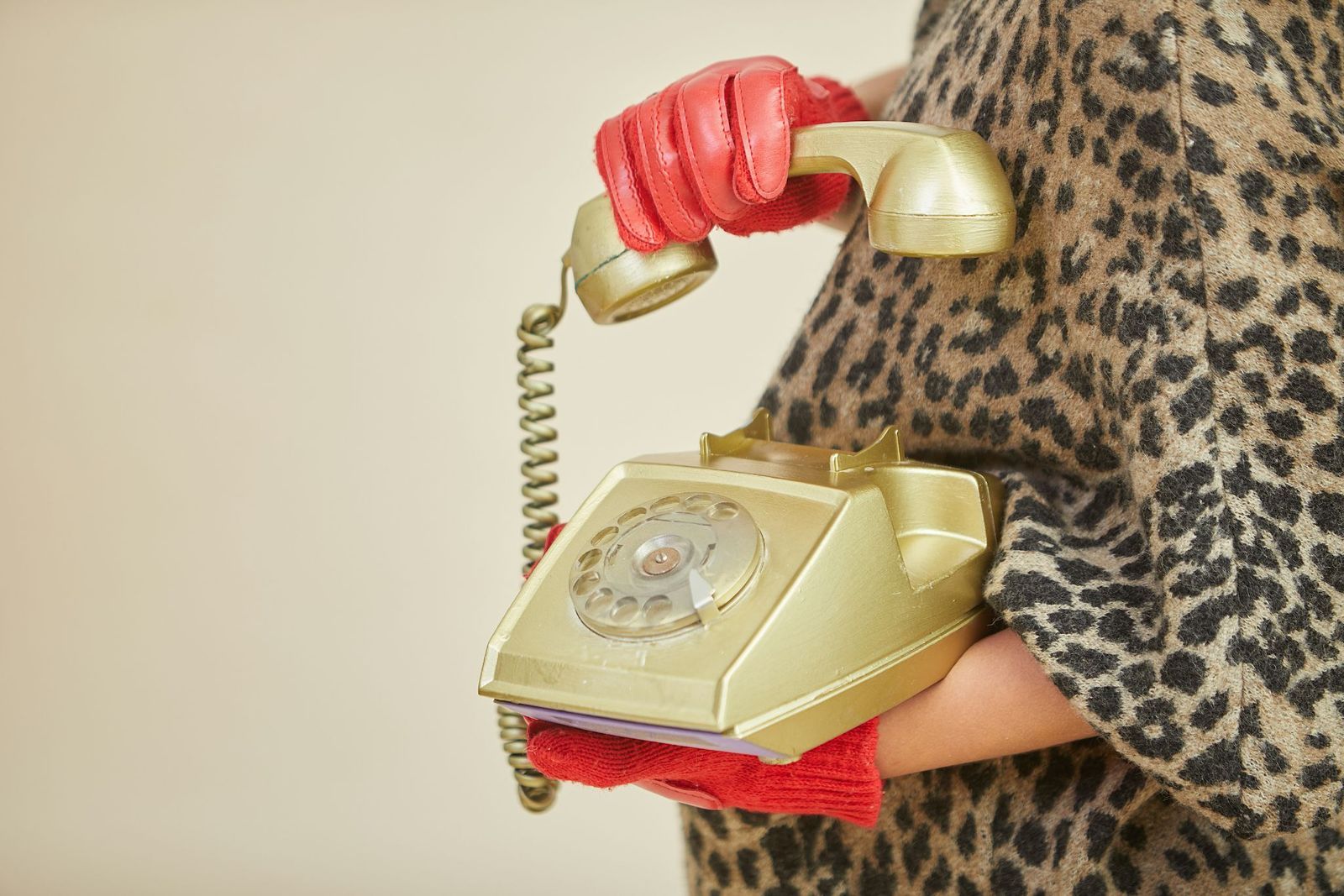
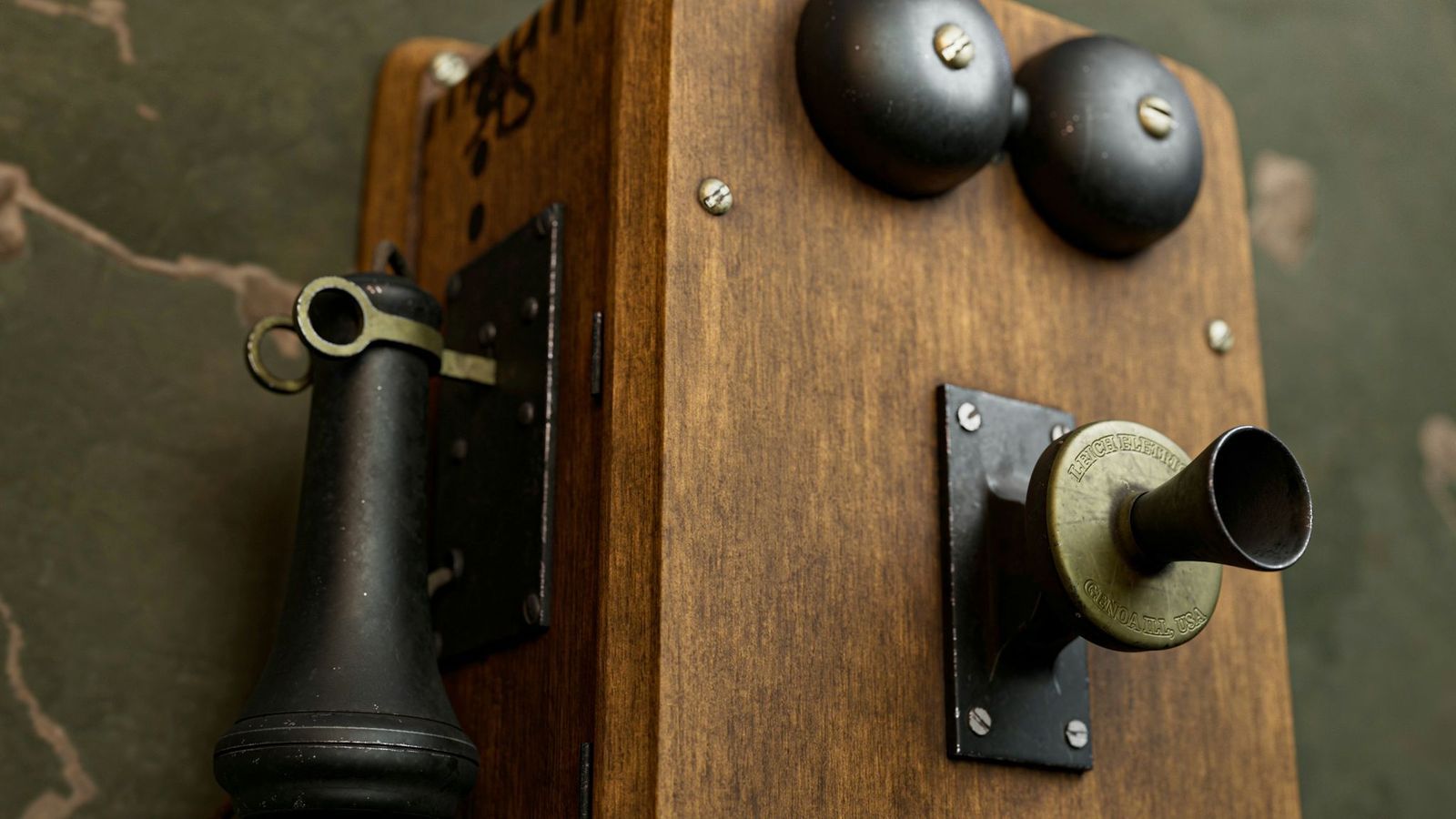
Ending a phone call is still called hanging up, despite the obvious fact that modern smartphones have nothing to hang. The phrase originated when telephone receivers were physically placed on wall-mounted hooks or cradles after a conversation ended.

The action activated a switch that disconnected the line. Telephone engineers still use the related terms "on-hook" and "off-hook," preserving language from a technology that most people no longer see.

3

Carbon copy (CC)

Image: xpixel

Anyone who sends an email is familiar with CC, short for carbon copy. The term comes from carbon paper, a thin sheet placed between pages to create duplicate copies while typing or writing.

Carbon paper became widely used in offices during the 19th and 20th centuries. Although it has largely disappeared, email systems adopted the familiar abbreviations. Even BCC, or blind carbon copy, preserves a term from the typewriter era.

4

Footage

Image: Denise Jans

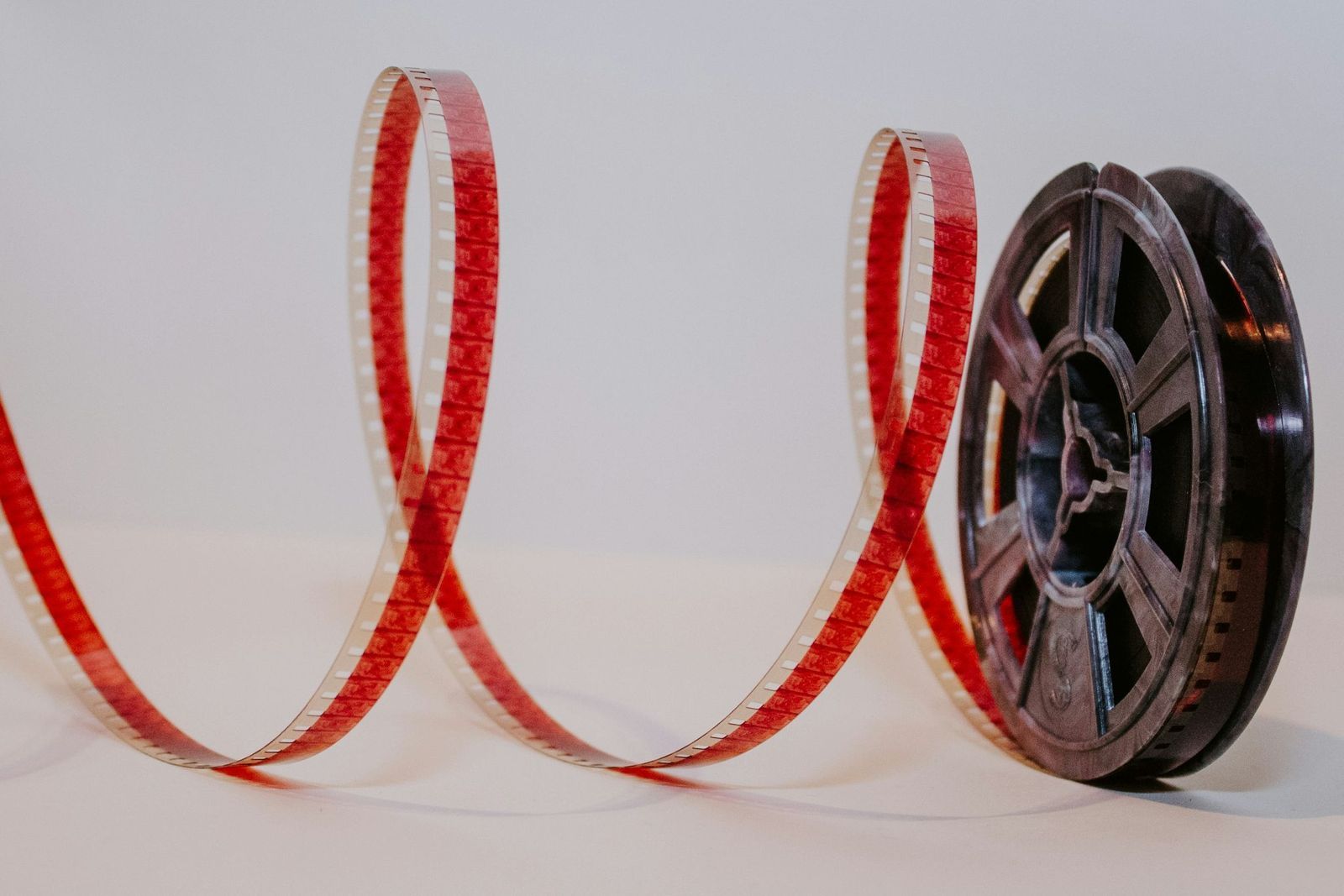
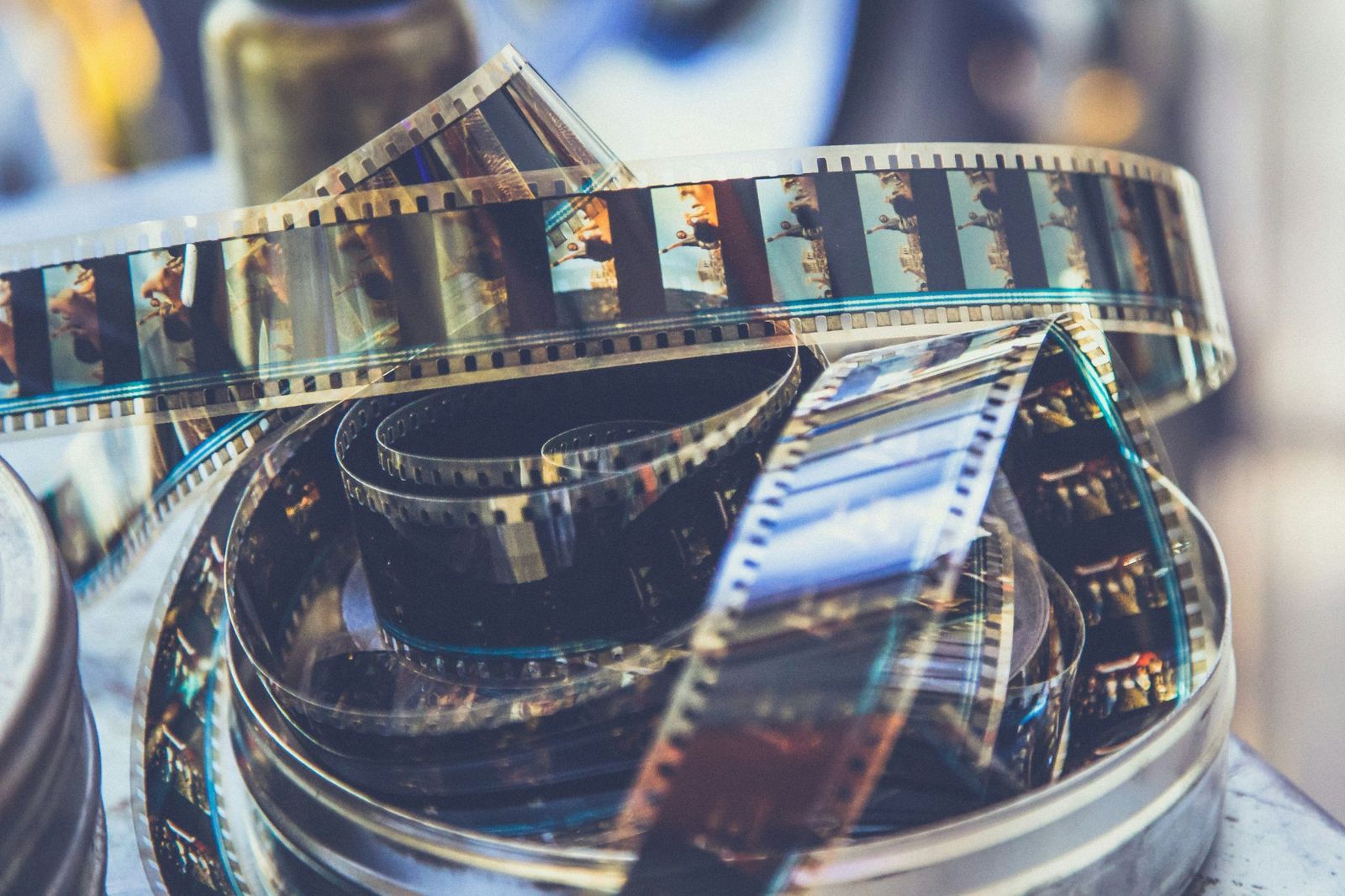
Today, nearly all video is digital, yet people still refer to recorded video as footage. The word originated in the motion-picture industry, where film was measured in physical feet.

Editors and cinematographers literally counted how many feet of film had been shot. In traditional 35mm filmmaking, one foot of film contained 16 frames. The physical measurement vanished, but the vocabulary survived.

5

Rewind

Image: Daniel von Appen

People regularly rewind videos, podcasts, and streaming content if they want to move to an earlier moment in the media. The expression dates to a time when magnetic tape and film reels had to be physically wound backward to revisit an earlier section.

Cassette tapes, VHS tapes, and film projectors all required actual rewinding. Digital files contain no reels or tape, but the word remains the standard way to describe moving backward through media.

6

Roll down the window

Image: Wesley Tingey

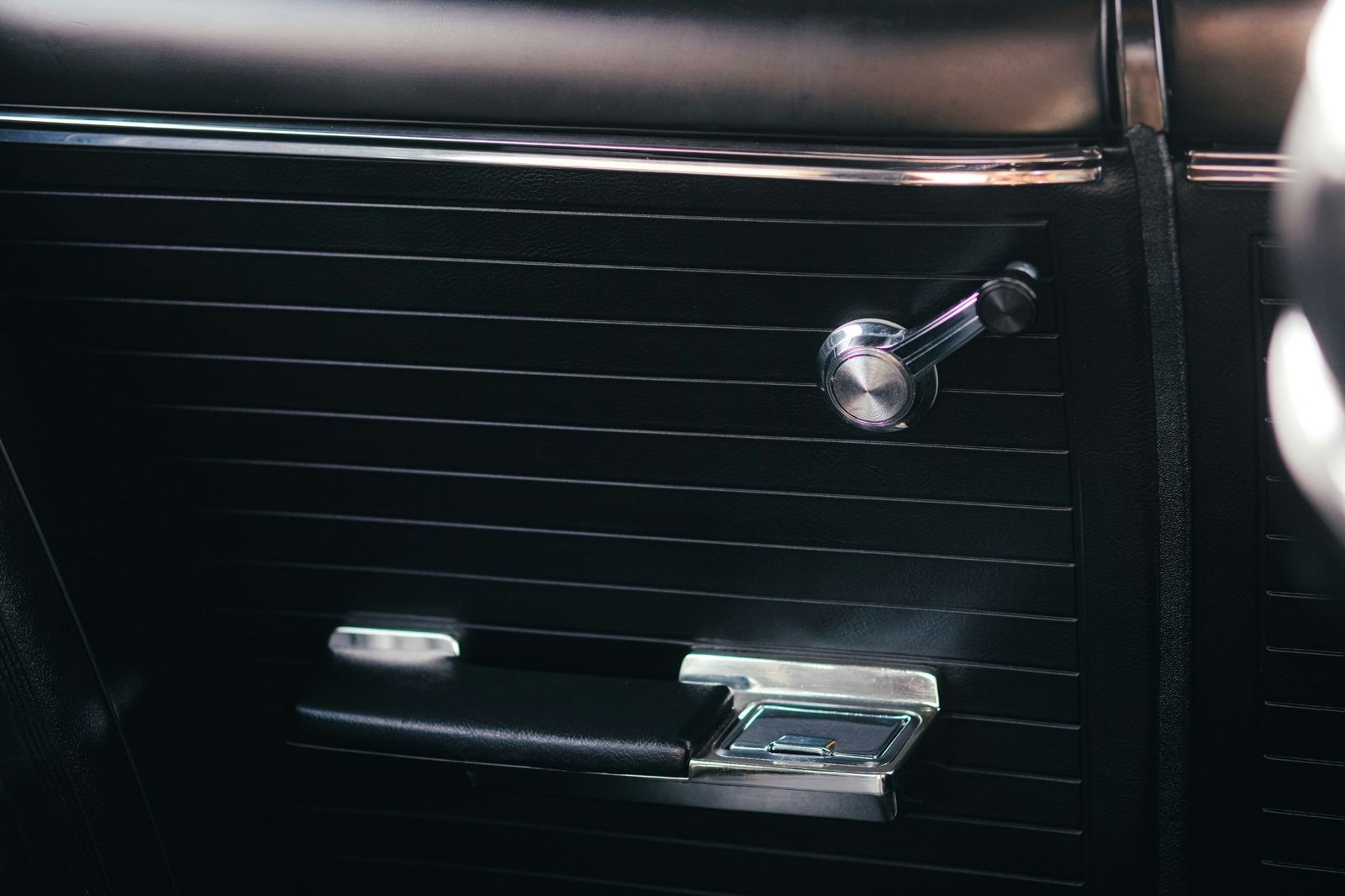
Many drivers still ask passengers to roll down the window. Originally, that instruction was completely literal. Car windows were operated by turning a hand crank connected to a mechanical regulator.

As power windows became widespread during the second half of the 20th century, the rolling action disappeared. Yet the phrase survived the transition from crank handles to electronic switches.

7

Tape a show

Image: Leonard Reese

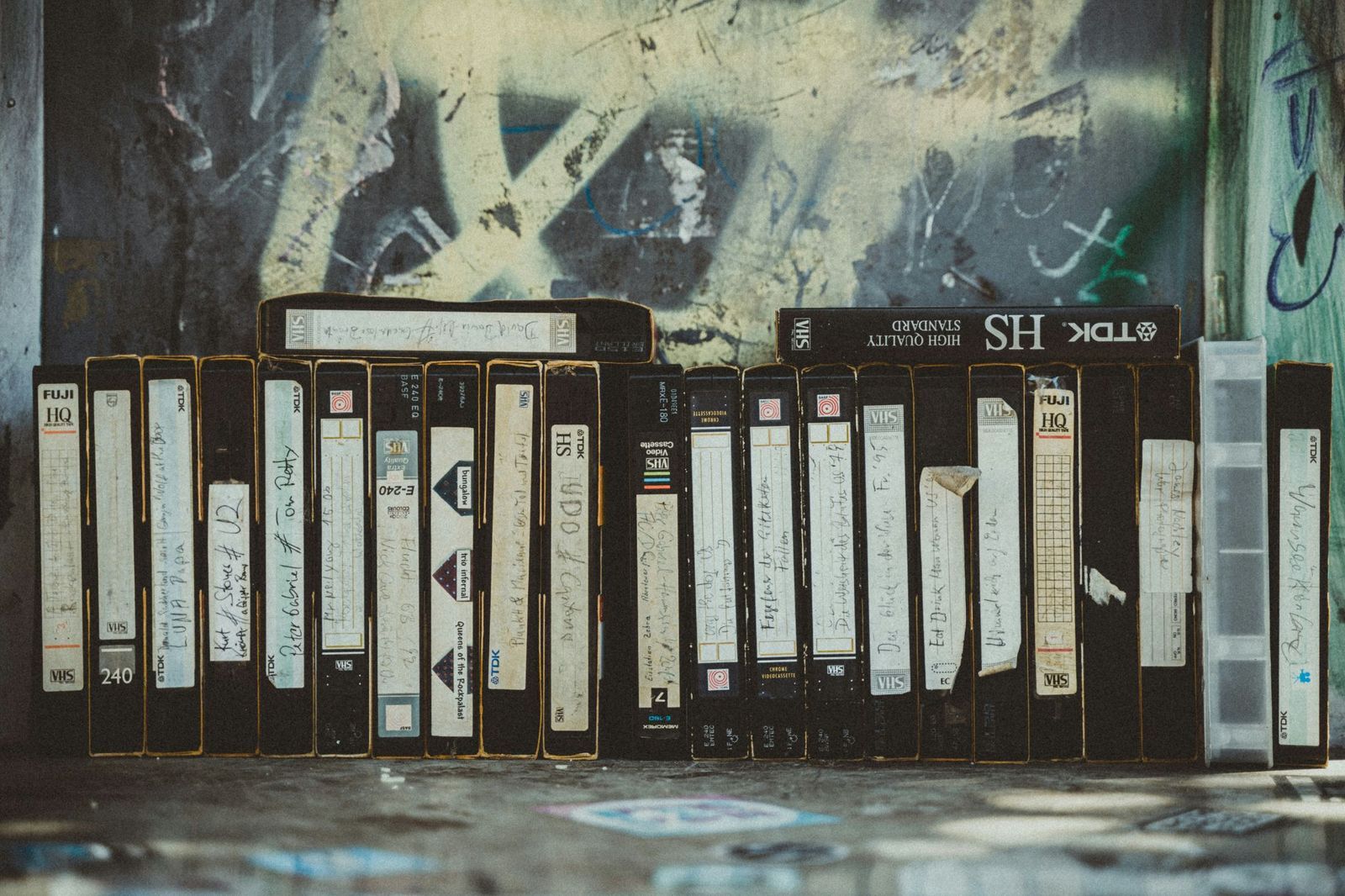
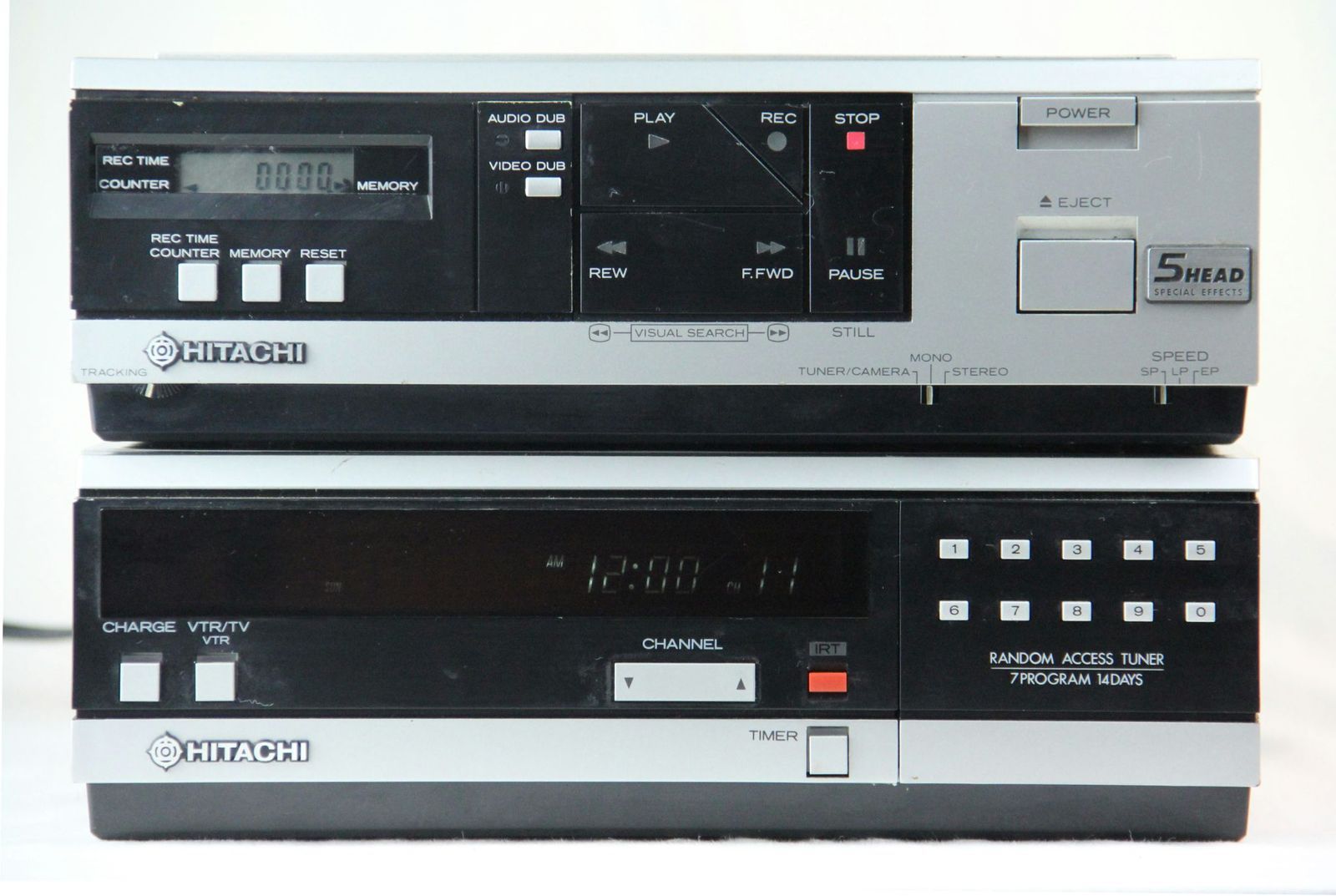
For decades, recording television programs meant using magnetic videotape. Home viewers relied on formats such as VHS and Betamax to capture shows, sporting events, and movies.

Streaming services and digital recorders eventually replaced videotape, but people still talk about taping a program. The tape itself may be gone, but the expression remains surprisingly common.

8

Stay tuned

Image: Alan Rodriguez

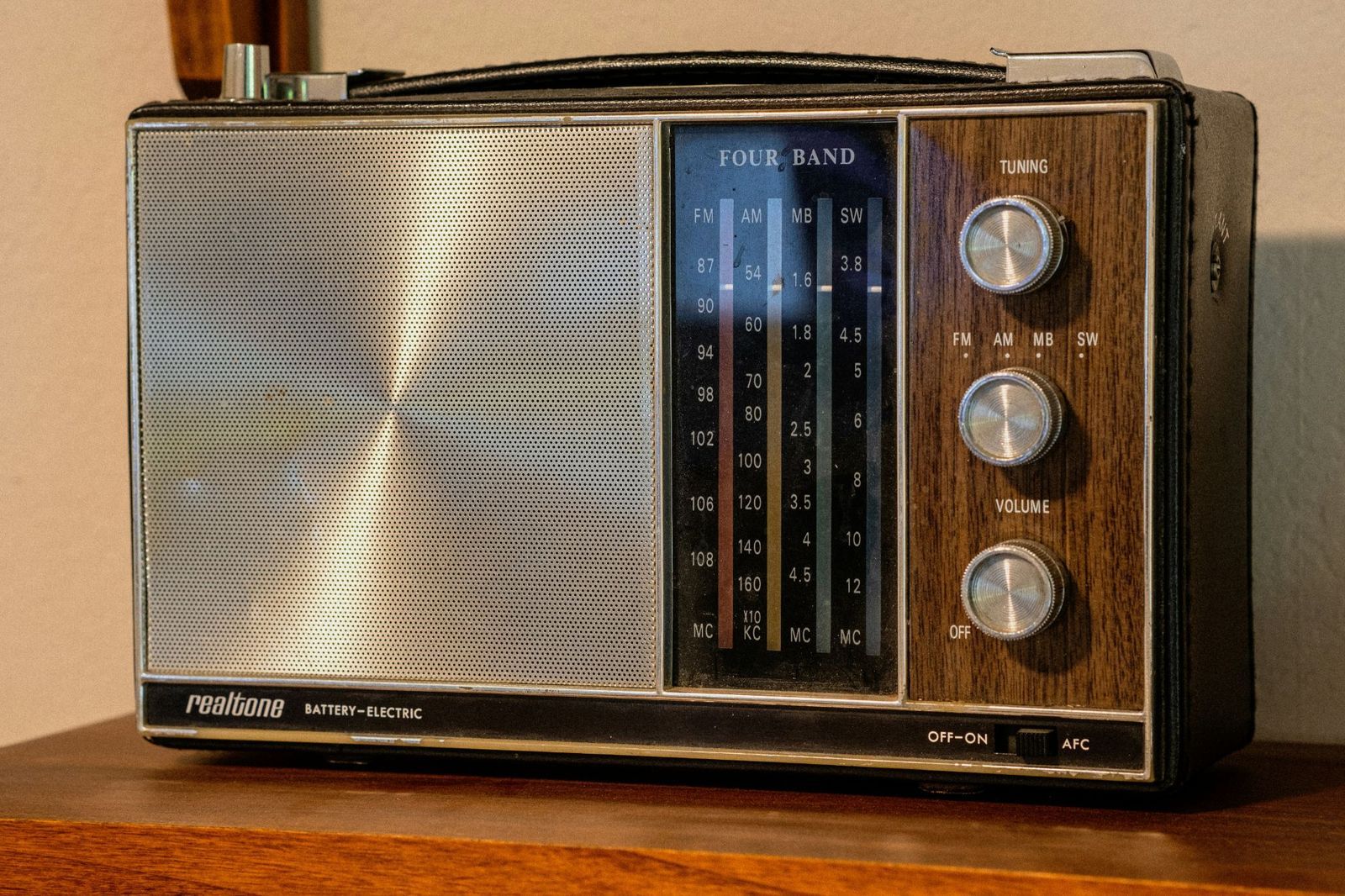
Broadcasters have been telling audiences to stay tuned for generations. The phrase originated during the early days of radio, when listeners adjusted tuning dials to find the correct frequency.

Early television sets worked similarly. Modern devices select channels electronically, yet the old instruction continues to signal that more content is coming.

9

Film

Image: Eric TERRADE

Most movies, television shows, and online videos are now captured digitally. Nevertheless, people still film weddings, documentaries, interviews, and social media clips.

The word comes from photographic film stock, the light-sensitive material that defined cinema for more than a century. Even as digital cameras became dominant, the vocabulary of filmmaking remained largely unchanged.

10

Ringing a phone

Image: Carlos Eduardo

When an incoming call arrives, we still say the phone is ringing. Early phones actually contained mechanical bells that produced a ringing sound whenever someone called.

Modern smartphones use speakers and digital sound files instead of physical bells. Yet, the connection between telephones and ringing remains so strong that few people notice the historical reference.

11

Save

Image: Matias Megapixel

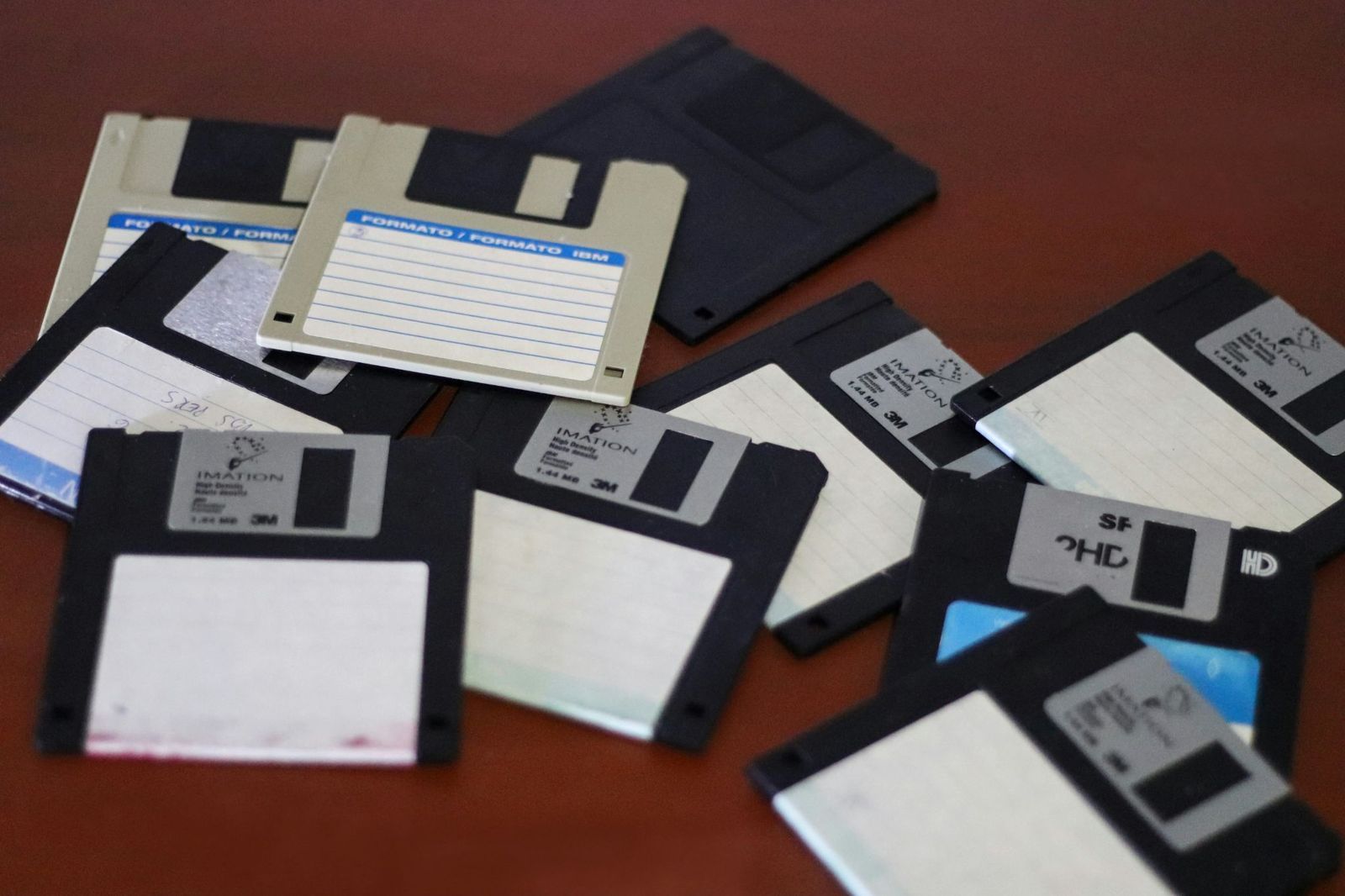
One of the most famous technological fossils appears every time users click the Save icon. On many programs, the symbol resembles a 3.5-inch floppy disk, once a standard method of computer storage.

Floppy disks became widespread during the 1980s and 1990s before largely disappearing in the early 2000s. Many younger users instantly recognize the icon despite never having used the device it represents.

12

Record

Image: Call Me Fred

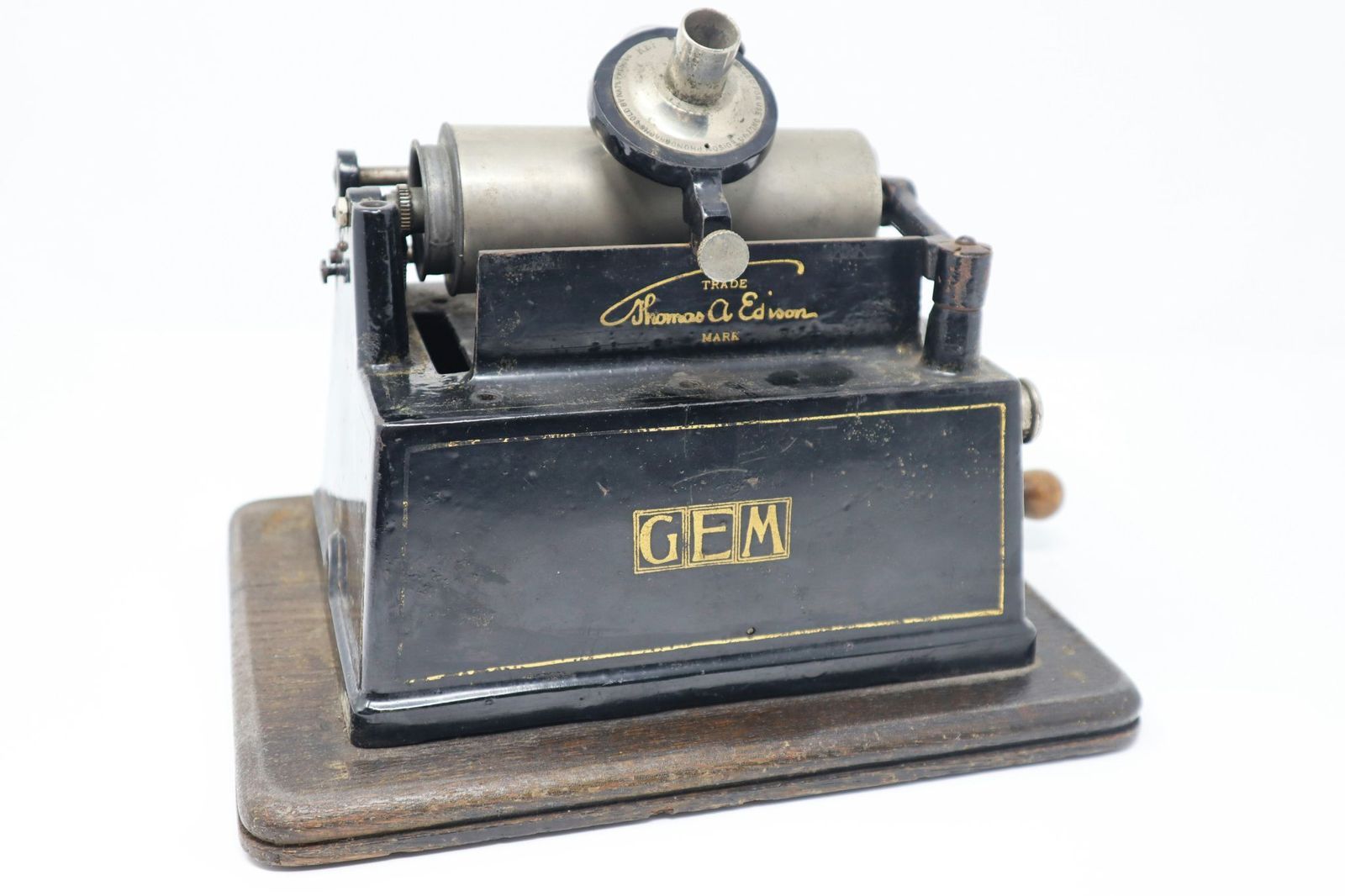
Smartphones, tablets, and computers can record audio and video with a single tap. The term, however, comes from an era when sounds were physically stored on wax cylinders, records, and magnetic media.

Thomas Edison’s phonograph, introduced in 1877, was the first machine capable of recording and reproducing sound. Modern devices store digital data rather than physical grooves, but the original word still does the job.


Hospital secrets

What is a "Code Gray" and what you should know if you hear it at the E.R.


Published on June 29, 2026


Image: voronaman

A trip to the emergency room can be stressful enough without hearing doctors and nurses speak a language that sounds like a secret code. One minute, someone is asking for medication "STAT," the next there’s a "Code Gray," and another patient is suddenly "NPO." What do those words really mean? Some are official medical terms, others are insider slang, but they all help hospital staff communicate quickly when every second counts. Here are 10 of those codes explained.

1

Code Gray

Image: PeopleImages

The E.R. can be hectic and unpredictable. Most patients are frightened or uncomfortable, but now and then someone becomes aggressive because of pain, confusion, mental illness, or the effects of alcohol or other substances. That’s when you can hear "Code Gray" announced over the speakers.

The code is used to summon security officers to help manage a violent or combative situation. While color codes vary from one hospital to another, Code Gray commonly signals that staff needs extra assistance to protect patients, visitors, and healthcare workers. Even if you know it now, most people in the waiting room never know what happened, and that’s exactly the point.

2

NPO

Image: PeopleImages

You have a scheduled surgery, you’re in your bed waiting to be taken to the surgery room, and you ask for a cup of coffee to make the wait lighter. The nurse will probably tell you you’re an NPO. You may think it’s serious, but it’s simply a procedure.

"NPO" is an abbreviation that comes from the Latin phrase Nil Per Os, which means "nothing by mouth." It tells patients they cannot eat, drink, or sometimes even take medication until doctors say it’s safe. The rule is most common before surgery or certain medical tests, when food or liquids could increase the risk of complications or alter the results. It may be frustrating, but it’s an important part of keeping patients safe.

3

STAT!

Image: PeopleImages

You’ve probably been through the experience of visiting an emergency room, either to get checked or to visit a loved one. In that part of the hospital where everyone is rushing to save lives, you’ve probably heard a doctor asking for the R.C.P. cart or medication "STAT!" It sounds urgent, and that's because it is.

The expression comes from the Latin statim, which means "immediately" or "without delay." Hospitals have used Latin medical terms for centuries, but STAT is one of the few that remains part of everyday conversation. When a doctor says it, the request jumps to the top of the priority list. It doesn’t always refer to a life-or-death situation, but it does mean the medical team needs something done as quickly as possible.

4

Code Pink

Image: Vladimir Tretyakov

Newborns are always a reason to celebrate at the hospital. Parents usually rest happily next to their child as they receive congratulations from close relatives. However, the hospital is always prepared to handle extremely rare emergencies under "code pink."

If you hear a "Code Pink," it usually means a baby or young child is suspected of being abducted from the hospital. Within seconds, security officers respond, exits may be monitored or blocked, and staff begins following carefully rehearsed procedures. Although different hospitals sometimes use different color codes, Code Pink has become widely recognized across North America as one of the most serious alerts a hospital can issue.

5

Walkie-talkie

Image: Arunporn Thanapotivirat

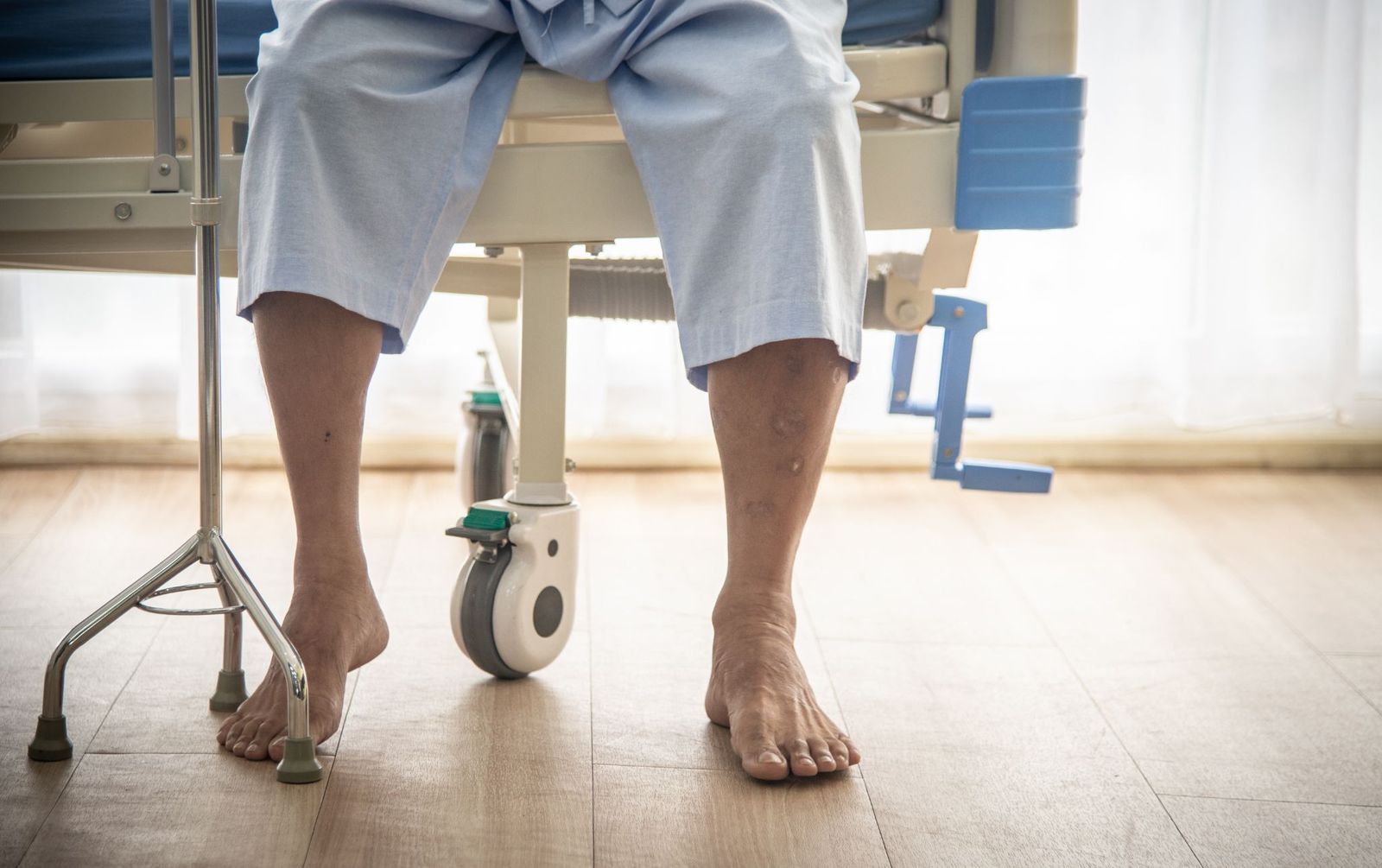
If you’ve ever spent a few days in the hospital, you’ve probably noticed that some patients are walking up and down the halls, while others need help just getting out of bed. When a nurse refers to someone as a "walkie-talkie," it’s actually good news.

This informal expression refers to patients who can walk on their own, use the bathroom without assistance, and handle most basic tasks independently. It’s not an official medical term, of course, but it’s commonly used among healthcare workers because it quickly tells the next shift that the patient requires less hands-on care than many others.

6

Total

Image: sebra

As nurses change shifts, you’ll often hear them give a quick report about each patient. One person may only need medication, while another is described as a "total."

The term is short for a patient who requires total care. They may need help eating, bathing, getting dressed, turning in bed, or moving from one place to another. Although the expression sounds impersonal, it’s simply a practical way for caregivers to communicate how much assistance someone needs.

7

Frequent flyer

Image: Studio Romantic

Most people hear "frequent flyer" and think of an airline reward program. And that’s correct, but in an emergency room, the phrase has a very different meaning.

A frequent flyer is an informal nickname for patients who repeatedly return to the hospital, often due to chronic illness, recurring medical conditions, or other ongoing health issues. Behind the light-hearted nickname is often a difficult reality. Many of these patients are simply dealing with medical problems that require regular emergency care, and the expression is just a way to make the experience a bit lighter among the familiar faces of doctors and nurses.

8

WOW

Image: Studio Romantic

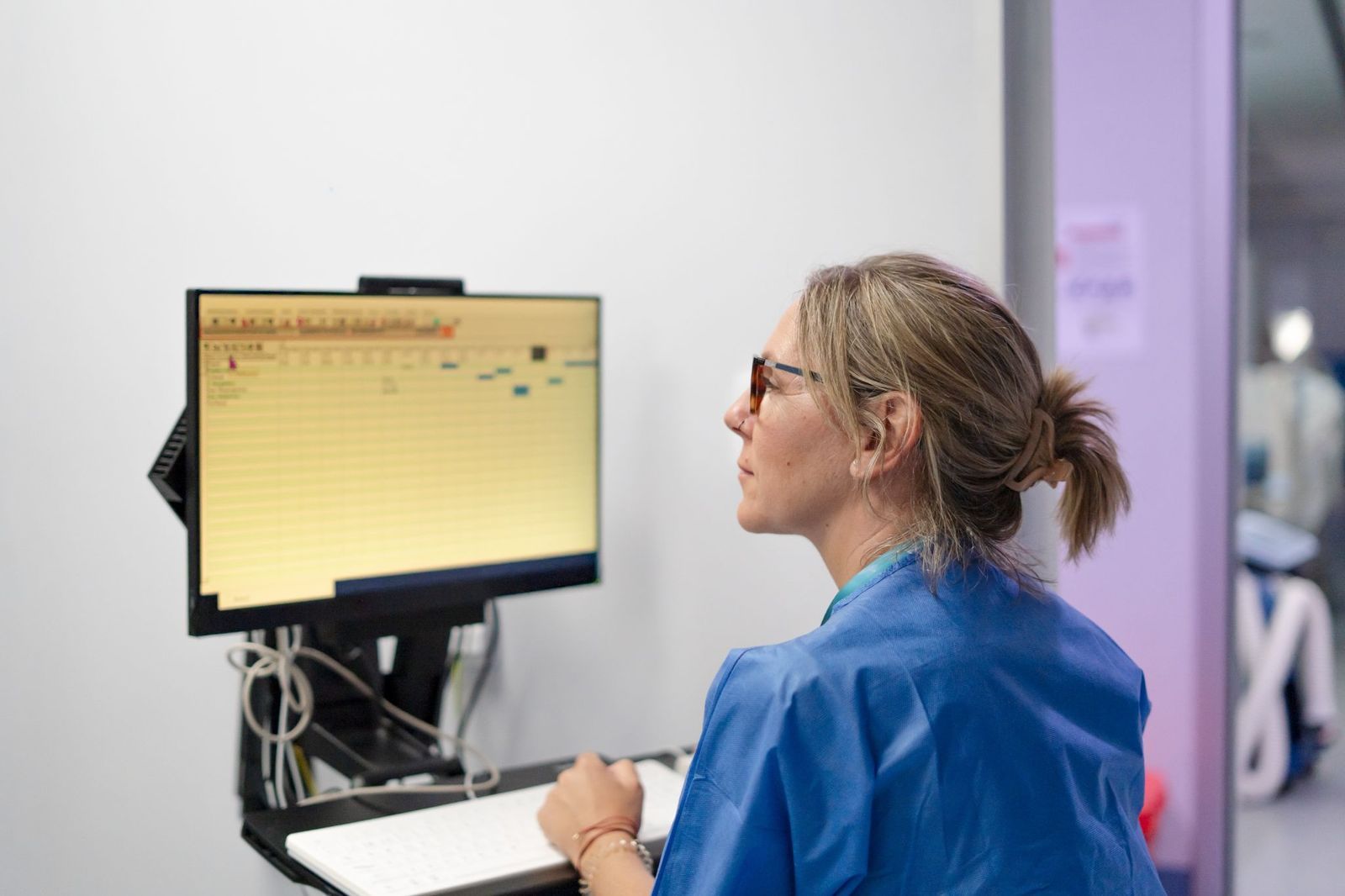
Not all codes are for patients. The next time you’re in a hospital, look closely at what the nurse is pushing from room to room. It may look like a small rolling desk with a computer on top. Staff often call it a "WOW," short for "workstation on wheels."

As hospitals switched from paper charts to electronic medical records, these mobile computers became essential. Nurses use them to review test results, scan medications, update patient charts, and check doctors’ orders without leaving the bedside. The name sounds funny, but the technology helps caregivers spend more time with patients instead of walking back and forth to a nursing station.

9

Sharp container

Image: NMK-Studio

After getting a shot or having blood drawn, most patients never think about where the used needle ends up. It certainly doesn't go into an ordinary trash can.

Hospitals place needles, scalpels, and other sharp medical instruments into special containers designed to prevent accidental injuries. These sturdy, puncture-resistant boxes are sealed when full and safely disposed of in accordance with strict health regulations. This not only protects nurses, but it also protects cleaning crews, waste handlers, and even the public from dangerous needle sticks. It’s one of the most important safety measures in every hospital, even though most patients never notice it.

10

B-52

Image: Photoroyalty

If you’ve ever watched a medical drama, you've probably seen a patient become so agitated that several staff members rush into the room. In situations like that, a doctor or nurse may ask for a "B-52." But the name has nothing to do with numbers themselves; it actually comes from a medicine.

B-52 is hospital slang for a fast-acting injection used to calm down patients who are severely combative or at risk of harming themselves or others. The nickname comes from a commonly used combination of medications that usually include diphenhydramine, haloperidol, and lorazepam. It’s strictly reserved for when other methods of calming the patient haven’t worked.

Looking for an extra scoop of literary fun?

Learn more with our Word of the day

initiative

/ɪˈnɪʃədɪv/