Hidden meanings
Why do we put wedding bands on the fourth finger? Weird symbols decoded
Published on September 9, 2026
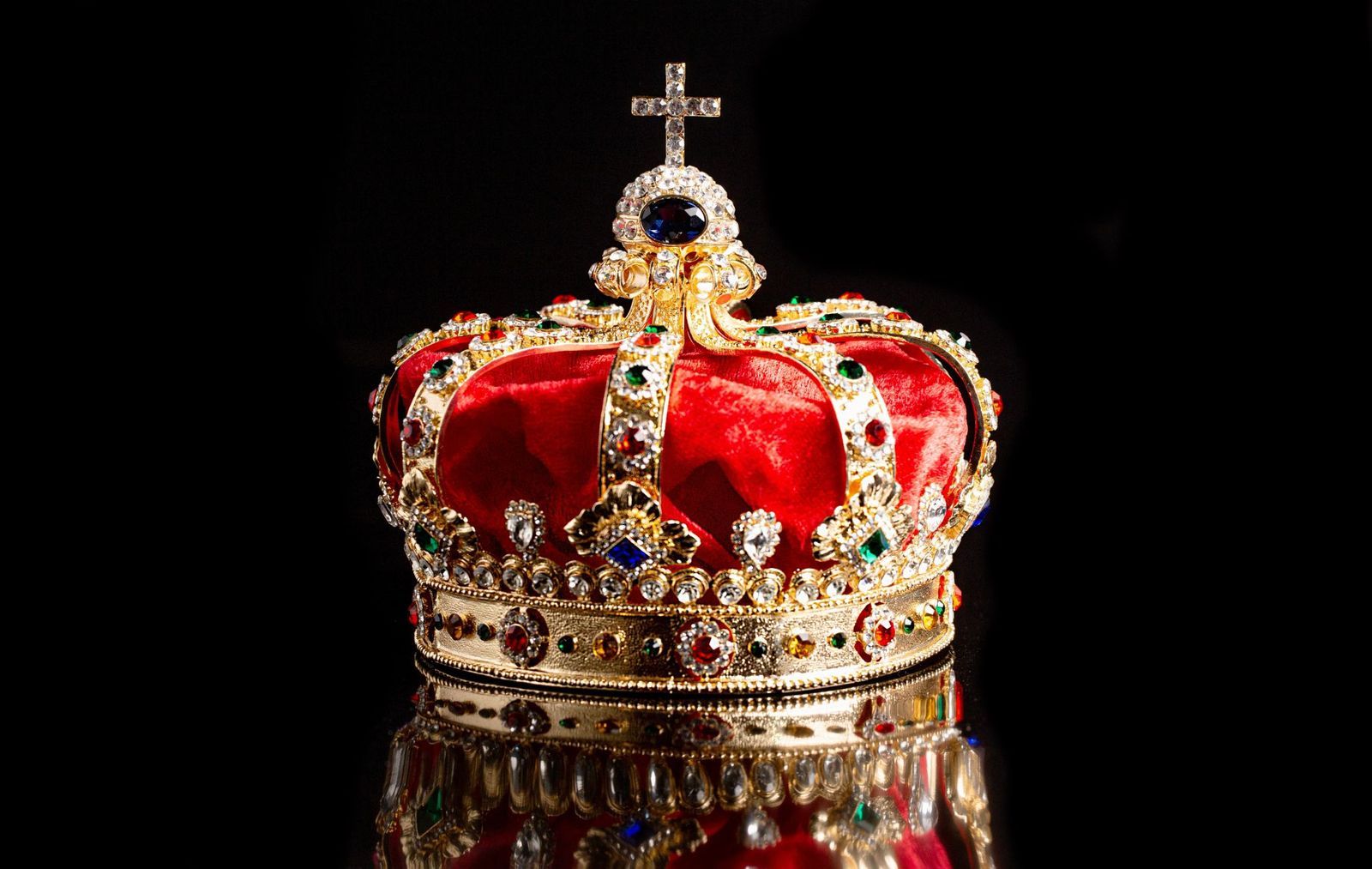
We recognize certain symbols almost without thinking. Yet, when we stop to consider them, the object and the idea it represents can seem unrelated. As history unfolds, some unforeseen events created symbols that stuck until they became conventions. And now, when we see a gavel, we think of justice; commitment with a wedding ring, surrender with a white flag, and royalty with a shiny crown. Here is the story of how 10 everyday objects became universal symbols.
Why judges use gavels

Even if you’ve never been in a real court, you've probably seen it in many movies: the judge slams the gavel, and the chaotic courtroom suddenly turns into complete silence. But why did a wooden hammer become a symbol of authority?
Centuries ago, English land auctioneers used small wooden hammers to signal that a property had officially sold. The sharp crack of wood cut through noisy auction halls, closing the sale. Then early American lawmakers noticed this practical gesture and brought it into legislative halls to manage loud debates and the judicial world. However, in real life, judges rarely use gavels.
How the wedding ring came to symbolize commitment
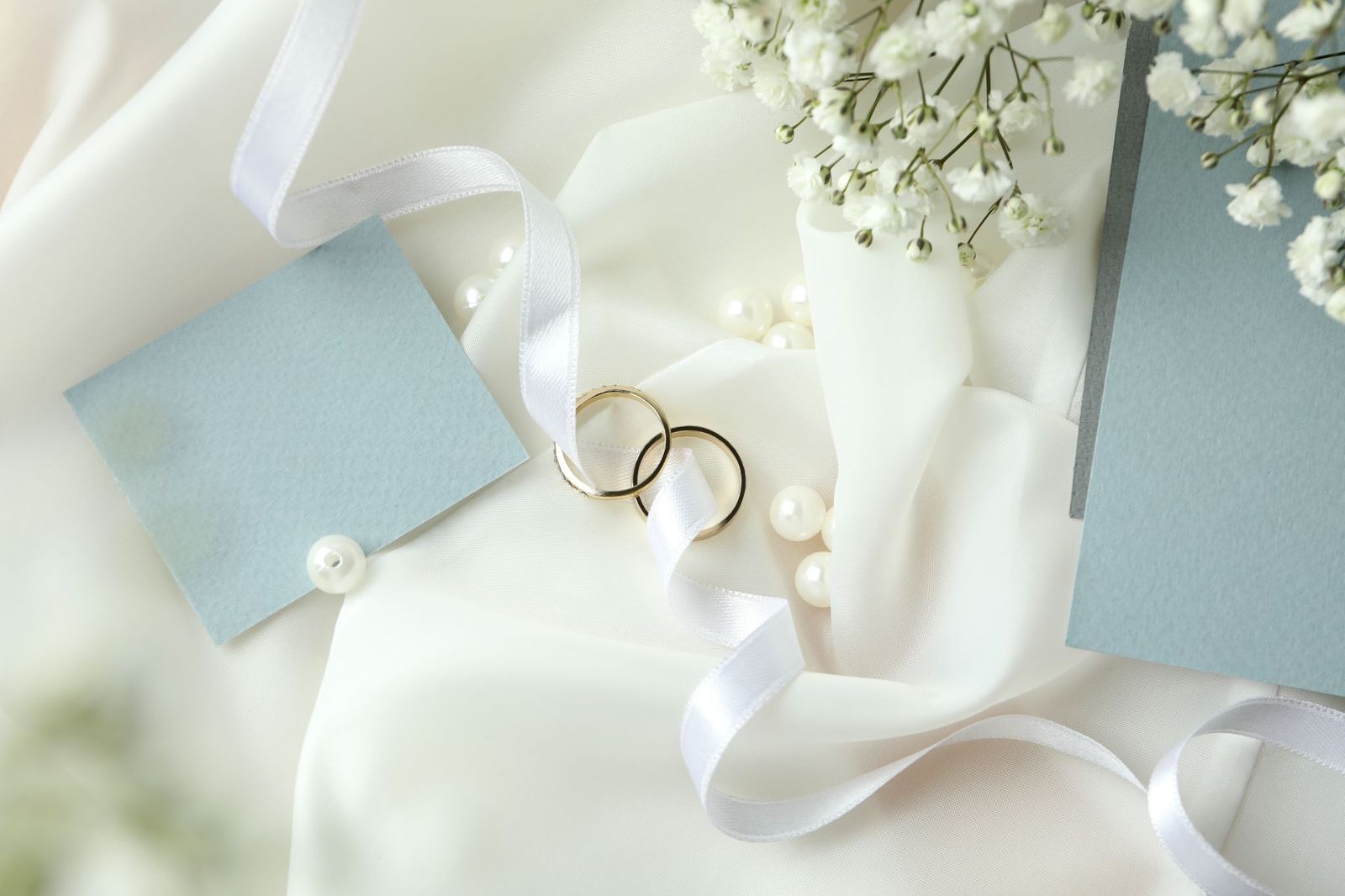
A ring has no visible beginning or end. That shape creates a natural image of permanence and eternity. Ancient Egyptian couples used to twist river reeds into small rings to wear on their fingers. Later, in Ancient Roman marriages, the practice of giving a woman a metal band was connected with the betrothal ceremony.
Christian weddings later made the exchange of rings a formal part of the vows. The object moved from one person to another, symbolizing a visible proof of a promise. Today, both spouses commonly wear rings, representing a commitment meant to endure.
How the white flag came to mean surrender
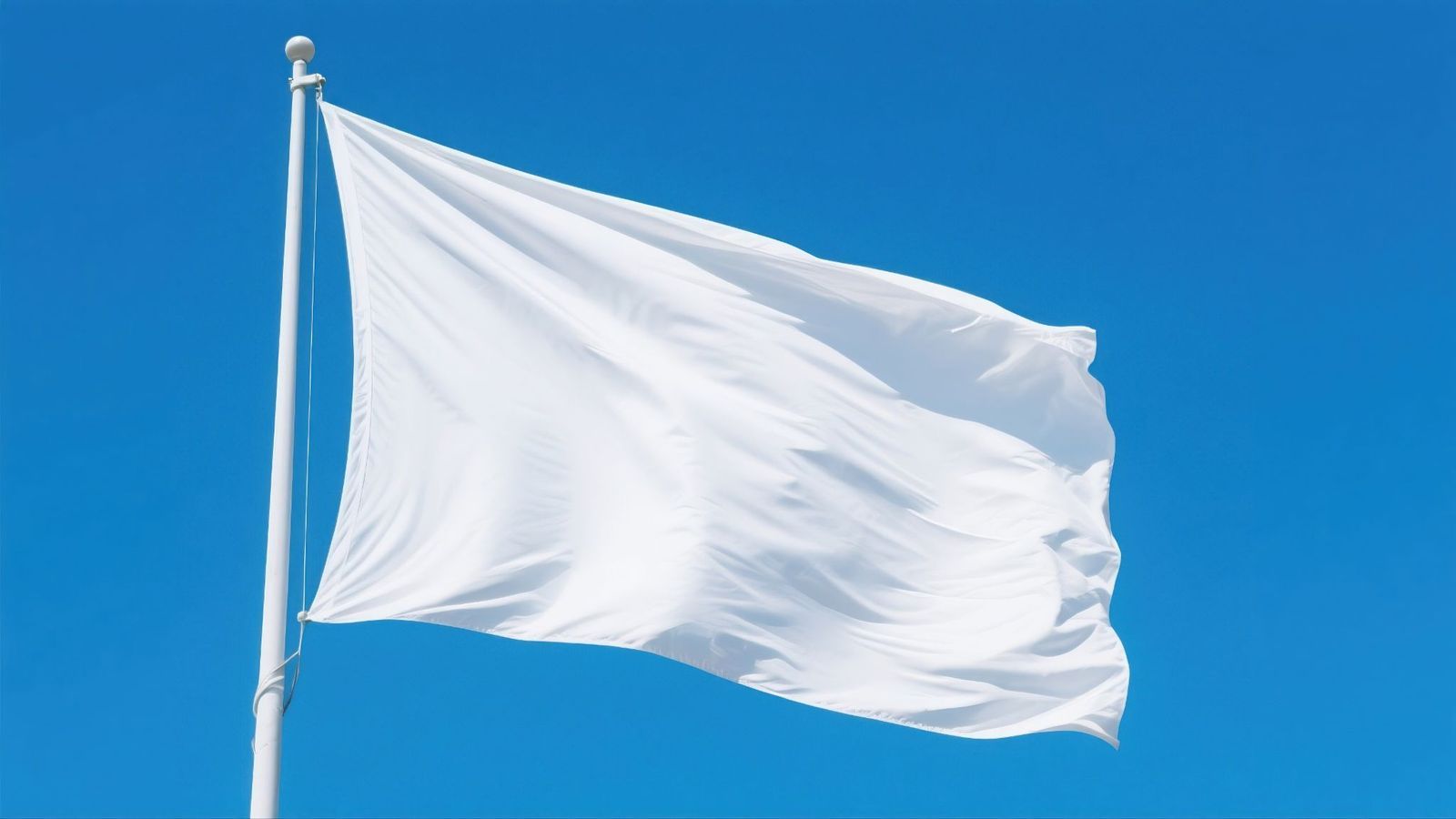
In 69 AD, during the Battle of Cremona, Roman soldiers under the regime of Emperor Vitellius were surrounded by Vespasian's forces. The trapped troops were desperate to stop the slaughter, so they ripped off their clothes and waved them above the smoke. The bright clothes stood out against the mud and blood, and were a sign they weren’t advancing anymore.
That battlefield move became an international law in the Geneva Conventions of 1994. Since then, when a blank white sheet appears, it shows one of the sides has dropped their weapons and wants to talk. It's the universal shorthand for stepping out of the fight.
Why a crown represents royal power
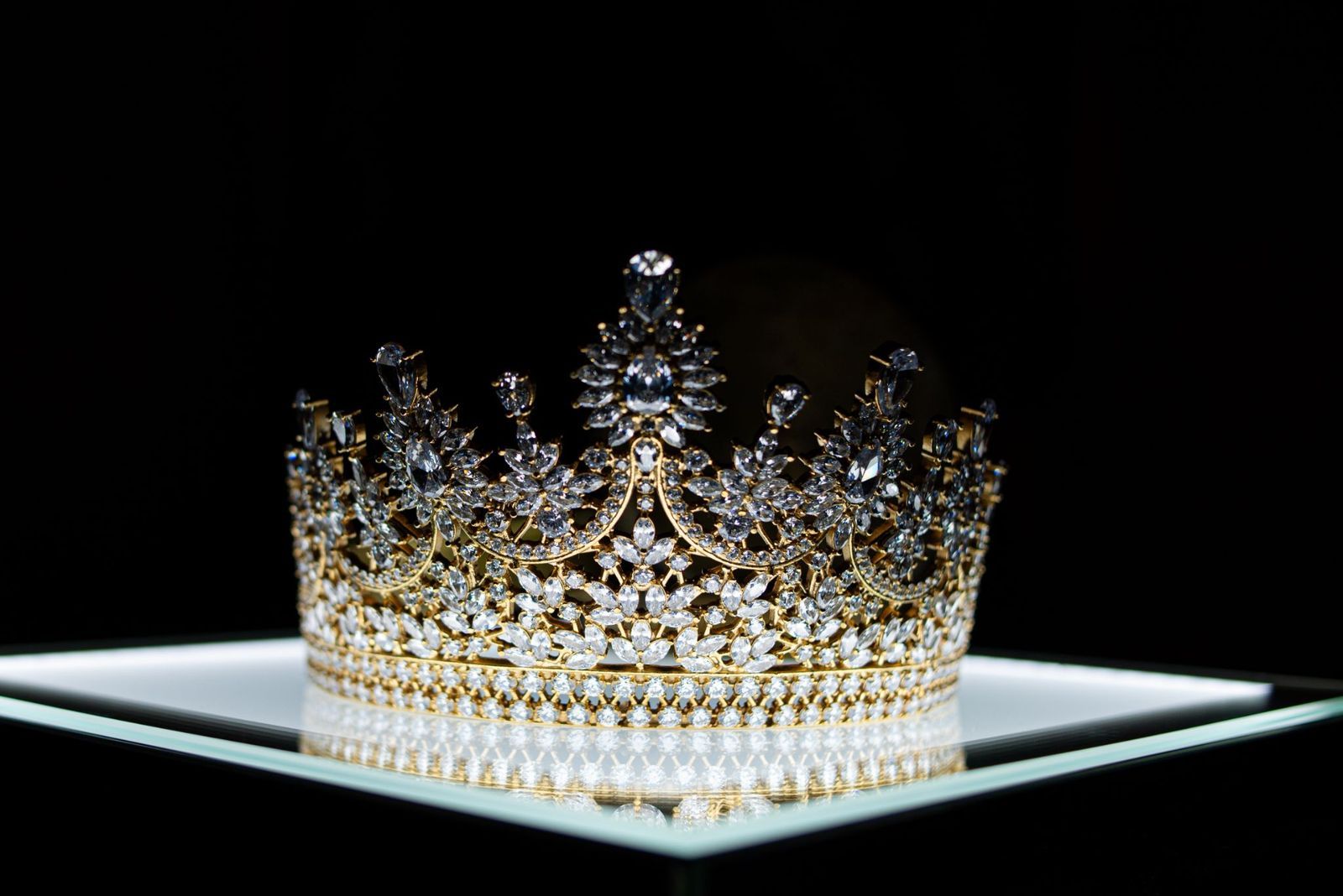
Warriors used headbands in the ancient world to keep their hair away from their eyes and also to spot their commander. Athletes sometimes received decorative bands after their victories, too. Royal families later began wearing fancier versions called diadems, which made their status easy to recognize.
Alexander the Great helped turn the diadem into a royal symbol after conquering Persia in the fourth century BC. As royals became wealthier, they covered metal circlets with precious stones. These crowns made monarchs stand out during ceremonies and public appearances, making them appear taller.
Why a heart symbolizes love

We have all wondered why the heart symbol looks nothing like the organ inside our chest. The real connection remains uncertain, though theories link the shape to ancient plants or early medical sketches. Long before that, Greek philosopher Aristotle claimed the heart was the body's emotional command center, describing it as a three-chambered organ rounded at the top and pointed at the bottom.
Medieval artists turned his influential descriptions into something people could actually see. In the 13th-century French manuscript Le Roman de la poire, a lover kneels and offers his pinecone-shaped heart to his lady. Similar depictions quickly spread across European art, smoothing the organ's edges into the familiar indented icon. Mass-printed Valentine’s Day cards later sealed the deal, reinforcing the heart shape as the universal sign of romantic devotion.
How the torch became a symbol of liberty
Fire is one of the basic elements of survival; centuries ago, people used torches to keep wild beasts away and to guide themselves in the dark. Later, in Ancient Greece, athletes ran relay races holding flaming torches, passing the light from runner to runner without letting the wind blow it out. Guarding the flame meant knowledge and community perseverance.
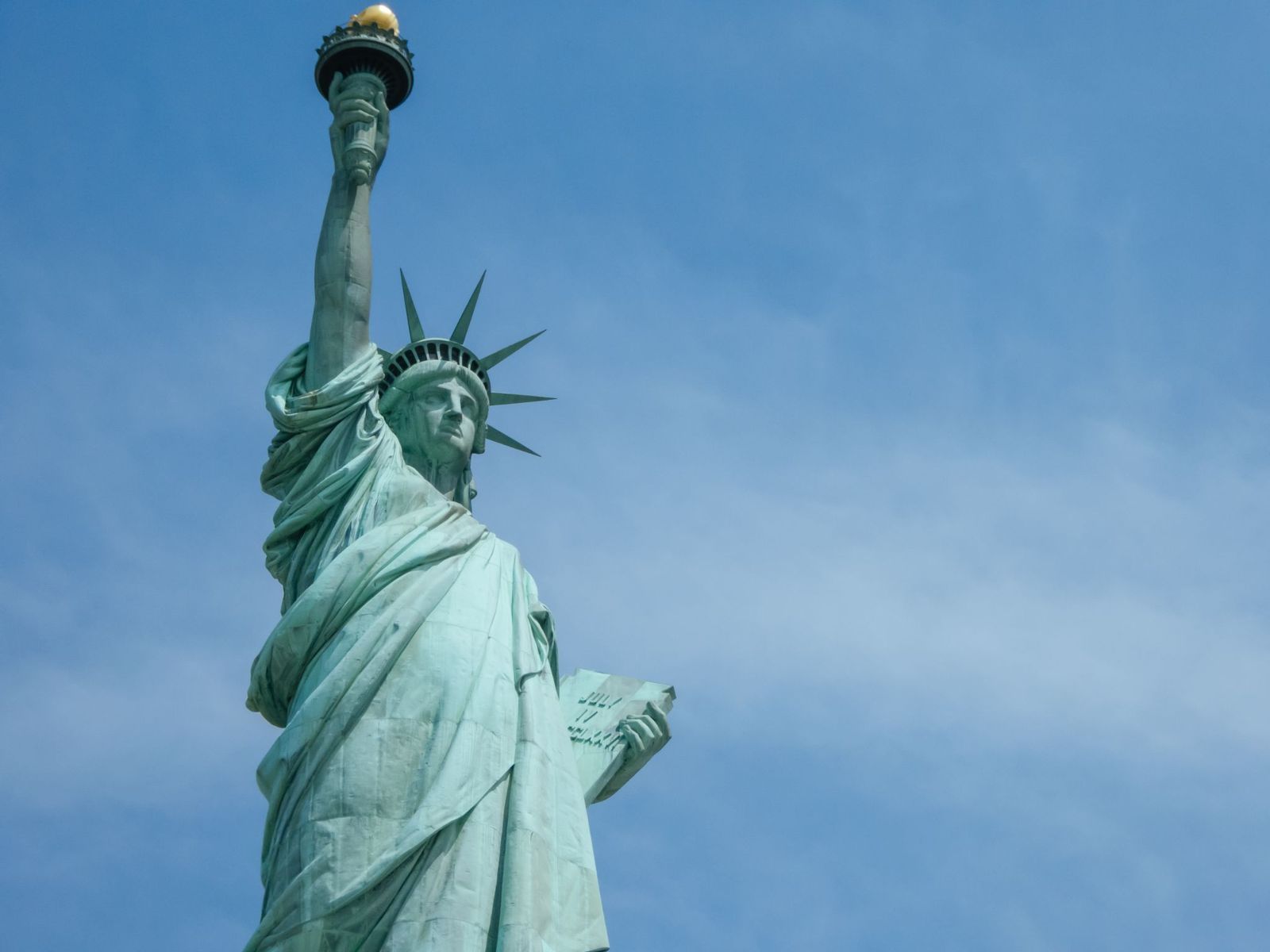
During the 18th century, thinkers of the Age of Enlightenment promoted science and individual rights over superstition and tyrannical rule, with light as a metaphor for human reason. When French sculptor Frédéric-Auguste Bartholdi designed the Statue of Liberty, he placed a torch in her right hand to guide arriving immigrants, turning the torch into a symbol of freedom too.
Why important guests walk on a red carpet
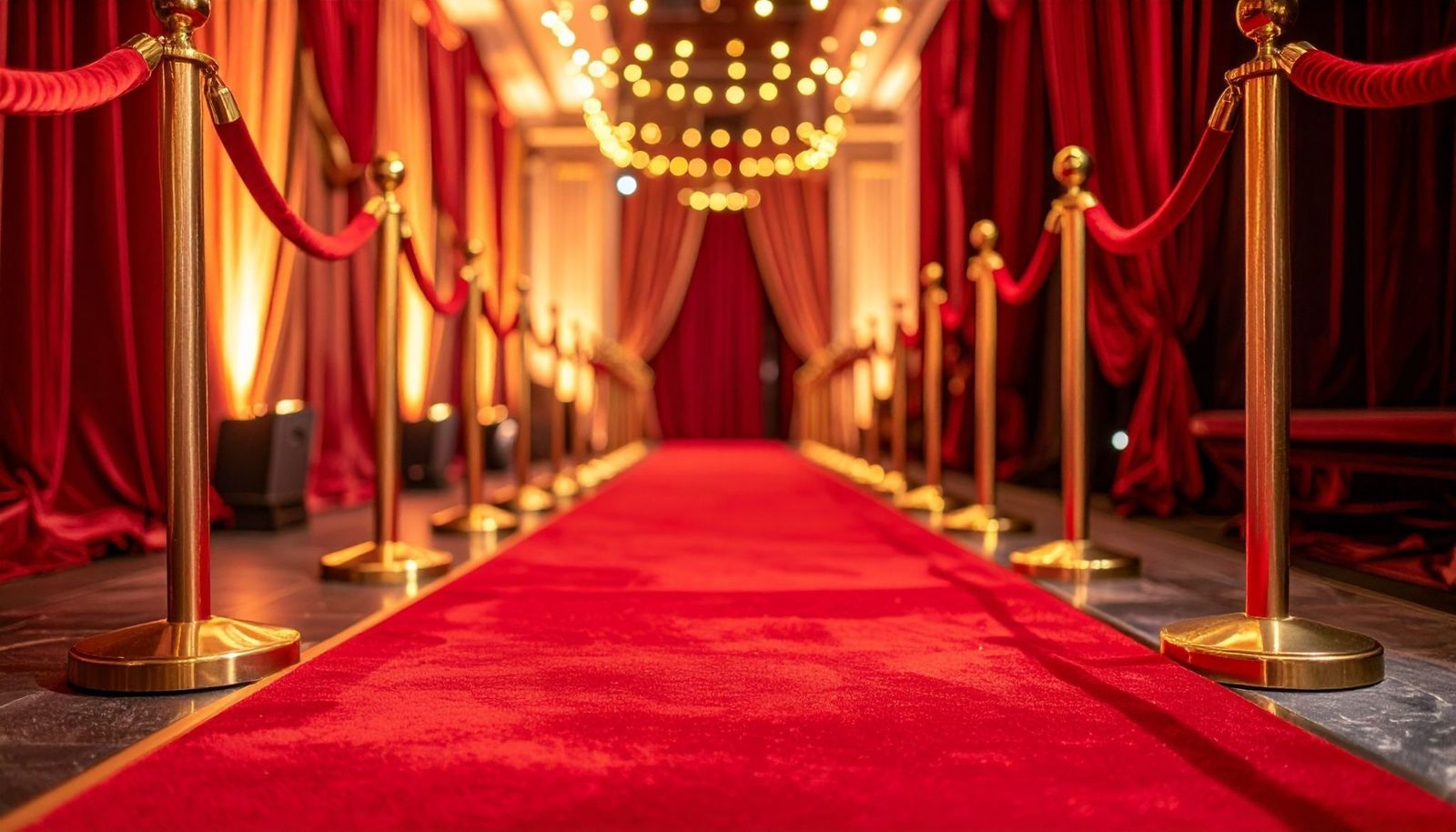
Today, the red carpet anticipates only one thing: someone important is coming. The oldest known literary reference to a red carpet we actually have appears in Agamemnon, a Greek tragedy first performed in 458 BC. In the play, Clytemnestra lays rich crimson fabrics before the king as he returns home. Agamemnon hesitates to walk on them, since he believes such an extravagant welcome should be reserved for the gods.
As red fabric remained expensive for centuries, red carpets had always had a strong connection with wealth and status. In 1902, the New York Central Railroad rolled out a crimson carpet for passengers boarding its luxurious 20th Century Limited train. And Hollywood adopted the custom in 1922 for the premiere of Robin Hood, and the Oscars introduced its red carpet in 1961.
How the handshake became a sign of trust

Offering a handshake is the most natural greeting gesture nowadays. A popular explanation says that showing an empty hand proved you weren’t holding a weapon. Ancient Greek art also shows people clasping hands to express trust or confirm an agreement.
In the 17th century, English Quakers turned the handshake into what we know today. They preferred it to bows, which could reflect differences in social rank. Instead, shaking hands placed both people on equal terms, and the gesture gradually became a familiar sign of respect and trust.
Why cities present honored guests with a key
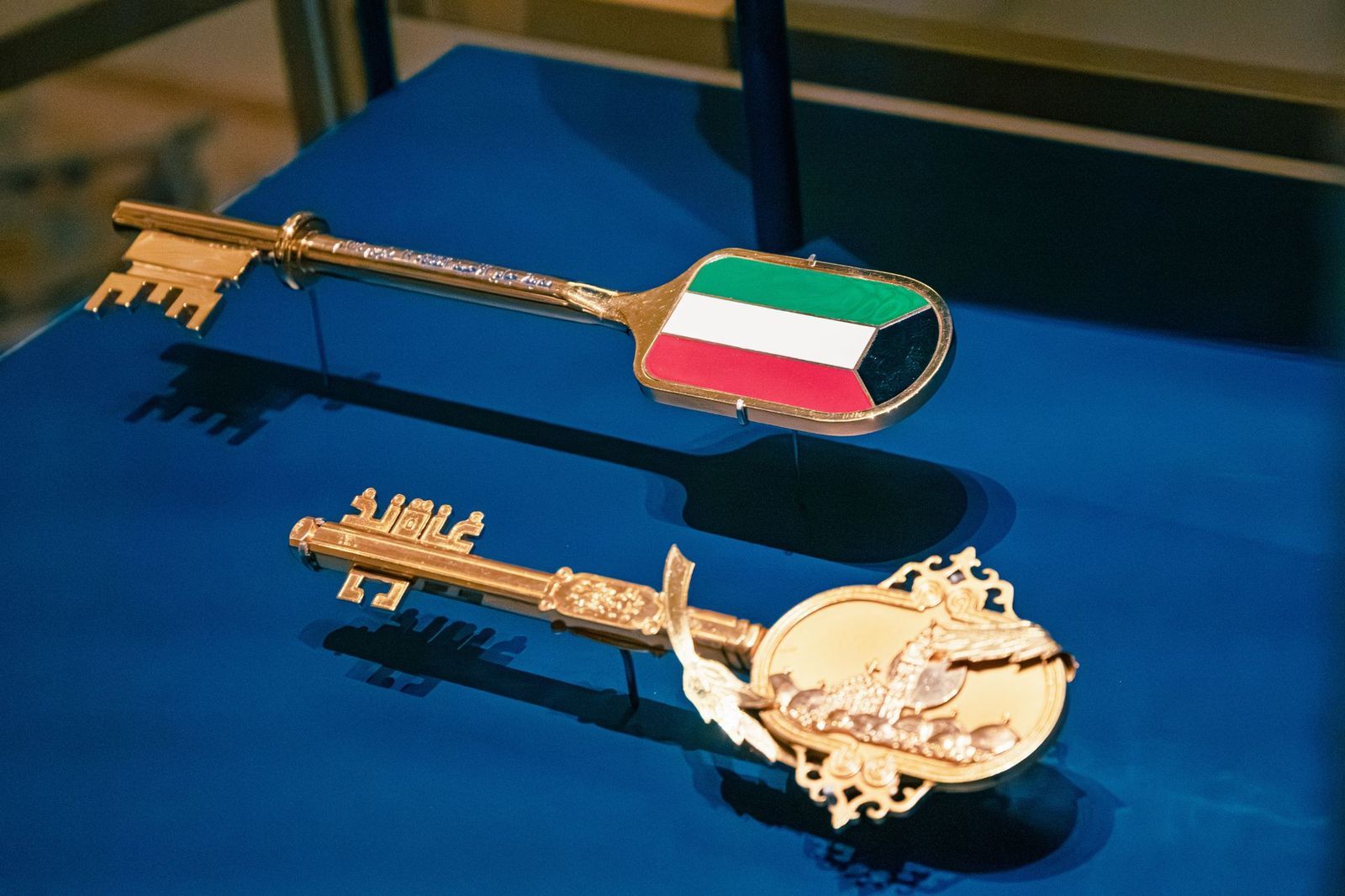
Whenever a championship sports team or an honored guest visits town, you will often see the mayor hand them an oversized, designed key. But what do those giant keys represent? It is a powerful symbol of homecoming, trust, and honor.
The gesture traces back to the Middle Ages, when European cities were locked down behind stone walls and heavy iron gates every evening to keep out invaders. So, when a visiting merchant or allied leader was handed the latchkey of the city gate, it meant the guards trusted them to walk right in without an escort. Cities kept the tradition alive even though stone walls faded away.
Why the olive branch stands for peace

You will often find tiny green olive sprigs on peace logos and treaty seals. At first sight, this makes no sense, but the answer traces back to the ancient Mediterranean. In those times, planting an olive grove was a huge act of faith. These trees grow at a crawl, needing decades of care before producing useful oil and food.
Whenever war broke out, invading armies targeted these groves first, destroying years of hard work in just a few seconds. So, thriving trees became proof of peaceful times and prosperity. Handing over the green olive sprig showed that it was time to rebuild.