What if?

The world we almost lived in: 10 historical near-misses


Published on May 8, 2025


Image: The New York Public Library

History is full of near misses—moments where a single decision, accident, or twist of fate could have completely changed the world. From avoided wars to scientific breakthroughs nearly lost, these events remind us how fragile the course of history can be. Here are 10 times history almost took a dramatically different path.

1

The near-extinction event

Image: Toby Elliott

Around 70,000 years ago, a supervolcanic eruption in Indonesia nearly wiped out humanity. Genetic evidence suggests that the human population dropped to just a few thousand!

Had the decline been any worse, human civilization might never have recovered or developed as we know it today.

2

Misinterpreted flares

Image: K. Mitch Hodge

The Titanic’s distress flares were seen by the SS Californian, a ship just 10 miles away. However, the captain misinterpreted the signals and failed to respond.

Had the Californian arrived in time, hundreds of lives could have been saved. Instead, the tragedy cemented its place as one of history’s deadliest maritime disasters.

3

The harshest winter

Image: Elimende Inagella

In 1812, Napoleon’s invasion of Russia seemed unstoppable—until an unexpectedly harsh winter decimated his army.

The Russian cold, coupled with severe supply shortages, forced Napoleon’s retreat. Only 10% of his troops survived, marking a turning point in European history.

4

Tragedy on the Moon

Image: NASA

During the moon landing, Buzz Aldrin noticed a broken circuit breaker that could have stranded them on the lunar surface. Fortunately, he used a felt-tip pen to fix it.

If the makeshift repair had failed, Neil Armstrong and Aldrin might have been the first men to die on the moon.

5

The scourge of Europe

Image: Peter Kvetny

In the 14th century, the bubonic plague killed millions. It nearly wiped out entire regions, transforming Europe’s social and economic structure.

If the disease had been slightly more virulent, the Renaissance and Industrial Revolution might never have happened.

6

Gambling on the beach

Image: Tim Marshall

The Allies originally planned to invade Normandy on June 5, 1944, but a last-minute weather forecast prompted a 24-hour delay.

Had they gone ahead, bad weather could have doomed the invasion. The successful landing on June 6 helped turn the tide of World War II. Fortunately, we learned the lesson from Napoleon!

7

Magnicide avoided

Image: Mark Stuckey

In 1605, Guy Fawkes’ plot to blow up the English Parliament was foiled at the last minute.

Had it succeeded, much of England’s leadership—including King James I—would have been killed, likely causing a massive power shift.

8

A computer error

Image: Dan Meyers

In 1979, a training tape mistakenly showed a full-scale Soviet attack simulation on U.S. computers. Military leaders prepared to launch a counterattack.

The mistake was caught just in time. A nuclear war was narrowly avoided due to human intervention.

9

Saving winds

Image: Su San Lee

In 1281, a massive Mongol fleet attempted to invade Japan but was wiped out by a typhoon.

The storm, later called the "Divine Wind" (Kamikaze), saved Japan from conquest and altered the course of Asian history.

10

The lost nuke

Image: Oo Jiflip

In 1961, a U.S. B-52 bomber broke apart over North Carolina, dropping two nuclear bombs. One nearly detonated—five of six safety switches had failed.

Had it exploded, the blast would have been 250 times more powerful than Hiroshima, devastating the Eastern Seaboard. The incident remains one of the closest calls in nuclear history.

Hospital secrets

What is a "Code Gray" and what you should know if you hear it at the E.R.


Published on May 8, 2025


Image: voronaman

A trip to the emergency room can be stressful enough without hearing doctors and nurses speak a language that sounds like a secret code. One minute, someone is asking for medication "STAT," the next there’s a "Code Gray," and another patient is suddenly "NPO." What do those words really mean? Some are official medical terms, others are insider slang, but they all help hospital staff communicate quickly when every second counts. Here are 10 of those codes explained.

1

Code Gray

Image: PeopleImages

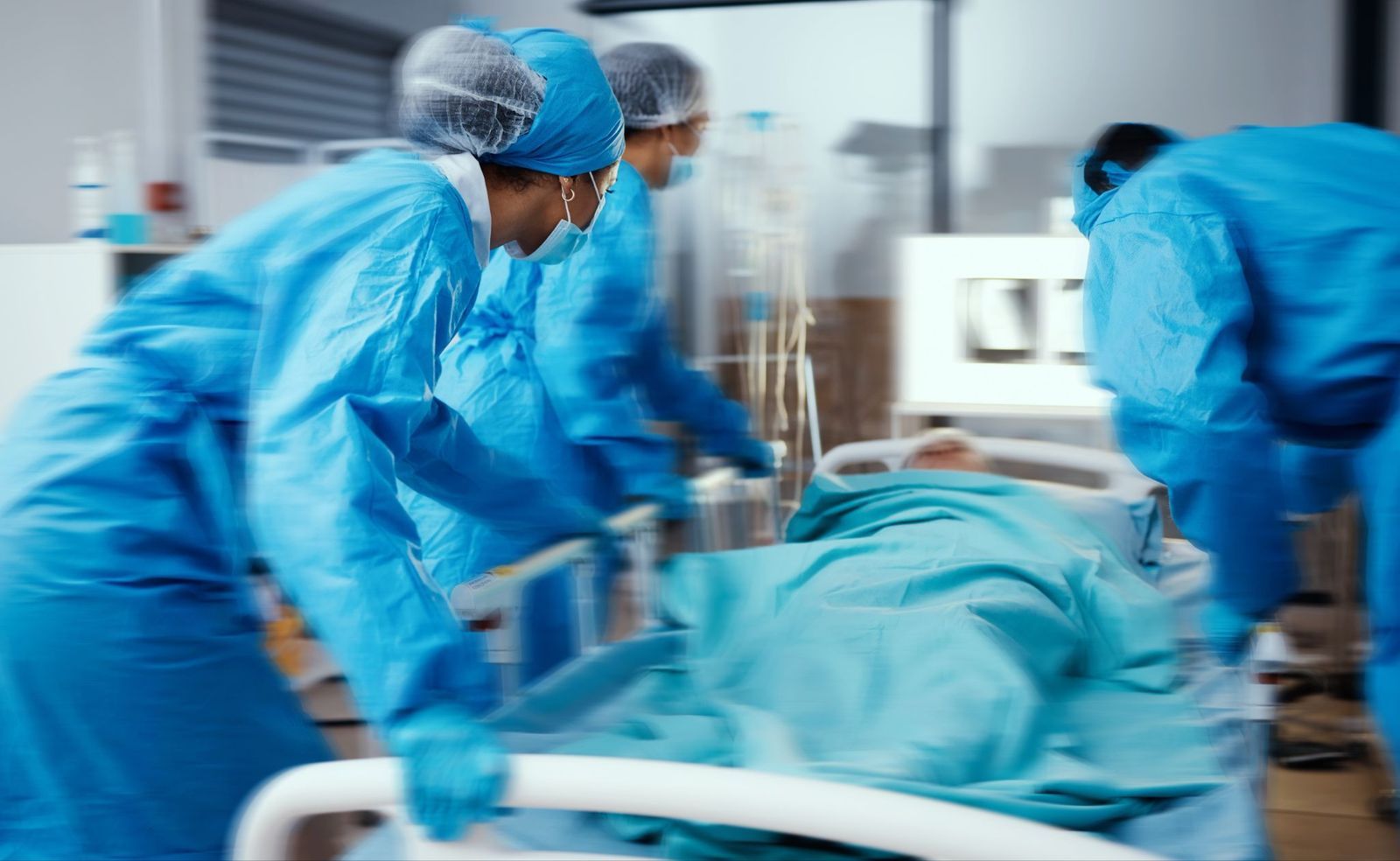
The E.R. can be hectic and unpredictable. Most patients are frightened or uncomfortable, but now and then someone becomes aggressive because of pain, confusion, mental illness, or the effects of alcohol or other substances. That’s when you can hear "Code Gray" announced over the speakers.

The code is used to summon security officers to help manage a violent or combative situation. While color codes vary from one hospital to another, Code Gray commonly signals that staff needs extra assistance to protect patients, visitors, and healthcare workers. Even if you know it now, most people in the waiting room never know what happened, and that’s exactly the point.

2

NPO

Image: PeopleImages

You have a scheduled surgery, you’re in your bed waiting to be taken to the surgery room, and you ask for a cup of coffee to make the wait lighter. The nurse will probably tell you you’re an NPO. You may think it’s serious, but it’s simply a procedure.

"NPO" is an abbreviation that comes from the Latin phrase Nil Per Os, which means "nothing by mouth." It tells patients they cannot eat, drink, or sometimes even take medication until doctors say it’s safe. The rule is most common before surgery or certain medical tests, when food or liquids could increase the risk of complications or alter the results. It may be frustrating, but it’s an important part of keeping patients safe.

3

STAT!

Image: PeopleImages

You’ve probably been through the experience of visiting an emergency room, either to get checked or to visit a loved one. In that part of the hospital where everyone is rushing to save lives, you’ve probably heard a doctor asking for the R.C.P. cart or medication "STAT!" It sounds urgent, and that's because it is.

The expression comes from the Latin statim, which means "immediately" or "without delay." Hospitals have used Latin medical terms for centuries, but STAT is one of the few that remains part of everyday conversation. When a doctor says it, the request jumps to the top of the priority list. It doesn’t always refer to a life-or-death situation, but it does mean the medical team needs something done as quickly as possible.

4

Code Pink

Image: Vladimir Tretyakov

Newborns are always a reason to celebrate at the hospital. Parents usually rest happily next to their child as they receive congratulations from close relatives. However, the hospital is always prepared to handle extremely rare emergencies under "code pink."

If you hear a "Code Pink," it usually means a baby or young child is suspected of being abducted from the hospital. Within seconds, security officers respond, exits may be monitored or blocked, and staff begins following carefully rehearsed procedures. Although different hospitals sometimes use different color codes, Code Pink has become widely recognized across North America as one of the most serious alerts a hospital can issue.

5

Walkie-talkie

Image: Arunporn Thanapotivirat

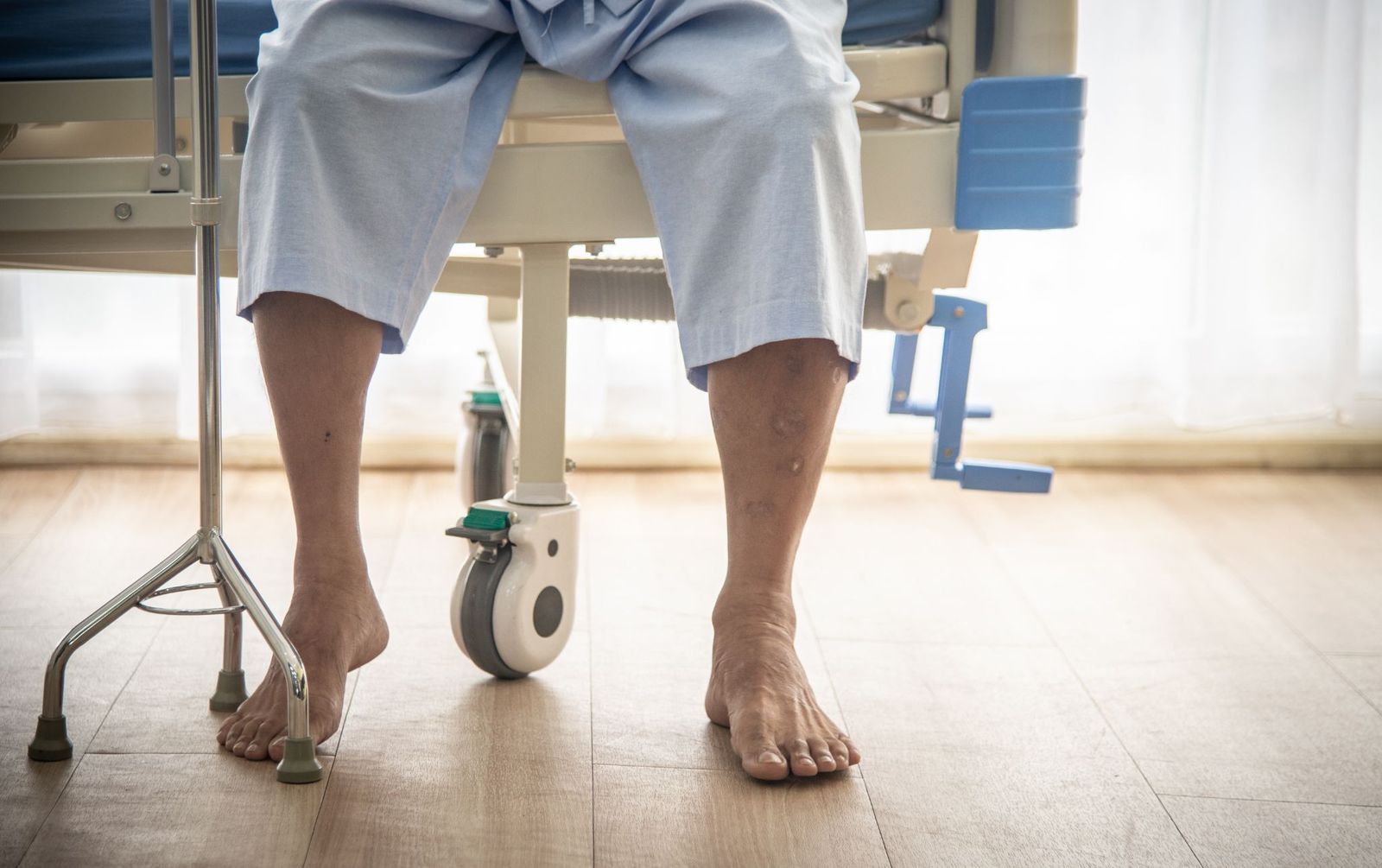
If you’ve ever spent a few days in the hospital, you’ve probably noticed that some patients are walking up and down the halls, while others need help just getting out of bed. When a nurse refers to someone as a "walkie-talkie," it’s actually good news.

This informal expression refers to patients who can walk on their own, use the bathroom without assistance, and handle most basic tasks independently. It’s not an official medical term, of course, but it’s commonly used among healthcare workers because it quickly tells the next shift that the patient requires less hands-on care than many others.

6

Total

Image: sebra

As nurses change shifts, you’ll often hear them give a quick report about each patient. One person may only need medication, while another is described as a "total."

The term is short for a patient who requires total care. They may need help eating, bathing, getting dressed, turning in bed, or moving from one place to another. Although the expression sounds impersonal, it’s simply a practical way for caregivers to communicate how much assistance someone needs.

7

Frequent flyer

Image: Studio Romantic

Most people hear "frequent flyer" and think of an airline reward program. And that’s correct, but in an emergency room, the phrase has a very different meaning.

A frequent flyer is an informal nickname for patients who repeatedly return to the hospital, often due to chronic illness, recurring medical conditions, or other ongoing health issues. Behind the light-hearted nickname is often a difficult reality. Many of these patients are simply dealing with medical problems that require regular emergency care, and the expression is just a way to make the experience a bit lighter among the familiar faces of doctors and nurses.

8

WOW

Image: Studio Romantic

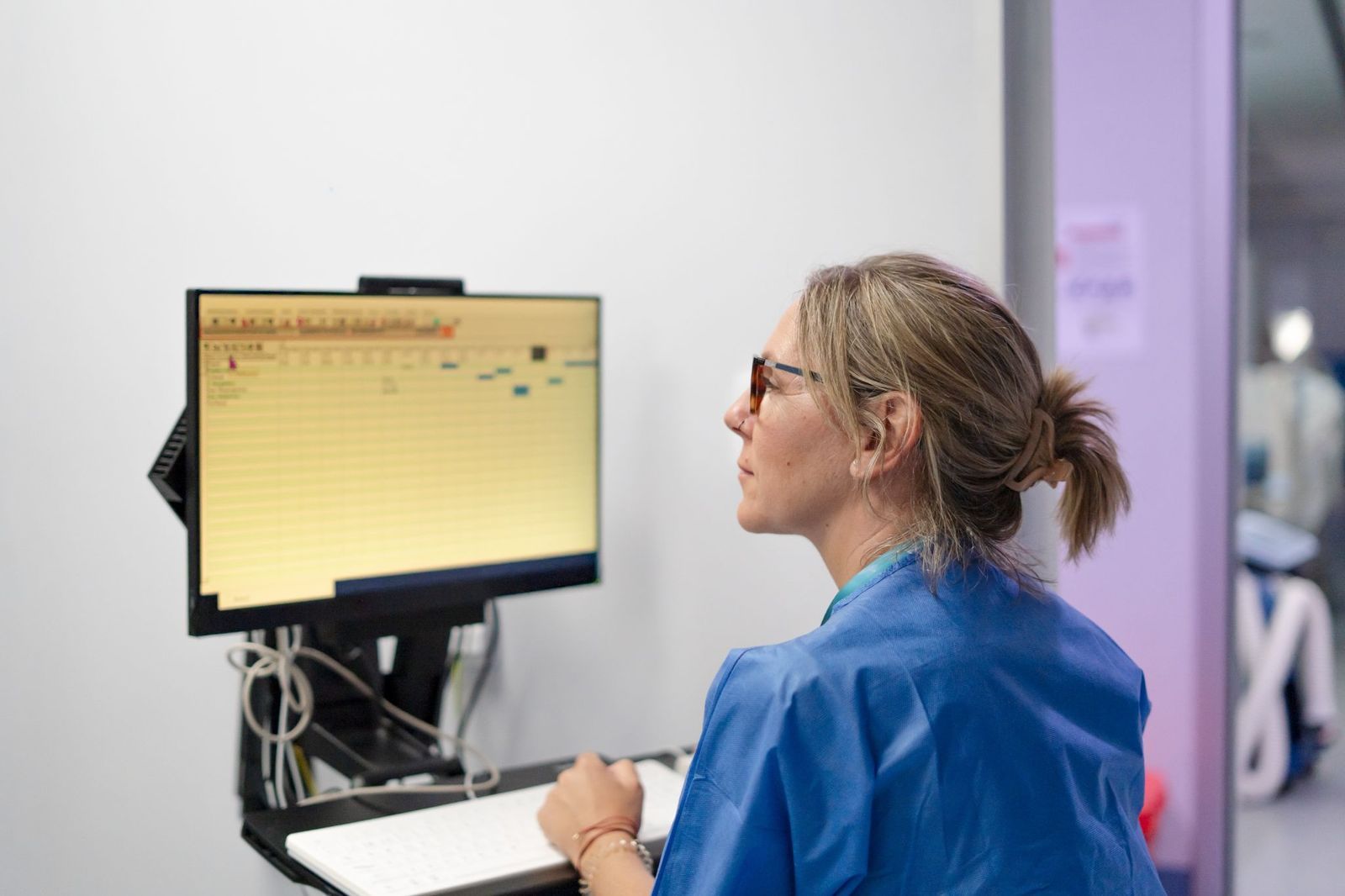
Not all codes are for patients. The next time you’re in a hospital, look closely at what the nurse is pushing from room to room. It may look like a small rolling desk with a computer on top. Staff often call it a "WOW," short for "workstation on wheels."

As hospitals switched from paper charts to electronic medical records, these mobile computers became essential. Nurses use them to review test results, scan medications, update patient charts, and check doctors’ orders without leaving the bedside. The name sounds funny, but the technology helps caregivers spend more time with patients instead of walking back and forth to a nursing station.

9

Sharp container

Image: NMK-Studio

After getting a shot or having blood drawn, most patients never think about where the used needle ends up. It certainly doesn't go into an ordinary trash can.

Hospitals place needles, scalpels, and other sharp medical instruments into special containers designed to prevent accidental injuries. These sturdy, puncture-resistant boxes are sealed when full and safely disposed of in accordance with strict health regulations. This not only protects nurses, but it also protects cleaning crews, waste handlers, and even the public from dangerous needle sticks. It’s one of the most important safety measures in every hospital, even though most patients never notice it.

10

B-52

Image: Photoroyalty

If you’ve ever watched a medical drama, you've probably seen a patient become so agitated that several staff members rush into the room. In situations like that, a doctor or nurse may ask for a "B-52." But the name has nothing to do with numbers themselves; it actually comes from a medicine.

B-52 is hospital slang for a fast-acting injection used to calm down patients who are severely combative or at risk of harming themselves or others. The nickname comes from a commonly used combination of medications that usually include diphenhydramine, haloperidol, and lorazepam. It’s strictly reserved for when other methods of calming the patient haven’t worked.

Looking for an extra scoop of literary fun?

Learn more with our Word of the day

mulish

/ˈmjulɪʃ/