Become a hardware store savant
How old were you when you learned these hardware staples' names'?
Published on July 6, 2026

It happens to the best of us: you embark on a mundane home repair, only to realize that there is a broken thing in need of replacement. But, alas, you don’t know the name of said item. Spare yourself the embarrassment of having to show the hardware store clerk a clumsy smartphone picture of the wretched piece itself. After reading this article, you will be able to walk into the store and order a wing nut or an escutcheon with the confidence of a seasoned contractor.
Toggle Bolt
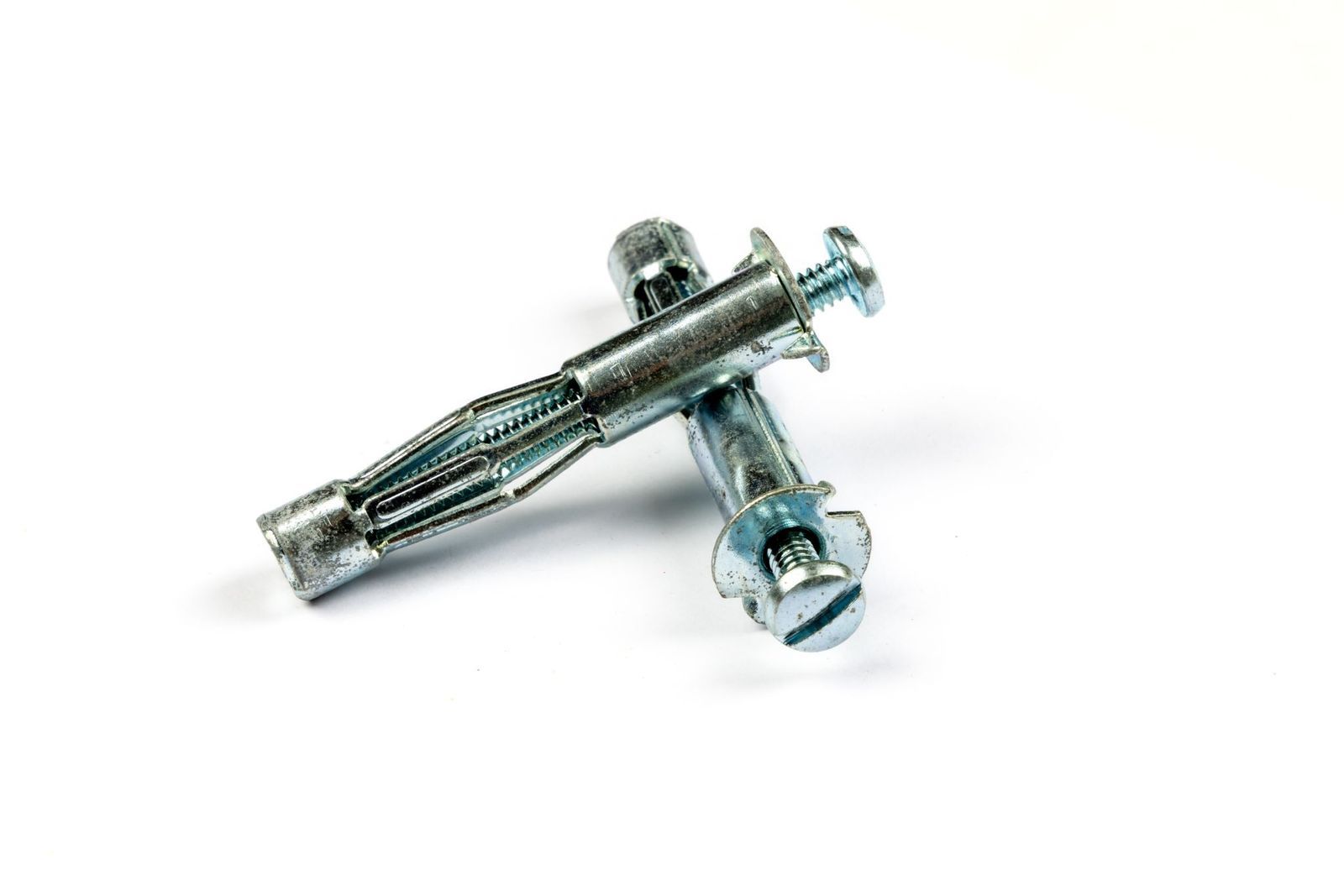
A toggle bolt is a fastener designed for hollow walls such as drywall. Its secret weapon is a pair of spring-loaded wings that fold to fit through a hole and then expand behind the wall, spreading the load over a larger area.
The word toggle comes from an older mechanical term for a pivoting or folding device. The name describes exactly what the wings do: they change position after passing through the wall. As drywall construction became widespread during the twentieth century, toggle bolts became a common household fastener.
Wing Nut
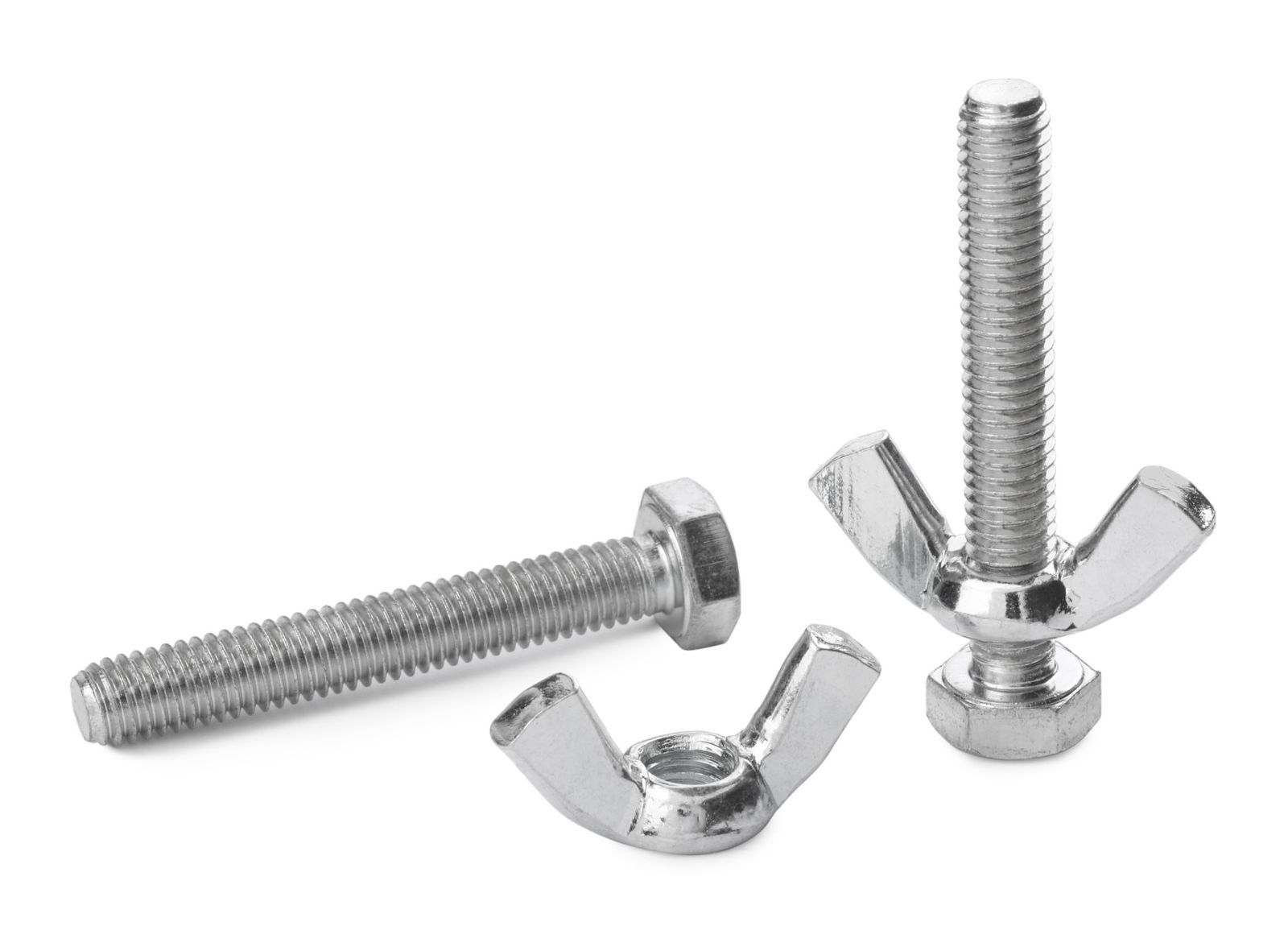
A wing nut is probably one of the easiest hardware names to understand. Instead of a standard hexagonal shape, it has two projections that resemble wings, allowing it to be tightened or loosened by hand. You might find it located under the toilet tank.
The design became popular wherever quick adjustments were needed without tools. You’ll find wing nuts on equipment, musical stands, machinery, and countless household items. Their name is purely visual, based on the shape that makes them so convenient.
Escutcheon
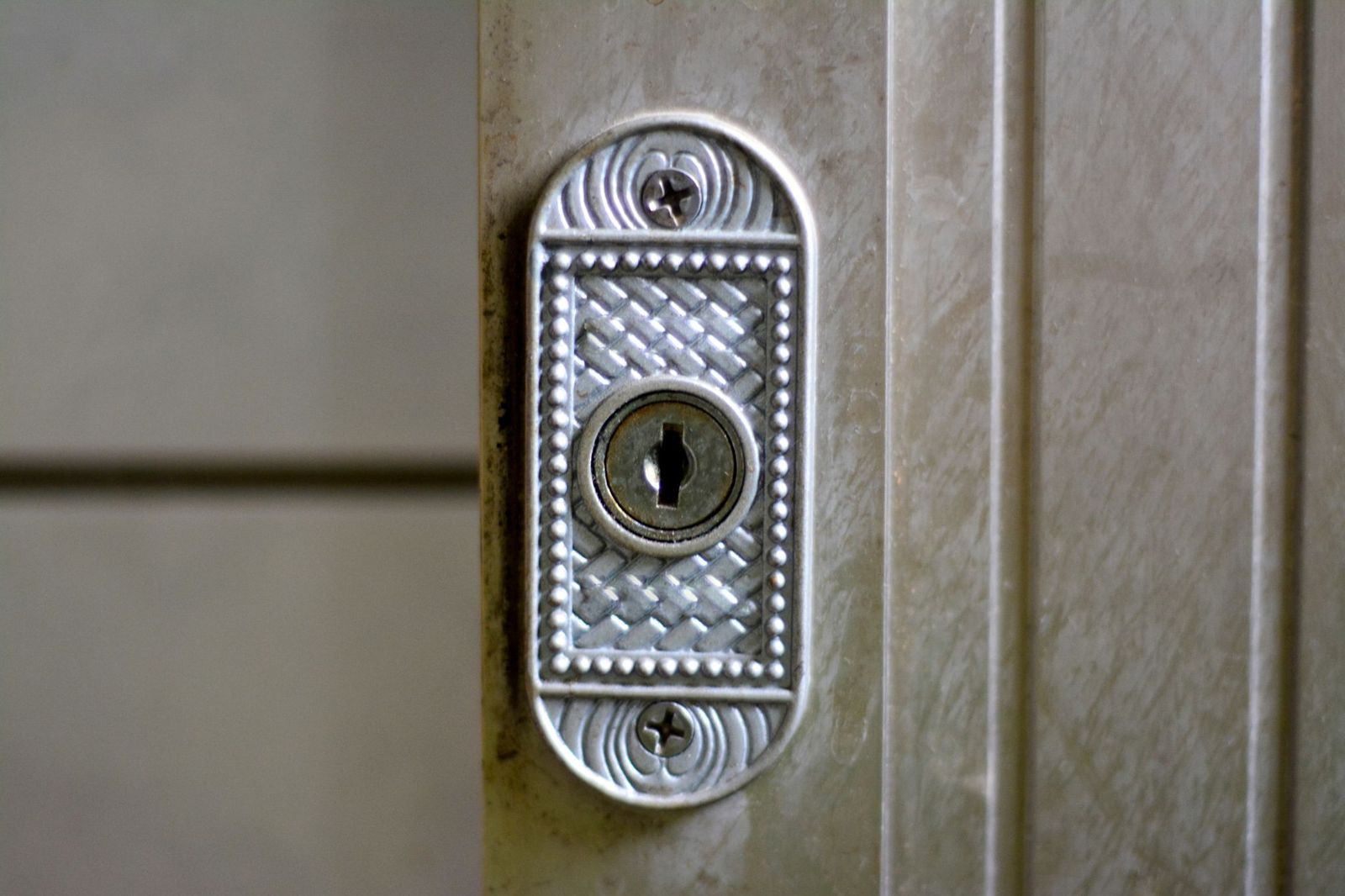
Among hardware terms, escutcheon sounds especially mysterious, right? It refers to the decorative or protective plate surrounding a keyhole, pipe opening, or door fixture.
The word originally referred to a shield used in heraldry. Over time, the term was applied to hardware because the plate "shielded" or covered an opening. Although most people encounter escutcheons regularly, almost nobody realizes that they are using a word with medieval roots.
Carriage Bolt
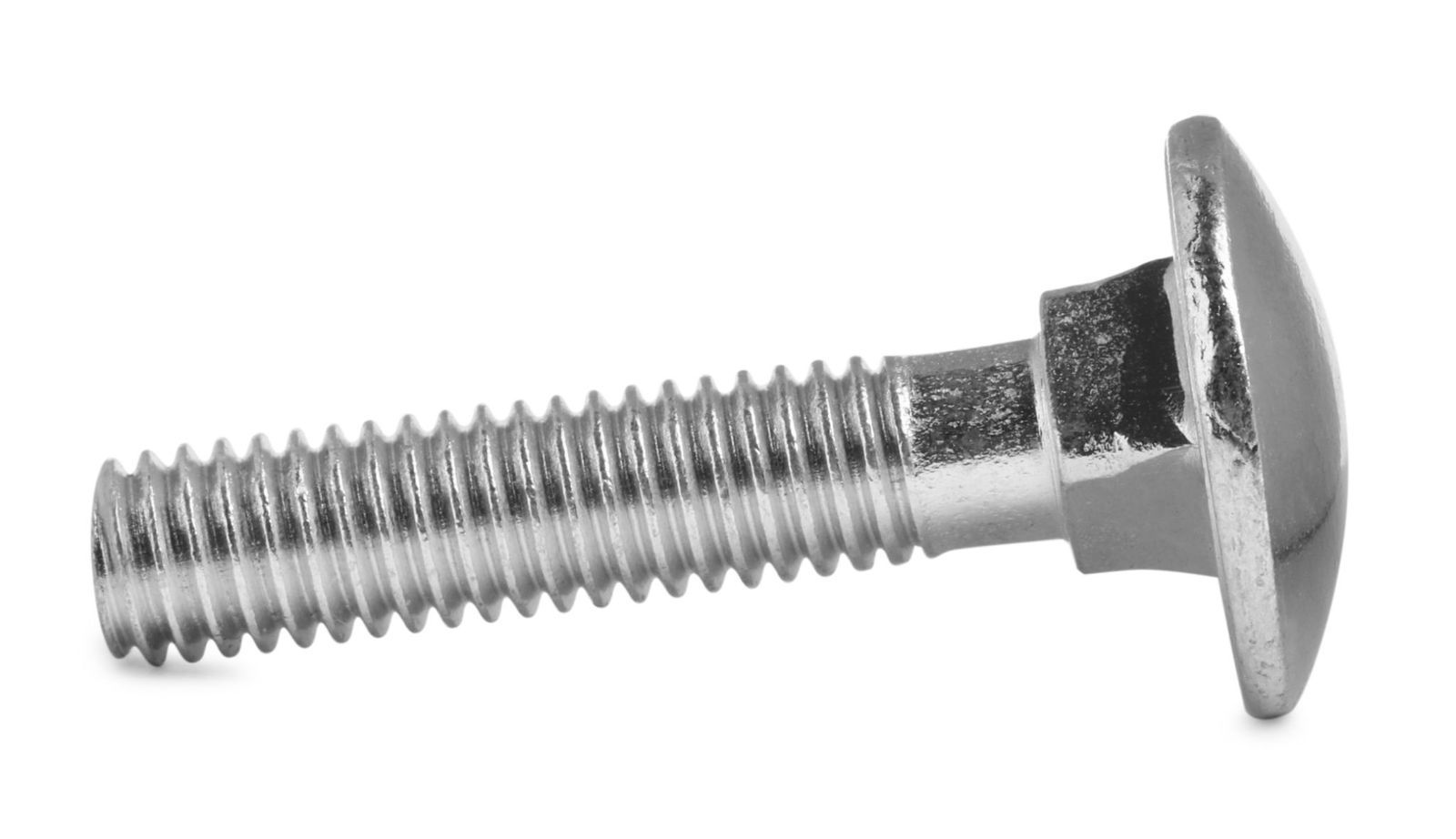
The carriage bolt earned its name from the horse-drawn carriage era. Builders needed a fastener that could secure wooden components without leaving a protruding head that might snag clothing, cargo, or harnesses. You might find one on an outdoor deck.
Its smooth, rounded head and square neck solved the problem. The square section bites into wood and prevents the bolt from turning while the nut is tightened. Even though carriages largely disappeared long ago, the name remains in use today.
Lag Screw
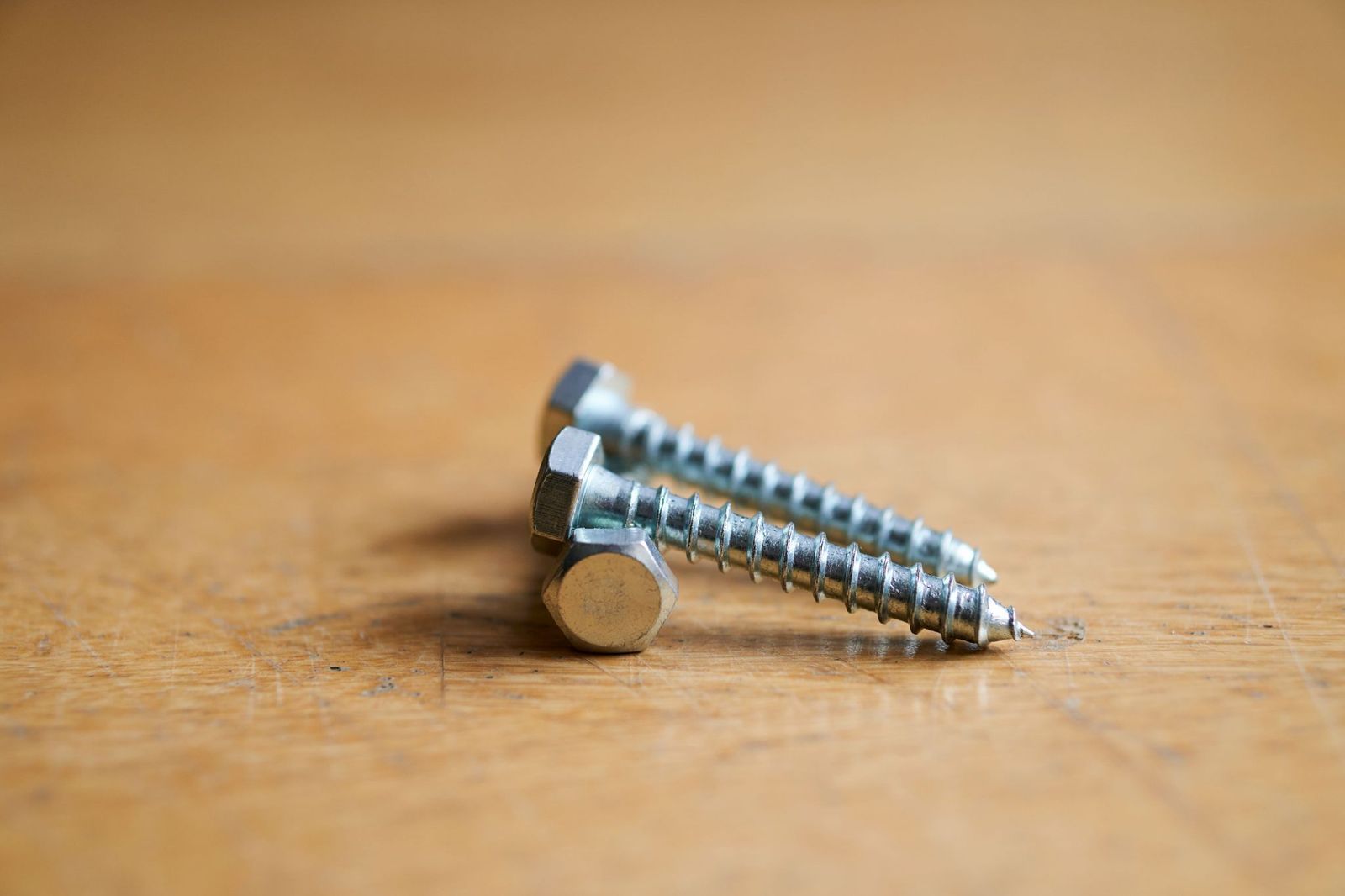
A lag screw is a heavy-duty fastener commonly used in timber construction. It looks like a giant screw but is often tightened with a wrench because of its large hexagonal head. It can usually be found on TV wall mounts.
The origin of the word lag is uncertain, but it likely derives from an older term associated with large wooden structural members. The name reflects the fastener’s traditional role in securing heavy timbers for buildings, bridges, docks, and other major structures.
S-Hook
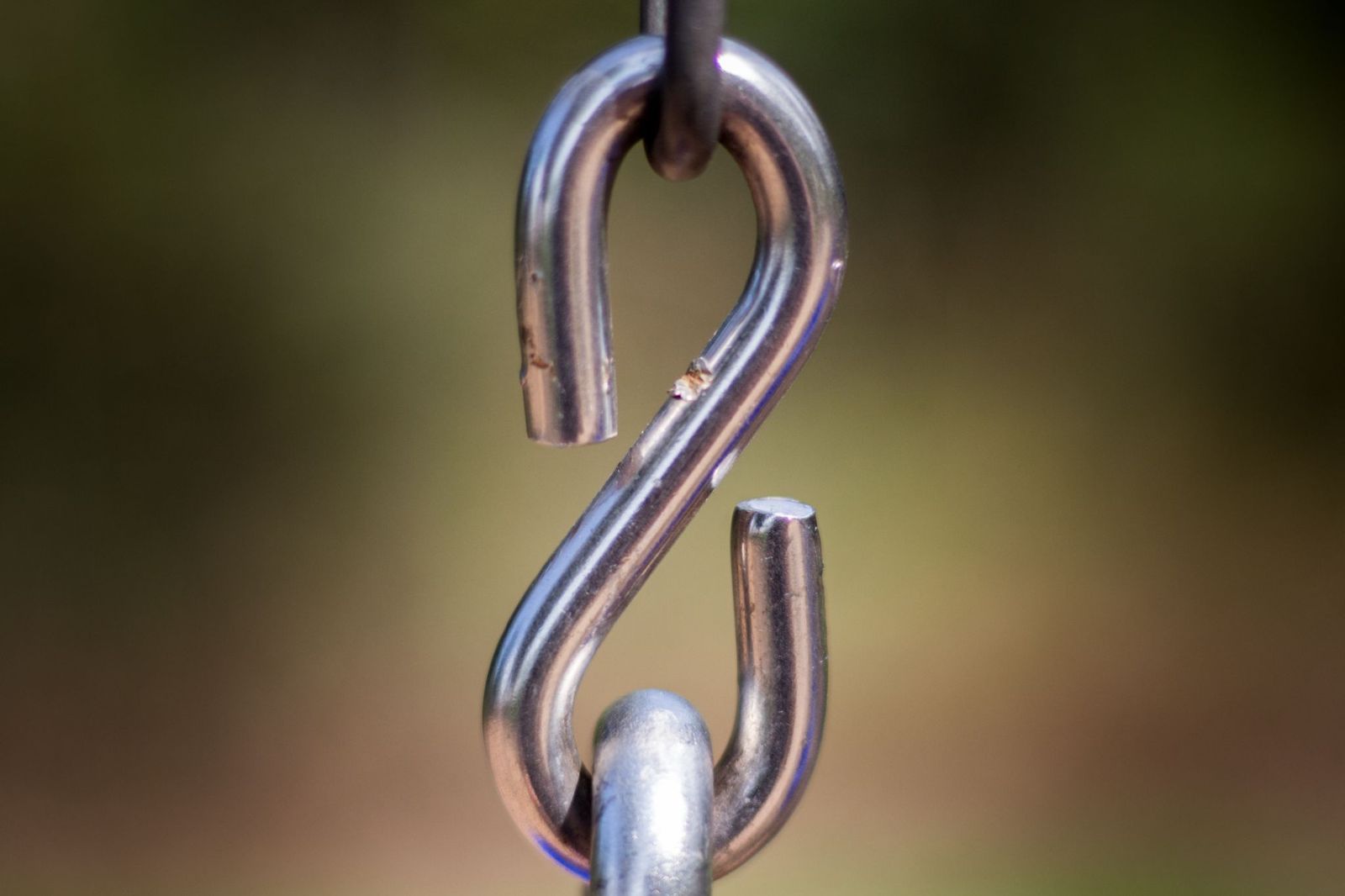
Sometimes hardware names are exactly what they seem. An S-hook is simply a hook shaped like, you guessed it, the letter S. You might recognize it from kitchen pot racks.
Its design has existed for centuries because of its simplicity and usefulness. One end can attach to a support while the other holds an object. From hanging pots and tools to organizing workshops and warehouses, the S-hook remains one of the most versatile pieces of hardware ever created.
Molly Bolt
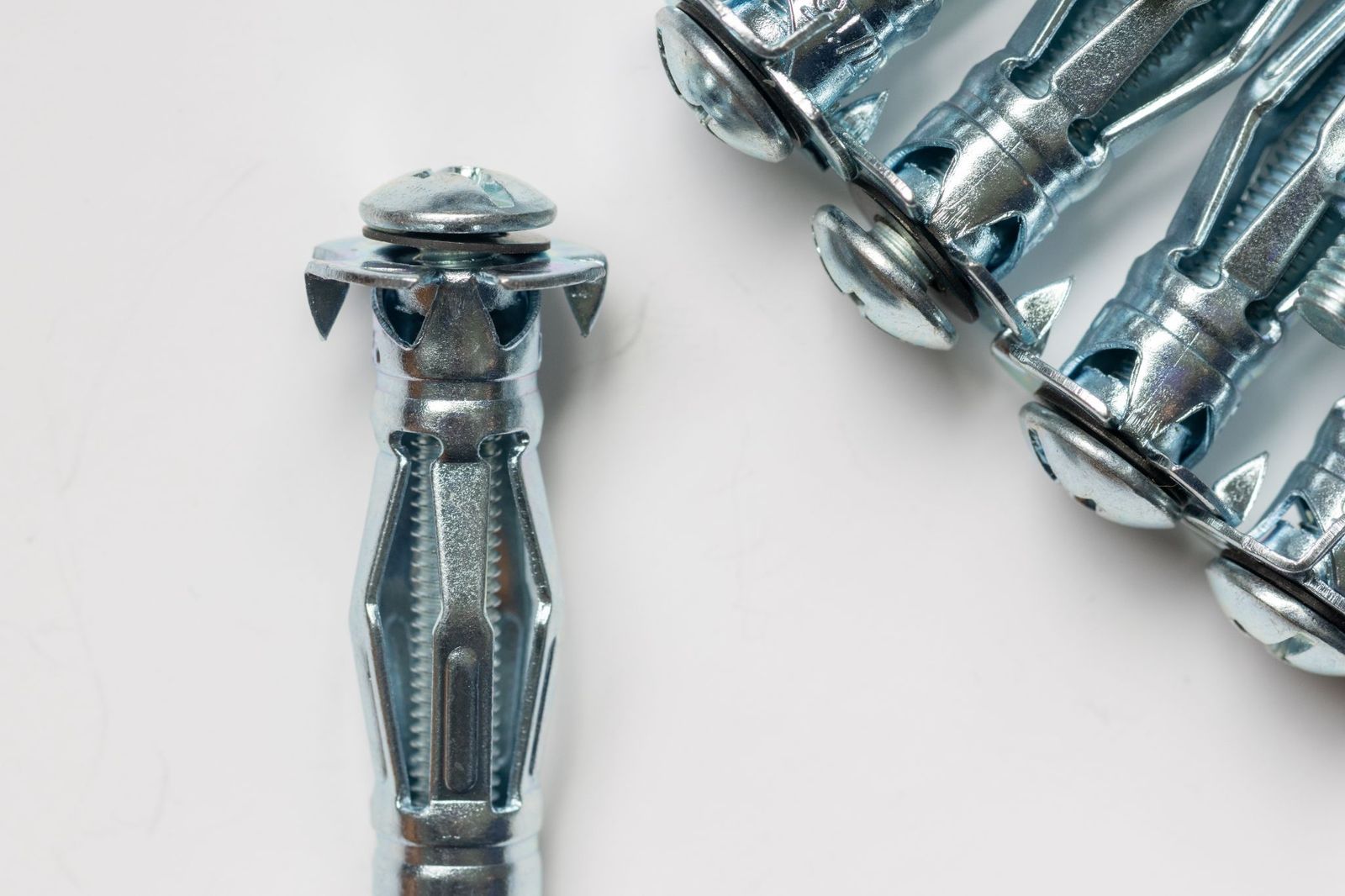
Aside from being a common name, many people assume that "molly" describes a type of fastener. It began as a trademark. In 1934, inventor George Frederick Croessant patented an improved hollow-wall anchor sold under the name MOLLY. Today, it can be seen in curtain rod brackets.
The product became so successful that the brand name gradually turned into a generic term. Today, countless people use "molly bolt" to describe expandable wall anchors, even when they are not made by the original manufacturer.
Lock Washer
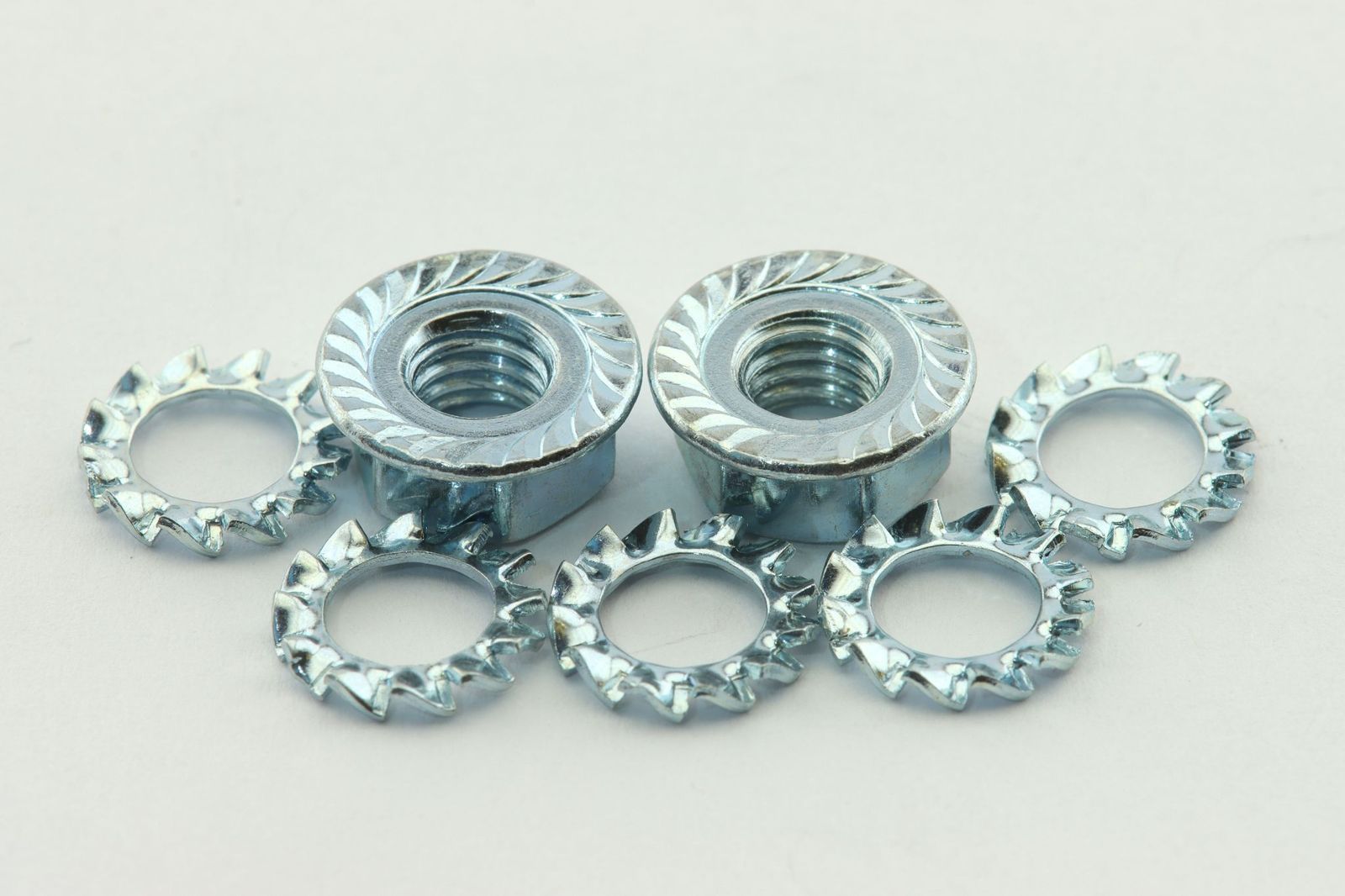
The purpose of a lock washer is built directly into its name. It is designed to help prevent a fastener from loosening because of vibration or movement. It can often be found in washing machines and dryers.
As automobiles, railroads, and industrial machinery became more common during the nineteenth and twentieth centuries, engineers needed better ways to keep bolts secure. Lock washers became one of the simplest solutions, helping assemblies stay tight under demanding conditions.
Nyloc Nut
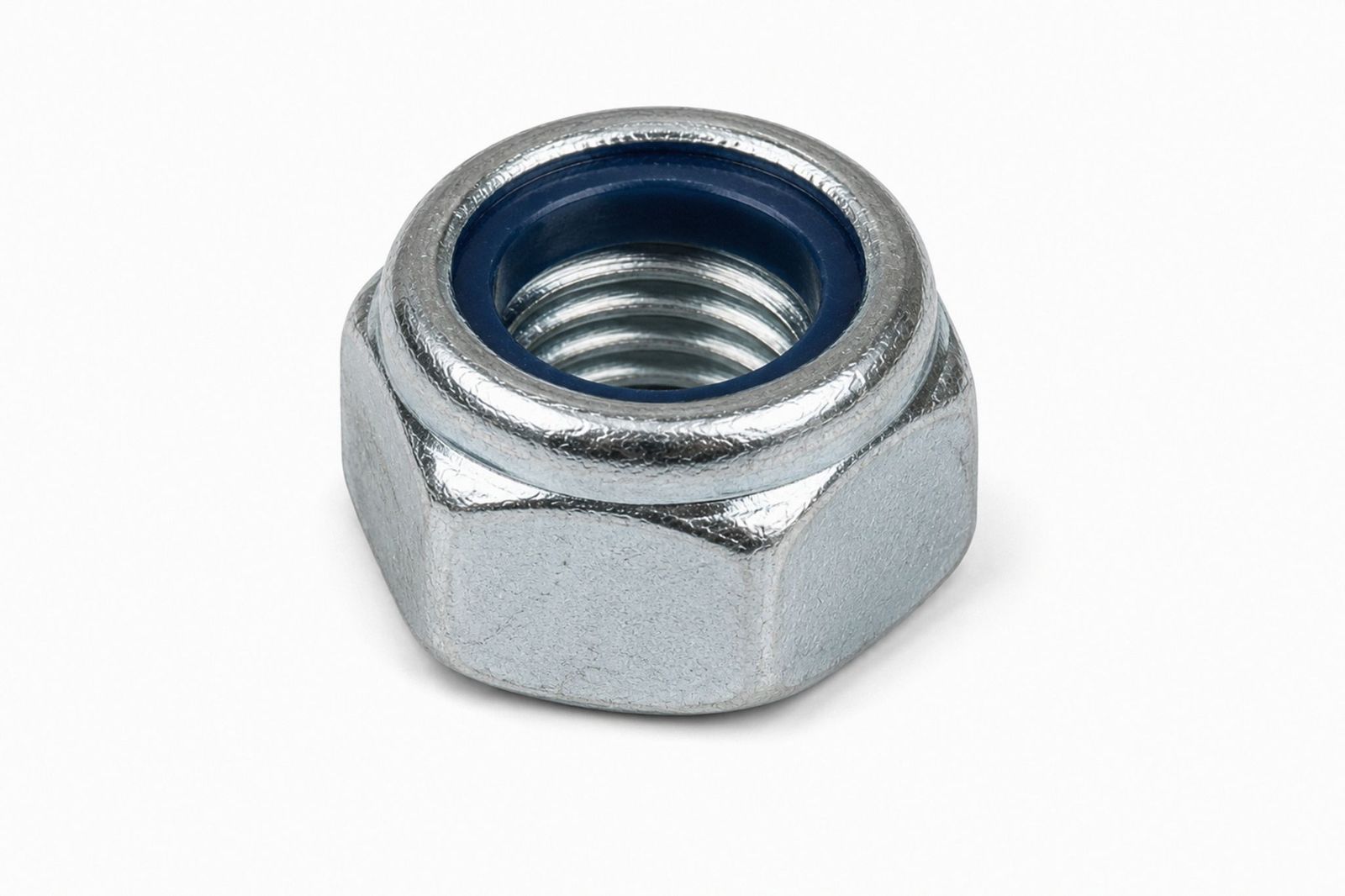
A nyloc nut contains a nylon insert that grips the bolt’s threads. This extra friction helps keep the nut from backing off when subjected to vibration. It can be found in skateboards and roller skates.
The name combines two words: nylon and lock. Like many successful engineering products, the term eventually became familiar beyond the company that originally promoted it. Today, nyloc nuts are widely used in automotive, aerospace, and industrial applications.
Acorn Nut
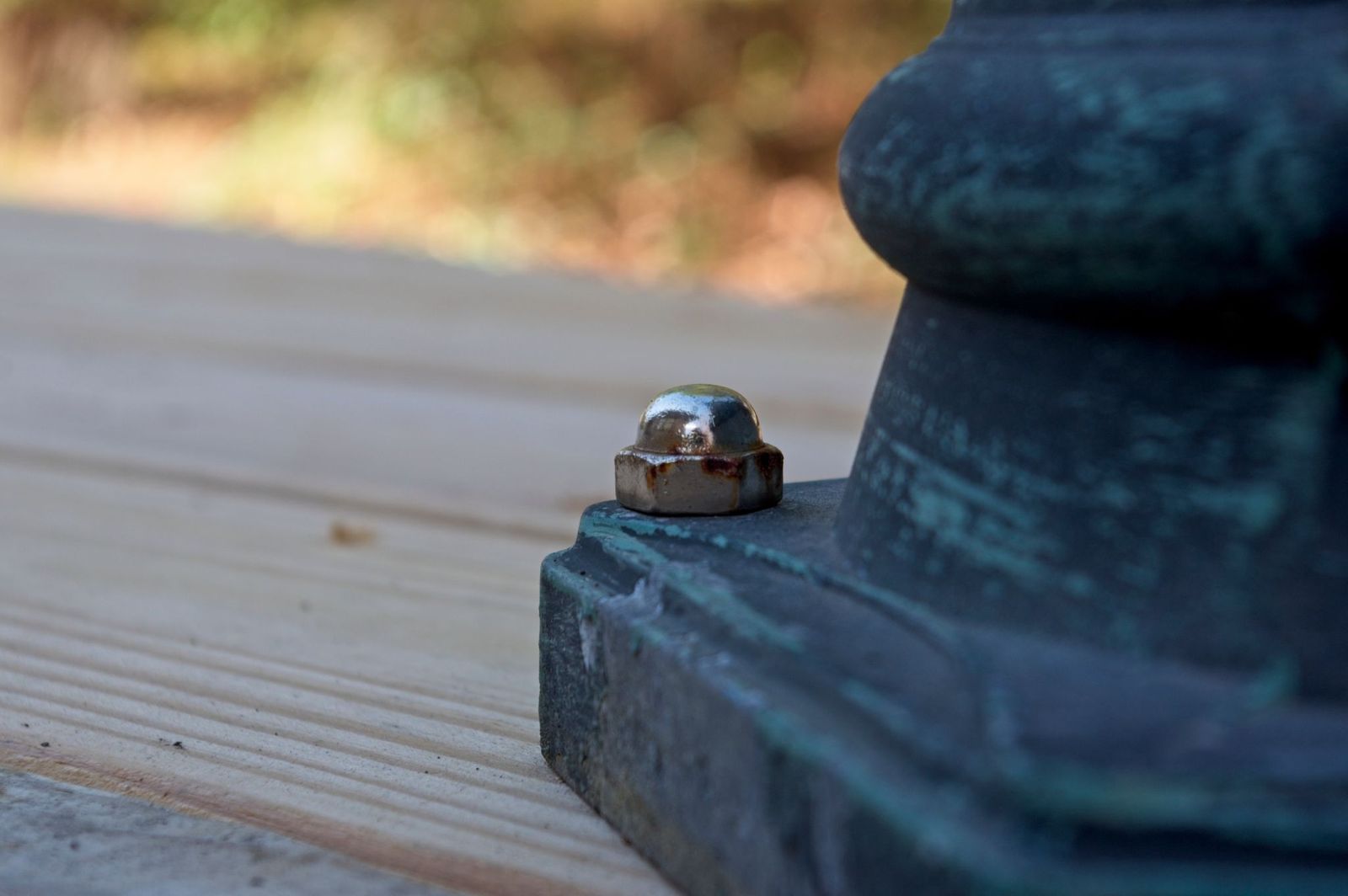
This acorn nut is not the kind that grows on oaks. An acorn nut bolt features a rounded, closed end that covers the exposed tip of a bolt. Viewed from the side, the shape somewhat resembles the acorn that grows on trees.
The design serves both practical and aesthetic purposes. It protects people from sharp threads while helping shield the bold from dirt and moisture. That’s why acorn nuts are often found on furniture, bicycles, playground equipment, and ornamental metalwork.
Draw bolt
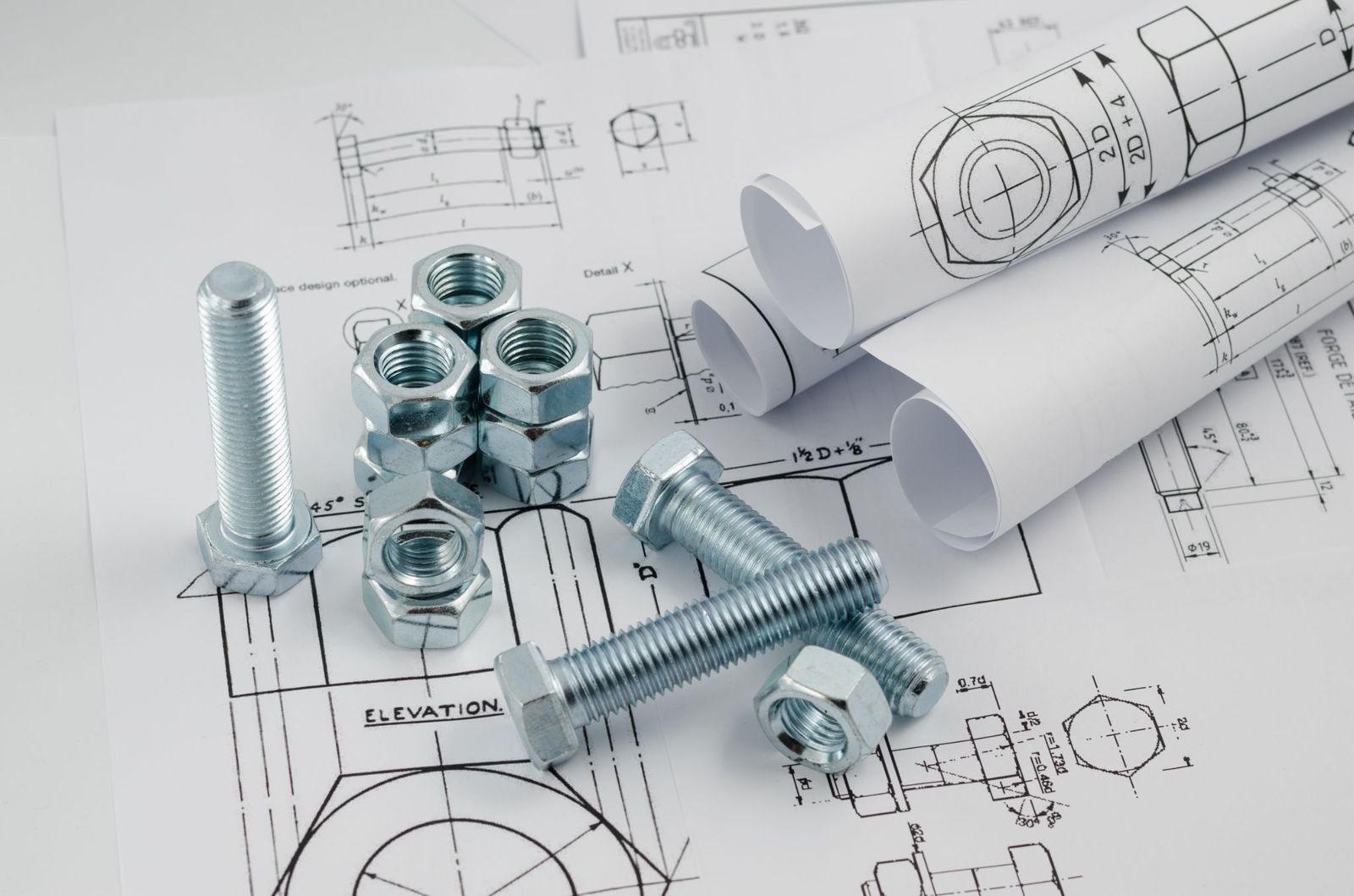
A draw bolt works by pulling two parts tightly together. Unlike a standard bolt-and-nut combination, it often functions as a latch that creates tension when closed.
The name comes directly from the verb draw, meaning to pull. Draw bolts are commonly used on toolboxes, storage cases, industrial cabinets, and equipment enclosures where a secure, tight closure is needed.
T-nut
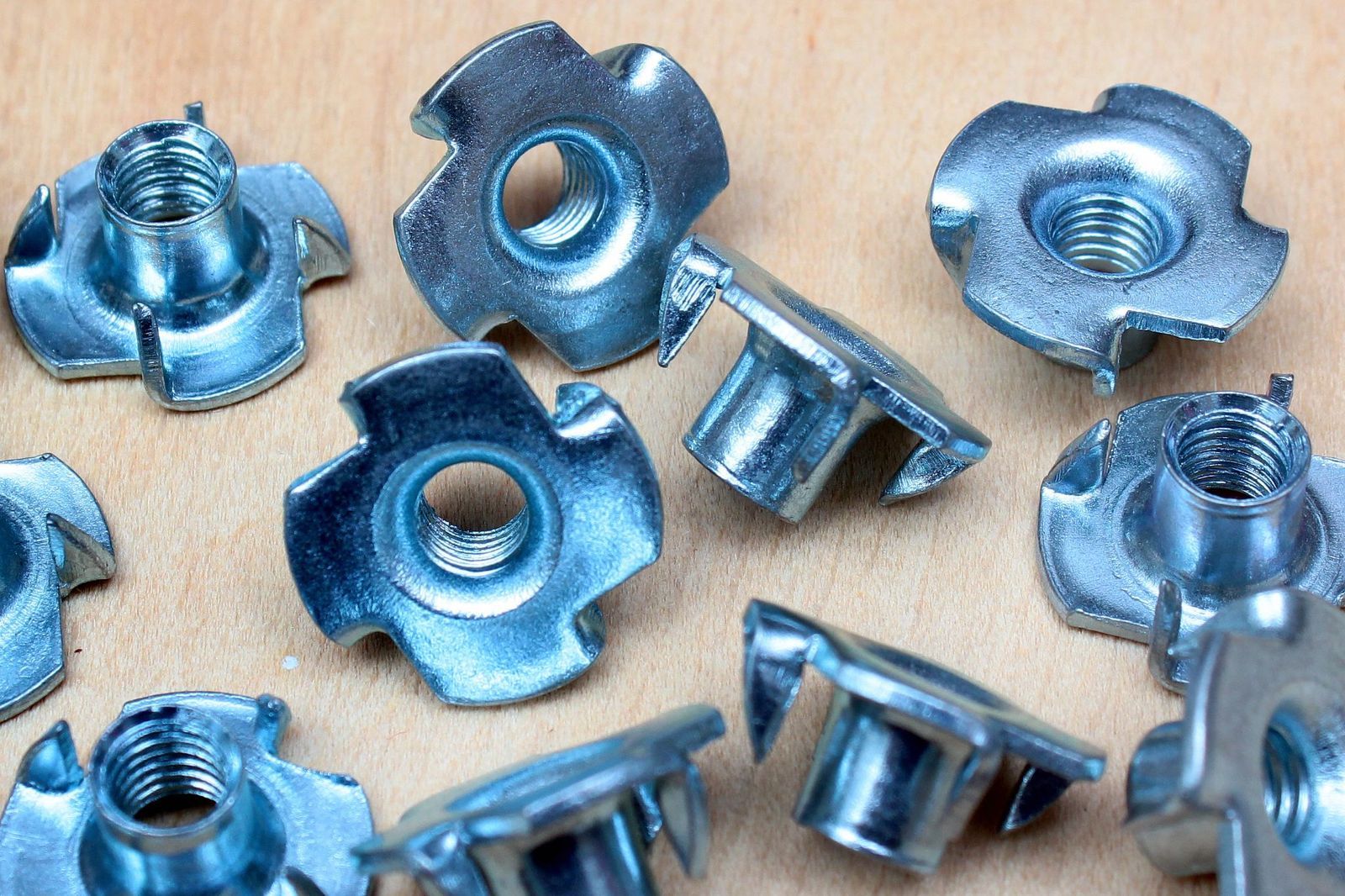
A T-nut, also known as a tee nut, gets its name from its shape. Viewed from the side, its threaded barrel and flange resemble the letter T.
The design allows a bolt to be inserted from one side of a wooden panel, while the T-nut anchors itself from the other. T-nuts are especially common in furniture, speaker cabinets, climbing walls, and other products that require strong threaded connections in wood.