10 lost treasures around the world humanity still hopes to find


Published on August 6, 2026

Image: banu sevim

If you were asked about your most priceless possession, what’s the first thing that pops into mind? And what would you do to protect it? Since time immemorial, pirates and princes, captains and mysterious men have acquired wealth and done the impossible to defend it. So much so that from treasure chests to gold-filled trains, some riches were hidden so well that they have vanished to this day. Let’s find out about 10 of the most unbelievable lost treasures around the world and try to imagine what we’d do if we found them.

1

The Amber Room

Image: A_Mikhail

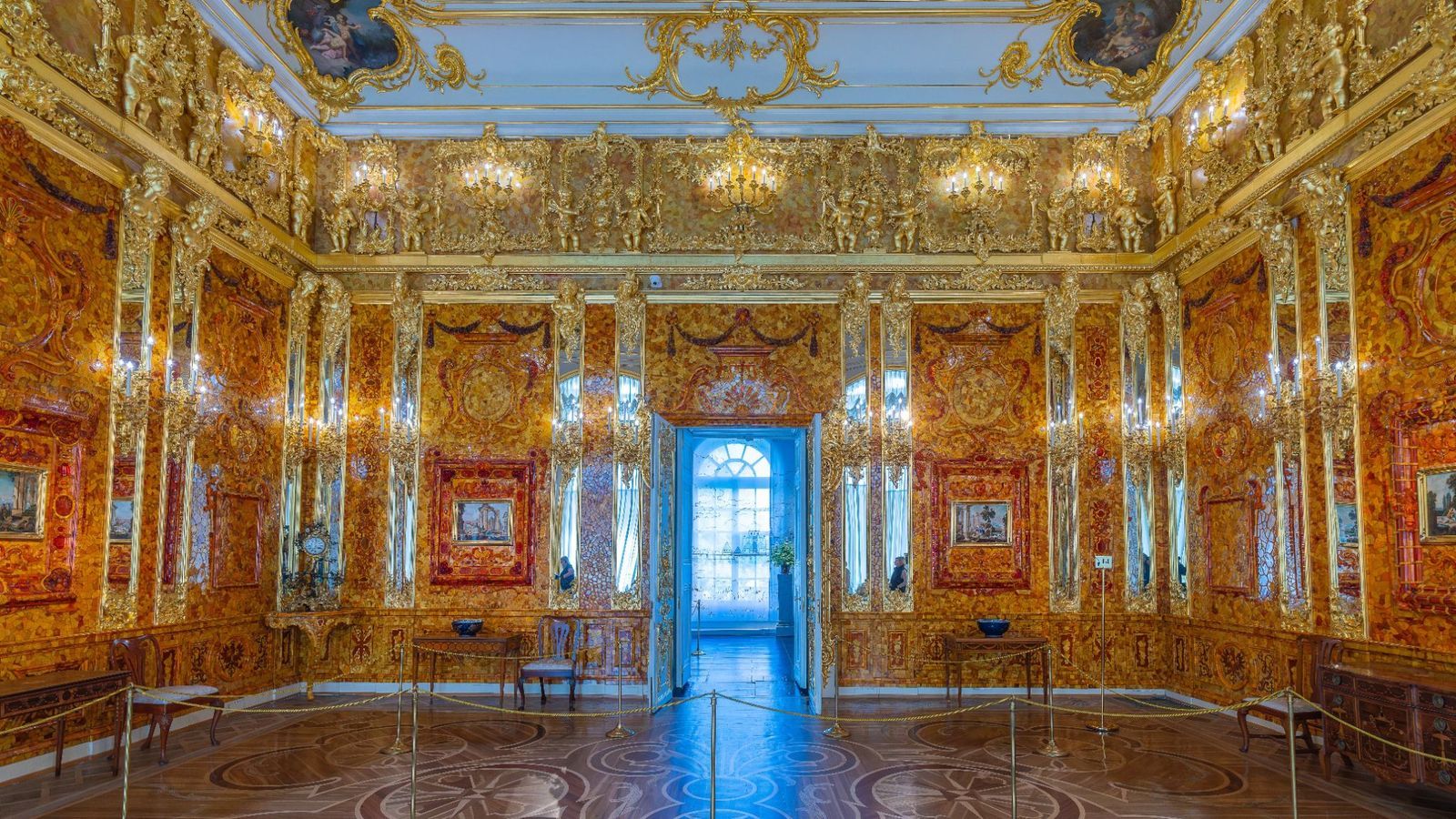
The Amber Room, often called "The Eighth Wonder of the World", was an 18th-century opulent chamber made of six amber panels, gold leaf, and mirrors. It was commissioned in 1701 for Prussia’s King Frederick, and later gifted to Russia’s Tsar Peter the Great in 1716.

It was then installed in the Catherine Palace in Tsarskoye Selo, Russia, until it was dismantled by German troops in just 36 hours in 1941 and moved to Königsberg Castle in East Prussia. Since 1945, amid Allied bombings, the Amber Room has disappeared without a trace, believed to have either been burned, buried, or sunk in the Baltic Sea.

2

The Nazi Gold Train

Image: Piotr Mitelski

It’s an armored 150-meter-long convoy rumored to be filled with 300 tons of gold, jewels, and stolen art. Allegedly, it vanished in May 1945 inside a secret network of unfinished tunnels in the Owl Mountains, near Walbrzych, Poland, as German forces fled the advancing Soviet Army.

Explorers and treasure hunters have launched many high-profile searches using groundbreaking technology to locate the train, but nothing has ever been found.

3

The Flor de la Mar Treasure

Image: Casa nayafana

The Flor de la Mar ("Flower of the Sea") is a legendary Portuguese ship that sank in November of 1511, on its return from conquering a wealthy hub, now known as Malaysia. With it, an immense fortune estimated at $2.6 billion sank to the bottom of the ocean and was never recovered, making it one of the richest shipwrecks in history.

Over the centuries, countless marine salvage companies have attempted to recover the treasure, although political disputes over salvage rights between Indonesia, Malaysia, and Portugal have continuously interrupted such expeditions.

4

The Treasure of Lima

Image: videobuzzing

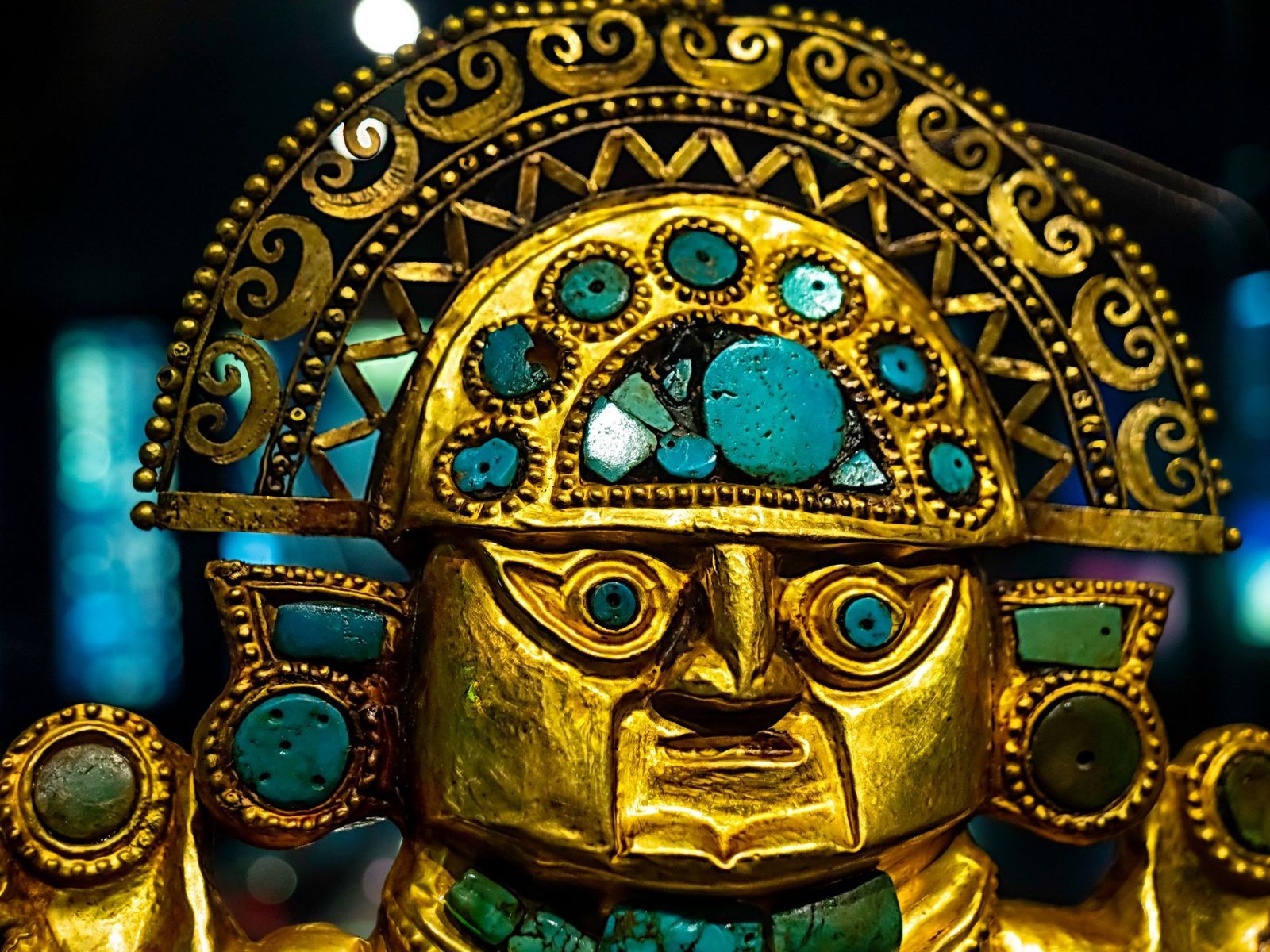
The Treasure of Lima is a massive fortune of gold, silver, and jewels (including a life-size solid gold statue of the Virgin Mary), valued at up to $208 million and missing since 1820.

It was stolen by British Captain William Thompson, who had originally been tasked with protecting the Spanish treasures and allegedly buried them on Cocos Island off Costa Rica, never to be seen again. When captured, he agreed to lead the Spanish forces to the gold, but instead escaped with his first mate into the thick jungle and vanished forever.

5

Blackbeard’s Missing Treasure

Image: Ritu Manoj Jethani

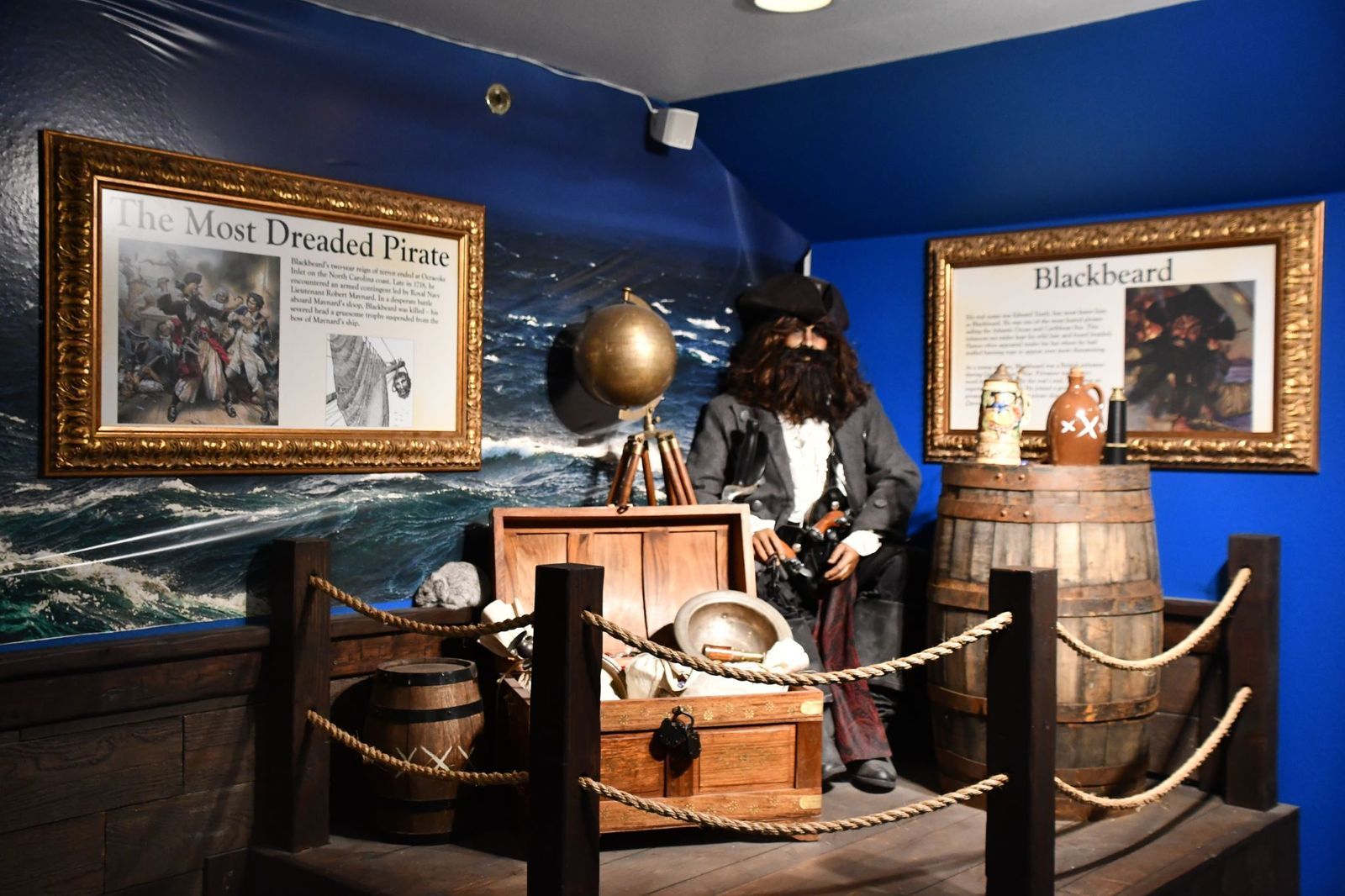
The infamous pirate Edward Teach, also known as Blackbeard, left behind a treasure no one has ever found. He terrorized the Atlantic Coast and the Caribbean, capturing numerous ships and stealing gold, silver, and valuable goods from them.

Modern estimates suggest that his riches would be worth $150 million. Before his death in November 1718, he claimed his wealth was hidden where "nobody knows but me and the Devil."

6

Oak Island Money Pit

Image: Adwo

The Oak Island Money Pit is a centuries-old mystery of buried treasure filled with traps and tunnels, located in Nova Scotia, Canada. It began in 1796 when teenager Daniel McGinnis found a circular depression under a tree and started digging with friends.

As they dug, they began to find oak logs 10 feet down, pointing to a man-made shaft, but water from a storm later flooded the pit. Rumors suggest there is a vault with pirate gold from Captain Kidd, Spanish artifacts, or Marie Antoinette's jewels, as searchers have found tropical coconut fibers and fragments of gold chain there; skeptics suggest it might’ve just been a natural sinkhole all along.

7

The Missing Fabergé Eggs

Image: Natalia Kirsanova

Of the 50 Imperial Fabergé Easter eggs created for the Russian royal family, up to eight remain unaccounted for. Notable missing pieces include the "Nécessaire Egg" (1889), the "Cherub with Chariot" (1888), and the "Hen with Sapphire Pendant" (1886).

While many were lost or stolen during the 1917 Russian Revolution, miraculous findings, such as the "Third Imperial Egg" recovered at a U.S. flea market after a century-long disappearance, keep collectors' hopes alive.

8

The Honjō Masamune Sword

Image: vladivlad

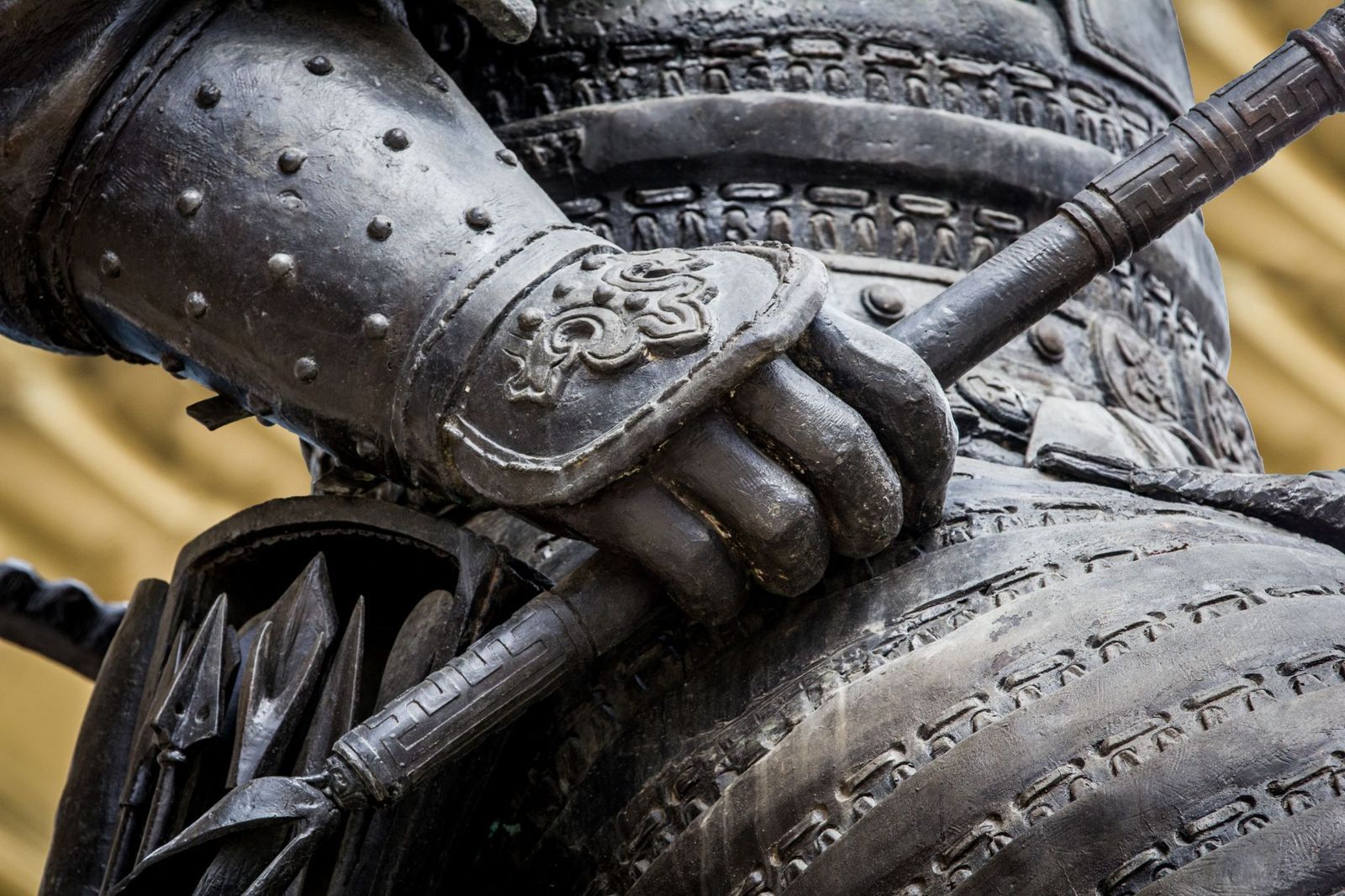
The Honjō Masamune Sword is a priceless Japanese samurai weapon that was lost after World War II. It is considered one of the finest blades ever forged by the master swordsmith Gorō Nyūdō Masamune, and remains a priceless cultural symbol of power.

Designated an official Japanese National Treasure in 1939, many experts remain hopeful it might appear in a private collection or attic.

9

The Beale Ciphers Treasure

Image: syachin

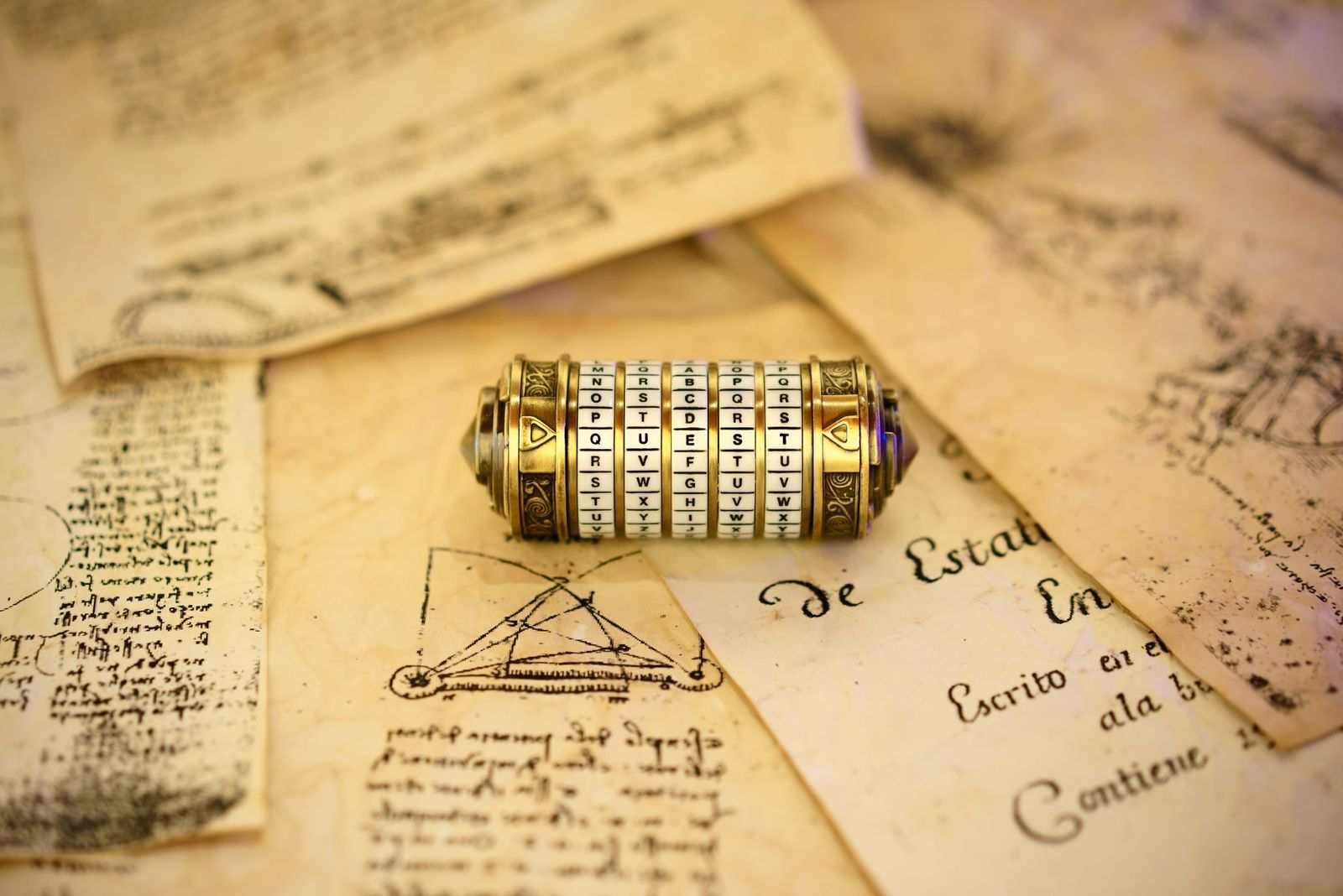
The Beale Ciphers Treasure is a renowned unrecovered fortune of gold, silver, and jewels, with an estimated value of over $65 million.

In 1820, a mysterious man named Thomas J. Beale checked into a hotel in Lynchburg, Virginia, and left a locked iron box with an innkeeper, alongside three encoded messages. If cracked, they supposedly reveal the hidden fortune. For now, only one has been decoded. Some experts allege the entire mystery is a hoax, while others continue to try to decipher the codes to this day.

10

The Lost Dutchman’s Gold Mine

Image: Raeann Davies

The Lost Dutchman’s Gold Mine is a famous, undiscovered gold deposit, said to be hidden somewhere near Apache Junction, in Arizona’s Superstition Mountains.

Legend claims it was found by Jacob Waltz, a German immigrant (misidentified as Dutch due to the old use of the term "Deutsch"), who settled in Arizona in the 19th century and supposedly kept its location secret before dying in 1891, except for the verbal hints he allegedly gave to his neighbor Julia Thomas, sparking modern treasure hunting to this day.
Translation and interpretation

Was the forbidden fruit really an apple? 10 Bible surprises


Published on August 6, 2026


Image: Mariordo, CC BY-SA 4.0, via Wikimedia Commons

What if some of the Bible stories you grew up with aren't exactly what the Bible says? Was the forbidden fruit really an apple? Were there actually three Wise Men? Did "God helps those who help themselves" really come from the Bible? Over centuries, translations, traditions, and famous works of art have added details that became so familiar, we stopped questioning them. But go back to the texts, and some of these stories look surprisingly different. From Eve's "apple" to the date of Jesus' birth, here are 10 familiar parts of the Bible that may not be quite what we remember.

1

The forbidden fruit was an apple

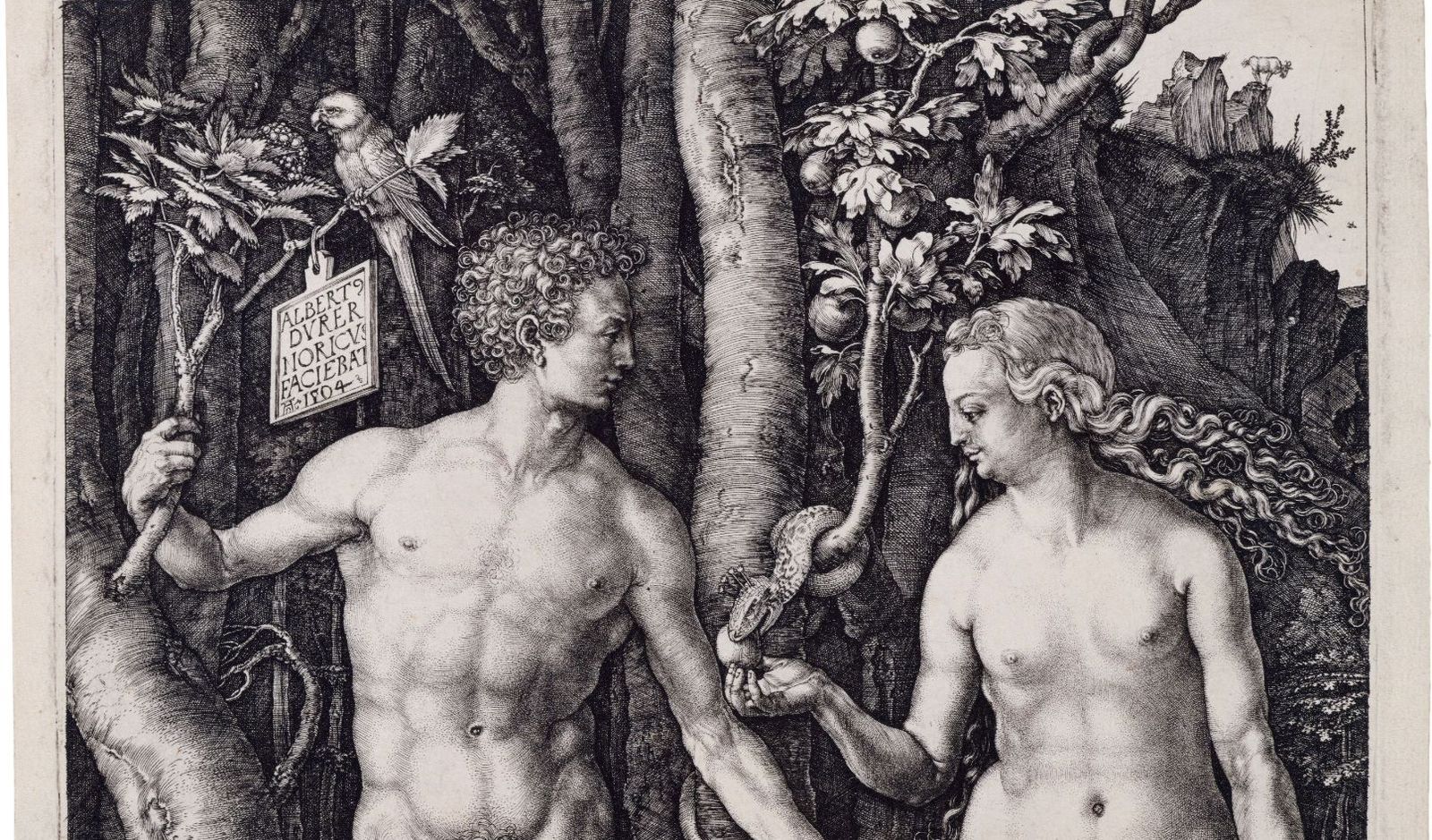
Image: Albrecht Dürer, Public domain, via Wikimedia Commons

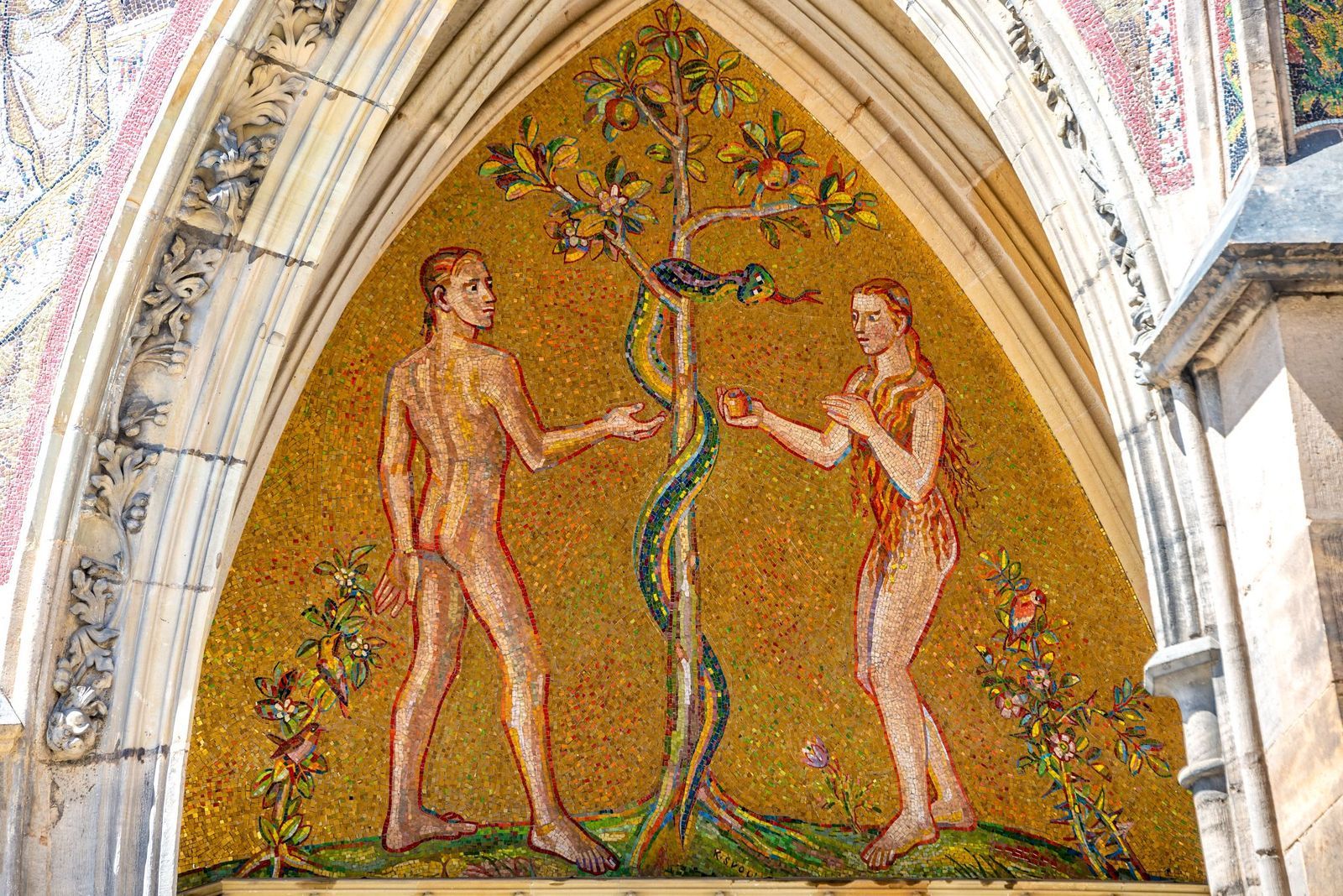
When you picture the Garden of Eden, what fruit comes to mind? Most people imagine an apple, but there's just one problem: the Bible never says it was an apple.

In the Book of Genesis, the fruit is simply called "the fruit of the tree of the knowledge of good and evil." The original Hebrew text uses the word peri, which simply means "fruit." The apple connection came centuries later, largely through the Latin translation. The Latin word malum can mean both "apple" and "evil," making it an especially fitting symbol for the story. Over time, that association spread through Christian art and literature. Famous works such as Albrecht Dürer’s 1504 engraving Adam and Eve (also known as The Fall of Man) helped cement the image of Eve holding an apple. Today, it's one of the most famous scenes in history, even though the original biblical text doesn’t identify the fruit as an apple at all.

2

There were three wise men/kings

Image: Rawpixel.com

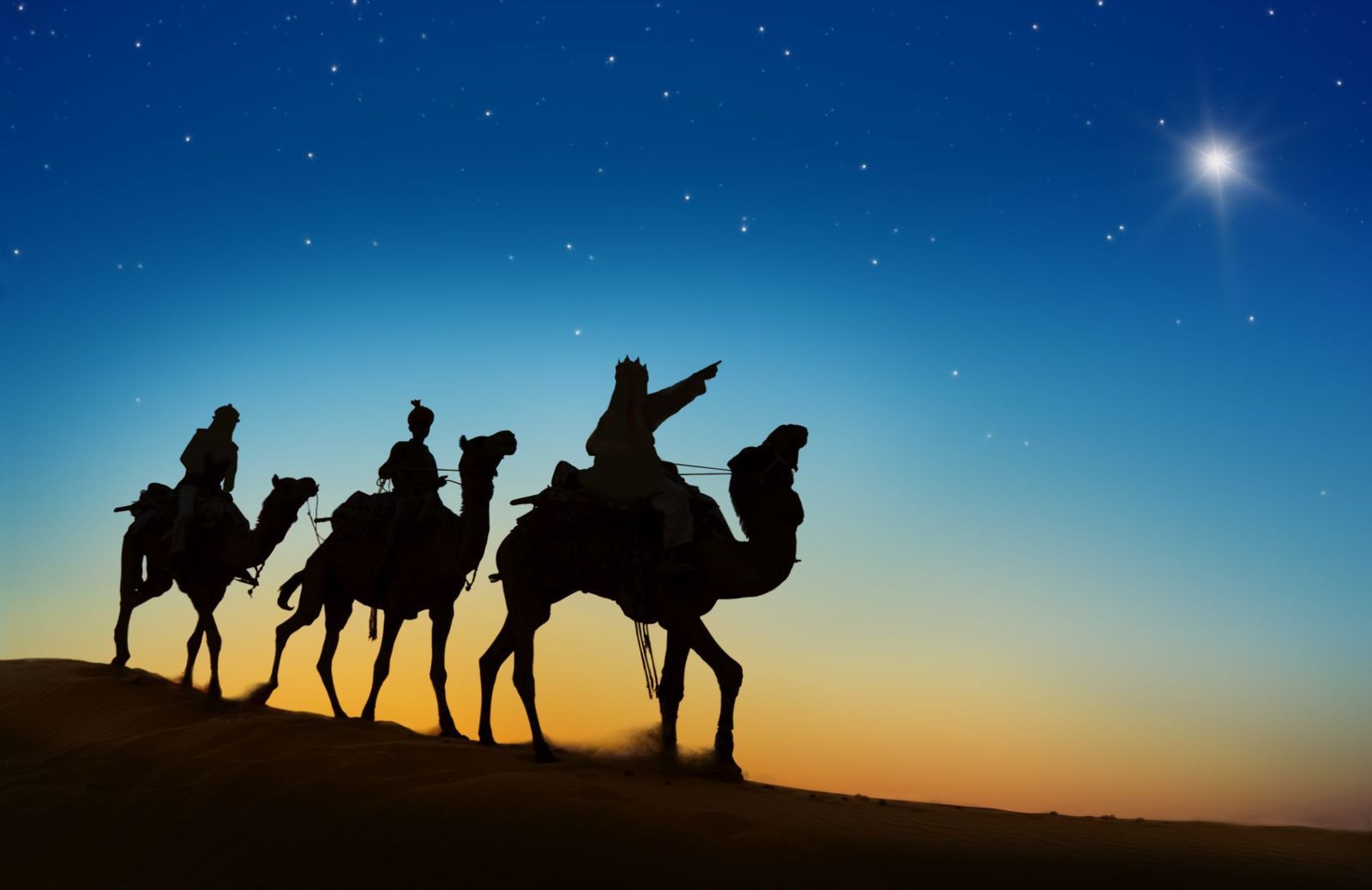
The story of Jesus' birth is so famous that most of us picture the Three Wise Men, sometimes called the Three Kings, standing beside the manger. But the thing is, over the centuries, the story picked up a few details that aren't actually in the Bible.

In the Gospel of Matthew, the only Gospel that mentions these visitors, they are described simply as Magi from the East. The original Greek word, magoi, referred to learned scholars, astrologers, or priests from Persia or Babylon, not kings. But where did the number three come from? Matthew lists three gifts: gold, frankincense, and myrrh, but never says how many visitors brought them. Over the centuries, people naturally assumed there must have been three Magi, one for each gift. Even their familiar names, Melchior, Caspar, and Balthasar, were added later by Christian tradition. So, neither the number of visitors nor their names appears anywhere in the biblical text.

3

"God helps those who help themselves"

Image: Adam Nir

Whether it's used to motivate a friend, encourage a family member, or push yourself to finally make a difficult decision, "God helps those who help themselves" is one of the most familiar religious sayings in America. But here's the surprise: those words never appear in the Bible.

The idea can be traced to ancient Greek sources, including Aesop’s Fables, where the saying appears in an earlier form: "The gods help them that help themselves." The exact modern wording was written by English politician Algernon Sidney in 1698, but it was Benjamin Franklin who helped make it part of American culture when he included it in his 1736 edition of Poor Richard’s Almanack.

4

"Cleanliness is next to godliness"

Image: John Jackson, CC BY 4.0, via Wikimedia Commons

Many teenagers have heard "Cleanliness is next to godliness" when it was time to clean their rooms. But despite sounding like a Bible verse, the phrase never appears in Scripture.

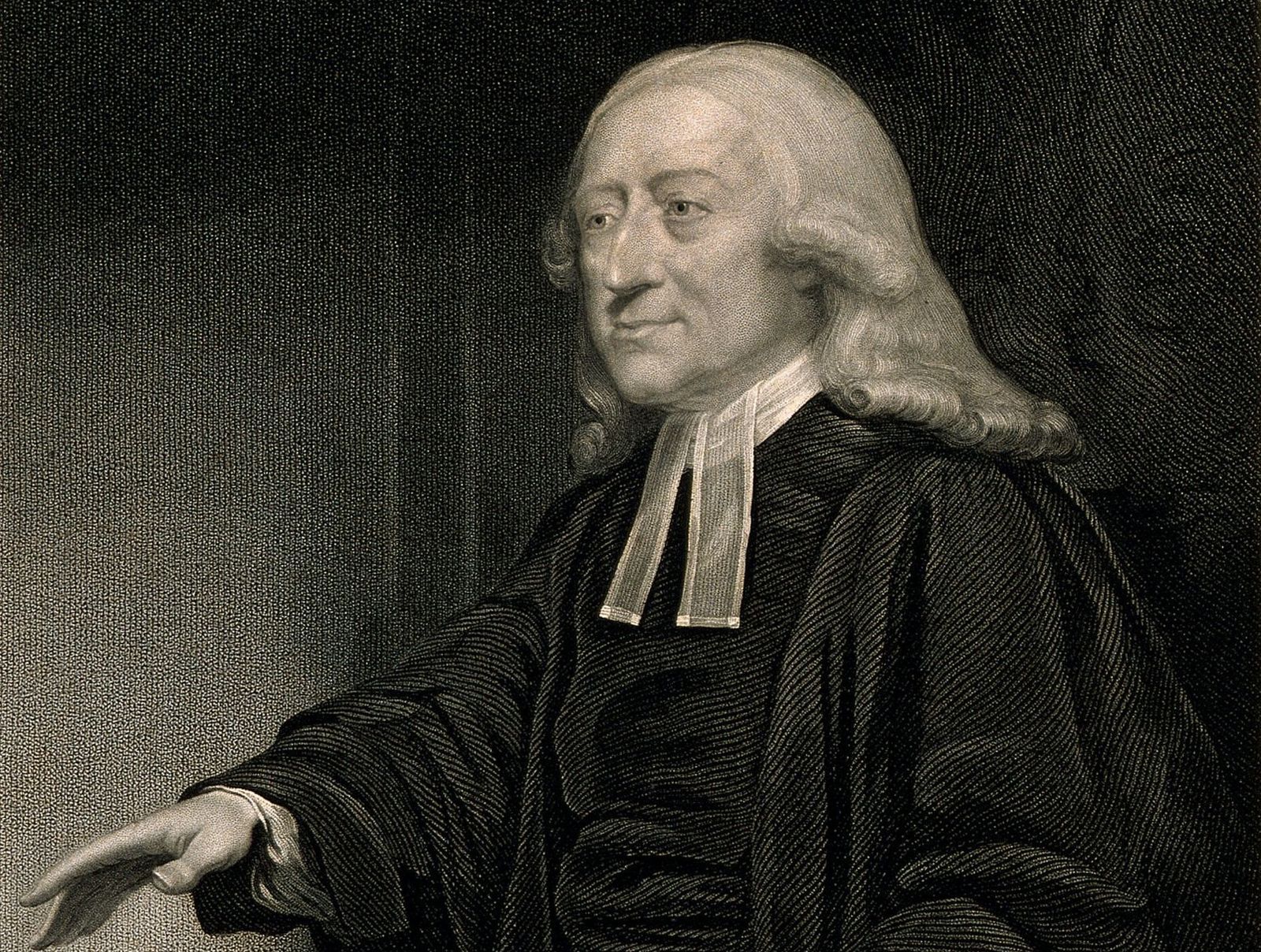
The Bible, particularly Leviticus, does contain extensive laws requiring people to wash their bodies and clothes in certain circumstances, especially before religious rituals. But the famous saying itself came much later. In 1605, Francis Bacon wrote in The Advancement of Learning that "cleanness of body" was connected to reverence for God. Then, in 1786, it was Methodist leader John Wesley who used the wording we recognize today in a sermon: "Cleanliness is indeed next to Godliness." Over time, the phrase became a familiar saying that many people simply assumed came from the Bible.

5

The date of Jesus' birth

Image: http://www.parrocchiasantagata.org, CC0, via Wikimedia Commons

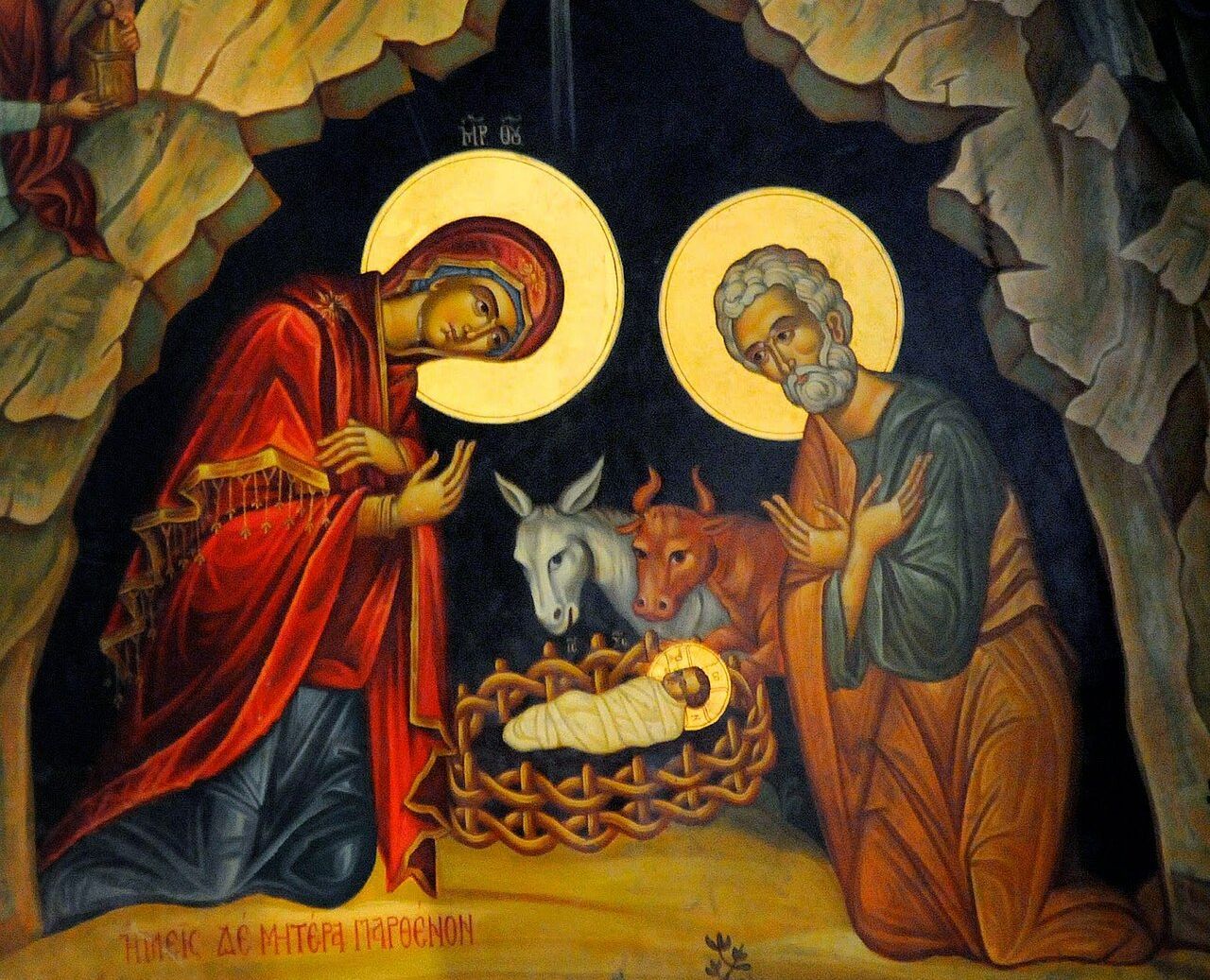
When it comes to famous dates, December 25 may be the most recognizable of all, universally associated with Christmas. But here's the surprising part: the Bible never gives any specific date for Jesus' birth.

The Gospels of Matthew and Luke describe the Nativity but never provide a calendar date, so how did December 25 become Christmas? There are two leading theories. The first is that the Roman Church was celebrating Christmas on December 25 by 336 AD, during Constantine's reign, possibly choosing the date to coincide with existing Roman winter festivals and make it easier to convert the empire to Christianity. The second points to an early Christian tradition that calculated Jesus' birth date from the supposed date of his crucifixion, eventually arriving at December 25.

6

Jonah and the Whale

Image: Pieter Lastman, Public domain, via Wikimedia Commons

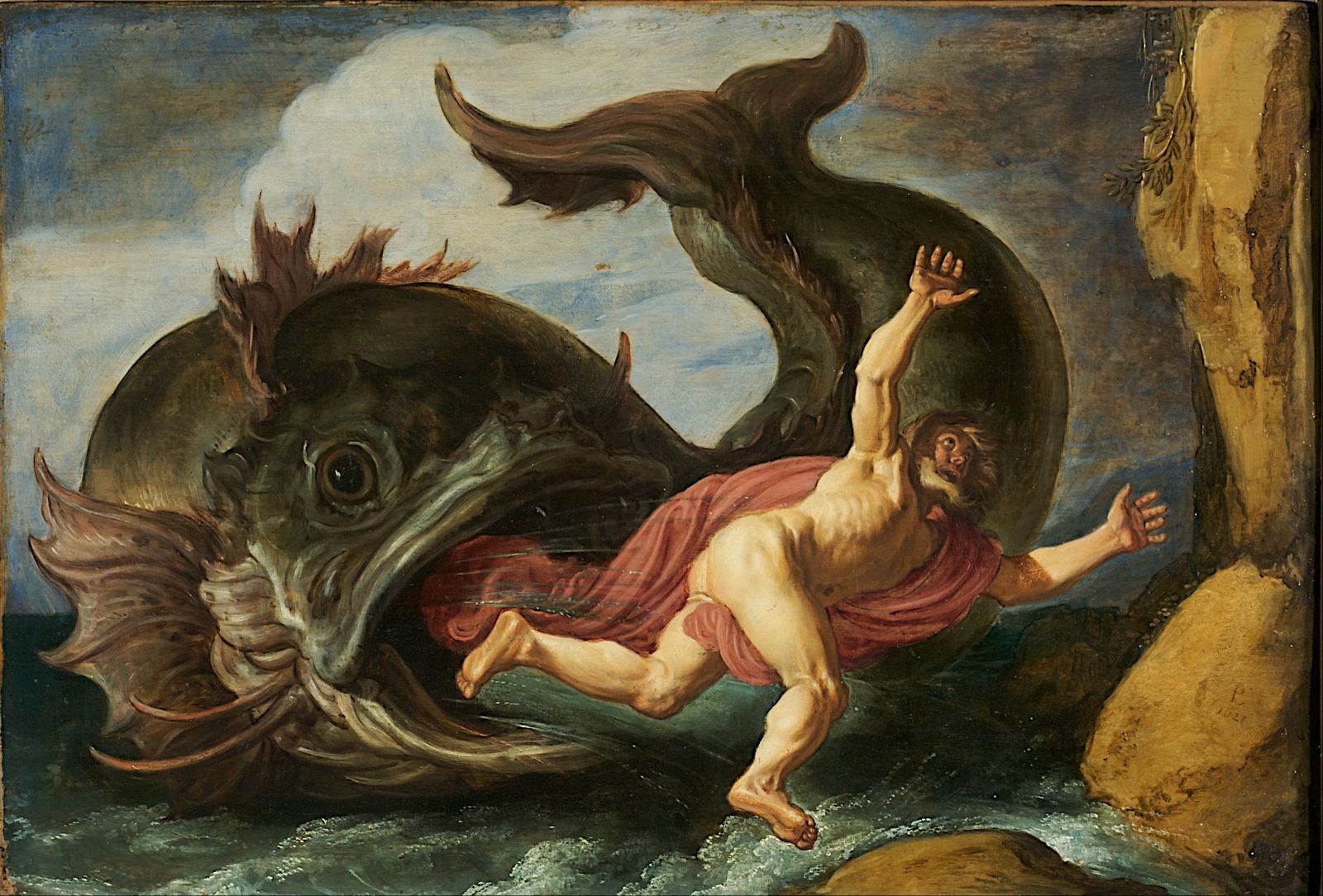
The story of Jonah and the Whale is so famous that it has appeared literally or symbolically in innumerable works of art and literature, from Michelangelo's Sistine Chapel ceiling (1508-1512) to Herman Melville's 1851 novel Moby-Dick. But there's a small problem with the title we've given it: the Bible doesn’t actually say it was a whale.

In the Old Testament, the original Hebrew text of Jonah 1:17 uses the words dag gadol, meaning "great fish" or "large fish"; it doesn't identify the creature as a whale, or even specify what kind of fish it was. Most modern English translations therefore stick with "great fish," but the familiar "whale" interpretation developed through older translations and later European tradition, eventually becoming so widespread that "Jonah and the Whale" became the name almost everyone recognizes.

7

The serpent in Eden was Satan

Image: neurobit

Just as we've always pictured the forbidden fruit as an apple, many of us also assume the serpent in the Garden of Eden is the devil himself. But the original story is a little more complicated.

A plain reading of Genesis depicts the creature simply as a serpent or snake, using the Hebrew word nachash. It describes the serpent as clever and crafty, but it never calls it Satan or explicitly identifies it as the devil. So where did the connection come from? The answer comes from later parts of the Bible, particularly the New Testament. In Revelation 12:9 and 20:2, Satan is called "the ancient serpent" (ho ophis ho archaios in Greek), connecting him to the snake of Eden. Over time, Christian tradition applied that later connection back to Genesis, leading to the familiar belief that the serpent was Satan himself.

8

Delilah Cut Samson’s Hair

Image: Georg Pencz, CC0, via Wikimedia Commons

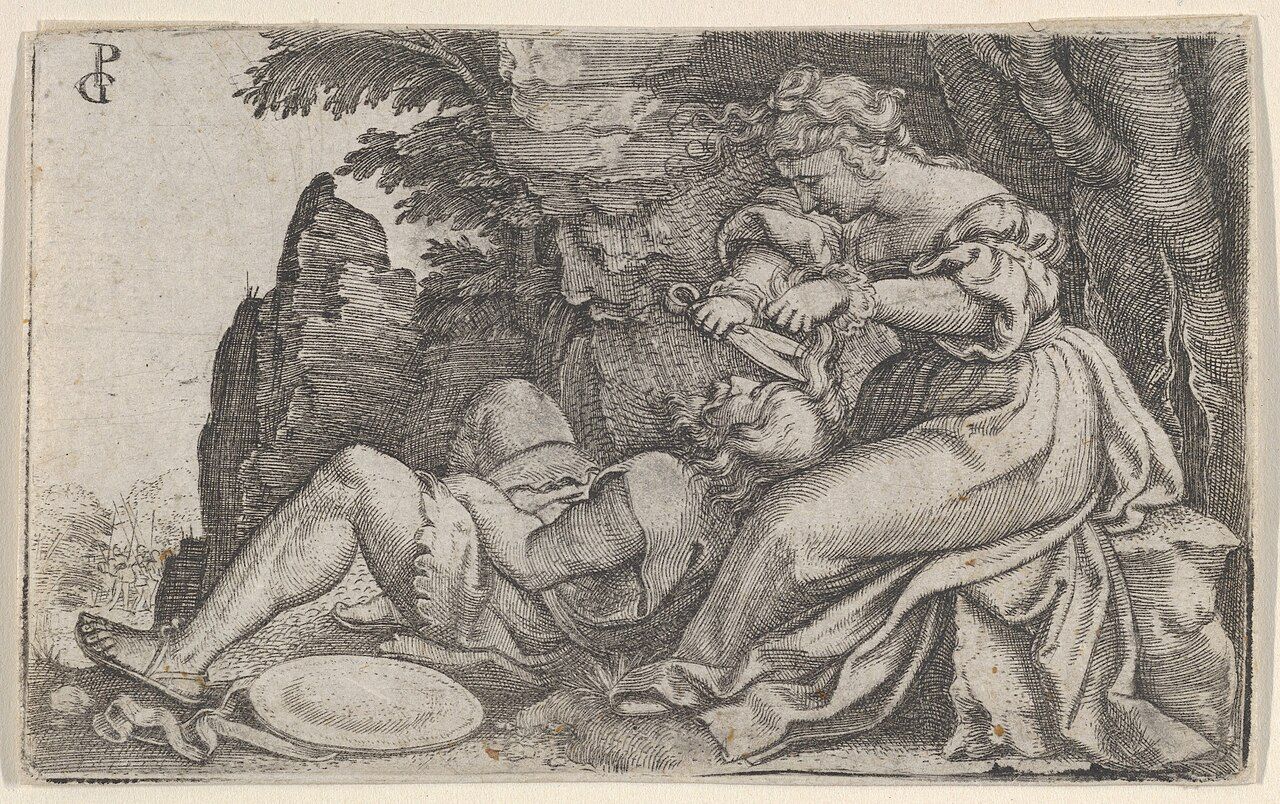
Many of us remember Samson for his legendary strength and the long hair that was said to be the source of his power. His story with Delilah is one of the Bible's most famous tales of betrayal, but there's one detail some people may have gotten wrong: Delilah didn't actually cut his long hair.

In Judges 16:19, Delilah has Samson's hair shaved while he sleeps on her lap. The text says she called for a man to do the shaving; it never says she did it herself. Yet paintings, films, and other retellings have often shown Delilah wielding the scissors herself, cementing that image in popular culture. It can be considered a small detail, but it’s a great example of how easily familiar Bible stories can pick up elements that aren't actually in the original text.

9

The Bible is a single-voice book

Image: Pixel-Shot

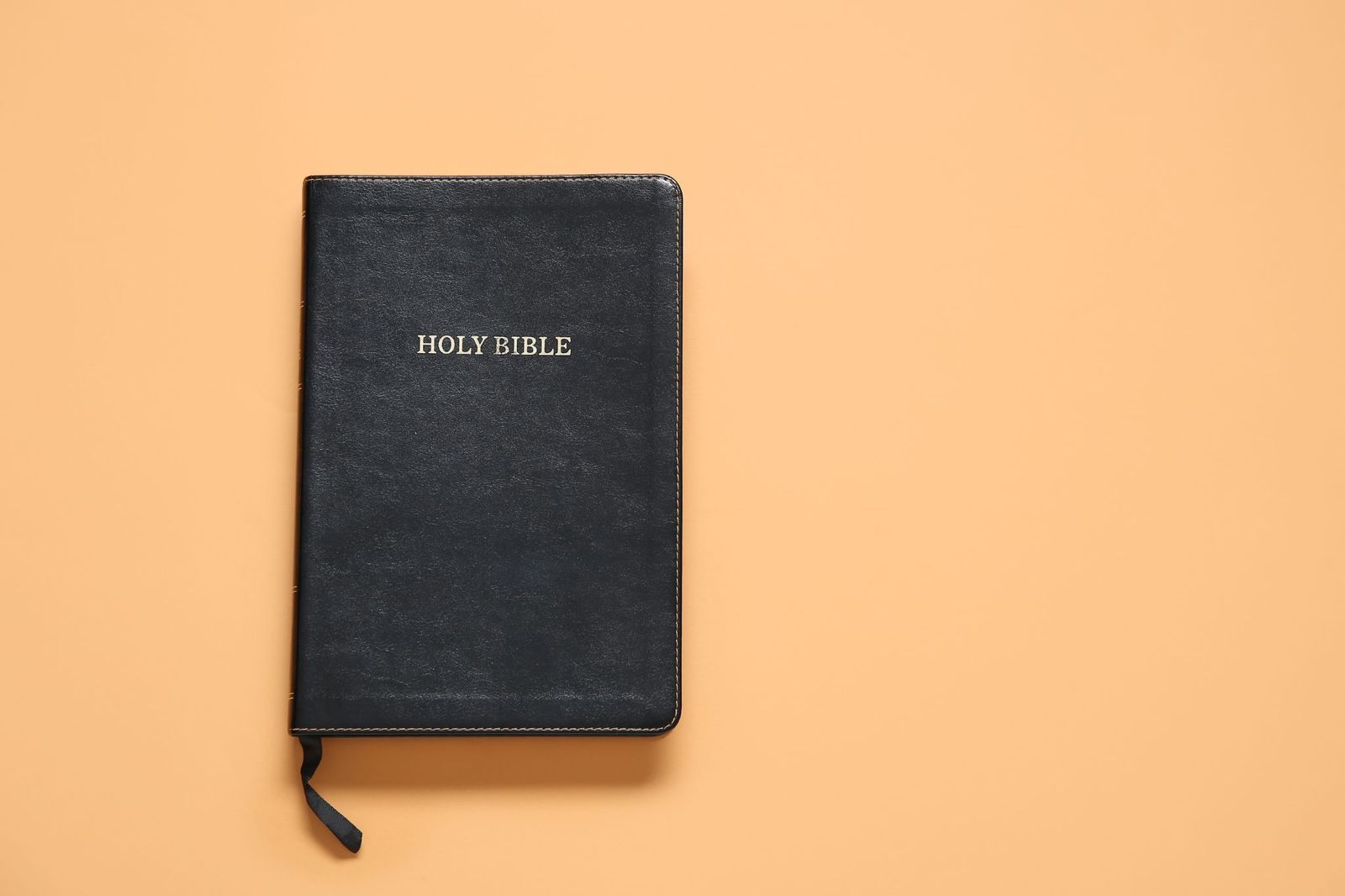
Many of us think of the Bible as a single book, written at one particular time by one author, or perhaps a handful of them. After all, that's how it looks when you pick one up in a hotel room, but its history is far more complicated.

The Bible is actually a collection of books written by over 40 authors over roughly 1,500 years, from about 1400 BC to AD 100. The exact number of books varies by religious tradition: Protestant Bibles contain 66 books, while Catholic and Orthodox traditions include additional books. Across these different traditions, the writings were produced by kings, prophets, fishermen, and scholars in Hebrew, Aramaic, and Greek. They also span a tremendous range of literary styles, including history, poetry, songs, laws, letters, and prophecy. So while we hold it as one book today, the Bible is actually a collection of many different writings produced across centuries.

10

Original manuscripts still exist

Image: https://www.themorgan.org/manuscript/350198, Public domain, via Wikimedia Commons

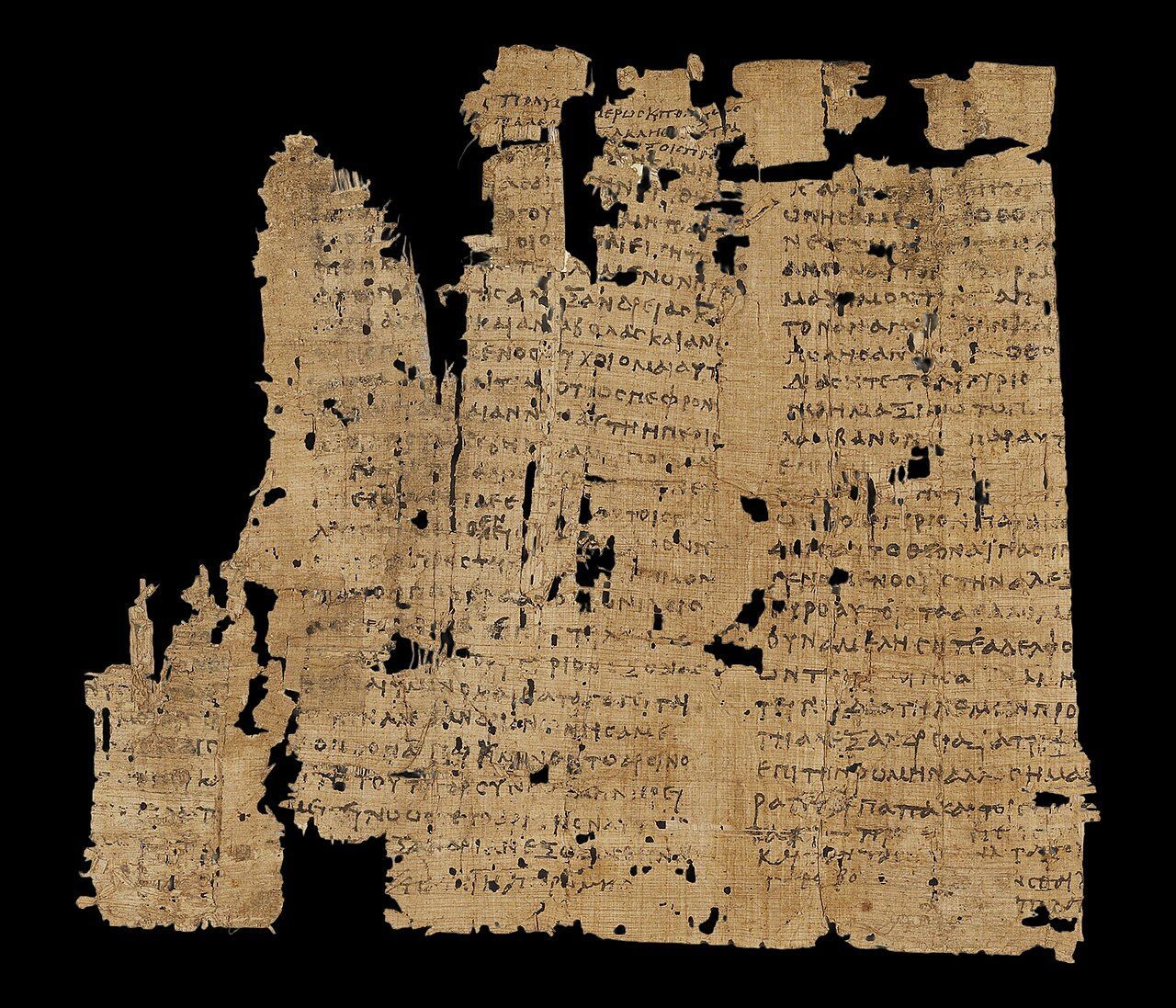
Many people assume that at least a few original fragments of the Bible must still exist somewhere. It would be incredible if they did, but none of the original manuscripts, known as autographs, have survived.

The earliest biblical texts were written on fragile materials such as papyrus and animal skins, which could deteriorate through humidity, heat, handling, and simple age. Wars, fires, and other destruction also contributed to their disappearance. So how do we know what the originals said? Through a technique called textual criticism: expert scholars compare thousands of handwritten copies, ancient translations, and quotations from early Christian writers. When they find passages that match across different sources, or differences that reveal how a text changed over time, they can work backward to determine what the original most likely said, even though the original manuscripts themselves are gone.

Looking for an extra scoop of literary fun?

Learn more with our Word of the day

bedlam

/ˈbɛdləm/