Spot the Clues

10 famous spies & detectives who made us love solving mysteries


Published on September 15, 2026
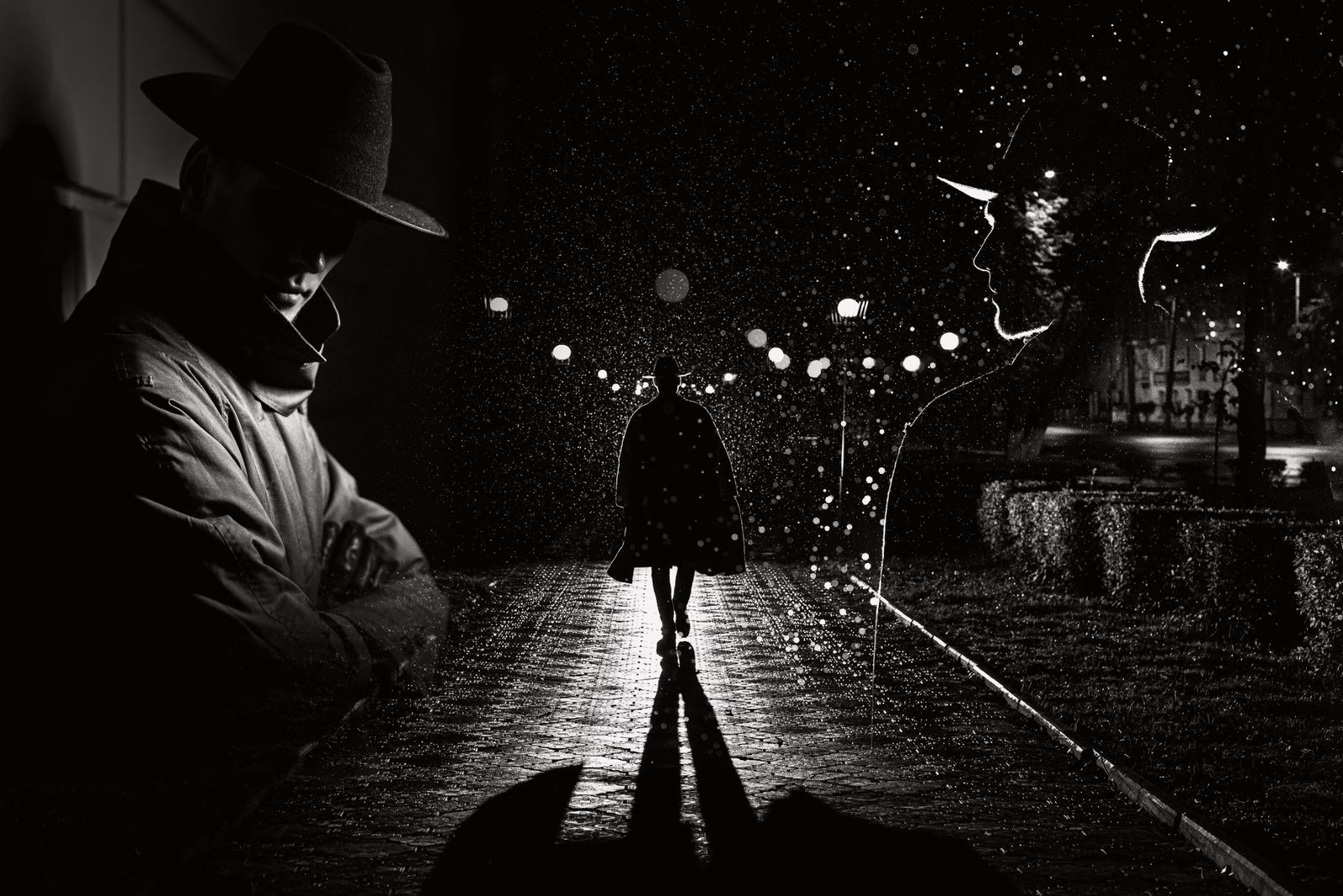

Image: alexkoral

Some wore funny hats, some carried magnifying glasses, and all of them knew how to keep a secret. If you’ve ever dreamt of being an undercover agent, or you’re fascinated with piecing together clues and solving mysteries, then this article is for you. From James Bond to Miss Marple, here are 10 unforgettable fictional spies and detectives who have kept us guessing for decades. Let’s uncover the characters, quirks, and clever tricks that made them impossible to forget.

1

James Bond

Image: Sergii Figurnyi

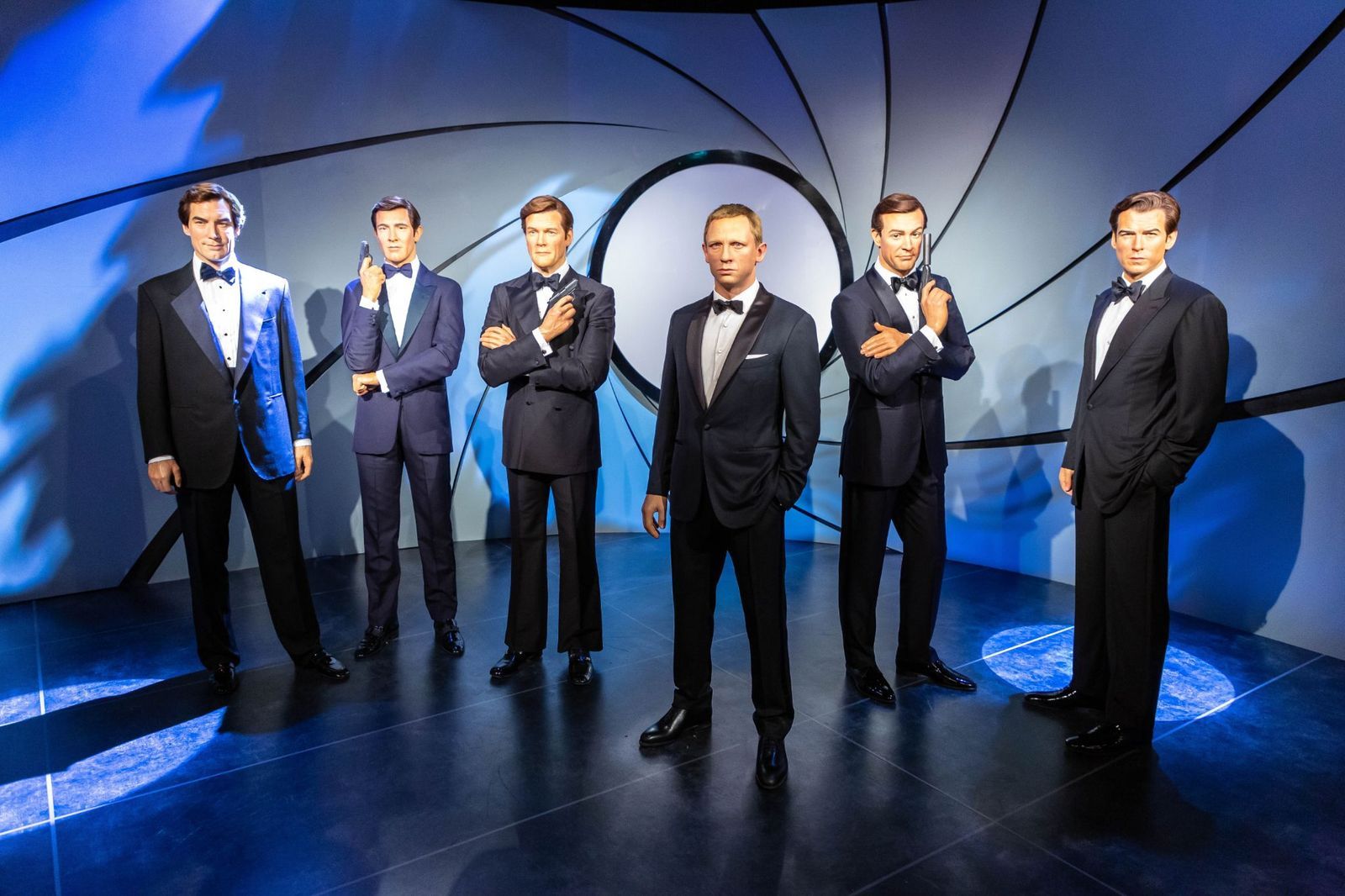
"My name is Bond, James Bond" is one of the most recognizable introductions in pop culture. With the codename 007, he is the quintessential British fictional secret agent who redefined the spy thriller genre and fueled a global fascination with espionage.

Created by Ian Fleming in 1953, Bond is known for combining high-stakes intelligence operations, the latest technology that seemed almost futuristic, and exotic locations filled with glamour and danger. He has been portrayed by numerous actors over the years, with his larger-than-life persona standing out above all else.

2

Miss Marple

Image: SviatlanaLaza

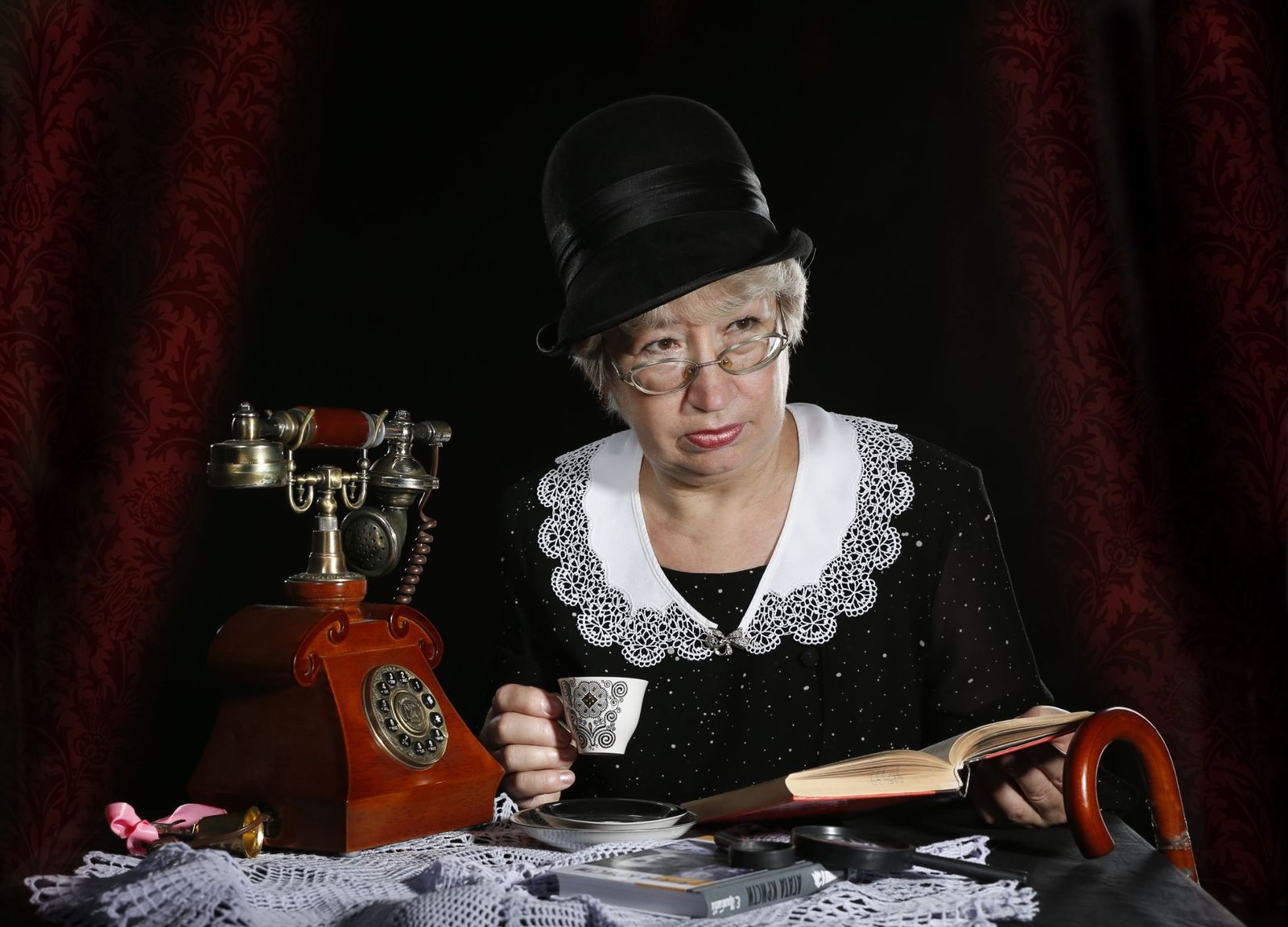
Miss Marple is one of the most beloved amateur sleuths in literary history, created by the legendary "Queen of Crime," Agatha Christie. Living in the quiet, fictional English village of St. Mary Mead, Jane Marple first appeared in the 1930's novel The Murder at the Vicarage.

One of the most beloved things about Miss Marple is that despite her looking like a sweet, elderly woman who might be more interested in knitting than murder, she has an incredibly sharp intellect and a remarkable understanding of human nature. This allowed her to solve mysteries that baffle professional policemen by drawing brilliant parallels between serious crimes and seemingly insignificant bits of village gossip. Never underestimate the quiet lady in the corner.

3

Charlie’s Angels

Image: Asia Evtyshok

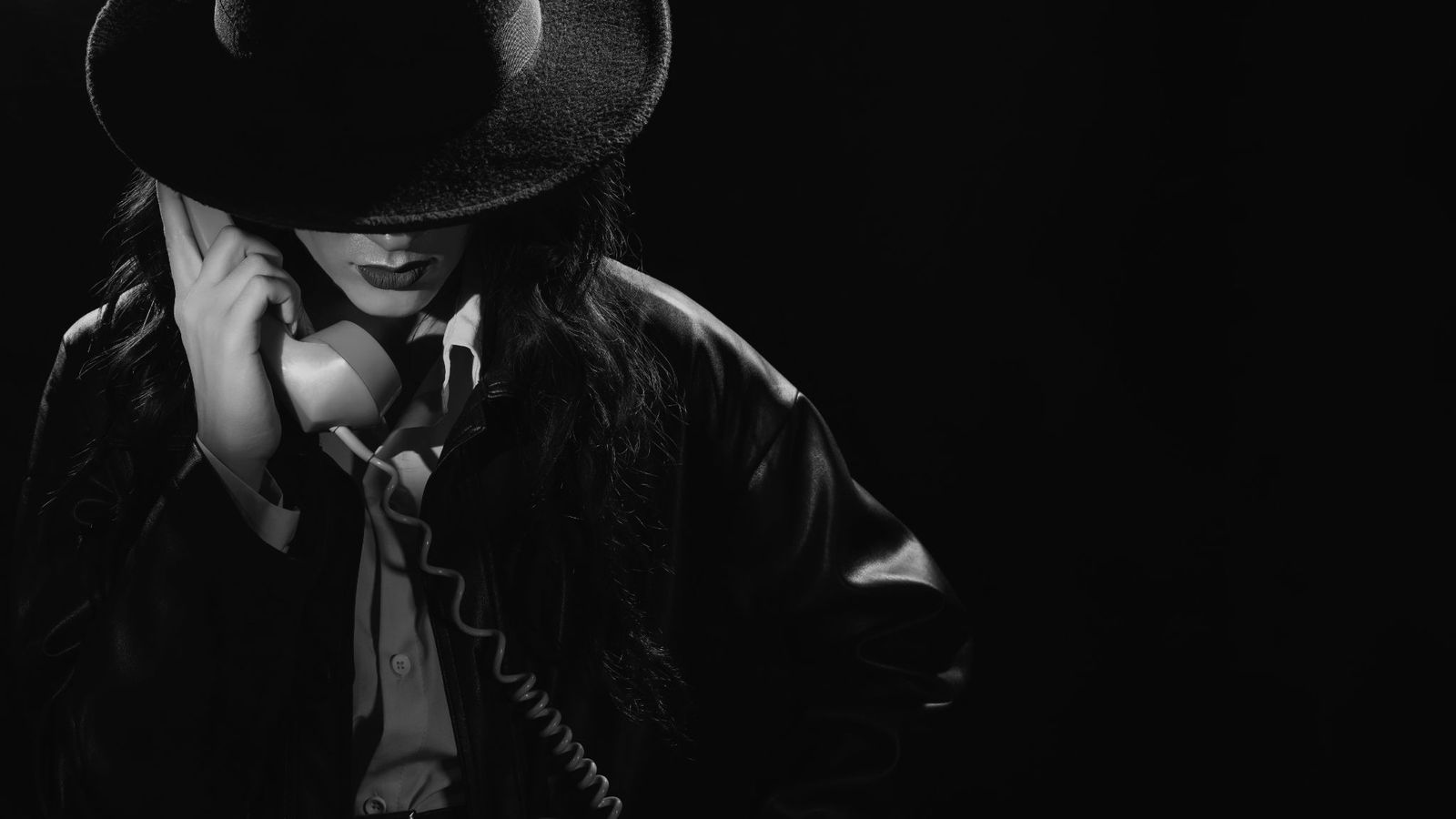
You probably have a favorite. Sabrina, Jill, and Kelly, the Charlie’s Angels, revolutionized the detective genre in the 1970s by proving that crime-fighting could be glamorous, action-packed, and, above all, female-led. Originally portrayed by Farrah Fawcett, Kate Jackson, and Jaclyn Smith, the Angels became instant pop culture icons.

Working for the wealthy, mysterious, and never-seen billionaire Charles "Charlie" Townsend, this trio of private investigators used their sharp wits, martial arts, and high-tech gadgets to crack cases that baffled traditional law enforcement and the public for decades.

4

Jason Bourne

Image: Erman Gunes

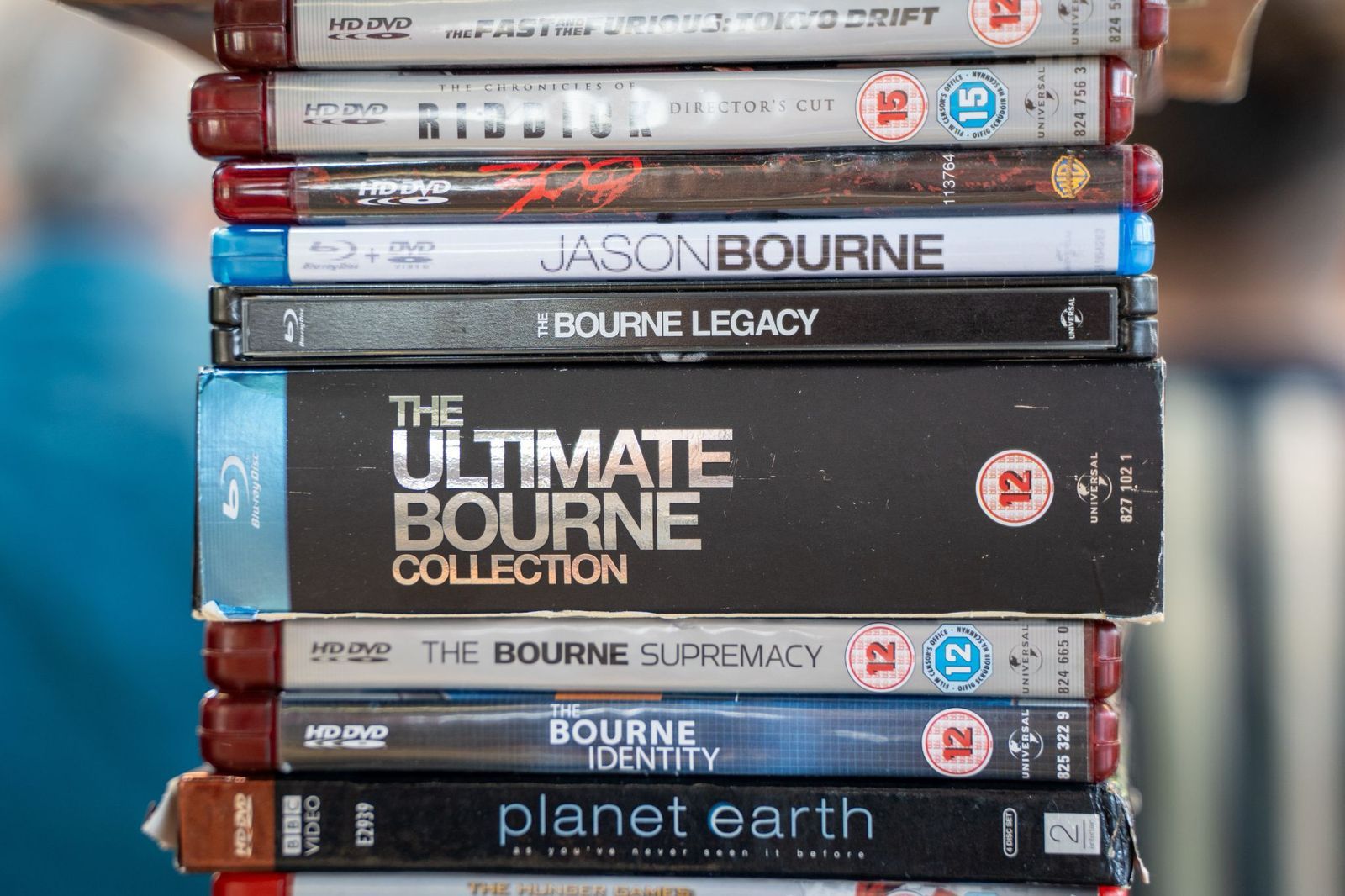
David Webb, better known by his alias, Jason Bourne, is a fictional CIA-trained operative and the central protagonist of the Bourne franchise, created by novelist Robert Ludlum in 1980.

He famously suffers from severe memory loss, triggering a desperate quest to discover his true identity while running from the very agency that trained him. He has unmatched hand-to-hand combat skills, is an expert at improvising everyday objects into weapons, and is highly adept at blending into crowds; abilities he doesn’t know he possesses until he needs them.

5

Sherlock Holmes

Image: New Africa

If you love solving mysteries, then there is no doubt you know this character, possibly even better than some of your friends. Holmes is the fictional London detective created by Sir Arthur Conan Doyle who uses logic and observation to solve seemingly impossible cases.

He first appeared in print in 1887 in A Study in Scarlet. Operating out of his famous residence at 221B Baker Street in London, Holmes is the archetypal genius sleuth whose methods helped shape the detective fiction genre forever. Also known for being moody, cold, and aloof, his friend Dr. Watson provided a more humane perspective, both within the stories and for the readers’ comfort.

6

Jessica Fletcher

Image: Albo

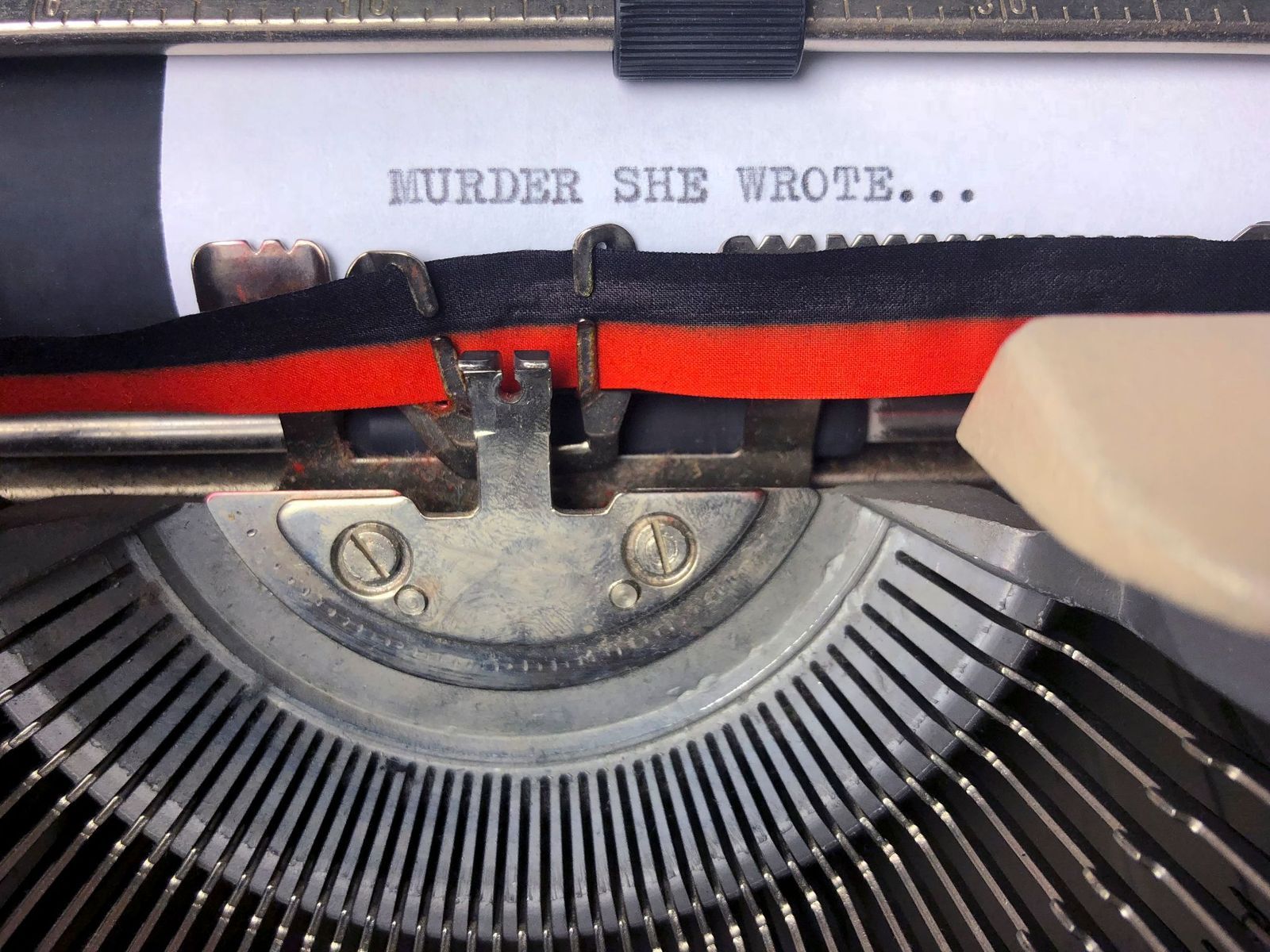
Jessica Fletcher is the famous fictional mystery writer and amateur sleuth from the television series Murder, She Wrote. She is a bestselling mystery novelist who lives in the fictional coastal town of Cabot Cove, Maine.

She has some sort of curse, since murder follows her everywhere she goes, whether she visits friends or travels the world. Luckily, she uses sharp observation and logic to solve crimes before the local police do.

7

Austin Powers

Image: Snap Spot

"It’s groovy, baby!" If what you’re looking for is solving crimes while having fun, Austin Powers, famous for saying this catchphrase, is the one. Powers is a comedic British secret agent and a hilarious parody of James Bond, created and played by actor Mike Myers.

Just like Bond, he works as a secret agent for the British government. The incredible twist is that he is frozen in the 1960s and wakes up in the 1990s. When he does, Powers keeps his 1960s clothes, slang, and wild personality, completely surprising everybody with his eccentricities. He may have been a terrible fit for the modern world, but that was precisely the joke.

8

Columbo

Image: Nomad_Soul

Detective Columbo is a famous fictional television detective, played by Peter Falk, known for his old raincoat and brilliant mind. He worked as a Lieutenant in the Los Angeles Police Department.

The show ran from 1968 to 1978, with later television movies airing through 2003, becoming a fan favorite, especially for Columbo’s seemingly clumsy, forgetful, and endlessly polite manners that made suspects underestimate him. In the end, he would always turn back at the door to say, "Just one more thing..." before asking the question that could unravel the entire case.

9

Maxwell Smart (Agent 86)

Image: New Africa

Maxwell Smart, also known as Agent 86, is a fictional, bumbling secret agent from the classic 1960s comedy television series Get Smart, played by Don Adams, who won three Primetime Emmy Awards for his portrayal of Smart.

With unforgettable code names, Smart worked for CONTROL, a secret U.S. government counter-intelligence organization, while constantly fighting KAOS, an international syndicate of evil. Above all, he stood out from the rest because he turned the serious, high-stakes world of 1960s secret agents into a hilarious television comedy.

10

Hercule Poirot

Image: CapturePB

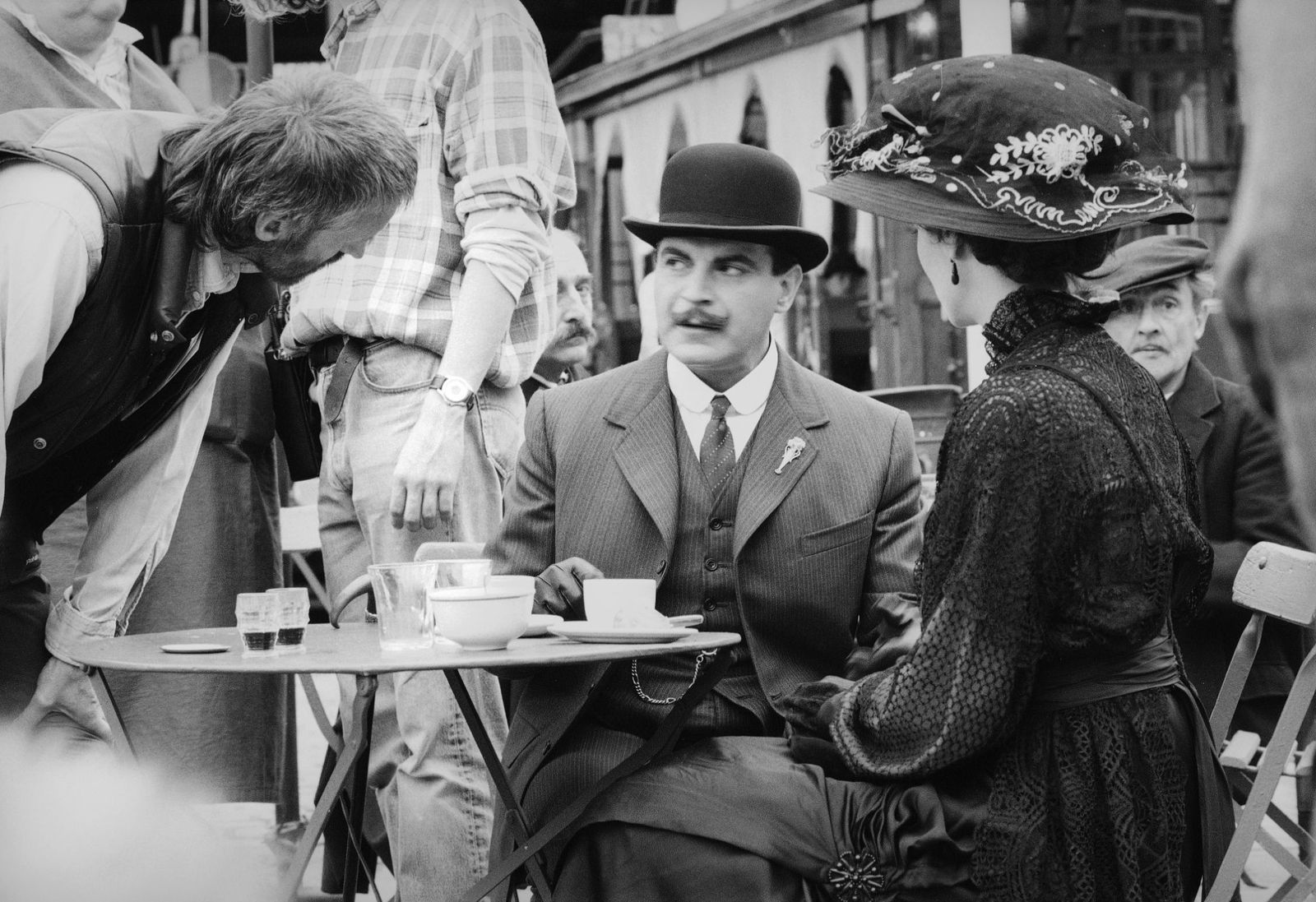
Hercule Poirot, created by writer Agatha Christie in 1920, quickly became a brilliant Belgian detective who relies entirely on his brainpower (his "little grey cells"), solving complex murders using extreme logic and psychology.

He also stood out for being very observant, sitting quietly to process facts rather than chasing clues outdoors. He was meticulous, orderly, and devoted to his routines. His distinctive look also makes him especially memorable, including his egg-shaped head, elegant clothes, and stiff, waxed mustache.

Translation and interpretation

Was the forbidden fruit really an apple? 10 Bible surprises


Published on September 15, 2026


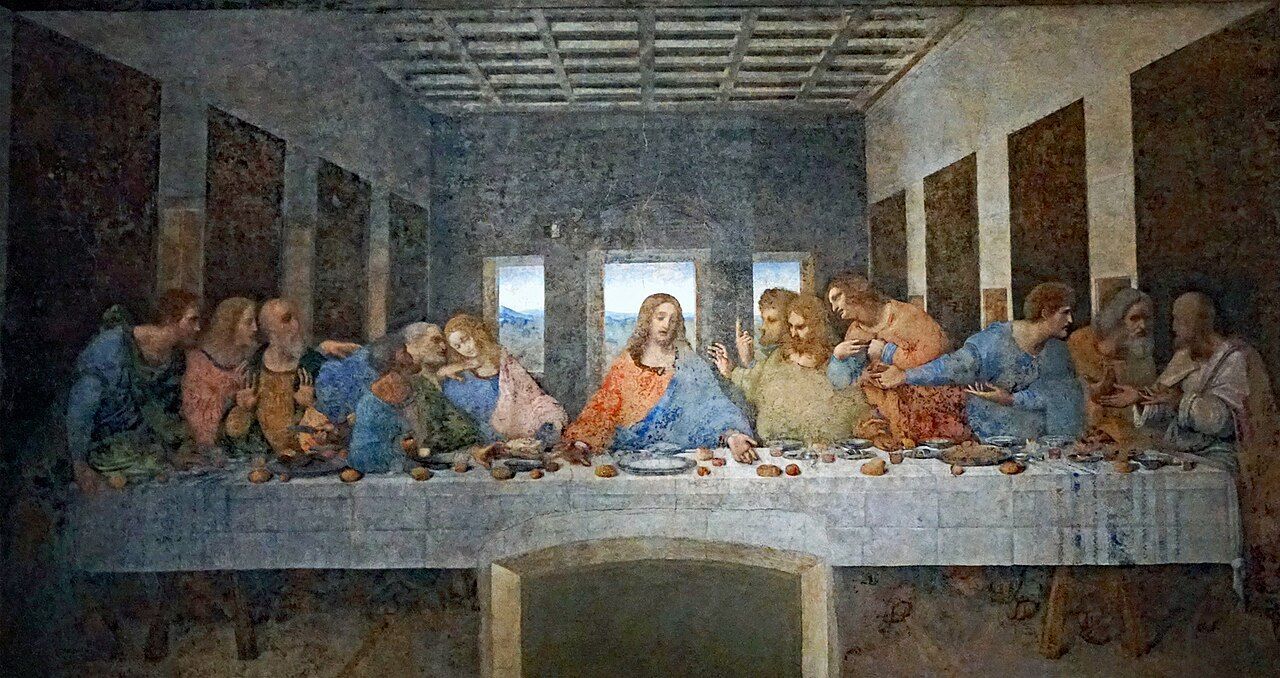
Image: Mariordo, CC BY-SA 4.0, via Wikimedia Commons

What if some of the Bible stories you grew up with aren't exactly what the Bible says? Was the forbidden fruit really an apple? Were there actually three Wise Men? Did "God helps those who help themselves" really come from the Bible? Over centuries, translations, traditions, and famous works of art have added details that became so familiar, we stopped questioning them. But go back to the texts, and some of these stories look surprisingly different. From Eve's "apple" to the date of Jesus' birth, here are 10 familiar parts of the Bible that may not be quite what we remember.

1

The forbidden fruit was an apple

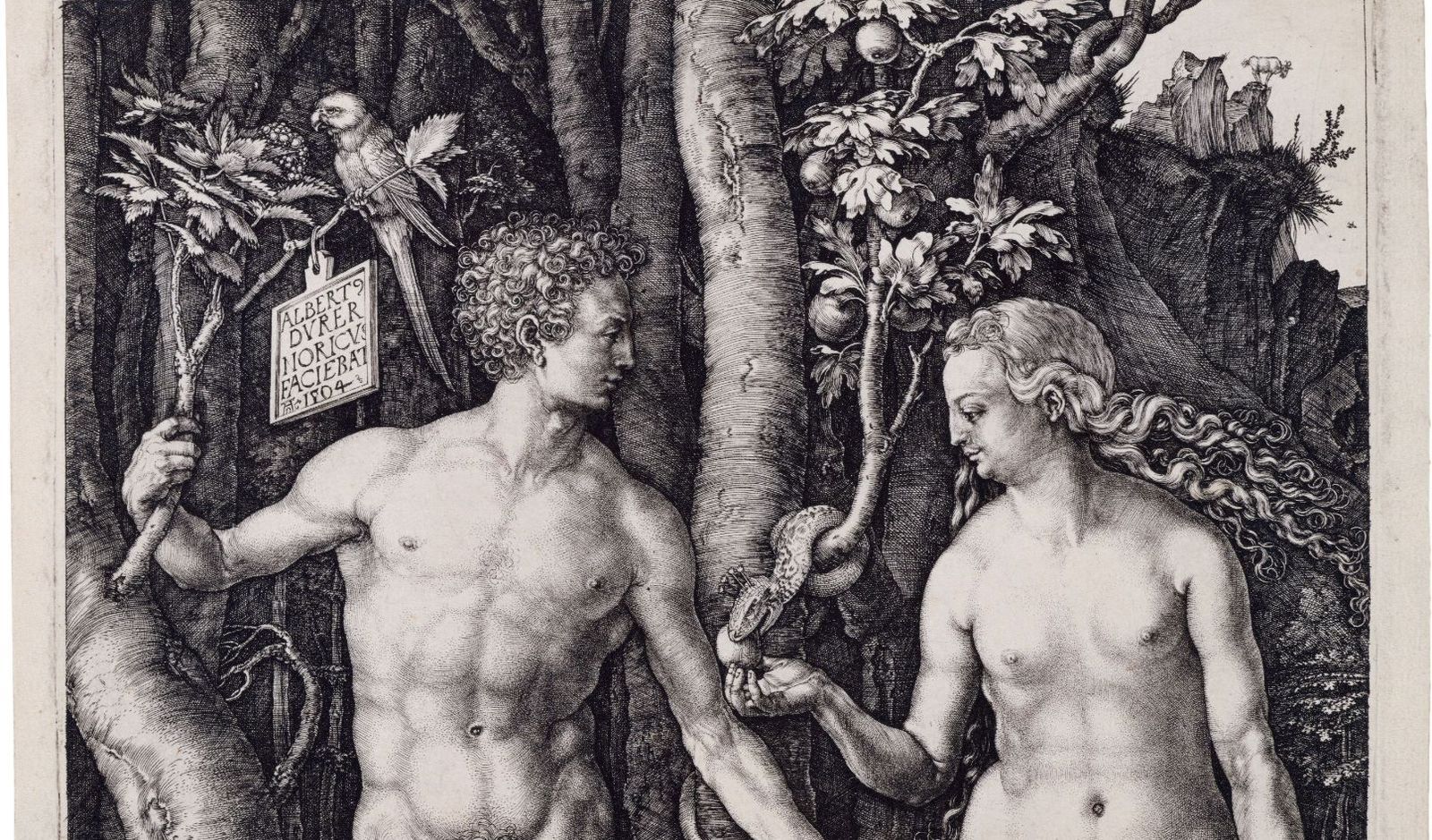
Image: Albrecht Dürer, Public domain, via Wikimedia Commons

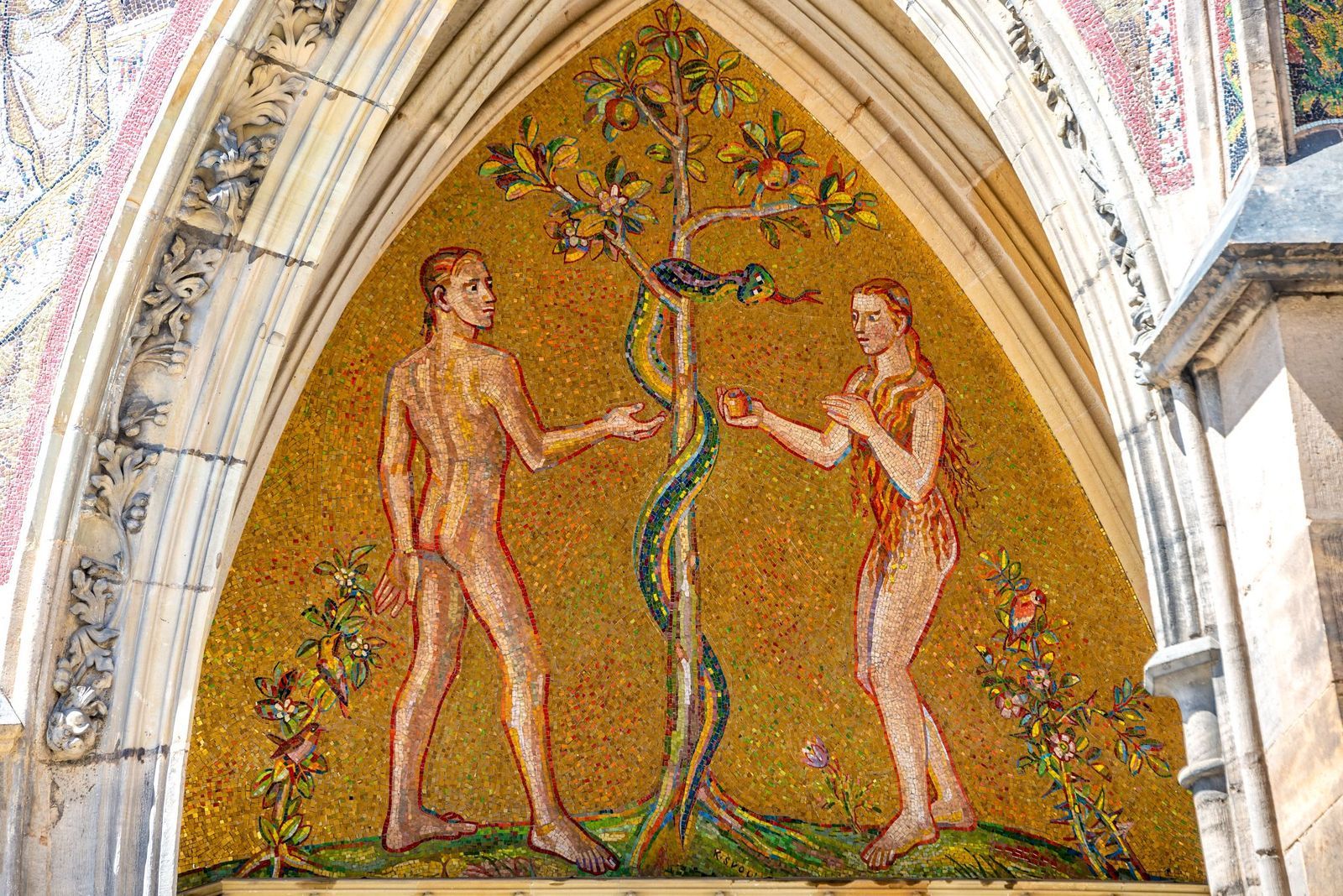
When you picture the Garden of Eden, what fruit comes to mind? Most people imagine an apple, but there's just one problem: the Bible never says it was an apple.

In the Book of Genesis, the fruit is simply called "the fruit of the tree of the knowledge of good and evil." The original Hebrew text uses the word peri, which simply means "fruit." The apple connection came centuries later, largely through the Latin translation. The Latin word malum can mean both "apple" and "evil," making it an especially fitting symbol for the story. Over time, that association spread through Christian art and literature. Famous works such as Albrecht Dürer’s 1504 engraving Adam and Eve (also known as The Fall of Man) helped cement the image of Eve holding an apple. Today, it's one of the most famous scenes in history, even though the original biblical text doesn’t identify the fruit as an apple at all.

2

There were three wise men/kings

Image: Rawpixel.com

The story of Jesus' birth is so famous that most of us picture the Three Wise Men, sometimes called the Three Kings, standing beside the manger. But the thing is, over the centuries, the story picked up a few details that aren't actually in the Bible.

In the Gospel of Matthew, the only Gospel that mentions these visitors, they are described simply as Magi from the East. The original Greek word, magoi, referred to learned scholars, astrologers, or priests from Persia or Babylon, not kings. But where did the number three come from? Matthew lists three gifts: gold, frankincense, and myrrh, but never says how many visitors brought them. Over the centuries, people naturally assumed there must have been three Magi, one for each gift. Even their familiar names, Melchior, Caspar, and Balthasar, were added later by Christian tradition. So, neither the number of visitors nor their names appears anywhere in the biblical text.

3

"God helps those who help themselves"

Image: Adam Nir

Whether it's used to motivate a friend, encourage a family member, or push yourself to finally make a difficult decision, "God helps those who help themselves" is one of the most familiar religious sayings in America. But here's the surprise: those words never appear in the Bible.

The idea can be traced to ancient Greek sources, including Aesop’s Fables, where the saying appears in an earlier form: "The gods help them that help themselves." The exact modern wording was written by English politician Algernon Sidney in 1698, but it was Benjamin Franklin who helped make it part of American culture when he included it in his 1736 edition of Poor Richard’s Almanack.

4

"Cleanliness is next to godliness"

Image: John Jackson, CC BY 4.0, via Wikimedia Commons

Many teenagers have heard "Cleanliness is next to godliness" when it was time to clean their rooms. But despite sounding like a Bible verse, the phrase never appears in Scripture.

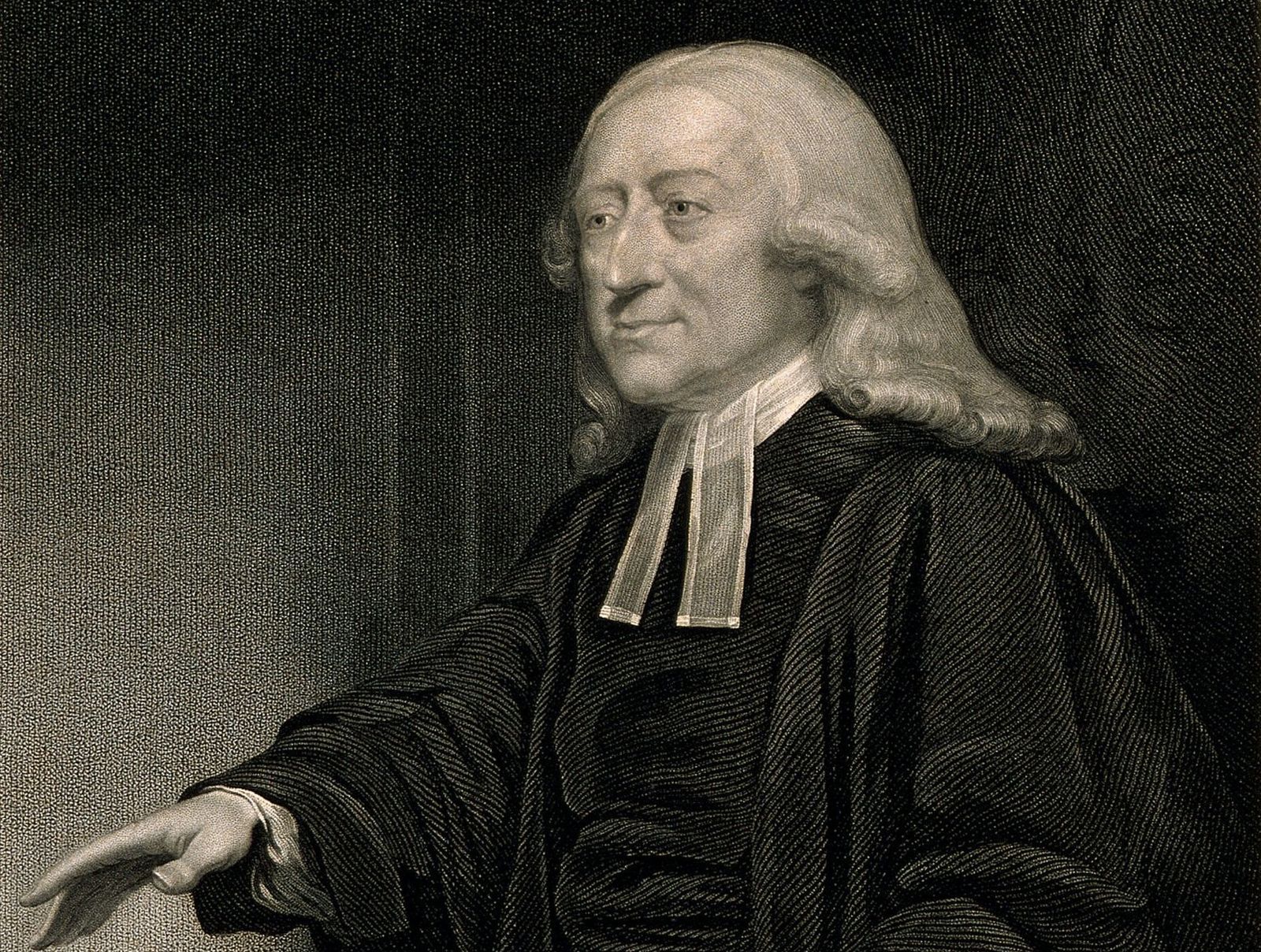
The Bible, particularly Leviticus, does contain extensive laws requiring people to wash their bodies and clothes in certain circumstances, especially before religious rituals. But the famous saying itself came much later. In 1605, Francis Bacon wrote in The Advancement of Learning that "cleanness of body" was connected to reverence for God. Then, in 1786, it was Methodist leader John Wesley who used the wording we recognize today in a sermon: "Cleanliness is indeed next to Godliness." Over time, the phrase became a familiar saying that many people simply assumed came from the Bible.

5

The date of Jesus' birth

Image: http://www.parrocchiasantagata.org, CC0, via Wikimedia Commons

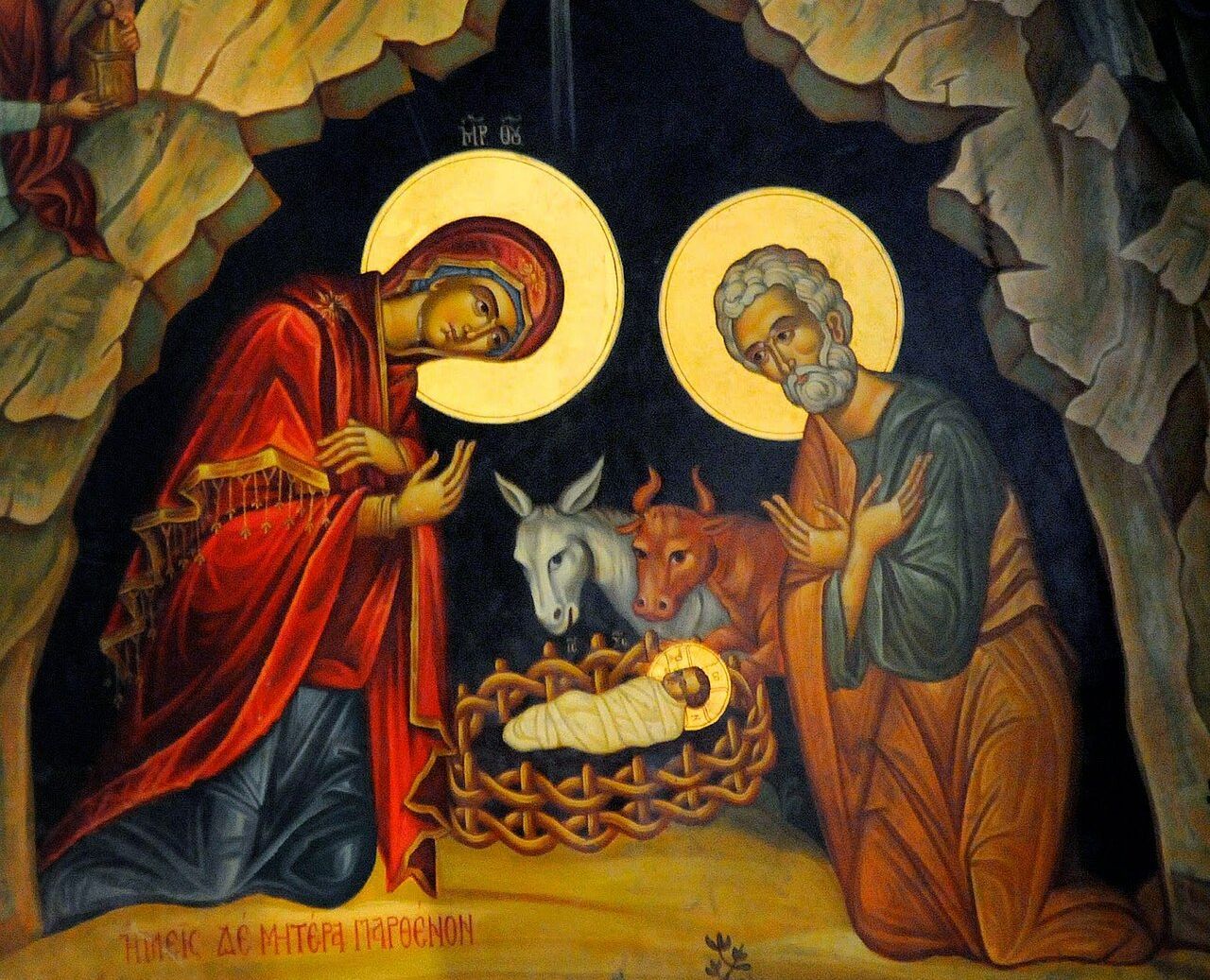
When it comes to famous dates, December 25 may be the most recognizable of all, universally associated with Christmas. But here's the surprising part: the Bible never gives any specific date for Jesus' birth.

The Gospels of Matthew and Luke describe the Nativity but never provide a calendar date, so how did December 25 become Christmas? There are two leading theories. The first is that the Roman Church was celebrating Christmas on December 25 by 336 AD, during Constantine's reign, possibly choosing the date to coincide with existing Roman winter festivals and make it easier to convert the empire to Christianity. The second points to an early Christian tradition that calculated Jesus' birth date from the supposed date of his crucifixion, eventually arriving at December 25.

6

Jonah and the Whale

Image: Pieter Lastman, Public domain, via Wikimedia Commons

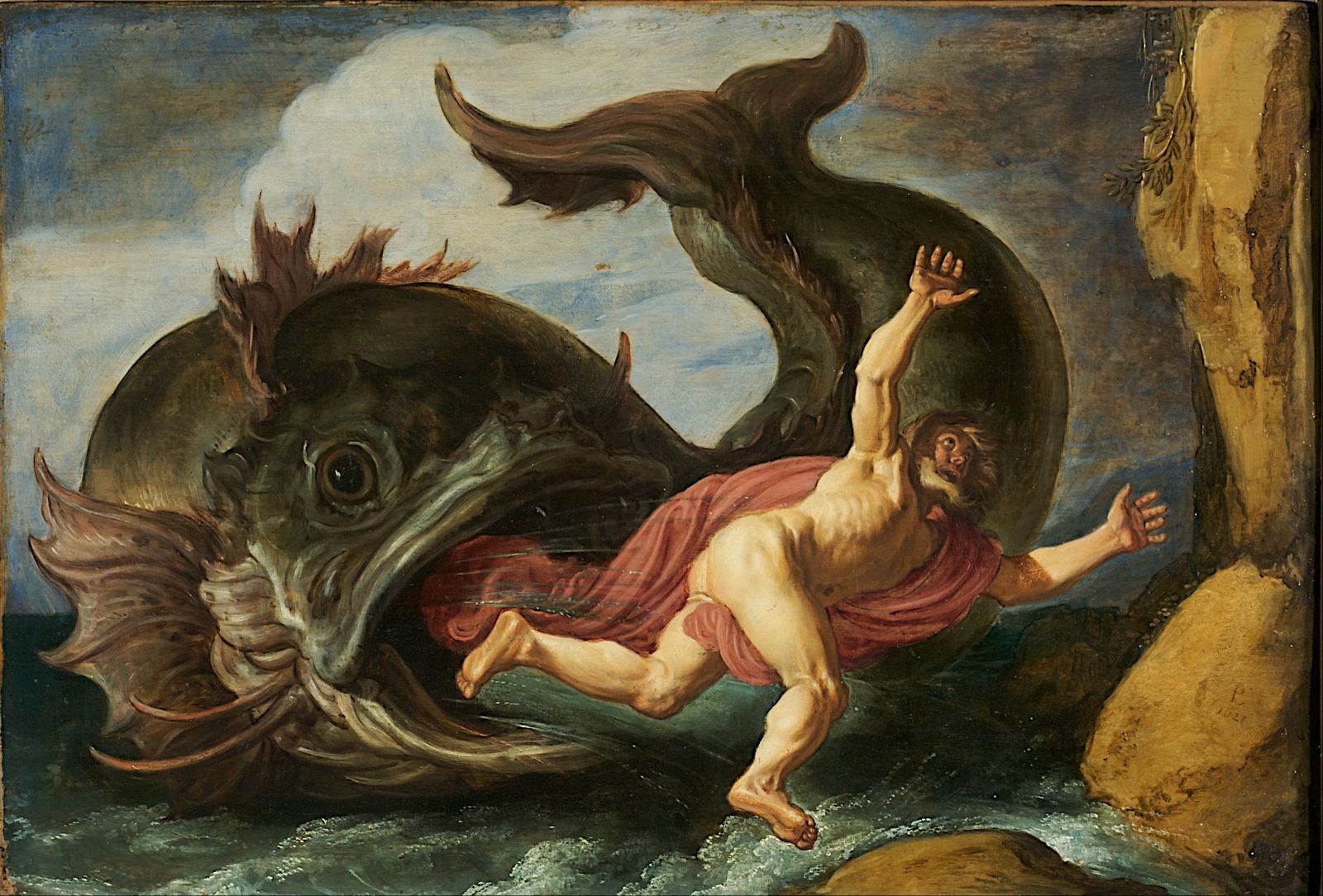
The story of Jonah and the Whale is so famous that it has appeared literally or symbolically in innumerable works of art and literature, from Michelangelo's Sistine Chapel ceiling (1508-1512) to Herman Melville's 1851 novel Moby-Dick. But there's a small problem with the title we've given it: the Bible doesn’t actually say it was a whale.

In the Old Testament, the original Hebrew text of Jonah 1:17 uses the words dag gadol, meaning "great fish" or "large fish"; it doesn't identify the creature as a whale, or even specify what kind of fish it was. Most modern English translations therefore stick with "great fish," but the familiar "whale" interpretation developed through older translations and later European tradition, eventually becoming so widespread that "Jonah and the Whale" became the name almost everyone recognizes.

7

The serpent in Eden was Satan

Image: neurobit

Just as we've always pictured the forbidden fruit as an apple, many of us also assume the serpent in the Garden of Eden is the devil himself. But the original story is a little more complicated.

A plain reading of Genesis depicts the creature simply as a serpent or snake, using the Hebrew word nachash. It describes the serpent as clever and crafty, but it never calls it Satan or explicitly identifies it as the devil. So where did the connection come from? The answer comes from later parts of the Bible, particularly the New Testament. In Revelation 12:9 and 20:2, Satan is called "the ancient serpent" (ho ophis ho archaios in Greek), connecting him to the snake of Eden. Over time, Christian tradition applied that later connection back to Genesis, leading to the familiar belief that the serpent was Satan himself.

8

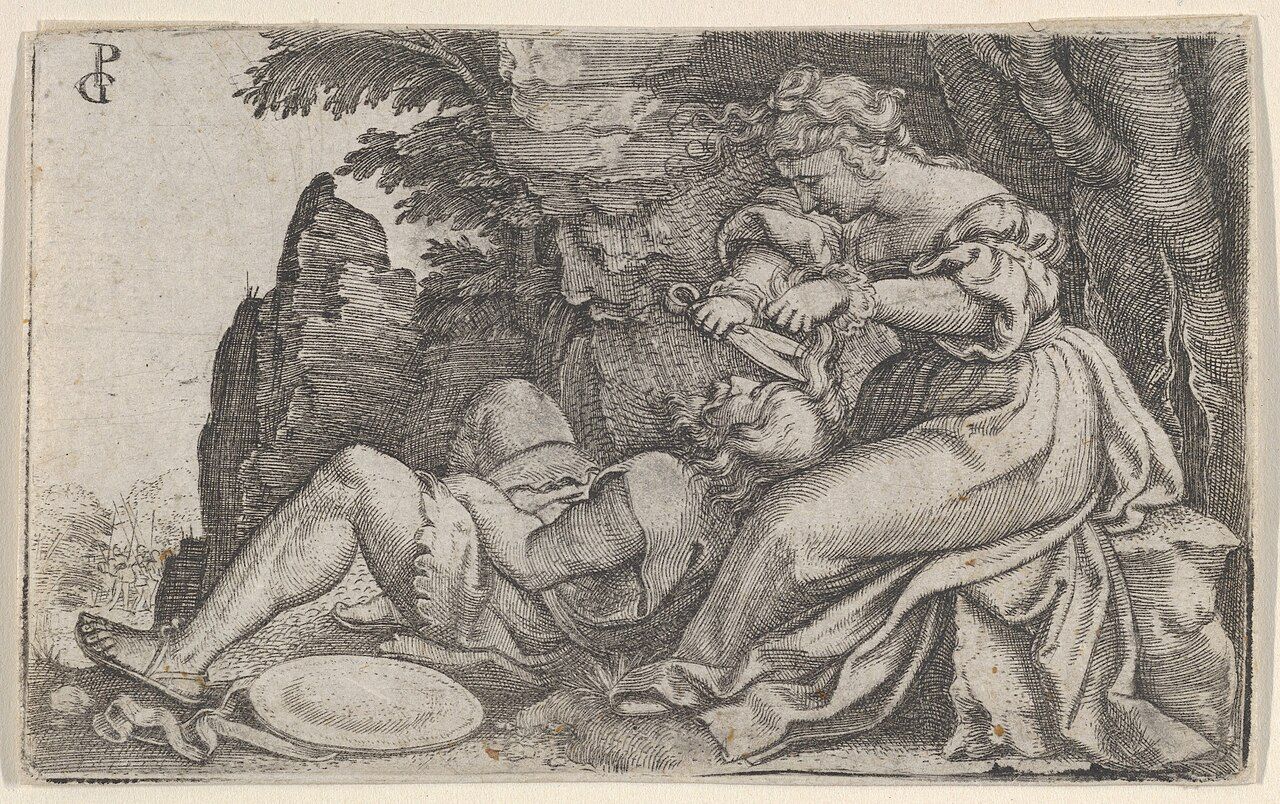
Delilah Cut Samson’s Hair

Image: Georg Pencz, CC0, via Wikimedia Commons

Many of us remember Samson for his legendary strength and the long hair that was said to be the source of his power. His story with Delilah is one of the Bible's most famous tales of betrayal, but there's one detail some people may have gotten wrong: Delilah didn't actually cut his long hair.

In Judges 16:19, Delilah has Samson's hair shaved while he sleeps on her lap. The text says she called for a man to do the shaving; it never says she did it herself. Yet paintings, films, and other retellings have often shown Delilah wielding the scissors herself, cementing that image in popular culture. It can be considered a small detail, but it’s a great example of how easily familiar Bible stories can pick up elements that aren't actually in the original text.

9

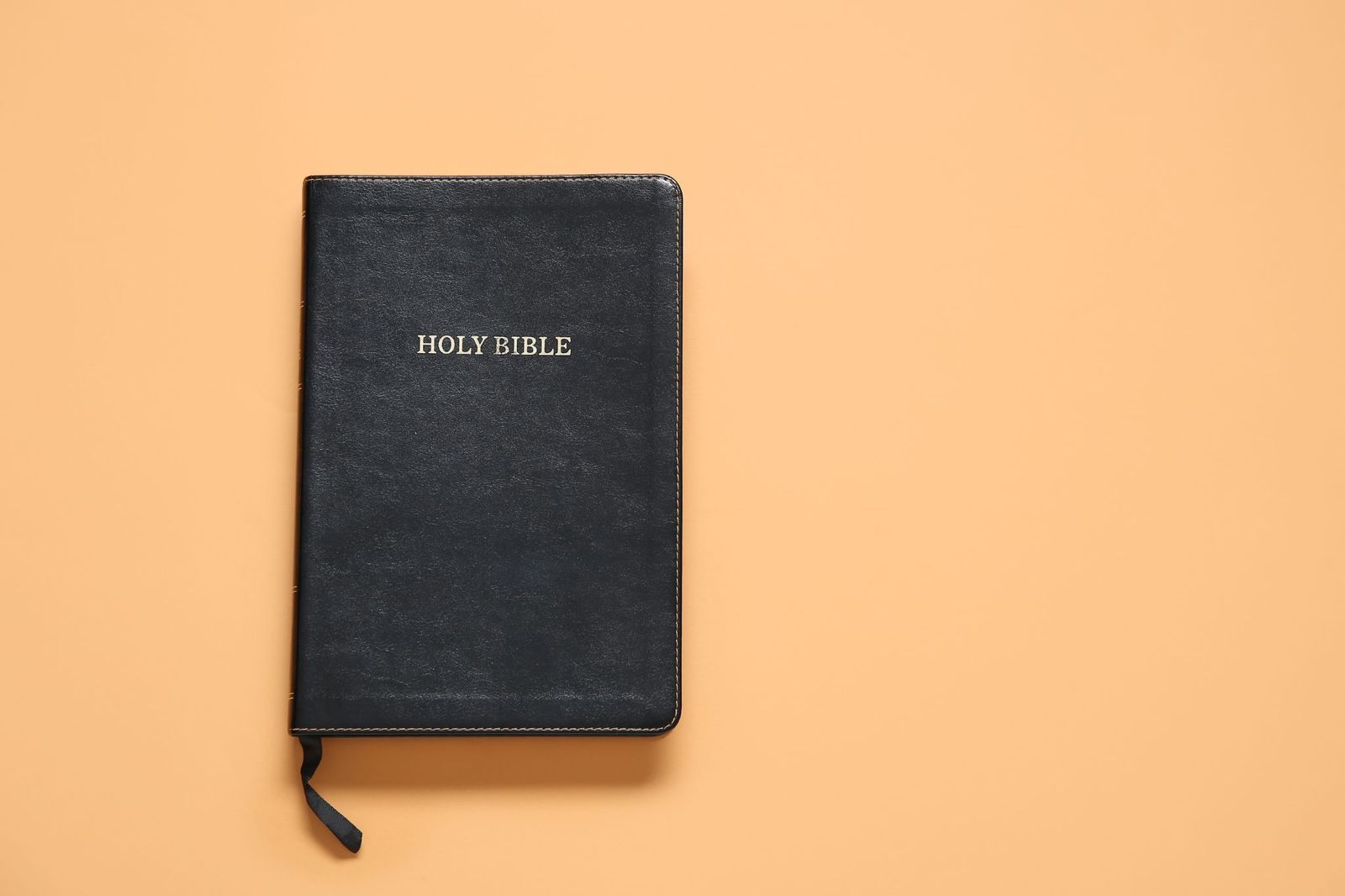
The Bible is a single-voice book

Image: Pixel-Shot

Many of us think of the Bible as a single book, written at one particular time by one author, or perhaps a handful of them. After all, that's how it looks when you pick one up in a hotel room, but its history is far more complicated.

The Bible is actually a collection of books written by over 40 authors over roughly 1,500 years, from about 1400 BC to AD 100. The exact number of books varies by religious tradition: Protestant Bibles contain 66 books, while Catholic and Orthodox traditions include additional books. Across these different traditions, the writings were produced by kings, prophets, fishermen, and scholars in Hebrew, Aramaic, and Greek. They also span a tremendous range of literary styles, including history, poetry, songs, laws, letters, and prophecy. So while we hold it as one book today, the Bible is actually a collection of many different writings produced across centuries.

10

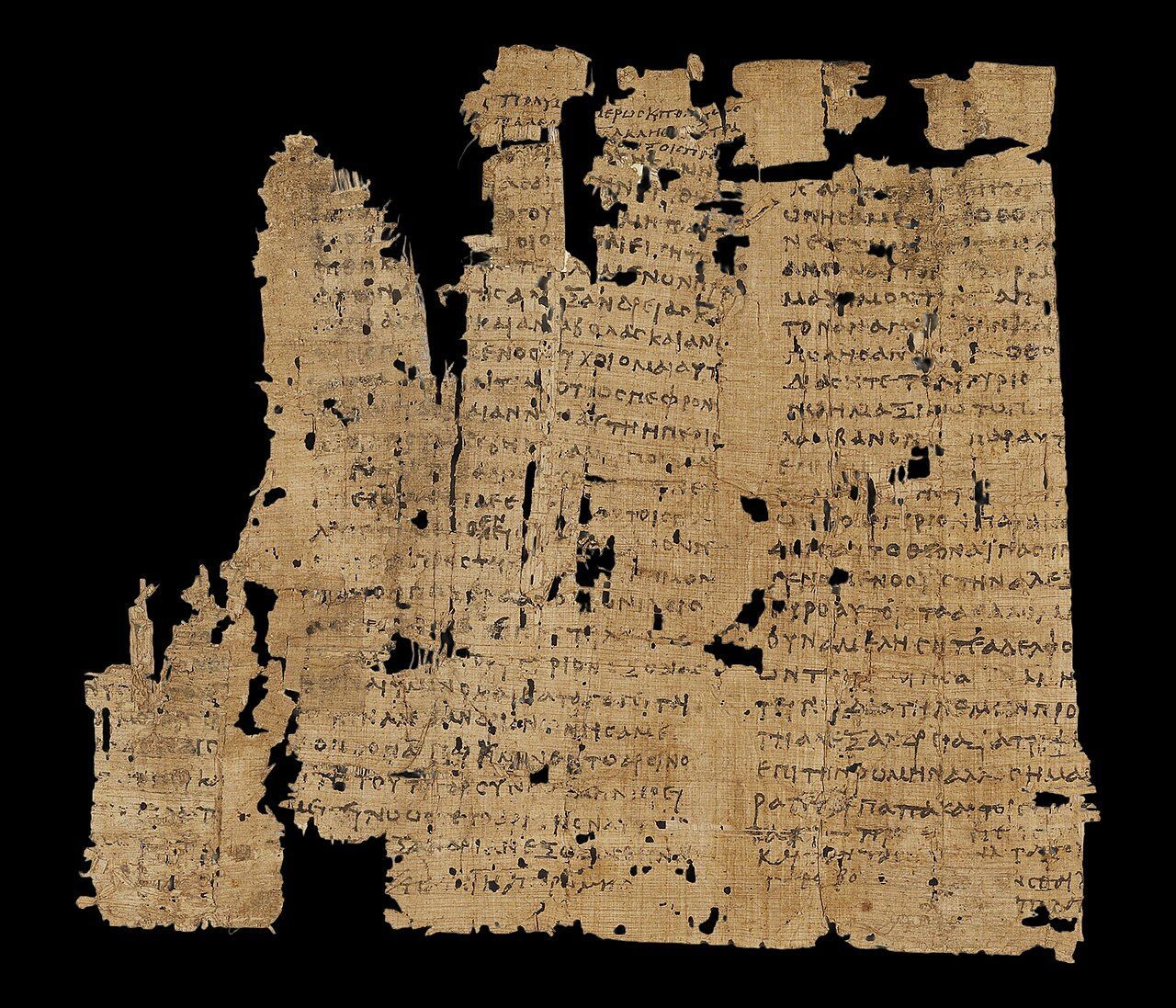
Original manuscripts still exist

Image: https://www.themorgan.org/manuscript/350198, Public domain, via Wikimedia Commons

Many people assume that at least a few original fragments of the Bible must still exist somewhere. It would be incredible if they did, but none of the original manuscripts, known as autographs, have survived.

The earliest biblical texts were written on fragile materials such as papyrus and animal skins, which could deteriorate through humidity, heat, handling, and simple age. Wars, fires, and other destruction also contributed to their disappearance. So how do we know what the originals said? Through a technique called textual criticism: expert scholars compare thousands of handwritten copies, ancient translations, and quotations from early Christian writers. When they find passages that match across different sources, or differences that reveal how a text changed over time, they can work backward to determine what the original most likely said, even though the original manuscripts themselves are gone.

Looking for an extra scoop of literary fun?

Learn more with our Word of the day

atrocity

/əˈtrɑsədi/