Why did Red Bull's famous slogan cost the company $13 million?


Published on October 26, 2026

Image: HowLettery

Some slogans are so catchy that you could probably finish them in your sleep. "Have a break, have a…" But what's the story behind these iconic phrases? Did you know Red Bull's famous slogan cost the company millions of dollars? And how did Mastercard, a company built around spending money, create one of its most famous campaigns around the idea that some things are priceless? The answers aren't always what you'd expect. Here are 10 famous slogans and their surprising origin stories.

1

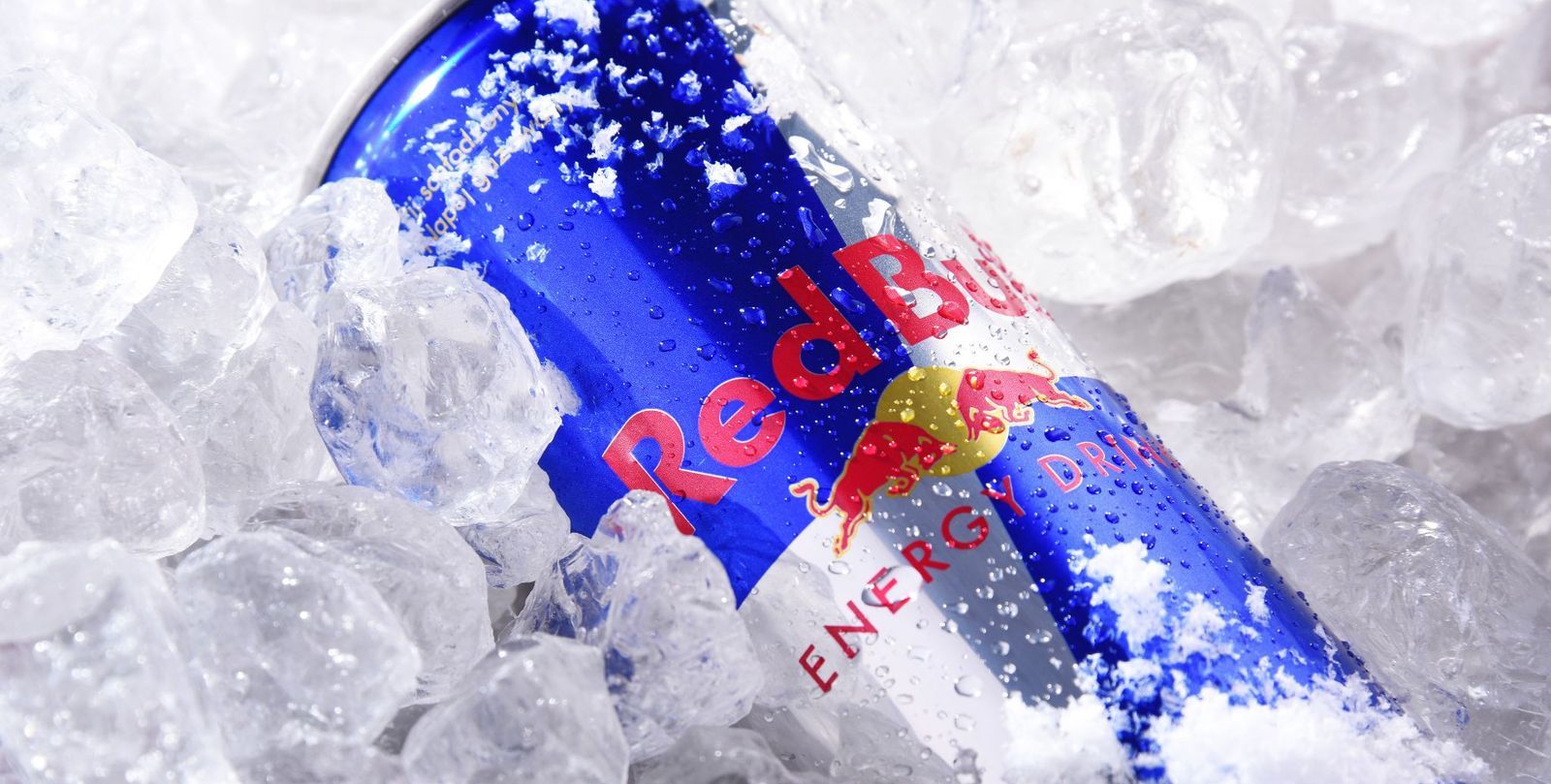
Red Bull: "Red Bull gives you wings"

Image: monticello

Did you know Red Bull’s famous slogan cost the company 13 million dollars? The slogan originated in Austria with entrepreneur Dietrich Mateschitz, promising customers the boost they needed to go further, with the clever use of the word "wings" suggesting extra energy and performance.

But in 2014, a man sued Red Bull for "false advertising" because the drink didn’t give him wings and falsely implied it offered superior physical and mental performance. The company eventually settled for $13 million, allowing eligible Red Bull customers to claim either $10 in cash or $15 worth of free products—though Red Bull didn't admit any wrongdoing.

2

Mastercard: "There are some things money can't buy. For everything else, there's Mastercard"
Image: Yalcin Sonat

In 1997, Mastercard ran a commercial about a father and son at a baseball game, where the cost of tickets and snacks contrasted with the value of spending time together. But how does a credit card company sell its product by telling people some things can’t be bought?

The idea was simple: what do people actually value? That way, even though they were selling a product directly tied to money, they made it about family and important moments. The campaign became one of Mastercard's longest-running and most famous ads.

3

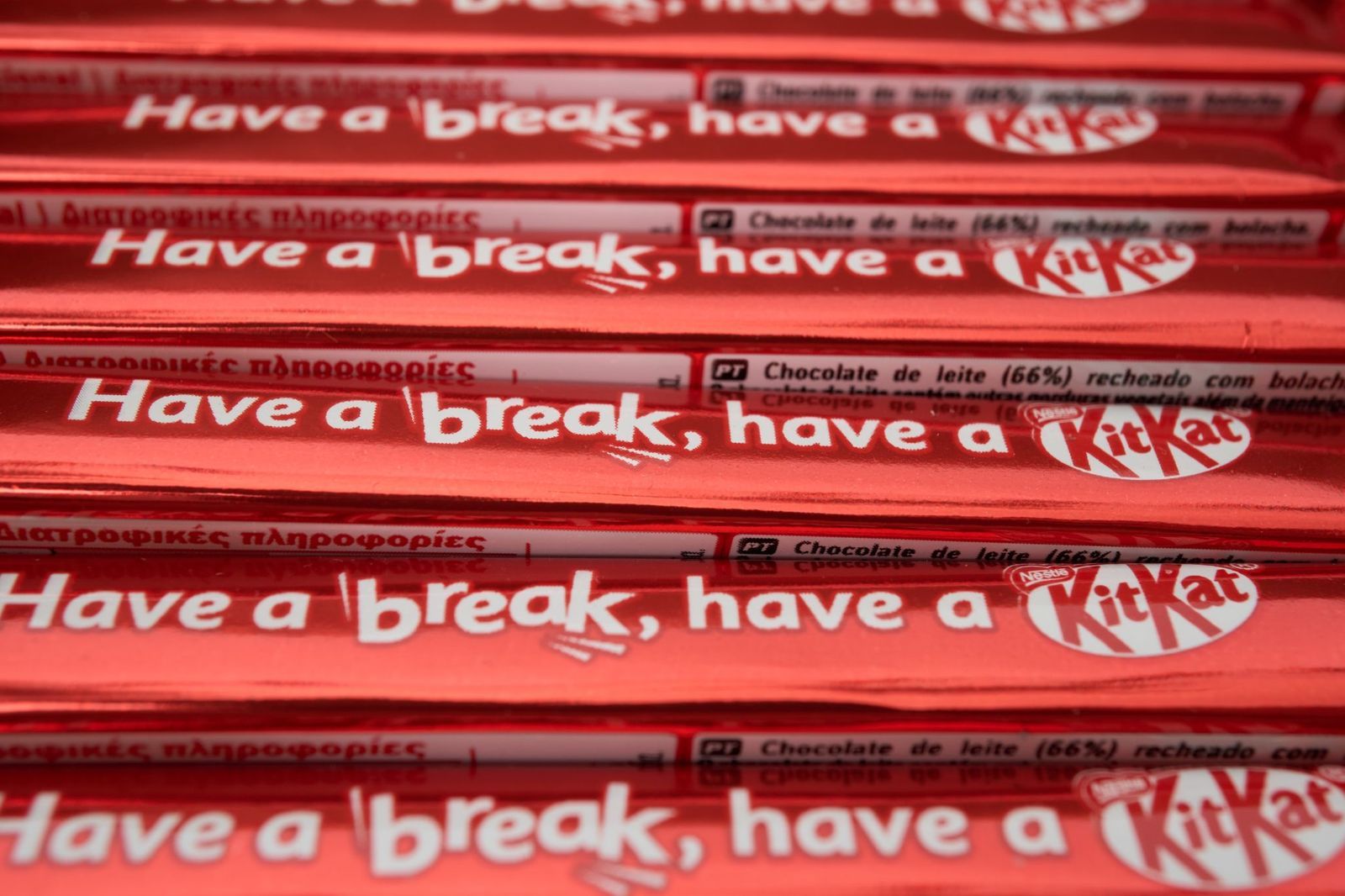
KitKat: "Have a break, have a KitKat"

Image: Natasha Zakharova

KitKat has one of the most recognizable yet simple slogans around. But how did they come up with it? It was created in the late 1950s by Donald Gilles of the London advertising agency J. Walter Thompson.

The message was clear: Just take a break from work and enjoy a chocolate bar. The first TV commercial showed people taking breaks at work, reinforcing the idea that KitKat was perfect for a short rest and linking it to a familiar habit. The slogan caught on so well it’s still being used today.

4

Levi’s: "Quality never goes out of style"
Image: marekuliasz

Levi’s was using this slogan by 1978, but why did it stick? The message connected with people who care not just about fashion but also about durability, and suggested that its high-quality clothes never lose their appeal. That way, Levi’s built its reputation as a brand that sells things that last. Over time, the advertising line actually became a promise to customers about the quality and durability of its products.

5

Kodak: "Share moments. Share life"

Image: Robson90

The iconic camera company Kodak had used the idea of a "Kodak moment" for decades, but in 2001, it introduced a famous twist to the formula to promote its digital cameras. But why did the slogan work so well? Before smartphones, Kodak was one of the biggest names in home photography, and taking pictures with one of its cameras was a typical way to capture the moments you wanted to remember.

The slogan tapped into that feeling very well, and instead of just buying cameras, it made people feel they were buying memories.

6

PlayStation: "Live in your world. Play in ours"
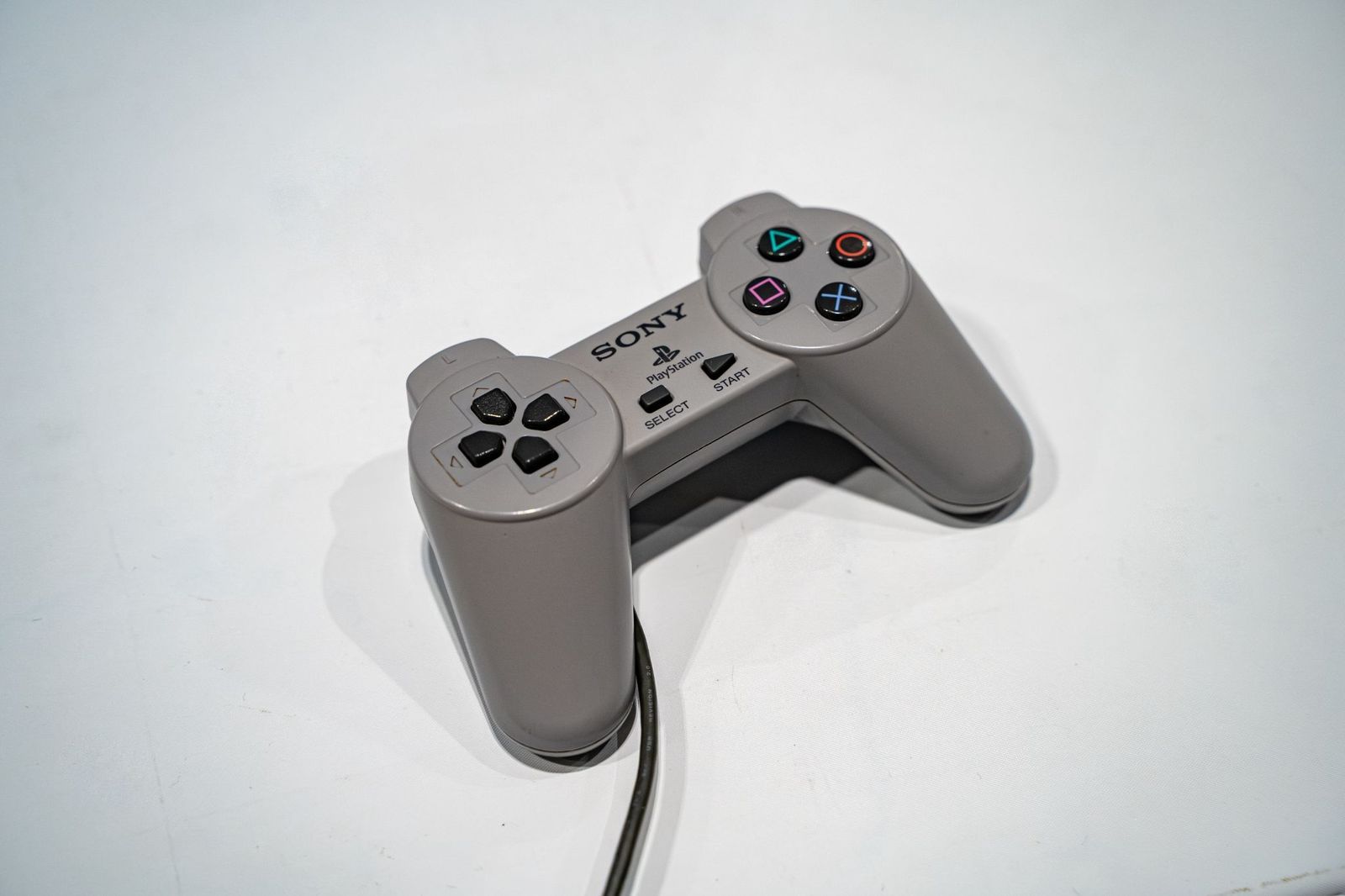
Image: Erman Gunes

This slogan made PlayStation sound like a ticket to another world. What was the secret behind it? Both the PlayStation 1 and 2 brought major advancements in graphics, making video games more and more immersive.

So, in the late 1990s and early 2000s, Sony leaned into the idea that video games could transfer players to an alternative world where nothing mattered except the game. The phrase conveyed the emotional appeal of gaming without naming a single game or console feature.

7

The Washington Post: "Democracy dies in darkness"
Image: Bangla press

The Washington Post officially adopted this slogan in February 2017, but why did the newspaper choose those words after nearly 140 years in business? Owner Jeff Bezos reportedly wanted a phrase that captured the newspaper's mission of holding powerful institutions accountable.

The expression "democracy dies in darkness" was popularized by journalist Bob Woodward, who explained he got the idea from a judge's opinions about government secrecy. The staff considered more than 500 slogan ideas before settling on it.

8

Airbnb: "Belong anywhere"

Image: Boumen Japet

Airbnb went on to become one of the world's most recognizable home-rental platforms. The company wanted to express a simple idea: no matter where you traveled, you could feel at home. So it summed it up in just two words.

In 2014, Airbnb rebranded to put that idea front and center. Even its logo changed to a symbol that showed a heart, a location pin, and the letter "A."

9

Netflix: "See what’s next"

Image: Mijansk786

We've all said, "Just one more episode," and Netflix knew exactly how to make the most of that. Netflix introduced the slogan around 2014, as streaming was becoming a much bigger part of how people watched TV.

But in 2020, Netflix moved away from "See what’s next" to "One story away." The idea was not to focus on endless consumption, but on the emotional impact a single story can have on you.

10

Ferrari: "We are the competition"

Image: jhxfilm

Ferrari built its reputation on powerful sports cars and a long history of racing. So a slogan like "We are the competition" reflected the company's competitive roots, but with a clever twist that made it clear to other brands that Ferrari was the team to beat. This slogan was introduced in the mid-1980s, and even though Ferrari may not use it officially today, it remains one of its most memorable lines.


GRAMMAR GLITCHES

The 10 Funniest Mistakes, Typos, And Misprints In History


Published on October 26, 2026


Image: Natalia Y.

Everyone makes mistakes, that’s a given. But sometimes, even the smallest slip-ups can lead to catastrophic outcomes, no matter how unintentional. These grammatical gaffes stand as a testament to the power of language, reminding us to always proofread before making history.

From political slip-ups to literary lapses, here are ten instances where, er… let’s call them unexpected linguistic detours, induced everything from laughter to financial ruin.

1

Dan Quayle’s spelling nightmare

Image: Lars Blankers

In 1992, during a visit to a New Jersey elementary school, then Vice President Dan Quayle put himself in an embarrassing situation when he tried to correct what he thought was a spelling mistake. After a 12-year-old student correctly spelled the word "potato", he promptly added an e to the end of the word, creating an awkward moment as he insisted that "potatoe" was the correct spelling.

2

Holy blunders

Image: Priscilla Du Preez

A 1631 edition of the Bible became infamous as it contains a number of mistakes that substantially distort the intended message of the sacred text. Known as the "Wicked Bible", among its most egregious blunders is the omission of the word "not" from one of the Ten Commandments, transforming the original sentence into the scandalous directive, "Thou shalt commit adultery." However, some argue that this was not a product of lazy proofreading, but rather sabotage from a competitor.

3

Dogberryisms aplenty

Image: Taha

Constable Dogberry, a character in one of Shakespeare’s most beloved comedies Much Ado About Nothing, became the namesake for malapropisms, as he consistently ends up uttering absurd phrases while attempting to sound intelligent. Some of the most popular "dogberryisms" include confusing suspect with respect, ex-communication with communication, comprehend with apprehend, and even redemption with damnation!

4

NASA’s most expensive typo

Image: SpaceX

How expensive can a typo be? Well, as NASA found out, almost 80 million dollars. In 1962, a missing mathematical symbol in Mariner I’s code led to the spacecraft blowing up in a million pieces over the Atlantic. How could this happen? Apparently, an engineer missed an overbar (a mathematical figure that indicates the mean of a set) while transcribing the calculations by hand. This caused the spacecraft to overcorrect its trajectory, eventually throwing it off course.

The takeaway from this story is simple: always proofread. After all, even the most brilliant people are not immune to making mistakes.

5

How to profit from a comma

Image: micheile henderson

Talking about expensive typos, a misplaced comma in the 13th Tariff Act cost the United States over 40 million dollars in 1872. The Act included a list of items exempt from taxation upon entry to the country, and included in the list was an item that read "fruit, plants tropical and semi-tropical for the purpose of propagation or cultivation."

According to the government, the comma was meant to be a hyphen, meaning fruit-bearing plants, but the correct grammatical interpretation suggested that all fruit were included in the exemption. It took almost two years to fix the mistake, but it was already too late.

6

Yogi Bear’s last laugh

Image: Janko Ferlič

Don’t worry kids, Yogi Bear is totally fine. But for a moment in 2015, Associated Press declared the cherished bear dead, when someone published Yankees’ legend Yogi Berra’s obituary under a hysterical title: "Yogi Bear has died. He was 90." While this was likely the mix-up of an underslept intern, Berra was known for his amusing unintentional witticisms and malapropisms, remembered for gems like "It ain't over 'til it's over," "It's déjà vu all over again," and "Nobody goes there anymore. It's too crowded."

7

[INSERT TITLE HERE]

Image: AbsolutVision

In a peculiar incident in December 2017, a Cambridge newspaper unintentionally became viral when a placeholder reading "100PT SPLASH HEADING HERE" found its way into the headlines. Meant for internal use during layout, the cryptic text unexpectedly amused readers and sparked online speculation, with some even joking about the headline being a warning of an incoming tsunami wave. The newspaper’s editor-in-chief later apologized profusely for the amusing mishap, which was allegedly caused by a technical issue.

8

A successful literacy program

Image: Michał Parzuchowski

Around 2010, an article from an unknown local newspaper went viral for misspelling "Mississippi" as "Missippi." You might argue that they simplified it, but the funniest part is that the article was about the purported success of a literacy program in the state. Maybe the program needed to focus on newspapers too.

9

Guardians of grammar

Image: Peter Lawrence

The Guardian, one of the UK's most renowned newspapers, earned an unintentional reputation for its numerous typos. In a memorable blunder, it once printed its own name as "Gaurdian," prompting satirical magazine Private Eye to nickname them "Grauniad." Overall, the newspaper took it in good stride, and the nickname is still playfully used, even among its journalists, to refer to the media outlet with a touch of humor.

10

Come in

Image: Daria Kraplak

Unbeknownst to most, James Joyce’s famous novel Finnegans Wake hides an easter egg of sorts. When it comes to an author famous for his experimental and gibberish-like writing, what can possibly be considered a mistake or a typo? Well, it seems the author used to dictate parts of his work to his friend Samuel Beckett, and during one of these sessions, someone knocked at the door, with Joyce immediately saying "Come in." Without thinking twice, Beckett wrote that along with the rest of Joyce’s dictation. It is likely that Joyce noticed the gaffe, but decided to leave it there just to mess with the readers.

Looking for an extra scoop of literary fun?

Learn more with our Word of the day

bellicose

/ˈbɛləˌkoʊs/