The places on your plate

Do you know which real city gave the hamburger its name?


Published on September 16, 2026
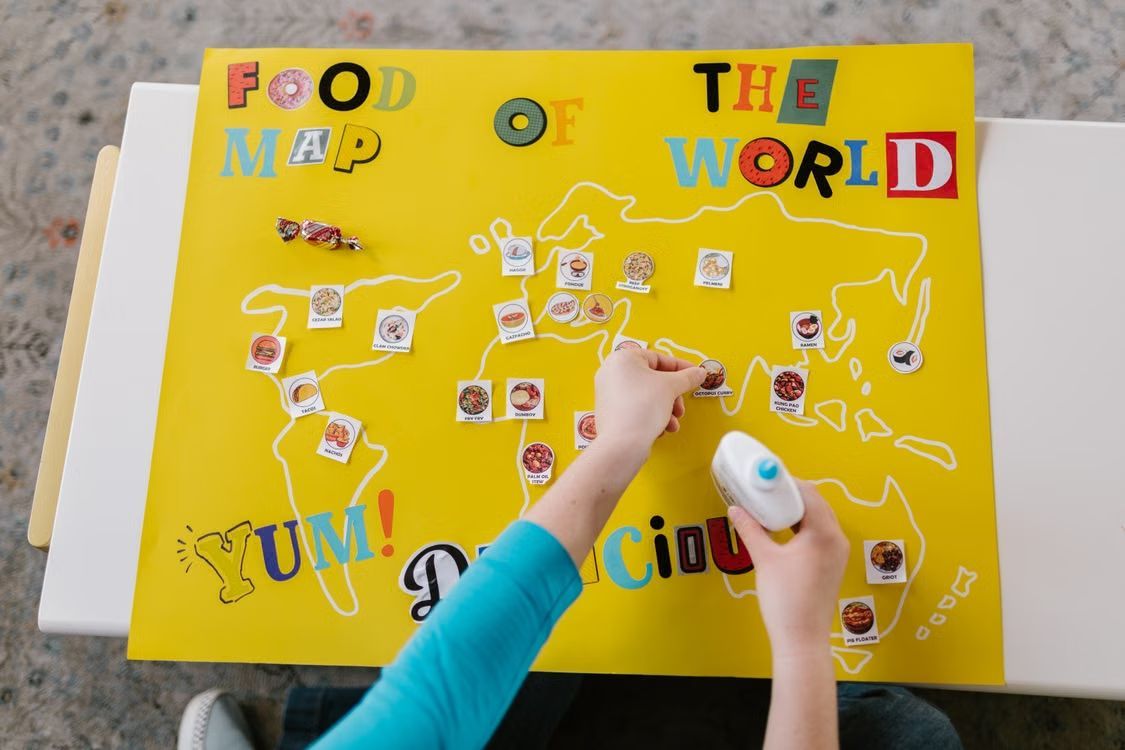

Image: RDNE Stock project

We often say the names of our favorite foods without giving them a second thought. But many of those names are little pieces of geography: they point to a city, a region, or even a country thousands of miles away. From a hamburger named for Hamburg to a cheese associated with the Dutch city of Gouda, these foods have traveled far beyond the places that inspired their names. And some of their stories are surprisingly different from what you might expect.

1

Hamburger: Hamburg, Germany

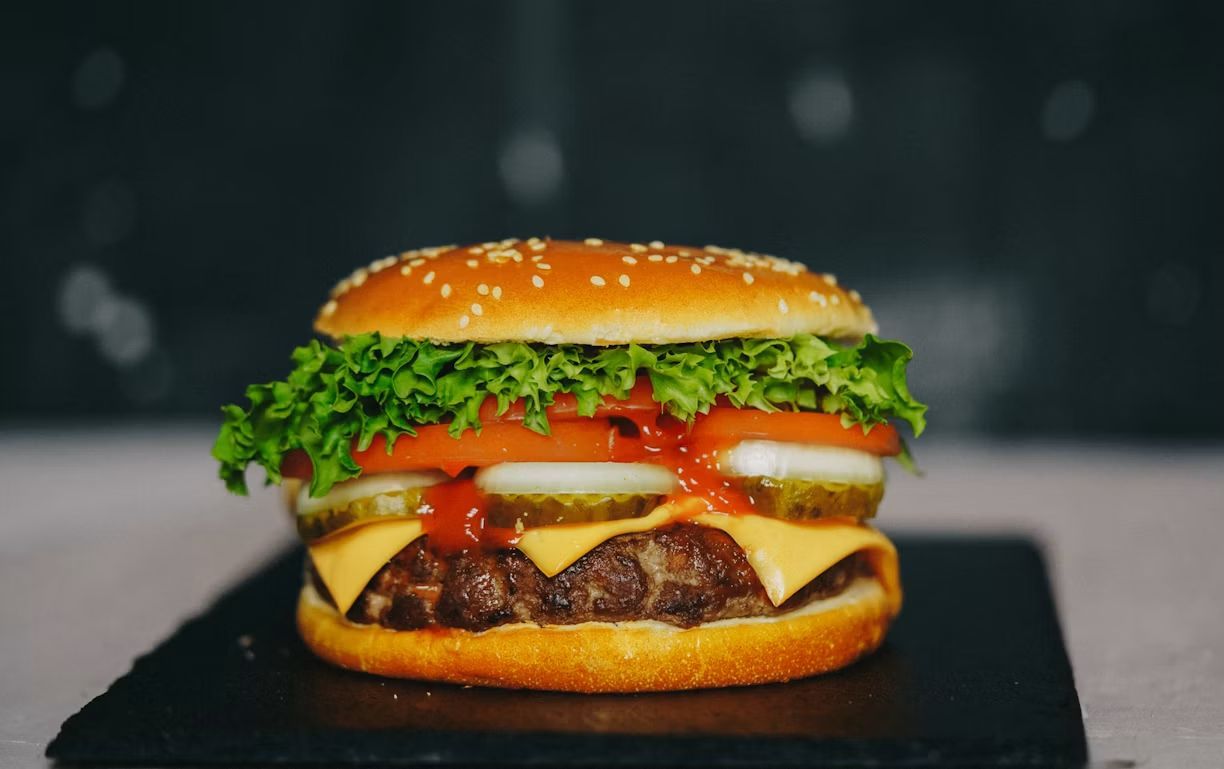
Image: Giorgi Iremadze

Long before Americans started ordering burgers at diners and drive-ins, Hamburg, Germany, was known for Hamburg steak. German immigrants brought this dish of seasoned ground beef to the United States during the 19th century, where it became popular in restaurants and among street vendors.

As the beef patty began to be served between bread, hamburger became the name for the sandwich. Over time, Americans shortened it to "burger," a word that eventually became so common that it could stand on its own. By the late 1800s, hamburger was already appearing in American menus and newspapers.

2

Gouda: Gouda, Netherlands

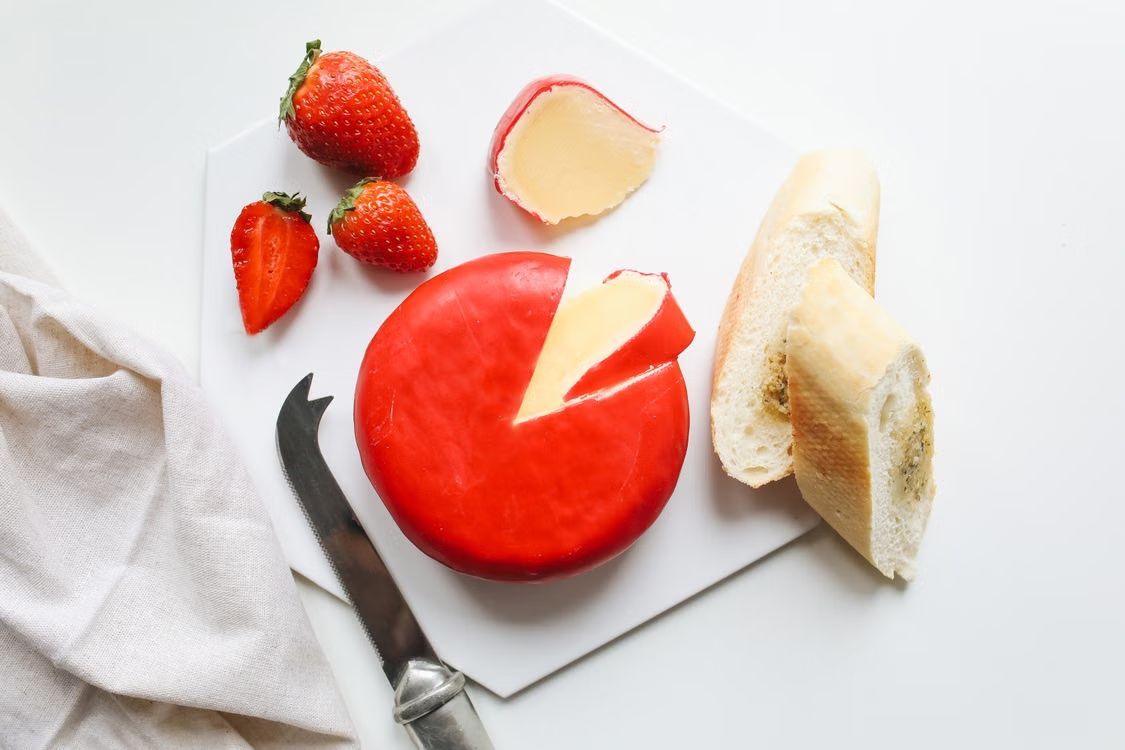
Image: Polina Tankilevitch

The city of Gouda didn't necessarily invent Gouda cheese, but it helped give it its name. During the Middle Ages, farmers from the surrounding Dutch countryside would bring their cheeses to Gouda to sell at the city's famous market.

In 1395, Gouda received the right to hold a cheese market, helping turn the city into an important center of the trade. Buyers came to associate the cheese with the place where they purchased it, and eventually the city's name became the name of the cheese itself.

3

Buffalo Wings: Buffalo, New York

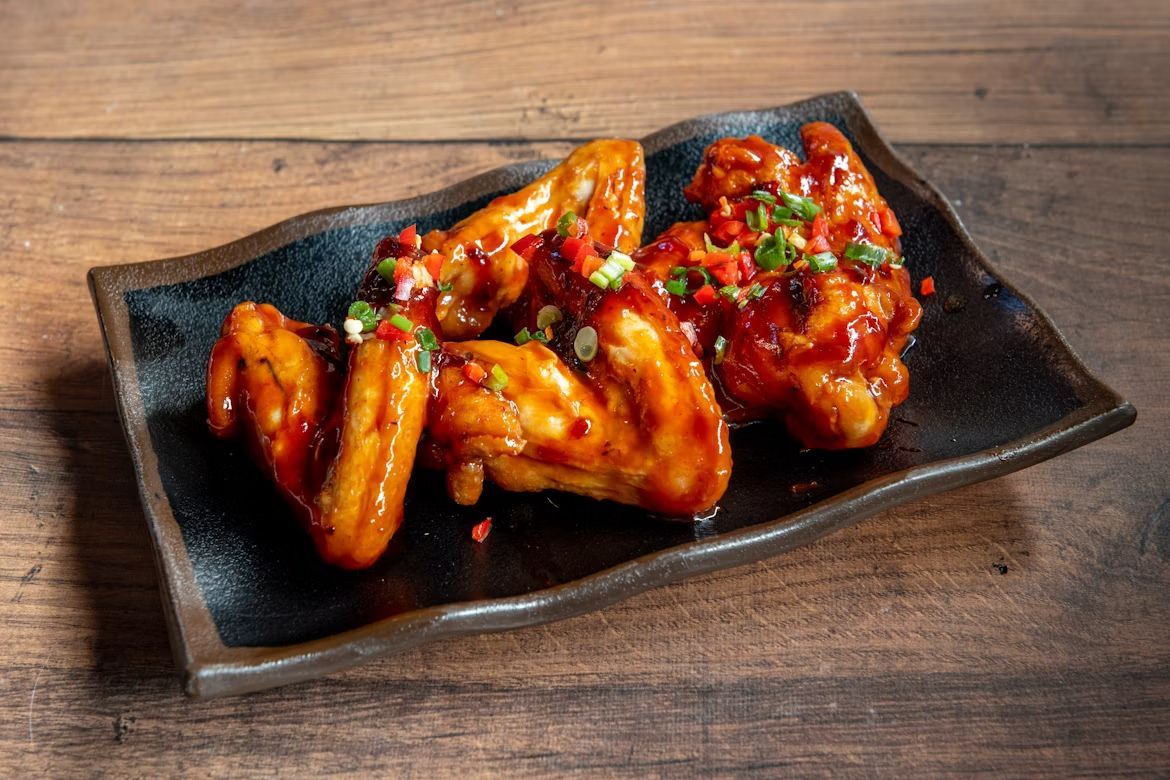
Image: Snappr

In 1964, an inexpensive cut of chicken helped create one of America's most recognizable bar foods. At the Anchor Bar in Buffalo, New York, co-owner Teressa Bellissimo deep-fried chicken wings and coated them in a spicy sauce.

The wings had traditionally been used for stock or discarded rather than treated as the star of a dish. Bellissimo's preparation changed that, and the new snack quickly caught on. As it spread across the country, its Buffalo roots stayed right there in the name.

4

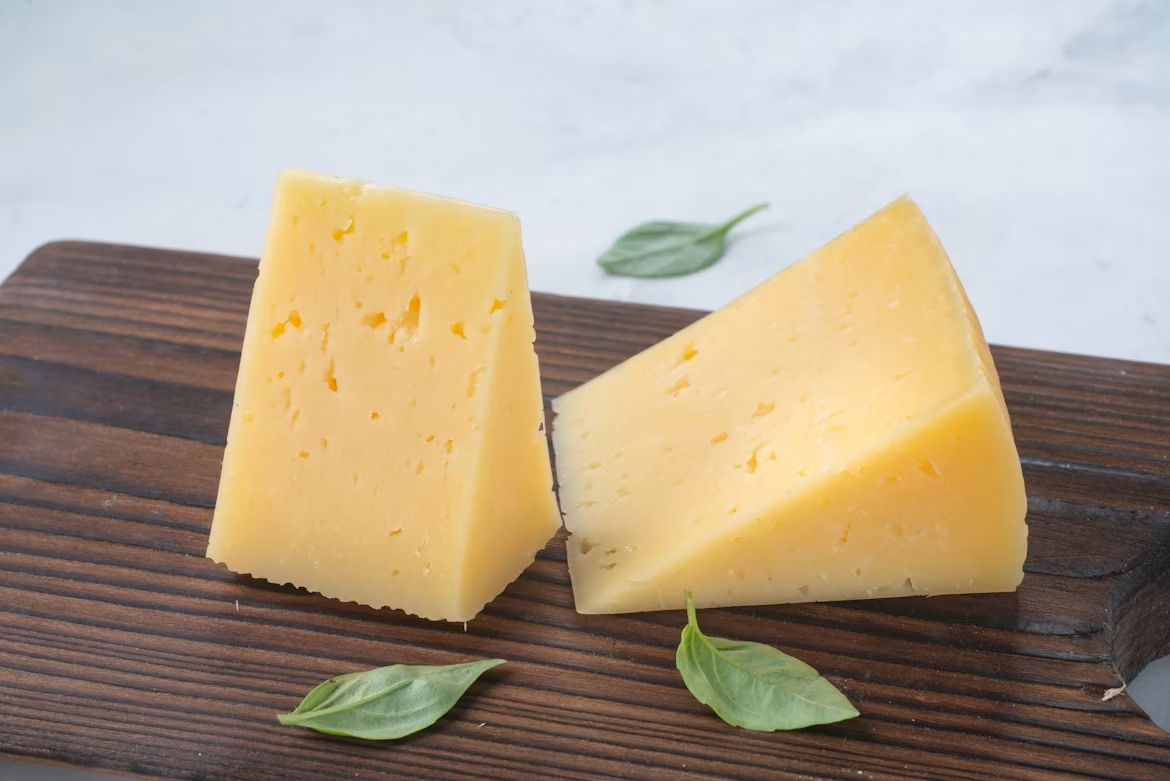
Cheddar: Cheddar, England

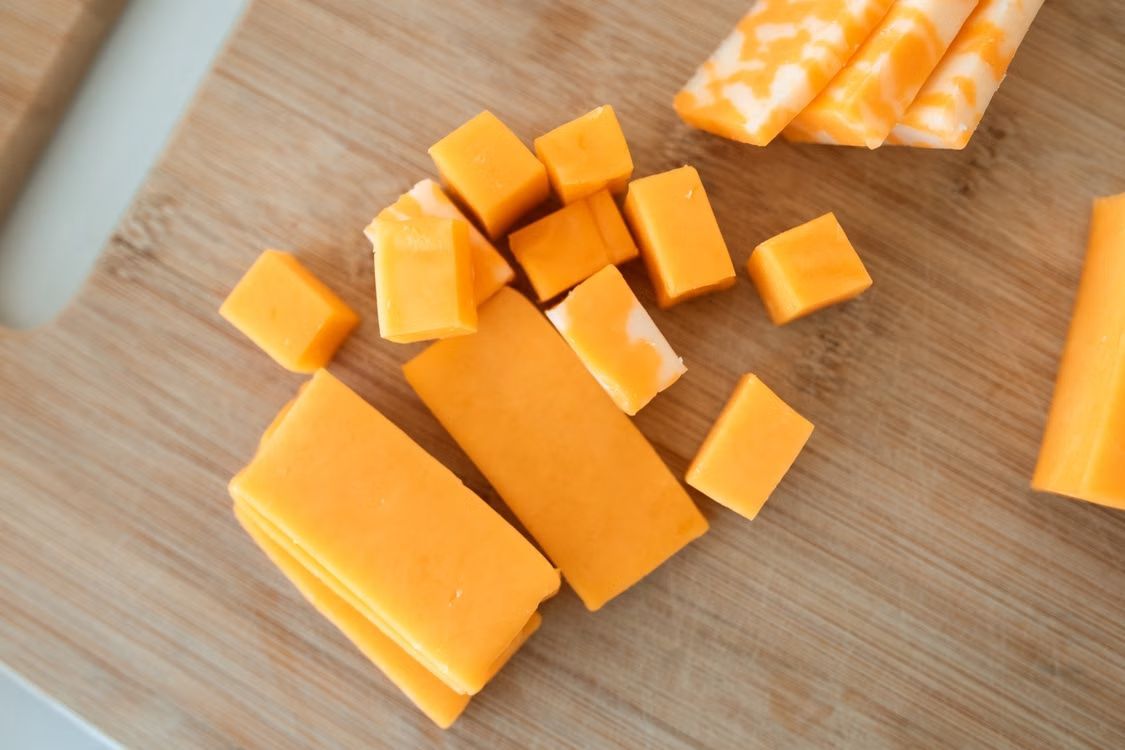
Image: RDNE Stock project

The story of cheddar begins in the English countryside around Cheddar, Somerset, where cheesemakers developed a firm, flavorful cheese that could be aged. The area's caves also offered naturally cool conditions that were useful for storing cheese.

By the 19th century, Joseph Harding, a Somerset dairy farmer, had helped improve and standardize the cheesemaking process. His methods contributed to cheddar's spread beyond the region. Today, the word describes a style of cheese produced all over the world and not just in the village that gave it its name.

5

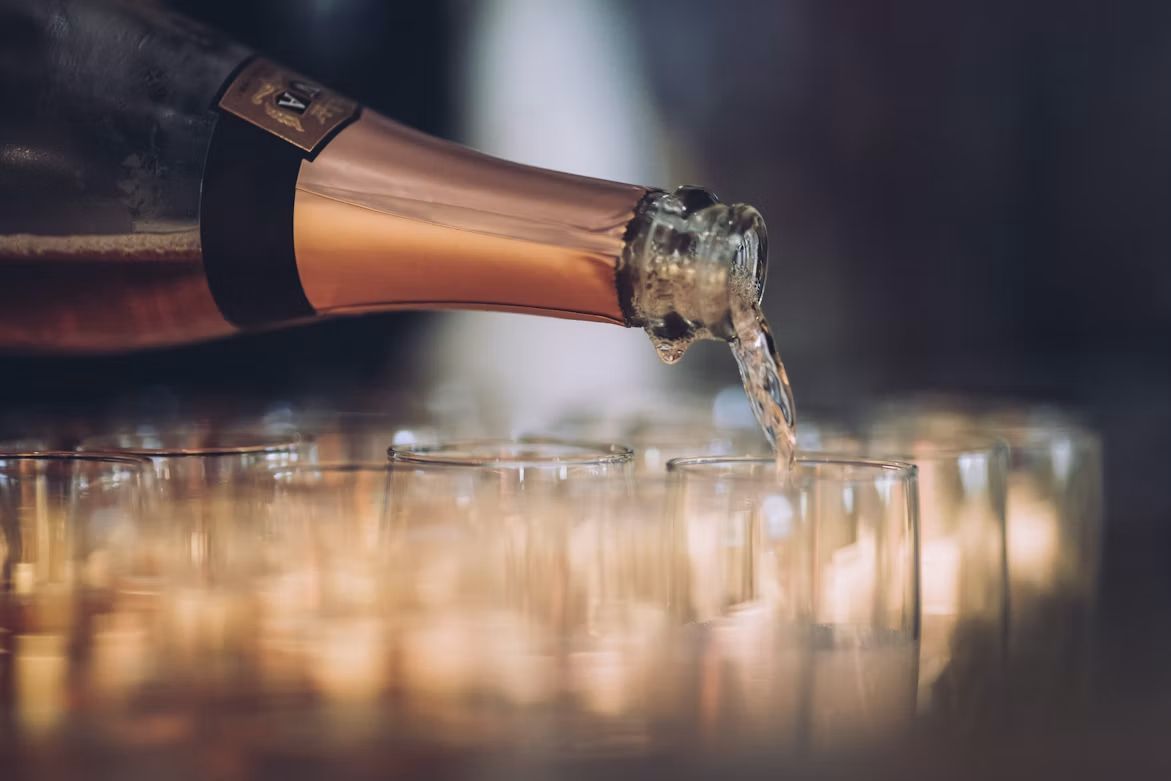
Champagne: Champagne, France

Image: Mads Eneqvist

Few foods or drinks are as closely tied to a particular place as Champagne. The name belongs to the Champagne region of northeastern France, where the famous sparkling wine has been produced and refined over centuries.

Its creation wasn't the work of one inventor. Winemakers gradually learned how to control the second fermentation that produces the wine's bubbles, particularly during the 17th century. Today, only sparkling wine made in the Champagne region according to its strict rules can officially carry the name.

6

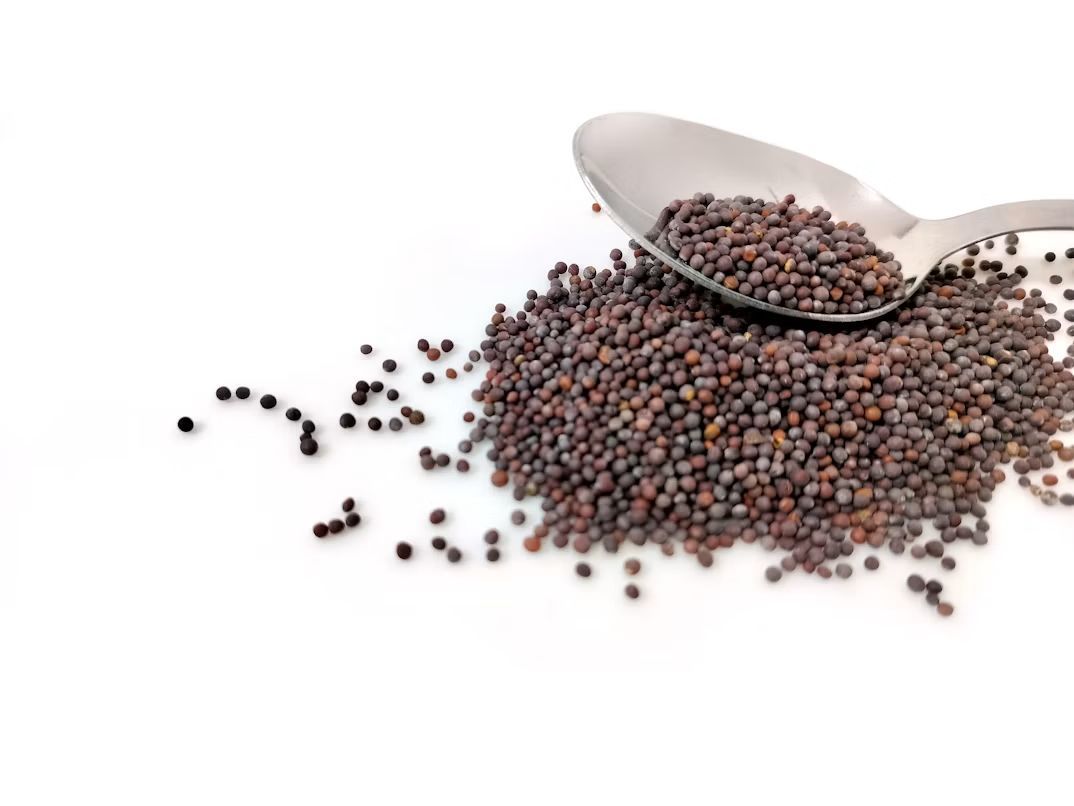
Dijon Mustard: Dijon, France

Image: Jaspreet Kalsi

The sharp yellow condiment on a sandwich has a distinctly French backstory. Dijon, the capital of Burgundy, had been associated with mustard-making for centuries before the version now known around the world was developed.

The key change came in 1856, when Dijon mustard maker Jean Naigeon substituted verjuice, the acidic juice of unripe grapes, for vinegar. The result was a smoother, sharper mustard that helped establish Dijon as a name synonymous with high-quality mustard.

7

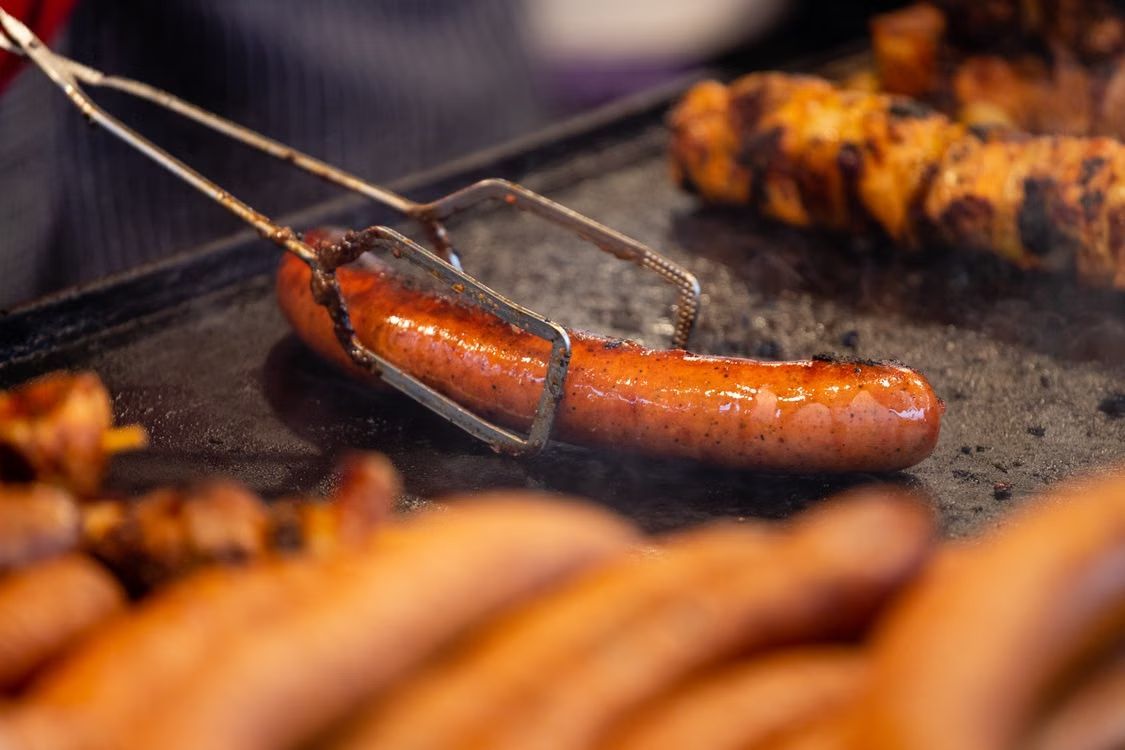
Frankfurter: Frankfurt, Germany

Image: Mateusz Feliksik

A trip to Frankfurt could once mean a taste of one of Germany's best-known sausages. Frankfurter Würstchen, a slender smoked pork sausage, has been associated with the city since at least the 16th century.

Its name eventually traveled with German immigrants and became familiar in America. The word frankfurter came to be used for the sausage itself, and eventually became closely associated with the hot dog.

8

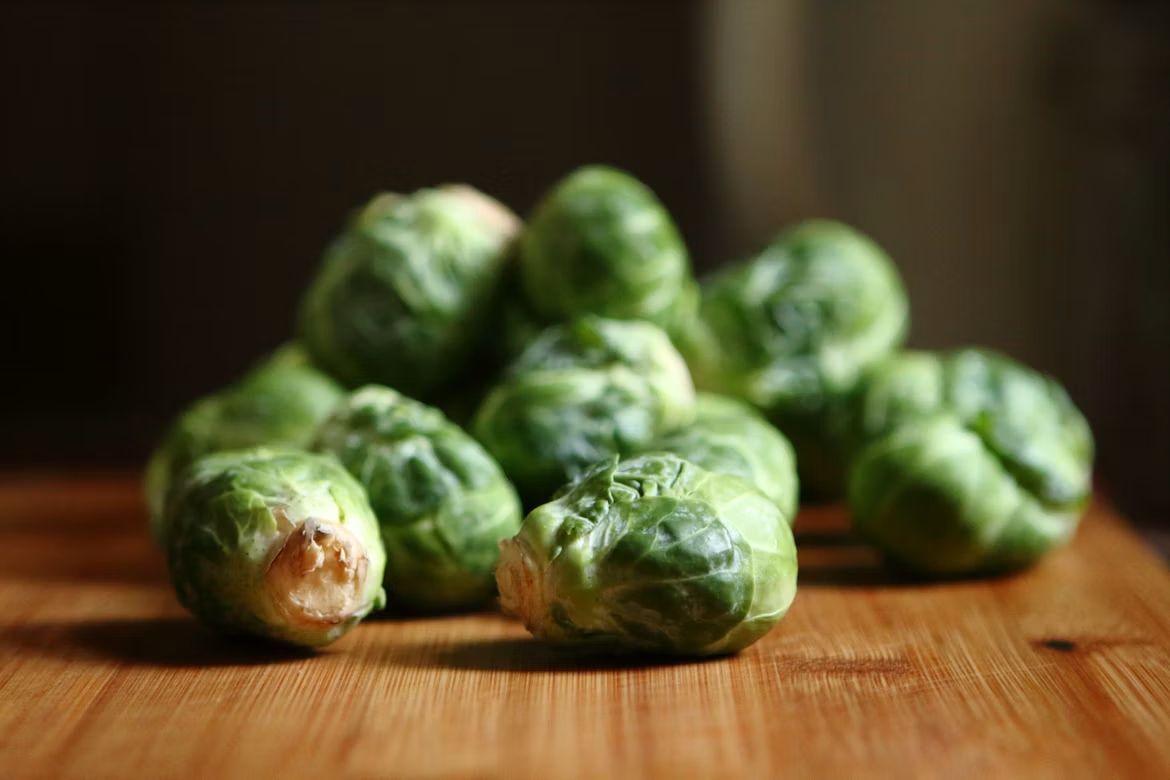
Brussels Sprouts: Brussels, Belgium

Image: Keenan Loo

Their name offers a pretty good clue to their history. Brussels sprouts became associated with Brussels, Belgium, where growers cultivated the small cabbage-like vegetable. Their exact beginnings are uncertain, but they were being grown in the region by the 18th century.

From Belgium, the vegetable spread throughout Europe and eventually crossed the Atlantic. The name remained unchanged, giving American diners a direct geographic clue every time they see "Brussels" on a menu.

9

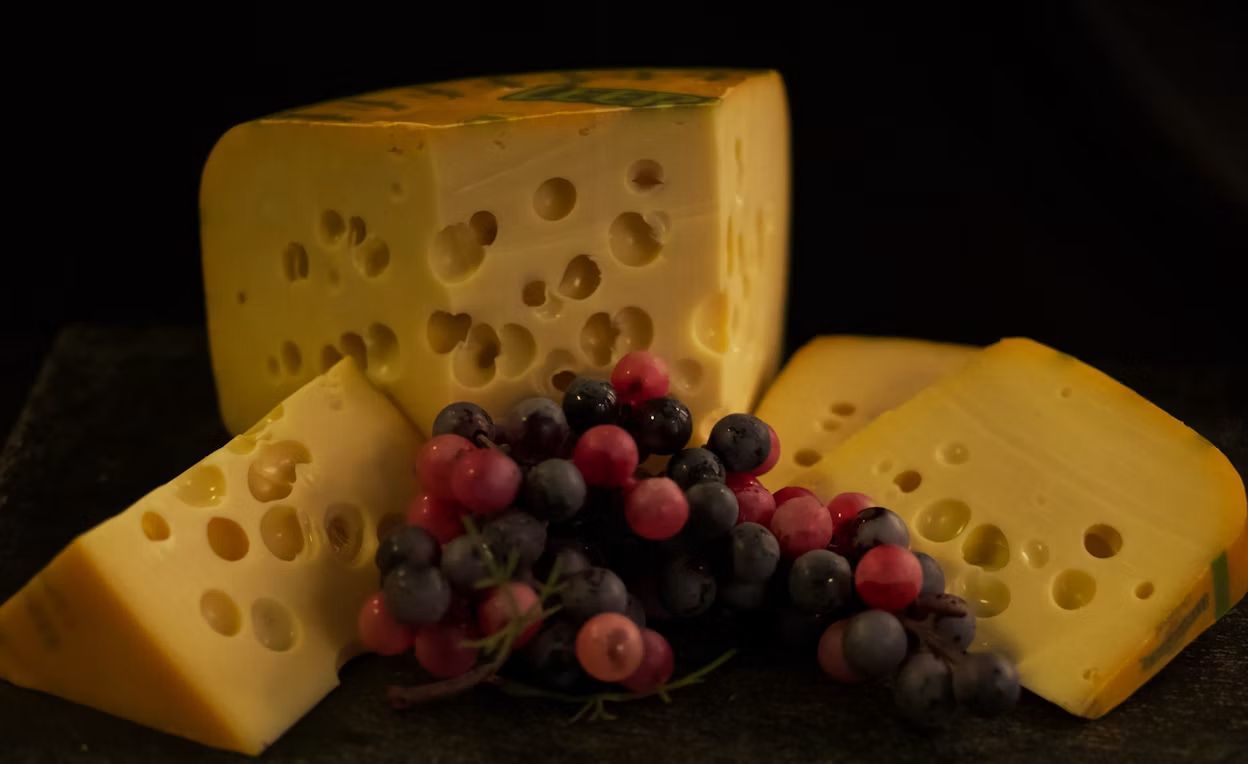
Swiss Cheese: Switzerland

Image: Rickie-Tom Schünemann

Those distinctive holes point back to Switzerland, particularly the Emmental region, where cheeses with this characteristic appearance have been made for centuries. Emmental, the best-known example, has documented roots going back to the 16th century.

In America, though, "Swiss cheese" doesn't necessarily mean cheese imported from Switzerland. American cheesemakers began producing their own versions of Swiss-style cheese, and the name became a general term for the familiar mild cheese with holes.

10

Parmesan: Parma, Italy

Image: David Foodphototasty

Think of Parma, Italy, and cheese is likely to come to mind. The region has been producing the hard, granular cheese known as Parmigiano Reggiano for centuries, with written evidence of similar cheese dating back to the Middle Ages.

There wasn't a single person who invented Parmesan. Instead, cheesemakers in the area gradually developed the product over generations. As it became popular outside Italy, Parmesan became the familiar English name, linking the cheese to its Italian home.

11

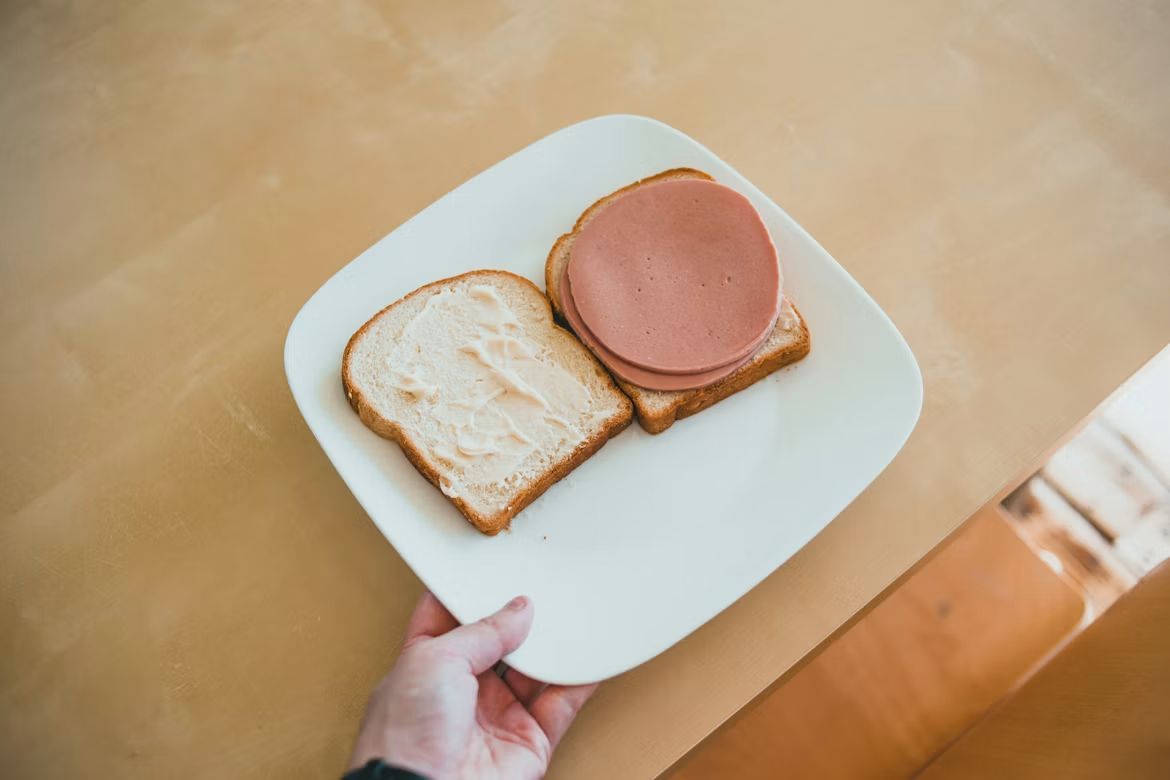
Bologna: Bologna, Italy

Image: Erik Mclean

The lunch meat Americans call bologna has a much more elegant Italian relative: mortadella Bologna. This large, finely ground pork sausage has been a specialty of Bologna, Italy, for centuries.

When the Italian sausage tradition reached the United States, the complicated name was simplified to bologna. American producers developed their own version, but the connection to Bologna remained in the name as a reminder of the Italian food that inspired it.


GRAMMAR GLITCHES

The 10 Funniest Mistakes, Typos, And Misprints In History


Published on September 16, 2026


Image: Natalia Y.

Everyone makes mistakes, that’s a given. But sometimes, even the smallest slip-ups can lead to catastrophic outcomes, no matter how unintentional. These grammatical gaffes stand as a testament to the power of language, reminding us to always proofread before making history.

From political slip-ups to literary lapses, here are ten instances where, er… let’s call them unexpected linguistic detours, induced everything from laughter to financial ruin.

1

Dan Quayle’s spelling nightmare

Image: Lars Blankers

In 1992, during a visit to a New Jersey elementary school, then Vice President Dan Quayle put himself in an embarrassing situation when he tried to correct what he thought was a spelling mistake. After a 12-year-old student correctly spelled the word "potato", he promptly added an e to the end of the word, creating an awkward moment as he insisted that "potatoe" was the correct spelling.

2

Holy blunders

Image: Priscilla Du Preez

A 1631 edition of the Bible became infamous as it contains a number of mistakes that substantially distort the intended message of the sacred text. Known as the "Wicked Bible", among its most egregious blunders is the omission of the word "not" from one of the Ten Commandments, transforming the original sentence into the scandalous directive, "Thou shalt commit adultery." However, some argue that this was not a product of lazy proofreading, but rather sabotage from a competitor.

3

Dogberryisms aplenty

Image: Taha

Constable Dogberry, a character in one of Shakespeare’s most beloved comedies Much Ado About Nothing, became the namesake for malapropisms, as he consistently ends up uttering absurd phrases while attempting to sound intelligent. Some of the most popular "dogberryisms" include confusing suspect with respect, ex-communication with communication, comprehend with apprehend, and even redemption with damnation!

4

NASA’s most expensive typo

Image: SpaceX

How expensive can a typo be? Well, as NASA found out, almost 80 million dollars. In 1962, a missing mathematical symbol in Mariner I’s code led to the spacecraft blowing up in a million pieces over the Atlantic. How could this happen? Apparently, an engineer missed an overbar (a mathematical figure that indicates the mean of a set) while transcribing the calculations by hand. This caused the spacecraft to overcorrect its trajectory, eventually throwing it off course.

The takeaway from this story is simple: always proofread. After all, even the most brilliant people are not immune to making mistakes.

5

How to profit from a comma

Image: micheile henderson

Talking about expensive typos, a misplaced comma in the 13th Tariff Act cost the United States over 40 million dollars in 1872. The Act included a list of items exempt from taxation upon entry to the country, and included in the list was an item that read "fruit, plants tropical and semi-tropical for the purpose of propagation or cultivation."

According to the government, the comma was meant to be a hyphen, meaning fruit-bearing plants, but the correct grammatical interpretation suggested that all fruit were included in the exemption. It took almost two years to fix the mistake, but it was already too late.

6

Yogi Bear’s last laugh

Image: Janko Ferlič

Don’t worry kids, Yogi Bear is totally fine. But for a moment in 2015, Associated Press declared the cherished bear dead, when someone published Yankees’ legend Yogi Berra’s obituary under a hysterical title: "Yogi Bear has died. He was 90." While this was likely the mix-up of an underslept intern, Berra was known for his amusing unintentional witticisms and malapropisms, remembered for gems like "It ain't over 'til it's over," "It's déjà vu all over again," and "Nobody goes there anymore. It's too crowded."

7

[INSERT TITLE HERE]

Image: AbsolutVision

In a peculiar incident in December 2017, a Cambridge newspaper unintentionally became viral when a placeholder reading "100PT SPLASH HEADING HERE" found its way into the headlines. Meant for internal use during layout, the cryptic text unexpectedly amused readers and sparked online speculation, with some even joking about the headline being a warning of an incoming tsunami wave. The newspaper’s editor-in-chief later apologized profusely for the amusing mishap, which was allegedly caused by a technical issue.

8

A successful literacy program

Image: Michał Parzuchowski

Around 2010, an article from an unknown local newspaper went viral for misspelling "Mississippi" as "Missippi." You might argue that they simplified it, but the funniest part is that the article was about the purported success of a literacy program in the state. Maybe the program needed to focus on newspapers too.

9

Guardians of grammar

Image: Peter Lawrence

The Guardian, one of the UK's most renowned newspapers, earned an unintentional reputation for its numerous typos. In a memorable blunder, it once printed its own name as "Gaurdian," prompting satirical magazine Private Eye to nickname them "Grauniad." Overall, the newspaper took it in good stride, and the nickname is still playfully used, even among its journalists, to refer to the media outlet with a touch of humor.

10

Come in

Image: Daria Kraplak

Unbeknownst to most, James Joyce’s famous novel Finnegans Wake hides an easter egg of sorts. When it comes to an author famous for his experimental and gibberish-like writing, what can possibly be considered a mistake or a typo? Well, it seems the author used to dictate parts of his work to his friend Samuel Beckett, and during one of these sessions, someone knocked at the door, with Joyce immediately saying "Come in." Without thinking twice, Beckett wrote that along with the rest of Joyce’s dictation. It is likely that Joyce noticed the gaffe, but decided to leave it there just to mess with the readers.

Looking for an extra scoop of literary fun?

Learn more with our Word of the day

crabbed

/ˈkræbəd/