Why did Harry Truman put "The Buck Stops Here" on his desk?


Published on October 23, 2026

Image: chris276644

American presidents have used the White House to sway public opinion, pass legislation, and define historic eras. Along the way, their public speeches, press conferences, and private correspondence have introduced, popularized, or forever transformed English vocabulary. Here are 10 everyday words, idioms, and expressions you didn’t know were coined by the most prominent leaders of our nation.

1

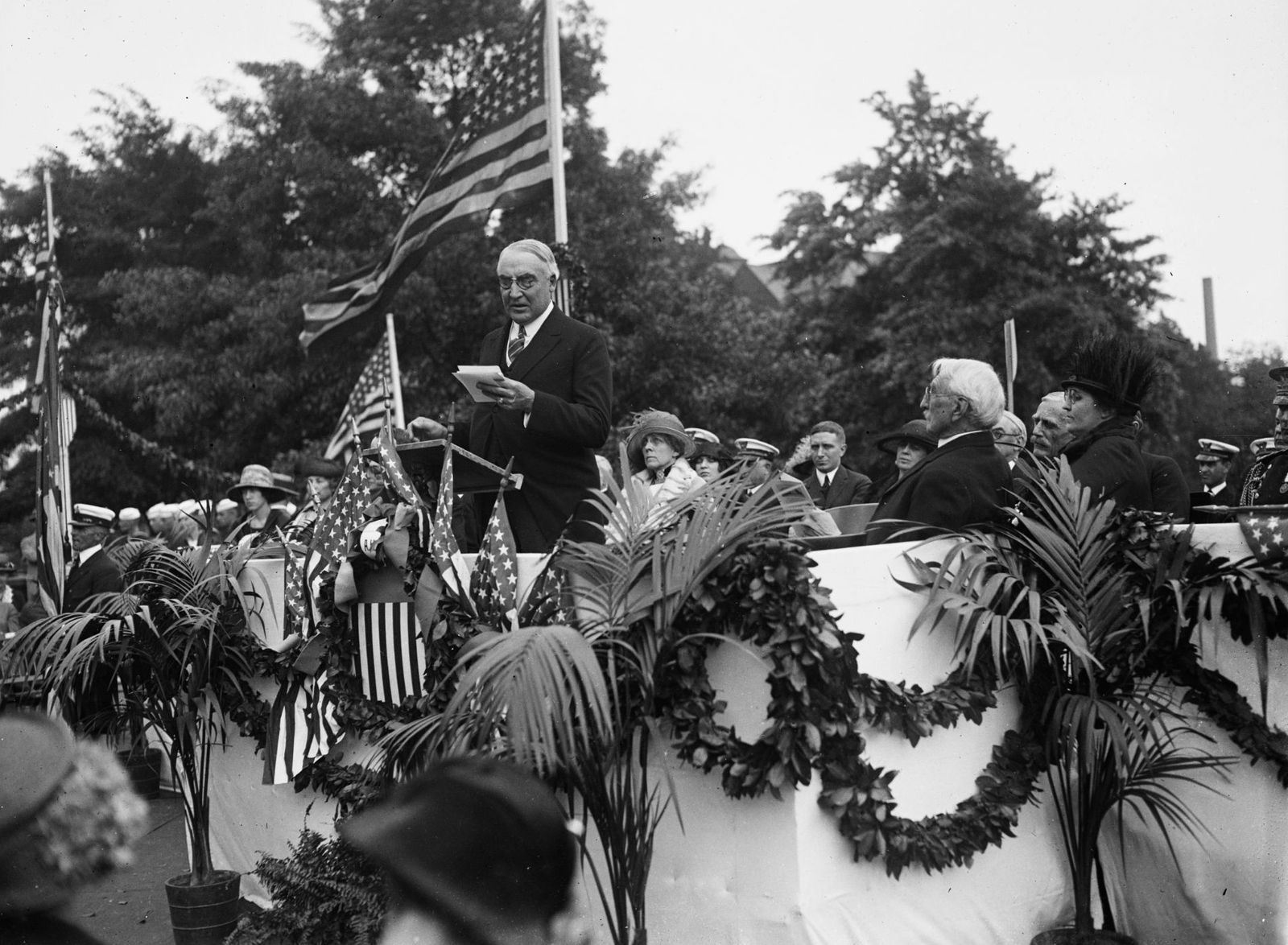
Bloviate — Warren G. Harding

Image: Harris & Ewing, photographer, Public domain, via Wikimedia Commons

Warren G. Harding was known for his overly ornate speeches, a prose style that journalist H.L. Mencken once described as "so bad that a sort of grandeur creeps into it."

Harding frequently relied on a discourse that can be described as "bloviate", a 19th-century Ohio slang term meaning to speak at length in a pompous manner. Although Harding didn’t invent the word, his frequent use of grandiose vocabulary popularized "bloviate" across national politics as shorthand for empty political speeches.

2

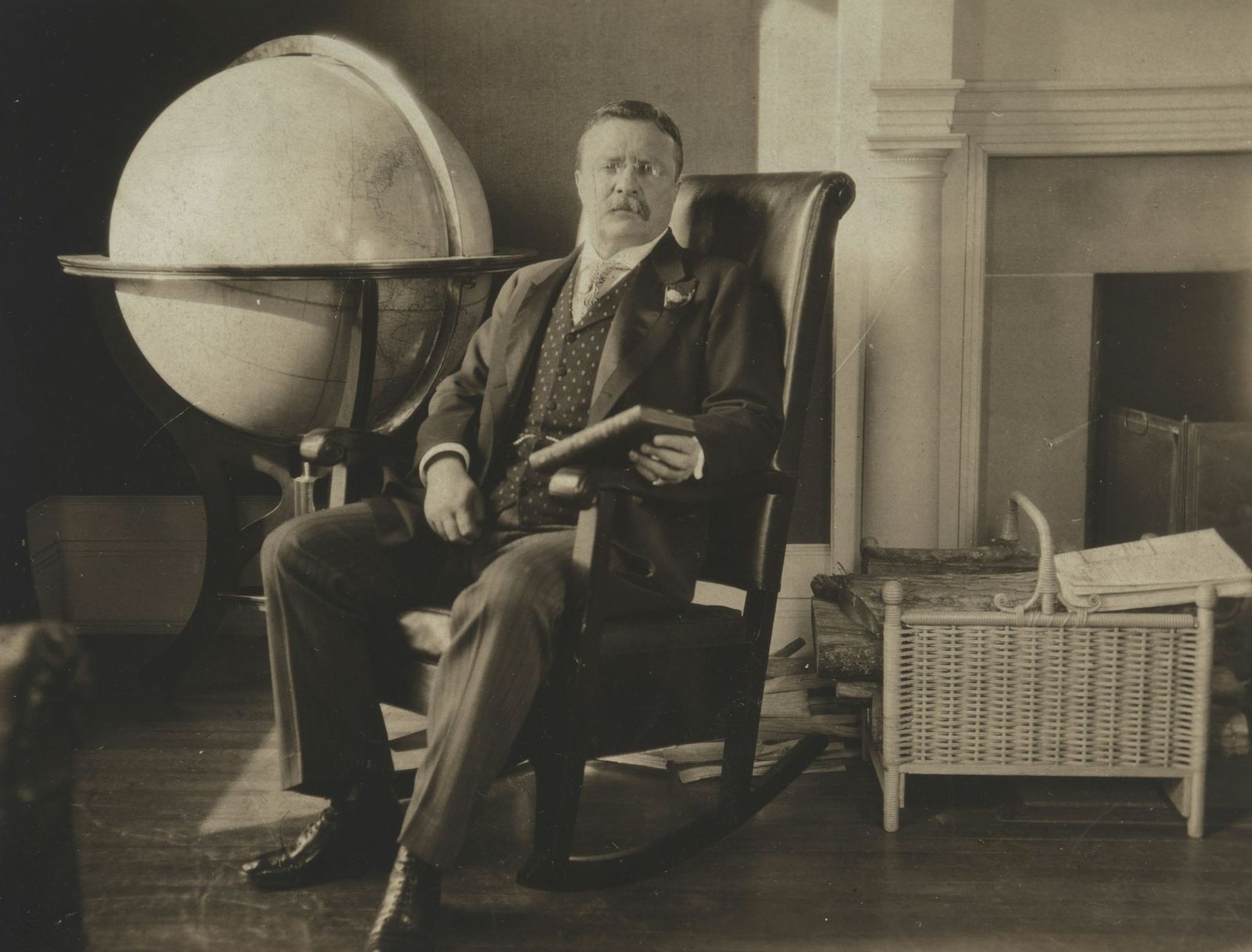
Lunatic fringe — Theodore Roosevelt

Image: Smithsonian

Theodore Roosevelt was a master of colorful speech, coining terms like "bully pulpit" and "muckraker". However, "lunatic fringe" is one of his most enduring linguistic contributions.

In a 1913 essay reviewing an avant-garde art exhibition, Roosevelt said: "There is a lunatic fringe to every reform movement." He used the phrase to describe fanatical adherents whose radical behavior threatened to undermine sensible social progress. Today, the idiom is widely used across politics, sports, and pop culture to designate extremist factions.

3

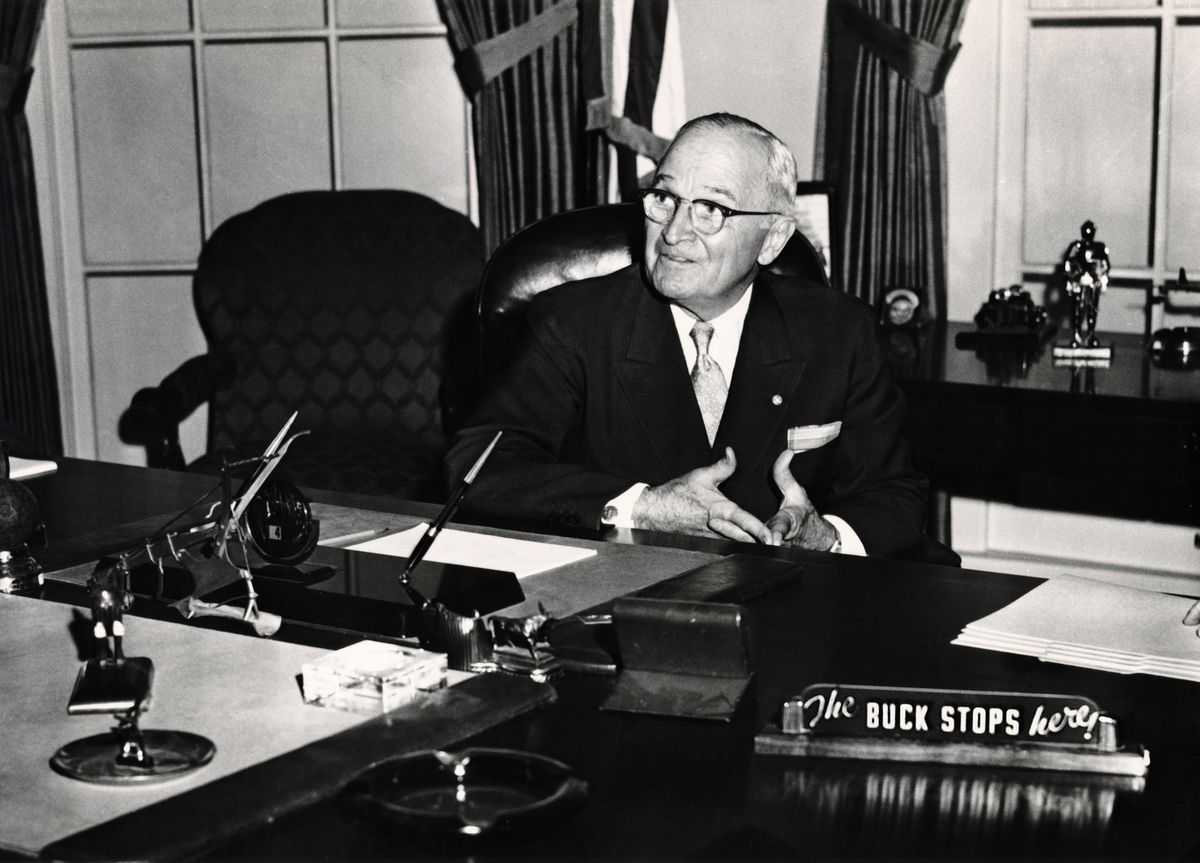
The Buck Stops Here — Harry S. Truman

Image: uncredited photographer, Public domain, via Wikimedia Commons

The phrase "passing the buck" originated in 19th-century poker games, where a buckskin-handled knife was passed around the table to mark whose turn it was to deal. However, President Harry S. Truman transformed the idiom completely.

Truman kept a painted wooden sign reading "The Buck Stops Here" on his Oval Office desk. For the 33rd president, the phrase served as a reminder that while cabinet members could perform delegated tasks, final accountability for nuclear weapons, postwar diplomacy, and executive policies rested entirely on his shoulders.

4

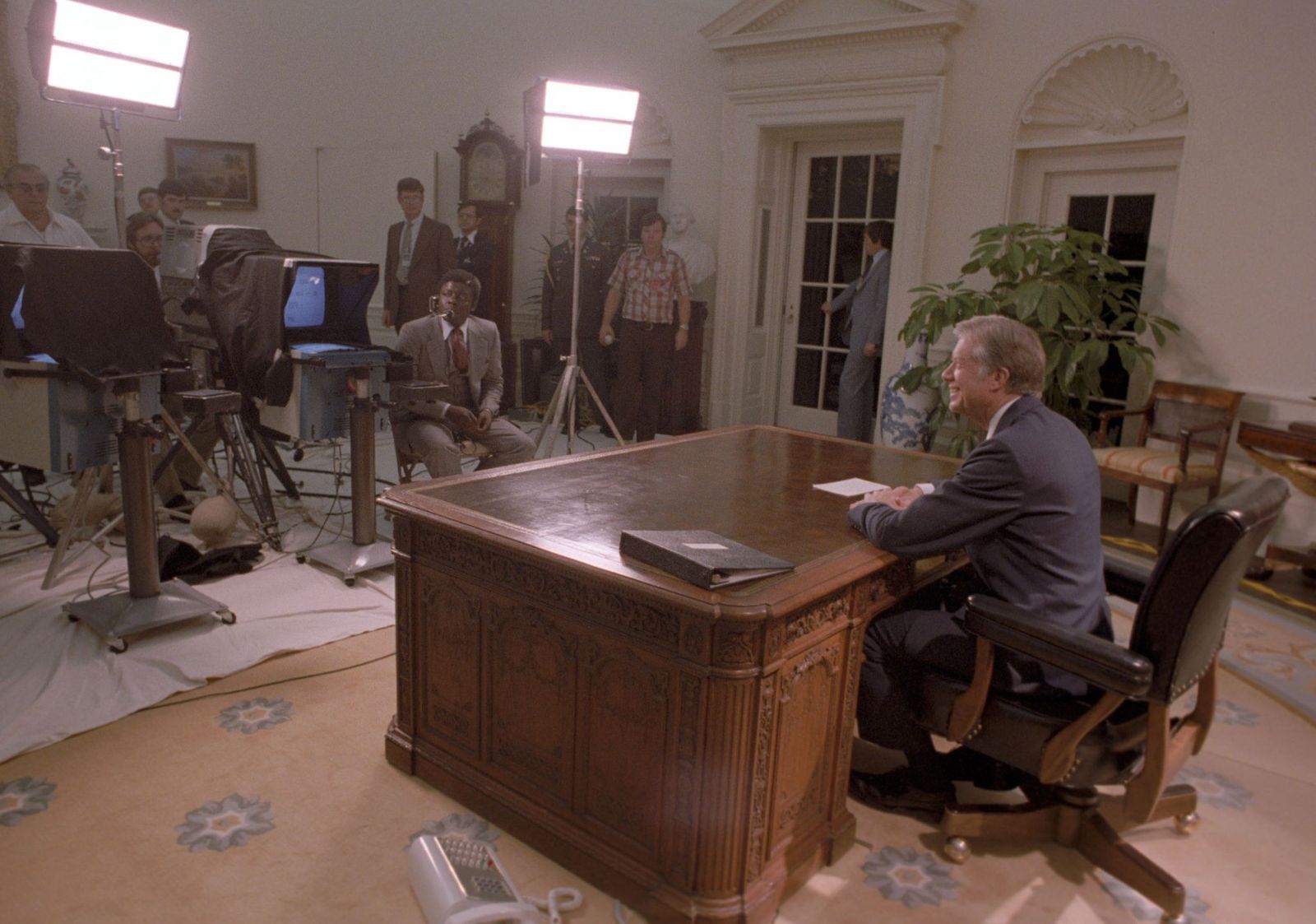
Malaise — Jimmy Carter

Ironically, President Jimmy Carter never actually said the word "malaise" during his famous July 15, 1979 televised address. In an era of high inflation, gas shortages, and geopolitical tension, Carter spoke about a "crisis of confidence" threatening American democracy.

Political opponents and journalists labeled it the "Malaise Speech", borrowing the French medical term for a vague feeling of illness. The label stuck, permanently linking the word "malaise" to Carter’s presidency and 1970s economy.

5

First Lady — Zachary Taylor

Image: Jennie Augusta Brownscombe, Public domain, via Wikimedia Commons

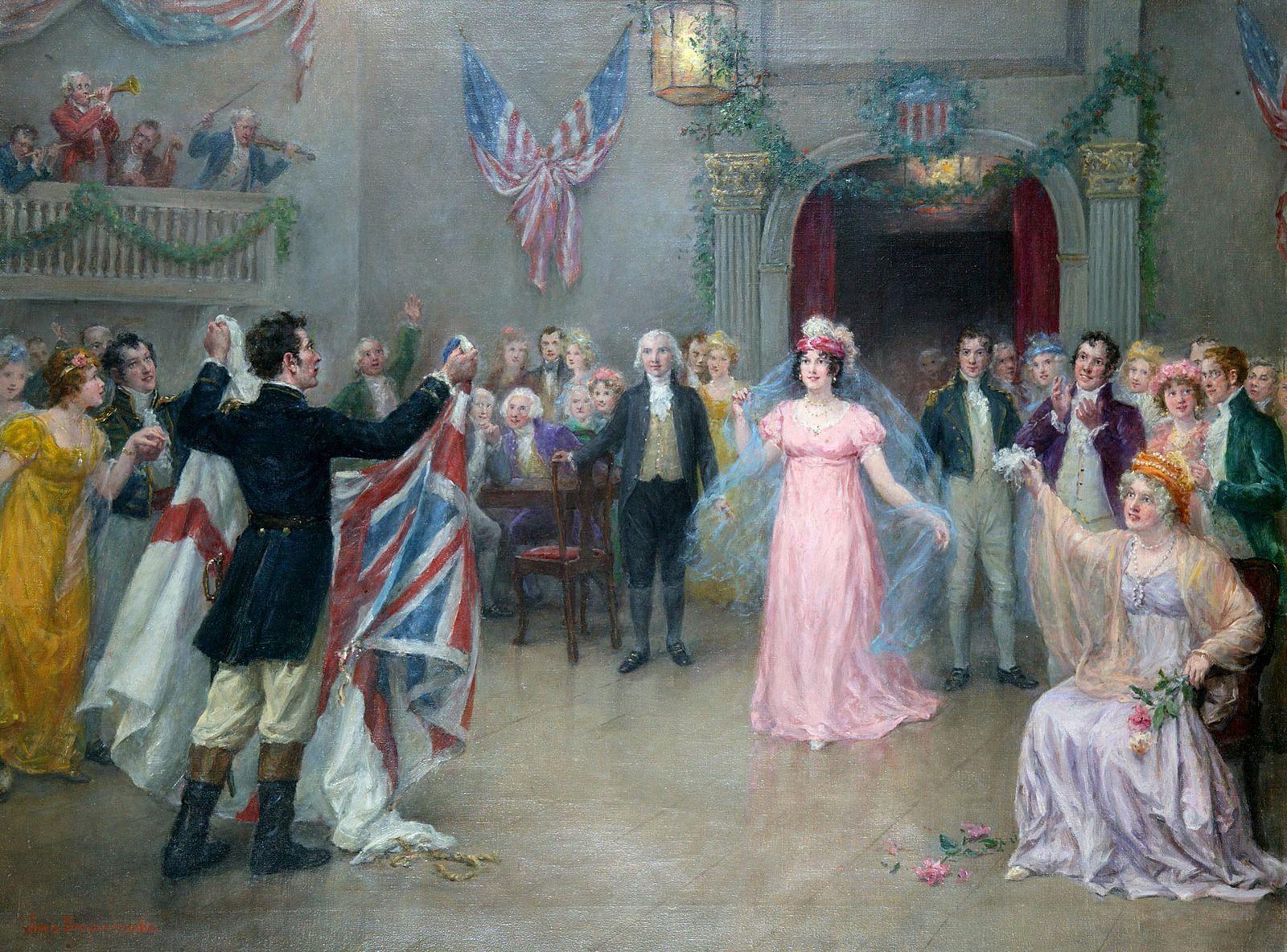
The formal title "First Lady" was first used in 1849 when President Zachary Taylor delivered a eulogy for Dolley Madison, the former president’s wife. Taylor praised Madison as having been "our First Lady for half a century".

The phrase became popular in 1860 when Frank Leslie's Illustrated Newspaper formally referred to Harriet Lane—President James Buchanan's White House hostess and niece—as "the First Lady of the Land".

6

Mulligan — Dwight D. Eisenhower

Image: M/Sgt Al Chang - United States Army Signal Corps, Public domain, via Wikimedia Commons

General Dwight D. Eisenhower was an avid golfer who played over 800 rounds during his two terms in office, even installing a putting green on the White House lawn. Ike’s passion for golf helped elevate golf terminology into mainstream political discourse, most notably the word "mulligan", an informal rule allowing a player a free replay after a poor shot. The term originated in Canadian golf circles during the 1920s, but Eisenhower’s public use of the word popularized it as a general metaphor for second chances in government and business.

7

Sugarcoat — Abraham Lincoln

Image: Popular Graphic Arts, Public domain, via Wikimedia Commons

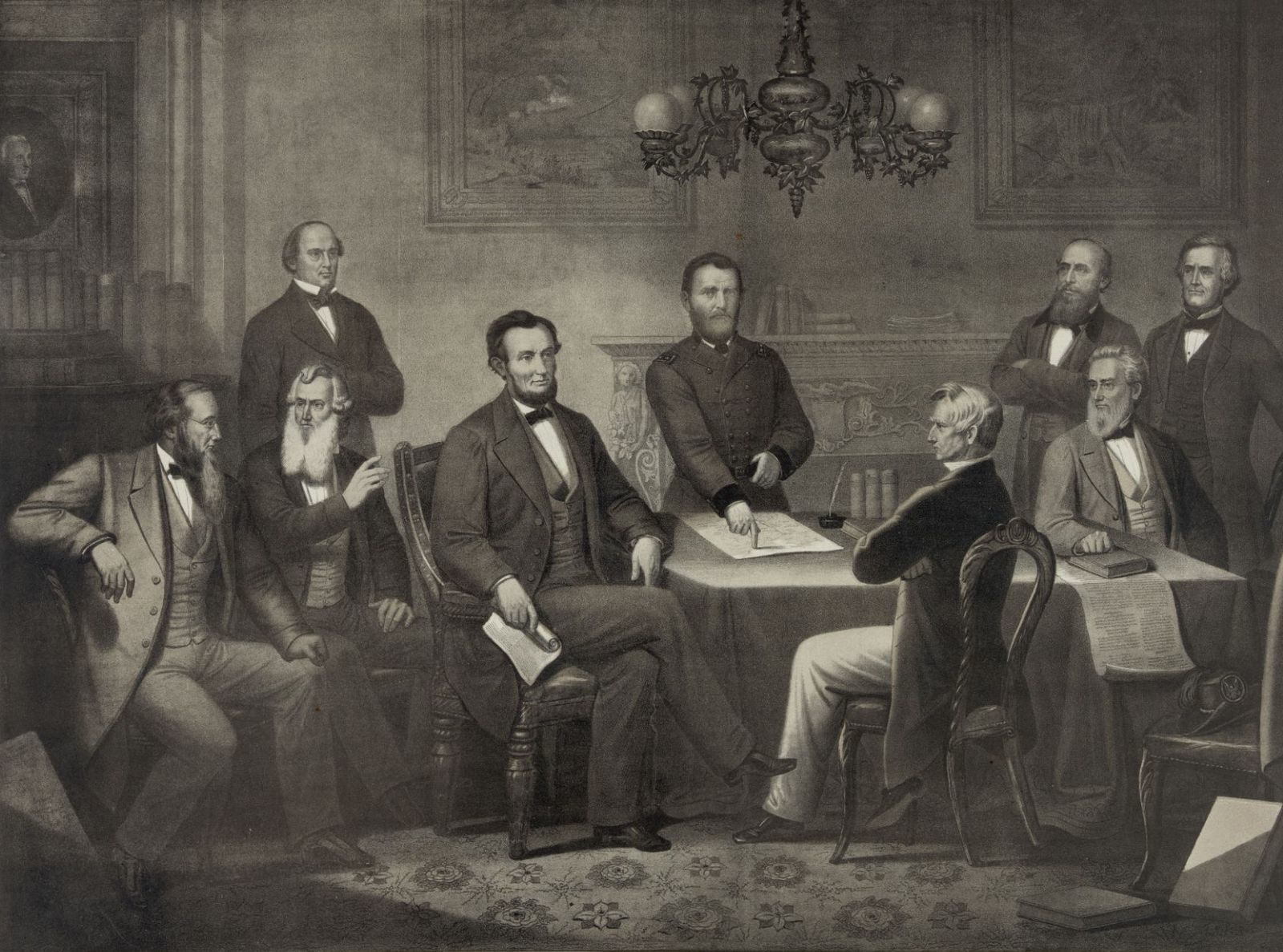
Abraham Lincoln often blended folk wisdom with constitutional philosophy. In his July 4, 1861 message to Congress following the outbreak of the Civil War, Lincoln criticized Southern arguments for secession, writing that rebellion leaders had "sugar-coated" their true intent to dissolve the Union.

The Government Printer, John Defrees, asked Lincoln if he wanted to edit the phrase, calling it unseemly for an official state paper. Lincoln refused, noting that if the public understood what "sugar-coated" meant, it belonged in the message. The phrase passed into common English to describe disguising unpleasant truths.

8

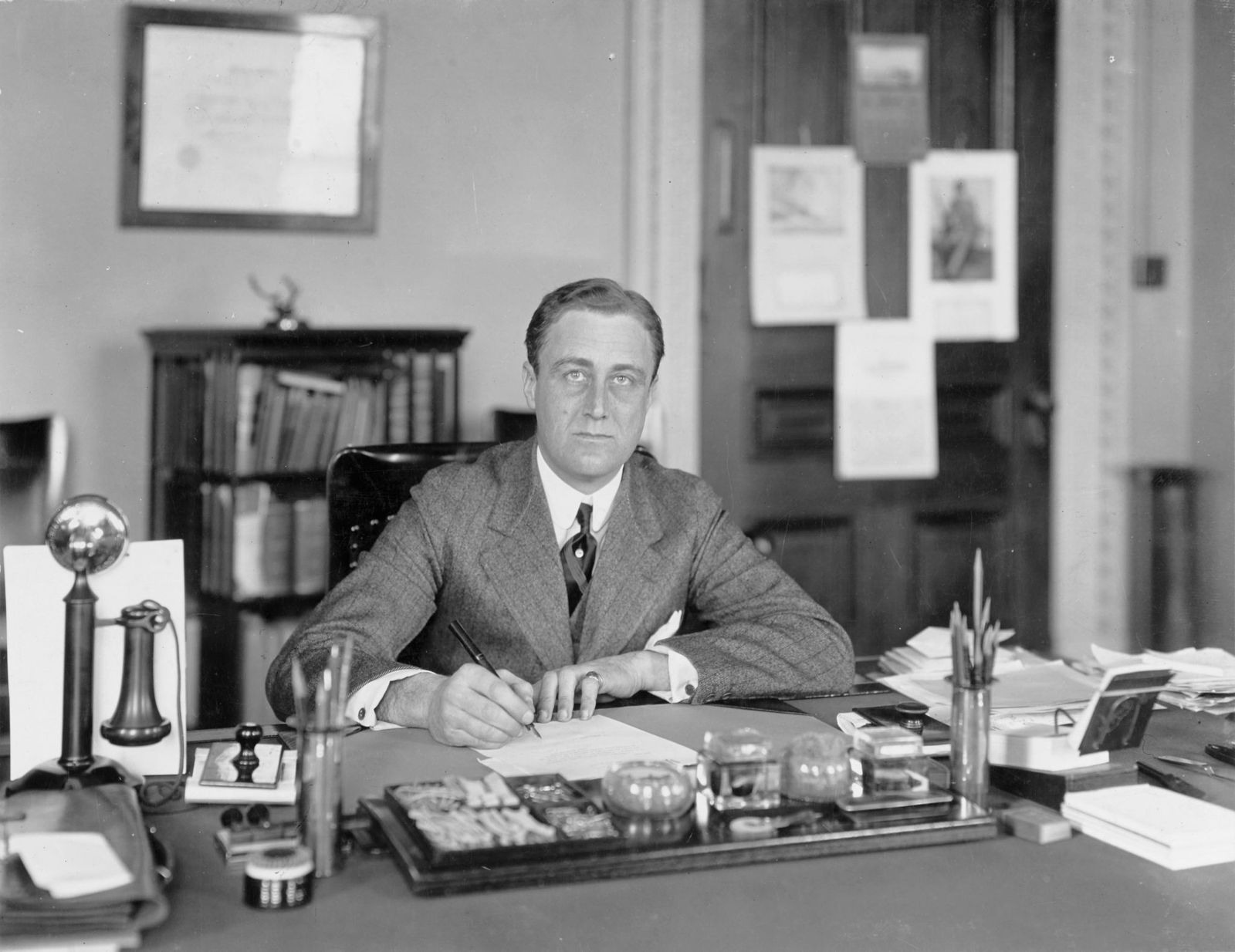
Iffy — Franklin D. Roosevelt

Image: National Archives and Records Administration, Public domain, via Wikimedia Commons

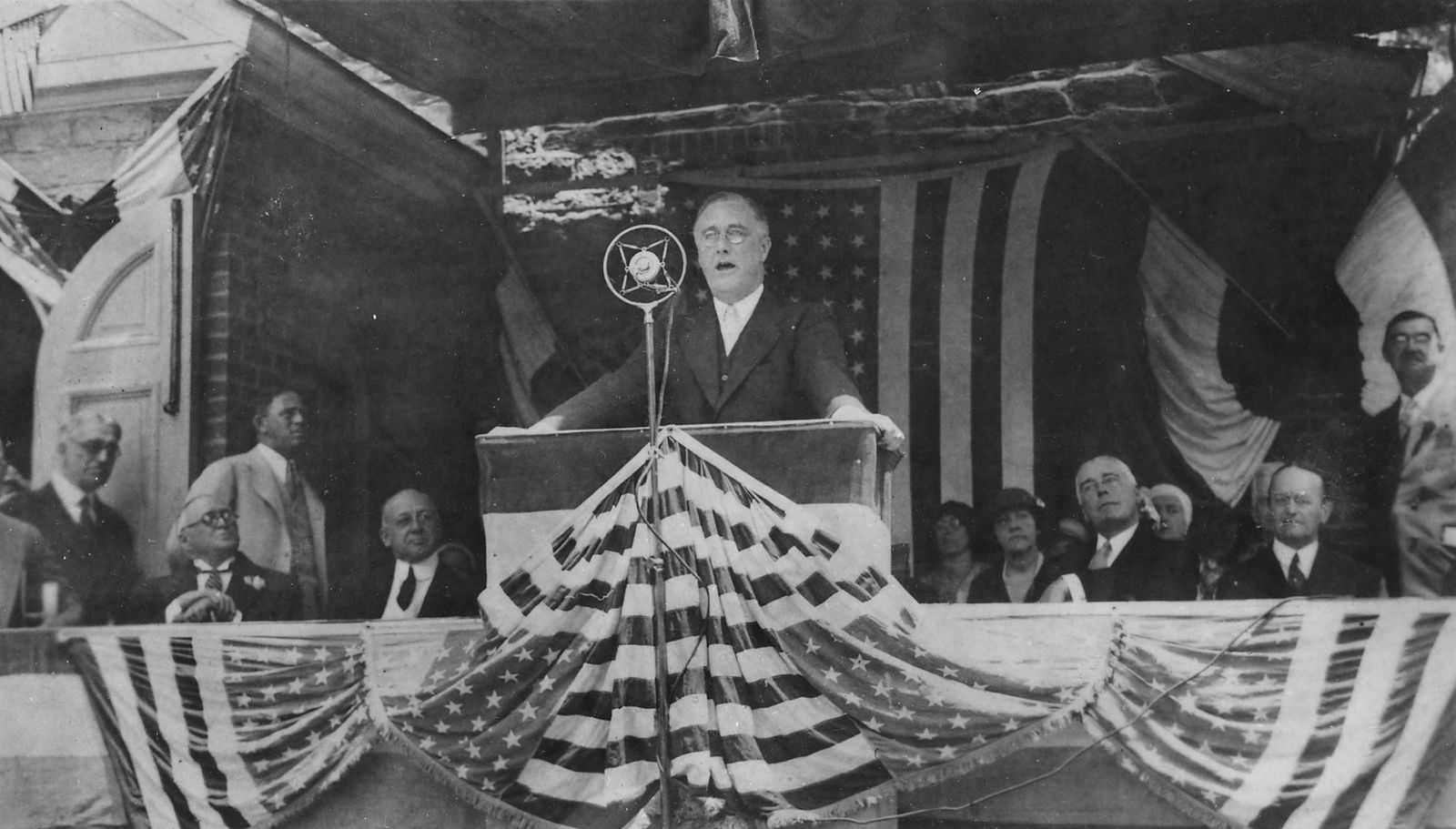
President Franklin D. Roosevelt transformed presidential communication by holding over 800 informal press conferences along with his famous radio "fireside chats".

When reporters attempted to confront him with hypothetical scenarios or speculative policy questions, FDR frequently dismissed them by calling them "iffy questions". Roosevelt popularized "iffy", a 1930s colloquialism derived from the conjunction "if", as a sharp way to describe anything uncertain or questionable due to unproven factors.

9

Usufruct — Thomas Jefferson

Image: Alicia Razuri

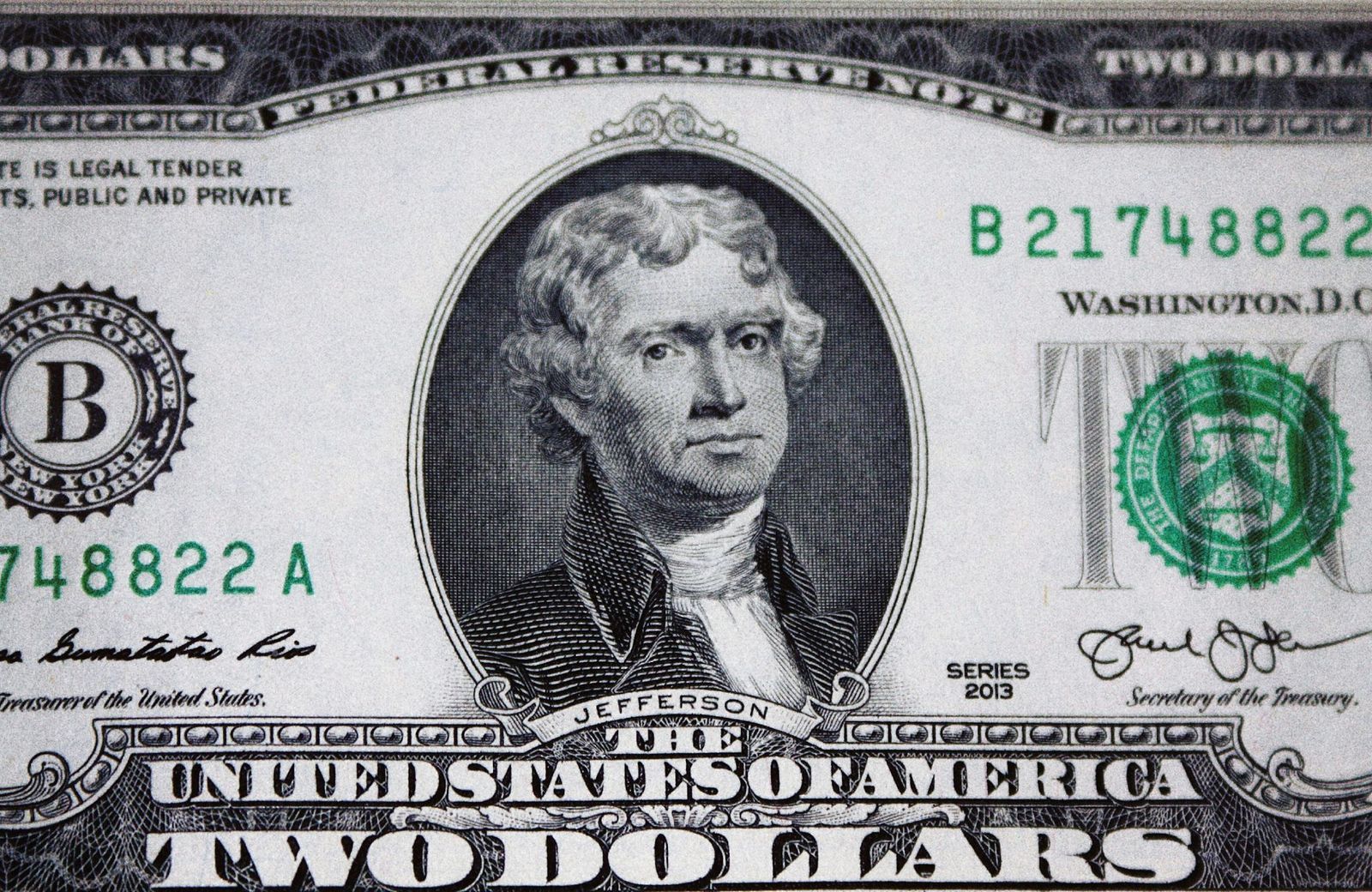
Thomas Jefferson brought a vocabulary rooted in classical legal training to early American governance. In a famous September 1789 letter from Paris to James Madison, Jefferson argued against binding future generations with national debt, declaring that "the earth belongs in usufruct to the living".

Borrowed from Roman civil law (usufructus), the term refers to the legal right to use and enjoy another party’s property temporarily without damaging or depleting it. Jefferson used the word to argue that each generation has a responsibility to care for the planet and protect it for the future.

10

Rendezvous — Franklin D. Roosevelt

Image: Naval History & Heritage Command, Public domain, via Wikimedia Commons

The French word rendezvous, meaning "present yourself", entered the English language in the mid-1500s from military vocabulary. Yet, Franklin D. Roosevelt gave the term a prominent place in American democratic speech.

Accepting the presidential nomination at the 1936 Democratic National Convention during the Great Depression, Roosevelt proclaimed: "This generation of Americans has a rendezvous with destiny." The line transformed a simple French loanword into a cry for national resilience that continues to be quoted by political speechwriters today.
The real origins

A house divided against itself: 10 famous phrases with biblical roots


Published on October 23, 2026


Image: Everett Collection

We use a lot of set phrases every day without giving much thought to where they came from. But you might be surprised to learn that many of them, even the ones you’d least expect, have biblical roots. Some have survived for centuries with barely a change, while others have taken on surprising new meanings. How does a saying last that long? From "A house divided against itself cannot stand" to "by the skin of your teeth," here are 10 everyday expressions that came straight from the Bible.

1

"A house divided against itself cannot stand" (Matthew 12:25, Mark 3:25, and Luke 11:17)

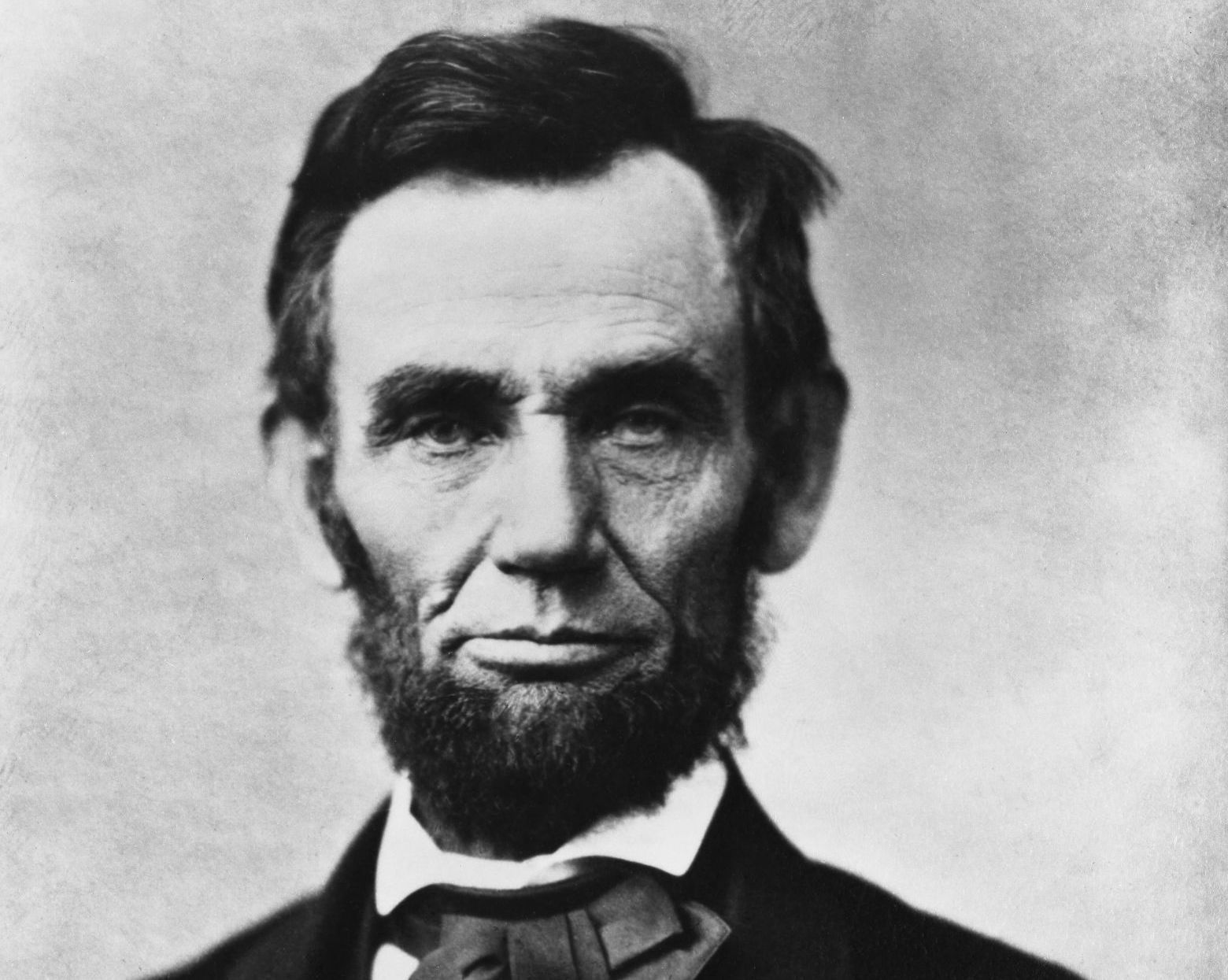
Image: Alexander Gardner, Public domain, via Wikimedia Commons

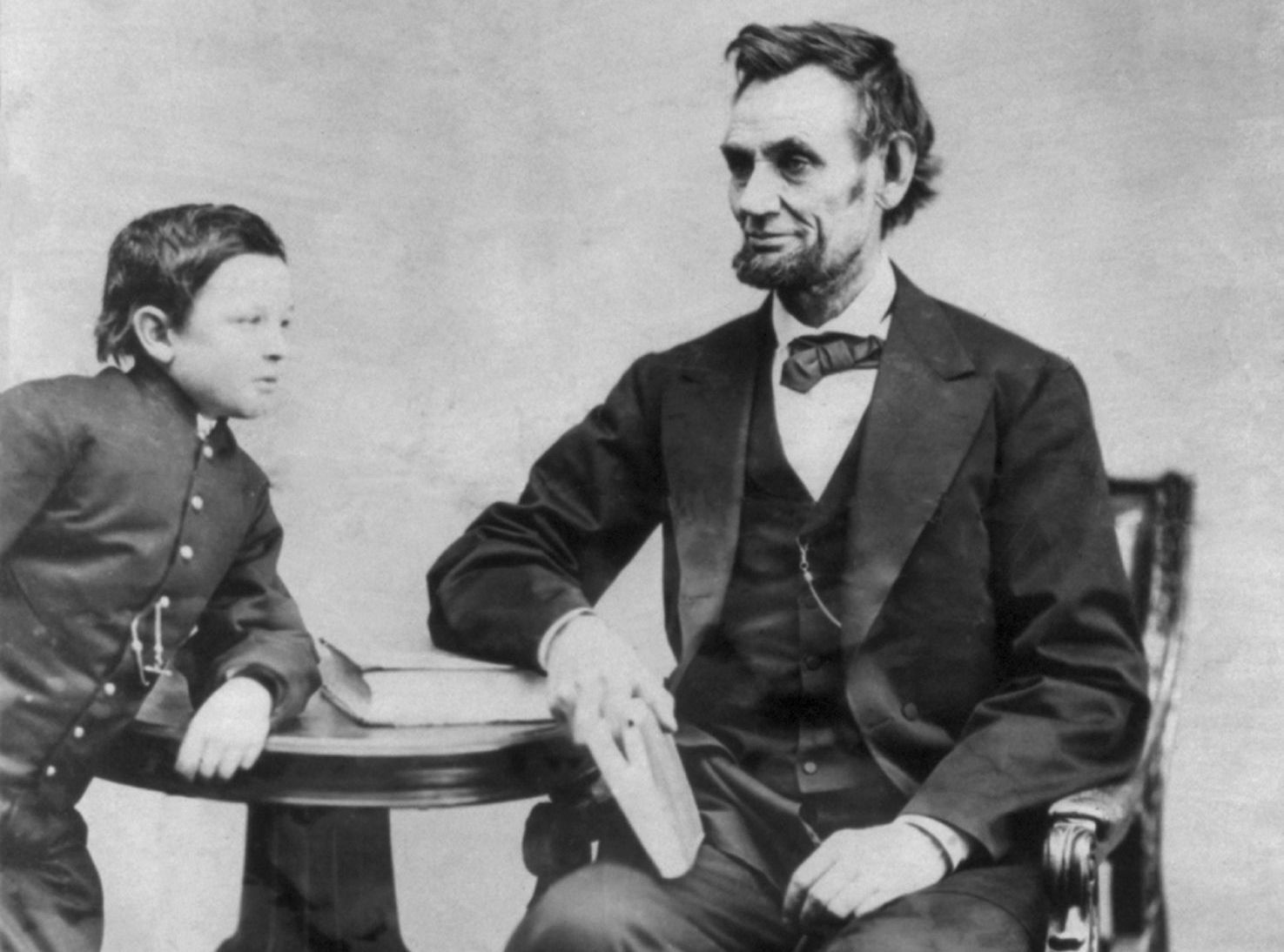
Most people associate "A house divided against itself cannot stand" with Abraham Lincoln, who used it in a famous 1858 speech while accepting the Republican nomination for US Senate. But the phrase is much older, with roots in the Bible.

It appears three times in the New Testament, used by Jesus to make a point during a dispute. According to the narrative, after he healed a man possessed by a demon, some leaders accused him of using Satan’s power. Jesus turned their argument against them: why would Satan fight his own forces? A kingdom or household divided against itself cannot survive. As English Bible translations spread, biblical expressions entered everyday speech. By the 1700s, this phrase was being used to describe feuding families, struggling businesses, and divided political groups, even before Lincoln made it famous in American history.

2

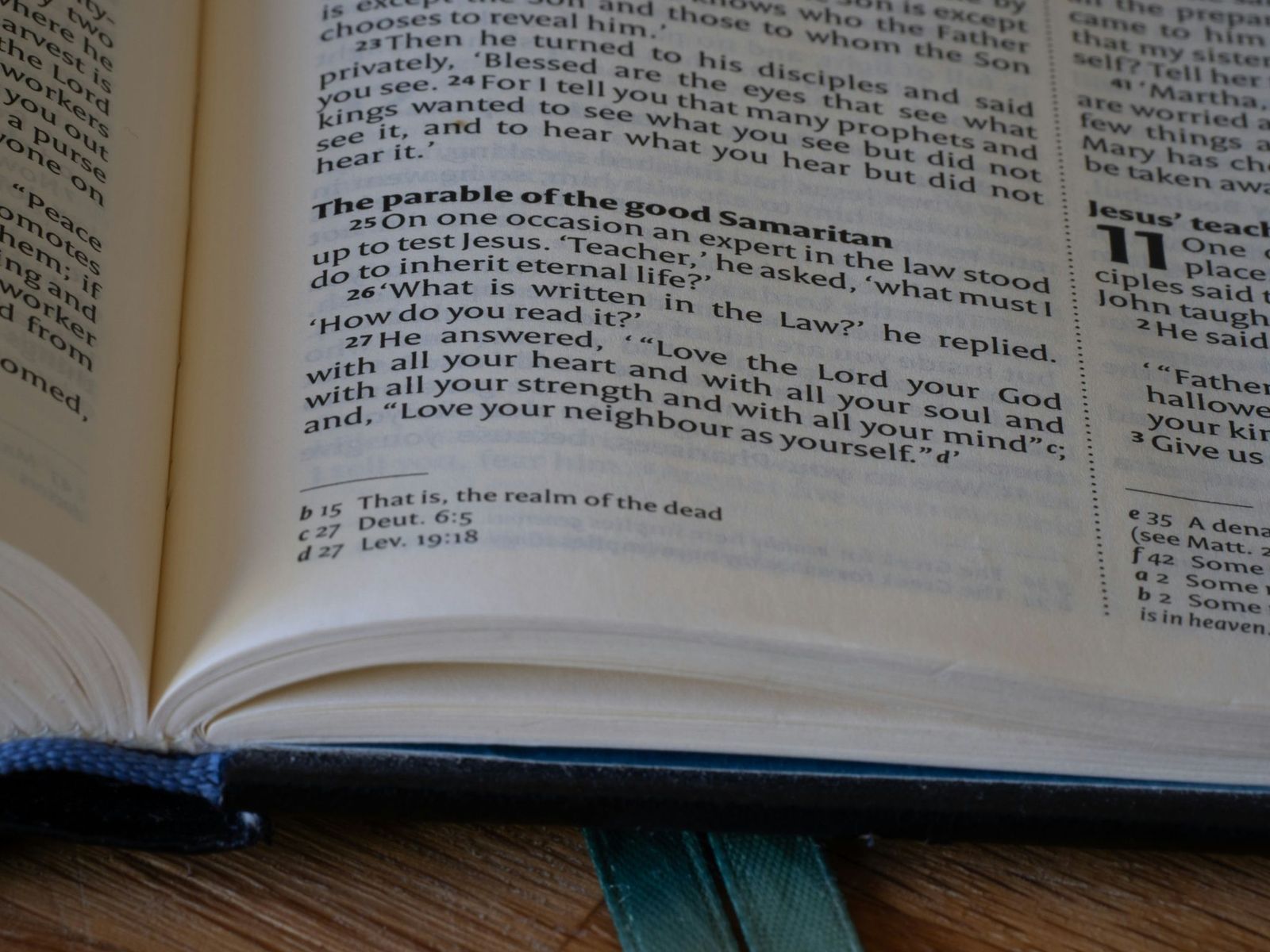
"Good Samaritan" (Luke 10:25–37)

Image: Brett Jordan

When someone stops to help a stranger in trouble, we call them a "Good Samaritan." It’s an everyday expression, but few know it comes from a biblical story.

In the Gospel of Luke, Jesus tells of a Jewish traveler who is robbed and beaten, left barely alive by the roadside. Several people pass him without stopping, but a Samaritan, a member of a community that had a long-standing rivalry with the Jews, stops to help and tends to his wounds. The message is clear: kindness can come from and be given to someone you least expect, even someone your own community regards as an outsider. As the story spread through Christian teaching and English Bible translations, "Good Samaritan" gradually entered everyday language. By the mid 1600s, it was becoming an established expression for anyone who goes out of their way to help someone in need.

3

"An eye for an eye" (Exodus 21:24, Leviticus 24:20, Deuteronomy 19:21, and Matthew 5:38–39)

Image: v2osk

Today, "an eye for an eye" often sounds like a license to get even, but its original purpose was almost the opposite.

The principle appears in several Old Testament passages and in much older legal codes, including the Code of Hammurabi. Known as lex talionis, it established punishment to match the offense, limiting the kind of endless blood feuds in which one injury could trigger another, and another. Rather than permitting people to take revenge, it set a boundary: no more than the offense deserved. In fact, in the New Testament (Matthew 5:38–39), Jesus criticizes the use of this rule as a justification for personal vengeance. William Tyndale used the wording "an eye for an eye" in his 1526 New Testament version, and the King James Bible helped popularize it. As Bible translations spread, the phrase entered everyday English. Over time, the expression moved from the language of law into everyday speech, where it now reflects an all-too-human urge.

4

"The writing is on the wall" (Daniel 5)

Image: Randy Tarampi

When someone says "the writing is on the wall," they’re warning you that trouble is coming and that it looks hard to avoid, but this everyday expression began with a scene straight out of the Bible.

In the Old Testament, King Belshazzar of Babylon throws a lavish feast and drinks from sacred vessels taken from the Jewish temple. Suddenly, a mysterious hand appears and writes four Aramaic words on the palace wall: Mene, Mene, Tekel, Upharsin. The prophet Daniel interprets the message as a warning that the king’s reign is about to end, and that very night, Babylon falls. In the 1500s, early English writers and theologians used the story as a divine warning to corrupt rulers. By 1720, Jonathan Swift, author of Gulliver's Travels (1726), was using "the handwriting on the wall" as a broader warning of trouble, without relying on the original religious meaning. By the 1800s, the expression had become part of everyday English as a way of saying that the signs are there; you just have to be willing to read them.

5

"Wolf in sheep’s clothing" (Matthew 7:15)

Image: photomaster

A "wolf in sheep’s clothing" is someone who seems harmless or trustworthy but is hiding bad intentions. The expression has kept much of its original meaning for centuries, though it began as a warning about a very specific kind of deceivers.

In Matthew 7:15, Jesus warns his followers about false prophets, saying, "They come to you in sheep’s clothing, but inwardly they are ferocious wolves." The image was strong: a dangerous predator disguised as something gentle. The King James Bible, published in 1611, helped spread the phrase throughout the English-speaking world. During the 1700s and 1800s, writers began applying it to dishonest politicians or deceptive lawyers. By the 19th century, the wolf in sheep’s clothing had moved away from its strictly religious meaning and entered everyday speech as a label for anyone whose friendly appearance hides a less nice side.

6

"Blind leading the blind" (Matthew 15:14)

Image: Standret

Ever had a coworker try to teach you a computer program they barely understand themselves? That’s a perfect example of "the blind leading the blind", and this familiar expression has a long history behind it.

It comes from Matthew 15:14, where Jesus warns about religious leaders who actually don’t follow God: "If the blind lead the blind, both will fall into a pit." The image stuck, and in 1500, Dutch scholar Desiderius Erasmus included the saying in Adagia, his widely read collection of proverbs. By the 1700s, as English Bible translations became more widely read, the biblical expression found its way into everyday language. Writers and playwrights began using it to criticize incompetent politicians, bad doctors, or clueless artists. Over time, its meaning broadened into the phrase we know today: people who don’t know what they’re doing trying to lead others who are just as lost.

7

"The love of money is a root of all kinds of evil" (1 Timothy 6:10)

Image: Artem Svystun

"Money is the root of all evil" is a saying many people attribute to the Bible, but the thing is that’s not quite what the Bible says. The original warning is about the love of money, not money itself; a small change that makes a big difference.

In 1 Timothy 6:10, the apostle Paul says, "The love of money is a root of all kinds of evil," to warn a young pastor named Timothy that the pursuit of wealth could lead people away from their faith and bring them trouble. The target was greed, not the contents of your wallet. By the 14th century, the saying had become a familiar warning against avarice in Catholic preaching and also appeared in Geoffrey Chaucer’s famous The Canterbury Tales (1476-1477). Then, the King James Bible (1611) helped cement the wording in English. As biblical language spread into everyday speech, the original warning gradually lost a few words and some of its nuance. Today, "money is the root of all evil" is often used to criticize not just greed, but money itself and even capitalism.

8

"By the skin of your teeth" (Job 19:20)

Image: Ozkan Guner

Ever made it to the airport just as the gate was closing, or escaped a serious mistake at the very last second? You might say you got away "by the skin of your teeth." It’s a strange expression, though, so where did it come from?

The phrase traces back to the biblical Book of Job, where Job describes his terrible suffering and says in the King James Version, "I have escaped by the skin of my teeth" (Job 19:20). Although scholars still debate the use of "teeth" in this translation, Job, worn down by pain and illness, was describing survival at the very edge of endurance, not a last-second getaway. Over time, writers such as John Milton in Paradise Lost (1667), Charles Dickens in David Copperfield (1849-1850), and Victor Hugo in Les Misérables (1862) helped carry the expression into literature and consequently into everyday speech. By the 19th and 20th centuries, its religious context had faded, leaving us with the meaning we know today: escaping danger or succeeding by the narrowest margin.

9

"The last shall be first" (Matthew 19:30; Matthew 20:16)

Image: Aaron Burden

Imagine a struggling football team pulling off a stunning upset against a longtime champion. When the underdogs are on top, the saying "the last shall be first" seems to fit perfectly. But this familiar expression began with a much more complex idea than an unexpected win.

The phrase comes from the Gospel of Matthew, where Jesus declares, "The last shall be first, and the first shall be last." In an ancient world where wealth, power, and high social standing were often viewed as signs of God's favor, he turned that order upside down. In the Kingdom of God, he taught, the humble and overlooked could be honored above the powerful and privileged. By the 17th century, the saying had also become a familiar way to encourage people facing hard times. And in the 19th and 20th centuries, it took on broader social and political meaning, inspiring people fighting for equality and liberation.

10

"Salt of the earth" (Matthew 5:13)

Image: Royce Fonseca

Got neighbors who are always ready to lend a hand and never expect anything in return? You might call them "the salt of the earth". Today, it’s a warm compliment, but its roots go back directly to the Bible.

In Matthew 5:13, Jesus tells his followers, "You are the salt of the earth: but if the salt have lost his savour, wherewith shall it be salted?" In the first century, salt was highly prized, used to preserve food, treat wounds, mark sacred agreements, and in some places, it even served as a form of payment. So the comparison carried a powerful message: just as salt kept food from spoiling, people should help preserve goodness and integrity in the world. The expression later spread into everyday English, appearing in Geoffrey Chaucer’s The Canterbury Tales in the 14th century. Over time, its religious meaning faded, and by the 19th century, the phrase shifted from urging people to live with integrity to describing those who do.

Looking for an extra scoop of literary fun?

Learn more with our Word of the day

affluent

/ˈæˌfluənt/