10 Mystery novels and authors that still keep us guessing


Published on August 27, 2026


Image: Nicoleta Ionescu

You’ve probably imagined yourself as a detective at least once and wondered if you would trust your instincts or question every clue. Quite possibly one of these world-famous mystery authors should have written a story about you. Today, we will be looking at 10 of the best intrigue masters who keep readers on the edge of their seats with thrilling stories of secrets and riddles that must be solved sooner rather than later.

1

Agatha Christie - The Queen of Mystery
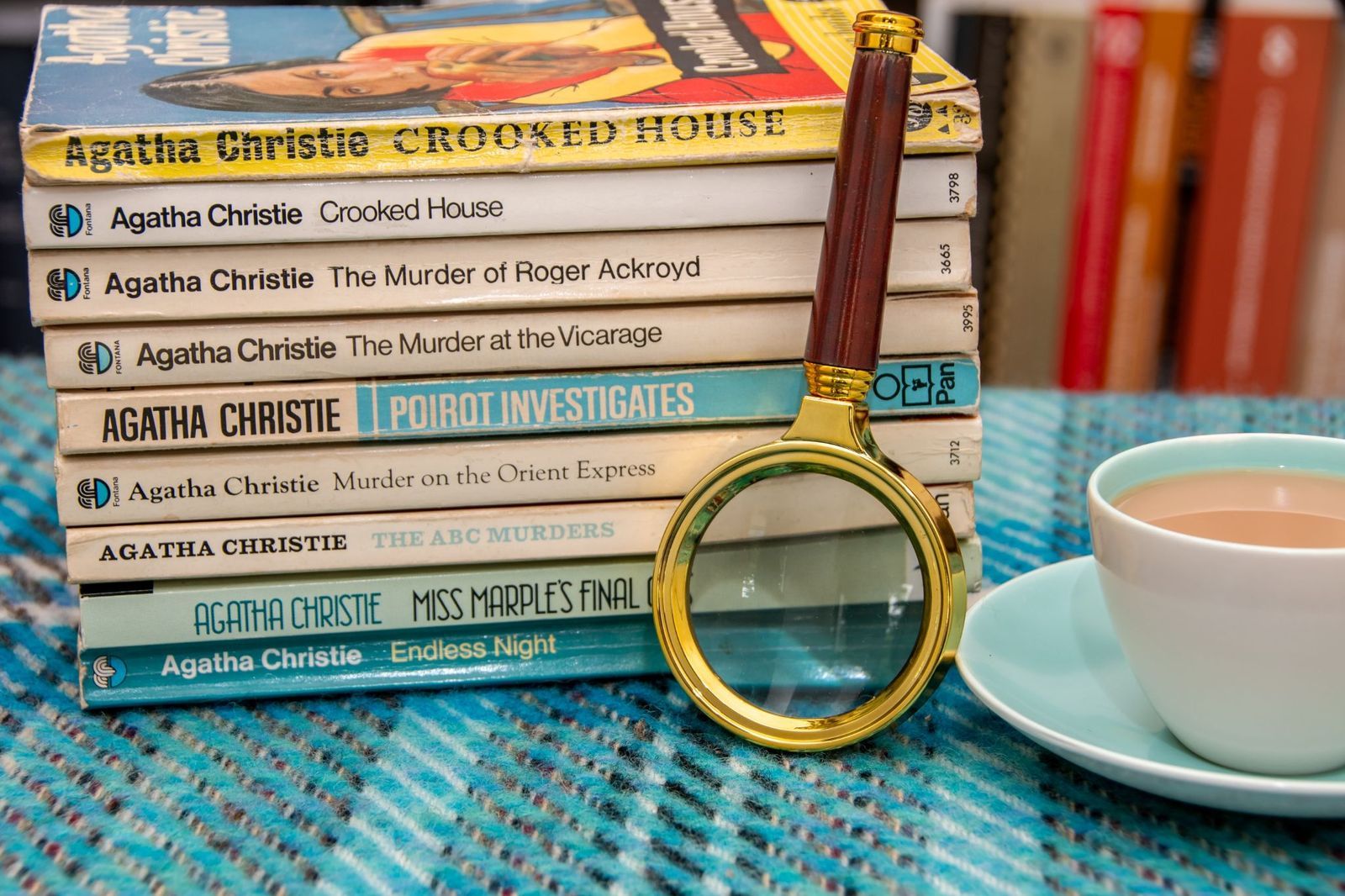
Image: Doodeez

If you love constant intrigue, then Agatha Christie (1890-1976) is an essential read. She is a world-famous British writer and the undisputed Queen of Mystery, having written 66 novels that keep readers on their toes with ingenious misdirection and shocking plot twists, leaving generations of readers guessing right up to the final page.

And Then There Were None is her must-read novel. Published on November 3, 1939, it is the world’s best-selling mystery novel where 10 strangers are lured to an isolated island off the Devon coast by an intriguing host. While accused of past crimes, they are killed one by one, following a nursery rhyme.

2

Sir Arthur Conan Doyle - The Original Detective Genius
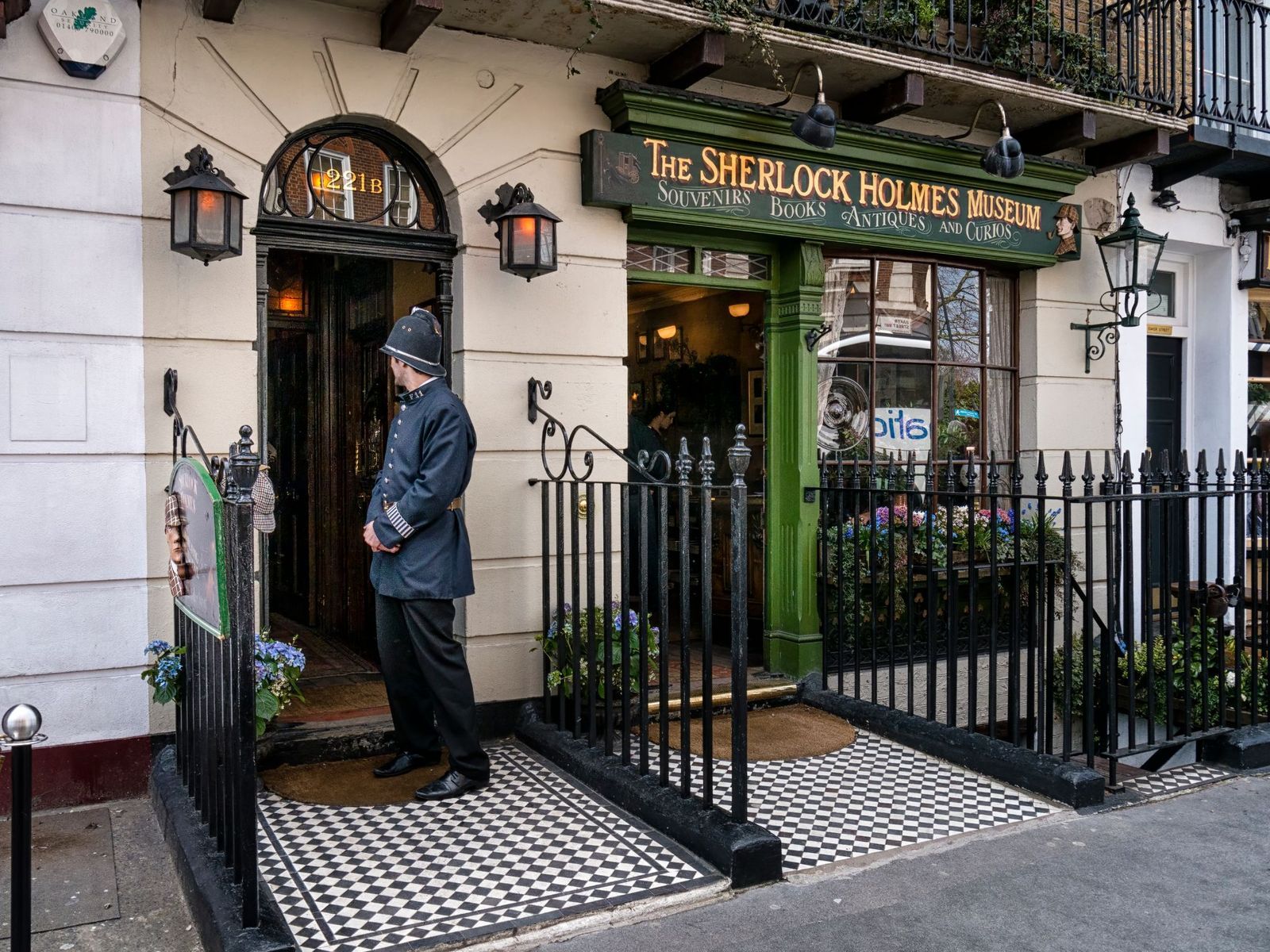
Image: Sir Arthur Conan Doyle

Logic isn’t the only thing that leads to solving mysteries. Sir Arthur Conan Doyle (1859-1930) created none other than the world's most famous consulting detective, Sherlock Holmes, and proved that. Holmes appeared in four novels and 56 short stories, alongside his loyal friend and narrator, Dr. John Watson, and changed mystery fiction forever.

Published in 1902, The Hound of the Baskervilles is a masterpiece of detective fiction that comes to life through Sherlock's sharp mind; alongside his research of supernatural myths, it became a timeless story of suspense and surprise.

3

John Grisham - Legal Thrillers That Feel Real
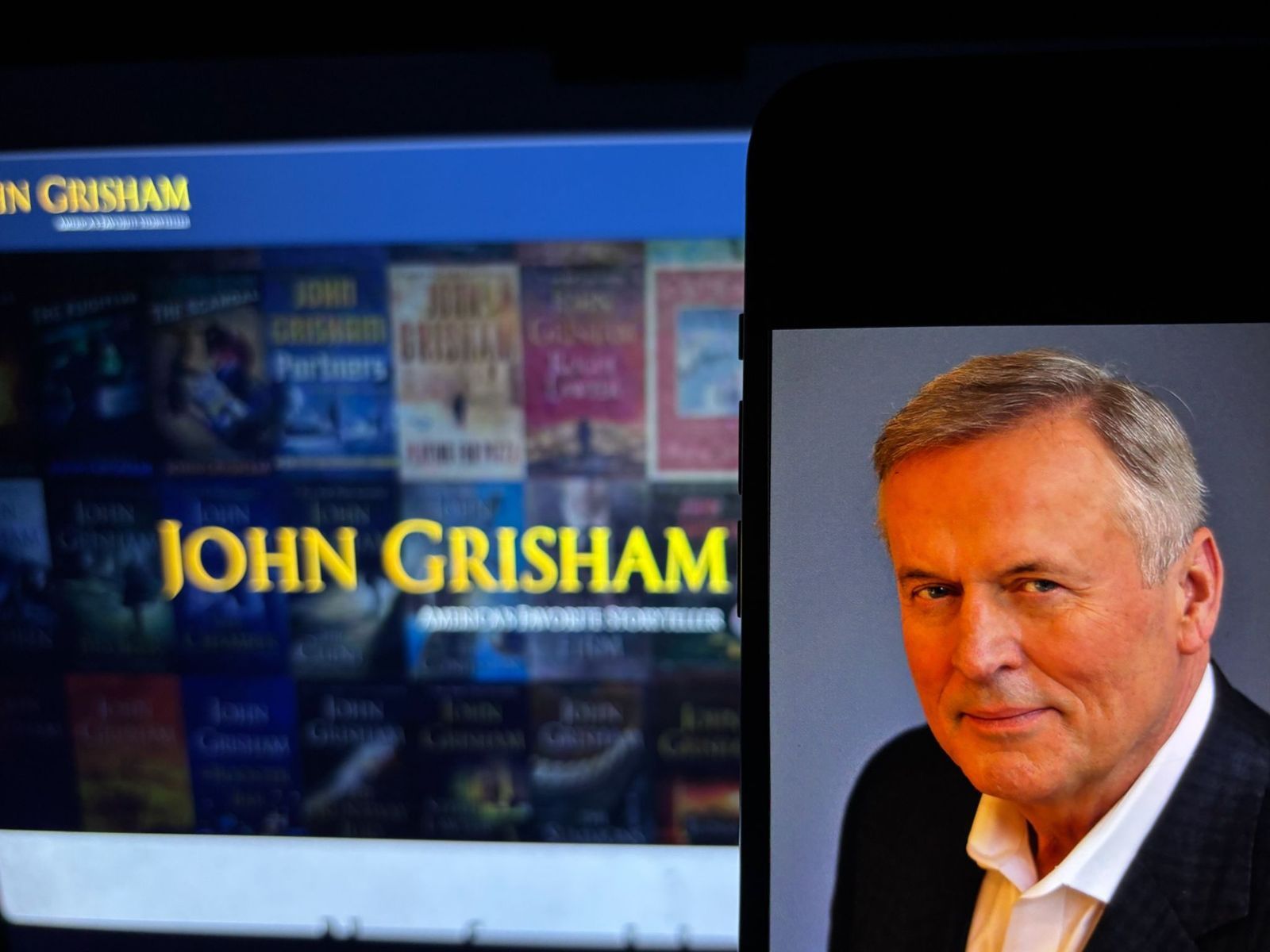
Image: bella1105

Success can sometimes come at a dangerous price. John Grisham, born February 8, 1955, brought this to light by writing many popular legal thrillers that feel very real. He used his own professional experience as a lawyer in a small-town Mississippi firm to build authentic courtroom scenes, flawed human characters, and high-pressure, controversial moral dilemmas.

The Firm, his novel published in 1991 and made into a film starring Tom Cruise, is deeply mysterious and suspenseful, centering on a young lawyer who joins a secretive law firm that offers massive wealth, only to uncover deep, dark secrets, suspicious deaths, and a Mafia conspiracy.

4

Mary Higgins Clark - The Suspense Queen

Image: Volodymyr TVERDOKHLIB

More often than not, the people closest to you hold secrets you wouldn’t imagine possible. Mary Higgins Clark (1927-2020) was a widely acclaimed American author, known as the "Queen of Suspense," who reflected this in her work. Her thrillers are known for being wholesome, avoiding gory or explicit descriptions, and for having self-reliant female heroines in stories filled with relatable fears such as domestic tensions, memory loss, and threats to family or children.

Following those themes, her first novel, Where Are the Children?, published in 1975, became a breakout hit and helped build a legacy defined by clean, fast-paced, and gripping psychological books.

5

Raymond Chandler - Noir at Its Finest

Image: Ned Snowman

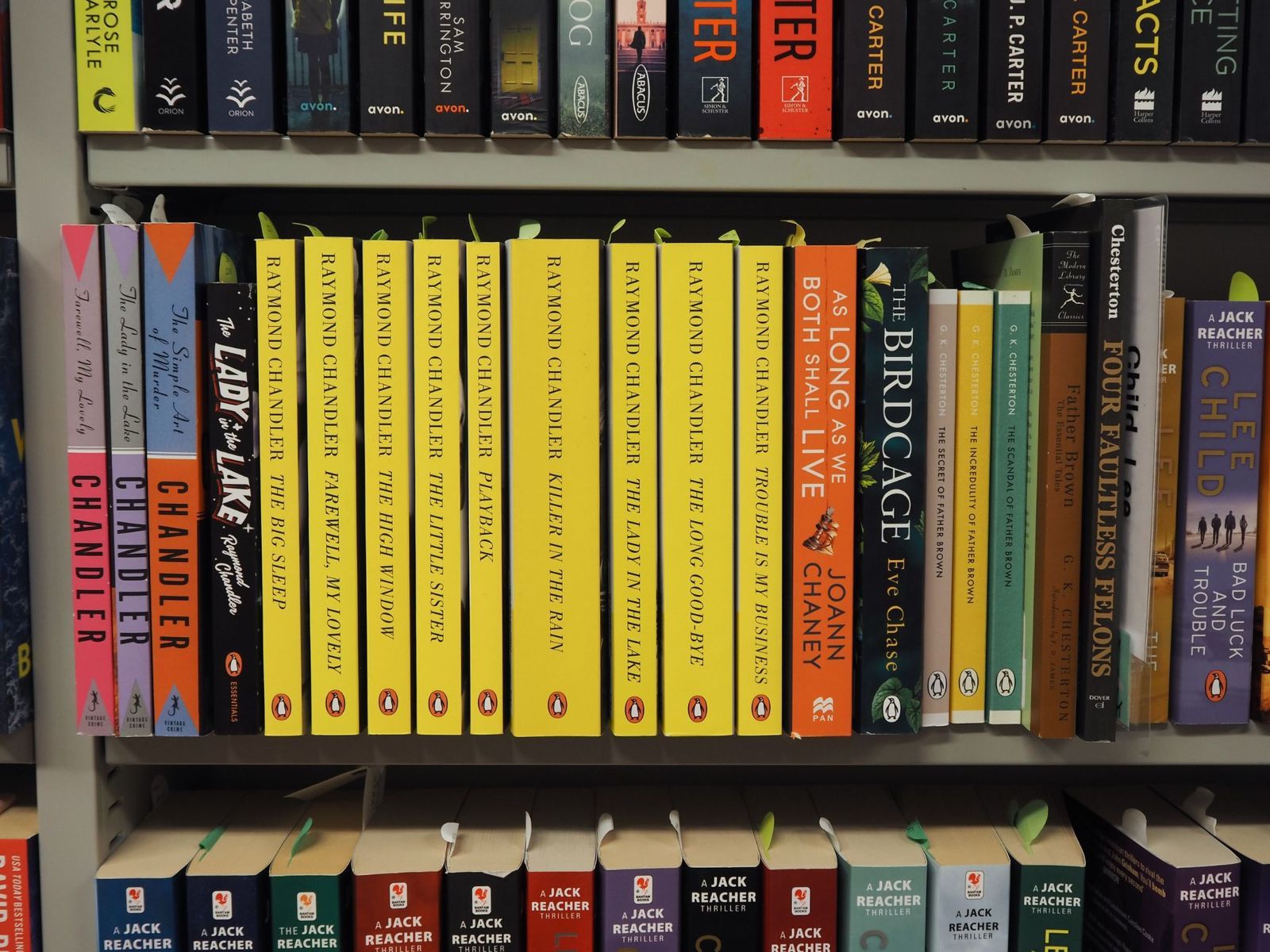
If you prefer your mysteries dark, gritty, and morally complex, then Raymond Chandler (1888-1959), a British-American author best known for his novels and screenplays, is the answer. He helped define what is known as "hard-boiled" detective fiction through his complex plots, including his private-eye detective, Philip Marlowe, set against the dark side of the American dream, where deceit and corruption lurk beneath the Los Angeles sun.

He spent his early years in England and later wrote classic crime noir novels, such as his 1939 classic, The Big Sleep, where inspector Marlowe is hired by a wealthy general to investigate a blackmail scheme involving his daughter. In doing so, Chandler’s lead detective dives into the shadowy world of murder, deceit, and corruption.

6

Sue Grafton - Letter Crafter

Image: beeboys

Sometimes it feels like every letter could bring a new secret to light. Sue Grafton (1940—2017) brought this feeling to life in her Alphabet Series, a widely celebrated collection of hard-boiled detective stories featuring a female private investigator and former cop, Kinsey Millhone.

Kicking off with A Is for Alibi in 1982 and concluding with Y Is for Yesterday in 2017, the bestselling series spans 25 books, was inspired in part by Edward Gorey’s alphabet-based book The Gashleycrumb Tinies, and is set in the fictional California town of Santa Teresa (modeled after Santa Barbara).

7

Robert B. Parker - Classic American Detective Stories
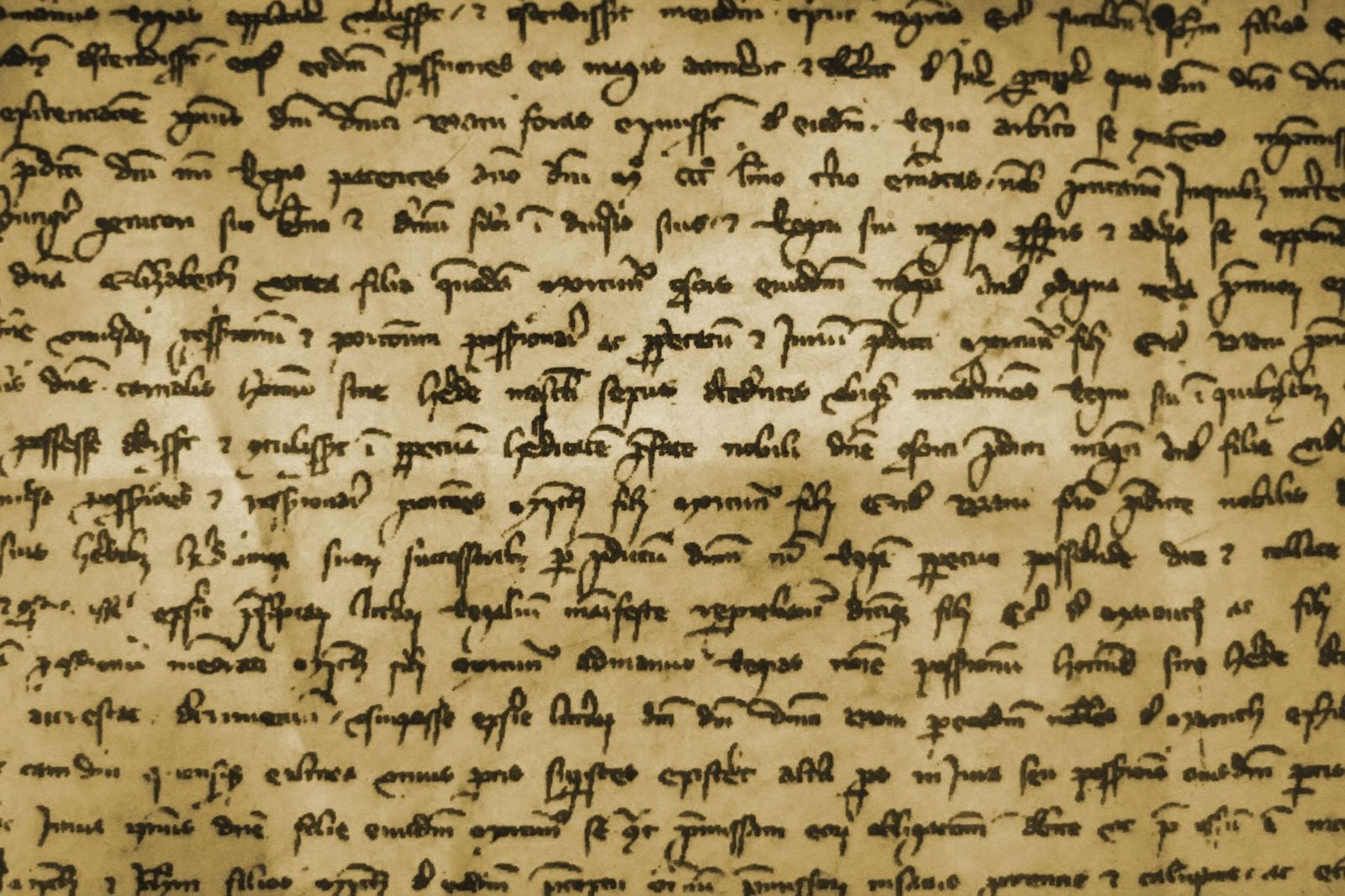
Image: fluidworkshop

We don’t often think of a detective as both tough and thoughtful, but Robert B. Parker (1932-2010) was a master of modern American crime fiction, who reshaped the detective genre by combining tough-guy action with sharp wit and a deep moral code.

Spenser, for example, is his leading investigator who cooks, quotes poetry, and loves his partner, Susan Silverman. The Godwulf Manuscript (1973) is the first Spenser book, introducing this character as a wisecracking private investigator searching for a stolen medieval university manuscript.

8

P.D. James - Literary Mystery at Its Best
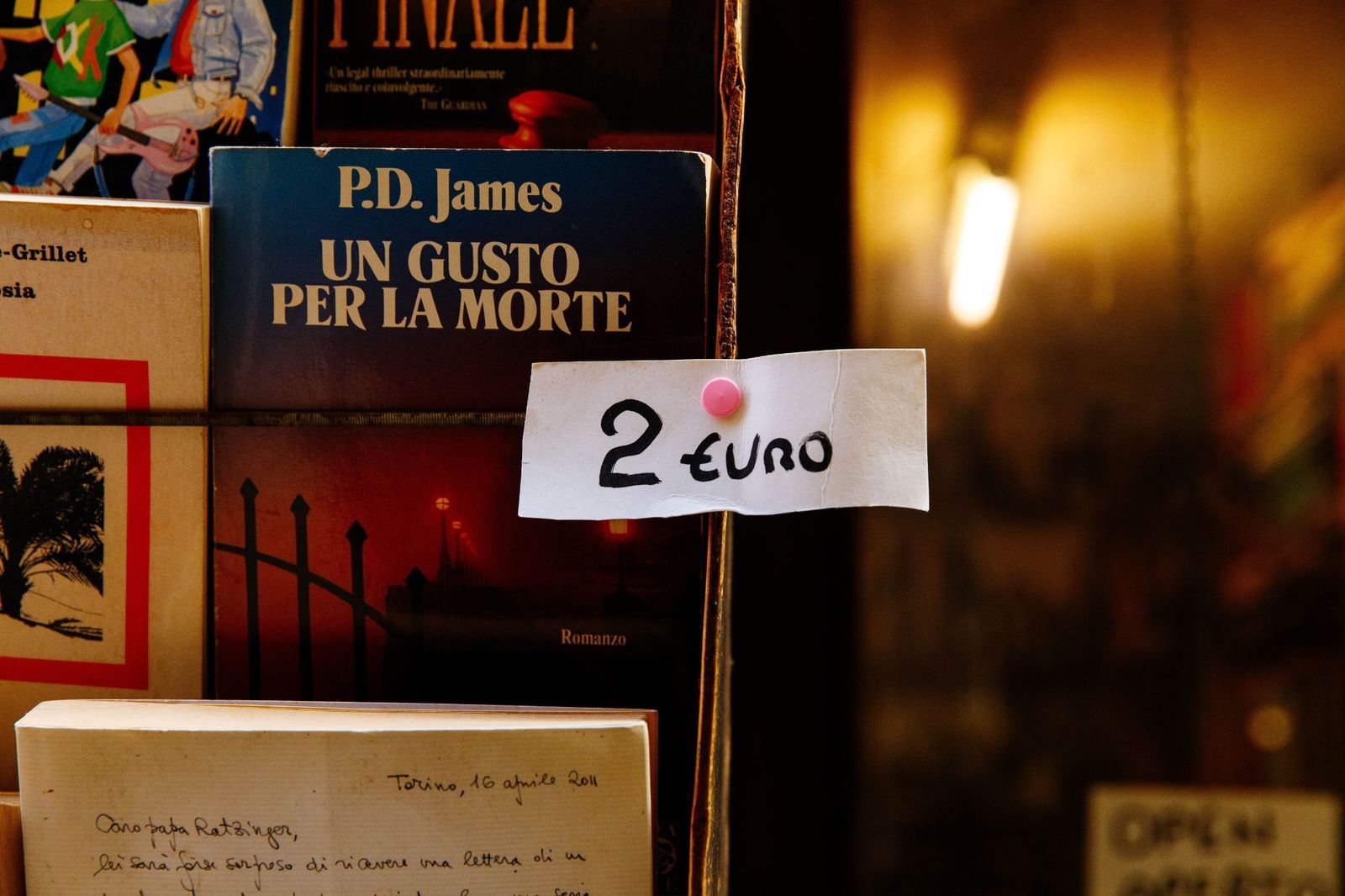
Image: HelgaQ

The best mysteries are those layered with emotion and insight. P.D. James (1920-2019) was such a masterful British crime fiction writer who achieved both and was known by many as the "Queen of Crime". Her books present clever puzzles mixed with a deeper human understanding, making her famous for her thoughtful style amidst dark plots.

Cover Her Face is her 1962 debut crime novel, introducing her famously clever and sensitive Scotland Yard detective Adam Dalgliesh, as he investigates the shocking murder of an ambitious young housemaid in an English country manor.

9

Tana French - Psychological Mystery Mastery
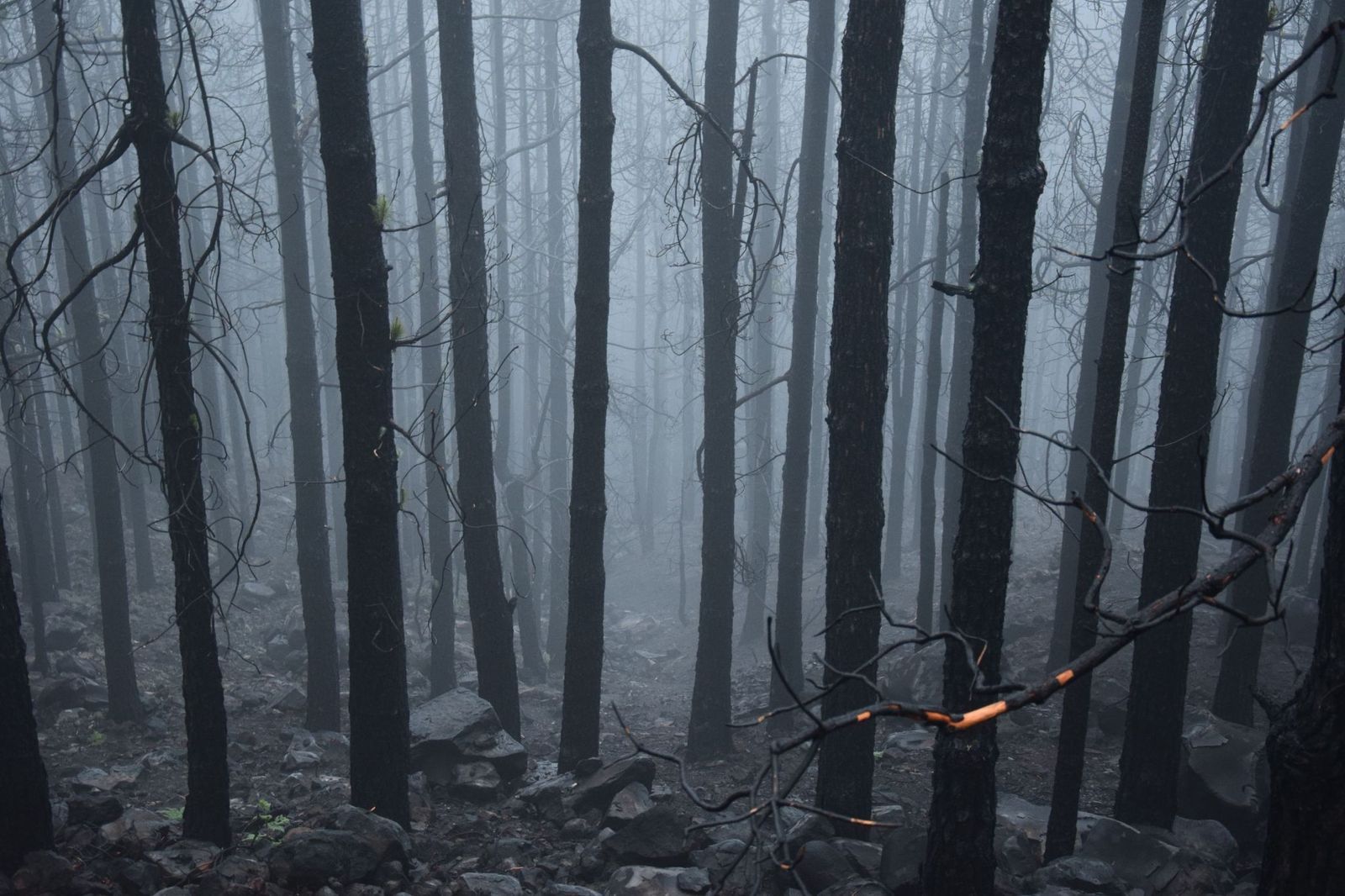
Image: DavideDiLernia

It’s not often that we see a character solving a crime while answering their own personal questions, but Tana French, born May 10, 1973, is an acclaimed Irish author who explores such scenarios. She is known by many as the "First Lady of Irish Crime," renowned for her psychological mystery style that focuses intensely on human flaws, memory, guilt, and the deep emotional impacts of a crime, rather than just procedural puzzle-solving.

In the Woods, published in 2007, is her debut psychological mystery novel, and the first book in the Dublin Murder Squad series. It follows detective Rob Ryan as he investigates a young girl’s murder, echoing some of his own childhood trauma.

10

Tony Hillerman - Mystery Meets the American Southwest

Image: Kathleen Thomas-McCue

Besides the characters, the landscape can also hold secrets, and sometimes tradition can reveal what evidence cannot. Tony Hillerman (1925 - 2008) was a best-selling writer and journalist, famous for his detective novels set in the American Southwest, who brought these ideas to the table. His stories take place in the Navajo Nation, starring tribal police officers Joe Leaphorn and Jim Chee. His books intertwine classic crime puzzles with a deep respect for Native American ways and desert landscapes.

Published in 1970, The Blessing Way was his debut novel, set across Arizona and New Mexico, centering on a baffling murder with no tracks in the sand, while blending local fears of the skinwalker (or "Wolf Witch") with modern Cold War surveillance methods.

Decoding

Being a "treasured guest" is not a compliment. This is the hidden meaning


Published on August 27, 2026


Image: Hitesh Choudhary

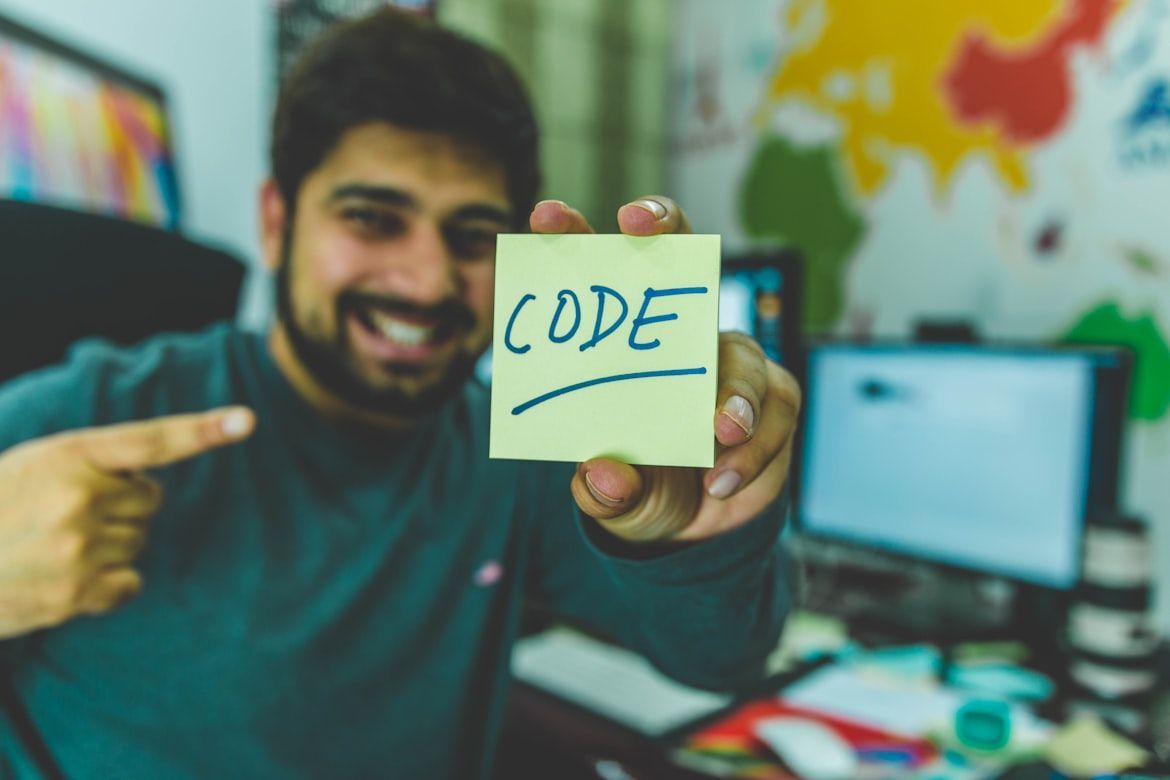
Have you ever heard "Code Adam" while shopping for groceries at Walmart? Or maybe you’ve heard how "Dr. Firestone" was being paged during a routine hospital visit. They sound like harmless announcements. But behind these ordinary words are secret codes staff use to signal emergencies without causing panic. From hospitals and supermarkets to airports and Disney Parks, these phrases quietly warn employees that something is happening. You hope you never hear them, but if you do, it helps to know exactly what they mean.

1

Treasured guest

Image: Helena Lopes

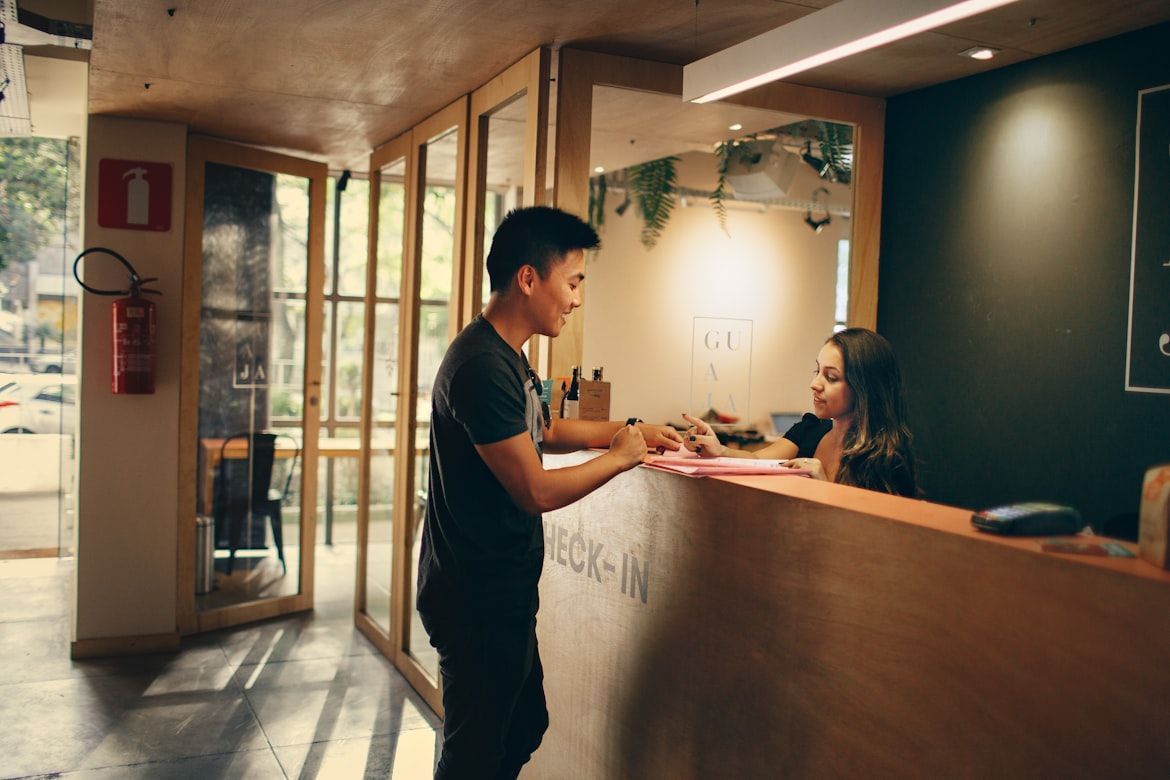
We all love getting special attention at airports or hotel desks, but if you hear the clerk call you a "treasured guest," don’t feel so flattered. You may not be as VIP as one could think.

In the hospitality industry, "treasured guest" has become a humorous bit of industry folklore to describe someone causing trouble. Maybe a customer yelling at staff over expired coupons, demanding impossible accommodations, or throwing a full-blown tantrum at the front desk. Whatever it is, the phrase has become the staff’s secret way to warn co-workers without escalating the situation in front of the customers. Most guests don’t realize the meaning, but once you know it, you may start hearing it more often. We just hope it’s not about you.

2

Code Adam

Image: Karsten Winegeart

Imagine you’re pushing a shopping cart through Walmart when suddenly the overhead speaker announces, "Code Adam." You can easily assume it’s some kind of employee meeting or cleanup request. But when you see them start locking the exits and moving around, you know something’s wrong.

This code was created in 1994 by Walmart in collaboration with the National Center for Missing & Exploited Children (NCMEC), in memory of the tragic case of 6-year-old Adam Walsh. Adam was abducted from a Sears department store in 1981 while shopping with his mother. His father, John Walsh, later became famous for hosting the TV program America’s Most Wanted and advocating for missing children. Even if Adam’s story ended in tragedy, Walmart created the emergency system in Adam’s memory, and other retailers soon adopted it nationwide, intending to have a quick response to missing or abducted children.

3

Code Blue

Image: Günter Valda

You’re sitting in a hospital waiting room during a routine check-up when you suddenly hear "Code Blue, Room 214." Most people immediately know it sounds serious, even if they are not entirely sure why.

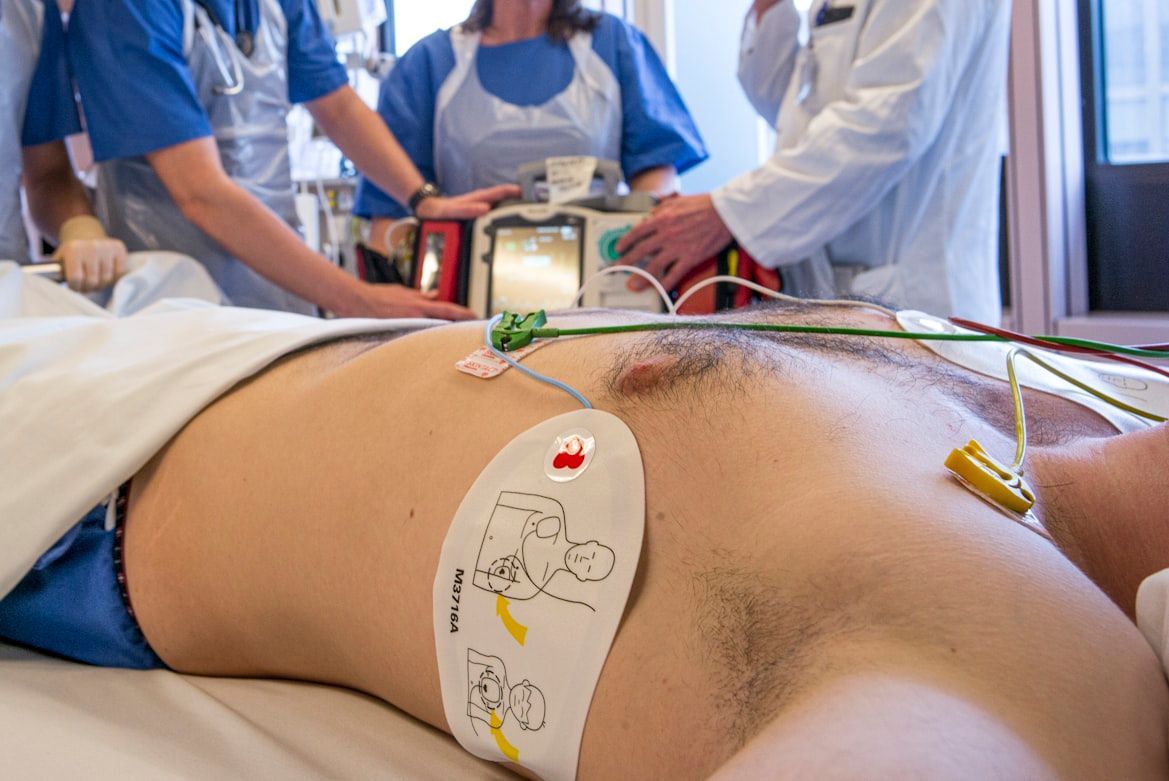
The phrase "Code Blue" is used at hospitals to draw the necessary staff and equipment to perform a resuscitation. It was created in the early 1960s at Beathany Medical Center by Dr. Hughes Day. Before then, hospital resuscitations were often chaotic and poorly coordinated. In 1961, Dr. Day received a grant to build one of America’s first cardiac care centers, and he developed both the Code Blue alert system and the modern crash cart to improve survival rates during cardiac emergencies. Today, the system is used in hospitals across the country, sometimes with specialized versions like "Code Blue Pediatric" or "Code Blue Neonate."

4

Dr. Firestone

Image: Cdn Pages

Imagine visiting a loved one in the hospital when the intercom calmly announces, "Paging Dr. Firectone to the third floor." Your head surely goes, "Dr. Firestone’s probably having a busy day up there." He is, but it’s not what you think.

The phrase is actually a discreet fire alert used to warn staff about smoke, flames, or overheating equipment without frightening patients and visitors. Hospitals adopted these coded announcements after realizing that openly yelling "fire" over loudspeakers could create panic, especially among patients who aren’t able to move quickly. "Code Red" is an alternative used by many health centers today, but it also hints at the situation while keeping hallways calm.

5

Code 10

Image: Blake Wisz

You’re standing at a checkout counter when the cashier picks up the phone and quietly says, "I need a Code 10 authorization." If you think that’s just another way to get a supervisor’s approval or technical issue, think again. In reality, the cashier may suspect the credit card is stolen or fraudulent.

Code 10 was developed through a cooperative effort between major credit card companies like Visa and Mastercard, along with international standard organizations. As credit cards became more common in the 1960s and 1970s, stores needed a discreet way to alert banks about suspicious activity without directly accusing customers and potentially putting employees at danger. When a cashier requests a Code 10, the bank’s operator begins asking yes-or-no questions to assess the situation and guide the employee on what to do next.

6

Code Bravo

Image: CDC

You’ve probably experienced those long airport security lines. The wait is usually uneventful. But sometimes, you can hear "Code Bravo" over the speakers. Maybe it’s a delay, or maybe it’s an issue with luggage. Within seconds, people stop moving, the security line freezes, and exits may even close. It’s something bigger.

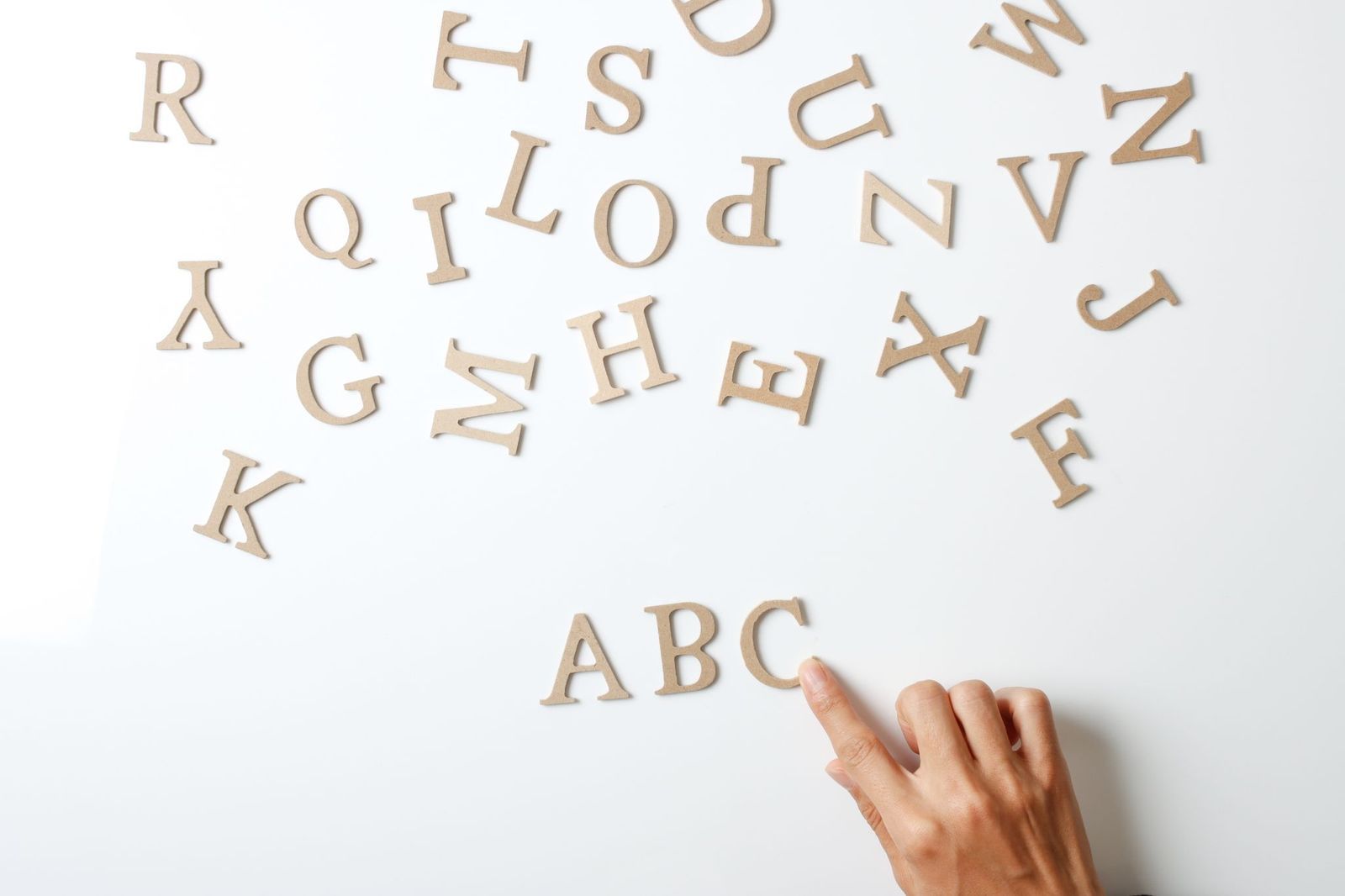
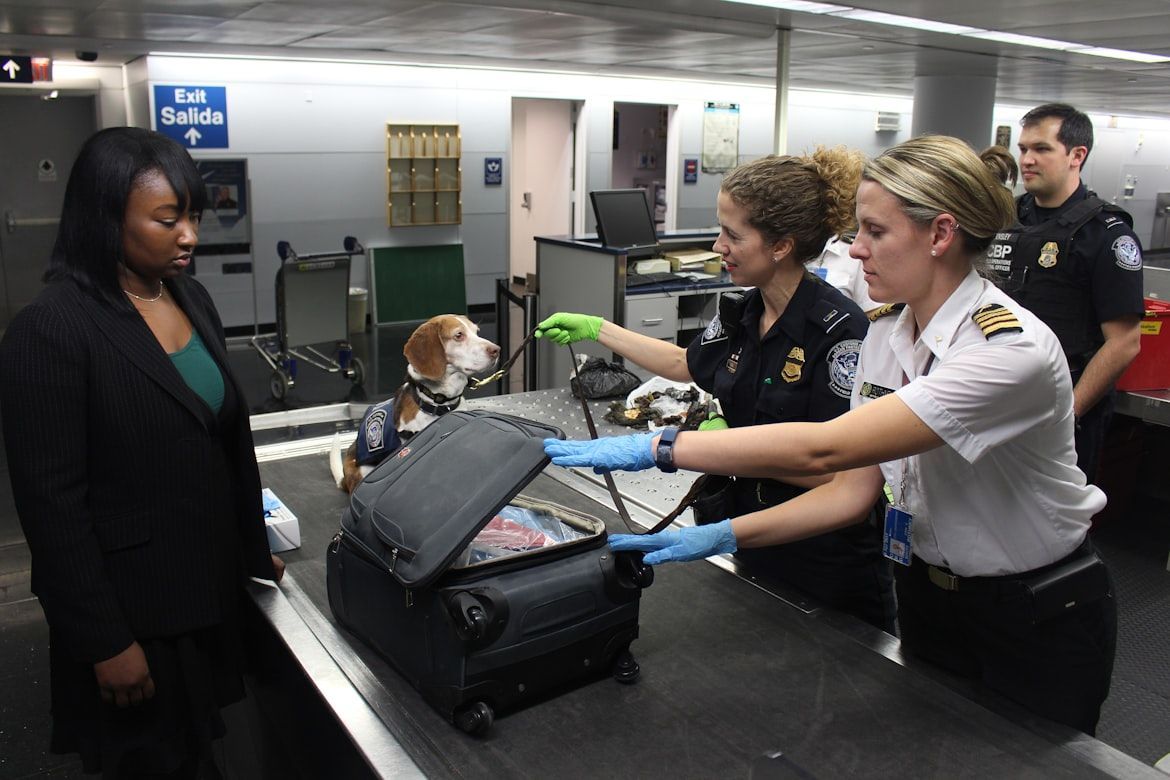
Code Bravo is the emergency phrase used by airport security and the Transportation Security Administration to signal a serious security threat, such as an unattended bag, a breach at a checkpoint, or someone slipping into a restricted area. The term comes from the international phonetic alphabet used in aviation and military communications, where "Bravo" represents the letter B. When this is called, security staff immediately lock down affected areas, stop screening lines, and search for the source of the threat. To passengers, it’s sudden and confusing, but to security, it’s a carefully rehearsed response.

7

Code Alpha

Image: Navy Medicine

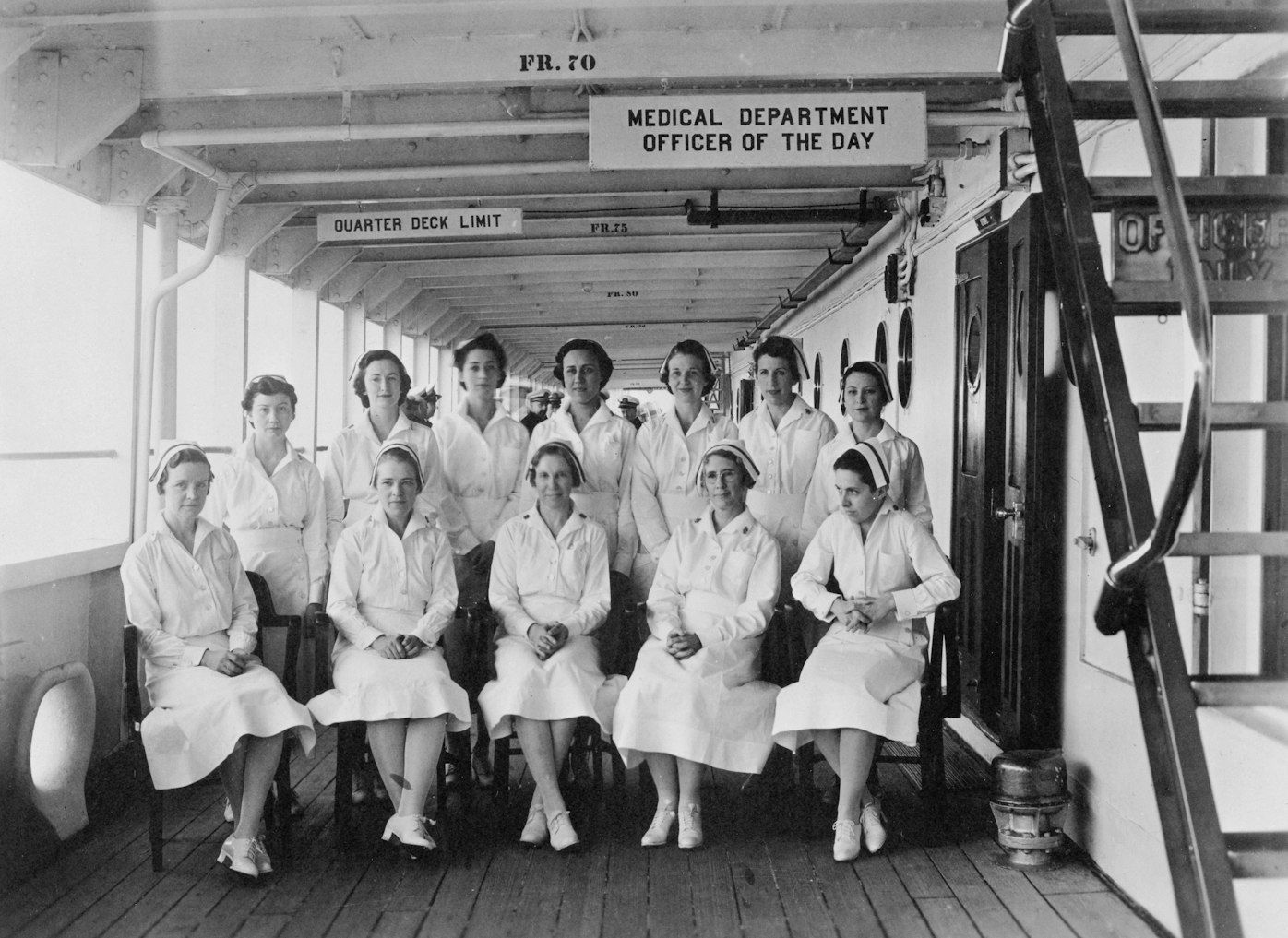
You are heading back to your cabin on a cruise ship when the speakers announce, "Code Alpha, Deck 7." You may think Alpha is related to the captain, but that’s not the case. It means someone on board is suffering a medical emergency.

The phrase comes from the NATO phonetic alphabet, where "Alpha" represents the letter A. In maritime emergency jargon, it became shorthand for a Priority A medical situation requiring immediate response. Cruise lines such as Royal Caribbean and Disney Cruise Line commonly use the term, though some ships use variations like repeating "Alpha" three times. Once the code is announced, onboard medical teams rush toward the specified deck or cabin. If necessary, stretcher crews are mobilized, and in severe cases, the ship may even divert course toward the nearest port for emergency evacuation. Passengers are enjoying the views, but the staff is running to save a life.

8

10-33

Image: chris robert

Anyone who remembers the CB radio craze of the 1970s probably smiles when they hear "10-4." Movies, truckers, and radio fans turned those number codes into a part of American culture. So if you overhear "10-33" on a police scanner, you might assume it’s just another routine message. But it’s not as simple as it sounds.

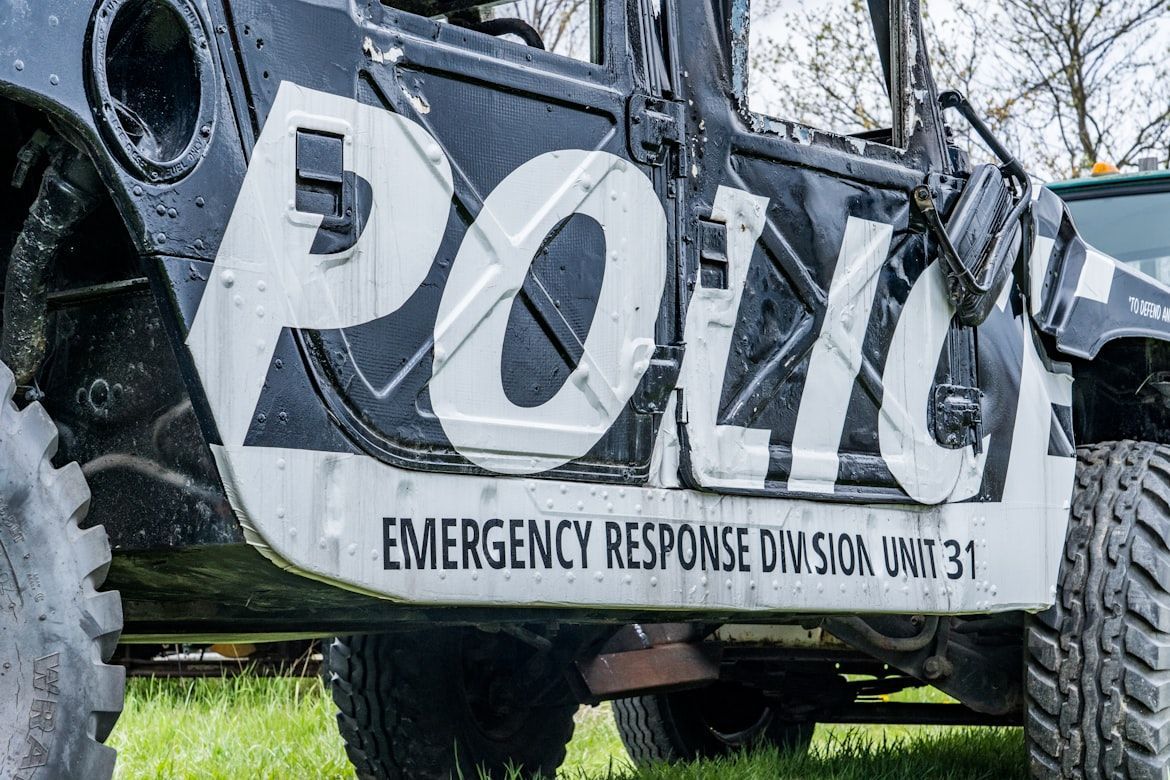
The 10-code system was first created in 1937 by Illinois State Police communications director Charles Hopper and later standardized by the Association of Public Safety Communications Officials, better known as APCO. Officers needed short phrases they could understand clearly over crackling radio signals. The 10-33 code commonly means an officer needs emergency assistance. In some departments, it also signals radio silence so dispatchers can focus on the crisis unfolding in real time.

9

Signal 70

Image: Samuel Lopez Cruz

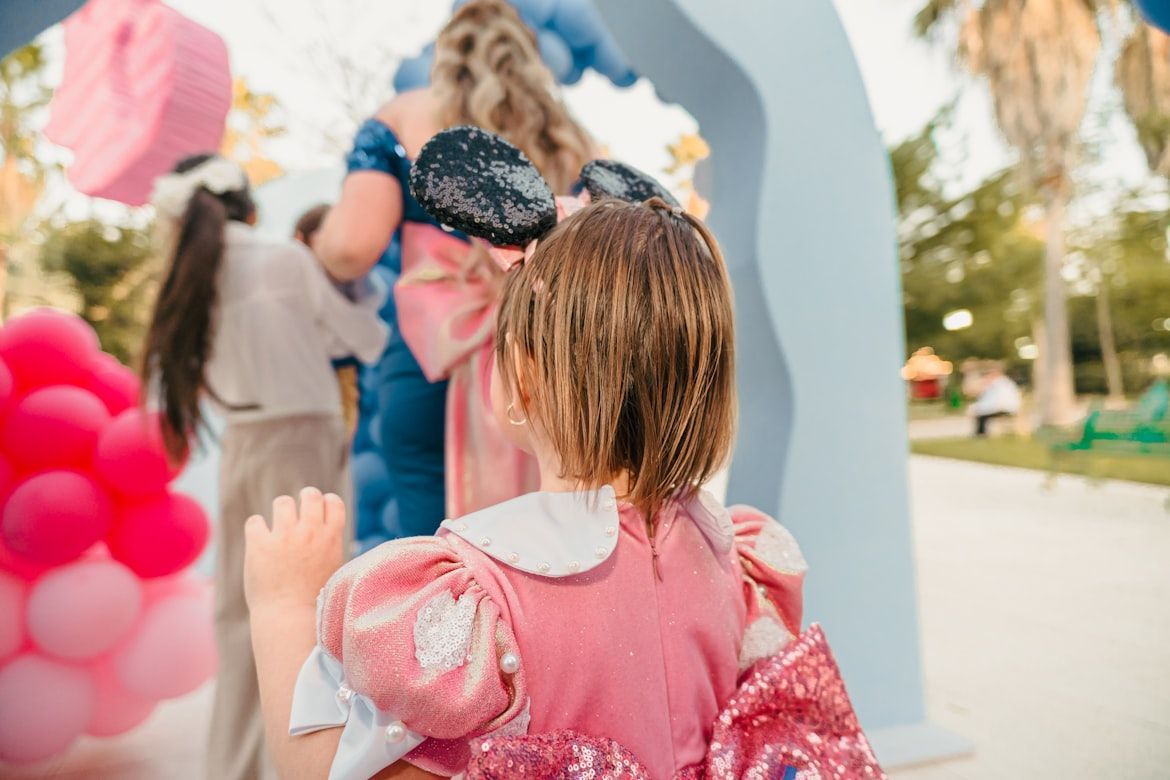
Disney World is amazing, the parks offer something for everyone, and there are things to see wherever you look. But that’s exactly the kind of place where a child can easily disappear into a sea of strollers, balloons, characters, and crowds. For that reason, Disney has developed the "Signal 70," which alerts cast members and security that a child has become separated from their family.

The number comes from older police and emergency radio systems, where "70" was commonly associated with missing persons. Disney adopted the phrase because it allows employees to communicate discreetly without frightening or alarming nearby guests. If a member finds the child, they gently -and magically- escort them to Baby Care Center, where they coordinate the reunion.

10

Echo, Echo, Echo

Image: Alonso Reyes

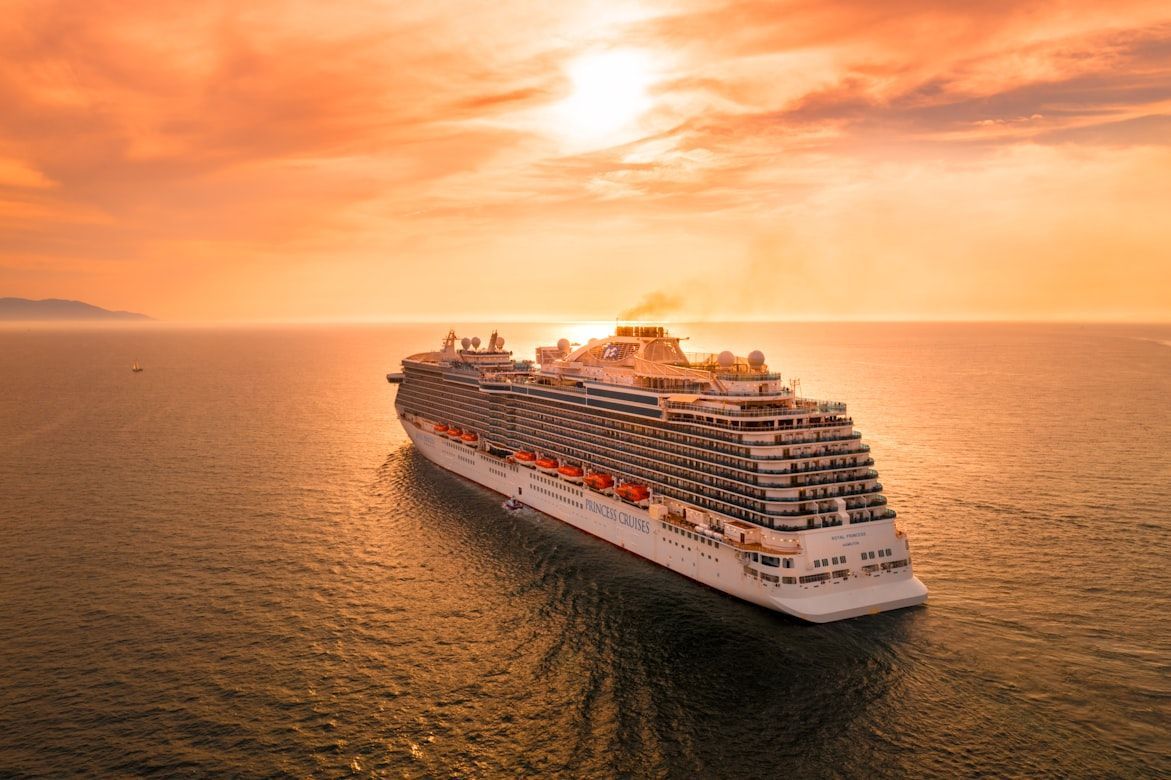
Cruises are great to relax, enjoying a good book under the sun with a nice drink by the side. Until you hear "Echo, echo, echo" on the speakers. If you do, something is happening somewhere else on the ship.

The code is used among cruise employees to signal that dangerous winds or a navigational hazard are affecting the ship. It comes from the international maritime phonetic alphabet, where "Echo" stands for the letter E. In maritime signalling, the letter traditionally means "I am altering my course to starboard." And, in time, the phrase became associated with urgent ship maneuvers and weather-related warnings. However urgent, the repetition of the word by three doesn’t represent life-threatening situations. It alerts the crew of a certain hazard to prepare while avoiding panic among passengers.

Looking for an extra scoop of literary fun?

Learn more with our Word of the day

terse

/tərs/