GRAMMAR GLITCHES

The 10 Funniest Mistakes, Typos, And Misprints In History


Published on December 23, 2023


Image: Natalia Y.

Everyone makes mistakes, that’s a given. But sometimes, even the smallest slip-ups can lead to catastrophic outcomes, no matter how unintentional. These grammatical gaffes stand as a testament to the power of language, reminding us to always proofread before making history.

From political slip-ups to literary lapses, here are ten instances where, er… let’s call them unexpected linguistic detours, induced everything from laughter to financial ruin.

1

Dan Quayle’s spelling nightmare

Image: Lars Blankers

In 1992, during a visit to a New Jersey elementary school, then Vice President Dan Quayle put himself in an embarrassing situation when he tried to correct what he thought was a spelling mistake. After a 12-year-old student correctly spelled the word "potato", he promptly added an e to the end of the word, creating an awkward moment as he insisted that "potatoe" was the correct spelling.

2

Holy blunders

Image: Priscilla Du Preez

A 1631 edition of the Bible became infamous as it contains a number of mistakes that substantially distort the intended message of the sacred text. Known as the "Wicked Bible", among its most egregious blunders is the omission of the word "not" from one of the Ten Commandments, transforming the original sentence into the scandalous directive, "Thou shalt commit adultery." However, some argue that this was not a product of lazy proofreading, but rather sabotage from a competitor.

3

Dogberryisms aplenty

Image: Taha

Constable Dogberry, a character in one of Shakespeare’s most beloved comedies Much Ado About Nothing, became the namesake for malapropisms, as he consistently ends up uttering absurd phrases while attempting to sound intelligent. Some of the most popular "dogberryisms" include confusing suspect with respect, ex-communication with communication, comprehend with apprehend, and even redemption with damnation!

4

NASA’s most expensive typo

Image: SpaceX

How expensive can a typo be? Well, as NASA found out, almost 80 million dollars. In 1962, a missing mathematical symbol in Mariner I’s code led to the spacecraft blowing up in a million pieces over the Atlantic. How could this happen? Apparently, an engineer missed an overbar (a mathematical figure that indicates the mean of a set) while transcribing the calculations by hand. This caused the spacecraft to overcorrect its trajectory, eventually throwing it off course.

The takeaway from this story is simple: always proofread. After all, even the most brilliant people are not immune to making mistakes.

5

How to profit from a comma

Image: micheile henderson

Talking about expensive typos, a misplaced comma in the 13th Tariff Act cost the United States over 40 million dollars in 1872. The Act included a list of items exempt from taxation upon entry to the country, and included in the list was an item that read "fruit, plants tropical and semi-tropical for the purpose of propagation or cultivation."

According to the government, the comma was meant to be a hyphen, meaning fruit-bearing plants, but the correct grammatical interpretation suggested that all fruit were included in the exemption. It took almost two years to fix the mistake, but it was already too late.

6

Yogi Bear’s last laugh

Image: Janko Ferlič

Don’t worry kids, Yogi Bear is totally fine. But for a moment in 2015, Associated Press declared the cherished bear dead, when someone published Yankees’ legend Yogi Berra’s obituary under a hysterical title: "Yogi Bear has died. He was 90." While this was likely the mix-up of an underslept intern, Berra was known for his amusing unintentional witticisms and malapropisms, remembered for gems like "It ain't over 'til it's over," "It's déjà vu all over again," and "Nobody goes there anymore. It's too crowded."

7

[INSERT TITLE HERE]

Image: AbsolutVision

In a peculiar incident in December 2017, a Cambridge newspaper unintentionally became viral when a placeholder reading "100PT SPLASH HEADING HERE" found its way into the headlines. Meant for internal use during layout, the cryptic text unexpectedly amused readers and sparked online speculation, with some even joking about the headline being a warning of an incoming tsunami wave. The newspaper’s editor-in-chief later apologized profusely for the amusing mishap, which was allegedly caused by a technical issue.

8

A successful literacy program

Image: Michał Parzuchowski

Around 2010, an article from an unknown local newspaper went viral for misspelling "Mississippi" as "Missippi." You might argue that they simplified it, but the funniest part is that the article was about the purported success of a literacy program in the state. Maybe the program needed to focus on newspapers too.

9

Guardians of grammar

Image: Peter Lawrence

The Guardian, one of the UK's most renowned newspapers, earned an unintentional reputation for its numerous typos. In a memorable blunder, it once printed its own name as "Gaurdian," prompting satirical magazine Private Eye to nickname them "Grauniad." Overall, the newspaper took it in good stride, and the nickname is still playfully used, even among its journalists, to refer to the media outlet with a touch of humor.

10

Come in

Image: Daria Kraplak

Unbeknownst to most, James Joyce’s famous novel Finnegans Wake hides an easter egg of sorts. When it comes to an author famous for his experimental and gibberish-like writing, what can possibly be considered a mistake or a typo? Well, it seems the author used to dictate parts of his work to his friend Samuel Beckett, and during one of these sessions, someone knocked at the door, with Joyce immediately saying "Come in." Without thinking twice, Beckett wrote that along with the rest of Joyce’s dictation. It is likely that Joyce noticed the gaffe, but decided to leave it there just to mess with the readers.
Translation and interpretation

Was the forbidden fruit really an apple? 10 Bible surprises


Published on December 23, 2023


Image: Mariordo, CC BY-SA 4.0, via Wikimedia Commons

What if some of the Bible stories you grew up with aren't exactly what the Bible says? Was the forbidden fruit really an apple? Were there actually three Wise Men? Did "God helps those who help themselves" really come from the Bible? Over centuries, translations, traditions, and famous works of art have added details that became so familiar, we stopped questioning them. But go back to the texts, and some of these stories look surprisingly different. From Eve's "apple" to the date of Jesus' birth, here are 10 familiar parts of the Bible that may not be quite what we remember.

1

The forbidden fruit was an apple

Image: Albrecht Dürer, Public domain, via Wikimedia Commons

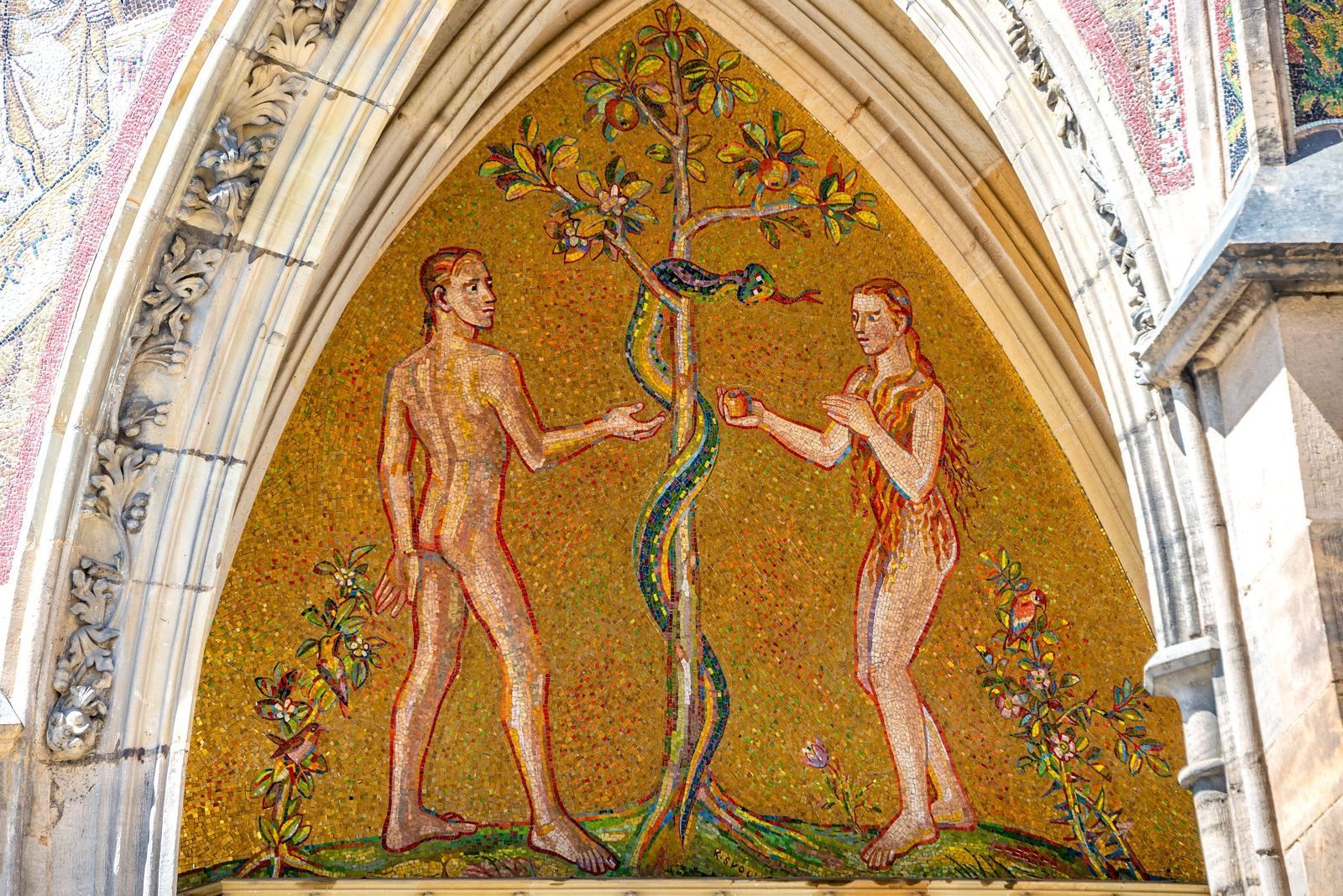
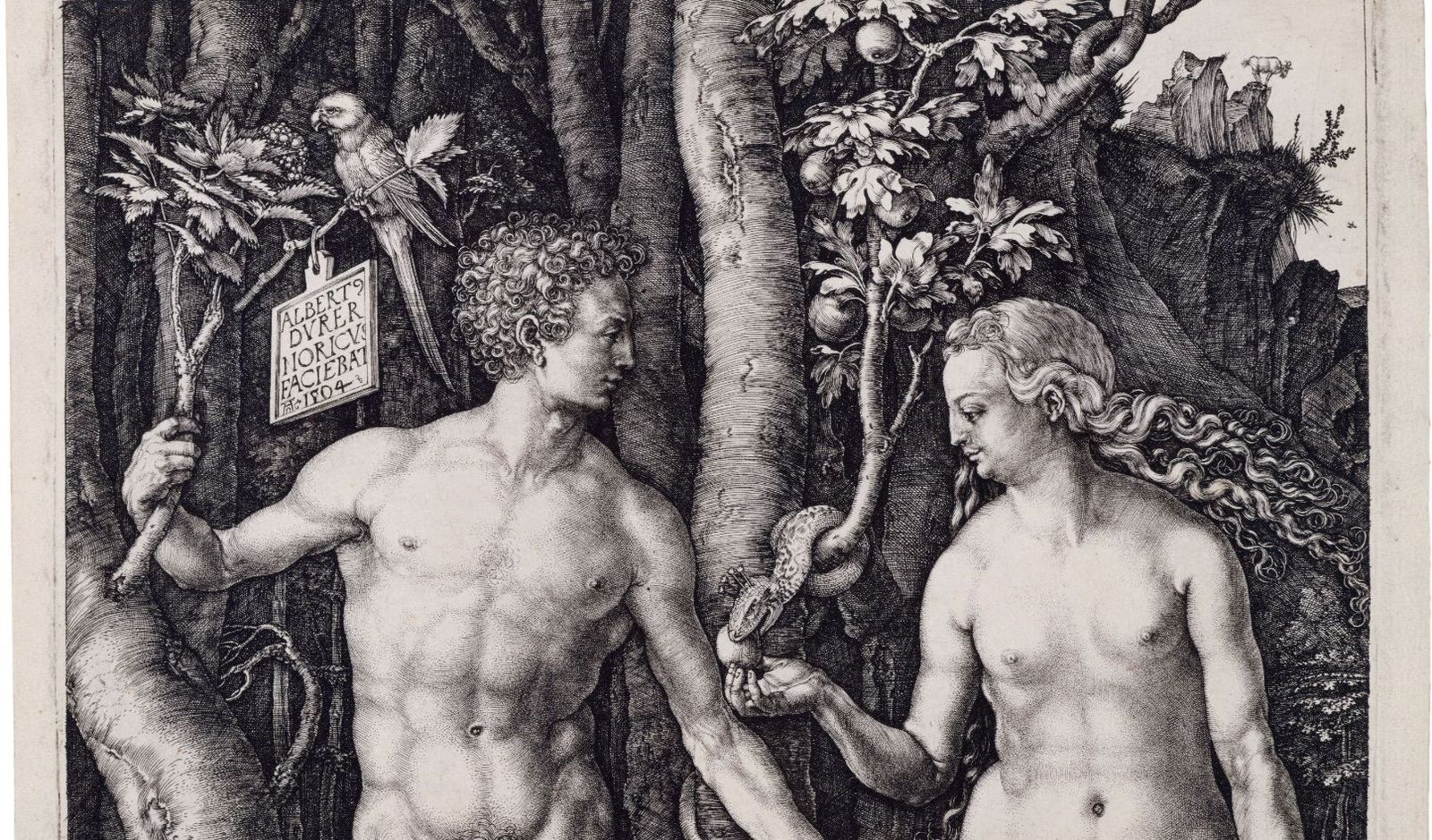
When you picture the Garden of Eden, what fruit comes to mind? Most people imagine an apple, but there's just one problem: the Bible never says it was an apple.

In the Book of Genesis, the fruit is simply called "the fruit of the tree of the knowledge of good and evil." The original Hebrew text uses the word peri, which simply means "fruit." The apple connection came centuries later, largely through the Latin translation. The Latin word malum can mean both "apple" and "evil," making it an especially fitting symbol for the story. Over time, that association spread through Christian art and literature. Famous works such as Albrecht Dürer’s 1504 engraving Adam and Eve (also known as The Fall of Man) helped cement the image of Eve holding an apple. Today, it's one of the most famous scenes in history, even though the original biblical text doesn’t identify the fruit as an apple at all.

2

There were three wise men/kings

Image: Rawpixel.com

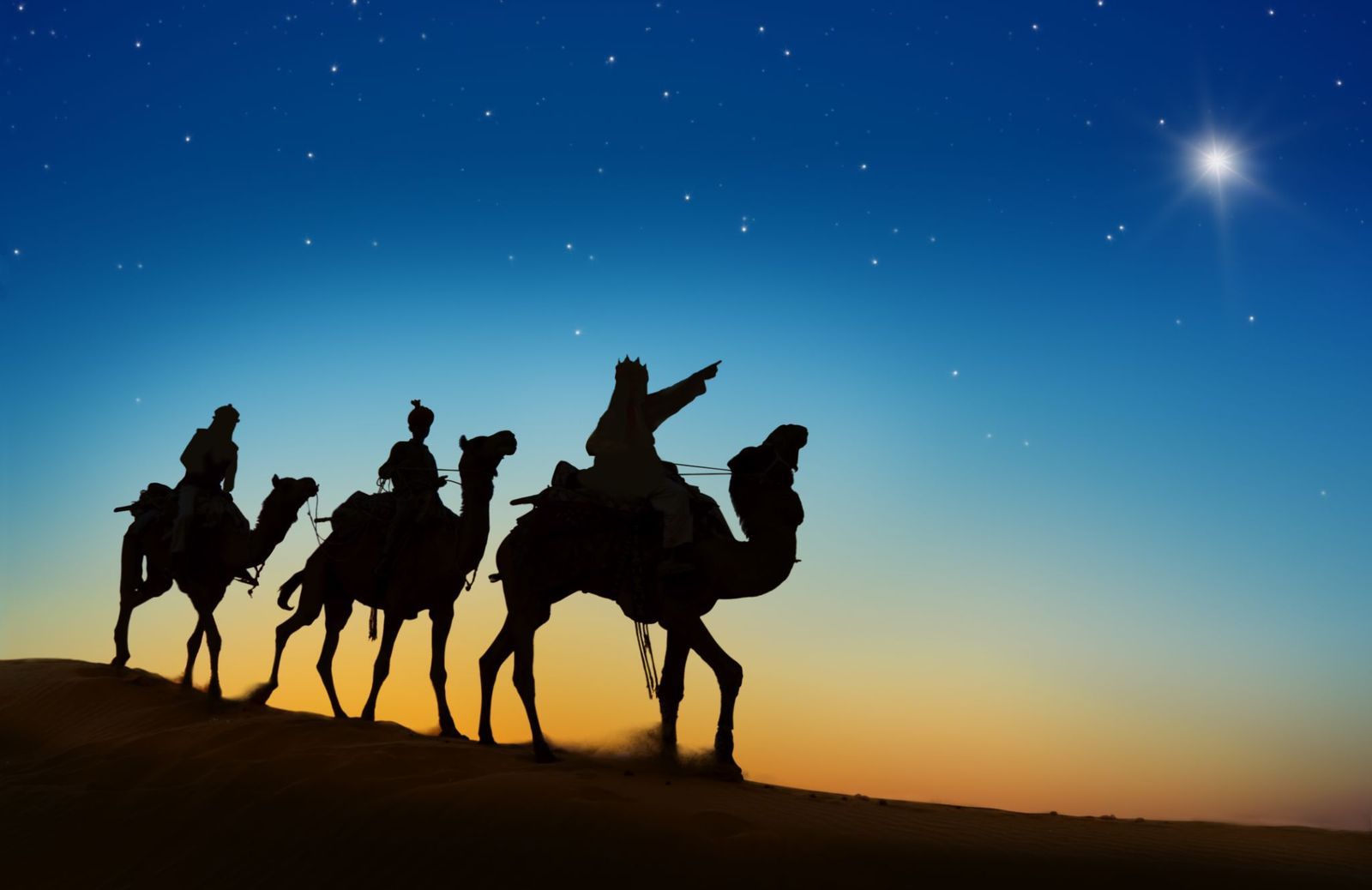
The story of Jesus' birth is so famous that most of us picture the Three Wise Men, sometimes called the Three Kings, standing beside the manger. But the thing is, over the centuries, the story picked up a few details that aren't actually in the Bible.

In the Gospel of Matthew, the only Gospel that mentions these visitors, they are described simply as Magi from the East. The original Greek word, magoi, referred to learned scholars, astrologers, or priests from Persia or Babylon, not kings. But where did the number three come from? Matthew lists three gifts: gold, frankincense, and myrrh, but never says how many visitors brought them. Over the centuries, people naturally assumed there must have been three Magi, one for each gift. Even their familiar names, Melchior, Caspar, and Balthasar, were added later by Christian tradition. So, neither the number of visitors nor their names appears anywhere in the biblical text.

3

"God helps those who help themselves"

Image: Adam Nir

Whether it's used to motivate a friend, encourage a family member, or push yourself to finally make a difficult decision, "God helps those who help themselves" is one of the most familiar religious sayings in America. But here's the surprise: those words never appear in the Bible.

The idea can be traced to ancient Greek sources, including Aesop’s Fables, where the saying appears in an earlier form: "The gods help them that help themselves." The exact modern wording was written by English politician Algernon Sidney in 1698, but it was Benjamin Franklin who helped make it part of American culture when he included it in his 1736 edition of Poor Richard’s Almanack.

4

"Cleanliness is next to godliness"

Image: John Jackson, CC BY 4.0, via Wikimedia Commons

Many teenagers have heard "Cleanliness is next to godliness" when it was time to clean their rooms. But despite sounding like a Bible verse, the phrase never appears in Scripture.

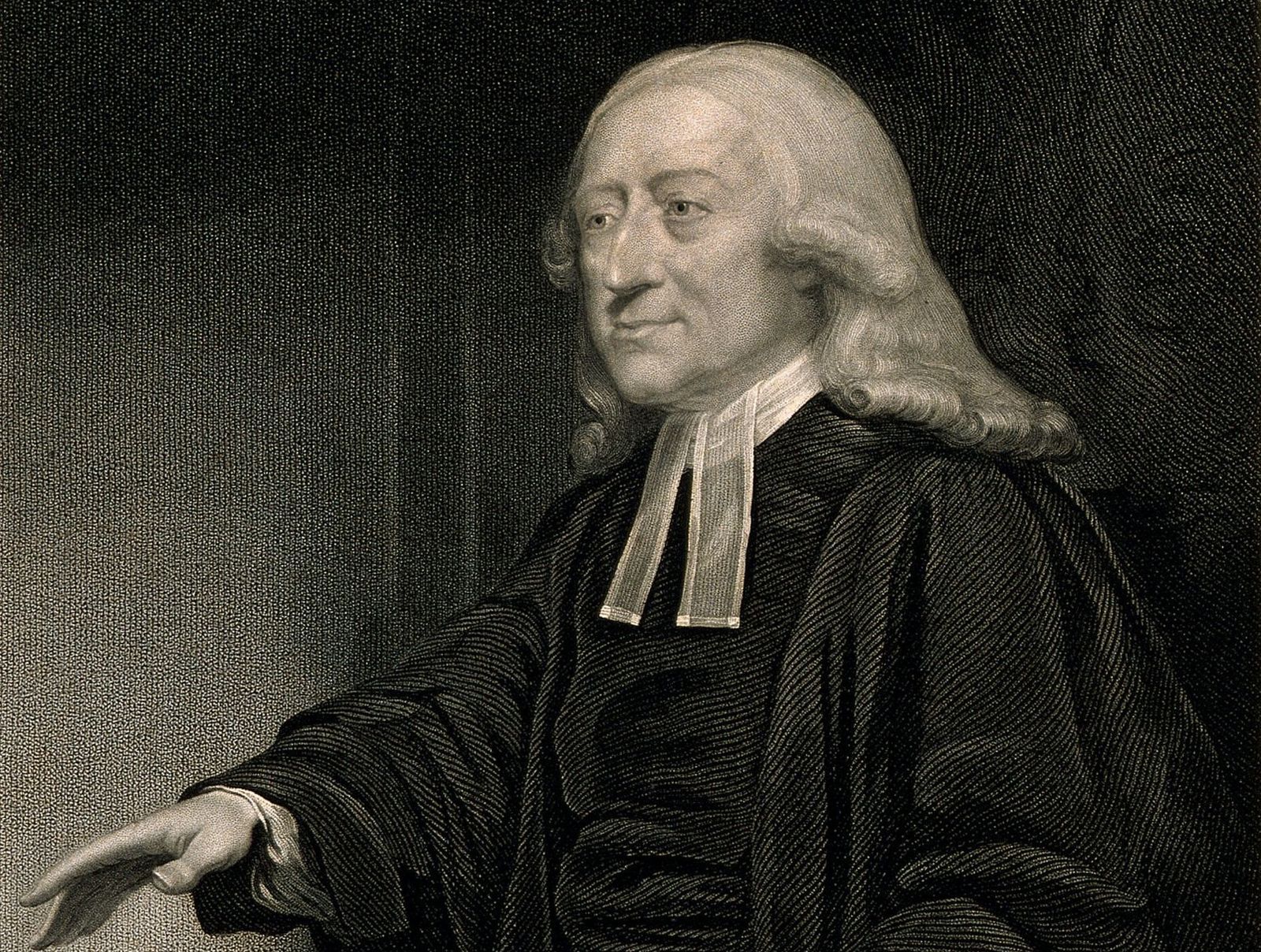
The Bible, particularly Leviticus, does contain extensive laws requiring people to wash their bodies and clothes in certain circumstances, especially before religious rituals. But the famous saying itself came much later. In 1605, Francis Bacon wrote in The Advancement of Learning that "cleanness of body" was connected to reverence for God. Then, in 1786, it was Methodist leader John Wesley who used the wording we recognize today in a sermon: "Cleanliness is indeed next to Godliness." Over time, the phrase became a familiar saying that many people simply assumed came from the Bible.

5

The date of Jesus' birth

Image: http://www.parrocchiasantagata.org, CC0, via Wikimedia Commons

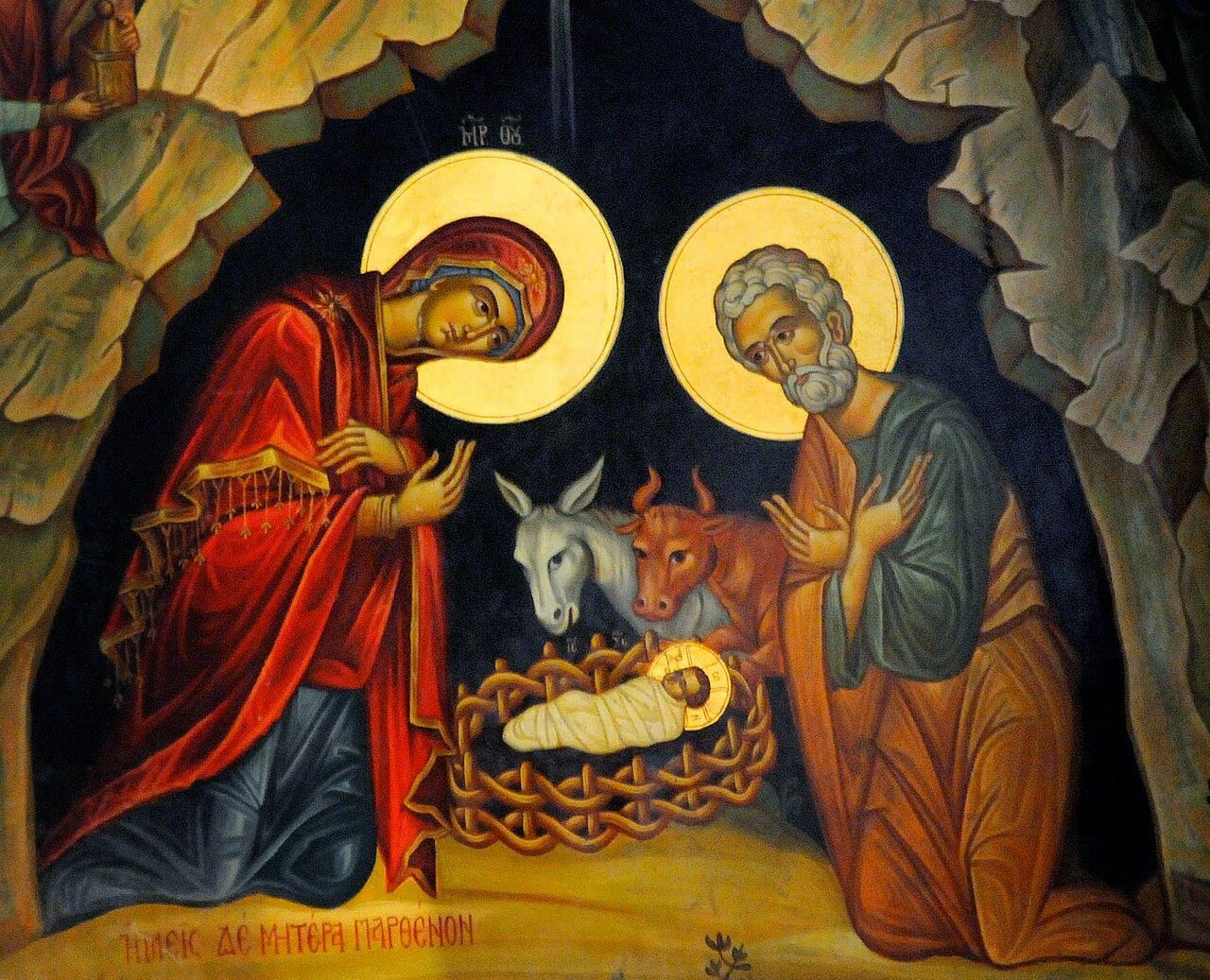
When it comes to famous dates, December 25 may be the most recognizable of all, universally associated with Christmas. But here's the surprising part: the Bible never gives any specific date for Jesus' birth.

The Gospels of Matthew and Luke describe the Nativity but never provide a calendar date, so how did December 25 become Christmas? There are two leading theories. The first is that the Roman Church was celebrating Christmas on December 25 by 336 AD, during Constantine's reign, possibly choosing the date to coincide with existing Roman winter festivals and make it easier to convert the empire to Christianity. The second points to an early Christian tradition that calculated Jesus' birth date from the supposed date of his crucifixion, eventually arriving at December 25.

6

Jonah and the Whale

Image: Pieter Lastman, Public domain, via Wikimedia Commons

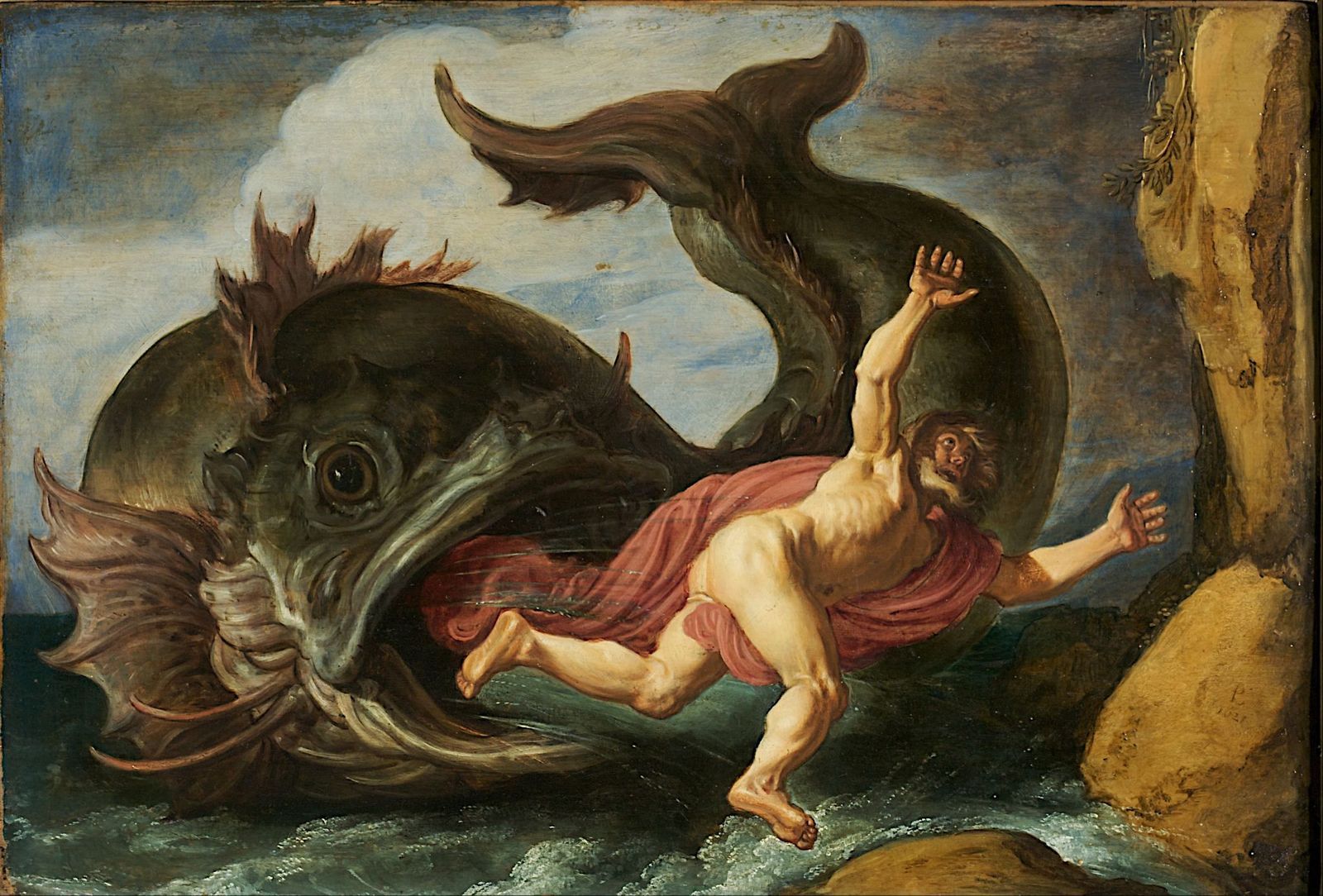
The story of Jonah and the Whale is so famous that it has appeared literally or symbolically in innumerable works of art and literature, from Michelangelo's Sistine Chapel ceiling (1508-1512) to Herman Melville's 1851 novel Moby-Dick. But there's a small problem with the title we've given it: the Bible doesn’t actually say it was a whale.

In the Old Testament, the original Hebrew text of Jonah 1:17 uses the words dag gadol, meaning "great fish" or "large fish"; it doesn't identify the creature as a whale, or even specify what kind of fish it was. Most modern English translations therefore stick with "great fish," but the familiar "whale" interpretation developed through older translations and later European tradition, eventually becoming so widespread that "Jonah and the Whale" became the name almost everyone recognizes.

7

The serpent in Eden was Satan

Image: neurobit

Just as we've always pictured the forbidden fruit as an apple, many of us also assume the serpent in the Garden of Eden is the devil himself. But the original story is a little more complicated.

A plain reading of Genesis depicts the creature simply as a serpent or snake, using the Hebrew word nachash. It describes the serpent as clever and crafty, but it never calls it Satan or explicitly identifies it as the devil. So where did the connection come from? The answer comes from later parts of the Bible, particularly the New Testament. In Revelation 12:9 and 20:2, Satan is called "the ancient serpent" (ho ophis ho archaios in Greek), connecting him to the snake of Eden. Over time, Christian tradition applied that later connection back to Genesis, leading to the familiar belief that the serpent was Satan himself.

8

Delilah Cut Samson’s Hair

Image: Georg Pencz, CC0, via Wikimedia Commons

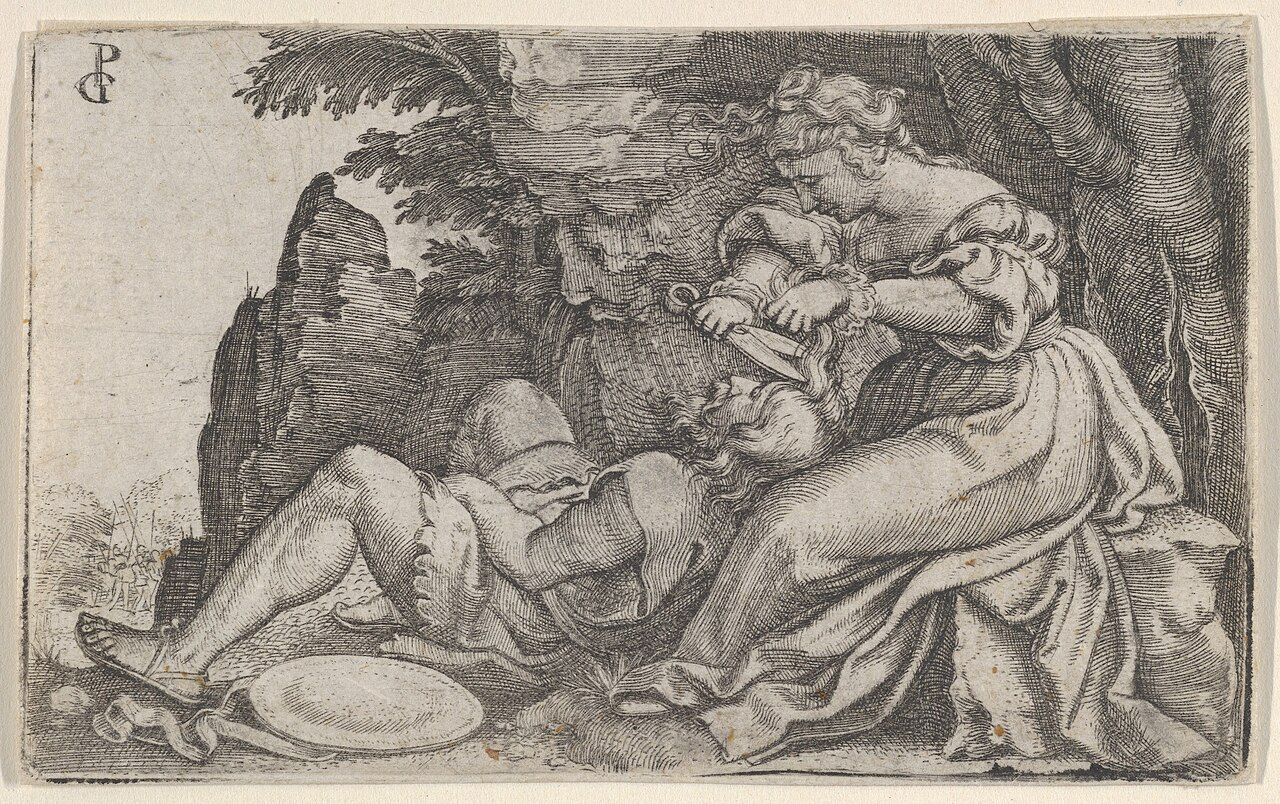
Many of us remember Samson for his legendary strength and the long hair that was said to be the source of his power. His story with Delilah is one of the Bible's most famous tales of betrayal, but there's one detail some people may have gotten wrong: Delilah didn't actually cut his long hair.

In Judges 16:19, Delilah has Samson's hair shaved while he sleeps on her lap. The text says she called for a man to do the shaving; it never says she did it herself. Yet paintings, films, and other retellings have often shown Delilah wielding the scissors herself, cementing that image in popular culture. It can be considered a small detail, but it’s a great example of how easily familiar Bible stories can pick up elements that aren't actually in the original text.

9

The Bible is a single-voice book

Image: Pixel-Shot

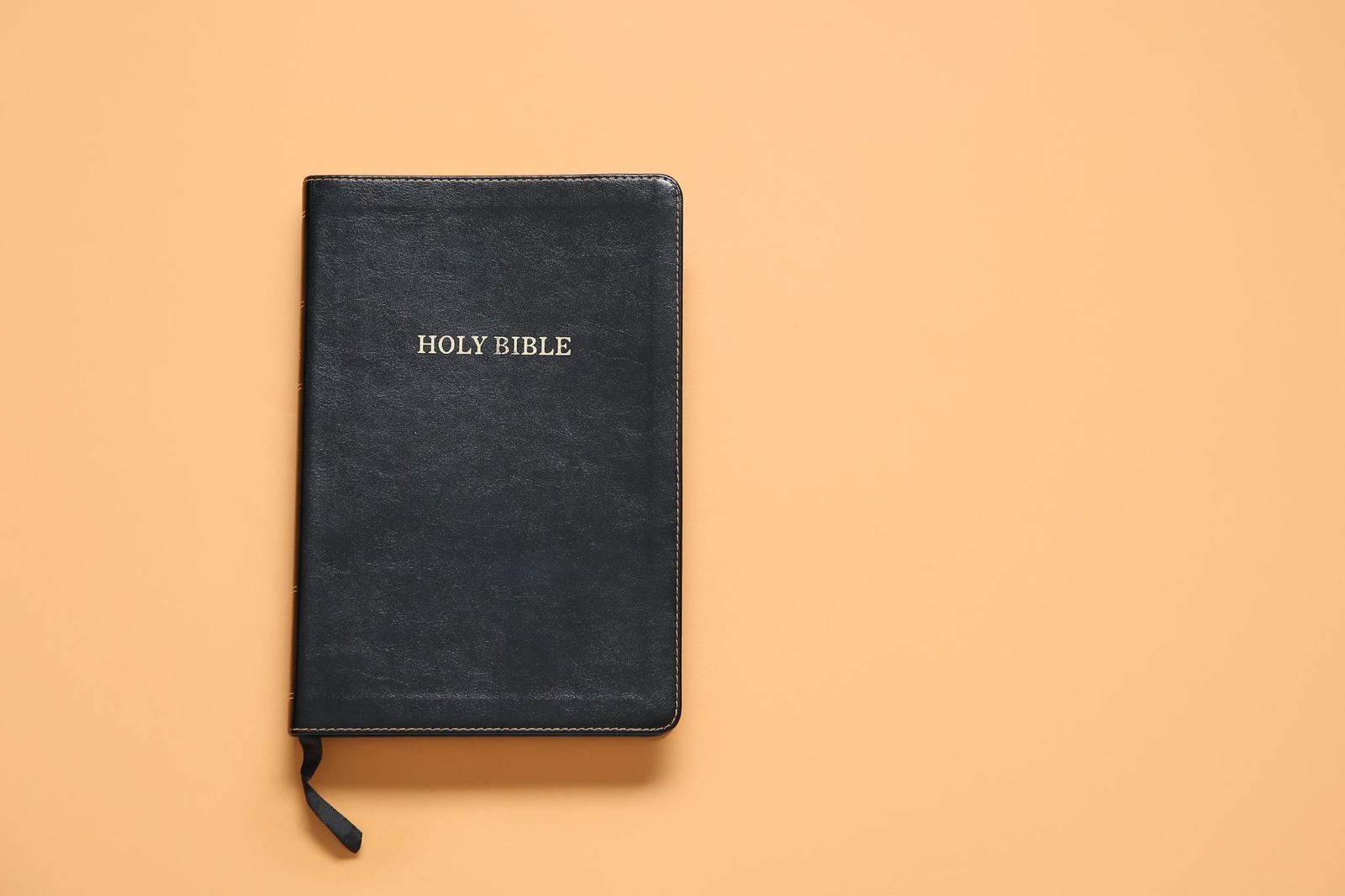
Many of us think of the Bible as a single book, written at one particular time by one author, or perhaps a handful of them. After all, that's how it looks when you pick one up in a hotel room, but its history is far more complicated.

The Bible is actually a collection of books written by over 40 authors over roughly 1,500 years, from about 1400 BC to AD 100. The exact number of books varies by religious tradition: Protestant Bibles contain 66 books, while Catholic and Orthodox traditions include additional books. Across these different traditions, the writings were produced by kings, prophets, fishermen, and scholars in Hebrew, Aramaic, and Greek. They also span a tremendous range of literary styles, including history, poetry, songs, laws, letters, and prophecy. So while we hold it as one book today, the Bible is actually a collection of many different writings produced across centuries.

10

Original manuscripts still exist

Image: https://www.themorgan.org/manuscript/350198, Public domain, via Wikimedia Commons

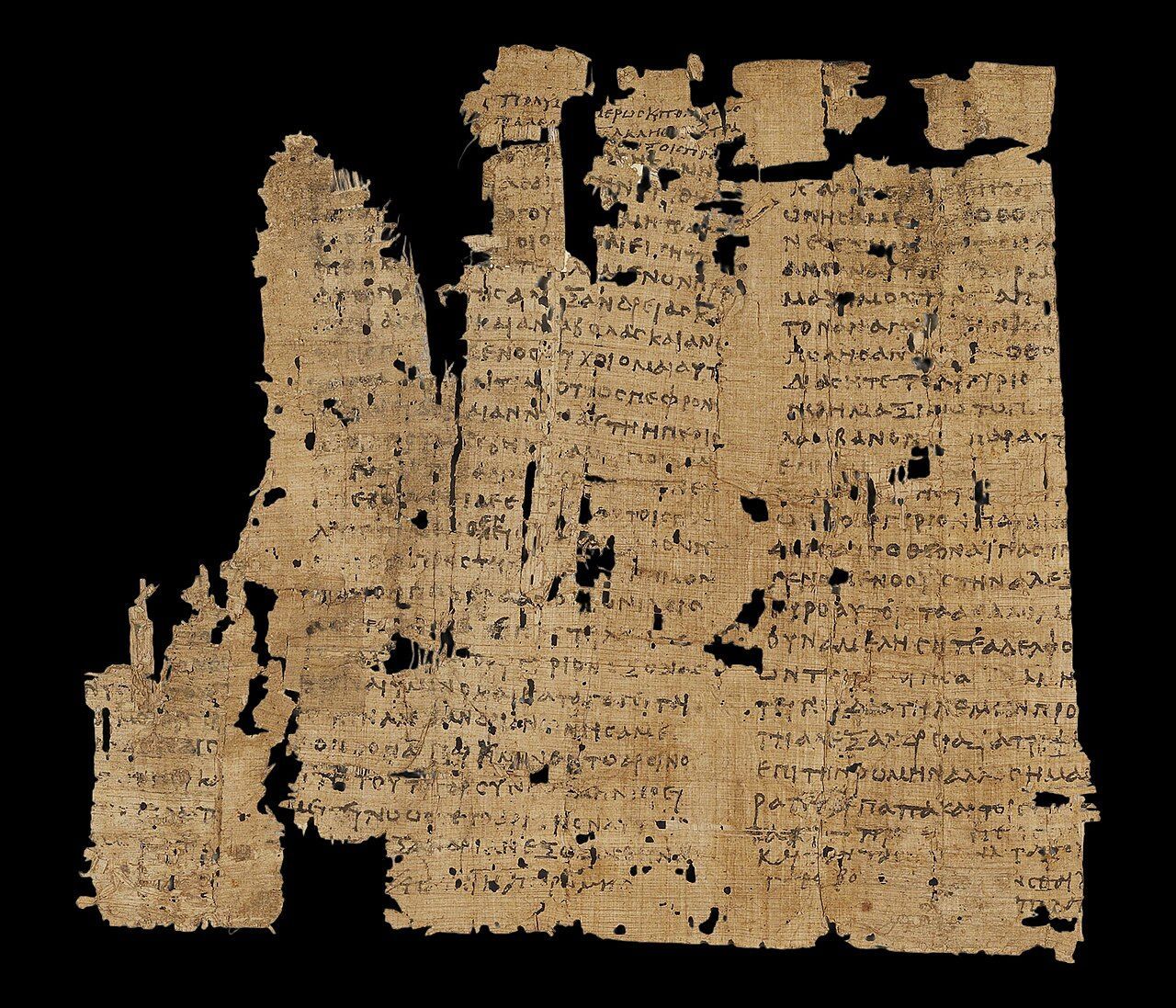
Many people assume that at least a few original fragments of the Bible must still exist somewhere. It would be incredible if they did, but none of the original manuscripts, known as autographs, have survived.

The earliest biblical texts were written on fragile materials such as papyrus and animal skins, which could deteriorate through humidity, heat, handling, and simple age. Wars, fires, and other destruction also contributed to their disappearance. So how do we know what the originals said? Through a technique called textual criticism: expert scholars compare thousands of handwritten copies, ancient translations, and quotations from early Christian writers. When they find passages that match across different sources, or differences that reveal how a text changed over time, they can work backward to determine what the original most likely said, even though the original manuscripts themselves are gone.

Looking for an extra scoop of literary fun?

Learn more with our Word of the day

sage

/seɪdʒ/