Context matters

10 dangerous words that can make you say the opposite of what you mean


Published on August 24, 2026

Image: Pla2na

Imagine telling someone you were carefully supervising a project, only for them to think you completely forgot about it. Or saying you dusted the furniture, and someone isn't sure whether you cleaned it or covered it with powder. It sounds weird, but in English, it happens more often than you might think. Most of us know that many words have more than one meaning, but some English words do something even stranger: they can mean the exact opposite of themselves. These linguistic oddities are called contronyms, and once you know them, you'll start noticing them everywhere. Here are 10 surprising examples that can completely change the meaning of what you're trying to say.

1

Dust

Image: Herbert Goetsch

Sometimes the context makes the meaning obvious, but not always. Imagine a baker telling an assistant to "dust the counter." Does that mean wipe the flour off or sprinkle more flour on it? Surprisingly, it could mean either one.

The verb "dust" comes from the Old English noun dūst, meaning fine powder, and it's one of English's best-known contronyms, words with two opposite meanings. Depending on the situation, "dust" can mean to remove fine particles from a surface or to cover something with fine particles, such as flour, powdered sugar, or even fingerprints for forensic analysis. The word doesn’t change; only the context can tell you which meaning is intended.

2

Fast

Image: Take Time

We all know "fast" as the word for something that moves quickly. But hidden inside this everyday word is a surprising twist: it's also a true contronym.

Today, "fast" can describe something moving at high speed, or something that can't move at all. But how? It makes a lot more sense once you know where the word comes from. This adjective traces back to the Old English fæst, meaning "firm," "fixed," or "secure." A sprinter can be "a fast runner," while a sailor might say, "Make the rope fast to the dock," meaning to secure it firmly in place.

3

Sanction

Image: Tingey Injury Law Firm

If you read the headline: "The board voted to sanction the company’s project," did they punish it or approve the idea? It turns out, either interpretation could be correct.

That's because "sanction" is one of English's most confusing contronyms. It can mean "to impose a penalty," but it can also mean "to officially approve or authorize something." The clue lies in the word's history: it comes from the Latin sanctio, meaning a decree or law, which could either establish a rule or prescribe a penalty for breaking one. So if you hear that "The city council sanctioned the new downtown street market," you'll have to rely on the context to know whether the market just got the green light or landed in trouble.

4

Oversight

Image: Nathy dog

At first glance, "oversight" sounds like an ordinary noun, but don't let it fool you; it has two opposite meanings. It can mean careful supervision, as in "The project was completed under the oversight of senior engineers." Or it can indicate an accidental mistake or omission, as in "Leaving your name off the application was an oversight." But how did that happen?

The answer lies in two closely related verbs. The first meaning is related to the verb "oversee," which means to supervise or watch over. The second is often linked to "overlook," meaning to fail to notice something. That's why a sentence like "The directors are responsible for the oversight of the company's financial operations" could refer to both.

5

Seed

Image: CHUTTERSNAP

If you read "The chef seeded the peppers for the recipe," you might wonder: what did the chef actually do? This everyday verb can mean two opposite actions.

The word "seed" comes from the Old English sǣd, which ultimately traces back to the ancient Proto-Indo-European root seh- meaning "to sow." Over time, English developed two opposite uses for the verb: to plant or add seeds and, on the contrary, to remove seeds. So, depending on the context, our sentence could mean the chef was planting pepper seeds for future recipes, or preparing peppers by taking their seeds out before cooking.

6

Screen

Image: Jake Hills

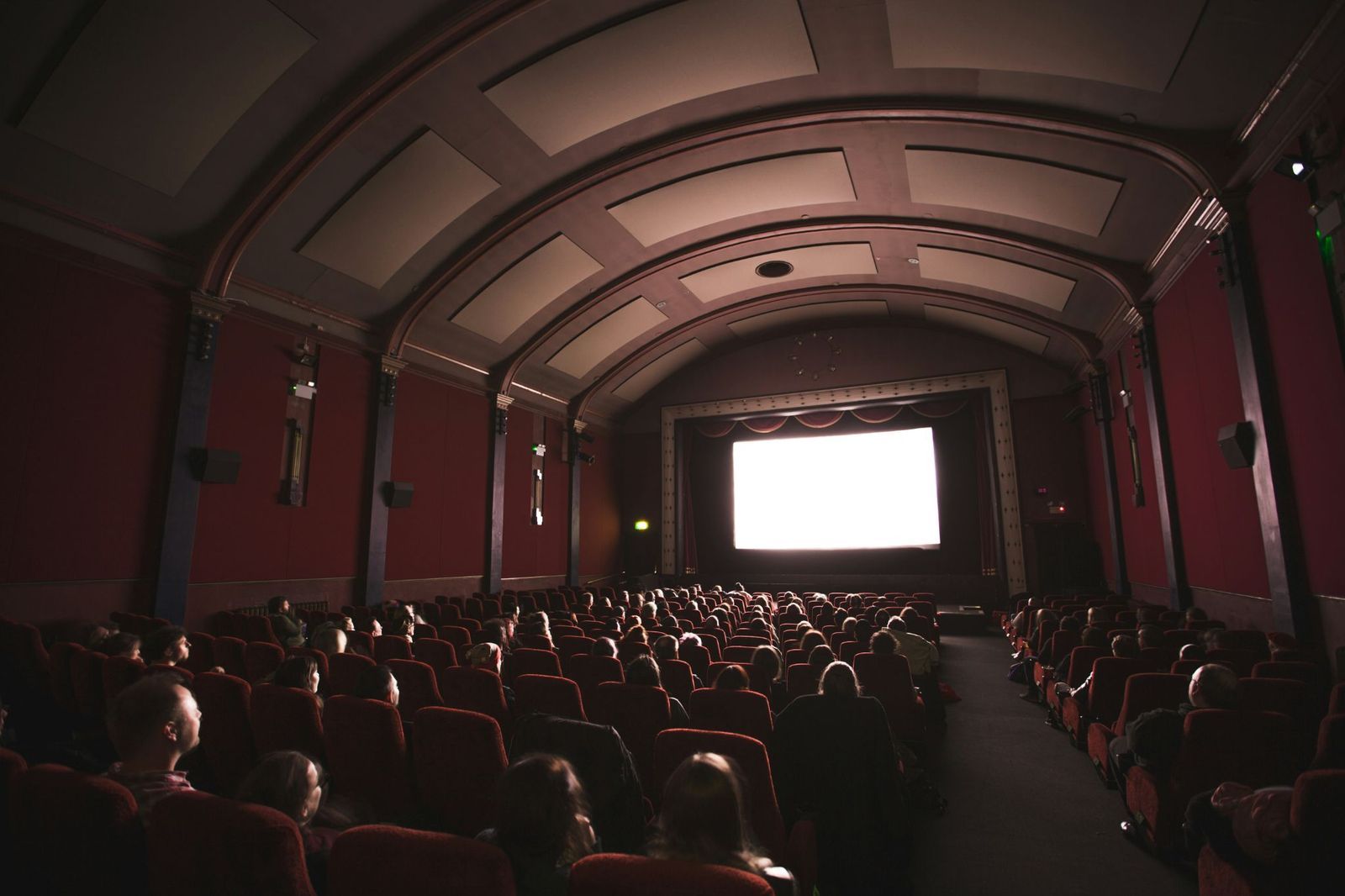
Have you ever noticed that "to screen" can mean two completely different things? It can suggest to display or project, as in "to screen a movie," but it can also mean to hide or protect, as in "to screen the porch to keep insects out." How is this possible?

"Screen" comes from Old French escren, which came from Germanic roots meaning a cover or shelter. Originally, a screen was something that blocked, protected, or concealed, but with the rise of cinema in the early 20th century, the word took on a surprising new meaning: the screen that once blocked light became the surface that received light and displayed images.

7

Trim

Image: Margarita Shtyfura

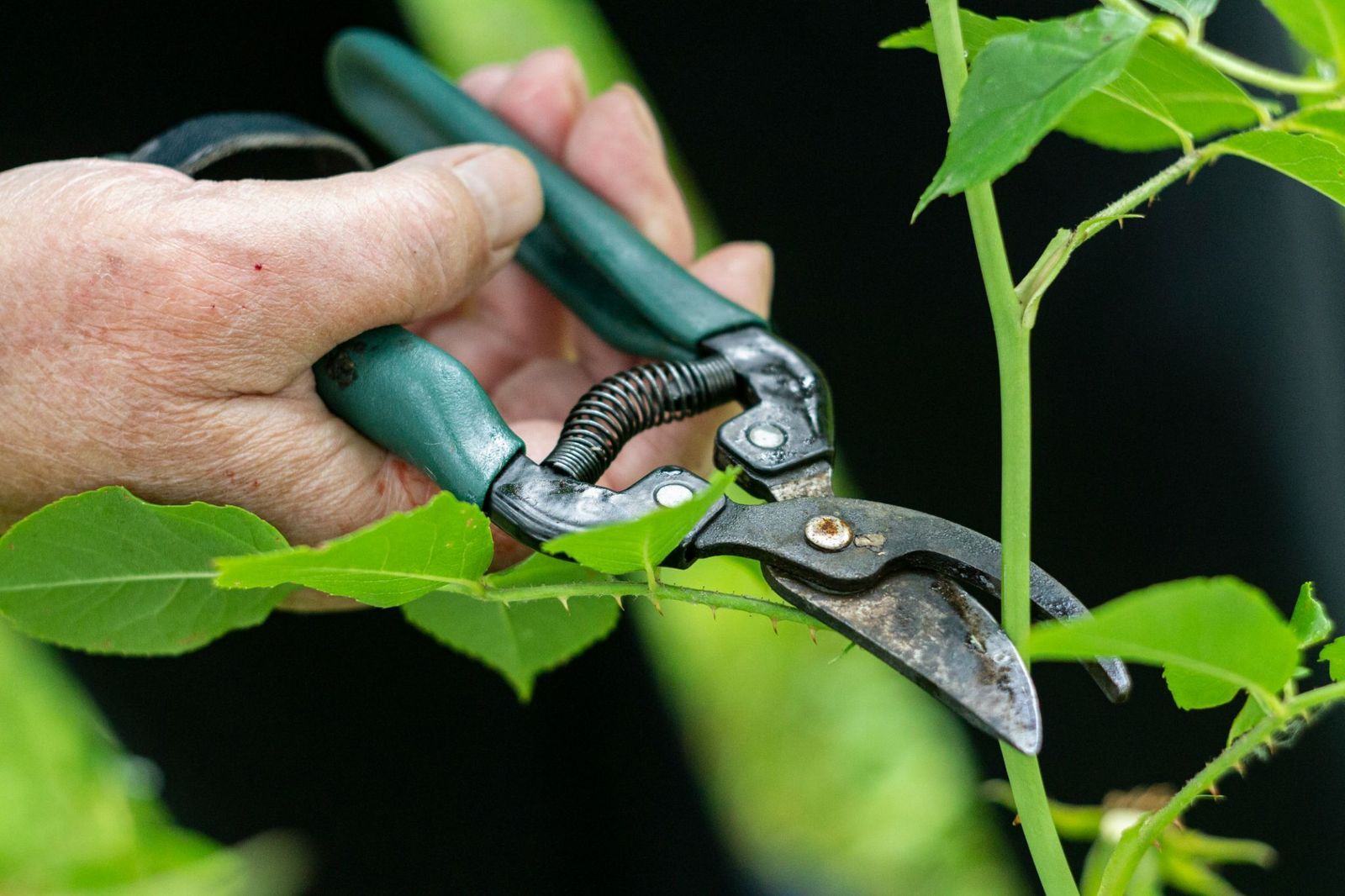
What would you think if a friend told you they had been "trimming the tree for the holidays"? Did they decorate it with ornaments, or were they cutting some of the branches?

That’s the unexpected thing about the verb "trim": it can mean both to remove something extra, as in "He trimmed the fat from the steak," and to add decorative details, as in "They trimmed the Christmas tree with lights." Once again, the reason goes back to the word’s origins. "Trim" comes from the Old English verb trymman, meaning to make firm, strengthen, or prepare. Over time, the idea of "preparing" something developed in two directions: making it neat by cutting away what was unnecessary and making it complete by adding finishing touches.

8

Rent

Image: Tierra Mallorca

We use the word "rent" all the time, but without context, it can leave us wondering who is paying whom?

That’s because the verb "rent" can mean to pay to use something temporarily or, conversely, to allow someone else to use something in exchange for payment. The word comes from Old French rente ("income" or "revenue"), connected to the idea of payment. Over time, English simply expanded the verb in both directions, creating a word whose meaning depends entirely on who is taking the action. For example, if someone says, "I need to rent a tuxedo for the wedding," it’s pretty clear they want one temporarily. But if someone says, "The company rents office space," things become less obvious: are they paying to use the space, or are they making money by leasing it to others?

9

Cleave

Image: Christian Agbede

Although the verb "cleave" is not very common in everyday conversation, it is one of English’s best examples of contronyms. It can mean to split apart, as in "The axe cleaved the log in half," or to cling tightly, as in "She cleaved to her family during difficult times."

What makes this word even more unusual is that these opposite meanings did not evolve from a shared origin. Instead, they came from two completely different Old English words that eventually merged into one spelling. The first meaning comes from clēofan, meaning to split, separate, or divide. The second comes from clifian and clīfan, meaning "to stick, cling, or remain attached." Over centuries, these unrelated words ended up as the same modern English word, while keeping their opposite meanings.

10

Ravel

Image: Dan Dennis

The word "ravel" is another fascinating contronym that can mean to tangle or become knotted, as in "The fishing line became raveled around the hook," and to untangle or solve, as in "To ravel a mystery."

What makes "ravel" especially interesting is that it was already carrying both meanings before it entered English. The word comes from the 1580s Dutch ravelen or rafelen, which meant "to fray," "to unravel," and "to tangle." When English borrowed the word, it inherited both ideas at the same time. The reason for this double meaning comes from the world of textiles. When fabric begins to unravel, loose threads don’t simply separate; they often twist, knot, and become tangled. In a way, the same process can create both disorder and the path toward undoing it.

Decoding

Being a "treasured guest" is not a compliment. This is the hidden meaning


Published on August 24, 2026


Image: Hitesh Choudhary

Have you ever heard "Code Adam" while shopping for groceries at Walmart? Or maybe you’ve heard how "Dr. Firestone" was being paged during a routine hospital visit. They sound like harmless announcements. But behind these ordinary words are secret codes staff use to signal emergencies without causing panic. From hospitals and supermarkets to airports and Disney Parks, these phrases quietly warn employees that something is happening. You hope you never hear them, but if you do, it helps to know exactly what they mean.

1

Treasured guest

Image: Helena Lopes

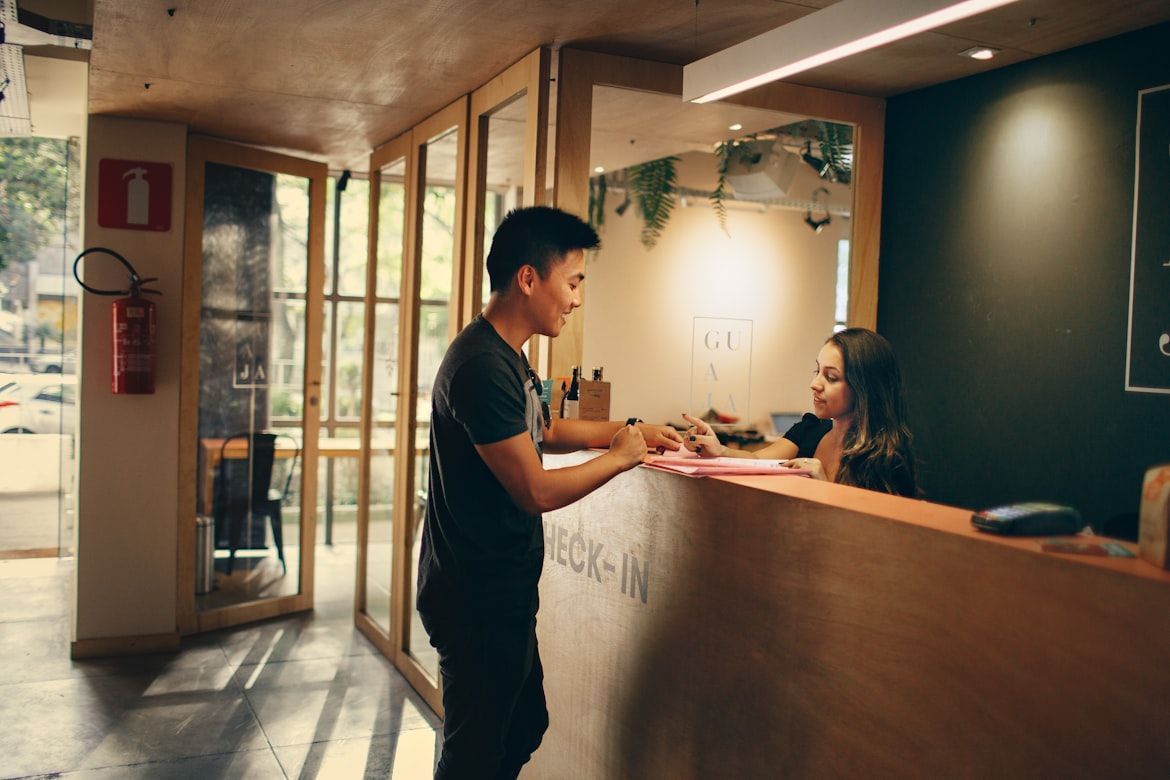
We all love getting special attention at airports or hotel desks, but if you hear the clerk call you a "treasured guest," don’t feel so flattered. You may not be as VIP as one could think.

In the hospitality industry, "treasured guest" has become a humorous bit of industry folklore to describe someone causing trouble. Maybe a customer yelling at staff over expired coupons, demanding impossible accommodations, or throwing a full-blown tantrum at the front desk. Whatever it is, the phrase has become the staff’s secret way to warn co-workers without escalating the situation in front of the customers. Most guests don’t realize the meaning, but once you know it, you may start hearing it more often. We just hope it’s not about you.

2

Code Adam

Image: Karsten Winegeart

Imagine you’re pushing a shopping cart through Walmart when suddenly the overhead speaker announces, "Code Adam." You can easily assume it’s some kind of employee meeting or cleanup request. But when you see them start locking the exits and moving around, you know something’s wrong.

This code was created in 1994 by Walmart in collaboration with the National Center for Missing & Exploited Children (NCMEC), in memory of the tragic case of 6-year-old Adam Walsh. Adam was abducted from a Sears department store in 1981 while shopping with his mother. His father, John Walsh, later became famous for hosting the TV program America’s Most Wanted and advocating for missing children. Even if Adam’s story ended in tragedy, Walmart created the emergency system in Adam’s memory, and other retailers soon adopted it nationwide, intending to have a quick response to missing or abducted children.

3

Code Blue

Image: Günter Valda

You’re sitting in a hospital waiting room during a routine check-up when you suddenly hear "Code Blue, Room 214." Most people immediately know it sounds serious, even if they are not entirely sure why.

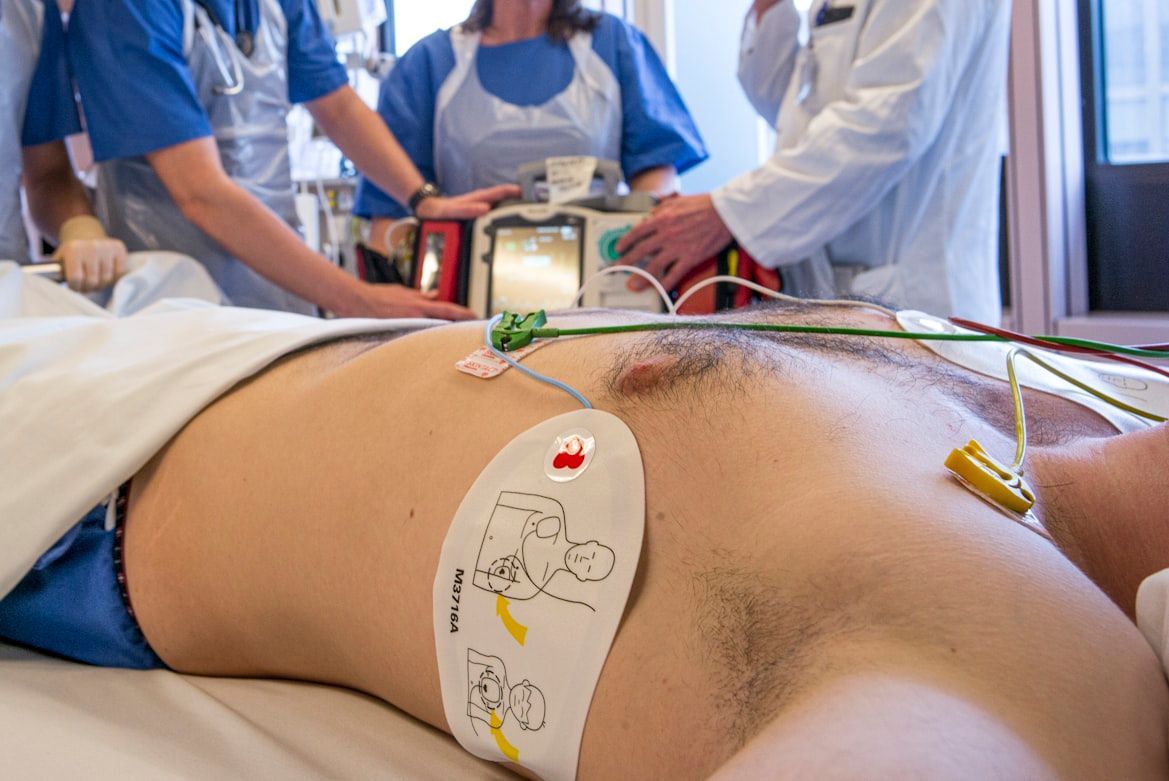
The phrase "Code Blue" is used at hospitals to draw the necessary staff and equipment to perform a resuscitation. It was created in the early 1960s at Beathany Medical Center by Dr. Hughes Day. Before then, hospital resuscitations were often chaotic and poorly coordinated. In 1961, Dr. Day received a grant to build one of America’s first cardiac care centers, and he developed both the Code Blue alert system and the modern crash cart to improve survival rates during cardiac emergencies. Today, the system is used in hospitals across the country, sometimes with specialized versions like "Code Blue Pediatric" or "Code Blue Neonate."

4

Dr. Firestone

Image: Cdn Pages

Imagine visiting a loved one in the hospital when the intercom calmly announces, "Paging Dr. Firectone to the third floor." Your head surely goes, "Dr. Firestone’s probably having a busy day up there." He is, but it’s not what you think.

The phrase is actually a discreet fire alert used to warn staff about smoke, flames, or overheating equipment without frightening patients and visitors. Hospitals adopted these coded announcements after realizing that openly yelling "fire" over loudspeakers could create panic, especially among patients who aren’t able to move quickly. "Code Red" is an alternative used by many health centers today, but it also hints at the situation while keeping hallways calm.

5

Code 10

Image: Blake Wisz

You’re standing at a checkout counter when the cashier picks up the phone and quietly says, "I need a Code 10 authorization." If you think that’s just another way to get a supervisor’s approval or technical issue, think again. In reality, the cashier may suspect the credit card is stolen or fraudulent.

Code 10 was developed through a cooperative effort between major credit card companies like Visa and Mastercard, along with international standard organizations. As credit cards became more common in the 1960s and 1970s, stores needed a discreet way to alert banks about suspicious activity without directly accusing customers and potentially putting employees at danger. When a cashier requests a Code 10, the bank’s operator begins asking yes-or-no questions to assess the situation and guide the employee on what to do next.

6

Code Bravo

Image: CDC

You’ve probably experienced those long airport security lines. The wait is usually uneventful. But sometimes, you can hear "Code Bravo" over the speakers. Maybe it’s a delay, or maybe it’s an issue with luggage. Within seconds, people stop moving, the security line freezes, and exits may even close. It’s something bigger.

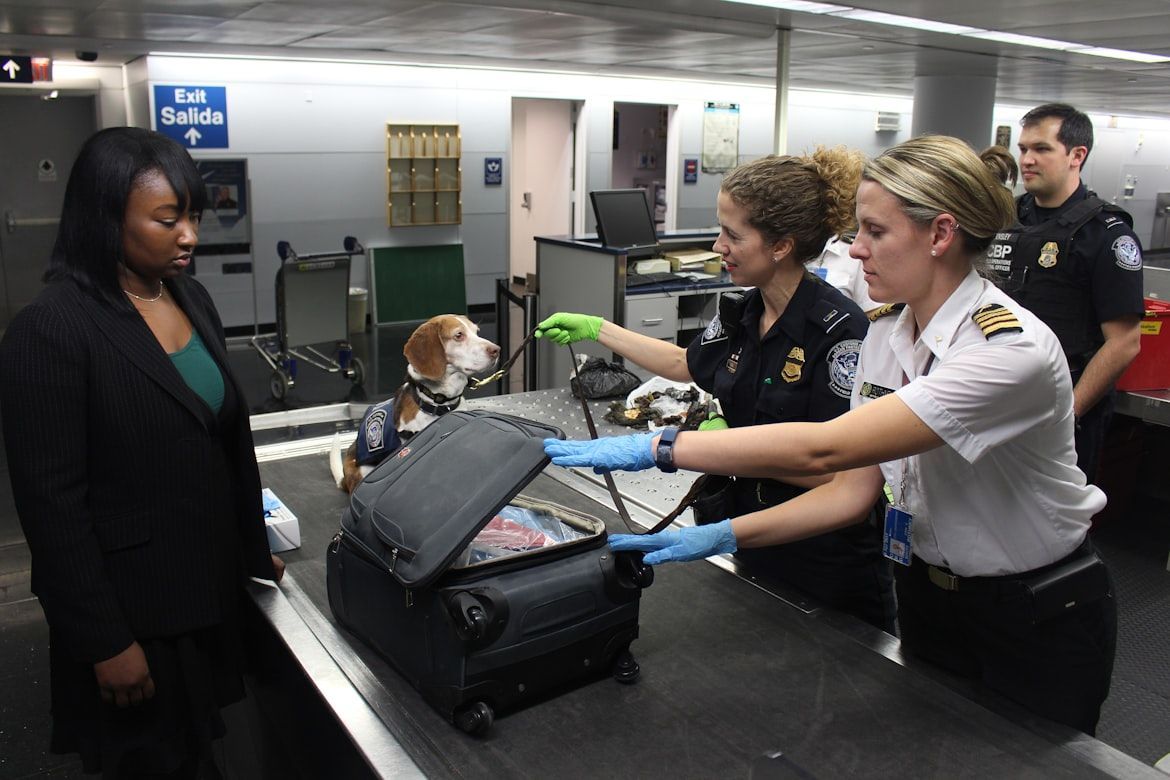
Code Bravo is the emergency phrase used by airport security and the Transportation Security Administration to signal a serious security threat, such as an unattended bag, a breach at a checkpoint, or someone slipping into a restricted area. The term comes from the international phonetic alphabet used in aviation and military communications, where "Bravo" represents the letter B. When this is called, security staff immediately lock down affected areas, stop screening lines, and search for the source of the threat. To passengers, it’s sudden and confusing, but to security, it’s a carefully rehearsed response.

7

Code Alpha

Image: Navy Medicine

You are heading back to your cabin on a cruise ship when the speakers announce, "Code Alpha, Deck 7." You may think Alpha is related to the captain, but that’s not the case. It means someone on board is suffering a medical emergency.

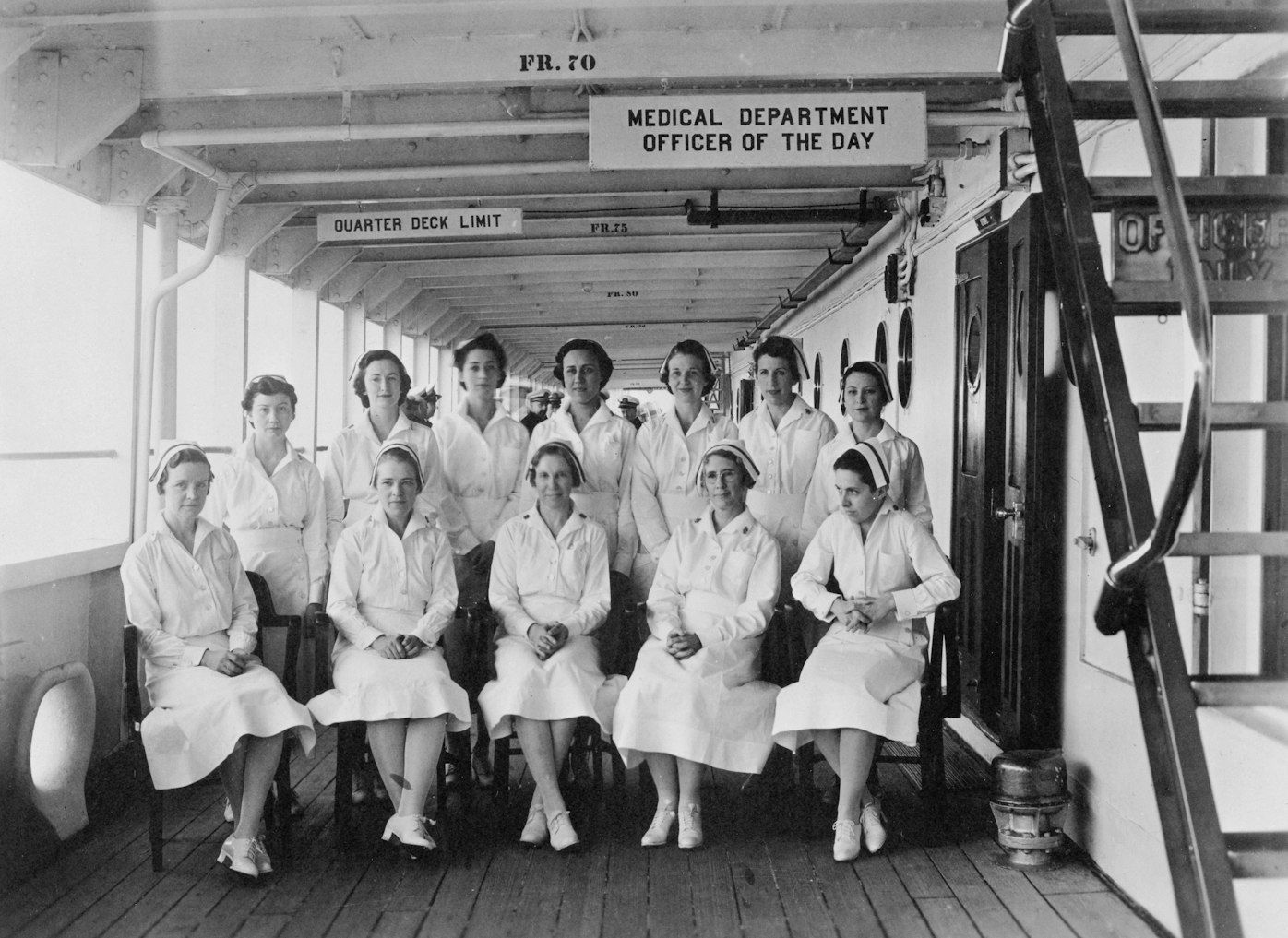
The phrase comes from the NATO phonetic alphabet, where "Alpha" represents the letter A. In maritime emergency jargon, it became shorthand for a Priority A medical situation requiring immediate response. Cruise lines such as Royal Caribbean and Disney Cruise Line commonly use the term, though some ships use variations like repeating "Alpha" three times. Once the code is announced, onboard medical teams rush toward the specified deck or cabin. If necessary, stretcher crews are mobilized, and in severe cases, the ship may even divert course toward the nearest port for emergency evacuation. Passengers are enjoying the views, but the staff is running to save a life.

8

10-33

Image: chris robert

Anyone who remembers the CB radio craze of the 1970s probably smiles when they hear "10-4." Movies, truckers, and radio fans turned those number codes into a part of American culture. So if you overhear "10-33" on a police scanner, you might assume it’s just another routine message. But it’s not as simple as it sounds.

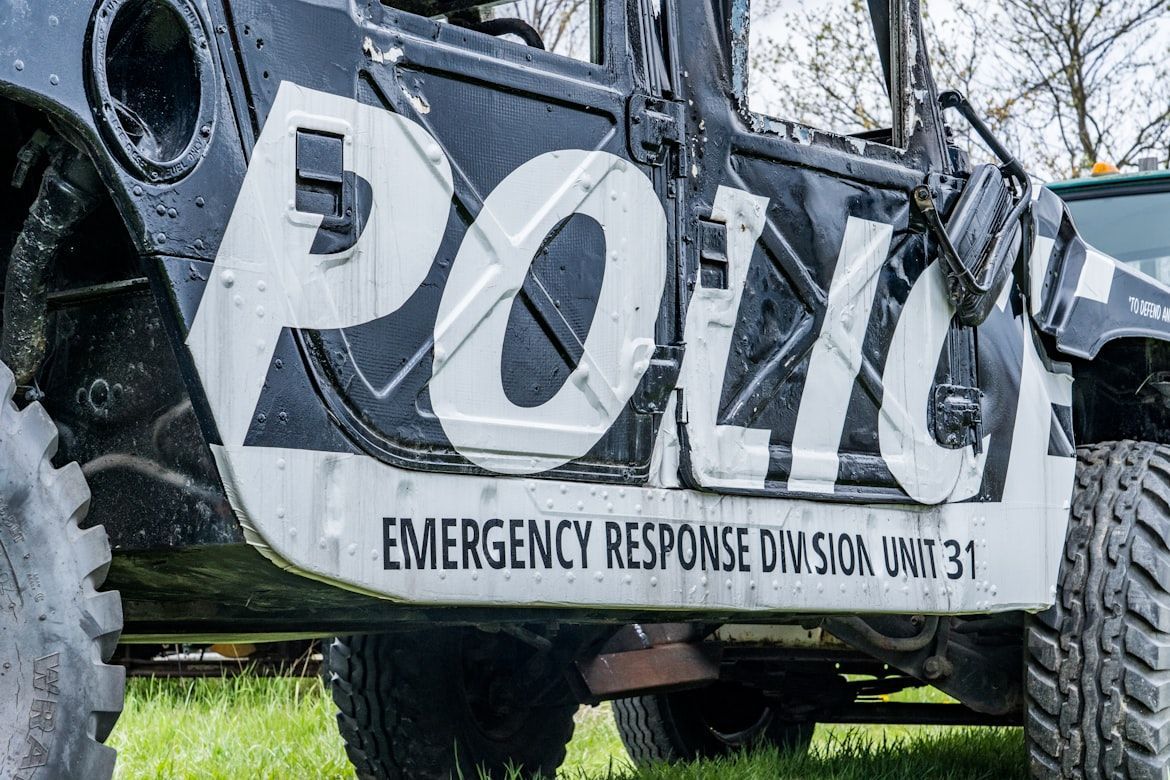
The 10-code system was first created in 1937 by Illinois State Police communications director Charles Hopper and later standardized by the Association of Public Safety Communications Officials, better known as APCO. Officers needed short phrases they could understand clearly over crackling radio signals. The 10-33 code commonly means an officer needs emergency assistance. In some departments, it also signals radio silence so dispatchers can focus on the crisis unfolding in real time.

9

Signal 70

Image: Samuel Lopez Cruz

Disney World is amazing, the parks offer something for everyone, and there are things to see wherever you look. But that’s exactly the kind of place where a child can easily disappear into a sea of strollers, balloons, characters, and crowds. For that reason, Disney has developed the "Signal 70," which alerts cast members and security that a child has become separated from their family.

The number comes from older police and emergency radio systems, where "70" was commonly associated with missing persons. Disney adopted the phrase because it allows employees to communicate discreetly without frightening or alarming nearby guests. If a member finds the child, they gently -and magically- escort them to Baby Care Center, where they coordinate the reunion.

10

Echo, Echo, Echo

Image: Alonso Reyes

Cruises are great to relax, enjoying a good book under the sun with a nice drink by the side. Until you hear "Echo, echo, echo" on the speakers. If you do, something is happening somewhere else on the ship.

The code is used among cruise employees to signal that dangerous winds or a navigational hazard are affecting the ship. It comes from the international maritime phonetic alphabet, where "Echo" stands for the letter E. In maritime signalling, the letter traditionally means "I am altering my course to starboard." And, in time, the phrase became associated with urgent ship maneuvers and weather-related warnings. However urgent, the repetition of the word by three doesn’t represent life-threatening situations. It alerts the crew of a certain hazard to prepare while avoiding panic among passengers.

Looking for an extra scoop of literary fun?

Learn more with our Word of the day

overt

/oʊˈvərt/