Well, actually…

12 famous phrases that were never said as we know them


Published on October 29, 2025

Image: Randy Laybourne

Popular quotes are a good way to condense the ideas of a famous figure or to quickly make a reference to our favorite film or book. But we might not realize that many phrases embedded in society’s collective memory are actually misquotes or wrongly attributed to someone else. These are 12 examples of popular misquotes.

1

Let them eat cake

Image: Armand Khoury

If you were to ask who said this phrase, most people would answer Marie Antoinette. However, that would be incorrect. The original phrase—_"Qu'ils mangent de la brioche,"_ or _"Let them eat brioche"_—was attributed by Jean-Jacques Rousseau in his Confessions to an unnamed princess. How do we know it wasn’t Marie Antoinette? She was only nine years old at the time and still living in Austria.

2

Luke, I am your father

Image: Piotr Makowski

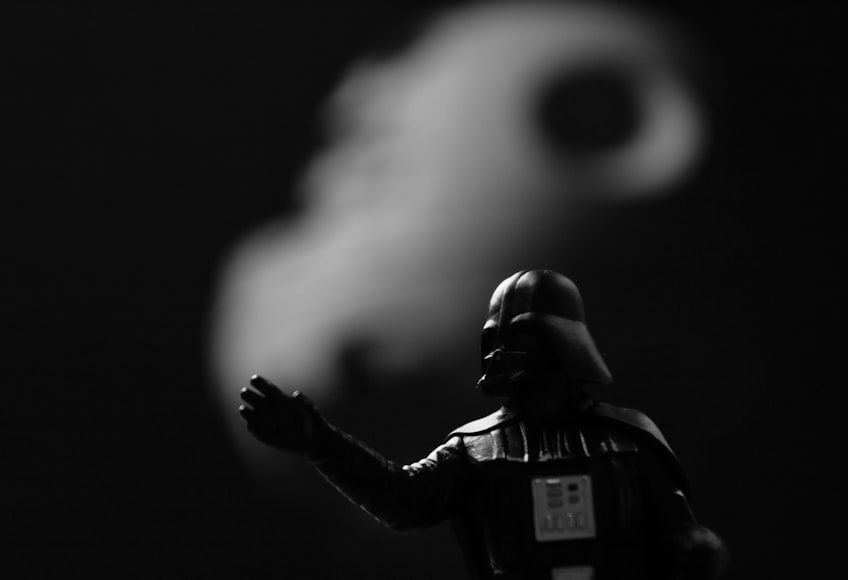
Darth Vader’s most quoted line never existed in that form. In The Empire Strikes Back, Luke accuses Darth Vader of murdering his father, based on what Obi-Wan Kenobi told him. Darth Vader’s actual response—_"No, I am your father"_—has since lived on as a misquote in the collective memory.

3

Et tu, Brute?

Image: tommao wang

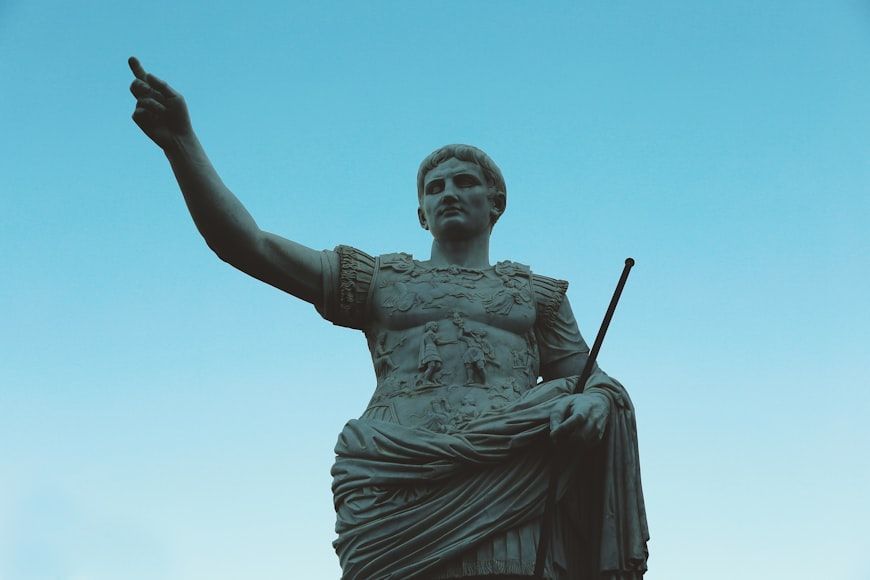
Historians disagree about the last words spoken by Julius Caesar. Some say he remained silent after an initial cry of surprise, while others report that he spoke in Greek to his friend Brutus, saying Καὶ σύ, τέκνον ("You too, child"). The famous _"Et tu, Brute?"_—which can be translated as "And you?" or "You too, Brutus?"—first appeared in Caesar Interfectus by Richard Edes, but was later popularized by William Shakespeare’s Julius Caesar.

4

The ends justify the means

Image: Marius Teodorescu

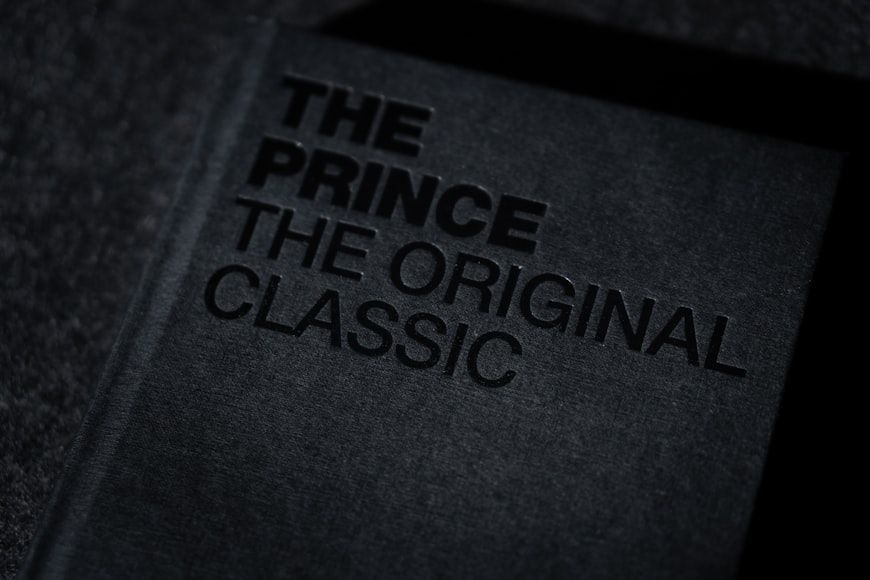
While this phrase is often associated with Niccolò Machiavelli’s ideology, he never actually said it. In his works, Machiavelli argued that rulers might sometimes need to resort to questionable means to ensure the greater good. He emphasized that one can never fully know a person’s intentions, so it is better to judge them by the results of their actions.

5

And yet it moves!

Image: Matthew Ansley

According to legend, while on trial for teaching heliocentrism—at the time not scientifically proven and considered contrary to biblical teaching—Galileo Galilei famously declared "E pur si muove!" ("And yet it moves!"), meaning that the universe does not bend to belief. Although the phrase is attributed to Galileo, it was first recorded at least a century after his death, with no evidence of it being veridical.

6

Play it again, Sam

Image: Hans-Jürgen Weinhardt

Casablanca is one of the undisputed classics of cinematic history, and it has frequently been quoted and used as inspiration. However, one of its most famous phrases—"Play it again, Sam"—is actually a misquote. Ingrid Bergman’s character says both "Play it once, Sam, for old times’ sake" and "Play it, Sam. Play ‘As Time Goes By’" but the misquote became popular after Woody Allen’s play, later adapted into the film Play It Again, Sam.

7

Be the change you wish to see in the world
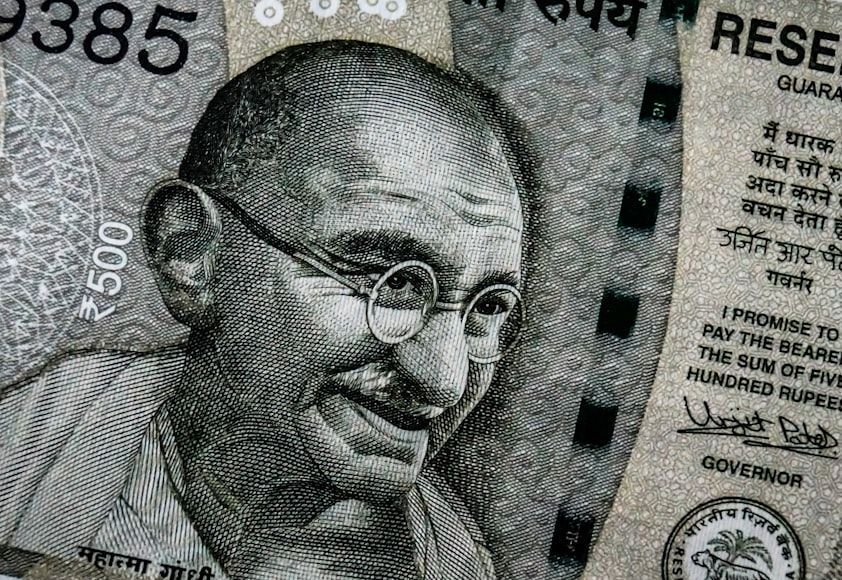
Image: Ishant Mishra

This lovely quote, often attributed to Mahatma Gandhi, is another example of a phrase mistakenly linked to a famous figure. Gandhi expressed a similar sentiment in his writings—the idea that change must begin with oneself—but the exact wording is not his. The phrase is more accurately attributed to Arleen Lorrance, a 1970s educator.

8

I disapprove of what you say, but I will defend to the death your right to say it.

Image: Chris Lawton

In the early 20th century, Evelyn Beatrice Hall published The Friends of Voltaire, a biography of the French philosopher. In it, as a way to illustrate Voltaire’s beliefs on freedom of speech, she penned the phrase: "I disapprove of what you say, but I will defend to the death your right to say it." The maxim was such a good synopsis of Voltairian ideals that most people came to believe it was a direct quote from him.

9

Houston, we have a problem.

Image: NASA

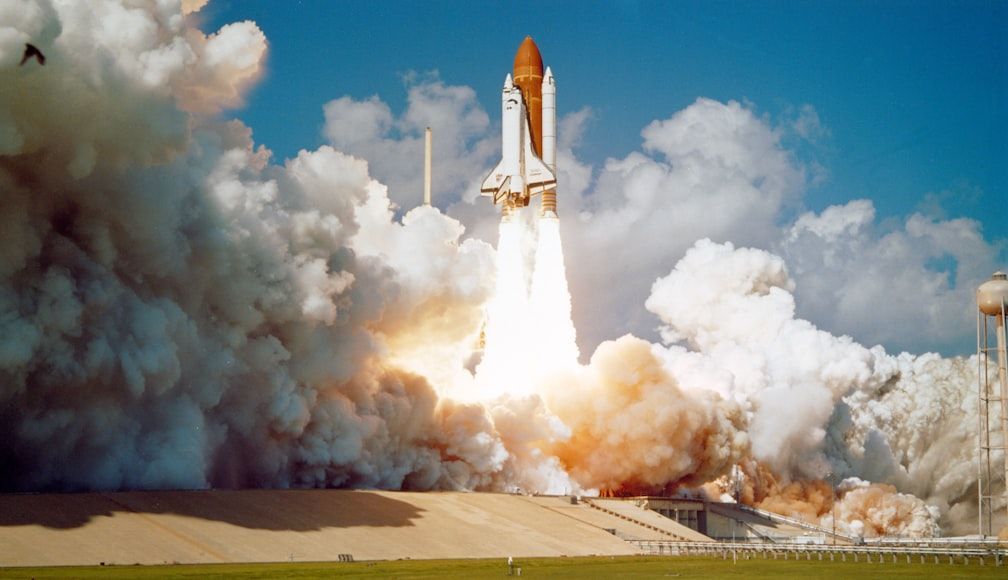
On April 13, 1970, the Apollo 13 spacecraft had to abort its mission due to the explosion of an oxygen tank. Astronaut Jack Swigert first reported the issue with the words: "Okay, Houston, we’ve had a problem here." Jim Lovell later repeated, "Houston, we’ve had a problem." How did the misquote become so popular? In the 1995 film Apollo 13, the screenwriter thought the past tense was not dramatic enough, and he changed it to "we have a problem."

10

Elementary, my dear Watson

Image: JUNHYUNG PARK

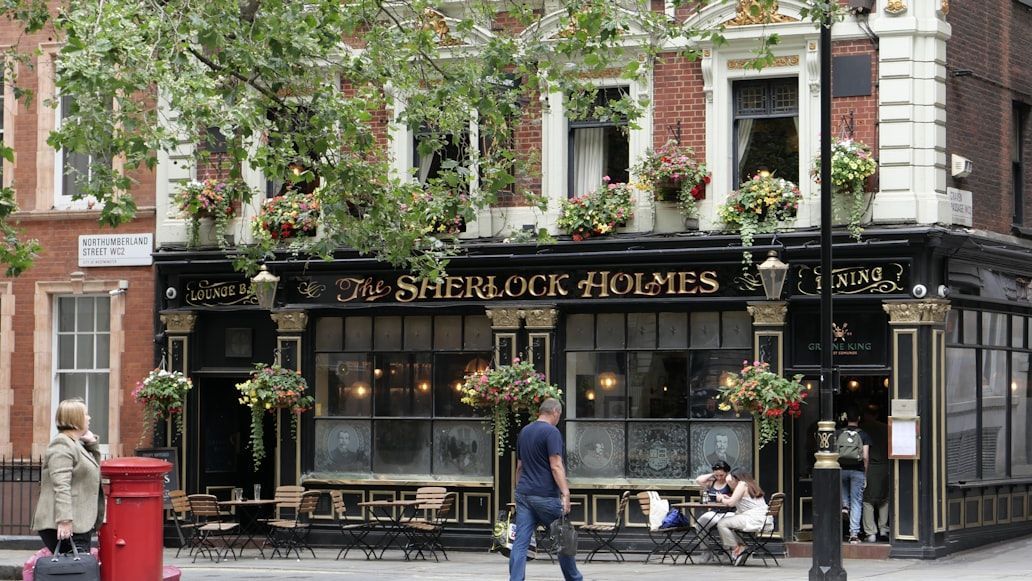
One could argue that this phrase is one of the quintessential Sherlock Holmes sayings. But did you know it wasn’t written by Arthur Conan Doyle? Sherlock Holmes does call his companion "my dear Watson," and he uses the word "elementary" when describing his deductions, but the full phrase —"Elementary, my dear Watson"— first appeared in a 1899 stage play and was later popularized by Basil Rathbone’s film adaptations.

11

Beam me up, Scotty

Image: Stefan Cosma

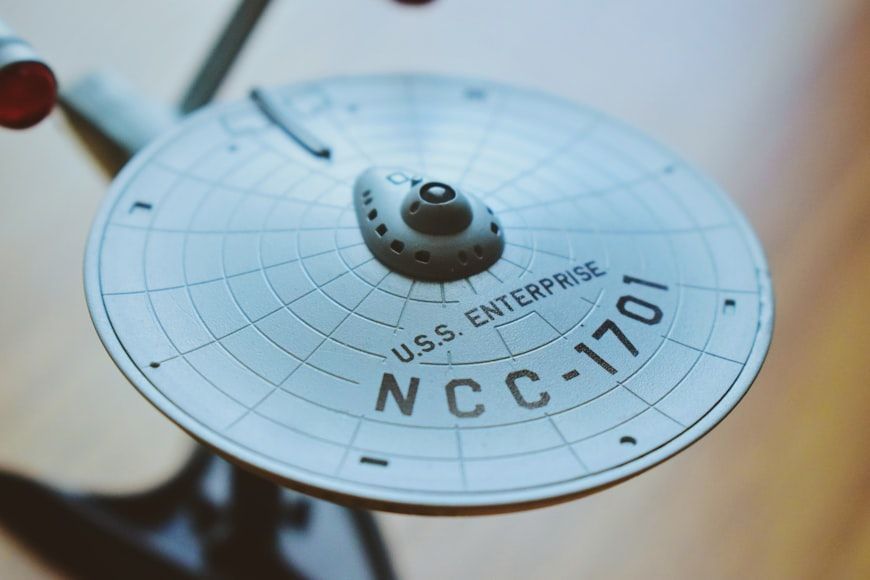
Real Trekkies know that this phrase, though popular, was never actually spoken by Captain Kirk in the original Star Trek series. He did say similar lines, such as "Mr. Scott, beam us up," and other variants. The misquote became so popular that it entered popular culture as a saying of its own.

12

Money is the root of all evil

Image: Rod Long

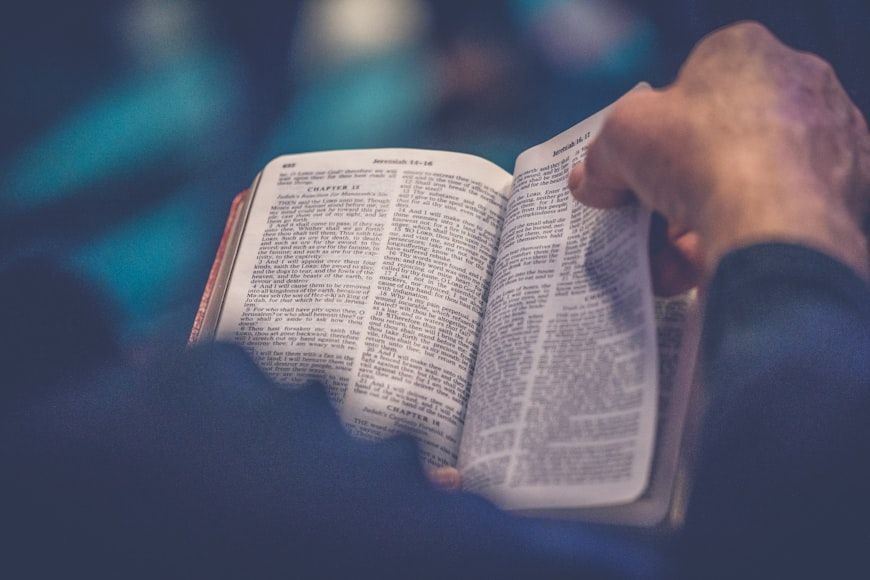
Some could argue that the Bible is the most misquoted book of all time. This particular phrase, often cited from Paul’s first letter to Timothy, is used to criticize money, but most people don’t realize that it is only a partial quote. The full passage—"For the love of money is the root of all evil"—warns against the dangers of loving money excessively.


GRAMMAR GLITCHES

The 10 Funniest Mistakes, Typos, And Misprints In History


Published on October 29, 2025


Image: Natalia Y.

Everyone makes mistakes, that’s a given. But sometimes, even the smallest slip-ups can lead to catastrophic outcomes, no matter how unintentional. These grammatical gaffes stand as a testament to the power of language, reminding us to always proofread before making history.

From political slip-ups to literary lapses, here are ten instances where, er… let’s call them unexpected linguistic detours, induced everything from laughter to financial ruin.

1

Dan Quayle’s spelling nightmare

Image: Lars Blankers

In 1992, during a visit to a New Jersey elementary school, then Vice President Dan Quayle put himself in an embarrassing situation when he tried to correct what he thought was a spelling mistake. After a 12-year-old student correctly spelled the word "potato", he promptly added an e to the end of the word, creating an awkward moment as he insisted that "potatoe" was the correct spelling.

2

Holy blunders

Image: Priscilla Du Preez

A 1631 edition of the Bible became infamous as it contains a number of mistakes that substantially distort the intended message of the sacred text. Known as the "Wicked Bible", among its most egregious blunders is the omission of the word "not" from one of the Ten Commandments, transforming the original sentence into the scandalous directive, "Thou shalt commit adultery." However, some argue that this was not a product of lazy proofreading, but rather sabotage from a competitor.

3

Dogberryisms aplenty

Image: Taha

Constable Dogberry, a character in one of Shakespeare’s most beloved comedies Much Ado About Nothing, became the namesake for malapropisms, as he consistently ends up uttering absurd phrases while attempting to sound intelligent. Some of the most popular "dogberryisms" include confusing suspect with respect, ex-communication with communication, comprehend with apprehend, and even redemption with damnation!

4

NASA’s most expensive typo

Image: SpaceX

How expensive can a typo be? Well, as NASA found out, almost 80 million dollars. In 1962, a missing mathematical symbol in Mariner I’s code led to the spacecraft blowing up in a million pieces over the Atlantic. How could this happen? Apparently, an engineer missed an overbar (a mathematical figure that indicates the mean of a set) while transcribing the calculations by hand. This caused the spacecraft to overcorrect its trajectory, eventually throwing it off course.

The takeaway from this story is simple: always proofread. After all, even the most brilliant people are not immune to making mistakes.

5

How to profit from a comma

Image: micheile henderson

Talking about expensive typos, a misplaced comma in the 13th Tariff Act cost the United States over 40 million dollars in 1872. The Act included a list of items exempt from taxation upon entry to the country, and included in the list was an item that read "fruit, plants tropical and semi-tropical for the purpose of propagation or cultivation."

According to the government, the comma was meant to be a hyphen, meaning fruit-bearing plants, but the correct grammatical interpretation suggested that all fruit were included in the exemption. It took almost two years to fix the mistake, but it was already too late.

6

Yogi Bear’s last laugh

Image: Janko Ferlič

Don’t worry kids, Yogi Bear is totally fine. But for a moment in 2015, Associated Press declared the cherished bear dead, when someone published Yankees’ legend Yogi Berra’s obituary under a hysterical title: "Yogi Bear has died. He was 90." While this was likely the mix-up of an underslept intern, Berra was known for his amusing unintentional witticisms and malapropisms, remembered for gems like "It ain't over 'til it's over," "It's déjà vu all over again," and "Nobody goes there anymore. It's too crowded."

7

[INSERT TITLE HERE]

Image: AbsolutVision

In a peculiar incident in December 2017, a Cambridge newspaper unintentionally became viral when a placeholder reading "100PT SPLASH HEADING HERE" found its way into the headlines. Meant for internal use during layout, the cryptic text unexpectedly amused readers and sparked online speculation, with some even joking about the headline being a warning of an incoming tsunami wave. The newspaper’s editor-in-chief later apologized profusely for the amusing mishap, which was allegedly caused by a technical issue.

8

A successful literacy program

Image: Michał Parzuchowski

Around 2010, an article from an unknown local newspaper went viral for misspelling "Mississippi" as "Missippi." You might argue that they simplified it, but the funniest part is that the article was about the purported success of a literacy program in the state. Maybe the program needed to focus on newspapers too.

9

Guardians of grammar

Image: Peter Lawrence

The Guardian, one of the UK's most renowned newspapers, earned an unintentional reputation for its numerous typos. In a memorable blunder, it once printed its own name as "Gaurdian," prompting satirical magazine Private Eye to nickname them "Grauniad." Overall, the newspaper took it in good stride, and the nickname is still playfully used, even among its journalists, to refer to the media outlet with a touch of humor.

10

Come in

Image: Daria Kraplak

Unbeknownst to most, James Joyce’s famous novel Finnegans Wake hides an easter egg of sorts. When it comes to an author famous for his experimental and gibberish-like writing, what can possibly be considered a mistake or a typo? Well, it seems the author used to dictate parts of his work to his friend Samuel Beckett, and during one of these sessions, someone knocked at the door, with Joyce immediately saying "Come in." Without thinking twice, Beckett wrote that along with the rest of Joyce’s dictation. It is likely that Joyce noticed the gaffe, but decided to leave it there just to mess with the readers.

Looking for an extra scoop of literary fun?

Learn more with our Word of the day

infer

/ɪnˈfər/