10 lost treasures around the world humanity still hopes to find


Published on August 6, 2026

Image: banu sevim

If you were asked about your most priceless possession, what’s the first thing that pops into mind? And what would you do to protect it? Since time immemorial, pirates and princes, captains and mysterious men have acquired wealth and done the impossible to defend it. So much so that from treasure chests to gold-filled trains, some riches were hidden so well that they have vanished to this day. Let’s find out about 10 of the most unbelievable lost treasures around the world and try to imagine what we’d do if we found them.

1

The Amber Room

Image: A_Mikhail

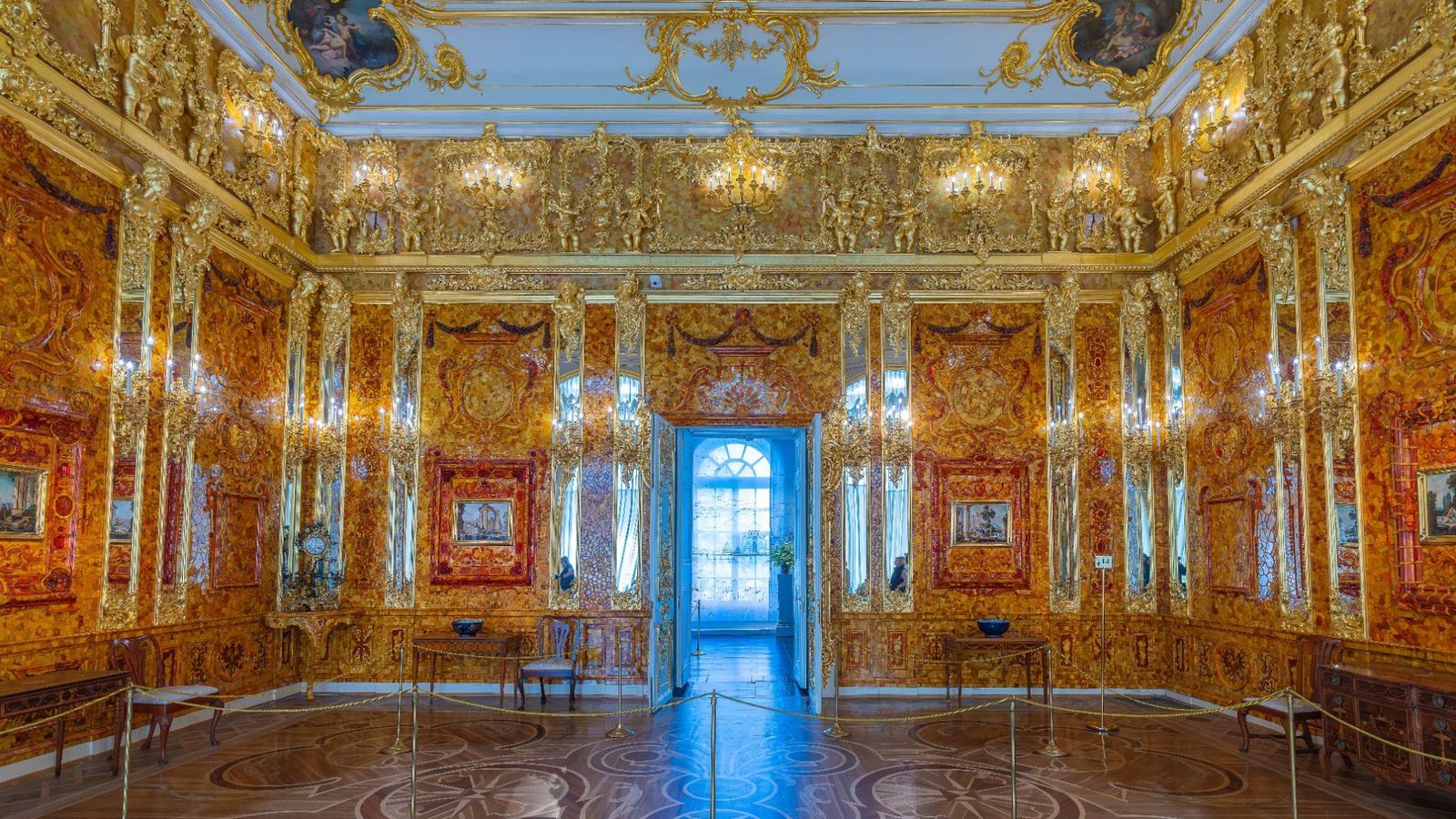
The Amber Room, often called "The Eighth Wonder of the World", was an 18th-century opulent chamber made of six amber panels, gold leaf, and mirrors. It was commissioned in 1701 for Prussia’s King Frederick, and later gifted to Russia’s Tsar Peter the Great in 1716.

It was then installed in the Catherine Palace in Tsarskoye Selo, Russia, until it was dismantled by German troops in just 36 hours in 1941 and moved to Königsberg Castle in East Prussia. Since 1945, amid Allied bombings, the Amber Room has disappeared without a trace, believed to have either been burned, buried, or sunk in the Baltic Sea.

2

The Nazi Gold Train

Image: Piotr Mitelski

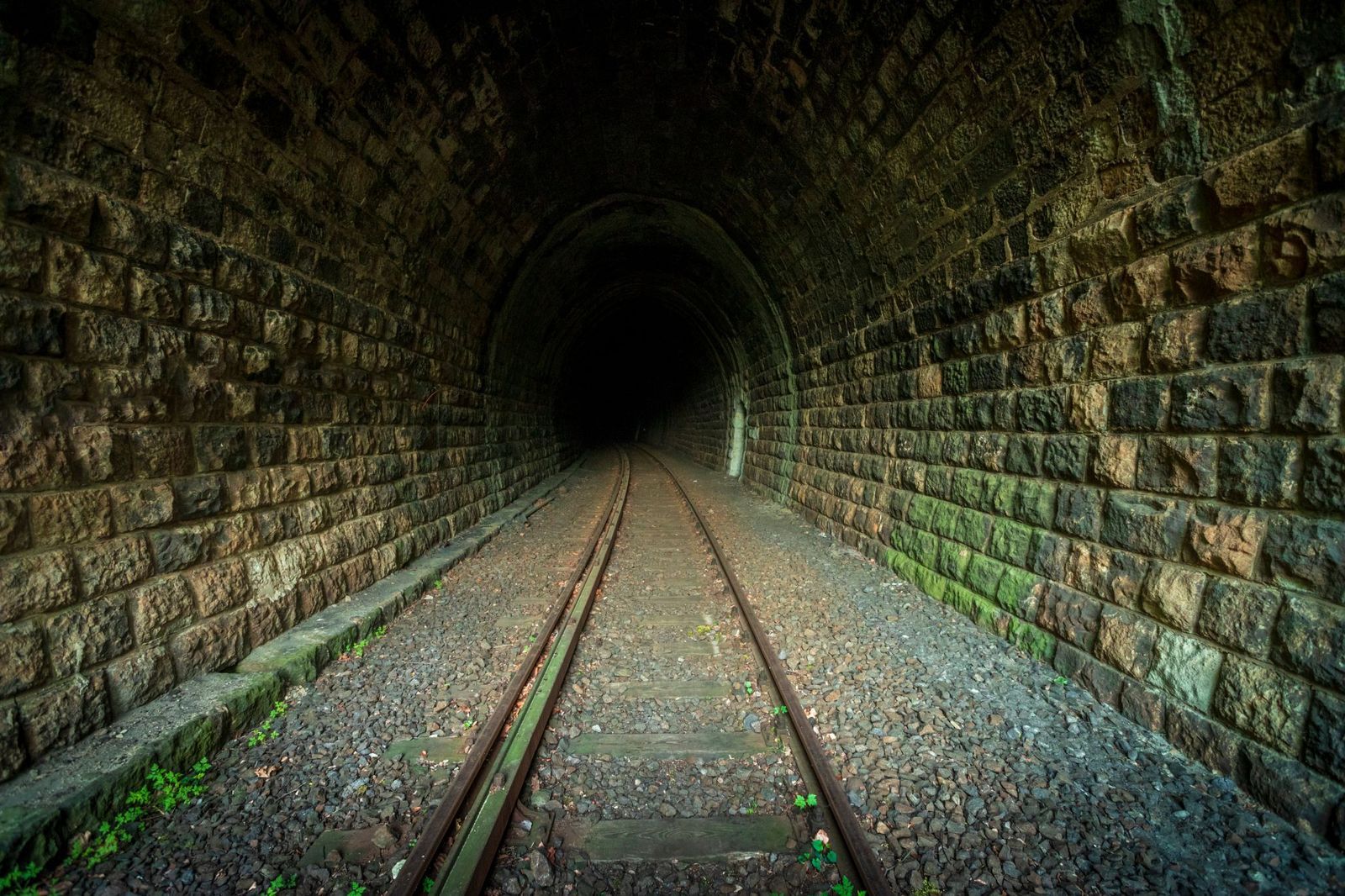
It’s an armored 150-meter-long convoy rumored to be filled with 300 tons of gold, jewels, and stolen art. Allegedly, it vanished in May 1945 inside a secret network of unfinished tunnels in the Owl Mountains, near Walbrzych, Poland, as German forces fled the advancing Soviet Army.

Explorers and treasure hunters have launched many high-profile searches using groundbreaking technology to locate the train, but nothing has ever been found.

3

The Flor de la Mar Treasure

Image: Casa nayafana

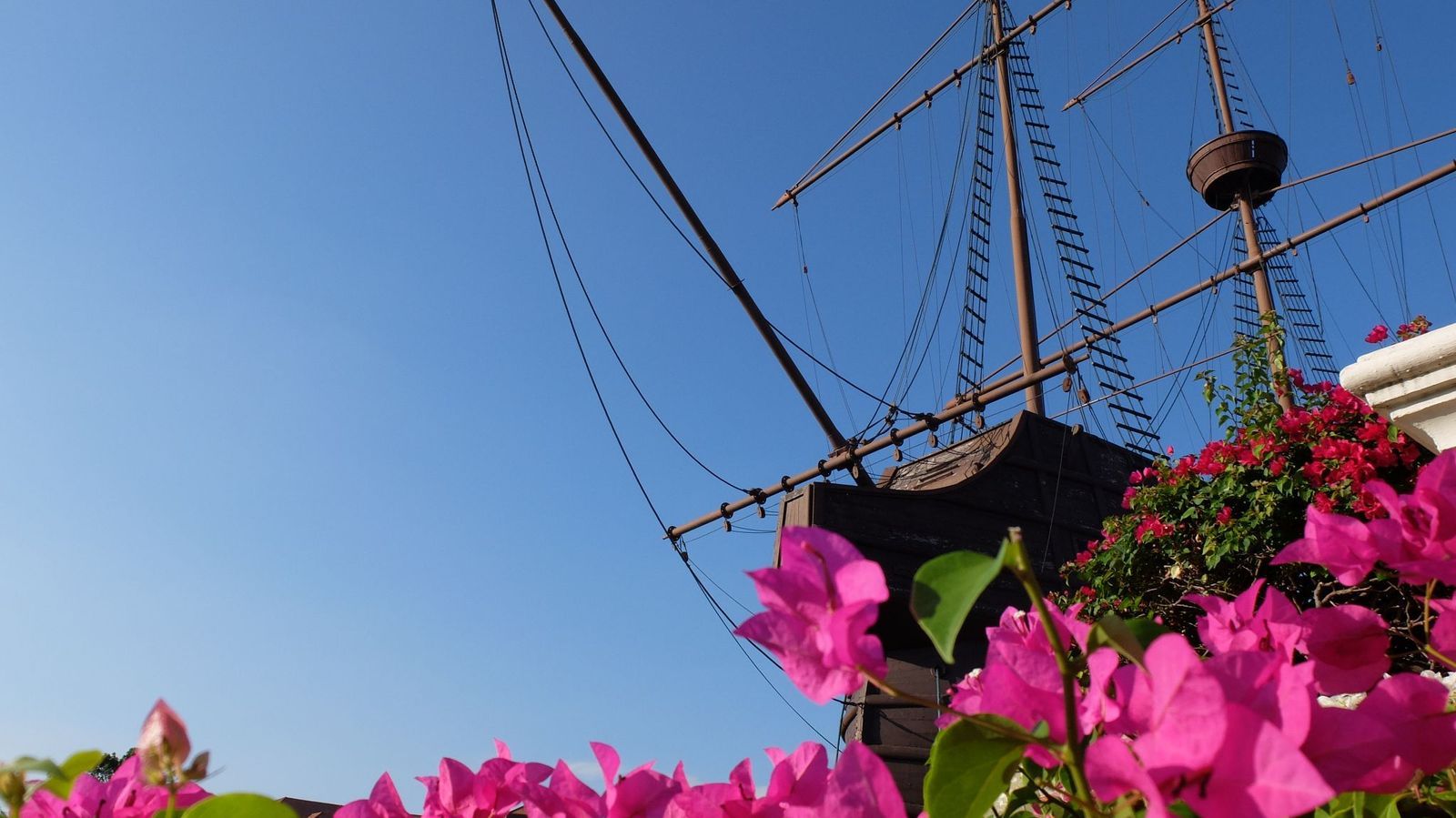
The Flor de la Mar ("Flower of the Sea") is a legendary Portuguese ship that sank in November of 1511, on its return from conquering a wealthy hub, now known as Malaysia. With it, an immense fortune estimated at $2.6 billion sank to the bottom of the ocean and was never recovered, making it one of the richest shipwrecks in history.

Over the centuries, countless marine salvage companies have attempted to recover the treasure, although political disputes over salvage rights between Indonesia, Malaysia, and Portugal have continuously interrupted such expeditions.

4

The Treasure of Lima

Image: videobuzzing

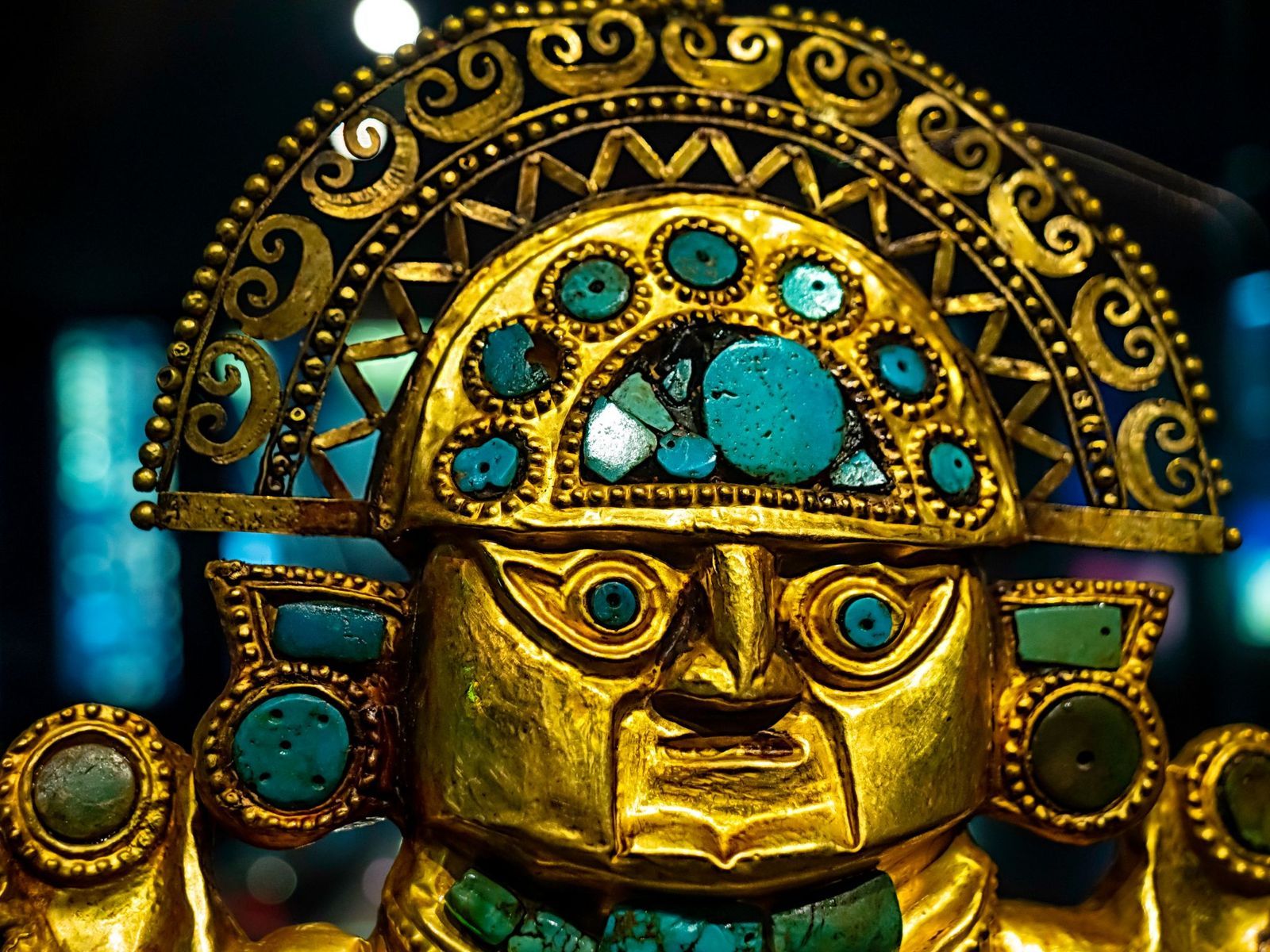
The Treasure of Lima is a massive fortune of gold, silver, and jewels (including a life-size solid gold statue of the Virgin Mary), valued at up to $208 million and missing since 1820.

It was stolen by British Captain William Thompson, who had originally been tasked with protecting the Spanish treasures and allegedly buried them on Cocos Island off Costa Rica, never to be seen again. When captured, he agreed to lead the Spanish forces to the gold, but instead escaped with his first mate into the thick jungle and vanished forever.

5

Blackbeard’s Missing Treasure

Image: Ritu Manoj Jethani

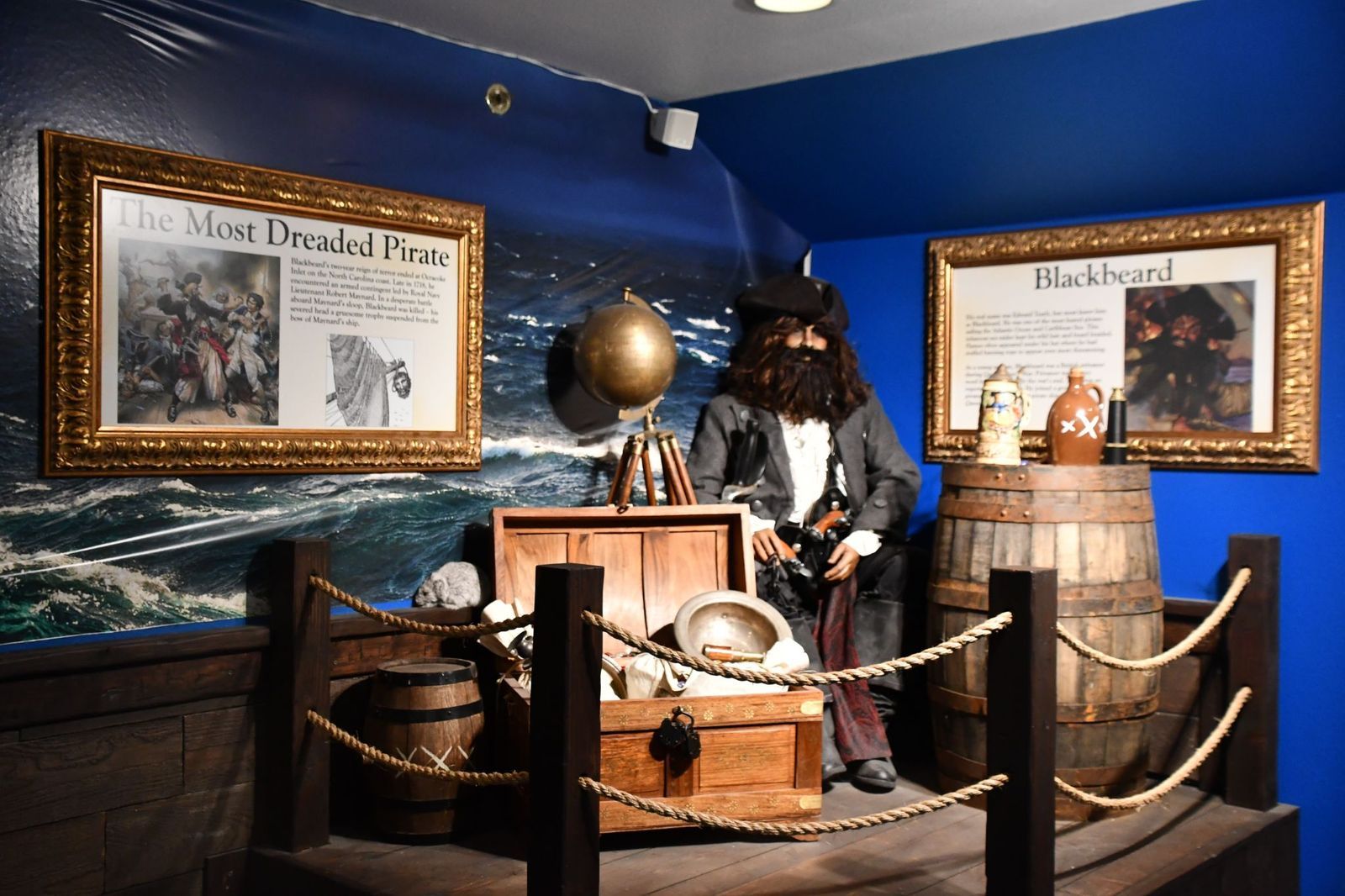
The infamous pirate Edward Teach, also known as Blackbeard, left behind a treasure no one has ever found. He terrorized the Atlantic Coast and the Caribbean, capturing numerous ships and stealing gold, silver, and valuable goods from them.

Modern estimates suggest that his riches would be worth $150 million. Before his death in November 1718, he claimed his wealth was hidden where "nobody knows but me and the Devil."

6

Oak Island Money Pit

Image: Adwo

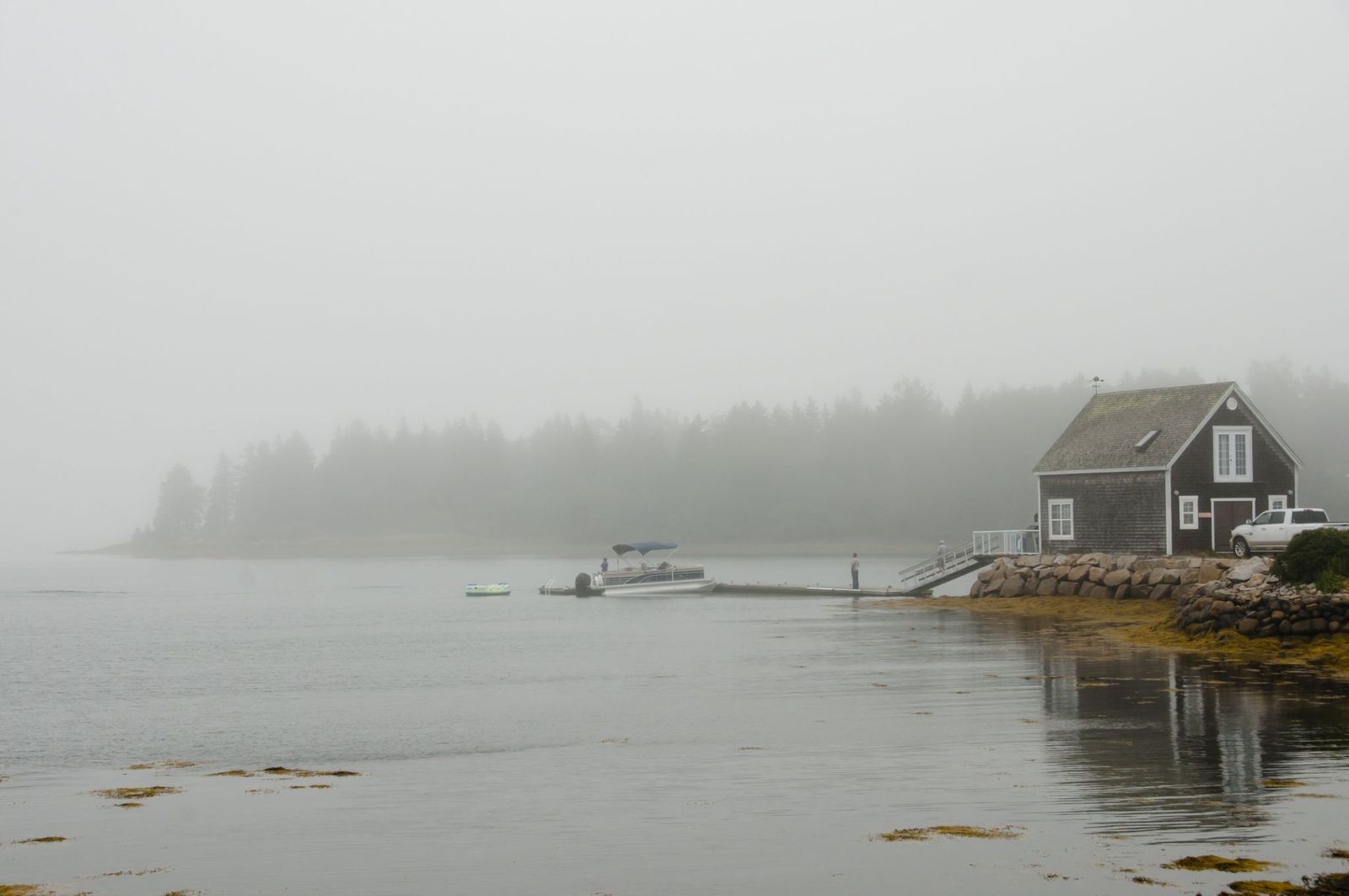
The Oak Island Money Pit is a centuries-old mystery of buried treasure filled with traps and tunnels, located in Nova Scotia, Canada. It began in 1796 when teenager Daniel McGinnis found a circular depression under a tree and started digging with friends.

As they dug, they began to find oak logs 10 feet down, pointing to a man-made shaft, but water from a storm later flooded the pit. Rumors suggest there is a vault with pirate gold from Captain Kidd, Spanish artifacts, or Marie Antoinette's jewels, as searchers have found tropical coconut fibers and fragments of gold chain there; skeptics suggest it might’ve just been a natural sinkhole all along.

7

The Missing Fabergé Eggs

Image: Natalia Kirsanova

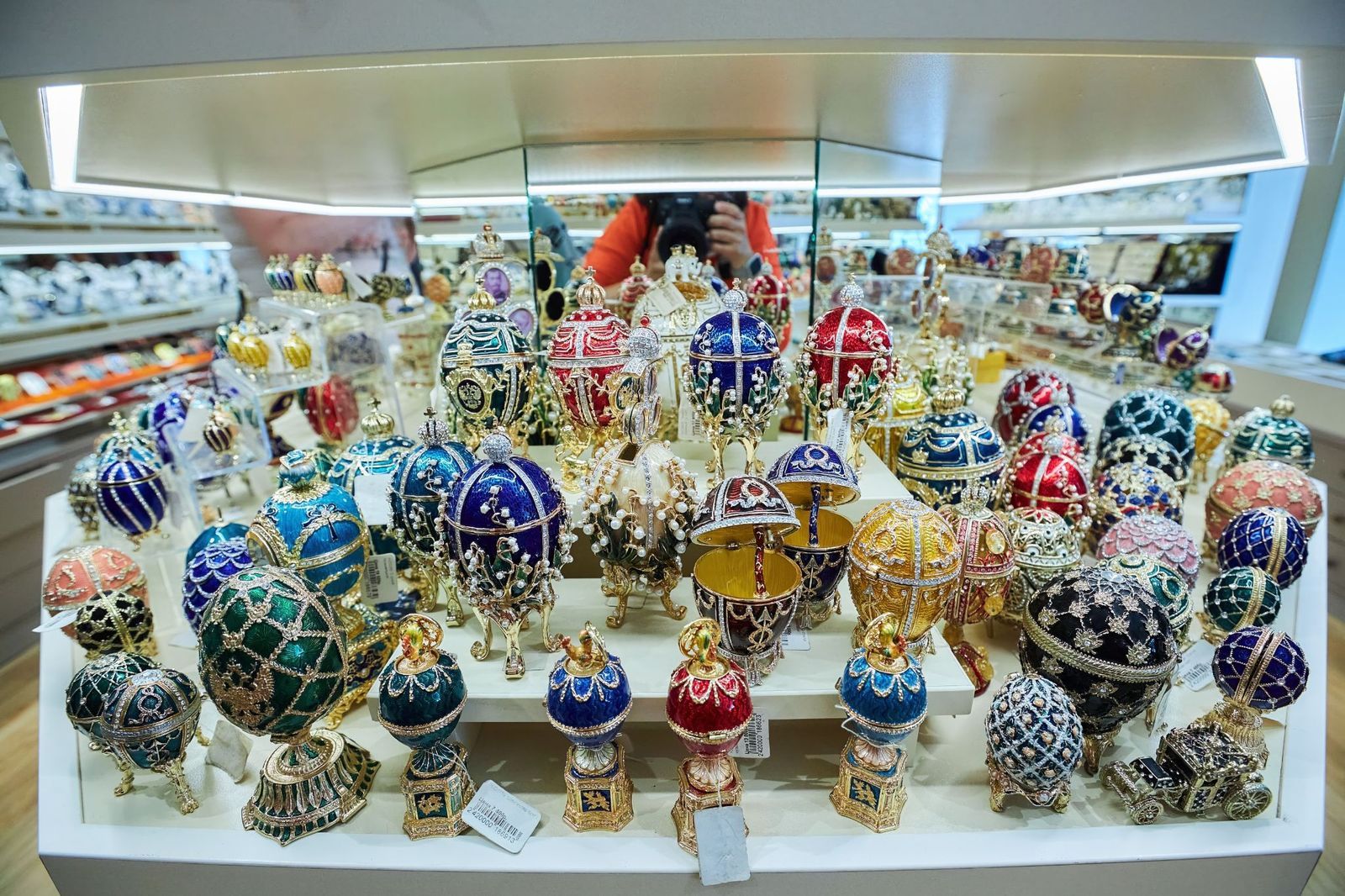
Of the 50 Imperial Fabergé Easter eggs created for the Russian royal family, up to eight remain unaccounted for. Notable missing pieces include the "Nécessaire Egg" (1889), the "Cherub with Chariot" (1888), and the "Hen with Sapphire Pendant" (1886).

While many were lost or stolen during the 1917 Russian Revolution, miraculous findings, such as the "Third Imperial Egg" recovered at a U.S. flea market after a century-long disappearance, keep collectors' hopes alive.

8

The Honjō Masamune Sword

Image: vladivlad

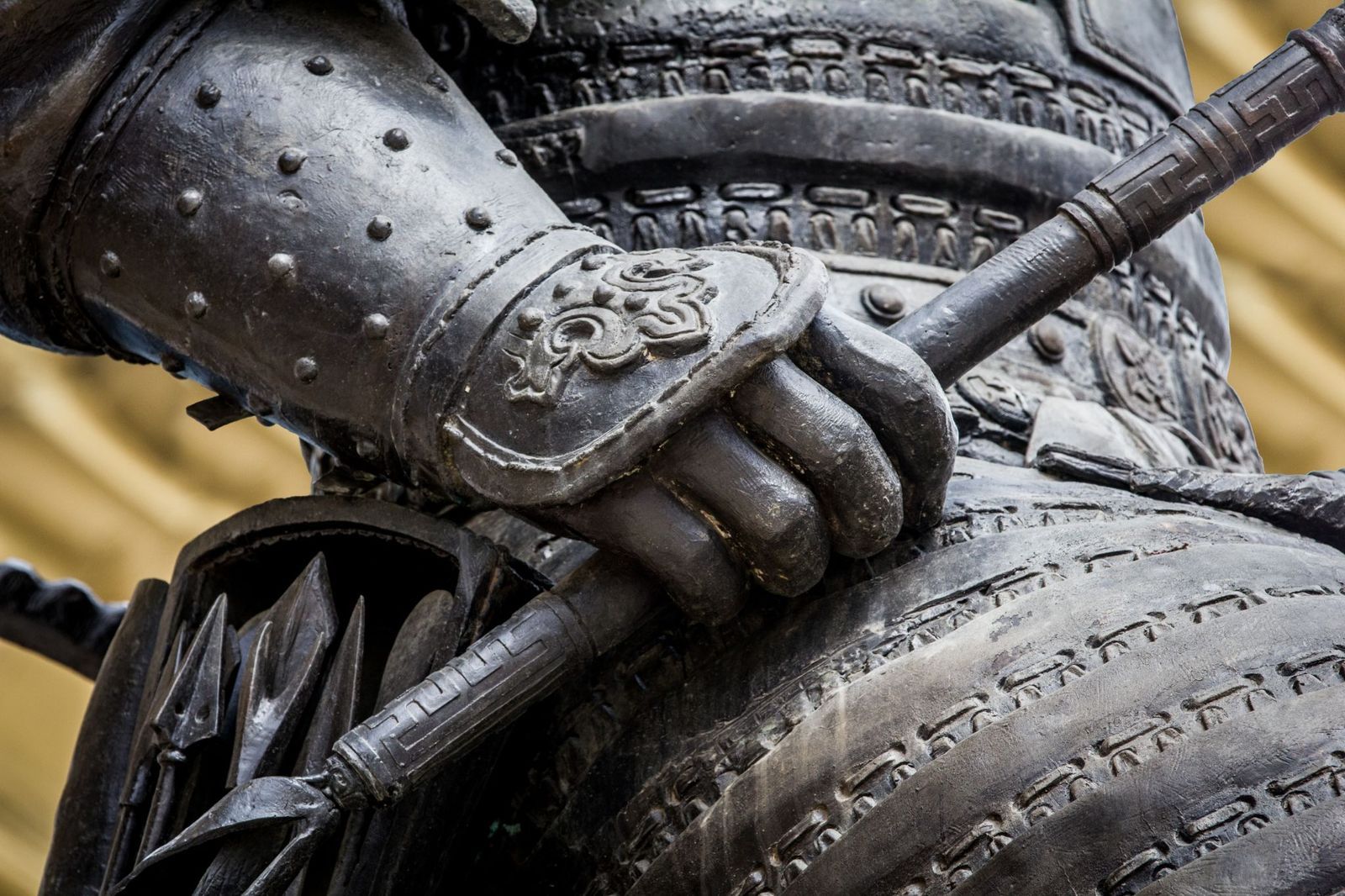
The Honjō Masamune Sword is a priceless Japanese samurai weapon that was lost after World War II. It is considered one of the finest blades ever forged by the master swordsmith Gorō Nyūdō Masamune, and remains a priceless cultural symbol of power.

Designated an official Japanese National Treasure in 1939, many experts remain hopeful it might appear in a private collection or attic.

9

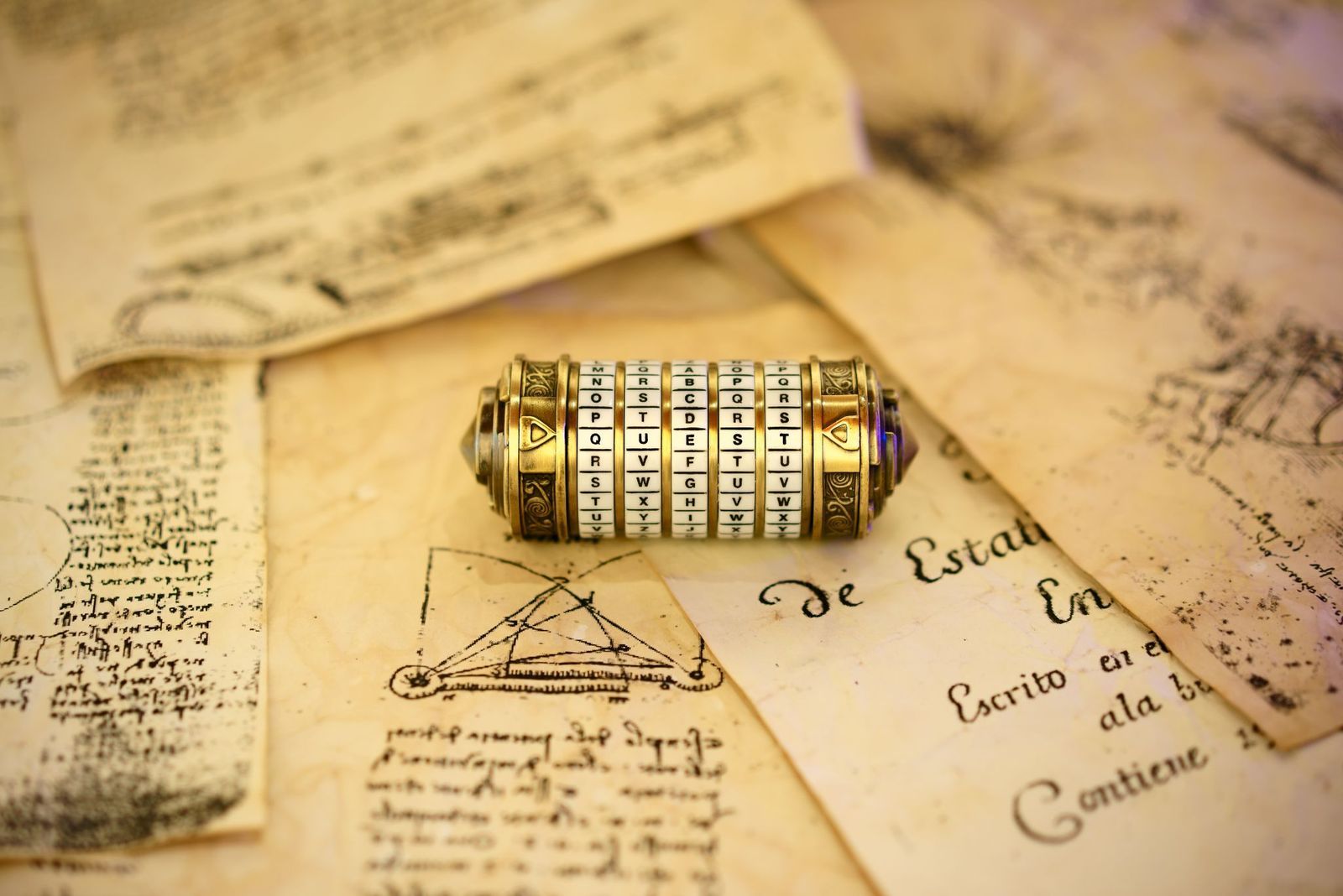
The Beale Ciphers Treasure

Image: syachin

The Beale Ciphers Treasure is a renowned unrecovered fortune of gold, silver, and jewels, with an estimated value of over $65 million.

In 1820, a mysterious man named Thomas J. Beale checked into a hotel in Lynchburg, Virginia, and left a locked iron box with an innkeeper, alongside three encoded messages. If cracked, they supposedly reveal the hidden fortune. For now, only one has been decoded. Some experts allege the entire mystery is a hoax, while others continue to try to decipher the codes to this day.

10

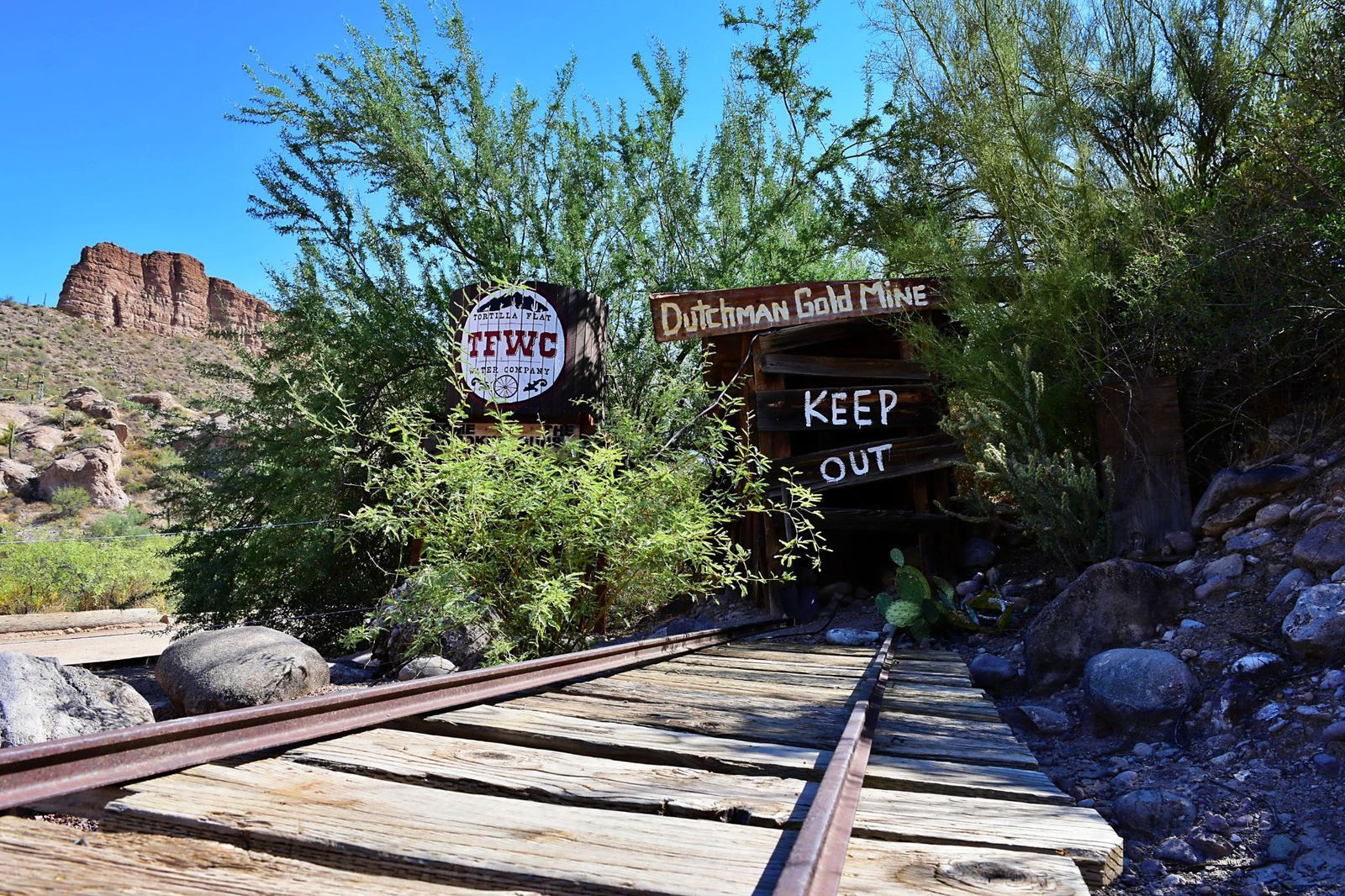
The Lost Dutchman’s Gold Mine

Image: Raeann Davies

The Lost Dutchman’s Gold Mine is a famous, undiscovered gold deposit, said to be hidden somewhere near Apache Junction, in Arizona’s Superstition Mountains.

Legend claims it was found by Jacob Waltz, a German immigrant (misidentified as Dutch due to the old use of the term "Deutsch"), who settled in Arizona in the 19th century and supposedly kept its location secret before dying in 1891, except for the verbal hints he allegedly gave to his neighbor Julia Thomas, sparking modern treasure hunting to this day.


GRAMMAR GLITCHES

The 10 Funniest Mistakes, Typos, And Misprints In History


Published on August 6, 2026


Image: Natalia Y.

Everyone makes mistakes, that’s a given. But sometimes, even the smallest slip-ups can lead to catastrophic outcomes, no matter how unintentional. These grammatical gaffes stand as a testament to the power of language, reminding us to always proofread before making history.

From political slip-ups to literary lapses, here are ten instances where, er… let’s call them unexpected linguistic detours, induced everything from laughter to financial ruin.

1

Dan Quayle’s spelling nightmare

Image: Lars Blankers

In 1992, during a visit to a New Jersey elementary school, then Vice President Dan Quayle put himself in an embarrassing situation when he tried to correct what he thought was a spelling mistake. After a 12-year-old student correctly spelled the word "potato", he promptly added an e to the end of the word, creating an awkward moment as he insisted that "potatoe" was the correct spelling.

2

Holy blunders

Image: Priscilla Du Preez

A 1631 edition of the Bible became infamous as it contains a number of mistakes that substantially distort the intended message of the sacred text. Known as the "Wicked Bible", among its most egregious blunders is the omission of the word "not" from one of the Ten Commandments, transforming the original sentence into the scandalous directive, "Thou shalt commit adultery." However, some argue that this was not a product of lazy proofreading, but rather sabotage from a competitor.

3

Dogberryisms aplenty

Image: Taha

Constable Dogberry, a character in one of Shakespeare’s most beloved comedies Much Ado About Nothing, became the namesake for malapropisms, as he consistently ends up uttering absurd phrases while attempting to sound intelligent. Some of the most popular "dogberryisms" include confusing suspect with respect, ex-communication with communication, comprehend with apprehend, and even redemption with damnation!

4

NASA’s most expensive typo

Image: SpaceX

How expensive can a typo be? Well, as NASA found out, almost 80 million dollars. In 1962, a missing mathematical symbol in Mariner I’s code led to the spacecraft blowing up in a million pieces over the Atlantic. How could this happen? Apparently, an engineer missed an overbar (a mathematical figure that indicates the mean of a set) while transcribing the calculations by hand. This caused the spacecraft to overcorrect its trajectory, eventually throwing it off course.

The takeaway from this story is simple: always proofread. After all, even the most brilliant people are not immune to making mistakes.

5

How to profit from a comma

Image: micheile henderson

Talking about expensive typos, a misplaced comma in the 13th Tariff Act cost the United States over 40 million dollars in 1872. The Act included a list of items exempt from taxation upon entry to the country, and included in the list was an item that read "fruit, plants tropical and semi-tropical for the purpose of propagation or cultivation."

According to the government, the comma was meant to be a hyphen, meaning fruit-bearing plants, but the correct grammatical interpretation suggested that all fruit were included in the exemption. It took almost two years to fix the mistake, but it was already too late.

6

Yogi Bear’s last laugh

Image: Janko Ferlič

Don’t worry kids, Yogi Bear is totally fine. But for a moment in 2015, Associated Press declared the cherished bear dead, when someone published Yankees’ legend Yogi Berra’s obituary under a hysterical title: "Yogi Bear has died. He was 90." While this was likely the mix-up of an underslept intern, Berra was known for his amusing unintentional witticisms and malapropisms, remembered for gems like "It ain't over 'til it's over," "It's déjà vu all over again," and "Nobody goes there anymore. It's too crowded."

7

[INSERT TITLE HERE]

Image: AbsolutVision

In a peculiar incident in December 2017, a Cambridge newspaper unintentionally became viral when a placeholder reading "100PT SPLASH HEADING HERE" found its way into the headlines. Meant for internal use during layout, the cryptic text unexpectedly amused readers and sparked online speculation, with some even joking about the headline being a warning of an incoming tsunami wave. The newspaper’s editor-in-chief later apologized profusely for the amusing mishap, which was allegedly caused by a technical issue.

8

A successful literacy program

Image: Michał Parzuchowski

Around 2010, an article from an unknown local newspaper went viral for misspelling "Mississippi" as "Missippi." You might argue that they simplified it, but the funniest part is that the article was about the purported success of a literacy program in the state. Maybe the program needed to focus on newspapers too.

9

Guardians of grammar

Image: Peter Lawrence

The Guardian, one of the UK's most renowned newspapers, earned an unintentional reputation for its numerous typos. In a memorable blunder, it once printed its own name as "Gaurdian," prompting satirical magazine Private Eye to nickname them "Grauniad." Overall, the newspaper took it in good stride, and the nickname is still playfully used, even among its journalists, to refer to the media outlet with a touch of humor.

10

Come in

Image: Daria Kraplak

Unbeknownst to most, James Joyce’s famous novel Finnegans Wake hides an easter egg of sorts. When it comes to an author famous for his experimental and gibberish-like writing, what can possibly be considered a mistake or a typo? Well, it seems the author used to dictate parts of his work to his friend Samuel Beckett, and during one of these sessions, someone knocked at the door, with Joyce immediately saying "Come in." Without thinking twice, Beckett wrote that along with the rest of Joyce’s dictation. It is likely that Joyce noticed the gaffe, but decided to leave it there just to mess with the readers.

Looking for an extra scoop of literary fun?

Learn more with our Word of the day

facilitate

/fəˈsɪləˌteɪt/