Where in the world is it dangerous to sing Sinatra's "My Way"?
Published on September 25, 2025
 Image: Serge S
The world moves forward and modernizes faster than ever, yet the law doesn’t always keep up. Some of the most absurd rules still linger in the laws of certain countries. If you think it’s ridiculous to ban chewing gum, to sing "My Way" at karaoke, or to get drunk in a pub, then this article is for you. Join us as we discover 10 crazy laws that, believe it or not, are still in effect.
Chewing gum
 Image: Quinten de Graaf
In 1992, Singapore implemented one of the strictest bans in the world: it became illegal to import, produce, or sell chewing gum. In the 1980s and 1990s, the government of this Southeast Asian nation noticed gum stuck everywhere—on sidewalks, in elevators, even on subway door sensors.
To reverse this trend, Prime Minister Lee Kuan Yew, who had a vision of order and extreme cleanliness, decreed that chewing gum could not be imported, produced, or sold anywhere in the country. This measure was part of a new model of social discipline that turned Singapore into a beacon of neatness and efficiency envied even by the most developed nations.
Don’t carry ice cream in your back pocket
 Image: Zach Camp
In Kentucky, it is technically illegal to carry ice cream in your back pocket. Yes, you heard right. This ban dates back to the 19th century, when horse thieves were in vogue. The story goes that crooks would slip ice cream into their pockets to tempt horses to follow them—avoiding charges of outright theft.
This law was never repealed, so technically, if a Kentucky police officer caught you with ice cream melting in your back pocket, they could cite you. Unlikely? Absolutely. But still on the books!
Group jogging
 Image: Leo_Visions
In Burundi, as in many other countries, group jogging was once a very popular activity. But when the opposition Movement for Solidarity and Democracy organized a mass jogging event in 2014, things quickly took a turn.
That year, the government of President Pierre Nkurunziza, himself a former PE teacher, banned group jogging, viewing it as a veiled act of subversion. Some participants were even arrested. Despite this heavy-handed measure, the small East African nation has still managed to produce several Olympic athletes. How? Determination seems to outpace the ban.
Lip-syncing
 Image: Victor Rodvang
Watching a favorite artist lip-sync is always disappointing. Turkmenistan took the issue very seriously and decided to do something about it. In 2005, President Saparmurat Niyazov banned lip-syncing throughout the country. The ban applied not only at concerts, but also on television and even at weddings. According to him, lip-syncing harmed the development of musical art.
But this wasn’t the only absurd measure imposed by Niyazov. He also banned opera and ballet, the use of gold teeth, makeup on TV presenters, and pet dogs in the capital. In addition, he renamed the months of the year in honor of his family members and even built a golden statue of himself. A bit egocentric, don’t you think?
Wearing blue jeans
 Image: Rodrigo Rodrigues | WOLF Λ R T
Since the 1990s, blue jeans have been banned in North Korea because they are seen as a symbol of Western capitalist culture. Tight pants, T-shirts with foreign brand logos, and certain types of haircuts are also prohibited.
Don't believe us? In 2024, North Korean state television broadcast an episode of the BBC series Garden Secrets in which presenter Alan Titchmarsh was wearing jeans. To get around the ban, the network simply blurred out his pants—creating a bizarre image that quickly sparked memes on social media.
Round fishbowls
 Image: MART PRODUCTION
Keeping fish in round bowls is illegal in Rome. Experts argue that they are cruel because they limit oxygenation, distort the fish’s vision, and force constant circular swimming, making them dizzy and stressed.
In 2005, Rome introduced an animal welfare law that banned round fishbowls, along with other measures to protect pets. Over time, other regions of Italy adopted similar rules.
Carrying a salmon "under suspicious circumstances"
 Image: NOAA
This absurd rule seems like something out of a Monty Python comedy sketch, but we assure you, it’s completely real. You may be wondering, what exactly "under suspicious circumstances" means? So are we, and it has nothing to do with running away with a salmon under your arm.
The UK’s Salmon Act of 1986 was originally meant to combat illegal salmon fishing. However, as you can imagine, it has caused all kinds of misunderstandings due to its ambiguous language. In 2013, the British Ministry of Justice even reviewed it in a report called Obsolete or Unnecessary Laws. Yet, despite the laughs it inspires, the rule technically remains in force.
You're not allowed to go trick-or-treating
 Image: Ksenia Yakovleva
Due to a series of incidents, the city of Chesapeake, Virginia, passed an ordinance in the 1970s banning anyone over the age of 12 from trick-or-treating on Halloween. Violators could be charged with a misdemeanor, punishable by a fine of up to $250.
In 2019, the law went viral and sparked a wave of backlash. In response, city officials relaxed the ordinance and raised the maximum age to 14.
Singing "My Way" at karaoke
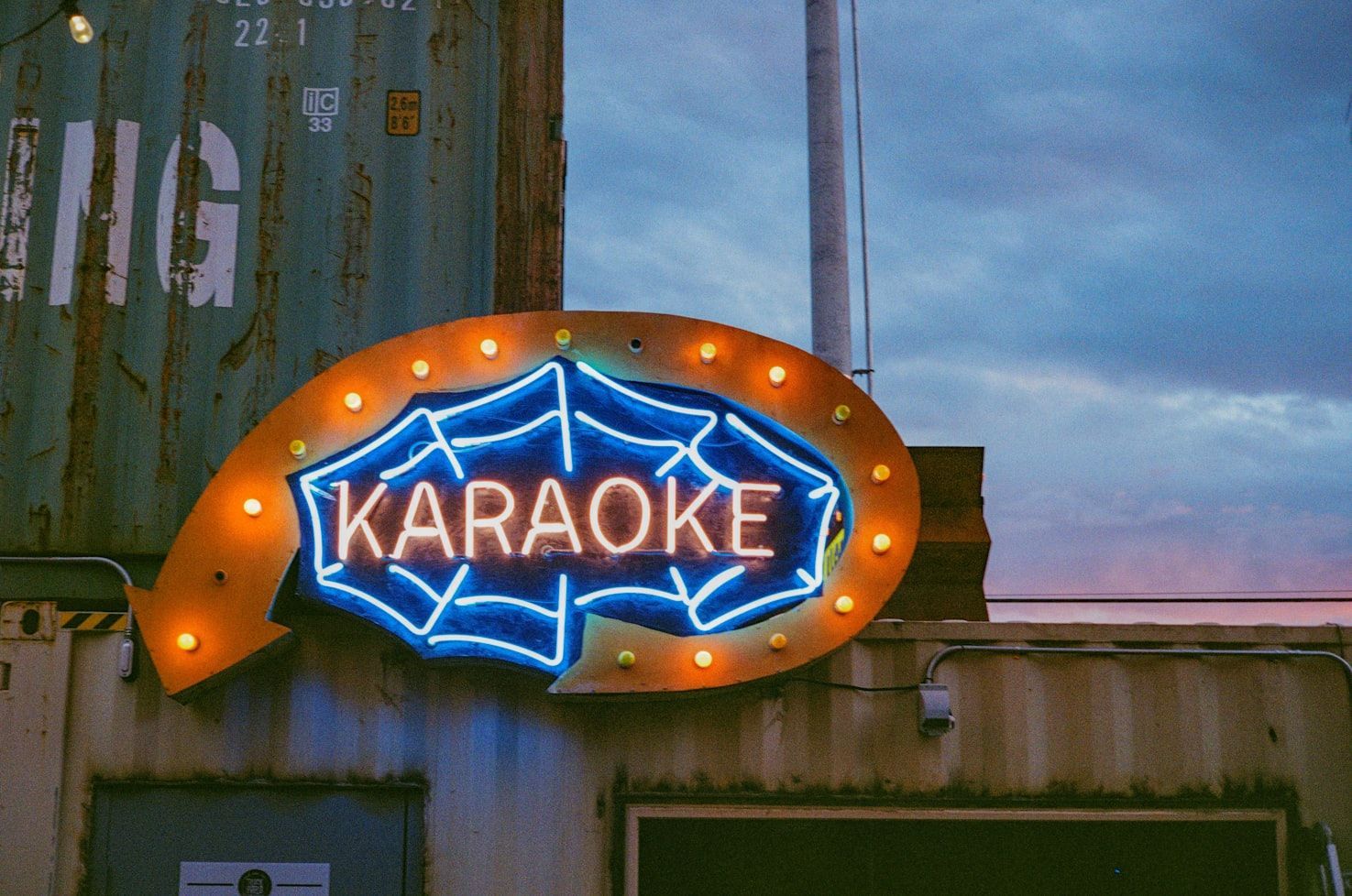 Image: Nikola Đuza
What’s your go-to karaoke song? If your answer is "My Way" and you’re planning a trip to the Philippines, you might want to change your mind. This unusual rule isn’t written into law, but it’s taken very seriously. In this Southeast Asian country, performing Frank Sinatra’s iconic hit in public is highly discouraged.
Doing so could literally cost you your life. According to lore, there have been several homicides linked to performances of this song in karaoke bars. The phenomenon even has its own chilling nickname: "The My Way Killings." Why this song in particular? Some suggest that the boldness—and even arrogance—of its lyrics has sparked violent confrontations.
Passing gas in public after 6 p.m.
 Image: Kamil Feczko
Did you know there’s a rumor that you can be fined for farting in public in Florida? The "catch"? It supposedly only applies if it’s a Thursday and after 6 p.m. We can’t confirm whether it’s true—or how anyone could enforce it—but either way, it’s definitely poor etiquette, so avoid doing it anyway.
Even if this law is just an urban legend, Florida has plenty of other equally absurd ordinances. For instance, it’s illegal to sing in public while wearing a swimsuit; if you tie your pet to a parking meter, you must pay as if it were a car; using a skateboard requires a driver’s license; and falling asleep while getting a haircut is prohibited.
You can’t get drunk in a pub
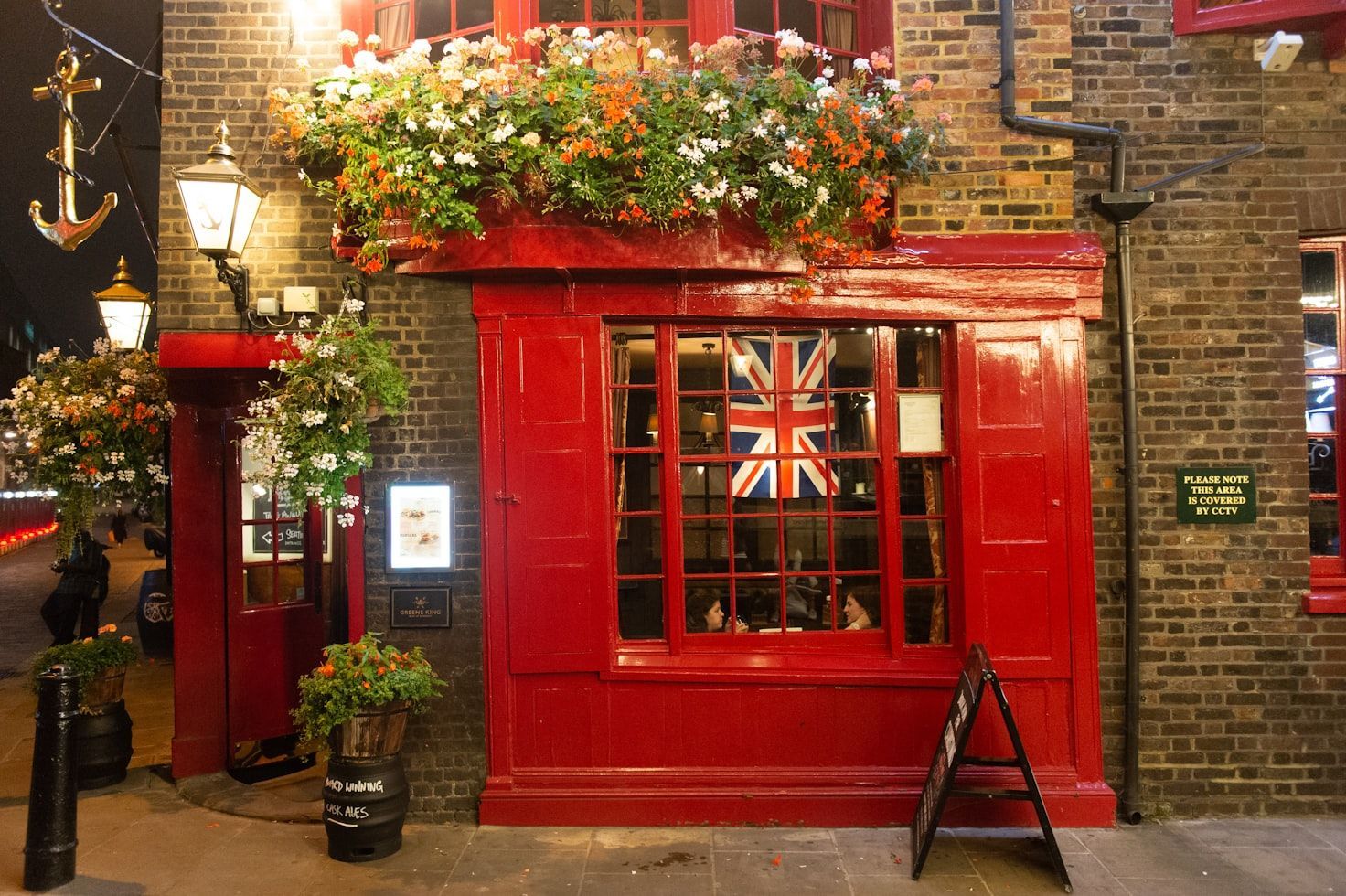 Image: The Now Time
Technically, it is illegal to get drunk in a pub in the United Kingdom. We know—it sounds ridiculous, especially given the Brits’ well-known love of beer. This rule comes from the Licensing Act of 1872, which states that anyone found drunk in a public place is guilty of a misdemeanor.
This law is as absurd as prohibiting crying at a wake or getting wet in a swimming pool, yet it’s still in force. A more modern version clarifies that it is also illegal to sell alcohol to someone who is visibly drunk—which, frankly, makes a lot more sense!