Earth’s strangest secrets: 10 facts that will shock you


Published on May 19, 2025


Image: elizabeth lies

Our planet is full of strange phenomena that continue to intrigue and puzzle scientists and curious minds alike. From bizarre weather patterns to unique geological structures, Earth’s quirks often defy explanation, and some of these mysteries are downright mind-blowing. Let’s dive into some of the most unexpected and fascinating facts about our world that might just make you see Earth in a whole new way!

1

Shifting Continents

Image: Craig Chilton

The continents are constantly moving, drifting at an average rate of about 1 inch per year. Over millions of years, they slowly shift apart or toward each other due to plate tectonics.

This movement causes earthquakes and leads to the formation of mountain ranges, such as the Himalayas. Earth’s continents are not static but dynamic, continually reshaping the planet’s geography.

2

Lake Vostok's Subsurface World

Image: Cassie Matias

Lake Vostok in Antarctica lies buried beneath 2.5 miles of ice, creating an isolated ecosystem.

This subglacial lake has been sealed off from the outside world for millions of years, making it a prime location for studying microbial life in extreme conditions. Scientists believe it may harbor unique, previously undiscovered life forms, despite being entirely isolated.

3

Bioluminescent Waves

Image: David Clode

Some oceans glow in the dark thanks to bioluminescent organisms.

This phenomenon occurs when certain types of plankton and algae, such as dinoflagellates, emit light when disturbed. The natural glow is often visible in various coastal areas, particularly during the warmer months. It’s a stunning display of nature’s ability to create light from living organisms.

4

A Day Isn’t Exactly 24 Hours

Image: Renel Wackett

A full rotation of Earth takes approximately 23 hours, 56 minutes, and 4 seconds.

While we use a 24-hour day for convenience, the actual time it takes Earth to complete one full rotation is slightly less than that. This discrepancy arises from Earth’s orbit around the Sun, which causes a full solar day to be slightly longer than a sidereal day.

5

The Earth’s Inner Core Is Hotter Than the Sun

Image: Philip Graves

The temperature at Earth’s inner core exceeds 10,300°F, making it hotter than the surface of the Sun.

Composed primarily of iron and nickel, the inner core remains solid due to immense pressure. Despite its solid state, it is still hotter than the Sun’s surface, which reaches only about 5,500°C (9,932°F). This extreme heat plays a key role in generating Earth’s magnetic field and driving internal convection currents.

6

Earth’s Magnetic Field Reverses

Image: Jametlene Reskp

Earth’s magnetic poles flip every several hundred thousand years.

This process, known as geomagnetic reversal, causes the North and South Magnetic Poles to switch places. Although the reversal unfolds over thousands of years and lacks a definitive explanation, evidence from rocks and minerals reveals a long history of these shifts.

7

Earth Has a Second Moon

Image: NASA Hubble Space Telescope

Earth occasionally has a temporary second moon, known as a "quasi-satellite."

This phenomenon involves small asteroids caught in Earth's gravitational pull, orbiting the planet for a period before drifting away. One such object, 2020 CD3, was temporarily captured in Earth’s orbit for about three years before being ejected back into space.

8

Antarctica Is the Largest Desert

Image: NOAA

While deserts are typically associated with heat, Antarctica is actually the largest desert on Earth.

Deserts are defined by their low precipitation, not just temperature. With its extremely cold climate and minimal rainfall, Antarctica qualifies as the largest desert on the planet, spanning roughly 5.4 million square miles.

9

A Massive Underground Ocean

Image: Alfonso Betancourt

Deep beneath the Earth’s surface lies a massive reservoir of water.

This water, trapped in minerals, is located about 400 miles below the Earth’s crust. Scientists believe this subterranean ocean could contain more water than all of Earth’s surface oceans combined. This discovery could have significant implications for our understanding of Earth’s water cycle.

10

Earth’s Atmosphere Is 78% Nitrogen

Image: Miguel A Amutio

Earth’s atmosphere is primarily composed of nitrogen, a gas that is inert and does not support life.

Oxygen, essential for life, makes up about 21% of the atmosphere. While nitrogen constitutes the vast majority of Earth's atmosphere, it plays a crucial role in maintaining atmospheric pressure, even though it does not directly interact with most living organisms.
Translation and interpretation

Was the forbidden fruit really an apple? 10 Bible surprises


Published on May 19, 2025


Image: Mariordo, CC BY-SA 4.0, via Wikimedia Commons

What if some of the Bible stories you grew up with aren't exactly what the Bible says? Was the forbidden fruit really an apple? Were there actually three Wise Men? Did "God helps those who help themselves" really come from the Bible? Over centuries, translations, traditions, and famous works of art have added details that became so familiar, we stopped questioning them. But go back to the texts, and some of these stories look surprisingly different. From Eve's "apple" to the date of Jesus' birth, here are 10 familiar parts of the Bible that may not be quite what we remember.

1

The forbidden fruit was an apple

Image: Albrecht Dürer, Public domain, via Wikimedia Commons

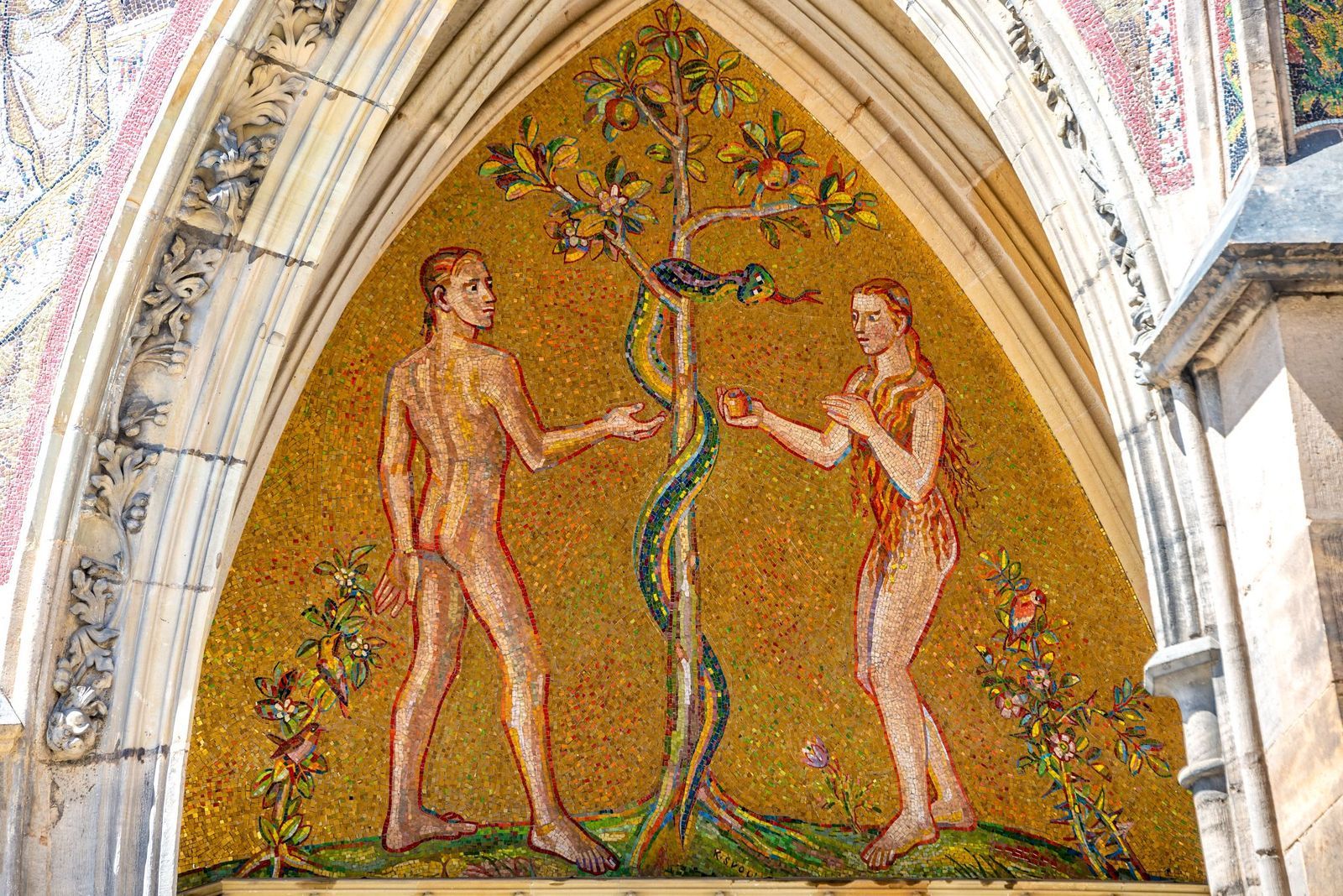
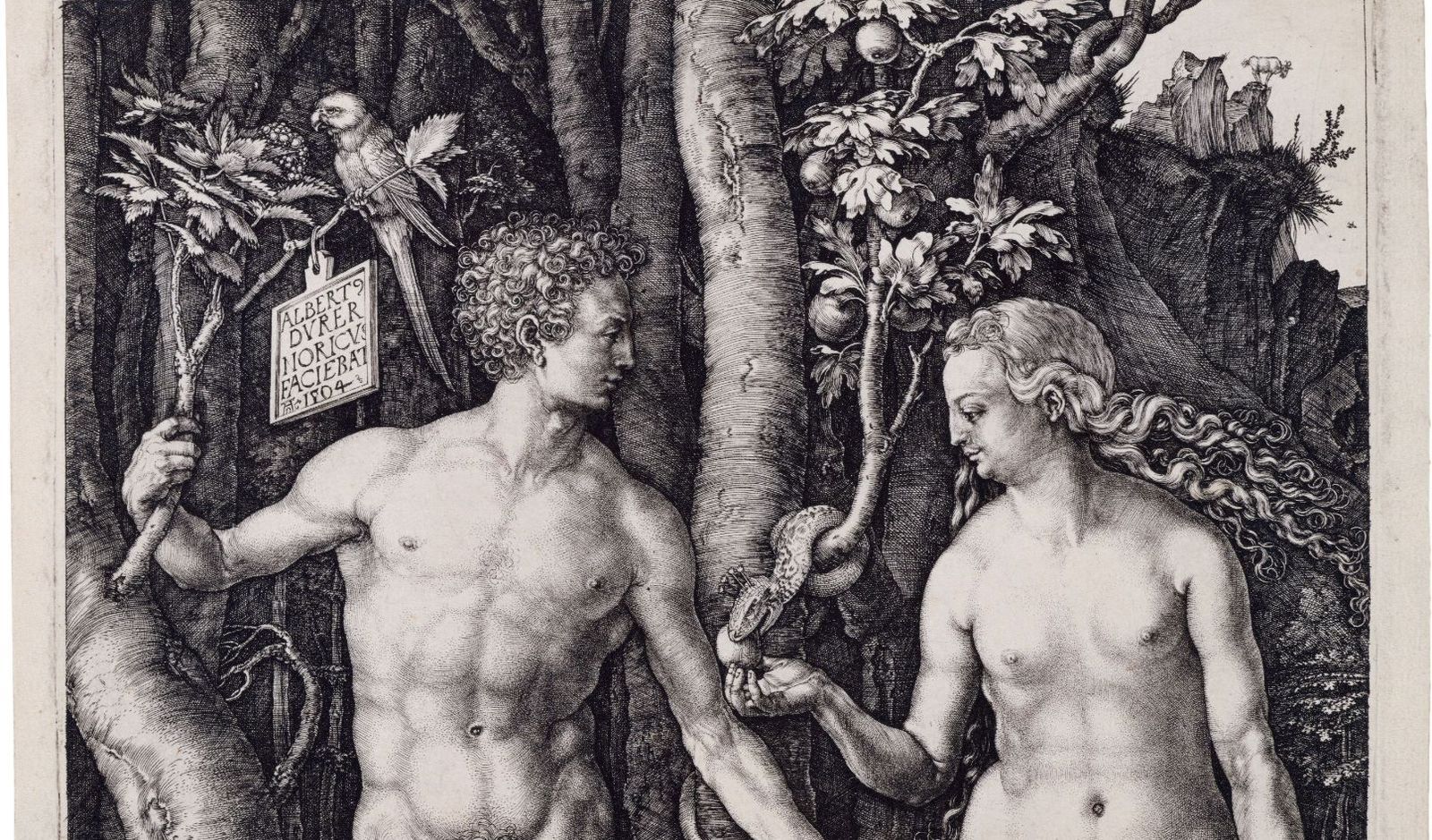
When you picture the Garden of Eden, what fruit comes to mind? Most people imagine an apple, but there's just one problem: the Bible never says it was an apple.

In the Book of Genesis, the fruit is simply called "the fruit of the tree of the knowledge of good and evil." The original Hebrew text uses the word peri, which simply means "fruit." The apple connection came centuries later, largely through the Latin translation. The Latin word malum can mean both "apple" and "evil," making it an especially fitting symbol for the story. Over time, that association spread through Christian art and literature. Famous works such as Albrecht Dürer’s 1504 engraving Adam and Eve (also known as The Fall of Man) helped cement the image of Eve holding an apple. Today, it's one of the most famous scenes in history, even though the original biblical text doesn’t identify the fruit as an apple at all.

2

There were three wise men/kings

Image: Rawpixel.com

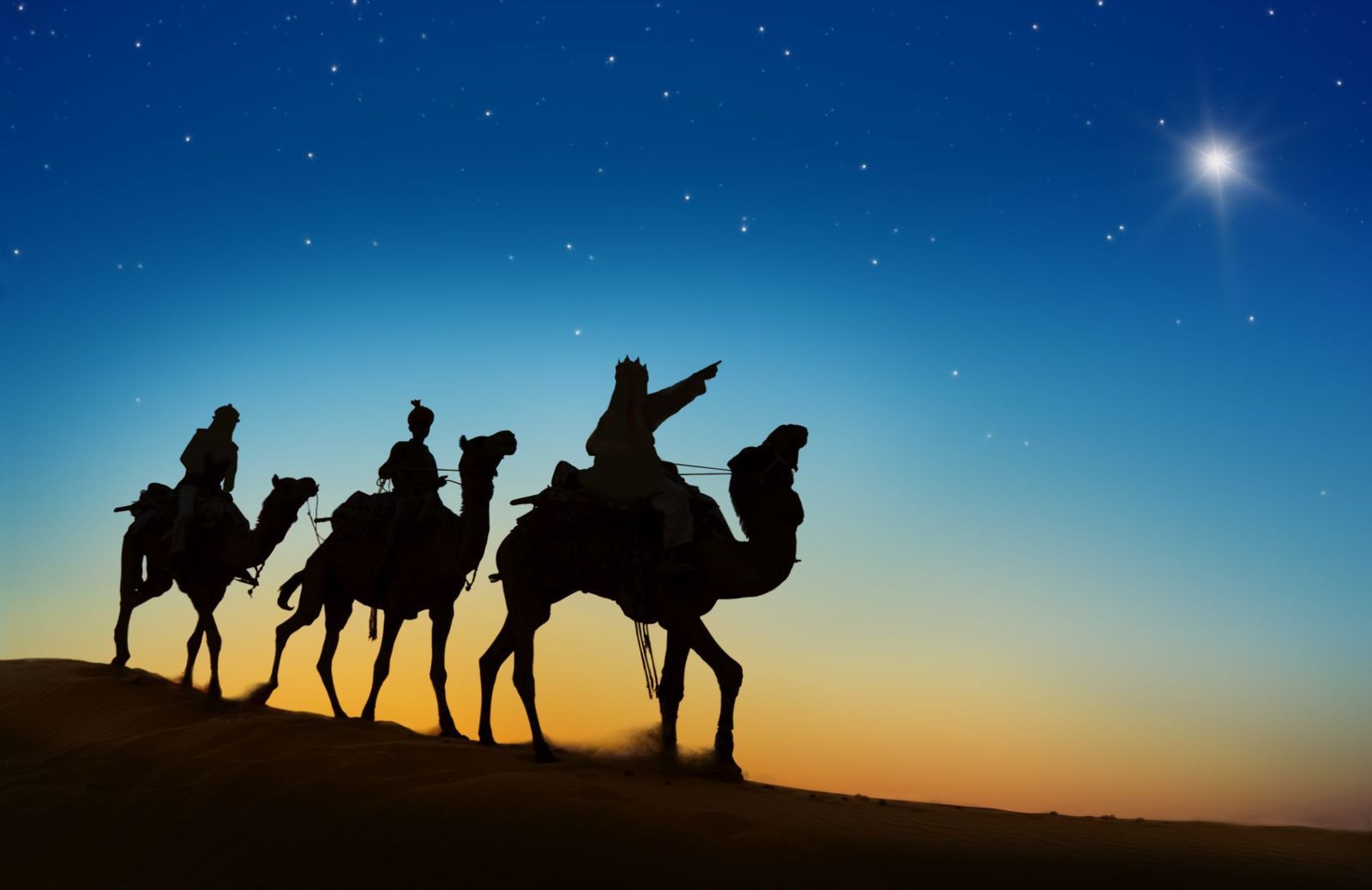
The story of Jesus' birth is so famous that most of us picture the Three Wise Men, sometimes called the Three Kings, standing beside the manger. But the thing is, over the centuries, the story picked up a few details that aren't actually in the Bible.

In the Gospel of Matthew, the only Gospel that mentions these visitors, they are described simply as Magi from the East. The original Greek word, magoi, referred to learned scholars, astrologers, or priests from Persia or Babylon, not kings. But where did the number three come from? Matthew lists three gifts: gold, frankincense, and myrrh, but never says how many visitors brought them. Over the centuries, people naturally assumed there must have been three Magi, one for each gift. Even their familiar names, Melchior, Caspar, and Balthasar, were added later by Christian tradition. So, neither the number of visitors nor their names appears anywhere in the biblical text.

3

"God helps those who help themselves"

Image: Adam Nir

Whether it's used to motivate a friend, encourage a family member, or push yourself to finally make a difficult decision, "God helps those who help themselves" is one of the most familiar religious sayings in America. But here's the surprise: those words never appear in the Bible.

The idea can be traced to ancient Greek sources, including Aesop’s Fables, where the saying appears in an earlier form: "The gods help them that help themselves." The exact modern wording was written by English politician Algernon Sidney in 1698, but it was Benjamin Franklin who helped make it part of American culture when he included it in his 1736 edition of Poor Richard’s Almanack.

4

"Cleanliness is next to godliness"

Image: John Jackson, CC BY 4.0, via Wikimedia Commons

Many teenagers have heard "Cleanliness is next to godliness" when it was time to clean their rooms. But despite sounding like a Bible verse, the phrase never appears in Scripture.

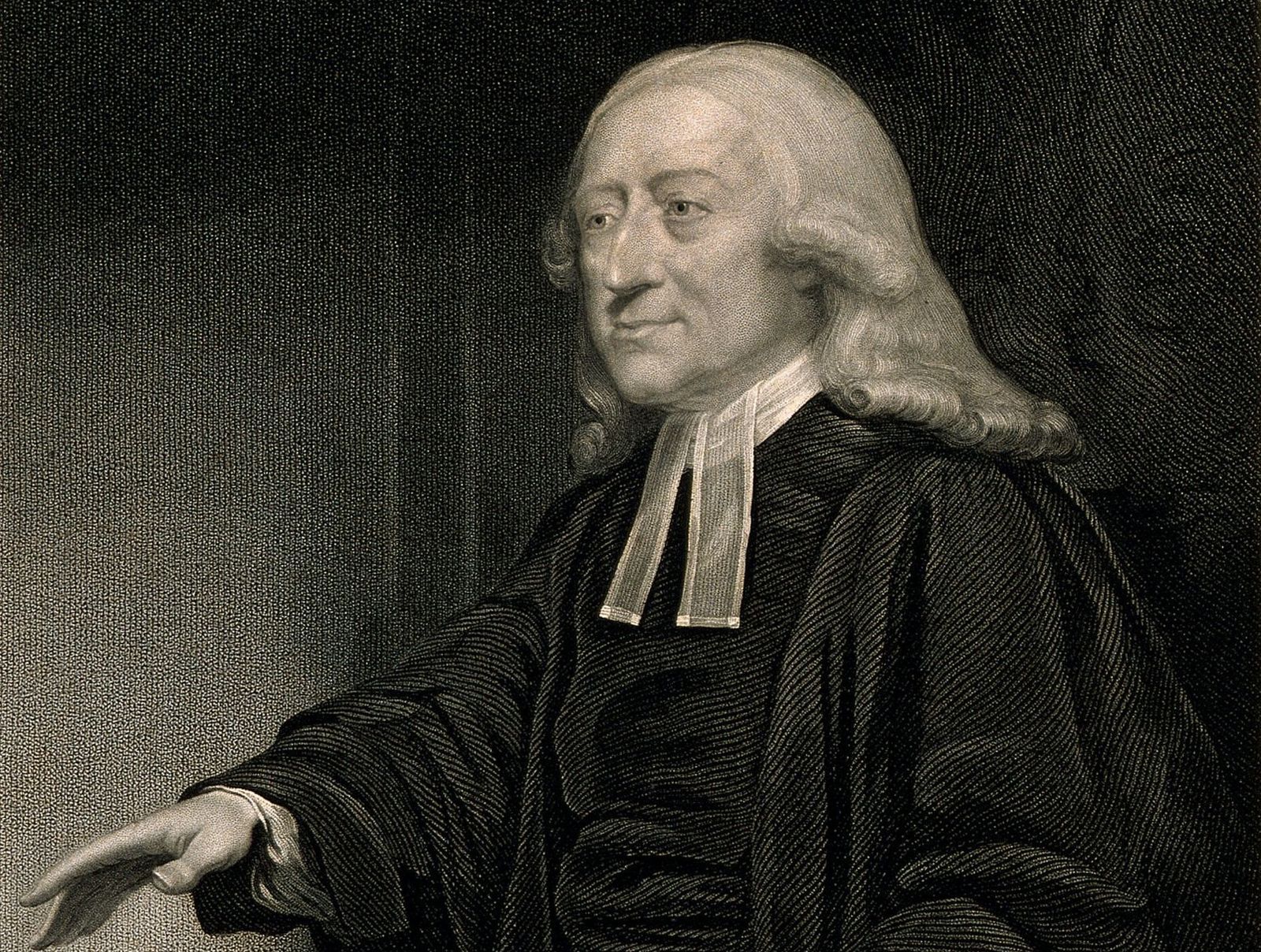
The Bible, particularly Leviticus, does contain extensive laws requiring people to wash their bodies and clothes in certain circumstances, especially before religious rituals. But the famous saying itself came much later. In 1605, Francis Bacon wrote in The Advancement of Learning that "cleanness of body" was connected to reverence for God. Then, in 1786, it was Methodist leader John Wesley who used the wording we recognize today in a sermon: "Cleanliness is indeed next to Godliness." Over time, the phrase became a familiar saying that many people simply assumed came from the Bible.

5

The date of Jesus' birth

Image: http://www.parrocchiasantagata.org, CC0, via Wikimedia Commons

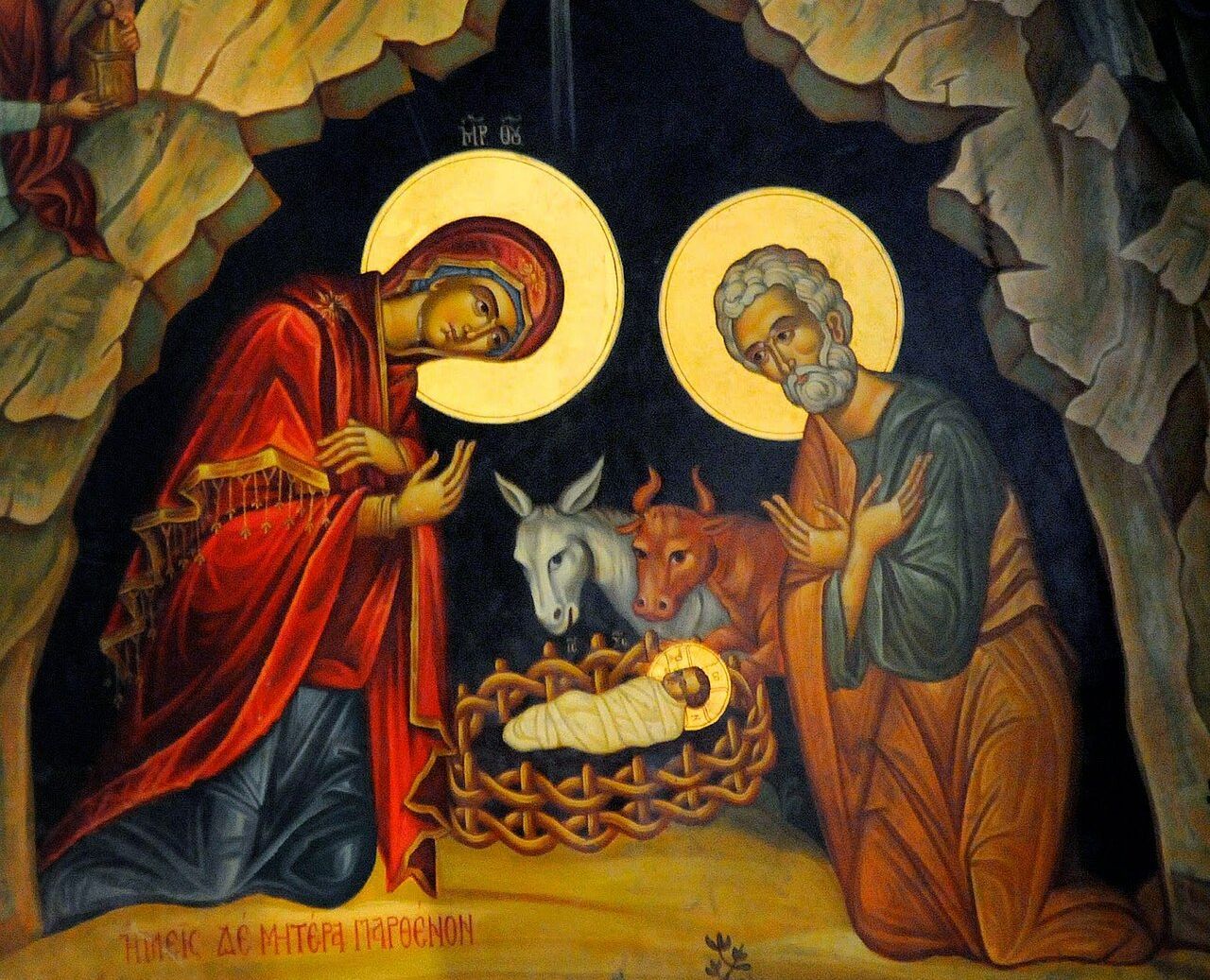
When it comes to famous dates, December 25 may be the most recognizable of all, universally associated with Christmas. But here's the surprising part: the Bible never gives any specific date for Jesus' birth.

The Gospels of Matthew and Luke describe the Nativity but never provide a calendar date, so how did December 25 become Christmas? There are two leading theories. The first is that the Roman Church was celebrating Christmas on December 25 by 336 AD, during Constantine's reign, possibly choosing the date to coincide with existing Roman winter festivals and make it easier to convert the empire to Christianity. The second points to an early Christian tradition that calculated Jesus' birth date from the supposed date of his crucifixion, eventually arriving at December 25.

6

Jonah and the Whale

Image: Pieter Lastman, Public domain, via Wikimedia Commons

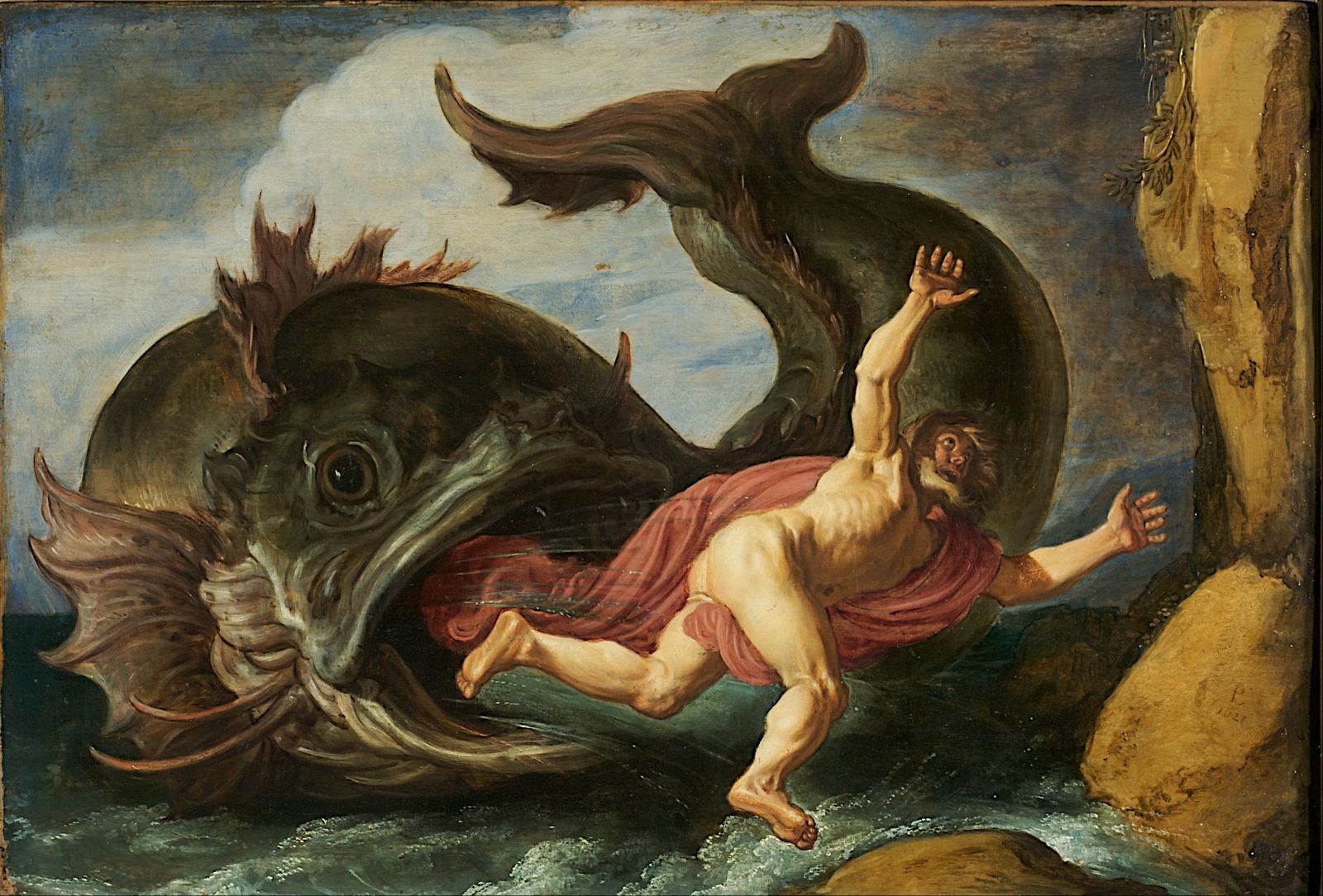
The story of Jonah and the Whale is so famous that it has appeared literally or symbolically in innumerable works of art and literature, from Michelangelo's Sistine Chapel ceiling (1508-1512) to Herman Melville's 1851 novel Moby-Dick. But there's a small problem with the title we've given it: the Bible doesn’t actually say it was a whale.

In the Old Testament, the original Hebrew text of Jonah 1:17 uses the words dag gadol, meaning "great fish" or "large fish"; it doesn't identify the creature as a whale, or even specify what kind of fish it was. Most modern English translations therefore stick with "great fish," but the familiar "whale" interpretation developed through older translations and later European tradition, eventually becoming so widespread that "Jonah and the Whale" became the name almost everyone recognizes.

7

The serpent in Eden was Satan

Image: neurobit

Just as we've always pictured the forbidden fruit as an apple, many of us also assume the serpent in the Garden of Eden is the devil himself. But the original story is a little more complicated.

A plain reading of Genesis depicts the creature simply as a serpent or snake, using the Hebrew word nachash. It describes the serpent as clever and crafty, but it never calls it Satan or explicitly identifies it as the devil. So where did the connection come from? The answer comes from later parts of the Bible, particularly the New Testament. In Revelation 12:9 and 20:2, Satan is called "the ancient serpent" (ho ophis ho archaios in Greek), connecting him to the snake of Eden. Over time, Christian tradition applied that later connection back to Genesis, leading to the familiar belief that the serpent was Satan himself.

8

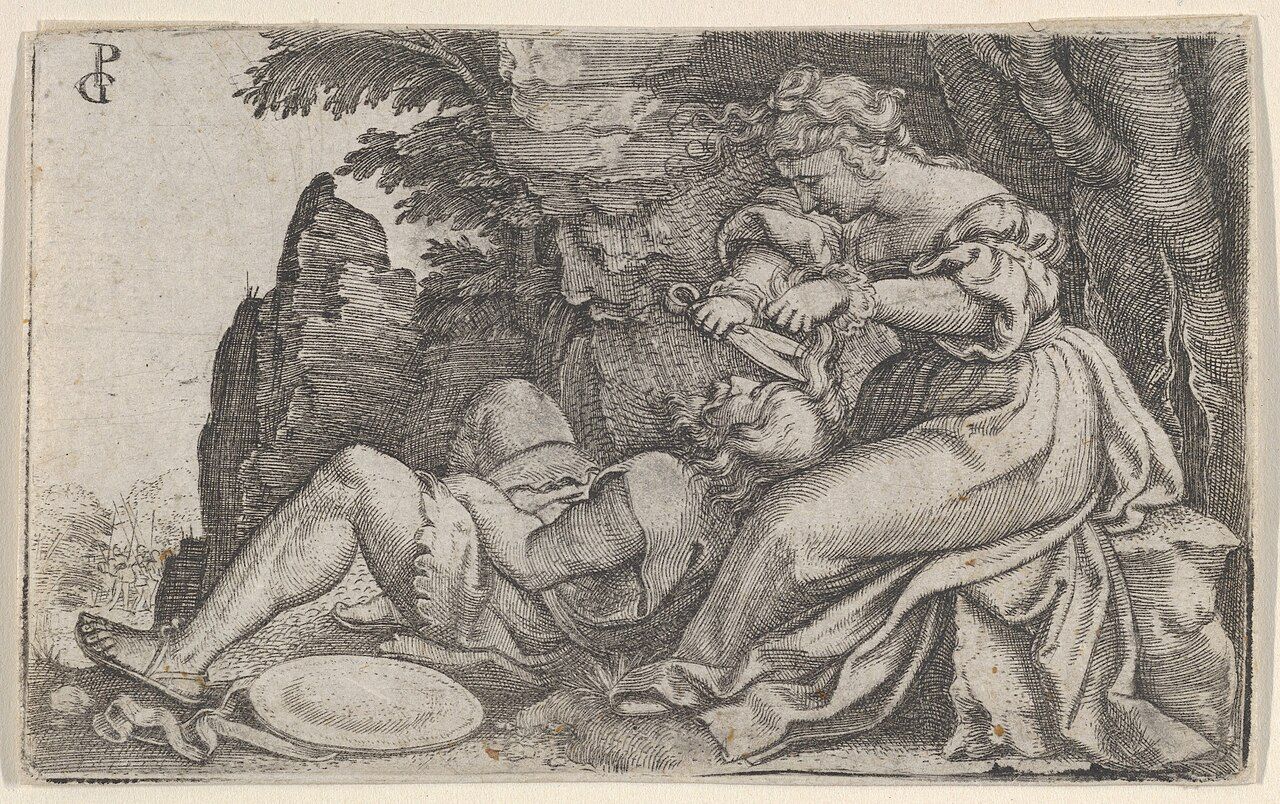
Delilah Cut Samson’s Hair

Image: Georg Pencz, CC0, via Wikimedia Commons

Many of us remember Samson for his legendary strength and the long hair that was said to be the source of his power. His story with Delilah is one of the Bible's most famous tales of betrayal, but there's one detail some people may have gotten wrong: Delilah didn't actually cut his long hair.

In Judges 16:19, Delilah has Samson's hair shaved while he sleeps on her lap. The text says she called for a man to do the shaving; it never says she did it herself. Yet paintings, films, and other retellings have often shown Delilah wielding the scissors herself, cementing that image in popular culture. It can be considered a small detail, but it’s a great example of how easily familiar Bible stories can pick up elements that aren't actually in the original text.

9

The Bible is a single-voice book

Image: Pixel-Shot

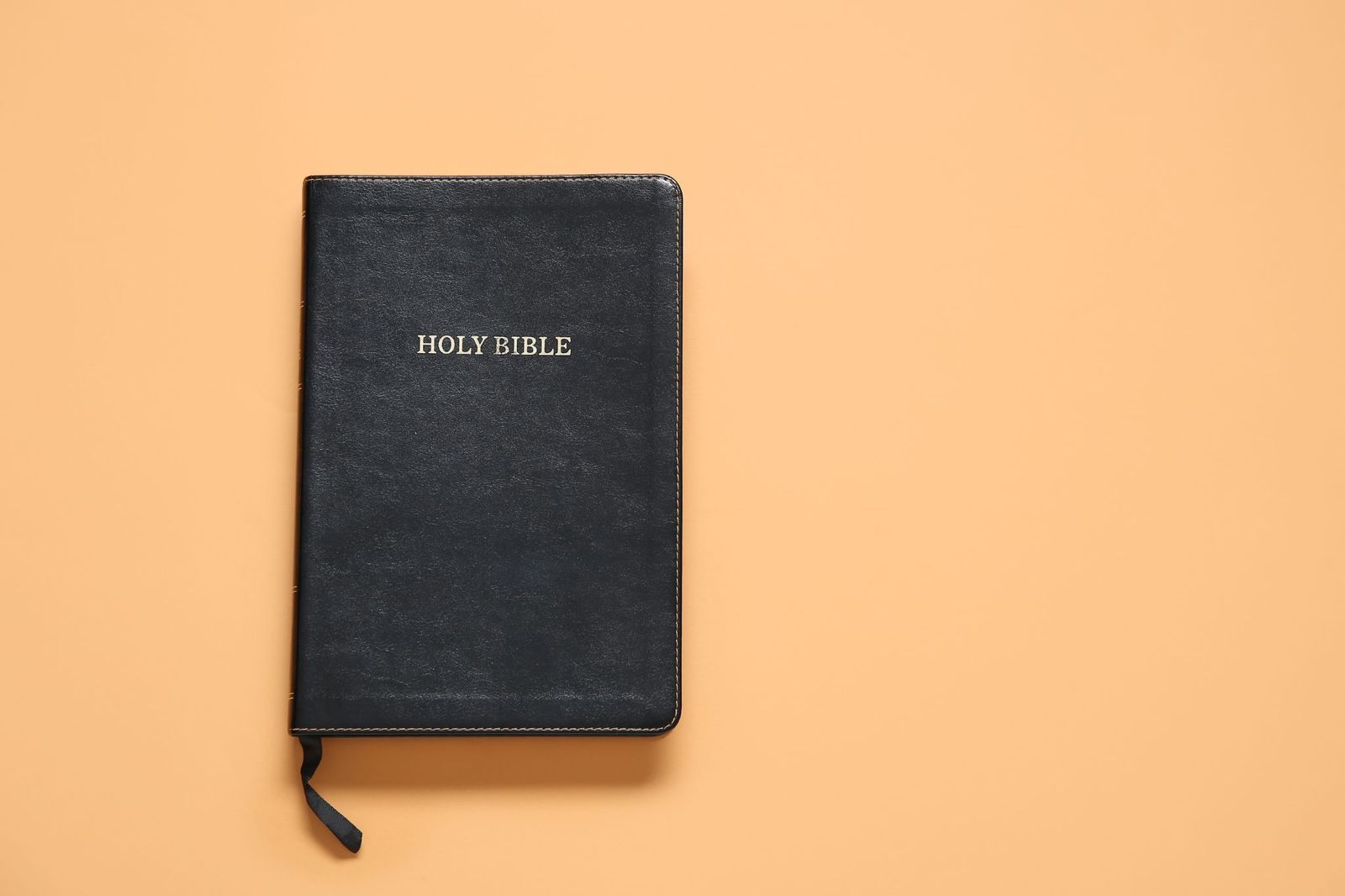
Many of us think of the Bible as a single book, written at one particular time by one author, or perhaps a handful of them. After all, that's how it looks when you pick one up in a hotel room, but its history is far more complicated.

The Bible is actually a collection of books written by over 40 authors over roughly 1,500 years, from about 1400 BC to AD 100. The exact number of books varies by religious tradition: Protestant Bibles contain 66 books, while Catholic and Orthodox traditions include additional books. Across these different traditions, the writings were produced by kings, prophets, fishermen, and scholars in Hebrew, Aramaic, and Greek. They also span a tremendous range of literary styles, including history, poetry, songs, laws, letters, and prophecy. So while we hold it as one book today, the Bible is actually a collection of many different writings produced across centuries.

10

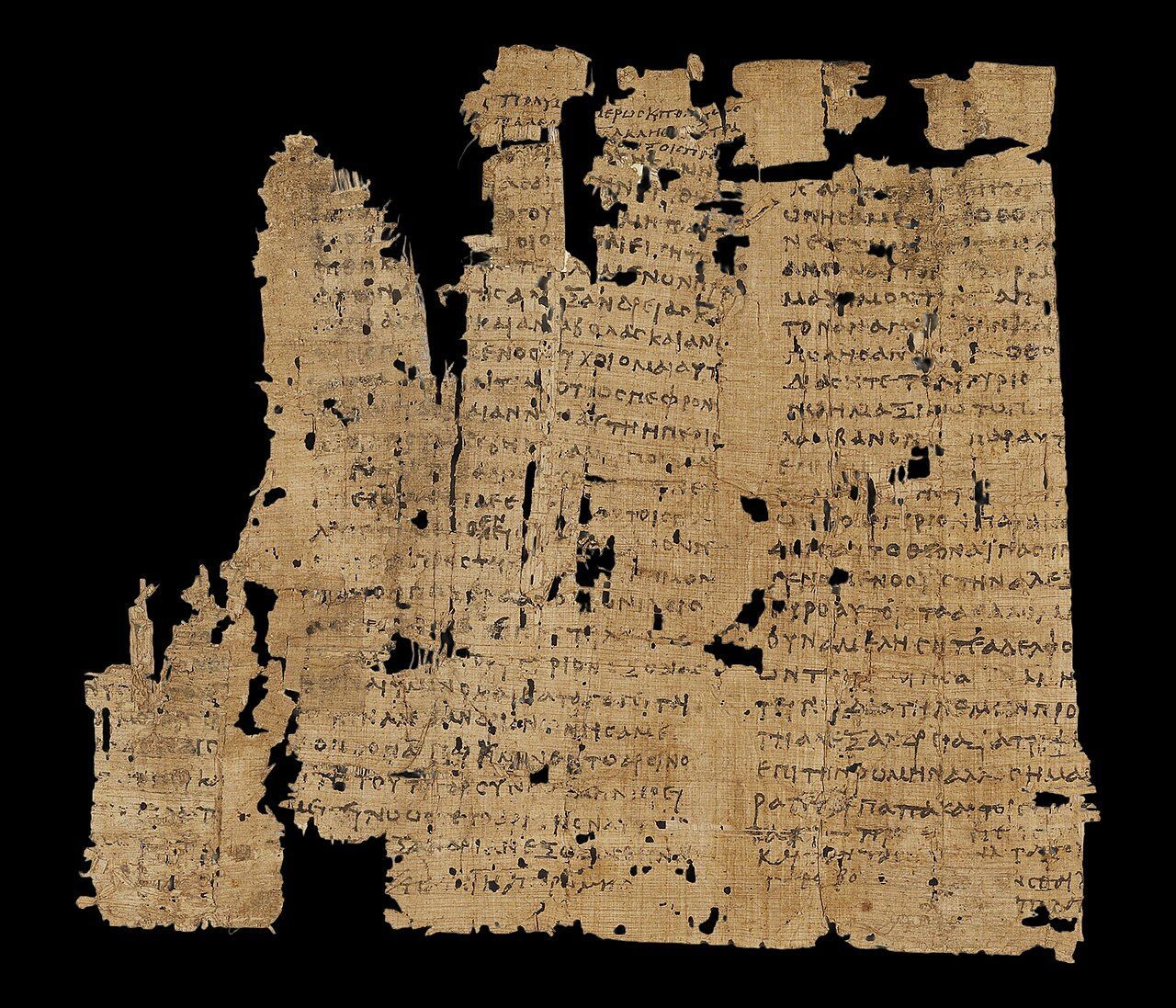
Original manuscripts still exist

Image: https://www.themorgan.org/manuscript/350198, Public domain, via Wikimedia Commons

Many people assume that at least a few original fragments of the Bible must still exist somewhere. It would be incredible if they did, but none of the original manuscripts, known as autographs, have survived.

The earliest biblical texts were written on fragile materials such as papyrus and animal skins, which could deteriorate through humidity, heat, handling, and simple age. Wars, fires, and other destruction also contributed to their disappearance. So how do we know what the originals said? Through a technique called textual criticism: expert scholars compare thousands of handwritten copies, ancient translations, and quotations from early Christian writers. When they find passages that match across different sources, or differences that reveal how a text changed over time, they can work backward to determine what the original most likely said, even though the original manuscripts themselves are gone.

Looking for an extra scoop of literary fun?

Learn more with our Word of the day

malign

/məˈlaɪn/