What are you actually eating? 10 foods with deeply deceptive titles


Published on August 1, 2026


Image: New Africa

If you’ve ever ordered a dish expecting a sweet pastry and received a plate of organ meat instead, you have experienced the confusing world of culinary misnomers. Food names are rarely literal. Often, they are shaped by historical slang, ironic jokes, changing definitions, or creative marketing to make a strange dish sound more appetizing. Here are ten of the most famously misleading food names out there.

1

Welsh rabbit

Image: kokofoundit

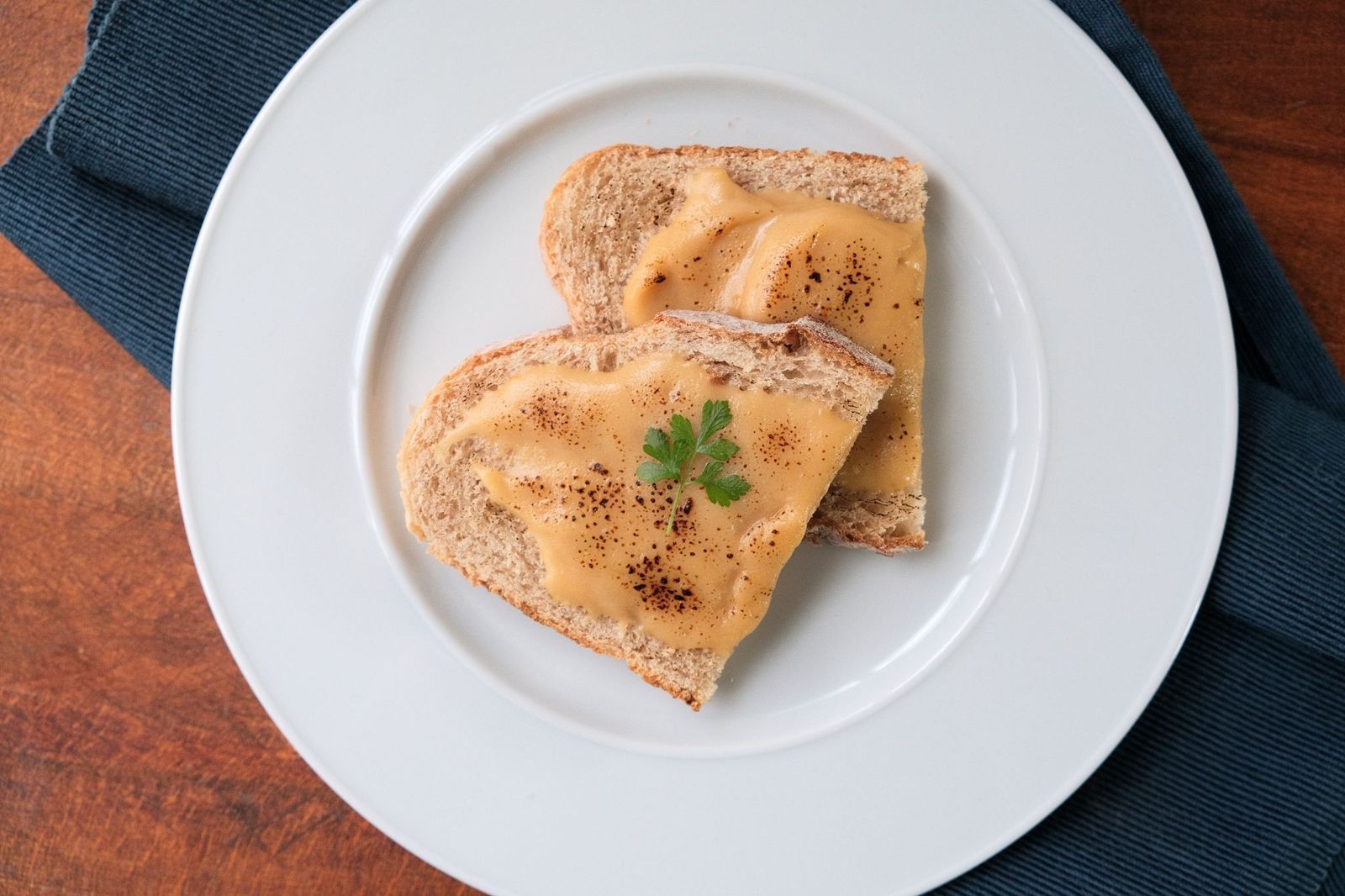
If you order Welsh rabbit expecting a plate of meat, you will be disappointed. Welsh rabbit contains absolutely zero poultry. Instead, it’s a savory comfort dish featuring a melted cheese sauce seasoned with ale, mustard, and Worcestershire sauce, poured hot over toasted bread.

The name originated in 18th-century Britain as a joke. At the time, the Welsh were stereotyped as being particularly fond of cheese, and the name was likely a mocking way to imply that they either couldn’t afford real meat or lacked the hunting skills to catch a rabbit.

2

Sweetbreads

Image: Pozhar_S

This item is neither sweet nor is it a baked bread. Sweetbreads are a type of offal—the culinary term for organ meats—specifically referring to the thymus gland or pancreas of a calf or a lamb.

The origin of this deceptive name has two linguistic origins. The "sweet" part likely refers to the meat’s delicate and slightly sweet flavor compared to other meats like liver or kidney. The "bread" part comes from the Old English word bræd, which meant flesh or meat. Over the centuries, the spelling shifted to look like a bakery item, leading to modern confusion.

3

Rocky Mountain oysters

Image: Sham Clicks

Found mainly on menus across the American West and the Canadian prairies, this dish has nothing to do with oysters. You won’t find any pearls here: Rocky Mountain oysters are bull, pig, or sheep testicles. They are typically peeled, coated in a seasoned flour batter, and finally deep-fried.

The name is a euphemism. When cattle ranchers separated young bulls from the herd, they minimized waste by turning every part of the animal into food. To make the dish sound more attractive, they dubbed them "oysters" for the similar slippery texture of the raw seafood counterparts.

4

Headcheese

Image: Natalia Hanin

Despite what the name implies, headcheese is a cold cut, specifically a meat jelly or terrine made from the flesh of a pig or calf’s head. The meat is simmered with spices, chopped up, and cooled inside its own natural gelatinous broth until it sets into a sliceable loaf.

The confusion lies in how the word "cheese" used to be used. Historically, "cheese" could refer to any food item that was pressed, molded, and shaped into a solid block or loaf.

5

Marrowfat

Image: James McDowall

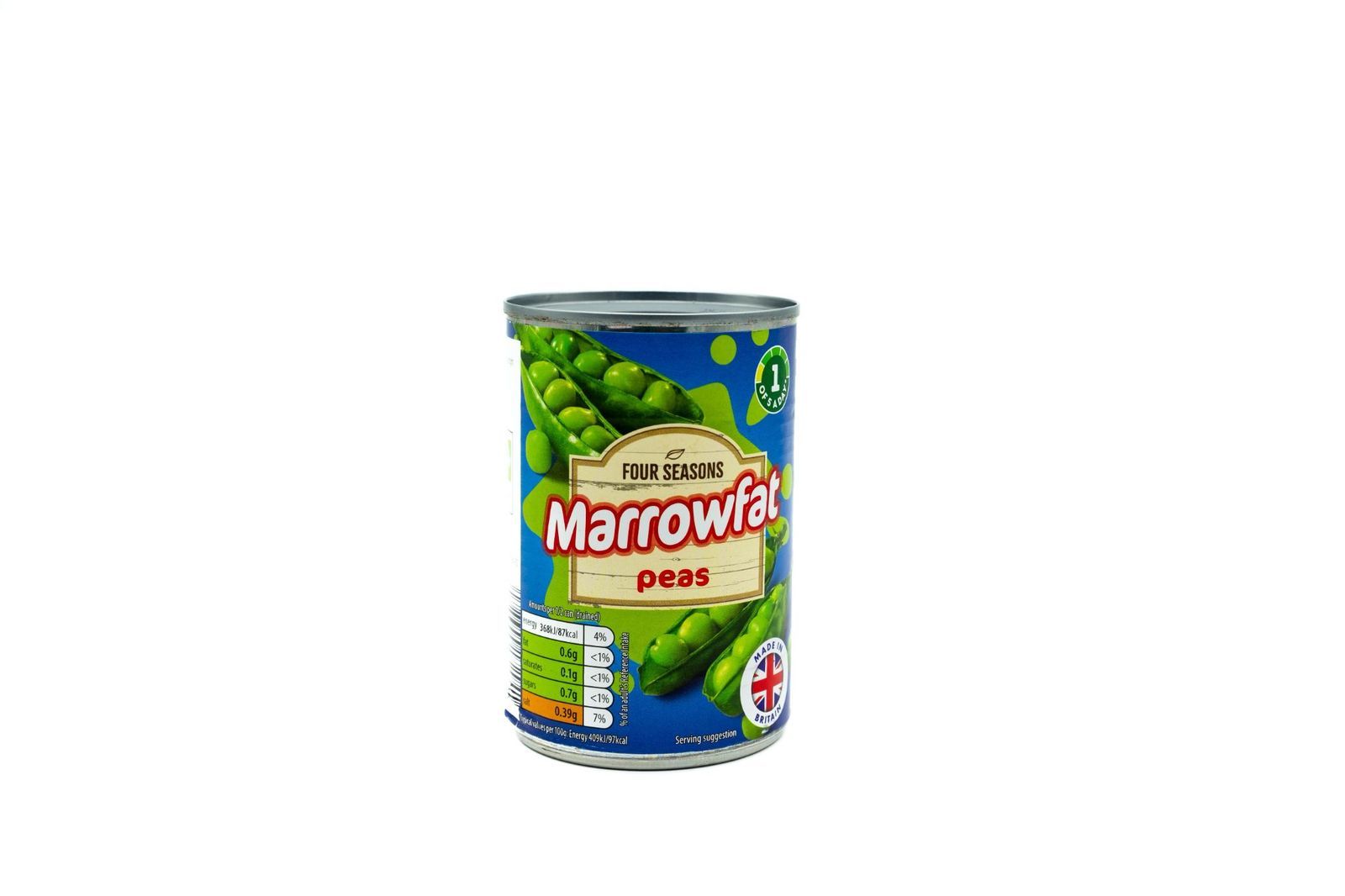
The name marrowfat evokes images of savory animal fat. In reality, marrowfat is 100% plant-based. Marrowfat peas are a specific variety of large green peas that are left to dry naturally in the field before harvesting.

Linguistically, the name combines two older adjectives. "Marrow" was used to describe something plump, soft, and thick-textured, while "fat" was used to describe any crop or soil that was unusually rich or abundant.

6

Ladyfingers

Image: WS-Studio

Although the name sounds like an ingredient from a fairy tale, ladyfingers are actually sweet sponge biscuits. They are used as the base for several desserts, such as Italian tiramisu and British trifles.

Ladyfingers are said to have originated in the 14th century at the court of the County of Savoy, to mark a visit by the King of France. Their long shape and their resemblance to slender fingers earned them their name.

7

Egg cream

Image: Brent Hofacker

Order an egg cream at an old-school New York City soda fountain, and you’ll get a frothy drink with no eggs and no cream. A traditional egg cream consists of just three ingredients: whole milk, seltzer water, and chocolate syrup.

How did a drink with no eggs or cream inherit such a name? The most popular theory points to a linguistic mix-up. Brooklyn soda fountain owners in the early 20th century may have used the Yiddish word echt, which means "genuine" or "real." Customers likely misheard echt cream as "egg cream," and the catchier name stuck.

8

Sweetmeat

Image: Samosudov

To a modern reader, "sweetmeat" might sound like glazed ham or candied bacon. However, it’s an old-fashioned word for simple candy, candied fruits, or sugar confections.

In Old English, mete didn't mean animal flesh; it was a generic term for any solid food or sustenance. Therefore, a "sweet-meat" was merely a "sweet food item." As the definition of meat narrowed exclusively to animal muscle, the candy word stayed current.

9

Cold duck

Image: Natalia Carbajal

If you see Cold Duck on the menu, don’t expect a savory poultry dish. Cold Duck is a sweet cocktail made by blending sparkling red wine with champagne.

The name is actually a translation error originating in Germany. Invented in the 19th century, the drink was originally called Kalte Ende (meaning "cold end"), because it was made by mixing all the leftover, opened bottles of wine together. Over time, the German word Ende (end) was accidentally mispronounced as Ente (duck). When the recipe traveled across the Atlantic, it was translated literally into English as "Cold Duck."

10

Spotted dick

Image: Foodgraphy39

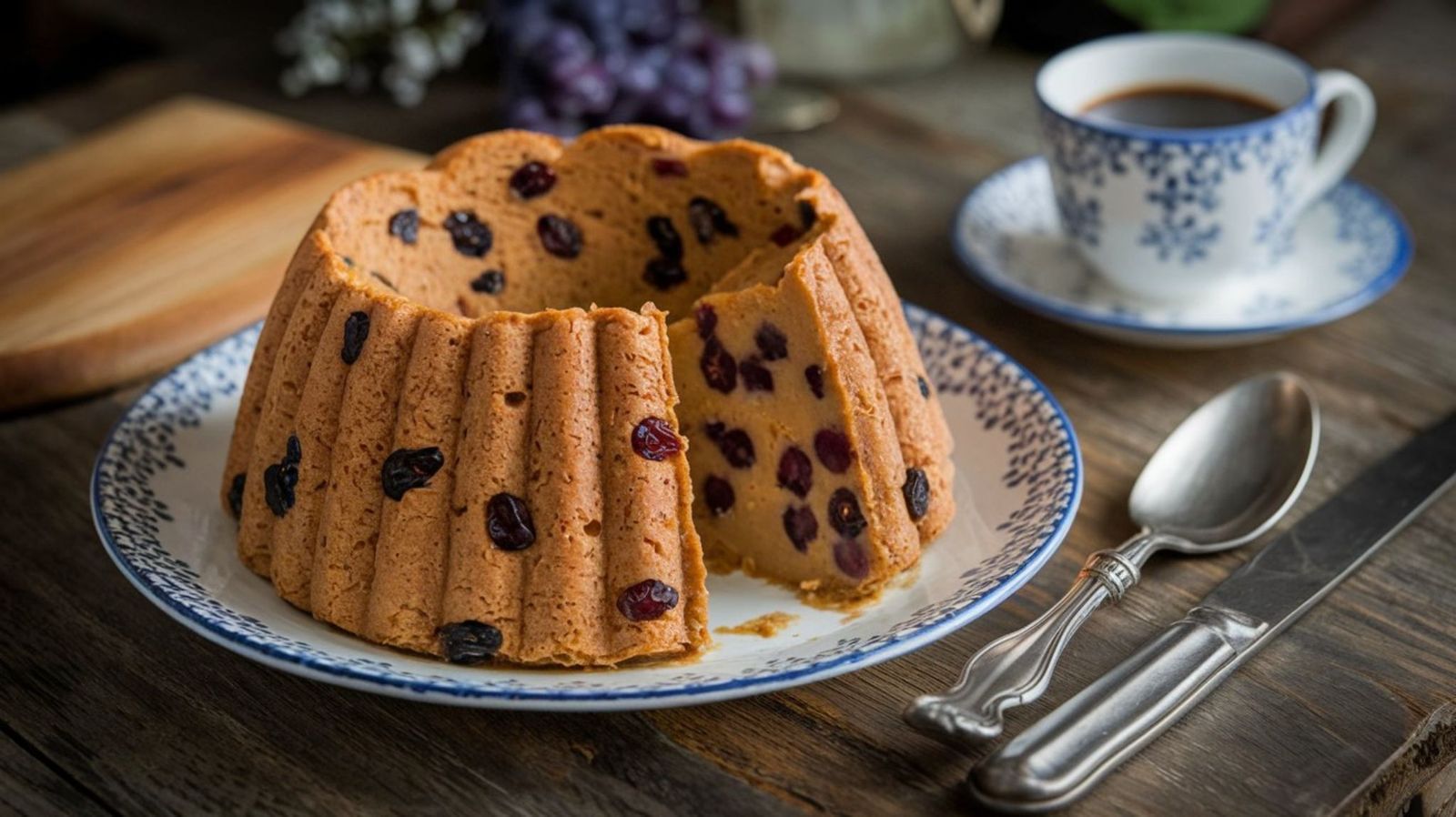
Despite its name, Spotted Dick is a completely innocent dessert. It’s a traditional British steamed pudding packed with dried fruits like raisins and currants, usually served on top of warm vanilla custard.

The confusion lies in old regional dialects. The "spotted" part describes the dark raisins peeking out of the dough. "Dick," on the other hand, was a 19th-century dialectal corruption of the words pudding or dough (likely evolving from dough to dook to dick).

Translation and interpretation

Was the forbidden fruit really an apple? 10 Bible surprises


Published on August 1, 2026


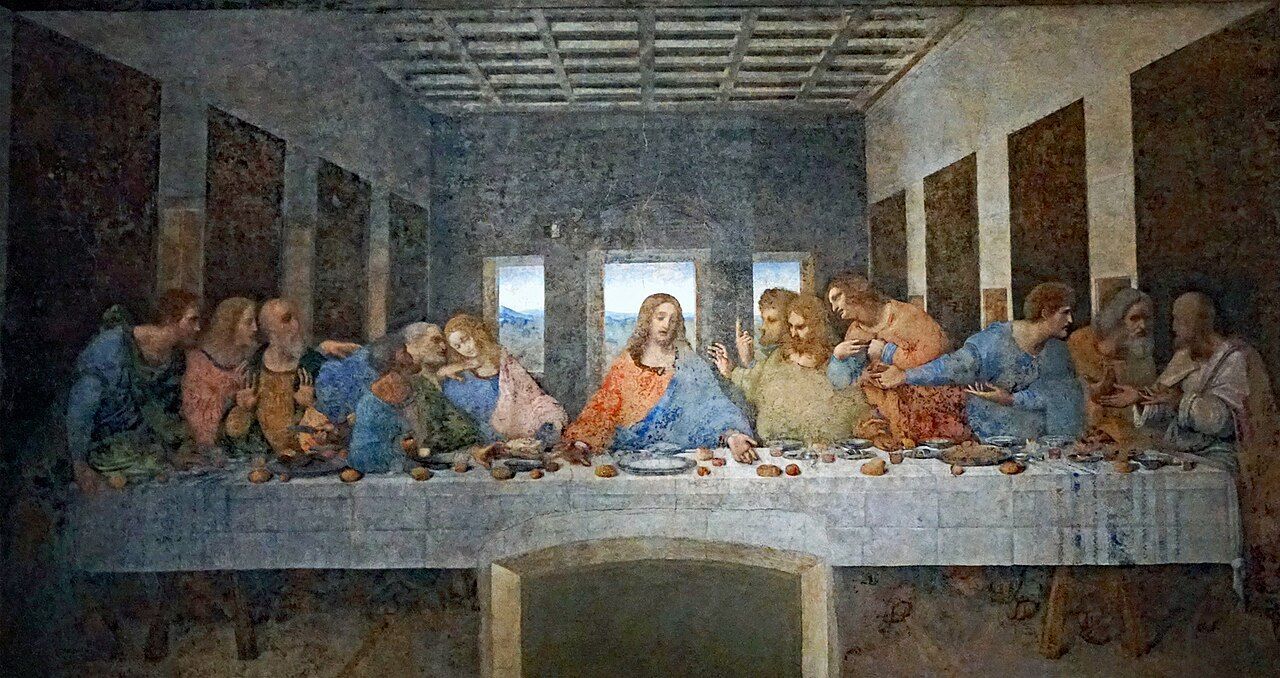
Image: Mariordo, CC BY-SA 4.0, via Wikimedia Commons

What if some of the Bible stories you grew up with aren't exactly what the Bible says? Was the forbidden fruit really an apple? Were there actually three Wise Men? Did "God helps those who help themselves" really come from the Bible? Over centuries, translations, traditions, and famous works of art have added details that became so familiar, we stopped questioning them. But go back to the texts, and some of these stories look surprisingly different. From Eve's "apple" to the date of Jesus' birth, here are 10 familiar parts of the Bible that may not be quite what we remember.

1

The forbidden fruit was an apple

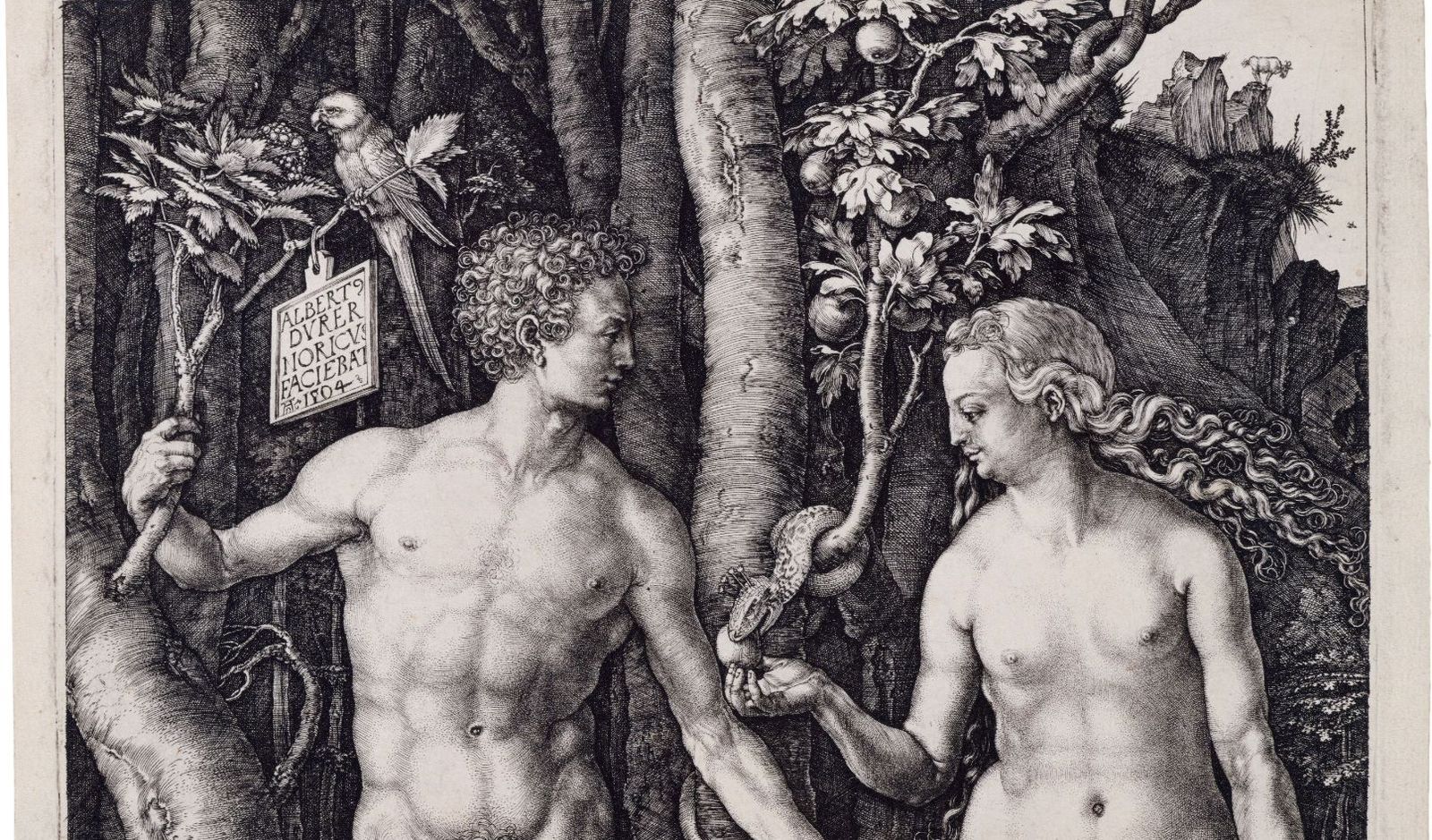
Image: Albrecht Dürer, Public domain, via Wikimedia Commons

When you picture the Garden of Eden, what fruit comes to mind? Most people imagine an apple, but there's just one problem: the Bible never says it was an apple.

In the Book of Genesis, the fruit is simply called "the fruit of the tree of the knowledge of good and evil." The original Hebrew text uses the word peri, which simply means "fruit." The apple connection came centuries later, largely through the Latin translation. The Latin word malum can mean both "apple" and "evil," making it an especially fitting symbol for the story. Over time, that association spread through Christian art and literature. Famous works such as Albrecht Dürer’s 1504 engraving Adam and Eve (also known as The Fall of Man) helped cement the image of Eve holding an apple. Today, it's one of the most famous scenes in history, even though the original biblical text doesn’t identify the fruit as an apple at all.

2

There were three wise men/kings

Image: Rawpixel.com

The story of Jesus' birth is so famous that most of us picture the Three Wise Men, sometimes called the Three Kings, standing beside the manger. But the thing is, over the centuries, the story picked up a few details that aren't actually in the Bible.

In the Gospel of Matthew, the only Gospel that mentions these visitors, they are described simply as Magi from the East. The original Greek word, magoi, referred to learned scholars, astrologers, or priests from Persia or Babylon, not kings. But where did the number three come from? Matthew lists three gifts: gold, frankincense, and myrrh, but never says how many visitors brought them. Over the centuries, people naturally assumed there must have been three Magi, one for each gift. Even their familiar names, Melchior, Caspar, and Balthasar, were added later by Christian tradition. So, neither the number of visitors nor their names appears anywhere in the biblical text.

3

"God helps those who help themselves"

Image: Adam Nir

Whether it's used to motivate a friend, encourage a family member, or push yourself to finally make a difficult decision, "God helps those who help themselves" is one of the most familiar religious sayings in America. But here's the surprise: those words never appear in the Bible.

The idea can be traced to ancient Greek sources, including Aesop’s Fables, where the saying appears in an earlier form: "The gods help them that help themselves." The exact modern wording was written by English politician Algernon Sidney in 1698, but it was Benjamin Franklin who helped make it part of American culture when he included it in his 1736 edition of Poor Richard’s Almanack.

4

"Cleanliness is next to godliness"

Image: John Jackson, CC BY 4.0, via Wikimedia Commons

Many teenagers have heard "Cleanliness is next to godliness" when it was time to clean their rooms. But despite sounding like a Bible verse, the phrase never appears in Scripture.

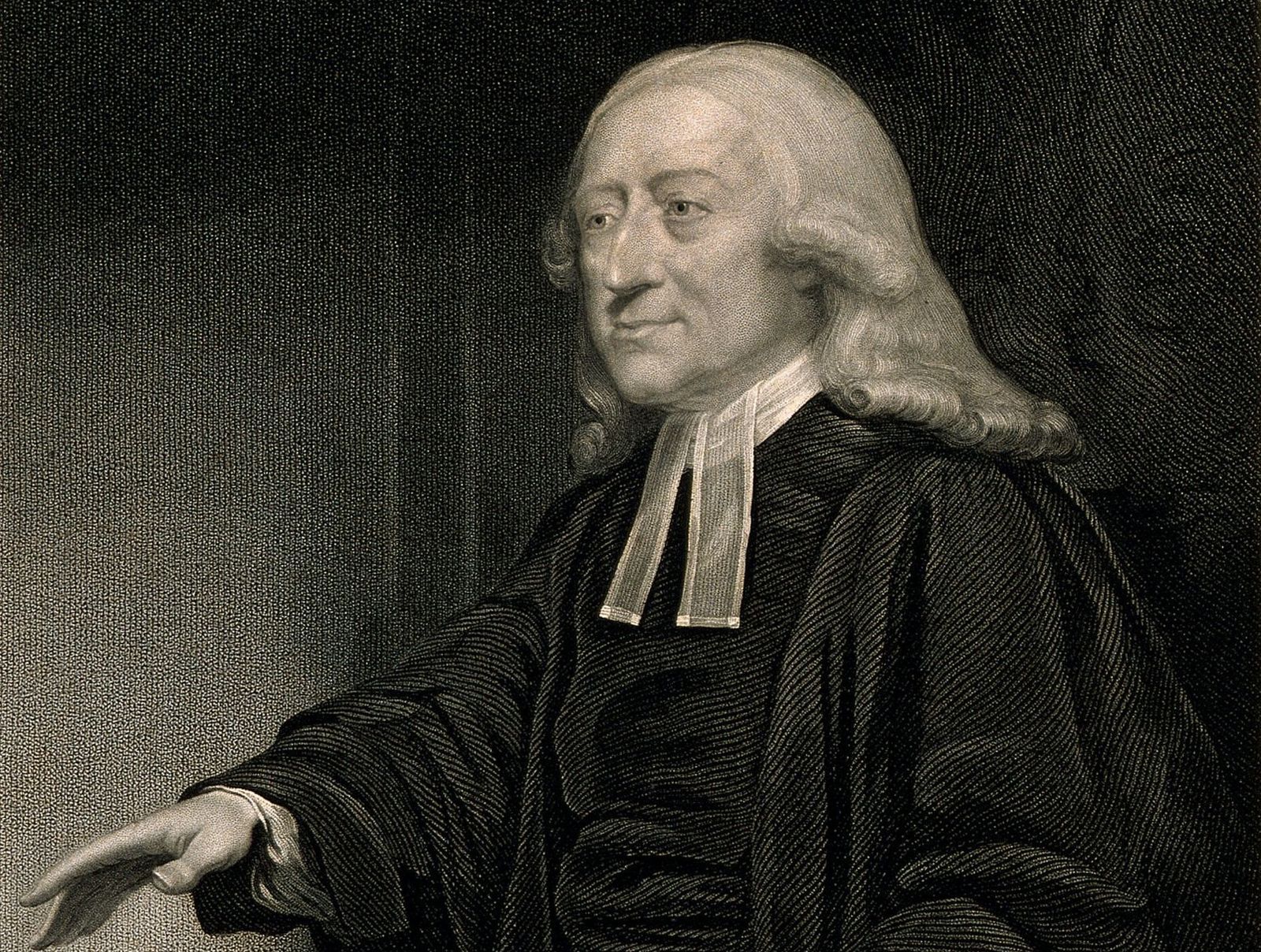
The Bible, particularly Leviticus, does contain extensive laws requiring people to wash their bodies and clothes in certain circumstances, especially before religious rituals. But the famous saying itself came much later. In 1605, Francis Bacon wrote in The Advancement of Learning that "cleanness of body" was connected to reverence for God. Then, in 1786, it was Methodist leader John Wesley who used the wording we recognize today in a sermon: "Cleanliness is indeed next to Godliness." Over time, the phrase became a familiar saying that many people simply assumed came from the Bible.

5

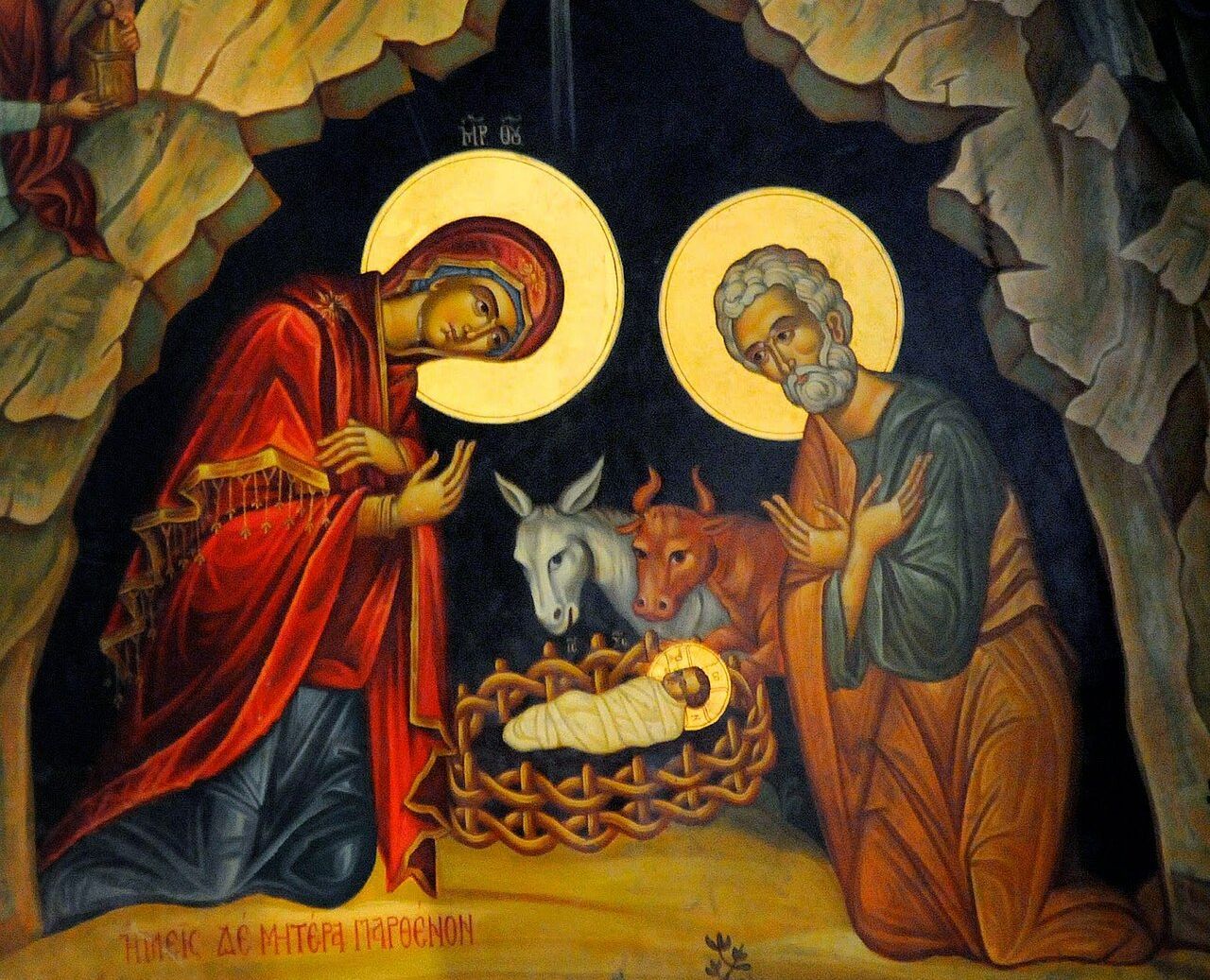
The date of Jesus' birth

Image: http://www.parrocchiasantagata.org, CC0, via Wikimedia Commons

When it comes to famous dates, December 25 may be the most recognizable of all, universally associated with Christmas. But here's the surprising part: the Bible never gives any specific date for Jesus' birth.

The Gospels of Matthew and Luke describe the Nativity but never provide a calendar date, so how did December 25 become Christmas? There are two leading theories. The first is that the Roman Church was celebrating Christmas on December 25 by 336 AD, during Constantine's reign, possibly choosing the date to coincide with existing Roman winter festivals and make it easier to convert the empire to Christianity. The second points to an early Christian tradition that calculated Jesus' birth date from the supposed date of his crucifixion, eventually arriving at December 25.

6

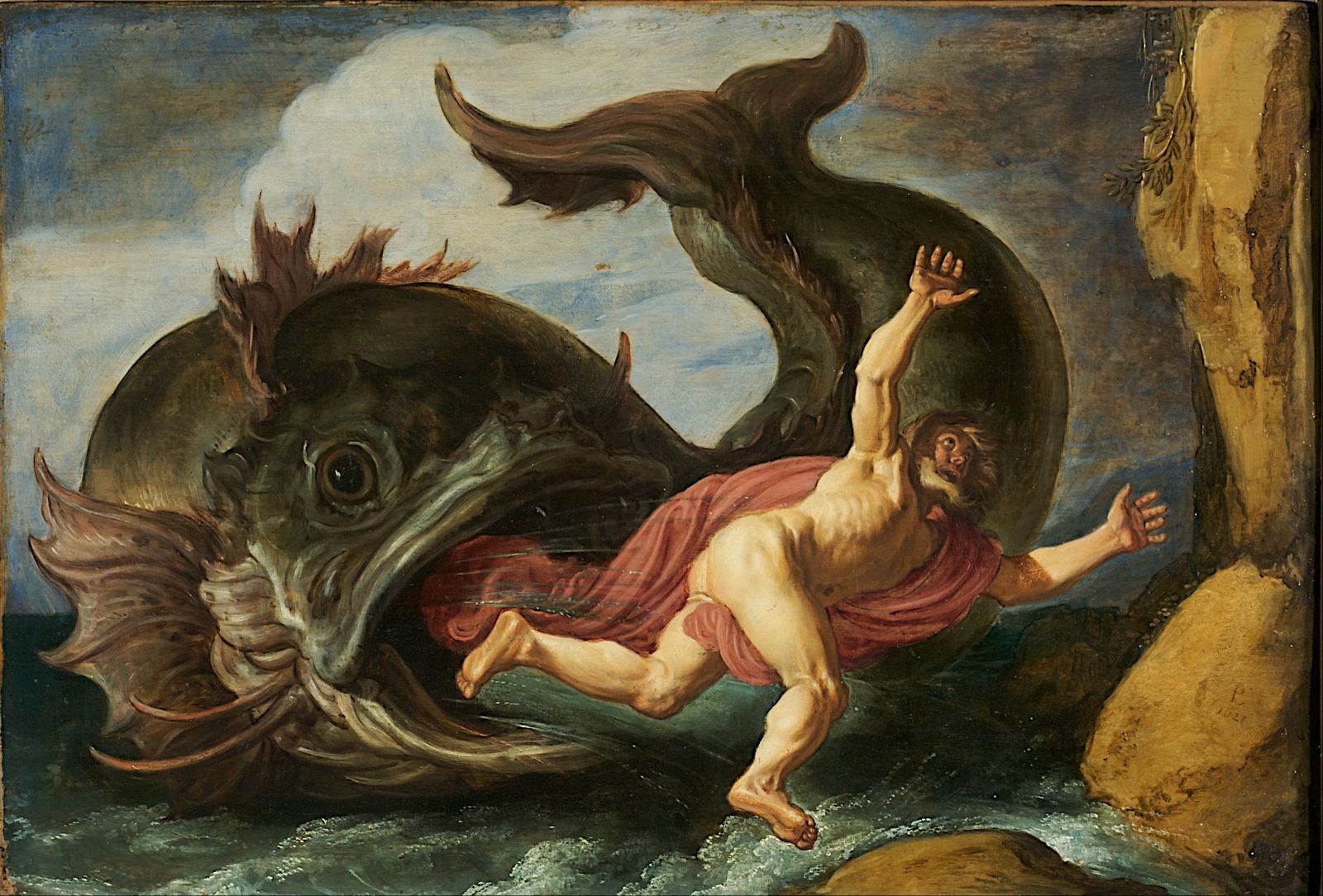
Jonah and the Whale

Image: Pieter Lastman, Public domain, via Wikimedia Commons

The story of Jonah and the Whale is so famous that it has appeared literally or symbolically in innumerable works of art and literature, from Michelangelo's Sistine Chapel ceiling (1508-1512) to Herman Melville's 1851 novel Moby-Dick. But there's a small problem with the title we've given it: the Bible doesn’t actually say it was a whale.

In the Old Testament, the original Hebrew text of Jonah 1:17 uses the words dag gadol, meaning "great fish" or "large fish"; it doesn't identify the creature as a whale, or even specify what kind of fish it was. Most modern English translations therefore stick with "great fish," but the familiar "whale" interpretation developed through older translations and later European tradition, eventually becoming so widespread that "Jonah and the Whale" became the name almost everyone recognizes.

7

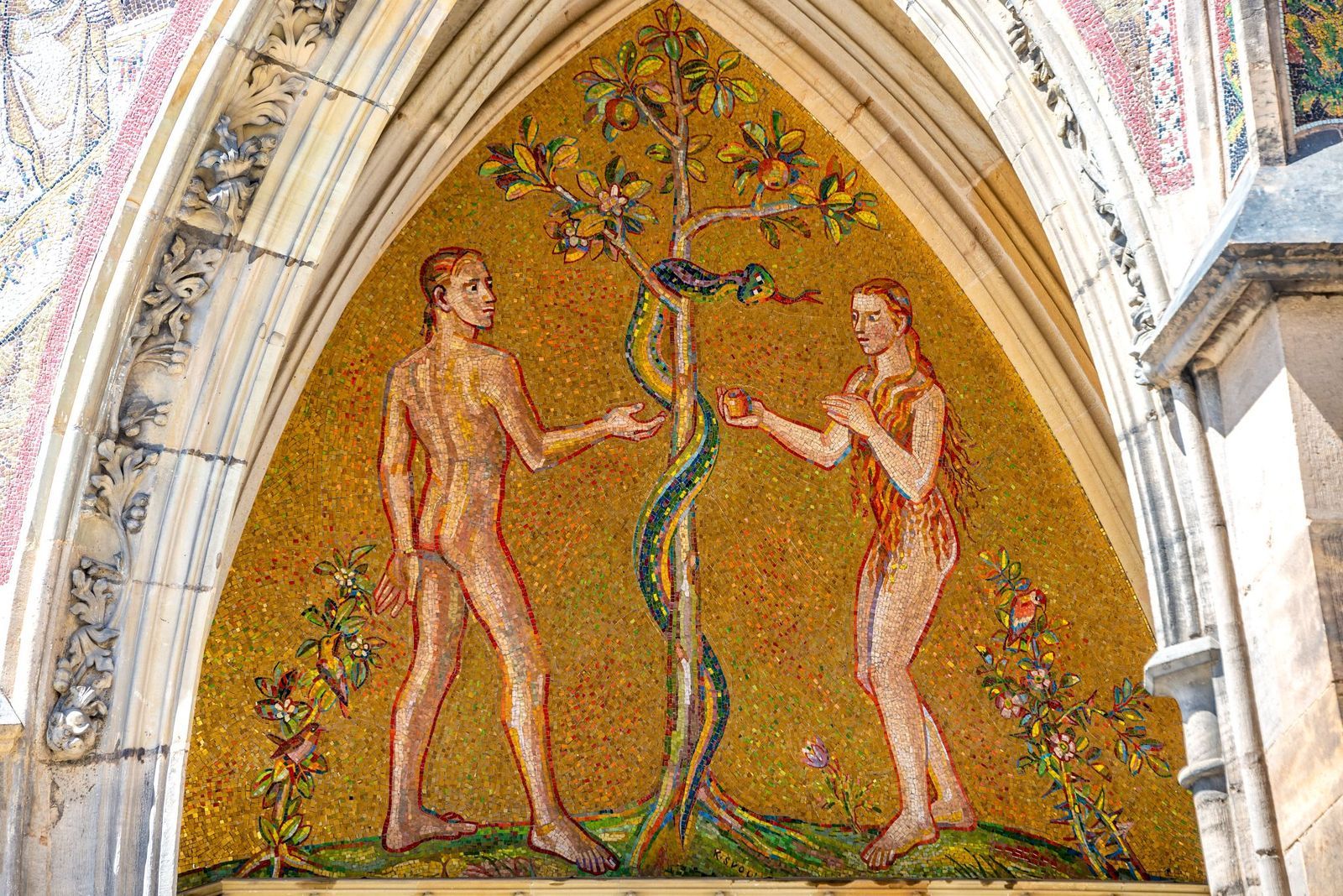
The serpent in Eden was Satan

Image: neurobit

Just as we've always pictured the forbidden fruit as an apple, many of us also assume the serpent in the Garden of Eden is the devil himself. But the original story is a little more complicated.

A plain reading of Genesis depicts the creature simply as a serpent or snake, using the Hebrew word nachash. It describes the serpent as clever and crafty, but it never calls it Satan or explicitly identifies it as the devil. So where did the connection come from? The answer comes from later parts of the Bible, particularly the New Testament. In Revelation 12:9 and 20:2, Satan is called "the ancient serpent" (ho ophis ho archaios in Greek), connecting him to the snake of Eden. Over time, Christian tradition applied that later connection back to Genesis, leading to the familiar belief that the serpent was Satan himself.

8

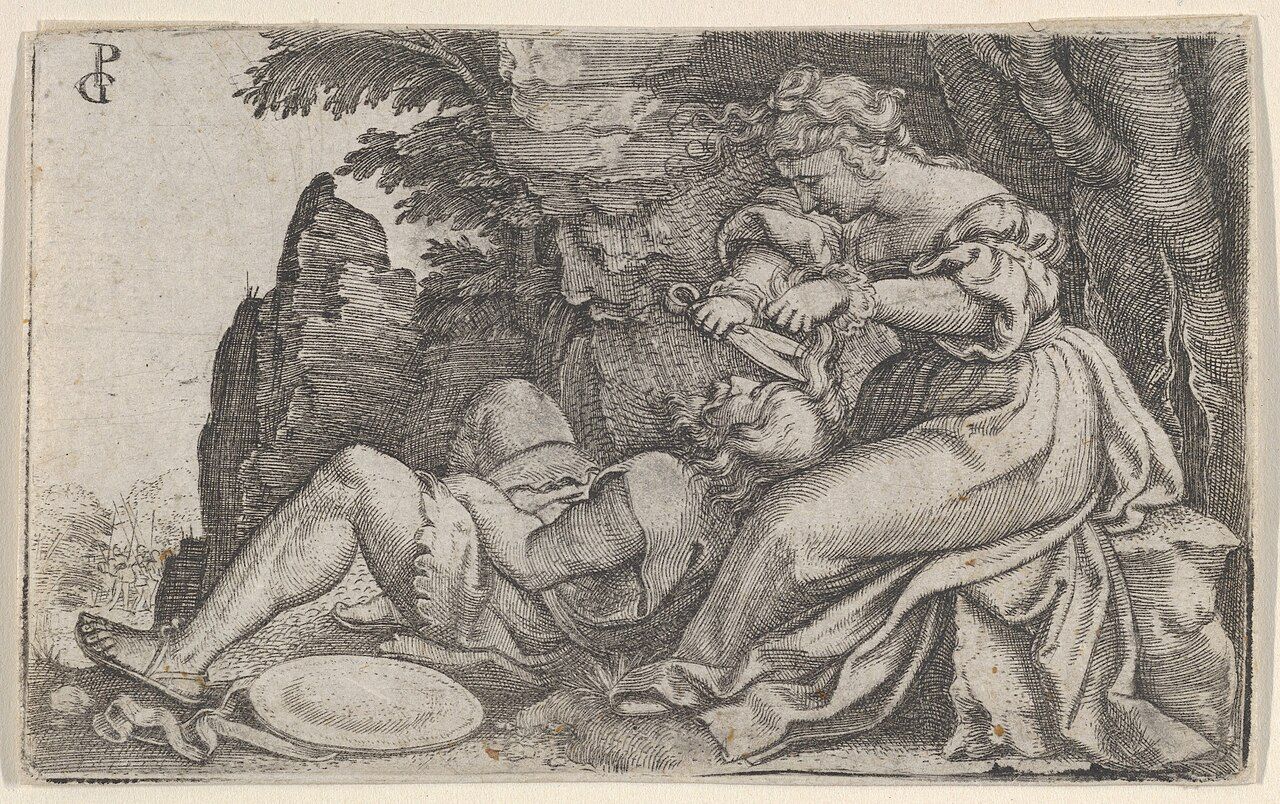
Delilah Cut Samson’s Hair

Image: Georg Pencz, CC0, via Wikimedia Commons

Many of us remember Samson for his legendary strength and the long hair that was said to be the source of his power. His story with Delilah is one of the Bible's most famous tales of betrayal, but there's one detail some people may have gotten wrong: Delilah didn't actually cut his long hair.

In Judges 16:19, Delilah has Samson's hair shaved while he sleeps on her lap. The text says she called for a man to do the shaving; it never says she did it herself. Yet paintings, films, and other retellings have often shown Delilah wielding the scissors herself, cementing that image in popular culture. It can be considered a small detail, but it’s a great example of how easily familiar Bible stories can pick up elements that aren't actually in the original text.

9

The Bible is a single-voice book

Image: Pixel-Shot

Many of us think of the Bible as a single book, written at one particular time by one author, or perhaps a handful of them. After all, that's how it looks when you pick one up in a hotel room, but its history is far more complicated.

The Bible is actually a collection of books written by over 40 authors over roughly 1,500 years, from about 1400 BC to AD 100. The exact number of books varies by religious tradition: Protestant Bibles contain 66 books, while Catholic and Orthodox traditions include additional books. Across these different traditions, the writings were produced by kings, prophets, fishermen, and scholars in Hebrew, Aramaic, and Greek. They also span a tremendous range of literary styles, including history, poetry, songs, laws, letters, and prophecy. So while we hold it as one book today, the Bible is actually a collection of many different writings produced across centuries.

10

Original manuscripts still exist

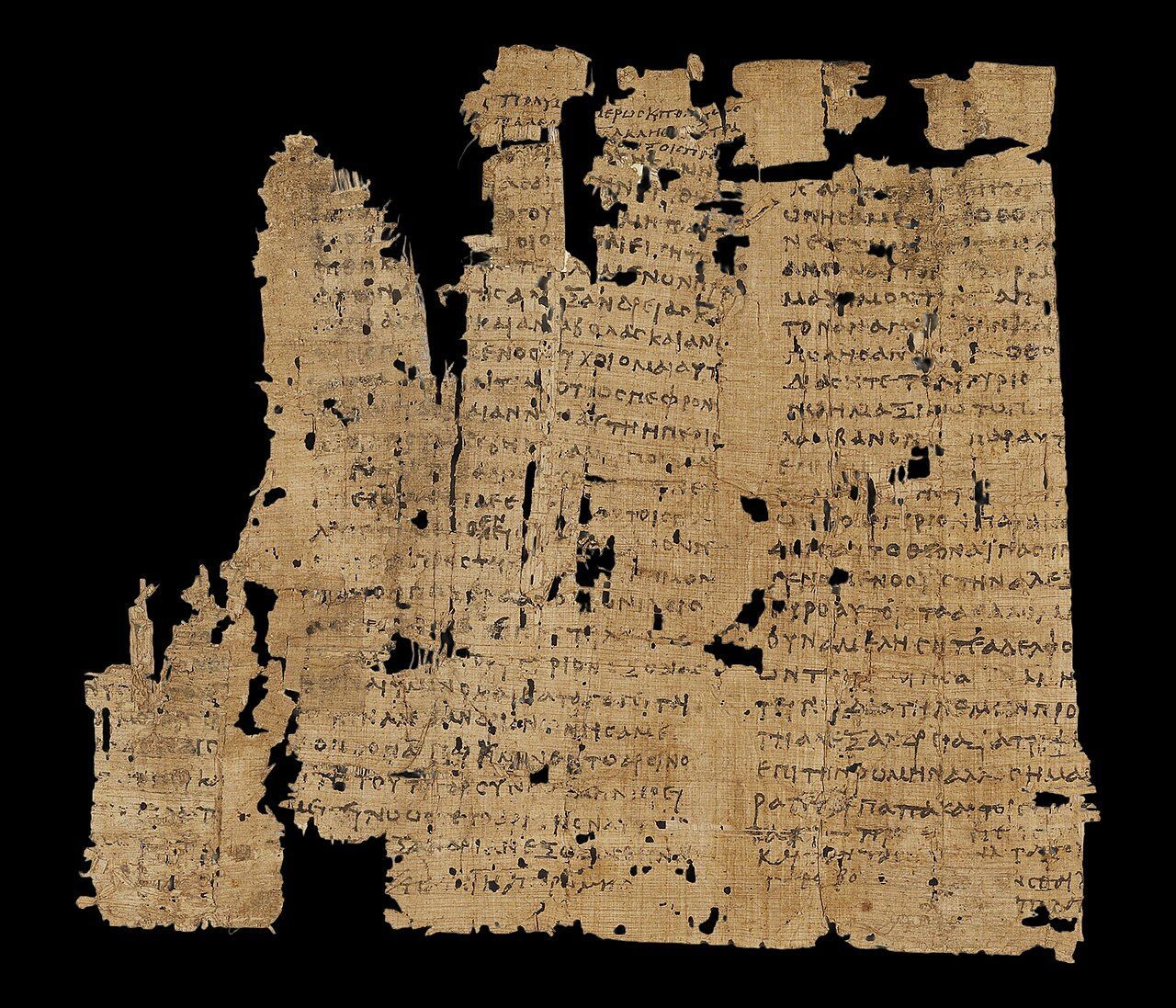
Image: https://www.themorgan.org/manuscript/350198, Public domain, via Wikimedia Commons

Many people assume that at least a few original fragments of the Bible must still exist somewhere. It would be incredible if they did, but none of the original manuscripts, known as autographs, have survived.

The earliest biblical texts were written on fragile materials such as papyrus and animal skins, which could deteriorate through humidity, heat, handling, and simple age. Wars, fires, and other destruction also contributed to their disappearance. So how do we know what the originals said? Through a technique called textual criticism: expert scholars compare thousands of handwritten copies, ancient translations, and quotations from early Christian writers. When they find passages that match across different sources, or differences that reveal how a text changed over time, they can work backward to determine what the original most likely said, even though the original manuscripts themselves are gone.

Looking for an extra scoop of literary fun?

Learn more with our Word of the day

tenacity

/təˈnæsədi/