Sound smarter today!

Using these terms can make you seem less intelligent than you really are


Published on September 4, 2026


Image: Vitaly Gariev

Everyone, even the most articulate of us, has a few words they lean on while speaking. Linguists often call them discourse markers: expressions that organize ideas, soften opinions, invite agreement, or buy time while the brain catches up with the mouth. They are not necessarily mistakes, but when repeated too often, they can become more noticeable than the message itself. Are any of the following 12 part of your everyday repertoire?

1

Like

Image: Priscilla Du Preez 🇨🇦

"It was, like, the best concert ever."

Few words are as closely associated with casual speech as "like". Linguists note that it is not merely an empty filler: it can introduce an example, signal approximation, frame a quotation, or give the speaker a brief moment to organize a thought.

The habit becomes a crutch when it appears so often that listeners start counting it. Used sparingly, "like" can make speech sound natural and flexible. Used every few words, it can blur the point and make even a confident speaker sound hesitant or unprepared.

2

Literally

Image: Jack_the_sparow

"I literally froze."

Literally originally meant "in a literal sense," but English speakers have also used it figuratively for emphasis for centuries. Charles Dickens, Mark Twain, and F. Scott Fitzgerald all stretched the word beyond strict factual meaning long before social media turned the practice into a public argument.

Today, it often works as an emotional intensifier rather than a precise description. Saying "I literally froze" may simply mean the experience felt overwhelming. The word is not automatically wrong, but constant use weakens its force and makes dramatic statements sound routine.

3

You know

Image: Inside Creative House

"It was just... you know... awkward."

Unlike many fillers, "you know" directly involves the listener. It can check whether someone is following, suggest shared knowledge, soften an awkward remark, or help a speaker maintain rapport while searching for the next phrase. In conversation, it often acts as a small request for cooperation.

That usefulness also makes it easy to overuse. When repeated every few seconds, it stops sounding inclusive and begins to resemble a nervous reflex.

4

Honestly

Image: AYO Production

"Honestly, I didn't expect that."

Beginning a sentence with "honestly" does not necessarily imply that everything else was dishonest. Linguists often treat it as a stance marker: a word that signals sincerity, emotional investment, or the introduction of a personal opinion. It prepares listeners for something the speaker considers especially direct.

The irony is that repeated announcements of honesty can create suspicion rather than trust. Used occasionally, the word adds emphasis and intimacy. Used before nearly every opinion, it can sound theatrical, defensive, or strangely unnecessary.

5

So

Image: Joseph Karges

"So... here's what happened."

Sentence-opening so is now common in interviews, podcasts, meetings, and everyday conversation. It usually does more than fill silence: it signals that an explanation, answer, summary, or conclusion is about to follow. It helps connect what comes next to what has already been discussed.

The problem appears when every response begins the same way. A useful bridge then becomes a visible habit, and listeners may notice the repetition of so more than the explanation itself. Pausing briefly can often make the answer sound cleaner and more deliberate.

6

To be fair

Image: Anatoliy Cherkas

"To be fair, they didn't have much time."

"To be fair" introduces balance, concession, or nuance. Speakers often use it before acknowledging another person’s circumstances, softening criticism, or presenting a competing point of view. That is why the phrase appears so often in debates, reviews, sports commentary, and political discussion.

Its appeal lies in the suggestion of objectivity, but repetition can make that fairness feel automatic rather than thoughtful. When every disagreement begins with the same disclaimer, the phrase loses its diplomatic value and becomes little more than a verbal routine.

7

Basically

Image: Gorodenkoff

"Basically, we ran out of money."

"Basically" promises that a complicated subject is about to be reduced to its essentials. It can be genuinely useful when a speaker needs to summarize a long story, strip away technical detail, or identify the central point.

The usual problem is that many people say "basically" before launching into an explanation that is anything but basic. Used carefully, it clarifies. Used constantly, it becomes a vague shortcut that adds no meaning and may even make the speaker sound less certain about the summary.

8

I mean

Image: Product School

"I mean... that's not exactly what I meant."

Few expressions reveal real-time thinking as clearly as I mean. Speakers use it to correct themselves, refine a claim, soften a judgment, or rephrase something that did not come out quite right. It marks the moment when the mind edits a sentence that has already begun to leave the mouth.

That flexibility explains why the phrase is so common, and so easy to repeat unconsciously. Occasional use makes speech sound natural and self-aware. Constant use can make every statement seem provisional and indecisive, as though the speaker is forever revising a thought before fully committing to it.

9

Right?

Image: Andrea De Santis

"That makes sense, right?"

Adding "right?" to the end of a statement turns it into a small request for confirmation. The speaker may be checking comprehension, inviting agreement, or simply making sure the listener remains engaged. It is less a genuine question than a conversational signal that says, "Are you still with me?"

Used occasionally, the tag creates warmth and participation. Attached to nearly every sentence, however, it can undermine authority and make even a strong argument sound uncertain.

10

Look

Image: Kauê Martins Bergamasco

"Look, here's the problem."

When "look" begins a sentence, it usually has nothing to do with vision. It acts as an attention signal, warning that a correction, explanation, disagreement, or important point is coming. Politicians, lawyers, coaches, and television commentators favor it because it quickly redirects the room.

The word can be effective, but it also carries a slightly forceful tone. Repeated too often, it may sound impatient or controlling, as though every remark requires special attention.

11

At the end of the day

Image: Gorodenkoff

"At the end of the day, results matter."

Once a literal reference to evening, at the end of the day has become one of English’s best-known business clichés. It now usually means "ultimately," "when everything is considered," or "what matters most." Executives, politicians, and sports commentators have helped make it nearly unavoidable.

The phrase is not incorrect, but familiarity has drained it of freshness. Because it often introduces an obvious conclusion, listeners may hear it as padding rather than insight.

12

In terms of

Image: Akarawut

"In terms of cost, it's a great option."

"In terms of" frames the specific angle from which a topic will be discussed: cost, timing, quality, risk, or some other category. It is especially useful in academic, technical, and professional language, where speakers may need to separate several dimensions of the same issue.

Repeating it can make ordinary conversation sound bureaucratic, as though every thought belongs in a report.

Some names stick around

From Table Tap Joe to Ziggy Stardust: Who are the best song characters?


Published on September 4, 2026


Image: Christina Radevich

Sometimes, a character is the perfect alter-ego to write a song about oneself without self-referencing so much. Other times, a character is just a character. Over the years, musicians have come up with lonely dreamers, fearless heroes, mysterious strangers, and even supernatural villains who have become just as famous as the songs themselves. Some were inspired by real people, others sprang entirely from imagination, but all of them left a lasting mark on music history. Which of these 12 do you remember?

1

Table Top Joe — Tom Waits — "Table Top Joe"

Image: lev radin

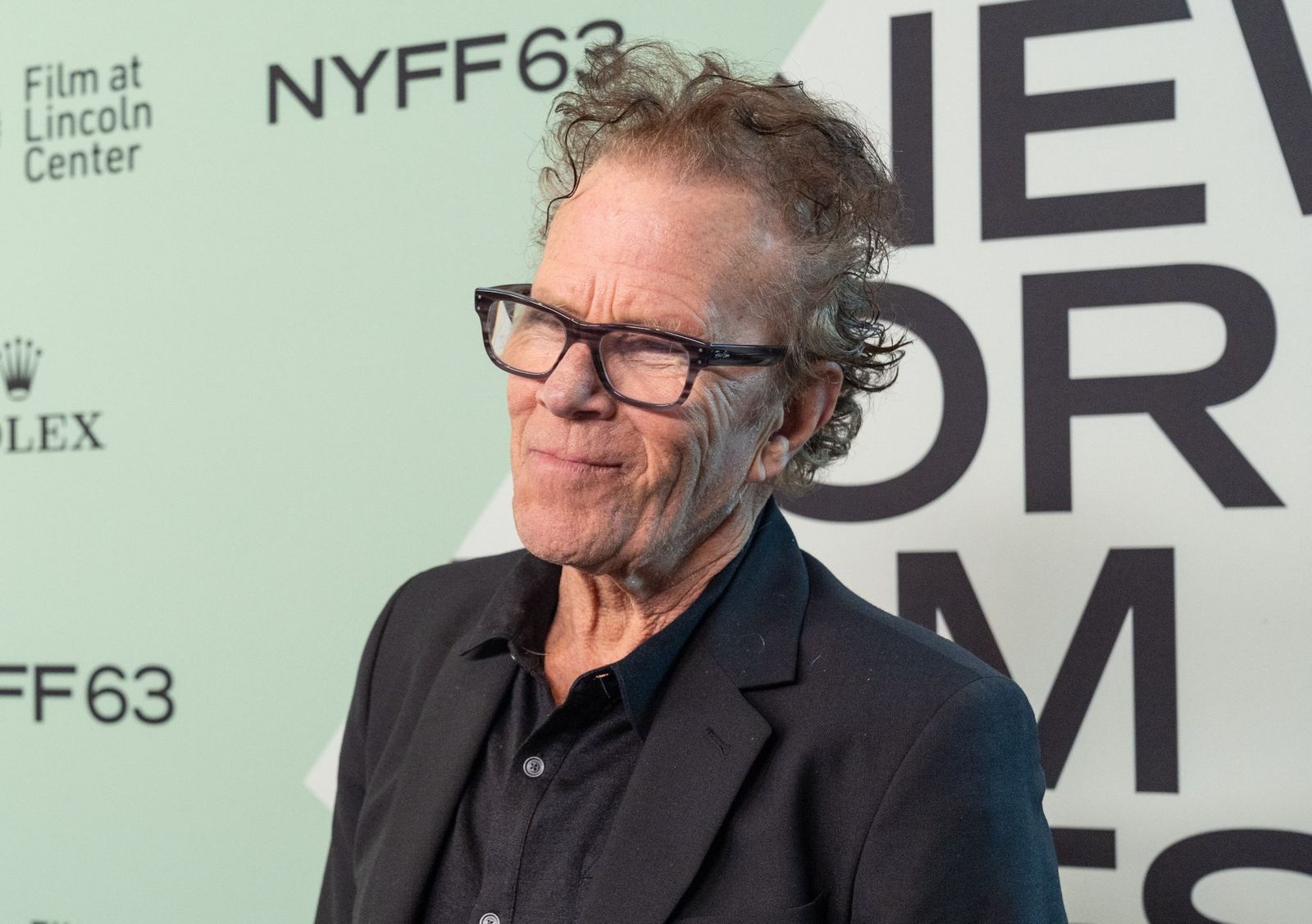
Tom Waits has always had a soft spot for society's oddballs, and few are even stranger than Table Top Joe. Introduced on the 2002 album Alice, Joe is born with only a head and hands, yet grows into a brilliant piano player whose extraordinary talent earns him fame despite the odds stacked against him.

The song unfolds like a forgotten American folk tale, complete with references to Coney Island's legendary Dreamland amusement park and composer Igor Stravinsky. Although many listeners assume the story is based on an old carnival legend, Table Top Joe is entirely Tom Waits' own creation.

2

Ziggy Stardust — David Bowie — "Ziggy Stardust"

Image: PHLD Luca

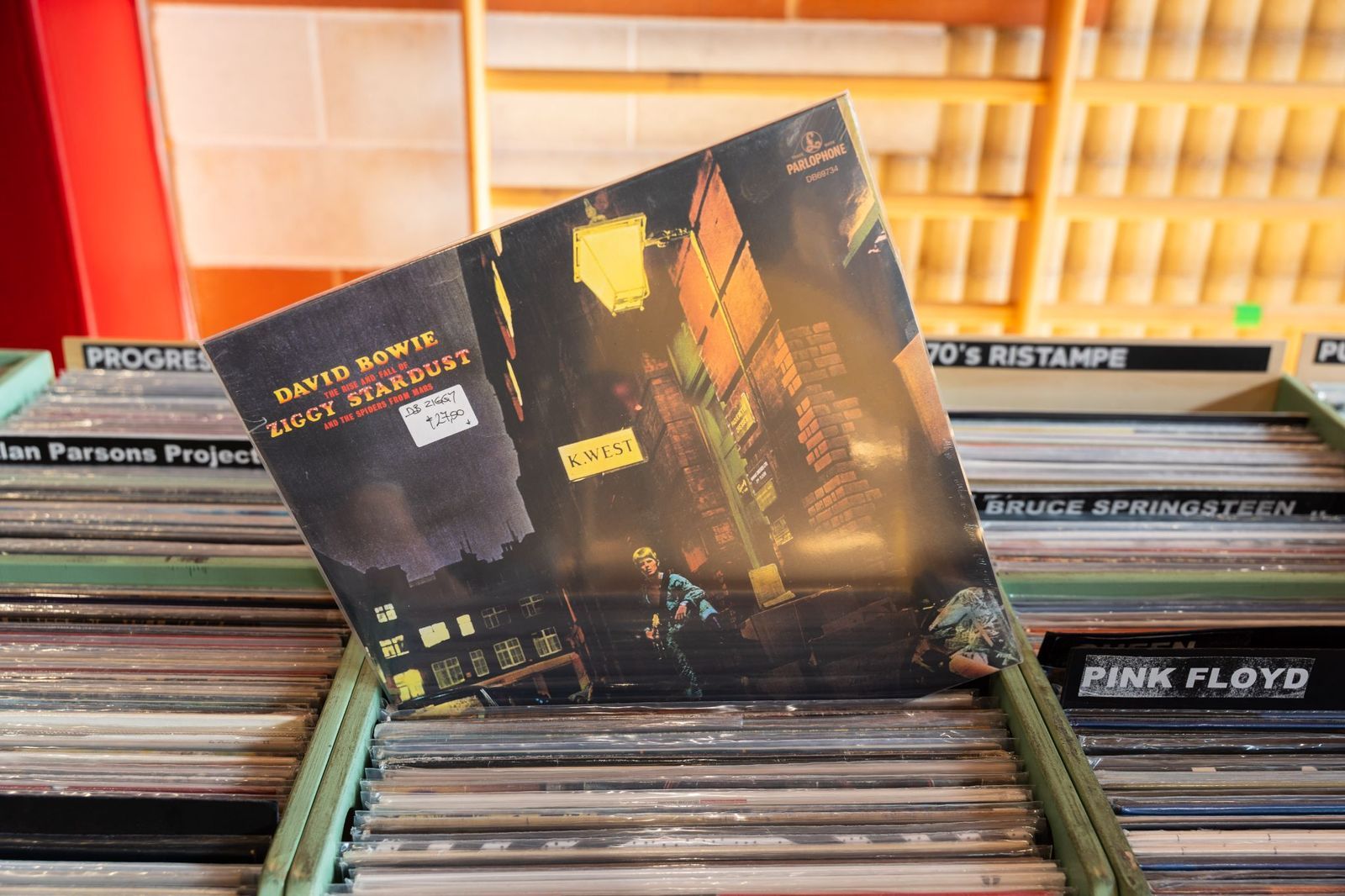
Few fictional musicians have ever become as famous as Ziggy Stardust. Introduced in 1972, Ziggy is an alien rock star sent to Earth shortly before humanity's end, only to be consumed by the very fame that makes him a savior to millions.

David Bowie blurred the line between fiction and reality by performing as Ziggy onstage for more than a year. When he unexpectedly announced Ziggy's retirement during a concert at London's Hammersmith Odeon in 1973, many fans believed the character, and perhaps Bowie himself, had truly reached the end of the story.

3

Tommy — The Who — "Tommy"

Image: defotoberg

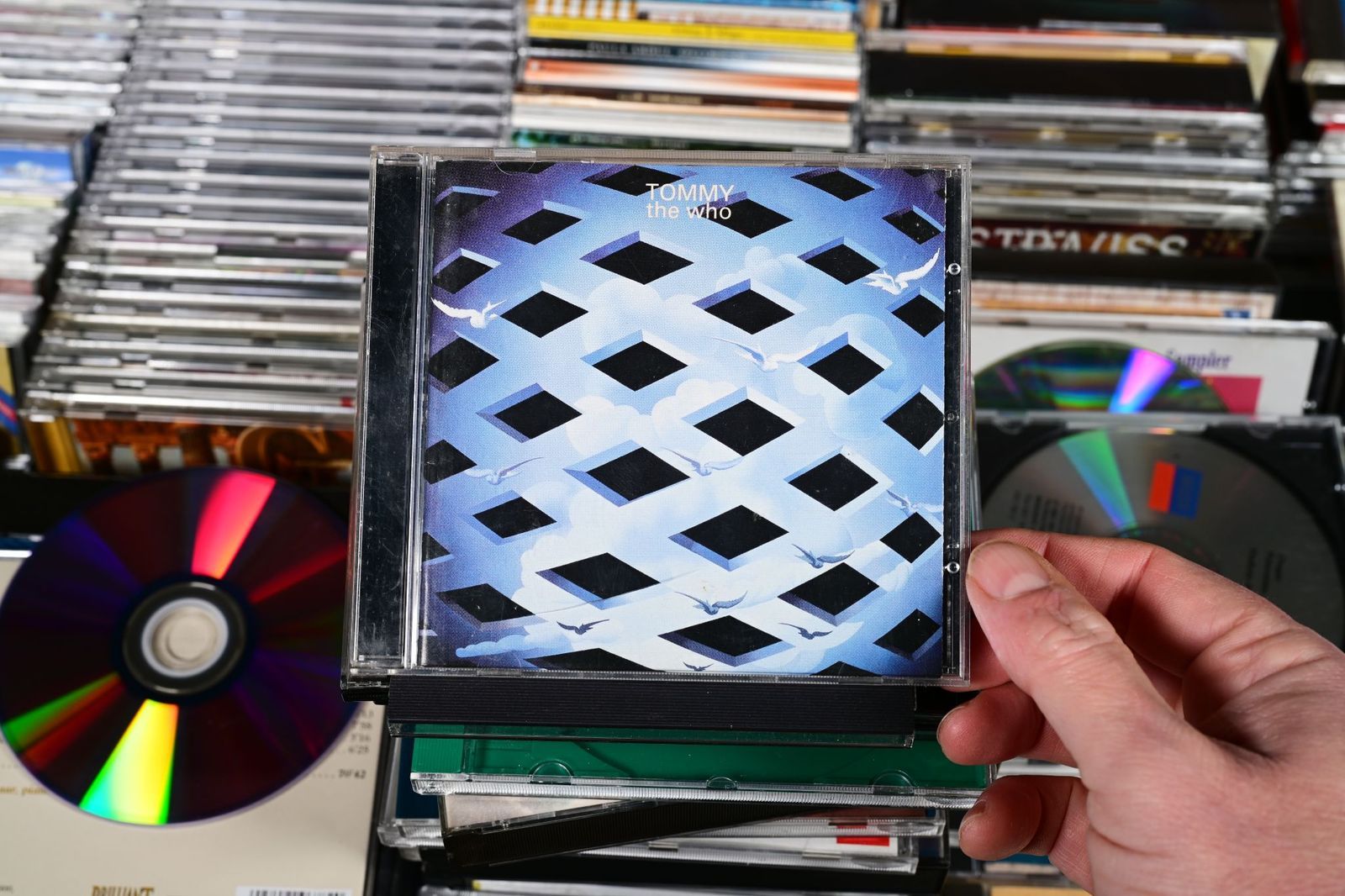
Tommy Walker isn't just the hero of a song, he's the central figure of one of rock music's first great operas. After witnessing a traumatic event as a child, Tommy becomes deaf, mute, and blind, yet somehow develops astonishing pinball skills that transform him into an unlikely celebrity.

Pete Townshend built an entire musical world around Tommy, exploring themes of trauma, faith, and redemption. First released in 1969, Tommy later became a hit film, a Broadway production, and one of the most influential concept albums ever recorded.

4

Johnny B. Goode — Chuck Berry — "Johnny B. Goode"

Image: Erman Gunes

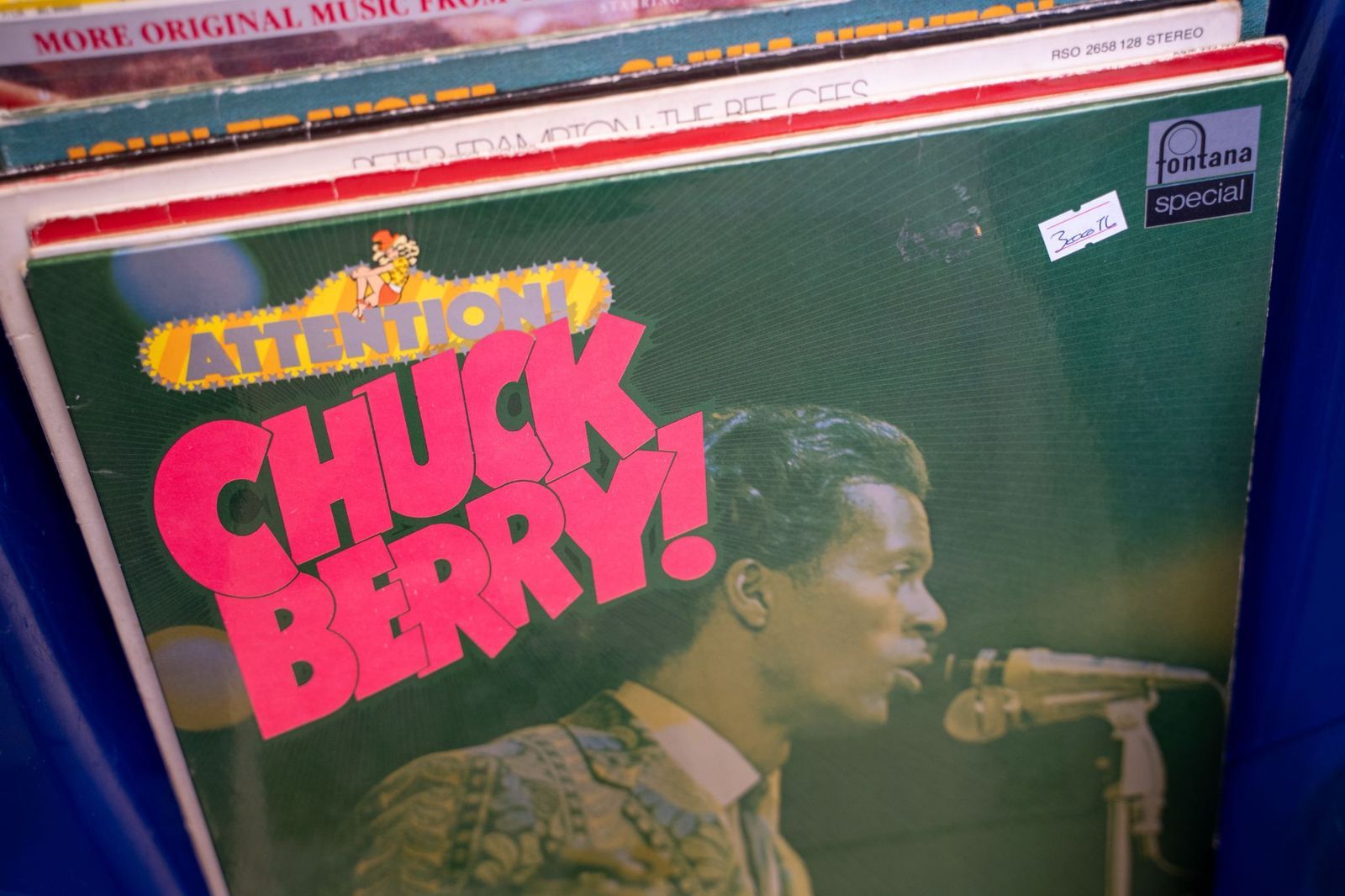
Johnny B. Goode is every aspiring musician's dream. Growing up in rural Louisiana with little more than a guitar and natural talent, he plays so brilliantly that listeners predict "his name will be in lights."

Chuck Berry based the character partly on himself and partly on pianist Johnnie Johnson. Originally described as a "colored boy," Johnny became a "country boy" in the final lyrics, making the song more likely to receive airplay during the segregation era. Nearly two decades later, Johnny's anthem would even travel into space aboard NASA's Voyager Golden Record.

5

Eleanor Rigby — The Beatles — "Eleanor Rigby"

Image: chrisdorney

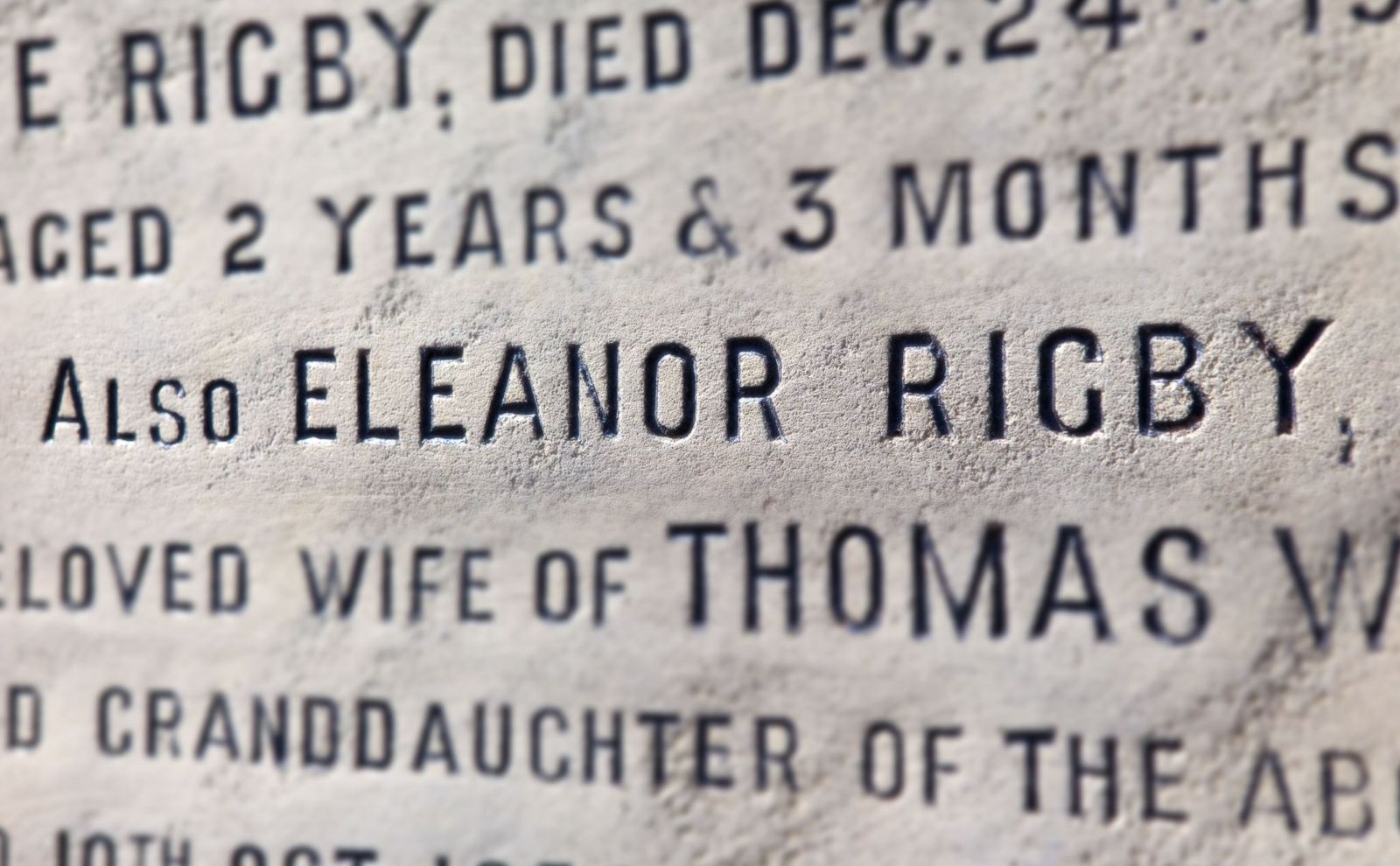
Few fictional characters have captured loneliness as powerfully as Eleanor Rigby. She quietly moves through life unnoticed, while Father McKenzie delivers sermons that no one hears, creating one of popular music's saddest portraits of isolation.

Paul McCartney later explained that Eleanor's name came from actress Eleanor Bron and the Liverpool shop Rigby & Evens. The discovery of an actual Eleanor Rigby gravestone in Liverpool only deepened the song's mystique, though McCartney maintained the coincidence was unintentional.

6

Billie Jean — Michael Jackson — "Billie Jean"

Image: McSleepy

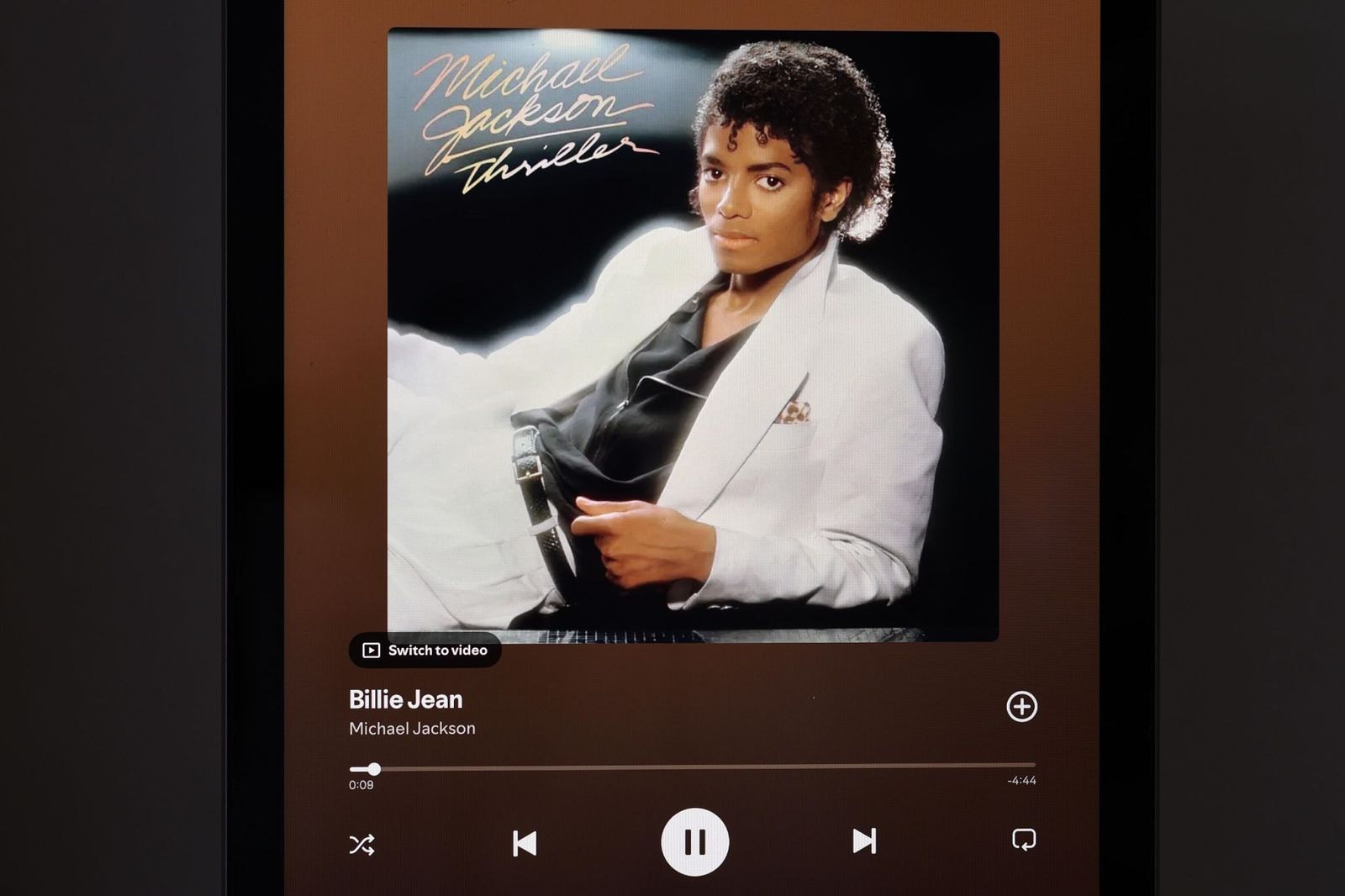
Billie Jean may be one of pop music's most famous women, yet Michael Jackson insisted she wasn't a real person. Instead, she represented several women who falsely claimed that he had fathered their children during the height of the Jackson 5's fame.

Released in 1983 as part of Thriller, the song became a global phenomenon. It also provided the stage for Jackson's legendary moonwalk during Motown 25.

7

Stagger Lee — Lloyd Price — "Stagger Lee"

Image: L Paul Mann

Unlike many legendary song characters, Stagger Lee actually existed. His real name was Lee Shelton, a St. Louis criminal who murdered Billy Lyons during an argument over a hat on Christmas Eve in 1895.

The shocking crime quickly entered American folklore through countless folk songs before Lloyd Price transformed it into a chart-topping hit in 1958. More than a century later, Stagger Lee remains one of the most enduring antiheroes in American music.

8

Tom Dooley — The Kingston Trio — "Tom Dooley"

Image: BOOCYS

Tom Dooley was inspired by Thomas Dula, a Confederate veteran executed in North Carolina in 1868 after being convicted of murdering Laura Foster. His surname was locally pronounced "Dooley," giving the ballad its familiar title.

The Kingston Trio revived the old Appalachian folk song in 1958, turning it into an international hit and helping launch America's folk music revival.

9

Lola — The Kinks — "Lola"

Image: McSleepy

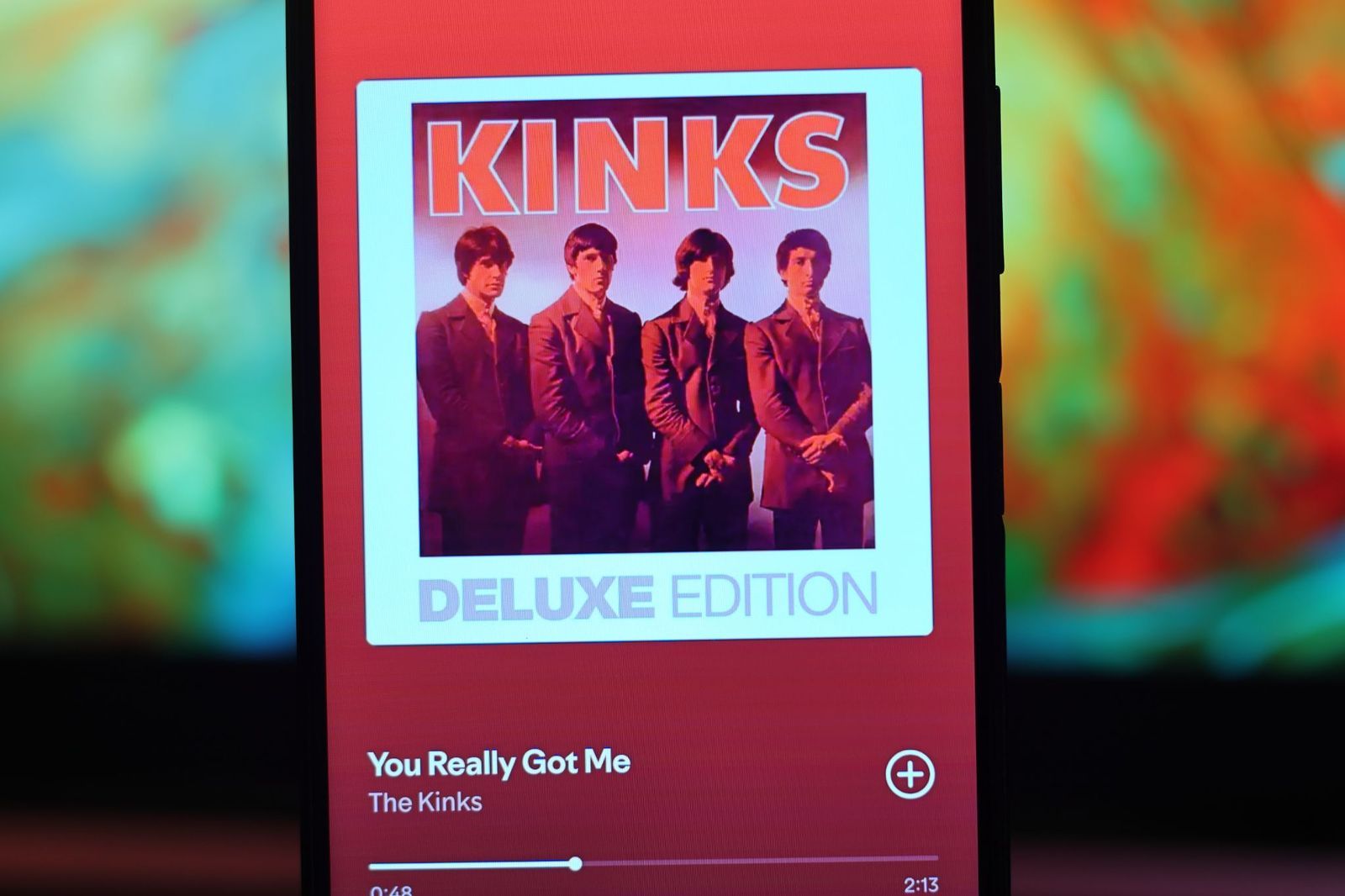
When the narrator of "Lola" meets an intriguing stranger in a Soho nightclub, expectations quickly give way to surprise. Ray Davies crafted one of rock's earliest mainstream stories exploring gender ambiguity, decades before the topic entered popular conversation.

The recording rarely reached British radio. Because BBC rules prohibited commercial product names, Davies had to interrupt a U.S. tour and fly back to London simply to replace the lyric "Coca-Cola" with the now-famous "cherry cola."

10

Piano Man — Billy Joel — "Piano Man"

Image: Debby Wong

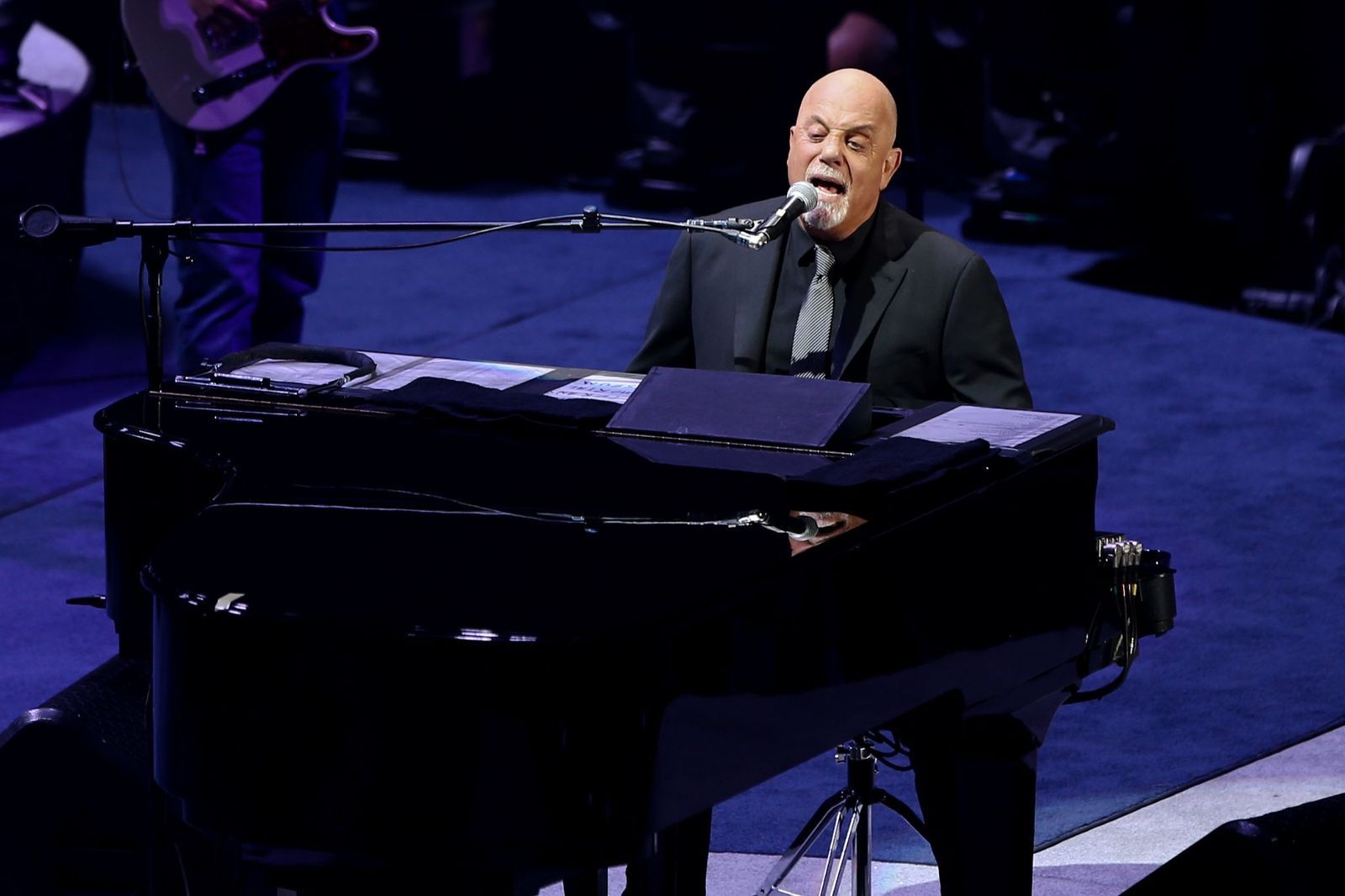
Unlike most famous song characters, the Piano Man is really Billy Joel himself. Before becoming a superstar, Joel spent six months in 1972 and 1973 performing under the pseudonym Bill Martin at the Executive Room, a piano bar in Los Angeles, after becoming trapped in a bad recording contract. The song transforms those experiences into a bittersweet portrait of ordinary people searching for escape at the end of another week.

Joel has said that virtually every character in the song was based on a real person, from bartender John to "Paul, the real estate novelist" and Davy, who really was in the Navy. Yet the Piano Man himself became the story's most enduring character: a quiet observer who offers music as a brief refuge for dreamers, lonely souls, and regulars alike. More than fifty years after its 1973 release, "Piano Man" remains Billy Joel's signature song, and its title has effectively become his lifelong nickname.

11

Amos Moses — Jerry Reed — "Amos Moses"

Image: AS project

Standing nearly seven feet tall and missing an arm, Amos Moses roams the Louisiana swamps hunting alligators. Jerry Reed filled the song with colorful Southern expressions and exaggerated storytelling that make Amos feel like an authentic folk legend.

Although fictional, Amos embodies the larger-than-life heroes found throughout American tall tales. His adventures turned the song into one of Reed's biggest crossover hits and secured Amos a permanent place among country music's greatest characters.

12

Big Bad John — Jimmy Dean — "Big Bad John"

Image: mirigifford

Big Bad John hardly says a word, but he doesn't have to. The towering coal miner earns everyone's respect through quiet strength before sacrificing his own life to save fellow workers when a mine collapses.

Jimmy Dean's 1961 ballad became a smash hit, winning a Grammy and inspiring several sequel songs. More than sixty years later, Big Bad John still stands as one of country music's defining working-class heroes.

Looking for an extra scoop of literary fun?

Learn more with our Word of the day

amiable

/ˈeɪmiəb(ə)l/