The wonders of human language

Your family has its own dialect, but you might not have noticed


Published on September 7, 2026

Image: zhendong wang

If languages and grammar are not your thing, linguistics might seem complex and boring, but nothing could be further from the truth. While some areas of linguistics require prior knowledge, many linguistic concepts and ideas relate to everyday life and can be understood by anyone. Here are some simple linguistic facts that might surprise you!

1

The "most difficult language" doesn’t exist

Image: jason hu

People like to list languages such as Mandarin, Japanese, or Hungarian as "the most difficult languages in the world", but this is not true. Think about the ease with which babies pick up a language, becoming fluent at a similar rate, no matter the place. The difficulty of a language lies not in its structure, but in its similarities or differences with your own language. Mandarin might be extremely difficult for an English speaker, but quite manageable for someone who speaks Cantonese. So, there isn’t a "most difficult language", but a "most difficult language for you".

2

You can’t really learn new things about your native language

Image: Unseen Studio

This might come as a shock, but you already know everything about your native language. Native speakers learn by imitation, not through methodical study, so they don’t rationalise their language; they simply speak. They might later approach the language from an academic perspective and put a name to different structures and concepts, but they will not learn anything that is actually new.

3

Each language is a new worldview

Image: Song_about_summer

This might seem obvious, but most people don’t think about it. While differences in grammar and structures are evident, it is common for language learners to approach vocabulary as a set of labels: If I’m learning Spanish, I take an apple and label it "manzana". But languages are not labels, but a way of seeing the world, such as cultures near the North Pole having dozens of words for snow or languages in hierarchical societies changing according to the people speaking. While at a basic level we can often find one-to-one translations, the more we learn about a new language, the more we adopt a new worldview.

4

Your family has a unique dialect

Image: Ekaterina Shakharova

Does your family have certain words or phrases that mean something unique to you? It might be a funny mispronunciation that stuck, or a phrase that you use in a specific circumstance, sometimes passed down for a few generations. This is called a "familect", and it happens in most families, but also in tight-knit friend groups. The repetition and preservation of this private code reinforces familial bonds and identity, functions as an emotional anchor, and provides a sense of belonging.

5

Polyglots have multiple personalities

Image: Prostock-studio

Each language carries a worldview, so it is not surprising that our personality changes slightly when we change languages. We don’t become someone different, but we adapt to the cultural norms and values attached to that language. People who speak more than one language also tend to link specific interests, knowledge, and memories to each language, and specialists have noted that not only do our tone and volume change with each new language, but that we are most likely to swear or discuss sensitive or taboo subjects in a second or third language, as they provide an emotional distance impossible to avoid in our native tongue.

6

There is a right and a wrong way when it comes to English adjectives

Image: sulit.photos

English is a fairly flexible language, meaning that many of its components can be placed in a different order without the sentence becoming unnatural or impossible to understand. But this flexibility does not apply to adjectives, at least when we have to use many of them in a row. English speakers naturally place adjectives in a specific sequence: opinion, size, age, shape, color, origin, material, and purpose. While this is done subconsciously, changing this order results in unnatural-sounding phrases, such as "a red new nice car".

7

Sign languages are unique

Image: LightField Studios

Have you ever wondered why people refer to sign language as ASL or "American Sign Language"? Not only are there multiple sign languages, classified in families in the same way spoken languages are, but each one is a language of its own, with unique grammar, rules, and vocabulary. This way, American Sign Language (belonging to the French Sign Language family alongside its Russian, Brazilian, or Italian counterparts) is not a signed version of American English, but a distinct, unique language with more than half a million native speakers.

8

The sad reality of feminine words

Image: Casimiro PT

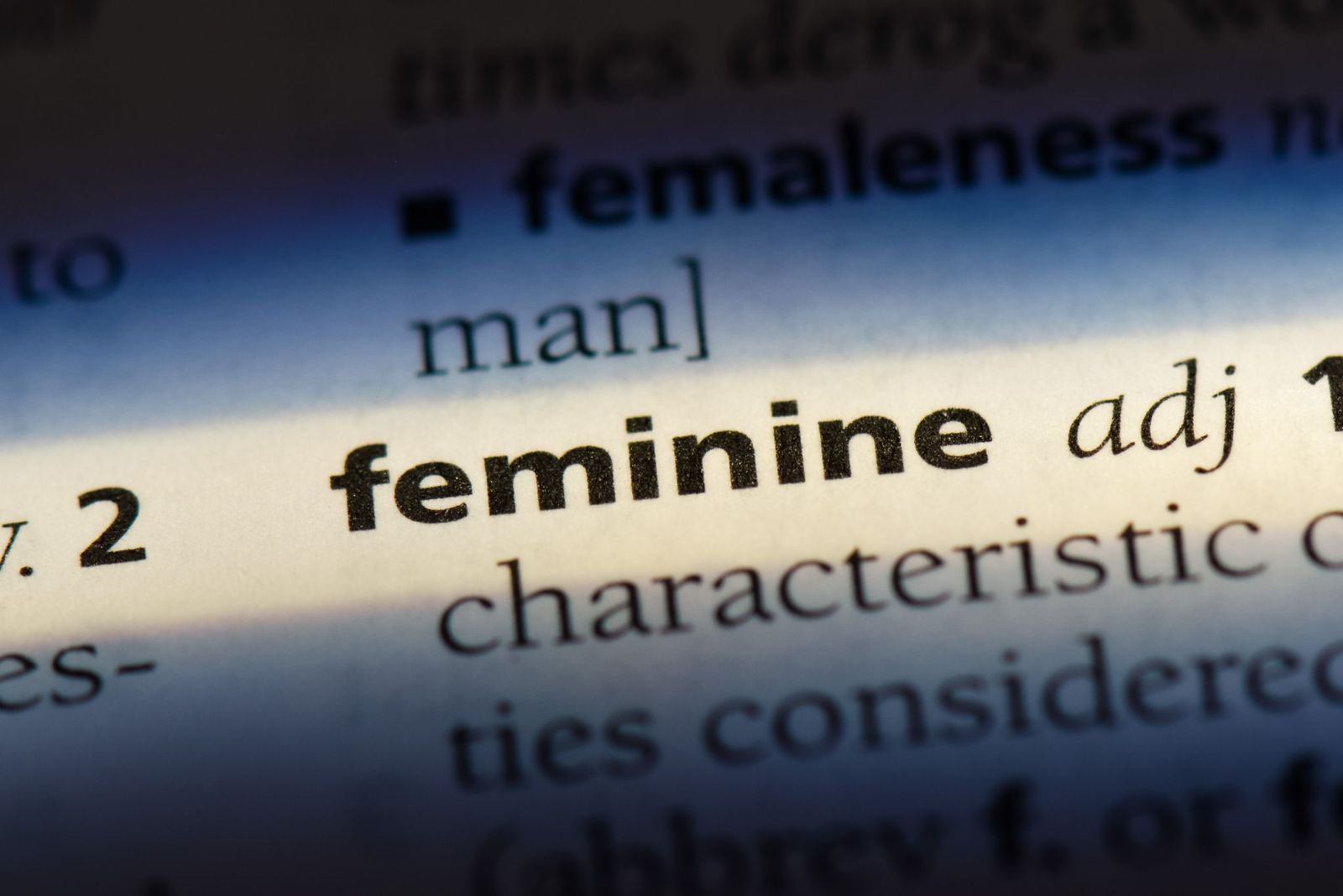
Languages change and shift with use and time, which causes some words to gain positive meanings, but also others to become negative. This downgrading of a word’s meaning is called "pejoration" and is connected to many factors, one of them being whether the term is considered masculine or feminine. English is not a gendered language, but it has gender-specific pairs, such as "master/mistress", "fox/vixen", "bachelor/spinster", or "governor/governess". While initially mistress, vixen, spinster, and governess were merely counterparts to the male-specific term, over time they developed a negative connotation, while the masculine term remained positive or neutral.

9

Babies have accents

Image: Colin Maynard

Babies typically start using meaningful words around the 12-month mark, so it is natural to think that, before that, babies "don’t speak". While they don’t use meaningful spoken language, they communicate from birth with cries, sounds, and gestures, and these communications have an accent. How is this possible? Third-trimester babies in utero have fully functional hearing and recognize sound patterns, pitch, and intonation. Once they are born, their cries, and later their babbles, mimic the intonation, pitch, and rhythmic patterns of the language of their environment.

10

Animal sounds change from one language to another

Image: BaLL LunLa

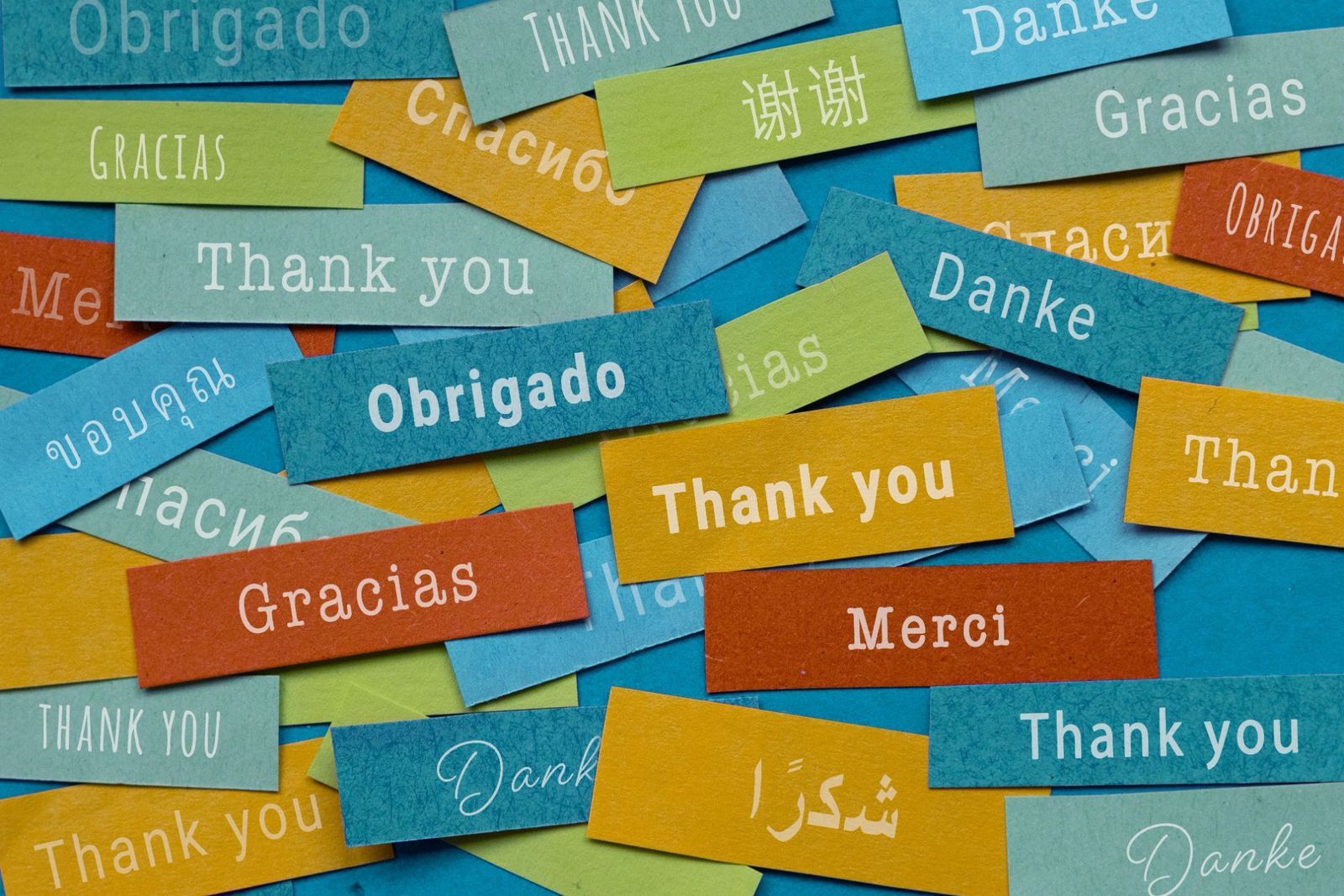
What sound does a sheep make? Well, a sheep from where? English-speaking sheep go "baa", but Korean-speaking sheep go "me-e". While sheep don’t care about linguistic differences, humans adapt animal sounds to the available sounds and phonetic rules of their language. This happens not only with animals, but with all kinds of sounds, such as machines, strikes and collisions, physical and natural phenomena, human sounds, and more.

Translation and interpretation

Was the forbidden fruit really an apple? 10 Bible surprises


Published on September 7, 2026


Image: Mariordo, CC BY-SA 4.0, via Wikimedia Commons

What if some of the Bible stories you grew up with aren't exactly what the Bible says? Was the forbidden fruit really an apple? Were there actually three Wise Men? Did "God helps those who help themselves" really come from the Bible? Over centuries, translations, traditions, and famous works of art have added details that became so familiar, we stopped questioning them. But go back to the texts, and some of these stories look surprisingly different. From Eve's "apple" to the date of Jesus' birth, here are 10 familiar parts of the Bible that may not be quite what we remember.

1

The forbidden fruit was an apple

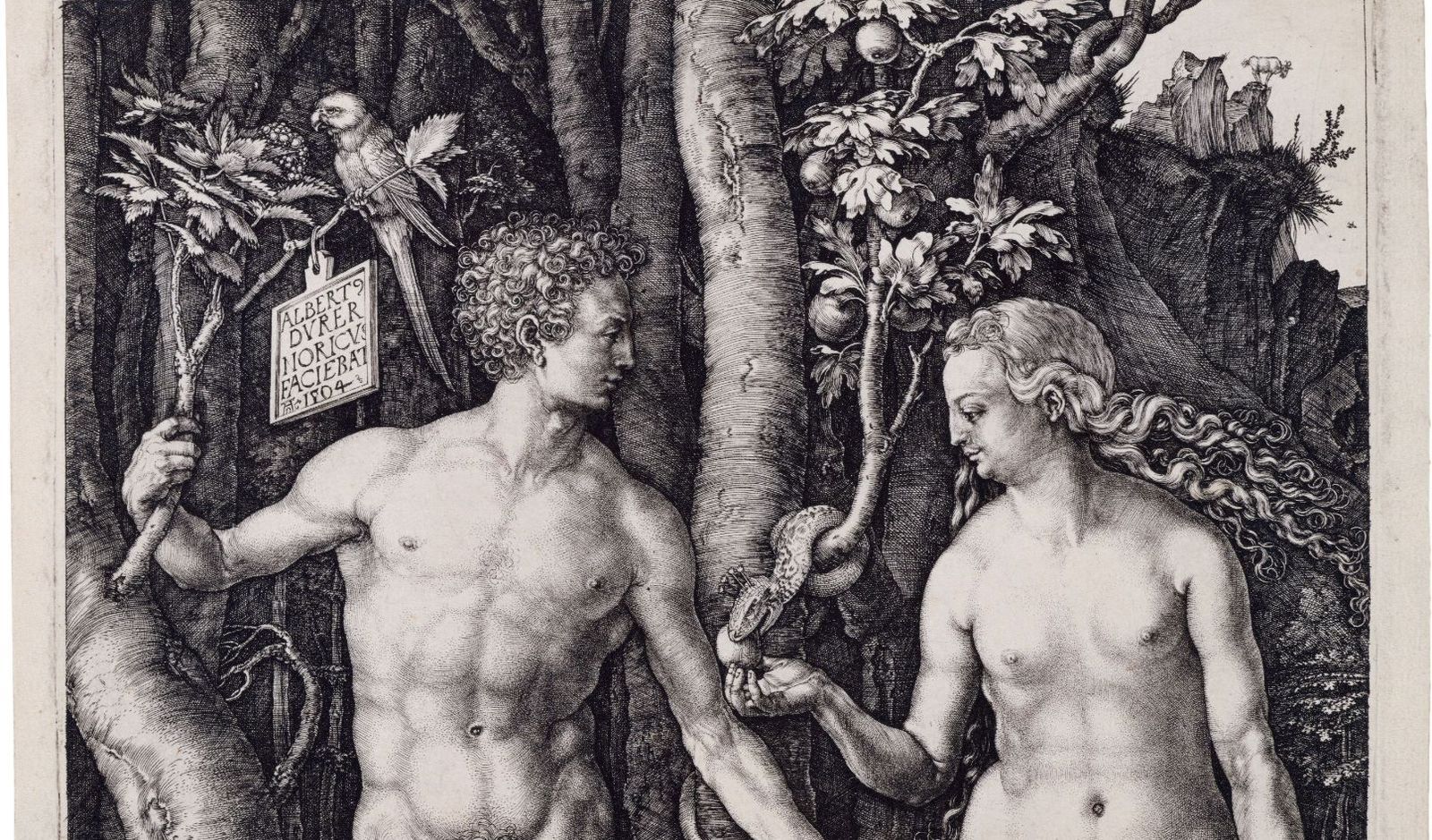
Image: Albrecht Dürer, Public domain, via Wikimedia Commons

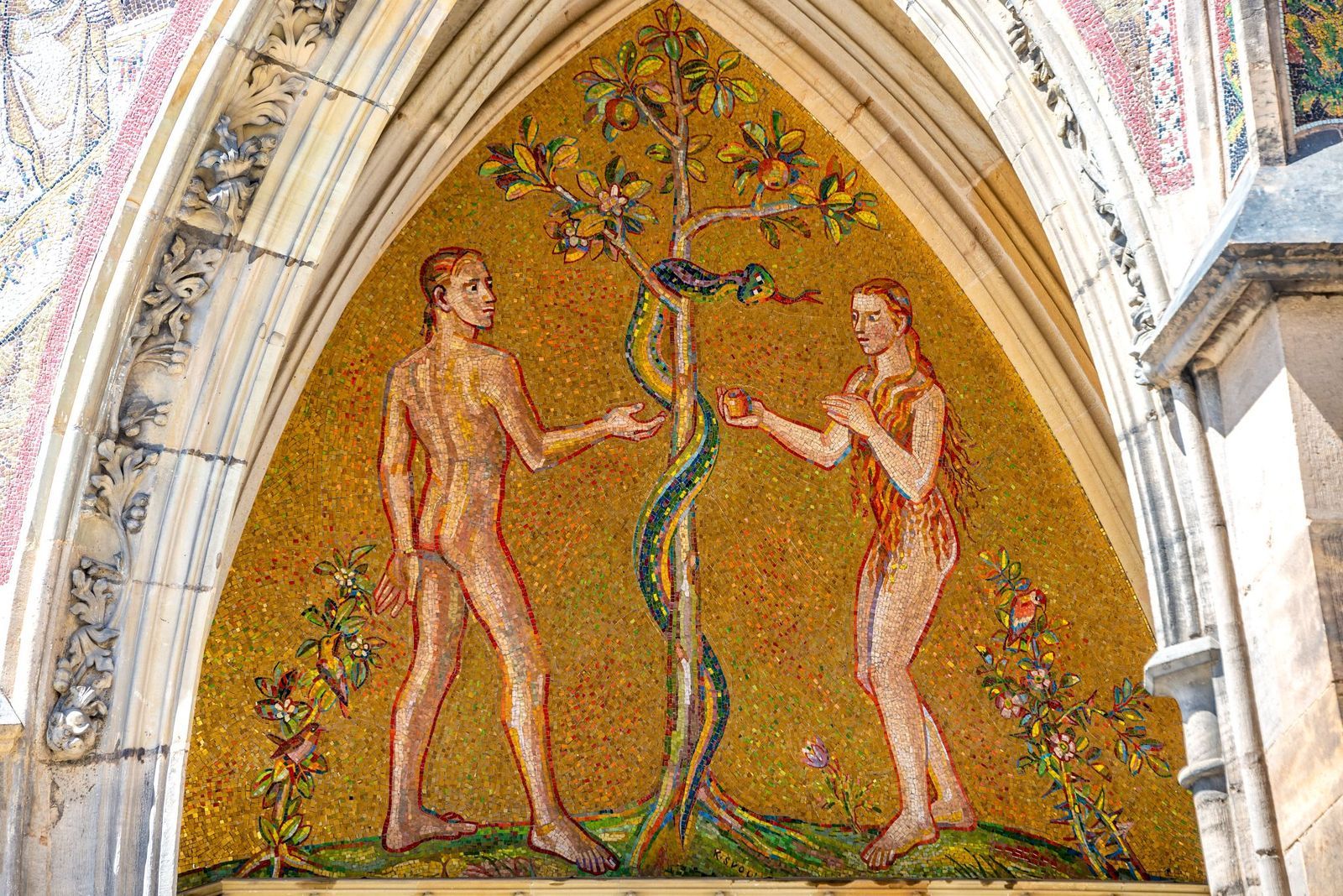
When you picture the Garden of Eden, what fruit comes to mind? Most people imagine an apple, but there's just one problem: the Bible never says it was an apple.

In the Book of Genesis, the fruit is simply called "the fruit of the tree of the knowledge of good and evil." The original Hebrew text uses the word peri, which simply means "fruit." The apple connection came centuries later, largely through the Latin translation. The Latin word malum can mean both "apple" and "evil," making it an especially fitting symbol for the story. Over time, that association spread through Christian art and literature. Famous works such as Albrecht Dürer’s 1504 engraving Adam and Eve (also known as The Fall of Man) helped cement the image of Eve holding an apple. Today, it's one of the most famous scenes in history, even though the original biblical text doesn’t identify the fruit as an apple at all.

2

There were three wise men/kings

Image: Rawpixel.com

The story of Jesus' birth is so famous that most of us picture the Three Wise Men, sometimes called the Three Kings, standing beside the manger. But the thing is, over the centuries, the story picked up a few details that aren't actually in the Bible.

In the Gospel of Matthew, the only Gospel that mentions these visitors, they are described simply as Magi from the East. The original Greek word, magoi, referred to learned scholars, astrologers, or priests from Persia or Babylon, not kings. But where did the number three come from? Matthew lists three gifts: gold, frankincense, and myrrh, but never says how many visitors brought them. Over the centuries, people naturally assumed there must have been three Magi, one for each gift. Even their familiar names, Melchior, Caspar, and Balthasar, were added later by Christian tradition. So, neither the number of visitors nor their names appears anywhere in the biblical text.

3

"God helps those who help themselves"

Image: Adam Nir

Whether it's used to motivate a friend, encourage a family member, or push yourself to finally make a difficult decision, "God helps those who help themselves" is one of the most familiar religious sayings in America. But here's the surprise: those words never appear in the Bible.

The idea can be traced to ancient Greek sources, including Aesop’s Fables, where the saying appears in an earlier form: "The gods help them that help themselves." The exact modern wording was written by English politician Algernon Sidney in 1698, but it was Benjamin Franklin who helped make it part of American culture when he included it in his 1736 edition of Poor Richard’s Almanack.

4

"Cleanliness is next to godliness"

Image: John Jackson, CC BY 4.0, via Wikimedia Commons

Many teenagers have heard "Cleanliness is next to godliness" when it was time to clean their rooms. But despite sounding like a Bible verse, the phrase never appears in Scripture.

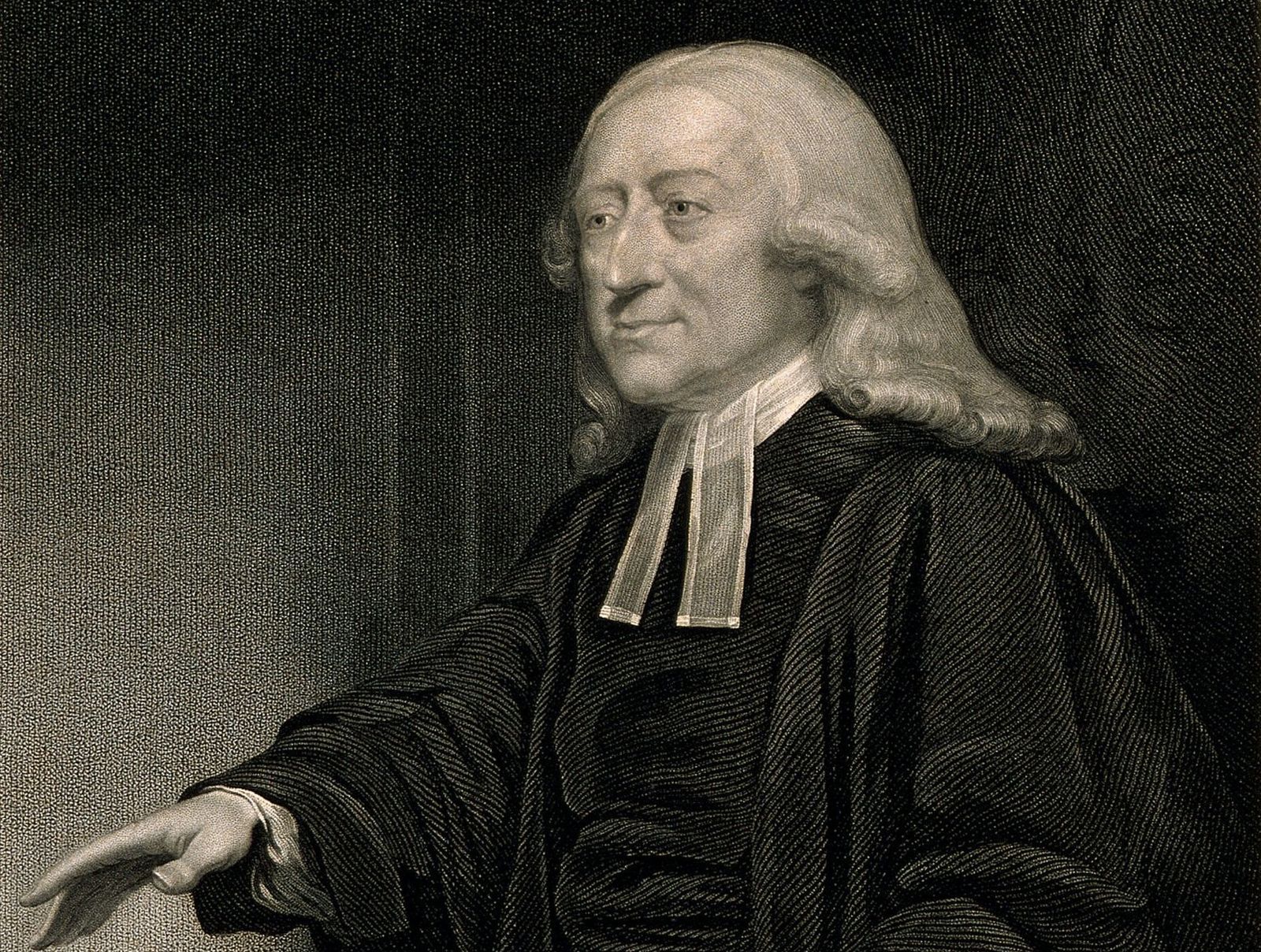
The Bible, particularly Leviticus, does contain extensive laws requiring people to wash their bodies and clothes in certain circumstances, especially before religious rituals. But the famous saying itself came much later. In 1605, Francis Bacon wrote in The Advancement of Learning that "cleanness of body" was connected to reverence for God. Then, in 1786, it was Methodist leader John Wesley who used the wording we recognize today in a sermon: "Cleanliness is indeed next to Godliness." Over time, the phrase became a familiar saying that many people simply assumed came from the Bible.

5

The date of Jesus' birth

Image: http://www.parrocchiasantagata.org, CC0, via Wikimedia Commons

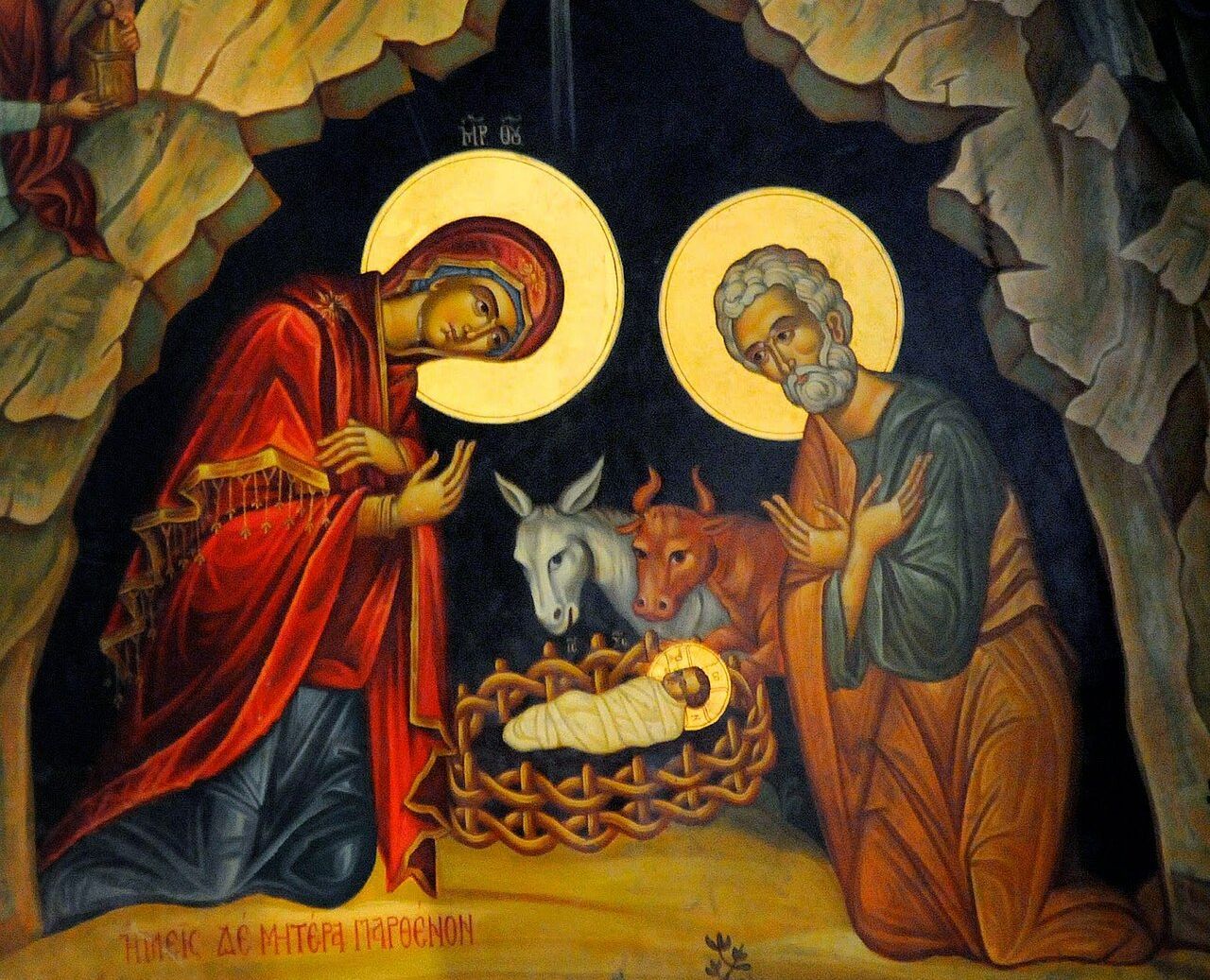
When it comes to famous dates, December 25 may be the most recognizable of all, universally associated with Christmas. But here's the surprising part: the Bible never gives any specific date for Jesus' birth.

The Gospels of Matthew and Luke describe the Nativity but never provide a calendar date, so how did December 25 become Christmas? There are two leading theories. The first is that the Roman Church was celebrating Christmas on December 25 by 336 AD, during Constantine's reign, possibly choosing the date to coincide with existing Roman winter festivals and make it easier to convert the empire to Christianity. The second points to an early Christian tradition that calculated Jesus' birth date from the supposed date of his crucifixion, eventually arriving at December 25.

6

Jonah and the Whale

Image: Pieter Lastman, Public domain, via Wikimedia Commons

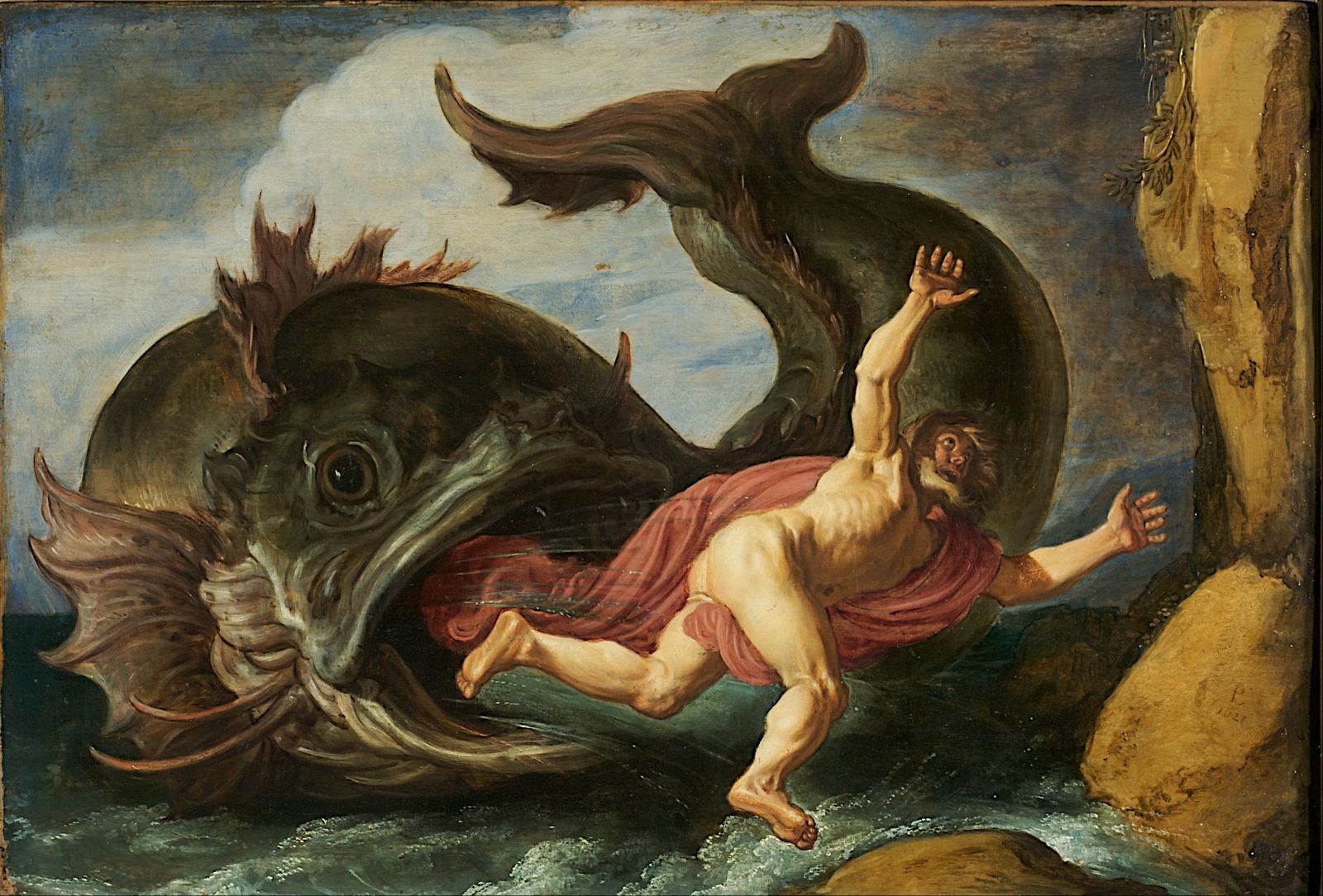
The story of Jonah and the Whale is so famous that it has appeared literally or symbolically in innumerable works of art and literature, from Michelangelo's Sistine Chapel ceiling (1508-1512) to Herman Melville's 1851 novel Moby-Dick. But there's a small problem with the title we've given it: the Bible doesn’t actually say it was a whale.

In the Old Testament, the original Hebrew text of Jonah 1:17 uses the words dag gadol, meaning "great fish" or "large fish"; it doesn't identify the creature as a whale, or even specify what kind of fish it was. Most modern English translations therefore stick with "great fish," but the familiar "whale" interpretation developed through older translations and later European tradition, eventually becoming so widespread that "Jonah and the Whale" became the name almost everyone recognizes.

7

The serpent in Eden was Satan

Image: neurobit

Just as we've always pictured the forbidden fruit as an apple, many of us also assume the serpent in the Garden of Eden is the devil himself. But the original story is a little more complicated.

A plain reading of Genesis depicts the creature simply as a serpent or snake, using the Hebrew word nachash. It describes the serpent as clever and crafty, but it never calls it Satan or explicitly identifies it as the devil. So where did the connection come from? The answer comes from later parts of the Bible, particularly the New Testament. In Revelation 12:9 and 20:2, Satan is called "the ancient serpent" (ho ophis ho archaios in Greek), connecting him to the snake of Eden. Over time, Christian tradition applied that later connection back to Genesis, leading to the familiar belief that the serpent was Satan himself.

8

Delilah Cut Samson’s Hair

Image: Georg Pencz, CC0, via Wikimedia Commons

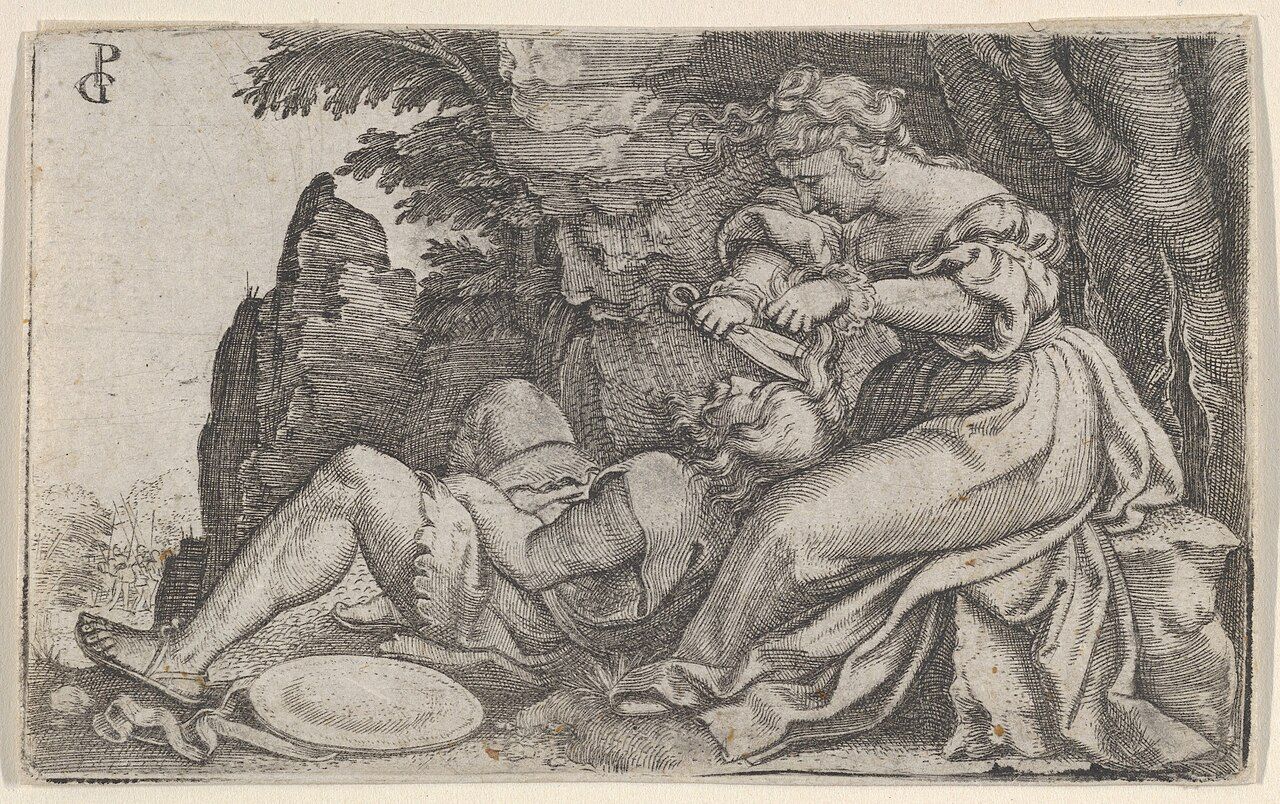
Many of us remember Samson for his legendary strength and the long hair that was said to be the source of his power. His story with Delilah is one of the Bible's most famous tales of betrayal, but there's one detail some people may have gotten wrong: Delilah didn't actually cut his long hair.

In Judges 16:19, Delilah has Samson's hair shaved while he sleeps on her lap. The text says she called for a man to do the shaving; it never says she did it herself. Yet paintings, films, and other retellings have often shown Delilah wielding the scissors herself, cementing that image in popular culture. It can be considered a small detail, but it’s a great example of how easily familiar Bible stories can pick up elements that aren't actually in the original text.

9

The Bible is a single-voice book

Image: Pixel-Shot

Many of us think of the Bible as a single book, written at one particular time by one author, or perhaps a handful of them. After all, that's how it looks when you pick one up in a hotel room, but its history is far more complicated.

The Bible is actually a collection of books written by over 40 authors over roughly 1,500 years, from about 1400 BC to AD 100. The exact number of books varies by religious tradition: Protestant Bibles contain 66 books, while Catholic and Orthodox traditions include additional books. Across these different traditions, the writings were produced by kings, prophets, fishermen, and scholars in Hebrew, Aramaic, and Greek. They also span a tremendous range of literary styles, including history, poetry, songs, laws, letters, and prophecy. So while we hold it as one book today, the Bible is actually a collection of many different writings produced across centuries.

10

Original manuscripts still exist

Image: https://www.themorgan.org/manuscript/350198, Public domain, via Wikimedia Commons

Many people assume that at least a few original fragments of the Bible must still exist somewhere. It would be incredible if they did, but none of the original manuscripts, known as autographs, have survived.

The earliest biblical texts were written on fragile materials such as papyrus and animal skins, which could deteriorate through humidity, heat, handling, and simple age. Wars, fires, and other destruction also contributed to their disappearance. So how do we know what the originals said? Through a technique called textual criticism: expert scholars compare thousands of handwritten copies, ancient translations, and quotations from early Christian writers. When they find passages that match across different sources, or differences that reveal how a text changed over time, they can work backward to determine what the original most likely said, even though the original manuscripts themselves are gone.

Looking for an extra scoop of literary fun?

Learn more with our Word of the day

dwindle

/ˈdwɪnd(ə)l/