You’ve binge-watched the shows… but do you know the stories behind them?
Published on July 15, 2026

Millions of us have watched these shows, but few know the powerful books behind them. Not only that, but many of the original stories actually differ from what we’ve watched on screen. Discover what you didn’t know about your favorite shows and what they’re really all about.
Game of Thrones
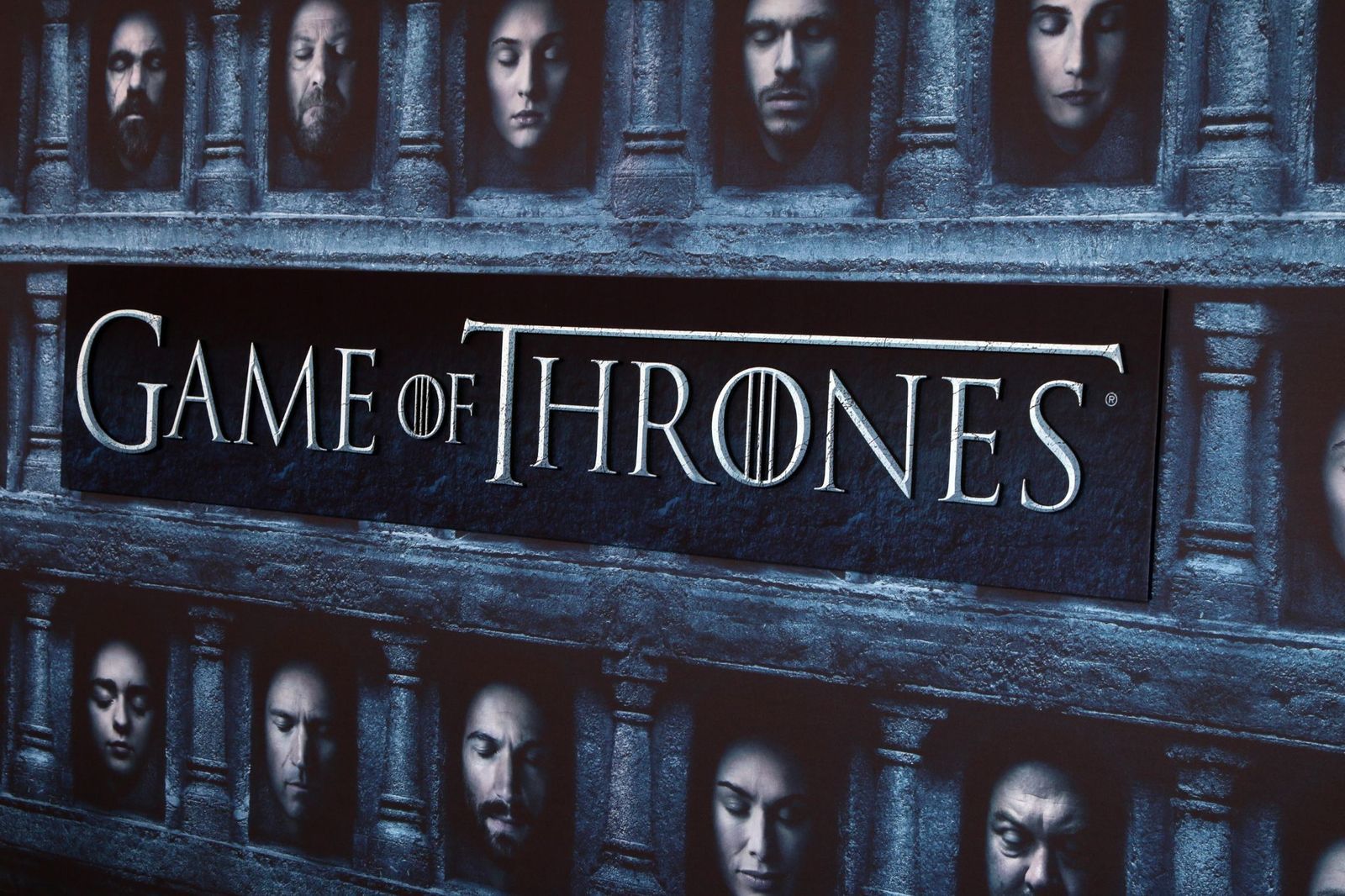
Do you enjoy escaping from your everyday life through epic adventures with mythical creatures? Then you might’ve watched the extremely successful epic fantasy drama, "Game of Thrones", which aired on HBO and is currently available on streaming.
It’s a visual masterpiece based on George R.R. Martin’s novels titled "A Song of Ice and Fire." These books feature complex political maneuvering among families fighting for the Iron Throne, endless supernatural elements such as the mysterious threat from the frozen North, and morally gray characters who are endearing yet disappointing. Some differences from the original story include new characters and, sometimes, entire plotlines being cut out.
The Handmaid’s Tale
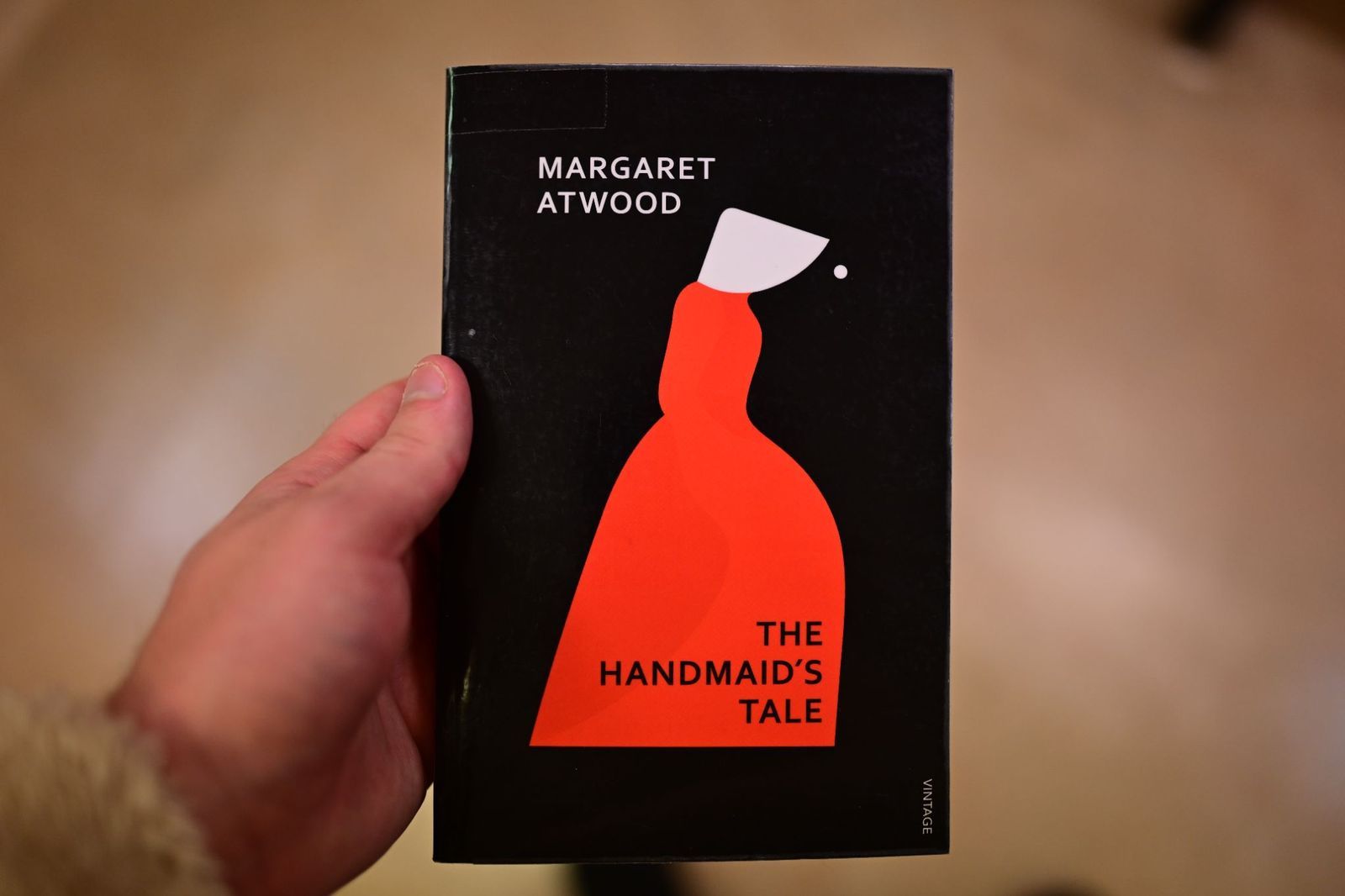
Are you one of those people who likes to reflect on how far human cruelty can go? Then maybe you know about "The Handmaid’s Tale", which aired on Hulu. It's an expanded version of the novel of the same name, written by the well-known Canadian author Margaret Atwood.
The original text was published in 1985 and is considered a groundbreaking speculative and dystopian drama. Hulu’s production then became an award-winning adaptation that builds heavily on the book's initial foundation of terror, subjugation, and resilience experienced by the main character, June (Offred), in the theocratic Republic of Gilead, although less centered on June’s famous internal monologues and more on other aspects like the "Colonies" and the Commanders' secret lives.
Little House on the Prairie
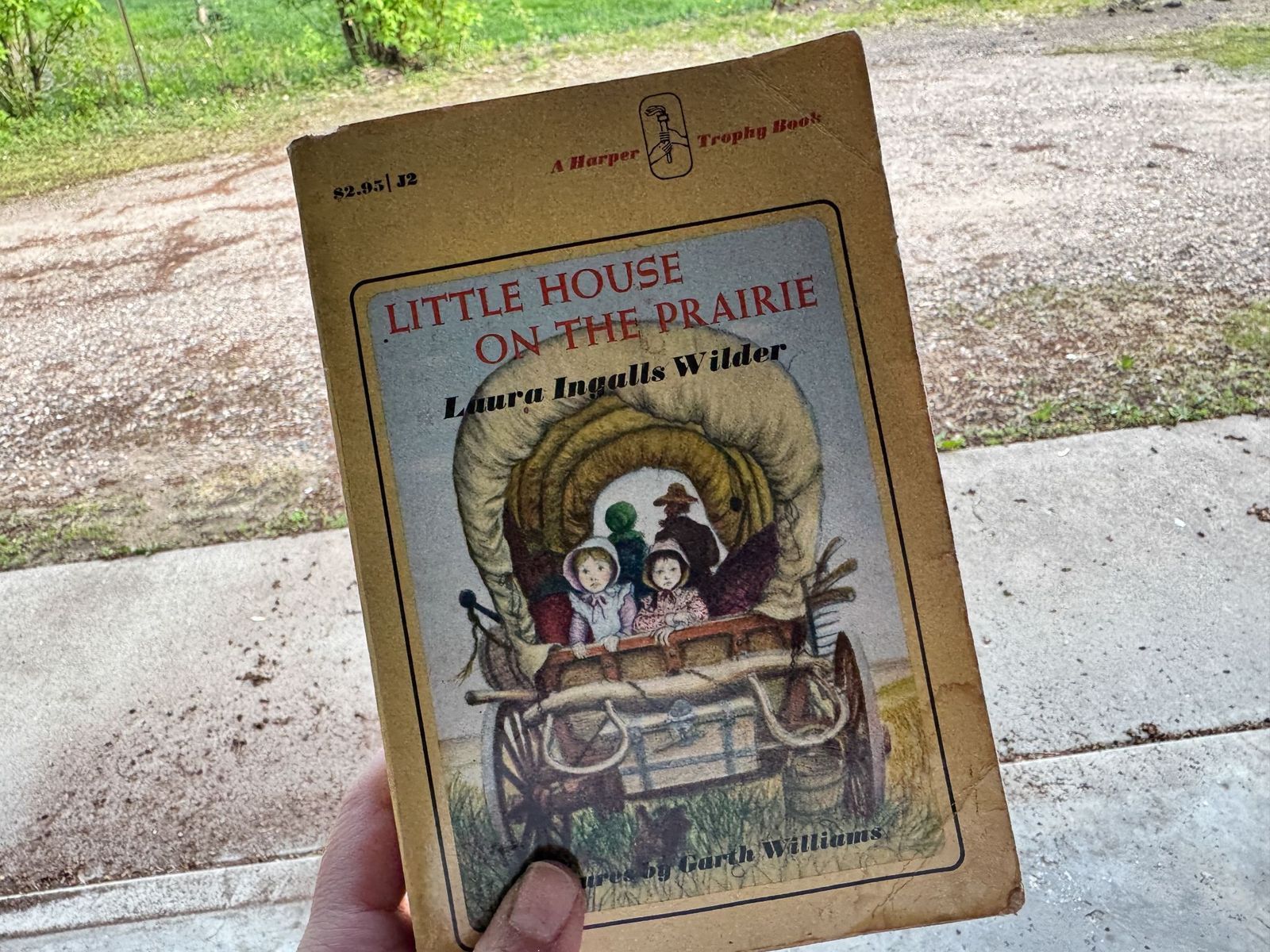
For those who love spending time with family and friends, this is an all-time favorite. The NBC series "Little House on the Prairie", developed by Michael Landon, is a legendary adaptation of Laura Ingalls Wilder’s semi-autobiographical novels (the first of the same name and the follow-up book titled "On the Banks of Plum Creek").
It’s important to note that the original books presented an authentic, grounded look at 19th-century pioneer survival, including more grueling realities and extreme danger, and the TV show leans into a broader family drama, balancing day-to-day country hardship with deeply emotional and heartwarming storytelling focused on romance and community.
Outlander
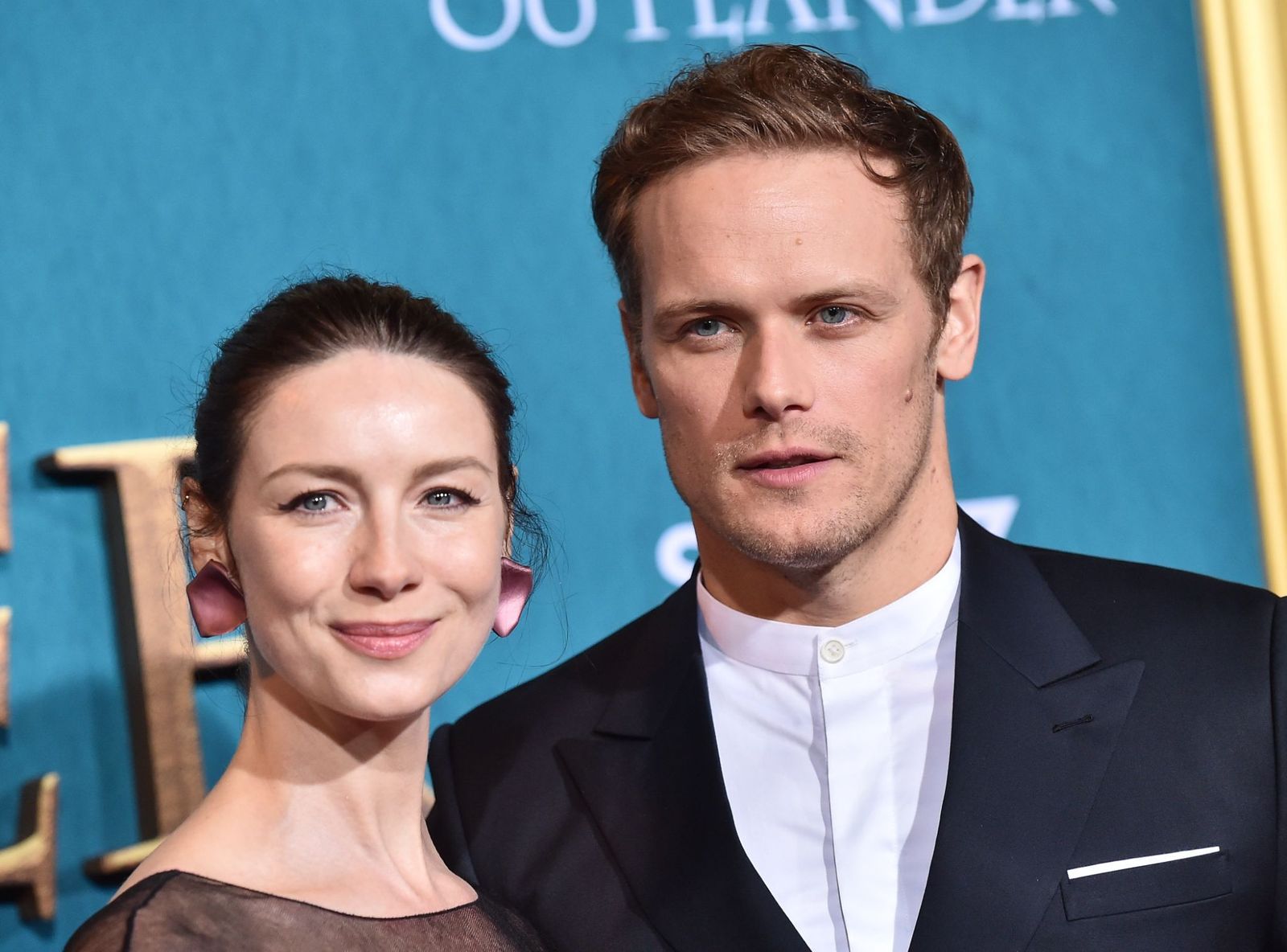
Romantic stories tend to be a big favorite. For all those who love love and are open to a bit of fantasy too, "Outlander", which aired on the Starz network, is a fantastic choice. The show is a condensed adaptation of the best-selling novels by author Diana Gabaldon.
These books are an epic romantic fantasy about time-travel, romance, and war. They center around a nurse named Claire in 1945 who visits Scotland. She then touches a magical stone, and suddenly finds herself in the 18th century. As the story develops, referencing real historical events, she shares a deep love with a Scottish warrior named Jamie, and they fight to stay together across time and space.
Sherlock

Have you ever longed to follow clues and solve mysteries? Then you probably love all things Sherlock. The BBC show adaptation of the same name has been a brilliant reimagining of Sir Arthur Conan Doyle’s classic 19th-century books for modern times, swapping notepads for cell phones.
Sir Arthur Conan Doyle’s original texts include four novels and 56 short stories written between 1887 and 1922, creating the modern mystery genre and establishing the famous Mr. Holmes as the ultimate master of deduction; that is, the art of reaching big conclusions from small clues. The stories are famous for the detailed clues that invite the reader to play the detective game alongside Holmes and his close friend, Dr. John Watson.
Pride and Prejudice (miniseries)
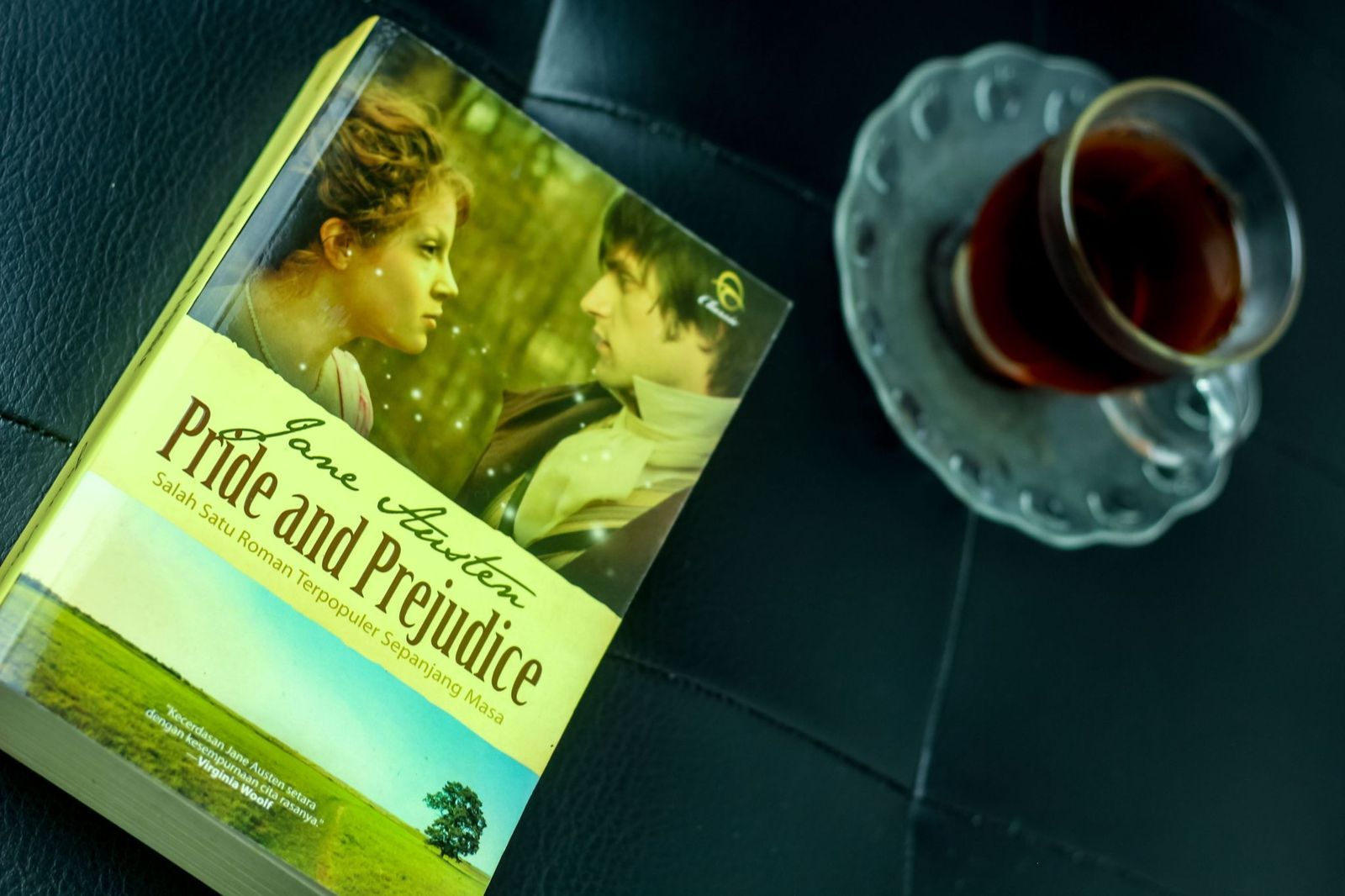
Money troubles and social class are other issues that affect all of us, and the 1995 "Pride and Prejudice" miniseries is a brilliant adaptation of the timeless novel of the same name, written by Jane Austen in 1813.
The show is considered a gold standard of TV adaptations, made up of six episodes that perfectly capture the romance and social rules of the book, which follows the witty and intelligent Elizabeth Bennet as she falls in love with the wealthy and proud Mr. Darcy. The novel is especially famous for showing why people often let their egos get in the way (pride) and judge others too quickly (prejudice).
Bridgerton
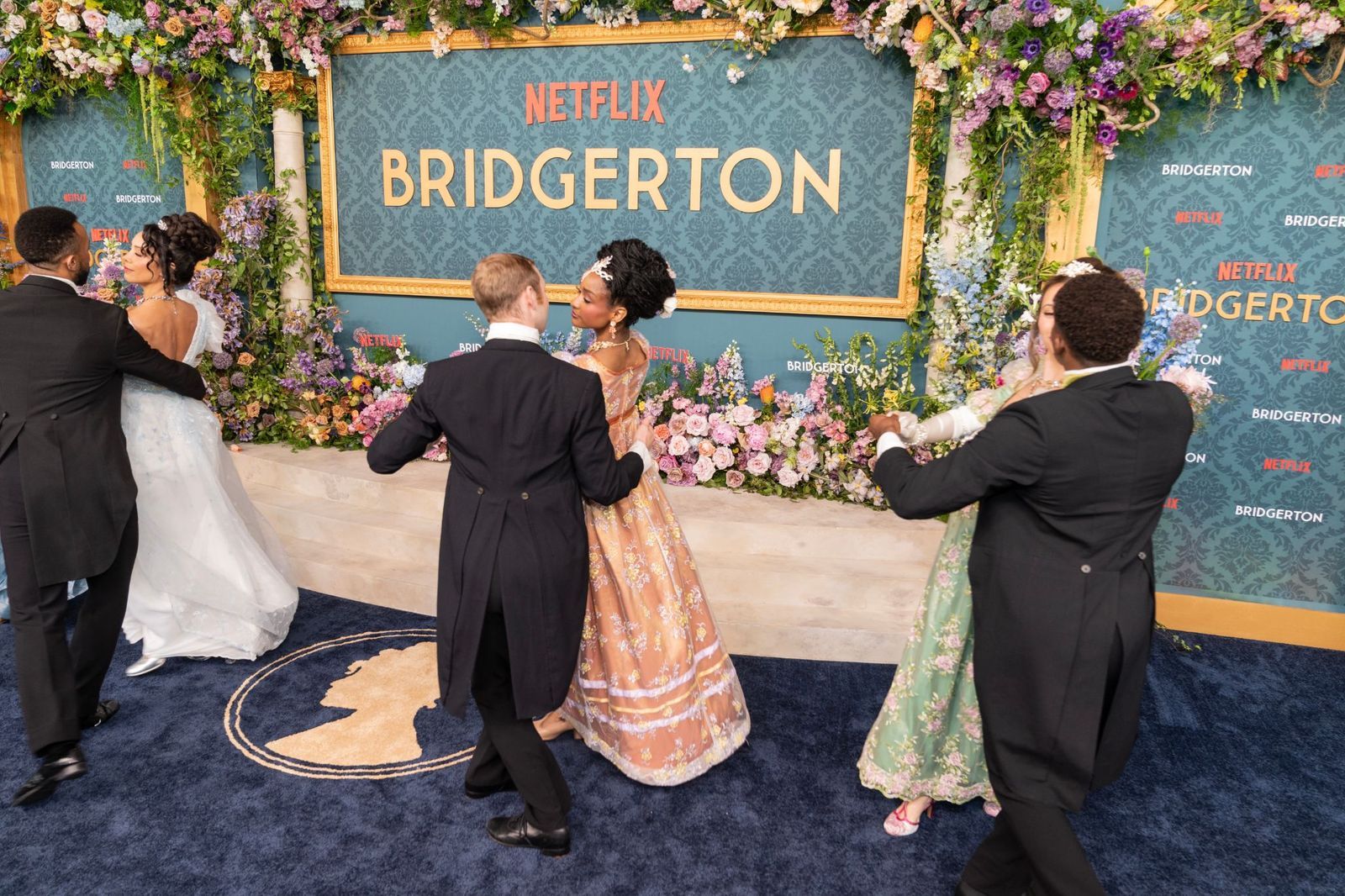
And for the endless romantics, here we have another option: the Netflix adaptation of "Bridgerton", based on a collection of eight novels written by Julia Quinn, each story focusing on a Bridgerton sibling's search for true love.
While the books are considered entertaining, many fans argue that the TV show offers a richer version of the original stories, maintaining their essence while expanding the narrative into a more exciting on-screen experience, including deeper characters, heightened drama, visual magic, and powerful soundtracks.
Dexter

Beyond usual crowd favorites, viewers often want to watch something a bit more twisted and are intrigued by exploring what’s behind a murderous mind. For those situations, Showtime’s "Dexter" is perfect.
The show is based on the book "Darkly Dreaming Dexter" by Jeff Lindsay. It follows Dexter Morgan, who by day works for the police and solves murders, and by night, he is a vigilante serial killer who hunts other murderers. The first season closely follows the novel, but as the show continues, it begins to differ, presenting deeper character arcs and alternate explanations, such as Dexter’s desire to kill being the result of psychological trauma (instead of the mysterious dark ‘power’ described in the text).
The Queen’s Gambit
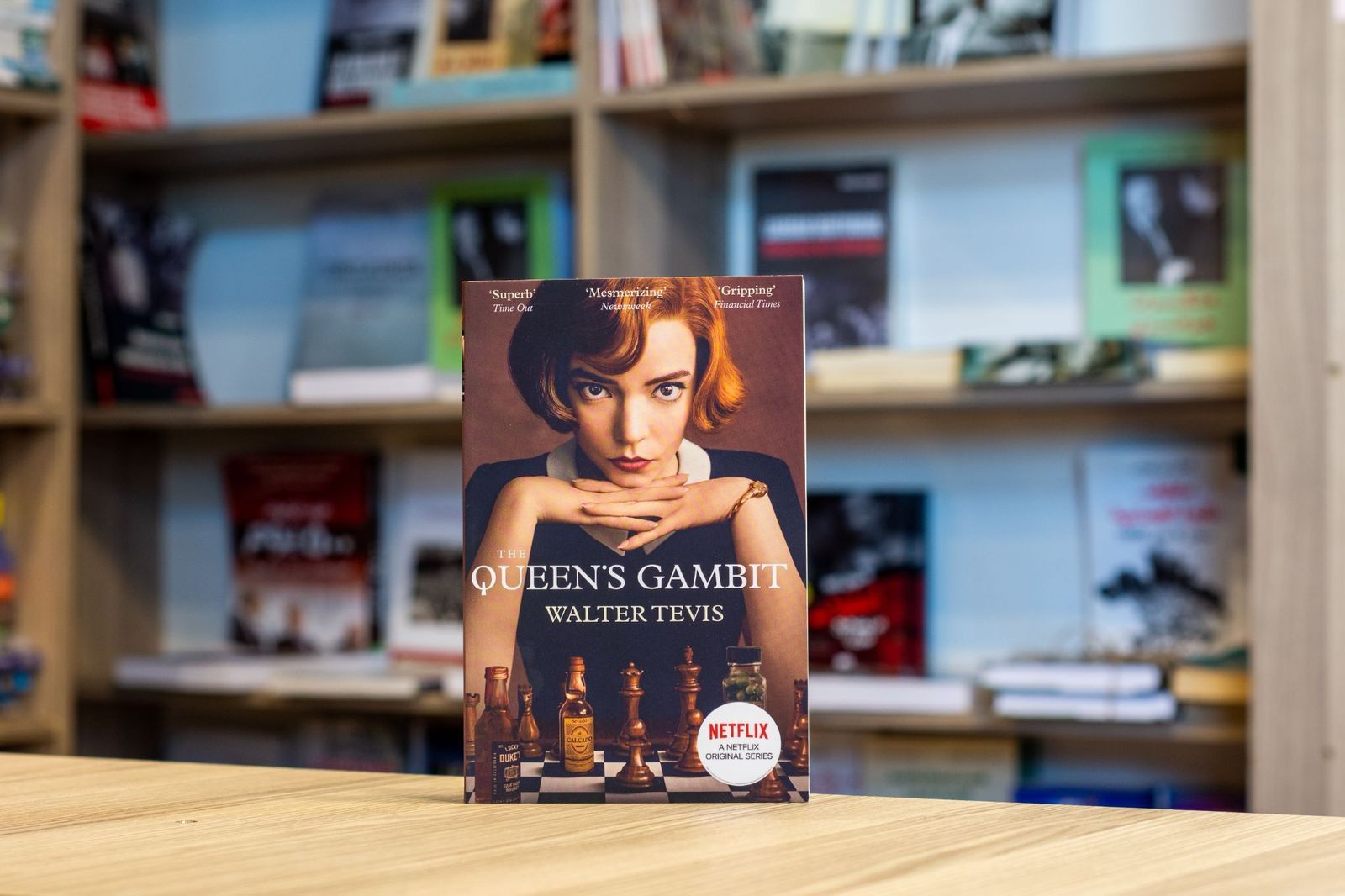
To broaden the scope, let’s look at shows that also cover historical situations and, in this case, a story concerning the game of chess. We are talking about Netflix’s show "The Queen’s Gambit", which is a very faithful and stunning adaptation of Walter Tevis’s 1983 novel of the same name.
Both tell the gripping story of Beth Harmon, an orphan and chess genius who rises to become a chess master, while she battles addiction to drugs and alcohol, the pressures of fame, and sexism in the male-dominated world of chess.
House of Cards
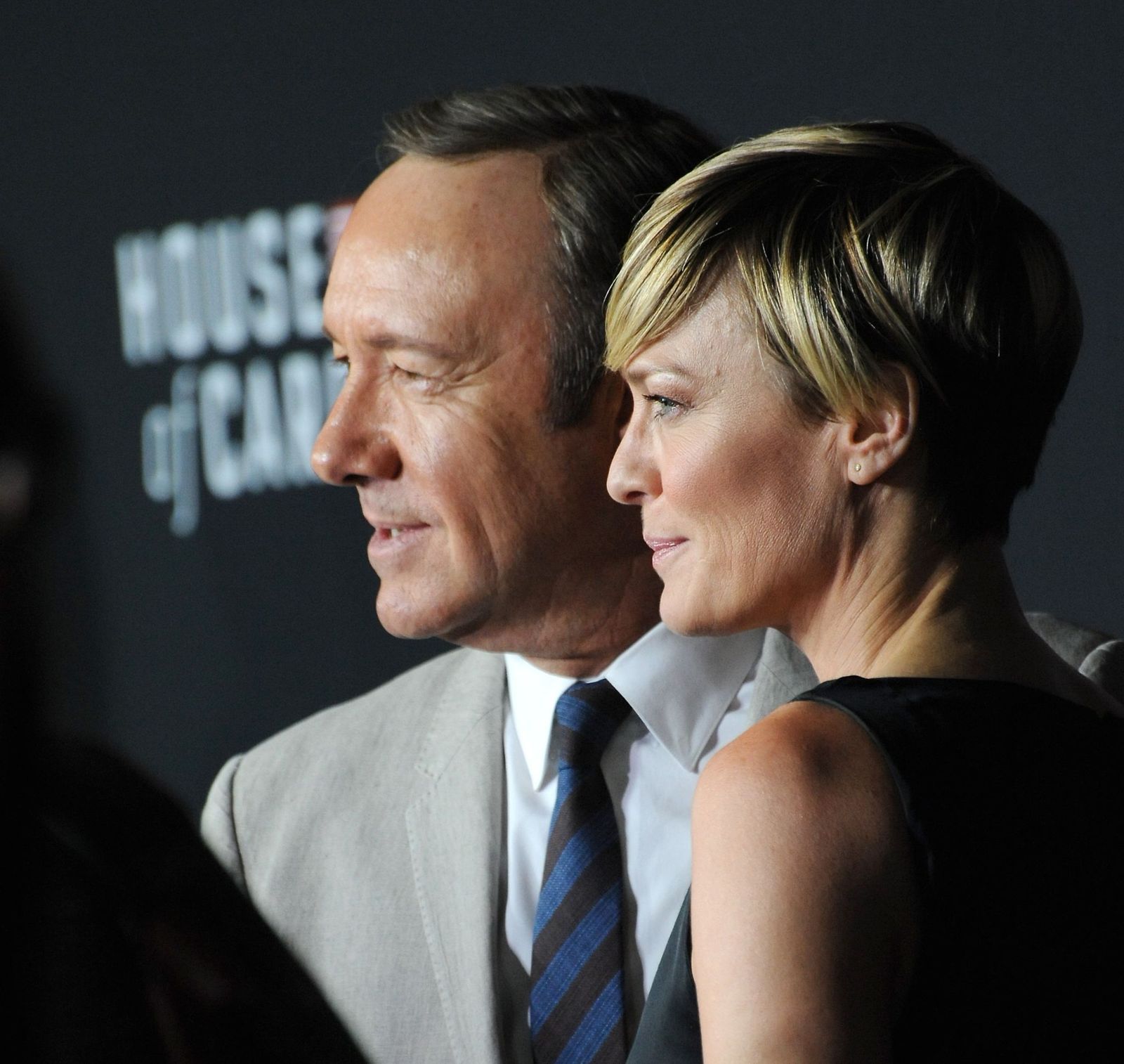
Last but not least, to round out the list with a fantastic show that centers on politics, Netflix’s 2013 "House of Cards", based on the 1989 novel by British author Michael Dobbs, starring Kevin Spacey and Robyn Wright, was extremely popular.
The original story follows a British politician named Francis Urquhart and his thirst for power. In contrast, the TV show focuses on Frank and Claire Underwood, a ruthless and power-hungry couple living in Washington, D.C. After Frank is denied a cabinet appointment, he begins a quest, at any cost, to climb the ladder to the presidency.