Timeless wisdom shared
What did Eleanor Roosevelt mean by that? Famous phrases explained
Published on July 24, 2026
"The future belongs to those who believe in the beauty of their dreams": iconic quotes like this inspire us, and "Well done is better than well said" captures an important life lesson. If we keep these words in mind more often, life might be a little easier. Here are 10 famous phrases by remarkable people and what they really mean.
"That’s one small step for man, one giant leap for mankind." – Neil Armstrong
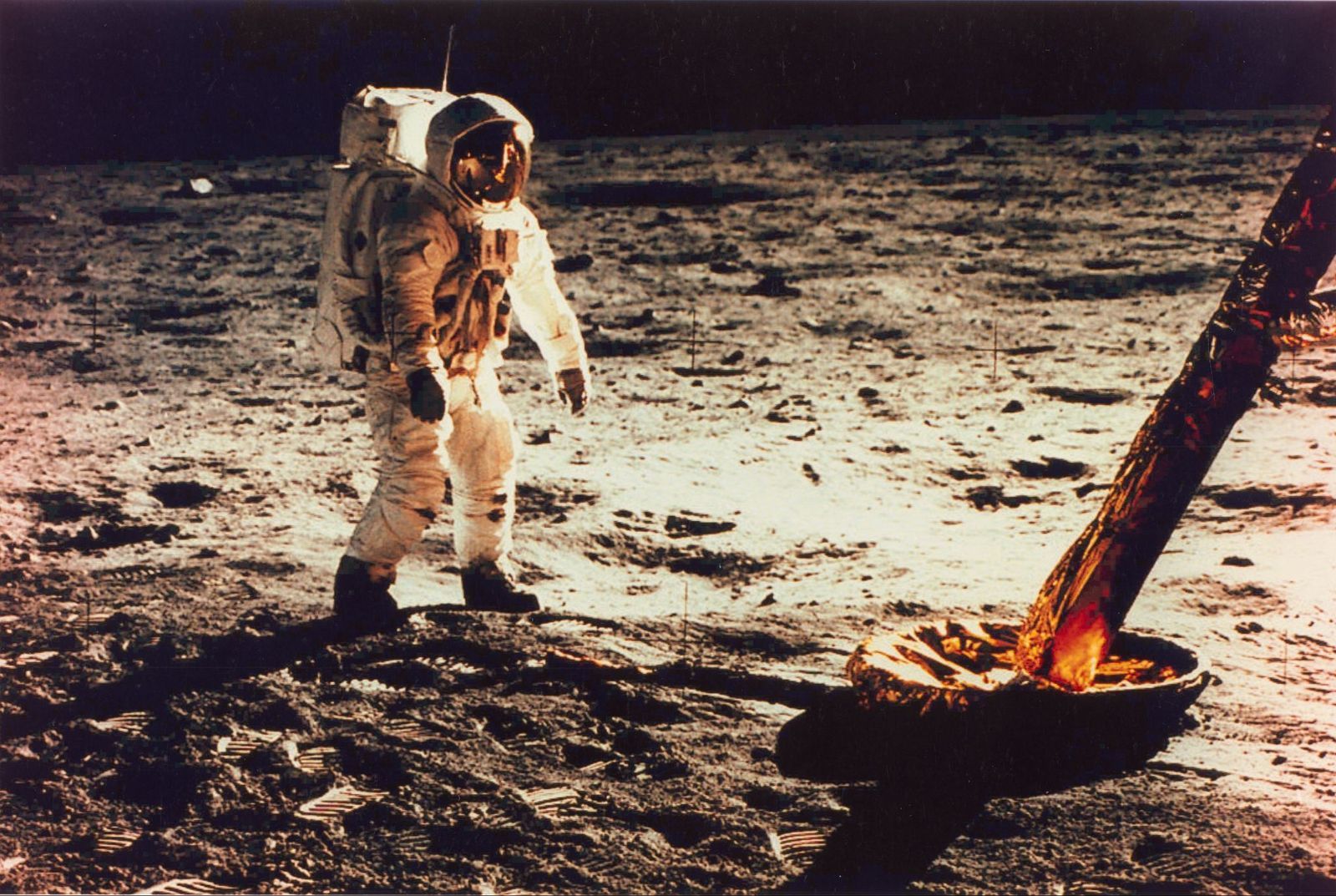
Chores and work pile up for everyone, and the beginning is often the hardest part. But once you do, even with just one tiny task, that’s enough to get you going. Neil Armstrong (1930-2012) was an aeronautical engineer, astronaut, and the first human to set foot on the moon as commander of the Apollo 11 mission.
Spoken on July 20, 1969, these words marked the crowning moment of the U.S. space program during the Cold War. The phrase contrasts the literal step Armstrong was taking with the broader achievement it represented for humanity.
"Stay hungry, stay foolish." – Steve Jobs
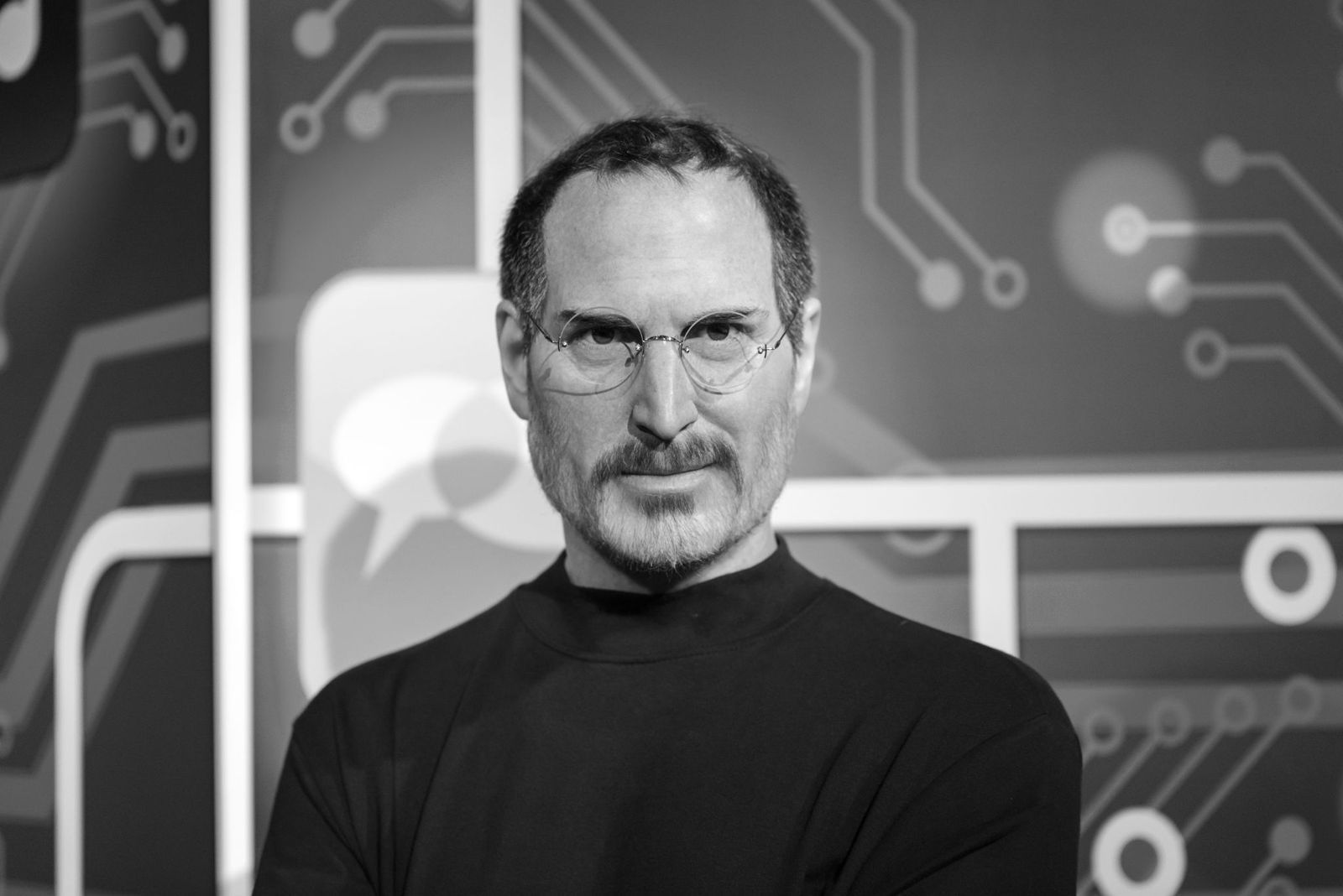
Sometimes we want to motivate others and even ourselves to "think different", as Apple once said, and no one embodied that better than Steven Paul Jobs, more popularly known as Steve Jobs (1955-2011).
He was an influential entrepreneur, industrial designer, and media mogul who co-founded and was the CEO of Apple. Jobs delivered this iconic line during Stanford University’s commencement speech in 2005. Essentially, it is a call to maintain an insatiable curiosity and desire to learn ("stay hungry") and an openness to risks and unconventional ideas without focusing on the possibility of failure ("stay foolish").
"You may encounter many defeats, but you must not be defeated." – Maya Angelou
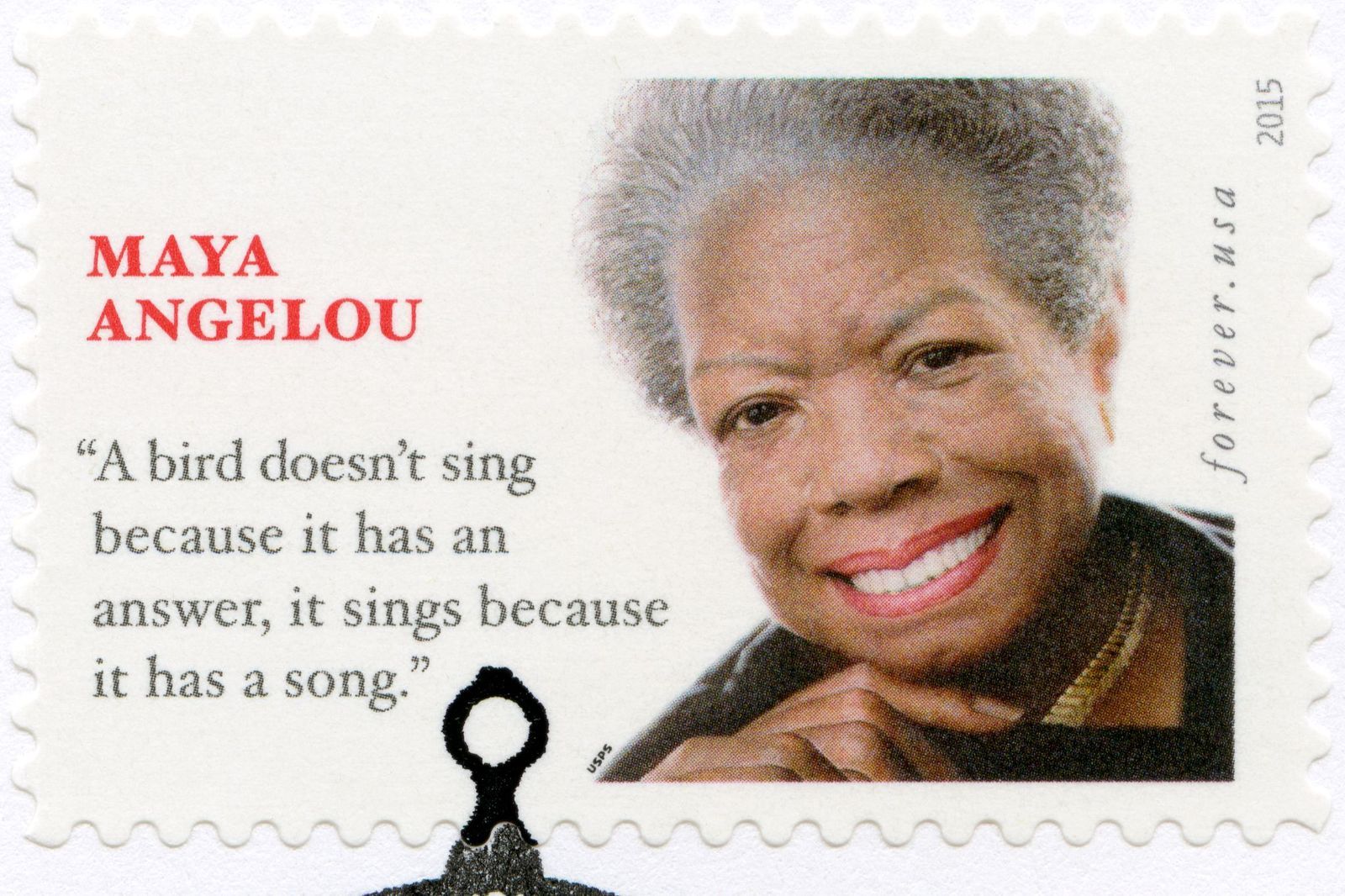
How many times have you had a rough day or been through something that made you feel like giving up? This famous quote by Dr. Marguerite Annie Johnson, better known as Maya Angelou (1928-2014), reminds us that true defeat comes when we give up and that resilience helps us get up after every fall. In other words, success isn’t about avoiding failure but about refusing to let it break you.
She was an internationally acclaimed writer, poet, singer, and civil rights activist. She published seven memoirs, including I Know Why the Caged Bird Sings (1969), three books of essays, and several collections of poetry.
"Float like a butterfly, sting like a bee." – Muhammad Ali
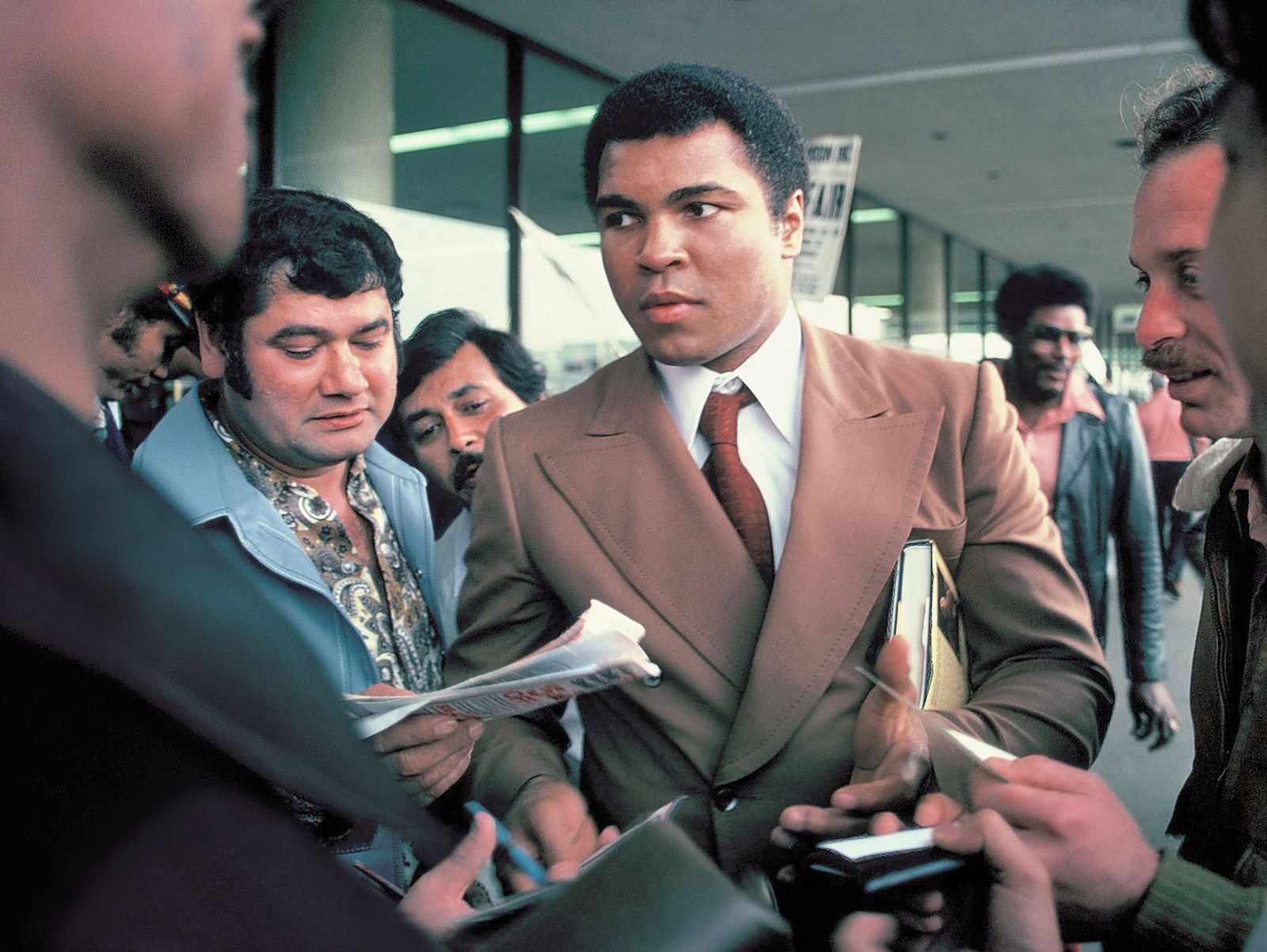
Just when we can feel like we are a walking paradox, words have the unique ability to connect opposites. Muhammad Ali (1942-2016) was an American boxer, activist, and one of the most influential sportsmen of the 20th century. He is widely regarded as the greatest heavyweight boxer of all time and was also known for his poetic flair.
This famous quote brings together his love for language and legendary fighting style. It describes how he moved effortlessly around the ring before delivering his sharp knockout blows.
"The future belongs to those who believe in the beauty of their dreams." – Eleanor Roosevelt
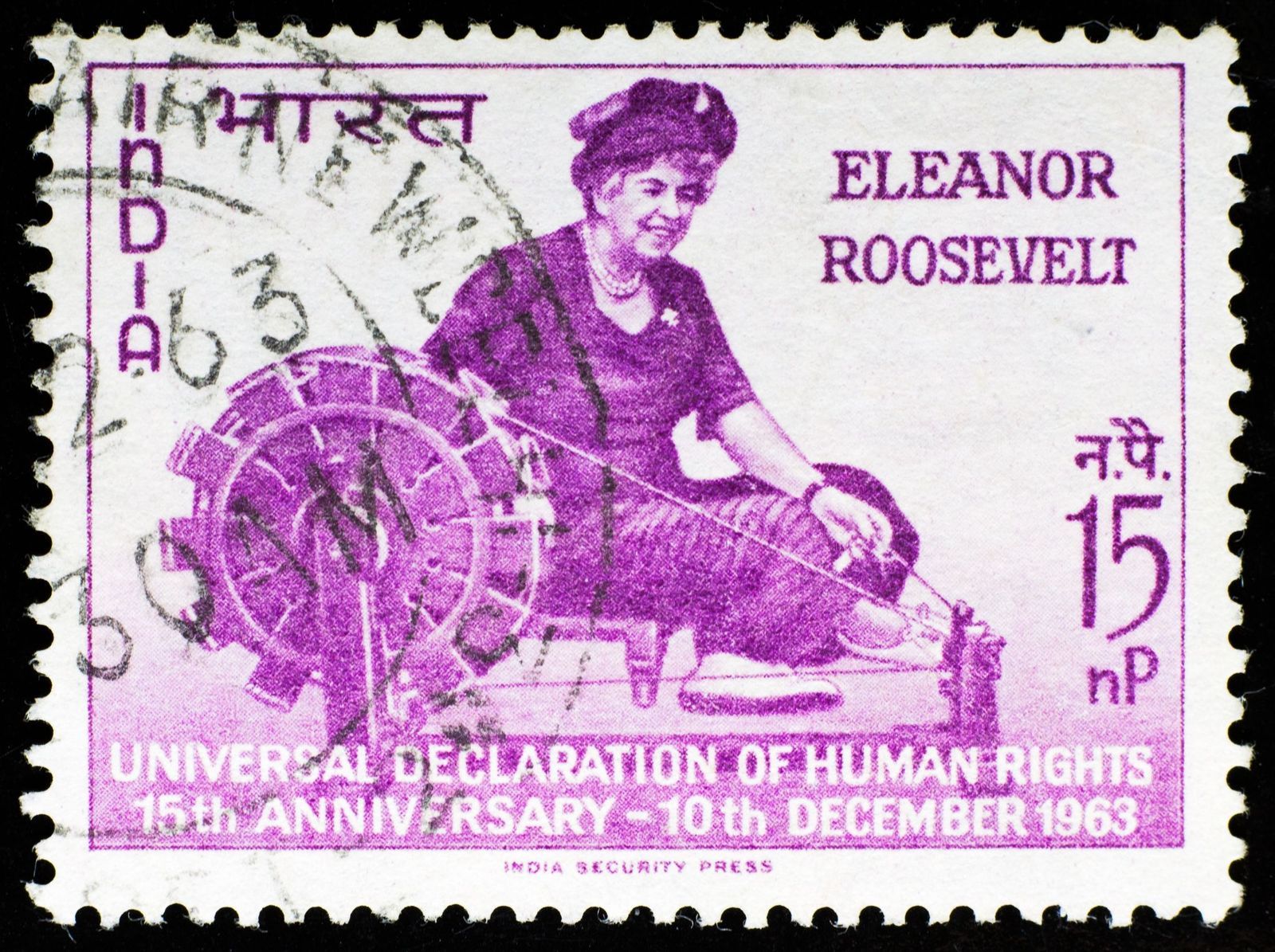
You’ve probably faced moments of doubt in your life, a trip that seemed impossible to take, or a job that felt out of reach. But there comes a point when we must remember the things we dare to imagine are the blueprints for where we are headed.
That’s exactly what Eleanor Roosevelt (1884-1962) meant by this phrase. The former U.S. First Lady, tireless civil rights advocate, and U.S. delegate to the United Nations was one of the most influential figures of the 20th century. She didn’t just write these words; she lived by them. This quote reflects her belief that ordinary people can make a difference if they dare to dream and have the perseverance to act.
"Well done is better than well said." –Benjamin Franklin
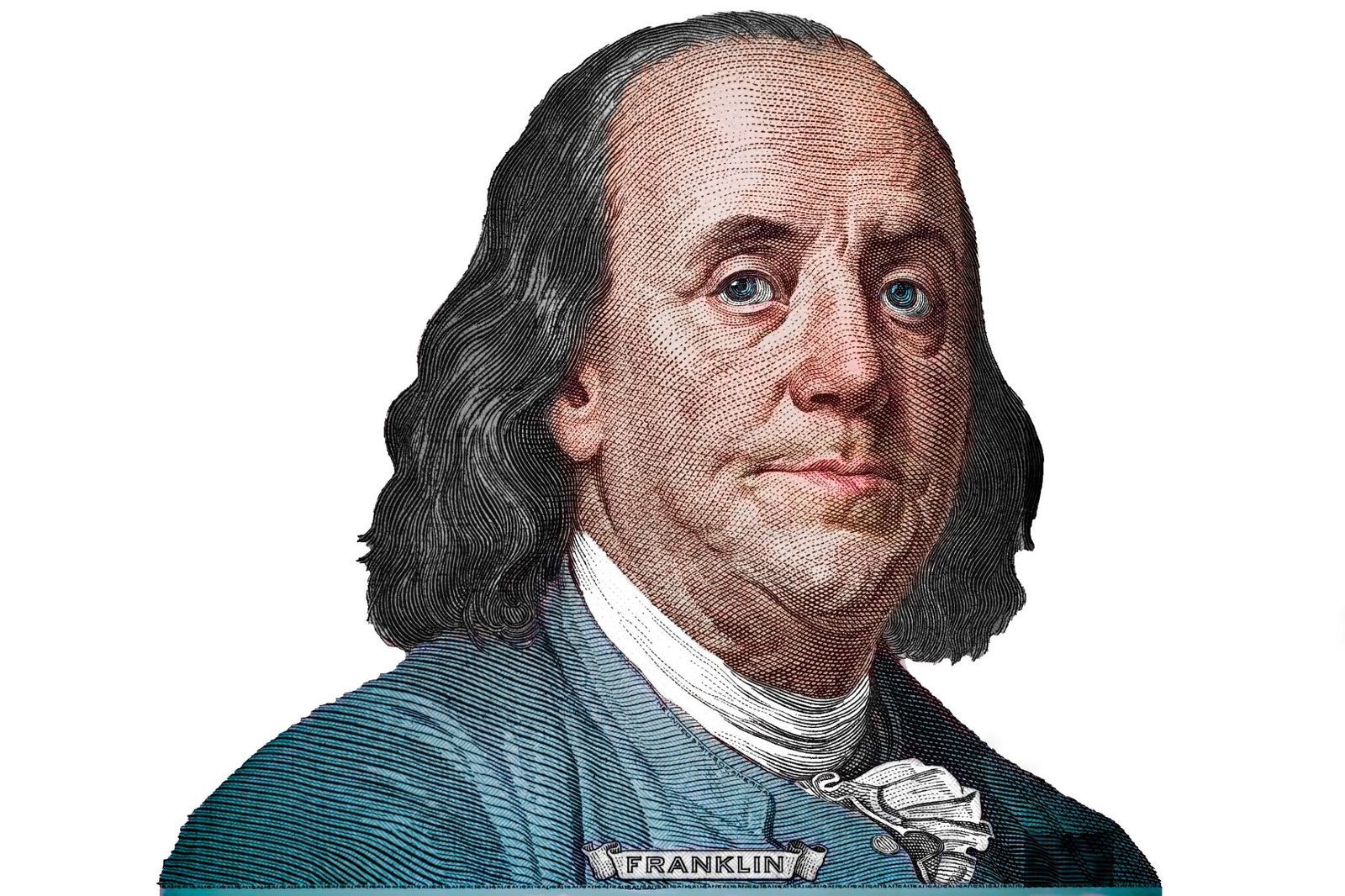
Sometimes the most important ideas sound the simplest, but they were once said by people who were so different from the rest that they made difficult ideas seem easy. Benjamin Franklin (1706-1790) was one of these people. He was one of the Founding Fathers of the United States, as well as a politician, scientist, and American inventor.
Franklin’s maxim, published in his Poor Richard’s Almanack (1737), means that taking action and achieving concrete results is much more important than merely talking about things without getting anywhere. Ultimately, it is the 18th-century equivalent of "Actions speak louder than words."
"Speak softly and carry a big stick." – Theodore Roosevelt
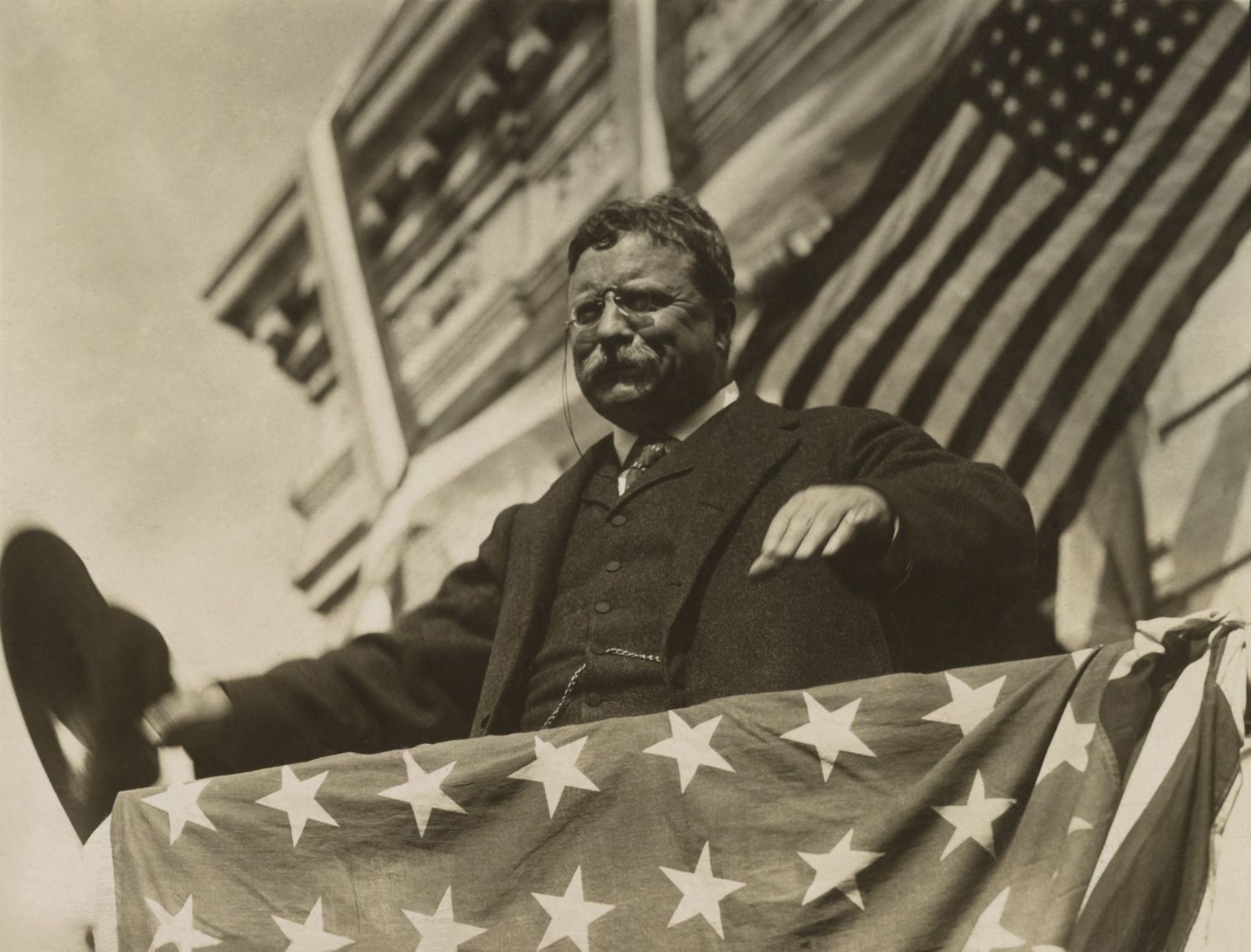
Topics such as foreign policy can seem distant and complex, but Theodore Roosevelt (1858-1919), an American politician who served as the 26th President of the United States from 1901 to 1909, and vice president in the preceding term, made the idea easier to understand and applicable to everyday life.
This phrase, often cited as a proverb, was popularized by Roosevelt in reference to foreign policy. It means that one should negotiate peacefully and respectfully ("speak softly"), while sustaining a constant and credible threat of power in reserve ("carry a big stick") to back up one’s words.
"The most difficult thing is the decision to act, the rest is merely tenacity." – Amelia Earhart
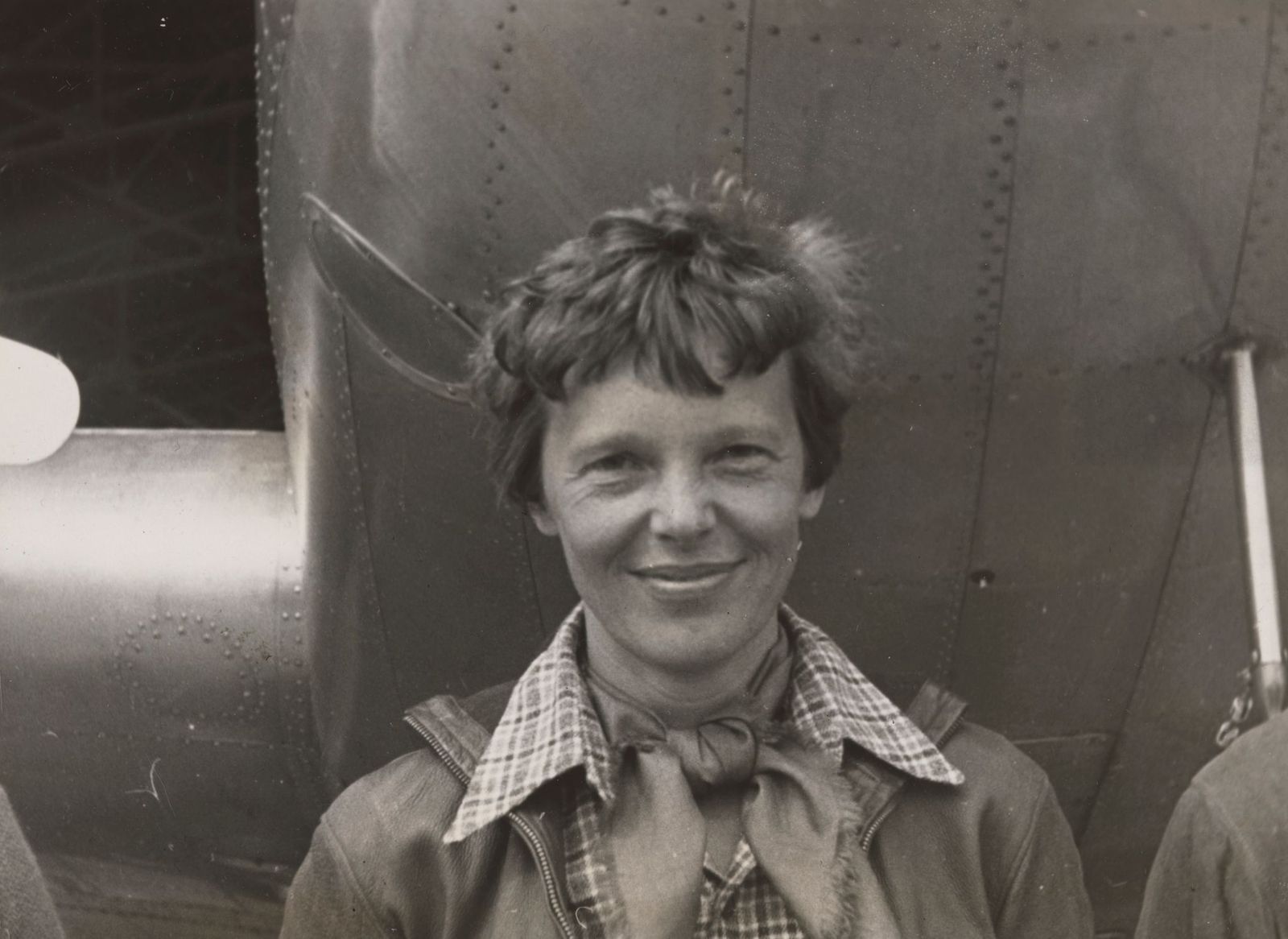
How often are we afraid to go after what we want? And when we finally do, how many of us are strong enough to keep going and face the challenges ahead? Amelia Earhart (born in 1897, missing since 1937, and declared dead in 1939) was a pioneer in American aviation, having been the first woman to cross the Atlantic nonstop and alone, and the person who said these words.
They remind us that the mental hurdle of starting something new and facing one's fears is often the hardest step. Once you commit, however, overcoming the obstacles that will arise requires determination and endurance.
"Women's rights are human rights." – Hillary Clinton
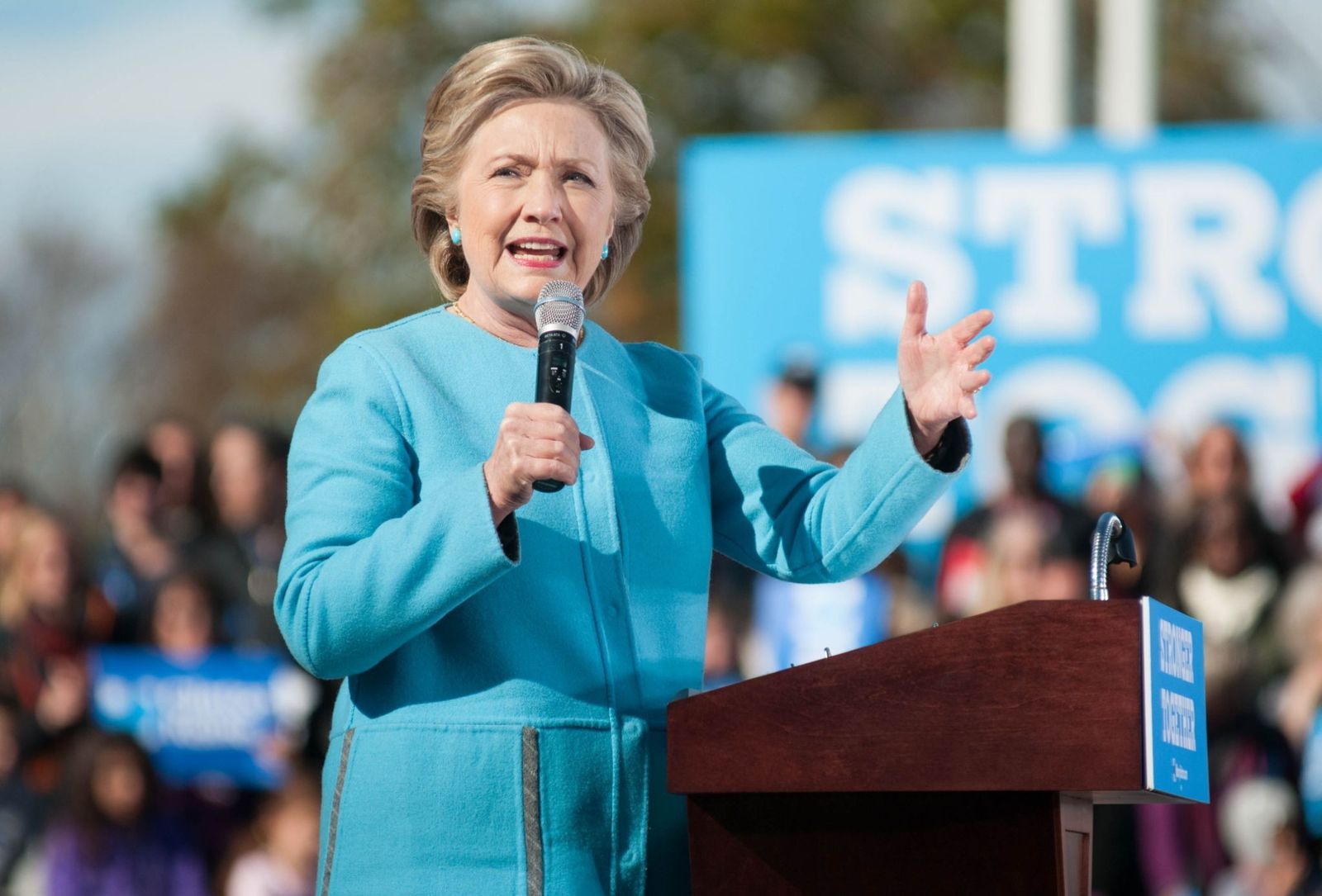
At times, the most obvious truths are the hardest to explain, but not for Hillary Clinton (born in 1947). She has had an internationally acclaimed career spanning roles as a politician, diplomat, lawyer, and philanthropist. She was the 67th United States Secretary of State, served in the United States Senate, and ran for president in 2008 and 2016.
Her quote was delivered in 1995, when she was First Lady, at the United Nations Fourth World Conference on Women, in Beijing, China. This iconic statement dismantles the excuse that women’s issues are either cultural or secondary, and instead establishes that protecting women is an essential component of universal human rights.
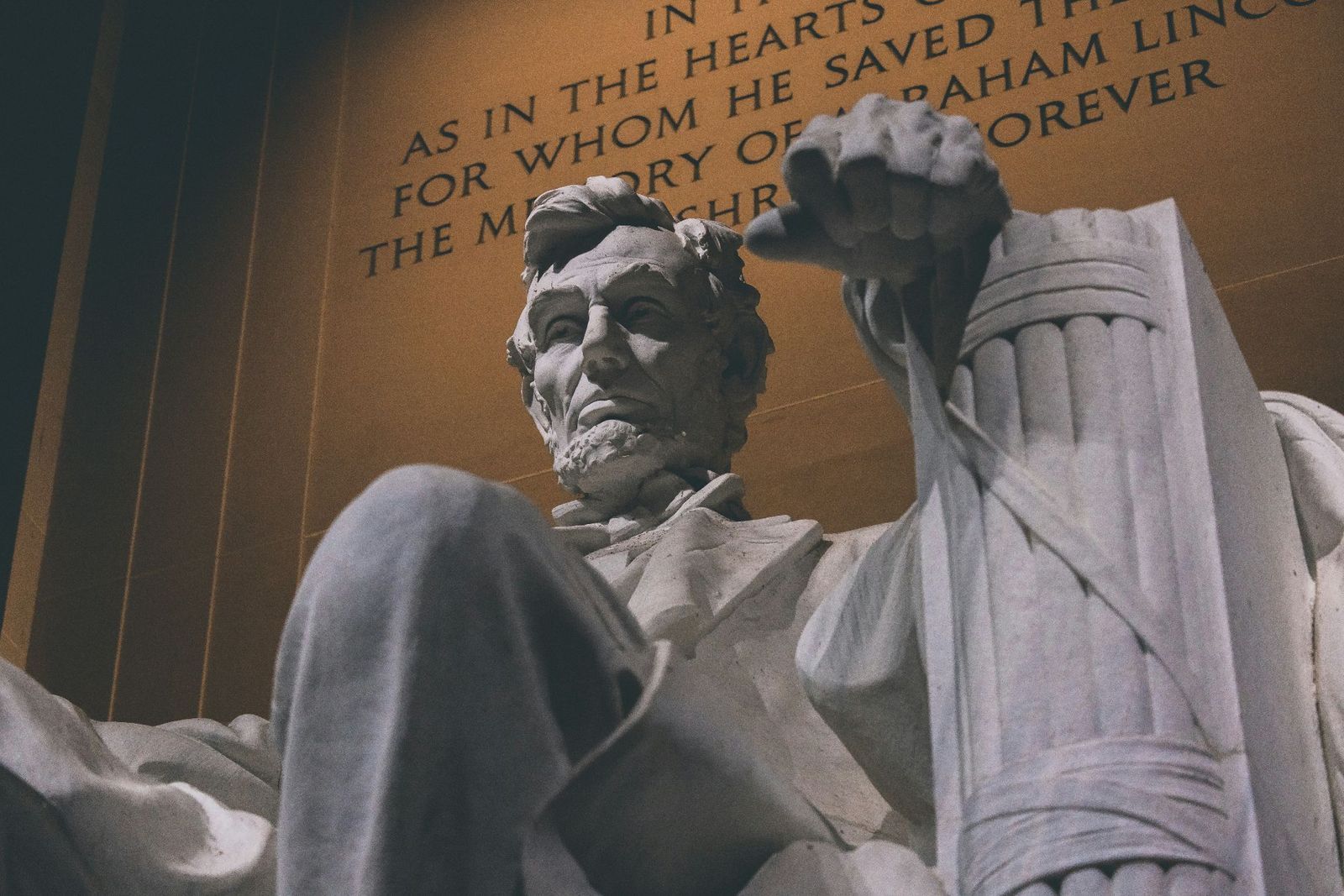
"Government of the people, by the people, for the people, shall not perish from the Earth." – Abraham Lincoln
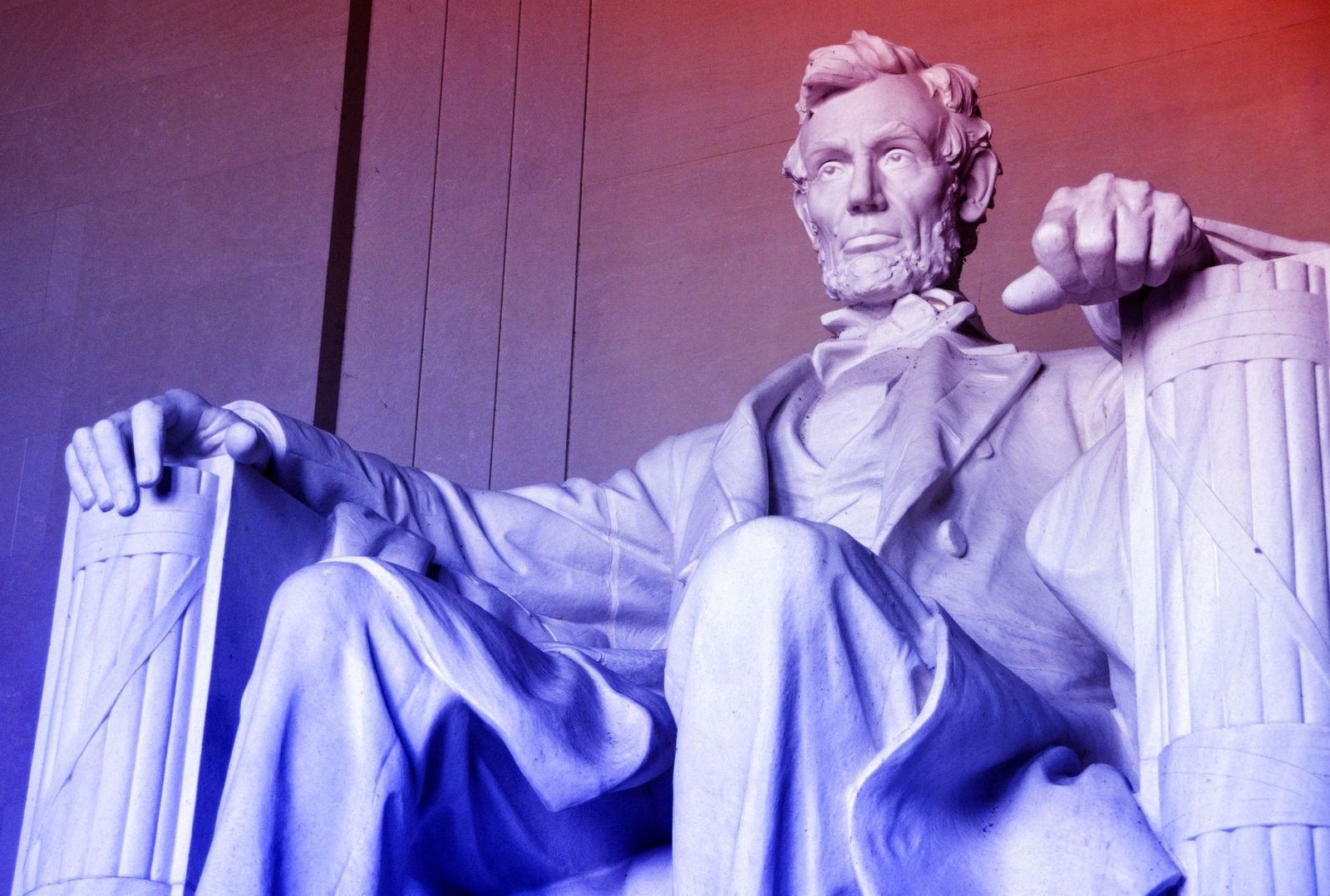
Another issue that often appears to be complex is the structure of government, but another great American politician, Abraham Lincoln (1809-1865), who was a lawyer and served as the 16th president of the United States from 1861 until his assassination in 1865, helped us understand it better.
Lincoln spoke these words in 1863 during the Gettysburg Address, which is considered one of the clearest definitions of American democracy: power derives from the consent of the governed (the people); it is exercised by their representatives (by the people); and it exists there to serve the public welfare (for the people).