The 10 books that changed us (and still do)


Published on July 16, 2026


Image: Mike_shots

Accepting death as part of life, that growing up is painful, and that love is often what saves us are just a few of the lessons these stories bring, through tears and laughter. For those of you who have been lucky enough to read these gems, this is a chance to rediscover them. For those of you who have yet to encounter some of these books, here are the powerful lessons they offer.

1

"To Kill a Mockingbird" and moral courage

Image: hamdi bendali

"To Kill a Mockingbird" is a classic 1960 novel by American writer Harper Lee. It is a coming-of-age story set in Alabama during the Great Depression. The plot follows a young girl named Scout, as her lawyer father, Atticus, defends a Black man who is falsely accused of a crime.

The book has many powerful lessons, and moral courage is key. The story shows how racism and unfair judgment can hurt innocent people. The mockingbird is the symbol of innocence, since Atticus teaches his children that they must never kill one because these birds don’t harm anyone; they only make beautiful music.

2

"The Catcher in the Rye" and teenage voice
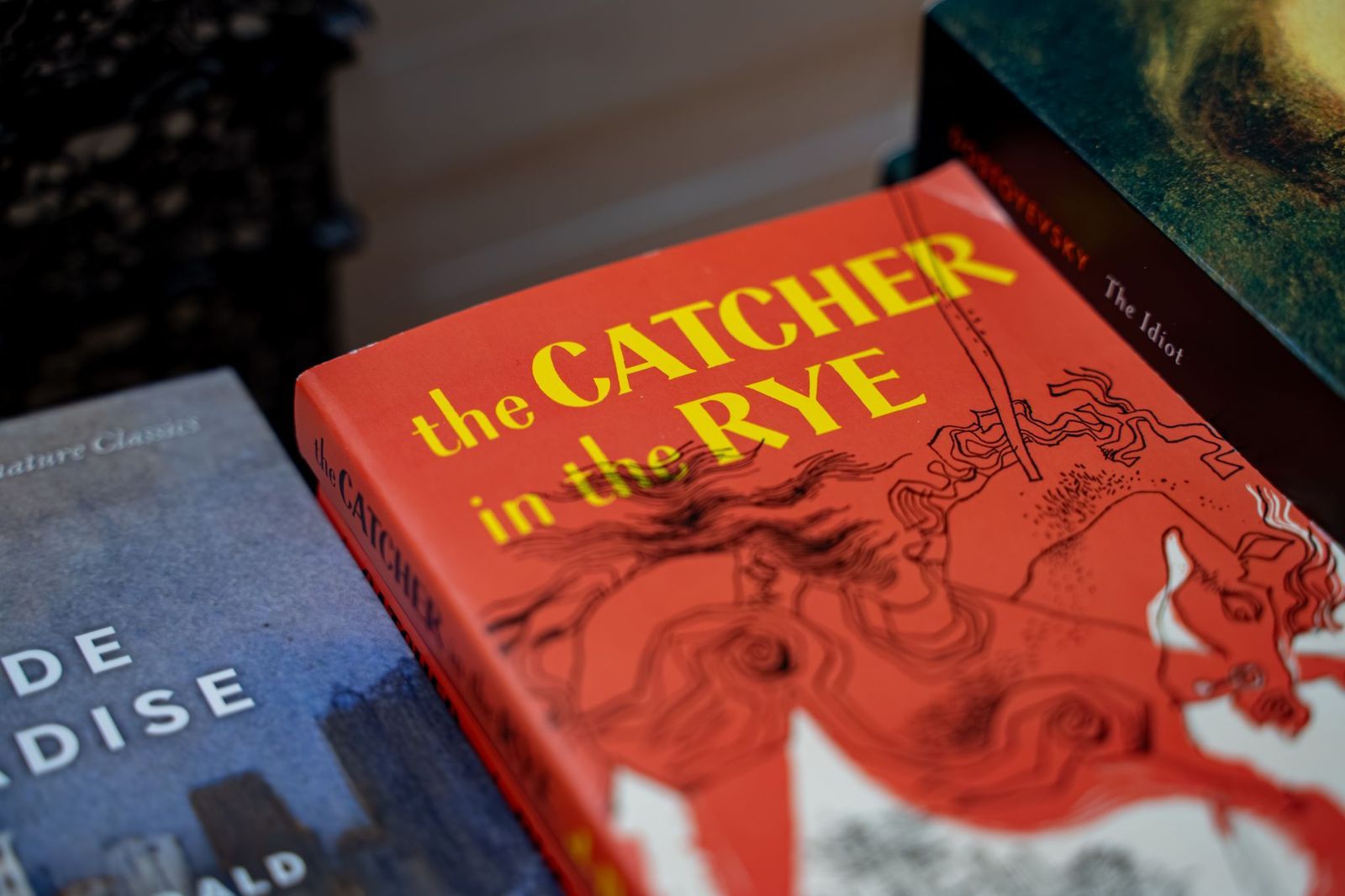
Image: Erman Gunes

"The Catcher in the Rye" is a 1951 novel by American writer J.D. Salinger. It follows Holden Caulfield, a troubled 16-year-old who is expelled from boarding school just before the Christmas holidays. During this time, he wanders the streets of New York alone, searching for a real connection as he deals with growing up.

The core message centers on how teenagers really think, through everyday slang, while reflecting on the adult world, which Holden considers full of "phonies" who fake it to fit in. The angst of feeling lonely and like an outsider is central. Holden also wants to protect the innocence of children and imagines being the "catcher in the rye" who saves children from falling off a cliff while they play in a rye field.

3

"The Outsiders" and belonging & identity

Image: BERMIX STUDIO

"The Outsiders" is a 1967 novel by American author S.E. Hinton that defined the young adult (YA) literary genre. It is a story about a group of teens divided by class. It follows two different groups: the "Greasers" (poor kids) and the "Socs" (rich kids) living in Tulsa, Oklahoma, during the 1960s.

The plot centers around Ponyboy Curtis, who is 14 years old and discovers that people are much more than their social labels. The story is an iconic representation of the raw emotional challenges, social divides, and search for identity that occurs during adolescence.

4

"1984" and the fear of control

Image: Jeff Whyte

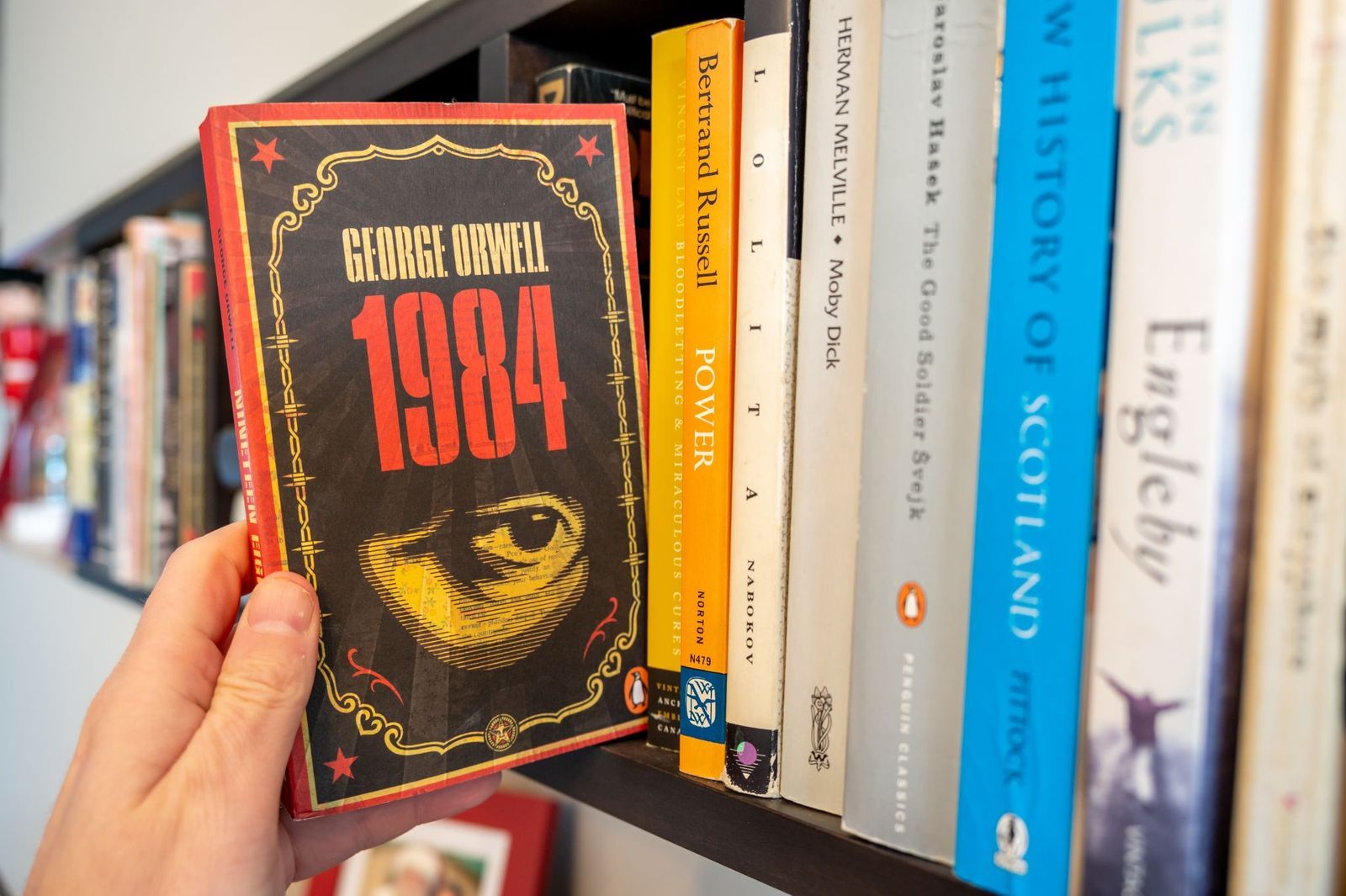
"1984" is a 1949 dystopian novel by English writer George Orwell. It is set in a totalitarian regime where the Party is led by the omnipresent figure known as Big Brother, who exercises extreme control over everyday life, including "thoughtcrime" (questioning those in power is already a crime) and "newspeak" (the destruction of old words so rebellious ideas are impossible).

It remains one of the most important novels of human history. It is a horrifying warning about what happens when a government has too much power, including control of truth, language, and even privacy. Its message is considered by many a crucial reminder to stay vigilant and protect our personal freedoms.

5

"Animal Farm" and political allegory

Image: Steve Travelguide

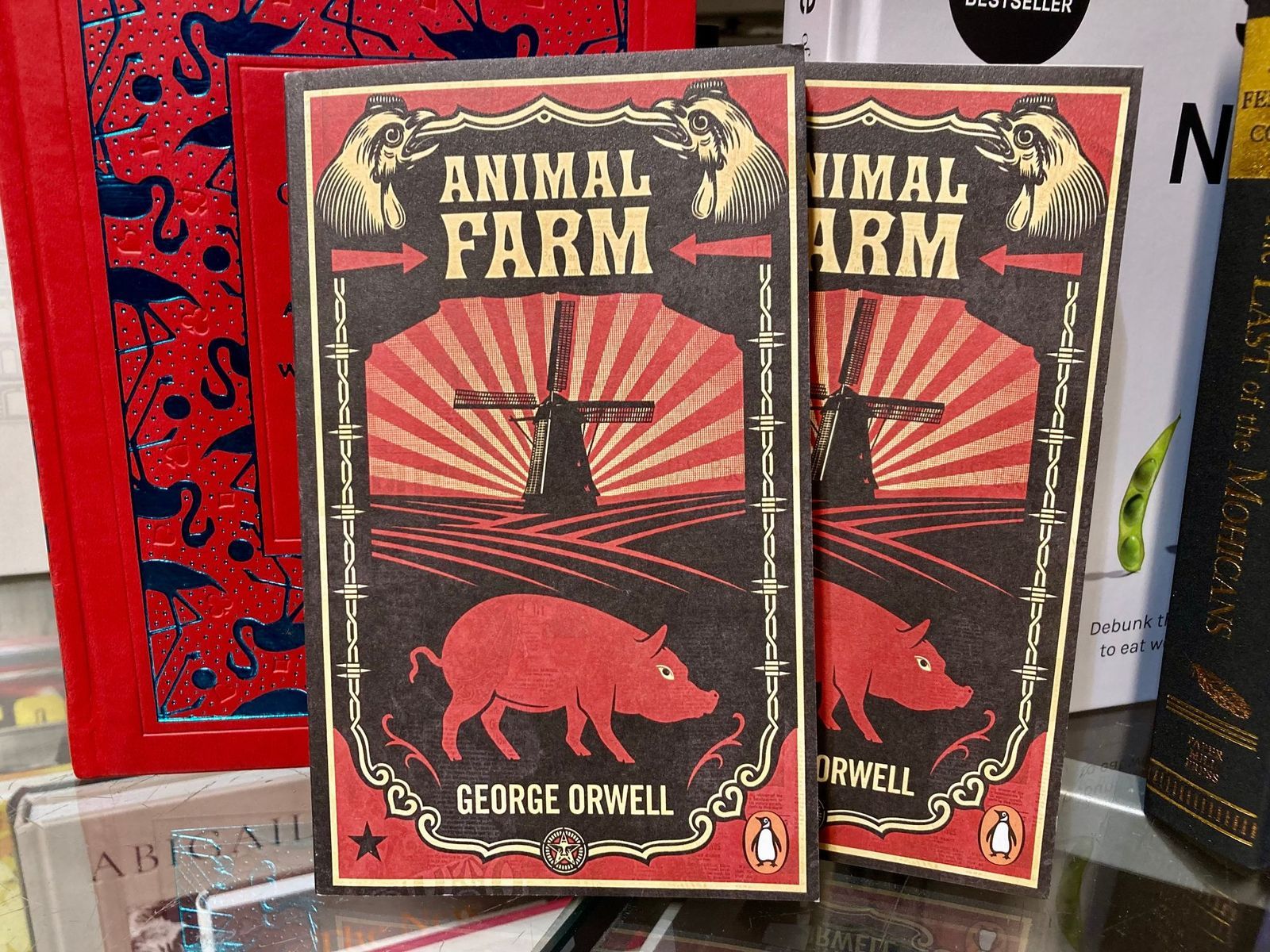
"Animal Farm" is another novel written by British author George Orwell in 1945. It is an allegorical novella that puts farm animals center stage, as they seek to overthrow their tyrannical human farmer. The aim was to create an equal society, but the revolution ended up being betrayed by the pigs that led a dictatorship as ruthless as the humans'.

It is a satire of the 1917 Russian Revolution, alongside the rise of Stalinism in the Soviet Union. Each animal represents different leaders and groups, such as the Pigs who signify Stalin and Trotsky, the loyal, hard-working Horse who symbolizes the working class, and Mr. Jones, who represents the dethroned monarch, Tsar Nicholas Romanov II.

6

"The Great Gatsby" and the American Dream

Image: hamdi bendali

"The Great Gatsby" is a 1925 novel by American author F. Scott Fitzgerald. It is set in the 1920s in New York, and it's told by Nick Carraway, who moves next door to an intriguing, newly rich man named Jay Gatsby. Gatsby is completely obsessed with reclaiming his long-lost love, Daisy Buchanan, who is trapped in a marriage to Tom, by throwing lavish parties to win her back; this pursuit ends in betrayal and death.

Throughout the story, themes such as love and greed are explored, exposing the dark side of the Roaring Twenties and the pursuit of wealth. To this day, it remains a warning that the limitless desire for money can corrupt even our deepest dreams.

7

"Pride and Prejudice" and wit in relationships
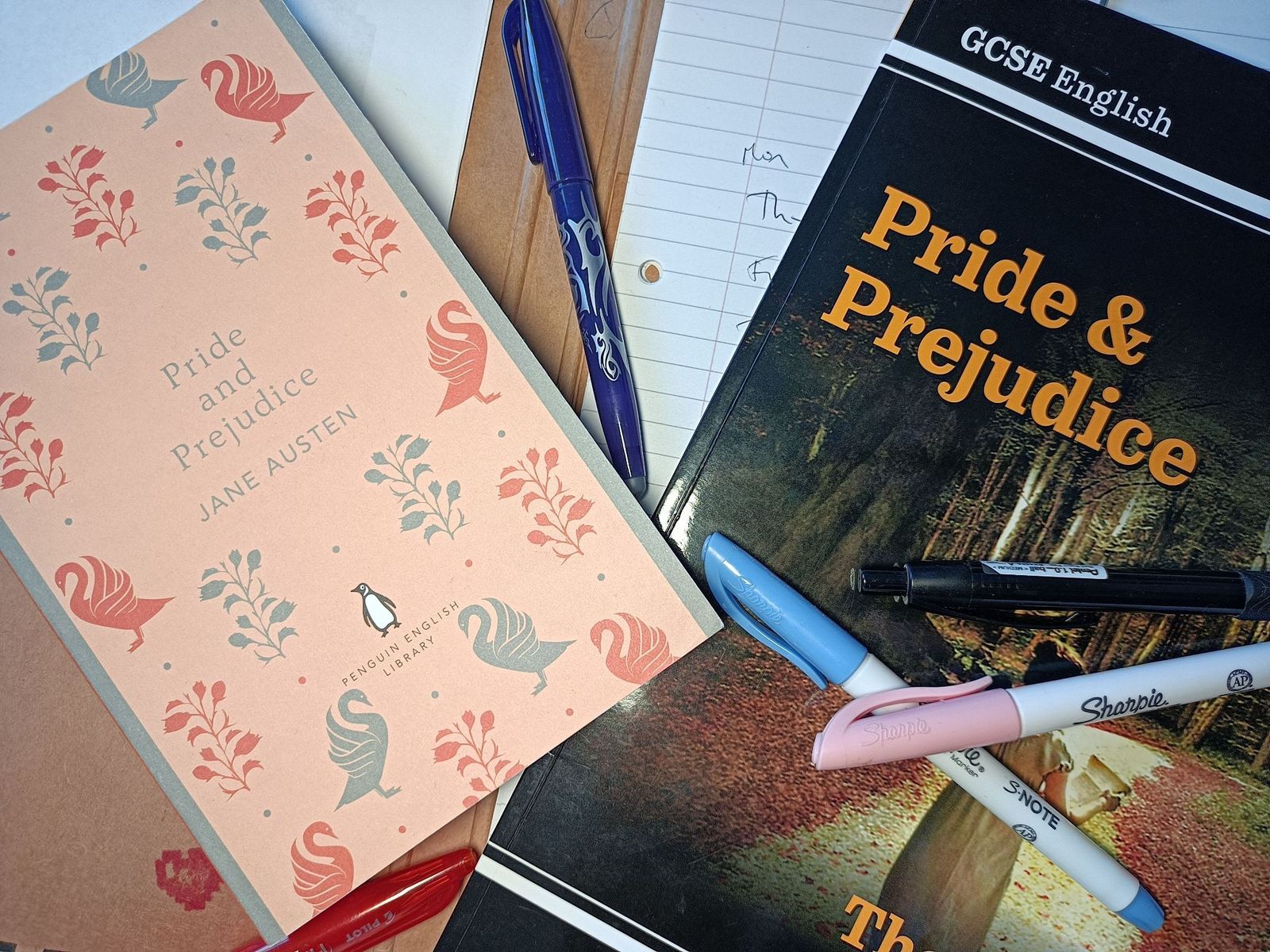
Image: Wirestock Creators

"Pride and Prejudice" is a novel first published in 1813 by British author Jane Austen. This romantic story follows sharp Elizabeth Bennet and wealthy, quiet Mr. Darcy. Each of them must overcome their personal flaws of pride and prejudice to stand a chance at falling in love and getting married.

It has become a cultural touchstone by showcasing something that affects us all: how people misjudge others based on first impressions, wealth, and social status. As each character faces family drama, social rules, and personal mistakes, they learn to look past their flaws to find true love.

8

"Little Women" and timeless family values
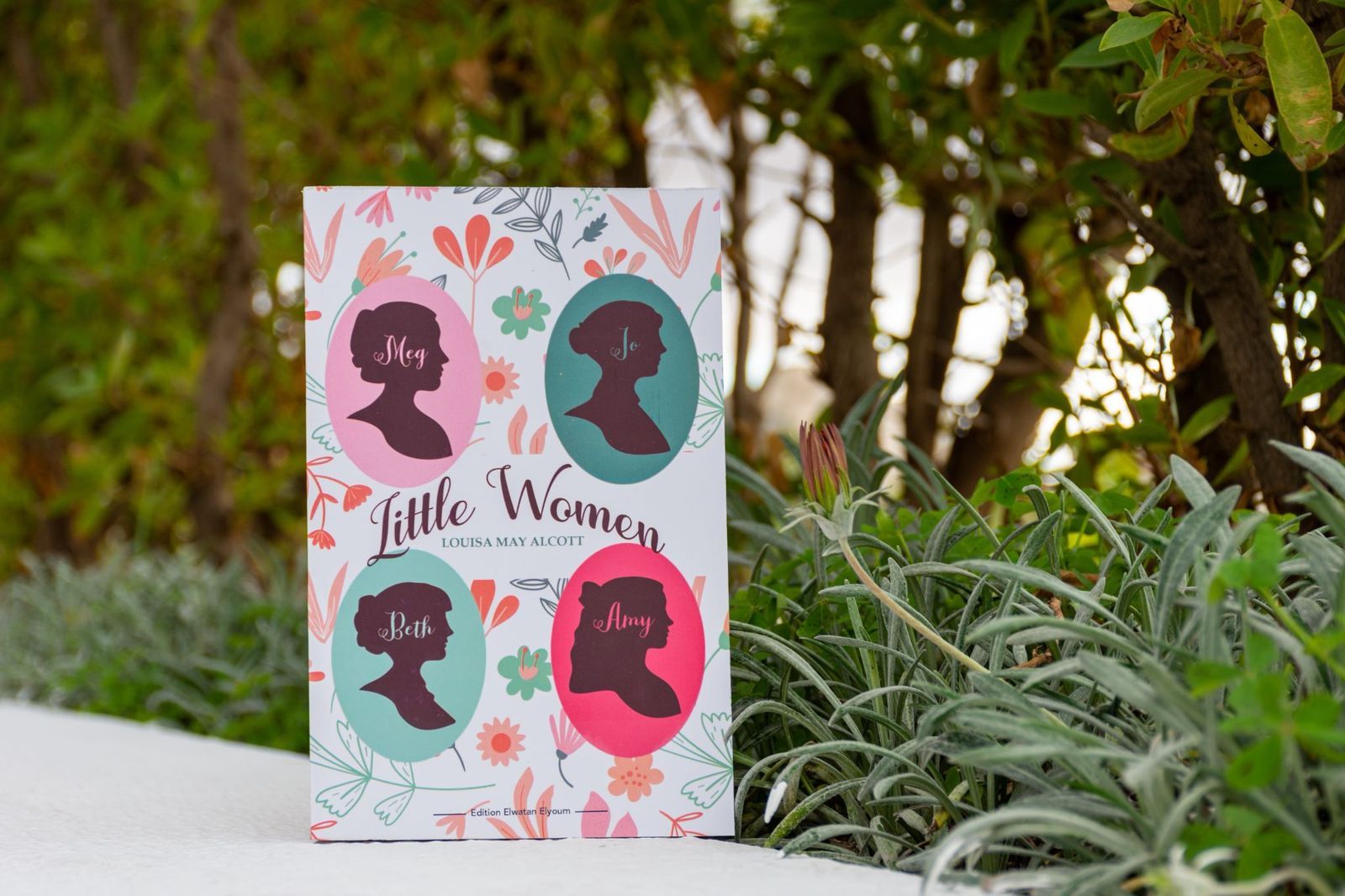
Image: hamdi bendali

"Little Women" is a novel by American writer Louisa May Alcott, originally published in two volumes in 1868 and 1869. Set in the 1860s in Massachusetts during the Civil War, it follows the lives of four sisters: Meg, Jo, Beth, and Amy March, as they learn about love, loss, poverty, and the importance of family.

It’s considered a timeless coming-of-age classic because, for many readers, it is a realistic portrayal of what growing up is about. The March sisters are far from perfect, and each one makes mistakes that they then learn from. It is also a foundational text on female ambition, giving a voice to young women and showing that their daily lives, feelings, and dreams matter too.

9

"Jane Eyre" and inner strength & independence

Image: marhus

"Jane Eyre" is a classic 1847 novel by British author Charlotte Brontë, written under the pen name Currer Bell. This story centers on an orphan named Jane and her experiences. The school she goes to is harsh, and she faces a cruel childhood. Later on, she begins to work as a governess (teacher) at a mysterious estate known as "Thornfield Hall", where she falls in love with her moody boss, Mr. Rochester.

This story revolutionized literature as it is the first novel to focus on the moral and spiritual growth of a young woman who wasn’t rich, passive, or traditionally beautiful. The main character, Jane, finds purpose in becoming a governess after all the hardships she endured and fights for her dignity and independence, refusing to settle for anyone who doesn’t see her as an equal, prioritizing herself over love.

10

"Charlotte’s Web" and emotional storytelling

Image: Ben Molyneux

"Charlotte’s Web" is a 1952 children’s novel by American author E.B. White, illustrated by Garth Williams. It tells the story of a sweet pig named Wilbur who is saved from slaughter and befriends clever Charlotte, a spider who writes words in her web to save his life. In doing so, this book explores universal themes such as friendship, loyalty, and the inevitable cycle of life.

It is a timeless masterpiece that stands out for its simple prose, offering deep lessons about life and loss, including how simple acts can save the world, and Charlotte's words show how the way we speak about others matters. Wilbur once asked Charlotte why she did all of this for him, and she replied: "By helping you, perhaps I was trying to lift up my life a trifle. Heaven knows anyone’s life can stand a bit of that."
Translation and interpretation

Was the forbidden fruit really an apple? 10 Bible surprises


Published on July 16, 2026


Image: Mariordo, CC BY-SA 4.0, via Wikimedia Commons

What if some of the Bible stories you grew up with aren't exactly what the Bible says? Was the forbidden fruit really an apple? Were there actually three Wise Men? Did "God helps those who help themselves" really come from the Bible? Over centuries, translations, traditions, and famous works of art have added details that became so familiar, we stopped questioning them. But go back to the texts, and some of these stories look surprisingly different. From Eve's "apple" to the date of Jesus' birth, here are 10 familiar parts of the Bible that may not be quite what we remember.

1

The forbidden fruit was an apple

Image: Albrecht Dürer, Public domain, via Wikimedia Commons

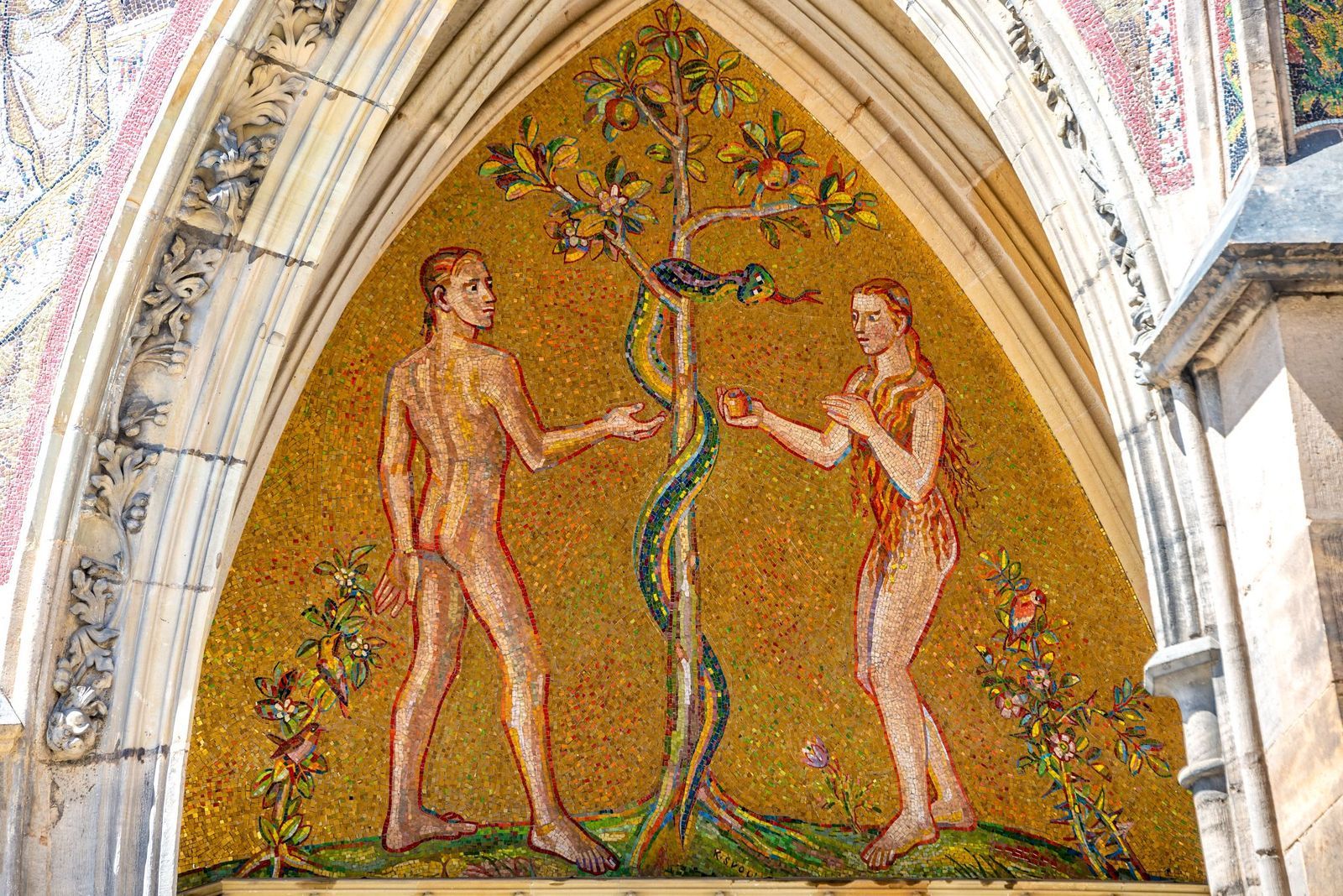
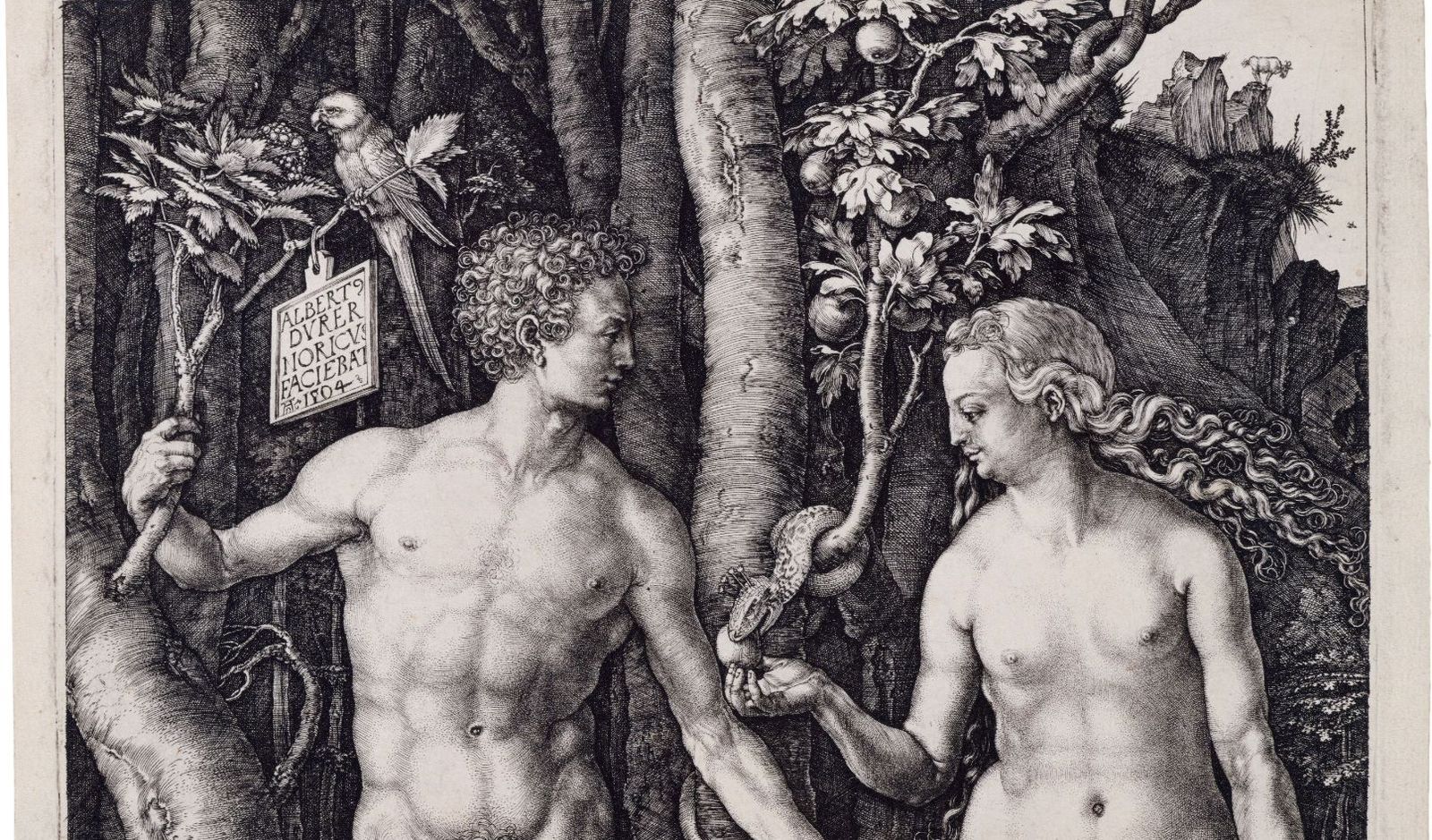
When you picture the Garden of Eden, what fruit comes to mind? Most people imagine an apple, but there's just one problem: the Bible never says it was an apple.

In the Book of Genesis, the fruit is simply called "the fruit of the tree of the knowledge of good and evil." The original Hebrew text uses the word peri, which simply means "fruit." The apple connection came centuries later, largely through the Latin translation. The Latin word malum can mean both "apple" and "evil," making it an especially fitting symbol for the story. Over time, that association spread through Christian art and literature. Famous works such as Albrecht Dürer’s 1504 engraving Adam and Eve (also known as The Fall of Man) helped cement the image of Eve holding an apple. Today, it's one of the most famous scenes in history, even though the original biblical text doesn’t identify the fruit as an apple at all.

2

There were three wise men/kings

Image: Rawpixel.com

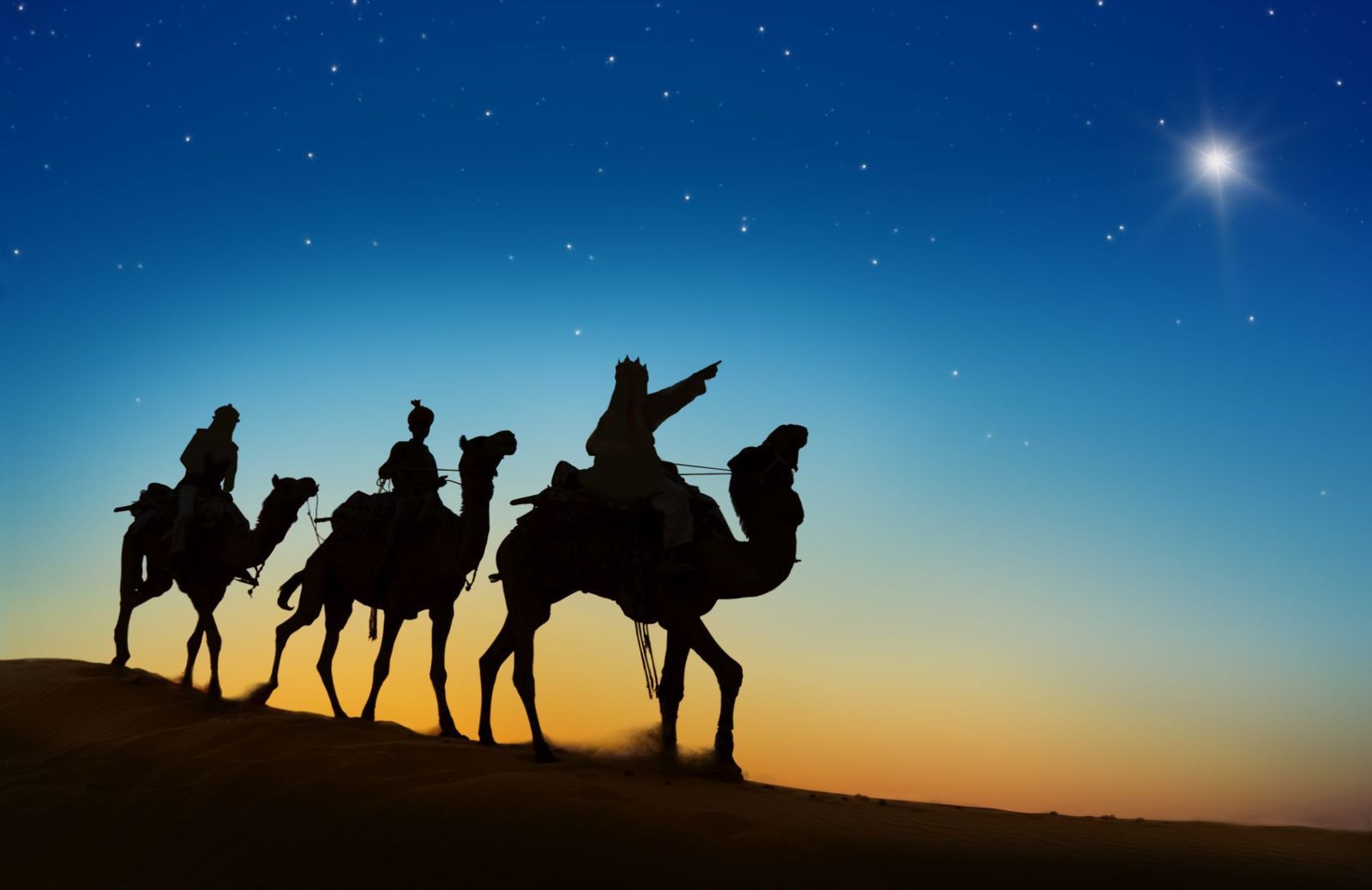
The story of Jesus' birth is so famous that most of us picture the Three Wise Men, sometimes called the Three Kings, standing beside the manger. But the thing is, over the centuries, the story picked up a few details that aren't actually in the Bible.

In the Gospel of Matthew, the only Gospel that mentions these visitors, they are described simply as Magi from the East. The original Greek word, magoi, referred to learned scholars, astrologers, or priests from Persia or Babylon, not kings. But where did the number three come from? Matthew lists three gifts: gold, frankincense, and myrrh, but never says how many visitors brought them. Over the centuries, people naturally assumed there must have been three Magi, one for each gift. Even their familiar names, Melchior, Caspar, and Balthasar, were added later by Christian tradition. So, neither the number of visitors nor their names appears anywhere in the biblical text.

3

"God helps those who help themselves"

Image: Adam Nir

Whether it's used to motivate a friend, encourage a family member, or push yourself to finally make a difficult decision, "God helps those who help themselves" is one of the most familiar religious sayings in America. But here's the surprise: those words never appear in the Bible.

The idea can be traced to ancient Greek sources, including Aesop’s Fables, where the saying appears in an earlier form: "The gods help them that help themselves." The exact modern wording was written by English politician Algernon Sidney in 1698, but it was Benjamin Franklin who helped make it part of American culture when he included it in his 1736 edition of Poor Richard’s Almanack.

4

"Cleanliness is next to godliness"

Image: John Jackson, CC BY 4.0, via Wikimedia Commons

Many teenagers have heard "Cleanliness is next to godliness" when it was time to clean their rooms. But despite sounding like a Bible verse, the phrase never appears in Scripture.

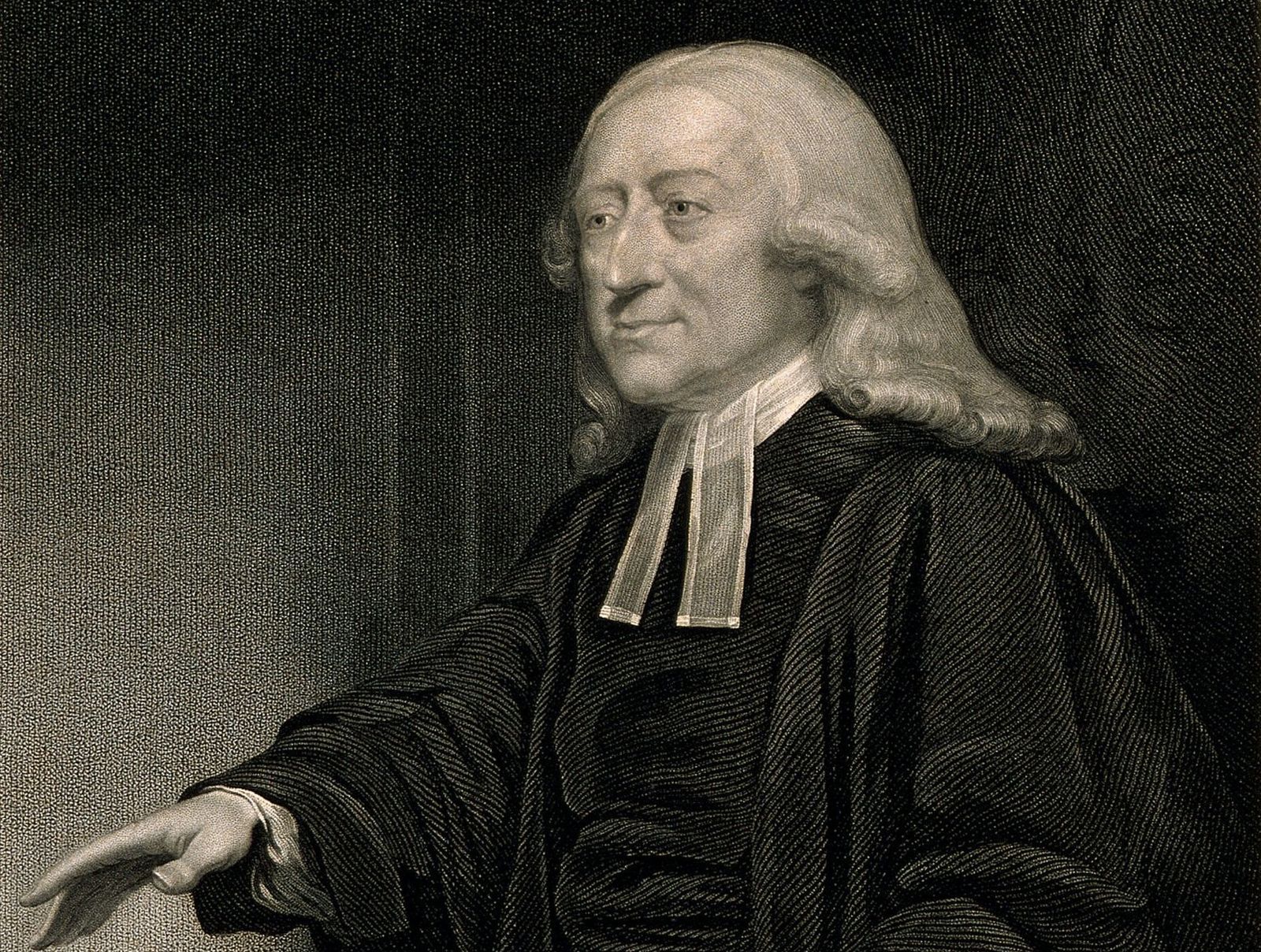
The Bible, particularly Leviticus, does contain extensive laws requiring people to wash their bodies and clothes in certain circumstances, especially before religious rituals. But the famous saying itself came much later. In 1605, Francis Bacon wrote in The Advancement of Learning that "cleanness of body" was connected to reverence for God. Then, in 1786, it was Methodist leader John Wesley who used the wording we recognize today in a sermon: "Cleanliness is indeed next to Godliness." Over time, the phrase became a familiar saying that many people simply assumed came from the Bible.

5

The date of Jesus' birth

Image: http://www.parrocchiasantagata.org, CC0, via Wikimedia Commons

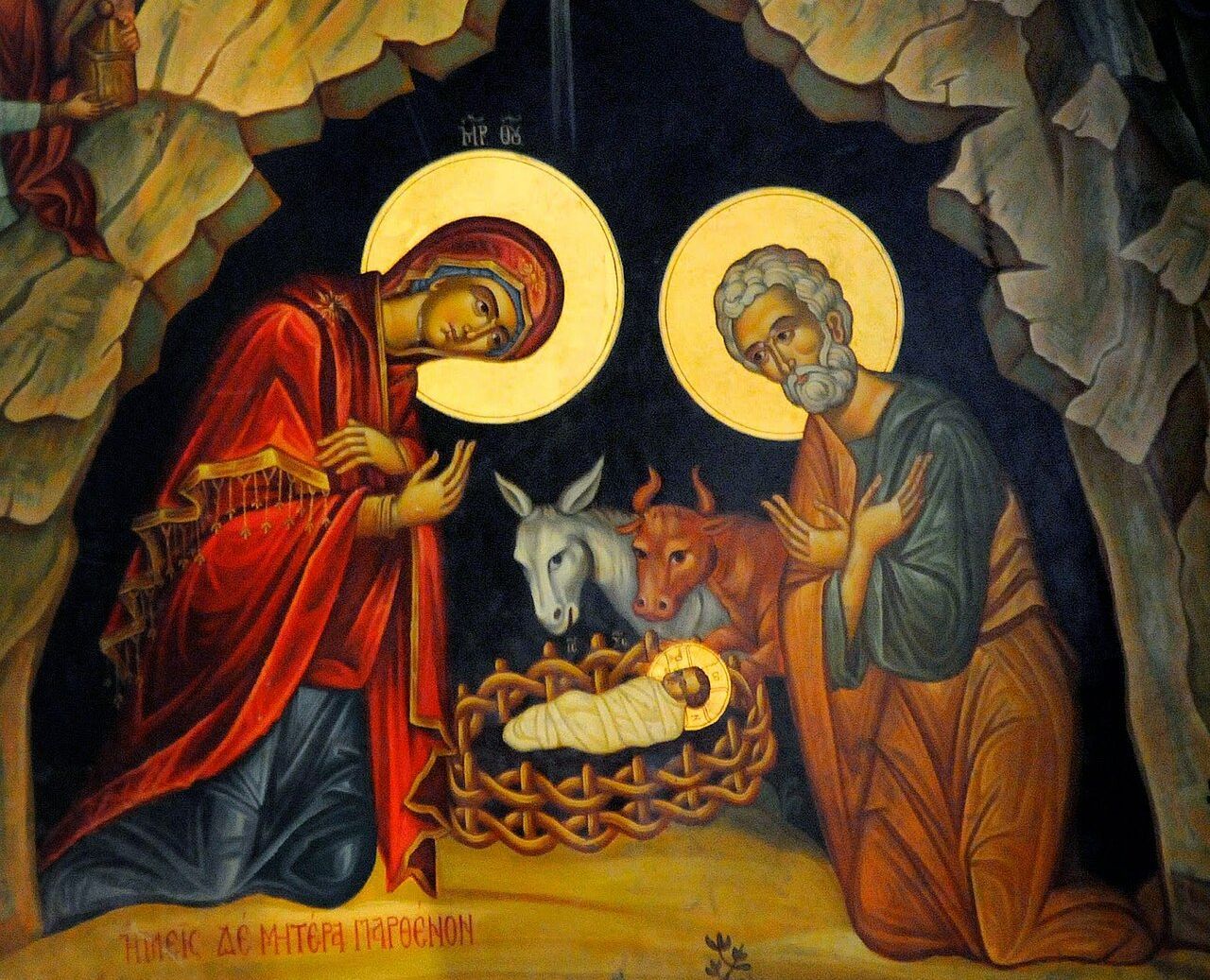
When it comes to famous dates, December 25 may be the most recognizable of all, universally associated with Christmas. But here's the surprising part: the Bible never gives any specific date for Jesus' birth.

The Gospels of Matthew and Luke describe the Nativity but never provide a calendar date, so how did December 25 become Christmas? There are two leading theories. The first is that the Roman Church was celebrating Christmas on December 25 by 336 AD, during Constantine's reign, possibly choosing the date to coincide with existing Roman winter festivals and make it easier to convert the empire to Christianity. The second points to an early Christian tradition that calculated Jesus' birth date from the supposed date of his crucifixion, eventually arriving at December 25.

6

Jonah and the Whale

Image: Pieter Lastman, Public domain, via Wikimedia Commons

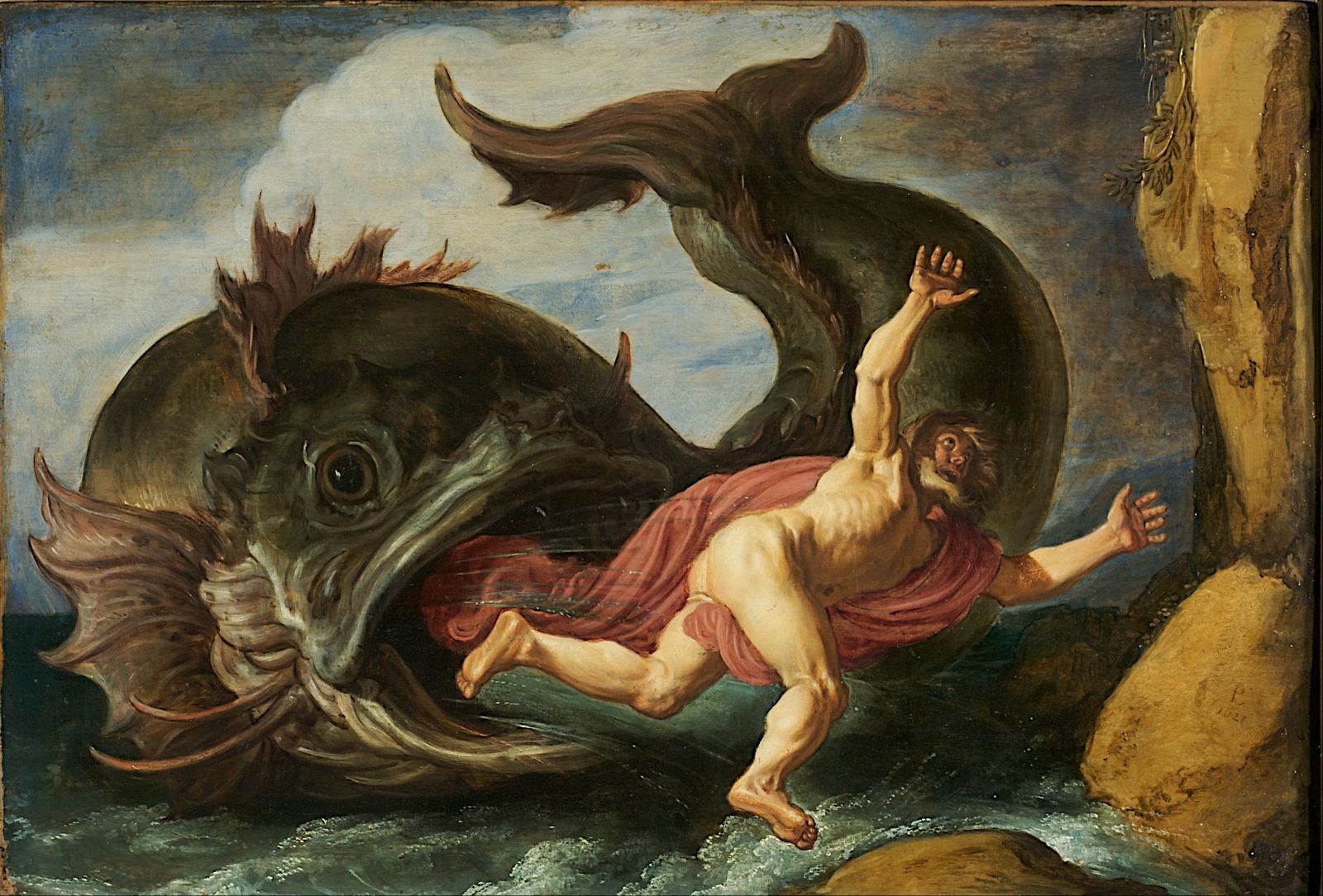
The story of Jonah and the Whale is so famous that it has appeared literally or symbolically in innumerable works of art and literature, from Michelangelo's Sistine Chapel ceiling (1508-1512) to Herman Melville's 1851 novel Moby-Dick. But there's a small problem with the title we've given it: the Bible doesn’t actually say it was a whale.

In the Old Testament, the original Hebrew text of Jonah 1:17 uses the words dag gadol, meaning "great fish" or "large fish"; it doesn't identify the creature as a whale, or even specify what kind of fish it was. Most modern English translations therefore stick with "great fish," but the familiar "whale" interpretation developed through older translations and later European tradition, eventually becoming so widespread that "Jonah and the Whale" became the name almost everyone recognizes.

7

The serpent in Eden was Satan

Image: neurobit

Just as we've always pictured the forbidden fruit as an apple, many of us also assume the serpent in the Garden of Eden is the devil himself. But the original story is a little more complicated.

A plain reading of Genesis depicts the creature simply as a serpent or snake, using the Hebrew word nachash. It describes the serpent as clever and crafty, but it never calls it Satan or explicitly identifies it as the devil. So where did the connection come from? The answer comes from later parts of the Bible, particularly the New Testament. In Revelation 12:9 and 20:2, Satan is called "the ancient serpent" (ho ophis ho archaios in Greek), connecting him to the snake of Eden. Over time, Christian tradition applied that later connection back to Genesis, leading to the familiar belief that the serpent was Satan himself.

8

Delilah Cut Samson’s Hair

Image: Georg Pencz, CC0, via Wikimedia Commons

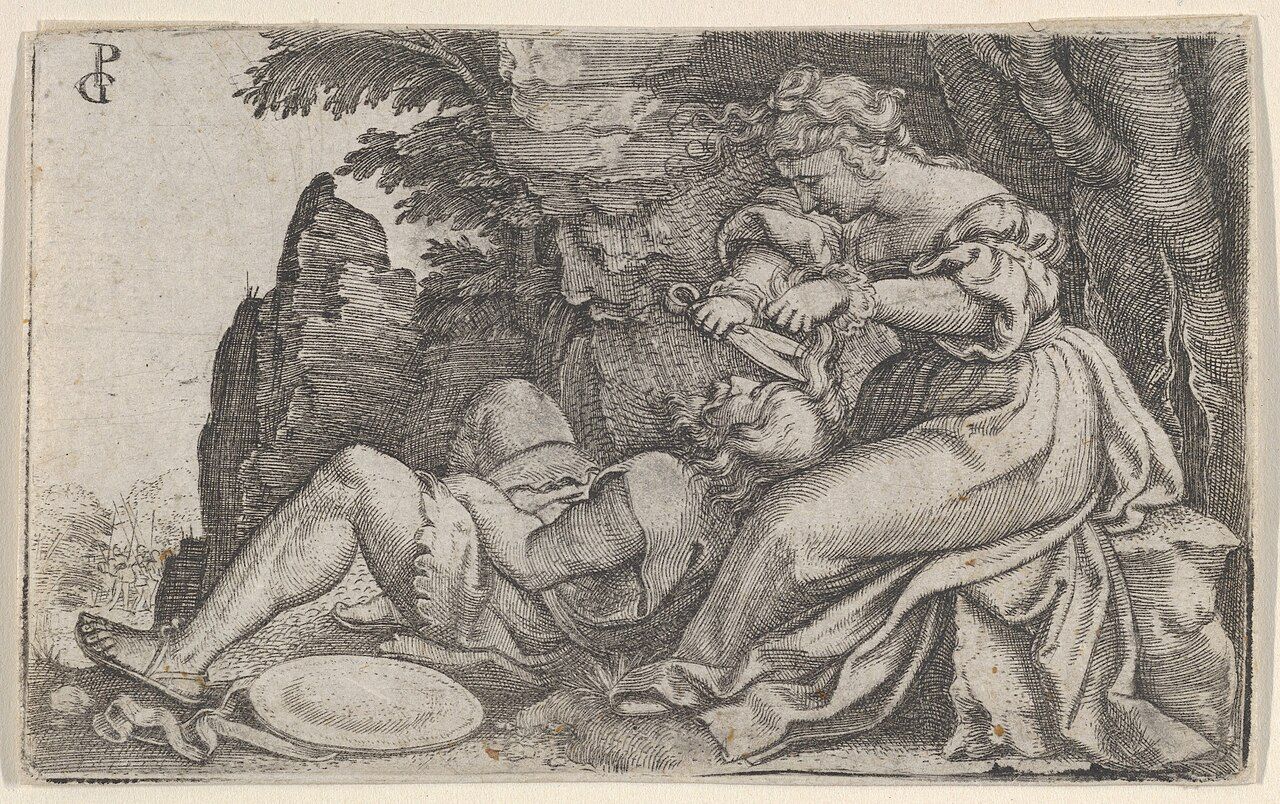
Many of us remember Samson for his legendary strength and the long hair that was said to be the source of his power. His story with Delilah is one of the Bible's most famous tales of betrayal, but there's one detail some people may have gotten wrong: Delilah didn't actually cut his long hair.

In Judges 16:19, Delilah has Samson's hair shaved while he sleeps on her lap. The text says she called for a man to do the shaving; it never says she did it herself. Yet paintings, films, and other retellings have often shown Delilah wielding the scissors herself, cementing that image in popular culture. It can be considered a small detail, but it’s a great example of how easily familiar Bible stories can pick up elements that aren't actually in the original text.

9

The Bible is a single-voice book

Image: Pixel-Shot

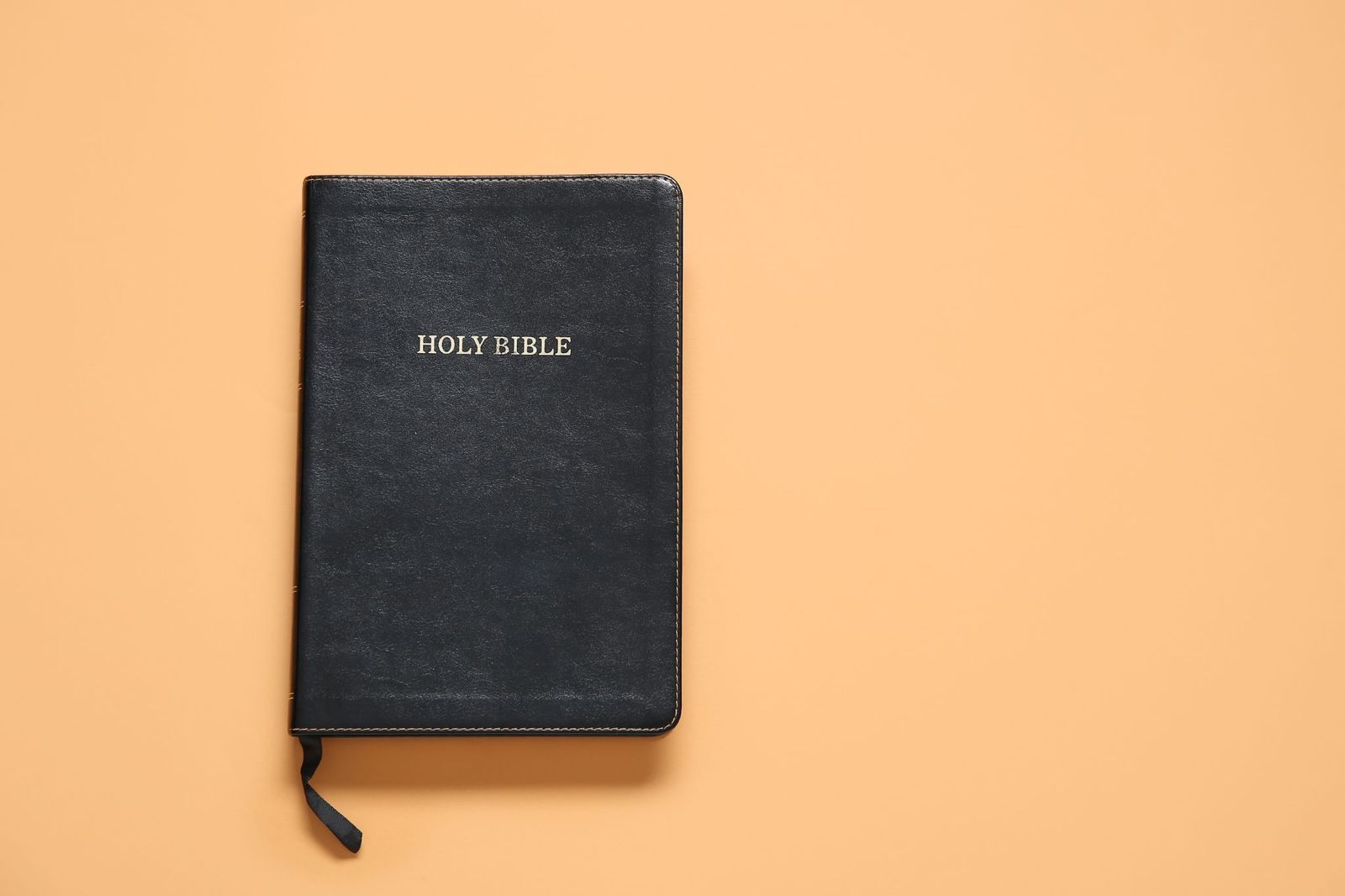
Many of us think of the Bible as a single book, written at one particular time by one author, or perhaps a handful of them. After all, that's how it looks when you pick one up in a hotel room, but its history is far more complicated.

The Bible is actually a collection of books written by over 40 authors over roughly 1,500 years, from about 1400 BC to AD 100. The exact number of books varies by religious tradition: Protestant Bibles contain 66 books, while Catholic and Orthodox traditions include additional books. Across these different traditions, the writings were produced by kings, prophets, fishermen, and scholars in Hebrew, Aramaic, and Greek. They also span a tremendous range of literary styles, including history, poetry, songs, laws, letters, and prophecy. So while we hold it as one book today, the Bible is actually a collection of many different writings produced across centuries.

10

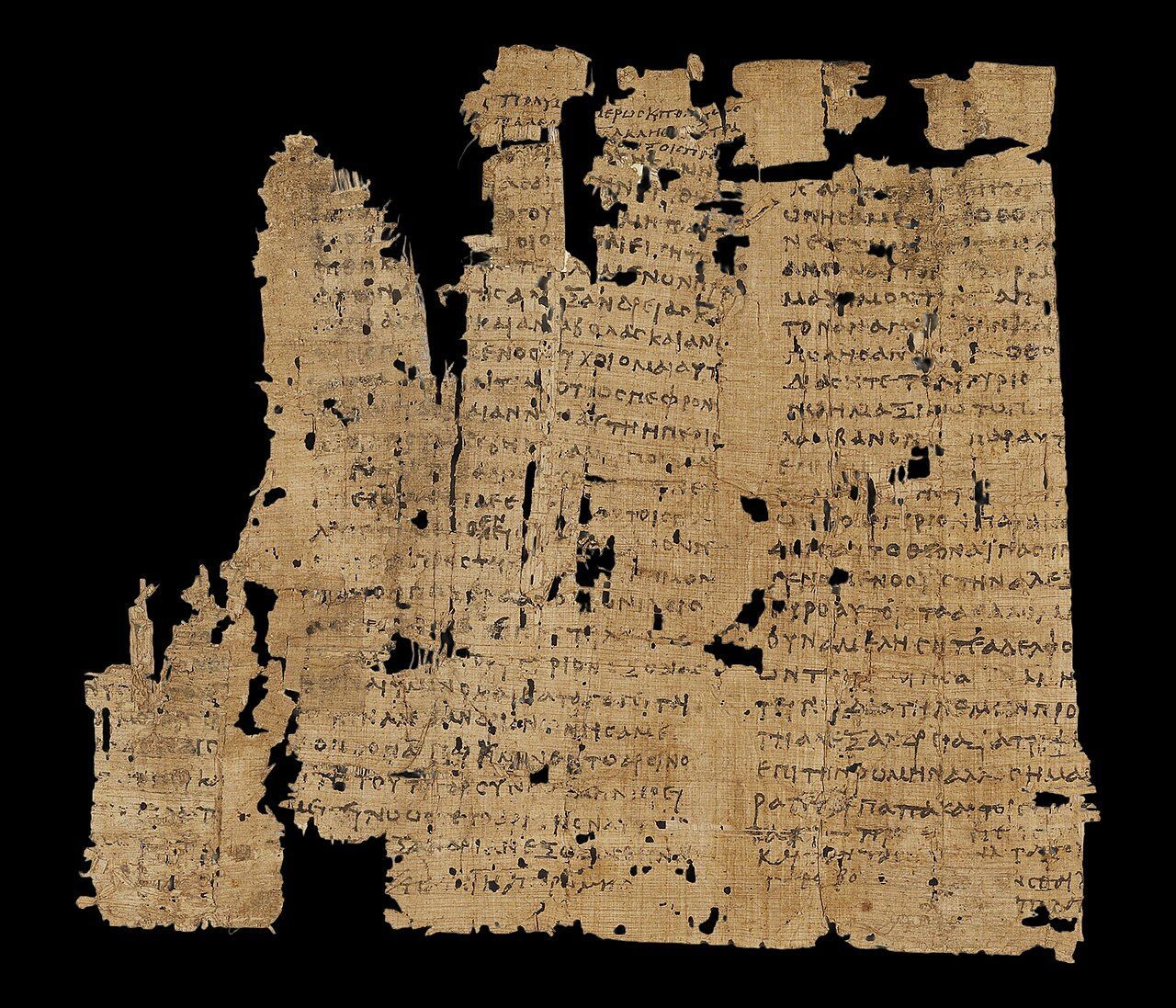
Original manuscripts still exist

Image: https://www.themorgan.org/manuscript/350198, Public domain, via Wikimedia Commons

Many people assume that at least a few original fragments of the Bible must still exist somewhere. It would be incredible if they did, but none of the original manuscripts, known as autographs, have survived.

The earliest biblical texts were written on fragile materials such as papyrus and animal skins, which could deteriorate through humidity, heat, handling, and simple age. Wars, fires, and other destruction also contributed to their disappearance. So how do we know what the originals said? Through a technique called textual criticism: expert scholars compare thousands of handwritten copies, ancient translations, and quotations from early Christian writers. When they find passages that match across different sources, or differences that reveal how a text changed over time, they can work backward to determine what the original most likely said, even though the original manuscripts themselves are gone.

Looking for an extra scoop of literary fun?

Learn more with our Word of the day

prone

/proʊn/