The etymological twist: 10 common words that used to mean the opposite


Published on August 25, 2026


Image: Snapwire

Language is a moving target. What we consider a precise definition today is often just the latest stop on a centuries-long journey of semantic drift. A 17th-century scholar would likely be horrified by how we use words like sophisticated or anecdote. Etymology is like a fossil record of human behavior, class struggles, and cultural priorities. Here are 10 common words that have undergone radical transformations.

1

Geek

Image: Andrea Piacquadio

Before it was a badge of honor for Silicon Valley billionaires, a geek was a social pariah of the most literal kind. In the early 20th century, the term referred to a specific type of carnival performer, a side show "freak" whose primary act involved biting the heads off live chickens or snakes.

The word likely stems from the Low German geck, meaning "fool" or "simpleton". It wasn’t until the mid-20th century that the meaning drifted toward social awkwardness and, eventually, an obsessive devotion to technical or niche subjects. Today, the geek has moved from the dirt of the carnival floor to the top of the global economy, but the word’s gruesome origins remain a hidden layer of its history.

2

Sophisticated

Image: Vika Glitter

In a modern context, being sophisticated is an aspiration, it implies refinement, worldliness, and complexity. However, for most of its history, the word was pejorative. Derived from the Greek sophistēs (the Sophists, a group of philosophers often accused of using clever but fallacious reasoning), a sophisticated thing was something that had been corrupted or adulterated.

In the 1600s, you might have been accused of "sophisticating" wine by watering down or adding lead to sweeten it. To be sophisticated was to be "unnatural" or "adulterated". It wasn’t until the 19th century that the complexity of being sophisticated began to be viewed through a positive lens, evolving into the mark of high culture we recognize today.

3

Handsome

Image: Alexa Popovich

We currently use the term handsome to describe a person, usually a man, with pleasing, symmetrical features. But the word’s roots are purely functional. In the late 14th century, a handsome object was simply something that was hand-some, meaning "easy to handle" or "handy".

Over time, the utility of an object became associated with its quality. If a tool was handsome, it was well-made and fit for its purpose. This led to the word describing things that were "generous" or "substantial" (for example, a "handsome reward"), and eventually, by the late 16th century, it settled into its current role as a physical descriptor for an attractive person.

4

Anecdote

Image: Engin Akyurt

An anecdote is now a brief, often amusing story about a real person or incident. But in its original Greek, anekdota, it literally meant "things unpublished".

The term gained fame through the 6th-century historian Procopius, who wrote a public history of the Emperor Justinian and his court. At the same time, he also wrote a "Secret History" filled with scandalous details that he didn’t dare release while the subjects were still alive. These unpublished secrets were the original anecdotes. The meaning eventually shifted from secrets to short, private narratives, and finally to the casual stories we share at parties today.

5

Brutalize

Image: Alexa Popovich

This word is currently the subject of a massive linguistic tug-of-war. Most people today use brutalize to mean "to treat someone in a brutal or violent way". However, its original 18th-century meaning was the exact opposite: "to become a brute" or "to make someone brutal".

The original logic was that the person committing the violence (or the person exposed to it) was being stripped of their humanity and turned into a beast. If you were brutalized by war, it didn’t mean you were hurt; it meant you had been made a savage by experience. While the modern "attacked violently" definition is now widely accepted, purists still argue that the word should describe the state of one’s character, not just the physical assault.

6

Nostalgia

Image: Ante Majic

We think of nostalgia as a bittersweet, sentimental longing for the past. But in the 17th century, it was a terrifying medical diagnosis. Coined by a Swiss medical student, the term combined the Greek nostos (homecoming) and algos (pain).

It was considered a physical "disease of the imagination" that primarily affected soldiers fighting far from home. Symptoms included persistent melancholy, heart palpitations, and even death. It was treated as a literal sickness, sometimes cured by sending the soldier home, but occasionally met with more gruesome 17th-century medical interventions. Only in the 20th century did it soften into the purely emotional, non-lethal state we discuss today.

7

Backlog

Image: cottonbro studio

In the modern office, a backlog is a source of stress, a pile of unfinished tasks or orders. But in the 1600s, a backlog was a luxury. It was literally the "back log," the largest, thickest piece of wood placed at the back of the fireplace to reflect heat forward and keep the fire burning through the night.

Because it was so large, the backlog was the last thing to burn. Over time, the concept of something "kept in reserve" or "accumulated at the back" moved from the fireplace to the ledger book. By the 1880s, the "unburned" log had become the "unfinished" work.

8

Manipulate

Image: Polina Tankilevitch

To manipulate someone today carries a heavy connotation of deception or unfair control. Yet, the word began as a neutral, even positive, term for manual dexterity. Rooted in the Latin manus (hand), it originally meant "to treat or operate with the hands."

It was a term used by scientists and doctors to describe the skillful handling of tools or physical objects. It wasn't until the mid-19th century that the word jumped from the physical to the psychological, describing the skillful (but often dishonest) handling of people or information for one’s own advantage.

9

Condominium

Image: quang vinh

Long before it was a type of real estate, a condominium was a system of government. Coming from the Latin con- (together) and dominium (right of ownership), it referred to "joint sovereignty" over a territory by two or more states.

For instance, a piece of land ruled by both England and Egypt would be called a condominium. It wasn't until the 1960s that the term was co-opted by the American real estate market to describe a building where individuals own their units but share the common areas—a miniature, domestic version of "joint sovereignty."

10

Scavenger

Image: Denitsa Kireva

Few words have tumbled as far down the social ladder as scavenger. In the Middle Ages, a scavager (from the Old French escauwer, "to inspect") was a respected customs official. Their job was to inspect imported goods and collect "scavage," a tax on foreign merchants.

As part of their duties, these officials often had to oversee the cleaning of the streets where the merchants set up shop. Eventually, the name for the official (scavager) was applied to the laborers who actually did the cleaning. From there, it became a general term for anyone who picked through trash, and finally, it was adopted by biology to describe animals that feed on carrion.

Translation and interpretation

Was the forbidden fruit really an apple? 10 Bible surprises


Published on August 25, 2026


Image: Mariordo, CC BY-SA 4.0, via Wikimedia Commons

What if some of the Bible stories you grew up with aren't exactly what the Bible says? Was the forbidden fruit really an apple? Were there actually three Wise Men? Did "God helps those who help themselves" really come from the Bible? Over centuries, translations, traditions, and famous works of art have added details that became so familiar, we stopped questioning them. But go back to the texts, and some of these stories look surprisingly different. From Eve's "apple" to the date of Jesus' birth, here are 10 familiar parts of the Bible that may not be quite what we remember.

1

The forbidden fruit was an apple

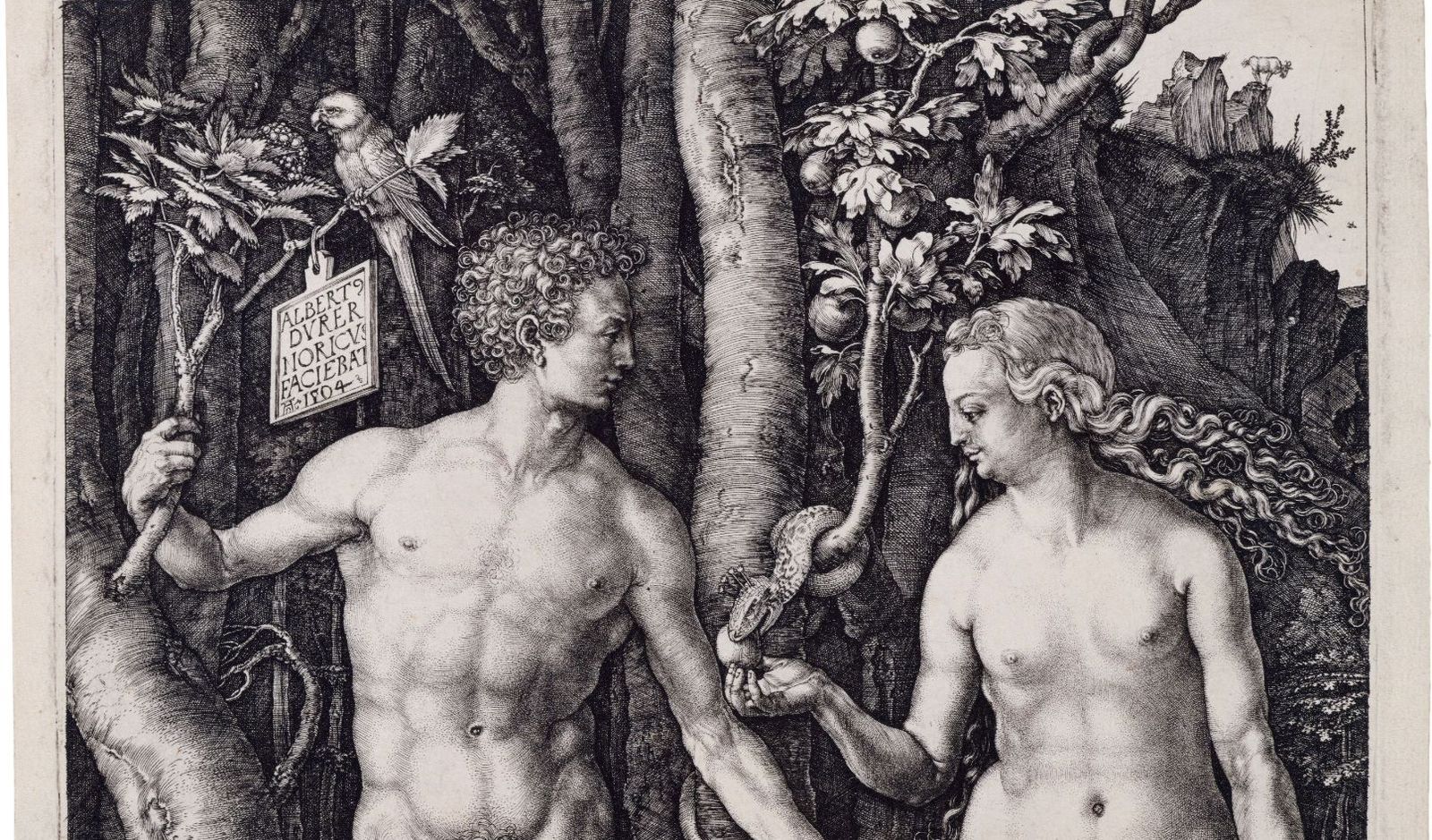
Image: Albrecht Dürer, Public domain, via Wikimedia Commons

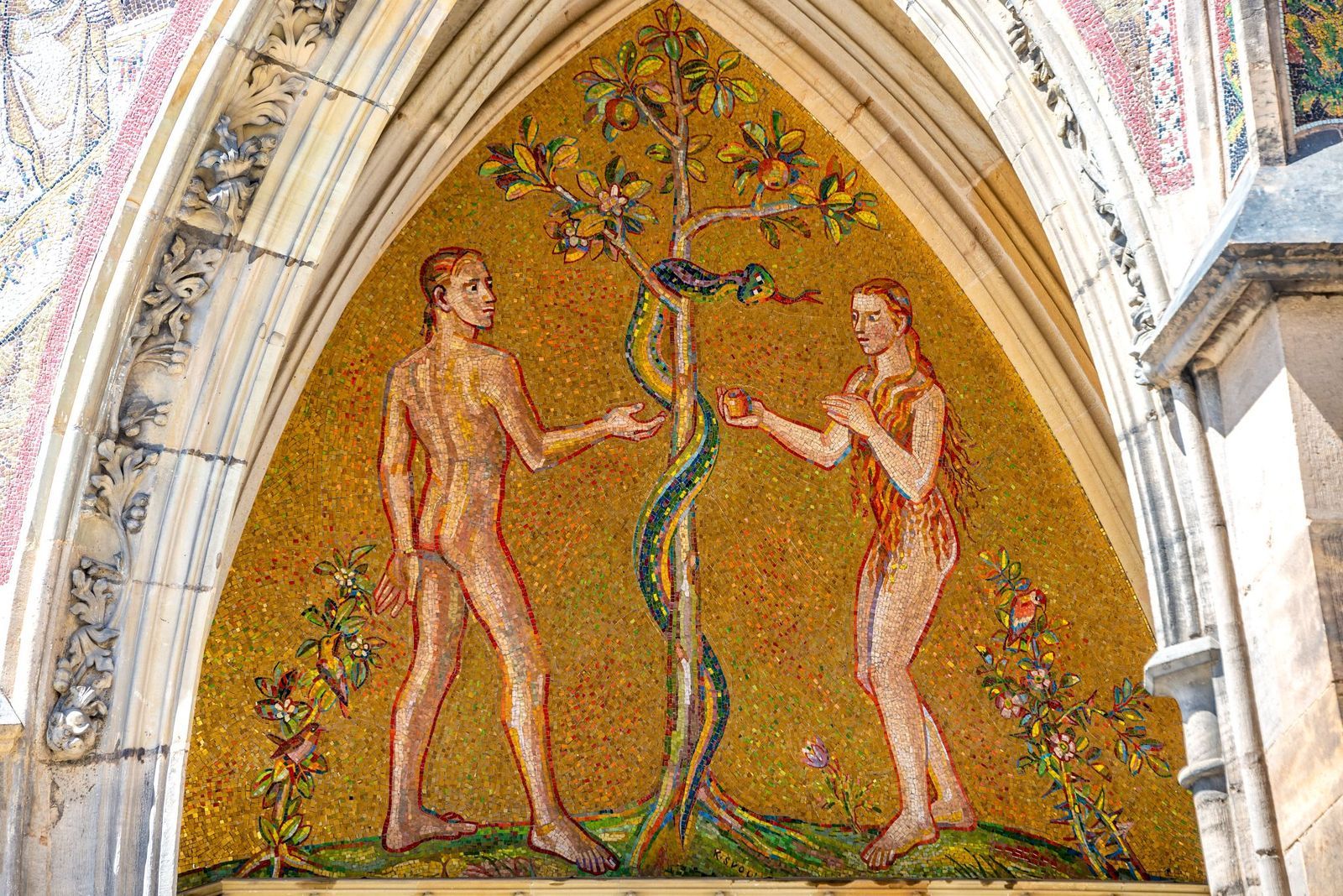
When you picture the Garden of Eden, what fruit comes to mind? Most people imagine an apple, but there's just one problem: the Bible never says it was an apple.

In the Book of Genesis, the fruit is simply called "the fruit of the tree of the knowledge of good and evil." The original Hebrew text uses the word peri, which simply means "fruit." The apple connection came centuries later, largely through the Latin translation. The Latin word malum can mean both "apple" and "evil," making it an especially fitting symbol for the story. Over time, that association spread through Christian art and literature. Famous works such as Albrecht Dürer’s 1504 engraving Adam and Eve (also known as The Fall of Man) helped cement the image of Eve holding an apple. Today, it's one of the most famous scenes in history, even though the original biblical text doesn’t identify the fruit as an apple at all.

2

There were three wise men/kings

Image: Rawpixel.com

The story of Jesus' birth is so famous that most of us picture the Three Wise Men, sometimes called the Three Kings, standing beside the manger. But the thing is, over the centuries, the story picked up a few details that aren't actually in the Bible.

In the Gospel of Matthew, the only Gospel that mentions these visitors, they are described simply as Magi from the East. The original Greek word, magoi, referred to learned scholars, astrologers, or priests from Persia or Babylon, not kings. But where did the number three come from? Matthew lists three gifts: gold, frankincense, and myrrh, but never says how many visitors brought them. Over the centuries, people naturally assumed there must have been three Magi, one for each gift. Even their familiar names, Melchior, Caspar, and Balthasar, were added later by Christian tradition. So, neither the number of visitors nor their names appears anywhere in the biblical text.

3

"God helps those who help themselves"

Image: Adam Nir

Whether it's used to motivate a friend, encourage a family member, or push yourself to finally make a difficult decision, "God helps those who help themselves" is one of the most familiar religious sayings in America. But here's the surprise: those words never appear in the Bible.

The idea can be traced to ancient Greek sources, including Aesop’s Fables, where the saying appears in an earlier form: "The gods help them that help themselves." The exact modern wording was written by English politician Algernon Sidney in 1698, but it was Benjamin Franklin who helped make it part of American culture when he included it in his 1736 edition of Poor Richard’s Almanack.

4

"Cleanliness is next to godliness"

Image: John Jackson, CC BY 4.0, via Wikimedia Commons

Many teenagers have heard "Cleanliness is next to godliness" when it was time to clean their rooms. But despite sounding like a Bible verse, the phrase never appears in Scripture.

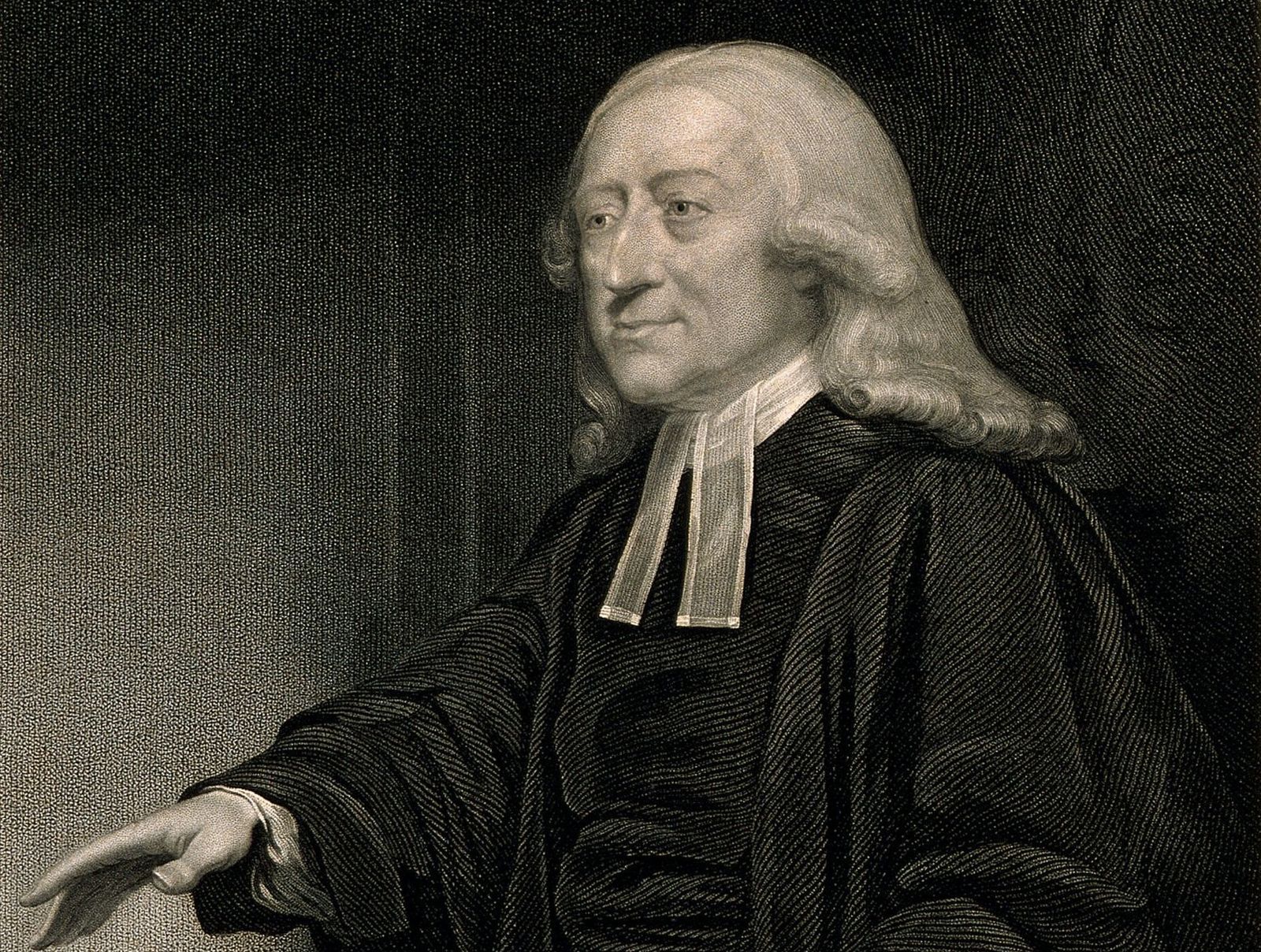
The Bible, particularly Leviticus, does contain extensive laws requiring people to wash their bodies and clothes in certain circumstances, especially before religious rituals. But the famous saying itself came much later. In 1605, Francis Bacon wrote in The Advancement of Learning that "cleanness of body" was connected to reverence for God. Then, in 1786, it was Methodist leader John Wesley who used the wording we recognize today in a sermon: "Cleanliness is indeed next to Godliness." Over time, the phrase became a familiar saying that many people simply assumed came from the Bible.

5

The date of Jesus' birth

Image: http://www.parrocchiasantagata.org, CC0, via Wikimedia Commons

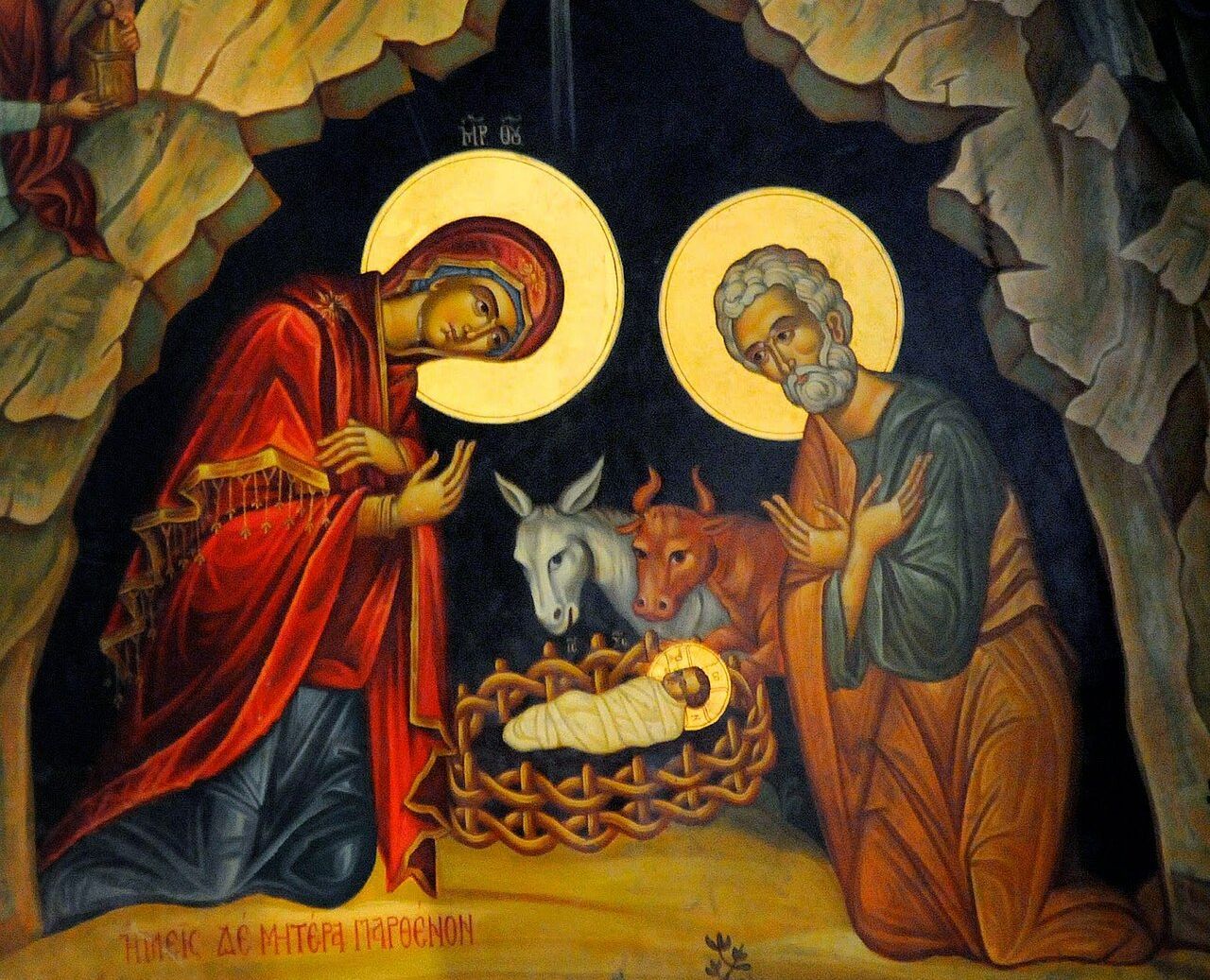
When it comes to famous dates, December 25 may be the most recognizable of all, universally associated with Christmas. But here's the surprising part: the Bible never gives any specific date for Jesus' birth.

The Gospels of Matthew and Luke describe the Nativity but never provide a calendar date, so how did December 25 become Christmas? There are two leading theories. The first is that the Roman Church was celebrating Christmas on December 25 by 336 AD, during Constantine's reign, possibly choosing the date to coincide with existing Roman winter festivals and make it easier to convert the empire to Christianity. The second points to an early Christian tradition that calculated Jesus' birth date from the supposed date of his crucifixion, eventually arriving at December 25.

6

Jonah and the Whale

Image: Pieter Lastman, Public domain, via Wikimedia Commons

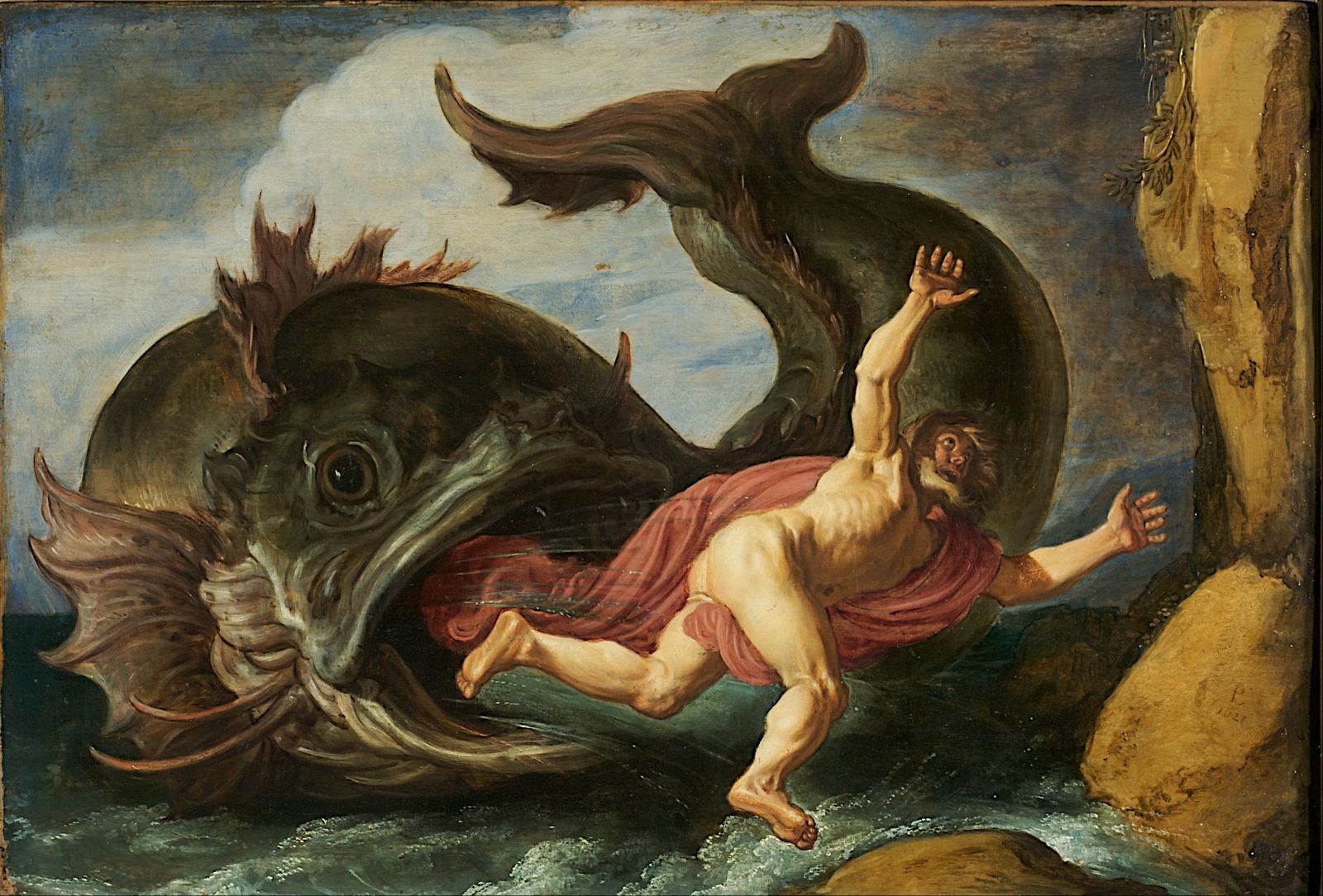
The story of Jonah and the Whale is so famous that it has appeared literally or symbolically in innumerable works of art and literature, from Michelangelo's Sistine Chapel ceiling (1508-1512) to Herman Melville's 1851 novel Moby-Dick. But there's a small problem with the title we've given it: the Bible doesn’t actually say it was a whale.

In the Old Testament, the original Hebrew text of Jonah 1:17 uses the words dag gadol, meaning "great fish" or "large fish"; it doesn't identify the creature as a whale, or even specify what kind of fish it was. Most modern English translations therefore stick with "great fish," but the familiar "whale" interpretation developed through older translations and later European tradition, eventually becoming so widespread that "Jonah and the Whale" became the name almost everyone recognizes.

7

The serpent in Eden was Satan

Image: neurobit

Just as we've always pictured the forbidden fruit as an apple, many of us also assume the serpent in the Garden of Eden is the devil himself. But the original story is a little more complicated.

A plain reading of Genesis depicts the creature simply as a serpent or snake, using the Hebrew word nachash. It describes the serpent as clever and crafty, but it never calls it Satan or explicitly identifies it as the devil. So where did the connection come from? The answer comes from later parts of the Bible, particularly the New Testament. In Revelation 12:9 and 20:2, Satan is called "the ancient serpent" (ho ophis ho archaios in Greek), connecting him to the snake of Eden. Over time, Christian tradition applied that later connection back to Genesis, leading to the familiar belief that the serpent was Satan himself.

8

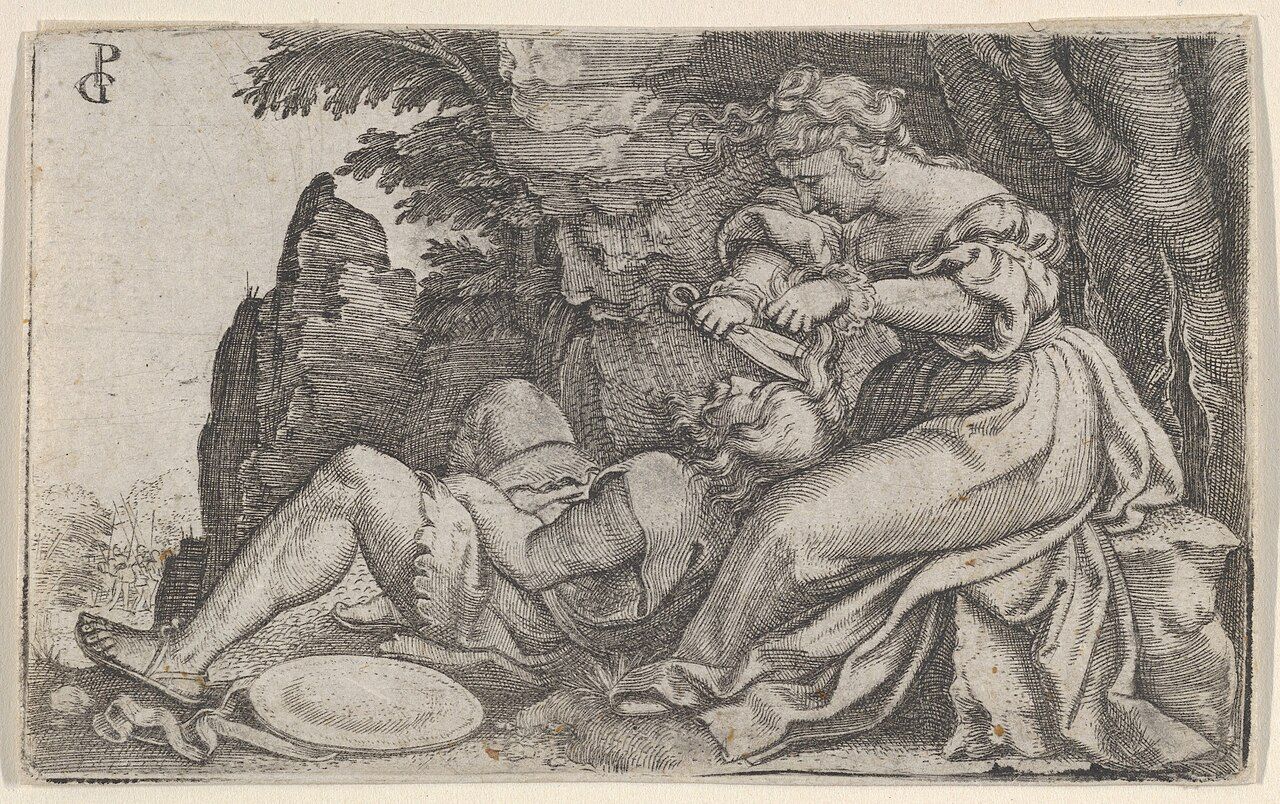
Delilah Cut Samson’s Hair

Image: Georg Pencz, CC0, via Wikimedia Commons

Many of us remember Samson for his legendary strength and the long hair that was said to be the source of his power. His story with Delilah is one of the Bible's most famous tales of betrayal, but there's one detail some people may have gotten wrong: Delilah didn't actually cut his long hair.

In Judges 16:19, Delilah has Samson's hair shaved while he sleeps on her lap. The text says she called for a man to do the shaving; it never says she did it herself. Yet paintings, films, and other retellings have often shown Delilah wielding the scissors herself, cementing that image in popular culture. It can be considered a small detail, but it’s a great example of how easily familiar Bible stories can pick up elements that aren't actually in the original text.

9

The Bible is a single-voice book

Image: Pixel-Shot

Many of us think of the Bible as a single book, written at one particular time by one author, or perhaps a handful of them. After all, that's how it looks when you pick one up in a hotel room, but its history is far more complicated.

The Bible is actually a collection of books written by over 40 authors over roughly 1,500 years, from about 1400 BC to AD 100. The exact number of books varies by religious tradition: Protestant Bibles contain 66 books, while Catholic and Orthodox traditions include additional books. Across these different traditions, the writings were produced by kings, prophets, fishermen, and scholars in Hebrew, Aramaic, and Greek. They also span a tremendous range of literary styles, including history, poetry, songs, laws, letters, and prophecy. So while we hold it as one book today, the Bible is actually a collection of many different writings produced across centuries.

10

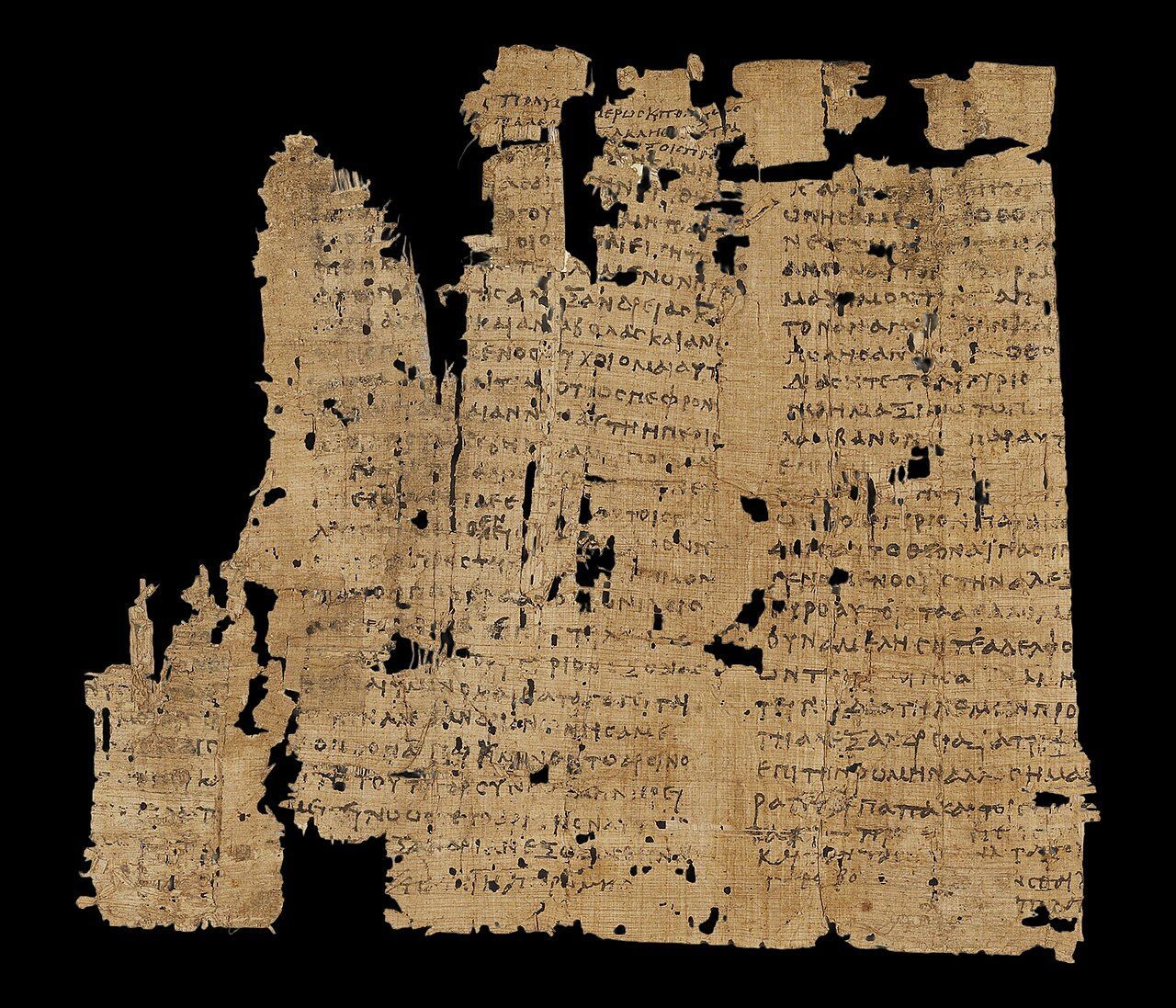
Original manuscripts still exist

Image: https://www.themorgan.org/manuscript/350198, Public domain, via Wikimedia Commons

Many people assume that at least a few original fragments of the Bible must still exist somewhere. It would be incredible if they did, but none of the original manuscripts, known as autographs, have survived.

The earliest biblical texts were written on fragile materials such as papyrus and animal skins, which could deteriorate through humidity, heat, handling, and simple age. Wars, fires, and other destruction also contributed to their disappearance. So how do we know what the originals said? Through a technique called textual criticism: expert scholars compare thousands of handwritten copies, ancient translations, and quotations from early Christian writers. When they find passages that match across different sources, or differences that reveal how a text changed over time, they can work backward to determine what the original most likely said, even though the original manuscripts themselves are gone.

Looking for an extra scoop of literary fun?

Learn more with our Word of the day

antipathy

/ænˈtipəθi/