10 Mystery novels and authors that still keep us guessing
Published on August 27, 2026

You’ve probably imagined yourself as a detective at least once and wondered if you would trust your instincts or question every clue. Quite possibly one of these world-famous mystery authors should have written a story about you. Today, we will be looking at 10 of the best intrigue masters who keep readers on the edge of their seats with thrilling stories of secrets and riddles that must be solved sooner rather than later.
Agatha Christie - The Queen of Mystery
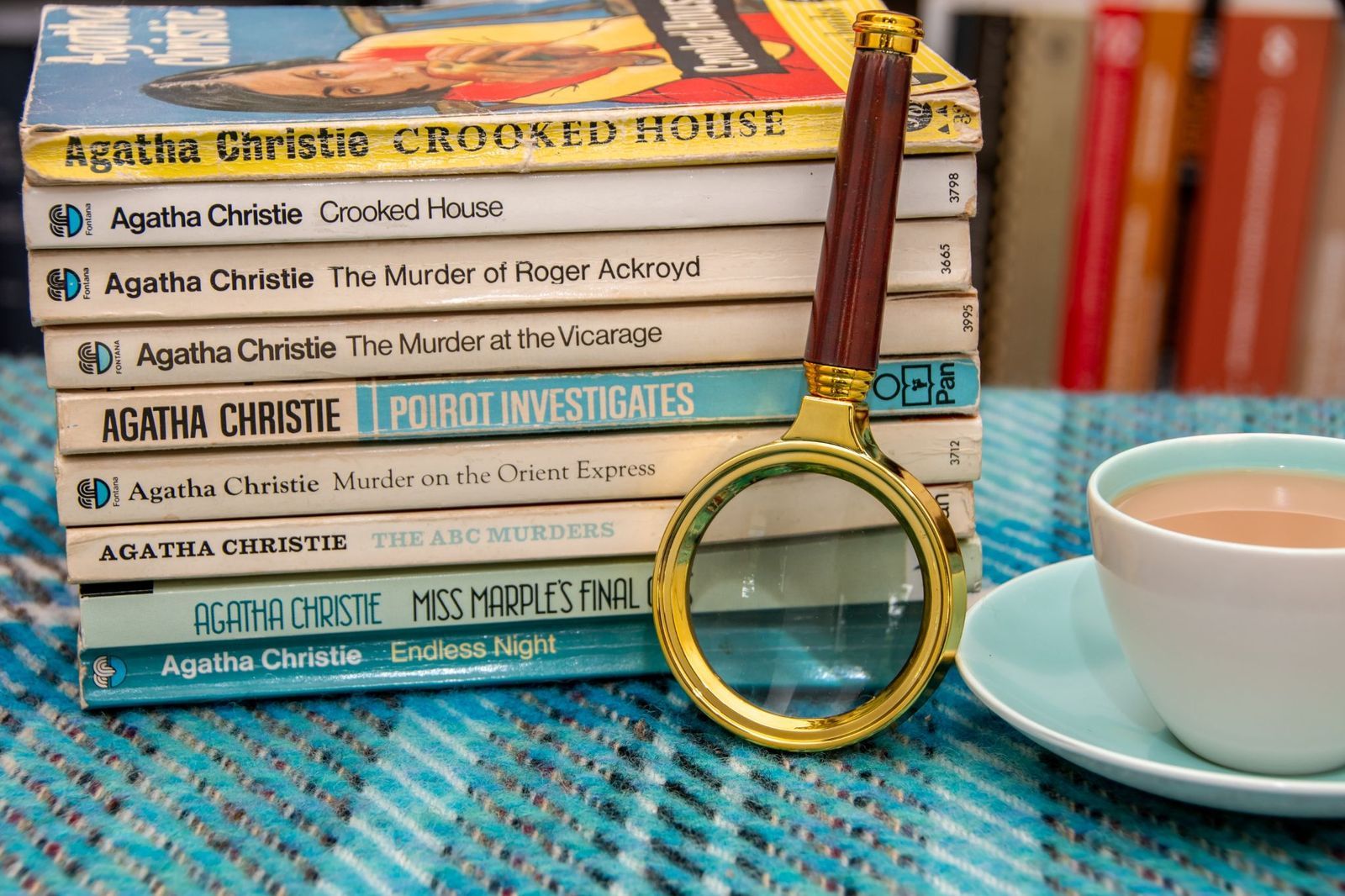
If you love constant intrigue, then Agatha Christie (1890-1976) is an essential read. She is a world-famous British writer and the undisputed Queen of Mystery, having written 66 novels that keep readers on their toes with ingenious misdirection and shocking plot twists, leaving generations of readers guessing right up to the final page.
And Then There Were None is her must-read novel. Published on November 3, 1939, it is the world’s best-selling mystery novel where 10 strangers are lured to an isolated island off the Devon coast by an intriguing host. While accused of past crimes, they are killed one by one, following a nursery rhyme.
Sir Arthur Conan Doyle - The Original Detective Genius
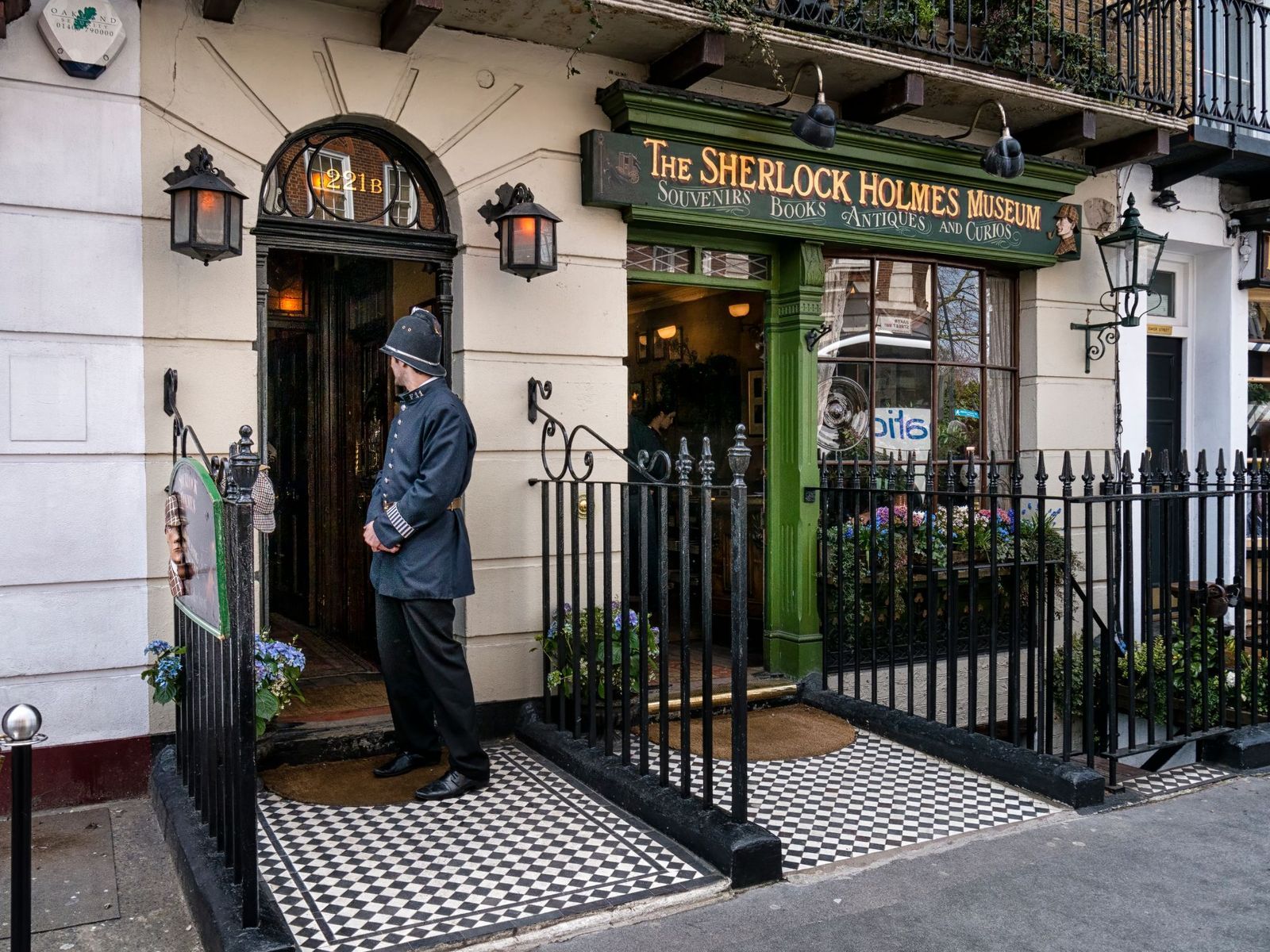
Logic isn’t the only thing that leads to solving mysteries. Sir Arthur Conan Doyle (1859-1930) created none other than the world's most famous consulting detective, Sherlock Holmes, and proved that. Holmes appeared in four novels and 56 short stories, alongside his loyal friend and narrator, Dr. John Watson, and changed mystery fiction forever.
Published in 1902, The Hound of the Baskervilles is a masterpiece of detective fiction that comes to life through Sherlock's sharp mind; alongside his research of supernatural myths, it became a timeless story of suspense and surprise.
John Grisham - Legal Thrillers That Feel Real
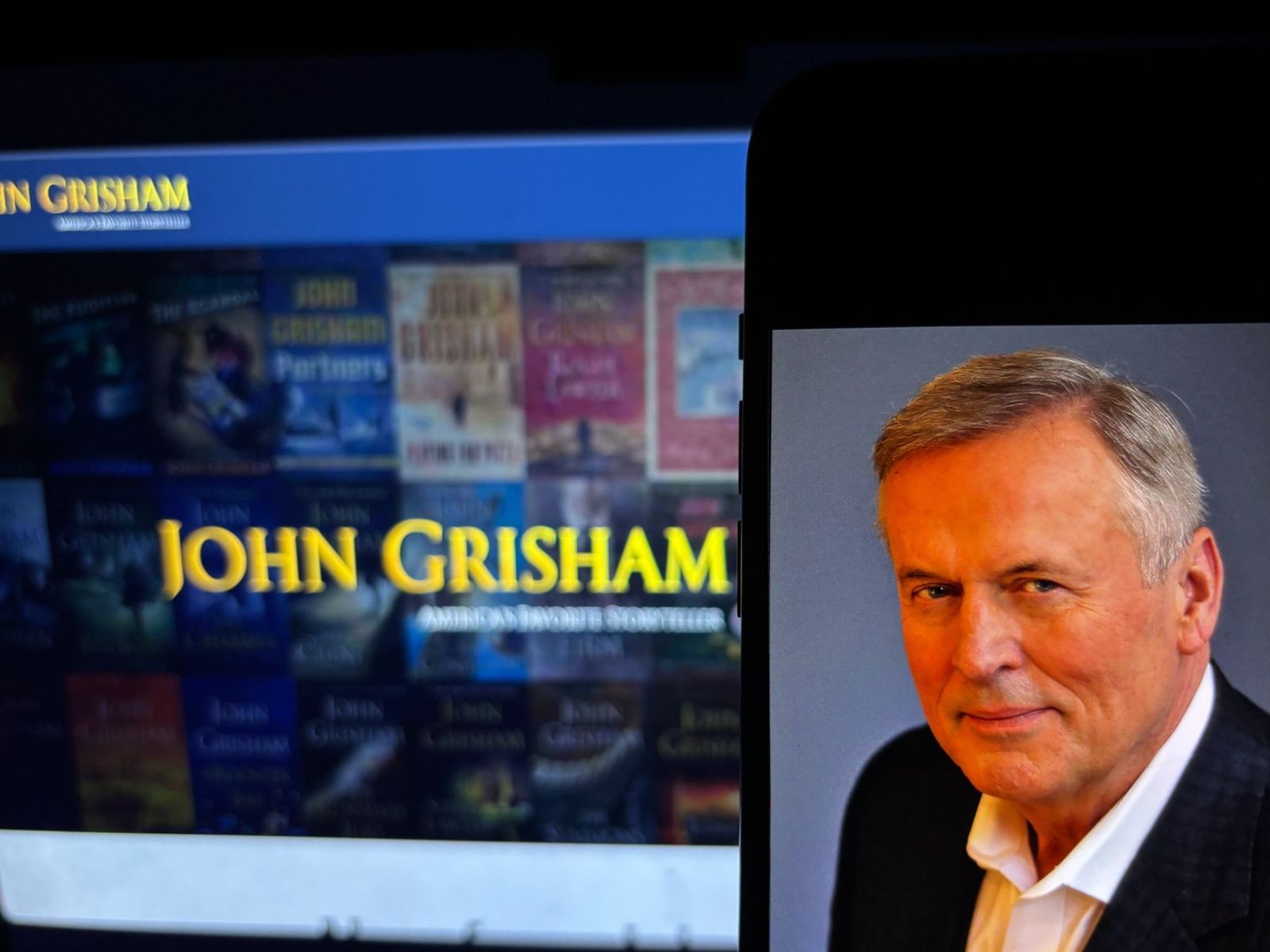
Success can sometimes come at a dangerous price. John Grisham, born February 8, 1955, brought this to light by writing many popular legal thrillers that feel very real. He used his own professional experience as a lawyer in a small-town Mississippi firm to build authentic courtroom scenes, flawed human characters, and high-pressure, controversial moral dilemmas.
The Firm, his novel published in 1991 and made into a film starring Tom Cruise, is deeply mysterious and suspenseful, centering on a young lawyer who joins a secretive law firm that offers massive wealth, only to uncover deep, dark secrets, suspicious deaths, and a Mafia conspiracy.
Mary Higgins Clark - The Suspense Queen

More often than not, the people closest to you hold secrets you wouldn’t imagine possible. Mary Higgins Clark (1927-2020) was a widely acclaimed American author, known as the "Queen of Suspense," who reflected this in her work. Her thrillers are known for being wholesome, avoiding gory or explicit descriptions, and for having self-reliant female heroines in stories filled with relatable fears such as domestic tensions, memory loss, and threats to family or children.
Following those themes, her first novel, Where Are the Children?, published in 1975, became a breakout hit and helped build a legacy defined by clean, fast-paced, and gripping psychological books.
Raymond Chandler - Noir at Its Finest
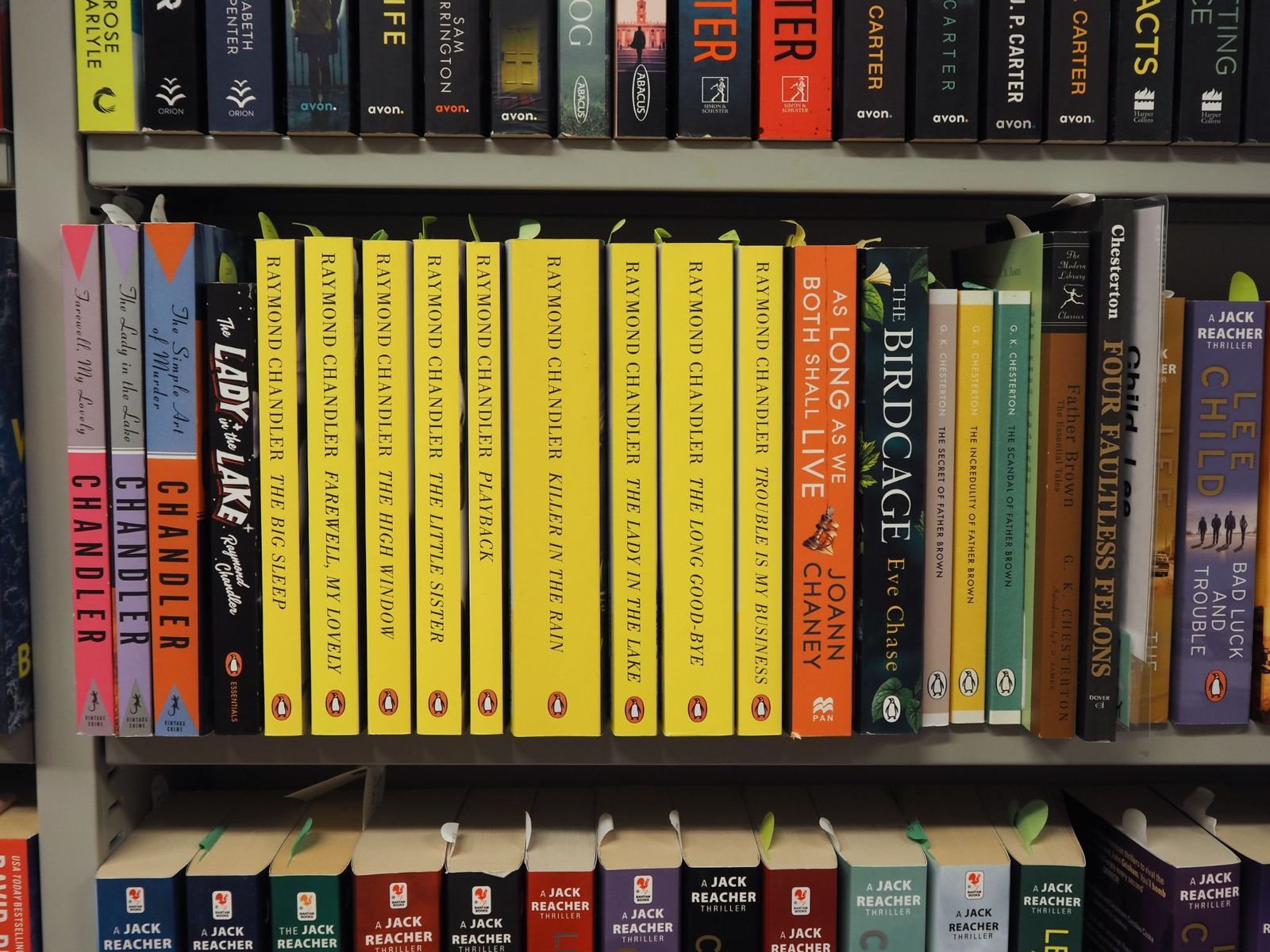
If you prefer your mysteries dark, gritty, and morally complex, then Raymond Chandler (1888-1959), a British-American author best known for his novels and screenplays, is the answer. He helped define what is known as "hard-boiled" detective fiction through his complex plots, including his private-eye detective, Philip Marlowe, set against the dark side of the American dream, where deceit and corruption lurk beneath the Los Angeles sun.
He spent his early years in England and later wrote classic crime noir novels, such as his 1939 classic, The Big Sleep, where inspector Marlowe is hired by a wealthy general to investigate a blackmail scheme involving his daughter. In doing so, Chandler’s lead detective dives into the shadowy world of murder, deceit, and corruption.
Sue Grafton - Letter Crafter

Sometimes it feels like every letter could bring a new secret to light. Sue Grafton (1940—2017) brought this feeling to life in her Alphabet Series, a widely celebrated collection of hard-boiled detective stories featuring a female private investigator and former cop, Kinsey Millhone.
Kicking off with A Is for Alibi in 1982 and concluding with Y Is for Yesterday in 2017, the bestselling series spans 25 books, was inspired in part by Edward Gorey’s alphabet-based book The Gashleycrumb Tinies, and is set in the fictional California town of Santa Teresa (modeled after Santa Barbara).
Robert B. Parker - Classic American Detective Stories
We don’t often think of a detective as both tough and thoughtful, but Robert B. Parker (1932-2010) was a master of modern American crime fiction, who reshaped the detective genre by combining tough-guy action with sharp wit and a deep moral code.
Spenser, for example, is his leading investigator who cooks, quotes poetry, and loves his partner, Susan Silverman. The Godwulf Manuscript (1973) is the first Spenser book, introducing this character as a wisecracking private investigator searching for a stolen medieval university manuscript.
P.D. James - Literary Mystery at Its Best
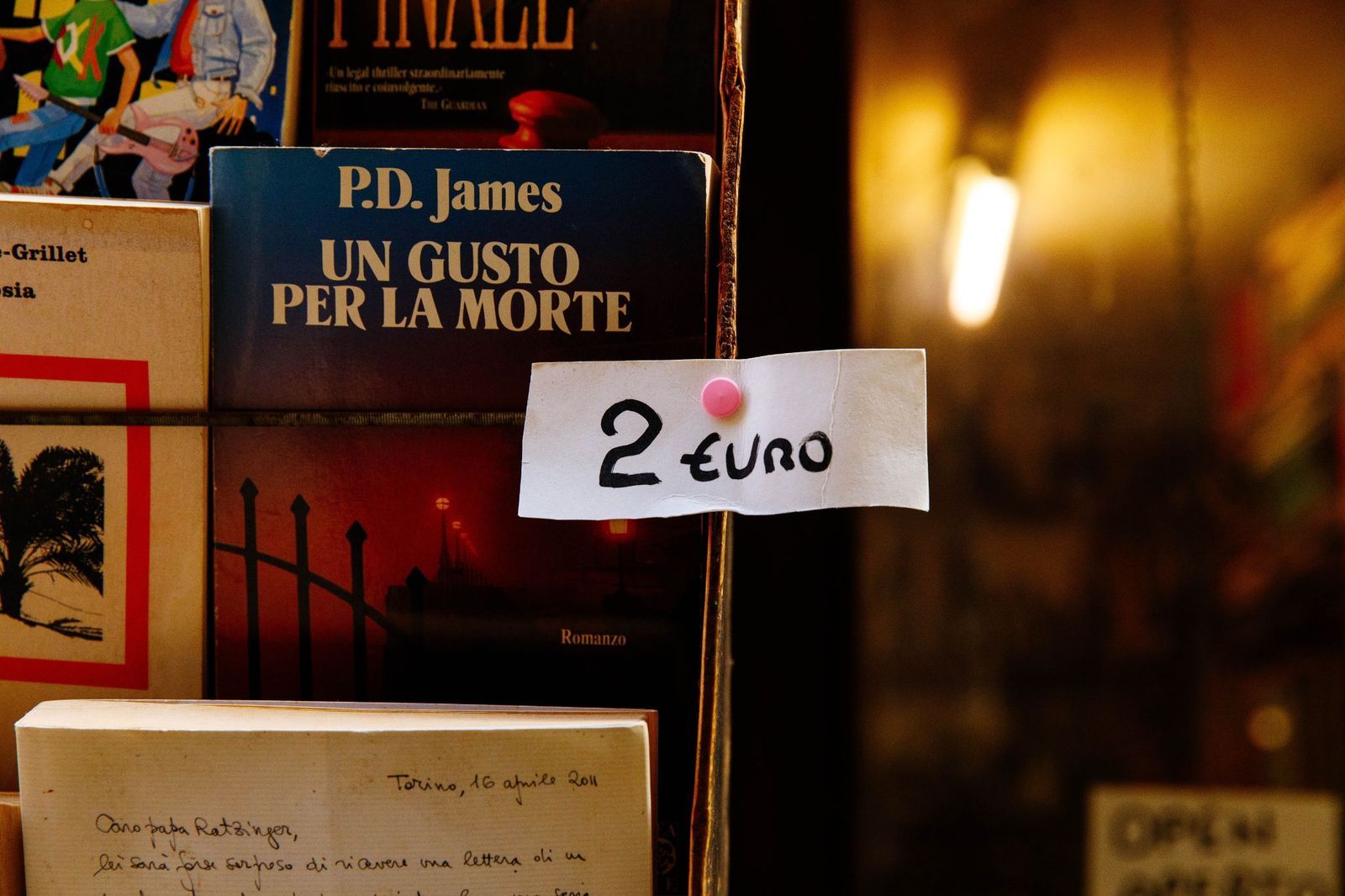
The best mysteries are those layered with emotion and insight. P.D. James (1920-2019) was such a masterful British crime fiction writer who achieved both and was known by many as the "Queen of Crime". Her books present clever puzzles mixed with a deeper human understanding, making her famous for her thoughtful style amidst dark plots.
Cover Her Face is her 1962 debut crime novel, introducing her famously clever and sensitive Scotland Yard detective Adam Dalgliesh, as he investigates the shocking murder of an ambitious young housemaid in an English country manor.
Tana French - Psychological Mystery Mastery
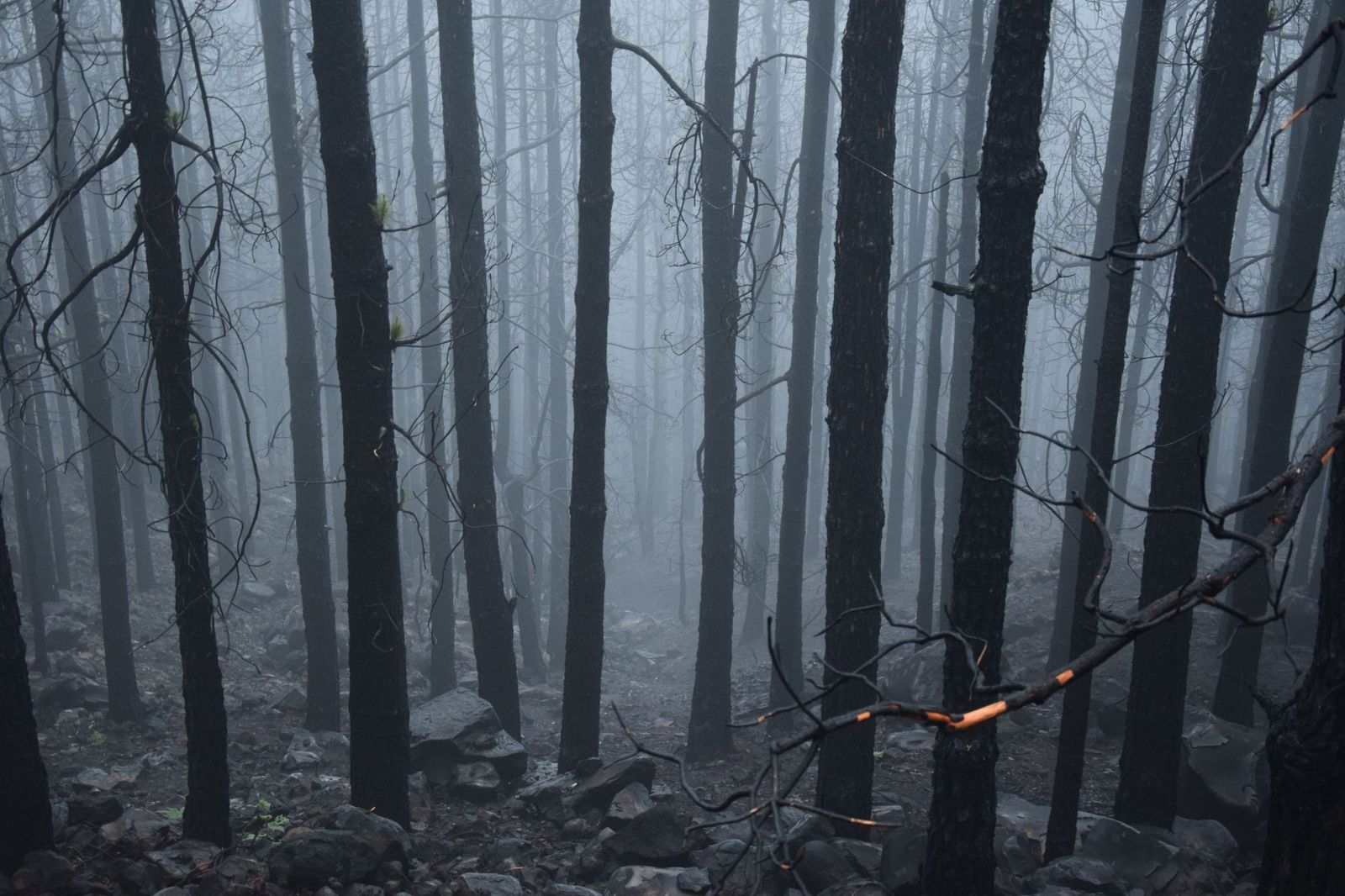
It’s not often that we see a character solving a crime while answering their own personal questions, but Tana French, born May 10, 1973, is an acclaimed Irish author who explores such scenarios. She is known by many as the "First Lady of Irish Crime," renowned for her psychological mystery style that focuses intensely on human flaws, memory, guilt, and the deep emotional impacts of a crime, rather than just procedural puzzle-solving.
In the Woods, published in 2007, is her debut psychological mystery novel, and the first book in the Dublin Murder Squad series. It follows detective Rob Ryan as he investigates a young girl’s murder, echoing some of his own childhood trauma.
Tony Hillerman - Mystery Meets the American Southwest

Besides the characters, the landscape can also hold secrets, and sometimes tradition can reveal what evidence cannot. Tony Hillerman (1925 - 2008) was a best-selling writer and journalist, famous for his detective novels set in the American Southwest, who brought these ideas to the table. His stories take place in the Navajo Nation, starring tribal police officers Joe Leaphorn and Jim Chee. His books intertwine classic crime puzzles with a deep respect for Native American ways and desert landscapes.
Published in 1970, The Blessing Way was his debut novel, set across Arizona and New Mexico, centering on a baffling murder with no tracks in the sand, while blending local fears of the skinwalker (or "Wolf Witch") with modern Cold War surveillance methods.