The day after us
How Earth would reset itself in 11 brutal steps
Published on August 27, 2025
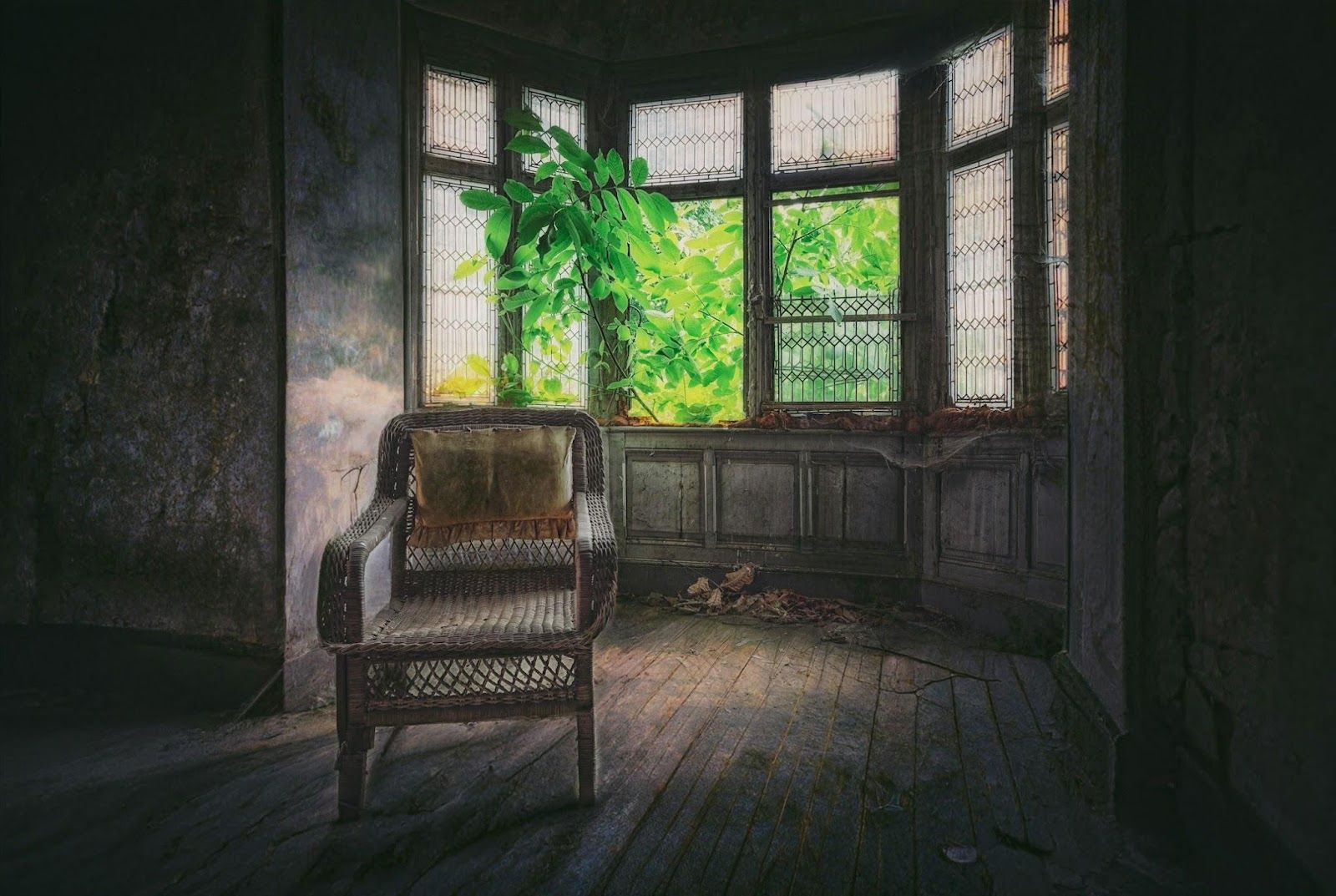 Image: Peter Herrmann
What if every human vanished right now? For the sake of this thought experiment, let’s assume that there was no big war, no virus—just poof, gone. Nature wouldn’t hesitate to reclaim what we built. From silent cities to nuclear disasters, the world would start changing immediately. Here’s what would actually happen, and how fast, if people disappeared from Earth.
Power fails within hours
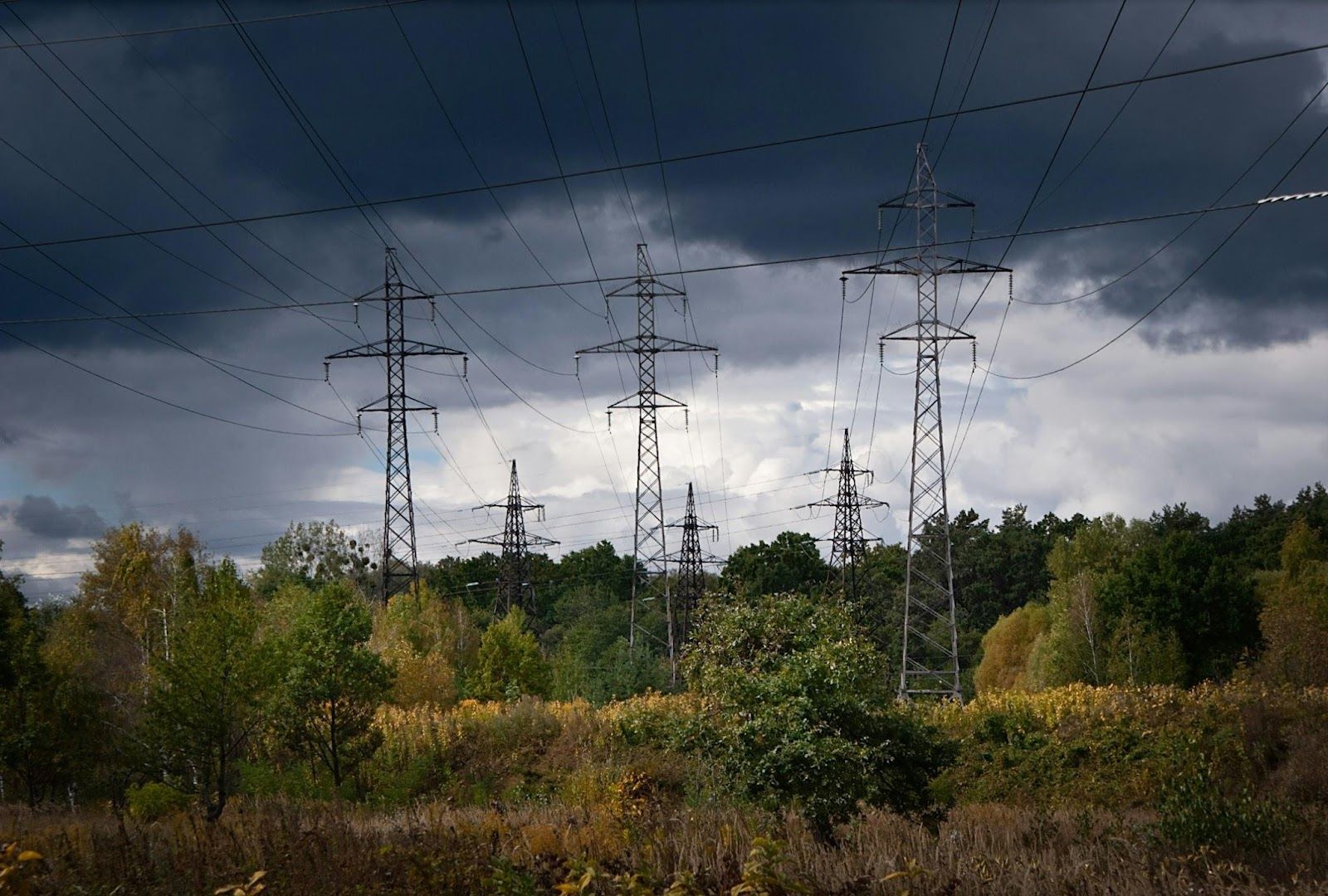 Image: Andriy Nestruiev
Power plants need constant maintenance. Without humans, fossil fuel stations would shut down within just a few hours. Backup generators at nuclear and hydro plants might last a couple more days, but without human oversight, even they’d fail.
Eventually, power grids would collapse worldwide, and complete darkness would fall on cities within a day or two.
Subways start flooding
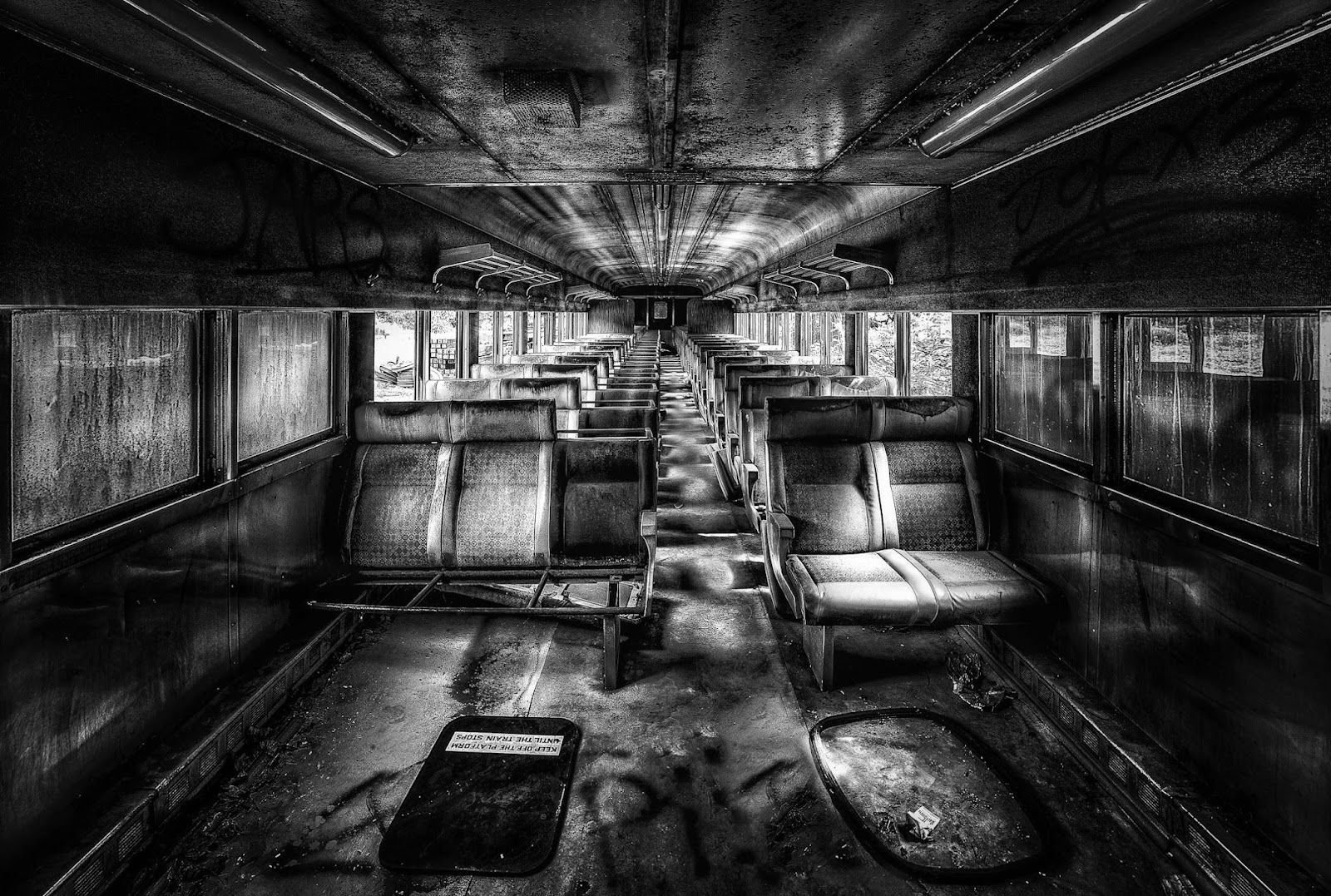 Image: Nenad Spasojevic
Pumps in underground transit systems like NYC’s run nonstop to keep out water. Without maintenance (and more importantly, power), those pumps would stop working in just a couple of days.
By the end of the first week, tunnels would begin flooding, damaging infrastructure, and washing out entire underground networks.
Pets and livestock go feral
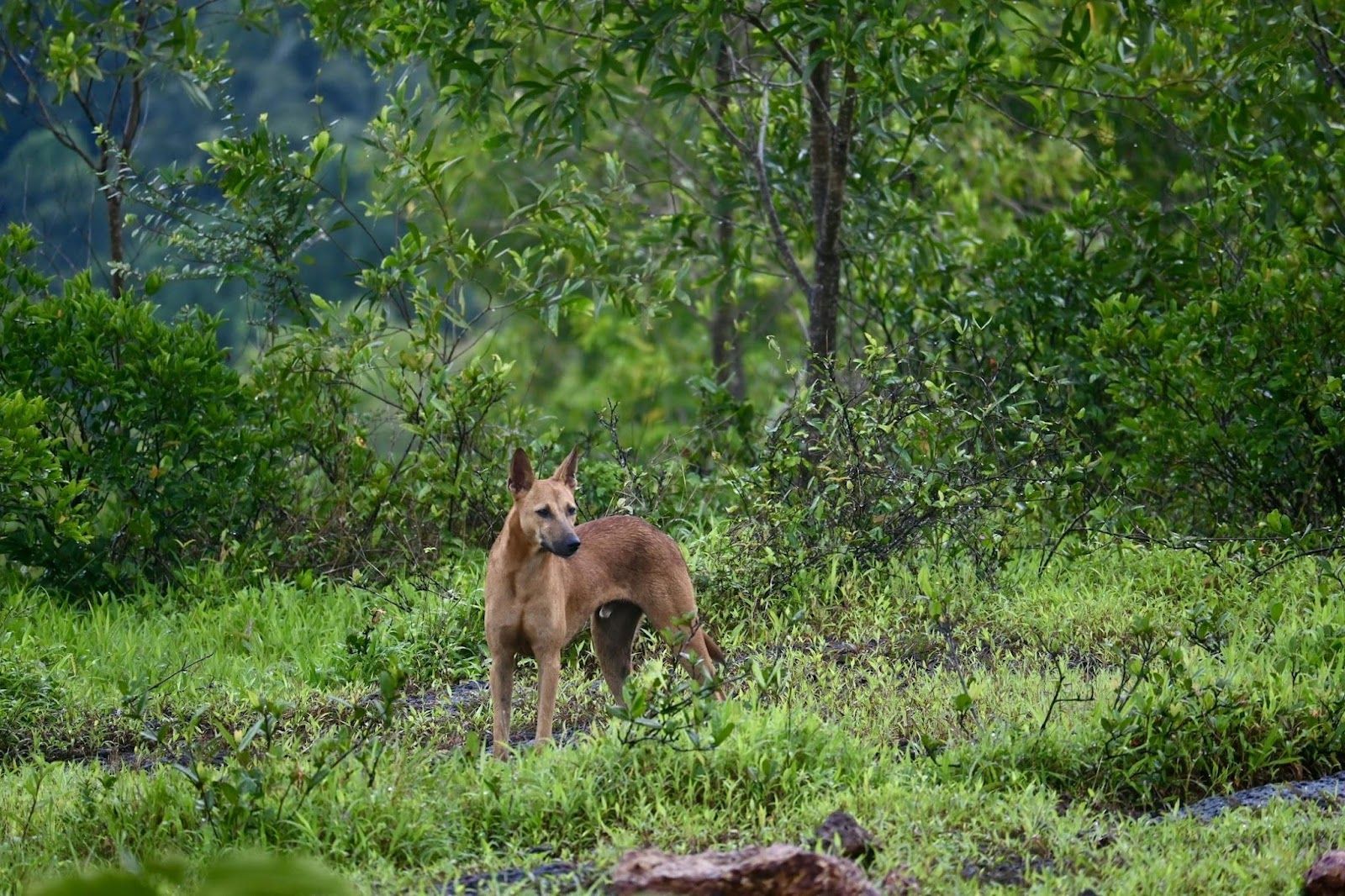 Image: Praswin Prakashan
Most domestic animals rely entirely on humans for food, water, and shelter. Dogs might form feral packs, but millions—especially indoor pets—would eventually die of starvation.
Livestock like cows and chickens would perish or become easy prey, disrupting rural food chains. However, within a few generations, some could revert to free-roaming behavior, similar to their wild ancestors.
Nuclear plants meltdown
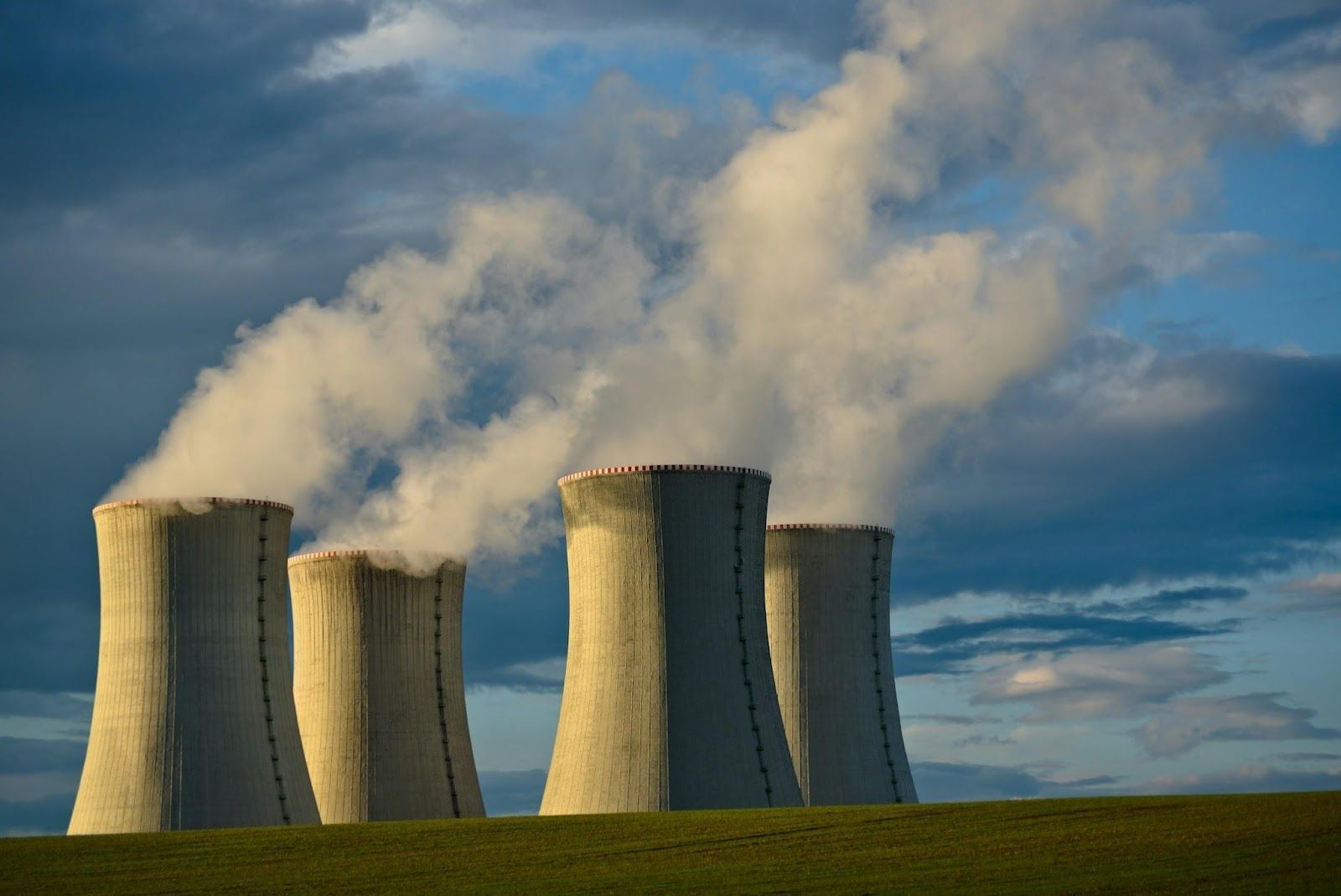 Image: Lukáš Lehotský
Without humans, nuclear power plants would quickly become major hazards to all surviving life. Most reactors would automatically enter into safe mode and shut down within hours, as automated systems detect the loss of the electrical grid.
However, cooling systems require active maintenance. Within a short time, without intervention, reactor cores would begin to overheat. Multiple Fukushima-style meltdowns could occur, releasing radioactive material into the air, soil, and water across entire regions.
Bridges rust and fall
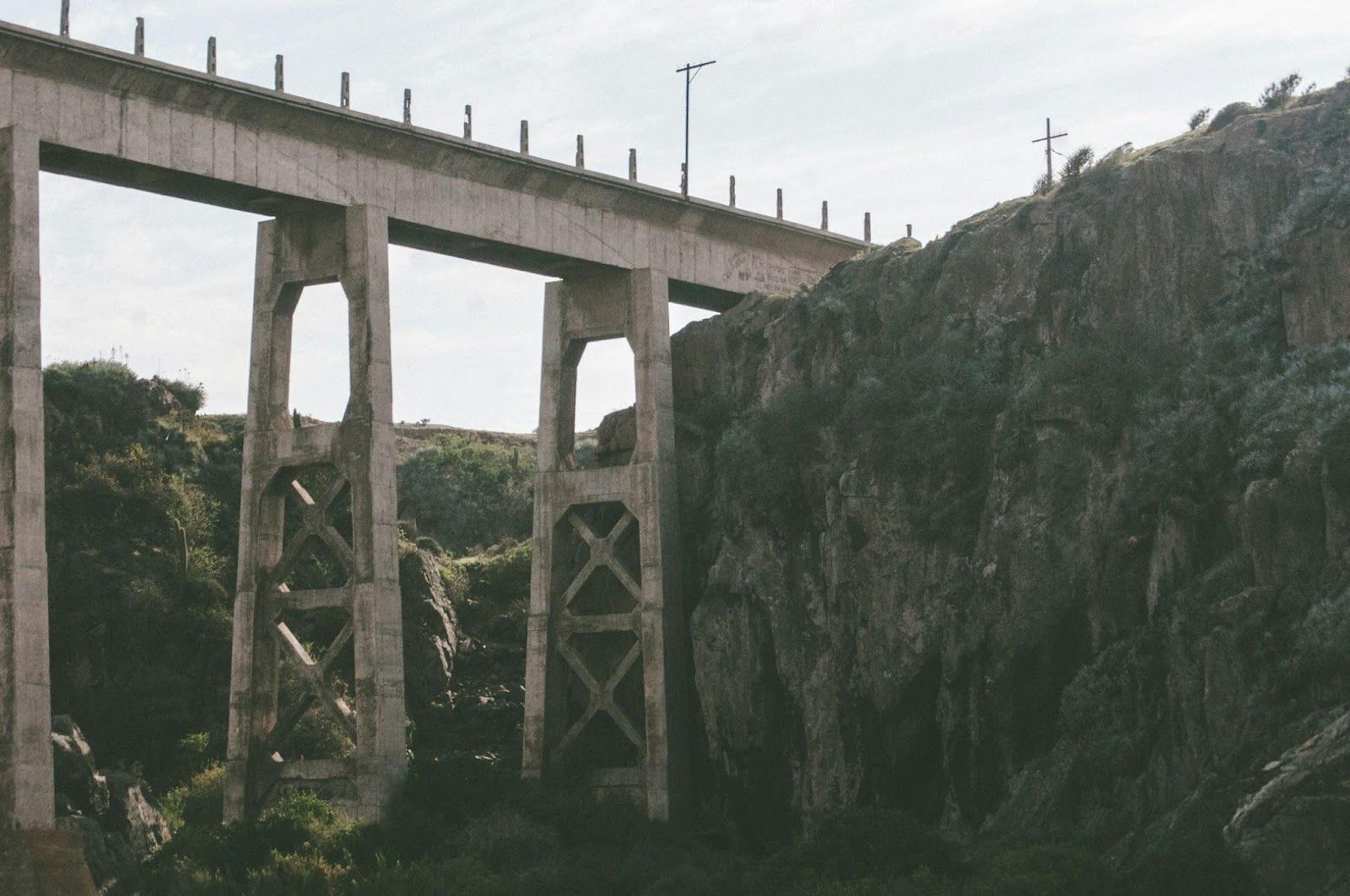 Image: Juan Manuel Núñez Méndez
Salt, moisture, and wind would destroy most human-made bridges within decades. Without protective coatings, steel corrodes and load-bearing cables weaken over time.
Even iconic structures like the Golden Gate Bridge would likely collapse within 100 years. In contrast, ancient Roman structures and other archaeological remains that have already endured for millennia could survive for many centuries more, barring major seismic events or other natural disasters.
Wildlife rebounds
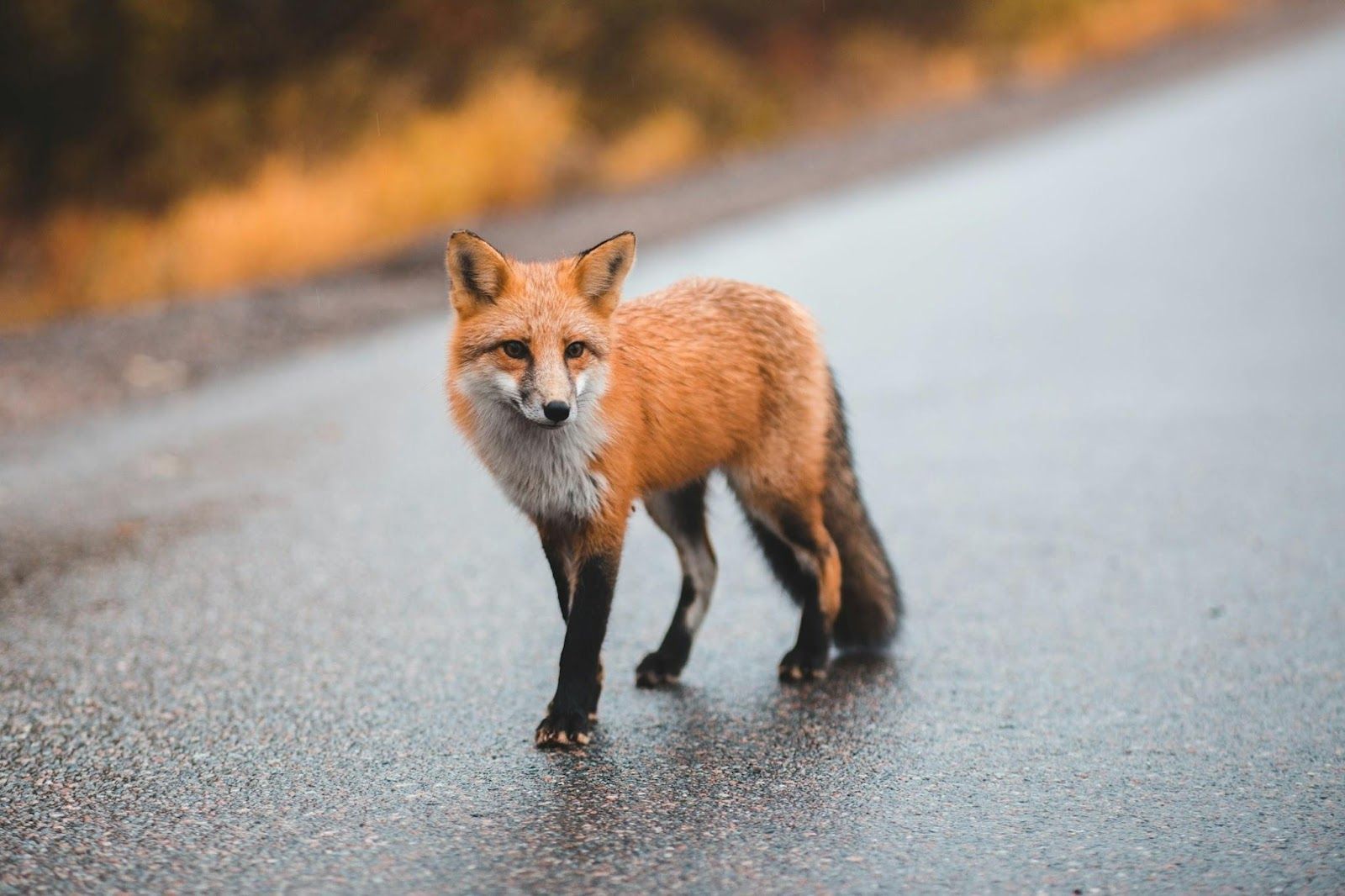 Image: Erik Mclean
Many animal populations would thrive without humans suppressing them. Species once hunted or crowded out would reclaim territory.
Wolves, bears, deer, and even predators like big cats could return to their former ranges, reshaping ecosystems quickly.
Roads disappear under greenery
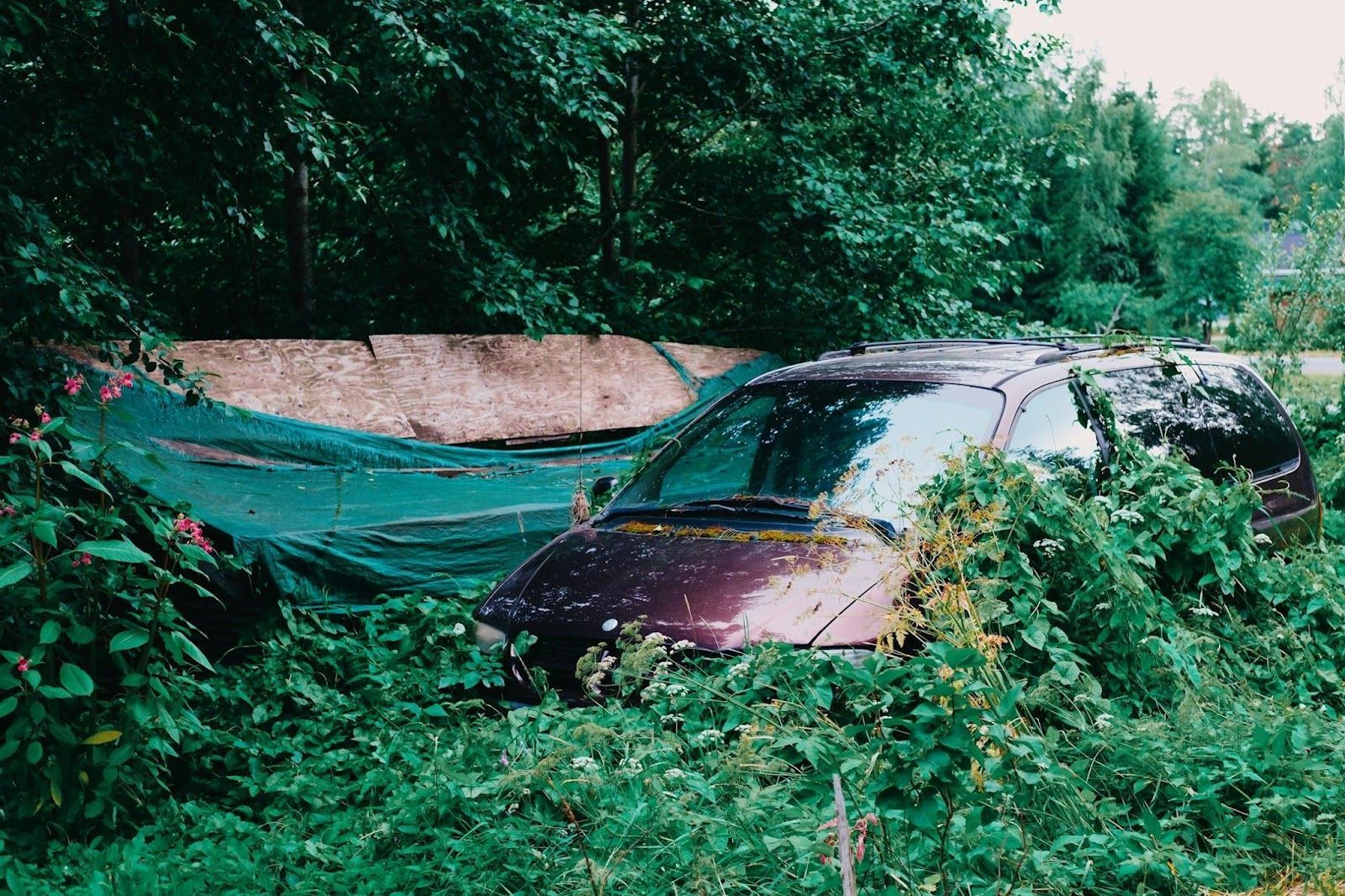 Image: Miikka Luotio
Plants would break through pavement and reclaim roadways within a few years—something nature wastes no time doing, as we can see in any abandoned roads or areas today.
Tree roots and erosion would be the first to crack and crumble concrete and asphalt. And without vehicles to maintain wear patterns, roads would soon disappear under grasses, shrubs, and eventually forest.
Dams break down
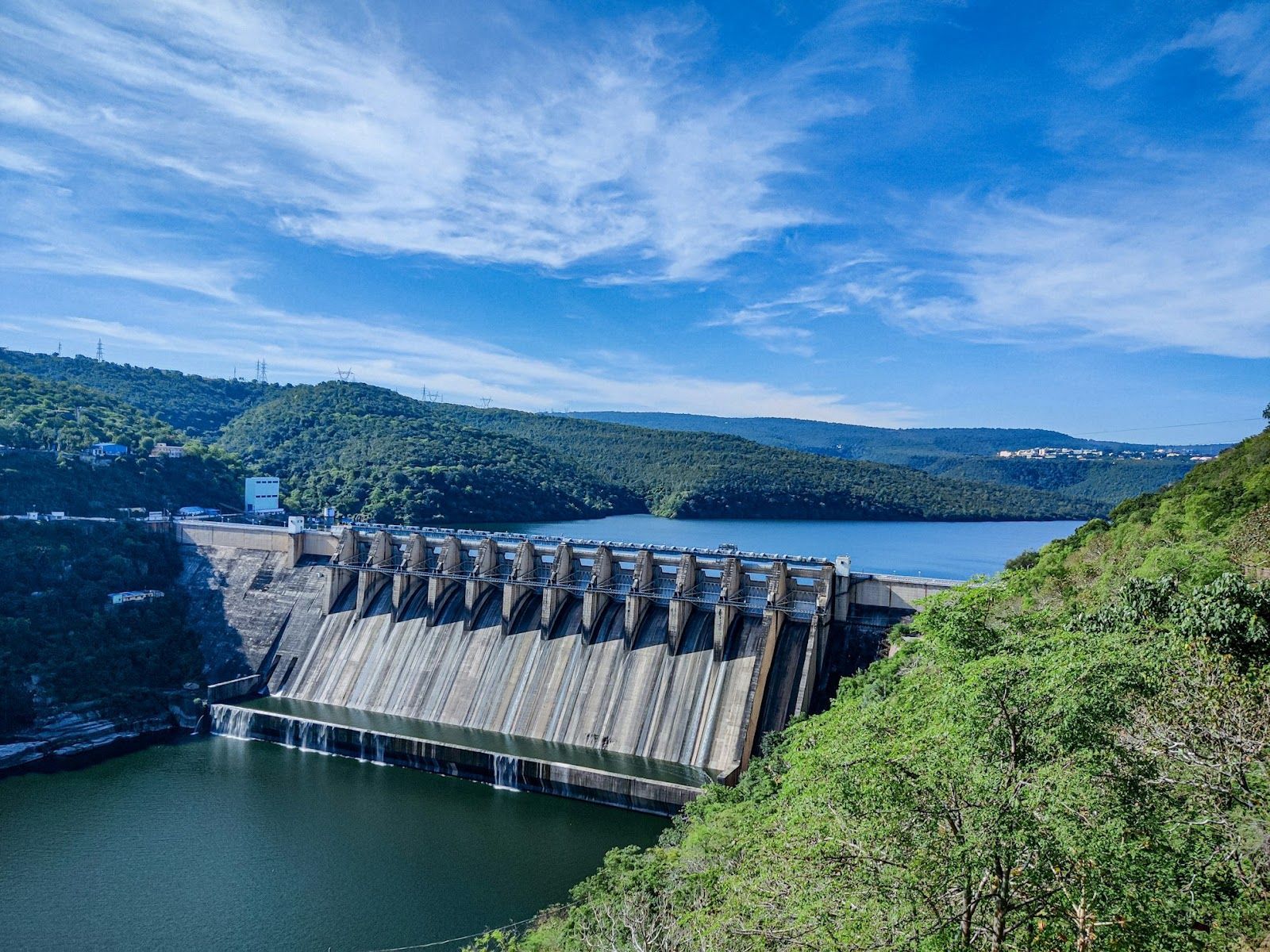 Image: Tejj
Like many human-made structures, dams require active monitoring to prevent erosion, cracking, and overflow. Within a few decades, silt buildup and unchecked water flow would cause many to breach or collapse.
The resulting floods would be catastrophic, reshaping river valleys and floodplains across entire continents.
Art and culture are forgotten
 Image: Nik
What would happen to our cultural legacy? Without us, it won’t last long. Books, paintings, and digital media would begin to degrade quickly.
Even in semi-protected conditions, paper would yellow and crumble. Museums without climate control would suffer from mold and temperature damage. Hard drives and servers would corrode and become unreadable within decades.
Earth's climate stabilizes—slowly
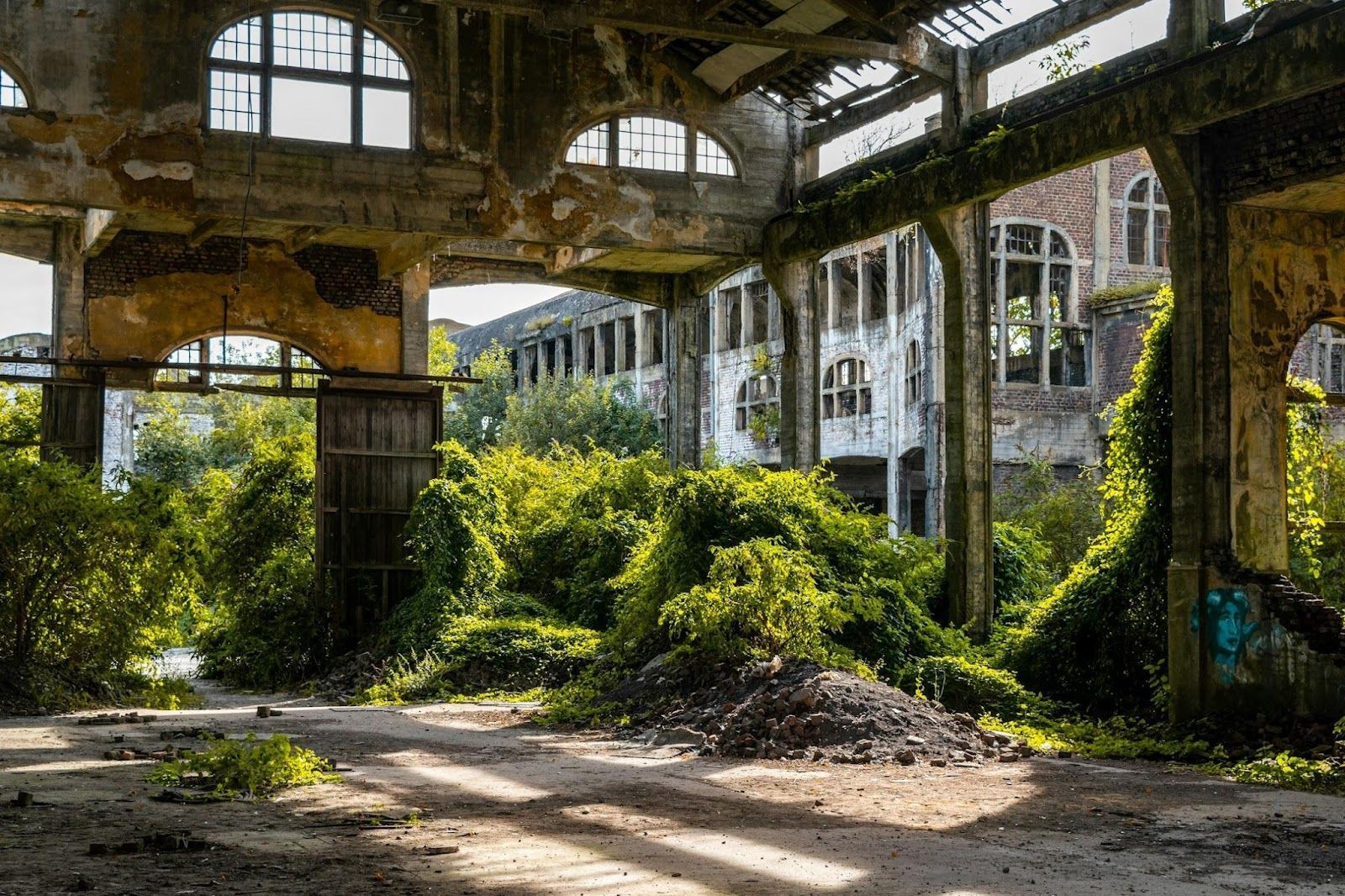 Image: Cédric Dhaenens
Despite the chaos our disappearance would bring to most ecosystems, there’s a silver lining: greenhouse gases would decline over time, gradually cooling the planet. Oceans and plants would absorb the excess CO₂.
Within a few hundred years, global temperatures could return to pre-industrial levels, though damage like ice sheet loss would take millennia to undo.
Traces fade in millennia
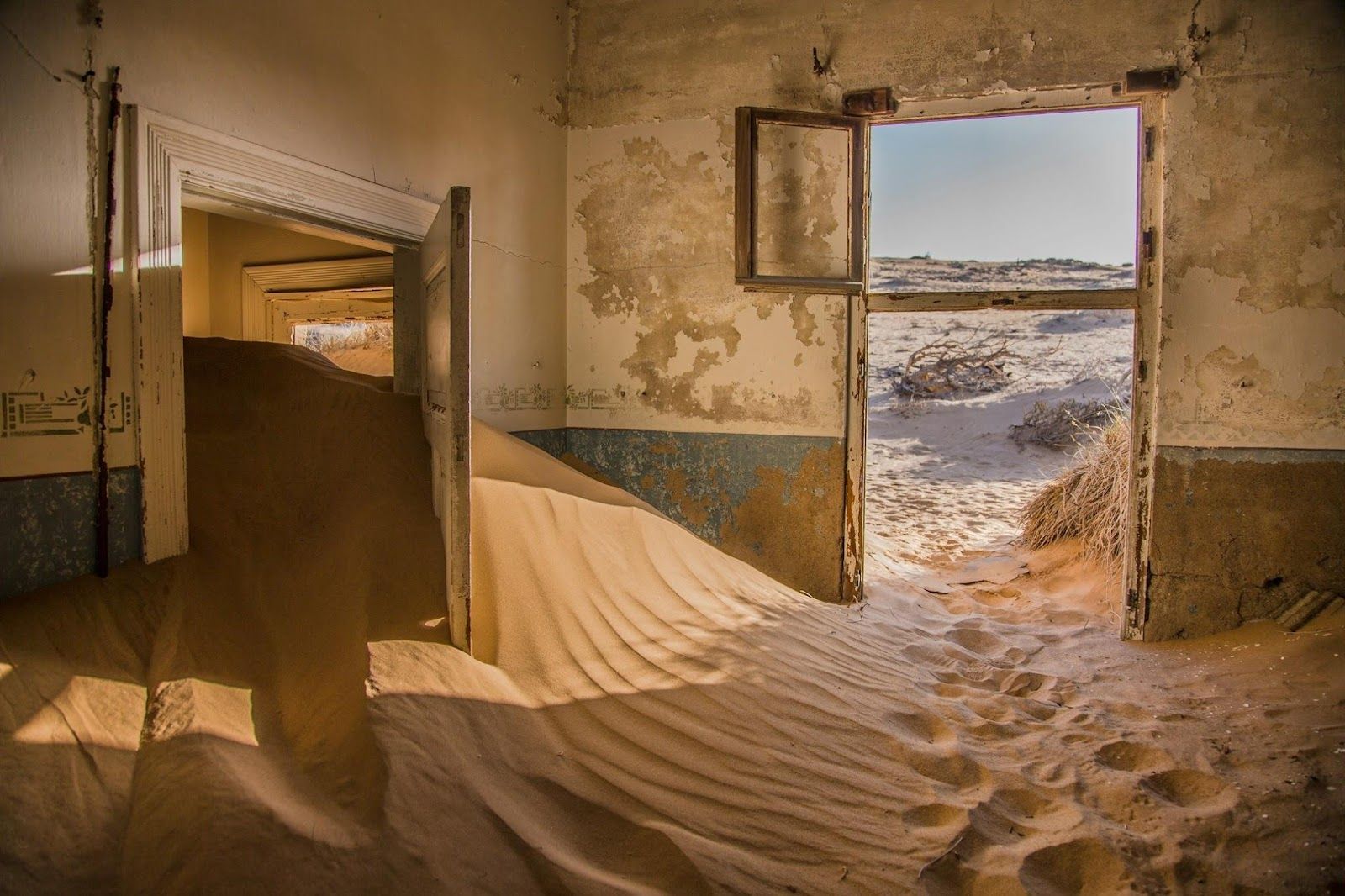 Image: jean wimmerlin
Most recognizable evidence of human civilization would vanish over a few thousand years. Materials like plastic, glass, and some metals might persist for over 500,000 years, but nature would slowly break them down.
Concrete crumbles, buildings collapse, and corrosion eats metal. After 10,000 years, only massive stone structures like Mount Rushmore or the Pyramids might remain—weathered and barely recognizable. Even our radio signals would eventually fade into cosmic background noise.