Be articulate
What do you call a fork’s tips? 12 fancy terms to impress thy neighbors
Published on August 22, 2026

English has a word for almost everything, even the things most people never think to name. From the tiny metal ring on a paintbrush to the groove above your upper lip, countless everyday objects, sounds, and sensations have surprisingly specific names. Most of these words come from Latin, Greek, or centuries-old trades, and many are still used by doctors, architects, musicians, and craftspeople today. Here are 12 wonderfully obscure terms that might just become your new favorite vocabulary words.
Ferrule

That little metal band holding the bristles onto a paintbrush or reinforcing the end of an umbrella has a name: a ferrule. Its job is to strengthen the object and prevent wood or other materials from splitting after repeated use. Without ferrules, many everyday tools simply wouldn't last as long.
The word entered English in the early 1600s and ultimately traces back to Latin. Today, you'll find ferrules on fishing rods, golf clubs, pool cues, pencils, electrical cables, furniture, and even dental restorations. It's one of those tiny parts you've probably seen thousands of times without ever knowing its name.
Agraffe

Peek inside a high-quality grand piano and you may find an agraffe, a small metal guide that keeps the strings perfectly aligned as they leave the tuning pins. That tiny piece plays an important role in producing the instrument's clear, balanced sound.
Borrowed from the French word for "hook" or "clasp," agraffe also refers to decorative fasteners used in jewelry and clothing. It's a highly specialized word that is used in two very different worlds: elegant fashion and world-class music.
Philtrum

The narrow groove between your nose and your upper lip isn't just part of your face, it has a name. It's called the philtrum, and everyone has one, although its shape and depth vary from person to person.
The name comes from the ancient Greek philtron, meaning "love charm" or "love potion." Physicians sometimes examine the philtrum when diagnosing certain congenital conditions, but for most of us, it's simply one of those familiar facial features we never realized deserved its own entry in the dictionary.
Lunula
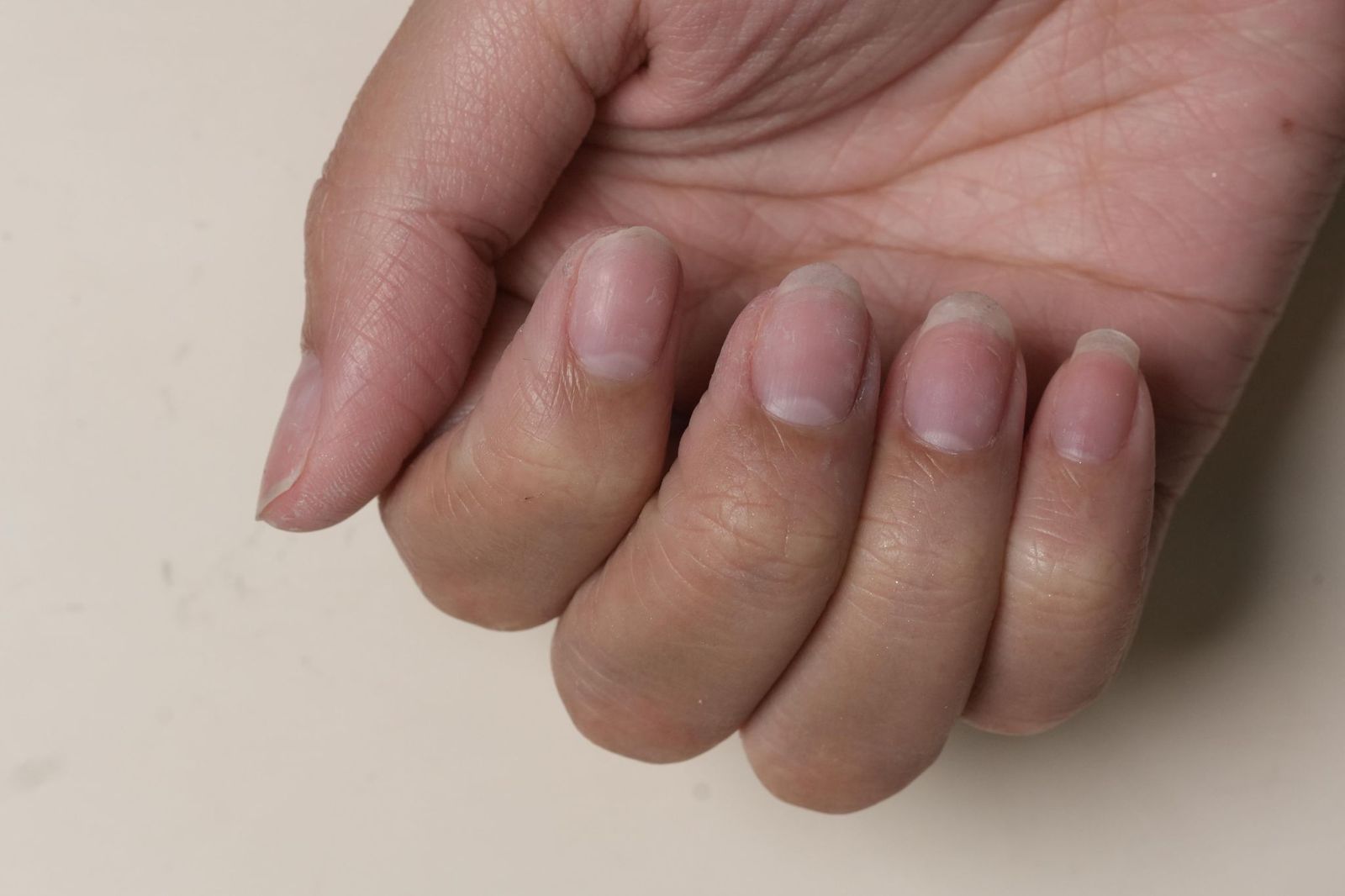
Look at the base of your thumbnail, and you'll probably notice a pale, crescent-shaped area. That's the lunula, the visible portion of the nail matrix where new nail cells are formed before the nail grows outward.
Its name comes from the Latin word for "little moon," an obvious nod to its shape. Lunulae are usually easiest to spot on the thumbs and may be faint or even invisible on other fingers. Surprisingly, that's perfectly normal and varies widely from one person to another.
Phosphene

Ever rubbed your closed eyes and seen flashes, sparkles, or floating patterns of light? Those mysterious little bursts are called phosphenes, and they happen even though no actual light is entering your eyes.
Scientists have studied phosphenes for centuries because they reveal how the brain processes visual information. Even astronauts have reported seeing them aboard spacecraft, where cosmic rays can stimulate the visual system and create brief flashes in the darkness of space.
Susurration

Some words sound like what they describe, and susurration is one of the best examples. It refers to a soft whispering, rustling, or murmuring sound, like leaves swaying in the wind, gentle ocean waves, or rain falling through a forest.
The word comes from the Latin susurrare, meaning "to whisper." Writers and poets have long adored it because the repeated "s" sounds seem to imitate the quiet noises themselves. It's hard to say susurration without almost whispering it.
Collywobbles

Butterflies in your stomach before a speech? A nervous feeling before an exam? The British have a delightfully funny word for that: collywobbles. It refers to mild stomach discomfort, jitters, or anxious digestive unease.
Unlike many entries on this list, its exact origin isn't entirely clear, though it became popular in Britain during the early twentieth century. Today, it's usually used humorously, making an unpleasant feeling sound a little less unpleasant.
Muntin

Those thin strips dividing old-fashioned window panes into neat little rectangles aren't just decorative; they're called muntins. Before modern manufacturing made large sheets of glass practical, muntins helped hold many small panes together.
Today, they're often added purely for appearance, giving newer homes a classic look. They're frequently confused with mullions, but there's an important difference: mullions separate entire window units, while muntins divide the individual panes within a single window.
Tines

The pointed parts of your dinner fork aren't simply "prongs." Their proper name is tines. The same word also describes the spikes on rakes, pitchforks, combs, and even the branching points on a deer's antlers.
The term has existed since Old English and remains surprisingly useful. Hunters count antler tines, gardeners replace broken rake tines, and engineers carefully design tine shapes for farming equipment.
Pip
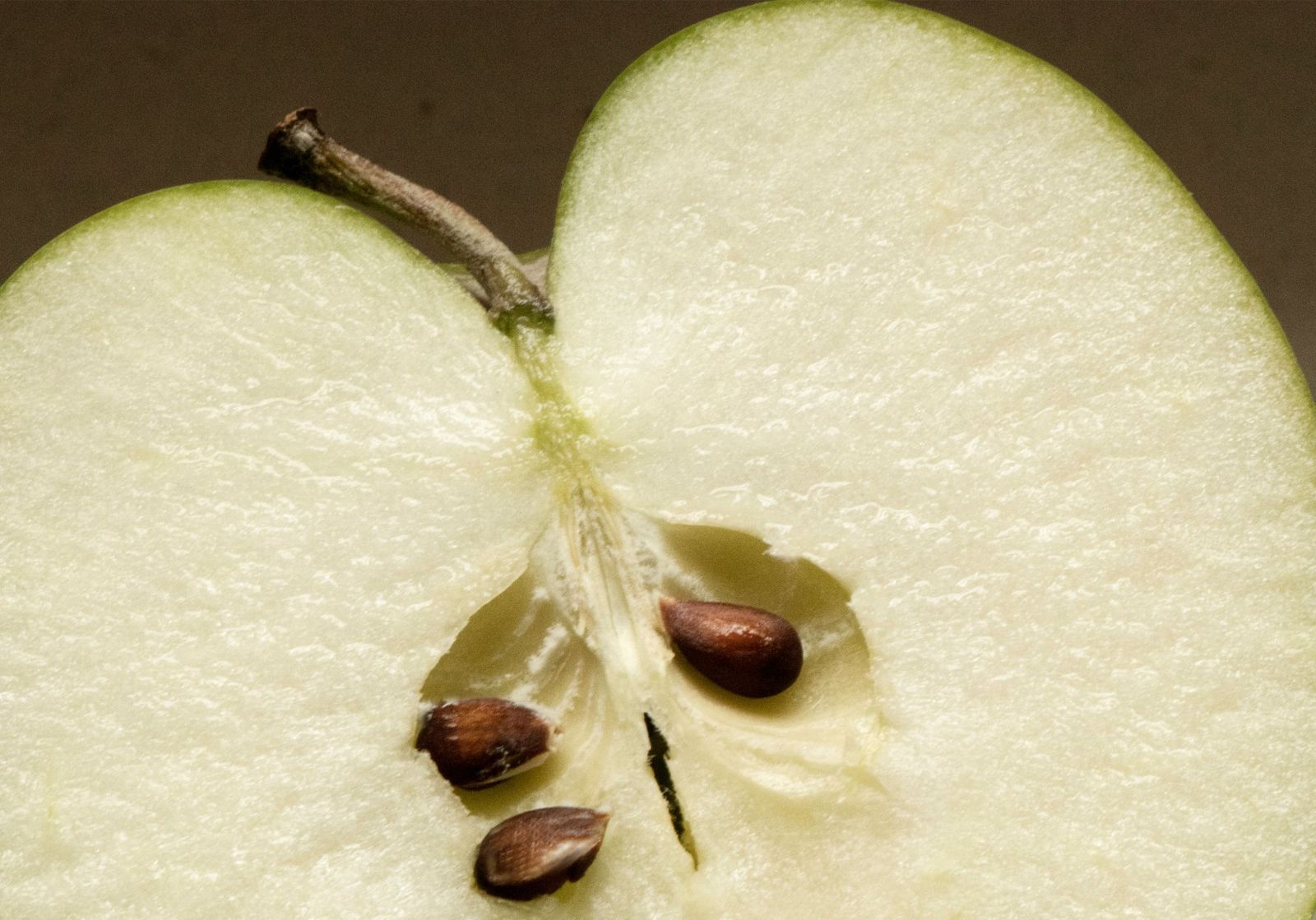
Slice open an apple, and you'll find several pips inside. In British English, pip is the everyday word for the small seeds found in fruits like apples, grapes, oranges, and lemons, while American English usually sticks with simply "seed."
The word has branched into many other fields as well. The tiny dots on dice, the symbols on playing cards, and even certain military insignia are all called pips. It's proof that one small word can sprout into several completely different meanings.
Paresthesia

Almost everyone has experienced paresthesia, even if they've never heard the word. It's the medical name for the tingling "pins and needles" sensation that happens when a nerve is temporarily compressed, like after sitting awkwardly or sleeping on your arm.
Most episodes disappear within minutes as normal nerve function returns. However, persistent paresthesia can sometimes signal nerve disorders, diabetes, or vitamin deficiencies, which is why doctors pay close attention when the symptom doesn't go away.
Vagitus

A newborn baby's first cry has a surprisingly mysterious name: vagitus. That first loud wail does much more than announce a new arrival, it helps expand the lungs as the baby begins breathing independently for the very first time.
Derived from the Latin word for "cry" or "wail," vagitus remains a standard medical term in obstetrics and pediatrics. Doctors even use the expression vagitus uterinus for the exceptionally rare phenomenon of a baby crying before complete delivery, one of medicine's most unusual recorded events.